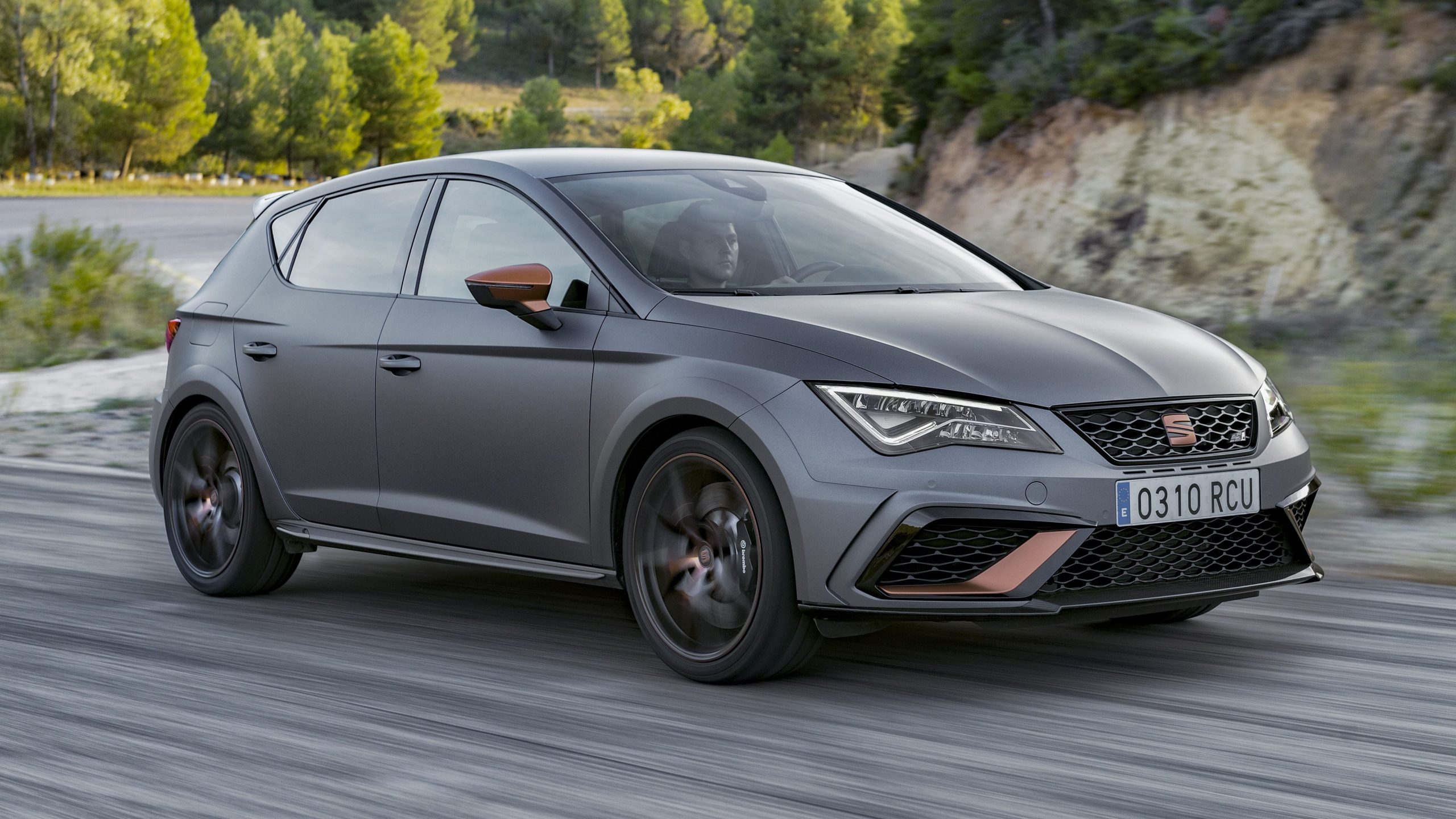
Finding a reliable car on a budget doesn’t have to mean sacrificing style, comfort, or performance. In fact, for around $10,000, savvy buyers can discover vehicles built to last another decade, offering decades of dependable driving without breaking the bank.
From midsize sedans like the 2010 Ford Fusion and 2011 Honda Accord to practical hatchbacks like the SEAT Leon, Hyundai i30, and Kia Cee’d, there’s a model for nearly every need.
City drivers can benefit from compact options like the Volkswagen Up! or fuel-efficient sedans such as the 2008 Toyota Corolla, while those seeking versatility and a touch of flair might consider sporty crossovers like the 2010 Acura RDX or the 2011 Nissan Juke.
Each of these cars combines longevity, strong safety ratings, and affordable maintenance, proving that a decade of reliable driving is possible without spending a fortune.
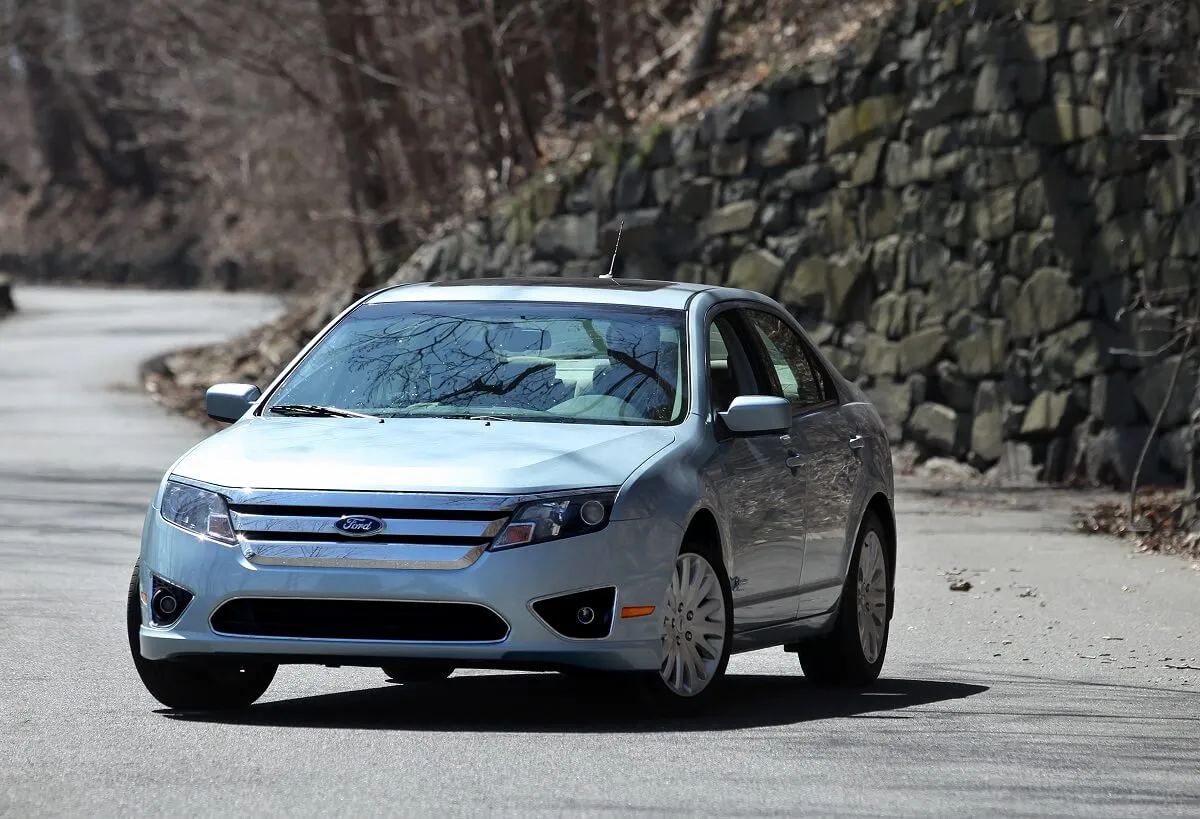
1. 2010 Ford Fusion: Stylish and Engaging Midsize Sedan
The 2010 Ford Fusion is a standout in the midsize sedan segment, combining refreshed styling, improved safety, and engaging driving dynamics. This generation marked a major update for the Fusion, with almost every aspect redesigned, including exterior and interior design, powertrains, and features.
While it shares its underlying platform with the previous model, the updates make it feel fresh and competitive, especially in the used car market. The Fusion’s attractive grille and smooth lines give it a modern appearance that stands out among other midsize sedans.
Powertrain options are diverse and cater to a wide range of buyers. The base 2.5-liter four-cylinder engine produces 175 horsepower and 172 pound-feet of torque. It comes with a six-speed manual transmission, with an automatic available, and delivers class-leading fuel economy for the four-cylinder segment at 23 mpg city and 34 mpg highway.
A 3.0-liter V6 rated at 240 horsepower is available on higher trims, and the Fusion Sport features a 3.5-liter V6 producing 263 horsepower. Front-wheel drive is standard on most trims, while all-wheel drive is optional on the Sport and standard on the 3.0-liter V6 SEL. These options give buyers flexibility, from economical commuting to spirited driving.
Safety has been improved for 2010, with standard features including antilock brakes, stability control, front-seat side airbags, and side curtain airbags. In government crash tests, the Fusion earned five stars for frontal and front side protection, with four stars for rear side protection.
The Insurance Institute for Highway Safety rated it “Good” in frontal-offset, side, and roof strength tests. Brake testing showed the SEL model stopped from 60 mph in 130 feet, while the Sport achieved a shorter 123-foot distance.
The driving experience balances comfort and engagement. Body control through corners is strong, and the ride remains quiet and smooth. The Sport model benefits from a sport-tuned suspension that enhances handling without sacrificing comfort.
The four-cylinder engine provides adequate power for daily driving, while the V6 options are suitable for buyers seeking stronger performance. Electric power steering is light on non-Sport models, which can reduce feedback, and the base engine can be noisy under heavy acceleration.
Inside, the Fusion’s cabin has soft-touch materials, a clean layout, and improved ergonomics compared to previous models. The available Sync system integrates Bluetooth and audio controls, allowing hands-free operation of devices. Passenger space is generous, with comfortable rear seating and 16.5 cubic feet of trunk space. The split-folding rear seat enables larger cargo to fit, adding to its practicality.
The 2010 Ford Fusion offers a compelling mix of style, comfort, safety, and driving enjoyment. With multiple engine choices, available all-wheel drive, and a roomy, well-appointed cabin, it remains a strong contender for anyone shopping for a used midsize sedan that balances everyday usability with an engaging driving experience.
2. SEAT Leon: Stylish and Smart Family Hatch
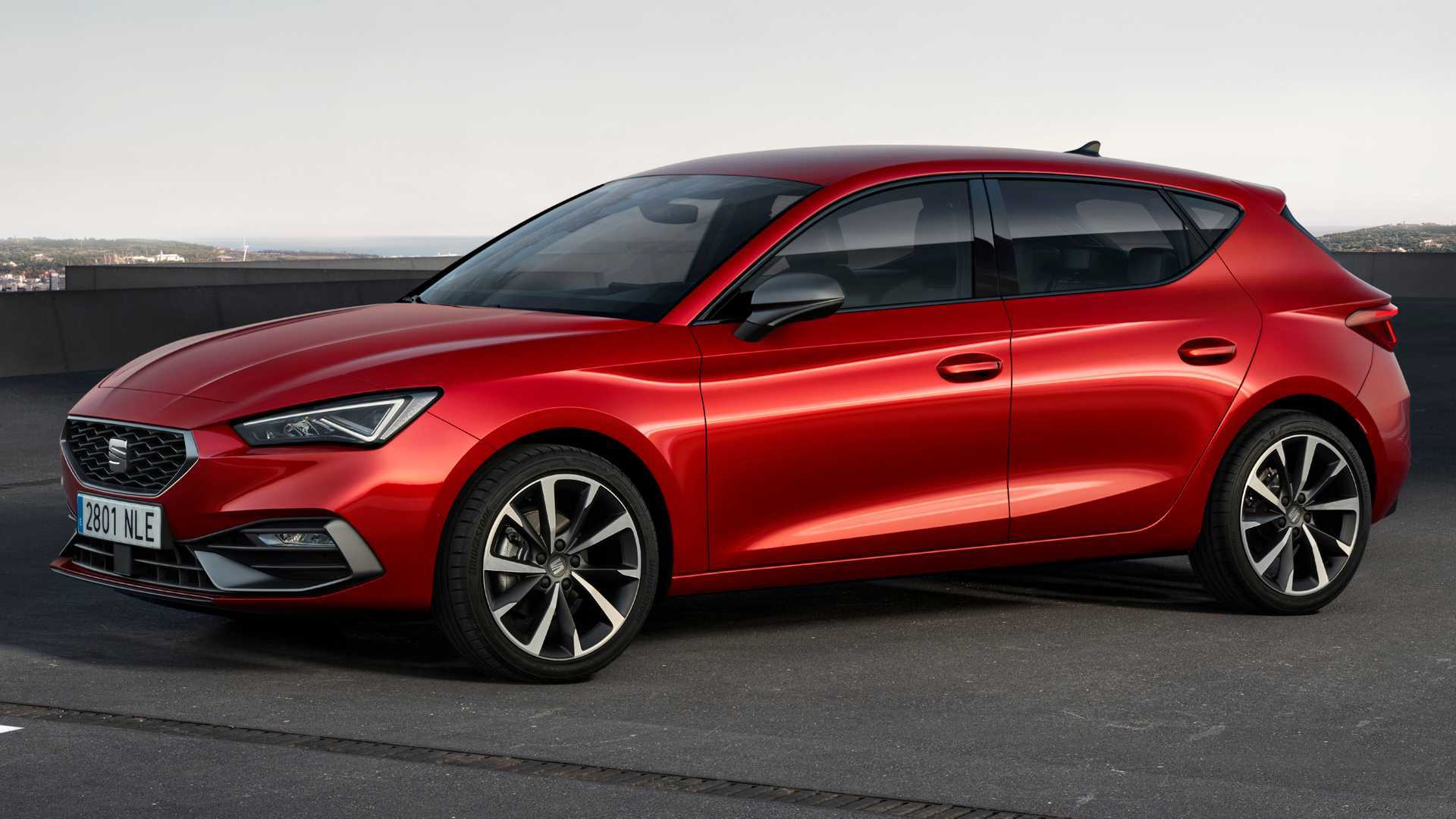
The SEAT Leon is a compact family hatchback that has steadily gained recognition for its style, practicality, and connection to Volkswagen Group engineering. Launched in 1998, the Leon shares the VW Group’s MQB platform with the Golf and Audi A3, borrowing many components, engines, and technologies while offering a distinctively Spanish flair.
Its racing heritage, including appearances in the World Touring Car Championship and British Touring Car Championship, demonstrates the model’s versatility and performance potential.
The latest, fourth-generation Leon draws attention for its sharp design and modern styling. Its exterior features bold lines, pointed mirrors, and a grille inspired by the Tarraco SUV. At the rear, a full-width light bar with animated locking sequences adds a contemporary touch.
SEAT has also updated the script badge for a more flowing look. These design cues make the Leon more distinctive and visually striking than the traditionally conservative Volkswagen Golf, while still retaining a sense of understated sophistication.
The Leon is now available exclusively as a five-door hatchback or an estate, as the three-door option has been discontinued for cost reasons. The hatch measures 86mm longer than the previous generation, with 50mm added between the front and rear axles to improve interior space and rear legroom.
Boot capacity remains at 380 litres, while the cabin adopts a Golf-like layout with a 10.25-inch digital instrument cluster and either an 8- or 10-inch infotainment touchscreen. Minimalist controls and touch-sensitive surfaces are used throughout, reflecting current automotive design trends, though some may find them less intuitive for basic functions such as adjusting temperature or audio.
The Leon’s engine range is diverse, including petrol, diesel, mild-hybrid, and plug-in hybrid options. Performance is competent rather than extreme, offering nimble city driving, comfortable cruising, and strong fuel efficiency.
For those seeking high-performance thrills, SEAT’s Cupra variant provides a hot hatch experience. Pricing begins at £22,225 for the entry-level petrol model, rising to £29,195 for the mild-hybrid and £34,305 for the plug-in hybrid, with six trims to choose from.
The SEAT Leon is Spain’s strongest attempt to outshine the Volkswagen Golf while remaining more affordable. It offers sharper styling, practical space, and competent driving dynamics.
By leveraging VW Group technology and combining it with SEAT’s distinctive design and handling, the Leon appeals to buyers looking for a smart, stylish, and reasonably priced alternative to the Golf. It is an ideal choice for those who want the reliability and engineering quality associated with Volkswagen but in a car with more personality and flair.
3. Volkswagen Up!: Compact, Practical, and Well-Built City Car
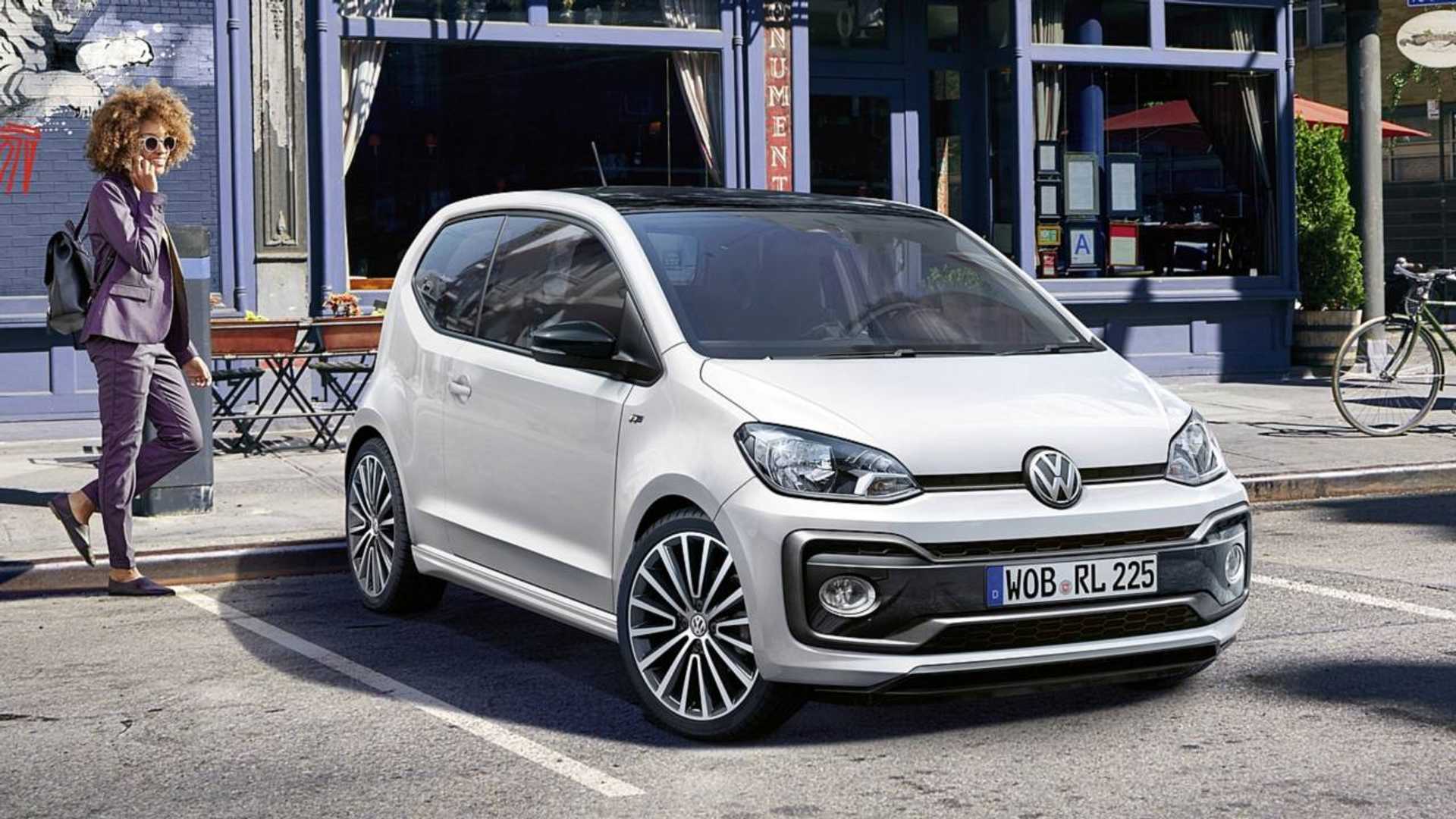
The Volkswagen Up! is a small city car that has earned high praise for its quality, practicality, and clever design. Introduced in 2011, it quickly became one of Volkswagen’s most well-regarded models, offering petrol and electric (E-up!) variants alongside a sporty GTI version.
Despite its compact size, the Up! combines economy, reliability, and surprisingly spacious interiors, making it an excellent choice for urban driving.
Built to Volkswagen’s high standards, the Up! shares its platform with the SEAT Mii and Škoda Citigo and competes with other city cars like the Hyundai i10, Kia Picanto, Citroën C1, and Toyota Aygo X.
Its design is simple and minimalist but feels more solid and premium than many rivals in the same segment. Optional styling packs allow buyers to add black alloys, two-tone paint, or a different-colored dashboard, making the Up! customizable and slightly more distinctive.
The cabin is well thought out, with a 5.0-inch color screen, DAB radio, and the ability to integrate smartphone apps. While the dashboard is basic and some buttons feel chunky and old-fashioned, the interior remains practical and comfortable.
The driver’s seat is height-adjustable, allowing even taller individuals to find a suitable driving position. Rear seating accommodates two adults comfortably, providing sufficient head and legroom, and the 251-litre boot can carry essentials such as a baby buggy or large suitcase.
Under the hood, the standard 1.0-litre petrol engine produces 65hp, enough for city driving, while the GTI variant offers a turbocharged 115hp version for a more engaging experience. The electric E-up! adds a zero-emission alternative for urban commuters.
The Up!’s compact dimensions make it easy to maneuver and park in tight spaces, while its suspension delivers a comfortable ride that absorbs many bumps and potholes commonly found in city streets. It is also capable of light motorway driving, although longer high-speed journeys are better suited to larger vehicles.
On the safety front, the Up! scores three stars in Euro NCAP testing, with stability and traction control as standard. There are no optional advanced driver-assistance systems, which limits its safety technology compared to newer city cars. Despite this, the Up! excels as a practical, well-built city car that balances big-car comfort with small-car convenience.
The Volkswagen Up! remains one of the smartest and most reliable city cars available. Its combination of solid build quality, efficient engines, comfortable interior, and surprisingly spacious accommodation makes it ideal for urban life. For anyone seeking a compact, versatile, and easy-to-drive car, the Up! is a strong contender in the city car segment.
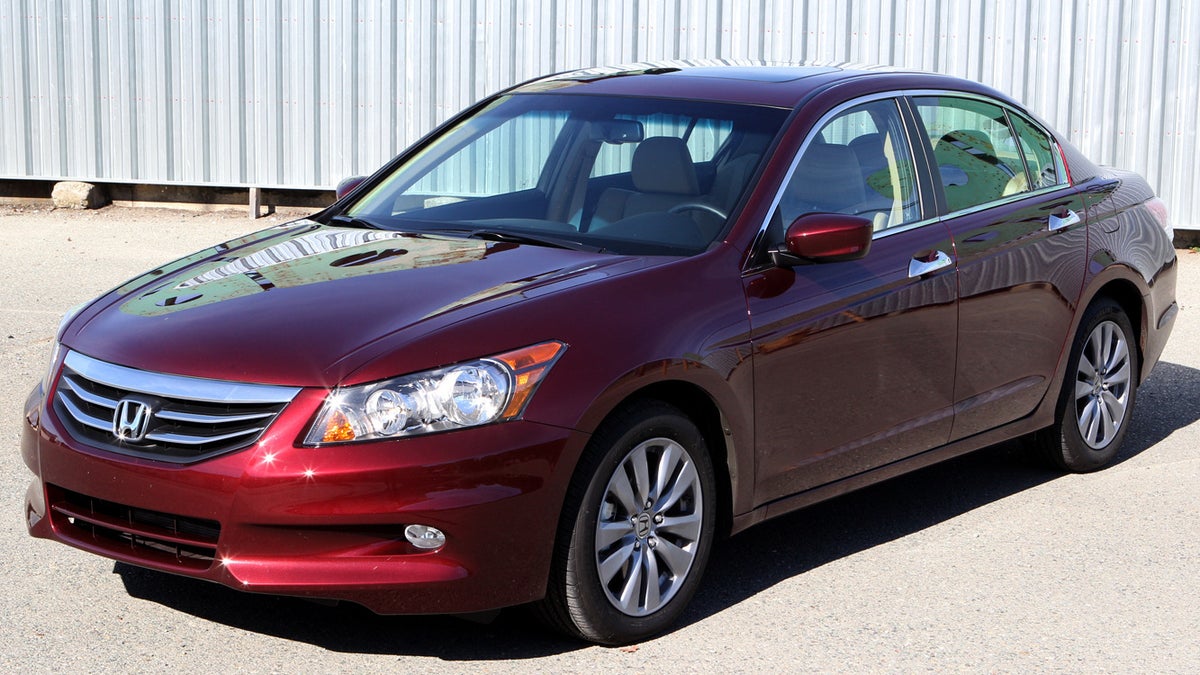
4. 2011 Honda Accord: Reliable and Spacious Midsize Sedan
The 2011 Honda Accord is widely regarded as one of the most reliable and practical midsize sedans on the market, making it an excellent choice for used-car buyers. Part of a long-running and highly respected lineup, the Accord has earned a reputation for longevity, fuel efficiency, and solid construction.
The 2011 model, which debuted as part of the eighth-generation Accord in 2008, offers a spacious interior and versatile engine options, making it a strong candidate for families or commuters seeking dependable performance.
The Accord’s cabin is large and comfortable, providing more rear legroom than many competitors and accommodating taller passengers with ease. The trunk offers 14 cubic feet of space, with a wide opening and thoughtfully shaped interior for practicality.
The coupe variant has a smaller backseat and trunk, but it remains one of the more usable options in the midsize coupe category. While the interior materials and design are somewhat outdated compared to rivals like the Ford Fusion, Hyundai Sonata, and Kia Optima, the Accord’s layout is functional, and the optional navigation system includes voice commands and an easy-to-use interface.
Top-trim leather seats provide firm support, though some may find them less comfortable on longer trips.
Under the hood, the 2011 Accord offers a choice of four-cylinder and V6 engines. The base 2.4-liter inline-four produces 177 to 190 horsepower, achieving 0-60 mph in approximately 9 seconds with the automatic transmission. Fuel economy is competitive, rated at 23 mpg city and 34 mpg highway for the automatic four-cylinder.
The 3.5-liter V6 delivers 271 hp in the sedan and 251 hp in the manual-equipped coupe, reaching 0-60 mph in 6.3 to 7 seconds, depending on body style and transmission. Despite these respectable figures, the V6 lacks bottom-end torque compared to competitors, and acceleration feels less immediate.
The Accord’s driving dynamics are competent but not thrilling. Steering is well-weighted and communicative, yet the sedan experiences noticeable body roll in corners and moderate road noise on highways. The coupe offers a slightly more engaging driving experience.
Safety is a strong point for the 2011 Accord. Standard features include antilock brakes, stability and traction control, front and side airbags, and side curtain airbags. Government crash tests awarded five stars in all categories, while the Insurance Institute for Highway Safety rated frontal and side-impact collisions as “Good” and roof strength as “Acceptable.”
The 2011 Honda Accord remains a solid, reliable midsize sedan that excels in space, fuel efficiency, and safety. While its interior design and driving dynamics may feel less modern compared to some rivals, its proven reliability and accommodating cabin make it a practical choice for buyers seeking a dependable used family sedan or commuter car.
5. Hyundai i30: A Sensible and Stylish Family Hatch
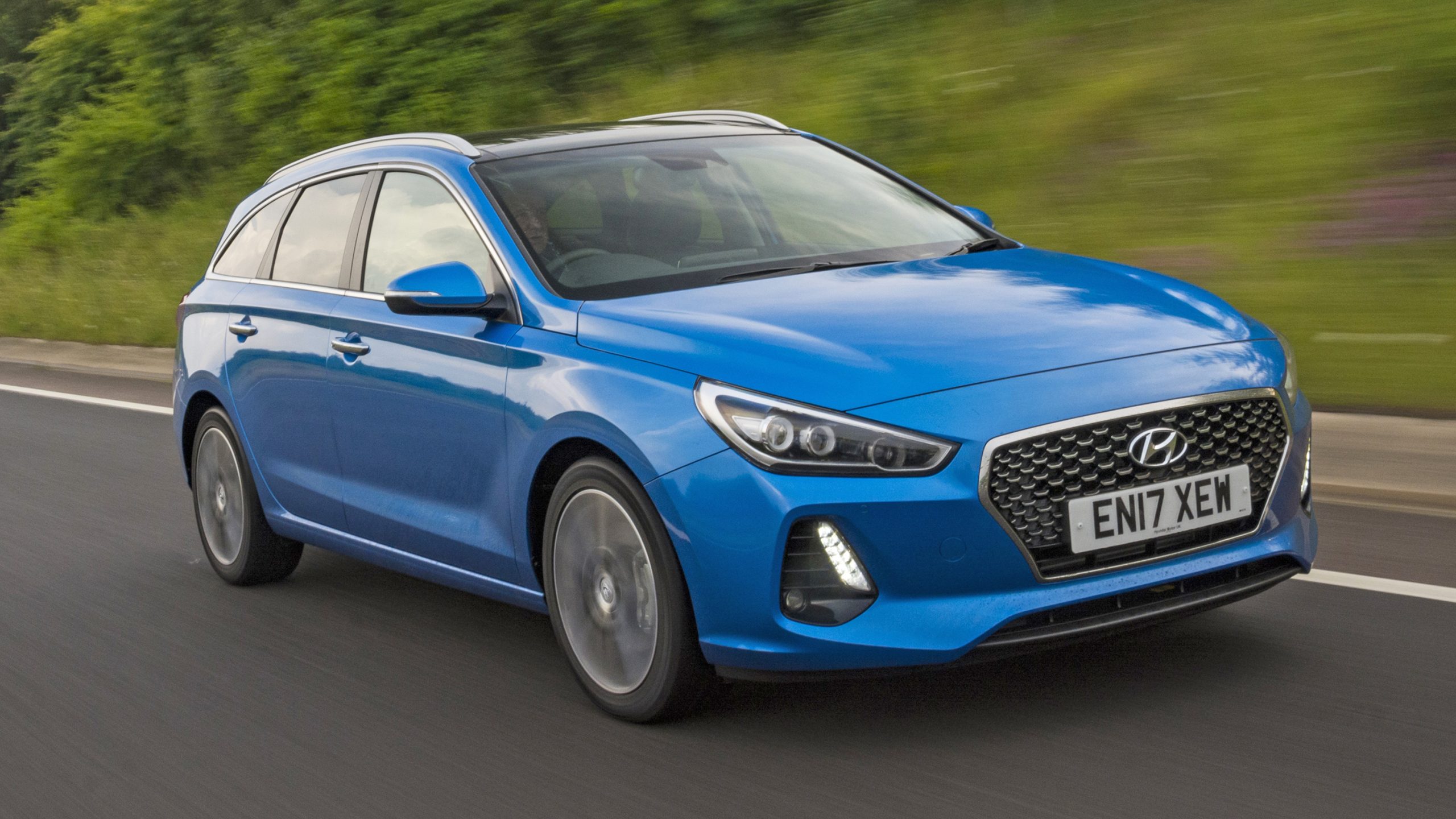
Hyundai has long been underrated in the automotive world, despite producing some impressive vehicles, such as the iconic Hyundai Coupe. Among its notable offerings, the Hyundai i30 stands out as a reliable and practical small family car.
Introduced in 2007, the i30 quickly earned recognition, winning awards such as ‘Car of the Year’ from Carsguide in 2007 and ‘Best Family Hatch’ in New Zealand in 2009. Despite its accolades, it often does not receive the global attention it deserves.
Often referred to as Hyundai’s “DNA car,” the i30 forms the backbone of the brand’s range. While it carries a South Korean badge, its design and engineering are distinctly European.
The car was developed and built in Europe, and its hot hatch variant, the i30 N, underwent rigorous testing, including several hundred laps of the Nürburgring. The N in its name reflects this track-focused development. This European influence ensures the i30 is well-suited to the tastes and demands of the European market.
The standard i30 competes directly with popular hatchbacks such as the Ford Focus, Seat Leon, and Mazda 3. It is available as a five-door hatchback, an estate called the i30 Tourer, and a coupe-style saloon named the i30 Fastback, offering flexibility for different buyers.
Engine options include three turbocharged units, all of which feature a 48-volt mild-hybrid system in the most recent facelift. The 1.6-litre four-cylinder diesel produces 134bhp and almost 60mpg, while the more popular 1.0-litre three-cylinder petrol generates 118bhp.
For a sportier look without hot hatch performance, the i30 N-Line comes with a 1.5-litre four-cylinder petrol engine producing 158bhp. All engines are available with either a six-speed manual or a seven-speed dual-clutch automatic transmission.
The 2020 facelift brought updates to the exterior and interior, along with enhanced safety and infotainment features. Hyundai’s SmartSense suite provides advanced assistance, including lane-keeping, automatic emergency braking, and alerts for traffic movement, which improves everyday driving confidence.
The Hyundai i30 excels as a rational and easy-to-drive hatchback. It combines affordability, practicality, and a strong warranty, making it an ideal choice for families or commuters who value reliability and low running costs.
However, it does not focus on excitement or emotional engagement, so buyers seeking a more thrilling driving experience may prefer rivals such as the Ford Focus, Seat Leon, or Mazda 3. In standard form, the i30 is a sensible and well-rounded car that delivers comfort and convenience without unnecessary complexity.
Also read: 5 Cars That Stay Exciting After Years vs 5 That Don’t
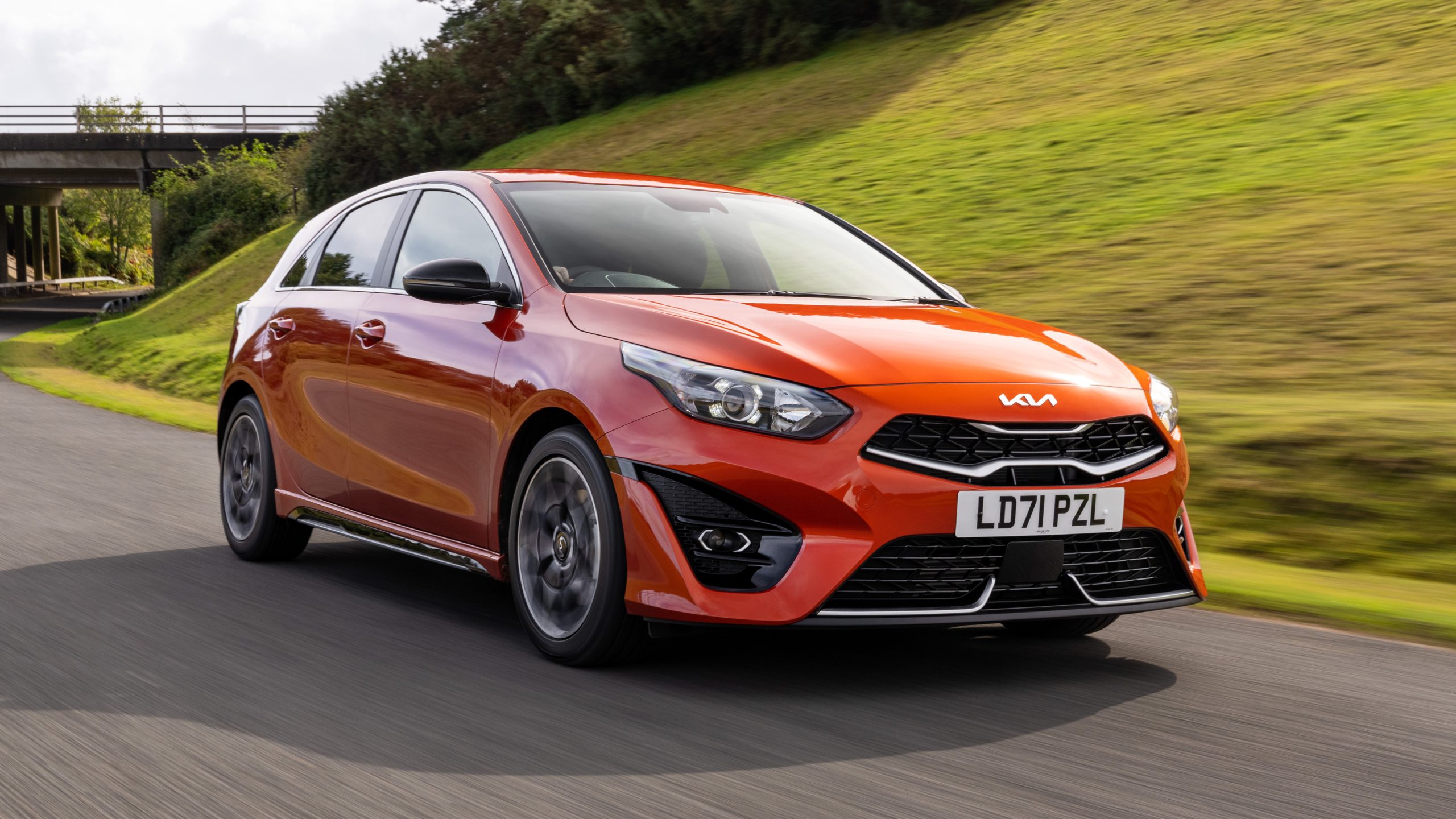
6. Kia Cee’d: Practical and Unpretentious Family Hatch
The Kia Cee’d is a well-built compact family car that has quietly earned a reputation for reliability and practicality. First introduced in 2006 exclusively for the European market, it has seen three generations with over two million units produced. While it may not grab headlines or offer groundbreaking technology, the Cee’d has proven itself as a dependable and sensible choice in the highly competitive family hatchback segment.
The Cee’d competes directly with rivals such as the Ford Focus, Seat Leon, and Peugeot 308, offering a solid and practical alternative to the Volkswagen Golf. It is not available as a hybrid or electric vehicle, as Kia focuses its eco-friendly efforts on models like the Niro and EV6.
Instead, the Cee’d remains a traditional petrol-powered hatchback, with one engine option, two gearboxes, and two trim levels. This simplicity makes it easy to drive, maintain, and enjoy without unnecessary complexity, making it a very logical choice for everyday motoring.
The latest model features minor styling updates, including refreshed headlights, new bumper designs, and updated wheels. Kia has also revised its badge to a more stylised ‘KIN’ logo to improve brand visibility. While these changes add a modern touch, they do not alter the car’s fundamentally practical character.
The engine range has been simplified to a single 1.5-litre four-cylinder petrol unit. Due to semiconductor shortages, automatic transmission is not currently offered, and the sportier Proceed wagon model is temporarily unavailable. However, the traditional estate variant continues to provide a spacious option for buyers who require more room.
The Cee’d’s strengths lie in its reliability, simplicity, and unoffensive design. It is not the most exciting or stylish car in its class, nor does it lead in driving dynamics, interior space, or advanced technology. Its appeal comes from being a dependable, safe, and practical car that performs its job well. It suits drivers who value logic and convenience over emotional appeal or sporty thrills.
In essence, the Kia Cee’d is a sensible and approachable family hatchback. It may not be the first choice for enthusiasts or those seeking cutting-edge features, but it is easy to live with and unlikely to cause problems.
While Kia focuses its innovation on electrified models, the Cee’d continues to serve as a solid, traditional option for buyers who prioritize reliability, ease of use, and sensible everyday performance. It is a car that may not excite, but it is a car that can be trusted to deliver exactly what most families need.
7. 2010 Acura RDX: Engaging Luxury Crossover
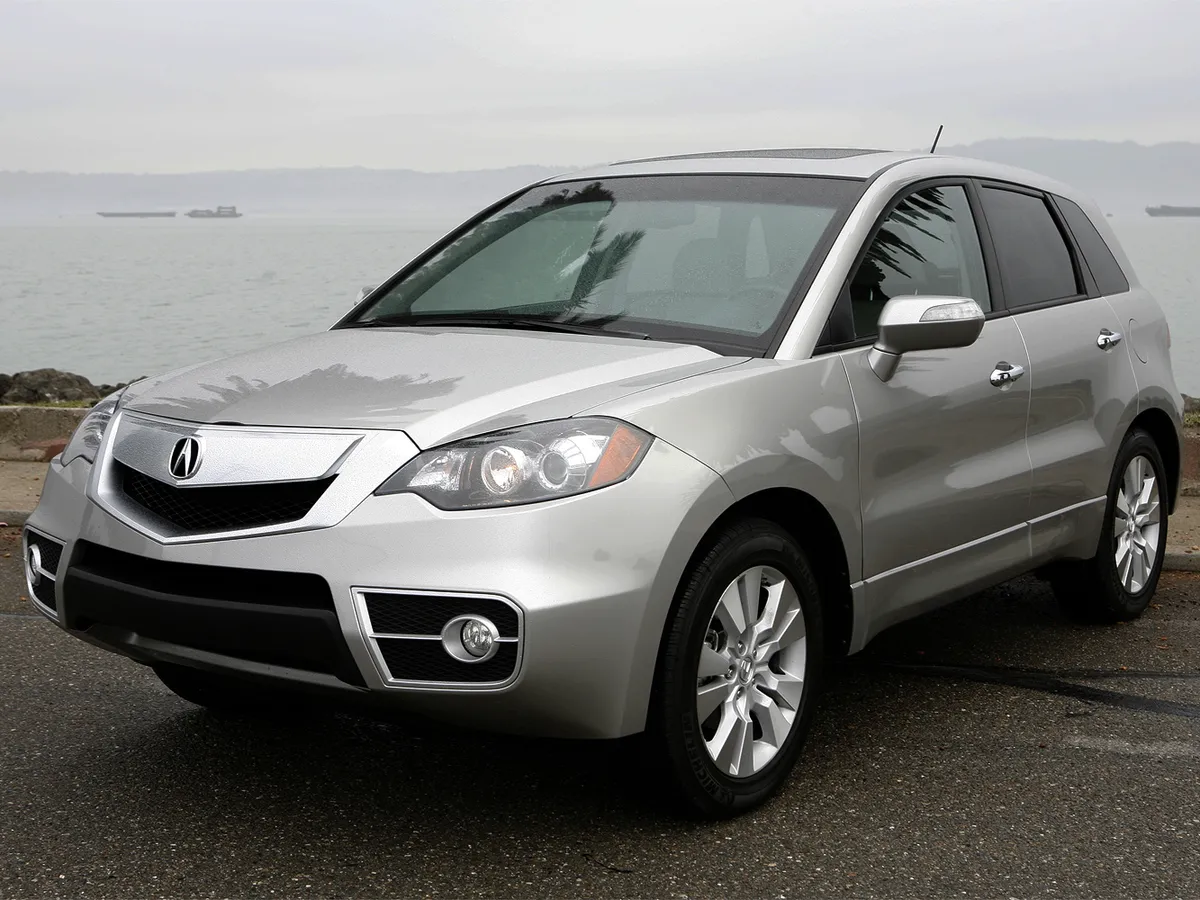
The 2010 Acura RDX is Acura’s first attempt at a compact luxury crossover and has proven itself as a capable and entertaining option in the segment. Designed to offer a balance of performance, comfort, and safety, the RDX shares Honda’s reputation for reliability while adding premium features and a sporty character.
Its styling, including Acura’s distinctive corporate grille, gives it a modern and upscale appearance, while its coupe-like proportions help it stand out from more conventional crossovers.
Power comes from a turbocharged 2.3-liter four-cylinder engine producing 240 horsepower and 260 pound-feet of torque. The engine is paired with a five-speed automatic transmission with manual shift control and is available in front-wheel drive or the optional Super-Handling All-Wheel Drive (SH-AWD) system.
The SH-AWD not only distributes power between the front and rear axles but also between the left and right wheels, maximizing traction and cornering performance.
Front-wheel-drive versions accelerate from 0-60 mph in roughly 6.8 seconds, making the RDX one of the quicker compact luxury crossovers, though fuel economy is below average at 19 mpg city and 24 mpg highway for front-wheel drive and 17/22 mpg for SH-AWD.
Inside, the cabin reflects Acura’s premium ambitions. Standard leather seats, imitation metal accents, blue gauge illumination, and a sleek dashboard create a refined atmosphere. Materials quality is generally strong, though some hard plastics are noticeable.
Front seats are supportive, and the driver benefits from a well-laid-out control layout. The RDX provides 28 cubic feet of cargo space behind the rear seats, expanding to 61 cubic feet with the 60/40-split rear seatbacks folded. Rear legroom is sufficient, though the rear seats do not recline or slide.
Standard safety features include antilock brakes with brake assist, stability control, front and side airbags, side curtain airbags, and active front head restraints. The RDX earned five-star ratings from the NHTSA for frontal and side-impact protection, and the Insurance Institute for Highway Safety awarded top marks in frontal-offset and side-impact tests.
On the road, the RDX delivers a firm but controlled ride. The turbocharged engine provides strong, responsive power with minimal lag, and the transmission complements the engine’s delivery. The SH-AWD system ensures confidence and stability in corners, and the steering is precise for a vehicle of this size. Ride comfort is firmer on rough urban streets, but the RDX rewards drivers with engaging handling on twisty roads.
The 2010 Acura RDX combines sporty performance, a premium interior, and strong safety credentials in a compact luxury crossover. It is a compelling choice for buyers seeking a vehicle that offers both daily usability and spirited driving, while standing out among competitors like the Audi Q5, BMW X3, and Volvo XC60.
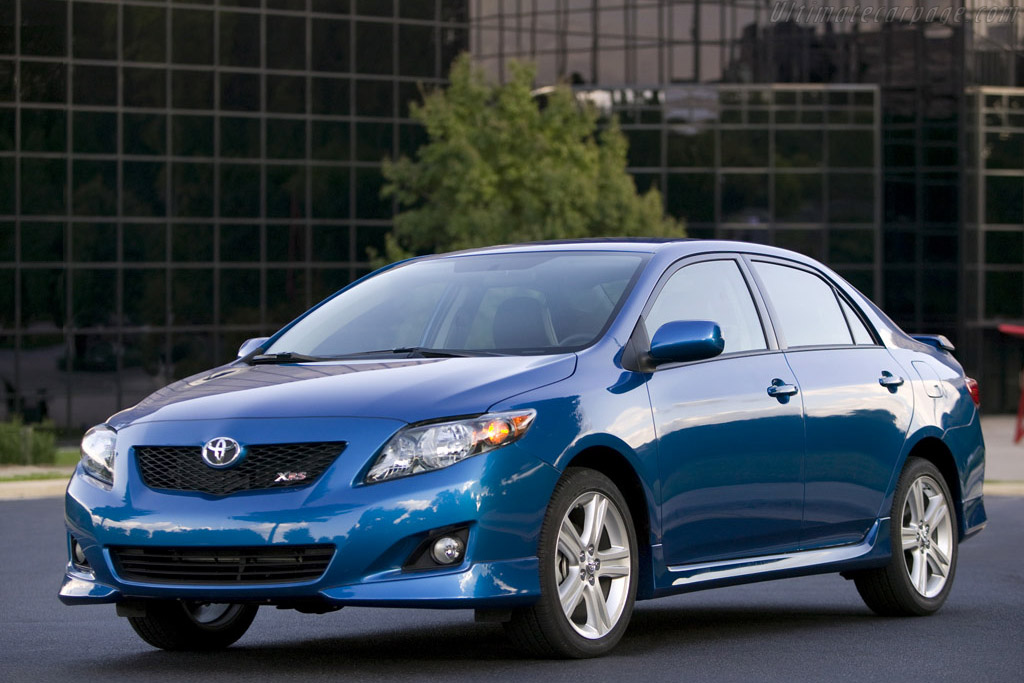
8. 2008 Toyota Corolla: Reliable and Economical Compact Sedan
The 2008 Toyota Corolla is part of one of the most successful automotive nameplates in history, known for its reliability, low running costs, and practicality. Introduced as the tenth generation of the Corolla, this model continues Toyota’s tradition of producing a dependable, long-lasting compact sedan.
While its styling may appear plain and conservative compared to competitors, its proven track record for longevity and minimal maintenance makes it a strong choice for budget-conscious buyers seeking a used vehicle.
Power comes from a 1.8-liter four-cylinder engine producing 126 horsepower. Buyers can choose between a five-speed manual transmission and a four-speed automatic, both driving the front wheels.
Fuel economy is excellent for its class, with EPA estimates of 26 mpg city and 35 mpg highway for the automatic version, placing the Corolla near the top among economy sedans. Acceleration is adequate for daily driving, though it does not deliver sporty performance. On the highway, the Corolla cruises quietly with minimal engine and wind noise, providing a comfortable and composed driving experience.
Inside, the cabin prioritizes functionality and durability. Materials are of high quality, especially in the LE trim, and controls are straightforward and easy to use. The front seats provide average space, and taller drivers may find the seating position slightly awkward.
Rear passengers benefit from adequate headroom and legroom, allowing two adults to travel comfortably. Trunk space is generous at 13.6 cubic feet, accommodating luggage or groceries with ease. Although the design is conservative and lacks the visual appeal of rivals such as the Honda Civic or Mazda 3, it remains practical and user-friendly.
Safety is a strong point for the 2008 Corolla. Standard and optional features include antilock brakes, front and side airbags, side curtain airbags, and stability control with traction control and brake assist on higher trims.
In government crash testing, the Corolla received five stars for frontal-impact protection and four stars for side-impact protection. The Insurance Institute for Highway Safety rated the Corolla “Good” for frontal-offset crashes, though side-impact ratings ranged from “Poor” without optional airbags to “Acceptable” with them installed.
The Corolla’s driving dynamics favor comfort over sportiness. It handles corners with composure and maintains stability on smooth and rough roads, making it well-suited for daily commuting. Its smooth ride, quiet cabin, and low cost of ownership have contributed to its enduring popularity.
The 2008 Toyota Corolla is an excellent option for buyers looking for a dependable, economical, and safe compact sedan. Its longevity, efficient fuel consumption, and solid build quality ensure it remains competitive even against more stylish and modern rivals. For anyone seeking a practical vehicle that can last well beyond a decade with minimal issues, the Corolla remains a sensible choice.
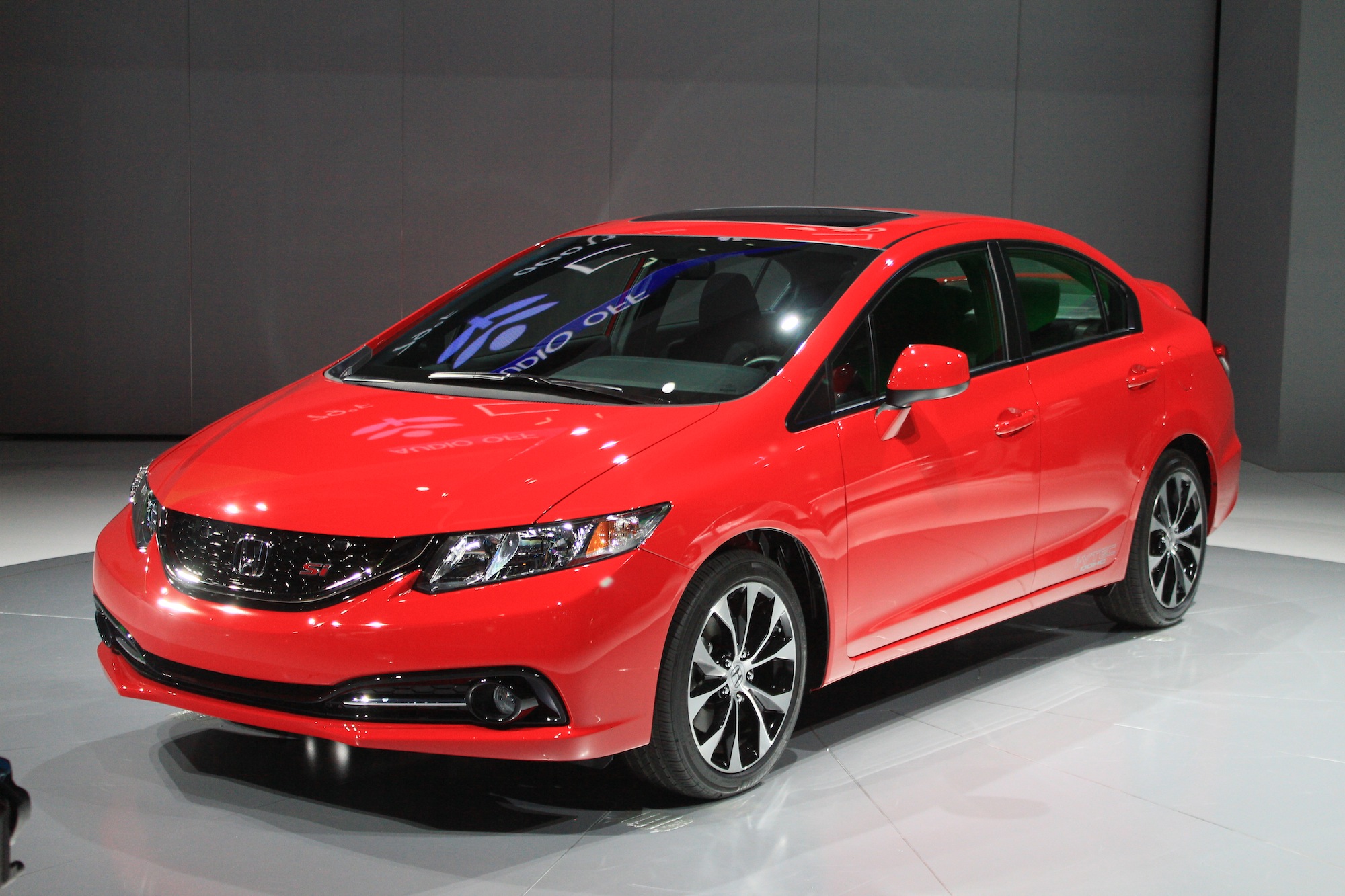
9. 2013 Honda Civic: Refined, Safe, and Practical Compact Car
The 2013 Honda Civic is a well-regarded compact car that combines reliability, safety, and practicality, making it an excellent choice in the used car market.
As part of Honda’s long-running Civic lineup, the 2013 model received updates that addressed shortcomings in the previous generation, including improved interior materials, refreshed styling, and additional standard features. It remains a competitive option among compact sedans and coupes, offering spacious interiors, solid fuel efficiency, and advanced safety features.
The Civic’s design received a sportier and more distinctive look compared to its predecessor. Inside, the cabin benefits from higher-quality materials, replacing many of the cheaper plastics that drew criticism.
The familiar two-tier dashboard incorporates a 5-inch display for audio and vehicle information, while the steering wheel hosts a variety of intuitive controls. Additional technology includes Bluetooth, a rearview camera, text messaging integration, and Pandora functionality.
While the optional navigation system remains somewhat outdated, the cabin experience feels more premium and functional, and the Civic provides ample space for both front and rear passengers.
The 2013 Civic offers multiple powertrain options. The standard 1.8-liter four-cylinder engine produces 140 hp and 128 lb-ft of torque, paired with a five-speed manual or automatic transmission. Fuel economy is strong, with the automatic achieving 28 mpg city and 39 mpg highway.
The Civic Natural Gas variant produces 110 hp, while the Civic Hybrid pairs a 1.5-liter gasoline engine with an electric motor for 110 hp, achieving an impressive 44 mpg combined. The performance-oriented Civic Si delivers 201 hp and 170 lb-ft of torque, with a six-speed manual, offering a sportier driving experience though it is slightly outpaced by rival hot hatches.
On the road, the Civic provides a comfortable and composed ride. Steering is responsive, handling is reassuring, and sound-deadening improvements make for a quieter cabin.
The four-cylinder engines offer adequate acceleration for city driving, while the hybrid and Si models cater to efficiency and sportiness, respectively. Some automatic versions may feel sluggish in traffic due to early upshifts, but the manual transmissions remain engaging for enthusiasts.
Safety is a strong point, with standard stability control, antilock brakes, front side and full-length curtain airbags. Forward collision warning and lane departure warning are available on the hybrid model. Crash tests from the NHTSA awarded five stars for the sedan, while the Insurance Institute for Highway Safety gave the sedan and coupe top marks, including the “Top Safety Pick+” designation.
The 2013 Honda Civic combines refinement, practicality, and efficiency. It addresses prior shortcomings while delivering a balanced driving experience, high safety standards, and a spacious, comfortable interior. Its reliability, thoughtful features, and fuel efficiency make it a strong choice for small-sedan and compact-coupe buyers seeking a well-rounded and durable vehicle.
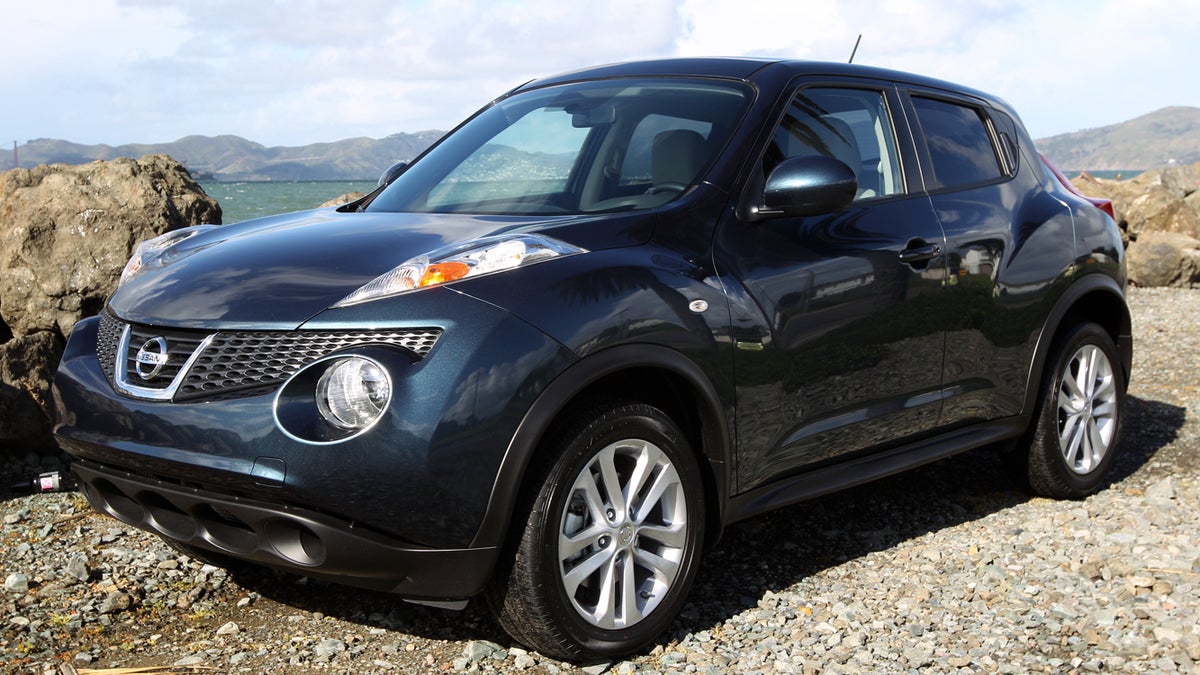
10. 2011 Nissan Juke: Fun, Compact, and Distinctive Crossover
The 2011 Nissan Juke is a subcompact crossover that stands out in a crowded SUV segment thanks to its bold styling and sporty performance. While its design, often described as a “bionic frog,” may divide opinions, the Juke offers a unique alternative to conventional small SUVs.
Its coupe-like roofline and distinctive exterior give it a memorable appearance, and the cabin delivers both practicality and comfort for drivers and passengers.
Under the hood, the Juke is powered by a turbocharged 1.6-liter four-cylinder engine producing 188 hp and 177 lb-ft of torque. Transmission options include a continuously variable transmission, standard on the S trim, and a six-speed manual for higher trims. All-wheel drive is available on select models.
This combination allows the Juke to accelerate from 0-60 mph in 7.3 seconds for the front-wheel-drive CVT version, making it one of the quickest vehicles in its class while maintaining respectable fuel efficiency of 24-27 mpg city and 30-32 mpg highway. The sport-tuned suspension, responsive steering, and optional torque-vectoring all-wheel drive contribute to engaging handling, especially on twisty roads.
The interior combines style and functionality, featuring rounded dashboard shapes, silver accents, and intuitive controls. Some hard plastics are noticeable, but the front seats provide good support and most drivers can find a comfortable driving position despite limited adjustments.
Rear headroom is restricted due to the sloping roof, though legroom remains adequate for most adults. Standard features include Bluetooth, iPod integration, and optional leather upholstery, heated seats, navigation, and a back-up camera. Higher trims include a unique instrument display inspired by the Nissan GT-R, allowing drivers to monitor turbo boost, throttle response, and steering settings.
Cargo space measures around 10 cubic feet with the rear seats up, increasing to 36 cubic feet when folded. This is larger than the Ford Fiesta but smaller than vehicles like the Scion xB. The Juke’s compact size makes it easy to maneuver in city traffic, and the suspension provides a balance between ride comfort and handling. Road and wind noise is noticeable at highway speeds but is not disruptive.
Safety is supported by standard features such as antilock brakes, stability and traction control, front and side airbags, and active front head restraints. Brake testing showed the Juke stopping from 60 mph in 123 feet, which is average for its class. NHTSA ratings further confirm the car’s safety and reliability.
The 2011 Nissan Juke offers a distinctive, engaging, and practical option for drivers who want more personality and fun from a small crossover. Its turbocharged performance, sporty handling, and unique styling make it appealing to younger buyers or anyone seeking a standout vehicle in the subcompact SUV segment.
Choosing a used car is as much about foresight as it is about price, and these ten models demonstrate that $10,000 can secure more than just temporary transportation. Whether you prioritize comfort, fuel efficiency, cargo space, or a touch of sporty style, vehicles like the Honda Civic, Ford Fusion, or SEAT Leon are ready to go the extra mile.
With proven reliability, solid engineering, and practical features, these cars can easily keep running for another ten years, making them smart investments for both budget-conscious drivers and families alike.
Ultimately, longevity doesn’t have to come at the cost of enjoyment these ten cars prove that with the right choice, affordable driving can be safe, comfortable, and even a little exciting for years to come.
Also Read: 10 Cars That Are Loved by Owners but Hated by Critics