
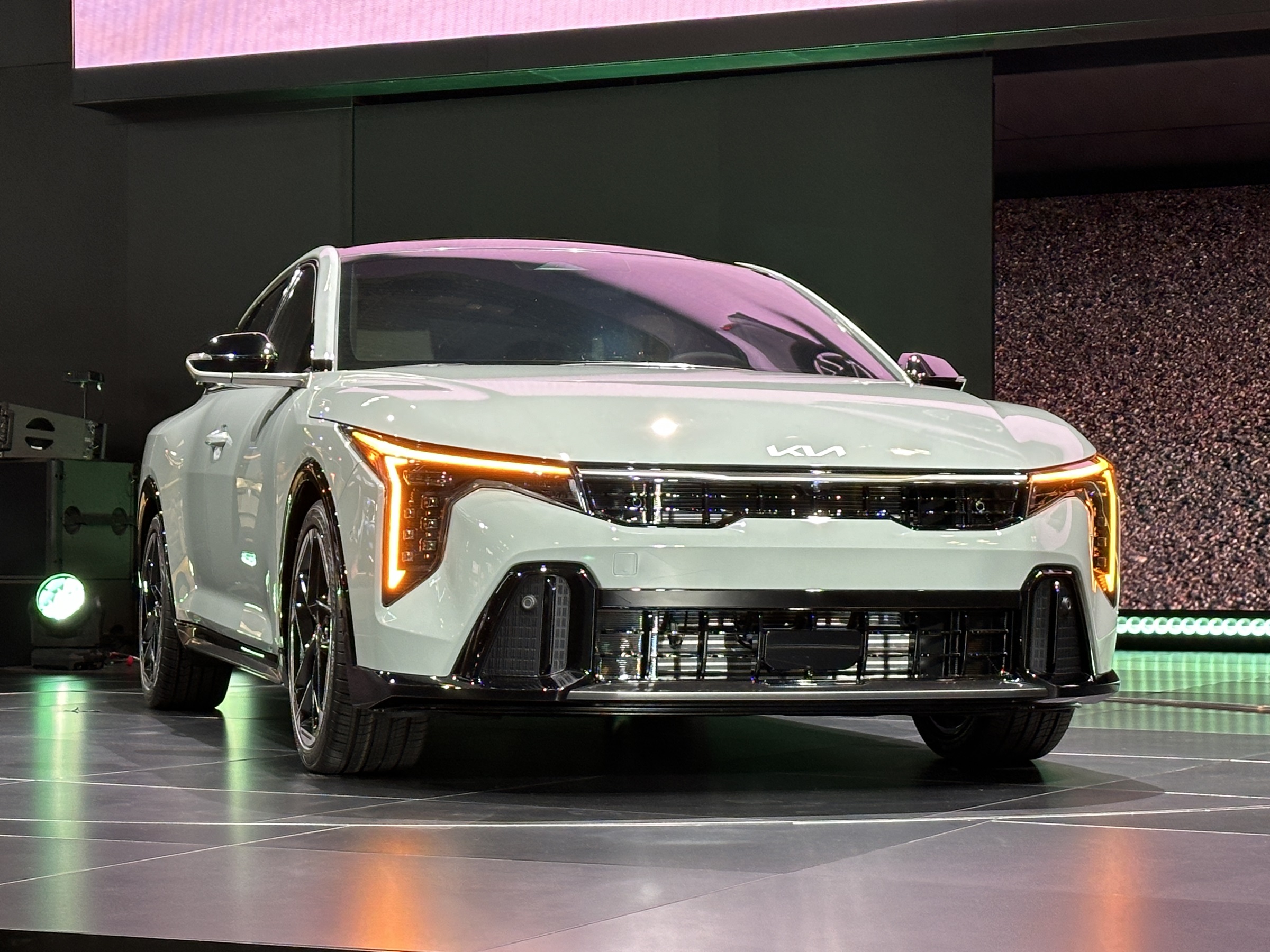
When it comes to cars, many people assume that driving a smart, stylish, and reliable vehicle requires a big budget. In reality, there are plenty of options that combine efficiency, safety, comfort, and modern features without breaking the bank. From compact sedans to subcompact SUVs, manufacturers have created vehicles that meet the needs of everyday drivers while remaining affordable.
The 2025 Nissan Versa, for example, offers impressive fuel economy and a comfortable interior for under $20,000. The 2025 Kia K4 provides a premium look and advanced technology at a reasonable price.
Even smaller models like the 2024 Mitsubishi Mirage show that drivers on a tight budget can enjoy excellent warranties and strong fuel efficiency. The 2025 Kia Soul adds personality and practicality without costing a fortune, proving that fun design can be budget-friendly.
These cars show that affordability does not mean compromise. Across sedans, hatchbacks, and compact SUVs, drivers today can choose vehicles that are safe, efficient, well-equipped, and enjoyable to drive. Smart choices in this price range give everyday drivers the opportunity to enjoy modern features and reliable performance while keeping costs under control.
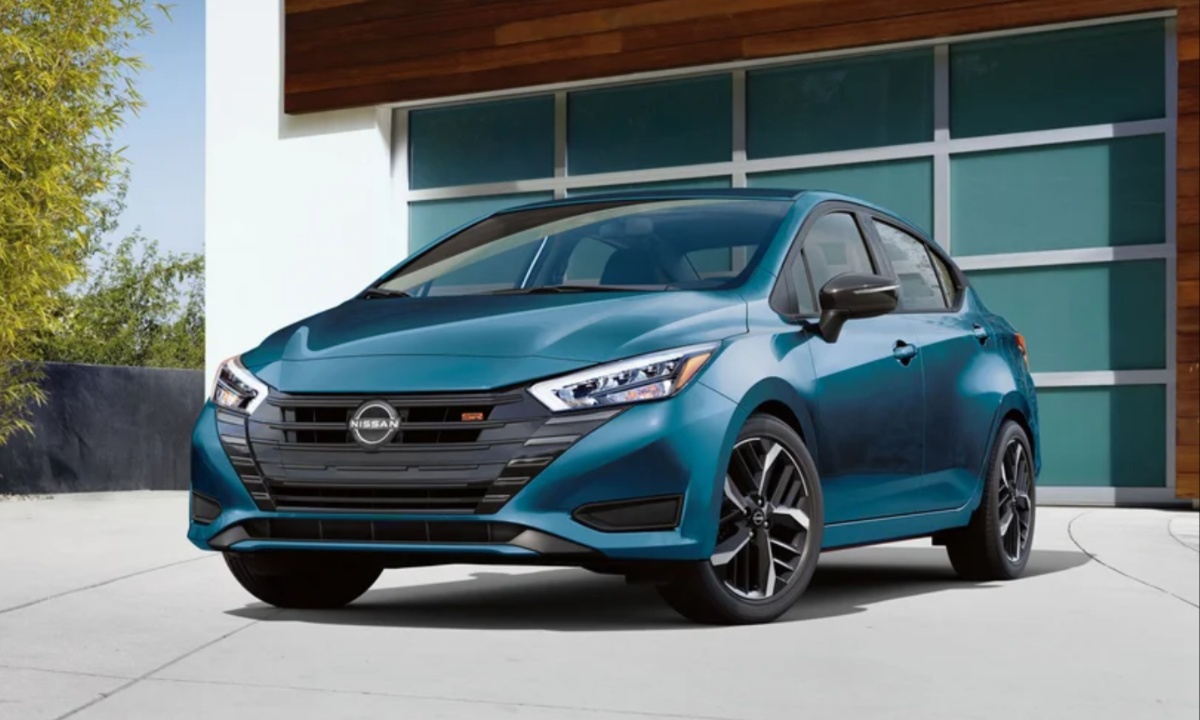
1. 2025 Nissan Versa: Affordable, Comfortable, and Efficient
The 2025 Nissan Versa sets a high standard for budget-friendly compact cars, combining a refined interior and strong fuel efficiency with a starting price around $18,400. It is available in three trims, with the most popular SV CVT starting at $21,685. This version features a 1.6L I4 engine and front-wheel drive.
While the Versa has some drawbacks, such as slow acceleration and a cramped rear seat, it provides impressive value for the price. The exterior design recalls early-2000s Volkswagen Jettas, while the cabin is more upscale than most vehicles in its class.
The Versa’s four-cylinder engine accelerates from 0 to 60 mph in approximately 10.4 seconds. It performs adequately for city driving and normal traffic, but requires extra space for quick highway maneuvers.
The handling is composed, and the brakes respond well in emergency situations. Steering can feel numb and slightly heavy, but the car follows driver inputs accurately. A five-speed manual transmission is available on the base trim, although it slightly reduces fuel efficiency.
Front seats are comfortable and supportive, though the shoulder width is narrow. Rear seating is firm and tight, making long trips with adults less comfortable. Cabin space is generous for a compact car, offering good headroom and legroom, but taller passengers may notice the ceiling is low in the back.
The ride is smooth on most surfaces but becomes bouncy on rough roads. Wind noise can be noticeable at higher speeds. Climate controls are simple and functional, vents are adjustable, and large windows improve visibility.
Top-trim SR models include an 8-inch touchscreen, a six-speaker audio system, and wireless charging. Apple CarPlay and Android Auto are standard on most trims, while built-in navigation is not available. Driver aids such as forward collision warning and lane-keeping alerts are helpful but can sometimes trigger unnecessarily, especially the backup collision mitigation system.
The Versa has a spacious trunk with 15 cubic feet of cargo capacity, and rear seats fold down to increase storage. Small-item storage is limited, but rear car-seat installation is simple once the lower anchors are located. Fuel efficiency is excellent, with the CVT automatic rated at 35 mpg combined, 32 mpg city, and 40 mpg highway. Real-world testing showed 41 mpg on mixed routes.
The 2025 Versa provides a strong combination of affordability, comfort, and features. Its interior quality, technology, and safety equipment surpass expectations for a budget compact. Warranty coverage includes three years or 36,000 miles for basic coverage and five years or 60,000 miles for the powertrain. The Versa offers a well-rounded option for buyers seeking an efficient and practical new car for under $20,000.
2. 2025 Kia K4: Stylish, Comfortable, and Feature-Rich
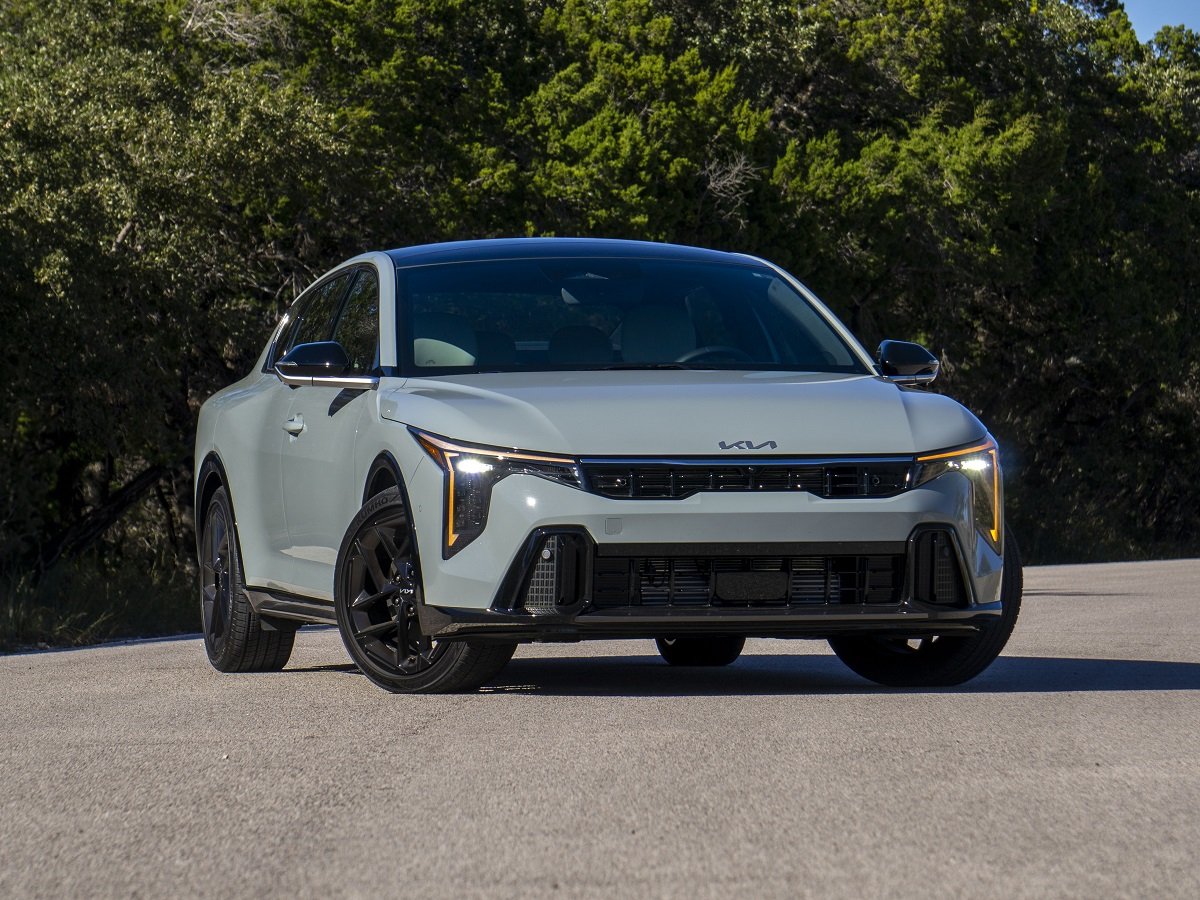
The 2025 Kia K4 replaces the Forte and serves as the new entry point for Kia sedans after the Rio ended production. Available in five trims, the popular LXS starts at $24,185 with a 2.0L I4 engine and front-wheel drive. The K4 delivers a premium-looking interior, updated technology, and refined driving dynamics.
Its exterior features vertically oriented LED headlights and taillights, a signature Tiger Nose grille, and a fastback-inspired design, though it retains a conventional trunk. A hatchback version is expected by the end of 2025.
The K4 comes with two four-cylinder engines. The base engine offers 147 horsepower, while the GT-Line Turbo produces 190 horsepower. During testing, the turbo model accelerated from 0 to 60 mph in 7.3 seconds. Both engines provide smooth city driving, but acceleration from a stop can feel slow and requires patience.
Handling is comfortable but leans noticeably in corners, and road feedback is limited, making the car suitable for daily commuting rather than sporty driving. Brakes are effective and allow smooth stopping in traffic.
Front seats are supportive and comfortable, while rear seats are firm but feature adequate recline for longer trips. Rear headroom and legroom are generous for a compact sedan, comparable to some midsize sedans. Ride quality is decent on smooth roads, but bumps and road imperfections are felt inside the cabin.
Wind and engine noise can be noticeable at highway speeds. Large door openings make entry and exit easy, and the control layout is intuitive, with a touchscreen and physical buttons within easy reach.
The K4 excels in technology features. A 12.3-inch touchscreen is standard across the lineup, along with Android Auto and Apple CarPlay, four USB-C ports, and an optional matching 12.3-inch instrument cluster screen on higher trims.
Advanced driver-assist features include adaptive cruise control, lane-keeping assistance, automatic high beams, and an available surround-view camera system. Kia’s AI-powered voice assistant understands natural speech and can help with navigation and daily planning.
The sedan version offers 14.6 cubic feet of trunk space and a 60/40-split rear seat that folds easily to expand cargo capacity. Interior storage is practical, with cupholders and console space accommodating larger items.
Child-seat installation is straightforward thanks to accessible LATCH anchors and large door openings. Fuel economy ranges from 29 mpg combined for the turbo engine to 34 mpg combined for the base engine, placing the K4 in the middle of its class.
The Kia K4 provides strong value for its price, offering a premium interior, advanced technology, and extensive safety features. Base models come well-equipped with large screens and standard driver aids, while top trims add luxury touches such as ventilated seats and surround-view cameras.
Kia’s warranty is one of the best in the segment, with five years/60,000 miles of basic coverage and ten years/100,000 miles of powertrain coverage, reinforcing the K4 as a practical and feature-rich choice for compact sedan buyers.
3. 2024 Mitsubishi Mirage: The Budget-Friendly Subcompact
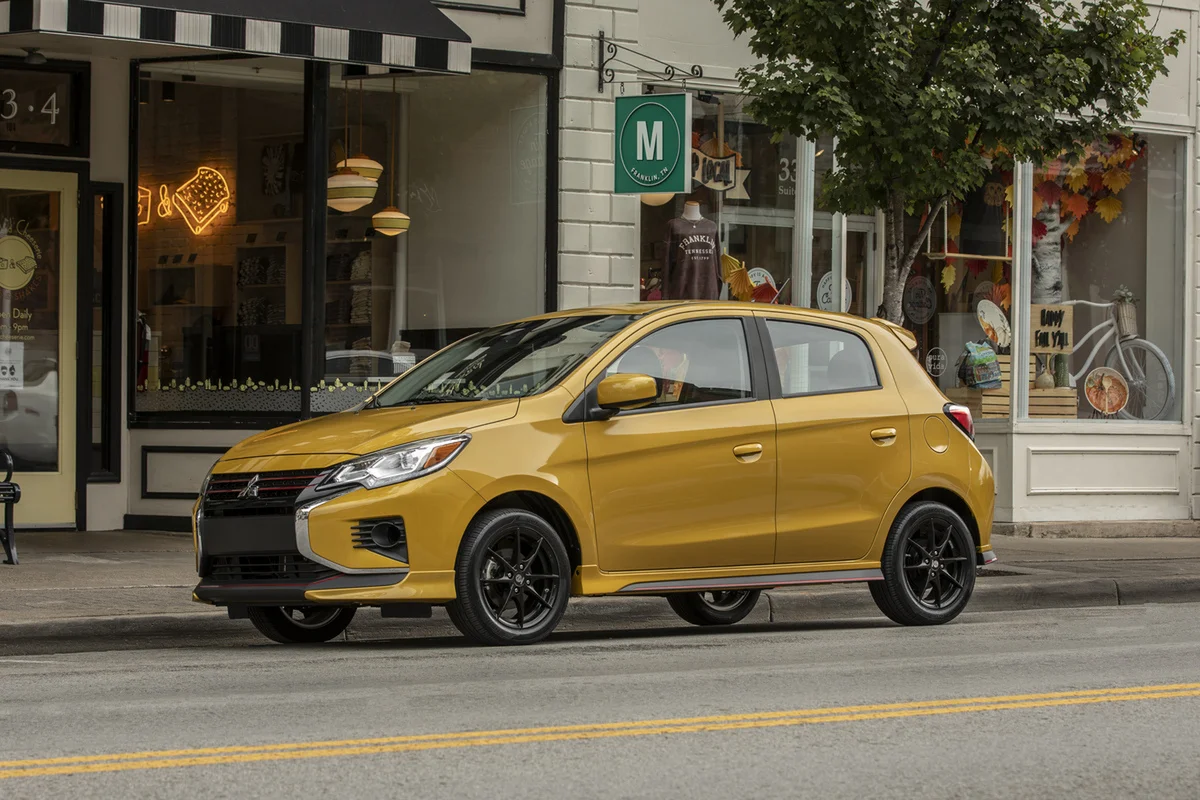
The 2024 Mitsubishi Mirage stands out as one of the few new cars priced under $20,000, making it a strong choice for shoppers on a tight budget. Available as a five-door hatchback or four-door sedan (Mirage G4), it seats five passengers.
The G4 ES Sedan, the most popular trim, starts at $18,940 and comes with a 1.2L three-cylinder engine and front-wheel drive. Its fuel efficiency is impressive, with an EPA estimate of 35 mpg in the city and 41 mpg on the highway, and real-world testing confirms these numbers over mixed driving conditions.
Driving the Mirage requires patience. The small engine produces modest power, and acceleration from 0 to 60 mph takes 12.7 seconds, one of the slowest times in recent subcompact testing. Highway merging and passing feel slow, and the engine generates noticeable noise under load.
Steering is light and easy for city maneuvering, and the car is very easy to park. Brakes are simple to modulate but do not provide strong emergency stopping power. On smooth roads, the ride is acceptable, but the car can bounce over rough surfaces.
Inside, the Mirage is functional but reflects its low price point. Front seats are minimally supportive, and long trips can lead to fatigue. Rear seating is tight on legroom but offers adequate shoulder space for two passengers. Visibility is good, and getting in and out is simple due to light doors and a low step-in height.
The cabin is basic, with controls that are easy to reach and a gated shifter adding a sporty touch. Technology includes a 6.5-inch touchscreen and Bluetooth on the base trim, while Apple CarPlay, Android Auto, and optional navigation are reserved for higher trims.
Storage space is adequate for a subcompact, with rear seats that fold to accommodate larger items. The cargo area is simple, though fabric surfaces can snag, and front storage options are limited. Installing car seats is possible, though larger seats may require moving front seats forward.
The Mirage delivers exceptional value through low price, excellent fuel economy, and one of the strongest warranties in the industry. Mitsubishi provides a five-year/60,000-mile bumper-to-bumper warranty and a 10-year/100,000-mile powertrain warranty.
In addition, all new Mirages include two years or 30,000 miles of free scheduled maintenance, covering three services. While the cabin and engine are modest, these ownership benefits and the affordability of the Mirage make it an attractive choice for buyers prioritizing cost efficiency, reliability, and fuel savings.
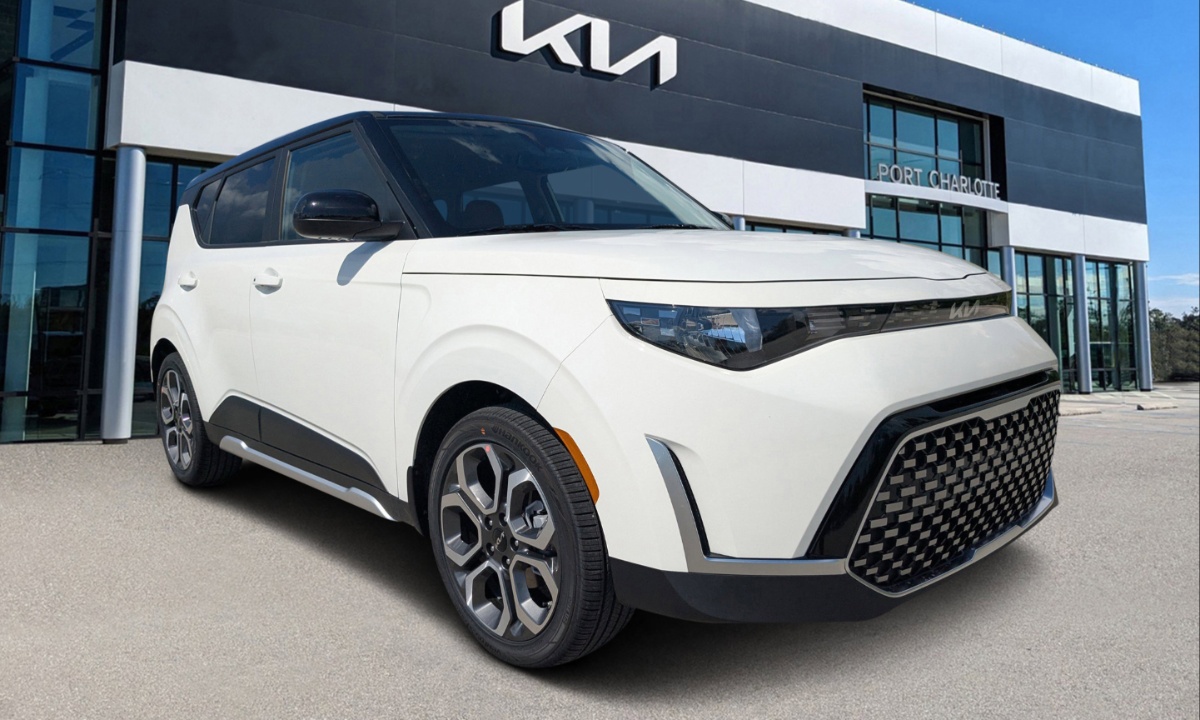
4. 2025 Kia Soul: Funky, Practical, and Well-Equipped
The 2025 Kia Soul combines a distinctive style, spacious interior, and a strong feature set with a modest base price, making it an appealing choice in the subcompact SUV segment.
It seats five passengers and comes in four trims, with the LX being the most popular. Starting at $21,935, the LX comes with a 2.0L four-cylinder engine and front-wheel drive. Fuel economy is estimated at 29 mpg city and 35 mpg highway, placing it near the middle of its class.
The Soul’s 2.0-liter engine produces 147 horsepower and delivers modest acceleration, taking 8.5 seconds to reach 60 mph. While not fast, it feels adequate for city driving and daily commuting. Light steering and a compliant suspension make the Soul easy to maneuver in tight spaces and park in urban settings.
The ride is firm but controlled, and unlike some competitors, it does not shudder over larger bumps. Wind noise is noticeable at highway speeds due to the upright windshield, but the engine remains relatively quiet thanks to simulated gear shifts from the CVT. All Soul models are front-wheel drive, so it is not ideal for harsh winter conditions.
Inside, the Soul is surprisingly roomy for a small SUV. Its tall roof and wide door openings make entry and exit simple, and four adults can comfortably sit for long trips.
Front seats are adjustable and supportive, while rear seats provide ample legroom and headroom, although installing child seats can be challenging due to inset anchors and fixed headrests. The cabin uses synthetic leather and textured trim to enhance the sense of quality, though soft-touch materials are limited.
Technology is a strong point. Most trims include a 10.25-inch touchscreen with native navigation, Apple CarPlay, and Android Auto. Optional features include a premium Harman Kardon audio system and wireless charging. The interface is functional, though navigation maps feel slightly outdated. Driver-assist features work consistently without false alarms, contributing to confidence on the road.
Cargo capacity is generous at 24.2 cubic feet, and the rear seats fold to expand storage. A small hump at the fold line slightly limits the ability to carry larger items, but interior bins and cubbies help keep small items organized.
The 2025 Kia Soul offers strong value through its combination of roominess, technology, and distinctive design. It is easy to drive, well-equipped, and practical while remaining affordable, even when fully loaded.
The Soul’s boxy shape maximizes interior space and cargo capacity, and its playful styling sets it apart from other subcompact SUVs. While acceleration is modest and highway noise is noticeable, the Soul delivers a fun, practical, and feature-rich package that suits budget-conscious buyers seeking personality and versatility.
5. 2025 Hyundai Elantra: Stylish, Spacious, and Efficient
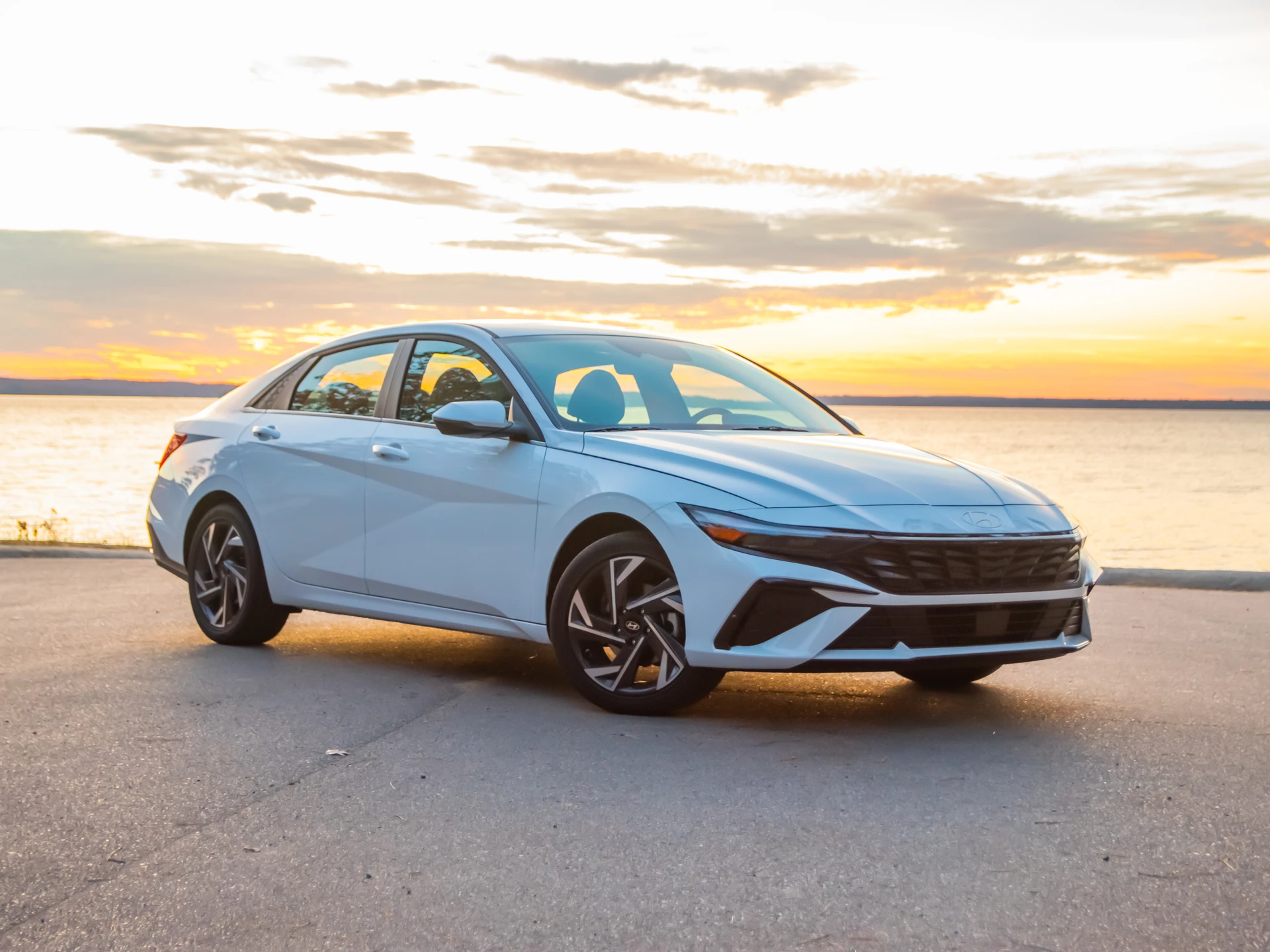
The 2025 Hyundai Elantra proves that entry-level small sedans can be both practical and appealing. Seating five passengers across nine trims, the popular SEL Sport starts at $24,495 with a 2.0L four-cylinder engine and front-wheel drive.
Fuel economy is estimated at 30 mpg city and 39 mpg highway, with hybrid options delivering even higher efficiency. The Elantra blends roomy interior space, modern technology, and safety features at a competitive price point, making it a strong contender in the compact sedan segment.
Acceleration from the base 2.0-liter engine is modest, reaching 60 mph in about 9.4 seconds. Passing on highways requires patience, and the continuously variable transmission is tuned more for fuel economy than spirited performance.
The ride is comfortable and composed, soaking up bumps and imperfections, though cabin noise from wind and road surfaces can be noticeable at higher speeds. Handling is predictable but not sporty, and drivers seeking a performance-oriented experience would need the N Line trim with its sport-tuned suspension.
The Elantra cabin is designed for comfort and practicality. Front seats are generally supportive, though the bottom cushions feel a touch flat, and side bolstering is minimal. Rear seating is among the most spacious in its class, comfortably accommodating adult passengers for long trips.
The driver can easily find a comfortable position with a wide steering wheel and seat adjustments, while controls are logically arranged and intuitive to use. Cabin materials combine soft and hard plastics, with higher trims offering additional touches like leather and a wireless charging pad.
Technology is a highlight in the Elantra. Most trims include Apple CarPlay and Android Auto, although wireless integration is limited to the smaller 8-inch screen.
Available twin 10.25-inch screens display both instrumentation and infotainment functions, providing clear menus and easy navigation. Advanced driver-assistance features such as adaptive cruise control and lane-centering work smoothly, with minimal false alerts during testing.
Trunk space measures 14.2 cubic feet, and rear seats fold flat for added cargo versatility. Front passenger storage and cupholders are adequate, and child seat anchors are easy to locate and use. The Elantra delivers excellent fuel efficiency, with the base engine models reaching EPA-estimated 34–36 mpg combined and real-world testing achieving 41.8 mpg. Hybrid models further improve these numbers.
The 2025 Hyundai Elantra offers impressive value with its spacious cabin, advanced technology, and extensive warranty coverage. Hyundai provides a five-year/60,000-mile limited warranty, a 10-year/100,000-mile powertrain warranty, and three years/36,000 miles of complimentary maintenance.
While cabin noise and some hard plastics remain minor drawbacks, the Elantra’s combination of comfort, efficiency, and features makes it a compelling choice for small-sedan buyers seeking a reliable, well-equipped vehicle.
Also read: 10 Cars Design That Make No Sense but People Love Anyway
6. 2025 Nissan Sentra: Comfortable, Safe, and Affordable
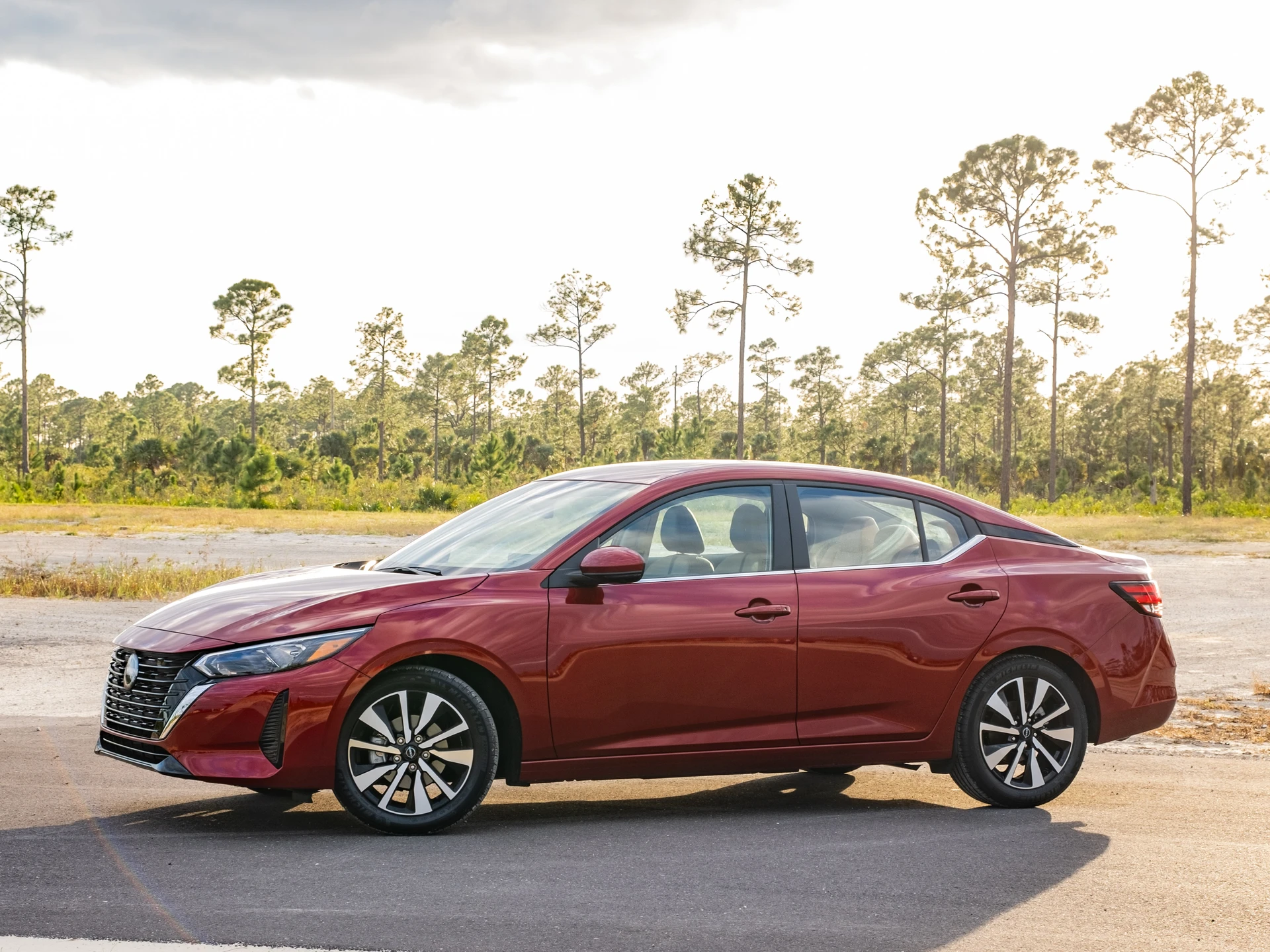
The 2025 Nissan Sentra is a compact sedan that blends affordability, comfort, and a generous list of standard safety features. Seating five passengers across three trims, the popular SV starts at $23,485 with a 2.0L four-cylinder engine and front-wheel drive.
Fuel economy is estimated at 30 mpg city and 40 mpg highway. The Sentra offers a comfortable ride and a practical interior, making it an appealing choice for budget-conscious buyers who prioritize everyday usability over sporty performance.
The base 2.0-liter engine delivers 149 horsepower, producing adequate acceleration for city driving but falling short on power when passing or merging on highways. Testing recorded a 0 to 60 mph time of 8.8 seconds, slightly below average for the segment.
The continuously variable automatic transmission provides smooth shifts but offers little engine braking, requiring more frequent use of the brakes in routine driving. Steering and handling are predictable and sufficient for daily commuting, though the Sentra is not designed for spirited driving.
Comfort is one of the Sentra’s strongest attributes. The ride absorbs bumps and road imperfections effectively, though it can feel a bit floaty at higher speeds. Front seats are decently cushioned, and rear seats are surprisingly plush, comfortably accommodating two adults for longer trips. Rear legroom is among the best in the class. Climate control works adequately, and interior materials feel solid, giving the cabin a refined feel compared with rivals. Visibility is good to the front and sides, though rearward sightlines are somewhat restricted by thick pillars and a sloped rear window.
The interior layout is straightforward, with easily accessible controls and a responsive 8-inch touchscreen. Apple CarPlay and Android Auto are standard, though onboard navigation is not available. Standard and optional driver-assistance features are plentiful, including adaptive cruise control and an available 360-degree camera system, providing reassurance for city and highway driving.
Trunk space is 14.3 cubic feet, slightly above average for a small sedan. Rear seats fold 60/40 to expand cargo capacity, although they do not fold completely flat, which can make transporting larger items more challenging. Front and small-item storage is adequate, while rear-seat child anchors are present but slightly tight to access due to cushion design.
Fuel economy is average, with an EPA estimate of 33-34 mpg combined. Real-world testing returned slightly lower results, around 28.7 to 32 mpg.
The Sentra delivers good value for buyers seeking a practical, safe, and comfortable compact sedan at a reasonable price. Standard safety and technology features are generous, the cabin feels comfortable and reasonably upscale, and the starting price is competitive.
Warranty coverage includes three years/36,000 miles basic, five years/60,000 miles powertrain, and three years/36,000 miles of roadside assistance, which aligns with expectations for non-luxury compact cars. While engine power and efficiency are modest, the 2025 Sentra remains a solid choice for commuters and small families seeking an affordable, well-rounded vehicle.
7. 2025 Subaru Impreza: Practical, Safe, and All-Wheel Drive
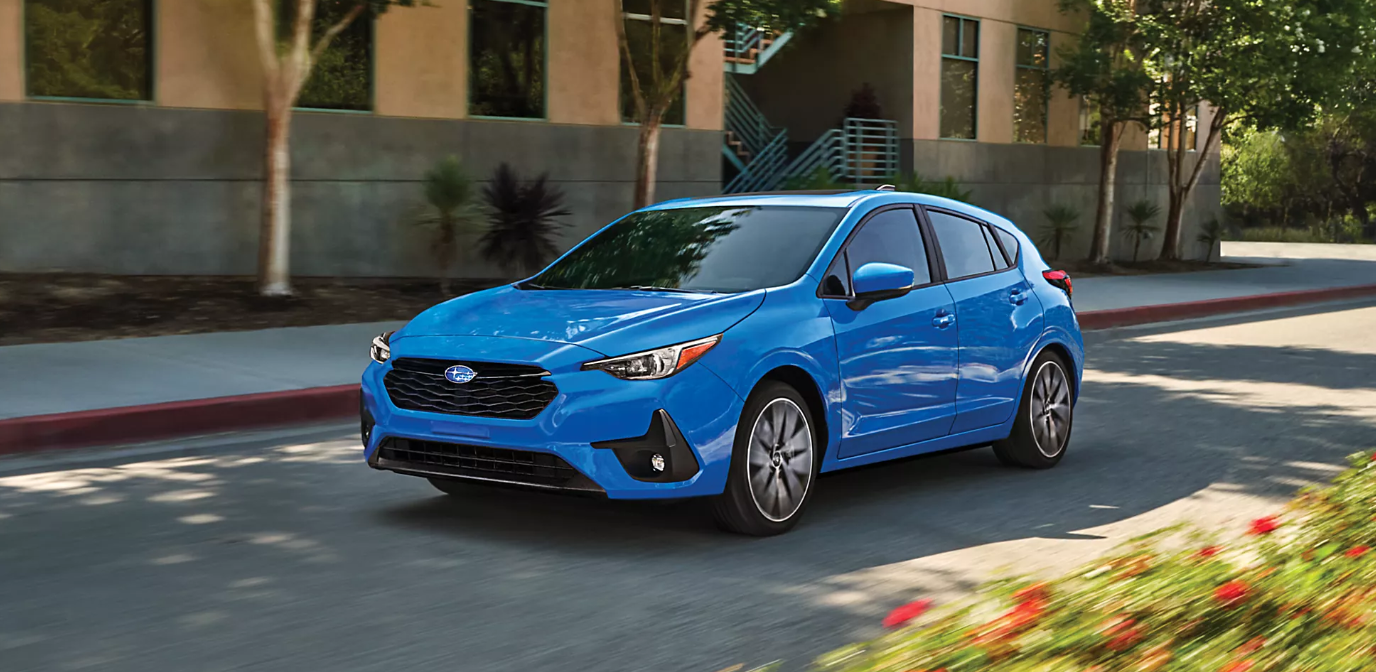
The 2025 Subaru Impreza is a compact hatchback or sedan that prioritizes practicality, safety, and all-weather capability. Seating five passengers across three trims, the popular 2.0i starts at $25,530 with a 2.0L flat-four engine and standard all-wheel drive.
Fuel economy is estimated at 27 mpg city and 34 mpg highway, with slightly lower real-world results. The Impreza is ideal for buyers who want a reliable, safe, and capable vehicle without the frills of sportier or luxury-oriented rivals.
All-wheel drive is standard across the lineup, a rare feature in the compact class, offering confidence in rainy, snowy, or slippery conditions. Safety scores are excellent, with five stars from the National Highway Traffic Safety Administration and a Top Safety Pick award from the Insurance Institute for Highway Safety.
The Impreza’s interior is straightforward and functional, with durable materials and intuitive controls. While the cabin lacks the polish and flair of competitors, it prioritizes usability and simplicity over showmanship.
Performance is modest. The base engine produces adequate acceleration for daily driving, but highway merging and passing require more planning. Testing of the RS trim, which features the more powerful engine, recorded a 0 to 60 mph time of 8.4 seconds.
The continuously variable transmission is smooth but can feel unresponsive during quick bursts of speed. Steering is light, making parking easy, and the suspension handles bumps and potholes competently, though it lacks sportiness or dynamic feedback.
The cabin is comfortable for most occupants. Front seats are soft with reasonable support, and rear passengers benefit from generous headroom and legroom, particularly in the hatchback model. Heated front seats are available on higher trims, and dual-zone automatic climate control is standard.
Interior noise is low at moderate speeds, though the engine becomes loud under hard acceleration. Visibility is strong due to low hood lines and tall windows, though rearward sightlines are somewhat restricted by thick pillars.
Technology is adequate, with dual 7-inch displays on base trims or a larger 11.6-inch touchscreen on Sport and RS trims. Apple CarPlay and Android Auto are standard, and wireless connectivity is available on higher trims. A suite of driver-assistance features includes adaptive cruise control, lane departure warnings, and optional lane centering, offering solid safety support without being intrusive.
Cargo capacity is generous for the class, with 20.4 cubic feet behind the rear seats and 56 cubic feet with seats folded. Storage is practical, with door pockets, console space, and bottle holders. Child seat installation is straightforward, aided by wide-opening doors and easily accessible anchors.
The Impreza offers good value for buyers who want all-wheel drive, strong safety, and a practical, no-nonsense interior at a competitive price. Its base price undercuts many rivals, and optional equipment is reasonably priced.
While interior refinement and engine performance lag behind segment leaders, the 2025 Subaru Impreza remains a dependable choice for commuters and small families who prioritize capability, safety, and practicality over speed or style.
8. 2026 Toyota Corolla: Efficient, Comfortable, and Dependable
The 2026 Toyota Corolla delivers practical value, efficiency, and a reliable driving experience. It seats five passengers and is available in six trims. The popular LE FWD starts at $23,920 with a 2.0L I4 engine and front-wheel drive. Fuel economy ranges from 32 mpg city and 41 mpg highway for the standard gas model.
Hybrid versions further increase efficiency and make the Corolla one of the most economical options in the compact sedan segment. It is well-suited for buyers who want a dependable, low-cost vehicle with strong resale value and minimal maintenance.
Performance is suited to daily commuting, though acceleration is modest. The 2.0L engine reaches 0 to 60 mph in 8.8 seconds. Highway merging and passing slower vehicles require careful throttle management. The continuously variable automatic transmission is smooth and tuned for fuel efficiency with minimal CVT noise.
Handling is predictable, though the vehicle leans noticeably on turns. Steering is precise enough for city streets, and braking is easy to control. Drivers who prefer sporty performance may find competitors such as the Mazda3 or Honda Civic more engaging.
Comfort is one of the Corolla’s strengths. Front seats provide good support and adjust easily for a range of driver sizes. Rear seats are slightly tighter in headroom but remain adequate for most adults.
The ride absorbs city bumps and irregular surfaces effectively. Road noise is present on highways, but does not dominate the cabin. Cloth seats breathe well in hot weather, while synthetic leather adds a premium feel. Entry and exit are simple thanks to a low step-in height and clear sight lines from the driver’s position.
The interior layout is simple, functional, and intuitive. Controls are logically arranged, and the standard 8-inch touchscreen or optional 10.5-inch screen provides a modern interface, though it can respond slowly at times.
Apple CarPlay, Android Auto, multiple USB-C ports, optional wireless charging, and Toyota connected apps increase convenience. The trunk measures 13 cubic feet, providing space for daily cargo, and child seat anchors are easy to access. Rear seatbacks do not fold completely flat, which limits carrying long items, but storage is sufficient for typical needs.
The Corolla provides excellent value with low operating costs, Toyota reliability, and two years of free scheduled maintenance. Safety technology is extensive and effective, including lane-keeping assistance, adaptive cruise control, and blind-spot monitoring.
The hybrid models improve fuel efficiency further, making the Corolla a smart choice for commuters and families who prioritize comfort, efficiency, and long-term dependability.
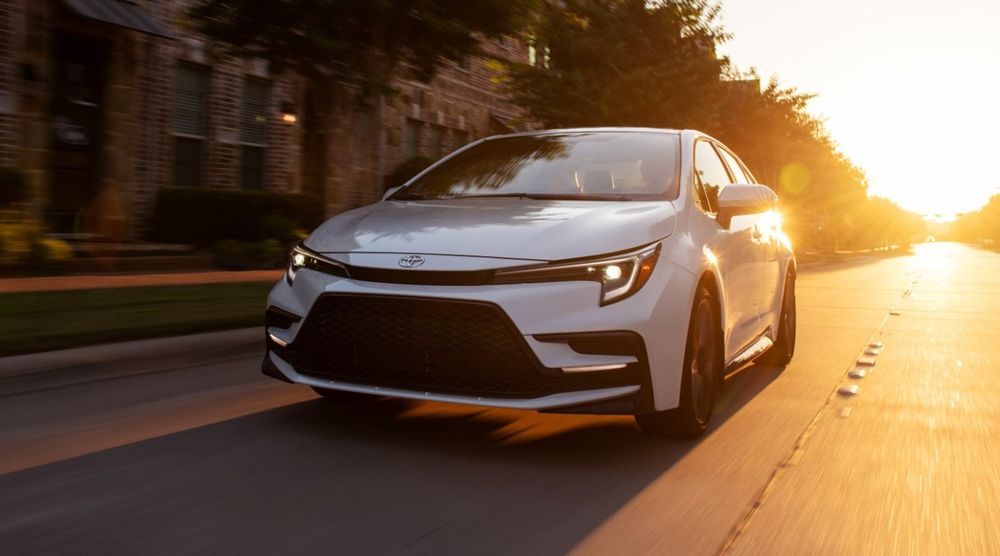
9. 2025 Chevrolet Malibu: Spacious, Comfortable, and Efficient
The 2025 Chevrolet Malibu is a midsize sedan designed to provide comfort, utility, and good value. It seats five passengers and is offered in four trim levels. The popular RS trim starts at $27,995 with a 1.5L I4 turbocharged engine and front-wheel drive.
Fuel economy is estimated at 28 mpg city and 36 mpg highway. The Malibu emphasizes passenger comfort, a roomy cabin, and a large trunk, making it suitable for families or anyone seeking a practical daily driver.
The Malibu’s performance is geared toward smooth commuting rather than sporty driving. The 1.5L turbo engine produces 160 horsepower, providing adequate acceleration for most situations. For those seeking more power, the Premier trim offers a 2.0L turbo engine. Acceleration from 0 to 60 mph is respectable, though not thrilling.
Steering is light and predictable, though it lacks feedback. The Malibu handles corners confidently, and the suspension keeps the ride controlled over uneven pavement. Braking is consistent and smooth, offering strong stopping power from highway speeds. The CVT automatic transmission performs adequately but can feel unrefined under heavy acceleration.
Comfort is a strong point for the Malibu. Front seats are firm and supportive with sufficient side bolstering, making long drives pleasant. Rear seating accommodates adults comfortably, although the center seat is best for smaller passengers.
The ride quality is composed, with the suspension absorbing bumps effectively. Engine and wind noise are muted, and the air conditioning keeps the cabin cool even in hot conditions. Optional ventilated seats further improve comfort on long trips.
The interior layout is simple and user-friendly. Controls are logically placed, and the 8-inch MyLink touchscreen is easy to reach and operate. Visibility is good to the front and sides, but thick roof pillars and a high rear deck can limit rearward sight lines.
The cabin is made of durable materials, though some hard plastics appear dated. Front passengers enjoy spacious accommodations, while rear-seat legroom is slightly less generous compared to newer competitors.
Storage is adequate for daily use. The 15.8-cubic-foot trunk provides room for luggage or golf bags, and the 60/40-split folding rear seats allow for longer items. Small-item storage, such as the glovebox and door bins, is modest, and rivals provide more clever configurations. Child seat anchors are easy to locate and use.
Technology includes a standard 8-inch touchscreen, Apple CarPlay, Android Auto, OnStar services, and optional Wi-Fi. Higher trims offer advanced driver-assistance features like adaptive cruise control and blind-spot monitoring, though most of these are optional rather than standard.
The 2025 Chevrolet Malibu is a solid choice for buyers seeking a spacious, comfortable, and efficient family sedan with user-friendly technology, a smooth ride, and adequate power for daily driving.
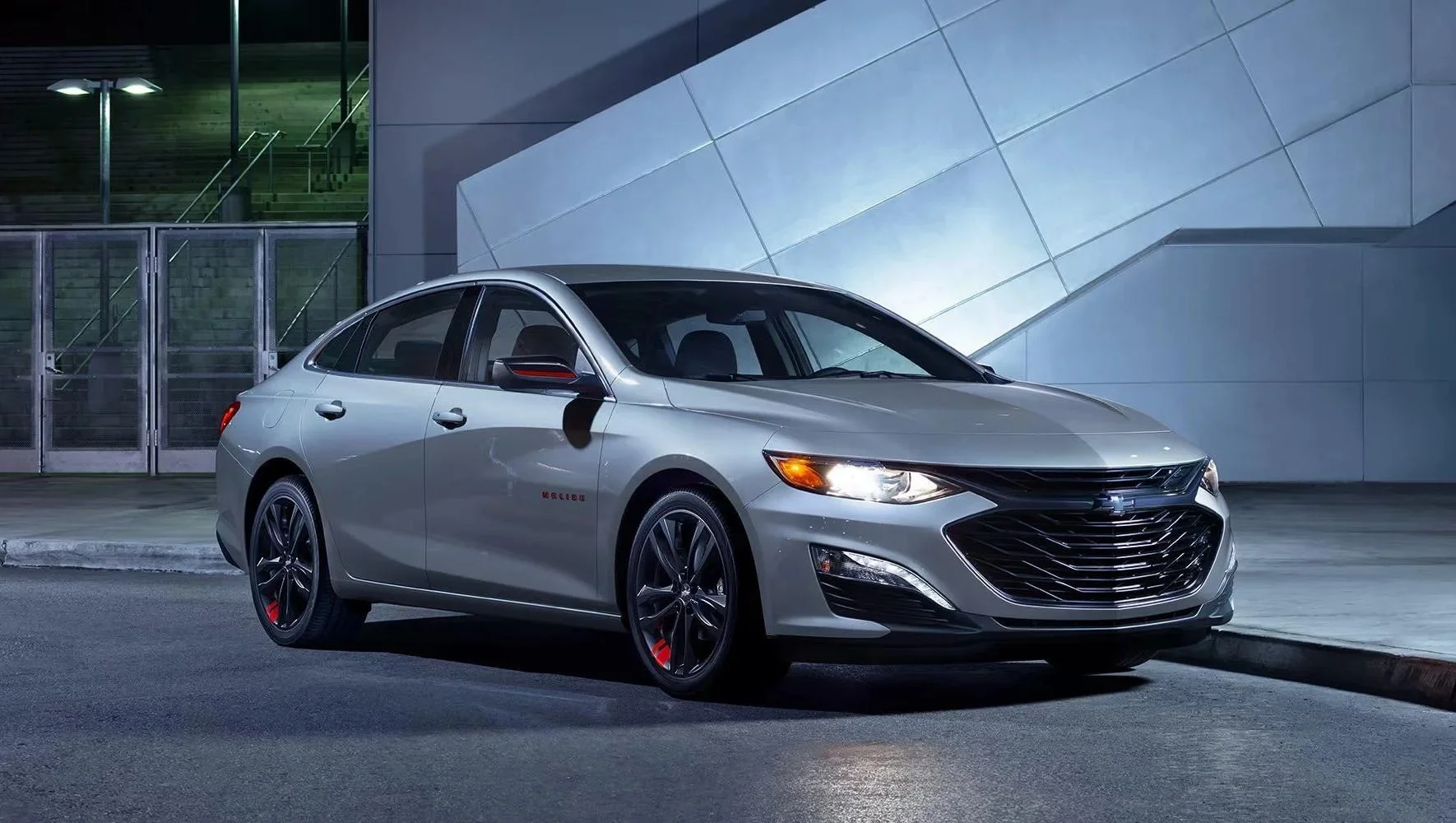
10. 2026 Honda Civic: Efficient, Agile, and Practical
The 2026 Honda Civic remains a benchmark in the compact sedan segment, offering five seats across five trim levels. The Sport Sedan CVT is the most popular trim, starting at $27,790 with a 2.0L I4 engine and front-wheel drive.
The EPA estimates fuel economy at 31 mpg city and 39 mpg highway, while the hybrid variant reaches up to 49 mpg combined. The Civic emphasizes sharp handling, strong fuel efficiency, and a roomy interior for passengers and cargo, making it an attractive choice for those seeking both fun and practicality in a small car.
The Civic excels in driving performance. The hybrid Sport Touring trim accelerates from 0 to 60 mph in 6.6 seconds, making it faster than most competitors and even quicker than the sporty Civic Si. Steering is precise, and the suspension provides a taut yet balanced ride that handles both smooth highways and broken roads with composure.
Visibility is aided by narrow front roof pillars and mirrors mounted on the doors, though the sloping roofline slightly reduces rear headroom. Standard driver-assistance features, such as adaptive cruise control and lane-keeping assist, function consistently and enhance confidence on the road.
Comfort in the Civic is strong, with a cabin that feels well-designed and intuitive. The front seats are supportive, while rear-seat space is generous for the class, although taller passengers may notice reduced headroom due to the roofline.
Road and wind noise are present but not excessive, and the climate control system distributes air evenly. The omission of rear vents is a minor drawback. Front and rear seating accommodate adults comfortably, and car seats can be installed without major difficulty.
Interior technology is user-friendly. The standard 7-inch touchscreen provides basic infotainment, while the available 9-inch display with Google Built-In supports voice commands, navigation, and entertainment features. Apple CarPlay and Android Auto are standard on all trims, though wireless integration is limited to the larger screen. A Bose audio system is available on the Sport Touring trim.
The Civic offers ample storage for a compact sedan. The sedan trunk provides 14.8 cubic feet, and the hybrid’s battery placement does not compromise cargo capacity. Small-item storage is practical, with a spacious armrest and additional cubbies. The hatchback version increases cargo space to 24.5 cubic feet and allows rear seats to fold flat for larger items.
Value is strong, with competitive pricing that reflects a balance of performance, fuel economy, and interior quality. Warranty coverage includes three years or 36,000 miles basic and five years or 60,000 miles for the powertrain. The Civic hybrid stands out as a daily driver that delivers fun behind the wheel while maintaining impressive efficiency, solid build quality, and a practical, comfortable interior for everyday use.
There are many choices for buyers who want a car that is practical, reliable, and full of features without spending a fortune. The ten vehicles featured here, from the 2025 Nissan Versa and Kia K4 to the 2026 Honda Civic, prove that affordability does not mean sacrificing comfort, style, or technology.
These cars provide solutions for daily commuting, family transport, and longer trips while keeping operating costs low. Strong fuel efficiency, generous warranties, and thoughtfully designed interiors make them smart investments for budget-conscious drivers.
Manufacturers have found ways to make entry-level cars feel modern and capable. Even basic trims include driver-assist features, infotainment systems compatible with Apple CarPlay and Android Auto, and comfortable cabins. Compact sedans such as the Hyundai Elantra and Toyota Corolla, or subcompact SUVs like the Kia Soul, show that practicality, safety, and personality can all coexist in a reasonably priced package.
These ten cars prove a simple truth: you do not need to be rich to drive smart. Whether your priority is fuel efficiency, technology, comfort, or durability, there are vehicles that deliver exceptional value. Everyday drivers now have access to dependable, practical, and enjoyable cars without overspending, making smart choices on the road more attainable than ever.
Also Read: 5 Cars That Rarely Cause Regret vs 5 That Constantly Do
