
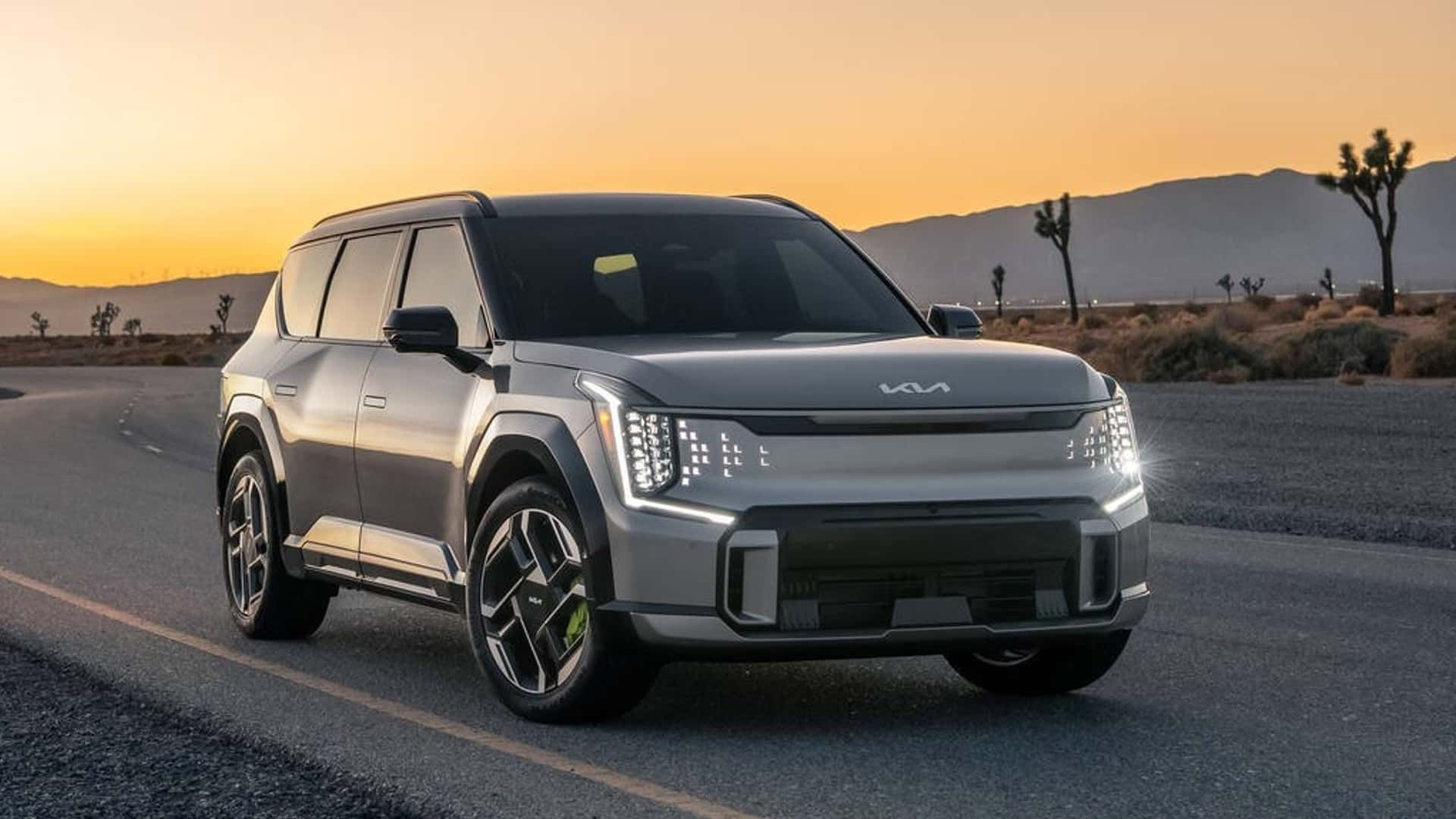
Electric vehicles are no longer just a luxury for the affluent. They are becoming practical, accessible, and surprisingly capable. For budget-conscious buyers, finding an EV that balances price with performance, comfort, and reliability can feel challenging.
From compact hatchbacks like the Nissan Leaf to spacious three-row SUVs like the Kia EV9, today’s market offers affordable options that do not compromise on quality. These vehicles provide solid range, practical interiors, modern technology, and safety features that rival higher-priced models.
Whether you are driving in the city, exploring rough terrain, or planning longer road trips, there are electric cars and crossovers that combine efficiency with real-world usability. In this guide, we explore 12 budget-friendly EVs that prove you do not have to spend a fortune to enjoy the benefits of electric driving, helping you make a smarter, more sustainable choice.
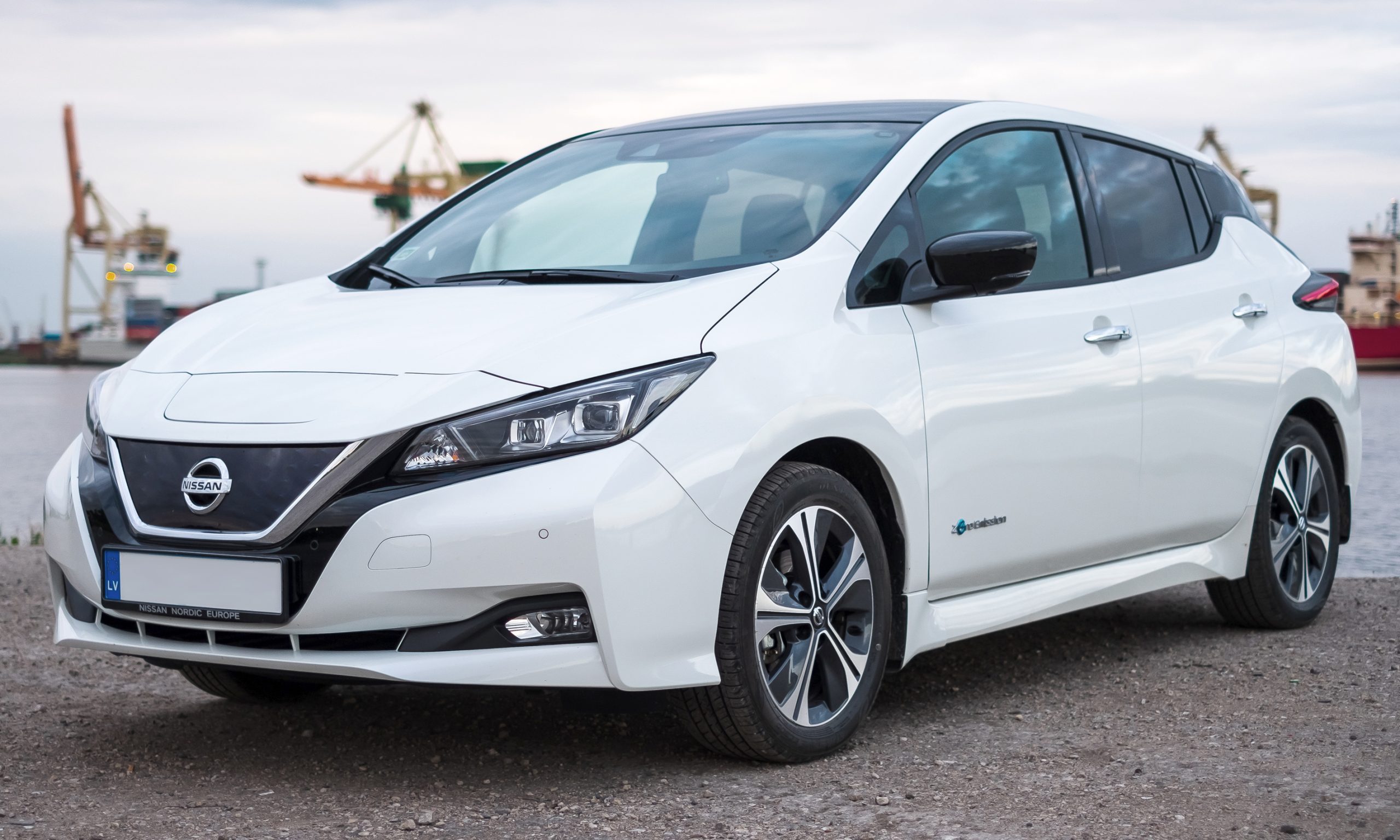
1. Nissan Leaf: Affordable and Practical Electric Hatchback
The 2025 Nissan Leaf remains one of the most affordable new electric vehicles on the market, with a base price of $29,280 and eligibility for a $7,500 federal tax credit when leased. With discounts often applied, the Leaf can cost as little as $21,880, making it a rare $20K-ish EV in today’s market.
Additional incentives are available for veterans and recent college graduates. While the Leaf isn’t the flashiest EV, it provides reliable, budget-friendly electric mobility, particularly for in-town driving.
The Nissan Leaf delivers adequate performance for daily commuting. The standard model achieves 0-60 mph in 7.8 seconds, while the Leaf Plus trims it to 7 seconds, slightly slower than competitors like the Hyundai Kona and Kia Niro EV.
The vehicle features smooth, responsive brakes, and the e-Pedal mode allows for braking via regenerative power, enhancing driving enjoyment. Instant electric torque and the absence of gear shifts make driving effortless, and the low-slung battery improves stability and cornering confidence.
The Leaf offers a comfortable ride with supportive, well-shaped seats that absorb bumps without being overly soft. Noise from the electric drivetrain is virtually nonexistent, leaving only moderate road and wind noise. Inside, there is ample legroom and headroom, though the cabin width is modest.
The driver’s seat sits slightly high, which may not suit taller drivers. Visibility is generally good, aided by large windows, though the rear roof pillars create larger blind spots. The interior features functional materials appropriate for its price, and leather options are available on higher trims.
Standard tech includes a responsive touchscreen system with Apple CarPlay and Android Auto integration. Upgrading to the SV Plus trim adds ProPilot Assist, providing advanced adaptive cruise control and lane-keeping assistance for easier highway driving.
Cargo space is generous for day-to-day use, although the rear seats do not fold flat, limiting maximum storage flexibility. Small-item storage is adequate but could be improved. Wide-opening doors and easy-to-use car seat anchors make the Leaf a practical option for families.
The standard Leaf offers a 149-mile EPA-rated range, while the Leaf Plus SL extends up to 212 miles. Real-world testing showed slightly better performance, with a 237-mile range at 27.1 kWh/100 miles. Charging tops out at 50 kW via CHAdeMO, which is slower and less common than CCS connectors, making long road trips less convenient. Efficiency is competitive but not exceptional among mainstream EVs.
The Nissan Leaf is an excellent value for budget-conscious buyers seeking a reliable electric vehicle. While it lacks the excitement, speed, and cutting-edge technology of pricier EVs, its low cost, solid comfort, and practicality make it a strong contender for in-town commuting and everyday family use.
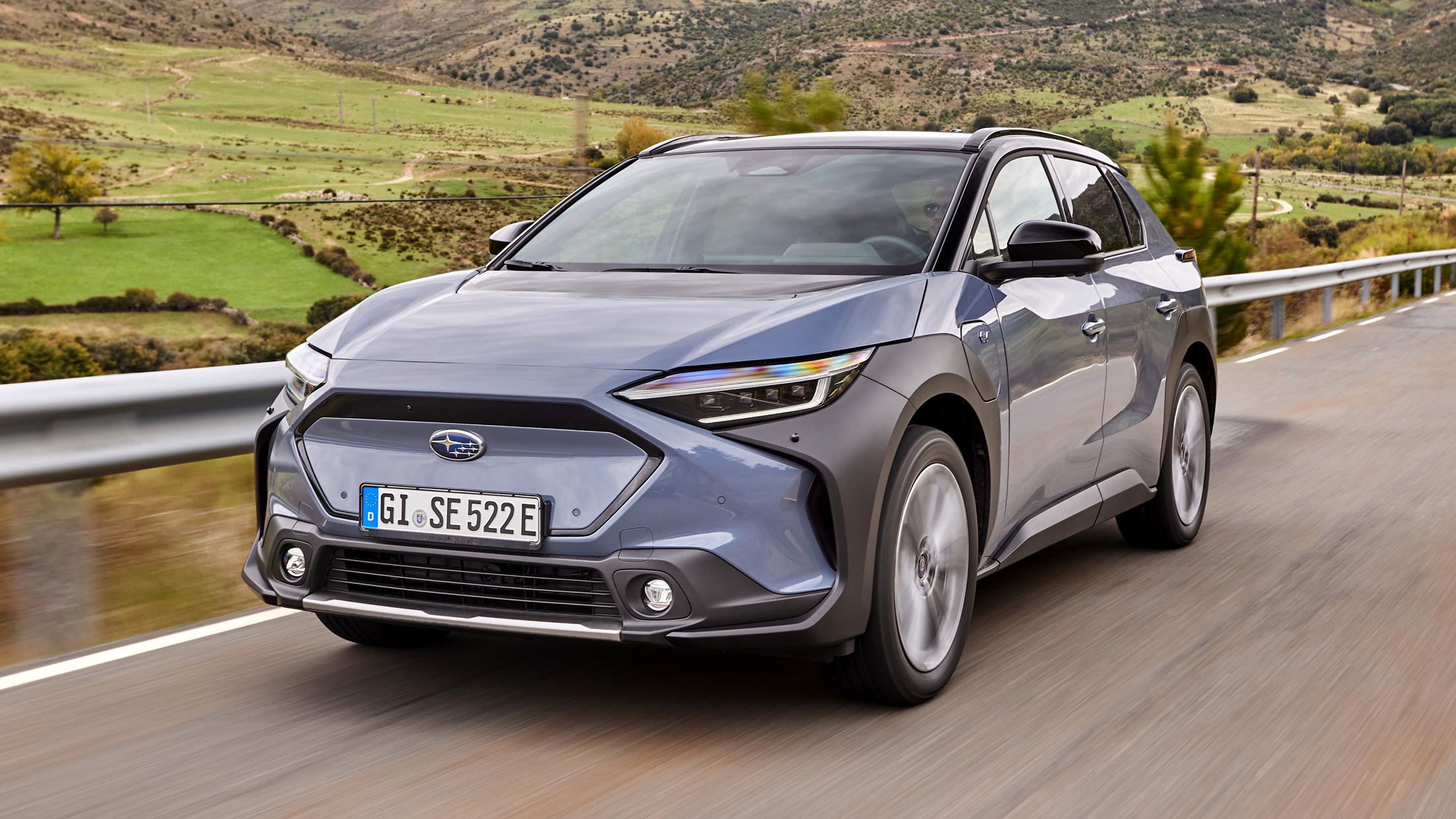
2. Subaru Solterra: Rugged EV with Off-Road Capability
The 2025 Subaru Solterra is an all-electric SUV priced at $39,915, eligible for a $7,500 federal tax credit when leased. While it suffers from underwhelming software, slow charging, and limited range, it shines as one of the few EVs under $50,000 capable of handling rough terrain.
With 8.3 inches of ground clearance, a 17.7-degree approach angle, and the ability to ford 19.7 inches of water, the Solterra is a practical choice for drivers who value off-road capability. Its 72.8 kWh battery provides up to 227 miles of range, powered by dual electric motors producing 215 horsepower, while standard all-wheel drive ensures traction across varied surfaces.
The Solterra offers smooth, if unspectacular, performance. Acceleration is adequate for city driving but lacks the punch of rivals like Tesla, Hyundai, or Ford EVs. Braking is average, and regenerative braking does not allow full one-pedal driving. Steering is light and maneuverable, though the small wheel can feel awkward.
The ride quality is comfortable over bumps, and the crossover handles daily driving with ease. Advanced driver assistance systems, including adaptive cruise control and lane-keeping, function well, though the parking sensors can be overly sensitive in tight spaces.
The interior is comfortable and practical. Front seats are well-padded and supportive, with sufficient adjustments for most drivers. Rear seats are spacious and facilitate easy installation of child safety seats.
Cabin quietness is good, though wind and road noise are noticeable, and warning beeps can be intrusive. Climate control is efficient, and the key-fob remote feature allows pre-conditioning the cabin. Higher trims include heated and ventilated seats for added comfort.
The Solterra’s infotainment system is responsive, utilizing Google-based navigation with voice control and over-the-air updates. Phone integration includes Apple CarPlay and Android Auto, with wireless connectivity and multiple USB ports. The cabin lacks a glovebox and offers limited small-item storage. Cargo space behind the rear seats is 23.8 cubic feet, modest for the segment, and the load floor is adjustable to accommodate taller items. No front trunk or towing capacity is offered.
EPA-estimated range is 222–227 miles, modest compared to rivals that exceed 300 miles. Real-world testing recorded 249 miles on a single charge, with energy consumption around 27.8 kWh/100 miles, efficient for a dual-motor EV. DC fast charging is slower than competitors, with realistic 10%–80% charging times around 45 minutes, despite Subaru’s 35-minute claim.
The Solterra is competitively priced and includes a standard AWD setup, standard warranties, and complimentary roadside assistance. However, it lacks personality and feels like a twin of the Toyota bZ4X, with minimal differentiation. While it is not the fastest or longest-range EV, the Solterra is a solid choice for buyers seeking an affordable electric SUV capable of tackling rugged terrain.
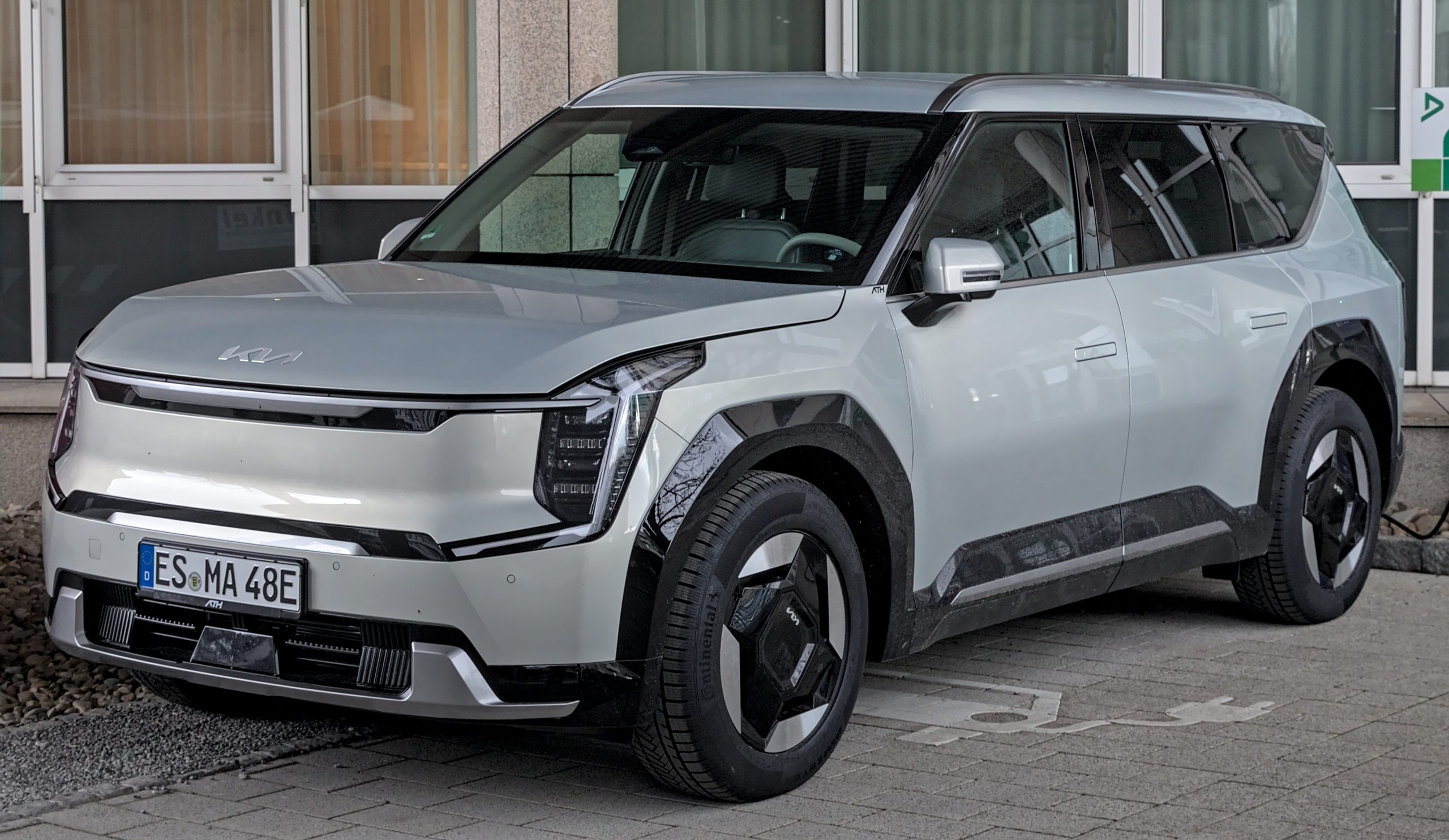
3. Kia EV9: Spacious and Tech-Forward Three-Row SUV
The 2025 Kia EV9 is a three-row electric SUV with a base price of $54,900, eligible for a $7,500 federal tax credit when leased. Incentives can bring the effective price down to $43,895, making it competitive with similarly sized gasoline SUVs like the Ford Explorer.
The EV9 offers rear-wheel drive on the base Light trim and all-wheel drive on higher trims, with EPA-estimated ranges from 230 miles (Light RWD) up to 305 miles (Light Long Range AWD). Its 800V battery system enables impressive fast charging, reaching 10% to 80% in about 24 minutes, making it one of the fastest-charging electric SUVs currently available.
The EV9 delivers smooth and composed performance. Base trims provide adequate power with 215 horsepower, while higher trims, such as the GT-Line, accelerate from 0–60 mph in 4.7 seconds. Braking is strong and responsive, and the EV9 handles corners confidently for a large SUV. Adjustable regenerative braking allows for one-pedal driving, making city commuting effortless.
Visibility is generally good, though chunky front pillars can obstruct some lines of sight. Optional 360-degree cameras and adaptive cruise control enhance safety and maneuverability, and family-friendly features like rear door and child monitoring add convenience.
The EV9’s interior prioritizes comfort across all three rows. Front seats are highly adjustable with heating, ventilation, and optional massage functions. Second-row captain’s chairs match the front in comfort, while the third row exceeds most competitors in usability and padding.
Entry and exit are made easy by generous door openings and a low step-in height. Climate control is effective, and the cabin remains fairly quiet, though touchscreen placement and control layout could be more intuitive. LATCH anchors and rear top tethers are conveniently located for child safety seats.
The EV9 is well-equipped with modern technology. The infotainment system supports wireless Apple CarPlay and Android Auto, features a reliable navigation system, and includes a premium Meridian audio option.
Storage is ample, with 20.2 cubic feet behind the third row, expandable to 43.5 cubic feet with the seats folded, and 81.7 cubic feet at maximum. The EV9 can tow up to 5,000 pounds, though towing reduces its range. Multiple cupholders, bins, and smart cabin design enhance practicality.
EPA range varies from 230 to 305 miles, with real-world tests exceeding 300 miles. Efficiency is solid, consuming 35.7 kWh per 100 miles for the GT-Line, competitive for a large three-row SUV. Fast-charging performance is exceptional, adding roughly 543 miles of range per charging hour on a compatible station. This makes the EV9 convenient for long trips and everyday commuting alike.
The EV9 offers strong value through build quality, premium materials, and a generous warranty (10 years/100,000 miles, including the battery). With spacious seating, family-friendly features, and standout styling, it combines functionality with excitement. The EV9 is an appealing choice for buyers seeking a practical, high-tech, and capable three-row electric SUV.
4. Tesla Model 3: Long-Range, Efficient, and Tech-Focused
The 2025 Tesla Model 3 is one of the most compelling electric vehicles available. With a base price of $44,130, eligible for a $7,500 federal tax credit, the Long Range RWD model offers an EPA-rated range of 363 miles. Real-world testing shows it can reach up to 370 miles on the highway, surpassing its EPA estimate.
The Model 3 comes with front ventilated seats, heated rear seats, a 9-speaker sound system, a power trunk, dual-pane windows, and adaptive cruise control with lane centering (Autopilot). Charging remains moderate, taking roughly 34.5 minutes from 10% to 80% on a high-speed charger.
The Model 3 is sporty and engaging to drive. The Long Range AWD test model accelerated from 0–60 mph in 4.2 seconds and handled corners with strong balance. Braking is stable, though the stopping distance is slightly long. One-pedal driving with regenerative braking makes city driving smooth, while outward visibility is excellent.
Tesla’s Autopilot system generally performs well for highway use, though occasional overreactions in braking or acceleration prevent it from being fully hands-off. The car rides comfortably over most surfaces and is easy to maneuver.
The cabin is comfortable and functional. Front seats provide good cushioning with heating and ventilation, and rear seats offer generous legroom, though taller passengers may find them low to the floor.
Steering wheel and seat adjustability allow drivers to find a proper driving position. Climate control is intuitive but lacks multi-zone adjustment. Touchscreen-based controls can be distracting, and LATCH anchors for car seats are slightly difficult to access, though rear-facing seats fit adequately.
The Model 3 features a 15.4-inch touchscreen for navigation, media, and climate control, along with a 17-speaker premium sound system. Apple CarPlay and Android Auto are absent, but Tesla’s system provides media and streaming options, including a rear-seat screen for entertainment.
Storage includes 21 cubic feet in the trunk, a flat-folding rear seat, and a 3.1-cubic-foot front trunk, totaling 24.1 cubic feet. Small-item storage is thoughtful, with felt-lined door pockets and a deep center console.
Efficiency is a key strength, with the Model 3 using 25.3 kWh per 100 miles, better than most dual-motor EVs in its class. Fast-charging can reach up to 250 kW, adding about 175 miles of range in 15 minutes. Its long range, combined with Tesla’s extensive Supercharger network, makes the Model 3 suitable for long-distance trips and daily commuting.
The Model 3 is fun to drive, comfortable, and well-built, with improved fit and finish. Its combination of long range, efficiency, and advanced technology makes it a strong choice for buyers seeking a practical yet engaging EV. Limited customization options mean many Teslas on the road look very similar, but the vehicle remains highly desirable.
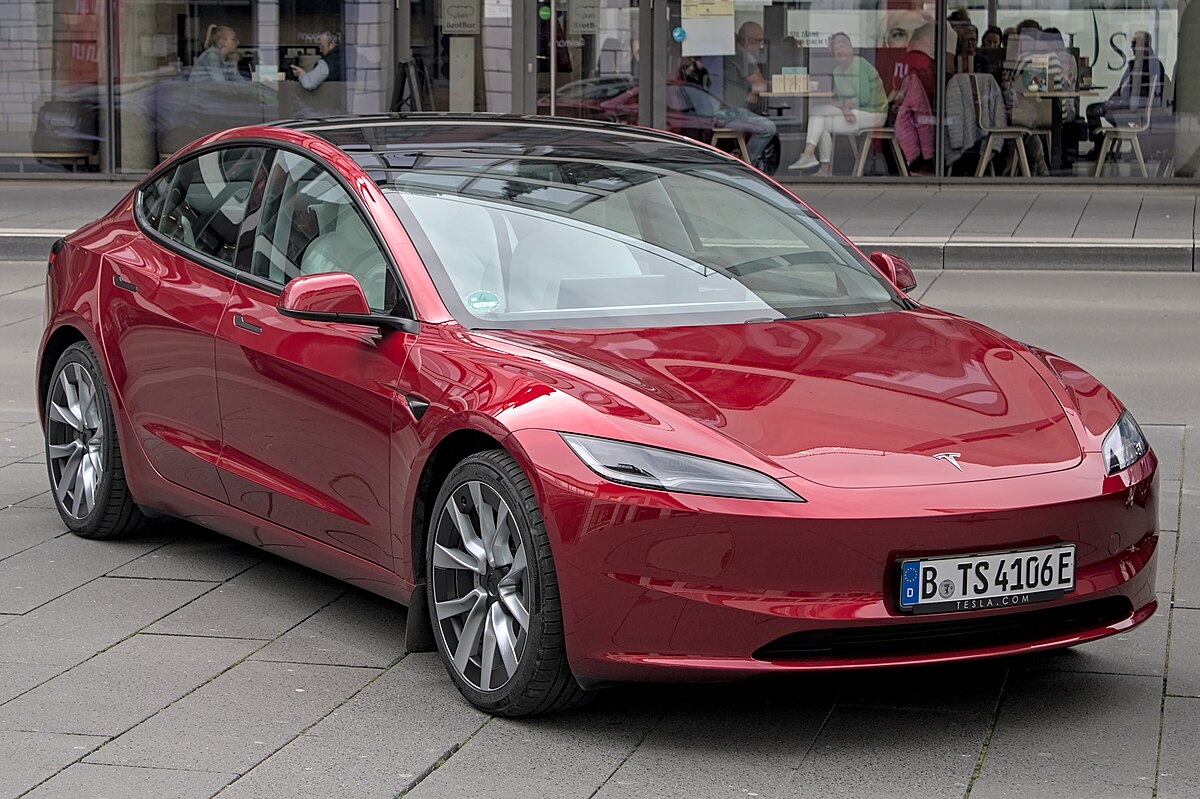
5. Chevrolet Equinox EV: Affordable and Efficient
The 2025 Chevrolet Equinox EV is an electric crossover that emphasizes affordability and practicality. With a base price of $34,295 and eligibility for a $7,500 federal tax credit, the effective cost drops to about $27,495, making it one of the most accessible EVs on the market.
The base LT model offers an EPA-estimated range of 319 miles, powered by a 211-horsepower motor. Fast charging is supported up to 150 kW, with a 10–80% charge taking just under 40 minutes in independent tests.
The Equinox EV provides adequate performance for daily driving. Front-wheel-drive models accelerate from 0–60 mph in 7.8 seconds, which is slower than some rivals but sufficient for commuting. Regenerative braking is adjustable and supports one-pedal driving, simplifying stop-and-go city driving. The crossover rides smoothly over most surfaces, and handling is predictable, though it lacks excitement for enthusiastic driving.
Passenger space is generous, with ample headroom and legroom in both the front and rear. Seats are firm and flat, which may reduce comfort on long drives, but the cabin remains quiet at highway speeds.
The climate control system is responsive, and optional dual-zone adjustment is available. Low-speed external alerts, like pedestrian warning sounds, can be intrusive inside the cabin. Access to the rear seats is straightforward, making the Equinox practical for families.
The Equinox EV is equipped with a 17.7-inch infotainment display that runs Google-based navigation and includes Google Assistant and Play Store access. However, Apple CarPlay is not supported, limiting seamless integration for iPhone users. The audio system is adequate but lacks punch.
Storage behind the rear seats totals 26 cubic feet, larger than some competitors, with a 60/40 split-folding arrangement. There is no front trunk, and storage for small personal items is limited.
Testing revealed a real-world range of 356 miles, exceeding the EPA estimate and impressive for its price. Efficiency is strong at 28.9 kWh per 100 miles. Home charging supports up to 11.5 kW, and DC fast charging at 150 kW can add roughly 77 miles of range in 10 minutes. This makes the Equinox EV suitable for daily driving with occasional longer trips, though it does not charge as quickly as some competitors.
The Chevrolet Equinox EV is a compelling choice for buyers seeking a budget-friendly, roomy, and efficient electric vehicle. While it does not excel in performance, luxury, or cutting-edge tech, it delivers practicality and affordability, making it a gateway option for those entering the EV market. Its inoffensive styling and strong range-per-dollar ratio make it a sensible and reliable option.
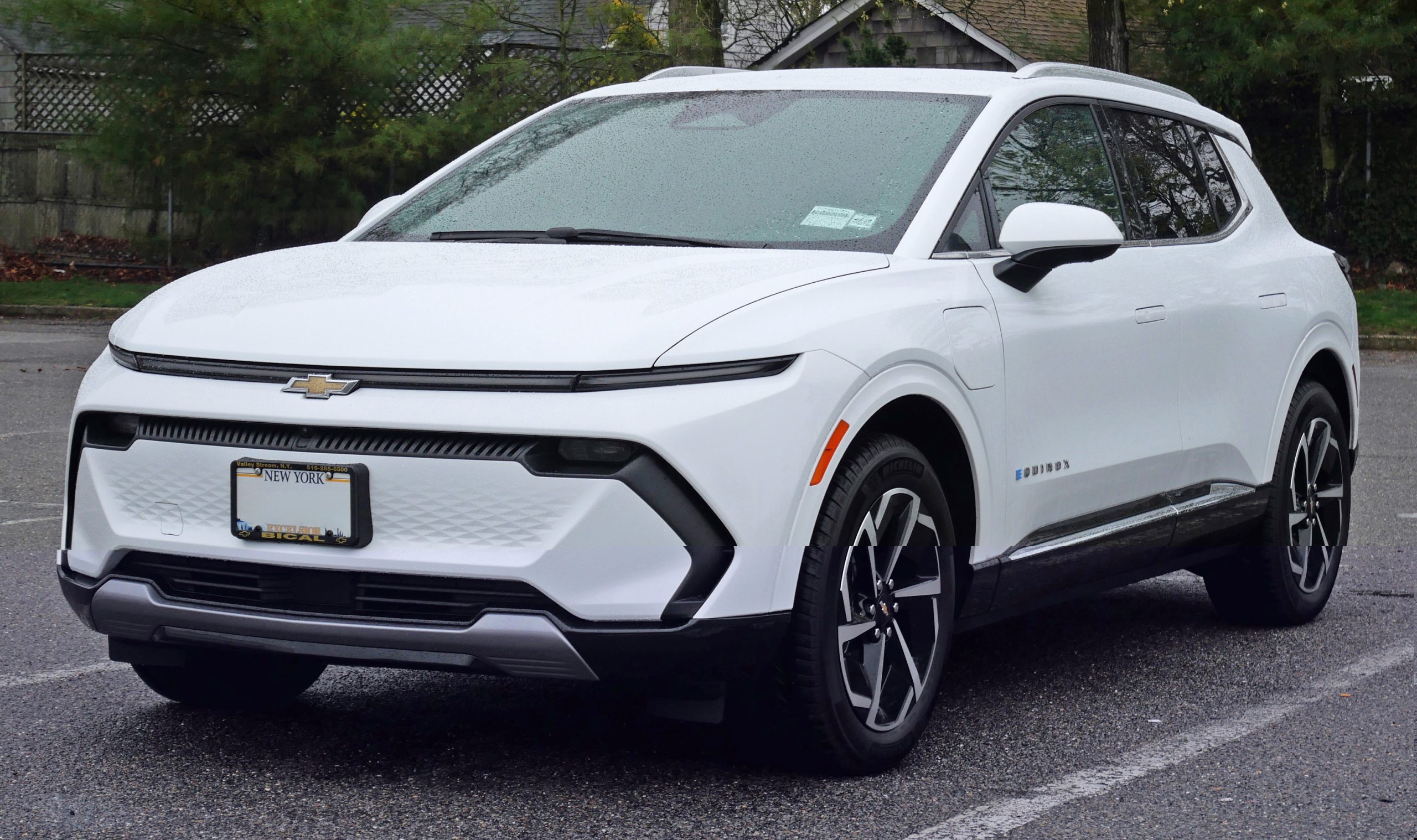
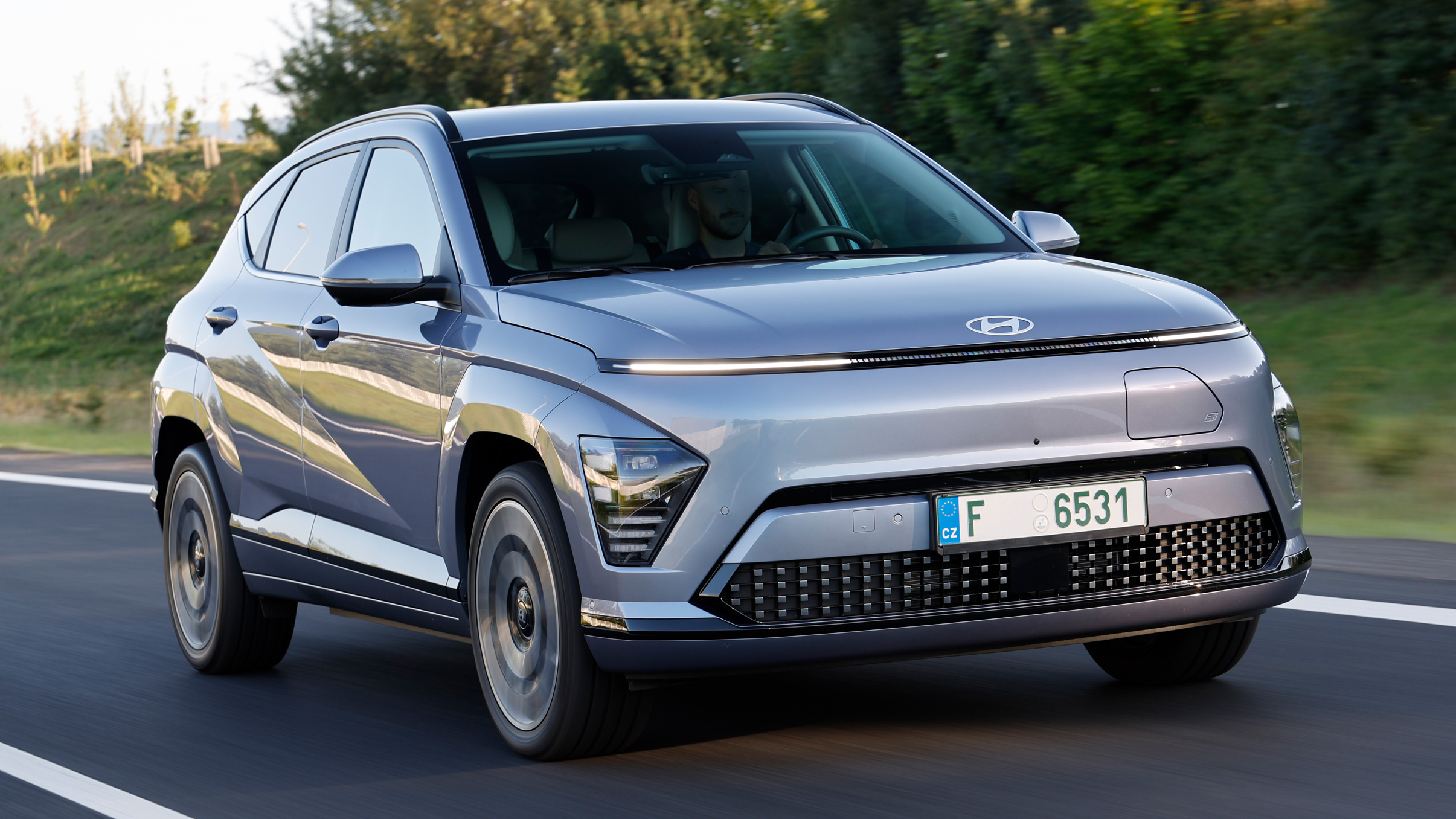
6. Hyundai Kona Electric: Affordable and Practical
The 2025 Hyundai Kona Electric is an accessible and practical electric crossover. Its base price is $34,470, eligible for a $7,500 federal tax credit when leased, making it an attractive option for budget-conscious buyers.
The upper trims deliver a maximum EPA-estimated range of 261 miles, while the base model provides 200 miles. Charging is adequate but not class-leading, taking roughly 41 minutes to go from 10% to 80% on a DC fast charger. The Kona Electric blends affordability with everyday usability, making it a solid first EV for many drivers.
The Kona Electric drives more like an electric performance hatchback than a traditional crossover. Acceleration is brisk, with a 0–60 mph time of 6.6 seconds, making freeway merges and hill climbs effortless.
The car feels steady and composed around corners, and three selectable levels of regenerative braking allow for customized one-pedal driving. For casual driving, the Kona Electric offers a smooth, quiet ride, with the low-slung battery and sophisticated rear suspension helping the car handle bumps with poise.
Front seats are comfortable and supportive, while the rear seat provides adequate space, though taller passengers may find legroom limited.
The cabin is quiet at highway speeds, with minimal wind and road noise. Low-speed pedestrian alert sounds are audible inside the car, fading around 18 mph. The climate control system quickly heats or cools the cabin, and the interior feels airy, though the center console occupies some space.
The Kona Electric features a 10.25-inch touchscreen with an intuitive layout, responsive controls, and a well-designed infotainment interface. Optional Harman Kardon audio delivers good sound quality. Advanced driver assistance features work effectively without being intrusive.
Cargo space behind the rear seats is reasonably shaped for practical use, and the front area provides storage for small items such as phones and water bottles. However, rear cabin space may be tight for bulky rear-facing infant seats.
The Kona Electric’s EPA-estimated range is 258 miles, with real-world testing achieving up to 308 miles, demonstrating strong efficiency. It consumes approximately 23 kWh per 100 miles in practice, slightly better than the EPA estimate.
Home charging is supported with a 7.2 kW onboard charger, fully charging the battery in about 9.5 hours from a 240-volt outlet. DC fast charging reaches up to 100 kW, though testing typically peaked around 75 kW.
The Hyundai Kona Electric is built with attention to interior quality, offering well-fitted panels, durable materials, and intuitive controls.
It provides a generous list of standard safety and technology features, and Hyundai’s strong warranty, five years/60,000 miles for the vehicle, 10 years/100,000 miles for the battery and powertrain, adds confidence. Affordable, practical, and efficient, the Kona Electric is a solid choice for buyers seeking a capable first EV.
Also Read: 10 Cars That Prove You Don’t Need to Be Rich to Drive Smart
7. Kia EV4: Affordable and Stylish
The Kia EV4 is an all-new compact electric sedan expected in the U.S. in late 2025 or early 2026. With an estimated base price of $39,000, it targets affordability and practicality, though the federal EV tax credit is only available when leased.
The EV4 offers an estimated range of 235 miles for the standard 58.3-kWh battery and up to 330 miles with the optional 81.4-kWh long-range pack. The sedan is built on Kia’s E-GMP platform, using a 400-volt architecture that keeps costs down but results in slower charging compared with higher-end Kia EVs.
The EV4 delivers smooth and quiet acceleration suitable for daily driving. The single front motor produces 201 horsepower, allowing the short-range model to reach 0–62 mph in 7.4 seconds and the long-range version in 7.7 seconds. While not sporty, the suspension is tuned for comfort, soaking up bumps while maintaining composure on corners.
One-pedal driving is highly adjustable with three regenerative braking levels, offering both convenience and a sense of control in city traffic. The front-wheel-drive layout may feel a bit unruly under hard acceleration, though future AWD variants are expected.
The interior is spacious and stylish, with horizontal design elements that emphasize cabin width. The seats feature high-quality materials, including soft leather, and the cabin has ambient lighting throughout. Front and rear passengers enjoy ample headroom, and the quiet cabin provides excellent insulation from road and wind noise. The EV4 prioritizes comfort, making it a relaxed vehicle for commuting or long drives.
The EV4 shares the large, 30-inch panoramic display used in other Kia EVs, integrating the gauge cluster, climate controls, and infotainment system across three screens.
A 12-inch head-up display is available, along with a full suite of driver-assist features such as Highway Driving Assist II and Remote Smart Parking Assist. Over-the-air updates can be performed remotely through an app, enhancing convenience and keeping the software current.
Charging times are competitive for its class. The standard EV4 reaches 10–80% in 29 minutes, while the long-range model takes 31 minutes at an appropriate DC fast charger. Despite using a 400-volt system instead of 800 volts, the EV4 delivers practical charging speeds that suit daily driving needs. Its efficient powertrain and adjustable regenerative braking contribute to a comfortable and efficient driving experience.
The EV4 combines stylish design, strong comfort, and user-friendly technology at an affordable price point. While not a performance-focused EV, it offers one of the best one-pedal driving experiences in its segment, smooth acceleration, and a quiet cabin.
Its distinct exterior design, roomy interior, and practical range make it appealing to commuters and first-time EV buyers looking for a functional yet eye-catching electric sedan.
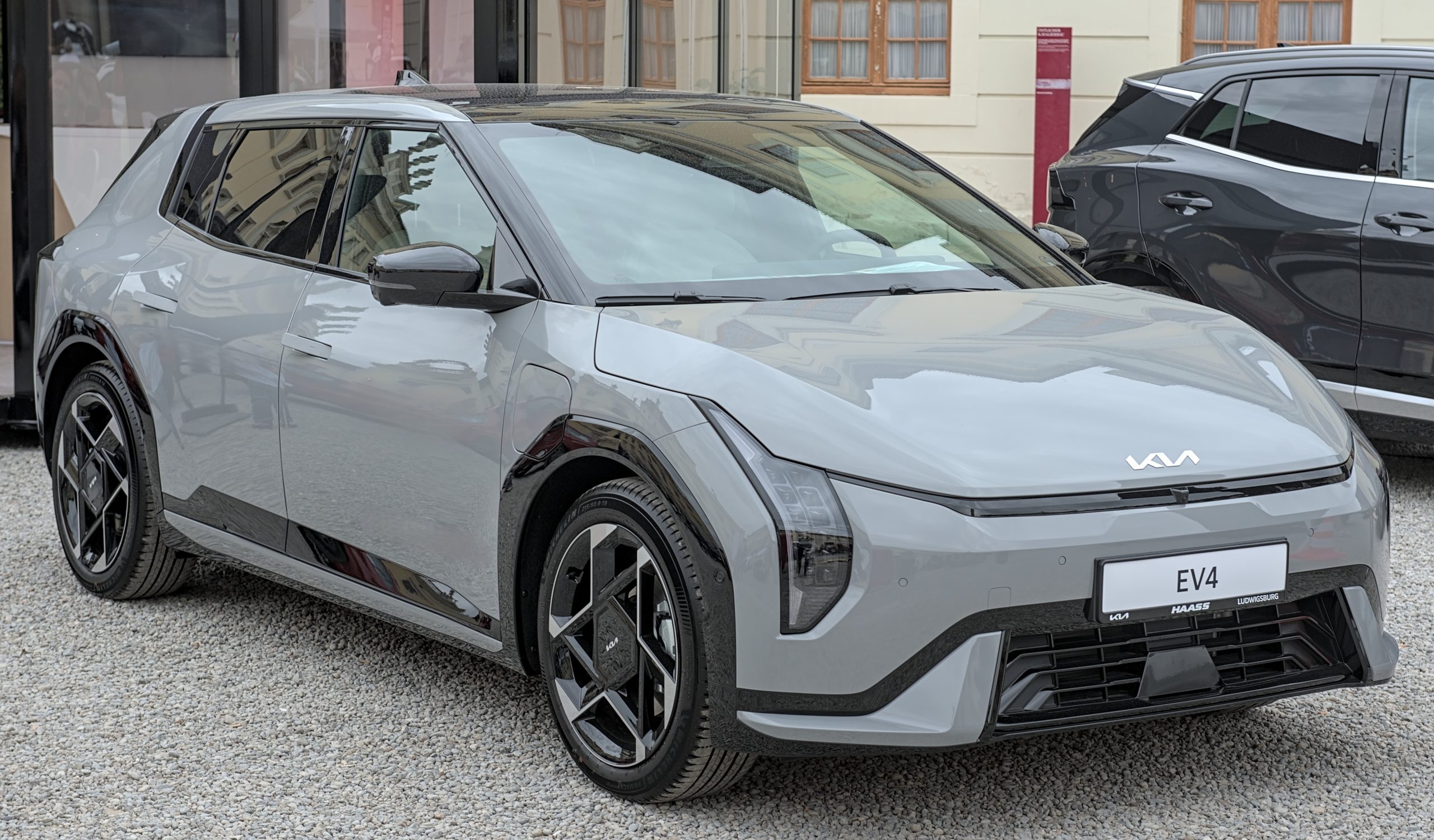
8. Kia EV3: Compact and Fun
The Kia EV3 is a small, boxy electric crossover expected in the U.S. in 2026, with an estimated base price of $35,000. Built on the same E-GMP platform as the EV6, EV9, and EV4, it uses a 400-volt electrical system designed to keep costs down.
The EV3 offers front- or all-wheel-drive, a standard 58.3-kWh battery, and an optional 81.4-kWh long-range pack. Kia is targeting over 300 miles of EPA-estimated range, with longer distances possible under the European WLTP test cycle.
The EV3 delivers smooth and agile performance for a compact crossover. The standard motor produces 201 horsepower and 209 lb-ft of torque, with the front-wheel-drive version hitting 0–62 mph in 7.5 seconds for the short-range battery and 7.7 seconds for the long-range model.
The top speed is limited to 106 mph. While not a performance SUV, the instant torque makes highway merges and passing maneuvers effortless. One-pedal driving is highly refined, with three adjustable regenerative braking levels and an adaptive mode that learns driver habits. Future dual-motor all-wheel-drive variants are expected.
The EV3’s interior is airy, bright, and cleverly designed for its compact footprint. Headroom and legroom are generous, even in the back seats. Kia incorporates elements from the EV9, including mesh headrests and a Relaxation seat on the driver’s side.
The dashboard has been slimmed down, enhancing front-seat openness, and visibility is strong thanks to large windows. Cargo space includes a small frunk and 16.2 cubic feet behind the rear seats. Features such as a sliding center console table and a vehicle-to-load (V2L) port add flexibility for work or recreation.
The EV3 comes with a 30-inch-wide dashboard screen and an available 12-inch head-up display. Infotainment software supports streaming services such as Netflix, YouTube, and TikTok, and a generative AI voice assistant can answer questions and control vehicle functions.
Safety tech includes Kia’s Highway Driving Assist 2, combining adaptive cruise control with lane-keeping assist. Over-the-air updates keep systems current, and future software improvements will enhance convenience.
Charging is slower than in higher-end Kia EVs due to the 400-volt architecture. The standard battery charges at up to 100 kW, while the long-range pack can take 133 kW, allowing 10–80% charging in roughly 31 minutes. Energy efficiency and smooth power delivery make the EV3 practical for commuting and short trips, with strong regenerative braking contributing to range retention.
The EV3 combines unique styling, compact dimensions, and advanced technology at an approachable price. Its one-pedal driving system, roomy cabin, and clever interior features make it ideal for city driving and daily commuting. The EV3’s design, practicality, and accessible range create an appealing package for first-time EV buyers or those seeking a small, fun electric crossover.
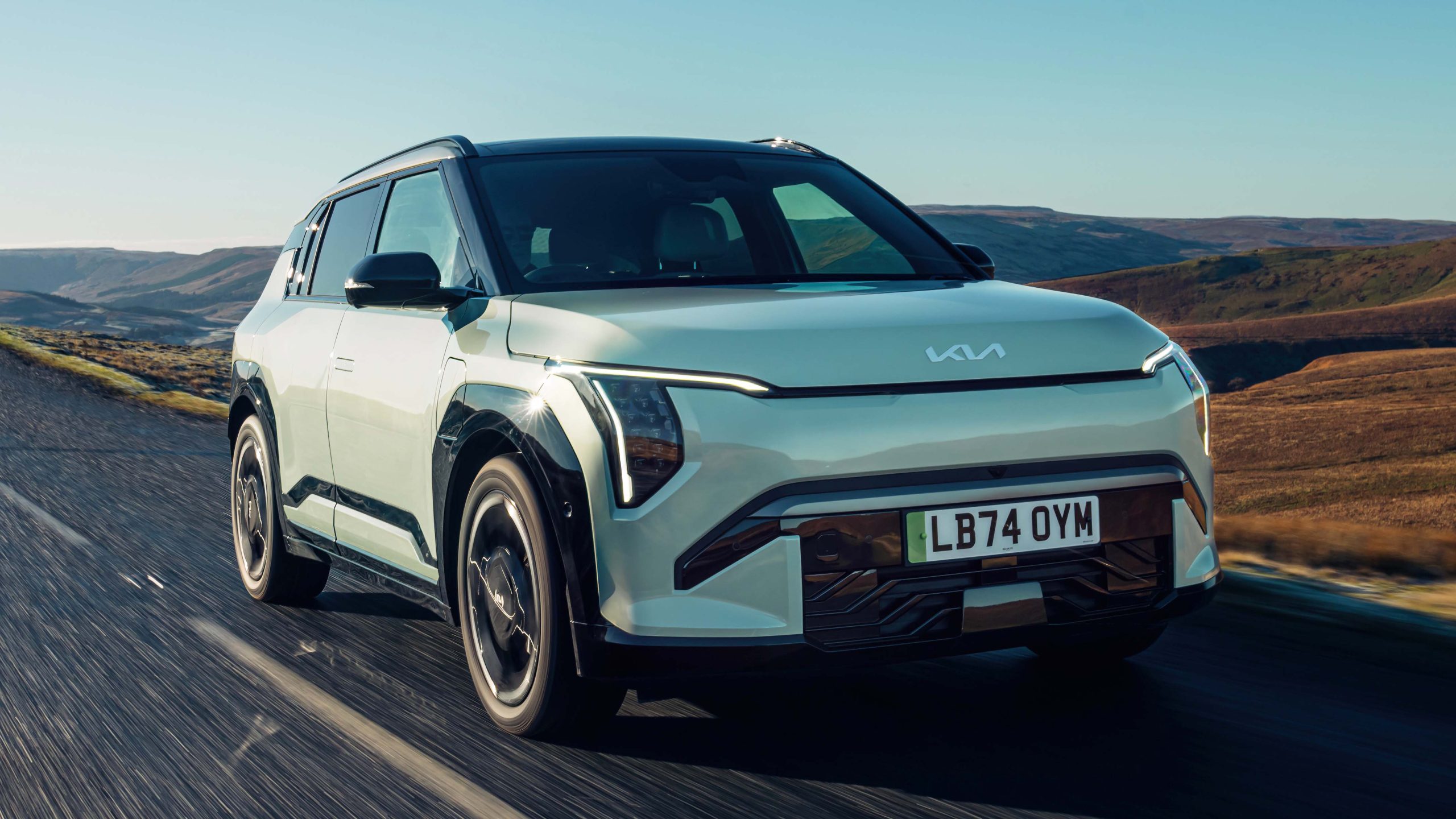
9. Chevrolet Bolt EUV: Affordable and Practical
The Chevrolet Bolt EUV returns for 2026 as a subcompact crossover built on GM’s Ultium platform. Expected to cost between $25,000 and $35,000, it provides an estimated 300-mile range, front- or all-wheel-drive options, and modern safety and technology features. Unlike the previous Bolt hatchback, the EUV is exclusively a crossover, offering more space and a higher driving position for daily use.
The Bolt EUV is easy and low-effort to drive. Our test recorded a 0–60 mph sprint in 7.1 seconds, making it decently quick for its segment. Steering and braking are smooth, and the one-pedal driving mode manages most deceleration through regenerative braking.
A secondary steering-wheel regen paddle allows fine control over energy recuperation. While it lacks the nimbleness of smaller EVs or the sporty feel of vehicles like the Ford Mustang Mach-E or Kia EV6, it is well-suited to city commuting and everyday errands.
Front seats are adequately cushioned, though thigh support could be improved. Ride quality is better than the previous Bolt, absorbing minor bumps with ease, while cabin noise remains minimal. The climate control system is responsive, though the single-zone setup lacks rear vents.
The interior feels thoughtfully arranged, with intuitive controls, a configurable digital instrument cluster, and a height-adjustable driver’s seat. Rear seating offers surprising legroom, though taller passengers may find headroom limited. Wide-opening doors and a tall roofline make entry and exit manageable, and a 360-degree camera system enhances visibility.
The Bolt EUV supports Apple CarPlay and Android Auto wirelessly. The infotainment system is large, responsive, and straightforward. Premier trims offer GM’s Super Cruise for hands-free driving on compatible highways, though this requires a subscription after a three-year trial.
Multiple USB ports and a wireless charging pad provide convenience for devices, while optional in-car navigation fills a gap from the standard Bolt.
Cargo space measures 16.3 cubic feet behind the rear seats, with a floor panel that allows flexible storage or accommodates taller items. Seats fold flat to expand the cargo area, and child safety seat anchors and top tethers are easy to access. Interior compartments provide convenient storage for smaller items, though larger bags may need creative placement.
EPA range is estimated at 247 miles, with real-world testing showing 265 miles on a single charge. Energy consumption was 26.7 kWh per 100 miles, slightly more efficient than EPA numbers suggest. The EUV supports dual-level charging (120V and 240V) and has an 11-kW onboard charger, but max DC fast charging is limited to 55 kW, making long road trips slower than newer EVs.
The Bolt EUV offers modernized styling, better materials, and competitive features for its price point. Federal tax incentives further improve affordability.
Warranty coverage includes three years/36,000 miles for the vehicle and eight years/100,000 miles for the battery, with five years/60,000 miles of roadside assistance and 24,000 miles of free maintenance. The Bolt EUV is a practical choice for budget-conscious EV buyers seeking a simple, reliable electric crossover.
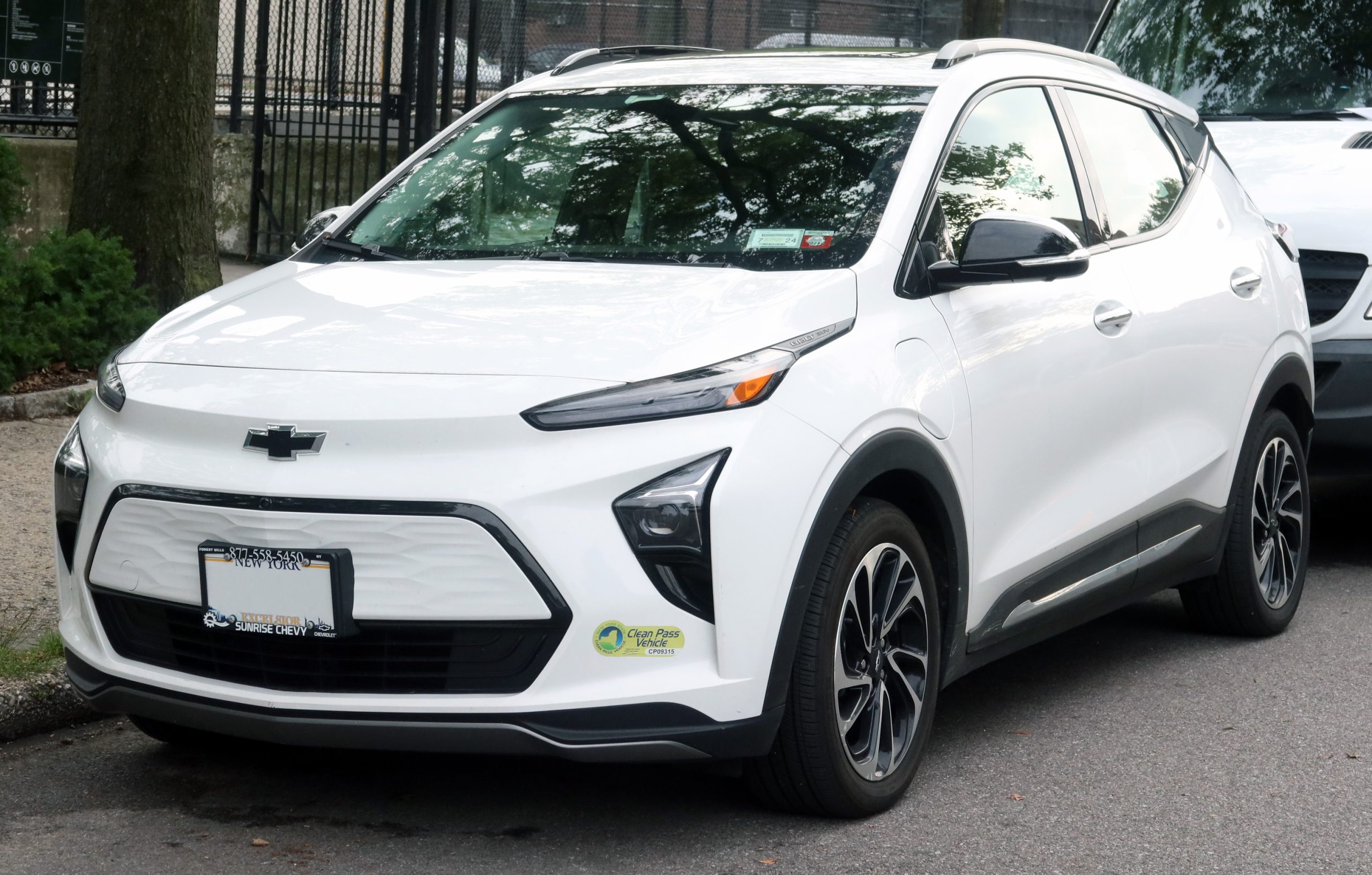
10. Slate Truck: A Blank Canvas for Customization
The Slate Truck is a new, ultra-affordable electric pickup from startup Slate Auto, backed by Jeff Bezos and other investors. Designed as a simple, no-frills vehicle, it aims to bring the spirit of small, inexpensive pickups back to the U.S. market.
Targeted pricing is estimated at $27,000, potentially falling below $20,000 after federal EV incentives. With a starting rear-wheel-drive configuration, two-passenger single-cab layout, and an estimated 150-mile range, the Slate Truck emphasizes practicality and personalization rather than high performance or luxury.
Power comes from a single rear-mounted electric motor producing 201 hp and 195 lb-ft of torque. Acceleration from 0–60 mph is projected at 8.0 seconds, making it adequate for city and suburban driving.
A one-speed automatic transmission keeps operation simple, while regenerative braking allows some energy recovery during normal driving. Handling is expected to be basic, suitable for commuting, light hauling, or casual driving. An optional larger battery pack (84.3 kWh) extends the estimated range to 240 miles, and dual-motor all-wheel-drive could arrive in future iterations.
The Slate Truck’s interior is deliberately minimalist. Manual cloth seats, crank windows, and a single 4-inch display for backup camera and basic information define the cabin.
A plastic center console and two dashboard cubbies provide storage, while materials are durable and inexpensive. Climate control is handled via physical knobs. The cabin is quiet, and visibility is good thanks to a simple layout and large windows, though it lacks the refinement or tech found in modern EVs.
Slate prioritizes customization over preloaded features. Touchscreens are absent, but drivers can mount tablets for infotainment or use the company’s app for additional functions. Slate offers a library of accessories, including wraps, interior upgrades, power windows, heating elements, and lift or lowering kits.
Nearly every aspect of the truck can be modified, from bed caps to roof racks, making it a platform for creative builds. Safety basics include front automatic emergency braking and multiple airbags.
The two-door single-cab comes with a 4-by-5-foot bed. Payload capacity reaches 1,433 pounds, while towing is rated at 1,000 pounds. The cab-to-bed firewall is removable, enabling the installation of rear seats and transforming the truck into a small five-seat SUV with expandable cargo options.
The Slate Truck is unique in its approach to affordability and personalization. By stripping away luxury, high range, and excessive tech, Slate lowers costs while encouraging owners to configure a vehicle that suits their exact needs.
It is intended for small businesses, DIY enthusiasts, and urban drivers who value customization over conventional features. Production is scheduled for late 2026, though prototypes remain rough, and real-world safety and performance remain to be validated.
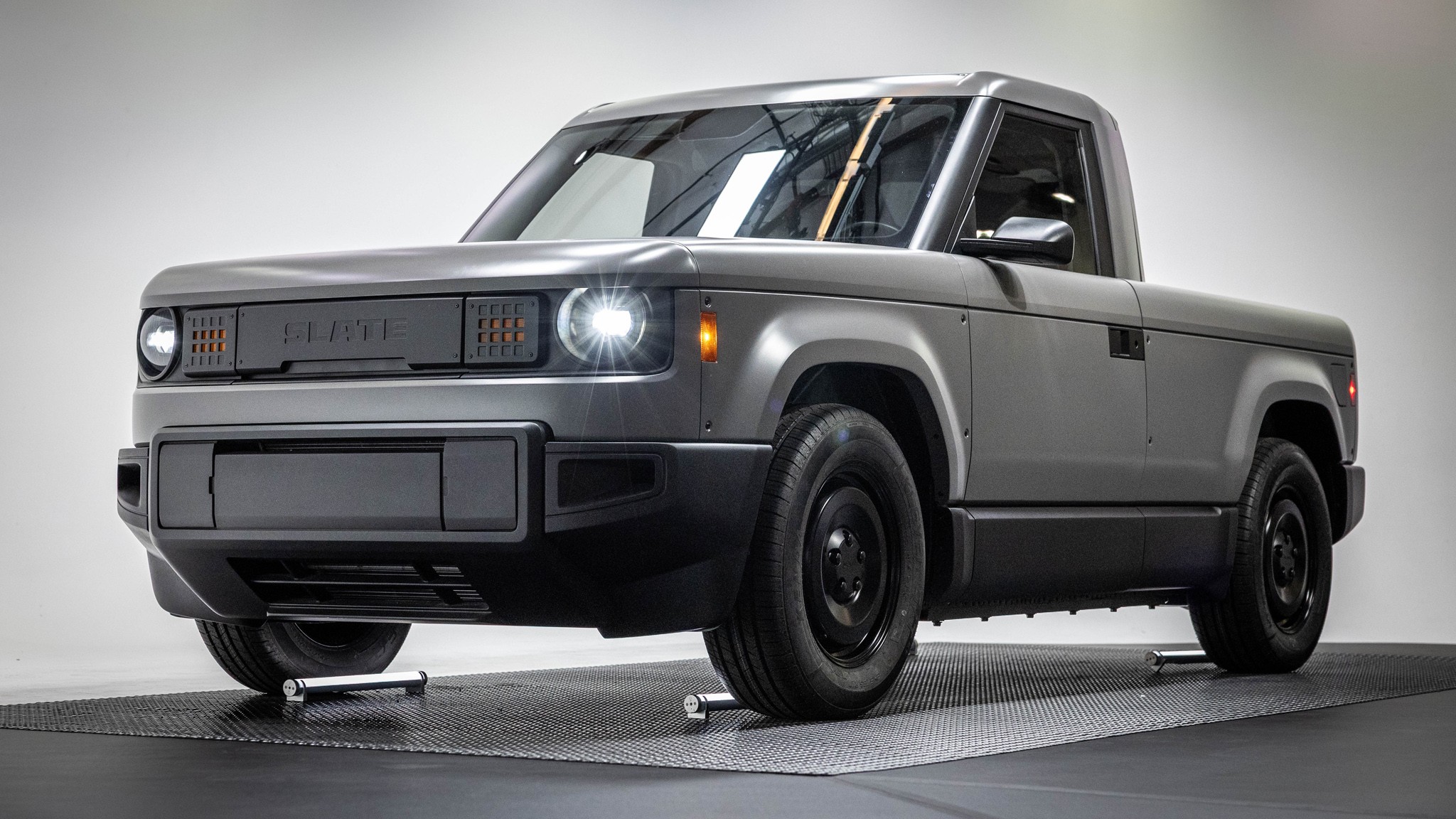
11. Fiat 500e: Small, Stylish, and City-Ready
The Fiat 500e is a subcompact electric hatchback designed for urban driving, blending Italian charm with eco-friendly performance. Its base MSRP starts at $32,495, with front-wheel drive and an electric motor. EPA-estimated range varies from 141 to 149 miles, making it suited for short commutes rather than long trips.
Efficiency ratings reach 121 MPGe in the city and 100 MPGe on the highway. The 500e seats four, but rear passengers will find the back seats cramped, making them ideal only for children.
The 500e delivers a smooth and quiet ride for city use. Acceleration from 0–60 mph takes 8.1 seconds, enough for most urban driving needs but slower than many competitors. Braking is responsive, and regenerative braking enables one-pedal driving, reducing reliance on the brake pedal.
Handling is aided by the low-mounted battery, which minimizes body roll, while steering is light and quick, making parking simple. Ride quality is firm but comfortable for a small car. Visibility is excellent, thanks to tall windows, short overhangs, and a large greenhouse.
Front seats provide decent padding and adjustability, though lateral support is limited. Headroom, legroom, and elbow room up front are generous, but the rear seat space is minimal. The climate control system is functional, with real knobs for quick adjustments.
Wind and road noise are noticeable due to limited sound-deadening materials. While the cabin feels compact, the seating arrangement works for short trips, with rear seat access made easier by the sliding mechanism, albeit with compromises for adult passengers.
The infotainment system is simple but functional. Maps are clear, and Apple CarPlay and Android Auto work wirelessly without issue. Connectivity includes one USB-C and one USB-A port, a wireless charging pad, and a smartphone app for remote locking, preconditioning, battery management, and updates.
Driver assistance includes adaptive cruise control, lane-centering, automatic emergency braking, and parking sensors, which perform reliably despite the system’s limited breadth.
Cargo capacity is small at 7.5 cubic feet, with rear seats that fold but don’t lie flat. Front storage options are minimal, with a small console bin and narrow door pockets. Cupholder availability is limited, reflecting the car’s compact footprint and city-focused design.
The 500e excels in charm and efficiency rather than practicality. It is priced lower than many EVs but offers less range, cargo, and rear-seat space than most rivals. Fit and finish are solid, though the extensive use of hard plastics makes the interior feel basic. Warranty coverage includes four years/50,000 miles for the basic plan and eight years/100,000 miles for the powertrain.
The Fiat 500e stands out for style and personality. It is a city-friendly car chosen for its looks and compact size rather than range, cargo space, or advanced features. Its playful design and easy maneuverability make it appealing to urban drivers seeking a distinctive, environmentally conscious hatchback.
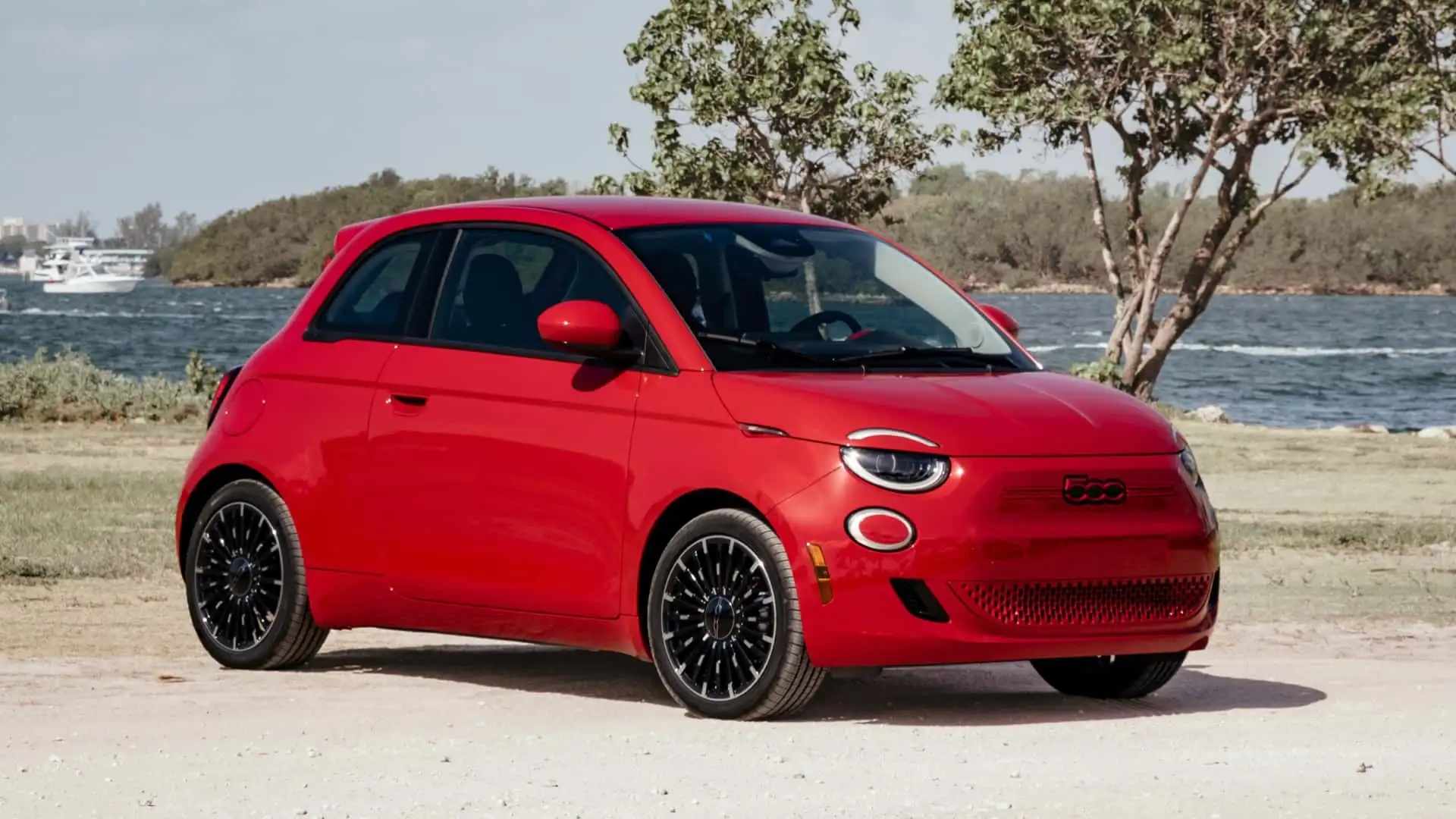
12. Hyundai Kona Electric: Affordable, Practical, and Capable
The 2025 Hyundai Kona Electric is a compact SUV that balances price, practicality, and performance. Base models start at $34,470, with front-wheel drive and an electric motor. The Kona Electric seats five and comes with two battery options.
The standard 200-mile pack offers 133 horsepower, while the long-range 261-mile battery boosts output to 201 horsepower. Efficiency is strong, with city and highway ratings of 129 MPGe and 103 MPGe, respectively. The Kona’s compact footprint and modern design make it a versatile daily driver.
Acceleration is brisk for the class, with a 0–60 mph time of 6.6 seconds in the long-range model. The Kona Electric handles like a sporty hatchback rather than a traditional SUV, with responsive steering and a steady feel through corners.
Its regenerative braking system has three selectable levels via steering-wheel paddles, allowing drivers to tailor energy recuperation to preference. The ride is smooth and composed, aided by a low-mounted battery and sophisticated rear suspension, and the quiet cabin adds to the relaxed driving experience.
Front seats are supportive and comfortable, while rear seats have adequate width and headroom but a somewhat flat bottom cushion. Interior quietness is impressive, with minimal wind and road noise. At low speeds, the mandated pedestrian alert sound is noticeable inside the cabin until fading at about 18 mph.
The interior largely mirrors the gas-powered Kona, with added tech and a more prominent center console. Controls are logically grouped, intuitive, and easy to reach. Head- and legroom are generous up front, though rear-seat space is tighter behind taller drivers. The cabin feels airy despite the center console’s footprint.
The 10.25-inch touchscreen infotainment system is sharp, responsive, and user-friendly, with prominent knobs, shortcut buttons, and intuitive virtual controls. Optional Harman Kardon audio delivers strong sound quality. Driver-assist features work effectively without being intrusive.
Rear cargo space is practical but not large, fitting luggage laid lengthwise. Front storage accommodates small items such as phones and bottles. The Kona Electric is less ideal for families with rear-facing infant seats due to limited rear space, requiring forward seat adjustment for larger seats.
EPA estimates range from 258 miles, with real-world testing exceeding 300 miles. Consumption was measured at 23 kWh per 100 miles, slightly more efficient than EPA predictions. Charging is flexible with a 7.2-kW onboard charger for 240-volt home charging and DC fast-charging up to 100 kW, though real-world performance may peak around 75 kW.
The Kona Electric offers solid build quality, high-quality materials, and thoughtful design at a competitive price. Standard safety and tech features are abundant, and Hyundai’s warranty coverage is strong: five years/60,000 miles for the vehicle, 10 years/100,000 miles for the powertrain, and three years of complimentary scheduled maintenance.
The Kona Electric combines value, capability, and usability for those seeking a practical compact EV.
The era of affordable electric vehicles has arrived. From nimble city cars to family-friendly SUVs, the 12 models highlighted here show that budget-friendly does not mean sacrificing quality, technology, or performance.
These EVs offer impressive efficiency, practical interiors, and driving experiences that suit a variety of lifestyles, while keeping costs manageable through competitive pricing and incentives.
As charging infrastructure expands and battery technology improves, owning an EV has become both convenient and financially sensible. Whether you are a first-time EV buyer or seeking a cost-effective upgrade from a gas-powered car, these models prove that smart, sustainable driving is within reach.
Also Read: 10 Cars That Remain Reliable Generation After Generation
