

Some cars seem almost determined to resist destruction. You can damage them, repair them, drive them hard, and they continue to perform as if nothing happened. These are not fantasy machines or products of imagination.
They are real vehicles built with strength, precision, and long-lasting materials that allow them to survive conditions that would permanently destroy many others.
Drivers who own such vehicles often speak about them with pride and deep trust. They know that their cars will not fail when challenges arise. This kind of dependability creates a bond between owner and machine that goes beyond simple transportation. It represents confidence born from proven experience.
What gives these durable vehicles their extraordinary staying power is not luck or chance. It comes from careful design decisions made by engineers who understood that a car must be able to handle more than ideal road conditions.
They built with purpose, using strong metals, well-tested parts, and straightforward systems that could be maintained and repaired easily. They focused on quality rather than shortcuts.
Every vehicle faces wear and tear. Time, weather, and heavy use eventually take their toll. Yet some cars continue to perform because they were built to endure. Their body structures resist corrosion, their engines withstand stress, and their components are designed for longevity. When damaged, they can be repaired without losing reliability.
You might already own one of these durable machines without realizing how remarkable it truly is. Or perhaps you are considering a new purchase and want a car that will serve faithfully for many years. Learning about vehicles known for their strength and endurance can help you make a wiser decision.
These twelve models have proven their worth through real experience. They have been repaired, driven through harsh conditions, and tested by time. They remain on the road long after others have failed. Owning one of these cars means owning a machine that was built with endurance in mind, a vehicle designed not just to move you, but to last.
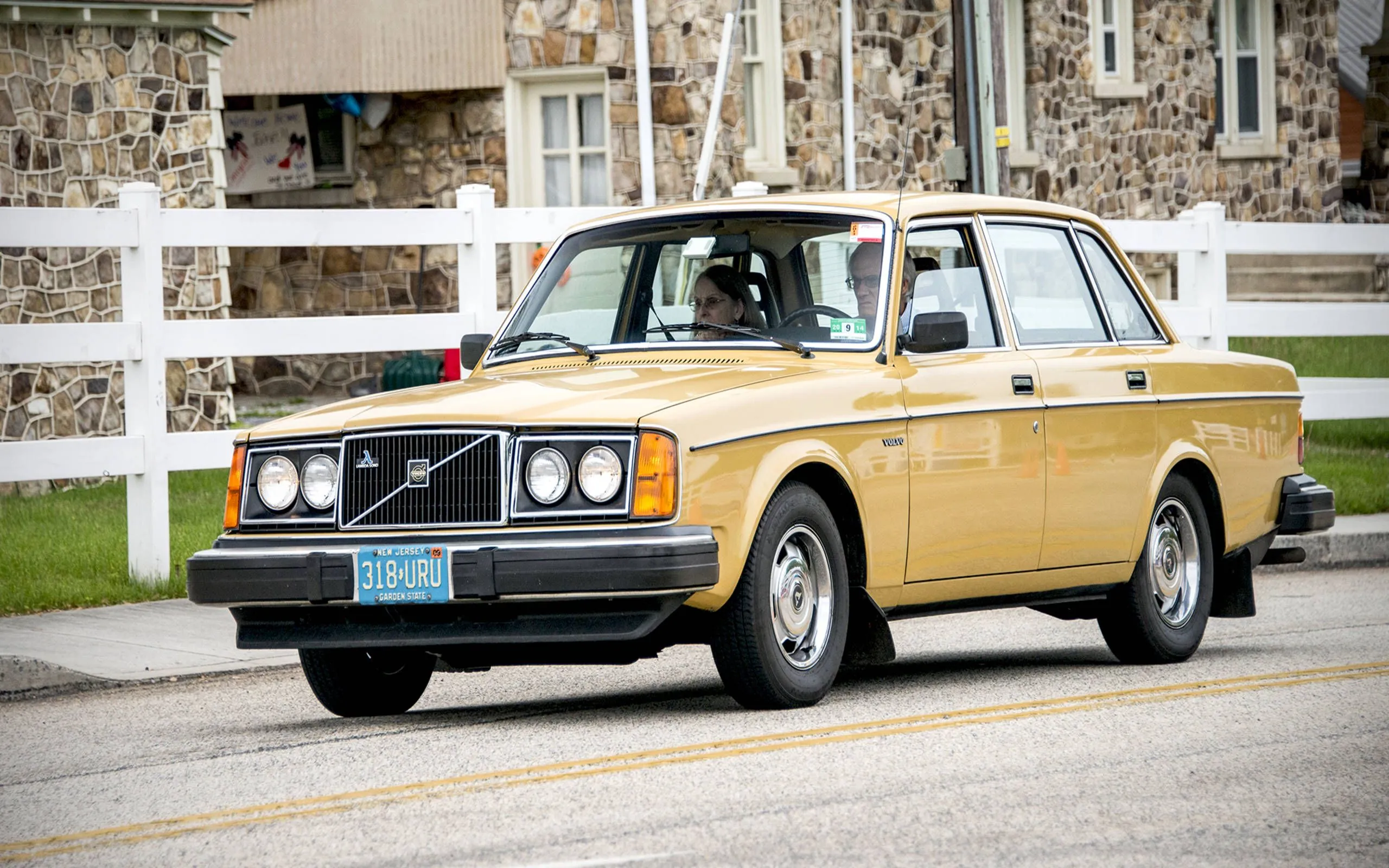
1. Volvo 240 Series (1974-1993)
Volvo built the 240 series with an obsessive focus on safety and longevity that bordered on fanaticism. Your Volvo 240 came equipped with a boxy steel frame that felt more like a protective vault than a car body.
When other manufacturers were experimenting with lightweight materials and aerodynamic curves, Volvo was busy building something that could survive almost anything and keep running.
Owners of 240s report hitting other vehicles, trees, and obstacles that would total most cars, only to drive their Volvos to a repair shop and have them fixed like nothing happened.
Structural rigidity was a religion at Volvo during this era. Your 240’s frame used heavy-gauge steel welded together with precision and redundancy. If one section was damaged, the rest of the structure would still hold together and protect you.
Collision data from insurance companies showed that Volvo 240s had some of the lowest fatality rates in accidents during their production years. But what amazes people even more is that these cars got repaired and returned to the road. Body panels were easily replaceable without requiring suspension or frame damage assessment. Mechanics could fix a Volvo 240 that looked destroyed and have it running smoothly within days.
Your Volvo 240’s longevity extended beyond just surviving accidents. Owners drove these cars to 300,000 miles, 400,000 miles, and some legendary examples exceeded 500,000 miles with the original engine still running.
Rust was always a concern with steel construction, but Volvo’s application of protective coatings meant many 240s survived the decades without serious corrosion problems. Parts remained affordable because Volvo produced so many 240s over two decades. Even today, decades after production ended, mechanics can still find replacement parts for these vehicles.
Repair shops loved working on Volvo 240s because the cars were designed for service. Everything was accessible. Your mechanic could reach components without removing half the engine bay. Engine bays had space to work. Bolt sizes were consistent and logical. You did not need proprietary tools or strange configurations to get work done.
This repairability meant that owners could maintain their 240s affordably and keep them running indefinitely. Communities of Volvo 240 enthusiasts share technical information, swap parts, and keep hundreds of thousands of these cars running today.
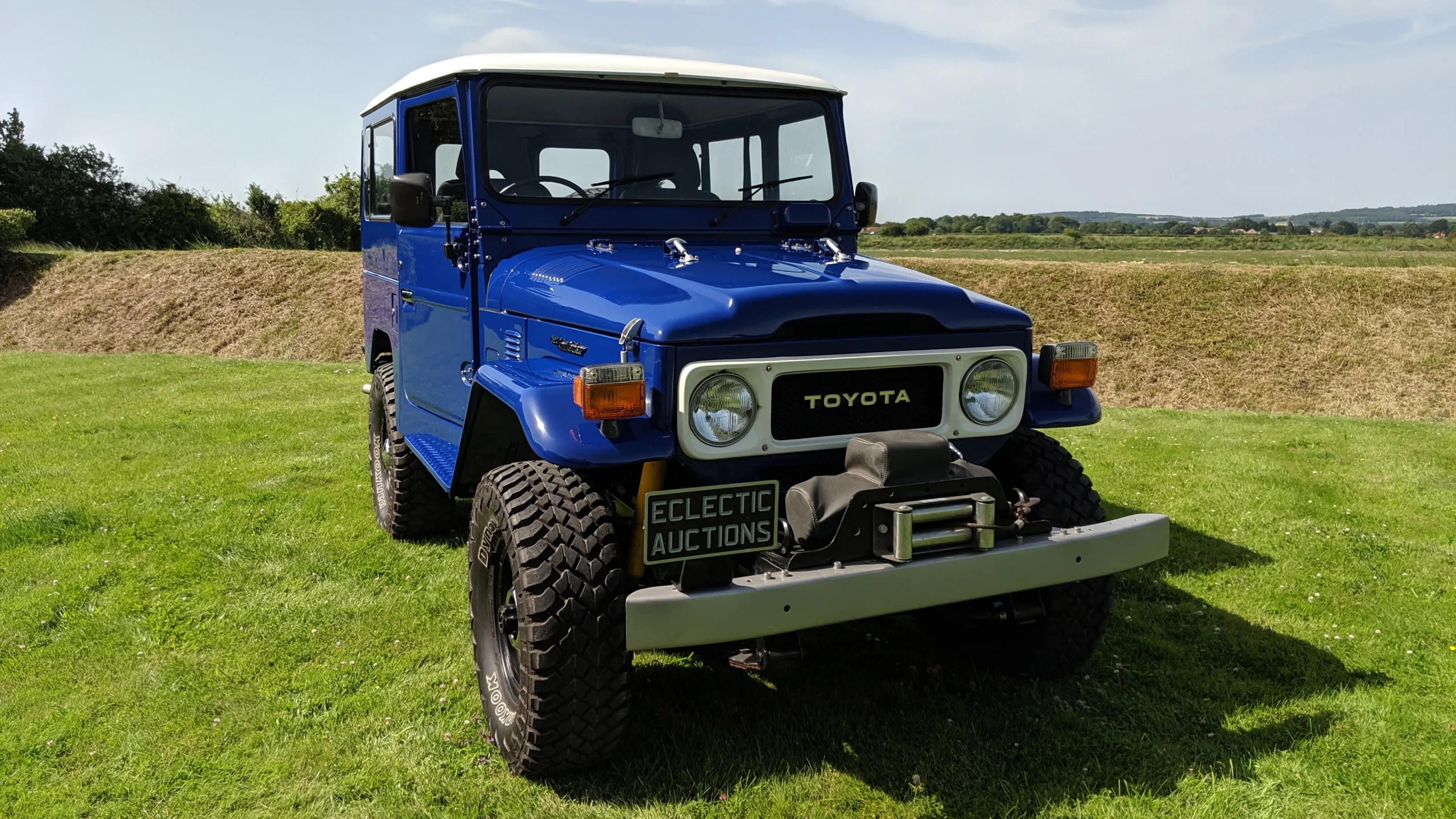
2. Toyota Land Cruiser 40 Series (1960-1984)
Toyota’s Land Cruiser 40 Series earned its reputation through durability that few vehicles could match. It was not built for comfort or luxury, but for survival in the toughest conditions imaginable. From the factory, it was constructed with a focus on strength and dependability, using thick steel, simple mechanical systems, and a design meant to endure constant punishment.
Toyota engineers expected these vehicles to face dust, floods, heat, and rugged ground, and they built them with that purpose in mind. The result was a vehicle that could continue working long after others had failed.
Owners across Africa, Australia, and South America tell similar stories. Their Land Cruiser 40s endured rough tracks, deep mud, and endless kilometres without giving up. When a part broke, it was easily replaced or repaired because the engineering was straightforward and accessible.
Local workshops could fabricate parts using basic tools. This simplicity made the vehicle especially valuable in remote areas where spare parts were scarce. Mechanics appreciated how easy it was to keep running. You could remove and fix most components with hand tools and basic knowledge.
The frame of the Land Cruiser 40 was one of its greatest strengths. Built with thick steel and a box-like structure, it protected both passengers and the vehicle’s internal systems. Even after years of use and occasional accidents, the chassis often remained strong enough to rebuild around.
This made it a favourite for aid organisations, mining companies, and government agencies that needed dependable transport in remote regions. Many 40 Series vehicles remained in active service for decades, continuing to perform daily tasks without complaint.
Today, the Land Cruiser 40 enjoys a second life through restoration. Enthusiasts around the world continue to rebuild old models, often bringing them back to near-original condition. Replacement panels and engine parts remain available, and skilled mechanics still know how to service them.
Owners value them not only for their strength but also for their heritage. A well-maintained 40 Series can still drive across continents, proving that Toyota’s design philosophy, simple, strong, and practical, creates machines that stand the test of time.
Also Read: 12 Cars That Excel Where Rivals Fail
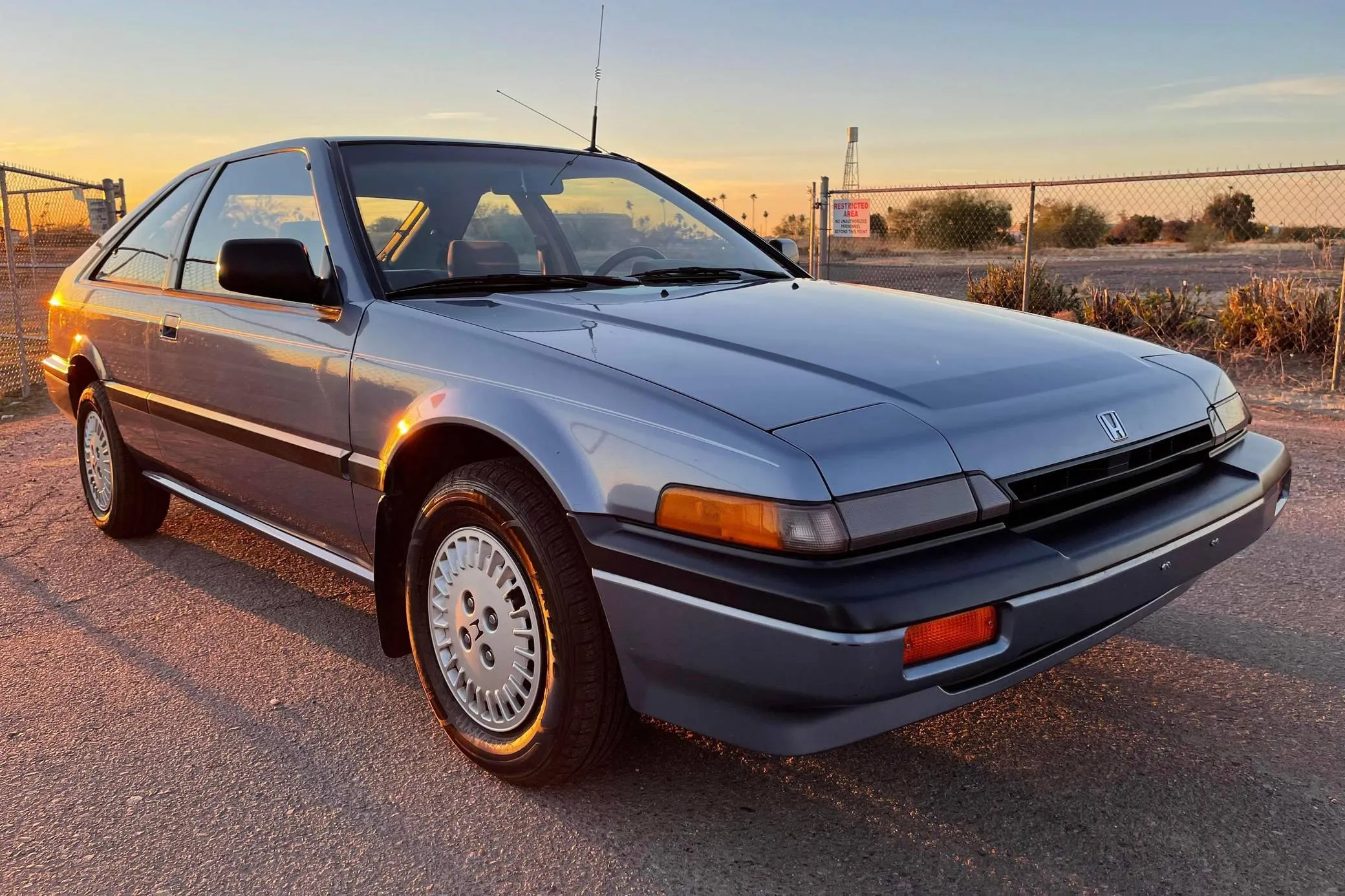
3. Honda Accord (1986-1989 Third Generation)
Honda’s third-generation Accord represented a moment when the company achieved a perfect balance between reliability, repairability, and durability.
Your Accord from the late 1980s came with a simple, straightforward design that made it easy to repair, easy to maintain, and surprisingly resilient when accidents happened. Owners who have driven these cars for decades report that their Accords recovered from collisions that looked catastrophic and kept running strong.
Structural design of the third-generation Accord emphasized crumple zones at the front and rear while keeping the passenger compartment extremely rigid. Your vehicle would absorb impact energy in predictable ways that could be repaired. Body panels bolt off and on without requiring welding.
When you needed repairs, you could often replace damaged sections without replacing the entire component. Replacement panels remained affordable because these Accords were so common that aftermarket manufacturers continued producing parts for them decades later.
Engine bay accessibility on your third-generation Accord was exceptional. Everything was placed with consideration for service and repair. You could change spark plugs, replace alternators, adjust belts, and perform dozens of other repairs without contorting yourself or removing unnecessary components.
Mechanics universally appreciated this design because it meant they could work efficiently and complete repairs quickly. When repairs are quick and affordable, owners keep fixing their cars rather than abandoning them. Your Accord would keep running because fixing it made economic sense.
Buyers of used third-generation Accords sought them out specifically because of their reputation for toughness and repairability. Used car markets kept prices relatively stable because demand remained consistent.
Owners who had been in accidents and gotten their Accords repaired would keep driving these cars because the repairs held up and the entire vehicle remained sound. Today, finding a third-generation Accord that still runs is not rare. Finding one with an original engine and transmission is more common than you would expect for a vehicle nearly forty years old.
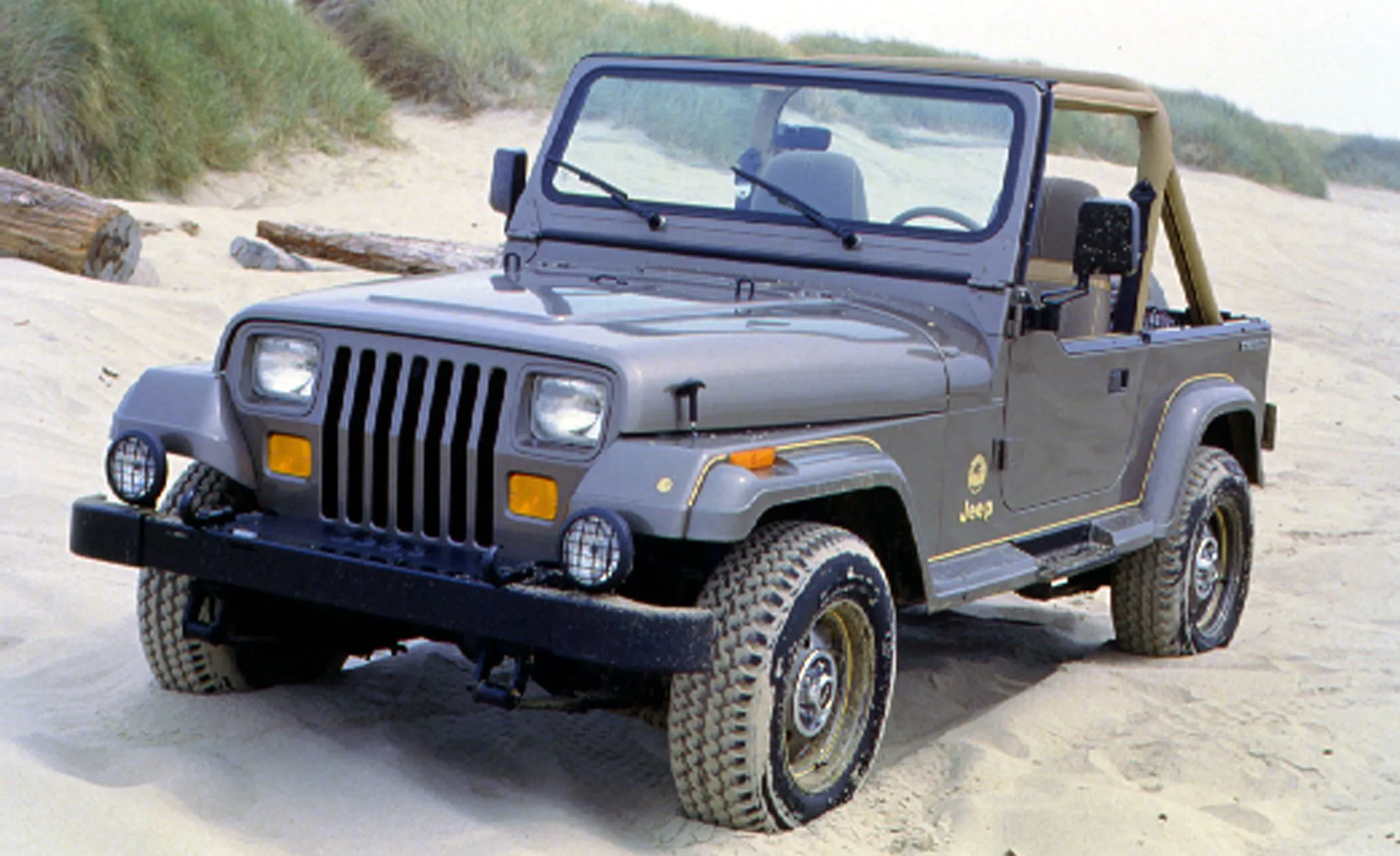
4. Jeep Wrangler (1987-1995 YJ Series)
Jeep built the Wrangler for people who took their vehicles off-road and expected them to survive. Your YJ Wrangler came with a frame designed to flex and absorb impacts without breaking. Suspension was simple and strong.
Body panels were bolted on, not welded, so they could be easily replaced or repaired. When Wrangler owners encountered accidents, obstacles, or damage, their vehicles typically could be fixed and returned to service without major structural concerns.
The build quality of the YJ Wrangler emphasized durability over sophistication. Your vehicle had rollover protection, structural integrity designed into every joint and beam, and redundant systems that meant losing one component would not cause total failure.
Owners who pushed their Wranglers to extreme limits reported that the vehicles survived impacts that looked devastating. Fender benders, collisions, tree strikes, and rock obstacles that damaged other vehicles often left Wranglers driveable after basic repairs.
Aftermarket support for Wrangler enthusiasts meant that replacement parts were available from hundreds of suppliers. Your damaged Wrangler body panel could be replaced by OEM parts or numerous aftermarket alternatives.
Mechanical components had years of proven reliability, and repair shops understood the basic systems well enough to fix them affordably. Owners formed communities dedicated to maintaining and improving Wranglers, sharing technical knowledge, and sourcing parts. Many YJ Wranglers that are thirty years old still run and serve their owners faithfully.
Resale markets for YJ Wranglers remained strong precisely because buyers understood these vehicles could be repaired and kept running indefinitely. Damaged Wranglers were often purchased by enthusiasts who rebuilt them and drove them for decades afterward.
You could find Wranglers that had been completely restored from severe accident damage, only to serve reliably for many additional years. Wrangler owners rarely abandoned their vehicles because the vehicles refused to abandon them through reliability and repairability.
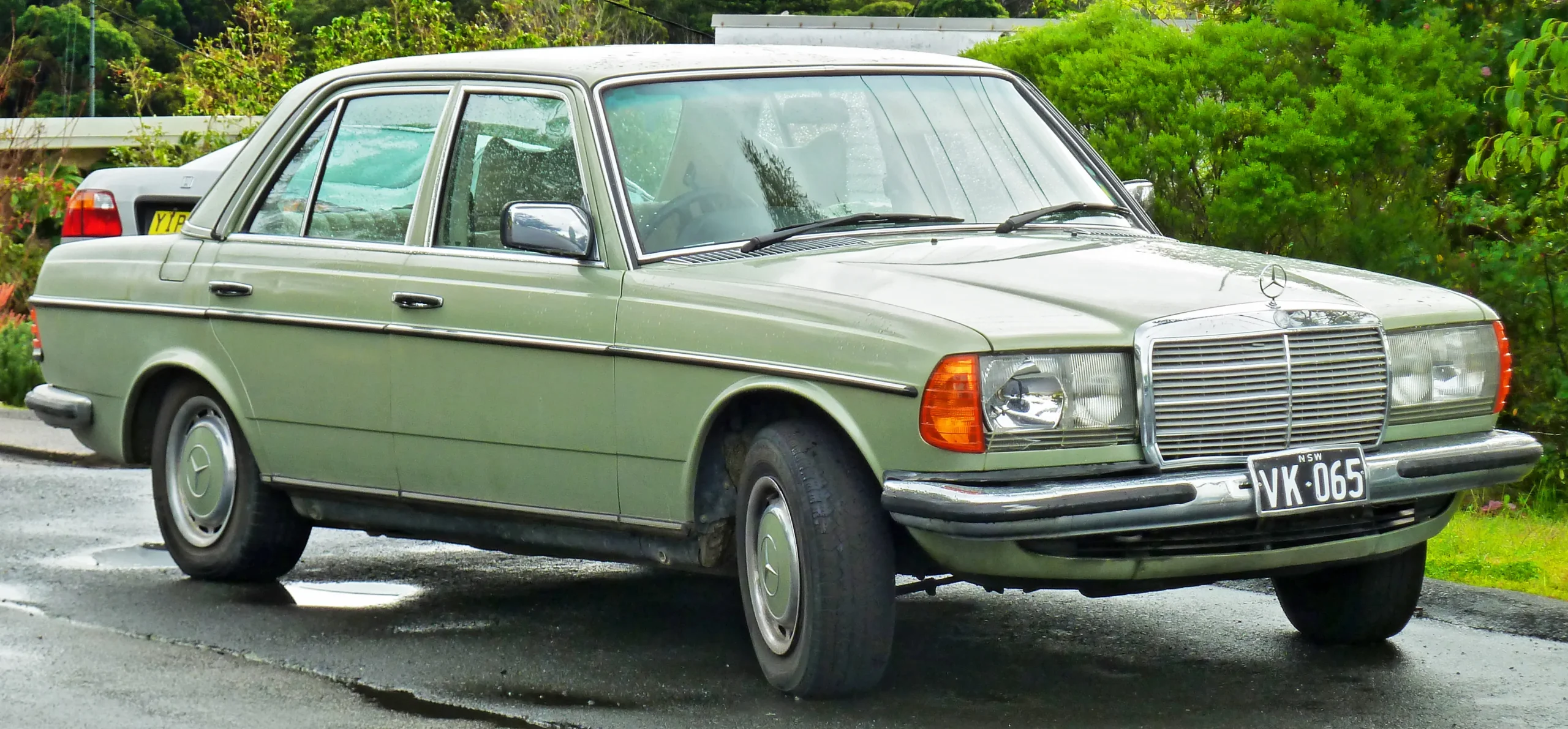
5. Mercedes-Benz W123 (1976-1985)
Mercedes-Benz built the W123 with engineering precision that made the car nearly indestructible. Your W123 came with a solid frame, mechanical systems that were overbuilt for their jobs, and construction quality that reflected German engineering standards.
When accidents damaged your W123, the damage was often limited to body panels and cosmetic components because the underlying structure was so robust.
Durability of the W123 became legendary in taxi fleets around the world. Your vehicle was commonly used as a taxi in Germany, Europe, and developing countries because operators knew these cars would run reliably for hundreds of thousands of kilometers.
When accidents happened to taxis, drivers would take their W123s to repair shops, have them fixed, and keep driving. Many taxi companies kept their W123 fleets running for fifteen, twenty, and sometimes thirty years because the cars simply would not quit.
Body panels on your W123 were simple steel construction that was easy to replace or repair. Mechanical systems used proven designs that had been perfected over years of production. Replacement parts remained available because Mercedes-Benz produced so many W123s during its production run.
Even today, decades after production ended, parts dealers can source replacement components for these vehicles. Mechanics who specialized in older Mercedes understood the W123 intimately and could repair them efficiently.
Survivor examples of W123s exist throughout the world today. You can find these vehicles still running in developing countries where they have been used as commercial transport for decades. Some W123s have traveled over one million kilometers with original engines, having been repaired countless times but never requiring replacement.
Online communities dedicated to classic Mercedes-Benz vehicles maintain technical information about W123s and help owners keep their cars running strong through their later years.
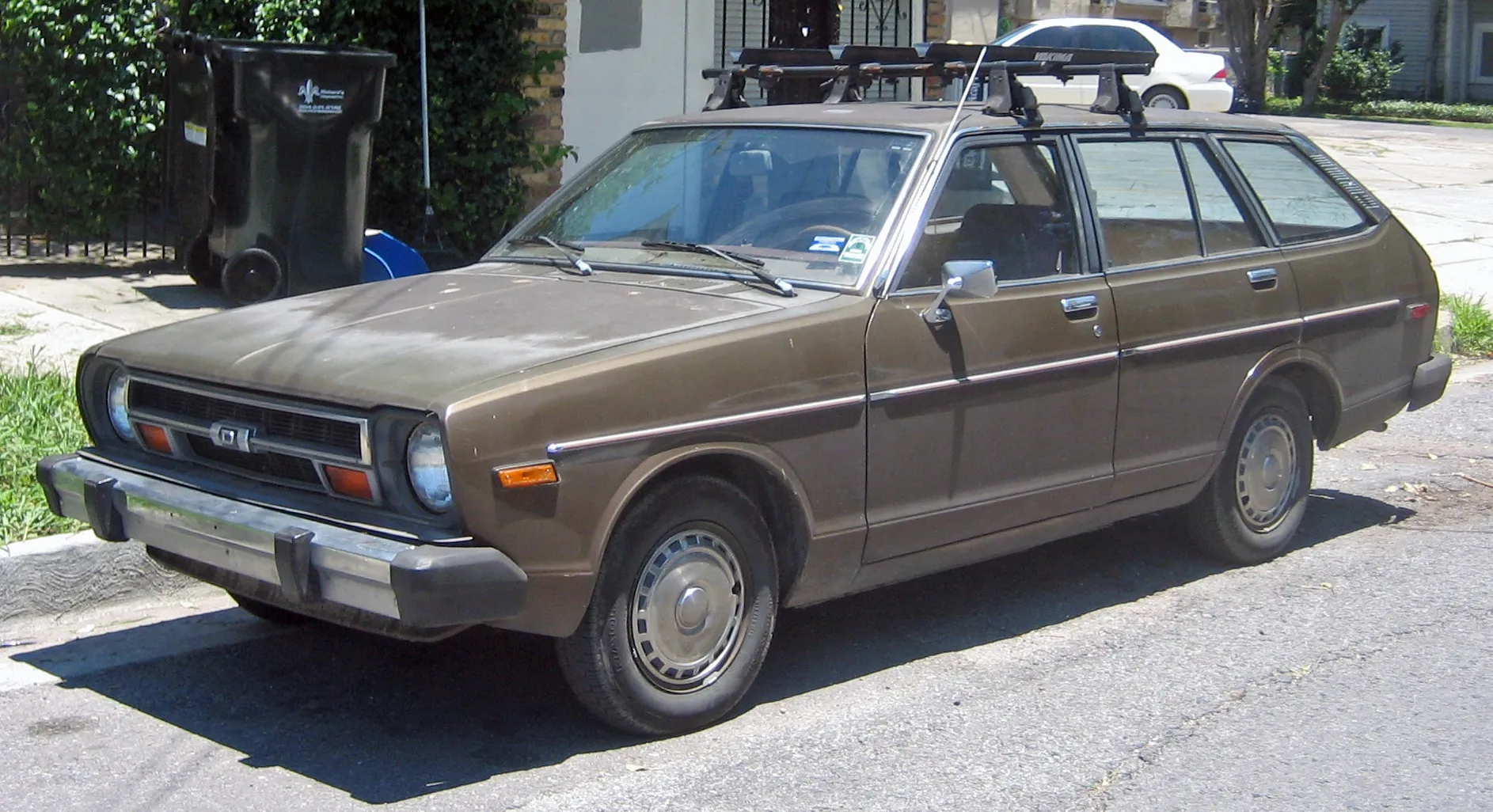
6. Nissan Datsun 210 (1979-1982)
Nissan’s Datsun 210 earned respect as a dependable and affordable vehicle that offered long-lasting value. It was never built to impress with luxury or modern gadgets, but rather to serve reliably year after year.
The car’s frame and chassis were sturdy enough to survive knocks that would put many competitors out of service. This solid build quality gave the Datsun 210 a reputation as a car that could take abuse and still keep moving.
Owners who experienced accidents often discovered how easy and affordable it was to repair their vehicles. Body panels were inexpensive, mechanical systems were straightforward, and spare parts were widely available.
The Datsun 210 became known for lasting far longer than expected. Many owners reported their cars reaching 250,000 or even 300,000 miles while still running reliably.
These high-mileage stories were not isolated cases but common experiences shared by people in different countries. The car’s simple mechanical systems were the reason for this durability. There were no unnecessary electronic systems to fail, and most maintenance could be done with basic hand tools.
Nissan’s engineers designed the Datsun 210 with practicality in mind. By avoiding complicated systems, they ensured that the car remained easy to fix and inexpensive to maintain. Even when accidents occurred, the main structure often stayed intact, allowing owners to repair and keep using their vehicles rather than scrapping them.
The Datsun 210’s legacy lies in its simplicity, affordability, and endurance. It proved that a well-built, straightforward car could serve families, businesses, and commuters faithfully long after others had worn out.
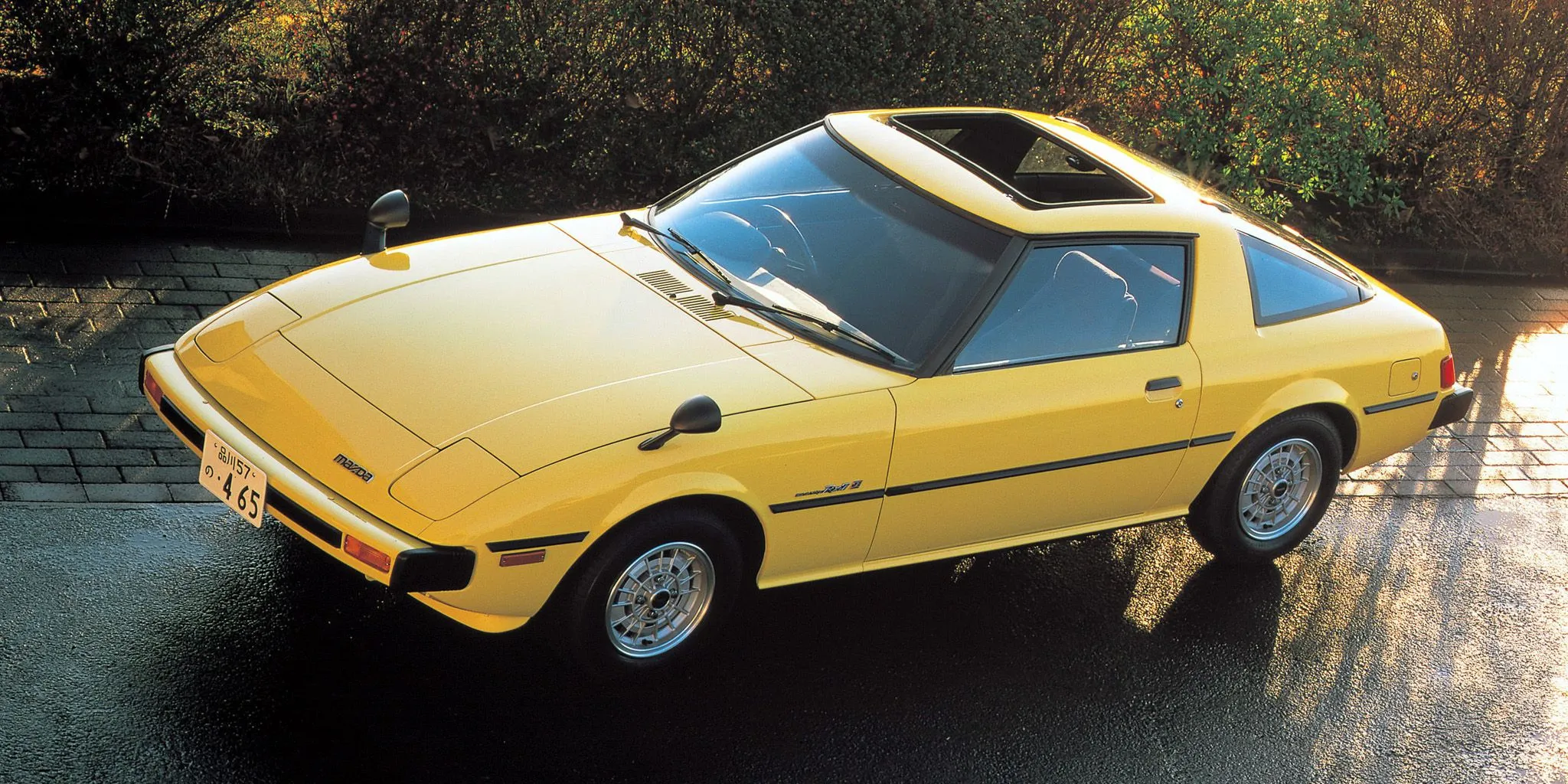
7. Mazda RX-7 (1978-1985 First Generation)
Mazda’s first-generation RX-7 represented a different approach to durability. Your RX-7 was not built like a tank, but it was built with precision and quality that meant repairs, when needed, could restore the vehicle to excellent condition.
Owners who had been in accidents and gotten their RX-7s repaired found that their vehicles recovered completely and performed like nothing had happened. Mazda’s commitment to manufacturing quality meant that replacement parts fit perfectly and repairs held up through years of driving.
The structural integrity of your first-generation RX-7 was exceptional for a sports car. When accidents occurred, the frame absorbed impacts without permanent distortion in most cases. Body panels could be replaced affordably because Mazda produced enough RX-7s that aftermarket manufacturers supplied replacement parts.
Mechanical systems used proven Mazda technology that was reliable and straightforward to repair. Your RX-7’s rotary engine became legendary for smooth operation and, despite its unusual design, surprising durability.
Repair accessibility on your RX-7 was excellent by sports car standards. Mechanics could perform most maintenance and repairs without requiring proprietary tools or extensive disassembly. The engine bay had space to work.
Bolt patterns made sense. Replacement components fit correctly without requiring modification or adaptation. This repairability meant that owners could afford to maintain and repair their RX-7s, allowing them to keep driving these cars for many years.
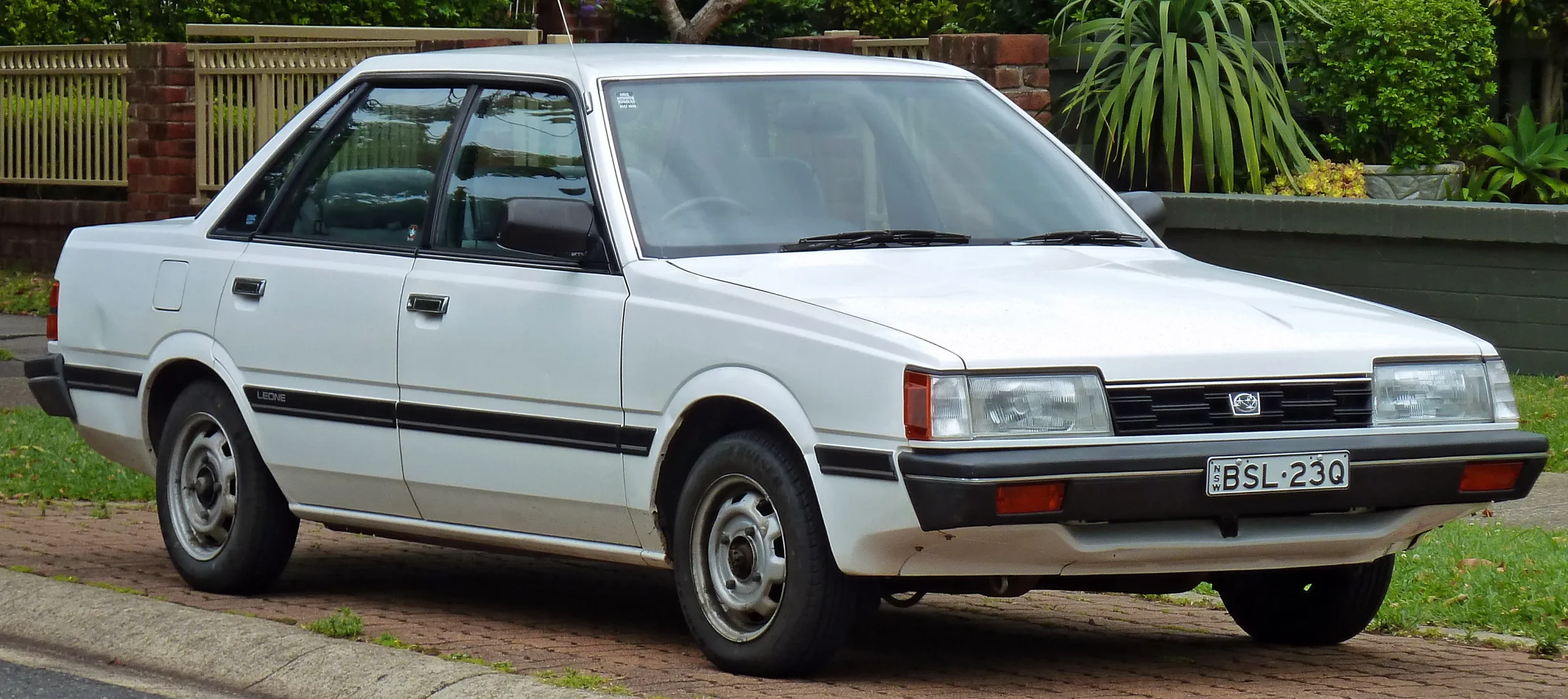
8. Subaru Leone (1971-1979)
The Subaru Leone earned its reputation quietly, through years of dependable service rather than flashy marketing. It was a car that proved how careful engineering and simplicity could create something that lasted. From the beginning, Subaru designed the Leone to be sturdy, easy to repair, and affordable to maintain.
Its unibody structure provided strength unusual for its time. When accidents occurred, many owners discovered that the frame held its shape far better than that of competing vehicles. The Leone’s mechanical layout was equally practical.
Subaru used well-tested systems that could be repaired without special tools or advanced electronics. This design made it a favourite among mechanics who appreciated its straightforward construction and dependable performance.
Owners soon realised that the Leone’s strength was not just in how it handled the road but in how long it kept doing so. With regular oil changes and sensible driving habits, these cars often ran for hundreds of thousands of kilometres.
It was common to hear of Leones reaching 250,000 or even 300,000 kilometres while still operating smoothly. Many became family hand-me-downs, passed from one generation to the next, still performing daily duties with quiet reliability.
Today, the Subaru Leone stands as a reminder of a time when practicality guided design choices. It may not have been luxurious, but it earned trust by doing exactly what it was built to do: start every morning, handle rough roads, and keep running long after newer cars had given up.
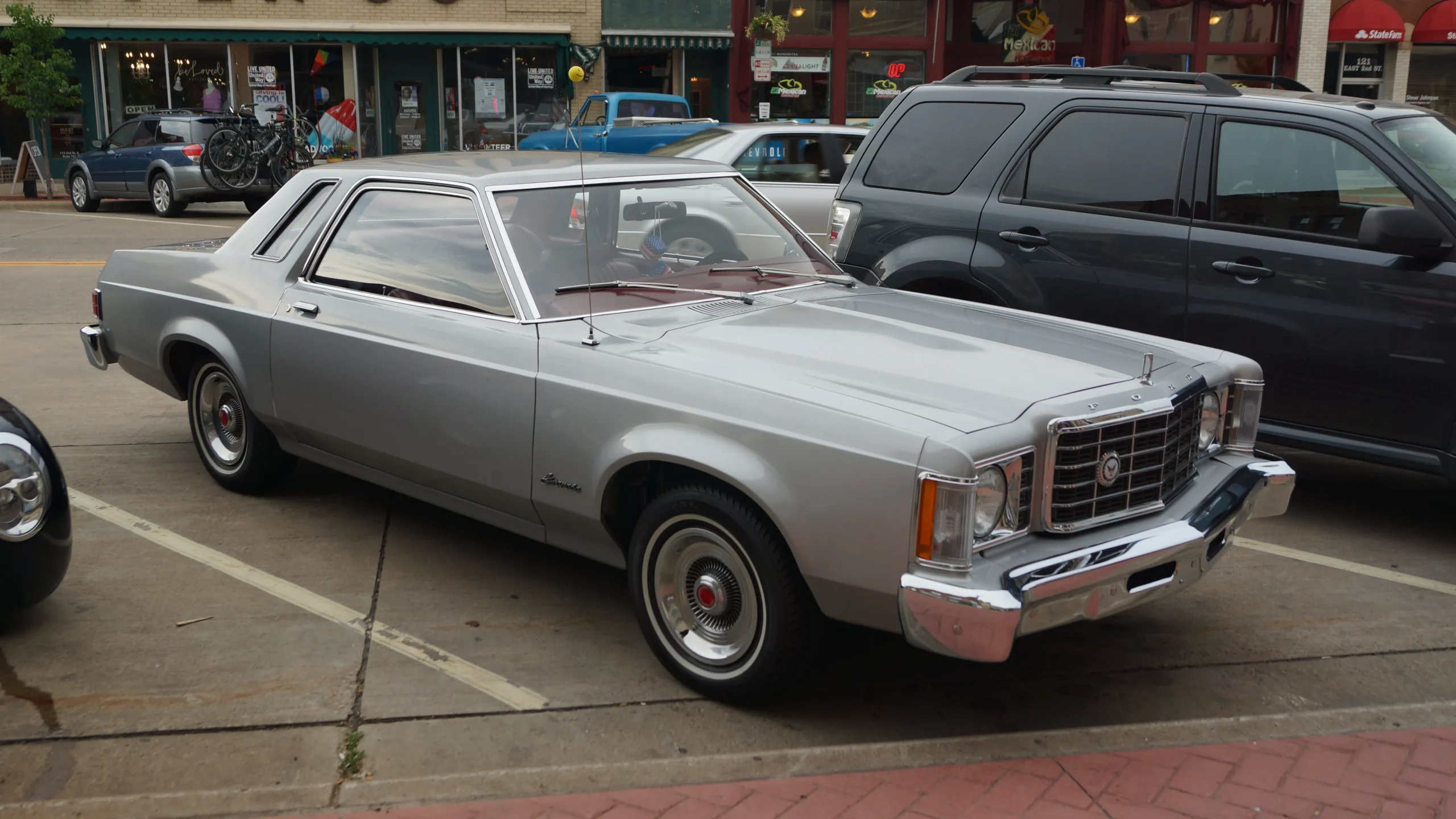
9. Ford Granada (1975-1982 European Version)
Ford’s European Granada represented practical engineering built for the demanding European market. Your Granada came with solid construction and mechanical systems designed for longevity.
When accidents occurred, your vehicle’s frame absorbed impacts without catastrophic failure. Replacement body panels were affordable because the Granada was produced in large numbers. Repair shops throughout Europe developed expertise in fixing these common vehicles.
The durability of your Granada became apparent through its use in commercial and fleet applications. Companies used Granagas as company cars, taxis, and service vehicles because they knew these cars would run reliably for years.
When accidents or damage occurred during commercial use, operators would have their Granagas repaired and continue using them. Repair affordability meant that fixing a damaged Granada made economic sense compared to replacing it with a new vehicle.
Used Granada markets remained active for decades after production ended because buyers knew these vehicles could be repaired and kept running indefinitely. Damaged Granagas were purchased by enthusiasts who restored them and drove them reliably for many additional years.
Today, surviving Granagas are still driven by owners who appreciate their practicality and proven durability. Restoration parts remain available through suppliers who recognize the continuing interest in these vehicles.
Also Read: 12 Cars That’ll Still Turn Heads 20 Years From Now
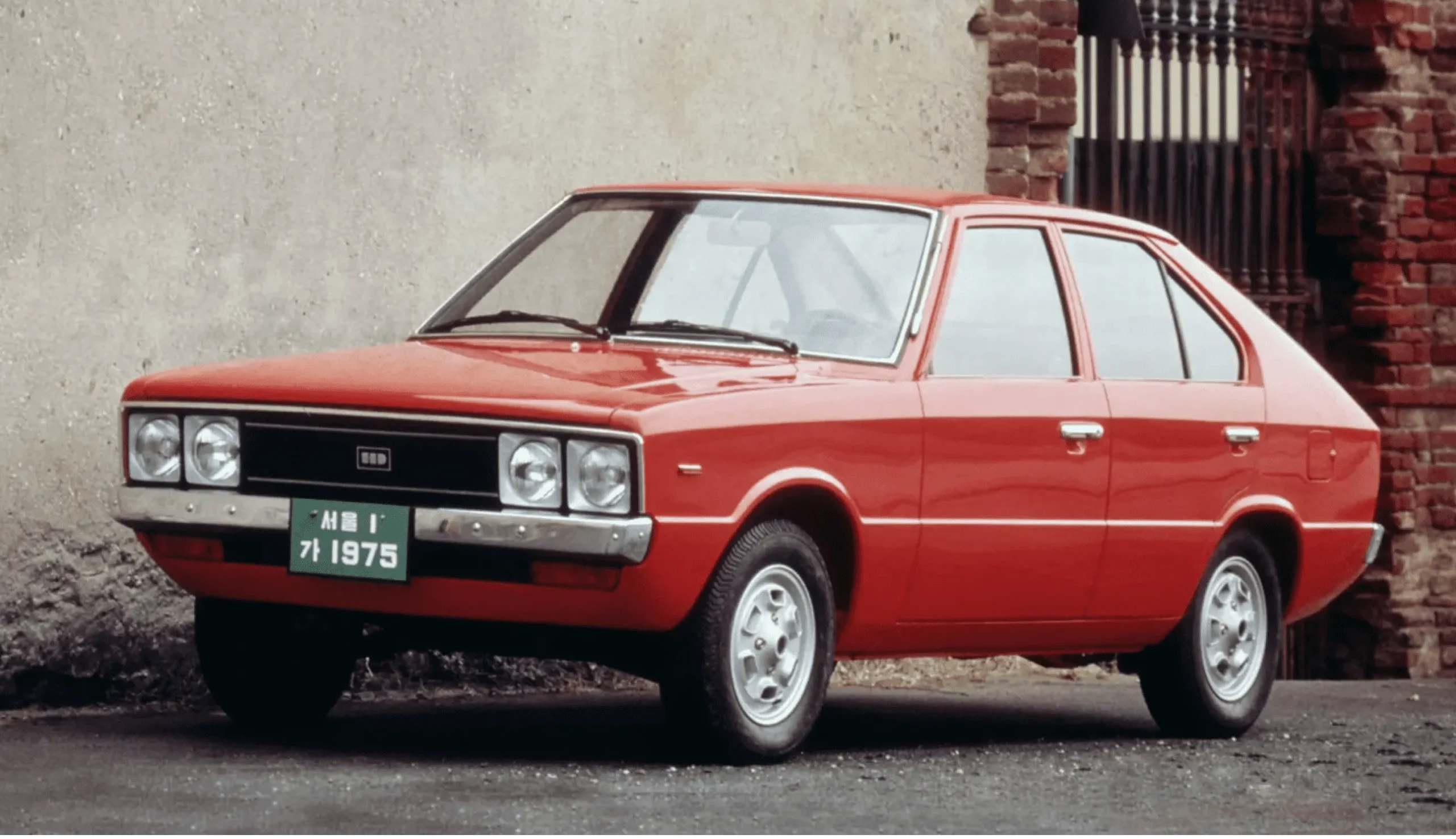
10. Hyundai Pony (1975-1990)
Hyundai’s Pony represented affordable transportation built with surprising durability and repairability. Your Pony came from an era when Hyundai was beginning to establish itself as a manufacturer of reliable, practical vehicles.
Your Pony used simple mechanical systems and straightforward construction that made repairs affordable and accessible to mechanics worldwide. When accidents or damage occurred, owners found that their Ponies could be fixed and returned to service.
Your Pony had fewer electronic systems to fail, simpler mechanical linkages, and overbuilt basic components. When accidents happened, the vehicle’s fundamental structure often remained intact, allowing owners to repair and continue driving.
Repair the affordability of your Pony made keeping the vehicle running economically sensible compared to buying something newer. Body panels were cheap to replace. Mechanical components were inexpensive and easy to find. Repair labor was affordable because the systems were simple.
Your Pony’s practical design meant that repairs could be completed quickly by shops in many countries. Owners who purchased used Ponies found that they could maintain these vehicles affordably for years.
The longevity of Pony vehicles proved that affordable transportation did not have to be temporary. Some owners drove their Ponies to 200,000 miles, 250,000 miles, and beyond. Replacement parts remained available worldwide because Hyundai produced so many Ponies during its production run.
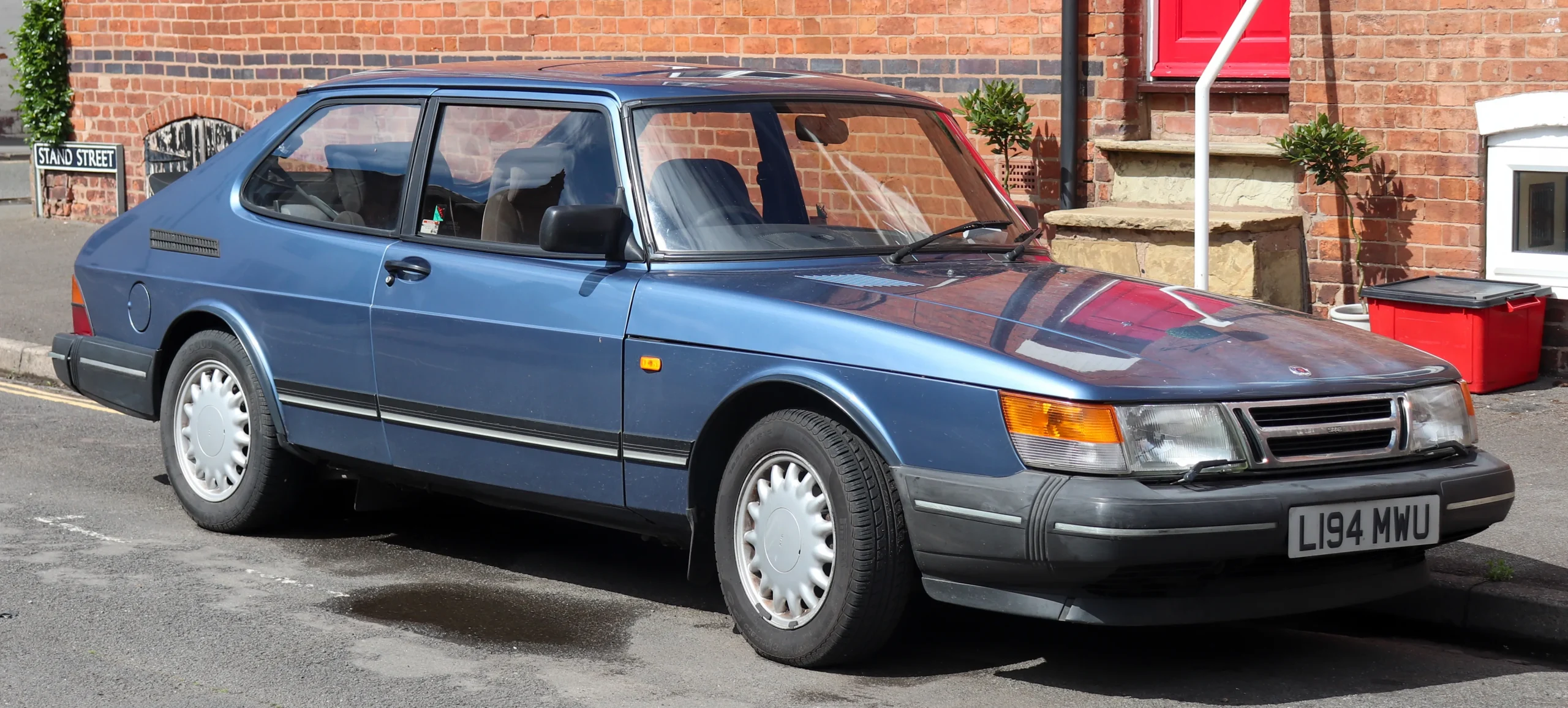
11. Saab 900 (1979-1994 First Generation)
Saab’s 900 combined safety focus with Swedish engineering precision that resulted in a car with exceptional durability and accident recovery capability. Your Saab 900 came with a structural design that emphasized the protection of occupants while allowing the frame to absorb impacts without permanent deformation.
When accidents occurred, your 900’s construction often allowed repairs that restored the vehicle to excellent condition without requiring frame replacement. Safety engineering integrated into your Saab 900’s design meant that accident damage was often limited to replaceable components.
Your vehicle had a rigid passenger compartment surrounded by crumple zones designed to absorb impact energy. Body panels bolted on and off without requiring welding. When repairs were needed, replacement parts could be installed without extensive structural work. This design philosophy meant that damaged Saabs could be fixed and returned to reliable service.
Mechanical systems in your Saab 900 used proven Swedish engineering that was reliable and straightforward to repair. Parts availability remained good because Saab produced many 900s during its production run.
Repair shops developed expertise in fixing these vehicles, understanding their systems and knowing how to perform service efficiently. Your 900’s practical design meant that repairs were often straightforward and affordable, encouraging owners to maintain their vehicles rather than abandoning them.
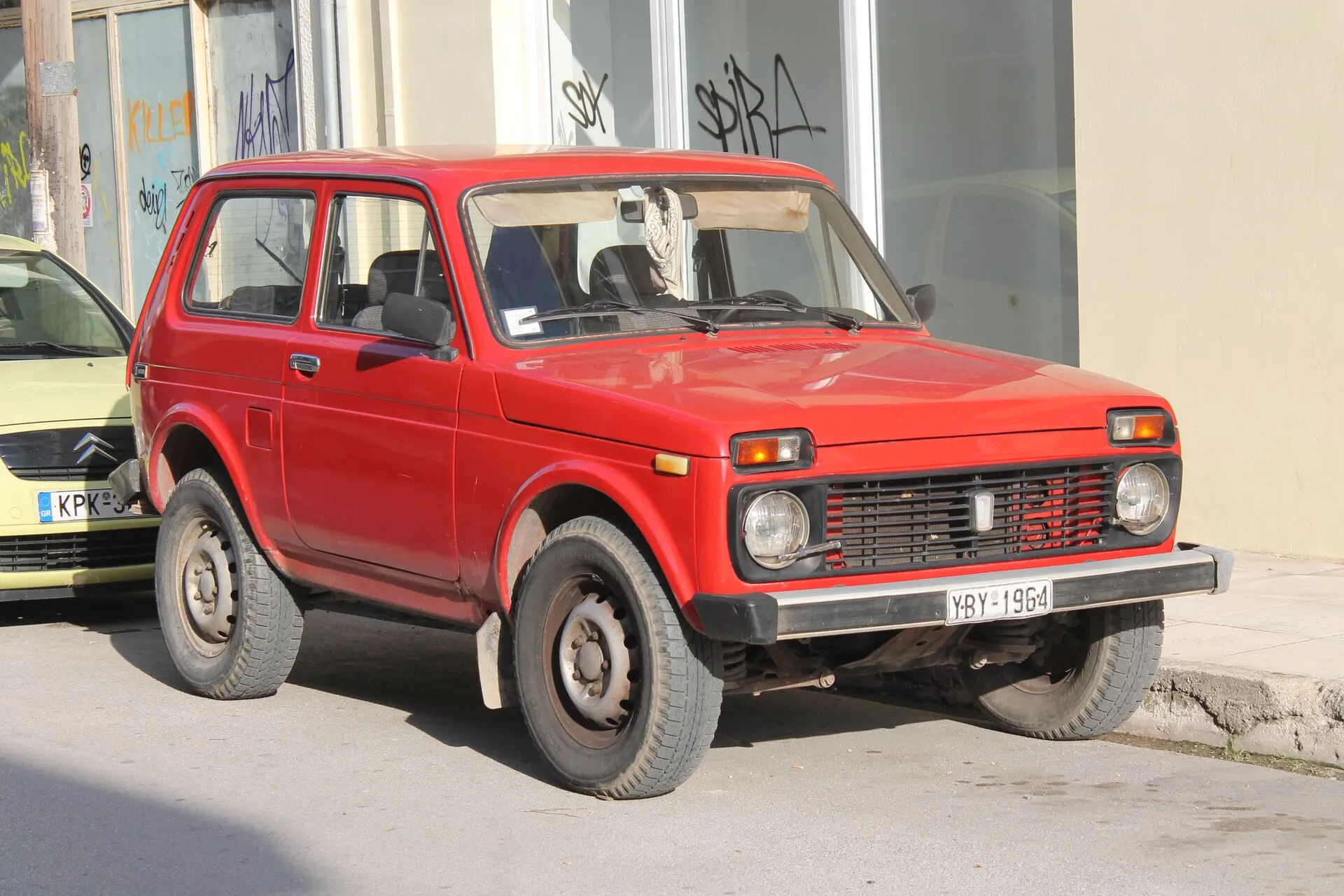
12. Lada Niva (1977-Present)
Lada’s Niva represented simple, rugged engineering built for harsh conditions and demanding use. Your Niva came with a frame and chassis designed to withstand punishment and keep working.
Mechanical systems used proven, simple designs that were easy to repair in locations with limited technical resources. When accidents or damage occurred, owners could often fix their Nivas with basic tools and parts scavenged from junkyards or fabricated locally.
The construction quality of your Niva emphasized functionality over polish. Your vehicle used heavy-gauge steel, robust welds, and overbuilt components designed for longevity and repairability. Everything was built to be fixed, not replaced.
When something broke or was damaged, mechanics could repair it using straightforward techniques and simple tools. This design philosophy meant that your Niva could survive in regions where sophisticated repair facilities did not exist.
The longevity of the Lada Niva became legendary in harsh climates and developing regions. Your vehicle was commonly used in areas with extreme weather, rough roads, and limited resources.
Drivers who pushed their Nivas to 300,000 kilometers, 400,000 kilometers, and beyond reported that these vehicles continued to function reliably through decades of demanding use.
Replacement parts were cheap and readily available. Repair shops worldwide understood how to fix Nivas. Your Niva could theoretically run forever if you were willing to repair and maintain it.
