
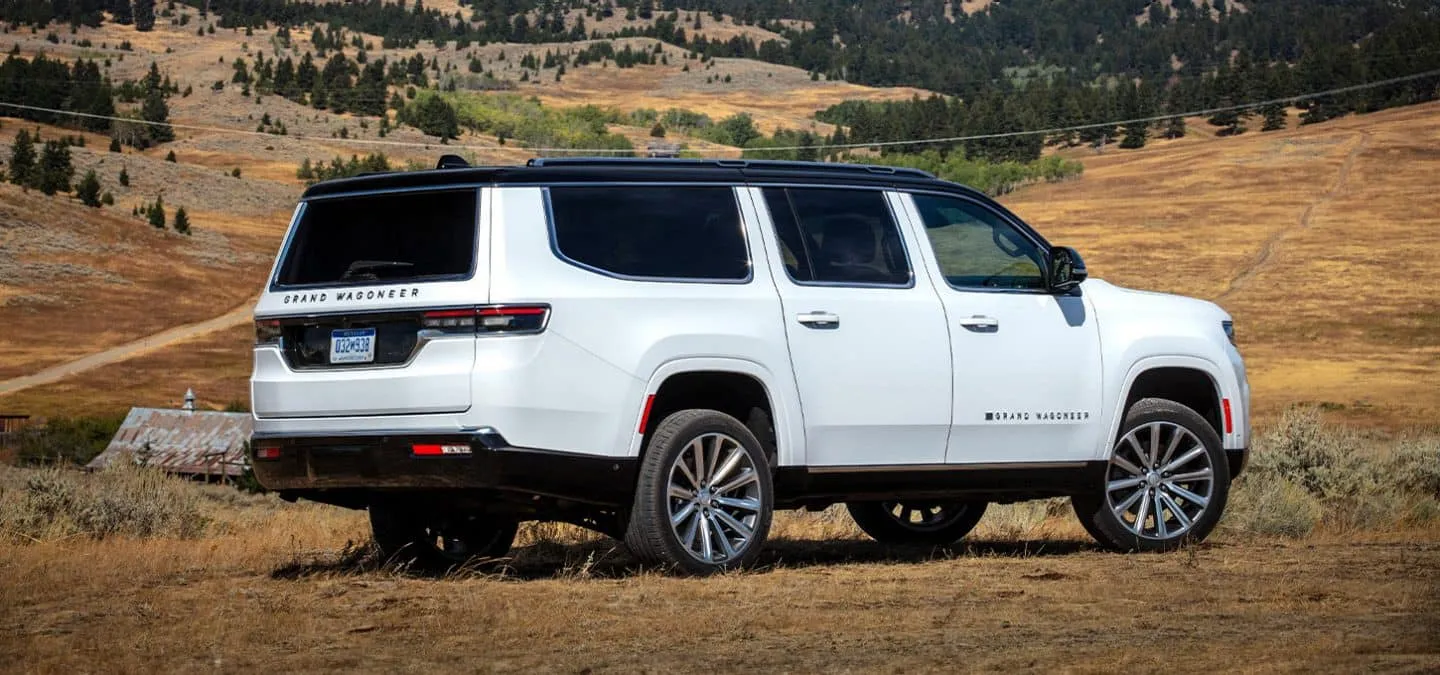
Something interesting is happening right now in the collector car market, and it involves a Jeep that most people wrote off as just another boxy SUV decades ago.
We are talking about auction prices that have doubled, tripled, and in some cases quadrupled within just a few years. Bidding wars are breaking out at major auction houses, with wealthy collectors fighting over vehicles that used to sell for pocket change at rural estate sales.
These questions become even more fascinating when you realize that this Jeep was never marketed as a luxury vehicle or performance machine. It was designed for practical people who needed reliable transportation across difficult conditions, yet here we are watching auction values climb faster than many so-called “investment-grade” vehicles.
Classic car values follow patterns that sometimes defy logic, but this Jeep’s rise feels different from typical collector car trends. There are real reasons behind the explosion in value, ranging from nostalgic appeal to genuine scarcity, from pop culture influence to mechanical durability that ensures these vehicles can still be driven and enjoyed rather than just parked in climate-controlled garages.
Understanding why this particular model has become so desirable requires looking at multiple factors that have converged to create perfect conditions for appreciation.
Whether you own one of these Jeeps, are considering buying one, or simply enjoy watching collector car markets, the story behind this value explosion offers lessons about what makes vehicles truly collectible and how markets can change dramatically when conditions align just right.
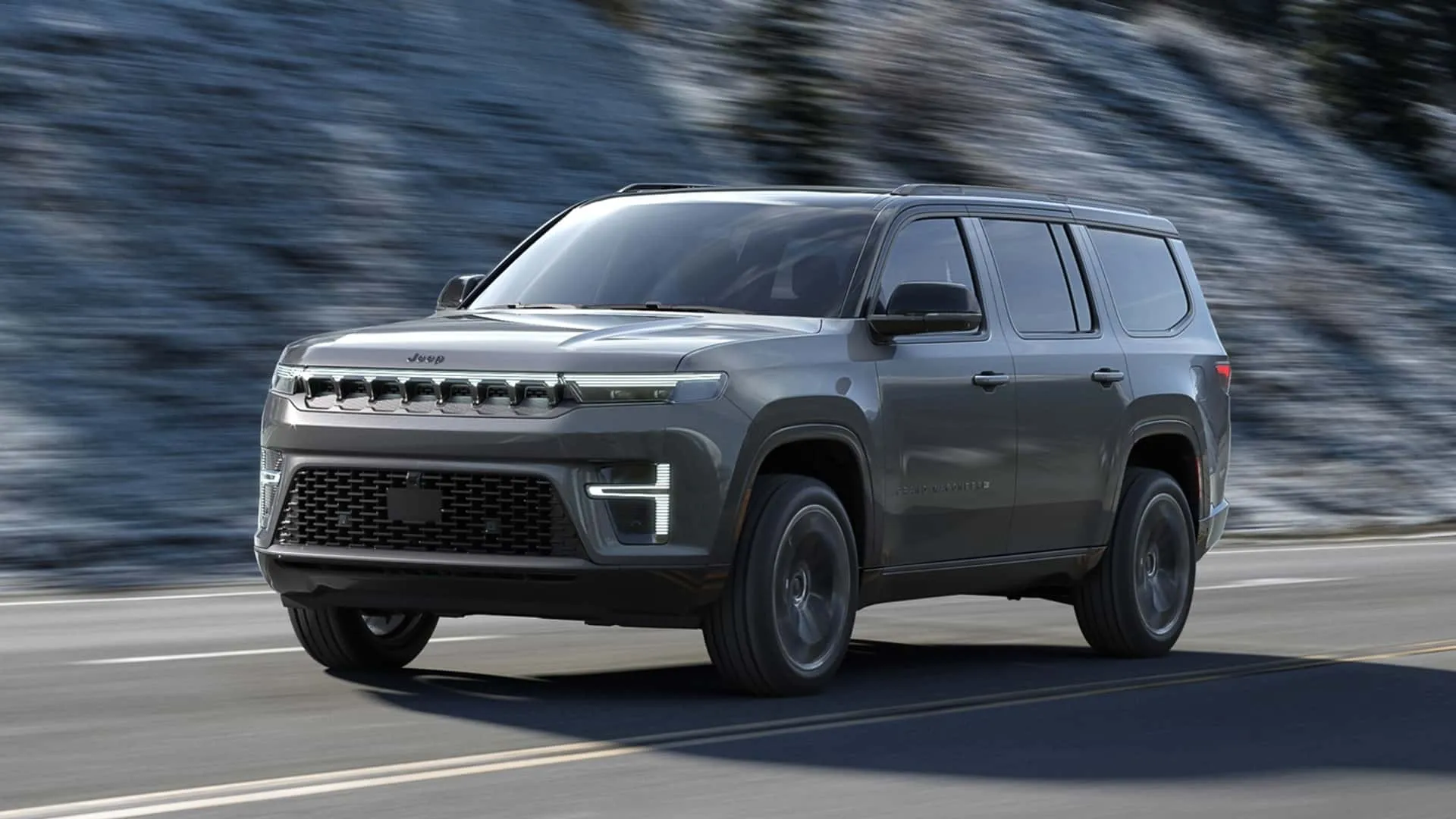
The Jeep Grand Wagoneer Shows Why Vintage Engineering Still Matters
Back when Ford was building the Bronco and Chevrolet was pushing the Blazer, Jeep created something that stood apart from the competition in ways that few people fully appreciated at the time.
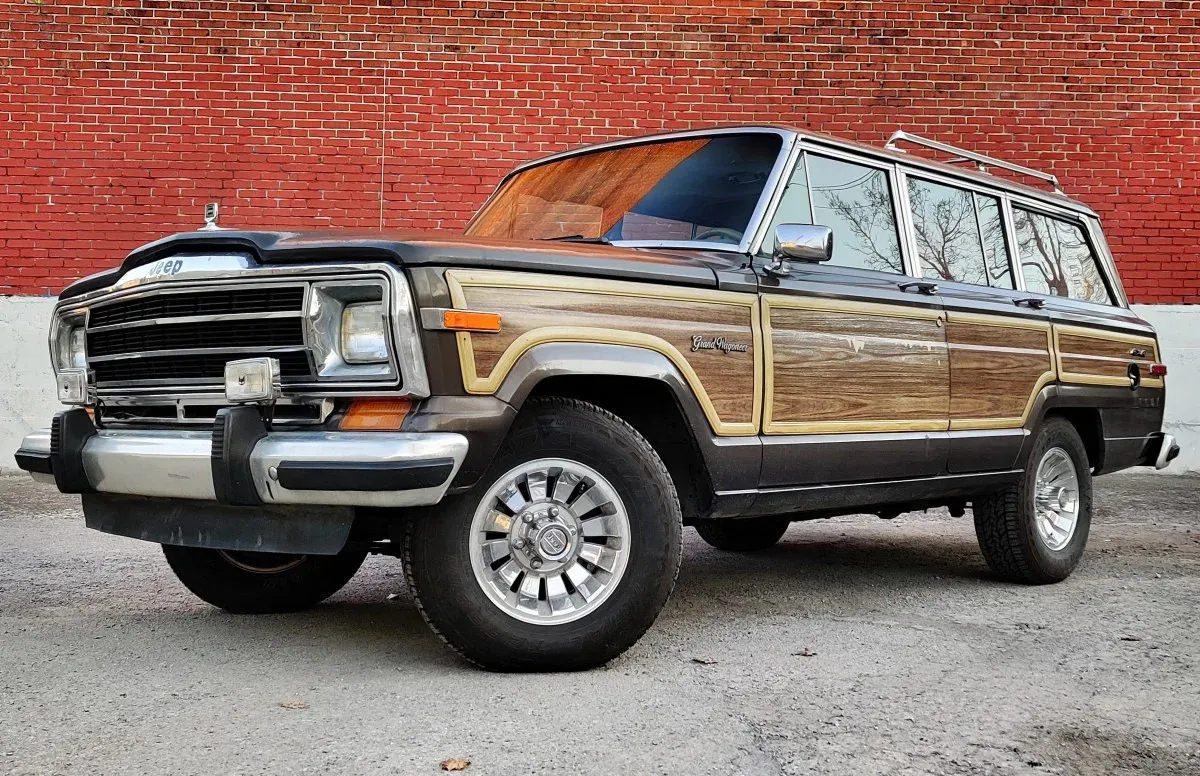
Grand Wagoneer rolled off assembly lines with wood paneling on its sides, leather seats inside, and an approach to luxury that trucks and SUVs had rarely seen before. This was not your grandfather’s farm vehicle, even though it could absolutely handle farm work when needed.
Production ran from 1963 through 1991, giving this model an incredibly long lifespan that speaks to how well the formula worked. Bodies were built on frames that could handle serious abuse, with steel construction that did not worry about weight savings or fuel economy regulations the way modern vehicles must.
When you look at a Grand Wagoneer today, you see a vehicle that weighs substantially more than current SUVs of similar size, and that weight comes from materials chosen for durability rather than efficiency. Rust became the biggest enemy of these Jeeps, but ones that survived in dry climates or received proper care have bodies that remain solid decades later.
Interior appointments separated Grand Wagoneer from competitors who still treated SUVs like work vehicles with minimal comfort considerations. Woodgrain trim wrapped around the dashboard and door panels, leather covered the seats, and amenities included air conditioning, power windows, and premium sound systems that luxury sedans would have been proud to offer.
You could take clients to business meetings in a Grand Wagoneer without feeling like you were driving a contractor’s work truck. Families bought them for road trips where comfort mattered as much as capability, and the spacious interior could swallow camping gear, luggage, and seven passengers without breaking a sweat.
Mechanical simplicity is now viewed as a major advantage rather than a limitation. AMC V8 engines that powered these Jeeps were straightforward, reliable, and easy to repair. You did not need computer diagnostics or specialized tools to work on them, just basic mechanical knowledge and common hand tools.
Automatic transmissions were simple four-speed units that shifted predictably and could be rebuilt by any competent transmission shop. Four-wheel drive systems used robust transfer cases that engaged manually, giving drivers direct control without electronic intermediaries that could fail. This simplicity means that Grand Wagoneers can still be maintained and driven regularly without requiring unattainable parts or expertise that has disappeared as older mechanics retire.
Also Read: 5 Jeep Trucks That Refuse to Quit vs 5 That Constantly Fail
How Scarcity Drives Desire and Results in Limited Survival
Rust ate through Grand Wagoneers like termites through old wood, particularly in regions where winter road salt was used heavily or humidity remained high year-round. Bodies that seemed solid on the surface hid rot underneath, in floor panels, rocker panels, and frame sections that bore the brunt of exposure to the elements.
Many owners drove these Jeeps until they literally fell apart, then sent them to scrapyards without considering future collectibility. After all, why would anyone save an old Jeep when newer models offered better fuel economy, more modern features, and fresh styling?
Late 1980s models command the highest prices because they represent the final evolution of this long-running design. These last years of production included the most refined versions of the Grand Wagoneer formula, with improved build quality, better rust protection, and details that earlier models lacked.
Production numbers for these final years were relatively low compared to the 1970s heyday, and survival rates have proven even lower. Finding an unmolested 1989 or 1990 Grand Wagoneer in excellent condition is genuinely difficult, which explains why auction prices for these examples have reached six figures at major sales.
Condition matters enormously when evaluating Grand Wagoneers for purchase or investment. A rust-free example with original paint, intact wood trim, and unmolested mechanical components is worth exponentially more than one that has been poorly restored or shows structural rust damage.
Many Grand Wagoneers have been modified over the years, with lifted suspensions, oversized tires, and aftermarket accessories that please off-road enthusiasts but diminish value for collectors seeking authenticity. Original vehicles command premium prices because they are increasingly rare as more get modified or used for parts to restore better examples.
Geographic location played a huge role in survival rates. California, Arizona, and other dry-climate states preserved Grand Wagoneers that would have rotted away in Michigan or Pennsylvania.
Wealthy buyers now travel across the country to inspect and purchase rust-free examples from these regions, often paying premiums that include cross-country shipping costs. Barn finds occasionally surface when estates are settled or old garages get cleaned out, but truly untouched low-mileage examples are becoming legendary rather than realistic expectations.
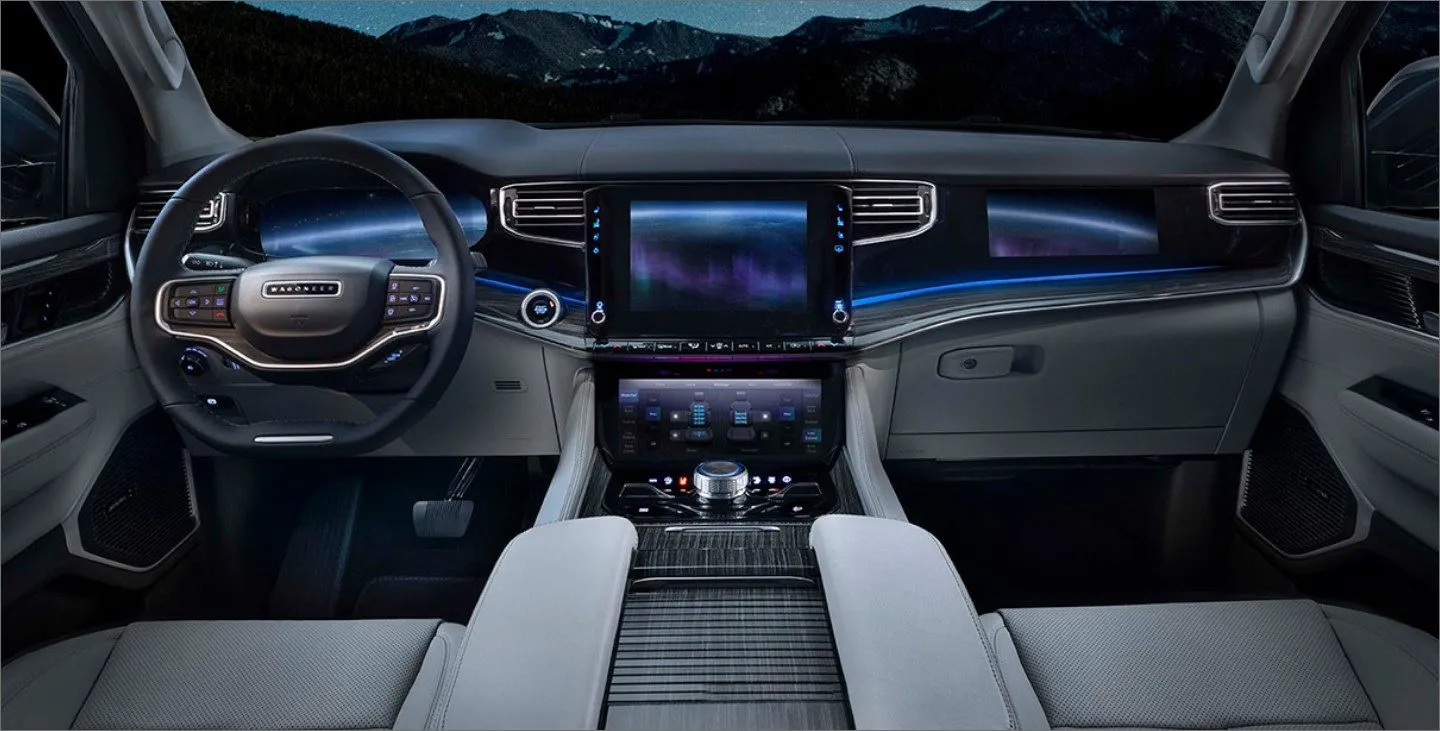
Pop Culture Played a Major Role in Raising Values
Television shows and movies started featuring Grand Wagoneers as the vehicle of choice for wealthy characters who wanted to project outdoorsy sophistication without sacrificing comfort.
This was not product placement in the traditional sense because these Jeeps were no longer in production, but rather set designers and directors recognizing that Grand Wagoneers communicated specific messages about characters who drove them.
You were successful enough to afford luxury but down-to-earth enough to choose a practical SUV. You appreciated quality and tradition rather than chasing the latest trends.
Social media amplified this cultural moment when celebrities started posting photos with their Grand Wagoneers, often lovingly restored or maintained examples that showed off the best characteristics of these vehicles. Instagram accounts dedicated to Grand Wagoneer culture sprouted up, showcasing everything from pristine restored examples to heavily modified off-road builds.
Younger enthusiasts who were not even born when these Jeeps rolled off assembly lines started appreciating the boxy styling and retro appeal that looked fresh again after decades of rounded, aerodynamic vehicle design.
Television series set in the 1980s needed period-correct vehicles for authenticity, and Grand Wagoneers fit perfectly into storylines about successful families, suburban life, and outdoor adventures.
Each appearance reinforced the aspirational quality of these Jeeps, reminding viewers of an era when vehicles were built differently and luxury meant solid construction and genuine materials rather than touchscreens and digital displays.
This nostalgia factor proved powerful for buyers who remembered these Jeeps from their youth and now had disposable income to recapture those memories.
Auction results started making headlines as prices climbed past what anyone expected. When a particularly nice Grand Wagoneer sold for $100,000 at Barrett-Jackson or Mecum, automotive media covered it extensively, introducing these Jeeps to audiences who might never have considered them collectible.
Each record-breaking sale established a new price ceiling that subsequent auctions could reference, creating an upward spiral of values that fed on itself. Buyers who purchased Grand Wagoneers years ago for $10,000 suddenly found themselves sitting on assets worth many times their original investment, vindicating their decision to preserve these vehicles when others were scrapping them.
Strong Investment Value Attracts Dedicated Collectors
Financial advisors who specialize in alternative investments started recommending classic vehicles as portfolio diversification, and Grand Wagoneers earned mentions alongside more traditional collector cars.
These Jeeps offered something that Ferrari and Porsche could not quite match: relative affordability combined with genuine scarcity and strong appreciation trends. You could buy a very nice Grand Wagoneer for less than a mediocre 911, yet the Jeep’s value trajectory showed stronger growth potential because it started from a lower baseline.
Restoration costs remain reasonable compared to European exotics because parts are still available, and mechanics who understand these vehicles can be found across the country. You do not need a specialist trained at the factory in Italy or Germany, just someone with experience working on American V8 engines and body-on-frame construction.
Rust repair and bodywork require skill but not exotic materials or techniques. Interior restoration can be expensive because original-spec materials must be sourced carefully, but the work itself is straightforward upholstery rather than requiring electronic recalibration or computer programming.
Market depth has developed around Grand Wagoneers in ways that support continued value appreciation. Specialist dealers focus exclusively on these Jeeps, offering fully restored examples with warranties that give buyers confidence.
Parts suppliers cater specifically to Grand Wagoneer owners, reproducing discontinued components that were previously unobtainable. Online communities provide knowledge bases where owners share restoration tips, locate parts, and connect buyers with sellers. This infrastructure supports a healthy market where vehicles can be bought, sold, restored, and maintained without the friction that plagues more obscure collectibles.
Demographic trends favor Grand Wagoneers as Generation X buyers enter their peak earning years and look for vehicles that remind them of their youth. These buyers remember seeing Grand Wagoneers in their neighborhoods, driven by successful professionals and affluent families.
Now they have the financial means to own these Jeeps themselves, driving demand from a large population cohort that grew up during the 1980s when the Grand Wagoneer was at its cultural peak. Following generations who appreciate retro aesthetics and practical classics add additional buying pressure that keeps values climbing.
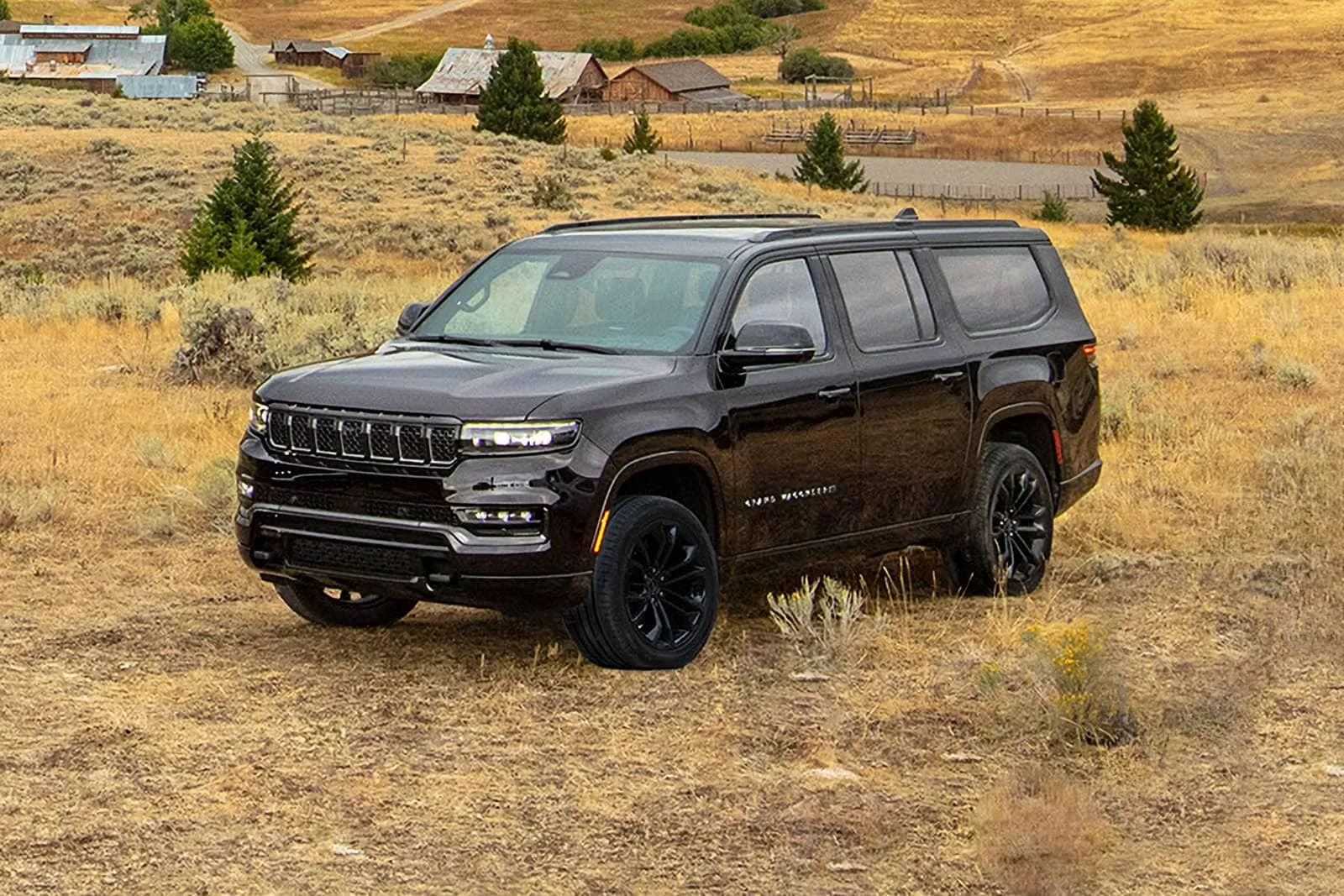
A Drive that Brings Back Simpler Days
Getting behind the wheel of a Grand Wagoneer feels nothing like driving a modern SUV, and that difference is precisely the appeal. There is no start button, just a traditional key that turns in an ignition cylinder with satisfying mechanical resistance.
The engine starts with a rumble that you feel through the seats, none of the muted refinement that contemporary vehicles achieve through sound deadening and isolation mounts.
Steering requires actual effort, especially at low speeds where there is no electric assist to lighten the load. This weight gives you constant feedback about what the front wheels are doing, a connection to the road that modern vehicles deliberately filter out in pursuit of comfort.
Ride quality is firm without being harsh, absorbing bumps with suspension travel rather than electronic damping algorithms. You feel like you are driving something substantial, a machine that could pull a trailer or push through deep snow without drama.
Visibility from the tall seating position and large glass areas makes parking and maneuvering easier than in modern SUVs, despite the Grand Wagoneer’s considerable size.
Boxy styling means you can see exactly where the corners are, unlike contemporary vehicles with swoopy designs that leave you guessing about your actual dimensions. Mirrors are large and well-positioned, and the lack of blind-spot monitoring is not a problem because sight lines are excellent without electronic assistance.
The sound system plays cassette tapes if you have an original radio, or perhaps a CD player if someone upgraded it in the 1990s. There is no Bluetooth streaming, no satellite radio, no voice commands. You choose music before starting your journey or listen to whatever local FM stations broadcast.
This limitation forces you to be present in the moment rather than constantly scrolling through playlists or taking phone calls. Passengers actually talk to each other instead of staring at individual screens, recreating the social experience of road trips from decades ago when entertainment meant conversation and scenery rather than digital distraction.
Restoration Industry Stands Behind Core Values
Specialist shops across the country now focus exclusively on Grand Wagoneer restoration, offering services from mechanical rebuilds to complete body-off restorations that return these Jeeps to better-than-new condition.
These businesses invested in tooling, parts inventories, and expertise that give buyers confidence they can maintain or restore Grand Wagoneers without hunting for mechanics willing to work on them. Having a professional support infrastructure matters tremendously for collectible vehicle values because it removes barriers to ownership that might otherwise discourage buyers.
Parts reproduction has reached impressive levels, with companies manufacturing everything from trim pieces to body panels that were discontinued decades ago. You can now buy new woodgrain appliques that match original specifications, replacement dashboards without cracks, and weatherstripping that seals properly.
Engine rebuild kits are readily available, as are transmission and transfer case components. This part’s availability means that even Grand Wagoneers that have been neglected or partially dismantled can be brought back to life with patience and budget.
Knowledge preservation through online forums, YouTube channels, and published guides ensures that restoration information remains accessible to anyone willing to do research. Detailed how-to articles cover everything from rust repair techniques to electrical system troubleshooting.
Video walkthroughs show complicated procedures like headliner replacement or door panel removal. Community members answer questions and offer advice based on their own experiences, creating a collective knowledge base that benefits all Grand Wagoneer owners regardless of skill level.
Quality standards have risen as values increased, with buyers now expecting restoration work that matches or exceeds original factory quality. Cheap shortcuts that might have been acceptable when these Jeeps were worth $5,000 are no longer tolerated when values approach six figures.
This raising of standards benefits everyone by ensuring that restored Grand Wagoneers are genuinely well-built rather than just cosmetically attractive. Paint must be properly applied with correct preparation, not hastily sprayed over rust or filler. Interior work must use appropriate materials and techniques, not shortcuts that look acceptable in photos but fall apart with use.
Classic SUV Comparisons Prove the Grand Wagoneer is Truly One of a Kind
Ford Bronco values have also climbed dramatically, particularly for first-generation models and the final 1996 examples, but Grand Wagoneers still command premiums for comparable condition. Broncos were more common and survived in greater numbers, which limits how high values can climb before supply exceeds demand. Grand Wagoneer’s longer production run paradoxically resulted in fewer survivors because owners drove them longer and harder, wearing them out or allowing rust to destroy them.
Chevrolet K5 Blazer represents another competitor from the same era, and while nice examples have appreciated, they have not reached the stratospheric values that Grand Wagoneers now command. Blazers lack the luxury appointments and prestige factor that make Grand Wagoneers special, positioning them more as working vehicles than lifestyle statements.
Interior quality in Blazers was never comparable to Grand Wagoneer, and this difference becomes obvious when examining well-preserved examples side by side. International Harvester Scout has developed a cult following with values rising accordingly, but production numbers were always lower than Grand Wagoneer, and parts availability remains challenging.
Scout enthusiasts are passionate, but the market is smaller and restoration costs are higher due to parts scarcity. Grand Wagoneers benefit from larger production volumes that created economies of scale for parts reproduction while still being rare enough to maintain collectible status.
Range Rover Classic from the same era offers comparable luxury and capability, but reliability problems and parts costs have limited its appeal compared to Grand Wagoneers. British engineering from this period was notoriously problematic, with electrical systems that failed regularly and mechanical components that required frequent attention.
Grand Wagoneer’s American V8 simplicity and robust construction make it far easier to own and maintain, which translates to stronger values because buyers know they can actually drive their purchases rather than just admire them in garages.
Also Read: 5 Jeep SUVs That Stay Solid vs 5 That Constantly Fail
How Fast is the Jeep Grand Wagoneer?
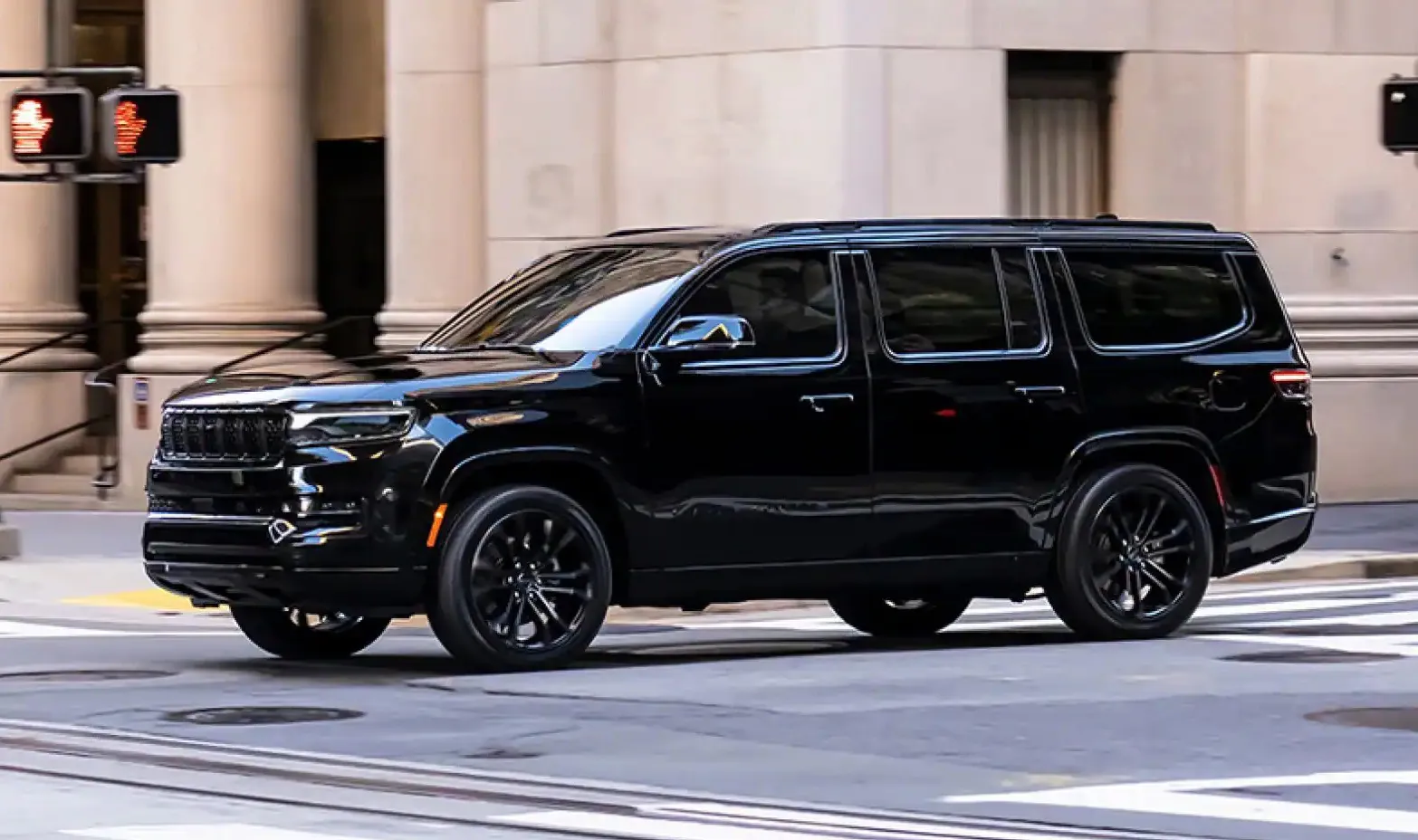
The Jeep Grand Wagoneer is a large luxury SUV with surprising speed for its size and weight. It comes with different engine options, but the most powerful one is the 3.0-litre twin-turbo Hurricane inline-six, which produces about 510 horsepower and 500 lb-ft of torque.
That engine gives the Grand Wagoneer a serious push when you step on the accelerator. Tests show it can move from 0 to 60 miles per hour in roughly 4.7 to 5 seconds, which is impressive for a full-size SUV that weighs over 6,000 pounds.
Drivers describe the acceleration as smooth and forceful. The 8-speed automatic gearbox changes quickly, keeping the engine in its power range. The SUV also uses an advanced four-wheel-drive system that helps it grip the road strongly even during quick launches. Many people expect something this big to feel sluggish, but it surprises everyone with how easily it gains speed.
Its top speed is around 118 miles per hour, electronically limited for safety and tyre performance reasons. Even at highway speeds, it feels calm and steady, with little body movement. That powertrain lets it tow heavy loads while still giving the driver a strong sense of control.
So, while the Jeep Grand Wagoneer focuses on comfort, space, and luxury, it does not disappoint when it comes to performance. It carries both the spirit of a capable Jeep and the smooth pace of a premium road cruiser, proving that big can also mean fast.
Jeep Grand Wagoneer Resale Value
Here is a breakdown of the resale value (how much value the Jeep Grand Wagoneer keeps as time goes on), including what depreciation looks like, what affects resale, and what owners should watch out for.
- According to legit sources, a new Jeep Grand Wagoneer loses approximately 49.2% of its value over five years. That means after five years, the resale value is around US$43,190 when starting from the full-new price.
- For a 2022 Grand Wagoneer, over three years, depreciation is approximately 44%, reducing its current resale value to around $43,281; the trade-in value is slightly lower.
- The 2023 Grand Wagoneer depreciated about 51% over roughly two years, with resale value around US$48,017 and trade-in around US$44,380.
- Kelley Blue Book suggests that a 2025 Grand Wagoneer’s MSRP begins around US$87,040, but many buyers pay less. Resale later will depend heavily on trim, condition, and mileage.
Factors that Affect Resale/Value Retention
1. Trim level and optional equipment: Obsidian, extra features, and luxury finishes raise initial cost but also help retain more value if kept in good shape. Poor options or missing features can hurt resale.
2. Mileage and wear condition: Higher miles, mechanical issues, damage, or previous accidents reduce value sharply. Clean service history helps.
3. Market conditions: Fuel prices, inflation, new model redesigns or refreshes, availability of spare parts, and demand for luxury full-size SUVs all play big roles.
4. Competition from other SUVs and electric vehicles: Buyers comparing used SUVs have many choices; if newer or more efficient models enter, resale value can drop for older models.
5. Reliability and maintenance cost: If a model earns a reputation for high upkeep or problems, resale suffers.
If you buy a new Grand Wagoneer, expect a 45-55% drop over five years if the car has typical usage, offers, and condition. If you keep it very well, with low miles, original parts, and good maintenance, you might do a bit better than average. If you drive it hard, rack up miles, or neglect maintenance, resale will suffer.
