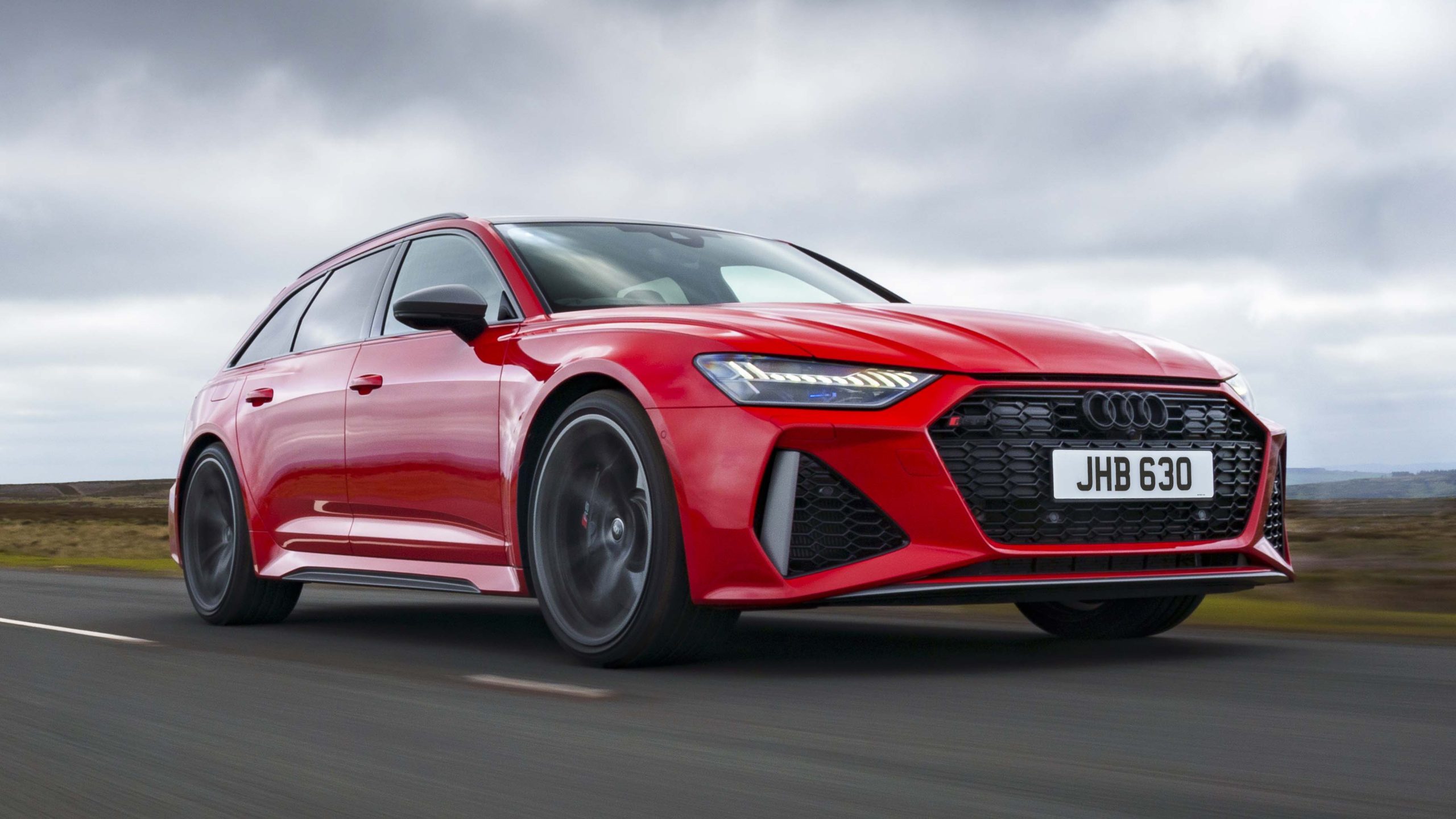
Not all fast cars wear flashy body kits or scream with aggressive styling. Some prefer to hide their power beneath understated exteriors, quietly outperforming the modern sports cars that often steal the spotlight.
These are the sleeper cars, machines that blend into traffic by day yet unleash shocking performance when challenged. The article “10 Sleeper Cars That Outspeed Modern Sports Cars” explores the hidden heroes of the automotive world, vehicles that combine practicality and comfort with performance figures capable of humbling more exotic names.
From the reborn Chevrolet Impala SS, which revived a classic American icon, to the Volvo S60 R that redefined Scandinavian subtlety, each car on this list proves that speed does not always announce itself with noise or flash. The Cadillac CTS-V and Chevrolet SS showcase American engineering at its most deceptive, while the Jaguar XFR and BMW M550i xDrive bring refined luxury to the realm of stealthy speed.
Even family sedans like the Ford Taurus SHO and Pontiac G8 GXP remind us that performance can coexist with practicality. Rounding out the list, the Mercedes-Benz E55 AMG and Audi RS6 demonstrate European mastery of restrained power. Together, they form a tribute to discreet dominance, proof that true speed often hides in plain sight.
1. Chevrolet Impala SS: The Return and Reinvention of a Legend
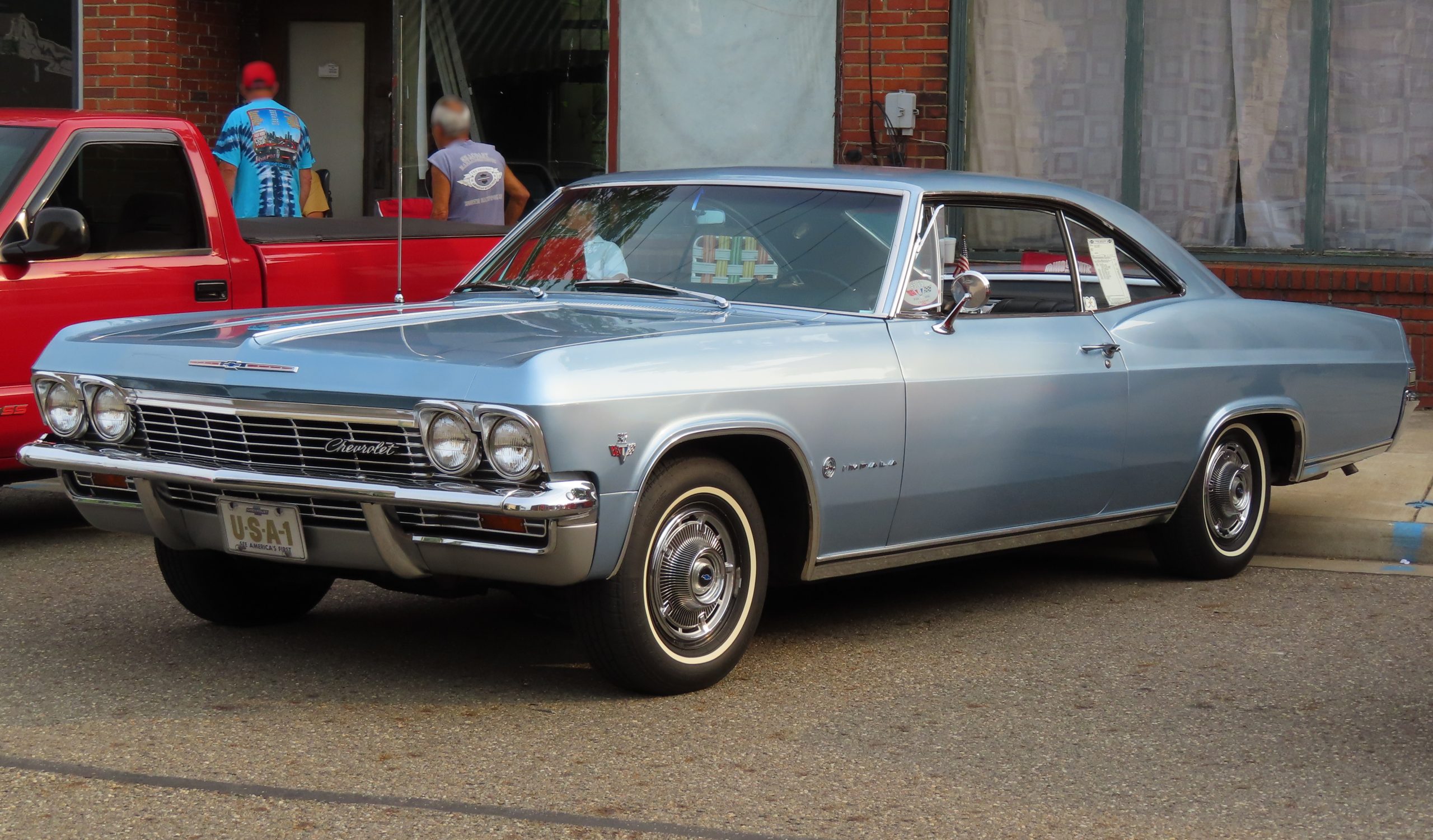
The revival of the Chevrolet Impala SS in the 1990s was a bold gamble for General Motors. The nameplate carried nostalgic weight from the muscle car era, yet its modern version was built upon the modest Caprice platform.
Despite the ordinary underpinnings and understated styling, the 1994 to 1996 Impala SS delivered real performance credibility thanks to the Corvette-sourced 5.7-liter LT1 V8 engine producing 260 horsepower. Capable of completing the quarter mile in 15.0 seconds, it offered drivers a strong mix of muscle and refinement.
Nearly 70,000 units were produced during its short run, with most finished in black. Today, its combination of stealthy looks, comfort, and V8 power makes it a sought-after collectible that represents understated American performance at its best.
Chevrolet later attempted to rekindle the SS spirit with a front-wheel-drive version in the mid-2000s, but the results were far more divisive. Beneath its conservative exterior design sat a powerful 5.3-liter V8 that generated 303 horsepower and 323 pound-feet of torque.
This engine could propel the 3,700-pound sedan from zero to sixty miles per hour in just 5.6 seconds. However, sending that much power through the front wheels created noticeable torque steer, which took away from the excitement of driving.
Chevrolet’s traction control system tried to fix the problem by braking the front wheels alternately to maintain grip, but the solution was more irritating than effective. Turning off traction control unleashed the full force of torque steer, making acceleration a challenge for even experienced drivers.
Visually, the Impala SS was restrained to a fault. With only subtle sporty cues such as minimal badging, small spoilers, and 18-inch wheels, it looked more like a conservative executive car than a performance sedan. Inside, the design continued that theme.
Although spacious, the cabin suffered from hard plastics, uninspired styling, and parts borrowed from cheaper GM models. The build quality fell short of what buyers expected from a car wearing the SS badge. Still, the interior did include some bright spots, such as an eight-speaker BOSE sound system, XM radio, and MP3 compatibility, which added a touch of modern comfort.
On the road, the Impala SS delivered strong straight-line performance but struggled in corners. The soft suspension provided a smooth ride but lacked control during spirited driving. Heavy body roll and limited driver support made aggressive maneuvers feel unsettling. Fortunately, the brakes were powerful and reliable, helping to keep the car composed during hard stops.
In the end, the 1990s Impala SS successfully honored its heritage with power and poise, while the later front-wheel-drive version fell short. It had the strength and speed expected of an SS but lacked the styling, handling, and refinement that defined the true Super Sport spirit.
2. Volvo S60 R: Subtle Power Beneath Scandinavian Sophistication
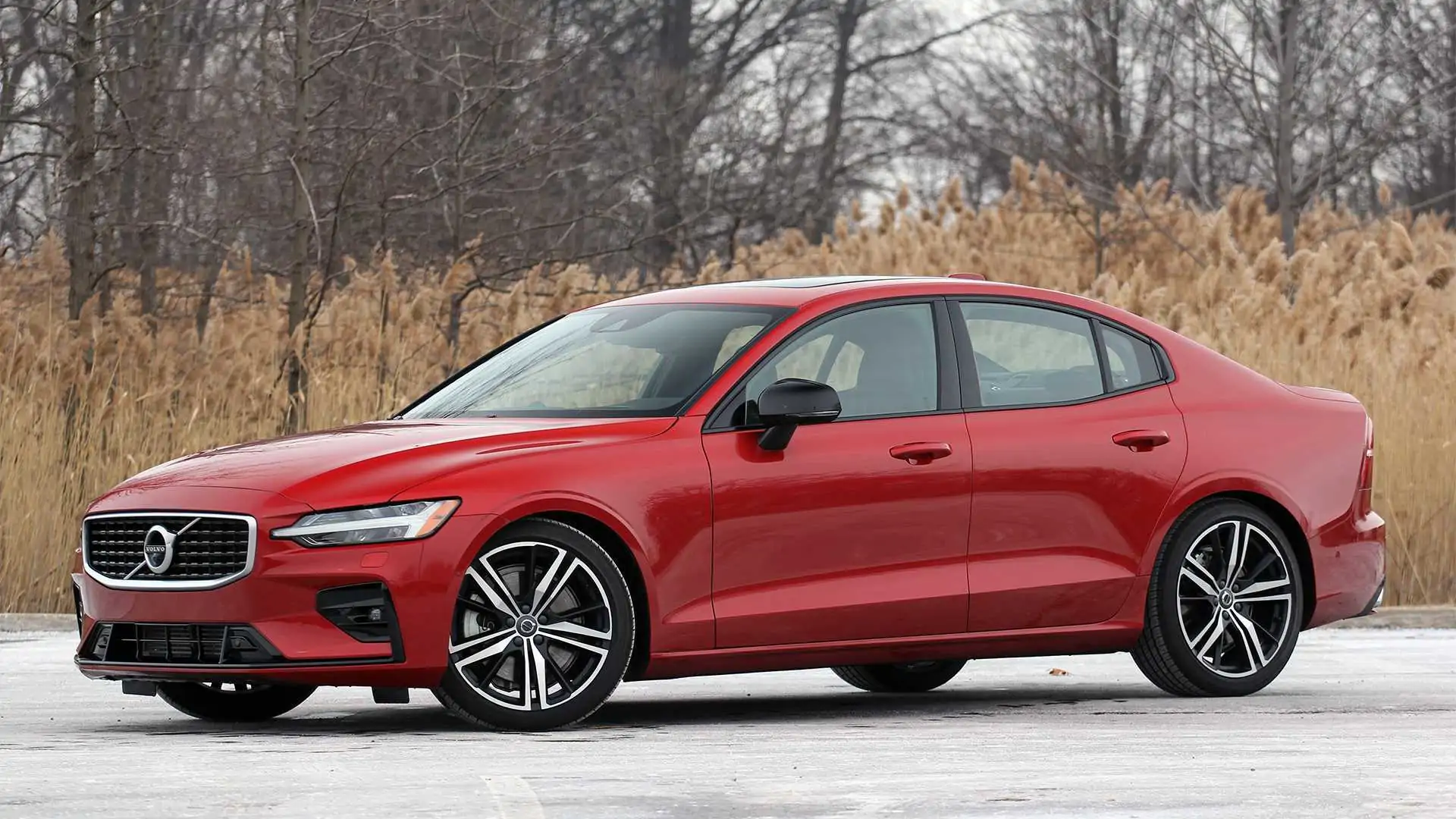
Volvo is best known for building safe, sensible cars, but every so often the brand releases a true performance sleeper. The S60 R was one such model. At first glance, it looked almost identical to the standard S60, yet under its understated exterior hid a 300-horsepower turbocharged inline-five engine.
Testing by Autocar recorded a 0 to 60 mph sprint of 6.3 seconds, and a top speed just over 155 mph, placing it among Germany’s leading sports sedans of the time. A six-speed manual transmission was standard, though a five-speed automatic was also available.
Power was sent to all four wheels through Volvo’s advanced all-wheel-drive system, while the brand’s Four-C (Continuously Controlled Chassis Concept) active suspension adjusted in real time to deliver sharp handling and impressive ride comfort.
Despite its capability, the S60 R remained something of an underdog, especially in the United States, where buyers often overlooked it in favor of more established performance marques.
This lack of attention has turned it into a hidden gem on the used market. Today, the S60 R is one of the quickest cars available for under $10,000, though potential buyers should be prepared for higher maintenance costs due to its complex electronic systems.
Modern versions of the S60 continue Volvo’s quiet pursuit of performance, as seen in the plug-in hybrid S60 T8. This newer model demonstrates how far the brand has evolved technologically. At Edmunds’ test track, the S60 T8 reached 60 mph in just 4.5 seconds, powered by a combination of a turbocharged and supercharged gasoline engine paired with a strong electric motor.
The car feels lively and smooth whether driven in hybrid or pure electric mode, offering up to 40 miles of all-electric range and an estimated 31 mpg combined once the battery is depleted.
The S60’s handling remains composed and confident, supported by a well-tuned suspension and predictable braking. Comfort continues to be a hallmark of Volvo design.
The seats are exceptionally supportive and adjustable, the cabin is quiet even on rough surfaces, and the ride remains controlled over uneven roads. However, the climate control interface, which is integrated into the touchscreen system, can be cumbersome to use.
Inside, the S60 combines genuine metal and leather materials with a clean Scandinavian aesthetic, though some controls feel less intuitive. Google integration brings useful features like built-in Maps and voice commands, and the optional Bowers & Wilkins sound system adds concert-level audio quality. Storage is modest but practical, and the trunk offers 11.6 cubic feet of space with foldable seats for longer items.
Both the original S60 R and the modern S60 T8 embody Volvo’s unique blend of safety, performance, and refinement. While the S60 R remains a cult favorite for enthusiasts seeking affordable speed, the latest models continue to prove that Volvo can deliver excitement without sacrificing its trademark composure.
3. Cadillac CTS-V: The American Muscle Sedan That Took on Europe
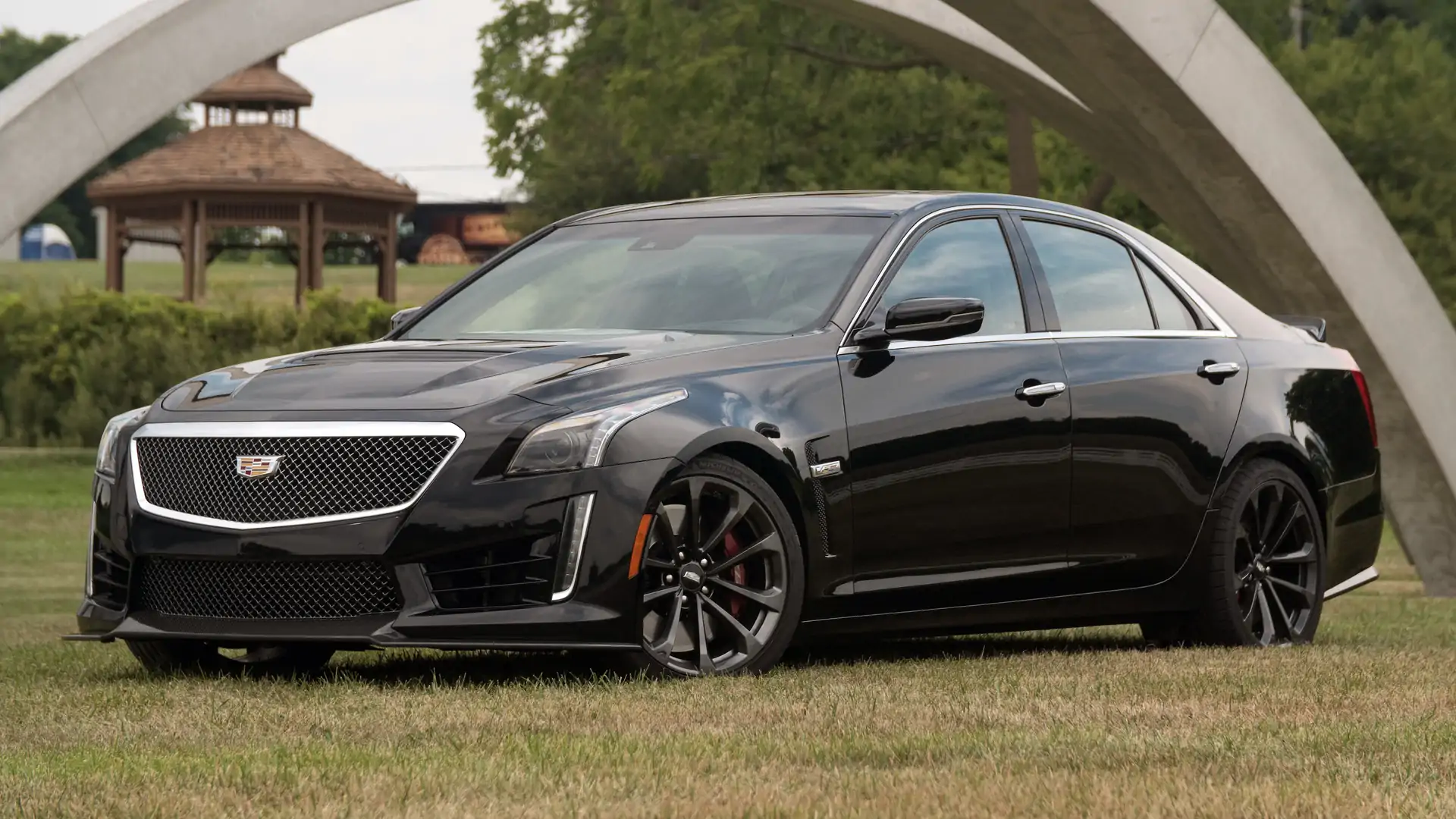
When Cadillac introduced the CTS-V in 2004, it marked a dramatic shift in the brand’s identity. Traditionally known for comfort and luxury, Cadillac now aimed to compete directly with Europe’s finest performance sedans. The first-generation CTS-V looked remarkably subtle, with little to distinguish it from a standard CTS.
Beneath the restrained design sat a Corvette-derived V8 engine. Early models featured the LS6 powerplant, while later ones received the LS2, both producing 400 horsepower and paired with a six-speed manual transmission.
The result was a car that could sprint from 0 to 60 mph in under five seconds, matching the performance of its German rivals while keeping its distinctly American character. Fewer than 9,000 units were produced, making well-preserved examples rare and highly sought after by enthusiasts today.
The CTS-V evolved into a more refined but even more aggressive sports sedan in later generations. These models blended raw power with advanced handling systems to create a balanced yet thrilling driving experience. The most powerful version produced 640 horsepower and could reach 60 mph in only 4.1 seconds.
Despite its immense power, the CTS-V remained remarkably composed. The strong brakes provided confident stopping performance, and the adjustable driving modes allowed for a customized experience suited to both daily commuting and spirited driving.
While the steering could feel heavy in sportier settings, it maintained precise control, supported by electronic systems that made the car manageable for drivers of varying skill levels.
Comfort was carefully considered, with the optional Recaro performance seats offering excellent lateral support and multiple adjustments. They were firm but ideal for long drives. The ride, however, was stiff, especially over rough roads, even in the softest magnetic suspension mode.
Wind noise was well-contained, but the grip-focused tires and supercharger whine brought some sound into the cabin, reinforcing the car’s performance focus.
Inside, Cadillac aimed for modern luxury but did not always succeed. The touch-sensitive controls appeared stylish but were not as intuitive as traditional buttons. The front seats offered plenty of space, while the rear was more cramped and best for two passengers. The sloping roofline and thick pillars limited rear visibility, and the trunk space of 13.7 cubic feet was smaller than some competitors in its class.
Technology in the CTS-V was strong for its time. Later models featured navigation, Apple CarPlay, Android Auto, Wi-Fi connectivity, and several USB ports. Standard safety features included parking sensors and collision avoidance systems, reflecting Cadillac’s effort to blend performance with safety and modern convenience.
The CTS-V stands as a true example of American engineering meeting European precision. It combined muscle car power with refined handling and luxury appointments, redefining what a Cadillac could be. Even today, it remains one of the most respected American performance sedans ever built.
4. Chevrolet SS: The Subtle Sedan with a V8 Secret
The Chevrolet SS might look like an ordinary sedan, but it hides serious performance beneath its plain exterior. Produced between 2014 and 2017, this four-door was powered by a 6.2-liter LS3 V8 that produced 415 horsepower and 415 pound-feet of torque. Only around 13,000 examples were made, and its rarity has helped it hold its value close to the original $44,500 price.
The SS was not a typical American muscle car. It was built in Australia by Holden, General Motors’ longtime subsidiary. The car was essentially a rebadged Holden Commodore, a model that had been refined over decades into one of Australia’s best performance sedans.
When Chevrolet brought it to the United States, it combined Australian engineering with American muscle. Production ended when the Holden factory closed in 2017, and the brand itself was later discontinued. This has made the SS something of a collector’s item.
Power delivery from the LS3 V8 is smooth and immediate. The engine revs eagerly and makes a deep, satisfying sound that reminds you of its Corvette connection. Buyers could choose between a six-speed manual or an automatic transmission. The manual version provides more driver engagement, though the shifter can feel stiff during quick changes.
The SS is equipped with Brembo brakes and a Magnetic Ride Control suspension, which keeps the large sedan composed through corners. Steering is responsive and well-balanced, giving the driver confidence whether on a straight highway or a twisting back road. The SS feels secure and planted even when pushed hard.
Chevrolet gave the SS three selectable drive modes: Tour, Sport, and Performance. Tour mode delivers a relaxed ride, while Performance mode firms things up for more precise handling. The system doesn’t change the car’s behavior drastically, but it allows for some customization depending on road conditions.
The seats offer strong support and aggressive bolstering, though they may feel too firm for some drivers. Noise levels inside the cabin are low, with only a bit of tire hum noticeable on rough pavement. The V8 remains quiet during normal driving but produces an appealing growl under acceleration.
Inside, the SS feels roomy and practical. The large doors make entry and exit easy, and the interior provides excellent space for both front and rear passengers. The materials are a mix of soft leather, plastic, and older GM trim pieces that look dated but durable.
An 8-inch touchscreen handles infotainment duties through Chevrolet’s MyLink system. The display is sharp and responsive, but the menu layout can be confusing at first. Standard features include navigation, a Bose sound system, Apple CarPlay, Android Auto, and Wi-Fi connectivity. Climate controls are straightforward and separate from the screen, which makes them easy to use.
Trunk space measures 16.4 cubic feet, which is competitive for the class. However, the rear seats do not fold down, which limits flexibility when carrying long items. Storage inside the cabin is minimal, with small door pockets and a narrow center console, although the cupholders are well-placed and sturdy.
The SS includes several modern safety features. Blind-spot monitoring, rear cross-traffic alert, lane departure warning, and forward collision alert come standard. A head-up display projects key information onto the windshield, and the automatic parallel parking system can handle parking maneuvers with little input from the driver.
The Chevrolet SS is one of the most interesting cars GM has built in recent years. It combines the power of a Corvette with the practicality of a sedan, creating a unique balance of comfort and performance.
Despite its understated looks, it delivers the kind of driving excitement few modern sedans can match. The SS may have been overlooked when new, but it has since earned recognition as a hidden gem and a fitting farewell to the era of the big V8 family car.
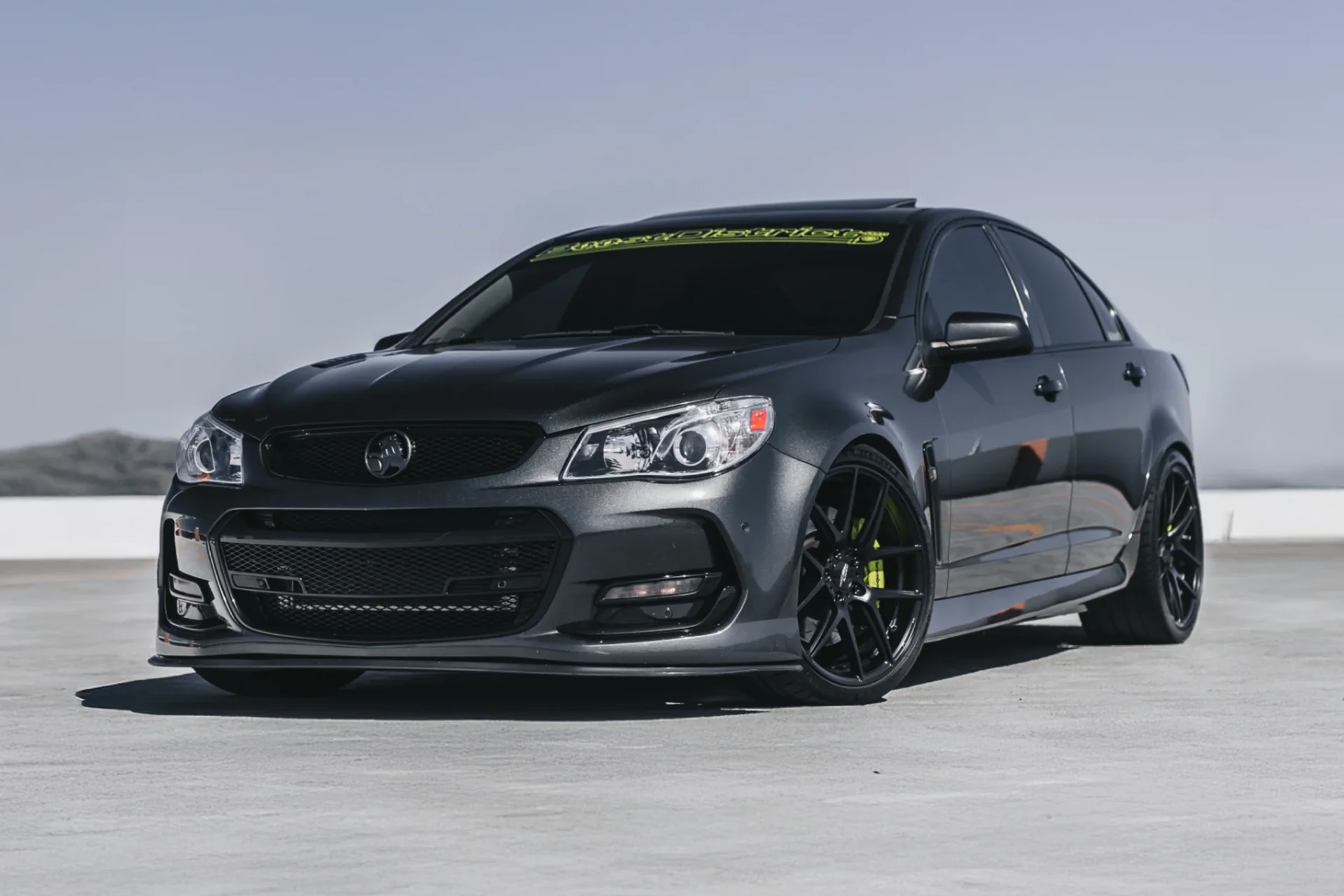
5. Jaguar XFR: The Refined Predator in a Business Suit
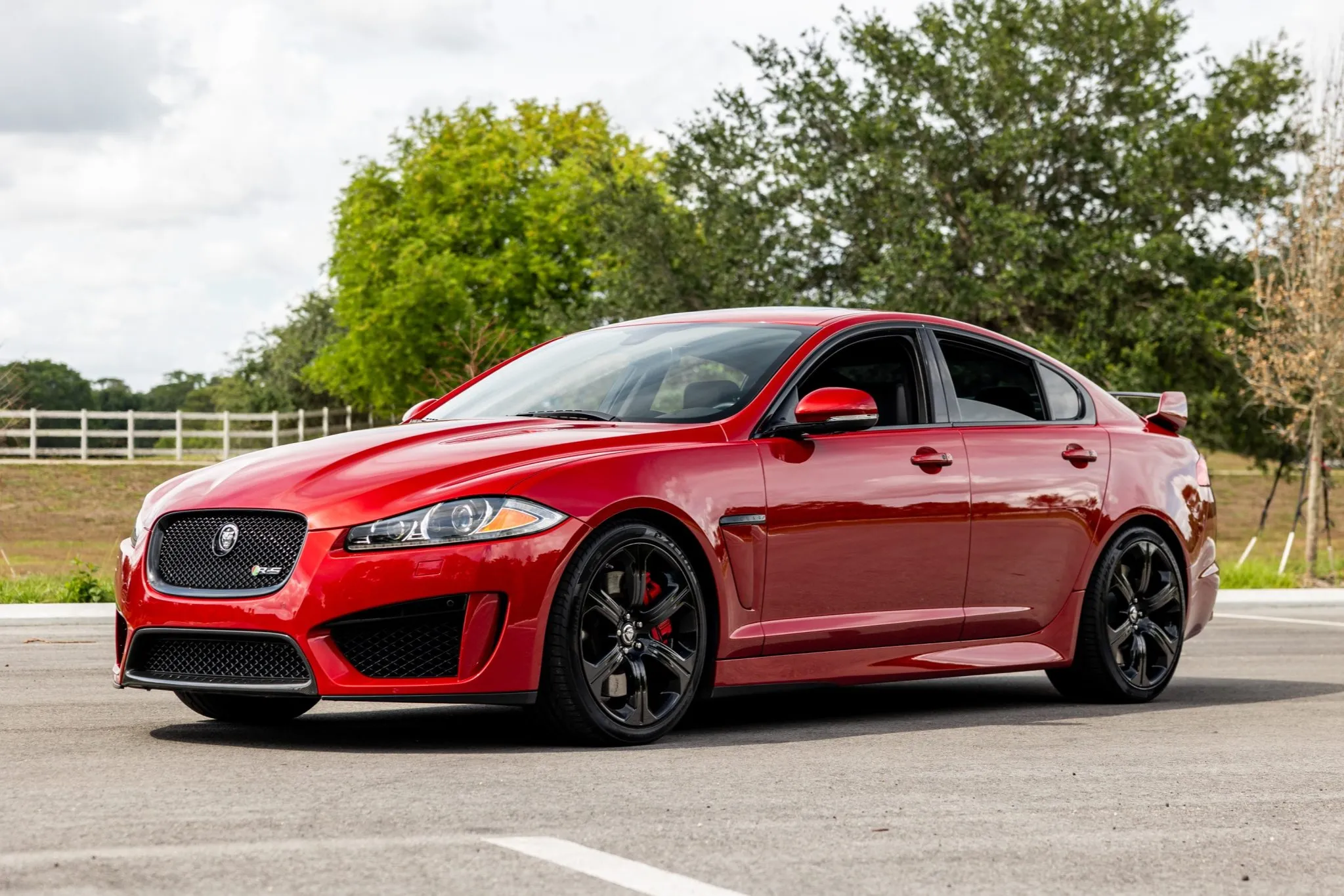
The Jaguar XFR is a masterful blend of sophistication and power. At first glance, it appears nearly identical to the standard XF sedan, a car known for its graceful design and luxurious character. Yet beneath that elegant exterior lies a serious performance machine.
Powered by a 5.0-liter supercharged V8 engine, the XFR produces 503 horsepower and 461 pound-feet of torque. It sprints from 0 to 60 mph in just 4.7 seconds and reaches a limited top speed of 155 mph. When derestricted, it is capable of approaching 195 mph, placing it among the most capable super sedans of its era.
Jaguar chose restraint when designing the XFR. Instead of aggressive styling, it received thoughtful enhancements such as a larger grille, lower stance, subtle body skirts, and quad exhausts. The modest rear spoiler and “R” badges hint at its potential without drawing unnecessary attention.
The 20-inch alloy wheels with “supercharged” engraving complete the understated look. Inside, the XFR maintains the XF’s luxurious layout, with supportive sport seats and small “R” details that remind occupants they are in something special. The result is a car that communicates quiet confidence rather than loud aggression.
The supercharged V8 is the centerpiece of the XFR’s character. Its power delivery is immediate and relentless, offering strong acceleration from nearly any speed. Torque arrives early at 2,500 rpm and continues smoothly through the rev range, creating an effortless surge of power.
The six-speed automatic transmission complements the engine perfectly, shifting quickly and precisely. With each downshift, it delivers a satisfying throttle blip, enhancing driver engagement. Despite its muscle, the XFR remains composed and easy to manage, a hallmark of Jaguar engineering.
Handling is equally refined. The Adaptive Dynamics system continuously adjusts the suspension to maintain balance and comfort, while the Active Differential Control system distributes torque between the rear wheels for improved traction.
When driven calmly, the XFR feels poised and comfortable, similar to a luxury sedan. When pushed, it reveals precise steering, strong grip, and remarkable agility for a car of its size. The suspension allows just enough body movement to communicate the road without compromising ride quality.
What sets the XFR apart from rivals like the BMW M5 or Audi RS6 is its personality. Jaguar did not attempt to mimic German precision or brute force. Instead, it created a car that delivers performance through grace and composure. The XFR’s appeal lies in its ability to balance power and refinement, offering drivers excitement without excess.
The Jaguar XFR is proof that speed and sophistication can coexist. It captures the essence of a true grand touring sedan: powerful, elegant, and deeply satisfying to drive.
Also Read: 10 Cars That Prove You Don’t Need to Be Rich to Drive Smart
6. BMW M550i xDrive: Luxury, Power, and Subtle Precision
The BMW M550i xDrive occupies a unique position in the 5 Series lineup, sitting just below the full M5 while delivering an exceptional mix of performance, refinement, and practicality. Its appearance is discreet, distinguished from standard 5 Series models only by subtle design cues, distinctive wheels, and quad exhaust tips.
Under the hood lies a potent 4.4-liter twin-turbocharged V8 that produces 523 horsepower and 553 pound-feet of torque. This engine propels the sedan from 0 to 62 mph in just 3.8 seconds, reaching a limited top speed of 155 mph.
Unlike the more aggressive M5, the M550i emphasizes smooth, effortless performance over razor-sharp track handling. The eight-speed automatic transmission shifts with precision and calm authority, while the xDrive all-wheel-drive system ensures confident traction in any condition.
The result is a car that blends strength and sophistication, offering immense power in a refined, controlled manner. It feels built not just for bursts of speed, but for long stretches of fast, comfortable cruising.
On the road, the adaptive suspension perfectly balances control and comfort. The M550i remains steady over uneven pavement yet firms up when driven with intent. Rear-wheel steering adds agility at lower speeds and improves stability at higher ones, helping the car feel more nimble than its size and nearly two-ton weight would suggest.
The steering is direct and well-weighted, though it could use a bit more feedback for enthusiasts seeking deeper connection. Still, for most drivers, the M550i provides an ideal blend of responsiveness and composure.
Inside, the cabin feels distinctly premium. High-quality materials, crisp digital displays, and intuitive controls create a space that is both modern and inviting. Optional Nappa leather upholstery and refined trim pieces enhance the sense of craftsmanship, while BMW’s infotainment system remains one of the most user-friendly on the market.
The driving position is excellent, offering clear visibility and comfort whether covering short commutes or long highway journeys. Everything is logically arranged, reinforcing the car’s reputation for intelligent design.
The M550i’s greatest strength is its balance. It does not demand constant attention or aggression, yet it delivers thrilling acceleration and secure handling whenever called upon. It is quieter and more comfortable than the M5, making it a superb daily driver that still satisfies when the road opens up.
The BMW M550i xDrive proves that power, poise, and practicality can coexist. It offers nearly all the excitement of the M5 while remaining calm, confident, and remarkably easy to live with.
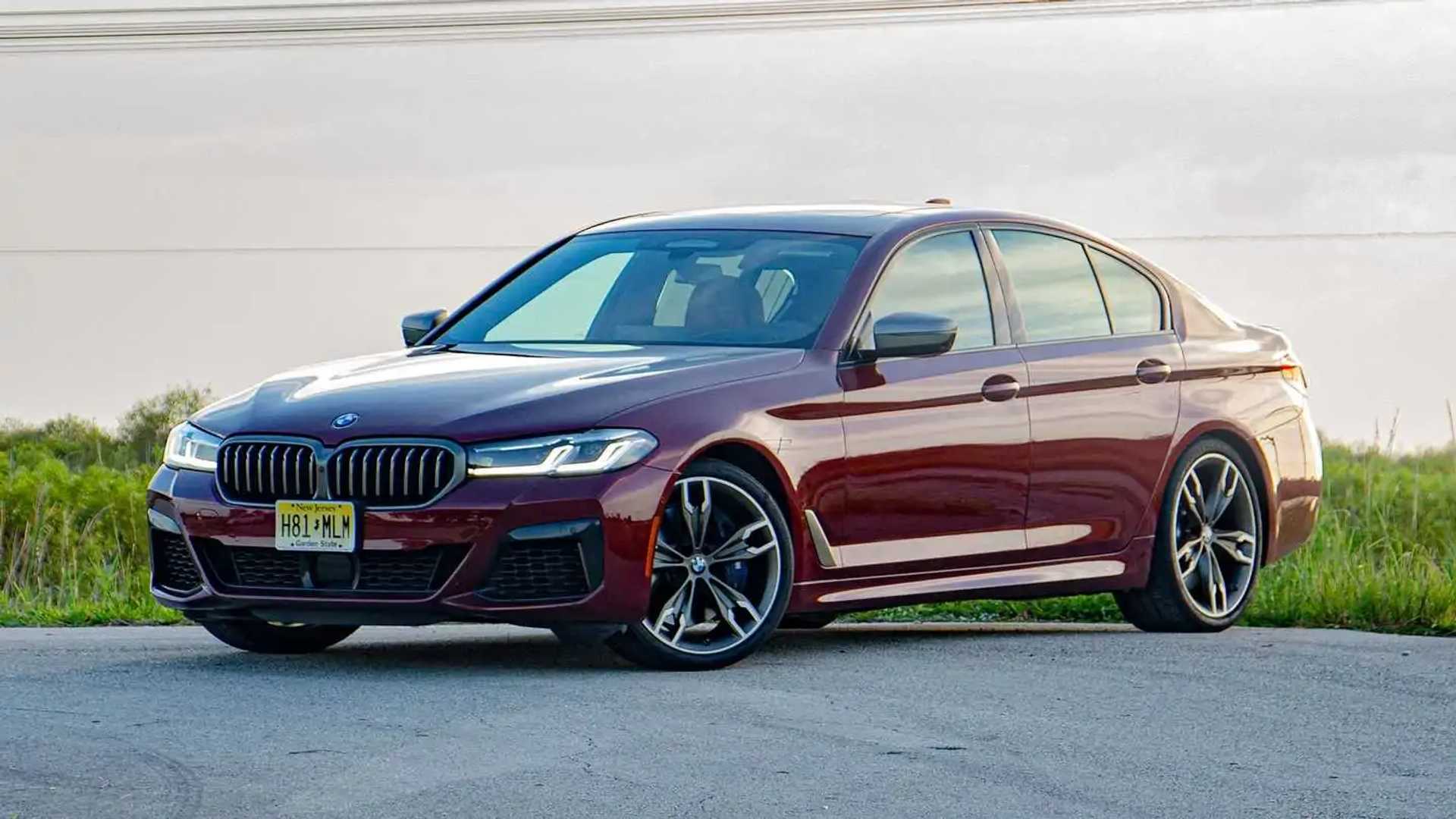
7. Ford Taurus SHO: The Everyday Sedan with a Secret Wild Side
When the first Ford Taurus SHO appeared in 1989, it completely changed what people expected from a family sedan. It looked almost identical to the standard Taurus, yet beneath its modest body sat a 3.0-liter V6 developed by Yamaha. This engine produced 220 horsepower and was paired exclusively with a five-speed manual transmission.
Ford also fitted the car with a revised suspension to handle the extra power, turning what seemed like a commuter car into something genuinely exciting to drive. Although only about 15,000 units were sold between 1989 and 1991, those cars earned a reputation as one of the best sleeper sedans of their time.
Later generations lost some of that spark. The 1996 model introduced a 3.4-liter V8 and an automatic transmission, but the added weight and reduced driver involvement made it less engaging. By the late 1990s, the SHO name quietly disappeared. A decade later, however, Ford revived it for 2010, giving the badge new life and performance to match modern expectations.
The new Taurus SHO used a twin-turbocharged 3.5-liter EcoBoost V6 producing 365 horsepower and 350 pound-feet of torque. Standard all-wheel drive and a six-speed automatic transmission helped the large sedan reach 60 mph in about five seconds.
The SHO Performance Package improved its dynamics further, adding 20-inch wheels, larger brakes, an upgraded cooling system, recalibrated steering, and a shorter final-drive ratio for stronger acceleration.
Despite its hefty weight, the SHO proved surprisingly composed. The steering was precise and well-tuned, offering stability at high speeds and a responsive feel in corners. A torque-vectoring system helped control understeer, while the suspension provided a firm but comfortable ride.
Torque steer could appear under heavy acceleration, yet the all-wheel-drive system kept traction consistent. Braking performance was strong, with a solid pedal feel and minimal fade during hard stops.
Inside, the Taurus SHO delivered a blend of comfort and sophistication. The cabin featured leather-trimmed sport seats, a well-designed dashboard, and Ford’s SYNC infotainment system. Adjustable pedals and generous space made it easy to find a perfect driving position, while available features like a premium audio system and navigation added modern convenience.
From the outside, only subtle details hinted at its potential. A black hexagonal grille, small rear spoiler, and discreet badging gave it a muscular yet understated appearance. It was the kind of car that blended into traffic until the driver decided to use the throttle.
The Ford Taurus SHO combined everyday practicality with genuine performance. It was powerful, composed, and comfortable, proving that a family sedan could still deliver excitement without sacrificing refinement.
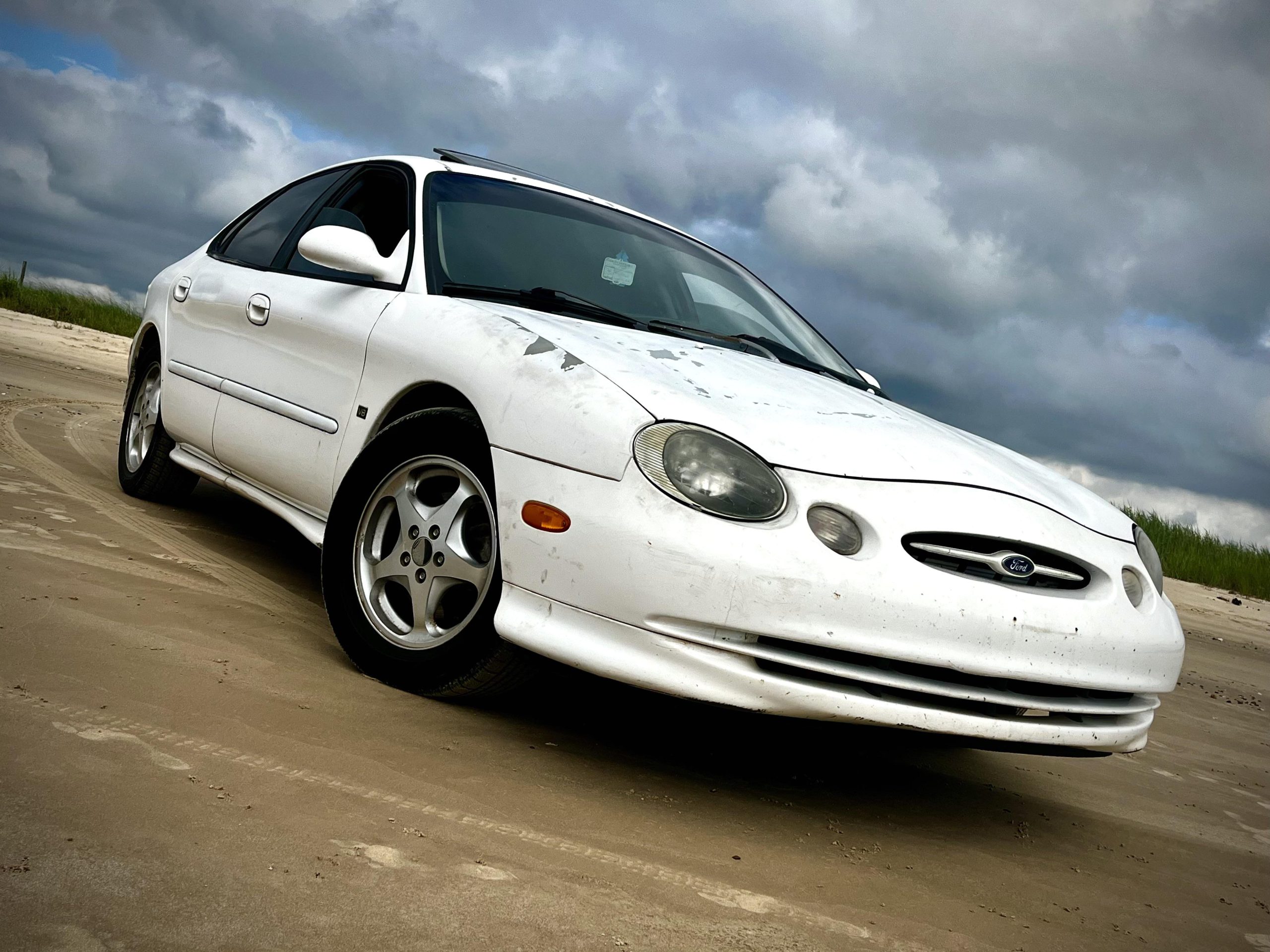
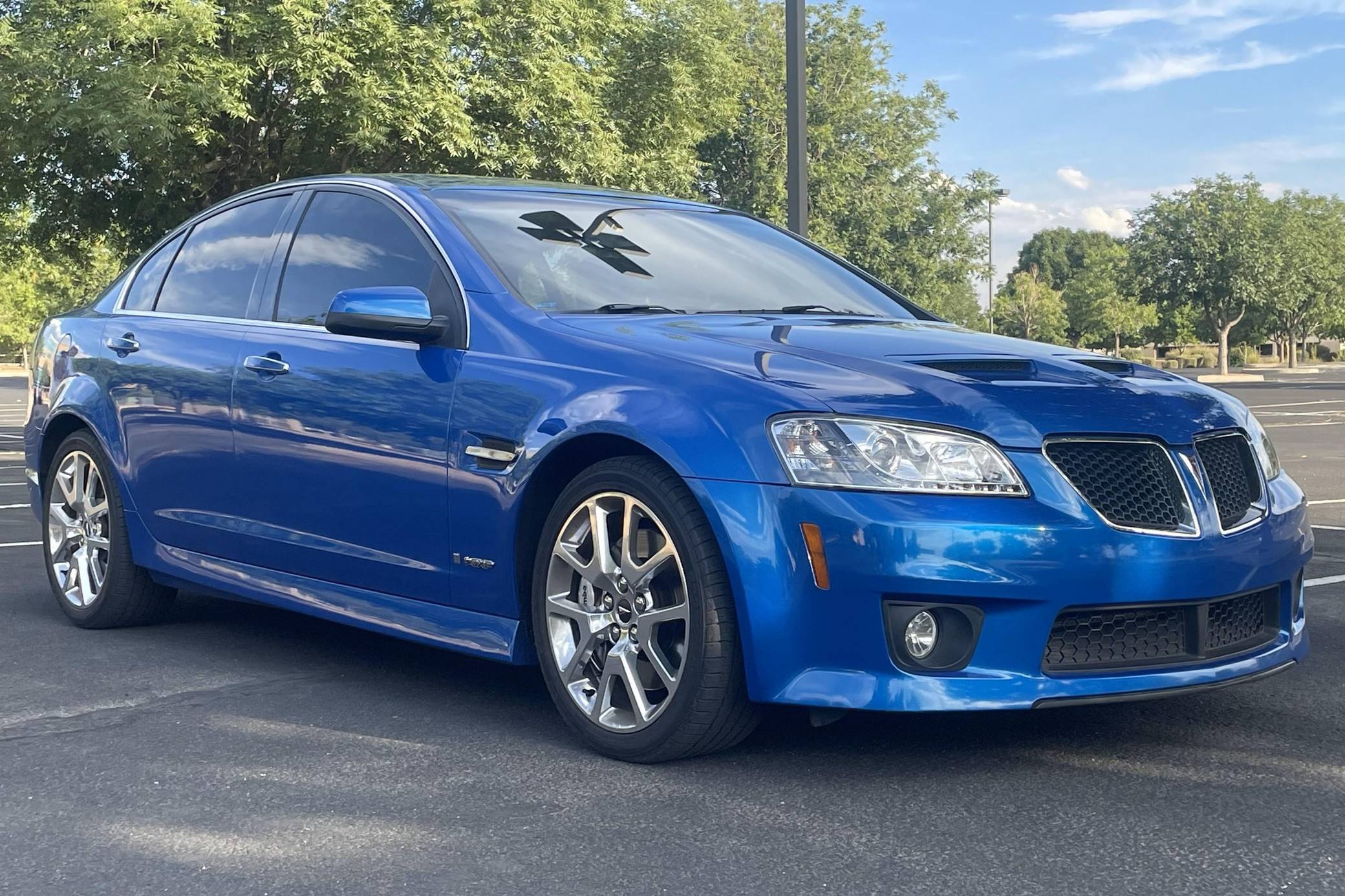
8. Pontiac G8 GXP: The Four-Door Corvette That Fought Above Its Weight
The Pontiac G8 GXP arrived in 2008 as one of the brand’s final standout efforts before its closure, and it remains one of the most impressive American sedans of its era. Based on the Australian Holden Commodore, it followed a simple but proven recipe: a front-engine, rear-wheel-drive layout paired with a powerful V8.
What set it apart was how it combined muscle car performance with refinement and balance, creating a sedan that could thrill on a back road yet stay calm on a long commute.
Under the hood, the G8 GXP featured a 6.2-liter LS3 V8, the same engine used in the Chevrolet Corvette. It produced 415 horsepower and 415 pound-feet of torque, giving the car the kind of speed usually reserved for far pricier European rivals.
Buyers could choose between a six-speed manual or a six-speed automatic transmission, both of which delivered impressive results. The G8 GXP could sprint from zero to 60 mph in about 4.5 seconds, putting it neck and neck with the previous-generation BMW M5 in straight-line performance.
Pontiac didn’t stop at the engine when upgrading the G8. The GXP received Brembo brakes for stronger stopping power, stiffer shocks, and larger anti-roll bars to sharpen handling. The car also came with 19-inch wheels and performance tires that gave it plenty of grip. Despite its size, the G8 felt agile and composed in corners, with accurate steering and a near-perfect 52/48 weight distribution that added to its stability.
The styling was muscular but understated. The GXP had unique front and rear fascias, subtle hood scoops, and fender vents that hinted at its performance potential. Some of these details were decorative rather than functional, yet the car still managed to look assertive without being loud.
Inside, it featured supportive sport seats, rubber-trimmed alloy pedals, and a clean, driver-focused layout. The cabin offered generous space for passengers and a practical trunk, making it a capable daily driver as well as a high-performance machine.
On the road, the G8 GXP delivered the best of both worlds. It was smooth and quiet when cruising but came alive when pushed hard. The LS3 V8 provided a deep rumble at idle and a powerful roar as the revs climbed. The suspension offered an excellent balance between control and comfort, allowing the car to tackle long highway drives or spirited runs with equal confidence.
Pontiac’s story ended too soon, and with it went one of its most capable creations. The G8 GXP proved that the brand could build a world-class performance sedan that rivaled the best from Germany. It was fast, balanced, and rewarding to drive. More than just a great Pontiac, it was a reminder of what American performance sedans could be when done right.
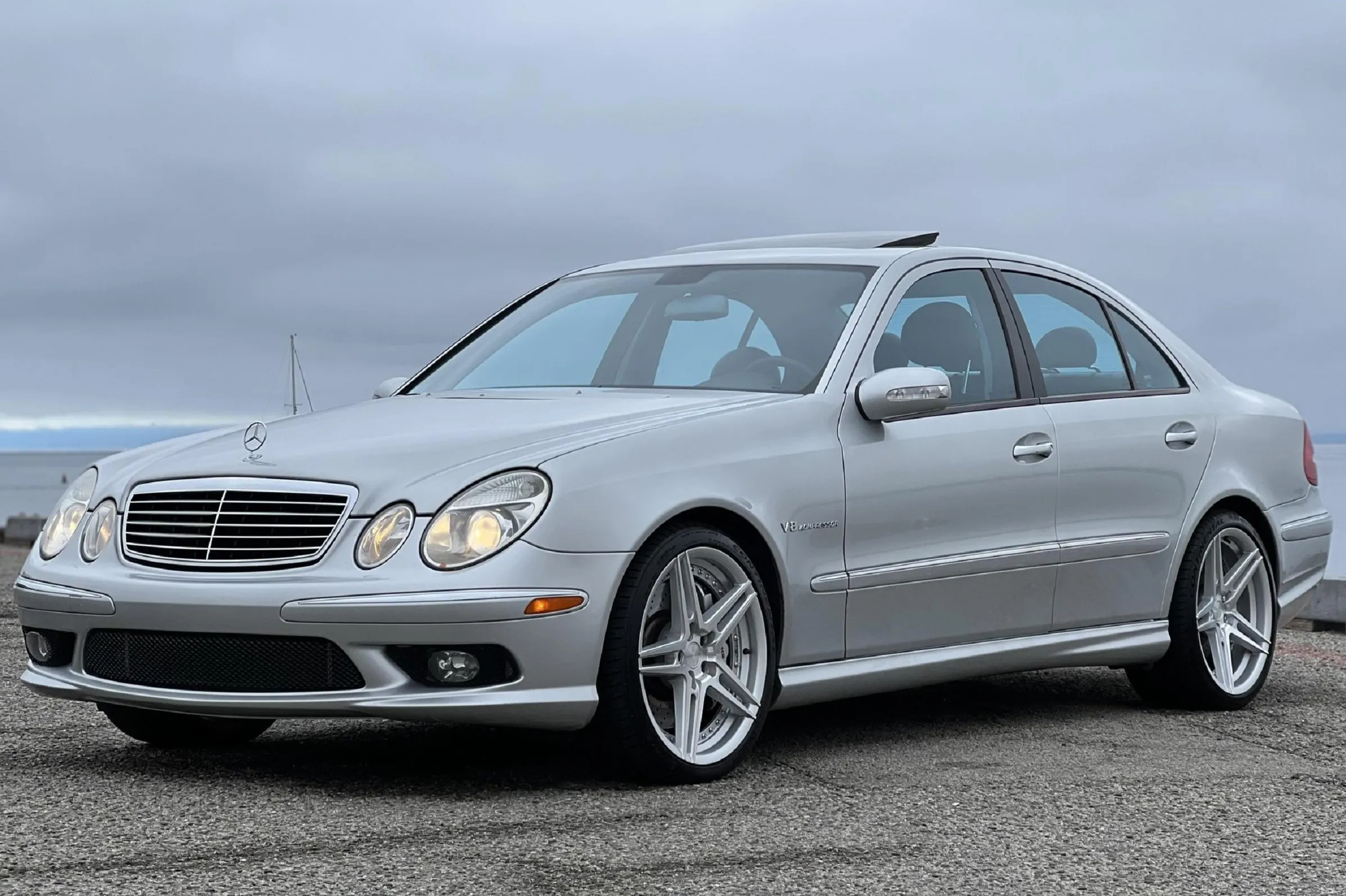
9. Mercedes-Benz E55 AMG: Subtle Power and Effortless Speed
Few cars capture the essence of discreet performance like the Mercedes-Benz E55 AMG. Produced in the early 2000s, this W211-generation sedan offered staggering speed wrapped in an understated, elegant package.
To most onlookers, it looked like a well-appointed executive car with just a hint of aggression. Beneath the surface, however, it hid a supercharged 5.4-liter V8 that produced 469 horsepower and 516 pound-feet of torque.
Those numbers made the E55 AMG one of the most powerful sedans of its time. It could sprint from zero to 60 mph in just 4.6 seconds and, without its electronic limiter, reach nearly 180 mph. Yet what made it remarkable was not just its pace but the way it delivered it.
The car accelerated with seamless force, the five-speed automatic snapping through gears as the supercharger quietly whined under the hood. It did everything with an ease that made extreme speed feel almost ordinary.
From behind the wheel, the E55 was composed and refined. At highway speeds, it remained eerily calm, with no wind noise or vibration to betray its velocity.
The cabin was a sanctuary of leather, polished wood, and brushed metal, filled with all the luxury features Mercedes offered at the time. Heated and ventilated seats, smooth ride quality, and impeccable noise insulation made it feel more like a grand tourer than a high-performance machine.
The AMG division did more than simply add power. Engineers fitted the car with massive eight-piston front brake calipers, adaptive Airmatic suspension, and wider tires for greater grip. Drivers could adjust the suspension’s stiffness and select from comfort, sport, or manual modes for the transmission. Even so, the E55 never lost its composure or civility. It was quick, stable, and secure rather than wild or unpredictable.
If there was a flaw, it was the lack of connection some enthusiasts desired. The brake-by-wire system offered little feedback, and the steering, though precise, felt somewhat artificial. The electronics worked constantly behind the scenes to maintain control, which made the experience exceptionally safe but slightly detached.
Visually, the E55 stayed true to the sleeper formula. Subtle AMG badging, quad exhausts, and slightly lowered suspension were the only real clues to its capability. Inside, the white AMG gauges and finely crafted materials hinted at performance without shouting about it.
The E55 AMG represented a unique moment in automotive design, when immense power met true sophistication. It was a car that could outrun Ferraris while carrying a family in comfort. Quiet, confident, and devastatingly fast, it remains one of the finest examples of what AMG has always stood for: power delivered with poise.
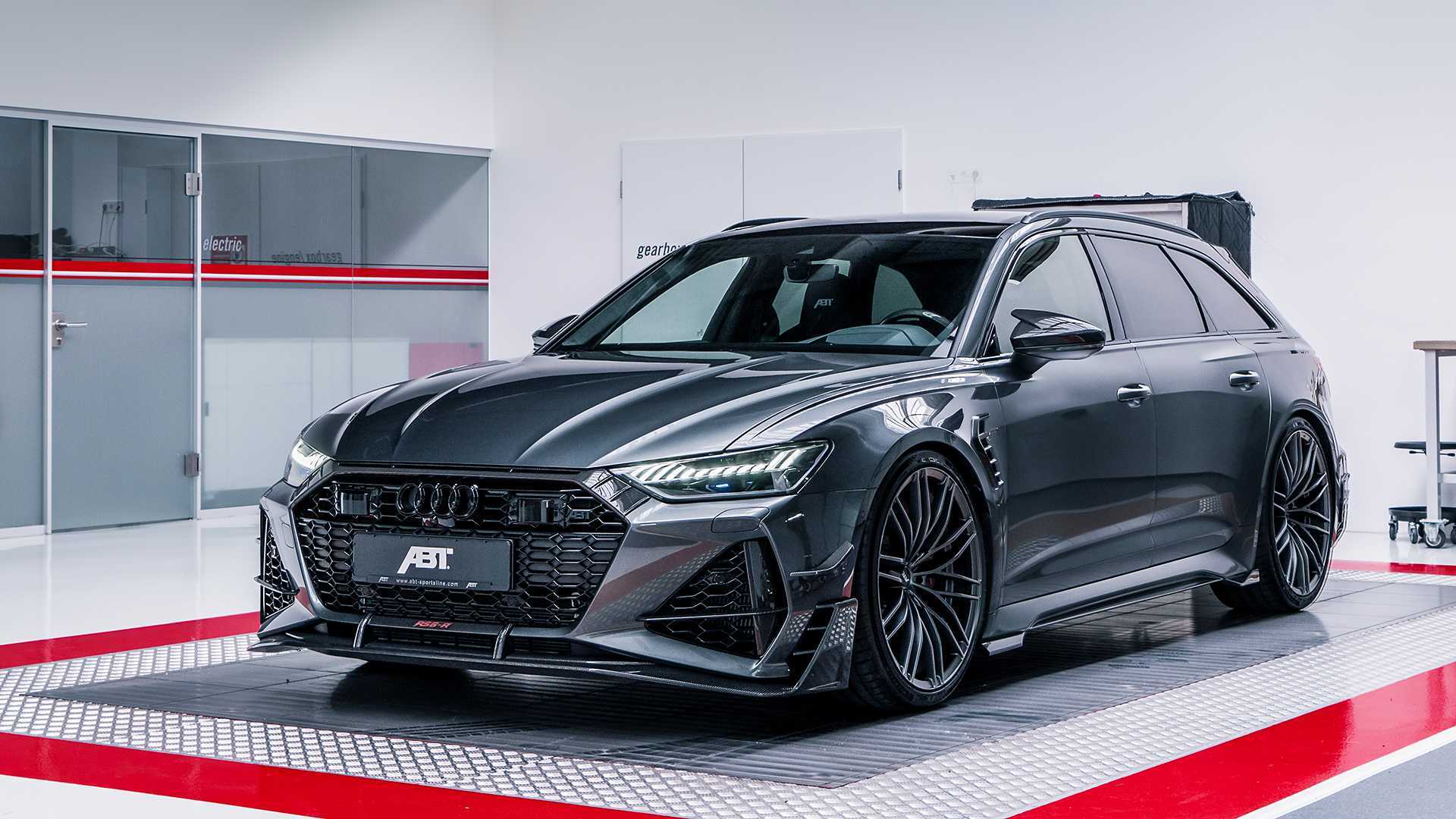
10. Audi RS6: Supercar Power in Subtle Form
The second-generation Audi RS6 is one of the most deceptive performance cars ever built. At first glance, it appears to be a refined luxury sedan or family wagon, blending seamlessly into traffic.
Only the slightly flared fenders and discreet badging hint that beneath its understated exterior lies a beast powered by a Lamborghini-derived 5.0-liter V10 engine. With the addition of twin turbochargers, Audi’s engineers extracted 572 horsepower and 479 pound-feet of torque, turning the RS6 into a rocket disguised as a daily driver.
This car’s acceleration is breathtaking. The sprint from zero to 62 mph takes just 4.6 seconds, and although electronically limited to 155 mph, derestricted examples are capable of surpassing 200 mph.
The Quattro all-wheel-drive system ensures power is delivered with unshakable control, translating the RS6’s immense output into relentless forward momentum rather than tire smoke. Whether threading through city streets or tearing down the autobahn, the RS6 feels stable, confident, and almost impossibly composed for a vehicle of its size.
Yet, what makes the RS6 truly remarkable is its restraint. Unlike today’s performance models that loudly announce their intent, this generation of the RS6 maintained a subtle and sophisticated appearance.
Inside, the cabin echoed the same philosophy. Plush leather seats, fine materials, and the latest technology of its time created an atmosphere of quiet luxury. It was as comfortable for long-distance cruising as it was thrilling on open roads.
Despite its performance pedigree, the RS6 remained a genuinely practical car. Available as both a sedan and a wagon, it offered generous interior space and ample cargo capacity. This practicality, combined with its immense capability, made it a favorite among enthusiasts who valued anonymity as much as performance. Few cars could match its ability to outrun sports cars while carrying a family in comfort.
Driving the RS6 was an experience of contrasts. The car could surge forward with brutal force, yet cruise with the calmness of a limousine. The steering was precise, the suspension adaptive, and the ride quality supple despite the power underneath. It was a masterclass in balance raw strength refined by German engineering.
The RS6’s only real drawback was exclusivity. It was never sold in the United States, and its six-figure price tag in Europe kept it out of reach for most buyers. But for those fortunate enough to own one, it represented the pinnacle of Audi’s philosophy: performance without pretense.
The second-generation RS6 remains one of the greatest sleeper cars ever produced. It offered the heart of a supercar in the body of a family vehicle, delivering ferocious speed with elegance and discretion. In an era defined by excess and showmanship, the RS6 proved that true power needs no loud introduction.
The beauty of a sleeper car lies not just in its speed but in its subtlety. In an age when modern performance vehicles flaunt their power with dramatic exhausts, oversized grilles, and aggressive designs, these ten understated machines remind us that real performance does not need to shout.
Each one carries its own personality, some raw and muscular, others smooth and sophisticated, but all share a common purpose: to surprise and thrill those who know what they are capable of.
The Chevrolet Impala SS and Pontiac G8 GXP embody the spirit of American muscle hidden behind modest styling. Europe’s entries, like the E55 AMG and Audi RS6, deliver effortless power with impeccable refinement.
Meanwhile, cars such as the Volvo S60 R and Ford Taurus SHO prove that even family sedans can deliver excitement without compromise. These vehicles represent an era when automakers dared to blur the line between sensible and sensational.
In the end, sleeper cars are not just about numbers or acceleration. They are about attitude. They capture the joy of driving something that others underestimate, the thrill of quiet confidence. Whether cruising unnoticed or leaving sports cars behind at a stoplight, these sleepers remind us that sometimes the most powerful statement is made in silence.
Also Read: 5 Cars That Rarely Cause Regret vs 5 That Constantly Do