
For millions of Americans living in regions where winter brings heavy snow, biting winds, and icy roads, a car’s ability to perform reliably in cold weather isn’t just a convenience it’s a necessity.
A dependable winter vehicle can mean the difference between making it to work safely or being stranded on the shoulder in sub-zero temperatures.
While all-wheel drive and traction control often top the list of winter features, true dependability in harsh winters comes from more than just drivetrain technology.
It’s about durability, cold-start reliability, corrosion resistance, and how well the vehicle’s systems handle extreme conditions.
Here are ten cars that have earned a reputation for being dependable year after year, even when winter hits its worst.
1. Subaru Outback
The Subaru Outback has long been a top choice for people who live in cold-weather states like Vermont, Minnesota, and Colorado. Its standard all-wheel drive system, paired with 8.7 inches of ground clearance, makes it capable of tackling snow-covered roads with ease.
But what truly sets the Outback apart is its consistency in cold starts and balanced weight distribution, which provides excellent stability on icy surfaces.
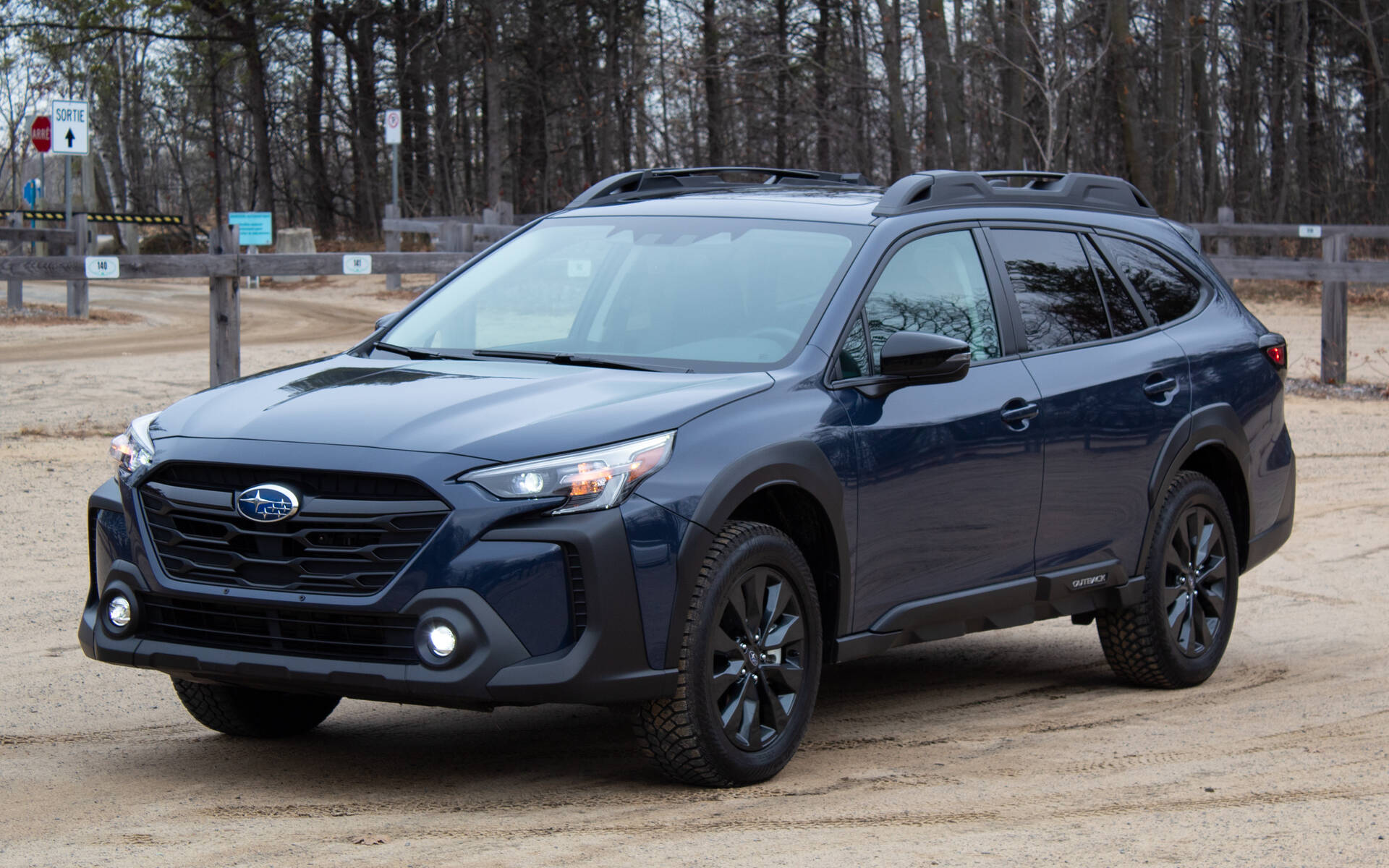
Subaru’s durable boxer engine layout helps lower the car’s center of gravity, improving control in slippery conditions.
Add in heated seats, heated mirrors, and a robust cabin heating system, and the Outback becomes a dependable companion even in blizzards.
2. Toyota RAV4
Toyota’s reputation for reliability extends into winter driving with the RAV4, a compact SUV that combines durability with confidence-inspiring performance.
The RAV4’s available AWD system, called Dynamic Torque Control, can automatically adjust power distribution to ensure optimal traction.
What makes the RAV4 particularly dependable in winter is its predictable handling and minimal maintenance issues, even in older models.
Toyota’s corrosion-resistant underbody coatings also help the RAV4 withstand road salt and slush without developing rust. For U.S. drivers in northern climates, this SUV offers both peace of mind and longevity when the mercury drops.
As one of the trailblazers in the compact crossover segment, the Toyota RAV4 continues to influence the class it helped create. Designed with broad appeal in mind, Toyota offers the RAV4 in a wide range of trim levels, including hybrid and plug-in hybrid variants.
The current fifth-generation model was first introduced in 2019, and for 2023, it receives several technology upgrades following a subtle refresh last year. Among the updates are a more capable infotainment system, larger touchscreens, 8.0 inches as standard and 10.5 inches on premium trims, and a new 7.0-inch digital gauge display with an available 12.3-inch all-digital cluster.
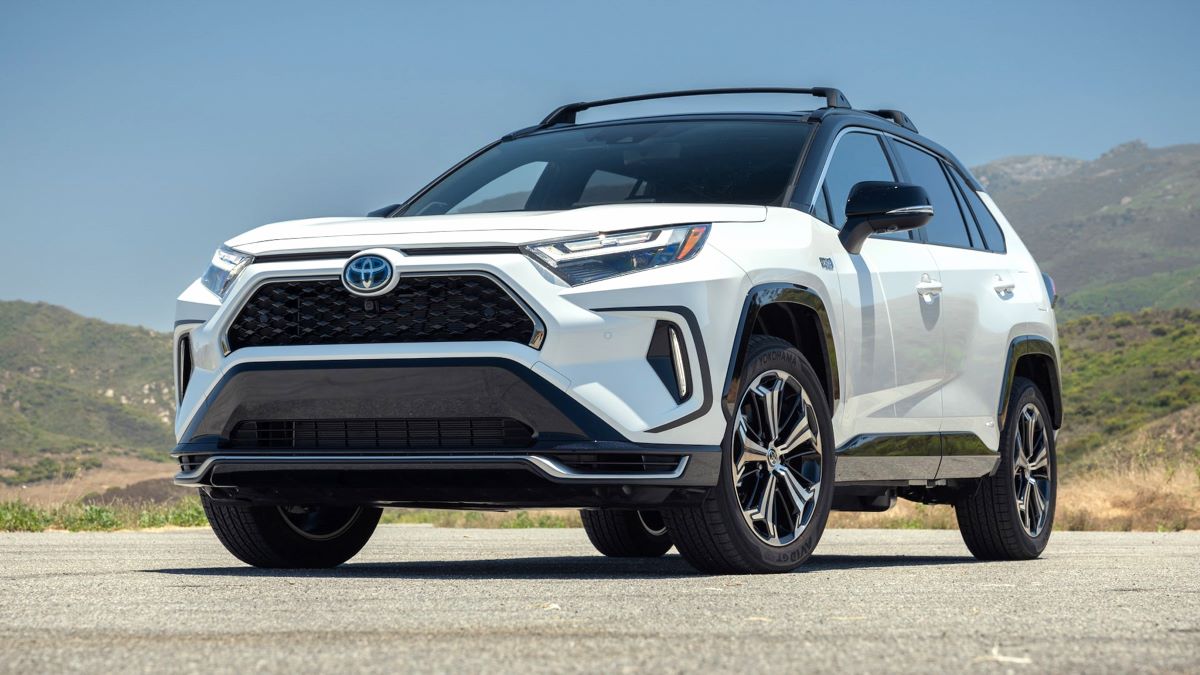
Wireless Apple CarPlay and Android Auto are now standard across all models, while driver assistance features see minor improvements. In addition, the RAV4 Hybrid lineup expands with the introduction of the Woodland Edition, which comes equipped with a TRD-tuned suspension, more rugged tires, and bronze-colored wheels for a tougher look.
Although not everyone chooses to name their car, if you were to give the RAV4 one, “Jack” might be fitting, it performs well in many areas but doesn’t truly excel in any single category.
As a practical everyday SUV, the RAV4 delivers with a spacious and comfortable interior, solid fuel economy, a wealth of driver-assist technologies, and the enhanced tech features newly added for 2023. The interior layout is intuitive, with clearly labeled controls and large side mirrors that improve visibility.
However, from a driving perspective, the RAV4 doesn’t offer much excitement. Its acceleration feels slow and somewhat coarse, making the smoother and quicker RAV4 Hybrid a better pick for those who value performance.
The ride quality, while composed and confident in corners, can be firm and slightly bouncy compared to other vehicles in its class. It’s capable and competent, but far from sporty.
All things considered, the RAV4 remains a smart, reliable, and well-rounded choice, which explains its status as one of Toyota’s best-selling models.
After years of refinement, Toyota has perfected the RAV4 formula, offering a crossover that does almost everything well. Still, if you’re looking for a compact SUV that stands out through unique styling, sportier handling, or exceptional efficiency, you might find some of its competitors more appealing, and you can decide what to name those yourself.
Every non-hybrid RAV4 is powered by a 2.5-liter inline four-cylinder engine producing 203 horsepower and 184 lb-ft of torque, paired with an eight-speed automatic transmission. Front-wheel drive is standard, while all-wheel drive is optional.
Also Read: 10 Best SUVs That Still Get Top Dollar at Auction
3. Honda CR-V
The Honda CR-V remains one of the most popular SUVs in America for good reason: it performs dependably in nearly every scenario, including harsh winter conditions.
Its Real Time AWD with Intelligent Control System reacts instantly to wheel slippage, keeping the vehicle stable on icy or snow-packed roads.
Honda’s engines are known for cold-weather reliability, rarely suffering from the hard-start problems that plague lesser designs. With a spacious, well-insulated cabin, heated seats, and efficient defrosters, the CR-V makes winter commuting less stressful and more comfortable.
It’s the kind of SUV that feels effortlessly trustworthy year after year, even in unpredictable weather.
Among compact SUVs in the U.S. market, options are abundant, but the 2025 Honda CR-V still manages to stand out. With 190 horsepower from its standard engine or 204 hp in its hybrid configuration, it isn’t designed for racing, yet its practicality makes it a top contender.
The massive trunk space turns packing into a pleasure, and the roomy interior gives strong competition to rivals like the Toyota RAV4 and Mazda CX-50. When it comes to comfort and features, the CR-V keeps pace with the best, especially if you’re willing to spend a bit more.
For 2025, the gas and regular hybrid versions of the Honda CR-V carry over unchanged. However, a new addition to the lineup is the plug-in hybrid variant powered by a fuel cell system, expanding Honda’s green technology offerings.
The 2025 Honda CR-V lineup starts at $30,100, positioning it as one of the more affordable compact SUVs available. Even the base LX trim offers great value, while the $33,350 EX adds more conveniences that bring it closer to class leaders.
The Sport Hybrid, priced at $34,350, introduces the more efficient hybrid powertrain, and the top gas-powered EX-L model costs $35,000, with its hybrid equivalent priced at $37,350.
For the full experience, the Sport Touring Hybrid tops the range at $40,800. Aside from the all-wheel-drive-only top trim, all other variants come standard with front-wheel drive, with AWD available for an additional $1,500. These prices exclude the $1,350 destination and handling charge.
For those seeking a well-rounded commuter or a capable family SUV, the EX trim strikes the best balance of affordability and features. However, the Sport L Hybrid stands out as a smarter long-term investment. It comes with a larger touchscreen, more driver-assistance technologies, leather-trimmed seats, and superior fuel efficiency, ensuring that its slightly higher price pays off over time.
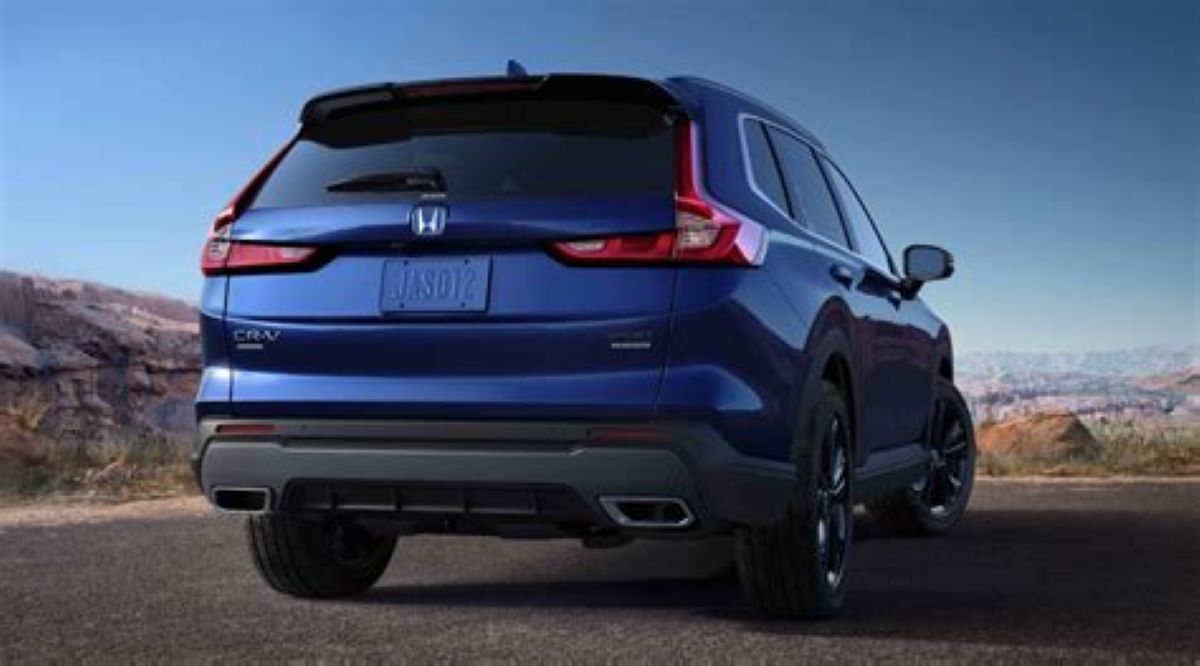
The base 2025 Honda CR-V LX is powered by a 1.5-liter inline-four engine delivering 190 horsepower and 179 lb-ft of torque, paired with a continuously variable transmission (CVT) and front-wheel drive.
It achieves an EPA-estimated 28/34/30 mpg city/highway/combined, offers 39.3 cubic feet of trunk space, and can tow up to 1,500 lbs. With standard adaptive cruise control, keyless start, and remote trunk release, it offers modern convenience at an accessible price.
The 2025 CR-V EX-L 2WD sits at the top of the non-hybrid range, priced at $35,000. It shares the same powertrain as the LX but includes upgraded 18-inch alloy wheels and premium features for added comfort and style.
For buyers prioritizing efficiency and luxury, the top-end 2025 CR-V Hybrid Sport Touring comes in at $41,100. It features a 2.0-liter hybrid engine producing a combined 204 horsepower, with all-wheel drive and a CVT.
Despite a lower towing capacity of 1,000 lbs, it compensates with an impressive 40/34/37 mpg city/highway/combined rating. It also includes 19-inch black alloy wheels, a heated steering wheel, and a host of premium amenities that make it the most refined model in the lineup.
Inside, Honda maintains its reputation for clean, user-friendly design. The CR-V’s cabin is spacious, modern, and thoughtfully organized. The infotainment touchscreen sits high on the dashboard for easy visibility, while physical dials for climate control ensure straightforward operation.
The uncluttered design enhances the cabin’s open feel, and the chunky steering wheel paired with a digital gauge display underscores its driver-focused layout. Honda’s attention to comfort and visibility is evident, with large windows, slim A- and B-pillars, and supportive seating.
The 2025 CR-V comfortably accommodates five passengers, making it ideal for families or small groups. Both rows offer over 40 inches of legroom, and nearly the same amount of headroom, ensuring comfort for adults and children alike.
Power-adjustable front seats available on most trims allow for a tailored driving position, while generous outward visibility enhances safety and ease of maneuvering.
Cargo space remains one of the CR-V’s biggest strengths. Gasoline models offer just under 40 cubic feet behind the rear seats, ample for family trips, and expanding to 76.5 cubic feet with the seats folded flat.
The hybrid versions lose only a few cubic feet due to battery placement, but still provide more than enough room for most needs. Around the cabin, thoughtful storage options abound, including a spacious glovebox, center armrest compartment, four door pockets, multiple cupholders, and seatback storage.
The 2025 Honda CR-V continues to embody the qualities that make it a best-seller, versatility, comfort, and practicality, while adding the refined touches and efficiency upgrades that modern SUV buyers expect.
4. Jeep Grand Cherokee
Jeep has built its legacy on off-road capability, and the Grand Cherokee takes that ruggedness into winter with ease. Its advanced 4×4 systems particularly Quadra-Trac II and Quadra-Drive II deliver serious traction and control in deep snow or slush.
The Grand Cherokee’s ride height also helps it navigate through unplowed roads, a major advantage in rural or mountainous regions.
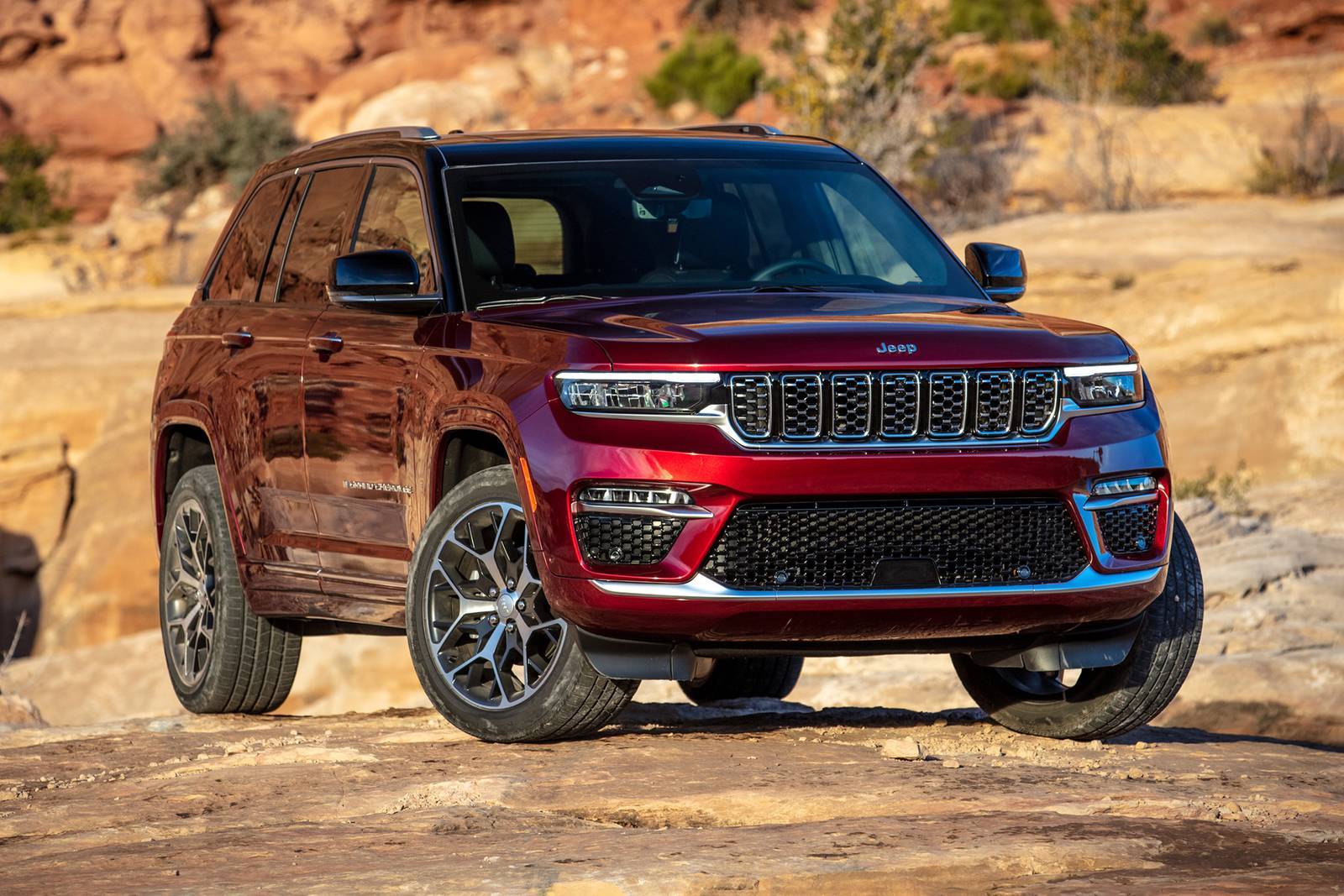
Beyond its capability, the SUV’s solid build quality and proven powertrains mean it won’t quit when temperatures plunge below zero.
If you’re looking for a luxury SUV that can still handle a Midwest snowstorm, the Grand Cherokee is a time-tested choice.
5. Volvo XC90
Volvo vehicles are practically born for winter. Coming from Sweden, where icy roads are a way of life, the Volvo XC90 is engineered for stability, safety, and reliability when the weather turns rough.
Its sophisticated all-wheel drive system and balanced chassis make it remarkably composed on slick surfaces.
The XC90’s interior comfort also shines in cold weather, with rapid cabin heating, heated steering wheels, and seats designed for maximum insulation.
Beyond comfort, Volvo’s legendary build quality and corrosion resistance ensure the XC90 stays solid for years, even under heavy use in snowy climates.
The Volvo XC90 remains one of the best family SUVs on the market. Back in 2003, Volvo was among the first automakers to recognize that buyers wanted the practicality of a people carrier combined with the rugged image of a 4×4. The original XC90 became an instant hit, remaining in production until the arrival of this second-generation model in 2014.
Surprisingly, the SUV you see here is now more than a decade old. Volvo refreshed it in 2019 with some light cosmetic updates, and rather than developing an entirely new model, the brand has chosen to give it another facelift for 2025.
The exterior design has been subtly refined, the interior technology modernized, and the suspension retuned for improved comfort, but at its core, this is still very much the same vehicle.
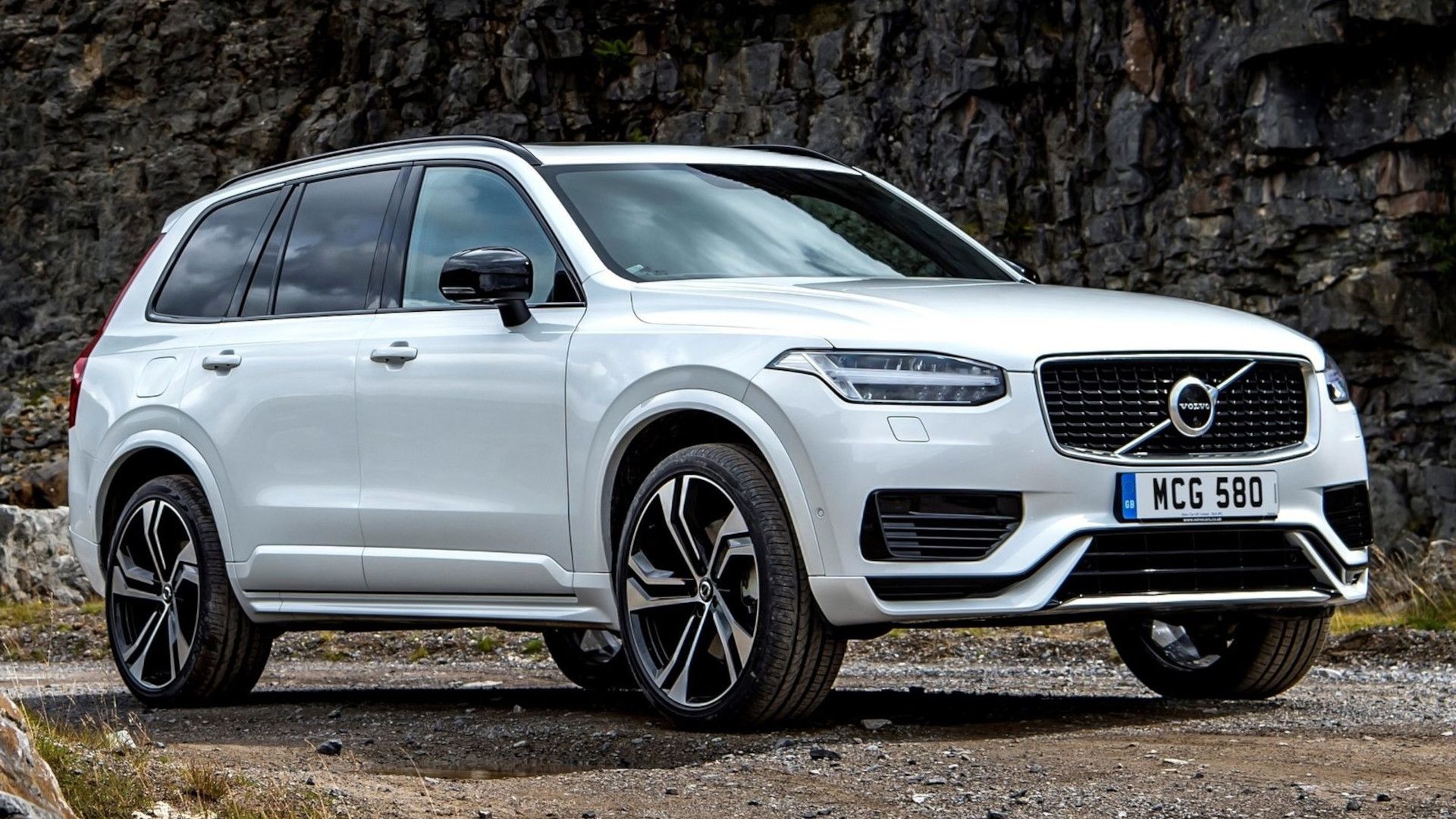
Naturally, the engine lineup has evolved over time. With electrification now an essential part of the automotive landscape, Volvo offers only two hybrid powertrains for the XC90.
The entry-level option is the mild-hybrid B5 petrol engine, producing 247bhp and priced just above £65,000. For those seeking more performance, there’s the plug-in hybrid T8, starting at nearly £73,000. This combination of an electric motor and a petrol engine delivers an impressive 449bhp and accelerates from 0–62mph in just 5.4 seconds, territory usually reserved for hot hatches.
Thanks to a larger 18.8kWh battery (with 14.7kWh usable), Volvo claims an electric-only range of 44.1 miles, fuel economy figures of over 217mpg (in theory, at least), and CO2 emissions between 30 and 32g/km. Every version of the XC90 comes with all-wheel drive, an eight-speed automatic transmission, and seating for seven passengers arranged across three rows.
Volvo continues to operate under the ownership of Chinese parent company Geely, which has taken a hands-off approach, providing investment while allowing Volvo to chart its own course.
The result has been steady global success year after year. As the saying goes, “if it ain’t broke, don’t fix it.” The XC90 remains a stylish, forward-thinking SUV that blends elegance with practicality. It’s also exceptionally composed and safe to drive, offering Pilot Assist driver assistance as standard, which includes radar cruise control and lane-keeping features.
6. Toyota 4Runner
When it comes to winter dependability, few vehicles have the staying power of the Toyota 4Runner. This body-on-frame SUV has a well-earned reputation for handling the worst conditions without flinching.
Its part-time 4WD system and high ground clearance make it a beast in snowdrifts and icy terrain.
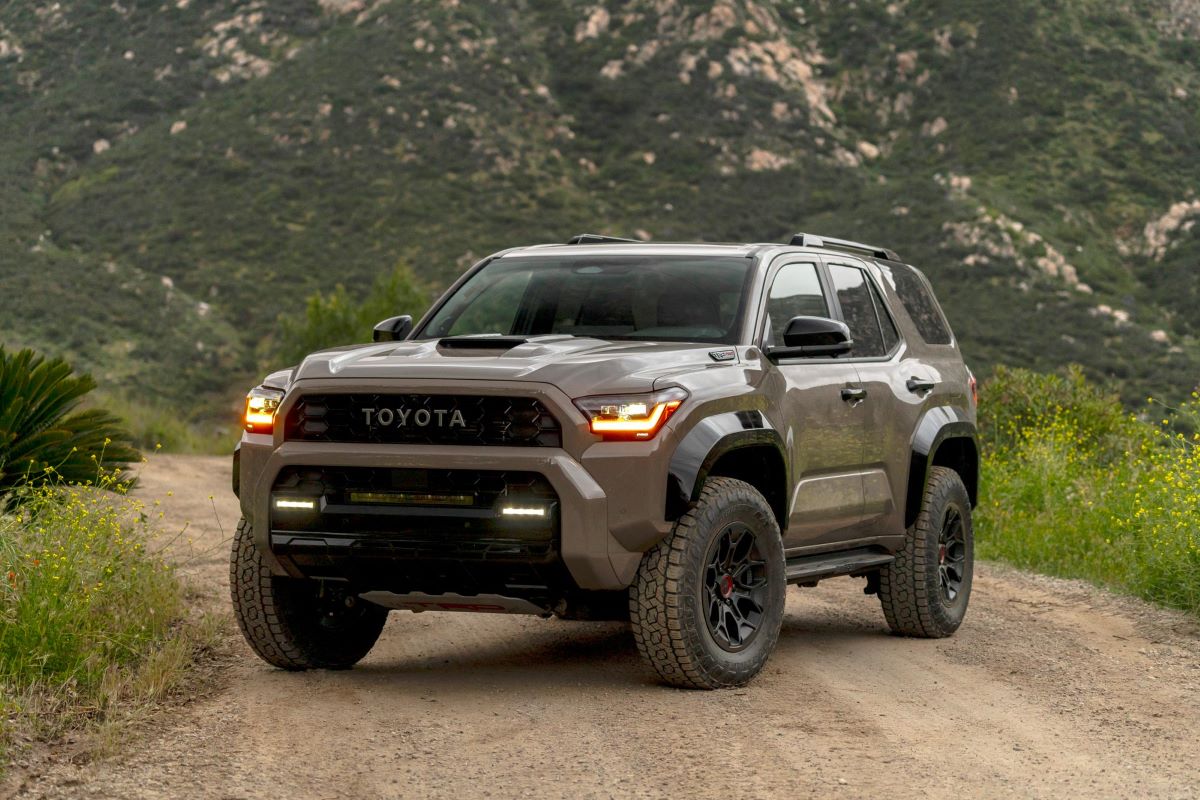
The 4.0-liter V6 engine is a model of simplicity and cold-start reliability, and the 4Runner’s rugged underbody is protected from salt corrosion better than many rivals.
While it may not be the most fuel-efficient SUV, it’s one of the most trustworthy when winter roads look more like frozen rivers than asphalt.
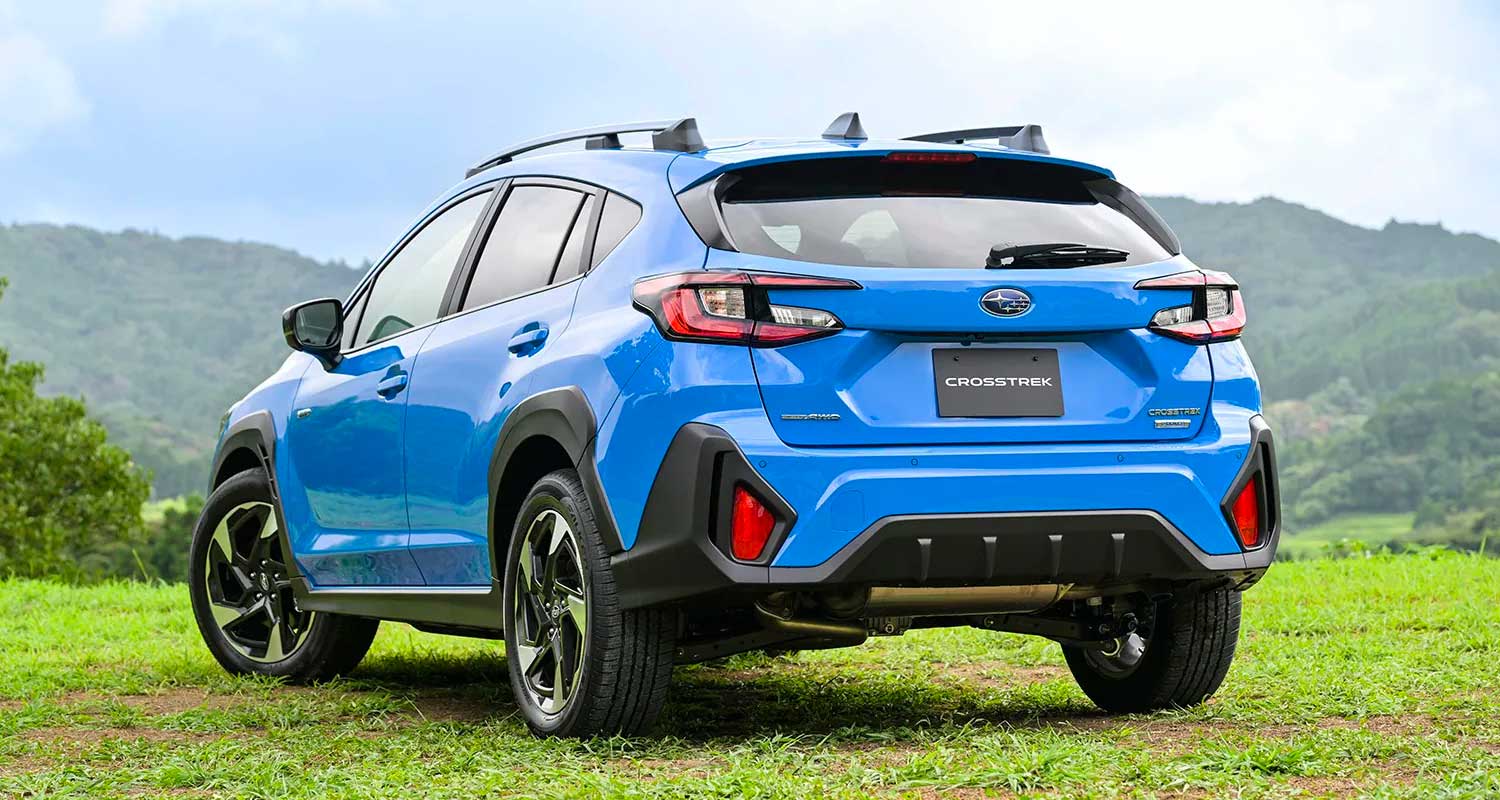
7. Subaru Crosstrek
If you prefer something smaller than the Outback but just as reliable in winter, the Subaru Crosstrek is an ideal choice. Like all Subarus, it comes standard with symmetrical all-wheel drive, providing exceptional grip and confidence in slippery conditions.
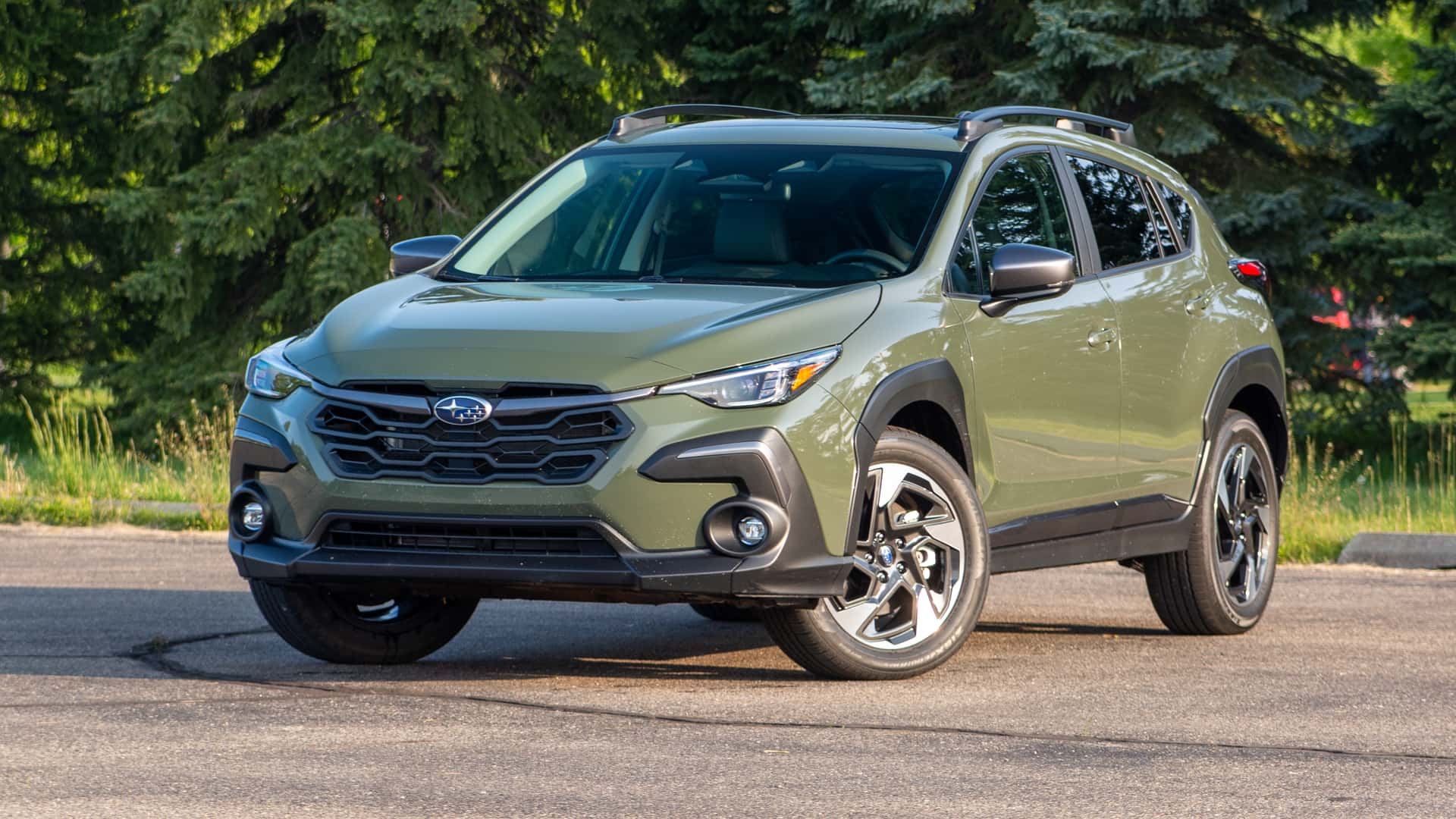
The Crosstrek’s ground clearance 8.7 inches is excellent for a compact crossover, and its efficient 2.0-liter engine starts easily in freezing temperatures.
Owners across snowy states praise the Crosstrek for its consistent dependability, low maintenance costs, and resistance to corrosion. Add heated seats and mirrors, and you get a car designed to make winter driving worry-free.
8. Mazda CX-50
Mazda’s recent push toward premium engineering has produced one of the best winter performers in its class: the CX-50. With i-Activ AWD that continuously monitors road conditions and driver inputs, this crossover offers exceptional control in snow and ice.
The CX-50’s stability and throttle response feel more composed than most rivals, giving it a sense of surefootedness that drivers appreciate during storms.
Mazda’s engines are known for their robust cold-weather performance, and its interior is crafted to keep you comfortable, with quick-heating seats and a quiet cabin. For those who want winter reliability wrapped in sporty design, the CX-50 delivers.
Mazda has long been celebrated for crafting cars with exceptional handling, and the 2025 CX-50 continues that legacy, proving that the brand’s engaging driving dynamics translate effortlessly into the SUV category.
Its agile chassis, responsive steering, and lively optional 256-hp turbocharged four-cylinder engine deliver an impressive level of driving enjoyment rarely seen among compact crossovers.
Every CX-50 comes standard with all-wheel drive, ensuring confident performance across various conditions. Even if you opt for the base 187-hp non-turbo four-cylinder engine, the SUV retains Mazda’s trademark fun-to-drive spirit.
Inside, the CX-50 impresses with a premium cabin that rivals luxury-brand competitors of similar size. From the moment you step inside, the materials and design exude sophistication, enhancing the overall sense of refinement.
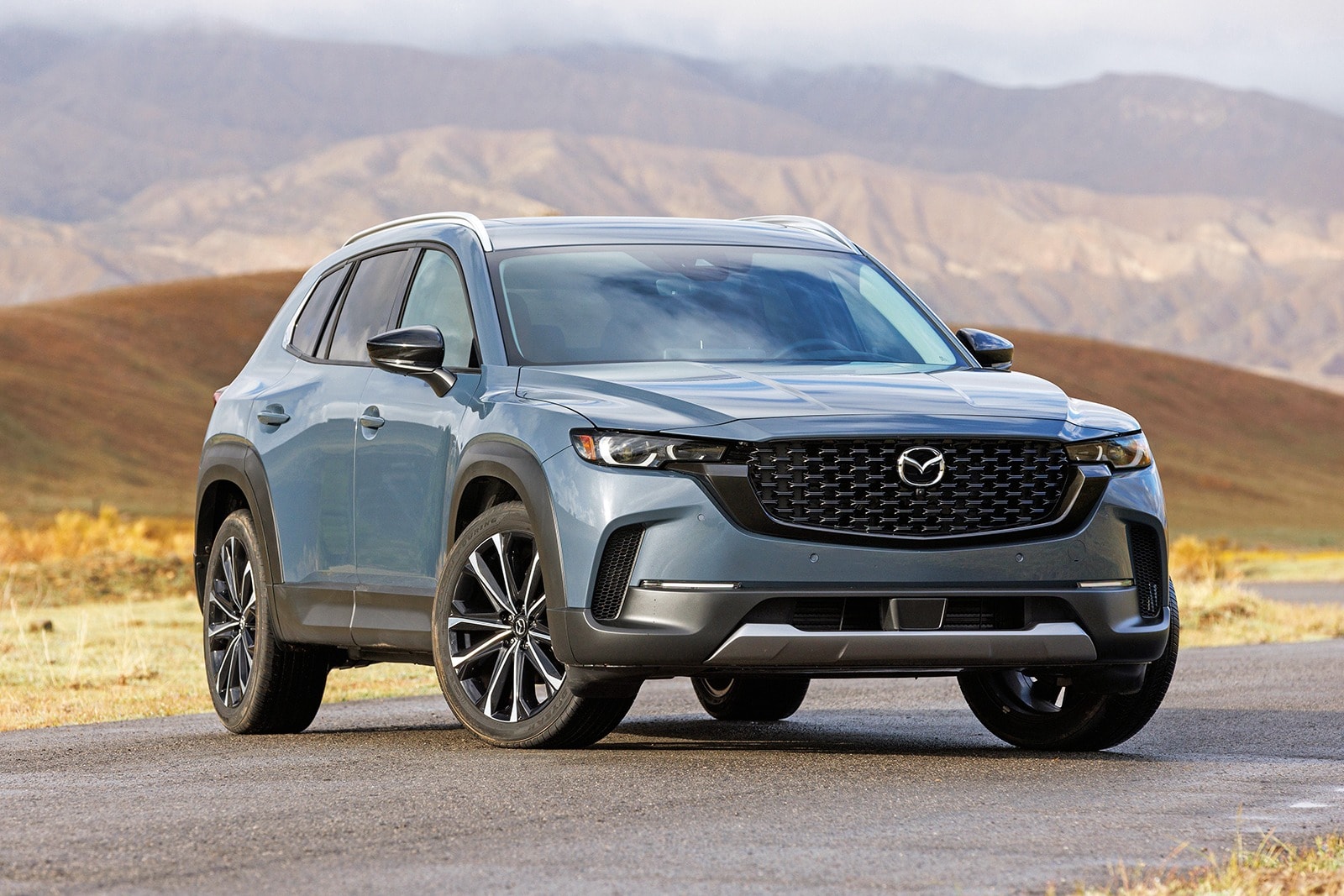
This blend of athleticism and elegance makes the CX-50 one of the standout choices in its segment, a vehicle we highly recommend alongside top-tier rivals like the Honda CR-V and Volkswagen Tiguan. Earning consistent praise for its balanced performance and upscale feel, the 2025 Mazda CX-50 rightfully claims a spot on our Editors’ Choice list.
In the latest rankings, the CX-50 secures the #2 position among the best compact SUVs, just behind the Honda CR-V and ahead of competitors such as the Mazda CX-5, Ford Bronco Sport, Volkswagen Tiguan, and Hyundai Tucson.
For 2025, Mazda has refined the CX-50 lineup with several noteworthy updates. The base model now replaces the smaller 8.8-inch infotainment display with a larger 10.3-inch screen across all trims.
Amazon’s Alexa voice assistant also becomes standard, offering improved convenience. Enhancements to the driver-assistance suite include a new rear-seat alert and improved nighttime performance for the pedestrian detection system.
We recommend the Turbo Meridian Edition as the ideal choice. It comes equipped with the more potent 256-hp turbocharged four-cylinder engine, boosting towing capacity to 3,500 pounds. It also includes sought-after amenities such as a panoramic sunroof and heated leather seats, combining comfort, capability, and style.
Under the hood, all models feature a 2.5-liter four-cylinder engine paired with a six-speed automatic transmission and standard all-wheel drive. The non-turbo version delivers 187 horsepower, while the turbocharged variant offers a thrilling 256 horsepower.
True to Mazda’s reputation, the CX-50 has been finely tuned for engaging handling, precise steering, and a balanced ride. During our test drives, it impressed with its joyful driving character and agility, offering an experience that blends comfort with dynamic performance, continuing Mazda’s tradition of building vehicles that are genuinely fun to drive.
Also Read: Top 12 Sports Cars That Rarely Break a Sweat
9. Ford Bronco Sport
Ford’s Bronco Sport brings rugged utility and winter dependability to a compact SUV format. Its G.O.A.T. (Goes Over Any Terrain) modes let drivers adjust traction settings for snow, mud, or ice something most vehicles in its class can’t match.
The standard AWD system and available all-terrain tires make it a surprisingly capable winter warrior.
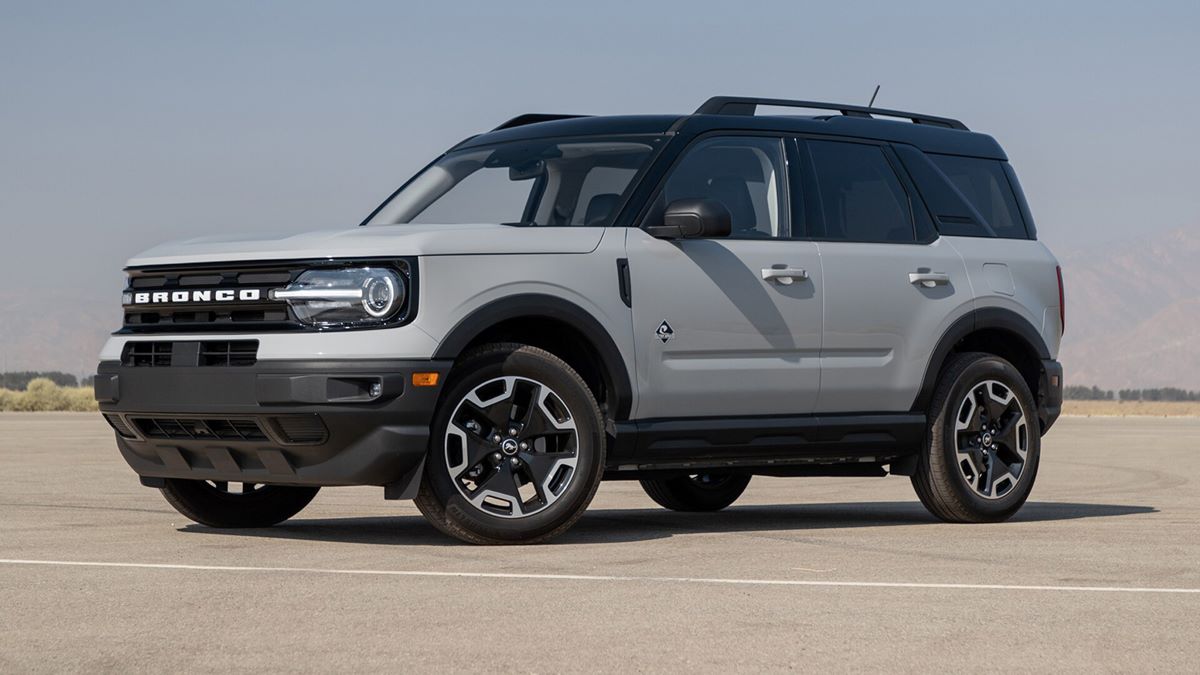
Moreover, the Bronco Sport’s turbocharged engines have proven to start reliably in extreme cold, and its well-sealed body keeps out drafts and moisture.
Whether you’re in Alaska or upstate New York, the Bronco Sport’s mix of toughness and reliability makes it a confident winter companion.
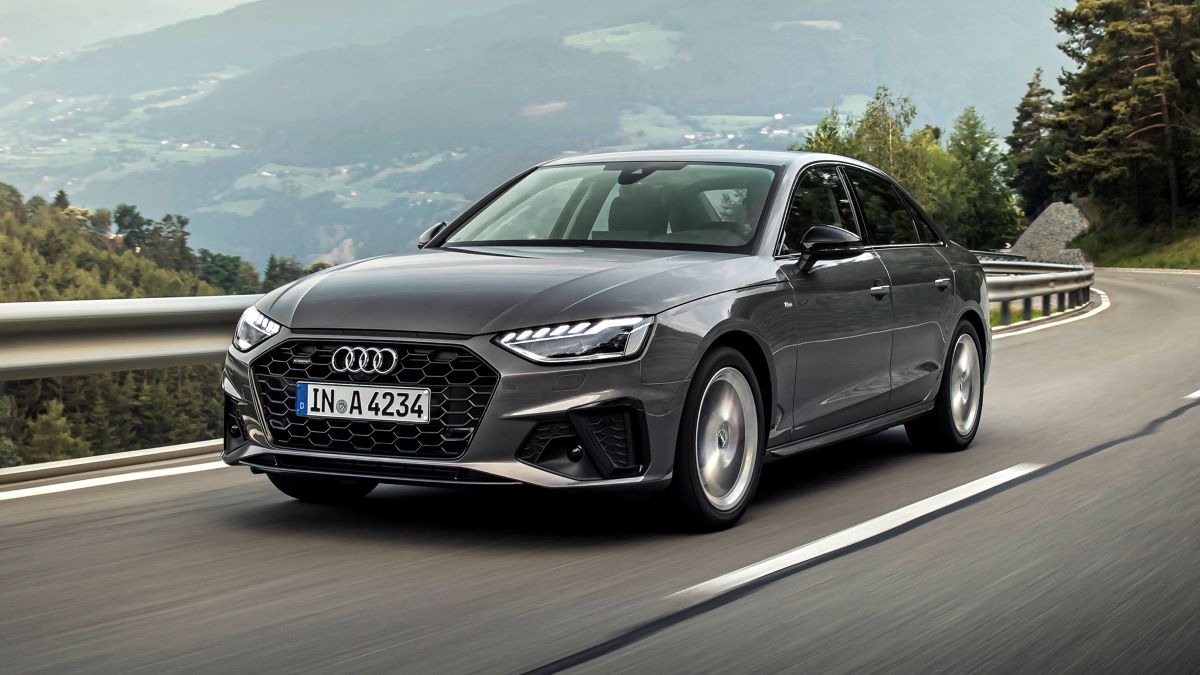
10. Audi A4 Quattro
For drivers who prefer a sedan but don’t want to sacrifice winter dependability, the Audi A4 Quattro stands tall. Audi’s Quattro all-wheel drive system is one of the best in the industry, providing near-instant traction adjustment that keeps the car stable even on black ice.
The A4’s refined chassis balance and responsive steering make it feel composed and confident in poor conditions.
Importantly, Audi builds its engines and electrical systems with cold climates in mind a heritage that traces back to Germany’s snowy winters.
The A4’s corrosion resistance, tight build quality, and excellent cabin insulation all help it remain dependable season after season.
Winter weather can be unpredictable, but your car shouldn’t be. Dependability in cold climates isn’t just about AWD it’s about a vehicle’s ability to endure salt, ice, and months of freezing temperatures without missing a beat.
The cars on this list from the rugged Toyota 4Runner to the refined Audi A4 Quattro have all earned their reputation through years of real-world use in America’s toughest winter regions.
For drivers facing long stretches of snow and ice each year, these vehicles represent something beyond convenience: they’re lifelines of reliability when the roads turn treacherous.
