Car design evolves fast. What looks futuristic today might seem dated a decade later. But some vehicles manage to avoid this trap entirely, embodying proportions, lines, and restraint that never fall out of favor.
These cars don’t need wild body kits, aggressive vents, or oversized grilles to turn heads their design philosophy centers on balance, purity, and form following function.
Whether they rolled off the assembly line 60 years ago or just last year, the following 10 cars represent timeless design at its finest machines that will look just as graceful decades from now as they do today.
1. Porsche 911 (All Generations)
No car embodies the idea of design evolution over revolution like the Porsche 911. Introduced in 1964, its shape the rounded headlights, sloping roofline, and rear-engine proportions has become one of the most recognizable silhouettes in the automotive world.
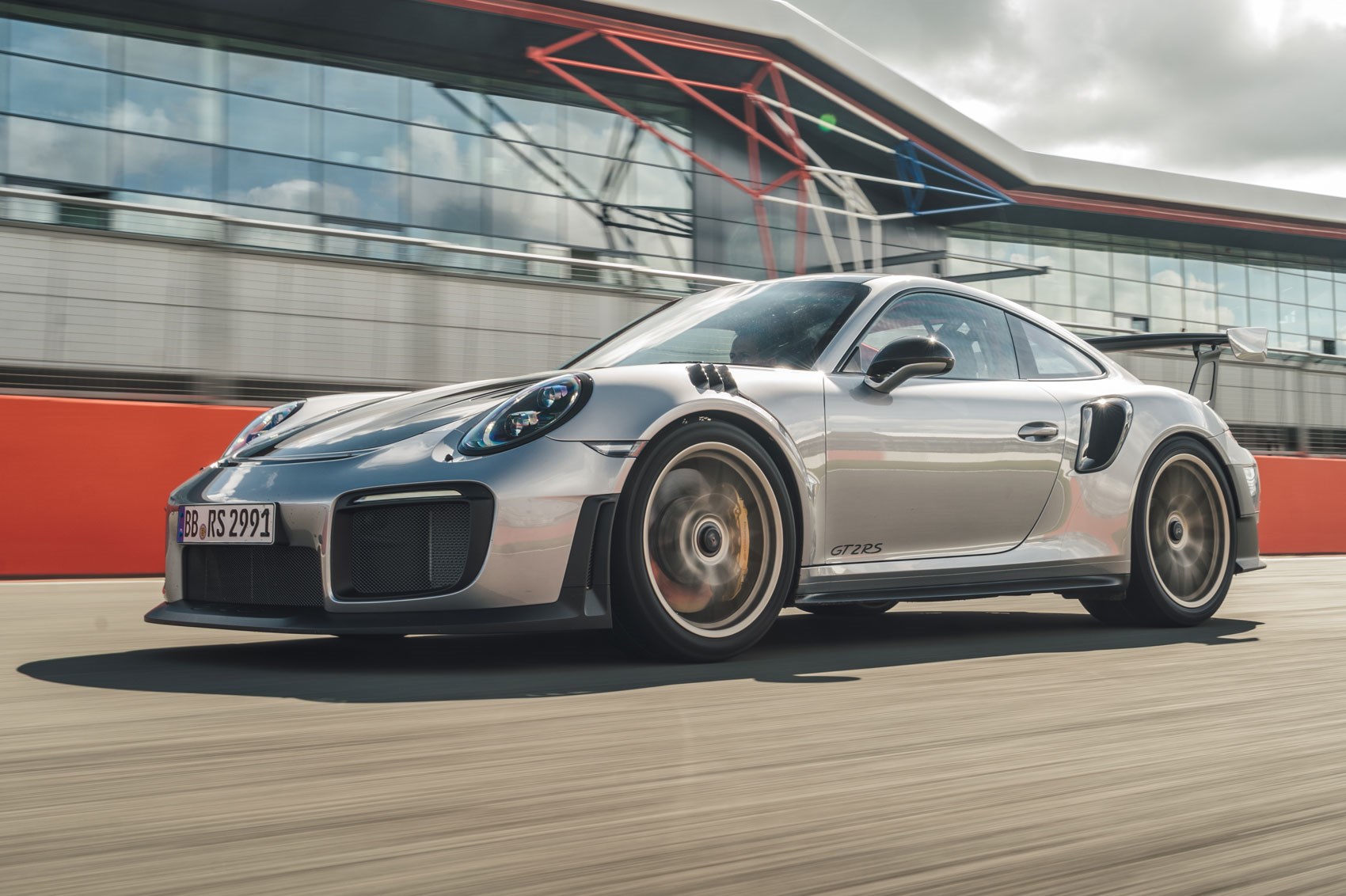
Each new generation modernizes the look while keeping its essence intact. Even the latest 992-series 911 looks like a natural continuation of the original.
It’s a masterclass in minimal change with maximum effect a design that proves timelessness comes from consistency, not reinvention.
2. Jaguar E-Type
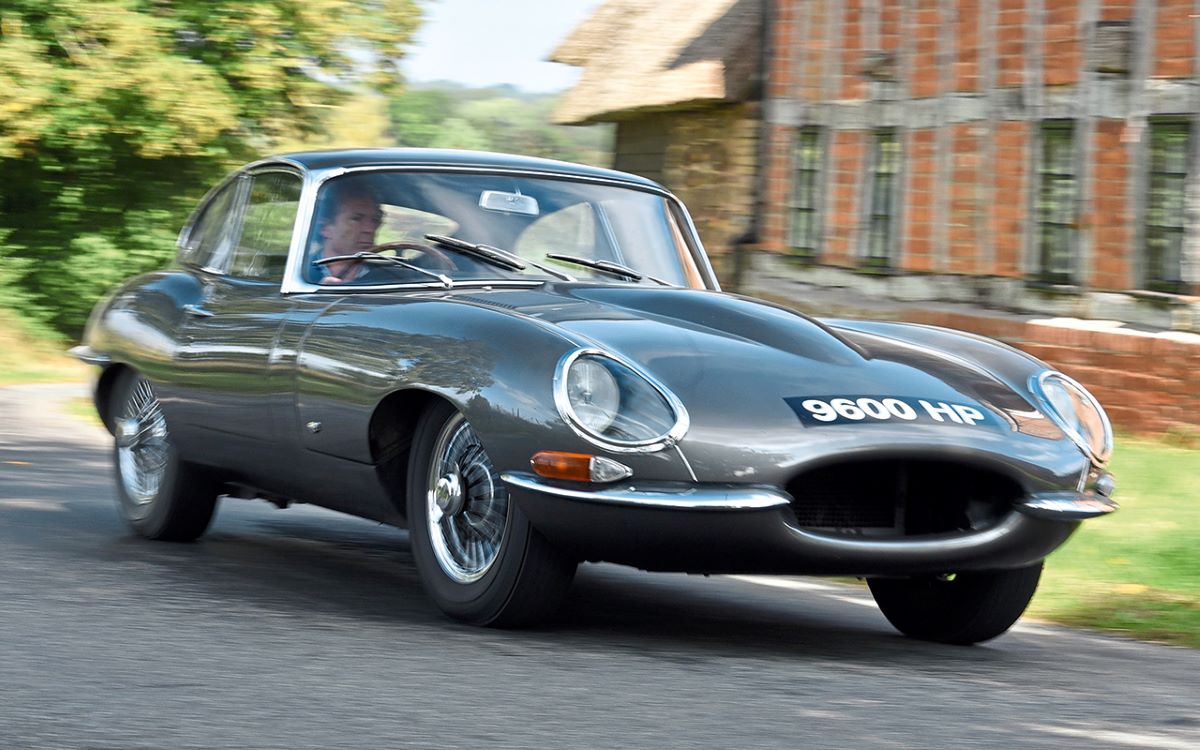
When Enzo Ferrari himself called the Jaguar E-Type the most beautiful car ever made, he wasn’t exaggerating. The long hood, compact cabin, and flowing rear end combined sensuality with performance in a way few cars before or since have matched.
Its proportions were dictated by aerodynamics and function, not ornamentation. Even today, the E-Type’s design feels modern the balance between simplicity and elegance remains unmatched. It’s a piece of rolling art that has inspired countless modern sports cars.
The Jaguar E-Type 4.2 (1964–1968) remains an iconic classic, revered for its combination of elegant design and impressive performance. Produced as a two-door cabriolet, this model features a 4.2-liter (4235 cm³ / 258.4 cu-in) inline-six petrol engine with a naturally aspirated layout and 12 valves.
Fed by three SU carburetors, the engine produces 265 PS (261 hp / 195 kW) at 5400 rpm and a peak torque of 385 Nm (283 lb-ft) at 4000 rpm. Power is sent to the rear wheels through a four-speed manual transmission, giving the E-Type classic rear-wheel-drive dynamics.
Performance figures are strong for its era, with a top speed of 243 km/h (151 mph) and a 0–60 mph acceleration of 7.0 seconds, while the quarter-mile is completed in 14.9 seconds. Fuel economy is rated at 16.6 L/100 km (17 mpg UK, 14 mpg US), supported by a 63.6 L (16.6 US gallons) fuel tank, providing an approximate range of 383 km (238 miles).
Handling and ride are supported by torsion bar front suspension with an anti-roll bar and a rear setup featuring coil springs, radius arms, a lower wishbone, and an anti-roll bar. Braking is handled by disc brakes on both axles, while steering requires 2.5 turns lock-to-lock, delivering a responsive yet classic driving feel.
The Jaguar E-Type 4.2 perfectly balances style, performance, and driving engagement, making it a timeless example of British automotive engineering and one of the most celebrated sports cars of the 1960s.
3. Tesla Model S
While many modern electric vehicles chase futuristic aesthetics, the Tesla Model S went in the opposite direction: clean, smooth, and unembellished.
When it debuted in 2012, it looked nothing like the EV concepts of the time, which were full of angles and lights.
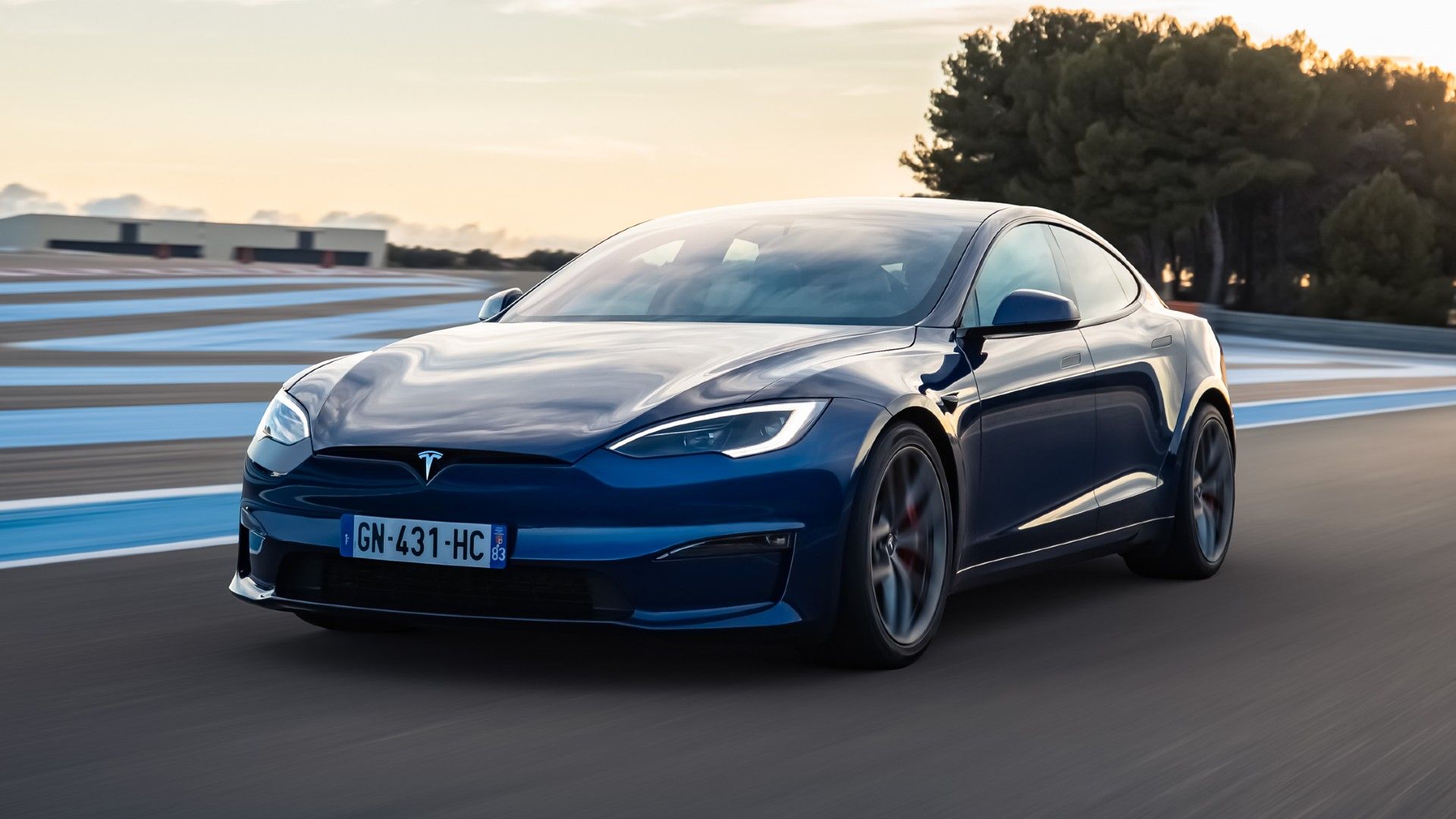
Instead, Tesla focused on an understated, aerodynamic shape that wouldn’t look out of place beside a luxury sedan from Europe.
Over a decade later, the Model S still looks contemporary, proving that minimalism ages far better than trend-chasing design.
Following the sporty Roadster, Tesla introduced the Model S as its first mass-market, ground-up vehicle. This all-electric luxury four-door debuted for the 2012 model year and has since cultivated a devoted following, earning a reputation as one of the quickest vehicles on the planet, regardless of power source.
While Tesla doesn’t strictly follow traditional model years, what would be considered the 2023 Model S features swivel-adjust hardware for its infotainment touchscreen.
When the world eventually shifts entirely to electric vehicles, the Tesla Model S will be remembered as the car that ignited the movement. While it wasn’t the first EV, its impact is undeniable.
At its debut, nothing else on the market could match the Model S, and even a decade later, it remains highly competitive. Tesla’s unorthodox approach became even clearer with the 2022 update. The Model S offers fast charging, long range, cutting-edge technology, practicality, quiet operation, and comfort.
However, Tesla faces challenges uncommon among traditional automakers. Build quality remains inconsistent, safety features aren’t always reliable, and the company’s CEO is as well-known for unpredictable behavior as for entrepreneurial brilliance. Owning a Tesla means investing in more than just a vehicle, it’s an entry into a broader, sometimes volatile, vision of the future.
By 2023, the Model S contends with stiff competition from new EVs worldwide, many of which surpass it in specific metrics. Even so, the Model S continues to stand as an icon and a benchmark, shaping the path toward an all-electric automotive future.
4. Mercedes-Benz W123
Produced from 1976 to 1985, the Mercedes-Benz W123 remains one of the best examples of understated, honest design. Every line on its body has purpose nothing feels decorative or excessive.
The boxy silhouette, round headlights, and perfect proportions make it look both sturdy and elegant. In an era where many automakers leaned on chrome and flamboyance, Mercedes opted for balance and precision.
That restraint paid off: W123s still look dignified and handsome on today’s roads, a testament to timeless German design.
Some cars just refuse to die. Whether it’s a pickup truck still hauling farm equipment decades after being purchased or a family sedan logging seven-figure miles with no signs of slowing down, certain vehicles continue performing far longer than expected thanks to a combination of durable components, thoughtful design, and careful maintenance.
One standout example is the Mercedes-Benz W123, a predecessor to the modern E-Class. With its iconic silhouette and diesel engines that endure daily use without complaint, the W123 has earned a reputation as nearly indestructible, even decades after its release.
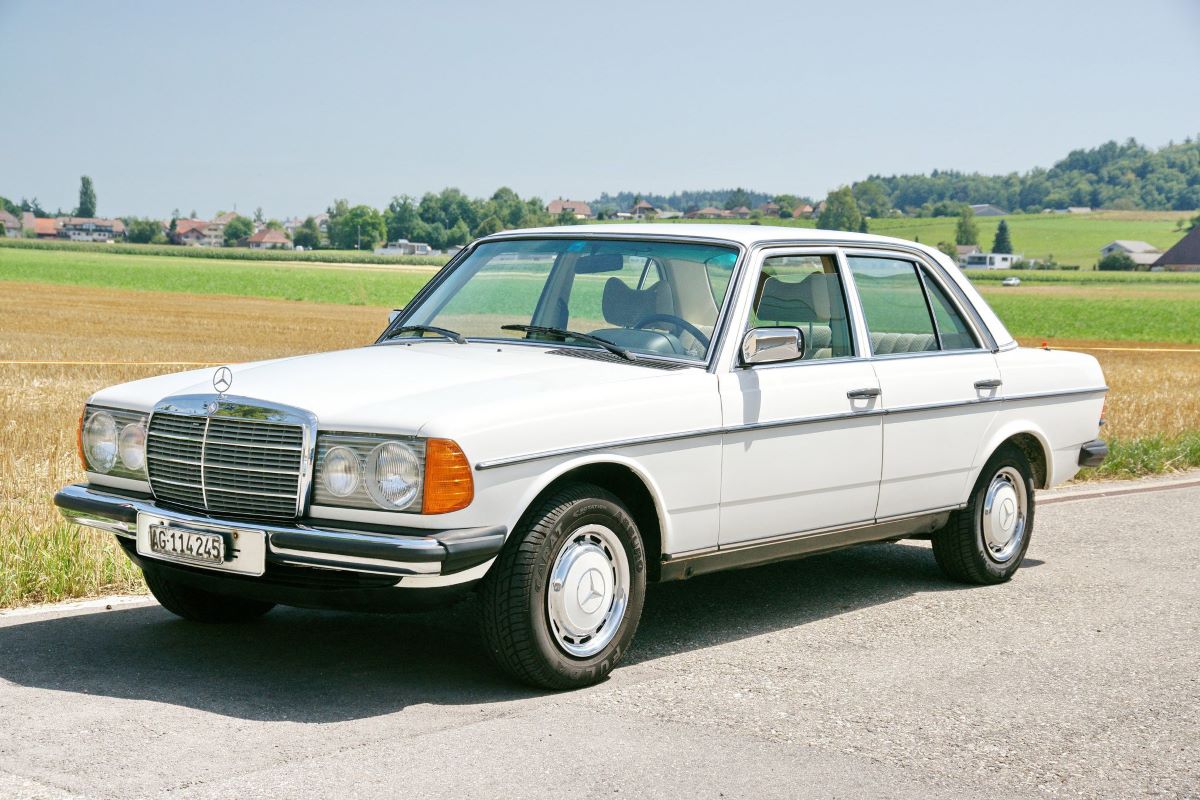
Rebuilding both its image and factories after extensive wartime damage, the company faced multiple challenges, many of which the W123 helped overcome. With its friendly, approachable front fascia and exceptional engineering, the W123 helped modernize Daimler-Benz’s image and break into foreign markets, including the UK, where German cars were once viewed with skepticism.
This approach made the W123 appealing even to celebrities; over the years, icons such as Bonnie Tyler, Barry Gibb, and Lady Gaga have owned the model. Its immediate popularity, coupled with slow initial production, created a black market where slightly used W123s commanded inflated prices from impatient buyers.
Bruno Sacco, head of styling at Daimler-Benz for more than two decades, played a pivotal role in designing the W123. With subtle, elegant lines, the car achieved a timeless aesthetic that remains one of Sacco’s most celebrated designs. However, the W123’s legendary status relied not just on looks but also on the engineering beneath the hood.
In West Germany, taxes on engines over 2.8 liters prompted engineers to extract maximum performance from smaller units, while emissions standards in the North American market also influenced engine design. Most engines carried over from the W114/115, with the only new addition being the M123 2.5-liter inline-six, which was not sold in the U.S. market.
U.S. buyers could choose between two gas engines, a 2.3-liter producing 93 hp and a 2.8-liter generating 140–142 hp depending on the year. Gas engines were discontinued in 1982 to meet EPA standards, making American gas-spec W123s rare today.
The true stars, however, were the diesel engines: the OM616 2.4-liter four-cylinder and the OM617 3.0-liter five-cylinder, designed by Dr. Ferdinand Piëch, who also contributed to Audi’s five-cylinder engine and Quattro drivetrain.
These diesels are frequently cited among the most reliable engines in automotive history. Later, the 3.0-liter unit was offered with a turbocharger, becoming the first turbo-diesel sold in the U.S.
The W123 remains a testament to Mercedes-Benz’s engineering prowess, a vehicle whose durability and timeless design continue to inspire admiration decades after its production.
5. Mazda MX-5 Miata (NA Generation)
The original Mazda MX-5 Miata, introduced in 1989, is a perfect study in design purity. Inspired by the British roadsters of the 1960s, the NA Miata’s smooth lines, pop-up headlights, and lightweight proportions gave it a friendly yet purposeful look.
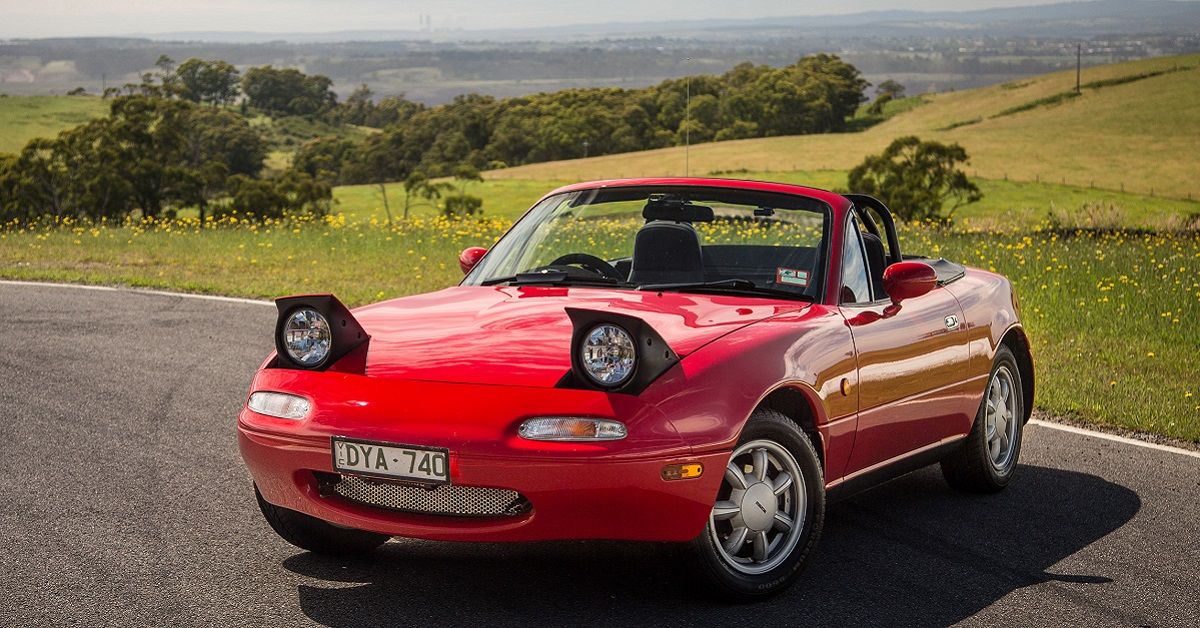
Its lack of unnecessary complexity made it instantly likable and that simplicity continues to define the Miata’s spirit across generations. The NA’s design is proof that function-driven beauty and minimalism never grow old.
6. BMW E46 3 Series
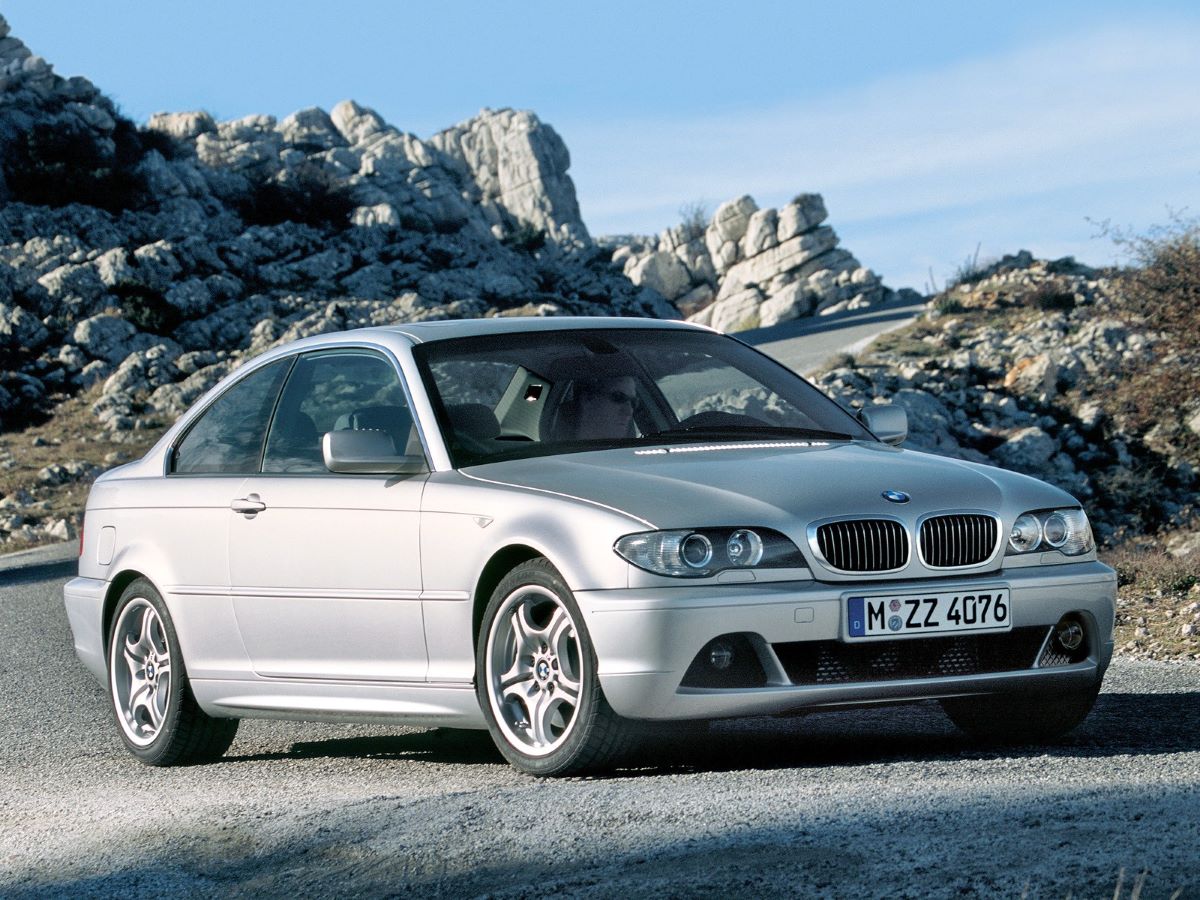
The BMW E46 3 Series (1998–2006) is arguably the last truly timeless design from BMW’s classic era. Its proportions were spot-on long hood, short rear deck, and balanced stance.
The lines were clean, the details restrained, and everything looked purpose-built. Even two decades later, the E46 doesn’t look outdated.
Its design is a reminder that subtlety and proportion often outlast flashy features. Whether in coupe or sedan form, it remains one of the most attractive and timeless BMWs ever made.
The BMW E46 is one of the most iconic sports sedans in automotive history. Produced from 1997 to 2006, this generation of BMW’s legendary 3 Series left a lasting impression on car enthusiasts worldwide.
The E46 was a clean-sheet design aimed at carrying BMW’s core 3 Series into the new millennium, following the highly successful E36 (1990–2000) and preceding the E90 models (2005–2012).
The E46 debuted in Europe in 1998 and gradually expanded into multiple body styles, sedan, coupe, convertible, touring, and compact—over the following years. BMW’s internal “E-code” chassis naming system designates each generation, with the E46 representing 3 Series models produced between 1997 and 2006.
One reason for the E46’s success was its diverse body style lineup, which catered to a variety of lifestyles. The practical four-door sedan made up the bulk of E46 sales, offering room for passengers and cargo along with luxurious touches like leather seats and wood trim.
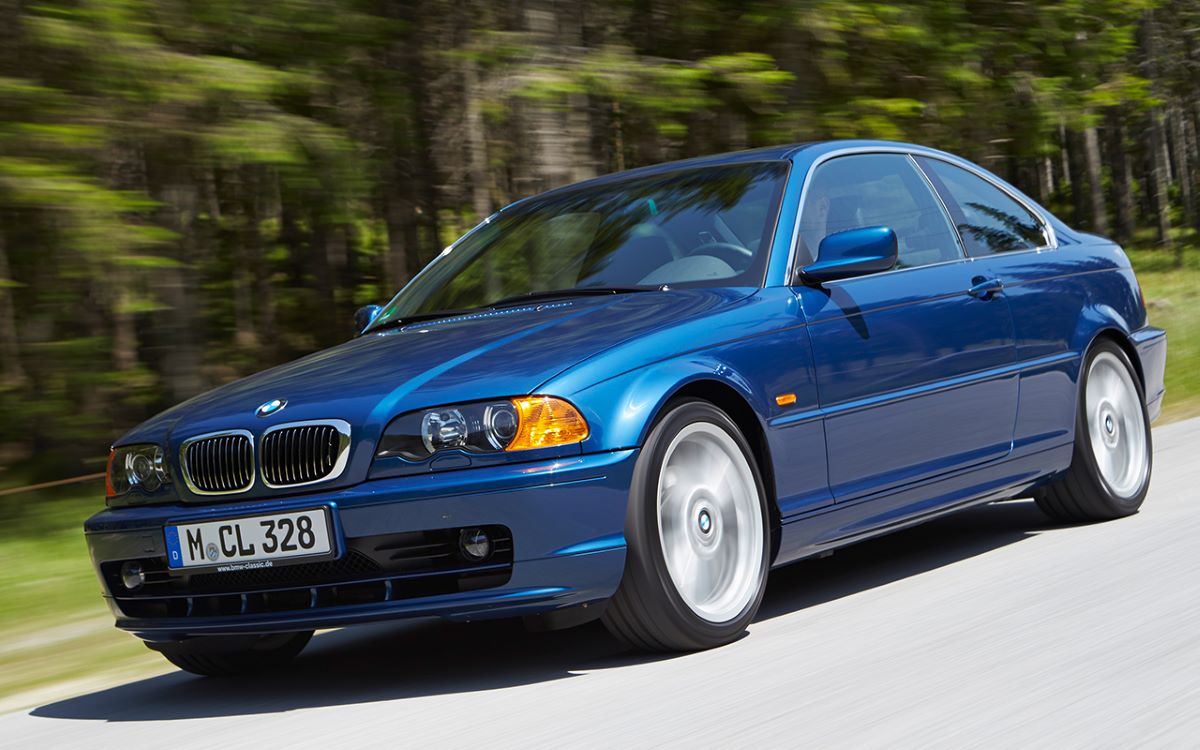
The two-door coupe delivered a sportier look and feel with a sweeping roofline and muscular wheel arches and served as the foundation for the legendary E46 M3. Introduced in 2000, the convertible provided open-air driving thrills while retaining impressive chassis stiffness.
BMW’s Touring wagon offered practical cargo space combined with the brand’s renowned handling, appealing to both families and enthusiasts. Finally, the E46 Compact, or 3 Series hatchback, delivered a smaller, more efficient footprint, though its polarizing design attracted fewer buyers. Regardless of the body style, every E46 variant delivered BMW’s signature driving experience.
A key factor in the E46’s acclaim was its diverse engine lineup, ranging from efficient 4-cylinder options to high-revving inline-six engines. Entry-level 4-cylinder engines included the 316i (1.9L I4 producing 115 HP), the 318i (2.0L I4 producing 143 HP), and the 320d (2.0L turbo diesel I4 producing 150 HP), which appealed to buyers focused on efficiency.
Most E46 buyers, however, opted for the smooth inline-six engines, including the 323i/328i (2.5L I6 producing 170–193 HP), the 325i/330i (2.5L/3.0L I6 producing 184–231 HP), and the 330d (3.0L twin-turbo diesel producing 231 HP). Enthusiasts especially prized the 3.0-liter 330i for its strong torque and eagerly revving character.
BMW’s in-house M division elevated the E46 lineup with the M3 coupe, debuting in 2000. Instantly recognizable by its bulging hood, aggressive front air dams, quad exhaust tips, and signature M colors, the E46 M3 represented the pinnacle of E46 performance.
Its S54 3.2-liter straight-six engine produced 343 HP with an 8,400 RPM redline, delivering naturally aspirated, turbo-lag-free exhilaration. The E46 M3 quickly became a collector’s favorite and remains highly sought-after today, commanding strong resale values due to its timeless appeal.
With its versatile body styles, wide range of engines, and the high-performance M3 variant, the E46 exemplified BMW’s ability to satisfy both practical-minded drivers and thrill-seeking enthusiasts, cementing its place in automotive history.
7. Ford Mustang Fastback (1965–1968)
Few American cars have captured enduring beauty like the first-generation Ford Mustang Fastback. With its sweeping roofline, aggressive stance, and just the right amount of chrome, it struck a perfect balance between muscle and elegance.
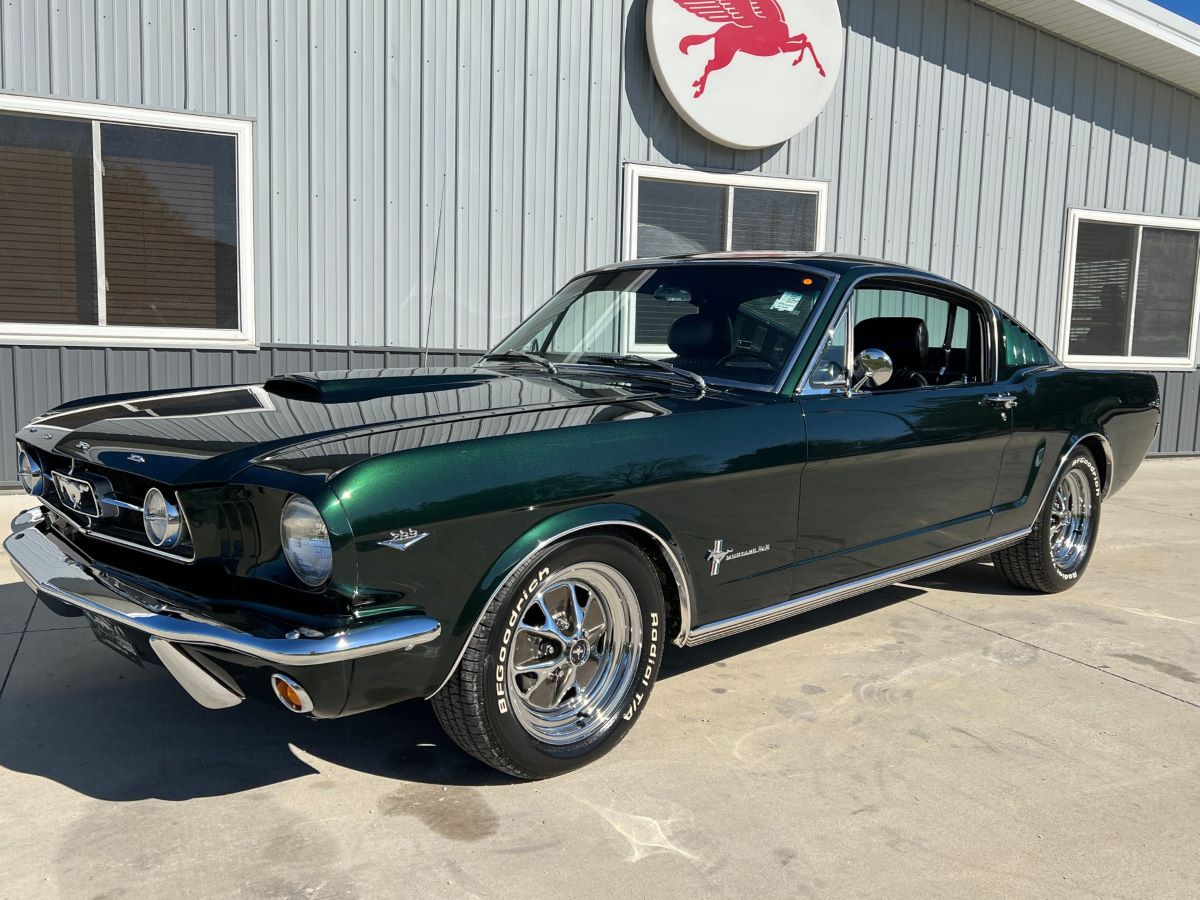
While later Mustangs became bulkier or more stylized, the ’65–’68 Fastback’s design has stayed iconic. It’s not just nostalgia that makes it timeless its proportions are fundamentally right. This is the car that defined an era, yet it still feels fresh and aspirational today.
8. Honda S2000
When the Honda S2000 debuted in 1999, its design was clean, compact, and free from unnecessary styling cues. The long hood and short rear deck followed classic sports car proportions, but the overall shape was thoroughly modern.
There were no fake vents, no exaggerated wings just smooth, purposeful surfaces. The simplicity of its form, combined with its high-revving engine and balanced chassis, created a cohesive identity that still resonates with enthusiasts. Two decades later, it remains one of Honda’s purest and most admired designs.
When it comes to purchasing a weekend car, a tidy two-door roadster is often the ideal choice. Their small, lightweight construction makes them feel quick, even without supercar-level power, while driving with the roof down provides a visceral experience and lets you fully enjoy the engine’s soundtrack.
Affordable options abound, including the Porsche 986 Boxster and BMW Z4. However, the Honda S2000 is a bit more difficult to find at a reasonable price, and there’s a good reason for that.
The two-seater convertible sports car market flourished in the 1990s and early 2000s, with numerous models available. By the time the Honda S2000 debuted in 2000, BMW’s Z3 was already established, and Porsche had introduced its entry-level Boxster in 1996.
Other notable competitors included the Audi TT, released in 1998, and the Mercedes-Benz SLK, which first appeared in 1995. Honda took a different approach from its Japanese rivals, such as the Mazda MX-5 Miata and Toyota MR2, which were priced below $25,000 and lacked the premium feel of their European counterparts.
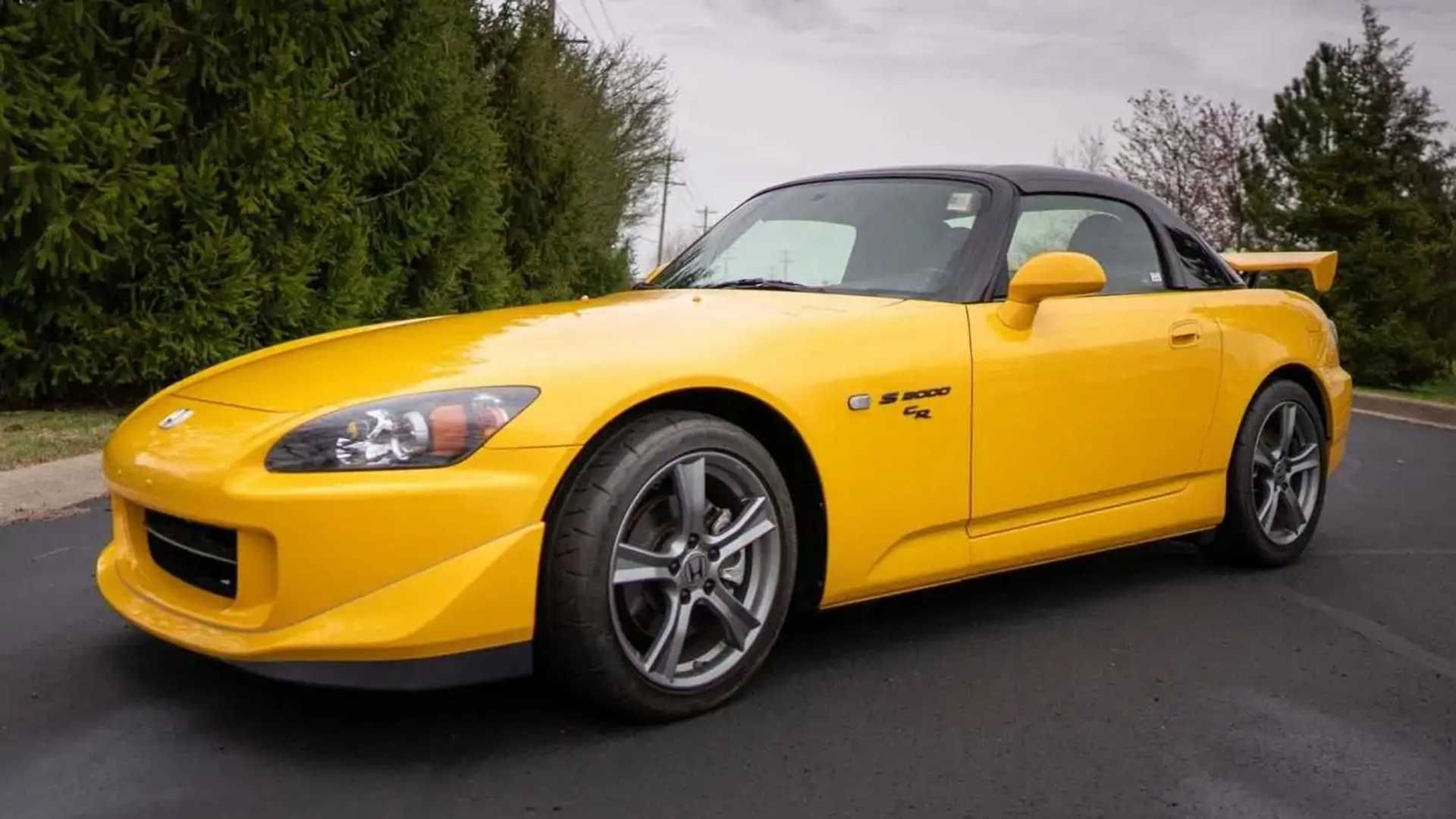
The S2000 aimed to strike a middle ground, faster, more refined, and more luxurious than the MX-5 and MR2, yet far more affordable than the German challengers.
At launch, the S2000’s $32,000 base price undercut most of its European competition. The BMW Z3 cost roughly $6,000 more, while the Porsche Boxster demanded an extra $15,000.
The Audi TT was slightly cheaper at $31,000, but the rear-wheel-drive S2000’s 240-hp inline-four engine delivered 60 more horsepower than the TT, offering superior speed and more balanced handling. While $32,000 was steep for a Honda in 2000, buyers loved the car. Honda sold 113,000 units worldwide over its nine-year production run, proving the S2000 successfully carved out its niche in the market.
Remarkably, the S2000 has held its value exceptionally well. Contrary to expectations that an older Honda would be inexpensive, a 2000 model in good condition costs around $25,000 in 2025, nearly the same as its original MSRP.
Entry-level models in mint condition can fetch over $50,000, while second-generation base models can reach approximately $55,000.
By comparison, a 2000 Porsche Boxster in good condition is valued at around $12,500, with a mint example under $30,000. Likewise, a similar-aged BMW Z3 can be had for under $10,000 in good condition. The S2000’s rarity, performance, and enduring appeal make it a standout among classic roadsters even today.
9. Volvo P1800
The Volvo P1800 might not get as much attention as some European sports cars, but it’s one of the best examples of Scandinavian design philosophy clean, elegant, and timeless.
Its gentle curves and unpretentious lines give it a distinctive personality without any hint of excess. The car’s simplicity allowed it to age gracefully, and even today, it looks more like a modern retro concept than a vehicle from the 1960s.
The P1800’s beauty comes from balance and understatement core traits of lasting design.
The Volvo P1800 is a classic sports coupe that cemented the brand’s reputation for durability and style. Initially powered by Volvo’s robust B18 1.8-liter inline-four engine producing around 100 hp with twin SU carburetors, it featured a four-speed manual gearbox with an overdrive option introduced in 1963.
This transition led to the model being renamed the P1800S. Between 1961 and 1972, a total of 39,407 coupes were produced, with minor mechanical upgrades over the years. By 1969, the B18 engine was replaced by the more powerful 2.0-liter B20 inline-four, generating approximately 118 hp.
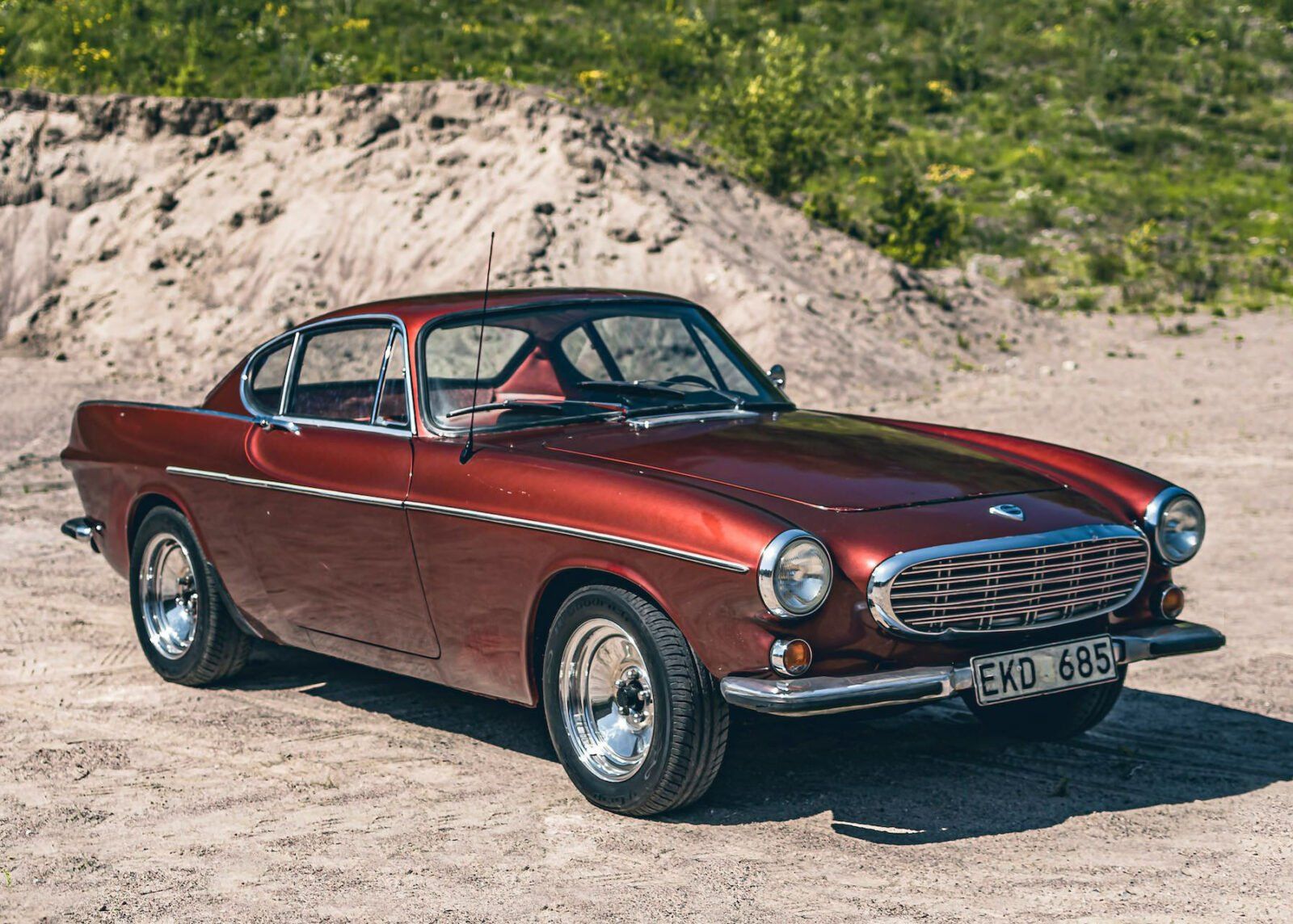
The P1800E, introduced in 1970, added fuel injection and four-wheel disc brakes, boosting output to 130 hp and giving the coupe a top speed of about 118 mph. Its durability became legendary, exemplified by American owner Irv Gordon, who logged 3.25 million miles on his P1800S by the time of his death in 2018.
Production of the coupe ended in 1972, but Volvo revealed the P1800ES (Estate Sport) shooting-brake variant, built through 1973 with 8,077 units produced.
The P1800 gained pop-culture fame when a white example starred alongside Roger Moore’s Simon Templar in the TV series The Saint from 1962 to 1969, preceding Aston Martin’s DB5 appearance in Goldfinger.
Rust, particularly in Jensen-era cars, is the primary concern, along with typical issues affecting electrical, mechanical, plumbing, and exhaust systems.
Early concours-quality models can command around $90,000, while good-condition coupes generally fall between $25,000 and $30,000. The P1800ES shooting-brake version in decent condition can fetch about $20,000, while pristine examples can reach up to $60,000.
10. Lexus LC 500
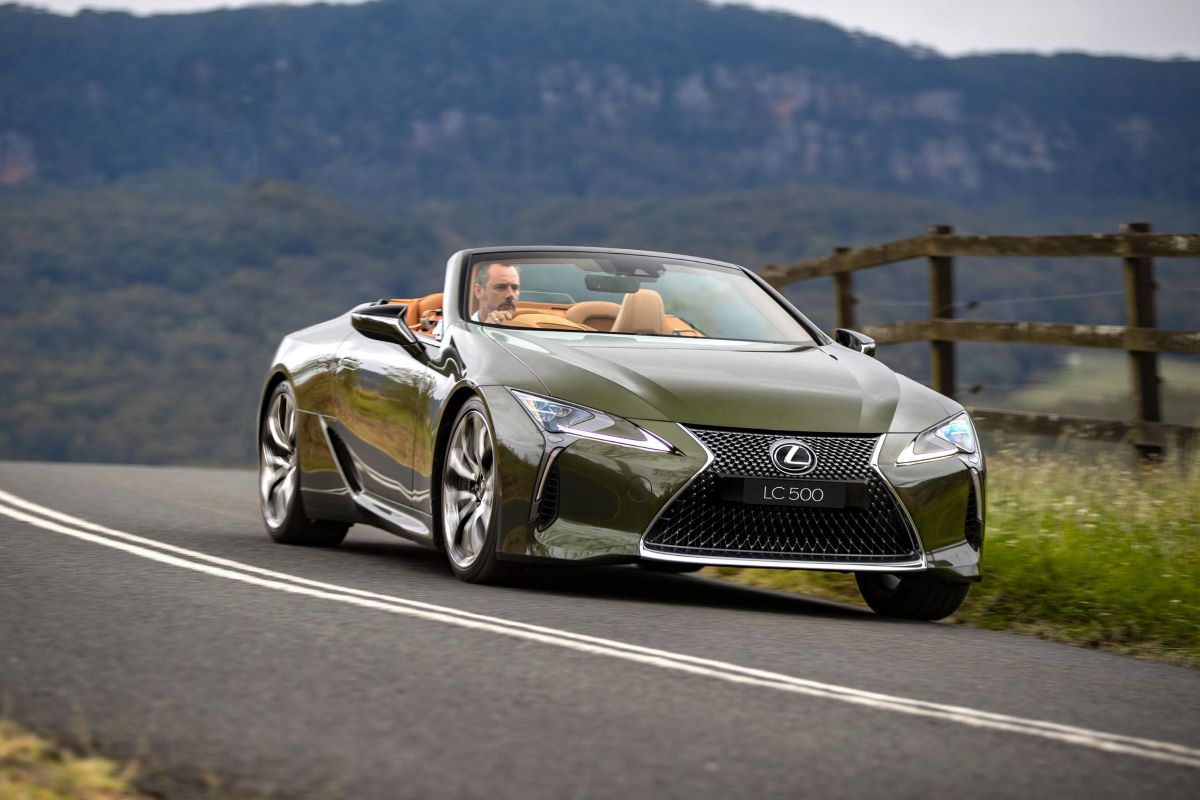
Among modern cars, the Lexus LC 500 stands out as a rare combination of futuristic and timeless. While it features the brand’s trademark spindle grille, the rest of its design is sculpted with restraint and purpose.
Its proportions are classic grand tourer long hood, low stance, and elegant curves yet it never looks overdesigned.
The LC 500 shows that modern materials and design language can still produce something enduringly beautiful. It’s a car that looks poised to age as gracefully as a classic Aston Martin.
What ties these cars together isn’t just beauty it’s balance. A timeless car design usually comes from purposeful simplicity. Instead of relying on aggressive creases or temporary fashion, these vehicles embrace harmony in their shapes and surfaces.
Designers who create timeless cars understand that great design should evoke emotion, not distraction.
In an age of oversized grilles, fake vents, and ever-changing trends, the appeal of a clean, well-proportioned car feels stronger than ever.
Whether it’s a vintage E-Type or a modern Tesla, these vehicles prove that true design never needs to shout to be heard.