Horsepower does not have to come with a luxury price tag. Today’s automotive market offers a wide selection of vehicles that combine thrilling performance with everyday affordability.
These 12 models show that power, handling, and efficiency can coexist in accessible packages. Whether you are looking for a turbocharged hot hatch, a hybrid SUV that balances speed with fuel economy, or a compact pickup capable of towing with authority, there is a car here that will satisfy your need for speed without breaking the bank.
Each vehicle on this list delivers more than just horsepower. They provide value, reliability, and modern features that make them practical for daily life. From spirited acceleration to responsive handling and refined interiors, these cars prove that driving excitement can be attainable for anyone. Get ready to explore the best affordable cars that bring serious performance to the road.
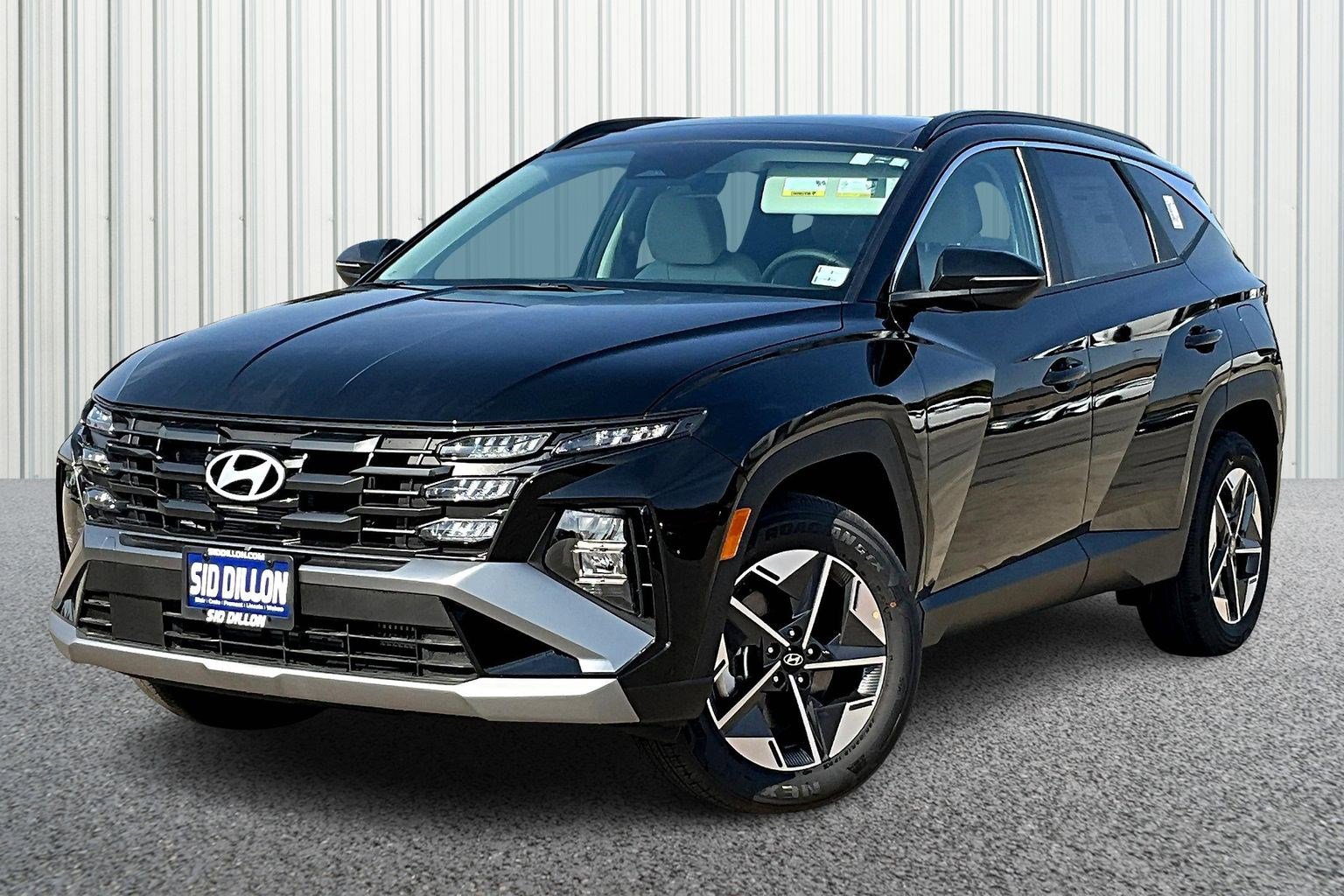
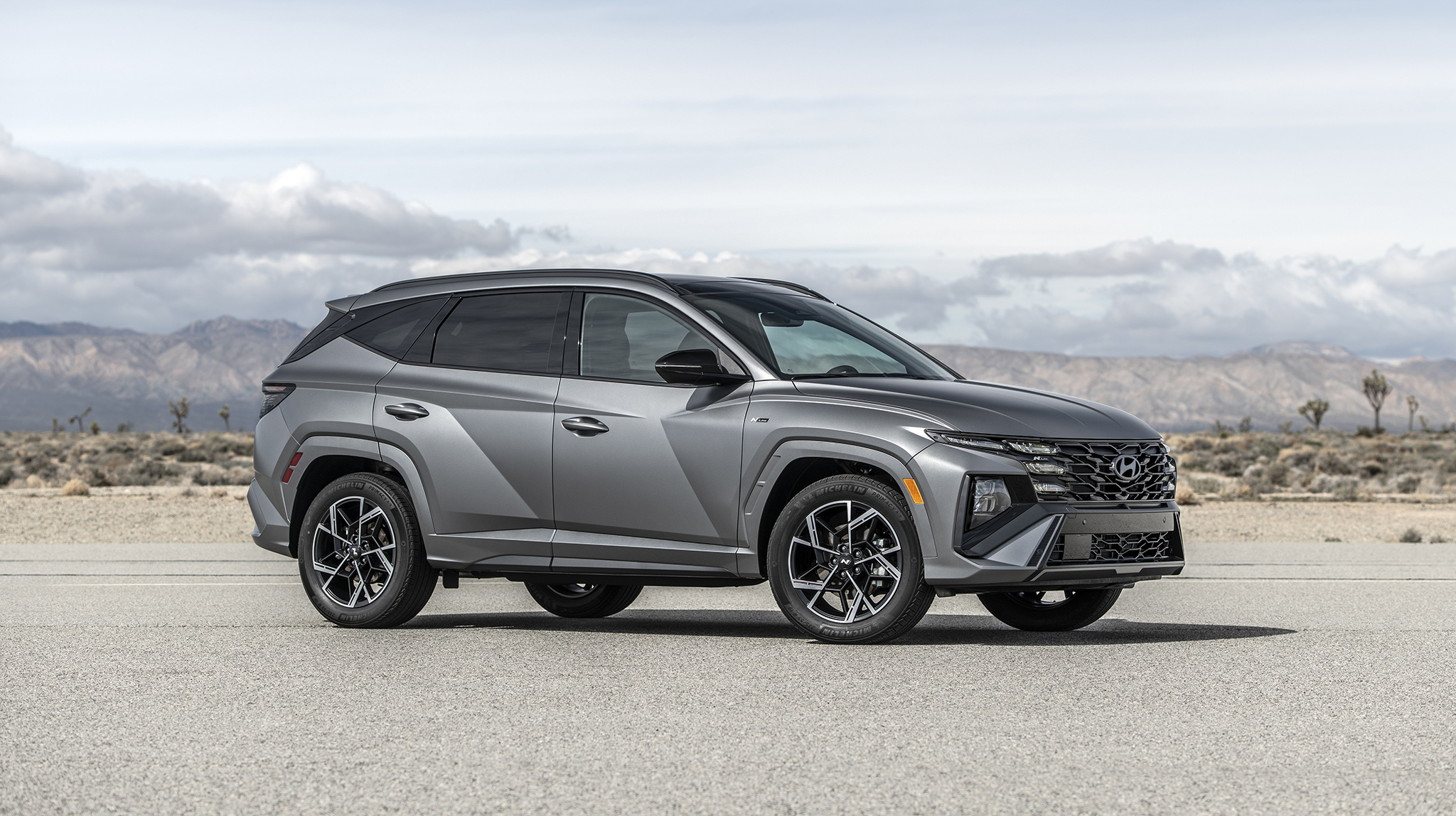
1. 2025 Hyundai Tucson Hybrid: A Balanced Blend of Power, Comfort, and Value
The 2025 Hyundai Tucson Hybrid shows that eco-friendly driving can be both powerful and refined. With 231 horsepower and a six-speed automatic transmission, this small SUV delivers strong acceleration while maintaining hybrid efficiency. Starting at $33,465, the Tucson Hybrid stands out for its balance of performance, comfort, advanced technology, and long-term value.
The Tucson Hybrid offers one of the most engaging drives in its class. Its hybrid powertrain delivers quick and smooth acceleration, reaching 0–60 mph in 7.6 seconds, making it among the fastest in the hybrid SUV category. Steering is responsive and confident, and the suspension delivers both agility and comfort. The ride remains stable on uneven roads and feels composed at high speeds.
Outward visibility is excellent thanks to large windows and available camera views. Hyundai’s driver-assist features are helpful, with adaptive cruise control working smoothly. The lane-keeping system can be slightly intrusive, but it contributes to the SUV’s strong safety profile.
Inside, the Tucson Hybrid offers a premium feel, especially in the Limited trim. The seats provide high-quality materials, ample support, and plenty of adjustment options. Both rows are spacious, with generous legroom and reclining rear seats for added comfort. Large door openings make entry and exit easy.
Cabin noise is minimal, with only slight wind sounds at highway speeds. The climate control system is efficient, quickly heating or cooling the interior. Families will appreciate the roomy backseat, which easily fits rear-facing child seats and provides accessible anchors.
The Tucson Hybrid’s technology suite is modern and user-friendly. The high-resolution touchscreen displays clear maps and menus that remain visible in sunlight. Wireless Apple CarPlay and Android Auto are standard, along with multiple USB-C ports and an optional wireless charging pad.
Cargo space is generous, measuring 38.7 cubic feet behind the second row. The low liftover height and flat floor make loading easy, and the rear seats fold flat using convenient levers. Additional storage spaces include a roomy center armrest bin and large cupholders.
Most trims achieve an EPA-estimated 35 mpg combined, with real-world results between 34 and 39 mpg depending on conditions. Though slightly less efficient than some competitors, the Tucson Hybrid excels in comfort, power, and refinement.
Hyundai’s 10-year/100,000-mile powertrain warranty and five-year/60,000-mile basic warranty add strong value, along with three years of free maintenance. The 2025 Hyundai Tucson Hybrid combines performance, efficiency, and practicality in a well-rounded package that appeals to both commuters and families.
2. 2025 Toyota Camry: A Confident and Efficient All-Hybrid Redesign
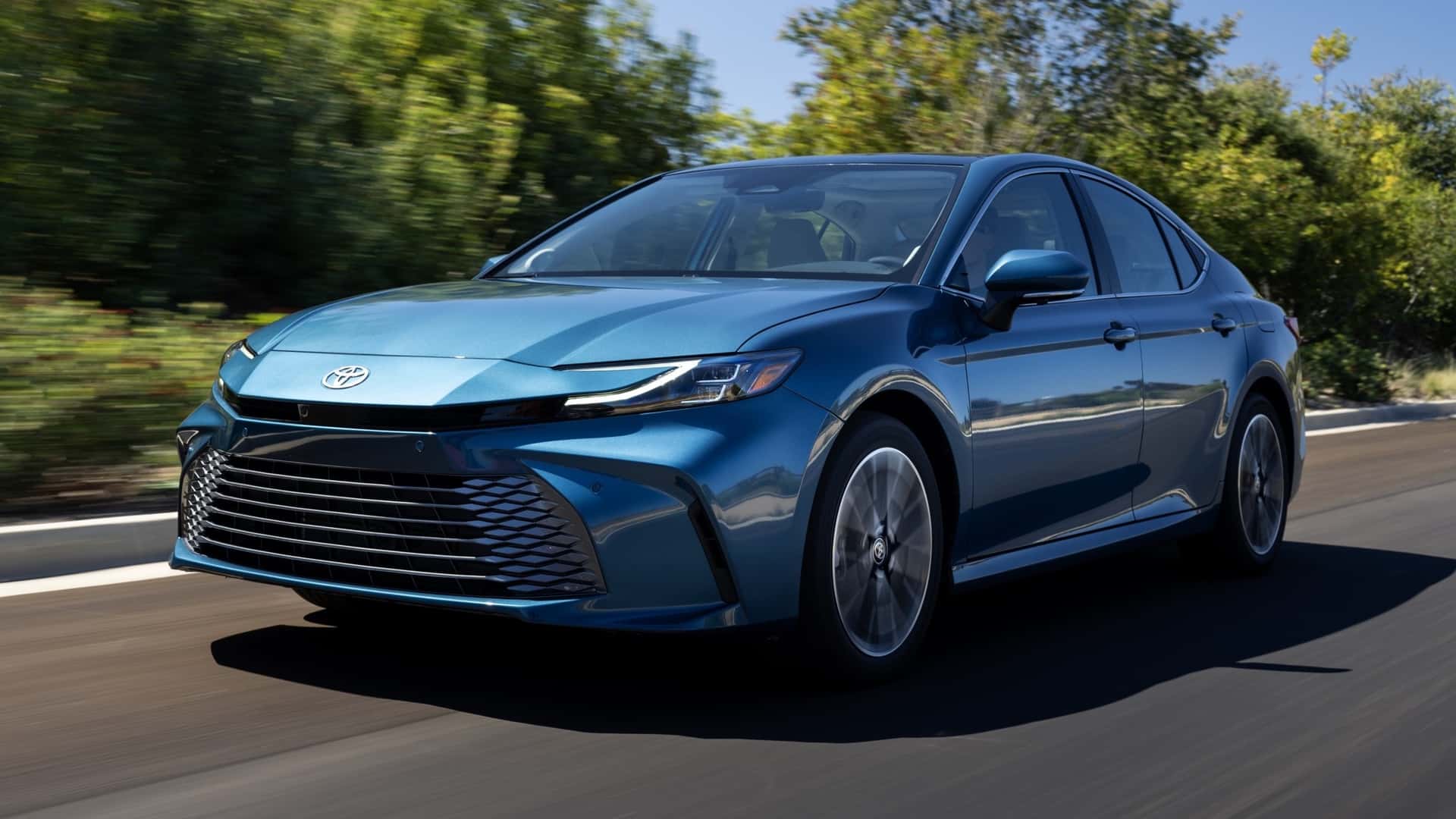
The 2025 Toyota Camry redefines what a hybrid sedan can be. With a complete shift to an all-hybrid lineup, it delivers an impressive 232 horsepower and starts at $30,225. The new Camry balances brisk acceleration with exceptional fuel efficiency, offering both front- and all-wheel-drive options. It is smoother, more engaging, and far more refined than previous generations, proving that hybrids can be lively as well as economical.
Behind the wheel, the Camry feels more confident and composed than ever. The XSE trim tested with front-wheel drive reached 0–60 mph in 7.8 seconds, making it slightly quicker than hybrid rivals like the Honda Accord and Hyundai Sonata. Power delivery is smooth, and the strong brakes offer excellent control.
The sport-tuned suspension sharpens handling, while steering feels precise and well-balanced. Even base trims maintain stability and poise on winding roads. The Camry’s upright driving position enhances visibility, creating a more commanding feel.
Ride comfort remains impressive, with the suspension absorbing bumps easily. Toyota’s advanced safety technology continues to lead the pack, featuring intelligent lane sensing and adaptive speed control. The optional Traffic Jam Assist even allows limited hands-free driving below 25 mph.
The new Camry interior improves on both comfort and usability. The front seats are firm yet supportive, ideal for long drives. Passenger space is generous, with good headroom and easy entry through wide doors. Rear seating is spacious enough for adults, and installing child seats is simple thanks to clearly marked LATCH anchors.
Cabin quality feels upscale, and the dashboard layout emphasizes intuitive design. Physical switches below the touchscreen make climate and audio adjustments easy, while the climate control system maintains temperature effectively. At highway speeds, the Camry’s cabin stays quiet, with only a mild engine note under heavy acceleration.
Every trim includes modern connectivity and an intuitive tech suite. Most models feature a 12.3-inch touchscreen with wireless Apple CarPlay and Android Auto, as well as a reliable wireless charging pad. An optional nine-speaker JBL audio system improves sound quality, though it trails some premium competitors.
The 15.1-cubic-foot trunk provides solid practicality for luggage or groceries, complemented by excellent small-item storage, including large door pockets and smart cubbies for phones and keys.
Fuel economy remains a highlight, ranging from 44 to 51 mpg combined depending on configuration. In real-world testing, the Camry XSE achieved 45.9 mpg, exceeding most rivals. Toyota’s hybrid strategy ensures a wide selection of trims without forcing buyers into higher price tiers.
The Camry includes two years or 25,000 miles of complimentary maintenance and two years of roadside assistance. With its blend of strong performance, exceptional efficiency, and polished design, the 2025 Toyota Camry brings newfound energy and personality to a long-respected nameplate.
3. 2025 Cadillac CT4: Stylish Performance with Compromised Comfort
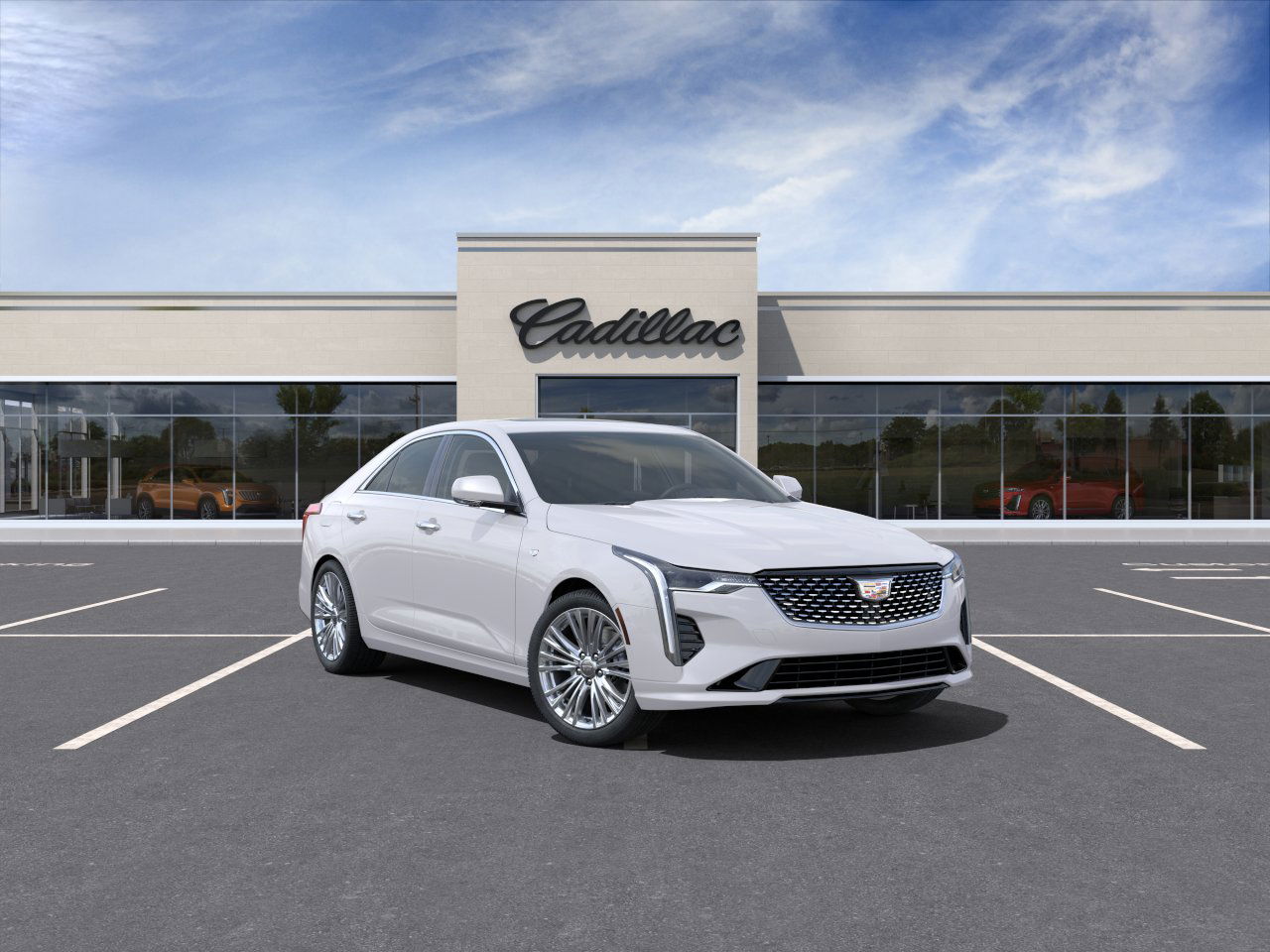
The 2025 Cadillac CT4 brings sporty styling and engaging performance to the small luxury sedan segment. Priced from $34,995, it includes a 237-horsepower turbocharged 2.0-liter engine with an eight-speed automatic transmission.
Those seeking more power can opt for the 310-horsepower 2.7-liter turbo engine paired with a 10-speed automatic transmission, though this version costs more than $45,000. The CT4 offers brisk acceleration and optional all-wheel drive for added confidence on the road, yet it falls short in refinement and comfort compared with class leaders.
The CT4 is capable of strong performance, especially when equipped with the 2.7-liter engine. It accelerates from 0 to 60 mph in 5.0 seconds, which is impressive for a compact luxury sedan. Despite these numbers, the driving experience feels less refined.
The turbocharged engine sounds strained at higher speeds and responds slowly to throttle input. Steering is heavy and lacks feedback, while the 10-speed transmission can deliver abrupt shifts. The brake pedal feels inconsistent and makes an audible click when pressed, and the stop-start system operates with noticeable noise and vibration.
Ride comfort is not the CT4’s strength. The suspension is overly firm and allows nearly every road imperfection to be felt inside the cabin. The front seats provide decent cushioning but limited support, and the leather upholstery feels more utilitarian than premium.
Road noise is noticeable across most surfaces, which reduces the sense of luxury. For a vehicle in this price range, the CT4’s ride quality is disappointing, especially when compared with smoother competitors such as the Audi A3 or BMW 2 Series Gran Coupe.
The CT4’s cabin layout is straightforward but lacks thoughtful design touches. The front seating area is comfortable enough, yet the rear seat feels cramped, with limited legroom and a low roofline that restricts headspace.
Narrow door openings make entry and exit difficult. Control placement appears random, and the rotary dial used to navigate the infotainment system feels imprecise. Hard plastics are common throughout the interior, which detracts from the luxury feel Cadillac aims to deliver.
Technology is one of the CT4’s better features. The standard 8-inch touchscreen supports wireless Apple CarPlay and Android Auto, and pairing devices is simple. Optional features include a 14-speaker Bose surround sound system and built-in navigation, both of which work well.
Voice commands function reliably, although they lack natural phrasing. Cargo space totals 10.7 cubic feet, smaller than most rivals, and there are no handles to fold the rear seats from the trunk. Small-item storage inside the cabin is acceptable but limited, with modest door pockets and cupholders.
The all-wheel-drive CT4 with the 2.7-liter engine is rated at 24 miles per gallon combined by the EPA. In real-world testing, it achieved 29.5 miles per gallon on a mixed route, which is better than expected.
The CT4 includes four years or 50,000 miles of basic warranty coverage and six years or 70,000 miles for the powertrain, both slightly better than average. Despite its appealing performance figures and modern tech, the CT4’s stiff ride, tight interior, and average materials make it less convincing as a true luxury sedan.
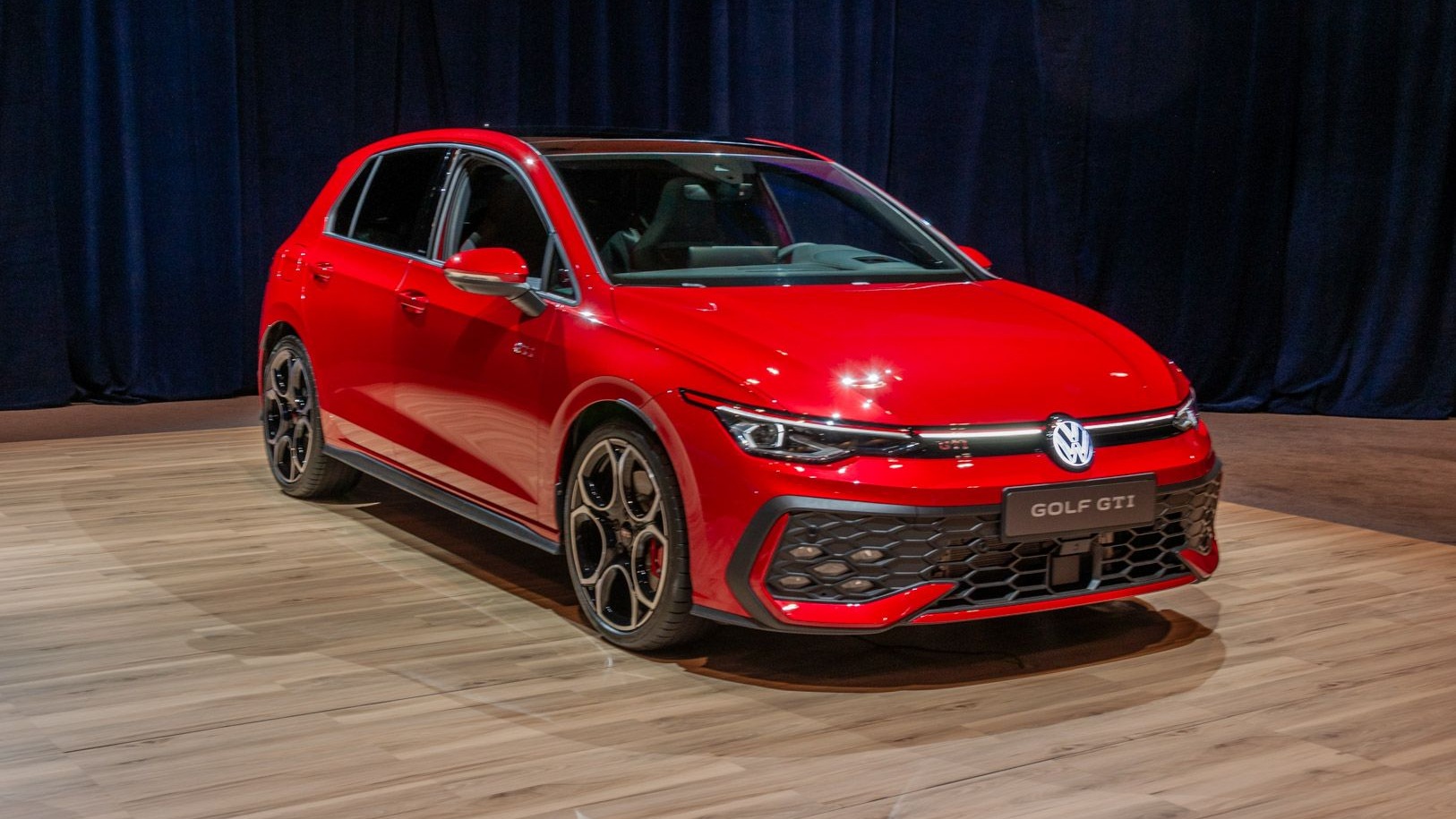
4. 2025 Volkswagen GTI: The Everyday Sports Car with Practical Appeal
The 2025 Volkswagen GTI continues to uphold its reputation as one of the best hot hatchbacks available. With 241 horsepower and a seven-speed dual-clutch automatic transmission, it blends performance, refinement, and everyday usability.
Priced from $32,445, the GTI offers the ideal mix of fun-to-drive dynamics, comfort, and practicality. The latest model drops the manual transmission but gains improved technology and more intuitive controls, keeping the GTI relevant for modern enthusiasts.
Under the hood, the GTI’s 2.0-liter turbocharged four-cylinder engine remains a highlight, producing 241 horsepower and quick, consistent acceleration. In testing, it reached 0 to 60 mph in 5.6 seconds, faster than the Honda Civic Si but slightly behind the Hyundai Elantra N.
The dual-clutch automatic transmission shifts rapidly and smoothly, delivering both efficiency and excitement. The steering is direct, and the suspension provides excellent control through corners without sacrificing ride comfort.
The GTI’s firm brakes add confidence, while its responsive handling makes it enjoyable on both winding roads and city streets. Although some purists will miss the manual gearbox, the automatic version remains engaging and accessible for daily use.
According to the EPA, the GTI achieves 24 miles per gallon in the city, 32 on the highway, and 27 combined. These figures make it an efficient choice for a performance-oriented compact car. Previous testing with the manual version produced 37 mpg on a highway loop, suggesting that the 2025 model should offer strong real-world efficiency.
Inside, the GTI’s cabin receives meaningful updates that enhance usability. The new 12.9-inch infotainment screen replaces the smaller previous unit and is paired with upgraded software for smoother operation. Volkswagen has replaced the old touch-sensitive steering wheel sliders with physical buttons, making controls more intuitive.
The interior remains well-built, with supportive front seats and plenty of legroom for both front and rear passengers. The GTI’s hatchback design allows for impressive cargo space, offering more practicality than most compact sedans. Seat comfort earns high marks, and the cabin feels solid, though some plastics and trim pieces still fall short of premium expectations.
The GTI’s infotainment system includes improved voice recognition, Apple CarPlay, and Android Auto. Standard safety features include automatic emergency braking with pedestrian detection, lane-departure warning, lane-keeping assist, and adaptive cruise control.
Volkswagen’s IQ.Drive suite adds Emergency Assist, which can bring the car to a controlled stop if the driver becomes unresponsive. These technologies make the GTI not only sporty but also safe and easy to live with.
Volkswagen provides a four-year or 50,000-mile limited warranty and the same coverage for the powertrain, along with two years or 20,000 miles of complimentary maintenance.
This coverage is competitive for its class. The GTI stands out for its rare combination of driving enjoyment, fuel efficiency, and practicality. The 2025 model refines what enthusiasts already love about the car while making it easier to use every day, proving that the GTI still sets the benchmark for the modern hot hatch.
5. 2025 Dodge Hornet: Compact Muscle with Everyday Usability
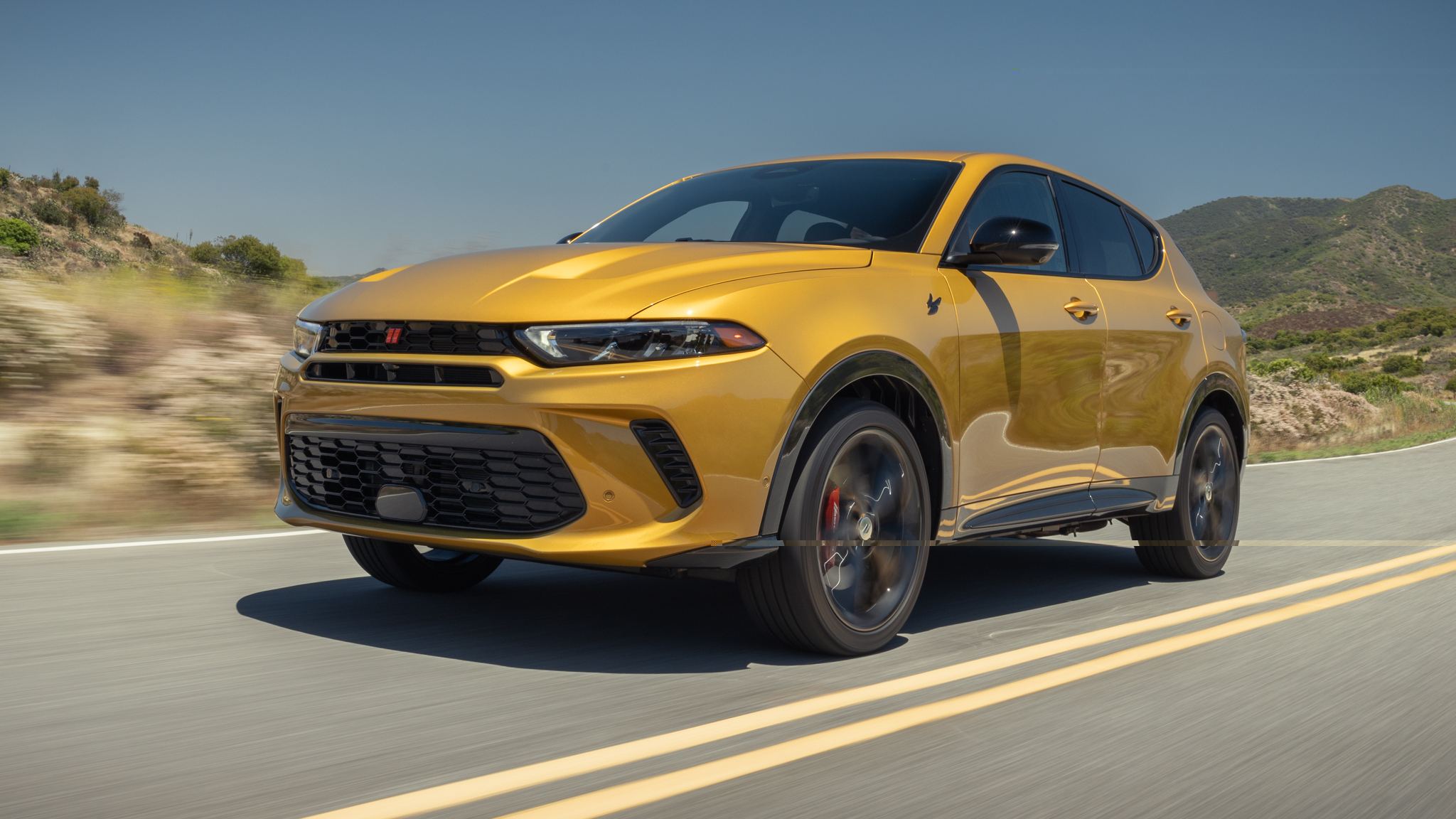
The 2025 Dodge Hornet delivers the spirit of performance in a practical, compact package. With 268 horsepower from a turbocharged 2.0-liter four-cylinder, this small crossover offers quick acceleration and confident handling without straining the budget.
Starting at $29,995, the Hornet pairs its power with standard all-wheel drive and a nine-speed automatic transmission, giving drivers solid traction and responsiveness. Paddle shifters are now available for 2025, adding a touch of sportiness to the experience.
The Hornet GT and GT Plus trims use the same 268-horsepower engine, giving them strong off-the-line punch. During testing, a GT Plus model accelerated from 0 to 60 mph in 5.7 seconds, just shy of the pricier plug-in hybrid Hornet R/T’s time.
The Hornet feels lively around town and composed on curvy roads. Its steering is accurate, and the suspension strikes a balance between agility and comfort. While not as polished as a Mazda CX-5 or Volkswagen Tiguan, it remains more engaging than many rivals, including the Hyundai Tucson and Kia Sportage.
The EPA rates the Hornet at 21 miles per gallon in the city and 29 on the highway. On a real-world highway loop, the GT Plus version achieved 28 mpg, matching expectations for a performance-oriented small crossover. Drivers seeking better efficiency can look to the plug-in hybrid Hornet R/T, which adds electric driving capability but costs more.
Inside, the Hornet’s cabin feels sporty and focused. The dashboard is angled toward the driver, giving the cockpit a performance vibe. Front-seat passengers enjoy good space and support, while the back seat feels snug for taller occupants.
Cargo capacity is on the smaller side compared with competitors, reflecting the Hornet’s compact proportions. Materials are solid for the price, and upper trims offer luxury touches such as leather upholstery and optional red interior accents. The Track package brings faux suede inserts that enhance the cabin’s sporty appeal.
Every Hornet comes equipped with a 10.3-inch infotainment touchscreen and a 12.3-inch digital instrument cluster running the latest Uconnect 5 system. Wireless Apple CarPlay, Android Auto, and Amazon Alexa connectivity are standard.
The GT Plus trim adds premium upgrades such as a 14-speaker Harman Kardon audio system and built-in navigation. The interface is responsive and easy to use, helping the Hornet feel more upscale than expected for its price.
The Hornet includes a strong list of standard safety features. Every model has automated emergency braking with pedestrian and cyclist detection, lane-departure warning, lane-keeping assist, blind-spot monitoring, and parking sensors. The optional Tech package adds adaptive cruise control with lane centering, boosting long-drive comfort. These systems help make the Hornet feel secure and modern in daily use.
Dodge covers the Hornet with a three-year or 36,000-mile limited warranty and a five-year or 60,000-mile powertrain warranty. While that’s typical for the segment, some competitors offer longer coverage or free maintenance. Despite that, the Hornet’s blend of power, technology, and value makes it appealing to drivers who want something more exciting than the average small SUV.
The 2025 Dodge Hornet combines compact practicality with genuine performance character. It stands out with strong acceleration, sharp design, and user-friendly tech, making it a smart pick for drivers who want a crossover that feels alive on the road.
6. 2025 Hyundai Elantra N: Everyday Practicality Meets Track-Day Performance
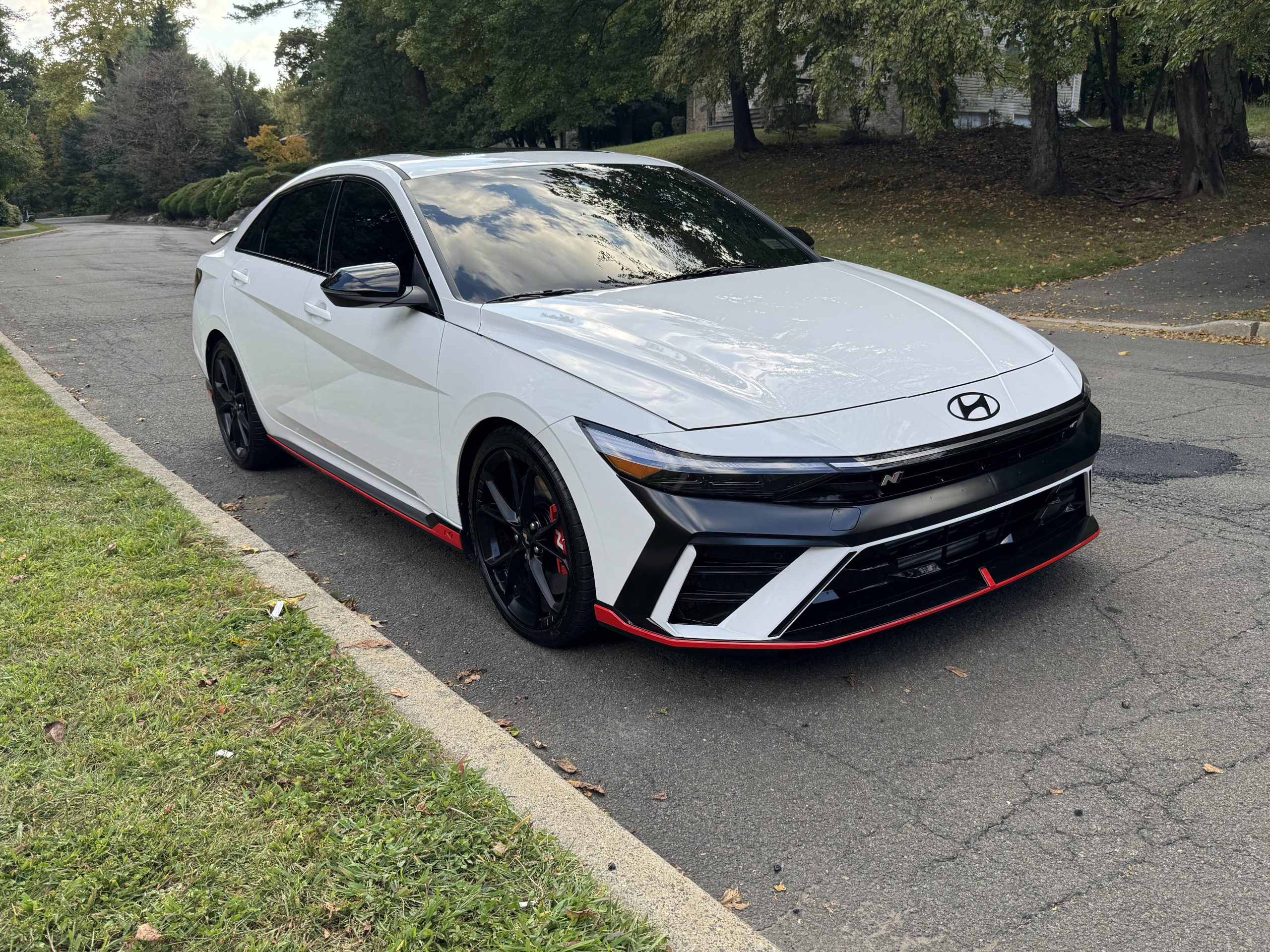
The 2025 Hyundai Elantra N stands out as one of the most thrilling sport sedans in its price range. With 276 horsepower from a turbocharged 2.0-liter four-cylinder engine, it blends power, precision, and affordability.
A six-speed manual transmission comes standard, while an eight-speed dual-clutch automatic is optional for drivers who prefer quicker shifts. Priced from $34,350, the Elantra N is a bold, track-ready alternative to the typical compact sedan.
The Elantra N’s engine delivers strong acceleration and an energetic character. In testing, the manual version reached 60 mph in 6.4 seconds, while the automatic cut that down to 5.5 seconds. Power delivery is smooth and consistent, with minimal torque steer even under hard acceleration.
The adaptive suspension and limited-slip differential help the car stay planted through corners, providing remarkable grip and control for a front-wheel-drive sedan.
Steering is direct and communicative, giving drivers confidence whether they’re carving through winding roads or maneuvering through traffic. The suspension feels firm, especially over rough pavement, but its composure and agility are worth the tradeoff for those who value performance.
Ride comfort is not the Elantra N’s strongest point, though it settles down nicely at highway speeds. The suspension can feel harsh over uneven surfaces, but the payoff is exceptional body control in corners. The front sport seats are supportive and well-bolstered, keeping drivers secure without feeling restrictive.
Noise levels inside the cabin are higher than in some rivals, but they never reach an unpleasant level. The climate control system is simple and highly effective, cooling or heating the cabin quickly.
Inside, the Elantra N’s layout is functional and focused on the driver. The steering wheel and driver’s seat offer a wide range of adjustment, making it easy to find an ideal driving position. Pedal placement supports heel-toe shifting, and the shifter and clutch are well-positioned for spirited driving.
Rear-seat space is generous for a compact sedan, though taller passengers may find headroom limited by the sloping roofline. Hyundai’s decision to retain physical buttons for many controls is welcome, even if some labeling could be clearer. The fixed chassis brace behind the rear seat adds rigidity but limits cargo pass-through space.
The Elantra N includes an intuitive infotainment system with Apple CarPlay, Android Auto, and built-in navigation. Voice commands are responsive and can handle common tasks like setting destinations or adjusting temperature settings.
Standard driver-assistance features include forward collision avoidance, lane-keeping assist, and blind-spot monitoring. Surprisingly, adaptive cruise control is not available, even with the automatic transmission, which feels like a missed opportunity in an otherwise well-equipped car.
Trunk space measures 14.2 cubic feet, about average for the class. The trunk is wide and deep, though the rear-seat brace limits through-loading. Interior storage is modest, with small cupholders and door pockets, but still adequate for daily use. The back seat has easy-to-access child seat anchors, and the cabin layout makes it simple to load or unload passengers.
The manual-transmission Elantra N earns an EPA rating of 24 mpg combined, while the automatic version gets 23 mpg combined. In real-world testing, it performed better than expected, averaging 33.1 mpg on a mixed driving route. The car rewards smooth driving with efficiency but tempts drivers to explore its performance potential.
At just over $34,000, the Elantra N offers exceptional performance for the money. While its cabin materials lean toward the practical side, build quality is solid, and everything feels well-assembled. Hyundai’s industry-leading coverage sets it apart: a five-year/60,000-mile basic warranty, a 10-year/100,000-mile powertrain warranty, and three years/36,000 miles of complimentary maintenance.
The 2025 Hyundai Elantra N is a genuine driver’s car that balances performance and everyday livability. It’s fast, composed, and engaging, with just enough comfort and practicality to make it a standout among affordable sport sedans.
Also Read: 5 Cars That Rarely Cause Regret vs 5 That Constantly Do
7. 2025 Hyundai Santa Fe: Rugged Looks, Refined Comfort
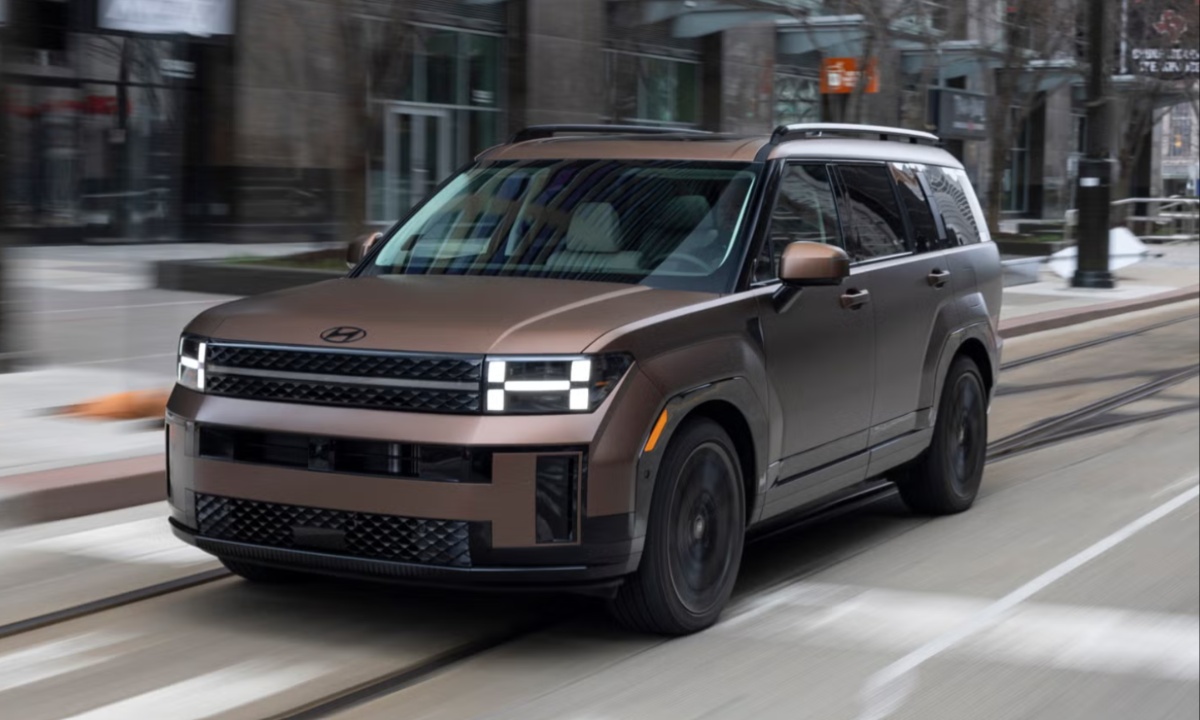
The 2025 Hyundai Santa Fe combines adventurous styling with smooth on-road manners and impressive practicality. Its bold, boxy exterior makes a strong first impression, while under the hood, a turbocharged 2.5-liter four-cylinder engine delivers 277 horsepower.
Paired with an eight-speed dual-clutch automatic transmission and available all-wheel drive, the Santa Fe offers confident power and composure. Starting at $34,300, it stands out as a capable midsize SUV that balances performance, comfort, and value.
The Santa Fe’s powertrain provides brisk acceleration, reaching 60 mph in about 7.2 seconds. The turbo engine delivers strong midrange punch, though turbo lag is noticeable at lower speeds. Once underway, the transmission shifts quickly and smoothly, keeping power on tap for highway merging and passing.
Steering is light and predictable, which makes city driving and parking easy. The XRT trim, designed for mild off-road use, adds all-terrain tires and a higher ride height that improve stability on rough roads. The Santa Fe corners confidently with minimal body roll, though those off-road tires slightly increase braking distances.
Hyundai has tuned the Santa Fe’s suspension for a balance between firmness and comfort. It easily absorbs bumps and cracks in the road while maintaining stability on the highway.
The front and second-row seats are supportive and plush, ideal for long trips. The third row is tight for adults but suitable for children or short rides. Tire noise is noticeable at higher speeds, yet wind noise remains impressively low. The cabin feels serene and solidly built.
Inside, the design is both stylish and functional. The tall doors and wide openings make entry simple, and the driving position offers excellent visibility. The second row slides and reclines, while the third row folds nearly flat to maximize cargo space. The column-mounted gear selector opens up room for a clever two-tier center console with deep storage. Materials throughout the cabin feel upscale for the price.
The 12.3-inch touchscreen infotainment system is responsive, with clear graphics and wireless Apple CarPlay and Android Auto. Available navigation and voice controls are intuitive, and the sound system delivers crisp audio. Advanced driver aids such as adaptive cruise control and lane-keeping assist operate smoothly, adding to comfort and convenience.
Cargo space is a highlight, offering 14.6 cubic feet behind the third row and nearly 80 cubic feet with all seats folded. Combined with Hyundai’s 10-year/100,000-mile powertrain warranty, the 2025 Santa Fe blends rugged character with family-friendly versatility.
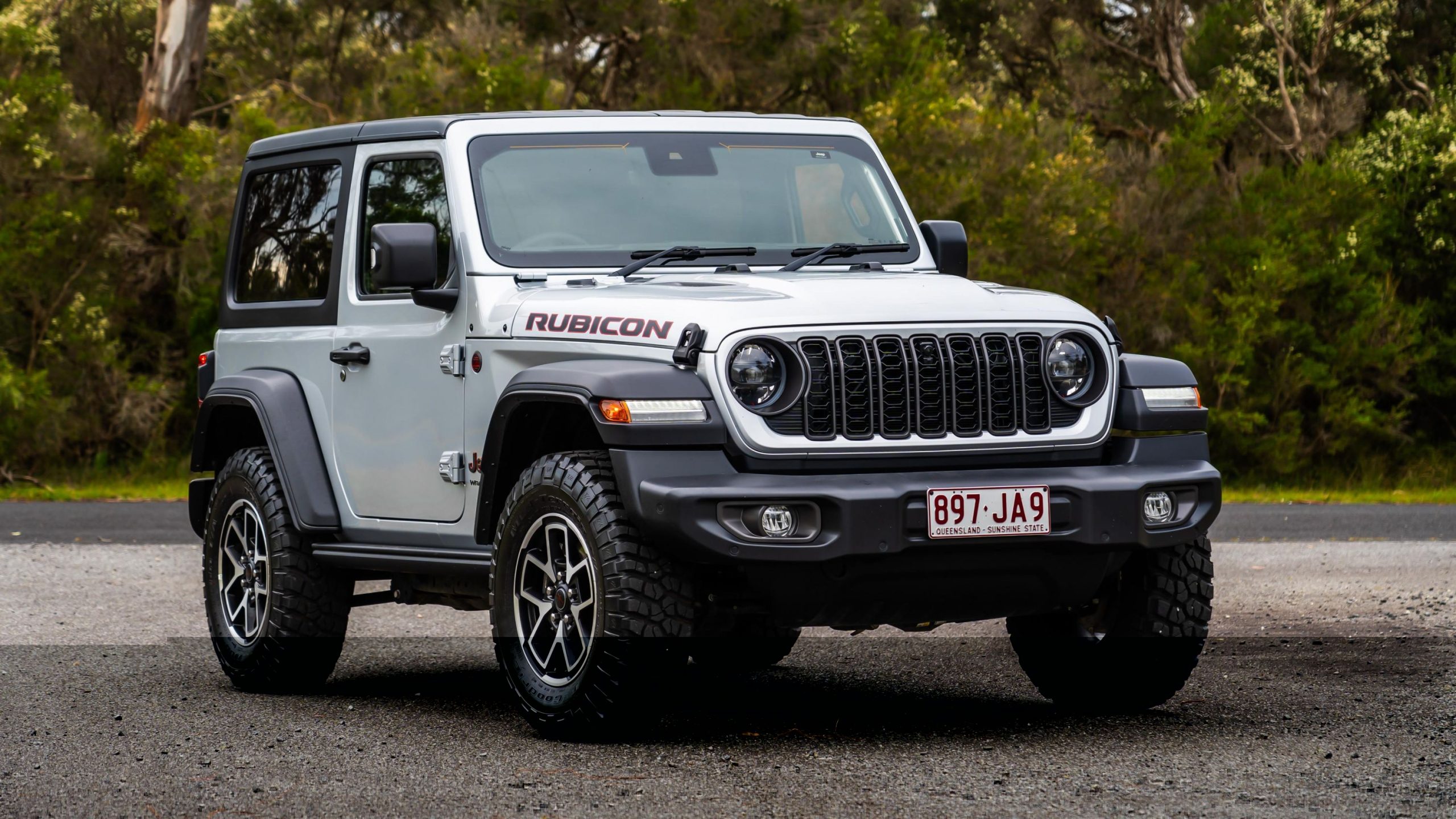
8. 2025 Jeep Wrangler: Iconic Adventure, Modern Touches
The 2025 Jeep Wrangler remains one of the most capable and recognizable off-road vehicles available. With its unmistakable design and open-air freedom, it delivers rugged fun that few SUVs can match.
Power comes standard from a 3.6-liter V6 engine producing 285 horsepower, paired with either a six-speed manual or eight-speed automatic transmission. Buyers can also choose a turbocharged four-cylinder, a plug-in hybrid, or the beastly V8 Rubicon 392 with 470 horsepower. Starting at $32,095, the Wrangler’s price and capability depend on how wild you want to go.
The Wrangler thrives when the pavement ends. In Rubicon trim, especially with the optional Xtreme off-road package, it conquers rocky trails and steep dunes with ease. Its generous ground clearance, locking differentials, and massive tires make it nearly unstoppable off-road. The suspension and tires soak up rough terrain while keeping occupants stable, even when crawling over obstacles.
On pavement, the Wrangler feels less refined. The steering is vague and requires frequent correction at highway speeds, and the V6’s acceleration feels modest for such a capable vehicle. Stopping distances are longer than average, though the brakes remain consistent. Jeep includes helpful driver assists like blind-spot monitoring and adaptive cruise control, but most are optional rather than standard.
Daily comfort is not the Wrangler’s strength. The flat, firm seats lack long-distance support, and road and wind noise are constant companions, especially with the soft top or removable roof panels.
However, the upright seating position and excellent visibility create a commanding feel that many drivers appreciate. The narrow cabin gives it a classic Jeep vibe, though it feels tighter than rivals such as the Ford Bronco. The four-door Unlimited model makes installing child seats easier, though space can be tight with larger models.
Jeep equips the Wrangler with a responsive touchscreen that supports wireless Apple CarPlay and Android Auto. The system is bright and easy to read, even under sunlight, and includes off-road apps showing vehicle angles, altitude, and pitch.
Cargo capacity benefits from the boxy design, offering generous space behind the rear seats. The Wrangler can also tow up to 5,000 pounds when properly equipped and is one of the few vehicles that can be flat-towed behind an RV.
The Wrangler’s value lies in its flexibility and heritage. Whether you want a basic off-roader or a luxurious trail machine, Jeep offers a version to suit your needs. Interior materials are durable and distinctive, and warranty coverage is typical for the class.
Fuel economy ranges from 17 to 21 mpg depending on configuration, which matches most direct rivals. For 2025, the Wrangler continues to define what it means to combine authenticity, adventure, and capability in a single package.
9. 2025 Kia K5: Sophisticated Style Meets Everyday Power
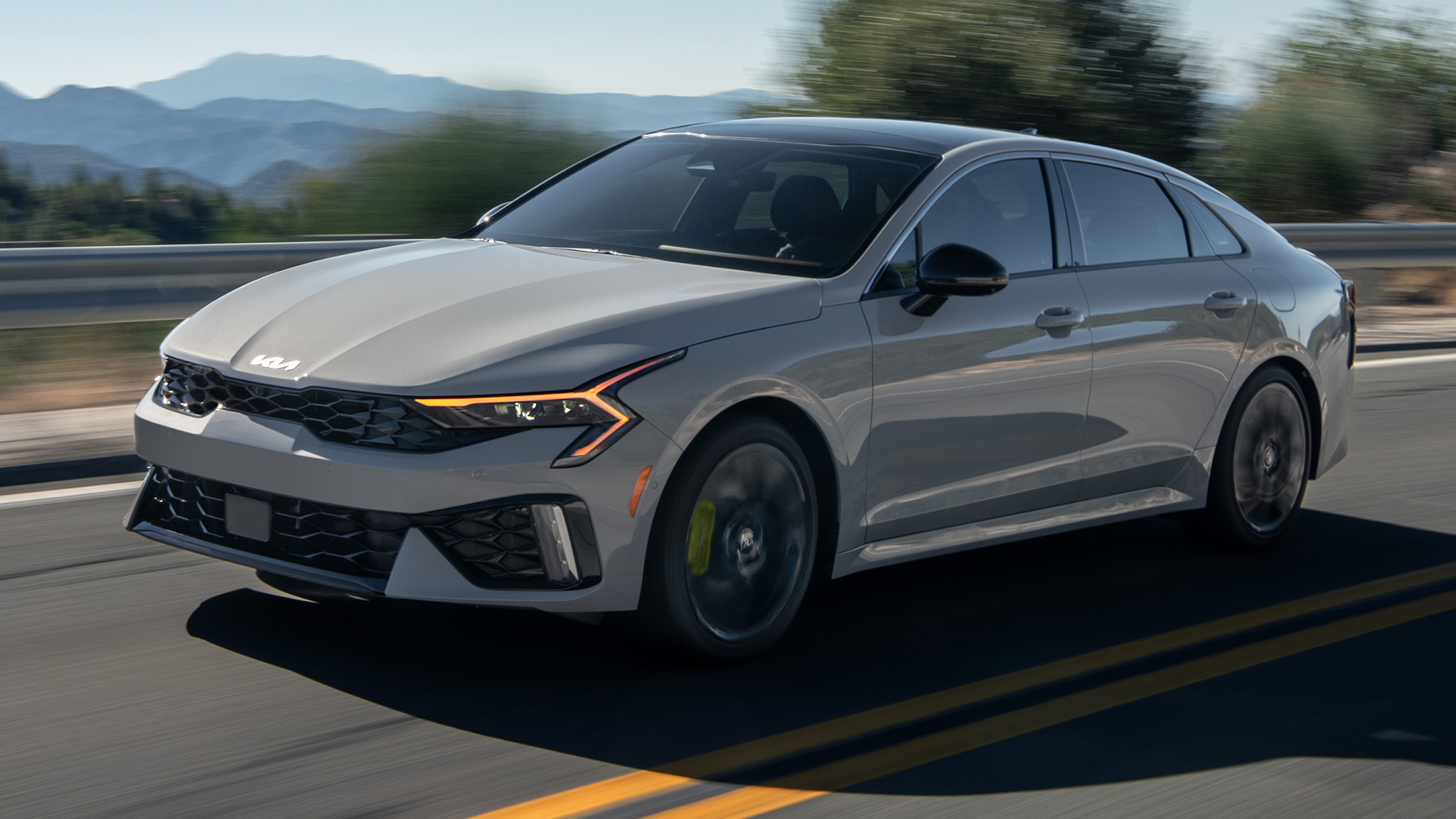
The 2025 Kia K5 blends sharp design, advanced technology, and refined performance to stand out among midsize sedans. Starting at $33,290, it offers two engine choices: a 191-horsepower 2.5-liter four-cylinder and a turbocharged 2.5-liter version that produces 290 horsepower.
Both pair with an eight-speed automatic transmission, while the turbo model adds a dual-clutch gearbox and paddle shifters for a more engaging drive. The K5 strikes a fine balance between confident handling, comfort, and upscale appeal.
The base engine provides smooth and steady power for daily driving, with an 8.5-second sprint to 60 mph in testing. It may not be thrilling, but it is reliable and refined. The transmission delivers quick, seamless shifts, helping the K5 maintain a calm, composed character.
For drivers who want more excitement, the GT trim is the answer. Its 290-horsepower turbo engine turns the K5 into a sportier performer, with sharper handling and stronger braking. Even at higher speeds, the K5 remains stable and easy to control, offering a nice mix of energy and comfort.
The K5’s cabin is impressively refined, giving off the feel of a more expensive car. The front seats are well-shaped with enough support for long drives, and the suspension does an excellent job of smoothing out rough roads without feeling overly soft. Cabin noise is well-contained, allowing for quiet highway cruising.
Space is generous up front, and the slim roof pillars provide great forward visibility. The sloping roofline adds style but slightly limits rear headroom for taller passengers. Materials throughout the cabin feel high-quality, with soft-touch surfaces and well-placed controls that make the interior both attractive and functional.
A large 12.3-inch touchscreen serves as the focal point of the dashboard. The system is clear, responsive, and easy to use. Wireless Apple CarPlay and Android Auto come standard, along with an available wireless charging pad that secures and cools your phone.
The K5 also includes a full suite of driver-assistance features such as lane-keeping assist, blind-spot monitoring, and adaptive cruise control. All operate smoothly and add to the car’s sense of refinement.
Trunk space measures 15.6 cubic feet, providing plenty of room for luggage or shopping. Split-folding rear seats make it easy to carry longer items, and the cabin includes several clever storage spots like a deep center bin and phone trays.
The base engine returns an estimated 30 mpg combined, putting the K5 in line with its competitors. Kia’s industry-leading warranty adds peace of mind with five years or 60,000 miles of basic coverage and 10 years or 100,000 miles of powertrain protection. Combining bold looks, advanced features, and strong value, the 2025 Kia K5 remains one of the best-rounded choices in the midsize sedan segment.
10. 2025 Chevrolet Equinox EV: Practical Power Meets Electric Efficiency
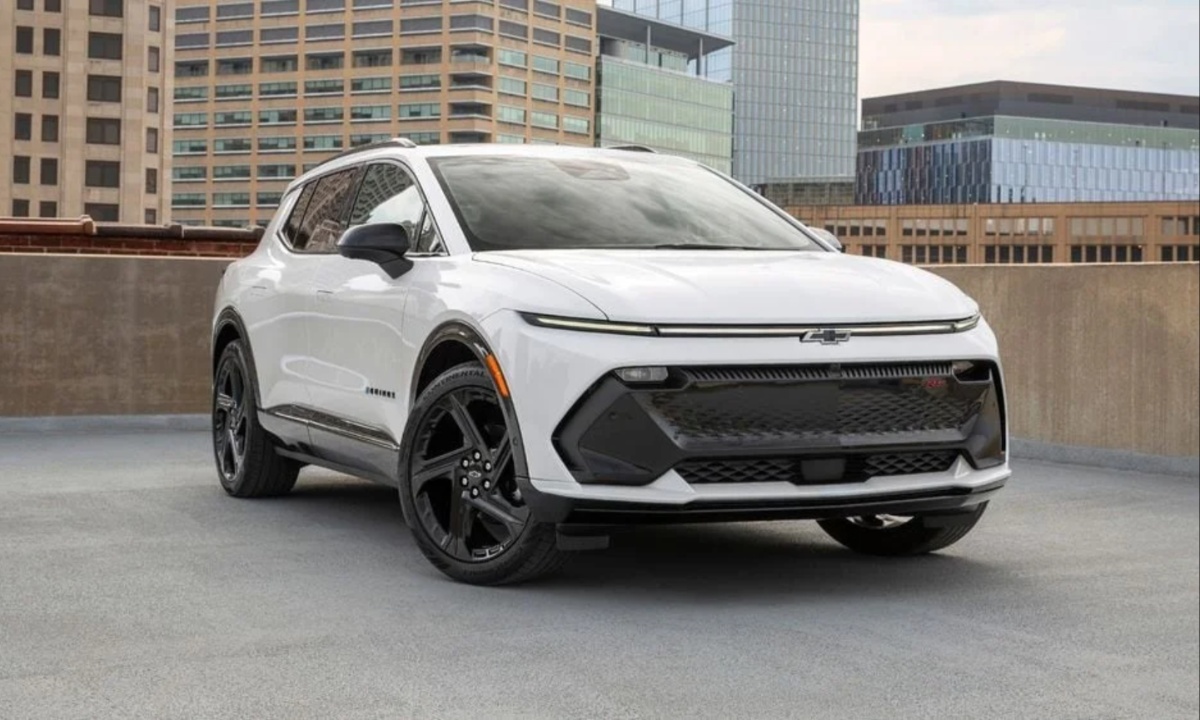
The 2025 Chevrolet Equinox EV delivers an appealing mix of strength, range, and practicality at a starting price of $33,600. Front-wheel-drive models produce 220 horsepower, while the all-wheel-drive versions boost output to 300 horsepower.
With an estimated range of up to 319 miles, it gives drivers the freedom to take longer trips without frequent charging stops. The Equinox EV blends everyday usability with a forward-looking design that makes it one of the most accessible electric SUVs available.
In testing, the front-wheel-drive Equinox EV reached 60 mph in 7.8 seconds, providing adequate performance for daily driving. Acceleration is smooth, and the power delivery feels steady rather than sudden.
The regenerative braking system is one of its highlights, offering adjustable levels that allow one-pedal driving for those who prefer it. While the Equinox EV may not thrill driving enthusiasts, its stability and ease of operation make it a comfortable and confidence-inspiring option for city or highway travel.
Interior space is one of the Equinox EV’s strongest assets. Both front and rear passengers enjoy generous legroom and headroom. The seats, however, could use more contouring and padding for improved long-distance comfort. Wind and road noise are minimal even at higher speeds, though the low-speed pedestrian warning sound can be a bit too noticeable inside the cabin.
The climate control system works quickly and effectively, maintaining a pleasant interior temperature. Dual-zone climate control is available on higher trims, while physical controls for temperature and fan speed make adjustments simple and intuitive.
Technology takes center stage inside the Equinox EV. A massive 17.7-inch touchscreen dominates the dashboard, supported by an 11-inch digital gauge cluster. The interface is powered by Google’s operating system, which includes Maps, Assistant, and access to the Play Store for apps like Spotify.
The screen responds quickly and displays information clearly. One downside is the lack of Apple CarPlay support, which may disappoint iPhone users. The audio system also lacks the clarity and punch found in some competitors.
The Equinox EV offers 26 cubic feet of cargo space behind the rear seats, which is more than the Kia Niro EV. Folding the 60/40-split rear seats provides even more room for large items. While it lacks a front trunk, the rear area is deep and well-shaped for everyday use. Storage for small items is limited, though there are trays for phones and smaller accessories.
The Equinox EV’s strong range and affordable pricing make it one of the most practical electric vehicles available today. In real-world testing, it achieved an impressive 356 miles of range while consuming 28.9 kWh per 100 miles. Charging capabilities are competitive, supporting up to 11.5 kW for home charging and 150 kW at public fast chargers, adding roughly 77 miles of range in about 10 minutes.
The 2025 Chevrolet Equinox EV may not be the flashiest or most powerful EV, but it succeeds where it matters most. It is efficient, spacious, and affordable, making it a smart choice for drivers ready to make the switch to electric power.
11. 2025 Nissan Frontier: Reliable Power and Practical Utility
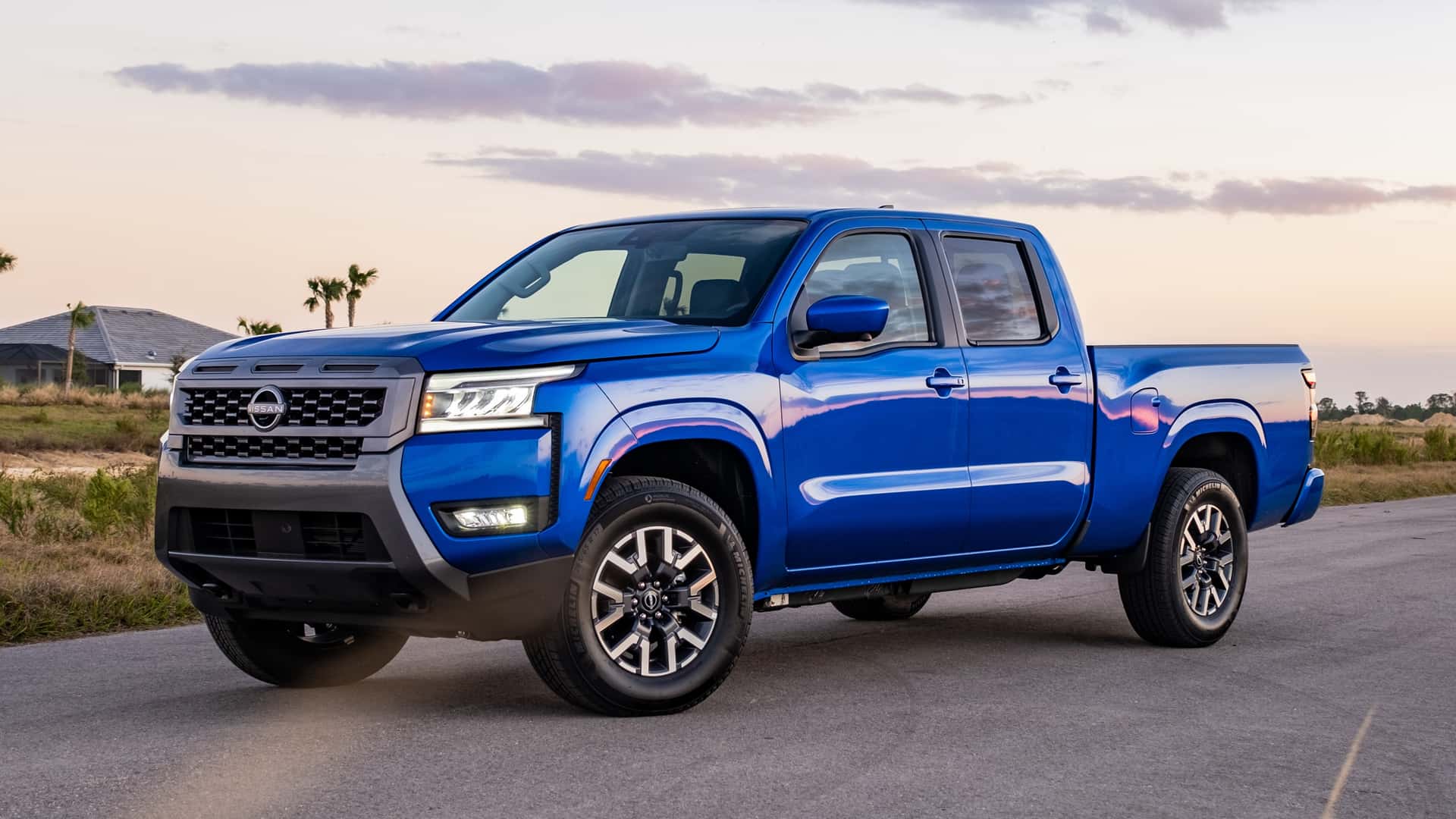
The 2025 Nissan Frontier delivers a straightforward, capable midsize truck experience at a starting price of $32,050. Its single powertrain is a 3.8-liter V6 producing 310 horsepower, paired with a nine-speed automatic transmission. This setup provides solid performance for daily driving and towing without forcing buyers to pay extra for upgraded engines.
Updates for 2025 include refreshed styling, improved features, and enhanced utility in larger cab configurations. The Frontier emphasizes rugged reliability and practical functionality over flashy bells and whistles.
The Frontier delivers competent acceleration and confident handling. In testing, the Pro-4X trim reached 60 mph in 7.8 seconds. The V6 engine provides ample midrange power, and the transmission shifts smoothly even under full-throttle acceleration. Braking performance is strong and easy to modulate.
The Frontier remains composed around corners, and its off-road capability allows it to tackle rough trails with confidence. Heavy steering at low speeds can make tight maneuvers more demanding, but the truck stays planted and controlled at highway speeds.
Ride comfort is a highlight of the Frontier. It absorbs bumps and dips with ease, making long drives pleasant. Front seats are somewhat firm and lack extensive adjustments, which may make finding an optimal position challenging.
The climate control system is straightforward and effective, but rear passengers do not have dedicated air vents. Wind noise on the highway is more noticeable than expected, although road and tire noise are well controlled.
The Frontier’s cabin is practical and user-friendly. The large touchscreen infotainment system dominates the center stack, leaving room for other controls, although some buttons are not intuitively placed. Rear legroom is tight for adult passengers, and outward visibility is typical for midsize trucks. Optional surround-view cameras aid in parking but are lower resolution than desired.
Standard and optional technology includes an 8-inch or 12.3-inch touchscreen, wireless charging, and a 10-speaker Fender audio system. The Fender subwoofer occupies under-seat storage, slightly limiting utility. Driver-assistance features include automatic emergency braking, trailer sway control, and driver attention warning, all of which performed reliably in testing.
The Frontier offers a maximum towing capacity of 7,150 pounds and a payload of 1,480 pounds. Bed storage features include optional tie-down cleats, underrail lighting, and a 120-volt power outlet. Interior storage is practical, with cupholders, center console space, and door pockets.
EPA estimates place the Frontier at 19 mpg combined for the four-wheel-drive model. Real-world testing returned 19.9 mpg, confirming these figures. Pricing is competitive with other midsize trucks, and build quality is solid. Warranty coverage includes three years or 36,000 miles for bumper-to-bumper protection and five years or 60,000 miles for the powertrain, with no complimentary maintenance.
The 2025 Nissan Frontier excels as a practical and dependable truck that offers strong power, capable handling, and functional utility for work or daily driving.
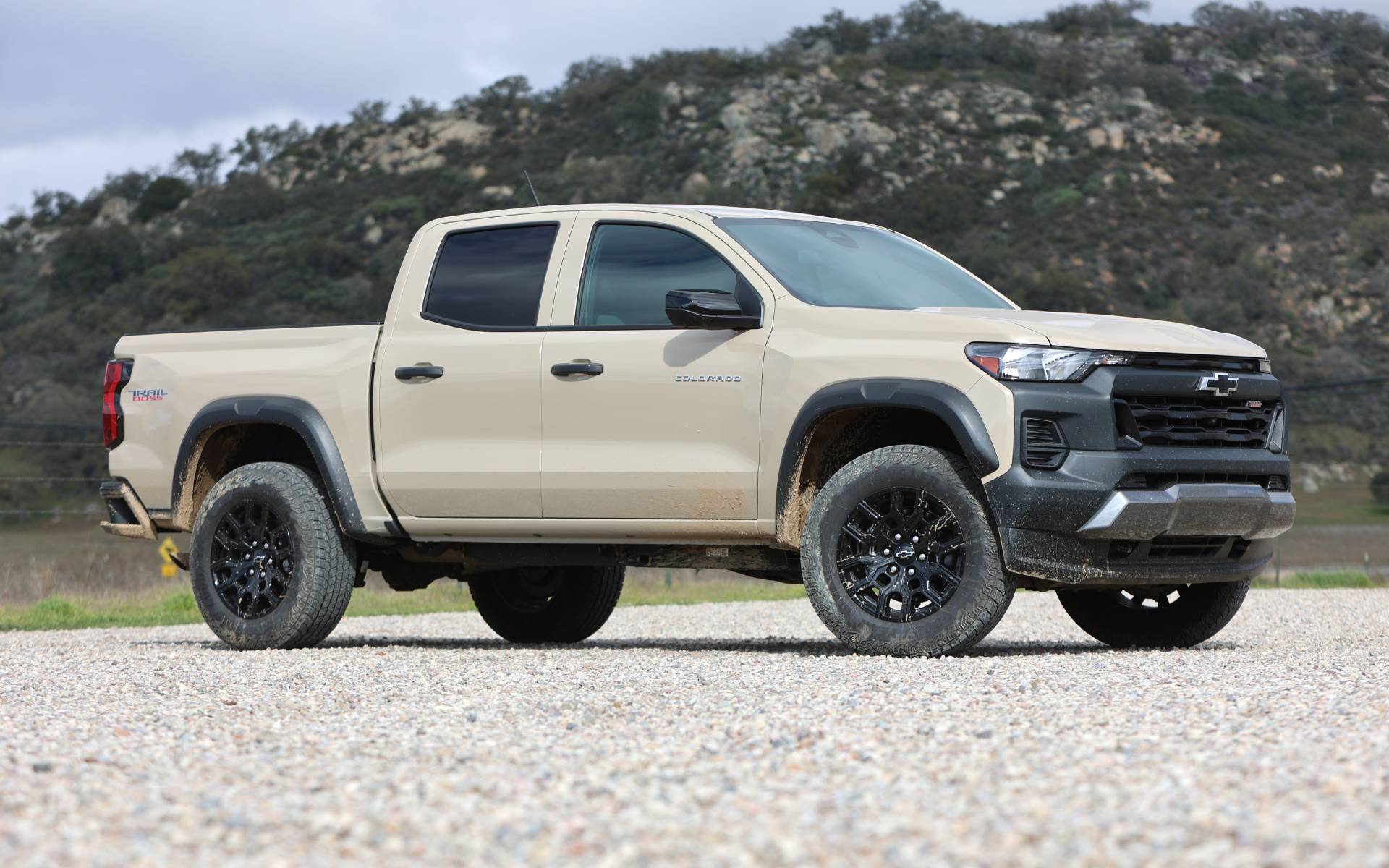
12. 2025 Chevrolet Colorado: Compact Pickup with Capability
The 2025 Chevrolet Colorado delivers strong performance and practical design in a compact pickup starting at $31,900. Its turbocharged 2.7-liter four-cylinder engine generates 310 horsepower and pairs with a nine-speed automatic transmission, providing smooth shifts and confident acceleration.
The truck handles city streets, highways, and off-road trails with poise. Trims such as the Z71 and Trail Boss add enhanced off-road capability without compromising the Colorado’s everyday usability.
The Colorado drives with confidence thanks to its responsive turbocharged engine. Low-end torque is plentiful, which makes merging and towing simple. On unpaved roads, the truck remains stable, and the suspension absorbs bumps without being overly harsh.
Steering feedback is adequate, though taller off-road tires require occasional corrections at highway speeds. Body-on-frame construction contributes to a planted feel, while the Trail Boss and ZR2 trims provide extra capability at the cost of some on-road comfort. Brakes are easy to modulate and perform well for emergency stops.
Ride quality is impressive for a midsize pickup. The Colorado manages road imperfections efficiently, and interior noise remains controlled, though wind noise is noticeable at highway speeds. Front seats are flat and firm, which may reduce comfort on long drives, and lateral support is limited. Climate control is simple to operate and effective, keeping the cabin comfortable in various conditions.
The cabin emphasizes function and durability. Controls are chunky, intuitive, and easy to reach. Hard plastics are prevalent but durable, designed to withstand years of use. Front-seat space is generous, but rear passengers may find legroom limited. Visibility is satisfactory, and the cabin feels open and uncluttered. Storage includes a deep center console, small door pockets, and other practical compartments.
The 11.3-inch touchscreen is bright, responsive, and powered by Google software. Wireless Apple CarPlay and Android Auto are standard. Optional driver-assistance features include adaptive cruise control with lane centering, blind-spot warning, lane-keeping assist, and a 360-degree camera system.
When properly equipped, the Colorado can tow up to 7,700 pounds. The cargo bed includes an in-tailgate storage area and a 240-volt outlet. EPA estimates range from 16 to 22 mpg, and real-world testing achieved 21.5 mpg.
Chevrolet provides three years or 36,000 miles of basic coverage, five years or 60,000 miles for the drivetrain, six years or 100,000 miles for rust, and one year of roadside assistance and maintenance. The Colorado is a versatile, capable midsize truck with practical features and strong performance for everyday and off-road use.
This lineup of 12 affordable cars that deliver serious horsepower shows that excitement and practicality can go hand in hand. From the hybrid efficiency of the Hyundai Tucson and Toyota Camry to the track-ready thrill of the Hyundai Elantra N, these vehicles prove that power does not require compromise.
Crossovers like the Dodge Hornet and Hyundai Santa Fe combine family-friendly versatility with energetic performance, while models such as the Volkswagen GTI and Kia K5 show that compact sportiness remains relevant.
Even pickups like the Nissan Frontier and Chevrolet Colorado demonstrate that functional utility can coexist with strong acceleration and confidence on the road. Each car on this list offers a unique blend of style, technology, and driving enjoyment at approachable prices.
For drivers seeking a pulse-quickening ride without the luxury markup, these 12 vehicles represent the best combination of performance, affordability, and everyday usability.
Also Read: 10 Cars That Have Cult Followings You Didn’t Know About