When most people think of compact cars, words like “efficient,” “practical,” or “economical” often come to mind, not “blistering acceleration.” Yet the modern compact segment has evolved dramatically, offering drivers nimble, surprisingly powerful vehicles that can rival some mid-size sedans in straight-line performance.
From hybrid sedans that deliver instant electric torque to turbocharged or sport-tuned variants designed for driving enthusiasts, there is a compact car to satisfy nearly every craving for speed without sacrificing fuel efficiency or daily usability.
In this guide, we highlight eight standout models that redefine what it means to be a small car: the Hyundai Elantra, Toyota Camry Hybrid, Honda Accord Hybrid, Toyota Prius Plug-In Hybrid, Honda Civic Hybrid, BMW 3 Series, Mazda3, and Kia K5.
Each vehicle combines innovative engineering, advanced technology, and thoughtful design to offer acceleration figures that might surprise you.
Whether you are commuting through the city, carving through twisty backroads, or enjoying a weekend drive, these compact cars prove that thrilling performance is not reserved for sports cars alone. Get ready to rethink the humble compact sedan and discover that excitement can come in even the smallest packages.
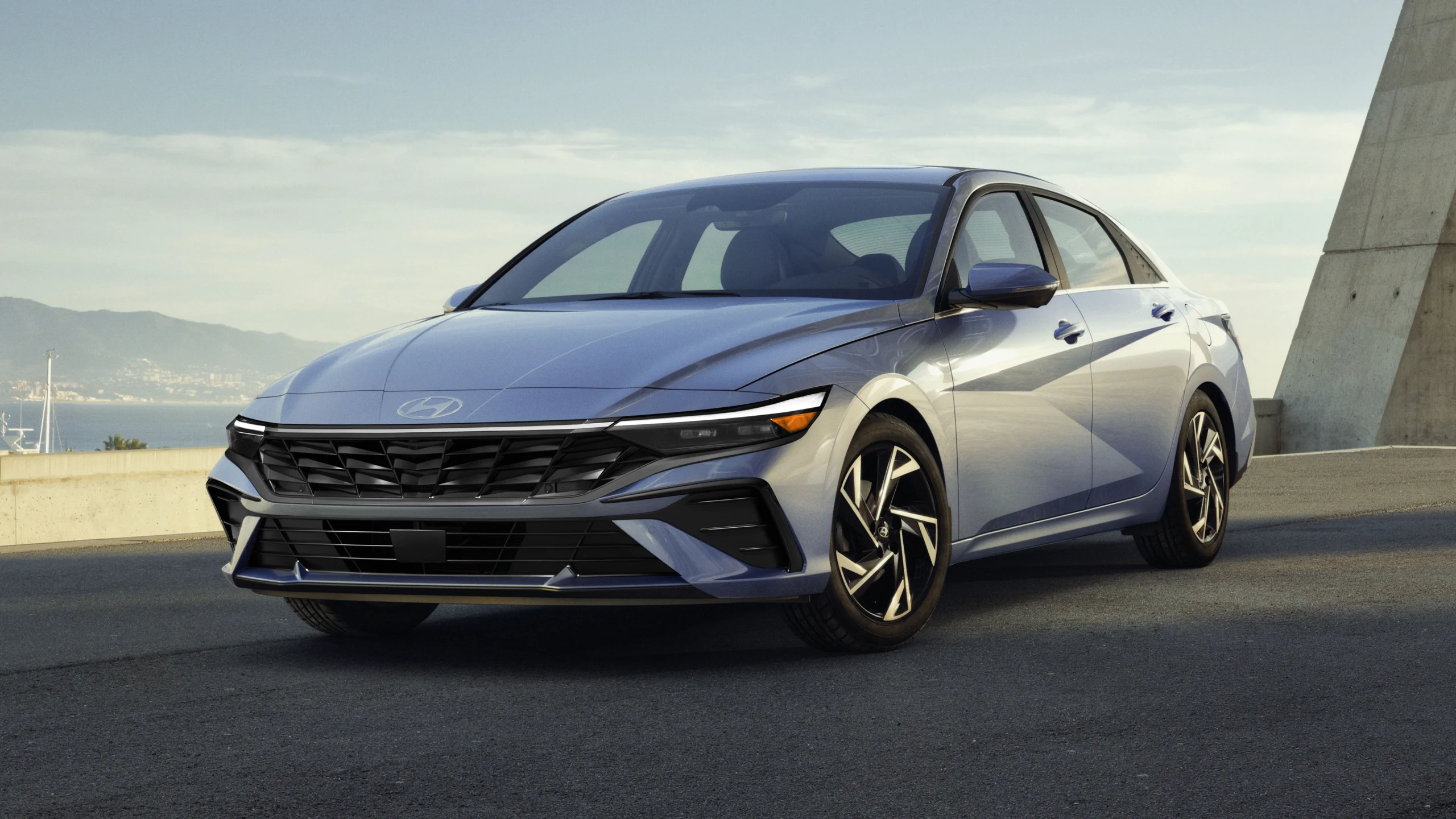
1. Hyundai Elantra
The Hyundai Elantra starts at an MSRP of $23,320 and comes with a 2.0-liter four-cylinder engine producing 147 horsepower and 132 lb.-ft. of torque. This base model features a continuously variable transmission (CVT) and front-wheel drive, delivering a fuel economy of 32/41/36 mpg for city, highway, and combined driving.
The vehicle is powered by a lead-acid battery and emphasizes value, technology, and comfort rather than high-performance driving.
The base Elantra’s four-cylinder engine provides adequate power for daily commuting. It reaches 60 mph in 9.4 seconds, which is slightly slower than many competitors. The CVT is tuned for fuel efficiency and provides smooth shifts, though some engine droning occurs under hard acceleration.
Handling is predictable and composed, and the suspension absorbs road imperfections effectively. Drivers seeking a sportier experience can choose the Elantra N Line trim, which offers a 201-hp engine and a sport-tuned suspension for sharper acceleration and a more dynamic driving experience.
The Elantra delivers a comfortable ride with generally supportive seats, although the driver’s seat may feel slightly flat on longer trips. The cabin absorbs bumps well and settles quickly after imperfections in the road. Climate controls are user-friendly, with available dual-zone functionality and fast-acting heated seats. Wind noise is noticeable at highway speeds, which can affect cabin refinement during extended drives.
The cabin is spacious, especially in the rear, allowing adults to sit comfortably. The driver benefits from a wide range of seat and steering adjustments to find a suitable driving position. Interior materials are functional, although some surfaces use hard plastics.
Buttons and controls are logically placed, although the steering wheel controls may require a short learning period. Trunk space measures 14.2 cubic feet, and fold-flat rear seats with remote release latches enhance storage flexibility. Higher trims include wireless smartphone charging, adding convenience for daily use.
Technology is a strong point for the Elantra. Standard models include an 8-inch infotainment screen with wireless Apple CarPlay and Android Auto. The larger 10.25-inch screen requires a wired connection for these functions.
The voice recognition system in higher trims responds accurately to navigation, climate, and search commands. Advanced driver-assistance systems, such as adaptive cruise control and lane centering, operate smoothly and provide reliable safety alerts, making the Elantra one of the most tech-rich options in its class.
Fuel efficiency is impressive, with the 2.0-liter engine achieving 34-36 mpg combined. Mixed-driving tests recorded 41.8 mpg. A hybrid variant is also available, offering higher efficiency for drivers prioritizing fuel economy.
The Elantra delivers strong value with five years or 60,000 miles of limited warranty coverage, 10 years or 100,000 miles for the powertrain, and three years or 36,000 miles of complimentary maintenance.
Pricing is competitive, and standard features are generous, although interior materials and rear-seat design could be improved. Hyundai’s combination of technology, comfort, and efficiency makes the Elantra a compelling choice in the compact sedan segment.
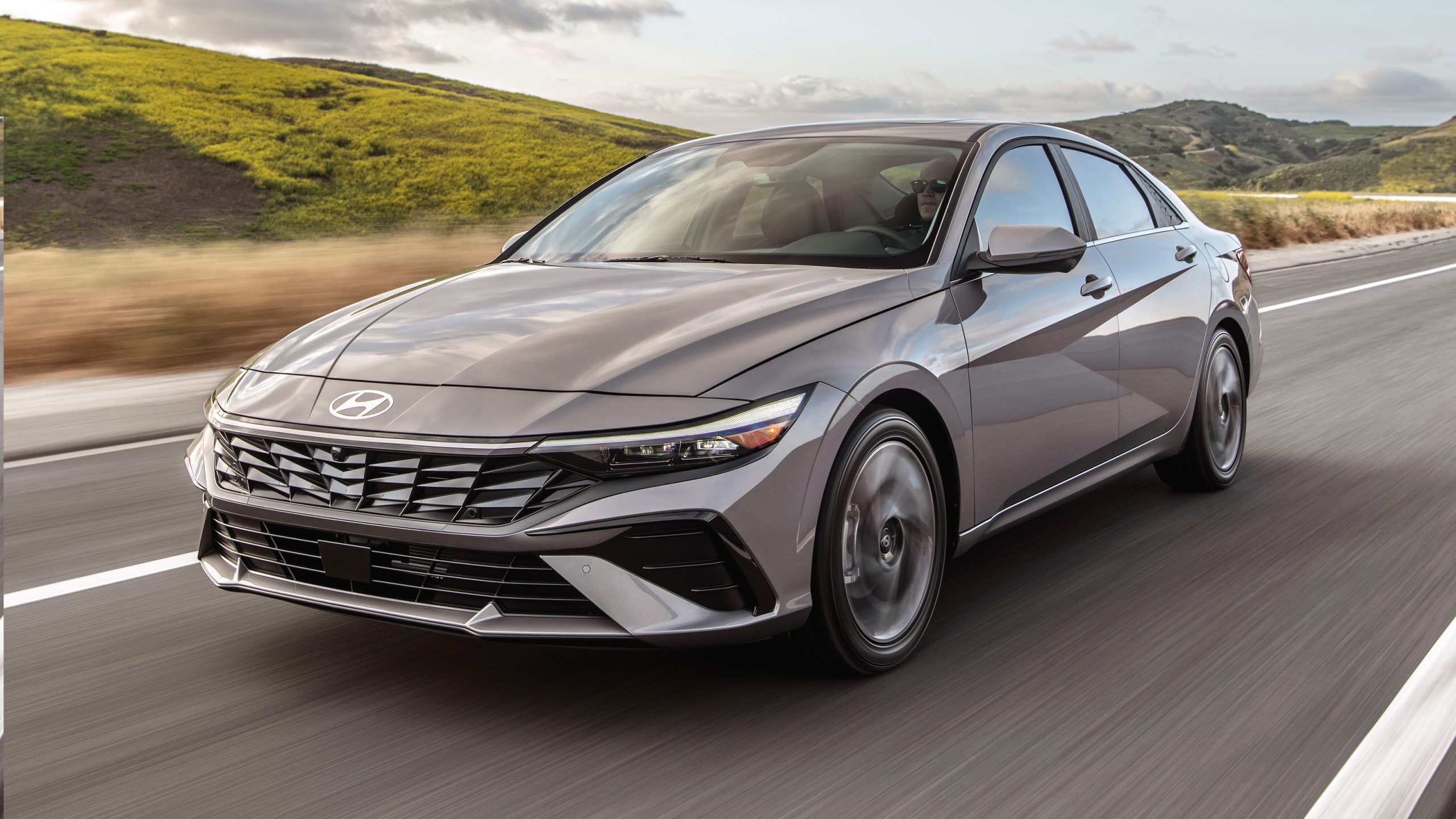
2. Toyota Camry Hybrid
The 2025 Toyota Camry Hybrid has a starting MSRP of $29,950. The base model is powered by a 2.5-liter Dynamic Force four-cylinder engine paired with a hybrid drivetrain, producing a combined 208 horsepower and 163 lb.-ft. of torque.
A continuously variable transmission (CVT) and front-wheel drive provide smooth, efficient power delivery. Fuel economy is one of the Camry Hybrid’s standout features, with EPA estimates ranging from 50 to 53 mpg combined depending on trim.
The Camry Hybrid delivers a balanced driving experience, combining comfort with competent performance. Acceleration is smooth, allowing confident passing and merging. In testing, the Camry reached 60 mph in 7.8 seconds, slightly quicker than rival hybrid sedans such as the Honda Accord and Hyundai Sonata.
Brakes feel strong and consistent. The sport-tuned XSE trim enhances handling with responsive steering and a well-controlled suspension. Even base trims feel secure and stable through corners, without the vague, floaty sensation sometimes found in older models. The upright driving position provides excellent visibility over the hood and out the rear window.
Toyota’s advanced safety systems contribute to confidence on the road. Lane-departure warning, adaptive cruise control, and lane-centering technology operate effectively. Optional Traffic Jam Assist allows hands-off driving at speeds up to 25 mph when traffic conditions allow.
The Camry’s interior offers solid comfort for all passengers. Front seats are firm but provide strong back support for long drives. Rear passengers enjoy ample space, and the flat roofline ensures good headroom.
Wide door openings make entry and exit easy. LATCH anchors for child seats are easy to access and clearly marked. The climate control system is effective, and the cabin remains quiet at highway speeds, with the engine producing some noticeable noise under heavy acceleration.
The Camry comes equipped with a large 12.3-inch touchscreen, wireless Apple CarPlay and Android Auto, and a functional wireless charging pad. Optional upgrades include a nine-speaker JBL audio system, which improves sound quality compared to previous Toyota models, though it may still lag behind competitors’ premium options.
Trunk space measures 15.1 cubic feet, sufficient for suitcases or groceries. Multiple storage compartments accommodate phones, keys, and large water bottles. Rear seats allow flexibility for carrying larger items.
The Camry Hybrid ranks among the most fuel-efficient non-plug-in sedans. EPA estimates range from 44 to 51 mpg combined, with testing of the front-wheel-drive XSE trim showing 45.9 mpg. This efficiency makes the Camry highly practical for daily commuting and long-distance driving.
Toyota offers many trim options for the hybrid, making it accessible without requiring a premium purchase. Standard features include an advanced safety suite, a well-equipped cabin, and efficient performance. The warranty includes two years or 25,000 miles of complimentary maintenance and two years of roadside assistance, providing additional peace of mind.
The 2025 Camry Hybrid adds a touch of style and character to the sedan segment. Its redesigned exterior is more expressive, and the hybrid drivetrain delivers surprising acceleration. The car balances efficiency, comfort, and technology, making it a strong contender for anyone seeking a practical yet engaging hybrid sedan.
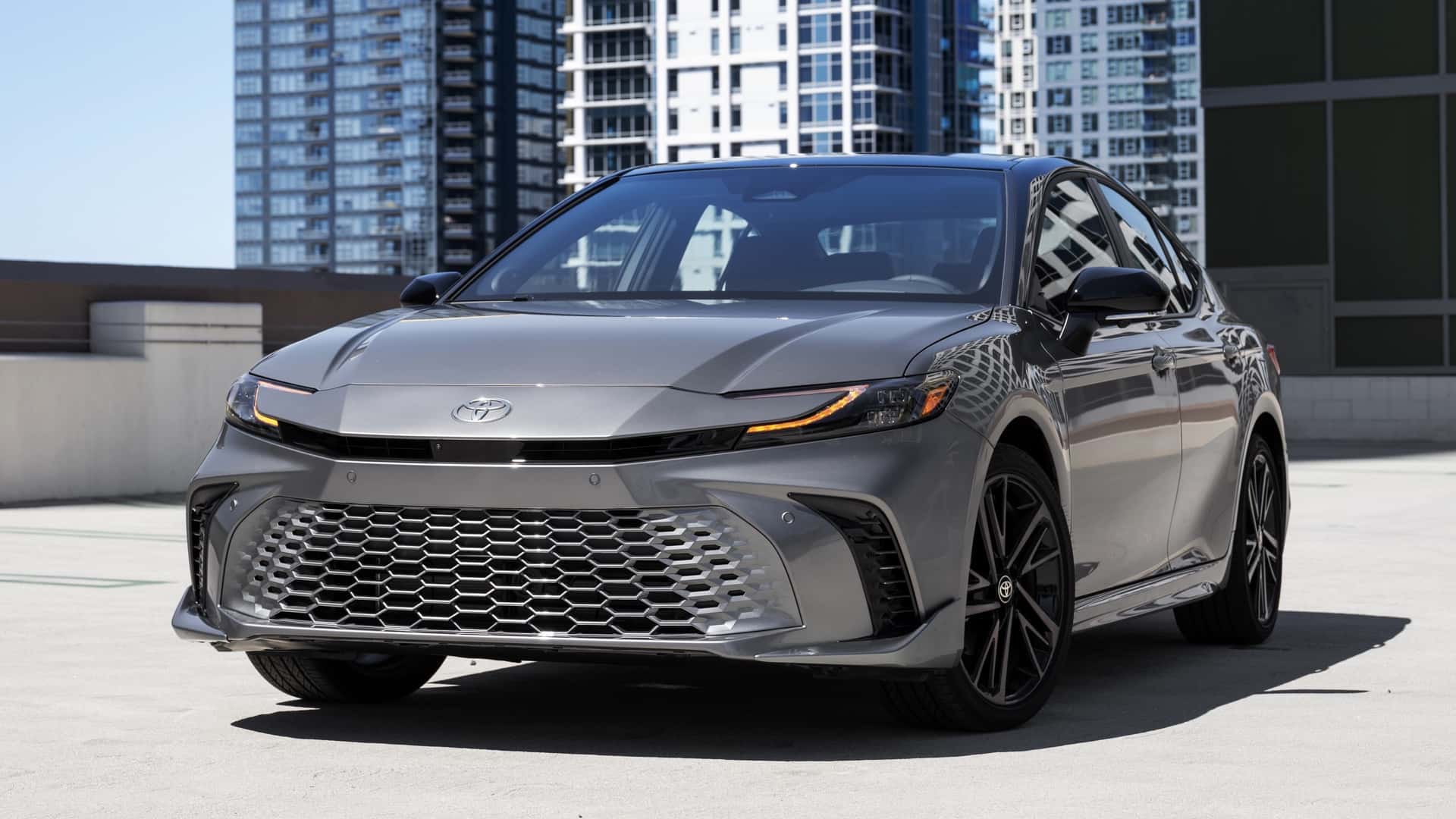
3. Honda Accord Hybrid
The 2025 Honda Accord Hybrid has a starting MSRP of $33,655. The base trim features a 2.0-liter four-cylinder engine combined with an electric motor, producing a total of 204 horsepower and 134 lb.-ft. of torque.
The power is delivered through a continuously variable transmission (CVT) with front-wheel drive. Fuel economy is competitive for its class, with EPA estimates of 46 mpg city, 41 mpg highway, and 44 mpg combined.
The Accord Hybrid offers a blend of comfort, efficiency, and performance. In testing, the Sport-L trim accelerated from 0 to 60 mph in 7 seconds, making it quicker than most midsize hybrid competitors. The CVT is programmed to simulate traditional automatic shifts, providing a smooth and responsive feel.
Steering and handling are precise, giving the sedan a connected and confident driving experience. Large 19-inch wheels do not compromise ride comfort, which remains supple over bumps and road imperfections. Thin windshield pillars and a wide rear window enhance visibility, supporting driver confidence on the road.
The Honda Sensing suite of safety features is well implemented, with adaptive cruise control, lane-keeping assist, and other driver aids operating reliably. Lane-keeping can feel intrusive at times, but most systems are intuitive and easy to use.
Passenger comfort is a strength for the Accord Hybrid. The wide door openings make entry and exit simple, and both rows provide generous legroom. Rear passengers may need to adjust slightly for the sloping roofline, but headroom remains adequate.
Front seats offer sufficient adjustability and support for long drives, though more padding could improve driver comfort. The climate control system is effective, and cabin insulation keeps unwanted noise to a minimum. LATCH anchors for car seats are easy to access, and the rear bench is wide enough to accommodate multiple child seats.
Technology in the Accord includes a sharp 12.3-inch touchscreen with wireless Apple CarPlay and Android Auto. Higher trims offer Google voice assistant and services integration, which adds convenience but is limited to the top Touring trim. Controls and center stack buttons are simple and functional, allowing for intuitive use while driving.
The Accord Hybrid provides 16.7 cubic feet of trunk space, making it one of the more spacious midsize sedans. Long items such as golf bags fit easily, and the center console and multiple cupholders handle smaller items effectively.
Fuel efficiency is a key feature of the Accord Hybrid. EPA estimates range from 32 mpg combined for the base model to 48 mpg for trims with smaller wheels. Testing of the Sport-L with 19-inch wheels returned 41.5 mpg, slightly below the EPA figure but still very efficient compared to non-hybrid competitors.
The Accord offers solid build quality and reliability, with no noticeable rattles or cheap materials. Standard warranty coverage includes three years or 36,000 miles for basic coverage and five years or 60,000 miles for the powertrain, with roadside assistance included for the basic warranty period.
Lower trims are somewhat light on features for the price, but the car’s performance, comfort, and fuel efficiency make it a strong choice in the midsize hybrid segment.
The Accord Hybrid may not be the most exciting sedan in terms of personality, but it delivers a reliable, efficient, and comfortable driving experience. Its large cabin, solid powertrain, and strong fuel economy make it a practical and dependable option for families and commuters.
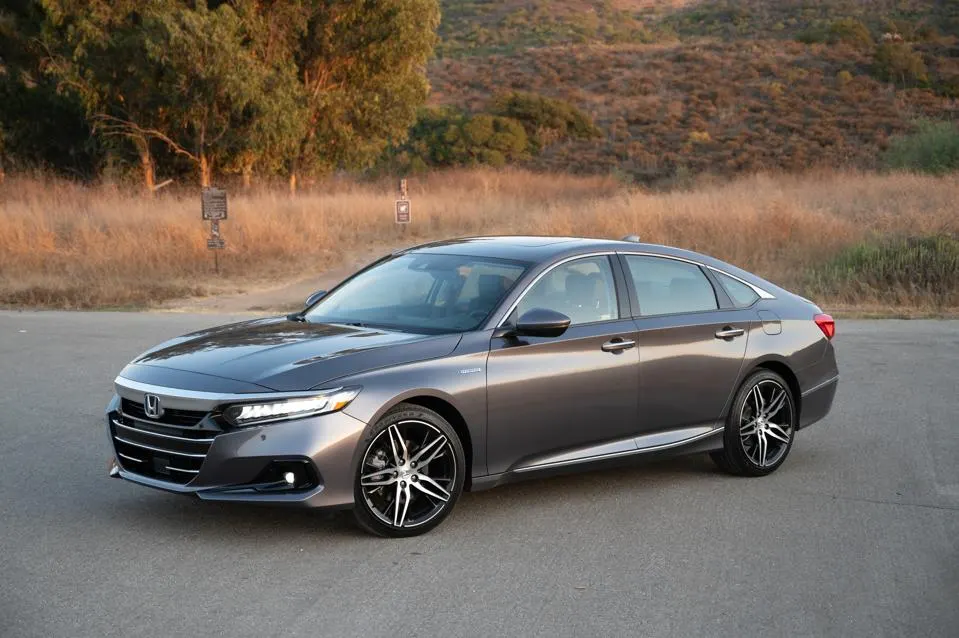
The 2025 Toyota Prius Plug-In Hybrid starts at $34,510. It features a 2.0-liter four-cylinder engine combined with an electric motor, producing a total of 220 horsepower and 139 lb.-ft. of torque.
The vehicle uses a continuously variable transmission (CVT) with front-wheel drive and a lead-acid battery. This plug-in hybrid allows short-distance driving using electricity alone, making it an excellent option for short commutes and highly efficient daily driving.
The Prius Plug-In Hybrid delivers surprisingly strong performance for an economy-focused vehicle. Instant electric torque makes city driving feel responsive and agile, while the combination of engine and electric motor allows quick acceleration. Testing shows the Prius Plug-In Hybrid can sprint from 0 to 60 mph in 6.9 seconds, faster than the regular Prius and many midsize performance sedans.
The suspension updates and structural improvements provide a composed ride and precise steering, keeping the vehicle stable at highway speeds. The car feels connected to the road, although steering feedback is somewhat numb compared to sportier competitors.
Front seats provide adequate support for long drives, while rear seats are reasonably comfortable despite reduced headroom. The ride quality is smooth over bumps and rough pavement, but tire, wind, and engine noise can become noticeable under hard acceleration.
The single-zone climate system is functional, but finer controls available in previous Prius models have been removed. Entry and exit require some adjustment due to a lower rear roofline, and taller passengers may need to duck to get into the back seat.
The Prius Plug-In Hybrid has a functional and conventional dashboard layout. The digital instrument cluster can be cluttered and is partially blocked by the steering wheel in certain driving positions.
A 12.3-inch touchscreen with wireless Apple CarPlay and Android Auto provides easy access to multimedia functions, and higher trims offer a wireless charging pad.
Advanced driver-assistance systems include adaptive cruise control, lane keeping assist, and Proactive Driving Assist, all of which operate smoothly. Traffic Jam Assist allows hands-free driving at speeds up to 25 mph, although the infrared driver-monitoring camera can be overly sensitive.
The hatchback design provides 20.3 cubic feet of cargo space behind the rear seats, more than a typical sedan but less than previous Prius models. Small-item storage is practical, with a deep center console bin, a rubberized under-dash area, and conveniently placed cupholders.
The Prius Plug-In Hybrid offers an EPA-estimated 40 to 44 miles of electric-only range, depending on the trim. Real-world testing of the XSE trim achieved 50.9 mpg once the battery was depleted. The 13.6-kWh battery takes approximately four hours to charge on a 240-volt outlet, making it suitable for daily commuting with minimal gasoline use.
Toyota provides a three-year/36,000-mile standard warranty, a five-year/60,000-mile powertrain warranty, and extended coverage for hybrid components, including the battery, for up to 10 years or 150,000 miles. Two years of complimentary maintenance add further value.
Despite a higher price point, the Prius Plug-In Hybrid justifies its cost with excellent efficiency, EV capability, and strong technology features, though some interior materials feel inexpensive.
Also read: 5 Cars That Rarely Cause Regret vs 5 That Constantly Do
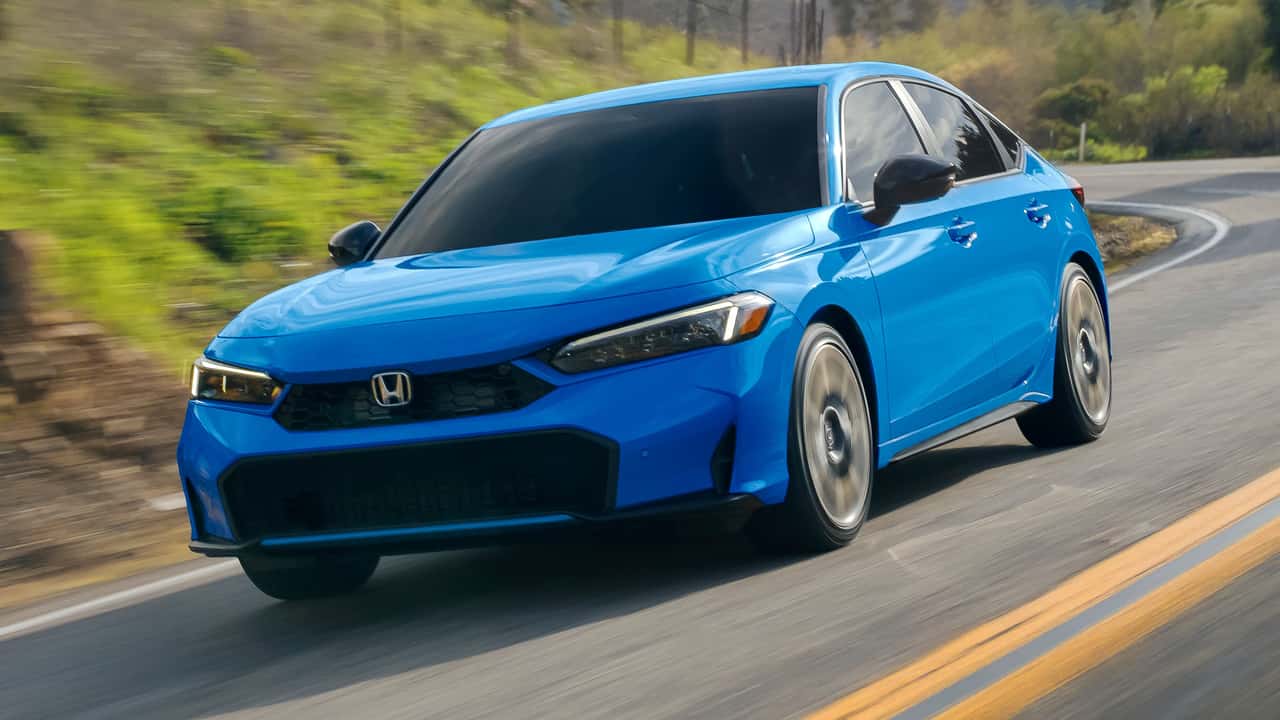
5. Honda Civic Hybrid
The 2025 Honda Civic Hybrid has a starting MSRP of $29,845. It features a 2.0-liter inline-four engine paired with an electric motor, producing a combined 200 horsepower and 133 lb.-ft. of torque. Power is delivered through a continuously variable transmission (CVT) with front-wheel drive.
Fuel economy is competitive for a compact hybrid, with an EPA-estimated 49 mpg combined. The Civic Hybrid is available in sedan and hatchback body styles, offering versatility alongside sporty driving characteristics.
The Civic Hybrid delivers a sharp and engaging driving experience. Testing shows the sedan accelerates from 0 to 60 mph in 6.6 seconds, faster than many other small hybrids and even the Civic Si. Steering and handling are precise, with a taut yet balanced ride that remains composed on smooth and rough roads.
Narrow front roof pillars and door-mounted side mirrors improve outward visibility, while the rear sloping roofline and short back window slightly limit over-the-shoulder views. Advanced driver-assistance systems come standard, although they are less sophisticated than some rivals.
The Civic Hybrid provides a comfortable cabin for both front and rear passengers. Front seats accommodate taller and shorter drivers equally well, and rear shoulder and legroom are generous despite slightly reduced headroom from the sloping roof.
The ride quality is refined for a compact car, with wind noise minimized and road noise kept within acceptable levels. Traditional climate controls are intuitive and easy to operate, although rear-seat passengers lack dedicated air vents. Entry and exit are simple, and the cabin design prioritizes functionality and user comfort.
The Civic Hybrid offers a simple and functional technology setup. A 7-inch touchscreen is standard, while the Sport Touring trim features a 9-inch screen with Google Built-In, Google Assistant, Apple CarPlay, and Android Auto.
Wireless connectivity is only available on the larger screen. The Sport Touring trim also includes a Bose audio system for enhanced sound quality. Controls are well-positioned and easy to use without distraction while driving.
Trunk space in the sedan is 14.8 cubic feet, with the hybrid battery and motors not reducing cargo capacity. The hatchback model offers 24.5 cubic feet of space, exceeding that of the Toyota Prius Plug-In and providing a flat-folding rear seat for longer items. Small-item storage is functional, including a large center armrest with a removable tray.
The Civic Hybrid achieves impressive efficiency, with EPA estimates of up to 49 mpg combined. Real-world testing confirms the hybrid is capable of meeting these numbers without requiring extreme driving techniques, making it a practical choice for daily commuting.
The Civic Hybrid is priced higher than some rivals, such as the Hyundai Elantra and Toyota Corolla, but the additional cost is justified by better performance, refined handling, strong fuel economy, and a well-designed interior. Honda’s warranty coverage includes three years or 36,000 miles for basic coverage and five years or 60,000 miles for the powertrain.
The Civic Hybrid combines practical efficiency with sporty driving enjoyment. It accelerates quickly, handles precisely, and provides a comfortable cabin for passengers and cargo alike. Its combination of performance, fuel economy, and build quality makes it one of the most engaging and versatile compact hybrids available today.
6. BMW 3 Series
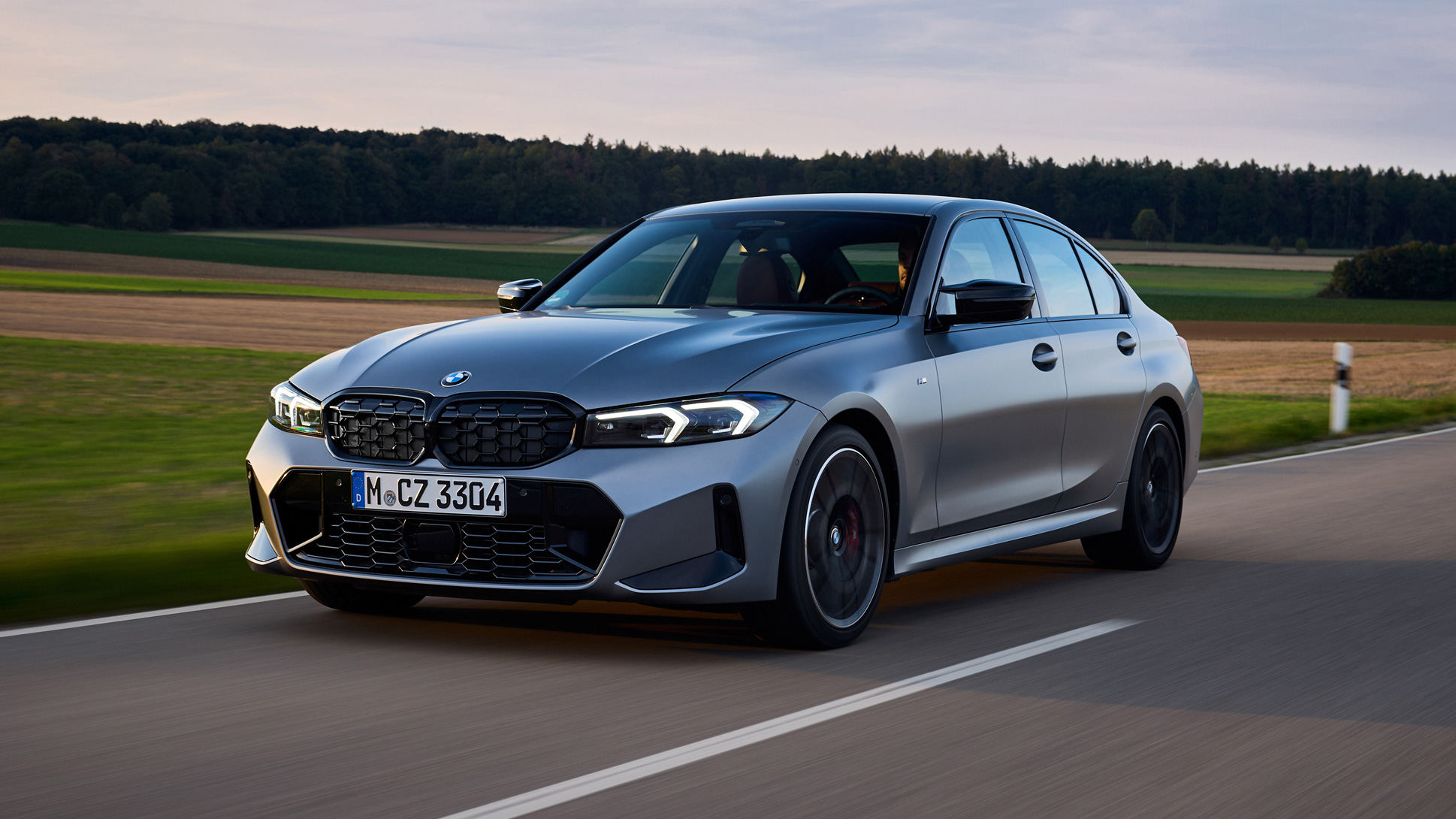
The 2025 BMW 3 Series starts at $47,125 and is a compact luxury sedan celebrated for sporty driving dynamics. The base 330i model features a 2.0-liter turbocharged inline-four engine with a mild-hybrid system, producing 255 horsepower and 295 lb.-ft. of torque.
Power is delivered through an eight-speed automatic transmission with rear-wheel drive. Fuel economy is competitive for a performance-focused sedan, and the 3 Series combines efficiency, handling, and refinement expected from BMW.
The 3 Series delivers confident and engaging performance. Testing the M340i xDrive variant shows acceleration from 0 to 60 mph in 4.1 seconds, close to the M3 Competition. The eight-speed automatic shifts smoothly, complementing the engine’s flexible power delivery.
Brakes are strong, responsive, and easy to modulate under casual or aggressive driving. Rear-wheel-drive handling is precise in the 330i, while the M340i adds adaptive dampers to soften the ride for daily use. The suspension and steering allow sharp control through corners, creating a connected and sporty driving experience.
Comfort depends on suspension and seat configuration. Standard M Sport seats provide firm yet supportive cushioning, and multiple adjustments allow tall drivers to find an ideal position. Adaptive dampers on higher trims improve ride quality, making the car suitable for long commutes.
Three climate zones are included, though front controls are embedded in the touchscreen, requiring attention away from the road or reliance on voice commands. Cabin quietness is commendable, with engine noise subdued during normal driving.
Entry and exit are simple thanks to the wide doorway clearance. Seat and steering adjustments accommodate a wide range of drivers, and front and rear passengers have sufficient elbow room.
Visibility is average, though optional cameras provide added exterior perspectives. BMW’s iDrive interface is visually appealing, but the large number of features can feel complex at first. Materials are high-quality, and fitment is excellent, giving a premium feel.
The 3 Series comes with a 16-speaker Harman Kardon audio system, wireless Apple CarPlay, and Android Auto. Advanced driver-assistance features, including adaptive cruise control, function effectively, but many features are optional rather than standard. Infotainment controls are functional, though there are many options to understand.
Trunk space is 13 cubic feet, slightly above average for compact luxury sedans. The 40/20/40-split rear seats fold nearly flat to carry larger items. In-cabin storage is limited but practical, including door pockets, a center console, and a wireless charging tray for one phone. LATCH anchors for car seats are accessible, though space may require adjusting the front seat for larger child seats.
The M340i xDrive achieves 29 mpg combined, with 26 mpg city and 33 mpg highway. These numbers are impressive, given the engine’s power and additional cylinders compared to the 330i.
The BMW 3 Series is a premium luxury sedan but offers high-quality materials, strong driving dynamics, and a refined interior. Compared to higher-performance M models, the 3 Series delivers a similar driving experience for less money. Warranty coverage is typical for the segment, and build quality ensures long-term durability.
7. Mazda3
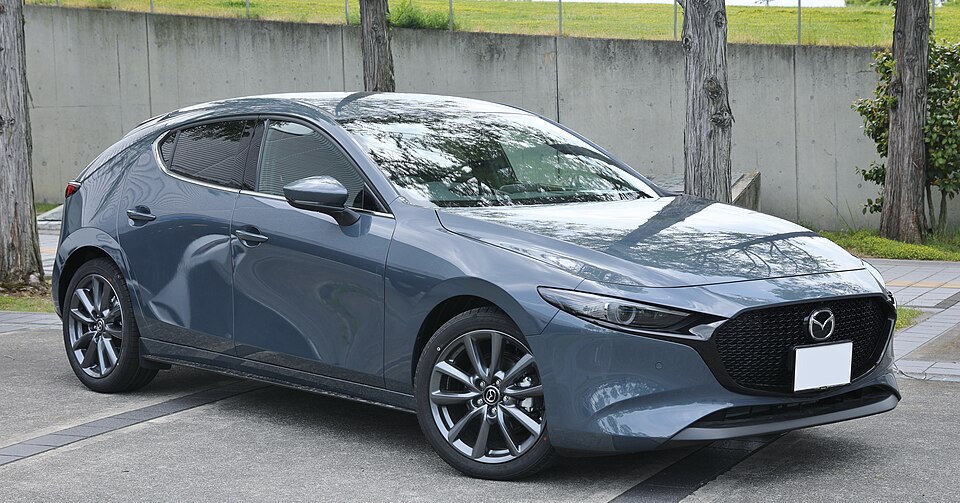
The 2025 Mazda3 has a starting MSRP of $25,135 and comes with a 2.5-liter SKYACTIV-G inline-four engine paired with a six-speed automatic transmission and front-wheel drive. It produces 191 horsepower and 186 lb.-ft. of torque.
Fuel economy for the base model is rated at 27 mpg city, 35 mpg highway, and 30 mpg combined. Available in sedan and hatchback forms, the Mazda3 offers a premium interior, refined ride quality, and impressive performance for a compact car.
The Mazda3 delivers an engaging and responsive drive. Both the standard 2.5-liter four-cylinder and the turbocharged variant provide smooth and linear power. The turbocharged model produces 227 horsepower and 310 lb.-ft. of torque, reaching 0 to 60 mph in just 6.5 seconds, ranking it among the quickest compact cars in its class.
The six-speed automatic shifts smoothly and complements the engine’s refined performance. Mazda balances ride comfort with handling agility, and optional all-wheel drive enhances grip and stability on twisty roads.
The Mazda3 interior is well-appointed and comfortable for front passengers. Even without premium leather, the seats offer support, and the layout of controls is driver-focused.
Road and engine noise are well controlled, enhancing the sense of refinement. Climate controls use physical buttons that are easy to operate while driving. Rear passenger space is limited, with reduced legroom and headroom, making the car less suitable for taller passengers or larger car seats.
The Mazda3 features a compact, integrated touchscreen that works in combination with a control knob behind the shifter. Graphics are clean, and the system responds quickly to inputs.
Apple CarPlay and Android Auto are included, but their operation can be less intuitive because the touchscreen function changes depending on whether a smartphone interface is active. Higher trims offer a Bose audio system for an upgraded listening experience.
The sedan has 13.2 cubic feet of trunk space, slightly less than competitors like the Honda Civic and Hyundai Elantra. Rear seats fold down to accommodate longer items. In-cabin storage is modest, with limited capacity in cupholders, the center console, and door pockets. The hatchback provides additional cargo flexibility, but storage remains below the segment’s best.
The base front-wheel-drive Mazda3 returns 31 mpg combined, while all-wheel-drive models drop to 30 mpg. The turbocharged model lowers efficiency further, averaging around 27 mpg combined. The Mazda3 is not offered with a hybrid powertrain, making it less efficient than hybrid alternatives in the class.
The Mazda3 commands a higher price than many compact sedans, but it justifies the cost with premium materials, refined interior design, strong performance, and available all-wheel drive.
Warranty coverage is standard, with three years or 36,000 miles for bumper-to-bumper protection and five years or 60,000 miles for the powertrain. With its sophisticated styling, athletic drive, and luxury-like interior touches, the Mazda3 stands out among its competitors despite the higher price.
8. Kia K5
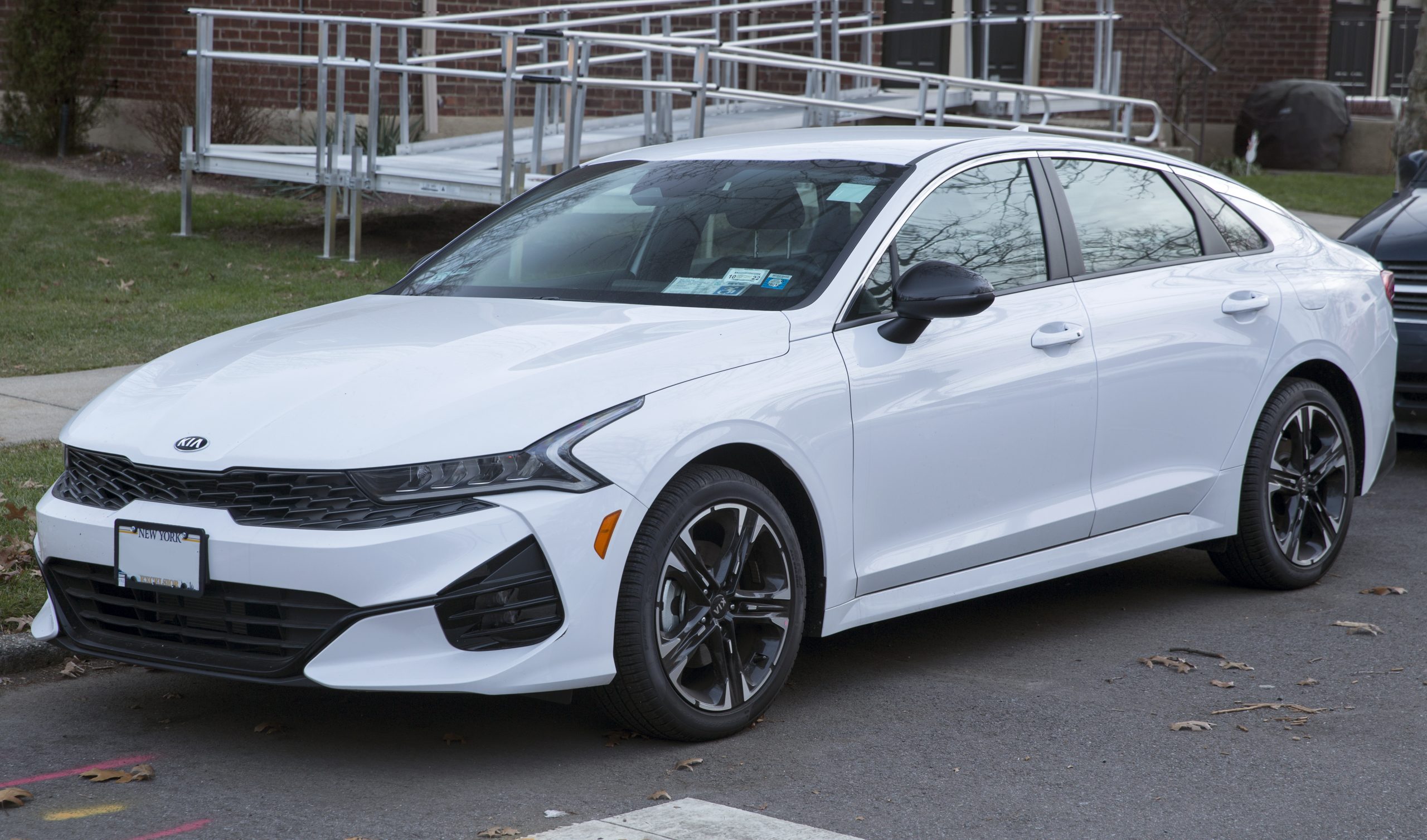
The 2025 Kia K5 has a starting MSRP of $28,365 and comes with a 2.5-liter four-cylinder engine paired with an eight-speed automatic transmission. It produces 191 horsepower and 181 lb.-ft. of torque, achieving fuel economy ratings of 27 mpg city and 37 mpg highway. The K5 is a compact sedan that emphasizes style, comfort, and a tech-filled cabin, offering a more upscale experience compared to the K4.
The K5 provides a smooth and comfortable driving experience. The base engine delivers adequate power for daily driving, but acceleration can feel modest, with a 0 to 60 mph time of 8.5 seconds.
The transmission shifts smoothly in city driving, but highway passing may require extra effort. Body roll is noticeable in sharp turns, but the K5 remains stable and predictable on typical roads. For drivers seeking sportier performance, the available GT trim offers a more powerful engine and a firmer suspension.
The K5 cabin is quiet at highway speeds, rivaling some luxury sedans. Front seats provide decent cushioning and moderate support from the side bolsters, suitable for several hours of driving. The suspension absorbs road imperfections effectively without feeling too soft.
Climate control performs well, keeping the interior cool during hot weather. Rear passengers have adequate legroom, although headroom is modest due to the fastback roofline. Forward visibility is excellent thanks to narrow front pillars, while rear visibility is slightly restricted by the tall decklid.
The interior is thoughtfully designed, with logically placed controls that are easy to use. The cabin feels spacious for a compact sedan, and tall adults can sit comfortably in the front. High-quality materials are used in touchpoints, while hard plastics are placed in low-contact areas to maintain aesthetics.
Storage for personal items is abundant, including a large center armrest bin, a phone tray, and a wireless charging pad. The traditional trunk offers 15.6 cubic feet of space, with seatback releases in the trunk for convenient loading of longer items.
The K5 includes a 12.3-inch touchscreen as standard, supporting wireless Apple CarPlay and Android Auto. An available wireless charging pad features a cooling fan and a spring-loaded section to keep phones secure.
Advanced driver aids are plentiful, functioning accurately without producing false alerts. The combination of infotainment and safety technology positions the K5 among the best-equipped compact sedans in its class.
The K5’s base engine achieves up to 30 mpg combined, which is competitive for a non-hybrid compact sedan. A hybrid version is not offered, so buyers seeking maximum fuel efficiency will need to consider other models.
The Kia K5 delivers a strong price-to-feature ratio, with incremental improvements in higher trims. While it lacks genuine leather and a head-up display, the cabin materials and fit and finish are impressive for the segment. Warranty coverage is excellent, with 10 years or 100,000 miles for the powertrain and five years or 60,000 miles for basic coverage, enhancing long-term ownership confidence.
The era of underwhelming compact cars is officially over. The eight models featured here show that you do not need a massive engine or a high price tag to experience thrilling acceleration and confident handling.
From the electrified instant torque of hybrids like the Honda Civic and Toyota Prius Plug-In to the turbocharged precision of the Mazda3 and the luxury feel of the BMW 3 Series, these compacts redefine versatility and performance.
Beyond straight-line speed, they offer comfort, technology, and efficiency that make them ideal daily drivers and show that fun and practicality can coexist. Whether you prioritize fuel savings, premium amenities, or sheer driving enjoyment, this lineup delivers in unexpected ways.
For enthusiasts and commuters alike, these compact cars offer a compelling reminder that size does not determine excitement. With these eight vehicles, accelerating from 0 to thrill is easier and more enjoyable than ever before.
Also read: 5 Cars That Rarely Cause Regret vs 5 That Constantly Do