
Many drivers today worry about mechanical repairs once cars begin to age, yet electrical issues are the kind that cause real frustration. Many vehicles drive well but start developing strange dashboard warning lights, sensor malfunctions, and wiring troubles after a few years on the road.
Electrical faults can be difficult to trace and can slowly drain money without giving visible clues. Instead of buying peace of mind, some people unknowingly buy electrical headaches, and that is why research is always necessary before selecting a vehicle.
Car owners sometimes discover that they can manage regular servicing, still once wires, sensors, and modules begin misbehaving, confidence drops quickly. Alternators stop charging, media screens freeze, power windows malfunction, battery drains happen without warning, and electronic control units go off for no reason.
That is when many people begin to appreciate vehicles that deliver stable performance without unnecessary electrical demands. When a car keeps wiring issues away, ownership becomes easier, more enjoyable, and far more dependable.
Some cars have earned strong trust because their electrical systems remain stable year after year. These vehicles mostly use simplified wiring architecture, proven sensor layouts, and carefully integrated control modules.
Instead of introducing too many fragile convenience features, the manufacturers focused more on smart engineering. These vehicles still meet modern expectations, yet they avoid the kind of electronic complications that often lead to faults. That is why some drivers stay faithful to specific car brands.
We will take a detailed look at twelve vehicles known for durable electrical architecture. These are models that make life easier by keeping electrical repair costs low. Every vehicle listed here has a full name and model year specified, and each description explains what makes the particular car stand out in terms of electrical reliability.
Only fresh cars have been selected to keep the content current. Each one offers dependable ownership experience and rarely asks for electrical work.

1. Toyota Land Cruiser 200 Series
Strong heritage follows the Toyota Land Cruiser 200 Series because this model is known for practical engineering and careful build philosophy. Toyota did not allow unnecessary electronic complications to weaken the foundation of this rugged vehicle.
Instead, engineers chose carefully selected electrical components with high resistance to vibration, temperature change, and moisture. Many large SUVs struggle with electrical failures due to heavy accessory loads, but this model handles everything without stress.
Everyday users value how simple the control layout feels inside the Toyota Land Cruiser 200 Series. Rather than pushing too many touch-sensitive controls, Toyota maintained dependable buttons and switches that keep failure chances low.
The wiring harness is also wrapped with thick insulation that shields against interference and physical wear. Many owners report that even after years of off-road driving, the electrical system still responds correctly. No strange warning lights appear unexpectedly, and essential systems do not suffer voltage issues.
High current parts, such as the alternator and starter motor, or maintain quality operation over long miles. Toyota installed strong relays and fuses that manage energy flow calmly, even under heavy load. Electrical connectors inside the engine bay are sealed against water and dust.
That is why this model is trusted in areas where harsh weather would easily damage poorly protected harness systems. Owners hardly ever spend money on rewiring or module reprogramming because these issues do not develop easily.
Anyone seeking a reliable long-term SUV without fear of electrical faults will find satisfaction in the Toyota Land Cruiser 200 Series. It gives that feeling of solid construction that is becoming rare in modern vehicle production.
Repair shops often confirm its long life performance and low electrical complaints. This model represents practical engineering that respects both durability and user comfort. For those who want trouble-free driving, it stands as a safe and smart choice.
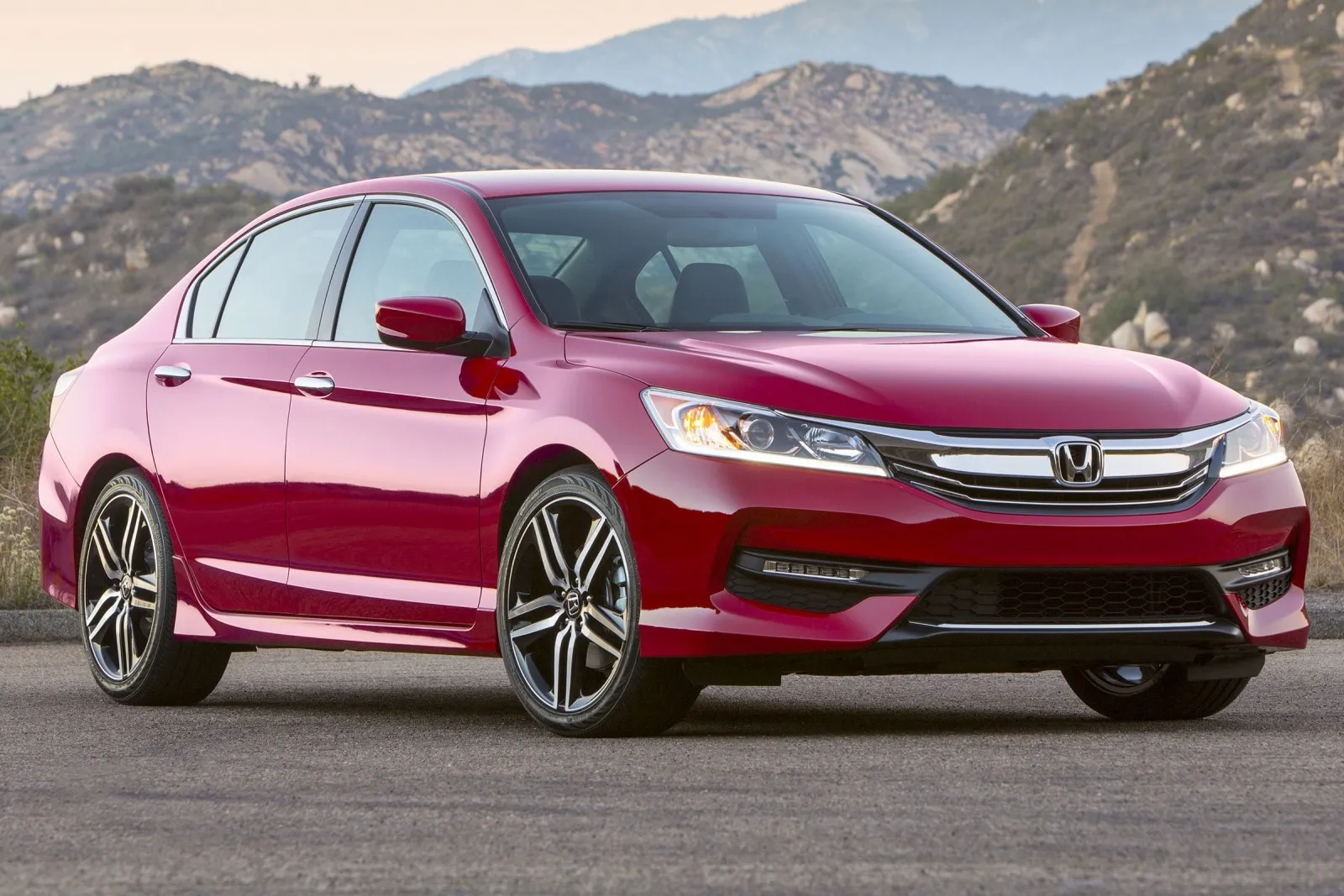
2. Honda Accord 2.4 i-VTEC 2015 to 2017
Owners of the Honda Accord 2.4 i-VTEC from 2015 to 2017 enjoy strong daily performance supported by a neat and stable electrical structure. Honda focused on long-term reliability while designing this electrical layout.
Instead of layering too many interactive modules, the designers used a straightforward system that communicates effectively between engine control, braking assist, climate control, and safety features. This makes it easy to diagnose and maintain without facing repeated failures.
Simplicity in electrical wiring is one of the strong points of this car. It uses durable connectors that do not corrode quickly. Honda protected the wiring harness using quality loom materials that hold up against heat inside the engine bay.
This helps prevent short circuits and melted wires that are often seen in cheaper designs. Less electrical clutter also reduces unnecessary extra resistance, which could lead to voltage drops. Drivers rarely worry about sensor failures because the common sensors used in this model are built for resilience. Oxygen sensors, crankshaft sensors, and throttle position sensors hardly fail prematurely.
Control modules also retain software stability across many years, which is why instrument clusters and infotainment screens do not freeze regularly. Even the push start system and smart entry remain dependable with age, provided the car receives normal servicing.
Holiday journeys, business travel, and daily commuting become easier when the vehicle does not cause electrical stress. That is why this generation of Honda Accord 2.4 i-VTEC is respected by people who value dependability.
No surprise dashboard faults, no frequent alternator failures, and no annoying battery discharge issues make ownership extremely convenient. This model brings refined handling and dependable electronics in one balanced package.
Also Read: 10 Cars That Deliver Power Without Breaking the Bank
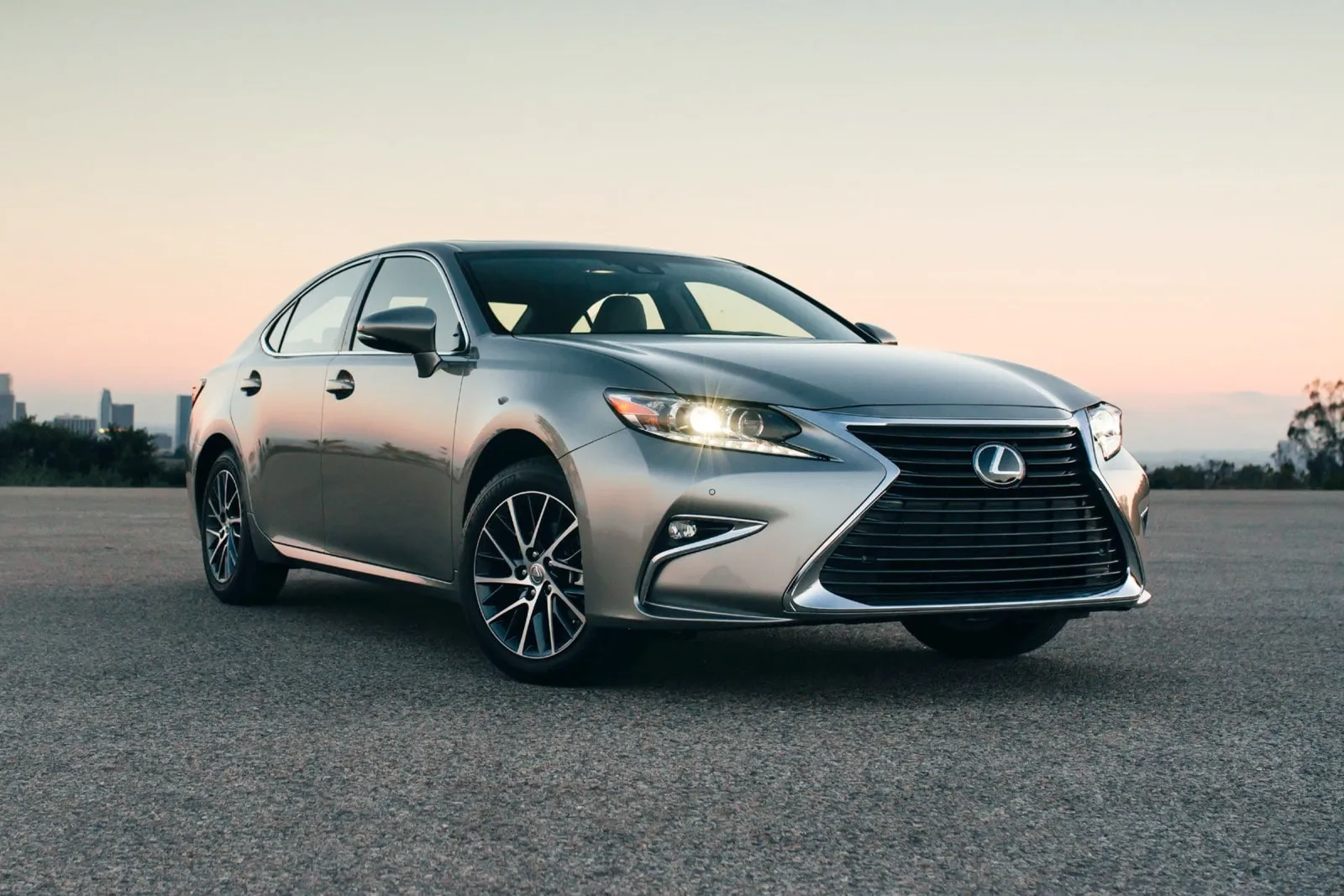
3. Lexus ES 350 2018
Quiet comfort defines the Lexus ES 350 2018 Model, and part of that comfort comes from its electrical dependability. Lexus engineers are known for disciplined quality control, especially in electronics.
While many luxury cars struggle with delayed window response, malfunctioning seat controls, and faulty infotainment circuits, this one maintains elegant stability. Its electrical map is carefully laid out to remain dependable under normal use and heavy driving conditions.
Durability in luxury car electronics is often difficult to achieve, yet Lexus successfully balanced technology and resilience. Soft-touch interior materials surround strong electrical components that rarely malfunction.
Climate control panels respond without lag. Cabin lighting does not suffer from flicker faults after long usage. Power seat controls respond smoothly year after year without failing motors or broken switches. Even complicated features like blind spot monitoring and adaptive cruise support operate without unexpected shutdowns.
Many luxury cars depend heavily on complicated network modules that communicate poorly after software ageing. Lexus avoided that mistake by designing modules that carry strong internal stability.
Body control module failures are uncommon. ECU errors rarely appear. Electrical grounding points are secure and help maintain consistent power delivery to every component. Instead of failing quietly as time goes on, the entire system continues to deliver stable performance.
Prospective buyers looking for a luxury sedan without electrical stress will find the Lexus ES 350 2018 Model dependable. It offers modern safety, refined cabin control, and precise driving response with minimal electrical drama.
The repair cost is lower compared to many premium vehicles in its class because it seldom requires electronic repair. From door sensors to multimedia units, everything functions steadily, giving users a stress-free premium experience.

4. Subaru Forester 2.5i Premium 2019
Rugged dependability sets the Subaru Forester 2.5i Premium 2019 Model apart, especially when discussing electrical integrity. Subaru vehicles have long been trusted for their mechanical endurance, and this particular model also holds a strong electrical balance.
The engineers kept things practical by merging safety technology with a stable wiring layout that rarely causes malfunction. For drivers who enjoy active lifestyles, this car handles long journeys without producing electrical frustrations.
The electrical layout inside this model focuses on function-first engineering. There is good separation between high-current cables and low-current communication lines. This protects sensitive systems from interference.
The engine bay harness uses materials that resist oil penetration, reducing the risk of chemical damage. Oxygen sensors, cam sensors, and ignition control rarely give false readings. This prevents common electrical misfire issues seen in some competitor vehicles.
Safety systems inside the Subaru Forester 2.5i Premium rely on dependable electronic design. Its EyeSight Driver Assist Technology works steadily without random shutdowns or software freezing.
Many vehicles complain about radar sensor resets or camera malfunctions, but Subaru tuned power supply stabilizers properly to prevent weak signals. As a result, lane assist, collision warning, and adaptive cruise function smoothly even during long drives.
Electrical ground placement across the chassis ensures no area suffers voltage inequalities. This helps keep audio systems, dashboard displays, and ignition timing consistent. Users seldom face wiring harness corrosion or fuse box failures.
Good planning in connector layout also prevents loose-fit issues that cause intermittent faults. Instead of frustrating wiring checks, owners enjoy dependable usage. That is why this model remains a solid recommendation for daily use.
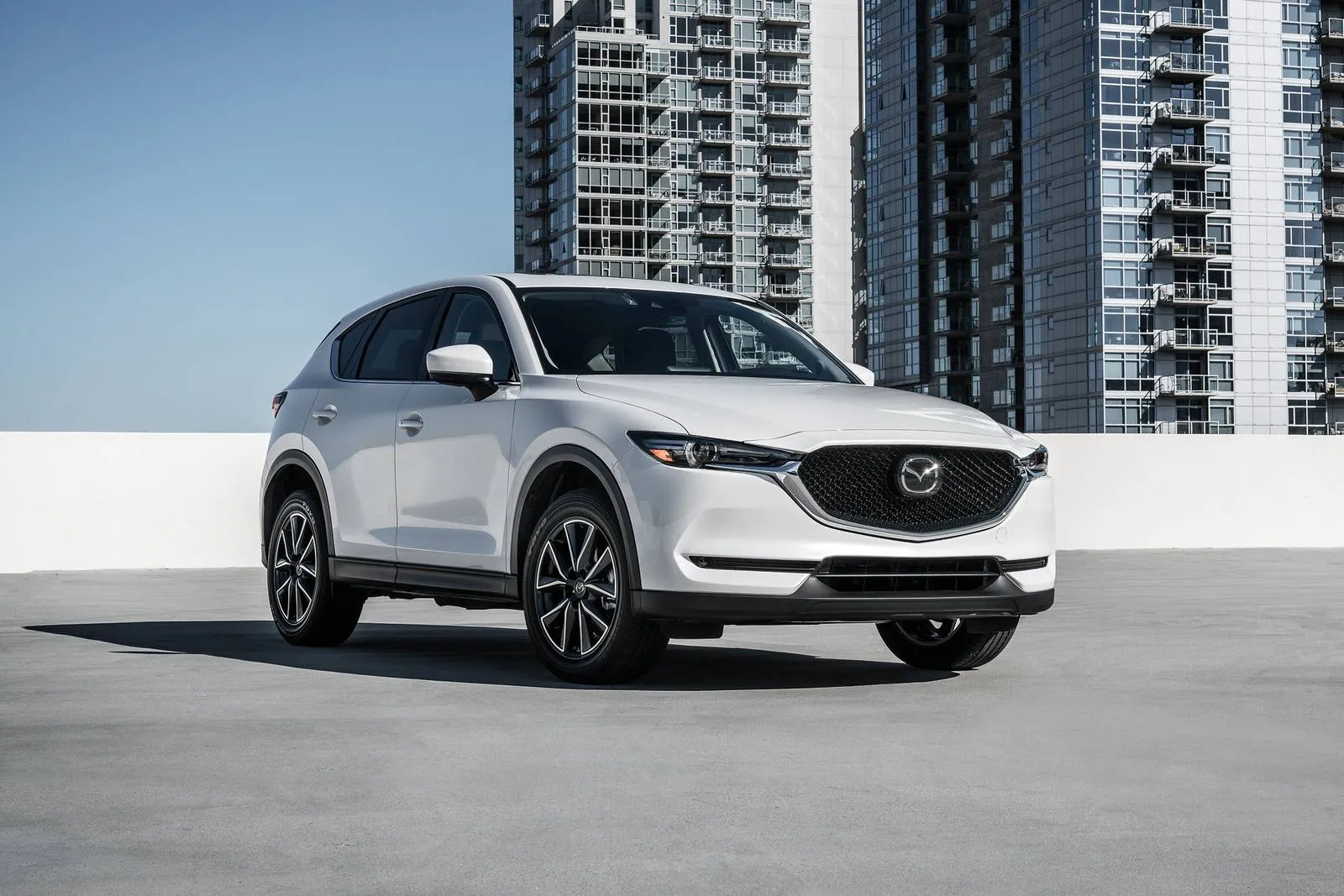
5. Mazda CX-5 Touring 2018
Reliable operation shapes the identity of the Mazda CX-5 Touring 2018 Model. Mazda focused on intelligent electrical distribution instead of chasing too many digital features. The result is a well-tuned system that manages power calmly.
Electrical faults often originate from poorly designed harness arrangements or overcrowded modules, yet this model keeps things simple enough to avoid frequent trouble. It delivers modern comfort without overwhelming wiring.
Consistency is one strong point inside the Mazda CX-5. Dashboard designs in some vehicles overload the driver with buttons and touchscreens that break down after some years, but Mazda kept controls reasonable.
Buttons maintain firm tactile response and resist early failure. Electronic systems communicate easily because Mazda used reliable CAN communication paths with stable shielding. This reduces system lag, flickering screen, and wrong diagnostic signals.
External components like the lighting harness and engine sensors stand up to weather and heat. Headlamp and tail lamp wiring do not lose power from corroded connectors. Alternator and battery cooperate smoothly with smart charging management, preventing common battery drain issues. The relay system that controls the fuel pump and ignition also retains stable performance, which means fewer emergency stops caused by random electronic shut-offs.
Anyone seeking dependable electrical operation in a mid-size crossover will appreciate this Mazda CX-5 Touring. It gives responsive throttle action, consistent starting power, and stable cabin comfort without triggering unnecessary electrical errors.
Technicians also enjoy working on it because the layout is understandable without hidden booby traps. Electrical longevity and a comfortable driving experience make this model a wise option for long-term use.
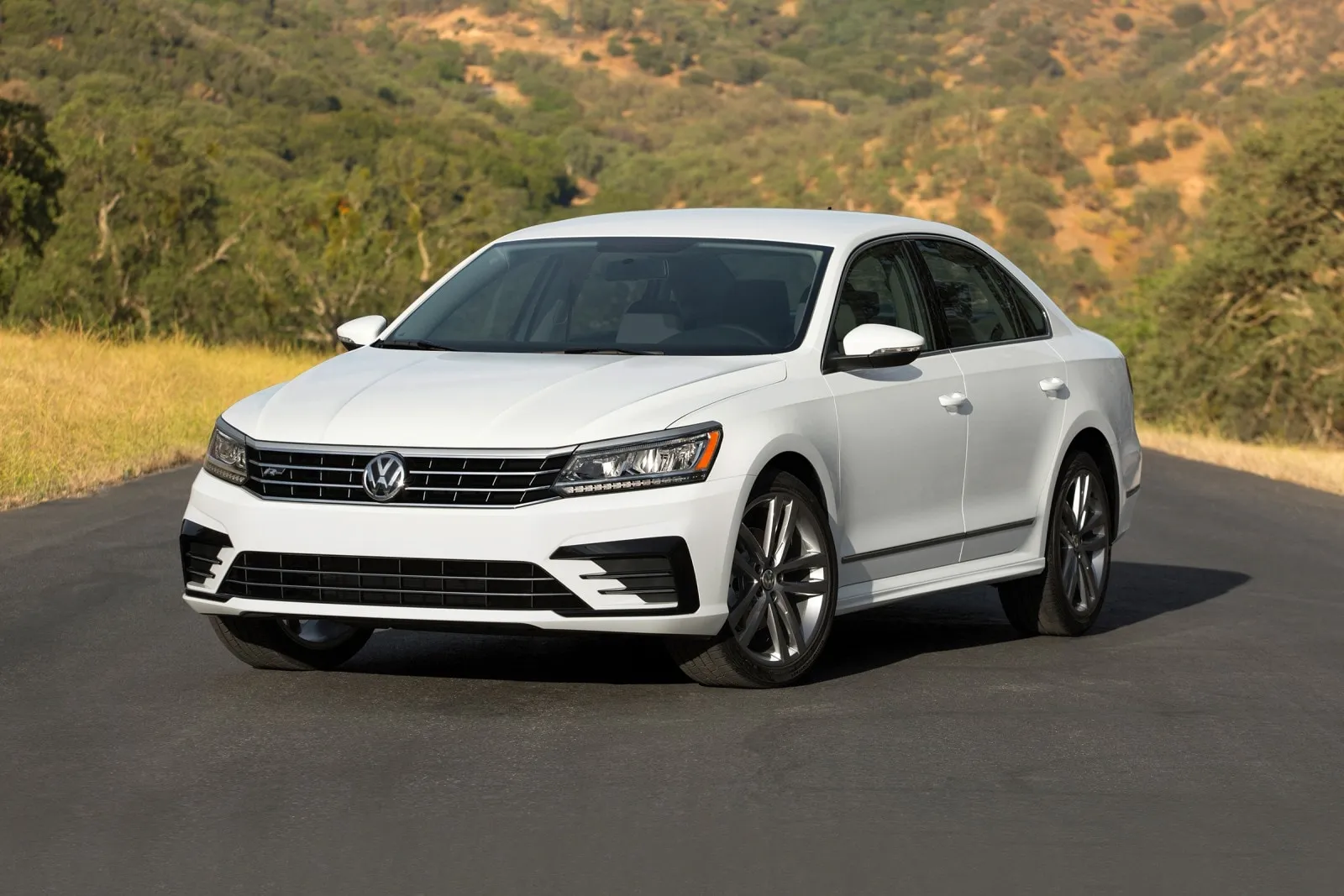
6. Volkswagen Passat TSI 2017
European sedans often get criticized for electronic malfunctions, but the Volkswagen Passat TSI 2017 Model stands out with a stable electrical profile. Volkswagen refined this generation to avoid the issue of failing modules that some older versions experienced.
This car carries a carefully tested electrical grid that handles daily use without heavy strain. Both family drivers and corporate users appreciate that it runs efficiently without sudden electrical breakdown.
Strong alternator performance and stable voltage regulation help this model avoid dashboard flicker, weak headlamp, PS, or slow power window response. German engineering shows discipline in cable routing inside the engine bay.
Wires follow structured paths with well-shielded connectors that stop moisture from creating corrosion. Fuses and relays are also placed logically, making them easy to replace during servicing without disturbing other circuits.
Communication modules link various systems in a controlled manner. Vehicle stability, climate control, and engine management share precise data lines that resist interference. This reduces confusing warning errors that make some cars frustrating to use. Passat TSI units also retain infotainment stability longer than expected. Radio systems, Bluetooth pairing, and rearview camera feed continue functioning even as the vehicle ages.
People who want a European car that offers a calm ownership experience without repeated electrical work can choose this model confidently. Mechanics often admit that this generation of Passat TSI produces fewer electrical complaints than some other European cars in the same class.
It gives comfort, fuel efficiency, and respectable driving performance without making the driver worry about sensors or modules. That reliable character has made it a trusted sedan for daily use.
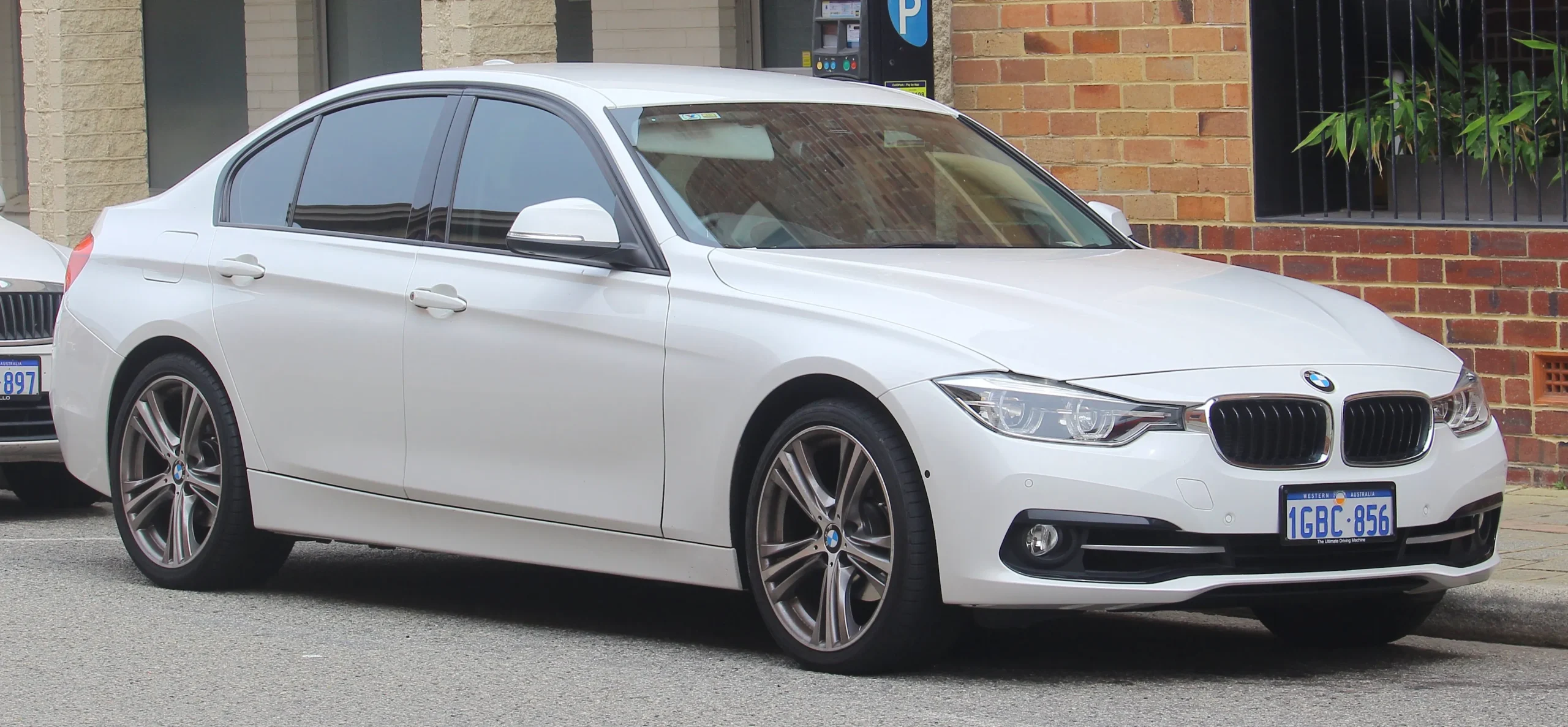
7. BMW 3 Series F30 2016
Independent car reviewers frequently highlight the BMW 3 Series F30 2016 Model as one of the dependable German options regarding electrical reliability.
While some premium brands face fragile wiring and unpredictable communication faults, this model keeps a neat structure. BMW invested time in designing a balanced electrical architecture that integrates luxury features without leaving weak points that lead to electrical repairs.
Electrical harnesses used in the F30 platform receive good protection. Heat-resistant insulation protects wires around the turbocharged engine areas. Distribution boxes are well sealed, and grounding terminals remain firm even after extended use. Module failures can happen in some modern vehicles due to cheap data lines, yet this model has a durable fibre and copper mix for better signal protection.
Interior power systems also remain dependable. Electric seats, door controls, and power mirrors operate without lock-ups. Even the iDrive infotainment system shows improved durability compared to earlier BMW software.
Screen blackouts and random reboots are rare. This gives users a relaxing cabin environment without digital headaches. Auxiliary systems like parking sensors, rain sensors, and luxury lighting all continue working steadily.
Driving enthusiasts choose this generation of BMW 3 Series for its responsive handling and interior refinement, yet they often stay loyal because it lasts well. Parts are built to handle daily use without causing a shock failure.
Electrical systems communicate correctly even when used intensively. This makes ownership cost-friendly and enjoyable, compared to alternatives that suffer repeated module failures. Solid construction and clean wiring pathways give this car strong long-term value.
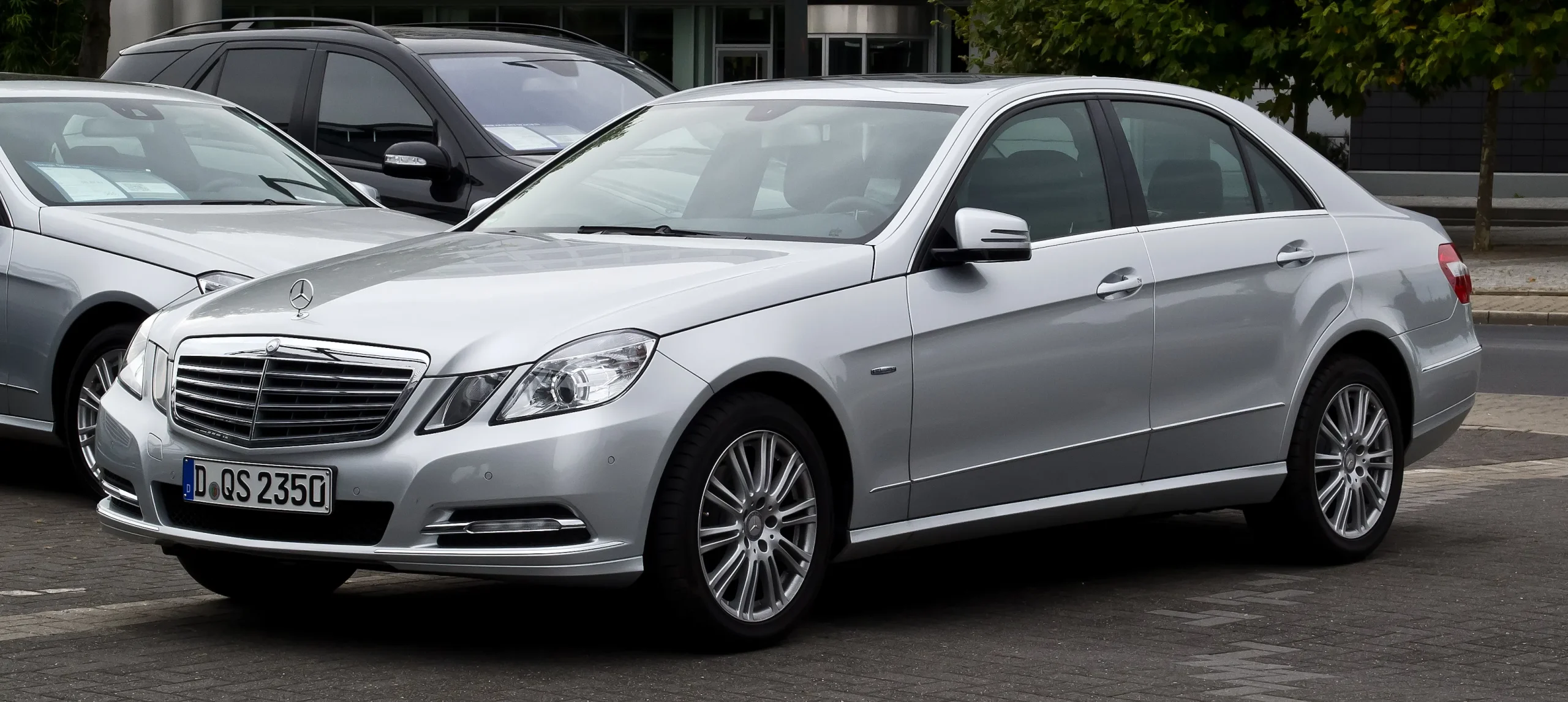
8. Mercedes-Benz E-Class W212 2014
Robust quality defines the Mercedes-Benz E-Class W212 2014 Model. Owners and technicians respect this generation for its long-lasting electrical systems.
Mercedes-Benz vehicles sometimes get criticized for complicated diagnostics in modern versions, yet the W212 model stays impressively dependable. Electrical failures are uncommon when proper servicing is done because this model uses mature electronic systems that were refined through years of development.
Smart layout helps this car avoid many common issues. Modules for lighting, braking, ignition, and comfort functions stay in protected areas where heat and moisture cannot attack them easily.
Fuse placements are sensible, and cable separation reduces interference between sensitive control lines. This gives smooth communication across the vehicle network and prevents false check light warnings.
Power distribution is handled by strong relays and connectors that resist wear. There are no frequent short circuit issues, and the alternator is capable of sustained output without overheating. Batteries work efficiently because charging control responds correctly to engine and climate demands. That balance helps prevent early battery wear or parasitic drain issues.
Interior systems also reflect the durable electrical planning. Instrument clusters do not fail because of weak circuit boards. Power steering controls, electronic stability assist, and cabin sensors maintain consistent function.
This model proves that a luxury sedan can deliver reliable service without forcing the owner into regular electrical repairs. Many used units on the road today still function with their original electrical components. Buyers who desire a luxury car that does not torment them with electrical problems will find comfort in this W212 model.
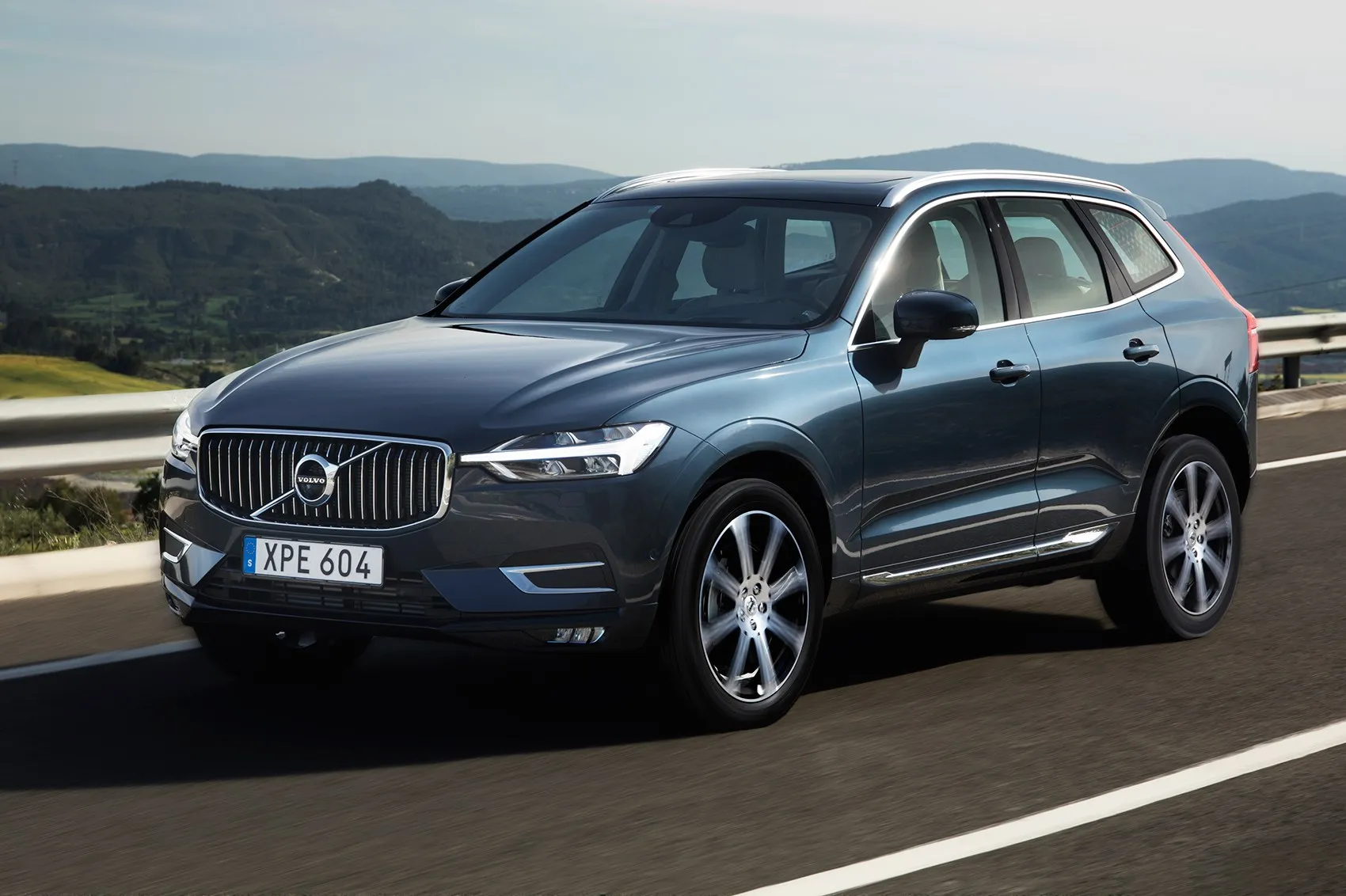
9. Volvo XC60 T5 2017
Dependability meets intelligent design inside the Volvo XC60 T5 2017 Model. Volvo is respected for safety leadership, yet this model shows that safety can go hand in hand with electrical resilience.
Instead of loading the car with unnecessary electronics, Volvo placed a stronger focus on smart reliability. That makes it easier to trust this car for long-distance travel without fear of dashboard error alerts or sudden power loss.
System integration inside this XC60 is smartly handled. Every major electrical component receives a precise power supply based on priority. Engine control and braking assist enjoy steady voltage support, which prevents warning light flickers.
Cabin systems like infotainment, climate control, and driver aids receive regulated current to avoid overload. By preventing power spikes, Volvo created a stable experience that stops equipment from failing.
Connectors and harness lines are firmly attached and routed through secure plastic covers. These covers act as shields, reducing the risk of water penetration, especially during rainy weather or snow travel.
Grounding points are selected to maintain equal current distribution, protecting sensors and communication lines from static interference. As a result, throttle response remains smooth and electronic throttle control stays accurate.
Service technicians often state that the 2017 XC60 T5 has one of the lowest electronic complaint records in its class. It behaves maturely and does not demand frequent resets or module reprogramming. Owners enjoy peace of mind knowing that it does not bring electrical anxiety. For those looking for an intelligent vehicle designed with care, this Volvo delivers quiet confidence.
Also Read: 10 Classic Muscle Cars That Are Still Affordable
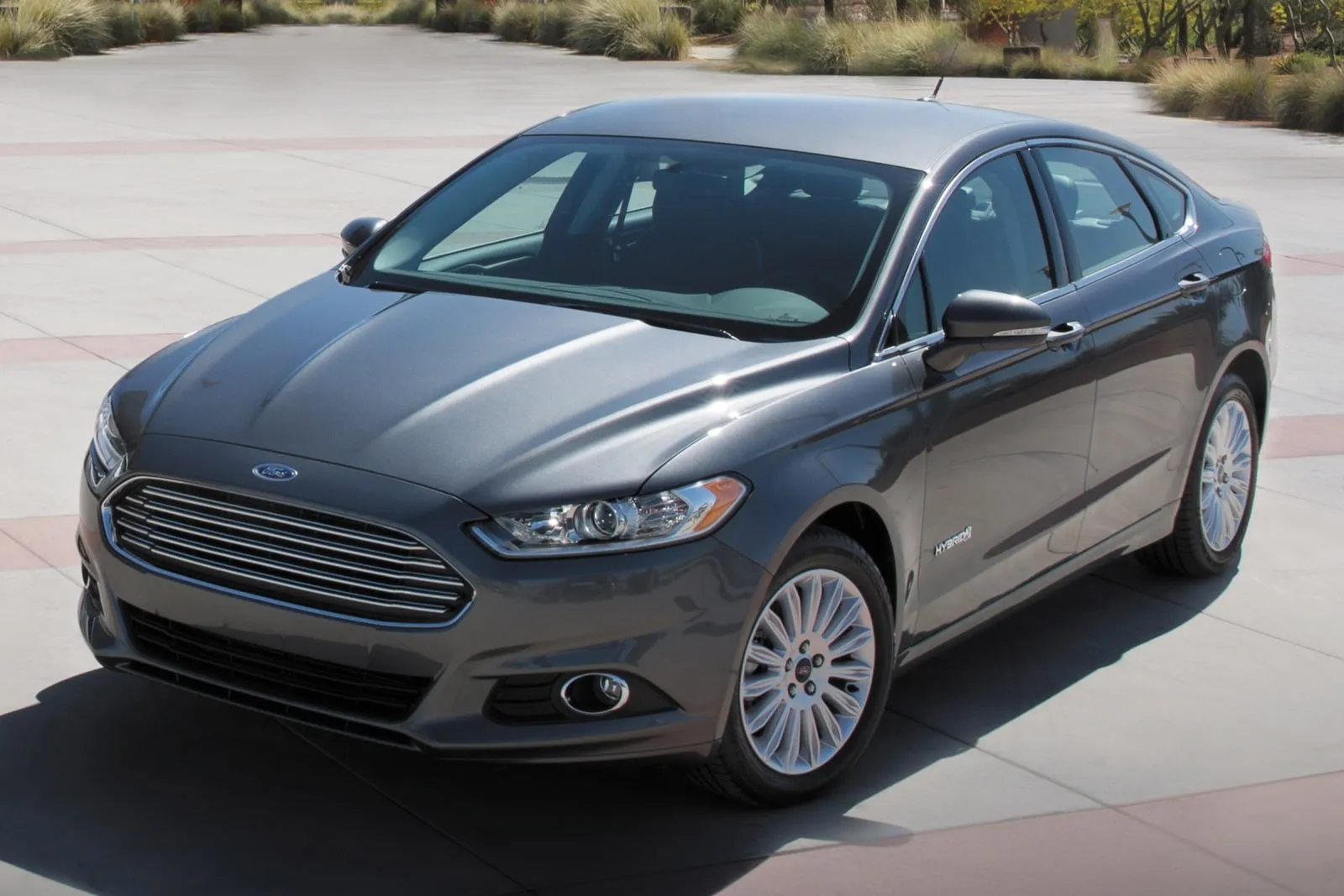
10. Ford Fusion SE 2016
Quiet consistency defines the Ford Fusion SE 2016 Model when it comes to dependable electrical service. Many sedan owners want something practical that does not become a garage visitor for strange electronic faults.
This model meets that desire. It provides a reassuring balance of technology, comfort, and lasting electronic stability. Ford engineers selected components based on durability instead of trend chasing.
Electrical modules inside this Fusion are robust and rarely malfunction. Powertrain control behaves predictably, and transmission communication remains synchronized.
Engine sensors continue working without sending wrong signals that would lead to limp mode. Simple yet effective wire routing reduces stress points and prevents wire snapping near engine mounts. This makes it a reliable partner for both urban driving and long highway journeys.
Headlight, brake light, ht, and indicator circuits are stable even after extended usage. Light switch failures, voltage leaks, and relay burnouts are rarely reported by drivers. Infotainment screens respond well without freezing.
Air conditioning panels deliver dependable control even in older units. Windows operate without weak power delivery that slows movement. All these features deliver daily comfort without drawing heavy electrical repair bills.
Ford took care of the ground terminal design in this model. Good earth point placement ensures no unit draws unstable current. This cuts down common dash warning errors and improves ignition timing consistency.
Owners also appreciate that diagnosing issues is straightforward because the electrical system layout is logical. For anyone searching for a mid-size sedan that does not bring electrical frustration, this Ford Fusion SE remains a sensible pick.
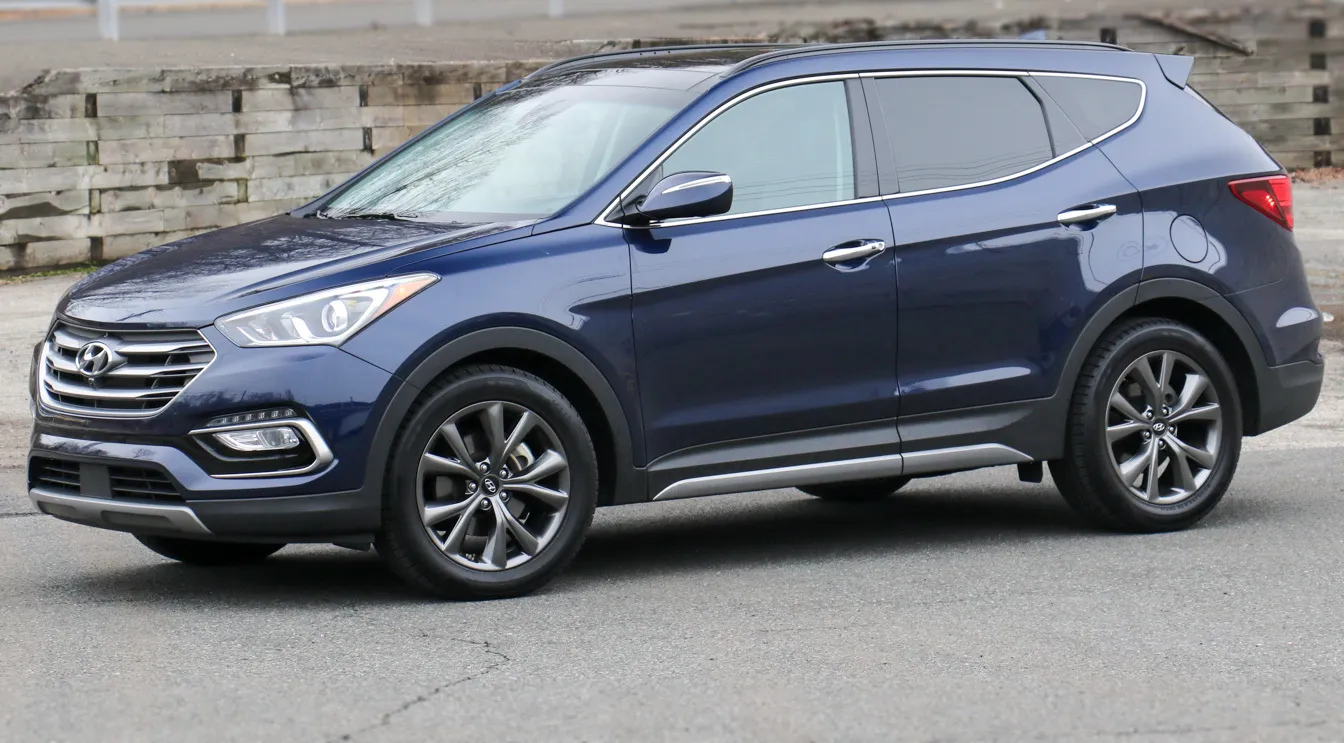
11. Hyundai Santa Fe Sport 2018
Strong value and durable performance describe the Hyundai Santa Fe Sport 2018 Model. Hyundai has strengthened its reputation through continuous improvement in engineering standards. This particular model shows that advancement.
Electrical dependability increases user confidence, especially for long-term ownership. Users rarely complain about random electrical shutoffs or accessory failure because it was constructed to handle daily strain with ease.
Core systems receive secure electrical feed through high-quality connectors. The engine control unit, transmission module, and throttle system maintain communication without glitches. This ensures smooth gear change and stable power delivery. Sensors distribute data in a consistent form, which helps avoid false triggers. Control units do not suffer rapid ageing because they benefit from a balanced power supply.
Interior comfort systems were built to last. Seat adjustment motors, heat, and audio systems rarely show a malfunction. Electric tailgate operation remains reliable even in used models. Cabin wiring is tucked away safely so that users do not accidentally damage wires during cleaning or luggage loading. Manufacturers placed good protective coverings on weak areas, reducing wear risk.
Protection against short circuits is handled efficiently by strong fuses and relays. Water resistance is also improved through firmly sealed connectors. That is why this Hyundai model serves well even in regions with heavy rainfall.
Service technicians appreciate the logical layout that reduces diagnosis time. Many users enjoy years of service without needing to replace harness segments or faulty modules. That convenient experience makes the Hyundai Santa Fe Sport a reliable family vehicle choice.
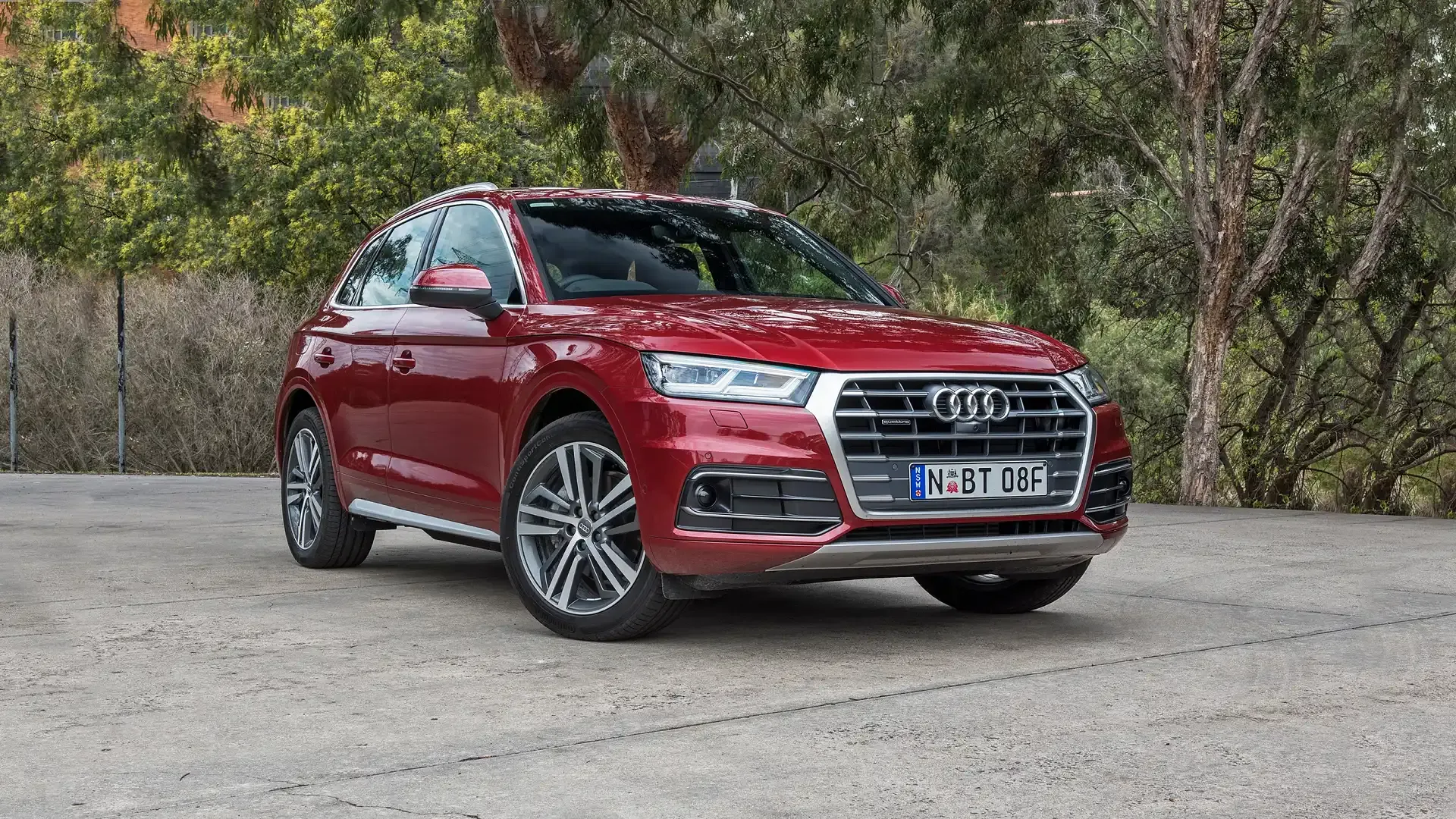
12. Audi Q5 2.0 TFSI Quattro 2017
Premium engineering shines through the Audi Q5 2.0 TFSI Quattro 2017 Model, especially in its electrical craftsmanship. Audi made strong progress with this generation, eliminating certain weaknesses seen in earlier models.
The electrical setup displays neat organization that maintains coordination between control modules. Drivers get a refined experience that does not disappoint due to electronic problems. This speaks well of thoughtful engineering.
System mapping in the Q5 allows each module to operate without excess interference. Anti-lock braking, steering assist, engine control, and stability systems receive clean power transmission.
No confusing mixed signals disrupt communication between modules. This reduces the triggering of unnecessary warnings that demand workshop visits. Power distribution boxes are securely housed to prevent dust or moisture entry.
Cable quality in this Audi model remains high. Wires withstand heat pressure and abrasion from engine movement. Connectors lock tightly, minimizing the risk of disconnection from road vibrations.
Batteries cooperate efficiently with the alternator, so no energy loss leads to weak starts. Cabin functions like multimedia display, digital instrument readouts, and climate buttons stay responsive.
Long-term owners regularly praise this Q5 for its low electrical complaint rates. It combines advanced design with lasting performance, making it suitable for people who prefer high-end comfort without future headaches.
Repair technicians also express that this generation of Audi Q5 is easier to maintain electrically than some competitors from the same production year. Those who desire European comfort and refined performance without dealing with electrical nightmares will find smart value in this model.
Electrical dependability is a major advantage for confident vehicle ownership. The twelve vehicles above have shown through user experience and engineering design that electrical stability can still exist in modern cars. These vehicles reduce stress by maintaining consistent functionality without triggering faults caused by sensors, modules, or wiring.
This collection includes SUVs, sedans, and crossovers from different regions and price levels. Each one helps drivers enjoy stress-free usage by eliminating unnecessary electrical repairs. Reliable cars make life easier, and any of these twelve options can serve well without creating workshop drama.
