The roar of a V8 engine still stirs the souls of car enthusiasts around the world. Despite the automotive industry’s shift toward smaller, turbocharged engines and electric powertrains, there are still a few hidden gems that keep the spirit of raw performance alive. “10 V8 Cars That Can Still Be Bought Cheap” showcases a lineup of powerful machines that deliver thrilling performance without an extravagant price tag.
From the refined elegance of the BMW 550i and Jaguar XJ Supercharged to the brute force of the Mustang GT and Pontiac G8 GXP, each car proves that true power and passion remain accessible.
These vehicles combine heritage, craftsmanship, and unfiltered performance, offering something special for every kind of driver. Whether it’s European sophistication or American muscle, these affordable V8s remind us that real driving excitement doesn’t have to come with a supercar price.
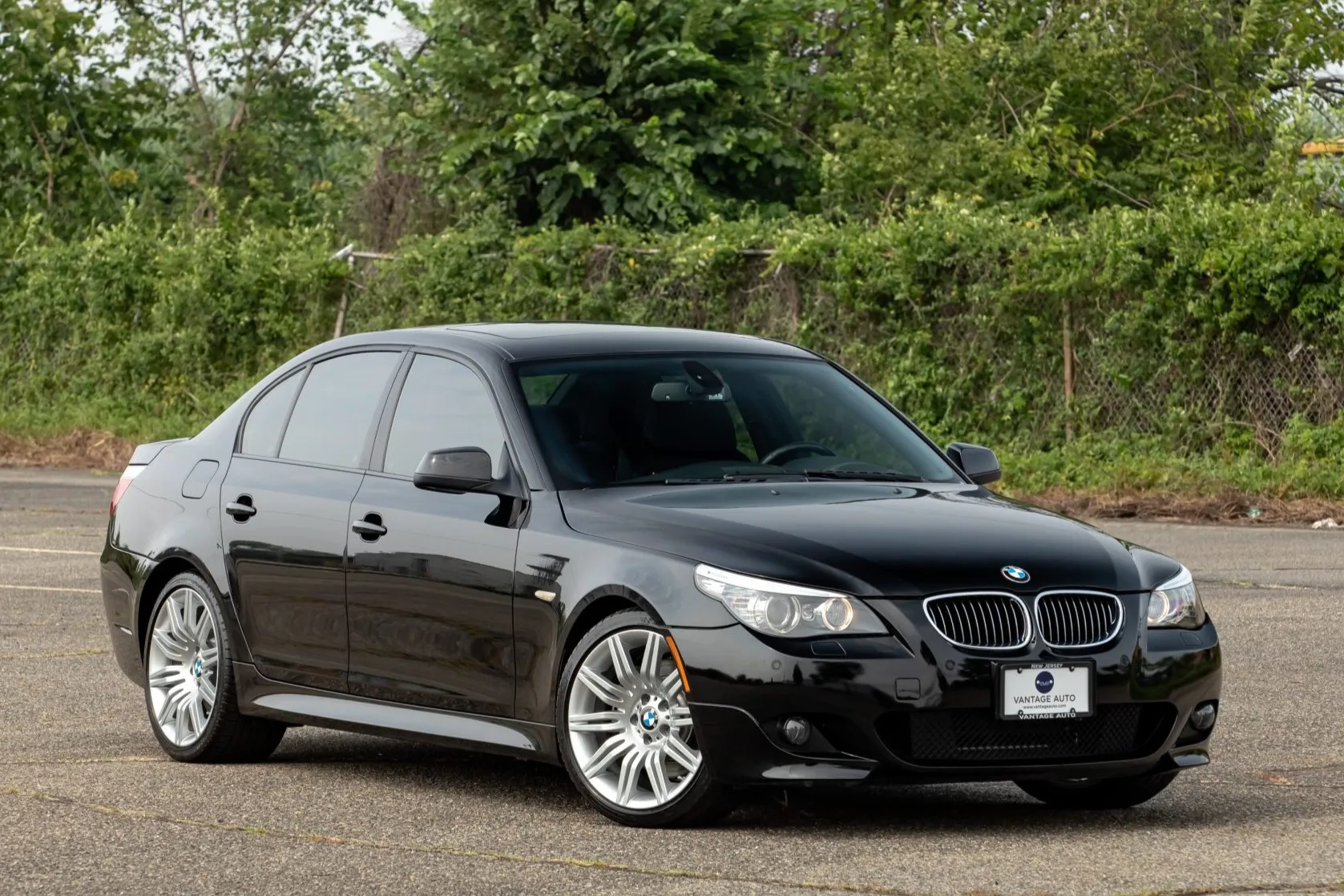
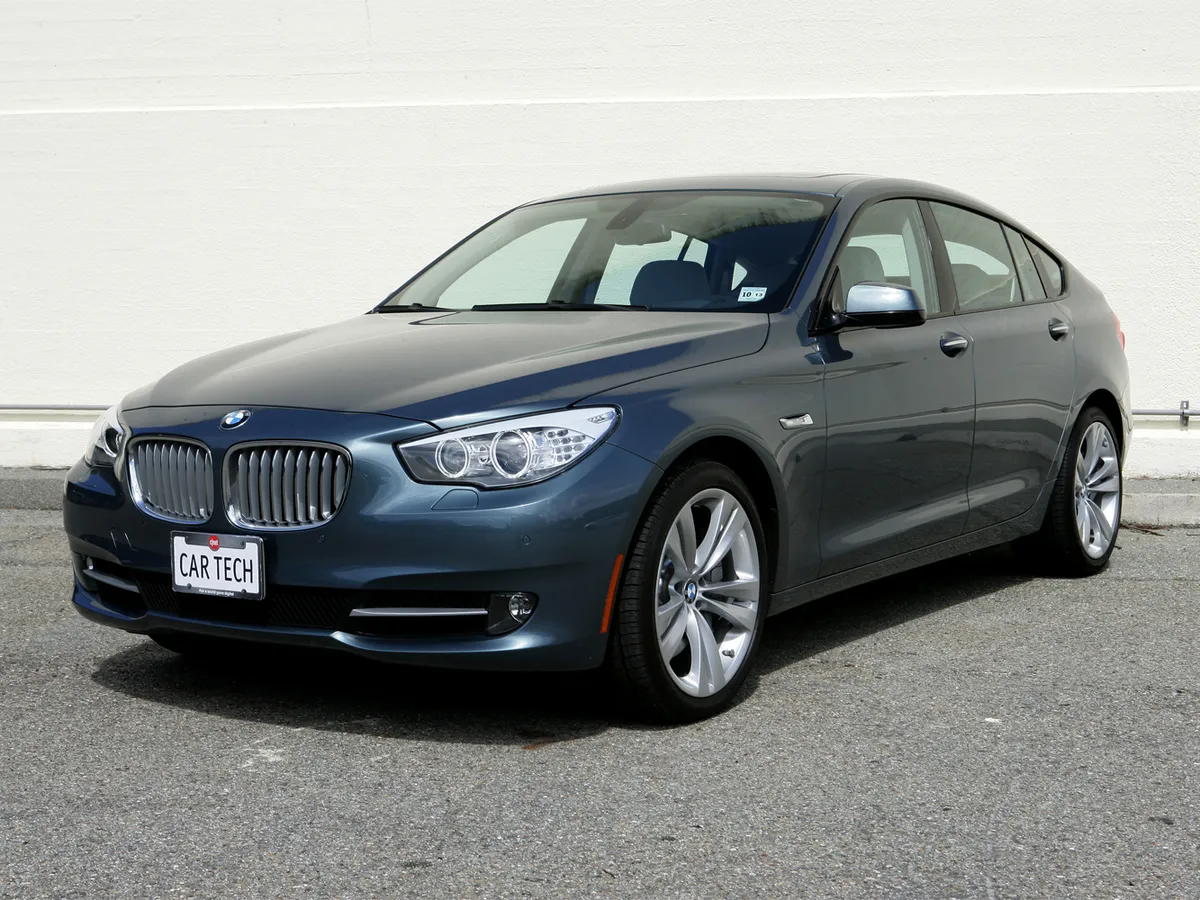
1. 2010 BMW 550i: The Refined Powerhouse of the Executive Class
The 2010 BMW 550i is powered by a 4.4-liter twin-turbocharged V8 engine that produces 402 horsepower at 6,400 rpm and 442 lb-ft of torque between 1,750 and 4,500 rpm. It accelerates from 0 to 60 mph in just 4.8 seconds, combining strong performance with refined delivery.
The engine is paired with an eight-speed automatic transmission that shifts smoothly and responds quickly. Although it is the least reliable V8 on the list, with a J.D. Power reliability score of 79 out of 100, it still earns an average rating. This makes it an appealing choice for those who appreciate older German sedans, even with the potential for expensive repairs.
The BMW 550i has long carried the reputation of being an “executive express.” It fits perfectly between the six-cylinder 5 Series models and the high-performance M5. With 300 kW of power and 600 Nm of torque, it can reach 100 km/h in about five seconds.
The twin-turbo V8, which shares its design with the M5 engine in a detuned version, delivers smooth yet forceful acceleration. Around town, it rarely needs to go above 2,500 rpm, and the eight-speed transmission makes driving effortless.
Ride comfort is one of the 550i’s strengths. The optional M Sport suspension, priced at $4,900, offers a noticeable improvement over the softer standard suspension. It maintains a balanced ride, though it can feel firm over sharp bumps.
The optional adaptive suspension system allows the driver to choose between Comfort and Sport modes, making the car versatile for different road conditions. Fuel consumption averages about 12 liters per 100 kilometers in city driving, which is reasonable for a powerful V8 engine.
Even with the extra weight of its V8 engine, the 550i feels remarkably agile. Lightweight aluminum components in the body and suspension contribute to its responsive handling. The rear-wheel-drive setup, combined with wide Pirelli P Zero tires (245 mm at the front and 275 mm at the rear), provides excellent grip and stability.
Compared with rivals like the Audi A6, Jaguar XF, and Mercedes-Benz E-Class, the 550i feels more composed through corners. The optional $3,600 Integral Active Steering system further improves low-speed maneuverability, making the large sedan easier to handle in tight spaces.
Inside, the BMW 550i showcases true luxury. The cabin features premium materials, ergonomic controls, and advanced technology. Highlights include a 10.2-inch infotainment display, four-zone climate control, heated and ventilated seats, and soft ambient lighting. Every detail, from the quality plastics to the premium audio system, reflects BMW’s focus on craftsmanship and comfort.
The 2010 BMW 550i offers a balanced blend of performance, luxury, and everyday usability. While it lacks a distinctive V8 exhaust sound and can be expensive to maintain, it remains a compelling executive sedan that delivers both comfort and power on demand.
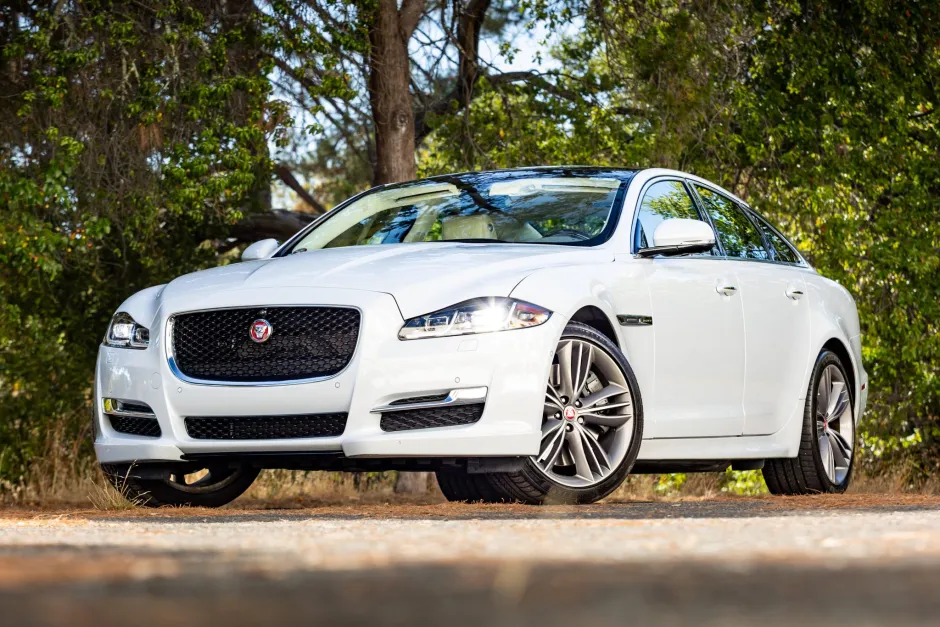
2. 2017 Jaguar XJ Supercharged: A Blend of Power, Elegance, and Heritage
The 2017 Jaguar XJ Supercharged is powered by a 5.0-liter supercharged V8 engine that produces 470 horsepower at 6,000 rpm and 424 lb-ft of torque at 2,000 rpm. It can accelerate from 0 to 60 mph in just 4.9 seconds, offering exhilarating performance wrapped in refined British luxury.
With a J.D. Power reliability score of 79 out of 100, the XJ Supercharged stands as an average yet respectable performer in its class. Although production ended in 2019, many well-maintained examples remain available, providing a compelling alternative to modern luxury sedans at reasonable prices.
The XJ lineup also included a 340-horsepower supercharged V6 in the R-Sport trim, available with either rear- or all-wheel drive. However, it is the V8-powered XJ Supercharged that delivers the most exciting balance of power and poise without stepping up to the even more extreme XJR variant, which pushes output to 550 horsepower.
The XJ’s handling is surprisingly agile for its size, offering sharp steering and a suspension setup that blends sporty responsiveness with the ability to absorb rough road surfaces comfortably.
Despite being a full-size luxury sedan, the XJ Supercharged drives like a smaller sports sedan. Its crisp steering and well-tuned suspension allow it to navigate corners with confidence and grace.
The adaptive dampers provide a supple ride that filters out bumps while maintaining a firm sense of control. The supercharged V8’s deep, intoxicating growl enhances the experience, making every drive memorable. Fuel economy figures vary depending on driving habits, but performance remains the XJ’s primary focus.
Inside, the Jaguar XJ’s cabin exudes traditional British craftsmanship, combining rich leather, polished wood, and metallic accents. While its German rivals, such as the BMW 7 Series and Mercedes-Benz S-Class, focus more on futuristic technology, the XJ emphasizes timeless luxury.
A distinctive touch is the rotary gear selector, which rises from the center console when the car starts. Although the standard-wheelbase version offers less rear legroom than competitors, the long-wheelbase model comfortably addresses that limitation, making it ideal for chauffeur-driven owners.
The interior remains quiet during relaxed cruising but can fill with the thrilling sound of the V8 when pushed. The only minor drawback is the 15.2-cubic-foot trunk, which is smaller and shallower than those of other full-size sedans.
The 2016 refresh brought the XJ’s infotainment system up to modern standards. The 8.0-inch touchscreen operates on Jaguar Land Rover’s InControl Touch Pro interface, offering navigation, Wi-Fi, Bluetooth, and two USB ports.
A 20-speaker Meridian surround-sound system delivers exceptional audio quality, while a dual-screen rear entertainment setup is available for passengers seeking extra comfort and entertainment.
The 2017 Jaguar XJ Supercharged combines performance, craftsmanship, and charisma in a way few modern sedans can match. Its blend of traditional luxury, agile handling, and supercharged V8 power makes it both a driver’s delight and a symbol of understated elegance.
While not the most practical or technologically advanced in its class, the XJ Supercharged remains one of the most charming and engaging luxury sedans of its era.
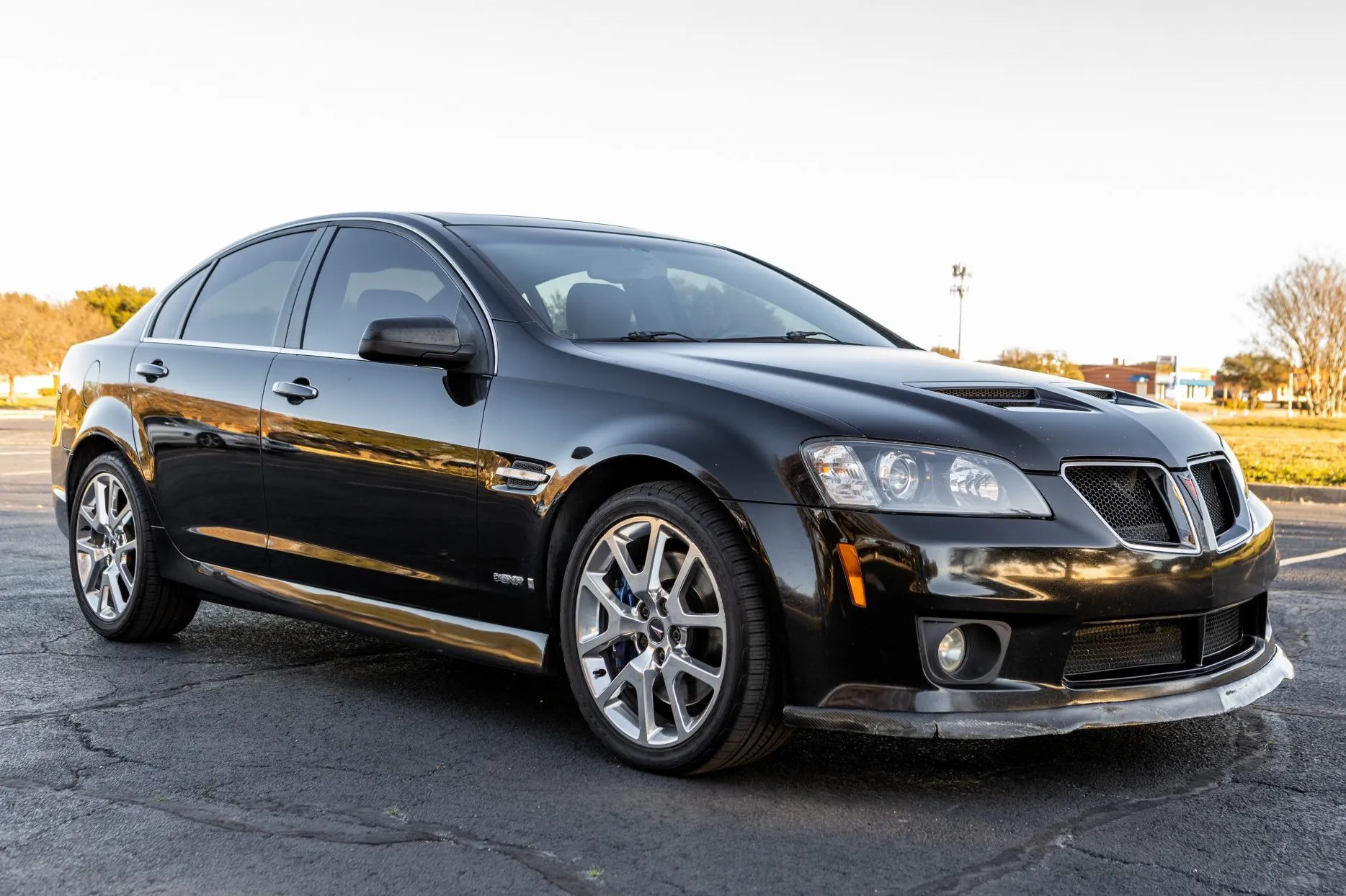
3. 2009 Pontiac G8 GXP: America’s Four-Door Muscle Marvel
The 2009 Pontiac G8 GXP stands as one of the most powerful and well-balanced sedans ever produced by the now-defunct Pontiac brand. Under the hood sits a 6.2-liter LS3 V8 engine producing 415 horsepower at 5,900 rpm and 415 lb-ft of torque at 4,600 rpm.
This setup allows the GXP to accelerate from 0 to 60 mph in just 4.7 seconds, putting it in the same league as the previous-generation BMW M5. With a J.D. Power reliability score of 80 out of 100, it performs admirably for its class and age.
One of its biggest strengths is simplicity; the LS3 V8, part of General Motors’ legendary small-block family, is known for its strength, straightforward design, and affordable maintenance.
Replacement parts are easy to find, and repairs tend to be inexpensive, making the G8 GXP an appealing option for enthusiasts seeking performance without excessive upkeep costs.
Built on GM’s global rear-wheel-drive architecture, developed in Australia and shared with Holden models, the G8 GXP combines European-style balance with American muscle. It is available with either a six-speed manual or a six-speed automatic transmission.
The manual offers a crisp, direct shift action with well-matched gear ratios, though some drivers find the clutch engagement light and less communicative. The automatic provides Drive, Sport, and Manual modes, with the manual gate allowing full control up to redline. Both versions deliver nearly identical acceleration times, proving the car’s powertrain versatility.
The GXP is equipped with Brembo brakes featuring 14-inch front and 12.8-inch rear rotors, ensuring confident stopping power. Its suspension has been upgraded from the G8 GT with stiffer shocks, larger anti-roll bars, and revised rear ball joints.
These enhancements give the car impressive agility, complemented by 19-inch alloy wheels and performance tires that achieve up to 0.90 g of grip on the skidpad. With a near-perfect 52/48 weight distribution, the G8 GXP maintains exceptional stability at high speeds and through corners.
The G8 GXP presents a muscular and assertive design, distinguished by unique front and rear fascias. Some exterior touches, such as the hood scoops and diffuser, are purely decorative, but the car’s wide stance and strong proportions communicate purpose.
Inside, it features supportive sport seats, quality materials, and a well-laid-out cockpit. Rear passengers enjoy ample legroom, and the 17.5-cubic-foot trunk provides practical cargo space. The steering wheel design, with its flat bottom and oddly placed grips, is less successful, but visibility and driving ergonomics remain excellent. The infotainment system, though dated by modern standards, is intuitive and functional.
On the road, the G8 GXP delivers both comfort and excitement. The chassis feels solid and communicative, while the steering is precise and naturally weighted. Ride quality remains composed even at highway speeds, with minimal noise or vibration.
The LS3 engine’s exhaust note adds to the car’s appeal, deep and steady at idle, throaty under load, and full of character during deceleration. In terms of performance, braking, and cornering grip, the G8 GXP matches or exceeds many European sedans that cost nearly twice as much, making it an impressive achievement for Pontiac.
The 2009 Pontiac G8 GXP represents the peak of Pontiac performance engineering. It combines American muscle power with sedan practicality, offering speed, refinement, and balance in one package.
While a few small details prevent it from reaching perfection, it remains the most capable and rewarding Pontiac ever built. Often referred to as a “four-door Corvette,” the G8 GXP continues to stand out as one of the most engaging and affordable performance sedans of its time.
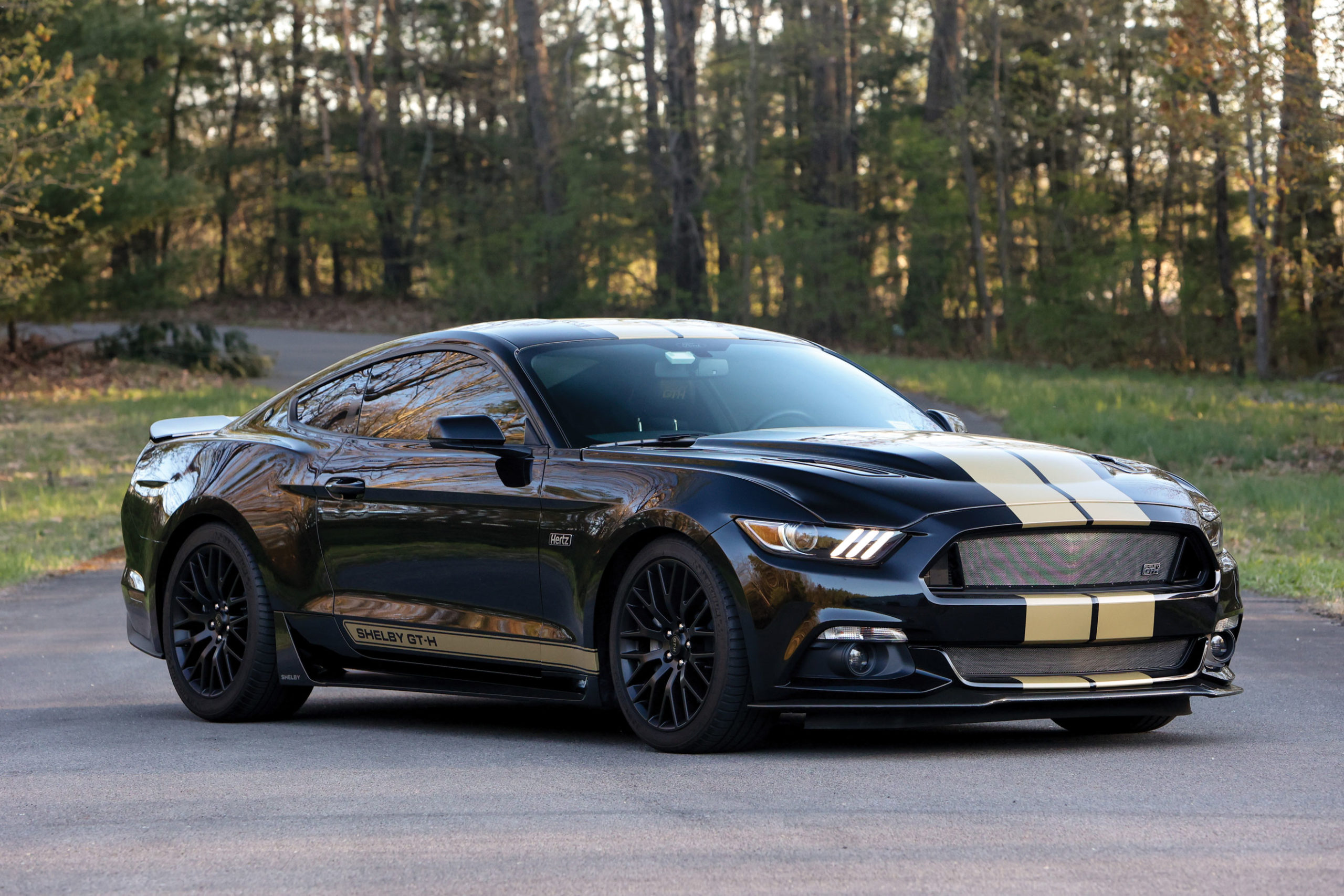
4. 2016 Ford Mustang GT: The Modern Muscle Icon
The 2016 Ford Mustang GT carries on one of the most iconic names in automotive history, powered by Ford’s 5.0-liter Coyote V8. Producing 435 horsepower at 6,500 rpm and 400 lb-ft of torque at 4,250 rpm, it launches from 0 to 60 mph in 4.6 seconds.
The J.D. Power reliability score of 80 out of 100 reflects solid dependability for a performance car in this category. With the GT trim, the Mustang retains its raw muscle car character while adopting engineering and handling improvements that make it a far more composed daily driver than earlier versions.
For 2016, the Mustang benefited from a fully independent rear suspension and revised front struts, transforming its handling precision and road comfort. This generation of Mustang is far more refined and balanced, providing better control through corners without sacrificing the visceral experience expected of a V8-powered pony car.
The available six-speed manual transmission, especially when paired with the optional GT Performance package, delivers crisp shifts and sharp throttle response. The Performance package includes six-piston Brembo front brakes, stiffer suspension tuning, and a Torsen limited-slip differential, making it an ideal setup for spirited driving.
Equipped with 19-inch Pirelli P Zero summer tires, the GT achieves 0.94 g of lateral grip and stops from 70 mph in 156 feet. Steering is precise and communicative, with selectable modes that adjust effort and response. On winding roads, the Mustang feels planted yet playful, offering the right mix of control and excitement. Its chassis composure and steering accuracy rival the best cars in the segment.
Inside, the Mustang GT blends classic muscle car cues with modern ergonomics. The cabin features dual-zone climate control, an 8.0-inch touchscreen running Ford’s improved Sync 3 system, and ambient lighting.
Premium models include heated and cooled leather seats, while optional Recaro sport seats provide superb support for aggressive driving, though some find their bolsters restrictive.
Visibility is better than in rival coupes, and materials throughout the cabin are much improved compared with past generations, though hard plastics still appear in some areas. The sloping roofline limits rear-seat space, and the small trunk emphasizes form over practicality, but as a driver’s car, it delivers on style and function.
The Sync 3 infotainment interface replaced the outdated MyFord Touch system, bringing faster response and a cleaner layout. Navigation, Wi-Fi, and voice control are available, and the GT includes useful performance tools such as Track Apps, a line-lock feature for controlled burnouts, and selectable driving modes Normal, Sport+, Track, and Snow/Wet that tailor the car’s behavior to various conditions.
Throughout long-term testing, the Mustang GT proved relatively affordable to maintain. Oil changes and inspections averaged around $60, while tire wear was the most significant expense due to the car’s eagerness to convert rubber into smoke.
Drivers noted some drivetrain clunks during low-speed shifts and grabby brake behavior, both of which Ford service departments deemed normal. The 16-gallon fuel tank limits range to around 300 miles per fill, and real-world fuel economy averages near 20 mpg. Despite those quirks, ownership costs stay reasonable for a high-performance coupe.
The 2016 Mustang GT represents the ideal balance between heritage and progress. It offers sharp handling, refined suspension tuning, and a naturally aspirated V8 that sounds and feels alive.
It may not be as precise as the contemporary Chevrolet Camaro SS, but it delivers a more engaging, characterful experience. The Mustang rewards effort, inviting the driver to work for its best performance while never feeling punishing or outdated.
Ford’s updates made the GT not just faster but also more livable. It remains unmistakably a Mustang, loud, bold, and unapologetically fun to drive. For enthusiasts who want a daily-drivable muscle car with legitimate handling chops, the 2016 Mustang GT remains one of the best choices of its era.
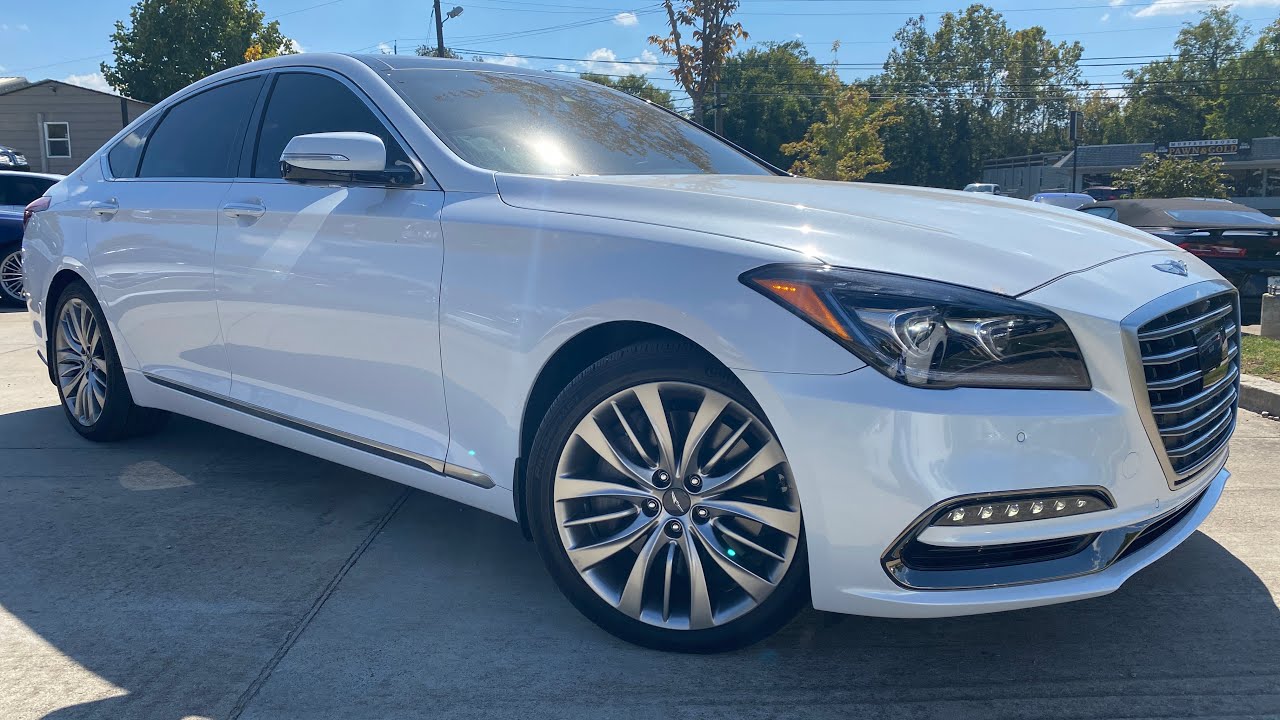
5. 2018 Genesis G80 5.0: The Refined Underdog of the Luxury Sedan World
The 2018 Genesis G80 5.0 sits at the top of the lineup, powered by a naturally aspirated 5.0-liter Tau V8 producing 420 horsepower at 6,000 rpm and 383 lb-ft of torque at 5,000 rpm. This engine pairs with an eight-speed automatic transmission that delivers smooth, deliberate shifts.
Acceleration is brisk, with a 0 to 60 mph time of 4.8 seconds, putting it within reach of some German V8 sedans that cost tens of thousands more. The G80’s J.D. Power reliability score of 85 out of 100 highlights its dependability and solid engineering.
Although the G80 is not marketed as a performance car, the 5.0-liter version provides ample thrust for highway passing and long-distance driving. Throttle response is immediate, and the V8 soundtrack is deep and refined without being intrusive.
The eight-speed transmission shifts unobtrusively during normal driving but can feel slow to downshift when left in automatic mode. Manual control through the steering paddles offers more precision and engagement.
Comfort and composure define the G80’s chassis tuning. The car rides with poise over rough pavement, maintaining a calm, isolated feel that suits luxury driving. Steering effort is light but accurate, with good straight-line stability at highway speeds.
The suspension limits excessive body roll and strikes a balance between firmness and comfort. Drivers who enjoy spirited handling may find the stability control overly intrusive, cutting power quickly when cornering aggressively. The car’s handling potential feels greater than the electronics allow.
Braking performance is strong but not perfect. Pedal feel is light and consistent, although heavy braking brings noticeable ABS chatter. In testing, the G80 stopped from 60 mph in 123 feet, which is competitive for its class and weight.
Inside, the G80 presents a cabin that blends traditional luxury with modern technology. Materials feel upscale, featuring real wood trim and soft leather upholstery.
The 12-way power-adjustable front seats offer excellent long-distance comfort, and the rear seats provide generous legroom. Rear headroom is slightly tight for taller passengers because of the sloping roofline. Cabin noise is minimal, and the car remains quiet even at highway speeds.
The ride quality is among the best in its class. The suspension absorbs bumps with ease while maintaining a planted feel. Dual-zone climate control works effectively, and the ventilated seats provide quick cooling, while the heated seats deliver powerful warmth.
Genesis equipped the G80 with an impressive suite of technology. The infotainment system uses an 8.0-inch touchscreen with both rotary and physical button controls. Apple CarPlay, Android Auto, and built-in navigation come standard, along with a 17-speaker Lexicon audio system that produces clear, detailed sound. Wireless charging and multiple USB ports enhance convenience for modern drivers.
The list of safety and driver-assistance features is extensive. It includes adaptive cruise control, lane keeping assist, blind-spot monitoring, rear cross-traffic alert, and automatic emergency braking. These systems work well, although some are overly sensitive. The blind-spot monitor, for example, sounds persistent alerts during lane changes even when space is adequate.
The G80 offers a 15.3-cubic-foot trunk, which is generous for the class, and the opening is wide enough for bulky luggage. However, the rear seats do not fold, limiting versatility. Small-item storage is well designed, with lined door pockets, a deep center console bin, and a front compartment that includes a USB port and wireless charging pad. Installing child seats can be a challenge due to deeply recessed LATCH anchors.
Visibility is generally good, aided by high-resolution 360-degree cameras and parking sensors. The thick windshield pillar and large side mirrors create blind spots during left turns, but the driver aids help compensate.
The G80 5.0 is not intended to be a sport sedan, yet its performance is impressive. The V8 engine delivers strong acceleration, and the chassis maintains composure even at high speeds. While it lacks the sharp steering and brand prestige of German competitors such as the BMW 5 Series or Mercedes E-Class, it compensates with comfort, reliability, and value. The G80 focuses on refinement rather than aggression.
The 2018 Genesis G80 5.0 is a confident and luxurious sedan that delivers strong performance and exceptional value.
Its powerful V8, composed ride, and quiet cabin make it an excellent choice for those who want a premium experience without paying a premium price. It may not carry a prestigious badge, but its quality, comfort, and dependability make it a smart and satisfying alternative to more expensive European options.
Also Read: 10 Cars That Have Cult Followings You Didn’t Know About
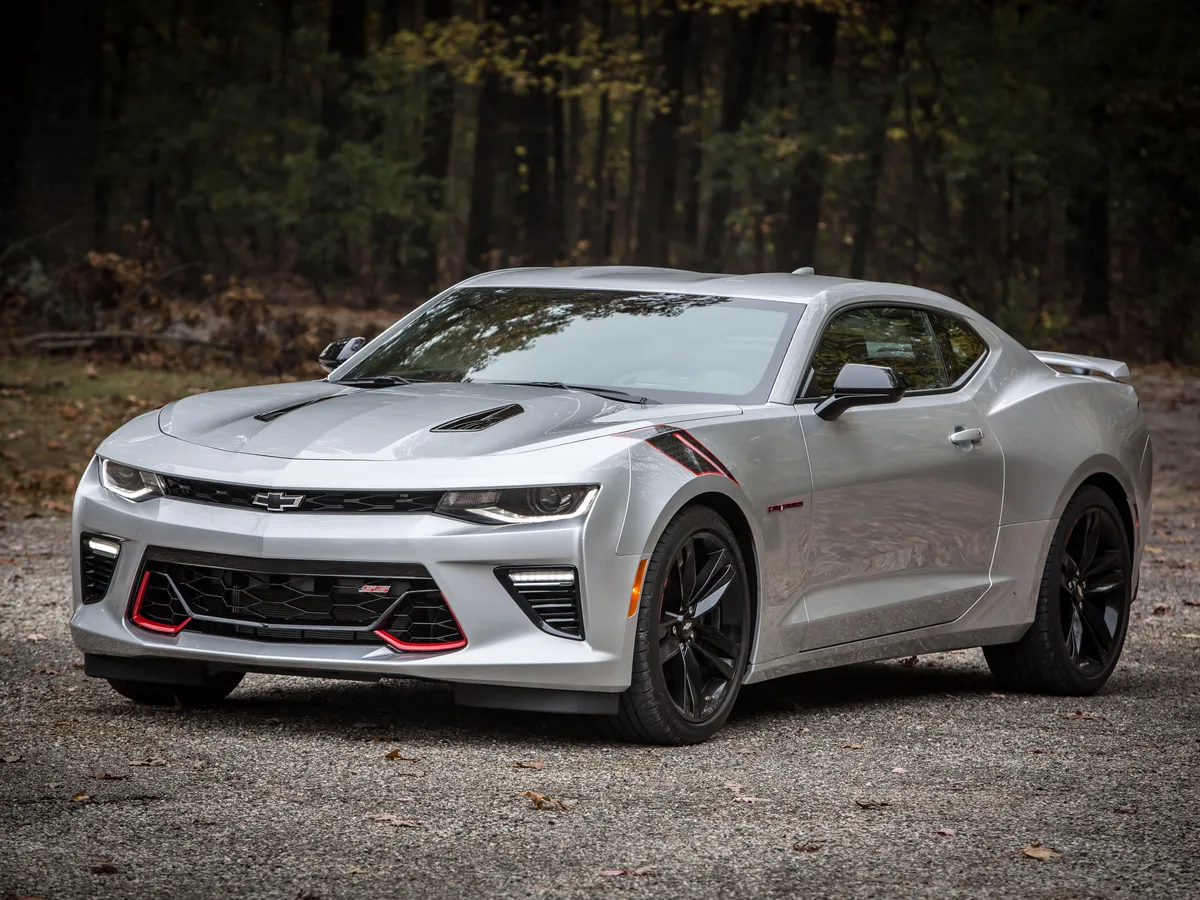
6. 2018 Chevrolet Camaro SS: Power, Precision, and Pure American Muscle
The 2018 Chevrolet Camaro SS carries a 6.2-liter LT1 V8 that produces 455 horsepower at 6,000 rpm and 455 lb-ft of torque at 4,400 rpm. This powertrain allows the Camaro to sprint from 0 to 60 mph in about 4.0 seconds, making it faster than the Ford Mustang GT of the same year. The J.D. Power reliability score of 85 out of 100 reflects its strong dependability and engineering quality.
The V8’s power delivery is smooth and relentless, with strong pull from low revs and a rich, aggressive exhaust note. Paired with either a six-speed manual or an eight-speed automatic, the Camaro SS delivers impressive straight-line performance.
The automatic is quick and responsive at full throttle, while the manual offers a more engaging, traditional driving experience. Both transmissions allow the car to switch to a four-cylinder mode at cruising speeds to improve fuel economy without hurting drivability.
Handling is one of the Camaro SS’s biggest strengths. Its chassis feels exceptionally rigid, and the suspension tuning strikes an impressive balance between precision and comfort.
Steering is sharp and direct, with just the right amount of resistance, though it lacks a bit of feedback through the wheel. The SS feels heavy compared to some competitors, but its grip and composure make it one of the most capable coupes in its class.
The optional Magnetic Ride Control suspension enhances the car’s ability to absorb bumps while maintaining cornering stability. The Camaro stays flat in turns and feels confident on winding roads. Braking performance is equally impressive. The SS stops from 60 mph in about 102 feet, thanks to its Brembo brakes and wide performance tires.
Inside, the Camaro SS delivers a surprising level of comfort for a muscle car. The front seats are supportive, with good lateral bolstering that keeps you in place during spirited driving. The cushions may feel narrow for some drivers, but they provide solid comfort on long trips. The rear seats, however, are nearly unusable for adults and serve better as extra storage space.
Ride quality is smooth for a performance car, especially when equipped with the adaptive dampers. Road and wind noise are well-controlled at cruising speeds, and the available active exhaust system can make the engine sound either civilized or aggressive at the push of a button.
The interior materials are a major improvement over previous generations, with soft-touch surfaces and quality stitching on key areas such as the steering wheel and shifter.
The Camaro’s interior design is focused and stylish, but it sacrifices practicality. Visibility is the biggest drawback, with high sills and a low roofline creating narrow sightlines. Forward visibility is especially challenging on tight roads or in parking lots, though features like blind-spot monitoring and a rearview camera help compensate.
Most controls are well-placed, but some buttons are small and hard to distinguish at a glance. The infotainment screen sits low in the dash and can reflect sunlight from the center console. Front-seat access is easy, and the small-diameter steering wheel provides extra clearance. Rear-seat access is difficult, and the slow-moving power seats don’t help.
Chevrolet’s MyLink infotainment system is one of the best in this segment. It is quick to respond, features large icons, and supports both Apple CarPlay and Android Auto as standard. Bluetooth, two USB ports, and available 4G LTE Wi-Fi make the Camaro feel up to date. The optional 8-inch screen looks crisp, though its downward angle can be awkward to view in certain lighting conditions.
The available Bose audio system delivers excellent clarity and bass response, making it a great match for long drives. Driver-assistance features include a standard rearview camera, blind-spot monitoring, rear cross-traffic alert, and lane departure warning. Forward collision warning is notably absent, though most competitors offer it.
Utility is not the Camaro’s strong suit. The trunk offers only 9.1 cubic feet of space, and the narrow opening with a high liftover makes it hard to fit larger luggage. The back seat can double as a storage shelf for extra gear, which many owners find more practical than trying to seat passengers.
Interior storage is minimal, with small door pockets and a compact center console bin. The cupholders are decently sized but slightly intrusive when shifting with the manual transmission. Despite these limitations, the Camaro’s design and driving focus make it clear that practicality was never its top priority.
The 2018 Camaro SS is a standout in the modern muscle car field. Its blend of raw power, precision handling, and advanced technology make it both thrilling and livable. The V8 engine is a masterpiece of American engineering, offering instant acceleration and a commanding presence on the road.
While the interior may feel confined and the visibility remains a challenge, the Camaro SS rewards its driver with one of the most engaging driving experiences available in this price range. It is equally at home on a track or a long highway stretch.
The 2018 Chevrolet Camaro SS combines muscle, agility, and refinement in a way few cars can match. Its 455-horsepower V8 delivers breathtaking acceleration, and the chassis feels tight and responsive.
It may not be the most practical choice for daily use, but as a driver’s car, it is hard to beat. For enthusiasts who crave a powerful coupe that balances comfort, performance, and technology, the Camaro SS remains one of the best choices in its class.
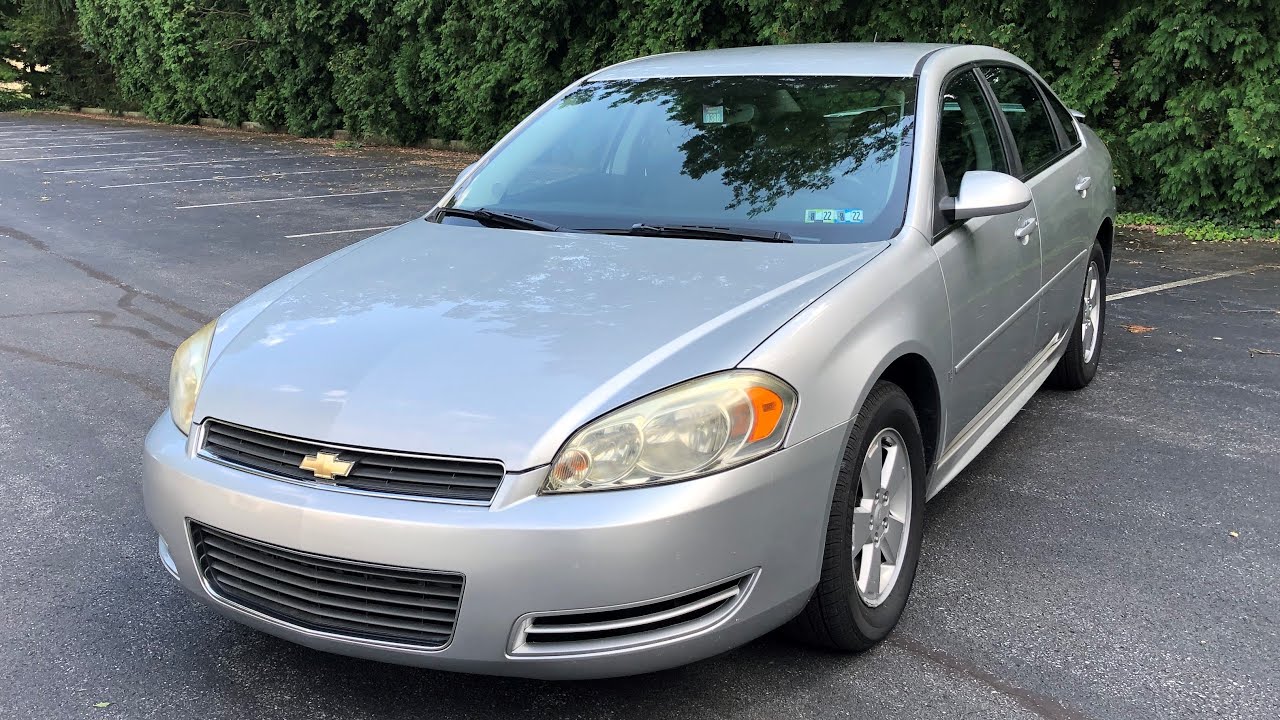
7. 2010 Chevrolet Impala SS: Familiar Comfort with V8 Power
The 2010 Chevrolet Impala SS combines traditional American sedan comfort with the punch of a 5.3-liter V8 engine producing 303 horsepower and 323 lb-ft of torque. It accelerates from 0 to 60 mph in 5.7 seconds, offering solid straight-line performance for a full-size sedan. With a J.D. Power reliability score of 86 out of 100, it demonstrates consistent dependability and build quality.
The front-wheel-drive layout and heavy V8 give the car a nose-heavy feel that can lead to understeer during spirited driving. However, for daily commutes and highway cruising, the Impala SS feels smooth and composed.
Its four-speed automatic transmission shifts predictably, though it lacks the precision of newer multi-speed units. While rear-wheel-drive rivals like the Dodge Charger handle more sharply, the Impala focuses on relaxed performance and steady comfort.
Ride quality is one of the Impala SS’s strongest attributes. The suspension is tuned for softness, soaking up bumps with ease and maintaining a calm demeanor over rough pavement.
Steering is light and easy to manage, though feedback is limited. Body roll is noticeable on twisty roads, but the car stays stable and predictable, prioritizing comfort over agility.
Inside, the Impala SS offers a spacious and functional cabin that can seat up to six passengers thanks to its optional front bench seat. The straightforward design is easy to use, with large buttons and controls positioned within reach.
The materials feel dated, with hard plastics and simple surfaces dominating, even in higher trims with leather upholstery. Still, the cabin remains quiet during highway cruising, and the seats provide good comfort and support for long drives.
Practicality is another strength. The 18.6-cubic-foot trunk is among the largest in its class, featuring a wide opening and fold-flat rear seats for added versatility. Storage areas are generous, with useful compartments and door pockets throughout.
Technology is basic but functional, offering power accessories, dual-zone climate control, and optional premium audio. OnStar provides emergency assistance, though Bluetooth and USB connectivity are absent. Standard safety features include stability control, antilock brakes, and front and side airbags. Crash tests earned strong ratings, reinforcing the Impala’s reputation for safety.
The 2010 Chevrolet Impala SS delivers a blend of V8 power, comfort, and reliability that appeals to traditional sedan fans. It may lack modern refinement and handling sharpness, but its smooth ride, strong performance, and practicality make it a dependable and satisfying daily driver.
8. 2019 Dodge Charger R/T: Classic Muscle with Modern Comfort
The 2019 Dodge Charger R/T is one of the last true American V8 sedans, powered by a 5.7-liter HEMI V8 producing 370 horsepower and 395 lb-ft of torque. It accelerates from 0 to 60 mph in 4.7 seconds, impressive for its 4,400-pound weight.
The J.D. Power reliability score of 87 out of 100 highlights its dependability. While Dodge has discontinued the Charger in its classic form, this R/T remains a symbol of raw muscle blended with everyday usability.
The car’s performance is thrilling. It launches hard off the line, accompanied by a deep exhaust note that defines its character. Braking is strong, with consistent pedal feel and short stopping distances of just 102 feet from 60 mph. Steering is heavy and well-weighted but lacks road feedback, and Sport mode offers little improvement.
Through corners, the Charger remains composed and surprisingly flat, though midcorner bumps can unsettle it slightly. The throttle response is very sharp, requiring a gentle foot for smooth starts in traffic.
Ride quality in the Charger R/T strikes a balance between firmness and comfort. The suspension can feel stiff over rough surfaces, yet the interior’s sound insulation keeps the cabin calm enough for long drives. The seats are well-bolstered and supportive, with generous padding and lumbar support in both rows. Rear passengers enjoy decent space, though ride comfort can dip slightly on uneven roads.
Noise levels are tolerable but noticeable. The V8’s rumble adds character, but tire and wind noise creep in at higher speeds. Still, the cabin remains well-isolated enough for highway cruising without fatigue.
Inside, the Charger offers a spacious, driver-focused cabin with a simple and functional design. The Uconnect infotainment system is one of the best in the class, combining a responsive touchscreen with physical buttons and intuitive menus. Visibility is compromised by thick roof pillars and a sloping windshield, making tight maneuvering more challenging.
Front-seat space is excellent, while the rear provides adequate headroom and legroom for adults, though taller passengers may find entry and exit tricky due to the roofline. Cargo capacity is average at 16.5 cubic feet, but the high trunk liftover limits loading convenience. Small-item storage is minimal, with shallow door pockets and small cupholders.
Technology is a strong suit for the Charger. Standard Apple CarPlay and Android Auto make smartphone connectivity effortless, and the available navigation system is clear and quick to respond.
Optional safety features include adaptive cruise control, lane keeping assist, and forward collision warning, all of which work reliably without being intrusive. Voice controls are intuitive and handle navigation and media commands easily.
The 2019 Dodge Charger R/T combines classic American muscle with modern tech and comfort. It’s fast, loud, and comfortable enough for daily use while maintaining a commanding presence on the road.
Its flaws in visibility and storage are outweighed by its performance, practicality, and unmistakable charm. Even as the Charger evolves into a new generation, the 2019 R/T remains one of the last true V8-powered sedans that captures the spirit of old-school performance.
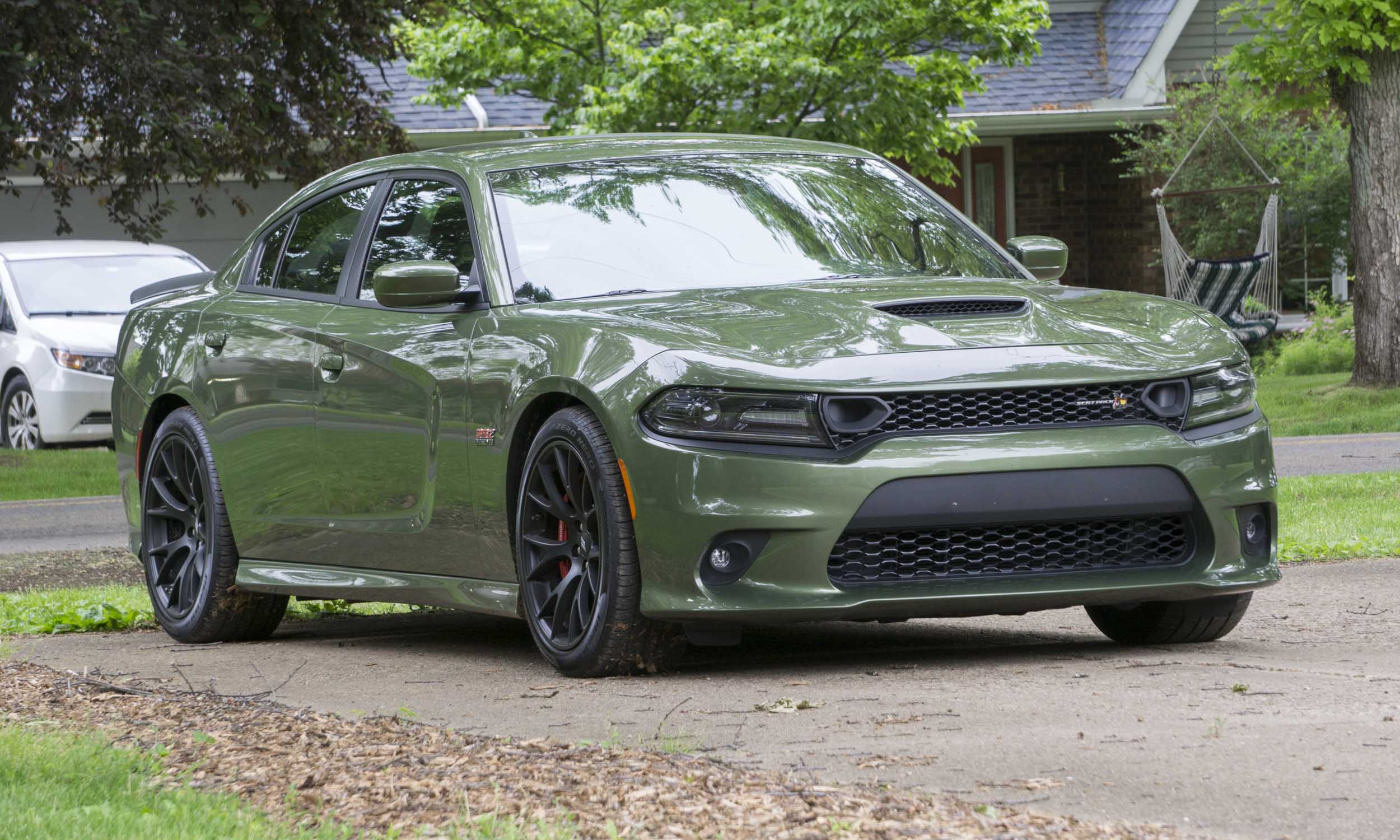
9. 2018 Lexus GS F: The Last of the Naturally Aspirated Greats
The 2018 Lexus GS F is one of the final naturally aspirated V8 sedans, powered by a 5.0-liter engine that produces 467 horsepower and 389 lb-ft of torque. It reaches 60 mph in 4.3 seconds, which is quick enough to challenge many modern performance cars.
With a J.D. Power reliability score of 92 out of 100, the GS F also upholds Lexus’s reputation for exceptional dependability. What makes it truly special is not just speed but the emotional connection it creates with the driver.
The eight-speed automatic transmission shifts smoothly and keeps the powerband accessible. The V8 delivers a linear rush of power with an authentic growl that adds to the driving experience. A torque-vectoring rear differential distributes power effectively between the wheels, making cornering sharp and predictable.
The GS F offers several driving modes that adjust the steering, throttle, and suspension, giving the driver control over the car’s personality. Brembo brakes deliver strong stopping power, although heavy use on mountain descents can result in slight fade.
Despite weighing more than 4,000 pounds, the GS F feels surprisingly nimble. The suspension tuning allows a touch of body movement that keeps the ride natural and communicative. The rear differential improves balance and helps the car rotate through corners with precision.
Steering is well-weighted and accurate, providing good feedback for spirited driving. On highways, the GS F remains composed and stable, making it equally comfortable for long-distance travel.
The ride quality is firm yet refined. Rough pavement is handled with composure, and the sound insulation keeps the cabin quiet even at high speeds. The V8’s deep tone is always present without being intrusive. The GS F’s balance between comfort and performance makes it suitable for both daily driving and weekend getaways.
Inside, the GS F offers a mix of luxury and sportiness. The cabin features high-quality materials, supportive seats, and a clean design. Leather and Alcantara upholstery add to the premium atmosphere, while the ergonomics ensure that all controls are easy to reach. The biggest drawback is the infotainment system, which uses a joystick-style controller that feels outdated and can be frustrating to operate.
The seats provide excellent support and comfort for long drives. Although the rear seats do not fold down, the trunk is spacious enough for most travel needs. Lexus craftsmanship is evident in the soft-touch surfaces, solid switchgear, and precise stitching throughout the cabin.
The 2018 Lexus GS F stands as a tribute to an era of naturally aspirated V8 sedans. In a market dominated by turbocharged and electrified vehicles, the GS F feels refreshingly genuine. It might not be the fastest or most advanced option in its class, but it offers something rare: personality.
With its engaging powertrain, refined comfort, and proven reliability, the GS F reminds drivers of what made performance sedans truly special. It connects the machine and driver in a way few modern cars can replicate. The Lexus GS F is a final salute to an era when driving was about passion, precision, and mechanical purity.
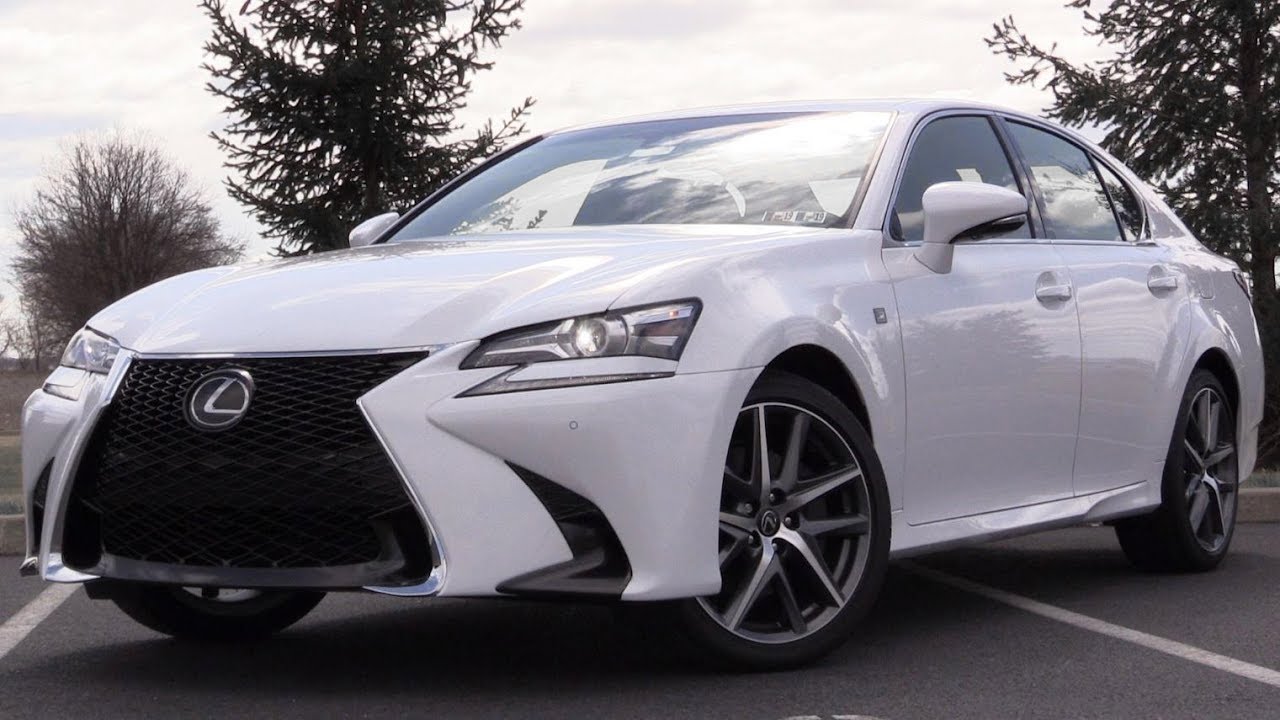
10. Lexus IS 500 F Sport Performance: The Final Naturally Aspirated V8 Sedan
The Lexus IS 500 F Sport Performance stands as a rare gem in today’s market, being one of the last compact sedans powered by a naturally aspirated V8. Its 5.0-liter engine produces 472 horsepower and 395 lb-ft of torque, propelling the car from 0 to 60 mph in just 4.4 seconds.
This powerplant, shared with the Lexus RC F and LC 500, delivers a smooth, linear surge of acceleration accompanied by a rich exhaust note that enhances the driving experience.
While the IS 500 offers thrilling straight-line performance, its character leans more toward comfort and refinement than track aggression. The adaptive suspension and limited-slip rear differential maintain stability through corners, offering a balanced blend of sportiness and luxury.
Some reviewers note that the suspension feels slightly soft for a dedicated performance car, but that contributes to a more comfortable ride on daily commutes. The 8-speed automatic transmission shifts smoothly, though some enthusiasts wish for shorter gearing to make the car more responsive during spirited driving.
Inside, the IS 500 features a refined and driver-focused cabin. The interior uses high-quality materials, soft-touch surfaces, and supportive front seats that make long drives easy.
The design retains a sporty feel without sacrificing comfort. While the infotainment system includes a touchscreen, it still relies on a trackpad controller that many find outdated. Apple CarPlay and Android Auto are standard but only available via a wired connection, and a head-up display is absent.
Other notable features include a digital instrument cluster with a sliding bezel, heated and ventilated seats, and a 360-degree camera system. The rear seats are snug for adults but adequate for shorter trips, while the trunk offers enough space for luggage, making the IS 500 surprisingly practical for a compact performance sedan.
The Lexus IS 500 F Sport Performance is not the most track-focused option in its class, but it shines as a refined grand tourer with an old-school heart. It delivers a satisfying balance of power, comfort, and reliability, earning a J.D. Power score of 92 out of 100. For enthusiasts seeking a luxurious daily driver with a true V8 soundtrack, the IS 500 is a fitting final chapter in the era of naturally aspirated Lexus performance sedans.
The era of the V8 engine may be nearing its twilight, but its legacy continues through cars like the Dodge Charger R/T, Lexus GS F, and Chevrolet Camaro SS. Each model tells a story of unrestrained power, emotional connection, and mechanical mastery that few modern vehicles can match.
These V8 cars prove that excitement, character, and craftsmanship can still be found on a reasonable budget. For those who value the deep rumble of an engine and the instant surge of torque underfoot, these machines offer something timeless.
They deliver a driving experience that blends nostalgia with performance, the kind that modern hybrids and EVs rarely capture. “10 V8 Cars That Can Still Be Bought Cheap” is more than a list, it’s a celebration of the last great affordable performance icons, built for enthusiasts who believe that true passion comes with eight cylinders and a heartbeat.
Also Read: 10 Cars Perfect for Daily Highway Driving