
The dashboard is more than just a panel of controls. It sets the tone for the entire driving experience. A well-designed dashboard can make every drive feel effortless, intuitive, and enjoyable.
For sedans, where comfort and usability are crucial, the layout of buttons, screens, and gauges can dramatically affect both convenience and safety.
Modern sedans offer dashboards that balance technology with simplicity. Some feature large touchscreen displays that integrate navigation, entertainment, and vehicle information seamlessly.
Others prioritize physical controls for a tactile, easy-to-use interface. Regardless of the approach, the best dashboards provide clear visibility, logical placement of essential functions, and minimal distractions.
Ergonomics plays a key role in dashboard design. Drivers benefit from layouts that keep controls within reach and displays easy to read without taking attention off the road. Small touches, like customizable digital clusters, ambient lighting, and well-placed air vents, can significantly enhance comfort.
Technology is constantly evolving, but intuitive design remains timeless. A dashboard that combines modern tech with thoughtful organization ensures a sedan remains enjoyable to drive year after year.
In this guide, we focus on twelve sedans that stand out for their dashboard layouts. These vehicles have been selected based on usability, aesthetics, and innovation.
From premium luxury sedans to practical everyday drivers, the following selections highlight the best approaches automakers have taken to create driver-focused interiors.
Each example demonstrates how careful design improves both functionality and satisfaction behind the wheel.
Also Read: 12 Cars That Perfectly Represent 90s Performance
1. Mercedes-Benz E-Class
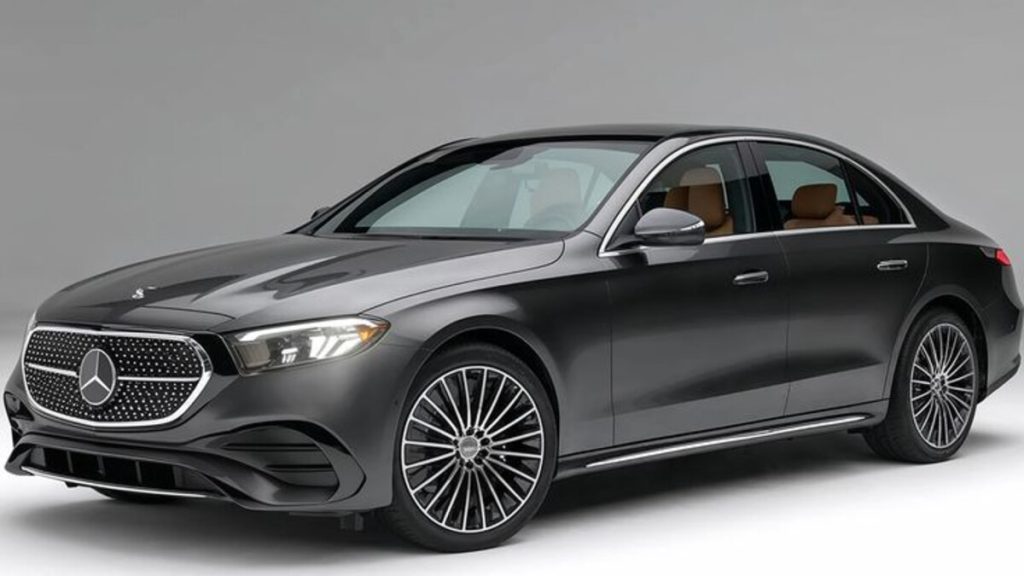
The Mercedes-Benz E-Class has long been recognized for its luxurious interior, and the dashboard design is a major reason. It combines elegance with functionality, creating a driver-focused environment without feeling cluttered.
The centerpiece is the dual widescreen display, which merges the instrument cluster and infotainment system. Both screens are sharp, clear, and highly customizable, allowing drivers to choose from multiple layouts depending on preference. Essential driving information is always visible, while secondary controls remain intuitive and accessible.
Physical controls are limited, but the touch-sensitive buttons on the steering wheel make interaction simple. Haptic feedback ensures you know when a command has been registered. The placement of the climate controls and central console is logical, keeping everything within easy reach.
Ambient lighting is integrated subtly into the dashboard, providing visibility at night without causing distraction. Small details, such as rotary knobs and metallic finishes, enhance the tactile experience and contribute to a sense of quality.
The E-Class also features voice control that responds accurately to natural commands. This reduces the need to navigate menus or take your hands off the wheel. Navigation prompts, media, and car settings are easily accessed through this system, maintaining the smooth flow of driving.
Ergonomics have been carefully considered, with the driver’s eye naturally guided to the main displays and essential gauges. This design makes long drives more comfortable, as information is accessible without strain.
Overall, the E-Class dashboard successfully blends technology, aesthetics, and user-friendliness. It delivers a refined driving experience, offering both style and practicality for daily use.
2. Audi A6
The Audi A6 emphasizes minimalism and clarity in its dashboard layout. The interior design focuses on clean lines and logical organization, creating a sense of spaciousness while keeping controls easily reachable.
A standout feature is the dual touchscreen setup. The upper screen handles infotainment, while the lower panel is dedicated to climate and other vehicle functions. Both displays are responsive and feature high-quality graphics, making interaction smooth and satisfying.
Physical buttons are kept to a minimum, but essential controls like hazard lights and volume adjustment remain easily accessible. The MMI touchpad on the center console adds another layer of convenience for those who prefer tactile feedback over touchscreens.
The instrument cluster is fully digital, offering customizable layouts for navigation, media, and driver assistance information. This ensures that the most relevant details are always in the driver’s line of sight.

Air vents are designed to integrate seamlessly into the dashboard’s lines, contributing to an uncluttered appearance. The materials used, including soft-touch plastics and brushed aluminum, reinforce the premium feel of the cabin.
Ergonomics are excellent, with the center console angled slightly toward the driver for comfort. Voice commands are precise, reducing distractions while keeping control of the car’s functions straightforward.
Overall, the Audi A6 dashboard demonstrates how thoughtful organization and minimalism can enhance both style and functionality. Drivers benefit from a clean, easy-to-use interface without sacrificing advanced technology or comfort.
3. BMW 5 Series
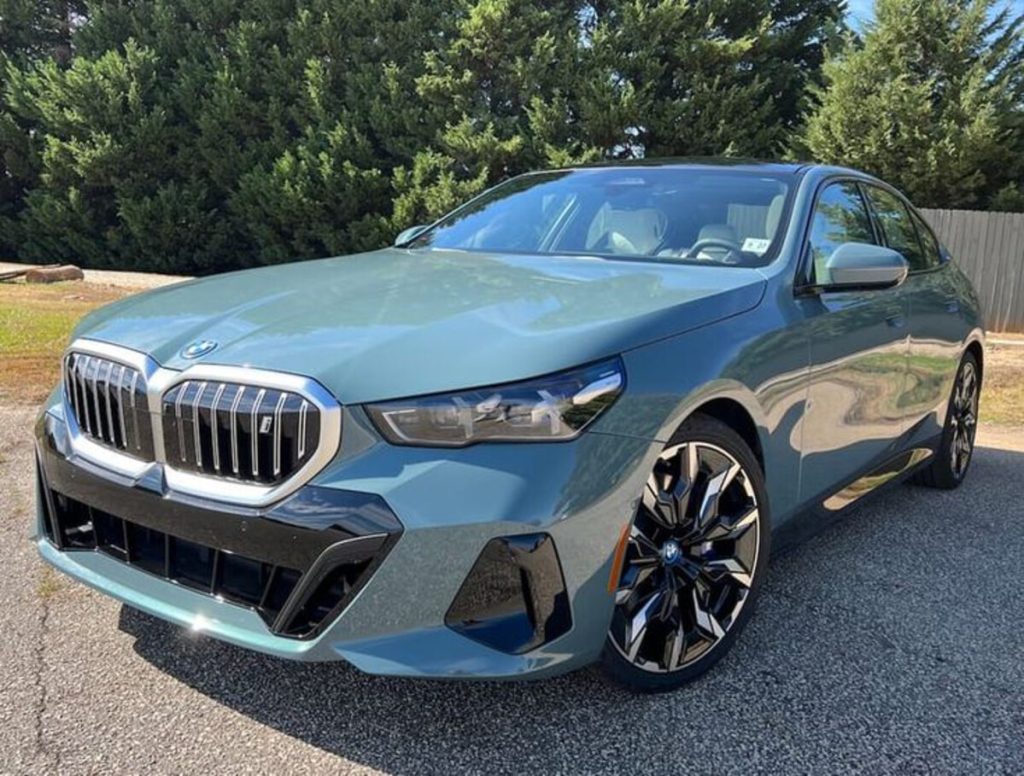
The BMW 5 Series has a dashboard designed with the driver in mind, combining sporty elegance with practicality. Every element is positioned to ensure ease of use while keeping the cabin visually balanced.
At the center is a crisp digital display for navigation, media, and car information. The screen is large enough to present clear graphics but positioned to avoid obstructing the driver’s view of the road.
The digital instrument cluster behind the steering wheel can be customized to show essential driving data, from speed to navigation prompts, depending on preference.
Physical controls are intuitive. Climate buttons and volume knobs remain tactile and accessible, providing familiarity alongside modern touch inputs. The iDrive controller on the center console allows seamless menu navigation without having to reach for the screen.
Material quality is impressive, with soft-touch surfaces, wood, and brushed metal giving the dashboard a premium feel. Ambient lighting is subtle but enhances visibility and adds a touch of sophistication during nighttime driving.
Ergonomics are carefully planned. The center console angles slightly toward the driver, keeping essential controls within easy reach. The steering wheel includes shortcut buttons that allow access to major functions without distraction.
Voice commands are responsive and allow management of navigation, media, and phone functions efficiently. Drivers benefit from a layout that balances technology with simplicity, reducing cognitive load during longer drives.
The BMW 5 Series dashboard proves that a sporty, luxurious sedan can be practical. Its combination of clear displays, thoughtful controls, and premium materials provides a refined and functional driving environment.
4. Lexus ES
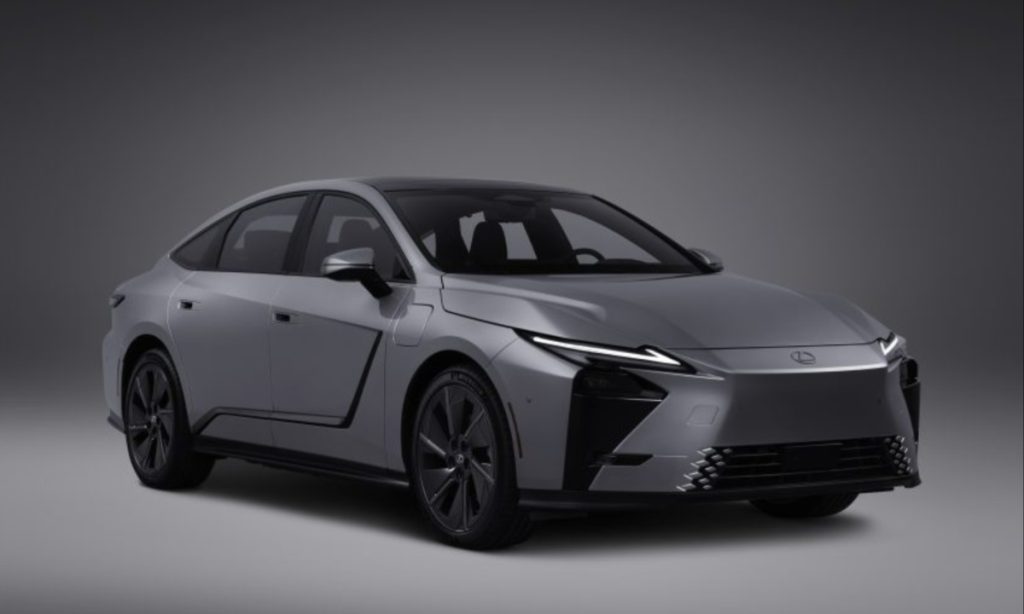
The Lexus ES offers a dashboard layout that emphasizes comfort and calmness. The interior avoids unnecessary complexity, focusing on clear, accessible controls and a premium aesthetic.
The infotainment screen sits high on the dashboard, ensuring visibility without diverting the driver’s eyes from the road. Unlike some competitors, the Lexus uses a mix of touchscreen input and a remote touch controller, giving flexibility depending on driver preference.
Below the screen, climate controls are organized logically. Buttons are large, easy to reach, and require minimal effort to operate. The arrangement ensures that adjustments can be made quickly, keeping attention on driving.
The instrument cluster combines traditional dials with a central digital display. Key information like speed, fuel level, and navigation instructions is presented cleanly, reducing clutter and enhancing readability.
Materials are a strong point. Soft-touch plastics, stitched leather, and subtle metallic accents create a luxurious feel without overwhelming the senses. Air vents are placed thoughtfully, integrating with the overall dashboard design.
Ergonomics are excellent, with the driver-oriented center console providing easy access to major controls. Voice command functionality is reliable, handling navigation, audio, and phone commands efficiently.
The Lexus ES dashboard demonstrates that simplicity and clarity can be as valuable as advanced technology. Its thoughtful layout and premium finishes make every drive more comfortable and intuitive.
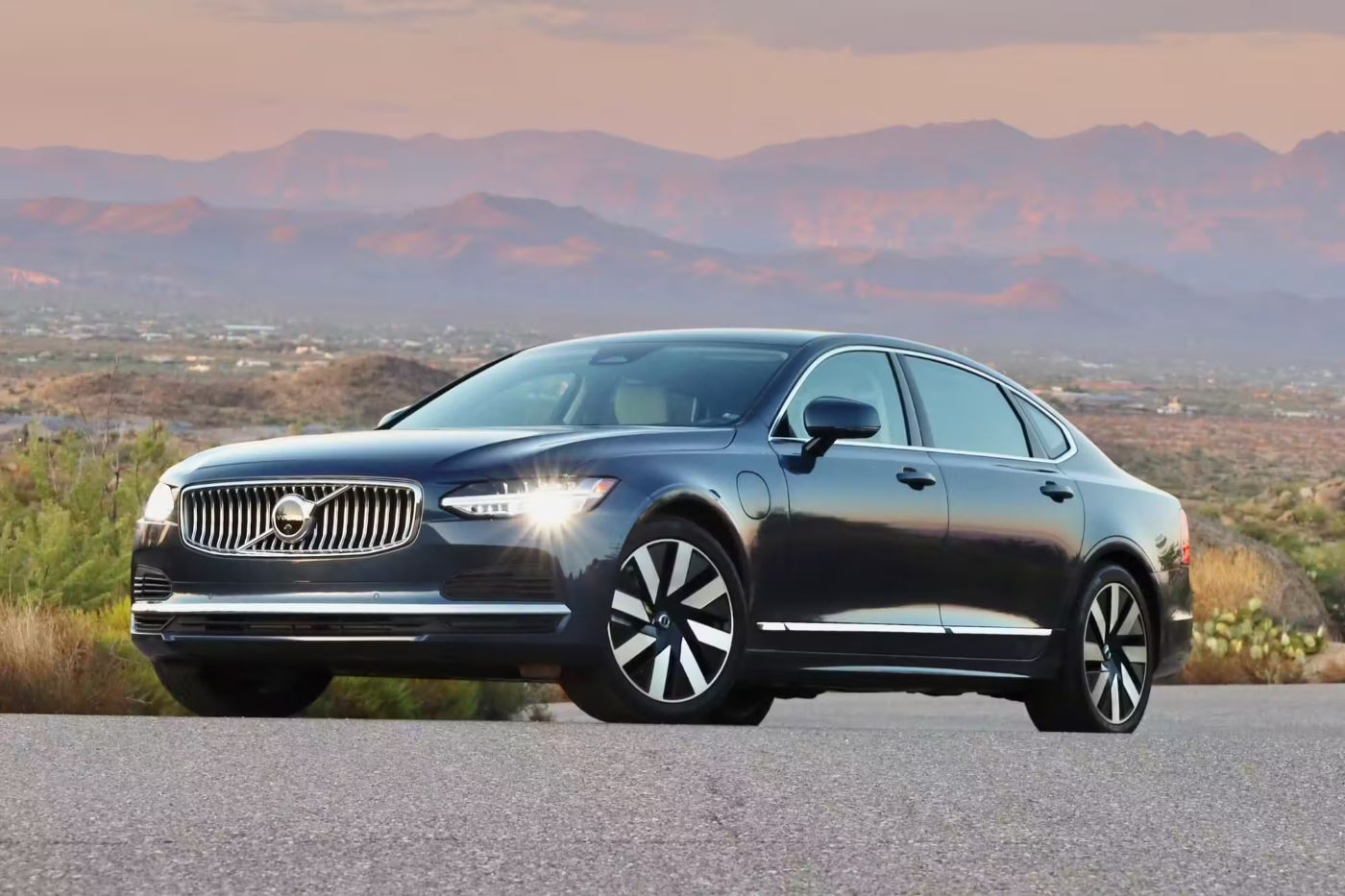
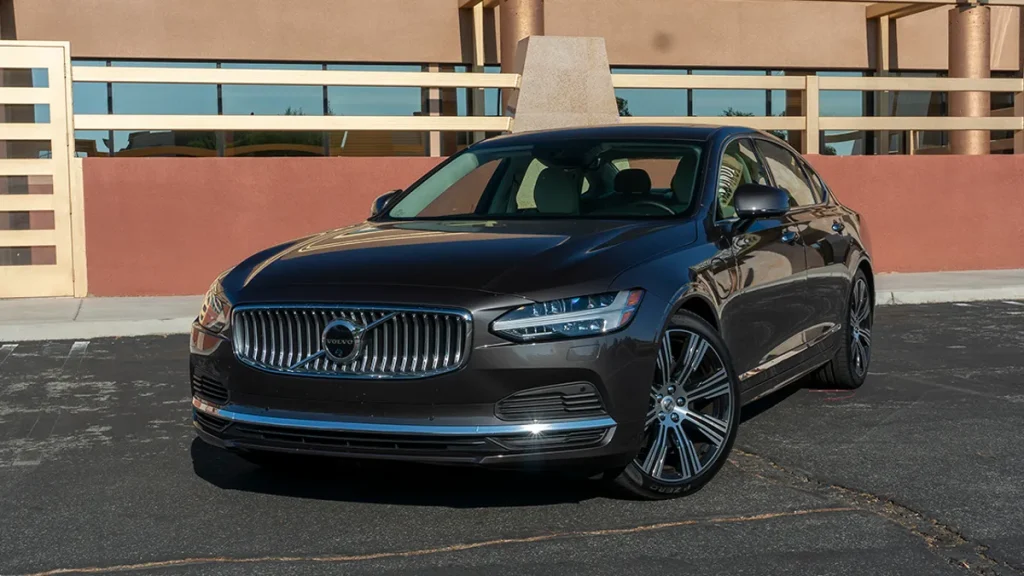
5. Volvo S90
The Volvo S90 dashboard emphasizes Scandinavian simplicity, combining minimalism with elegance. Its design ensures that drivers can access key information without distraction.
A large vertical touchscreen dominates the center console, controlling infotainment, climate, and car settings. The interface is intuitive, featuring clear icons and smooth responsiveness. Essential controls remain accessible with minimal effort, making operation straightforward even on the move.
The digital instrument cluster is fully customizable. Drivers can choose from layouts emphasizing speed, navigation, or energy consumption, depending on preference. Information is presented cleanly, avoiding visual clutter.
Physical buttons are kept to a minimum, but the most frequently used functions, such as volume control and hazard lights, are easily reachable. The steering wheel includes integrated controls for audio, phone, and adaptive cruise functions, reducing the need to interact with the touchscreen constantly.
Material quality enhances the sense of calm. Soft-touch surfaces, natural wood trim, and subtle metallic accents contribute to a sophisticated interior. Ambient lighting is gentle and unobtrusive, helping maintain a relaxing atmosphere during nighttime driving.
Ergonomics are carefully considered. The screen angle and control placements ensure the driver’s focus remains on the road. Voice commands respond accurately to natural phrasing, allowing control of navigation, media, and climate without distraction.
Overall, the Volvo S90 dashboard highlights a balance of form and function. Its clean lines, logical control placement, and premium materials create an environment that is both inviting and practical.
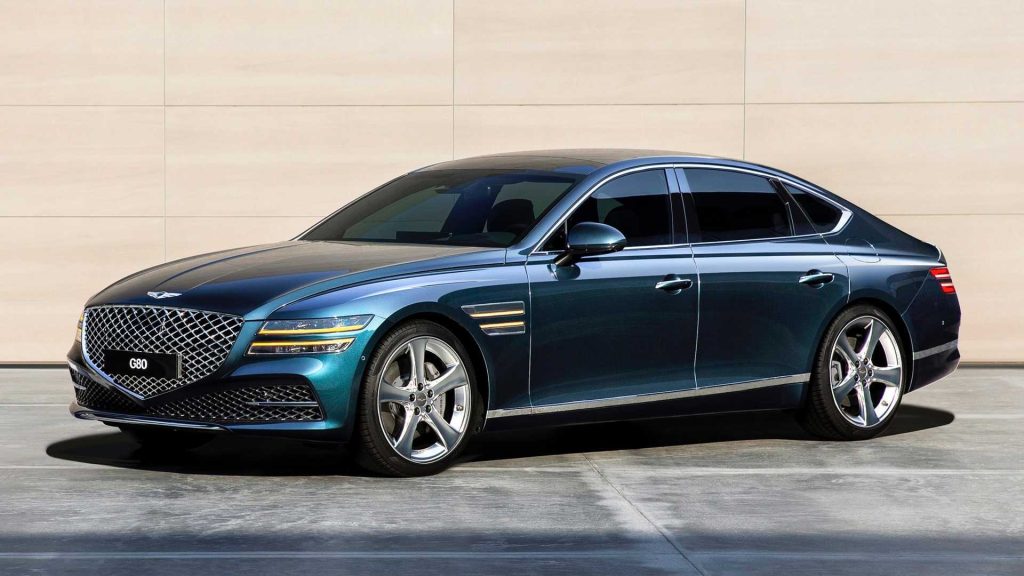
6. Genesis G80
The Genesis G80 offers a dashboard layout that combines luxury with clarity. It emphasizes both functionality and visual appeal, ensuring an enjoyable driving experience.
The center console features a large touchscreen, angled slightly toward the driver for optimal viewing. It handles navigation, media, and vehicle settings in a single interface. Touch responsiveness is excellent, and menus are logically arranged for ease of use.
The digital instrument cluster is fully customizable. Drivers can prioritize driving information, navigation instructions, or media displays. This ensures that the most relevant information is always prominent, reducing distractions.
Physical controls are kept minimal but practical. Climate buttons and volume knobs remain easily reachable, while the steering wheel hosts essential shortcut controls for audio, phone, and driving assistance systems.
Material quality stands out, with soft-touch plastics, leather, and metallic finishes creating a luxurious environment. Subtle ambient lighting enhances visibility at night without being intrusive. Air vents are integrated seamlessly into the dashboard design, contributing to a clean and cohesive appearance.
Ergonomics are strong, with thoughtful placement of all controls and a driver-focused orientation. Voice command functionality allows operation of navigation, media, and phone systems effectively, keeping hands on the wheel and eyes on the road.
The Genesis G80 dashboard demonstrates how a combination of technology, design, and usability can create a premium experience. Its intuitive layout and elegant materials provide a comfortable and practical driving environment.
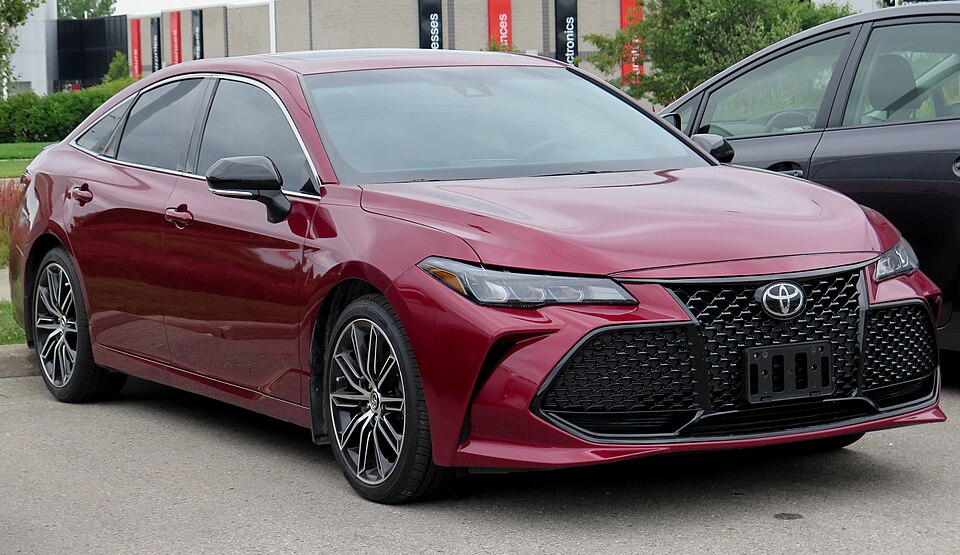
7. Toyota Avalon
The Toyota Avalon features a dashboard layout that balances simplicity with modern technology. It is designed to provide drivers with easy access to essential functions without overwhelming the cabin.
At the center is a responsive touchscreen that handles infotainment, navigation, and vehicle settings. The interface is straightforward, with clear icons and menus that make interaction easy, even while driving.
The instrument cluster combines analog dials with a central digital display. Key information, such as speed, fuel level, and navigation directions, is presented clearly and logically. Drivers can quickly glance at the cluster without distraction.
Physical controls are well placed and tactile. Climate buttons, volume knobs, and other frequently used controls are easy to reach, providing a familiar interface alongside modern touchscreen functions.
Materials are of high quality, with soft-touch surfaces, subtle metallic accents, and well-finished plastics. Air vents are integrated into the dashboard design, contributing to a clean and organized look. Ambient lighting adds visibility at night without being intrusive.
Ergonomics are carefully considered. The center console is angled slightly toward the driver, ensuring convenient access to controls. The steering wheel includes shortcut buttons for media, phone, and cruise control, keeping the driver’s focus on the road.
Voice command functionality is reliable, allowing control of navigation, audio, and phone features efficiently. This reduces the need for drivers to interact with the touchscreen unnecessarily.
Overall, the Toyota Avalon dashboard combines intuitive design with quality materials. It delivers a comfortable and user-friendly experience, ensuring drivers can focus on driving while enjoying a modern and well-organized interior.
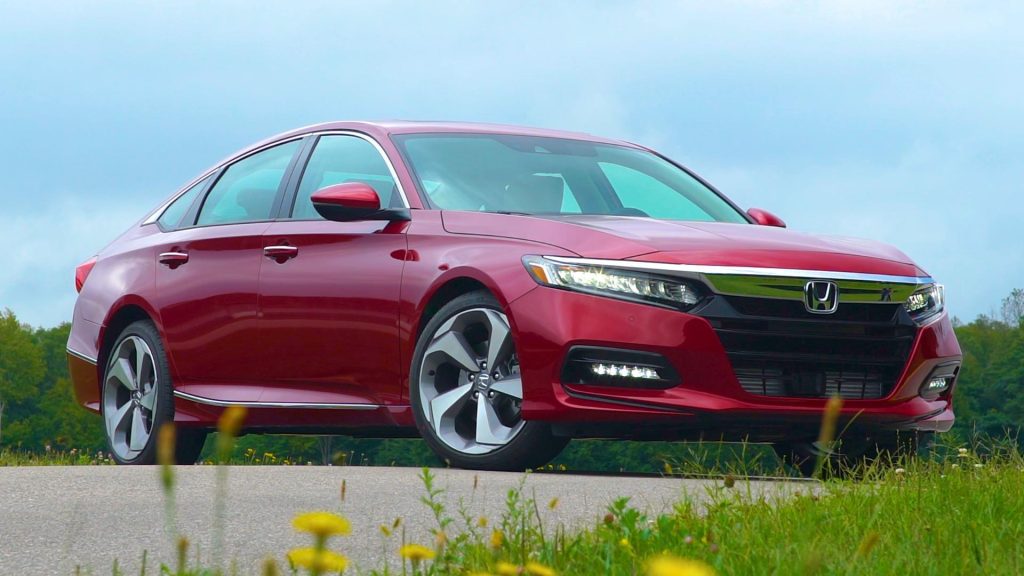
8. Honda Accord
The Honda Accord dashboard emphasizes clarity and accessibility. Its design prioritizes function, ensuring that all essential information and controls are easily reachable.
A wide touchscreen dominates the center console, providing access to infotainment, navigation, and vehicle settings. The interface is simple, with clear menus and responsive touch controls that make interaction smooth.
The instrument cluster blends analog and digital elements. Key driving information, including speed, fuel levels, and navigation prompts, is easy to read at a glance. This layout reduces distraction while driving.
Physical buttons remain prominent for frequently used functions like volume, climate control, and hazard lights. The steering wheel also hosts essential controls, allowing drivers to manage audio, phone, and driver-assistance systems without taking hands off the wheel.
Materials are durable and attractive. Soft-touch plastics, leather accents, and metallic trim contribute to a premium feel without being extravagant. Air vents are integrated into the dashboard design, maintaining a cohesive look.
Ergonomics are strong, with controls positioned for convenience. The center console is angled toward the driver, while the seating position provides a clear line of sight to displays. Voice commands work effectively for navigation, media, and phone functions.
The Honda Accord dashboard demonstrates how careful organization and intuitive design can enhance the driving experience. It is practical, comfortable, and modern, offering a layout that serves daily driving needs efficiently.
9. Kia K7 (Cadenza)
The Kia K7, also known as the Cadenza in some markets, features a dashboard designed for both comfort and clarity. Its layout emphasizes logical placement of controls while maintaining a modern aesthetic.
At the center, a large touchscreen handles infotainment, navigation, and vehicle settings. The display is crisp and responsive, making interaction smooth and intuitive. Menus are clearly organized, reducing the need for excessive attention while driving.
The instrument cluster blends analog and digital elements. Key driving information, such as speed, fuel levels, and navigation instructions, is displayed clearly. Drivers can choose from multiple layouts, prioritizing the data most relevant to them.
Physical controls are practical and well-positioned. Climate buttons, hazard lights, and volume knobs remain within easy reach. The steering wheel integrates essential shortcut controls for audio, phone, and driving assistance systems, minimizing distraction.
Materials are of high quality. Soft-touch plastics, leather accents, and metallic trim give the cabin a refined feel. Air vents are designed to integrate seamlessly into the dashboard, contributing to a clean and cohesive look. Ambient lighting is subtle, enhancing nighttime visibility without being distracting.
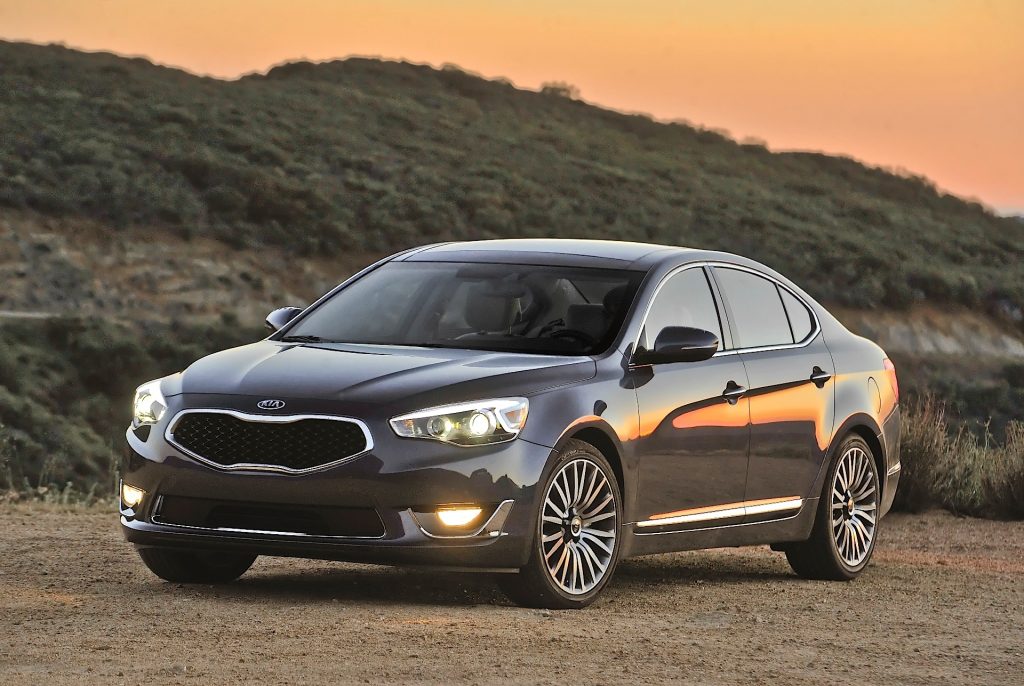
Ergonomics are carefully considered. The center console is angled slightly toward the driver, ensuring easy access to key controls. Voice command functionality is reliable, handling navigation, audio, and phone commands efficiently.
Overall, the Kia K7 dashboard demonstrates how thoughtful design can combine comfort, practicality, and style. Its layout ensures a pleasant driving experience while keeping the cabin visually appealing and organized.
10. Nissan Altima
The Nissan Altima dashboard focuses on simplicity and usability, providing a clean interface that emphasizes accessibility. Its design ensures that drivers can interact with technology without distraction.
The center console houses a responsive touchscreen that manages infotainment, navigation, and vehicle settings. Icons are clear, menus are well-organized, and touch responsiveness is excellent, allowing drivers to operate functions with minimal effort.
The instrument cluster features a mix of analog and digital displays. Key information such as speed, fuel level, and navigation directions is presented clearly, reducing the chance of distraction. Drivers can customize the digital portion to show the data most important to them.
Physical controls remain within easy reach. Climate controls, hazard lights, and volume knobs are tactile and practical. The steering wheel also features shortcut buttons, allowing for quick adjustments to audio, phone, and driving assistance systems.

Materials are durable and pleasant to the touch. Soft plastics, metallic accents, and leather details contribute to a modern and refined look. Air vents are integrated neatly into the dashboard, creating a sense of order and cohesion.
Ergonomics are a strong point. Controls are positioned for convenience, and the touchscreen is angled toward the driver for better visibility. Voice commands work reliably, allowing navigation, media, and phone functions to be managed hands-free.
The Nissan Altima dashboard demonstrates how clarity and organization can improve the driving experience. It offers a practical, comfortable, and modern environment that enhances usability for daily commuting and longer drives.
11. Hyundai Sonata
The Hyundai Sonata dashboard combines modern technology with intuitive design. Its layout focuses on usability, ensuring that essential information and controls are easily accessible.
A wide touchscreen dominates the center console, managing infotainment, navigation, and vehicle settings. The interface is responsive, with clearly labeled icons and logically organized menus. This reduces the need for drivers to search for functions while on the move.
The instrument cluster blends analog and digital elements. Speed, fuel level, and navigation instructions are presented clearly, and drivers can choose custom layouts to prioritize the information most important to them.
Physical controls remain practical. Climate buttons, volume knobs, and hazard light switches are within easy reach, providing tactile feedback that complements the touchscreen interface. The steering wheel includes essential shortcut buttons for audio, phone, and driver assistance functions, keeping the driver’s focus on the road.
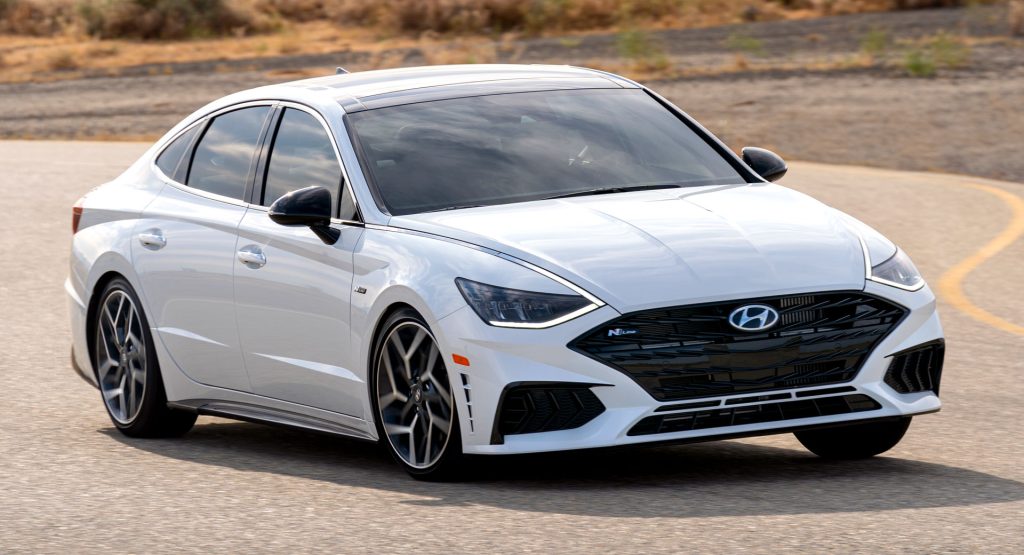
Materials used are of good quality. Soft-touch surfaces, leather accents, and metallic trim provide a sense of refinement. Air vents are seamlessly integrated into the dashboard design, contributing to a cohesive and organized interior. Subtle ambient lighting enhances nighttime visibility without being intrusive.
Ergonomics are well thought out. The center console is angled slightly toward the driver, and the touchscreen placement ensures clear visibility. Voice command functionality is accurate, allowing navigation, media, and phone functions to be controlled efficiently.
The Hyundai Sonata dashboard demonstrates how careful design can balance style, functionality, and comfort. Its intuitive layout makes daily driving easier while maintaining a modern and refined cabin environment.
12. Mazda 6
The Mazda 6 dashboard emphasizes simplicity and driver focus. Its clean design ensures that key information and controls are easily accessible without clutter.
A centrally mounted touchscreen handles infotainment, navigation, and vehicle settings. The interface is user-friendly, with clear menus and responsive touch controls that allow drivers to operate the system efficiently.
The instrument cluster combines analog dials with a central digital display. Important driving data, such as speed, fuel levels, and navigation prompts, is presented in a clear and legible manner. This design minimizes distraction and keeps attention on the road.
Physical buttons remain functional and easy to reach. Climate controls, volume knobs, and hazard light switches are tactile, providing feedback alongside the touchscreen. The steering wheel hosts essential shortcut buttons for media, phone, and driver-assistance functions.
Materials are thoughtfully selected. Soft-touch plastics, leather accents, and metallic finishes give the cabin a premium feel without overcomplicating the design. Air vents are integrated neatly into the dashboard layout, contributing to a clean and harmonious appearance.
Ergonomics are a strong focus. The center console angles slightly toward the driver, and controls are logically placed for ease of use. Voice command functionality allows for reliable operation of navigation, media, and phone features, minimizing the need for manual input.
The Mazda 6 dashboard proves that simplicity and attention to detail can create an elegant and practical driving environment. Its balanced design enhances usability while maintaining a modern and refined interior aesthetic.
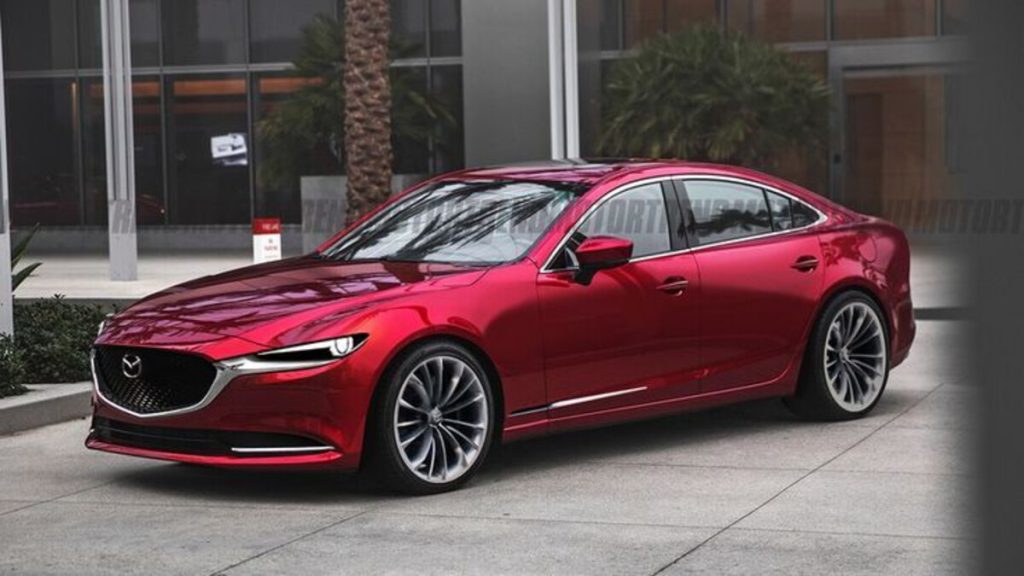
A well-designed dashboard can transform the driving experience, turning routine commutes into comfortable and intuitive journeys. Across the twelve sedans featured, certain design principles emerge consistently, showing what makes a dashboard both functional and enjoyable.
Clarity is a key factor. Each sedan prioritizes presenting essential information in a way that is easy to read at a glance.
Digital instrument clusters, often customizable, allow drivers to choose which data is most relevant, whether it is speed, navigation directions, or vehicle performance. By keeping critical information prominent and reducing visual clutter, these dashboards improve safety and ease of use.
Responsiveness and accessibility of controls are also central. Touchscreens are widespread, offering smooth interfaces for infotainment, navigation, and vehicle settings. However, the best dashboards do not rely solely on touch.
Physical buttons, knobs, and steering wheel shortcuts are incorporated thoughtfully, giving drivers tactile options for frequently used functions. This balance ensures usability for all preferences, while reducing distraction.
Ergonomics play an equally important role. In every sedan, controls are positioned within easy reach, and the center console is typically angled toward the driver. This orientation ensures that drivers can interact with displays and buttons comfortably.
The integration of voice command systems further enhances ergonomics, allowing operation of navigation, media, and phone features without taking hands off the wheel.
Material quality and finish contribute significantly to the overall experience. Soft-touch plastics, leather accents, and subtle metallic or wood trim are common, creating a premium feel even in non-luxury models.
Ambient lighting is frequently used to improve visibility and provide a calm, visually appealing environment at night. The careful integration of air vents and displays maintains a clean, organized aesthetic, making the cabin feel cohesive and well thought out.
While technology varies among these sedans, the guiding principle is consistency in layout and logical placement of functions.
From minimalist designs in the Volvo S90 and Audi A6 to feature-rich setups in the Mercedes-Benz E-Class and Genesis G80, the emphasis is always on reducing driver distraction, enhancing comfort, and ensuring ease of operation.
Ultimately, the best dashboards combine functionality, accessibility, and visual appeal. They prioritize the driver’s needs while accommodating modern technology, creating environments that are both practical and enjoyable.
Across these twelve sedans, it is evident that thoughtful design can enhance the overall driving experience, making every journey safer, more intuitive, and more satisfying.
Also Read: 12 Cars That Outclass Their Segment Leaders
