
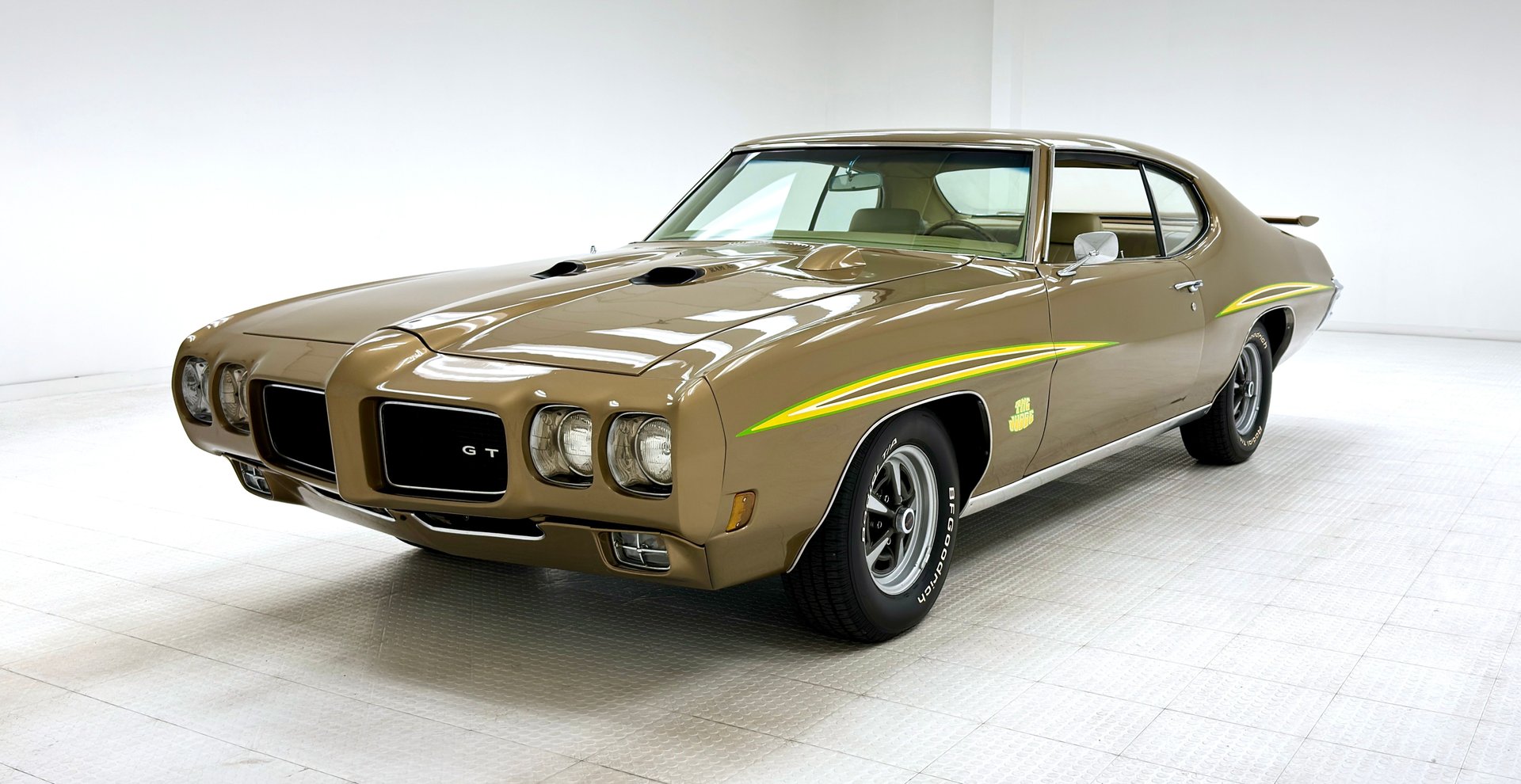
The 1970s were a defining decade for American cars. It was a period when design, performance, and style merged to create vehicles that left a lasting impression on drivers and culture alike. Cars from this era were more than transportation they were statements of personality, power, and freedom.
Muscle cars, luxury sedans, and sporty coupes captured the imagination of a generation. Powerful V8 engines roared on open highways, delivering acceleration that thrilled drivers and passengers alike. Even standard family sedans were designed with comfort and bold styling in mind, reflecting the optimistic and adventurous spirit of the decade.
Automakers pushed boundaries with new technologies, innovative designs, and performance-focused engineering. Bold body lines, wide stances, and distinctive grilles gave cars a presence on the road that demanded attention.
Interiors combined comfort with a focus on the driving experience, featuring supportive seats, detailed dashboards, and functional yet stylish layouts.
The cultural influence of 1970s American cars cannot be overstated. Movies, television, and popular music frequently showcased these vehicles, reinforcing their role as icons of freedom and individuality. For many, owning one of these cars was not just about transportation it was about lifestyle.
This article highlights ten cars that defined the American drive in the 1970s. Each model was chosen for its influence, performance, style, and ability to capture the essence of the era. Readers will gain insight into why these cars remain memorable, both for enthusiasts and for anyone interested in automotive history.
From powerful muscle cars to elegant sedans, the 1970s offered a wide range of vehicles that shaped the American automotive landscape. The following selections demonstrate how performance, design, and cultural impact came together to create cars that still resonate with enthusiasts today.
Also Read: 10 New Affordable Cars That Don’t Look Cheap
1. Chevrolet Chevelle SS
The Chevrolet Chevelle SS was one of the most iconic muscle cars of the 1970s. Its bold styling and powerful V8 engine made it a symbol of performance and American automotive culture.
The Chevelle SS featured a variety of V8 options, including the legendary 454-cubic-inch engine that produced over 450 horsepower. This allowed the car to accelerate quickly and dominate the streets, earning its reputation among enthusiasts and racers alike.
Exterior styling emphasized aggressive lines, a long hood, and a wide stance. The SS package included sport stripes, unique badging, and distinctive front and rear bumpers. These elements highlighted the car’s performance intent while giving it an unmistakable presence.
Inside, the Chevelle SS offered comfort alongside performance. Supportive bucket seats, a driver-focused dashboard, and clear instrumentation created a cabin that felt both sporty and approachable. Even daily drives were enjoyable thanks to the roomy interior and functional controls.
Handling was improved through performance-tuned suspension and upgraded brakes, allowing the Chevelle SS to maintain stability during high-speed maneuvers. The combination of straight-line power and cornering capability made it versatile for spirited driving.
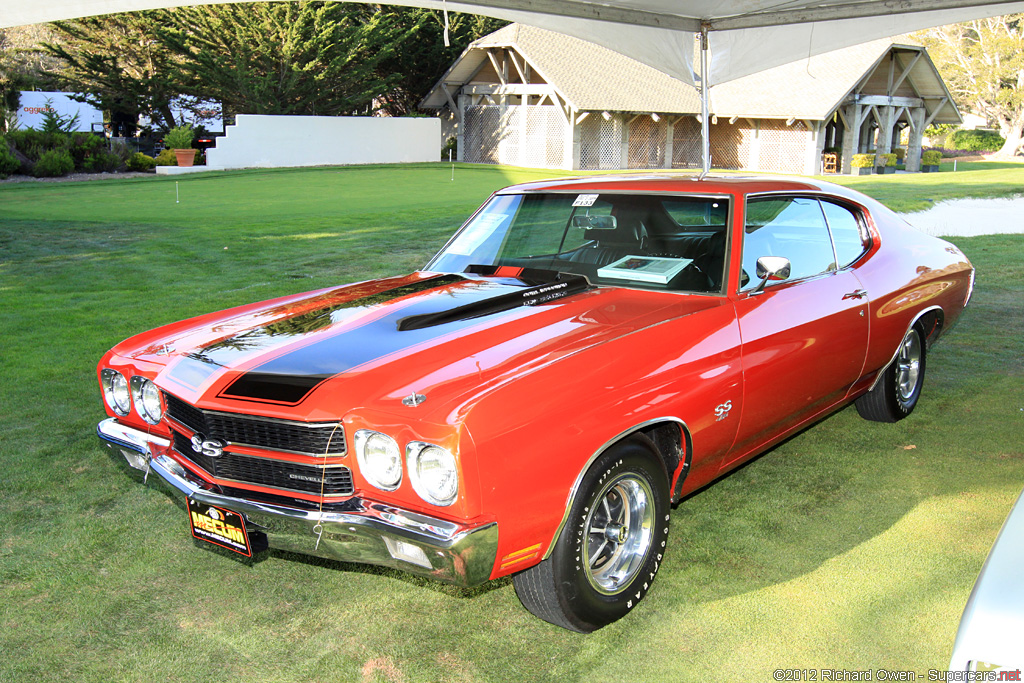
Collectors value the Chevelle SS for its role in the muscle car era. Original models with high-performance engines or rare options are highly sought after and maintain strong resale value.
Special editions, such as those with the 454 engine or unique color schemes, add exclusivity. These cars continue to be celebrated at car shows and auctions for their performance, design, and cultural significance.
Overall, the Chevrolet Chevelle SS defined the 1970s American drive with its combination of power, style, and attitude. It remains a symbol of the muscle car era and a benchmark for performance enthusiasts.
2. Ford Mustang Mach 1
The Ford Mustang Mach 1 was a performance-oriented version of the Mustang that embodied the excitement of the 1970s muscle car era. Its powerful engines and aggressive styling made it a standout on the roads.
The Mach 1 offered a range of V8 engines, including the 351, 428 Cobra Jet, and the 429 Super Cobra Jet. These engines delivered impressive acceleration and a thrilling driving experience that appealed to enthusiasts.
Exterior design emphasized speed and aggression. Hood scoops, rear spoilers, and distinctive stripes created a visual impact that reflected the car’s performance capabilities. The wide stance and aerodynamic enhancements added to its presence.
Inside, the Mach 1 featured sport seats, a well-laid-out dashboard, and clear gauges. The interior was designed to keep the driver connected to the road while maintaining comfort for longer drives.
Performance upgrades, including heavy-duty suspension, improved brakes, and optional limited-slip differentials, allowed the Mach 1 to handle spirited driving with confidence. Its combination of power and handling made it versatile for both street and track use.
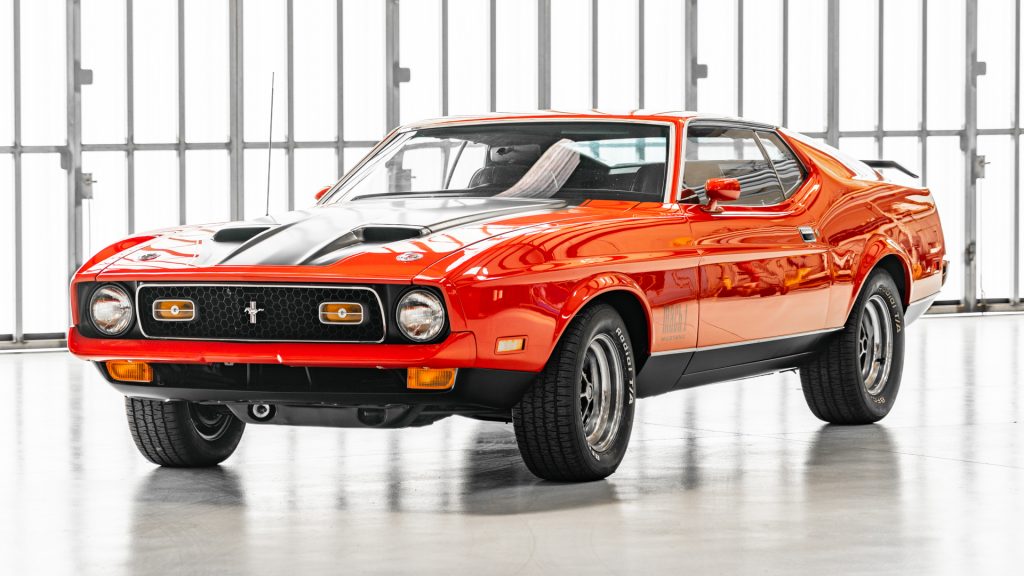
Collectors value the Mach 1 for its iconic styling, powerful engine options, and contribution to Mustang heritage. Rare trims, color combinations, and high-performance engines increase desirability among enthusiasts.
Special features, such as shaker hoods and performance packages, enhanced both aesthetics and driving excitement. The Mach 1 continues to be celebrated for its role in defining the muscle car culture of the 1970s.
Overall, the Ford Mustang Mach 1 represented the thrill of American muscle cars. Its powerful engines, aggressive styling, and driver-focused design make it one of the most memorable cars of the decade.
3. Pontiac GTO
The Pontiac GTO is widely regarded as one of the originators of the American muscle car era, and its influence extended strongly into the 1970s. Known for its powerful engines and aggressive styling, the GTO defined performance for a generation of drivers.
The 1970s GTO featured a range of V8 engines, including the 400- and 455-cubic-inch options. These engines produced strong horsepower and torque, giving the car impressive straight-line speed and acceleration. Enthusiasts prized the GTO for its ability to combine power with everyday usability.
Exterior styling was bold and unmistakable. Dual headlights, wide front grilles, and sculpted body panels created a visual identity that stood out on the road. Performance-oriented features like hood scoops and rear spoilers emphasized the car’s muscle credentials.
Inside, the GTO offered bucket seats, a sporty steering wheel, and straightforward instrumentation. The interior prioritized driver engagement while still providing comfort for passengers, reflecting a balance between performance and practicality.
The car’s handling and suspension were tuned for spirited driving. Heavy-duty components and optional limited-slip differentials enhanced traction and stability, making the GTO capable on both streets and drag strips.
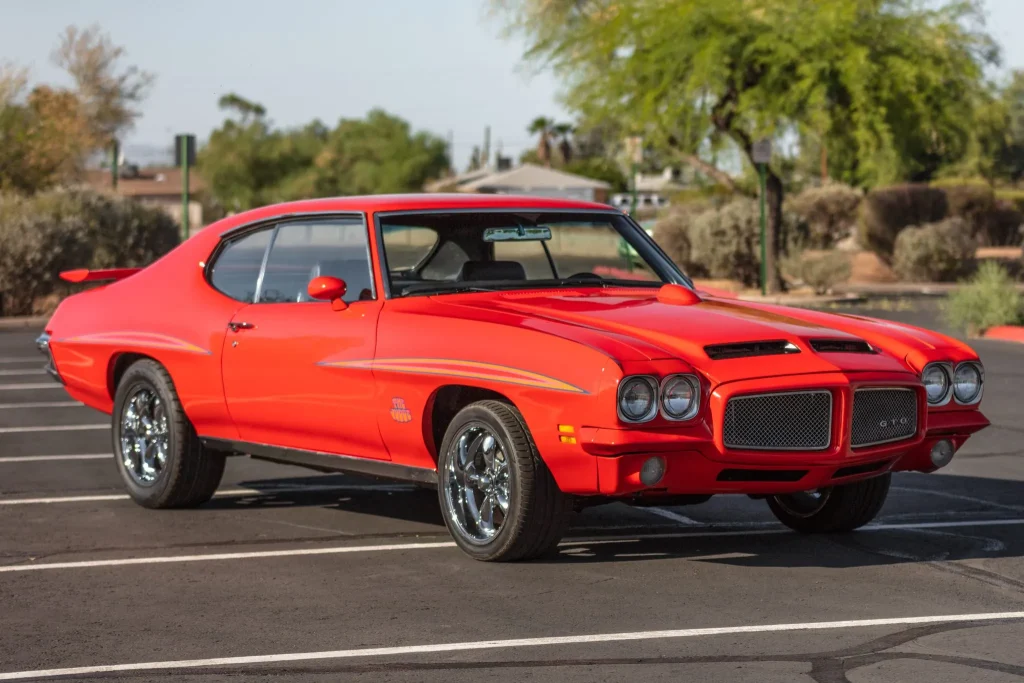
Collectors continue to value the Pontiac GTO for its role in shaping muscle car culture. Rare engine options, original trims, and factory performance packages are particularly sought after. The car’s combination of performance, style, and historical significance keeps it relevant today.
Special editions and unique color schemes increase desirability among enthusiasts. Original GTOs from the 1970s remain popular at car shows and auctions due to their performance legacy and nostalgic appeal.
Overall, the Pontiac GTO defined what American drivers expected from a muscle car: power, style, and excitement. Its performance capabilities and bold presence ensure it remains a symbol of 1970s automotive culture.
4. Dodge Challenger
The Dodge Challenger entered the muscle car scene in the early 1970s with a focus on performance, style, and driver excitement. It quickly became an icon of American muscle cars and a favorite among enthusiasts.
Engine options included a variety of V8s, ranging from 318 cubic inches to the legendary 426 HEMI. These engines offered significant horsepower and torque, making the Challenger a serious contender on both streets and tracks.
Exterior styling was aggressive and athletic. Long hoods, wide fenders, and bold grille designs gave the Challenger a powerful presence. Performance stripes, shaker hoods, and spoilers enhanced its sporty appeal and indicated its capabilities.
Inside, the Challenger featured comfortable bucket seats, simple yet effective instrumentation, and driver-oriented controls. The cabin balanced comfort and sport, making the car suitable for both daily driving and high-performance excursions.
Handling was supported by performance-tuned suspension, heavy-duty brakes, and optional limited-slip differentials. These features ensured stability and control, even with the car’s powerful V8 engines. The Challenger offered both thrilling acceleration and responsive cornering.
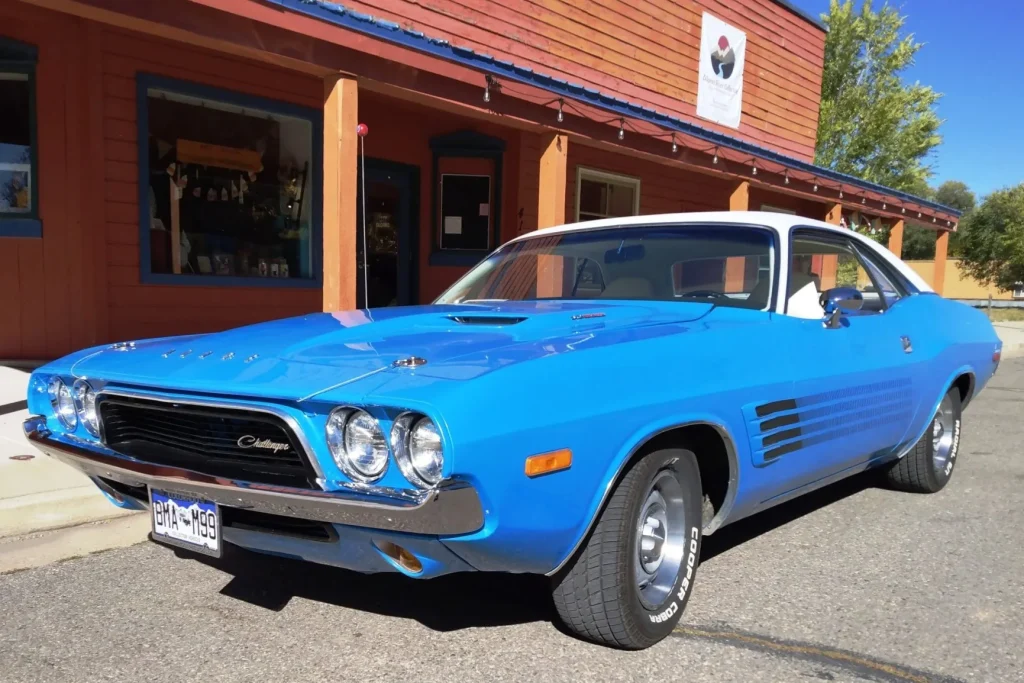
Collectors value the Dodge Challenger for its heritage, performance options, and iconic styling. Rare HEMI-equipped models and unique trim levels command high prices in the market. Early production cars with original features are particularly prized.
Special editions, such as the R/T and T/A models, further enhanced performance and exclusivity. These variants contributed to the Challenger’s lasting legacy as a quintessential American muscle car.
Overall, the Dodge Challenger exemplifies the excitement of 1970s American driving. Its powerful engines, aggressive styling, and driver-focused features make it one of the most memorable muscle cars of the decade.
5. Chevrolet Camaro Z28
The Chevrolet Camaro Z28 was a performance-oriented variant of the Camaro that became a 1970s icon. Known for its speed, handling, and aggressive styling, the Z28 appealed to drivers seeking both muscle and precision.
Under the hood, the Z28 featured small-block V8 engines designed for high-revving performance. Options like the 350-cubic-inch V8 provided a balance of horsepower and agility, making the car quick off the line while maintaining responsive handling.
Exterior styling emphasized sporty appeal. Sleek lines, bold stripes, and an aerodynamic front end created a distinctive appearance. Performance features, such as spoilers and rally wheels, highlighted the Z28’s racing-inspired design.
Inside, the Camaro Z28 offered bucket seats, a driver-centric dashboard, and straightforward gauges. The interior focused on functionality and comfort, allowing drivers to remain connected to the car’s performance without sacrificing usability.
Suspension upgrades, performance brakes, and optional limited-slip differentials enhanced handling. The Z28 could navigate curves with confidence while delivering exciting straight-line acceleration. Its balance of power and control made it versatile for both street and track use.
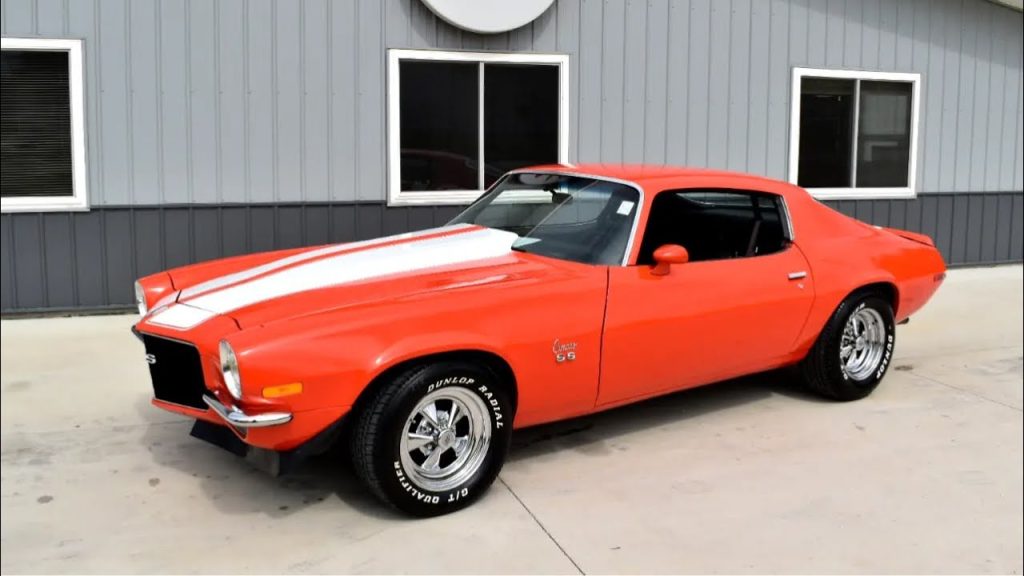
Collectors value the Z28 for its racing heritage, performance options, and striking design. Early models and rare factory configurations are highly sought after. The Z28’s combination of performance and style ensures it remains a favorite among enthusiasts.
Special editions, unique paint options, and performance packages added exclusivity. These features improved both aesthetics and driving experience, making the Z28 a benchmark for 1970s American muscle cars.
Overall, the Chevrolet Camaro Z28 defined the American drive with its combination of speed, handling, and iconic design. Its performance credentials and driver-focused features make it one of the most memorable cars of the decade.
6. Plymouth Barracuda
The Plymouth Barracuda, often referred to as the ‘Cuda, was a compact muscle car that captured attention in the 1970s. Known for its powerful engines and aggressive styling, it became a symbol of American performance.
Engine options included the legendary 340, 383, and 426 HEMI V8s. These engines delivered exhilarating acceleration and strong mid-range torque, making the Barracuda a thrilling drive on streets and drag strips alike.
The exterior was designed for impact. Sleek fastback rooflines, wide fenders, and bold front grilles gave the Barracuda a commanding presence. Special features like shaker hoods and racing stripes highlighted its performance orientation.
Inside, the cabin focused on sport and functionality. Bucket seats, simple gauges, and a driver-focused layout allowed for an engaging driving experience. Despite its compact size, it provided comfort and usability for daily driving.
Suspension and braking were upgraded in high-performance models. Heavy-duty components and optional limited-slip differentials ensured stability and control during aggressive driving, enhancing the car’s versatility.
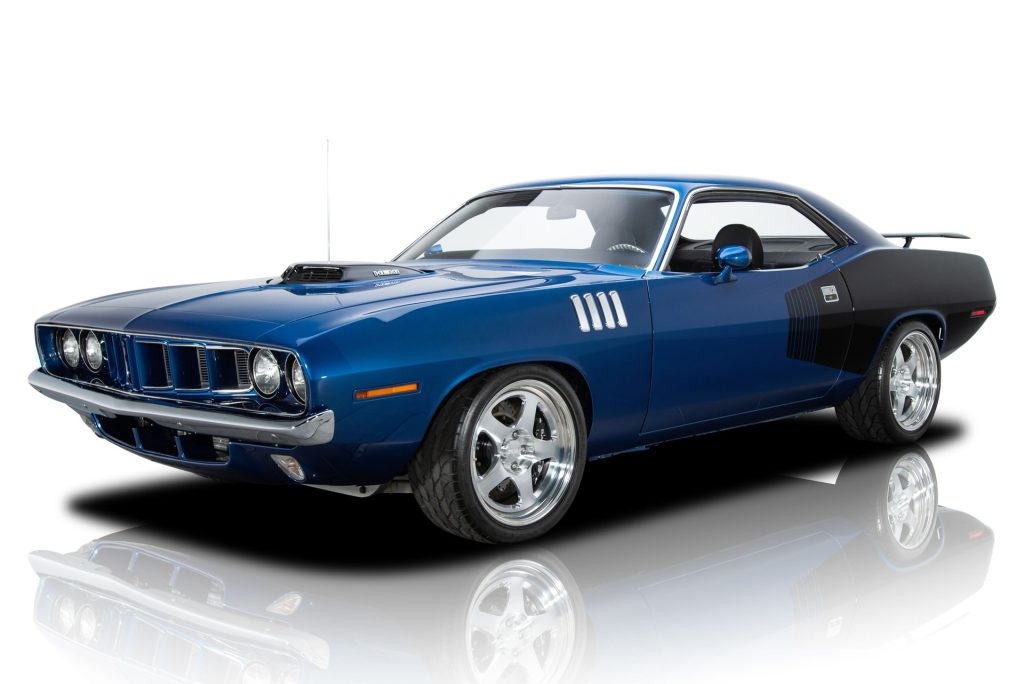
Collectors value the Barracuda for its rarity, performance heritage, and unique styling. HEMI-equipped models and early production cars are particularly desirable, commanding high prices at auctions and shows.
Special editions and factory performance packages added exclusivity and enhanced driving excitement. These features ensured the Barracuda could compete with larger muscle cars while offering nimble handling.
Overall, the Plymouth Barracuda defined the American drive in the 1970s with its combination of power, style, and agility. Its performance, design, and cultural impact make it one of the decade’s most memorable cars.
7. Buick Riviera
The Buick Riviera was a luxury performance coupe that made a significant mark on the American drive in the 1970s. Known for its combination of elegance, comfort, and power, it offered a different kind of performance experience compared to traditional muscle cars.
Under the hood, the Riviera featured large V8 engines, including 455-cubic-inch options. These engines delivered smooth yet potent power, providing quick acceleration while maintaining a refined driving experience suitable for long-distance cruising.
Exterior styling was distinctive. The Riviera’s sweeping roofline, hidden headlights, and sculpted body panels created a sophisticated presence. Despite being a personal luxury coupe, it projected performance through its wide stance and muscular proportions.
Inside, the cabin focused on comfort and luxury. Plush seating, premium materials, and a driver-oriented dashboard offered a refined environment. While it emphasized elegance, the Riviera maintained an engaging connection between driver and machine.
Handling was tuned for smoothness with just enough performance to enjoy spirited driving. Suspension systems provided stability and control, making the Riviera enjoyable on highways and curvy roads alike.
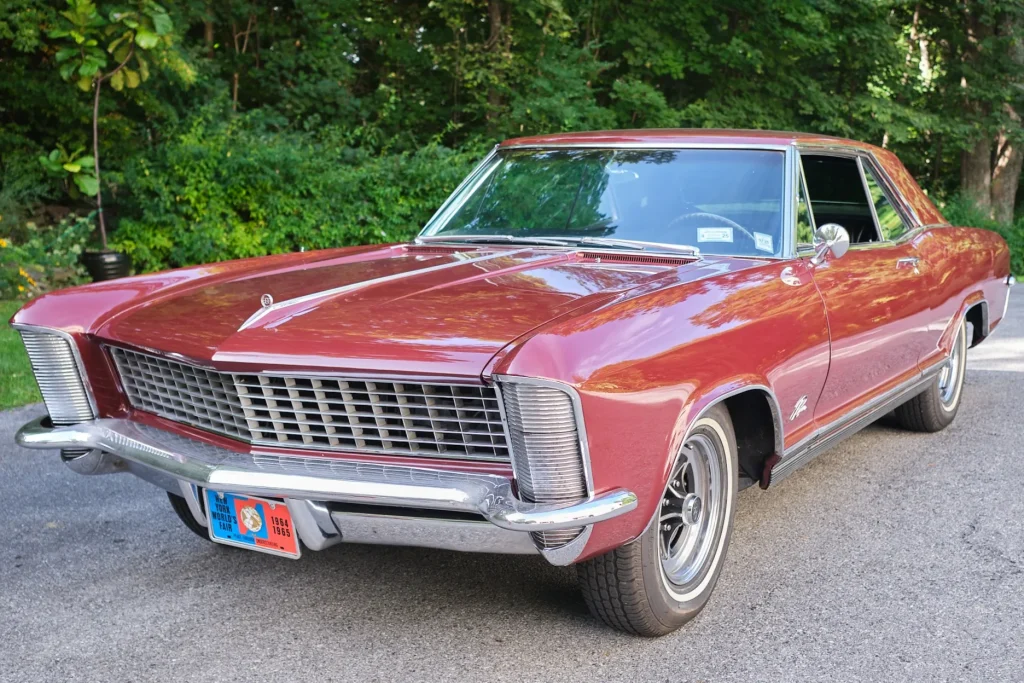
Collectors value the Riviera for its combination of style, comfort, and performance. Rare trims and factory performance options enhance desirability, particularly models with high-output V8s. The car’s distinctive design and historical significance contribute to its ongoing appeal.
Special editions, unique color schemes, and optional luxury packages increased exclusivity. These elements added both aesthetic and functional value, ensuring the Riviera remained a standout in its class.
Overall, the Buick Riviera captured the essence of 1970s American luxury and performance. Its blend of power, style, and comfort made it a defining car of the era, appealing to those who desired refinement without sacrificing driving excitement.
8. AMC Javelin
The AMC Javelin was American Motors’ entry into the pony and muscle car segment of the 1970s. Known for its aggressive styling and competitive performance, it became a recognizable presence on the roads.
The Javelin offered a range of V8 engines, including 304, 360, 390, and 401-cubic-inch options. These engines provided strong acceleration and mid-range torque, making the car both fun to drive and competitive against rivals.
Exterior design emphasized sportiness. Long hood, short deck proportions, and aggressive front grilles gave the Javelin a muscular look. Racing stripes and optional hoods further enhanced its visual appeal.
Inside, the Javelin featured bucket seats, a simple instrument panel, and a driver-focused layout. Despite being compact, the cabin provided comfort and control, keeping the driving experience engaging and practical.
Handling and suspension were tuned to balance comfort with performance. Heavy-duty components and optional limited-slip differentials allowed the Javelin to navigate corners confidently, making it more than just a straight-line performer.
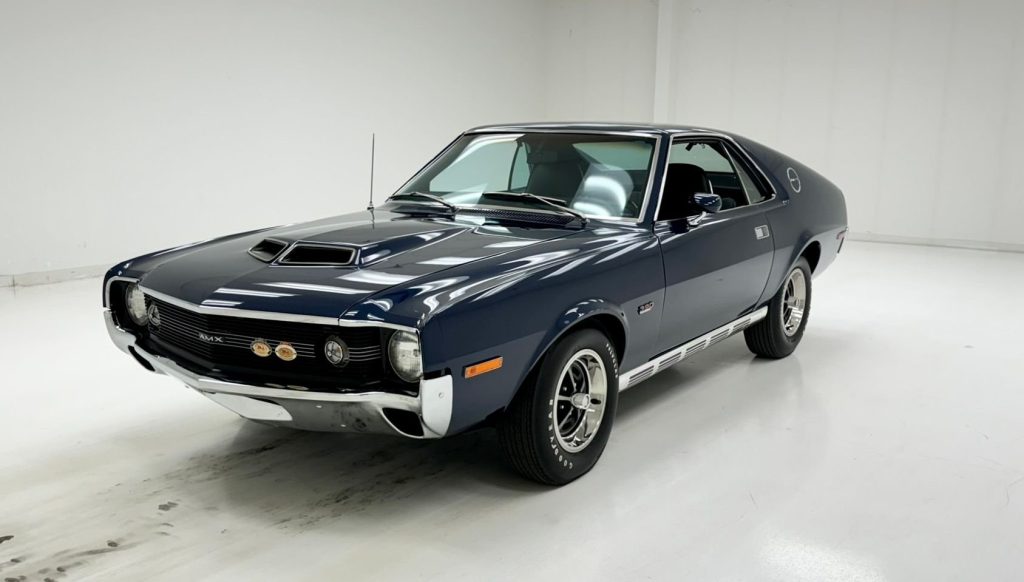
Collectors value the AMC Javelin for its rarity, unique styling, and role in the muscle car segment. Certain models, such as the AMX versions, are especially sought after for their higher performance and limited production.
Special editions and performance packages enhanced both the driving experience and the car’s exclusivity. These features ensured the Javelin could compete with larger muscle cars while offering agility and style.
Overall, the AMC Javelin defined a portion of the 1970s American drive with its combination of power, design, and spirited handling. Its performance and visual impact make it a memorable and collectible car from the decade.
9. Pontiac Firebird Trans Am
The Pontiac Firebird Trans Am became an icon of 1970s American muscle cars, blending performance, style, and cultural influence. Known for its aggressive looks and powerful engines, it captured the imagination of drivers and enthusiasts.
The Trans Am offered a variety of V8 engines, including the 400- and 455-cubic-inch options. These engines delivered strong acceleration, robust mid-range torque, and an exhilarating driving experience that appealed to both street drivers and racing fans.
Exterior styling was bold and instantly recognizable. The wide stance, flared fenders, and signature hood decals highlighted its muscle car heritage. Aero features, shaker hoods, and racing stripes reinforced the car’s performance focus.
Inside, the Trans Am offered bucket seats, a driver-oriented dashboard, and clear instrumentation. The interior balanced sportiness with comfort, making it suitable for spirited drives and daily use alike.
Suspension and braking systems were upgraded in performance models. Heavy-duty components and optional limited-slip differentials improved handling and stability, allowing drivers to fully enjoy the car’s engine capabilities.
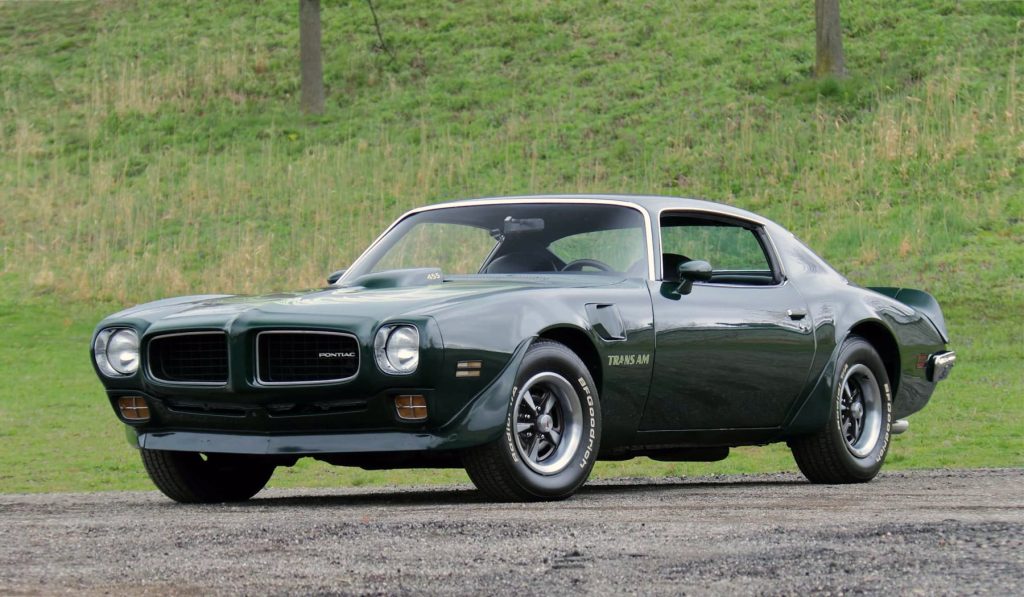
Collectors value the Firebird Trans Am for its styling, performance, and pop culture impact. Special editions, like the 1977-1979 models featured in movies, added desirability and long-term collectible value.
Performance packages and limited-production models further enhanced the car’s appeal. Features like upgraded suspension, performance tires, and unique trim made the Trans Am a standout among muscle cars of the era.
Overall, the Pontiac Firebird Trans Am defined the American drive of the 1970s with its combination of speed, style, and cultural significance. Its bold design and thrilling performance ensure it remains a celebrated classic today.
10. Oldsmobile 442
The Oldsmobile 442 was a high-performance muscle car that epitomized the 1970s American driving experience. Known for its V8 power, responsive handling, and distinctive styling, it became a favorite among enthusiasts.
Engine options included the 400- and 455-cubic-inch V8s, producing substantial horsepower and torque. These engines allowed the 442 to accelerate quickly and deliver strong mid-range performance, making it competitive on both streets and tracks.
Exterior design combined elegance and aggression. Hood scoops, performance stripes, and wide stances gave the 442 a muscular and purposeful look. Distinctive grilles and chrome accents highlighted its unique character.
Inside, the 442 offered supportive bucket seats, a straightforward dashboard, and functional instrumentation. The cabin emphasized driver engagement while maintaining comfort for longer drives.
Handling was improved through performance-tuned suspension, heavy-duty brakes, and optional limited-slip differentials. These upgrades allowed the 442 to maintain composure during spirited driving, making it versatile and enjoyable.
Collectors value the Oldsmobile 442 for its performance heritage and rarity. Certain production years, limited editions, and high-performance engine options are particularly desirable in today’s market.
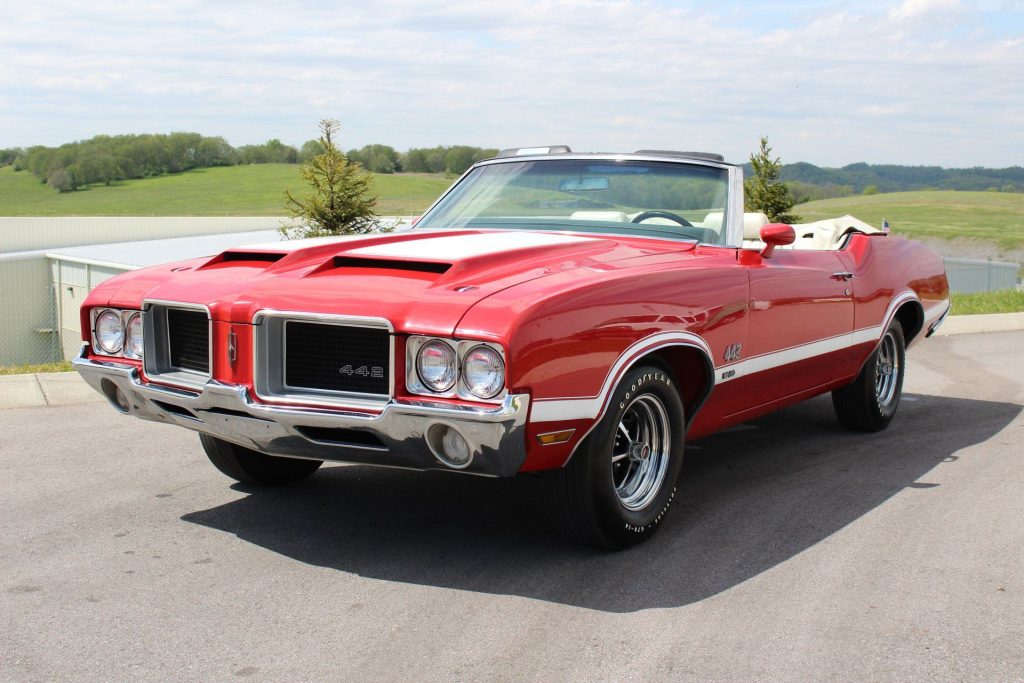
Special editions and factory performance packages enhanced both driving experience and collectibility. Features like upgraded suspension, unique paint schemes, and performance enhancements increased the car’s appeal among enthusiasts.
Overall, the Oldsmobile 442 defined the American drive in the 1970s with its combination of power, handling, and style. Its performance and cultural significance make it a lasting symbol of the muscle car era.
The 1970s were a defining decade for American cars, blending performance, style, and cultural impact.
Muscle cars like the Chevrolet Chevelle SS, Ford Mustang Mach 1, and Pontiac GTO delivered powerful V8 engines and thrilling acceleration, while vehicles like the Buick Riviera combined luxury with performance.
Aggressive styling, distinctive grilles, and aerodynamic enhancements gave these cars a commanding presence on the road. Collectors and enthusiasts continue to value these models for their design, rarity, and driving experience.
Together, these ten cars capture the spirit of 1970s American driving, leaving a lasting legacy of speed, style, and excitement.
