In the early days of hybrid cars, many drivers complained that switching between gasoline and electric power felt jerky or awkward.
The handoff was often noticeable, especially during acceleration or when the gas engine kicked in unexpectedly. But that’s changed dramatically over the past decade.
Automakers have refined hybrid systems to the point where the transitions are nearly imperceptible you might not even notice when the gasoline engine is on or off.
For American drivers who want the benefits of efficiency without sacrificing refinement, certain hybrids stand out for how seamlessly they blend the best of both worlds.
Here are eight hybrid vehicles that deliver the smoothest transitions on the market today, combining intelligent engineering, advanced software, and years of real-world tuning.
1. Toyota Prius
It’s impossible to talk about hybrid smoothness without mentioning the Toyota Prius the car that started it all. The latest generation, especially the 2024 model, showcases how far Toyota’s Hybrid Synergy Drive has come.
The transition between electric and gasoline power is nearly imperceptible thanks to precise throttle calibration and a continuously variable transmission (CVT) that optimizes power delivery.
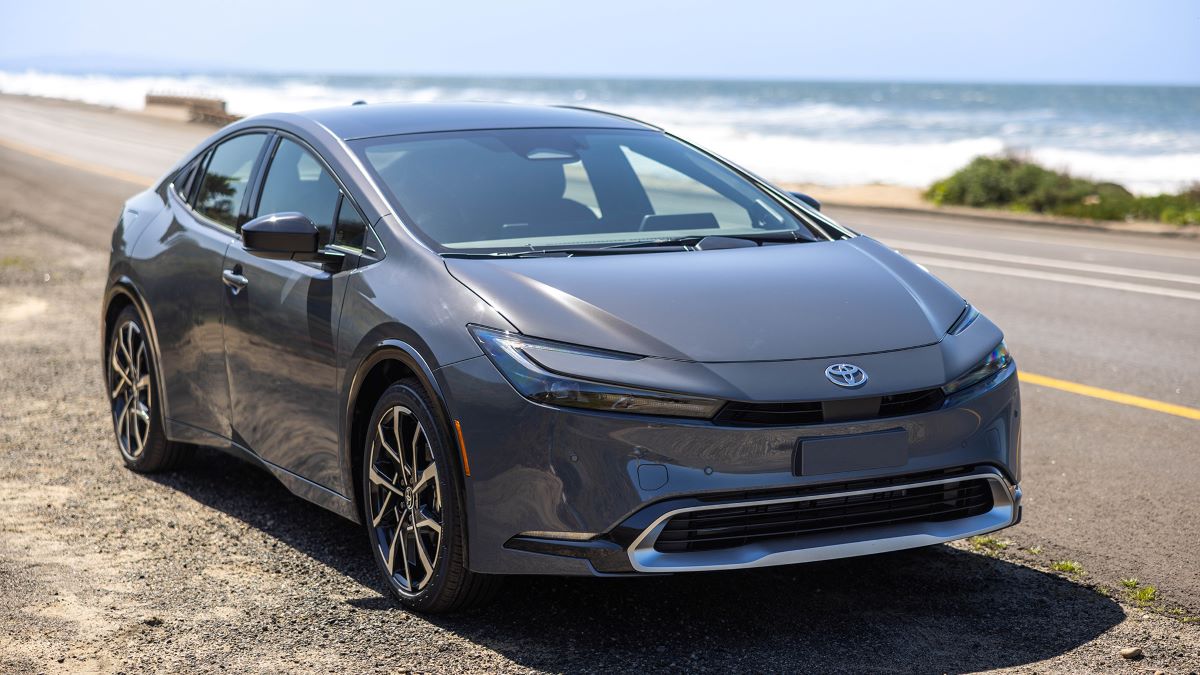
Where earlier Prius models sometimes produced a noticeable drone or jolt when switching modes, the current setup feels silkier than ever.
The electric motor’s torque handles most low-speed driving, while the gas engine slips in unobtrusively when more power is needed. Toyota’s years of refinement have paid off, making the Prius the gold standard for hybrid smoothness.
2. Honda Accord Hybrid
Honda has become a master of blending electric and gas propulsion, and the 2025 Accord Hybrid proves it. The system uses two electric motors one acting as a generator and the other driving the wheels combined with a 2.0-liter Atkinson-cycle engine.
What’s unique is how the car intelligently determines which power source is most efficient without driver intervention.
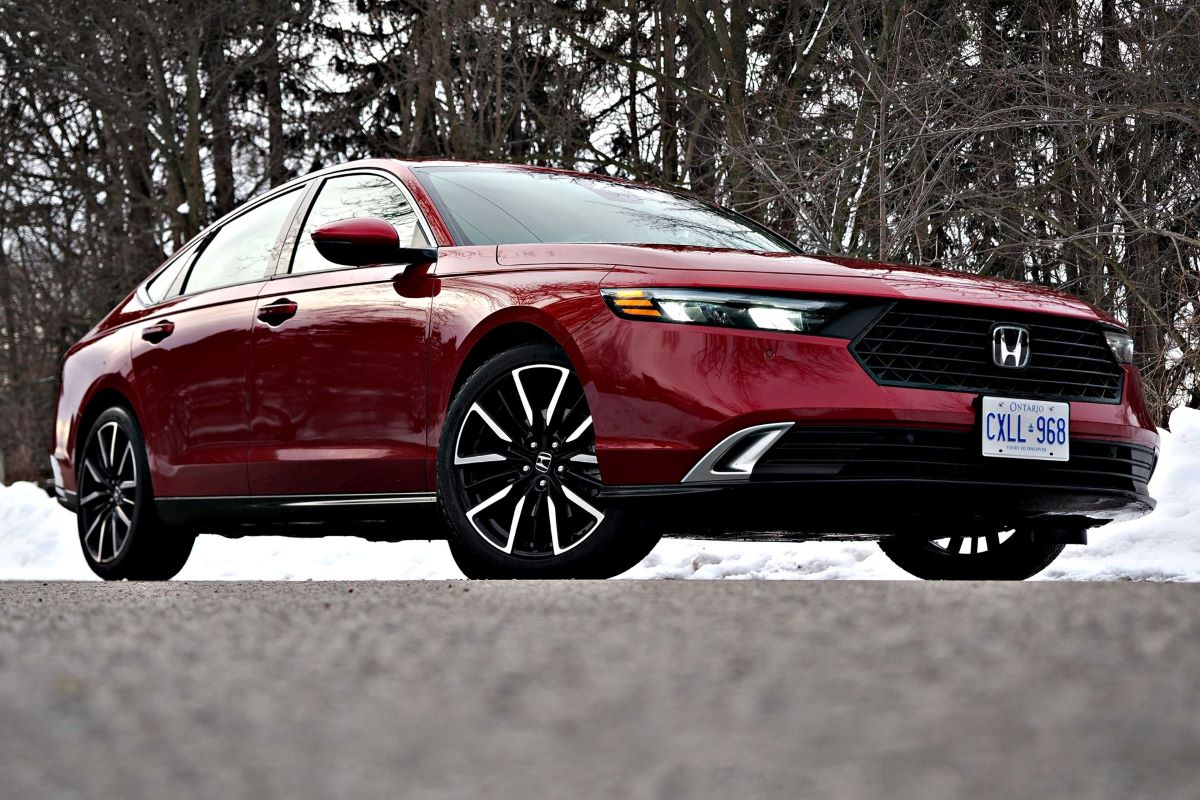
Unlike some hybrids that rely heavily on CVTs, the Accord’s setup simulates gear shifts to keep the experience familiar yet fluid. Drivers often describe the transition as “buttery,” with no shudder or hesitation.
Whether cruising on the highway or accelerating from a stoplight, the Accord Hybrid operates with near-luxury-level smoothness.
3. Lexus ES 300h
As the luxury division of Toyota, Lexus takes hybrid refinement a step further. The ES 300h’s powertrain is similar to the Prius’s but tuned for greater smoothness and reduced cabin noise.
Thanks to superior insulation, an advanced CVT, and high-end materials, the handoff between electric and gas is almost impossible to detect from inside the cabin.
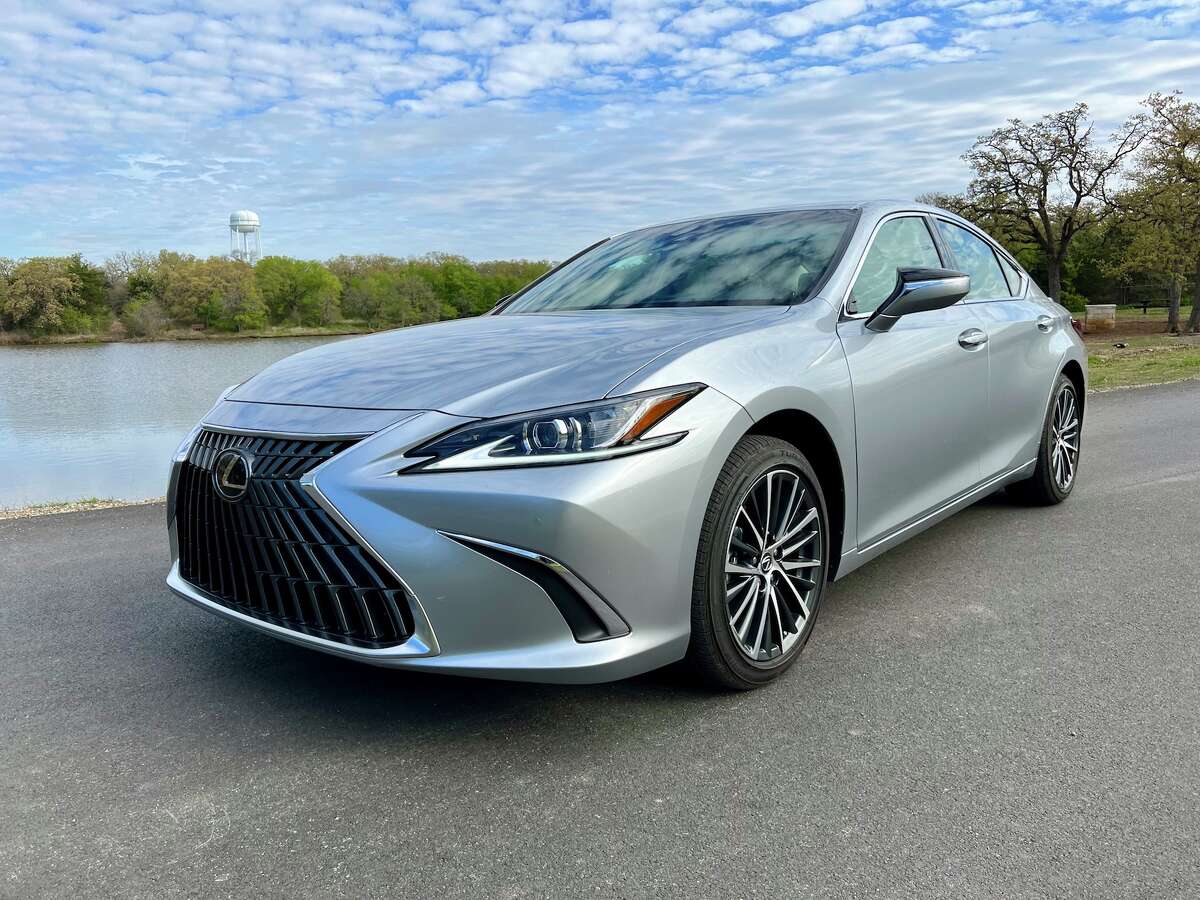
Lexus engineers also focus heavily on “NVH” noise, vibration, and harshness to ensure every start-up and shut-down of the gas engine feels invisible.
The result is a car that glides effortlessly in city traffic and remains whisper-quiet during highway driving. It’s a favorite among U.S. buyers looking for a smooth, comfortable commuter with premium appeal.
The 2025 ES serves as Lexus’ midsize luxury sedan, positioned between the compact, sportier IS and the larger, more expensive LS. It strikes an appealing balance by offering spacious seating, a refined ride quality, and an impressive collection of upscale features for its price point.
For 2025, Lexus introduces a new Black Line appearance package, available exclusively on the ES 350 with the F Sport Handling trim. This package adds sleek black-painted exterior accents that enhance the car’s sporty, sophisticated look.
Lexus offers the ES in three main versions: the ES 250, ES 350, and ES 300h, each with a similar starting price but distinct advantages. The ES 250 is the least powerful of the group but comes standard with all-wheel drive, making it a great choice for drivers who often face snow or slippery conditions.
The ES 300h is the hybrid model, delivering an excellent EPA-estimated 44 mpg in combined driving, which makes it the most fuel-efficient option. For those who prioritize performance, the ES 350 features a 302-horsepower V6 engine that provides strong acceleration and confident passing power.
However, one trade-off remains: neither the ES 300h hybrid nor the ES 350 V6 is available with all-wheel drive.
4. Hyundai Sonata Hybrid
Hyundai’s hybrid technology has improved dramatically, and the Sonata Hybrid is a prime example. The car’s 2.0-liter engine paired with a six-speed automatic transmission (not a CVT) delivers transitions so subtle they rival the best from Japan.
Hyundai uses an innovative “Hybrid Control Unit” that precisely synchronizes engine torque and electric motor assistance, minimizing the mechanical feel during mode changes.
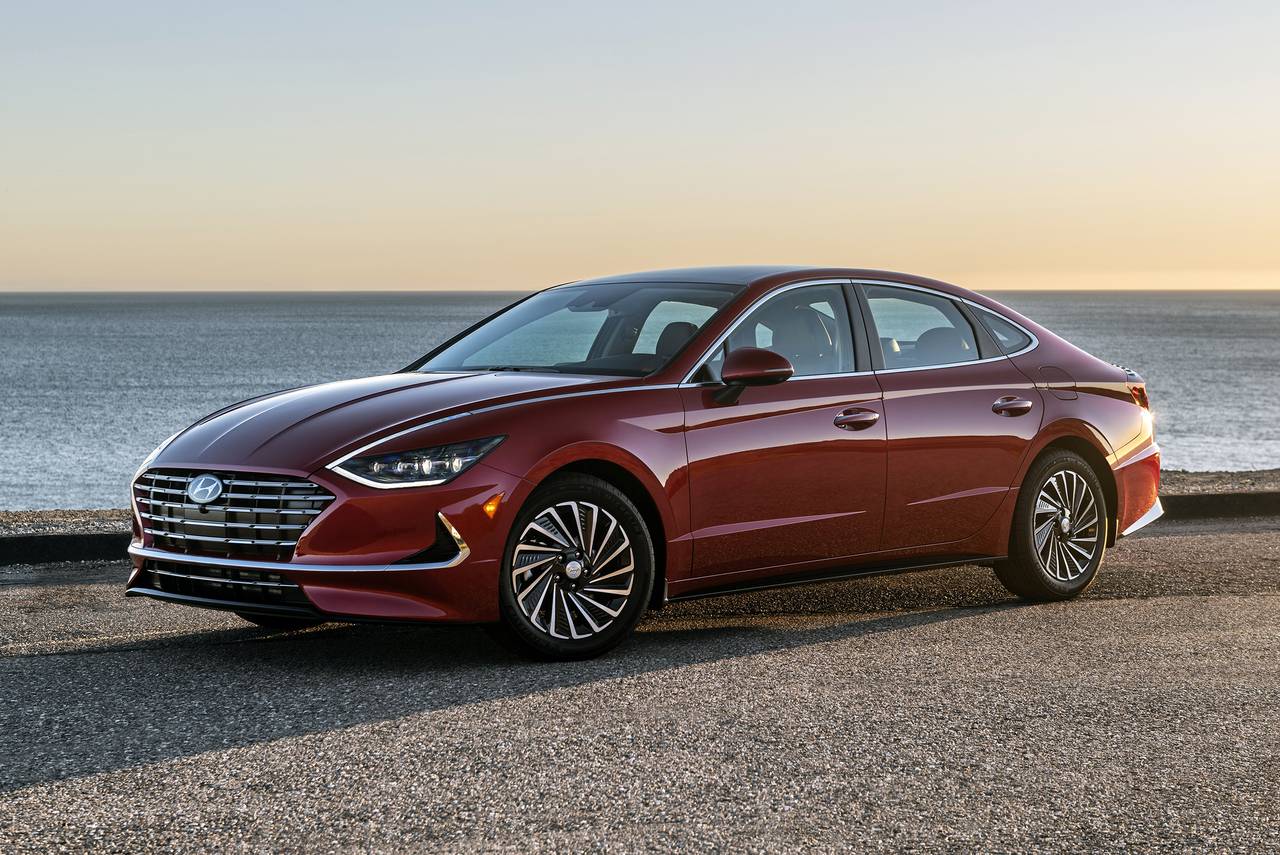
The Sonata also benefits from clever details like active air flaps and regenerative braking that feels more natural than most hybrids.
Combined with strong fuel economy and a serene cabin, this midsize sedan offers one of the most seamless hybrid driving experiences in its segment.
Although the sedan market continues to shrink, the 2025 Hyundai Sonata Hybrid remains a strong contender, proving that traditional four-doors still have plenty to offer.
This hybrid sedan is quiet, comfortable, and highly efficient, making it a worthy rival to segment leaders such as the Toyota Camry and Honda Accord.
The previous year’s updates introduced redesigned front and rear styling, a modernized cabin with twin 12.3-inch digital displays for the instrument cluster and infotainment system, a more intuitive center console layout, and an available head-up display.
Hyundai also expanded customization options with new wheels, trims, paint colors, and upholstery choices, along with an available power trunk.
However, those looking for a more affordable option may be disappointed, as Hyundai has discontinued the entry-level Blue trim for the 2025 model year.
The 2025 Hyundai Sonata Hybrid stands out as one of the most well-rounded midsize sedans available today. Its attractive design, upscale and spacious interior, and exceptional fuel economy make it a smart choice for a wide range of drivers.
Even before its facelift, the Sonata Hybrid was a good-looking car, but the refreshed styling gives it a more modern, cohesive appearance that fits seamlessly with Hyundai’s evolving design language. Inside, the dual digital screens dominate the dashboard, creating a high-tech and refined atmosphere.
The driving experience prioritizes comfort over sportiness. The Sonata Hybrid’s suspension is tuned for a smooth and composed ride, effectively absorbing road imperfections.
While acceleration is not particularly strong, the cabin remains impressively quiet, and the ride quality is supple. Steering is light yet precise, making it easy to maneuver in both city and highway driving.
The six-speed automatic transmission generally shifts smoothly and selects gears intelligently during normal driving, though it can feel less responsive when pushed hard, as frequent upshifts and downshifts interrupt the flow during spirited driving.
Overall, the Sonata Hybrid delivers a relaxed and refined driving experience that many midsize sedan buyers will appreciate.
It also ranks among the best-equipped vehicles in its class, offering a comprehensive suite of advanced safety and driver-assistance features. As long as performance isn’t your top priority, the 2025 Hyundai Sonata Hybrid makes for an excellent, well-balanced choice.
Under the hood, every Sonata Hybrid is powered by a 2.0-liter four-cylinder gasoline engine paired with a 51-kW electric motor, producing a combined 192 horsepower.
Power is sent to the front wheels through a six-speed automatic transmission. During testing, the Sonata Hybrid accelerated from 0 to 60 mph in 8.6 seconds, a bit on the slower side for the segment, but braking performance was solid, stopping from 60 mph in 117 feet.
Hyundai also includes paddle shifters that allow drivers to adjust the level of regenerative braking, adding an extra layer of control to the hybrid driving experience.
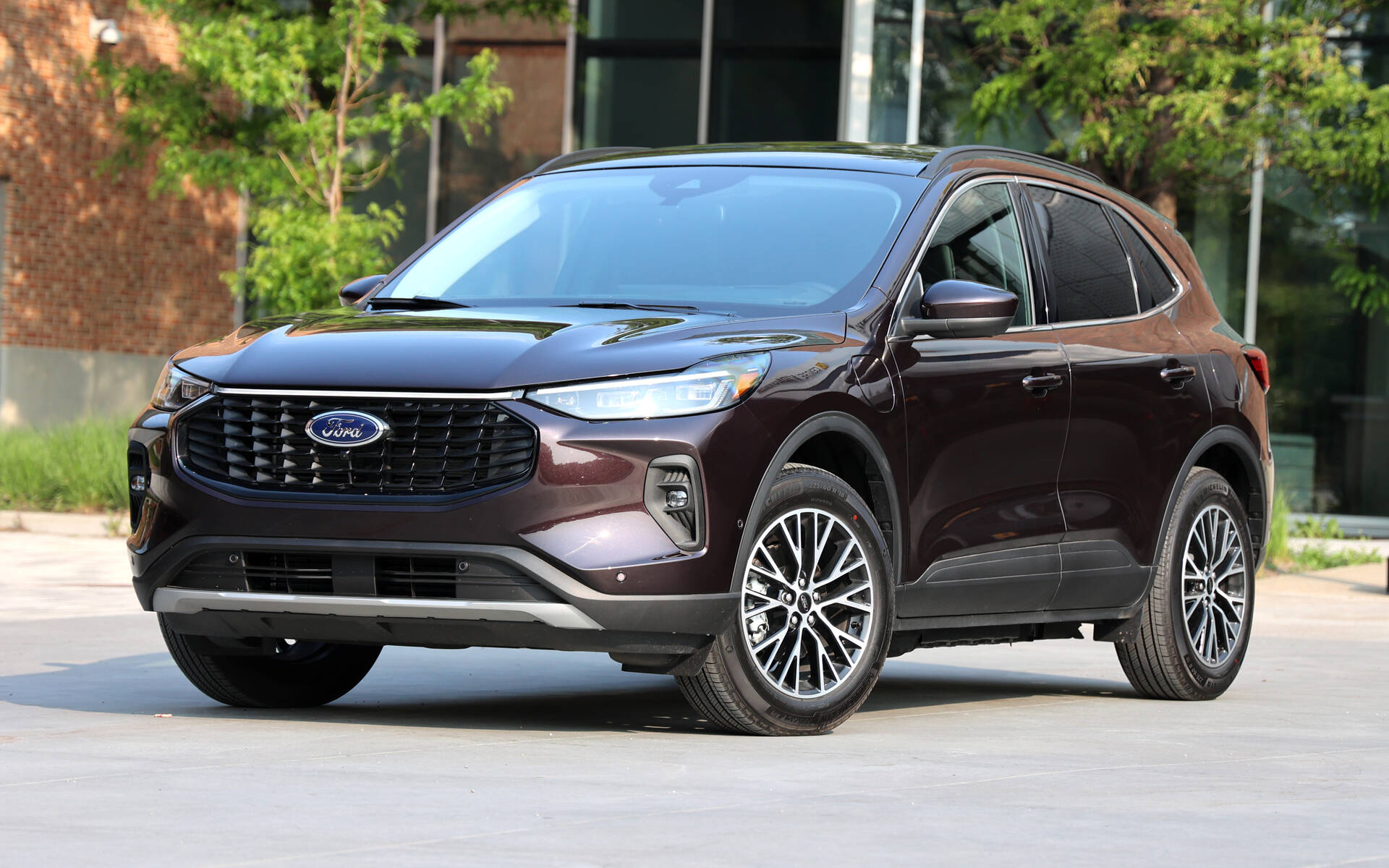
5. Ford Escape Hybrid
Ford has quietly become a leader in hybrid refinement, and the Escape Hybrid is one of its best examples. The 2.5-liter hybrid system, shared with the Maverick, features software tuned for real-world American driving from city commutes to long interstate trips.
The switch between gas and electric modes happens so fluidly that many owners report they can’t tell which mode they’re in without looking at the dashboard display.
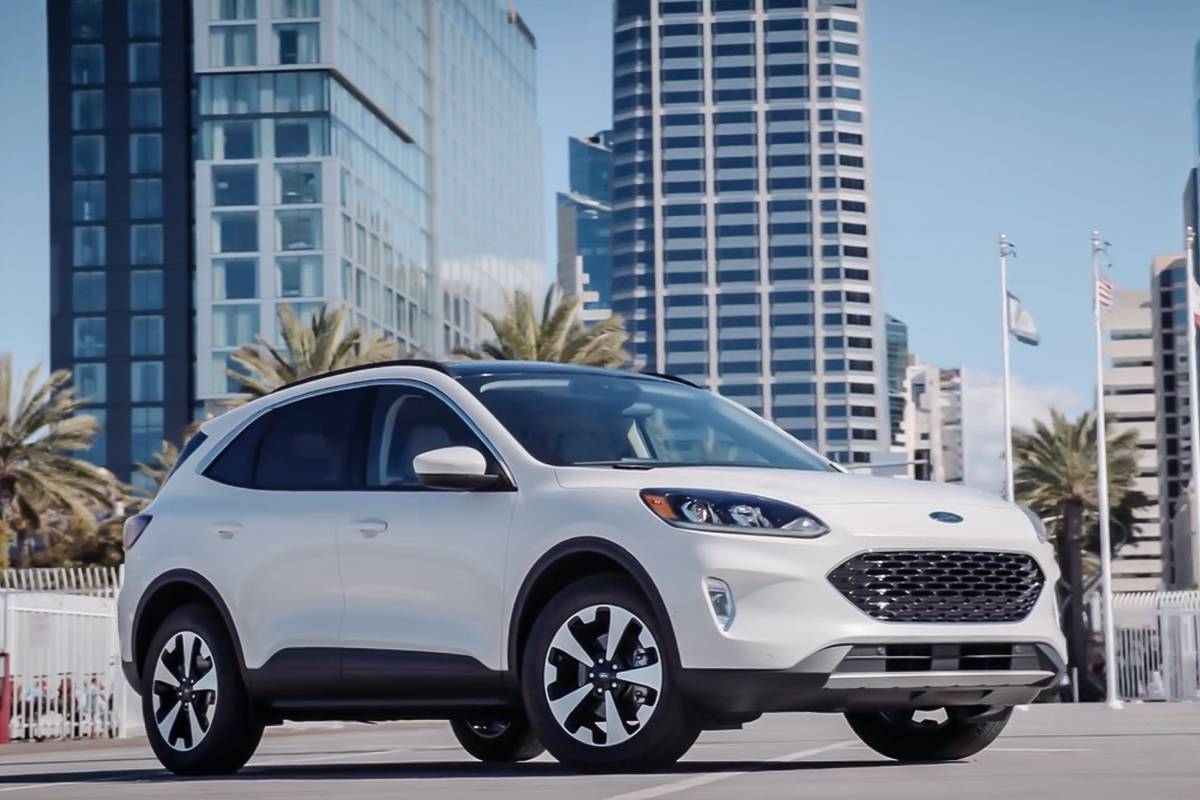
Ford’s continuously variable transmission helps with this smoothness, but credit also goes to its electric motor calibration, which prioritizes torque blending and throttle response.
The Escape Hybrid’s relaxed demeanor makes it perfect for families and commuters who want fuel efficiency without sacrificing ease of use.
Shopping for a small crossover can feel overwhelming with so many choices available, but the Ford Escape stands out as a smart and well-rounded option among the competition.
It comes with three available engines, an excellent voice-command system, and cargo space that’s among the best in its class.
Following a major update last year, the 2018 Escape adds a new trim level designed to bridge the gap between standard models and the more luxurious options.
The Escape provides optional all-wheel drive, solid fuel economy, and cargo capacity that places it near the top of its segment, only Toyota and Honda offer more space.
An available hands-free power liftgate adds convenience, and the Escape can be configured to suit various tastes: from the comfortable, no-frills SE trim to the fully loaded Titanium model, which can approach $40,000.
On the road, its nimble handling delivers an uncommon level of driver confidence in this class.
Last year’s extensive update brought a new four-cylinder engine, better smartphone integration, and improved small-item storage thanks to the switch from a lever-mounted parking brake to a button.
For 2018, the lineup expands with the SEL trim, positioned neatly between the mainstream SE and the premium Titanium models.
With its turbocharged four-cylinder engine, sharp (though slightly twitchy) steering, and sport-tuned suspension, the Escape delivers one of the more engaging drives in the compact SUV category, surpassed only by the Mazda CX-5. It also scores points for its spacious cargo area and intuitive tech interface.
However, it doesn’t feel quite as refined as the Honda or Mazda, its most exciting engine is limited to the top trim, and that engine’s fuel economy could be better. Still, on balance, the 2018 Escape’s strengths clearly outweigh its weaknesses, making it well worth considering for compact SUV shoppers.
6. Toyota RAV4 Hybrid
Toyota dominates hybrid sales in the U.S. for a reason and the RAV4 Hybrid is a key player. It uses the same proven Hybrid Synergy Drive system as the Prius and Lexus ES, but tuned for a small SUV.
The transitions between electric and gasoline power are nearly silent, aided by electric all-wheel drive that engages seamlessly when traction is needed.
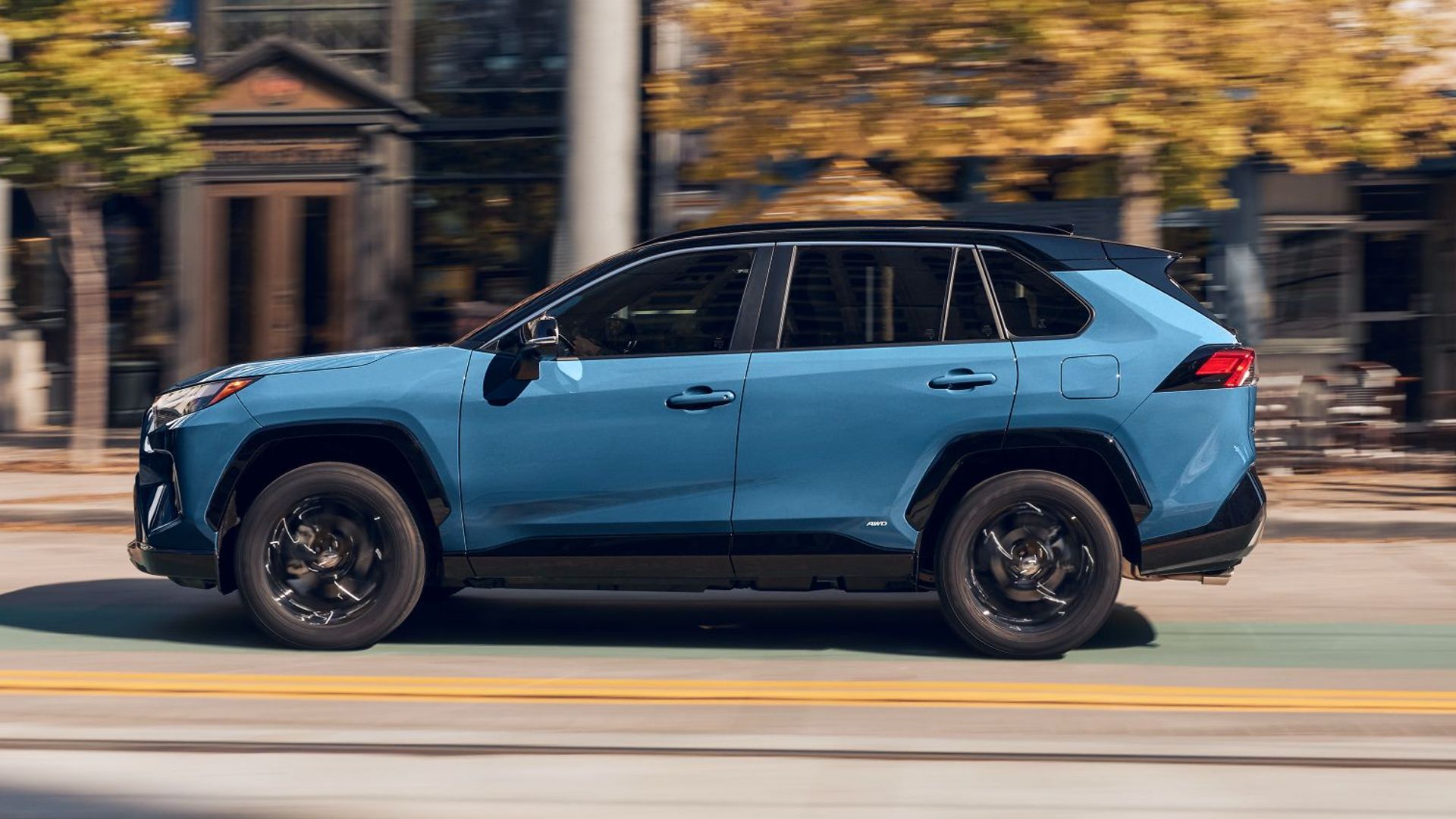
The beauty of the RAV4 Hybrid lies in its predictability. Whether creeping through traffic or climbing mountain grades, the drivetrain never feels confused.
Drivers enjoy a consistent, refined experience that belies the vehicle’s utilitarian nature. It’s one of the few hybrids where you can focus entirely on the road rather than how the system operates.
7. Kia Sportage Hybrid
The Kia Sportage Hybrid is a newcomer that punches above its weight in refinement. Sharing much of its tech with the Hyundai Tucson Hybrid, the Sportage uses a turbocharged 1.6-liter engine and an electric motor paired with a traditional six-speed automatic.
This combination eliminates the rubber-band feel often associated with CVTs, leading to more natural gear transitions.
What’s impressive is how well Kia has tuned the power delivery. When the gas engine engages, it does so quietly and predictably, with zero hesitation.
The steering and suspension tuning also add to the overall polished feel, making the Sportage Hybrid one of the most composed compact crossovers on the market today.
Although its bold, futuristic styling might suggest otherwise, the 2024 Kia Sportage Hybrid is, at its core, a fairly typical compact crossover that disguises its conventional nature beneath a sleek modern design.
Based on the standard, nonhybrid Sportage, the hybrid model adds a turbocharged 1.6-liter hybrid powertrain producing 226 horsepower, or a 261-hp plug-in hybrid that uses the same turbo engine.
Both versions deliver quicker acceleration and more power than the nonhybrid Sportage, but neither stands out for exceptional fuel efficiency. However, the plug-in model does provide up to 34 miles of electric-only driving per charge.
Beyond its hybrid systems, the Sportage Hybrid’s overall setup is refreshingly familiar, its cabin is roomy and practical, the ride is smooth even over rough pavement, and the list of standard and available features offers excellent value for the money.
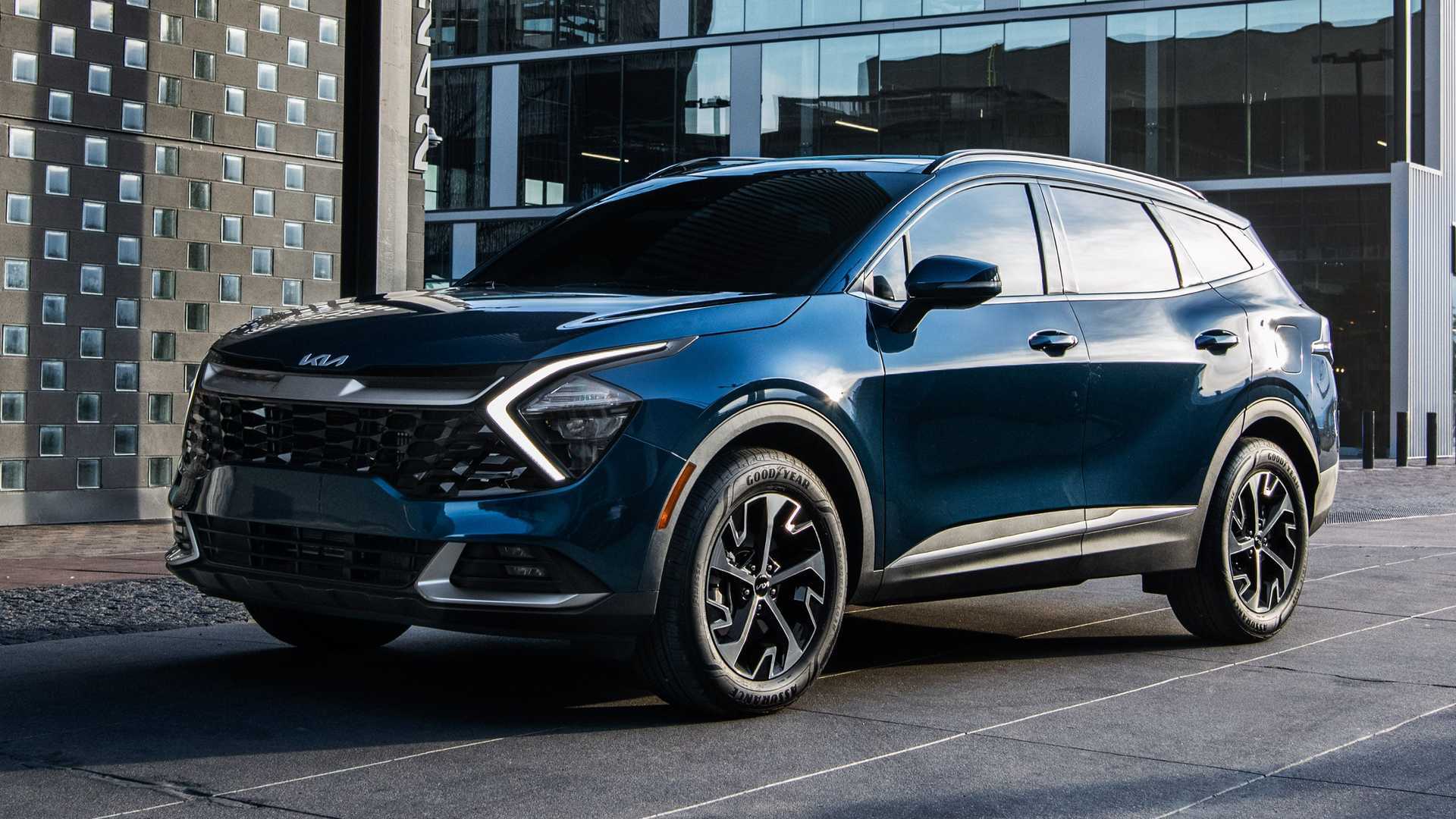
That said, its on-road character is somewhat forgettable, and competitors like the Honda CR-V and Mazda CX-5 offer more engaging handling while maintaining similar practicality.
Among these, the mid-range EX trim represents the best value. It adds desirable upgrades such as a 12.3-inch infotainment display, wireless smartphone charging, and heated front seats.
The available Premium Package may appeal to buyers seeking a touch of luxury, as it includes a panoramic sunroof, LED interior lighting, and a power liftgate.
Under the hood, the Sportage Hybrid combines a turbocharged 1.6-liter inline-four gasoline engine with a single electric motor, producing a total of 226 horsepower. Buyers can choose between front-wheel drive or all-wheel drive.
The plug-in hybrid version is all-wheel-drive only and pairs the same gasoline engine with a stronger electric motor and larger battery pack, delivering 261 combined horsepower.
The hybrid’s electric boost gives it more responsive acceleration than the nonhybrid version. In testing, the plug-in hybrid sprinted from 0–60 mph in 6.9 seconds, while the standard hybrid achieved the same in 7.4 seconds.
Built on a new, longer-wheelbase platform, the Sportage now provides improved ride comfort. Meanwhile, rugged-looking trims such as the X-Line give it a tougher, off-road-inspired aesthetic, although these versions don’t actually add extra off-road capabilities.
For that, the X-Pro variants of the nonhybrid Sportage are better suited, as they include features specifically designed for rough terrain.
According to the EPA, the plug-in hybrid (PHEV) version can travel 34 miles on electric power alone before the gasoline engine activates. This setup mirrors the Hyundai Tucson PHEV, featuring a 13.8-kWh battery pack and a total output of 261 horsepower.
Inside, the Sportage Hybrid impresses with a stylish, modern cabin highlighted by a large digital display spanning the dashboard and several eye-catching design touches.
An optional two-tone color scheme brightens the interior, while an all-black layout remains available for those who prefer a subtler look. The center console features a rotary shift knob, push-button start, and other integrated controls within a piano-black bezel.
Thanks to the Sportage’s larger overall dimensions and extended wheelbase, rear-seat passengers enjoy increased legroom, while the cargo area offers 40 cubic feet of storage behind the rear seats. A dual-level cargo floor adds flexibility for handling a range of hauling needs.
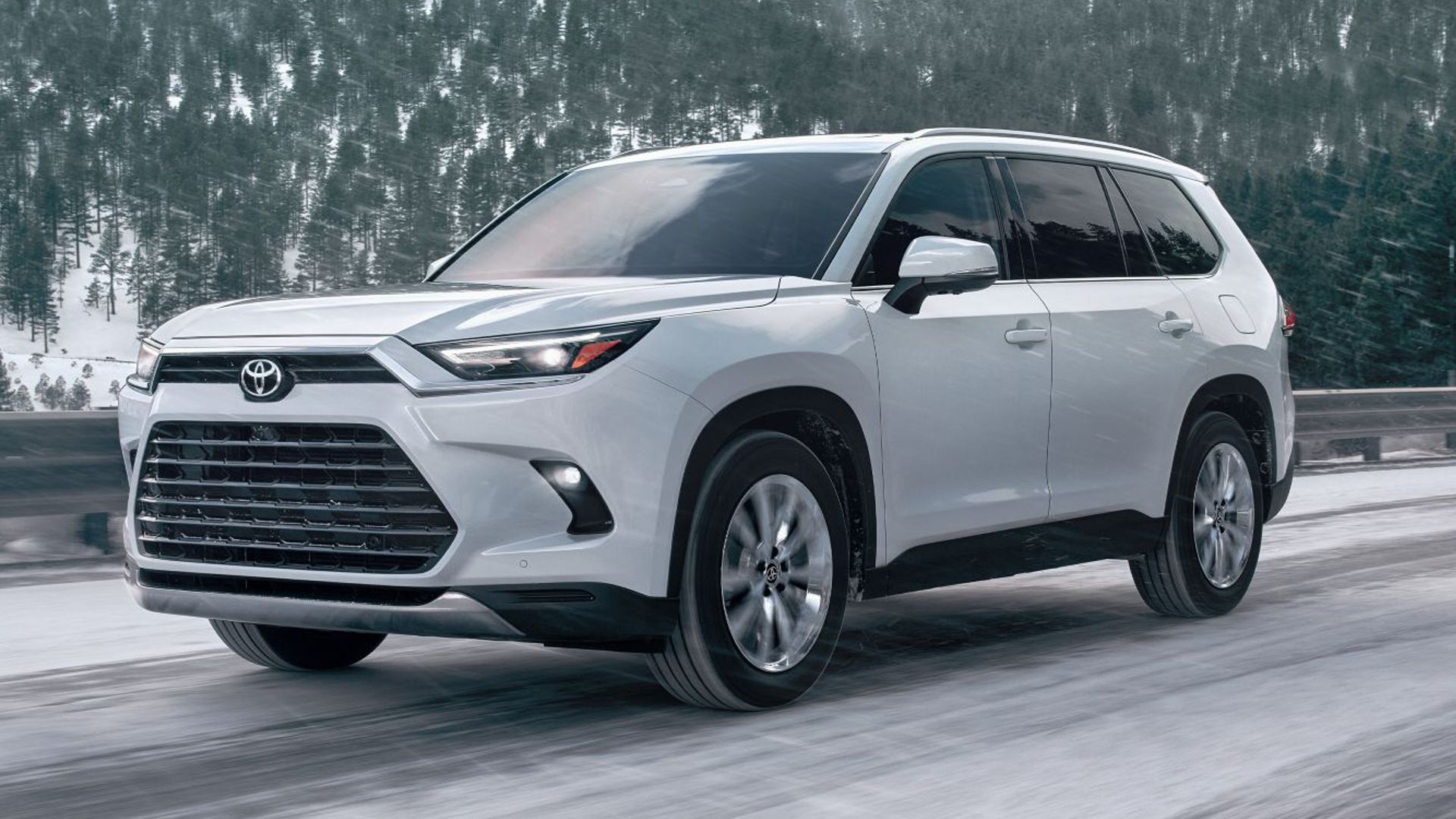
8. Toyota Highlander Hybrid
Rounding out the list is another Toyota, and for good reason. The Highlander Hybrid delivers the brand’s signature seamless power transitions in a large, family-friendly package.
The electric motors handle low-speed movement and assist the 2.5-liter four-cylinder engine at higher speeds. Transitions between these modes are so smooth that passengers rarely notice them even when the car switches to gasoline power under heavy load.
The Highlander Hybrid’s quiet cabin and smooth throttle mapping make it feel far more refined than many V6 competitors.
It’s the perfect example of Toyota’s hybrid mastery applied to a three-row SUV, ideal for American families seeking effortless performance and efficiency.
The Toyota Highlander Hybrid stands as one of the few hybrid options in the midsize SUV segment, directly competing with the Ford Explorer Hybrid. This versatile SUV offers seating for seven or eight passengers, depending on the configuration.
For the 2022 model year, Toyota introduced the Highlander Hybrid Bronze Edition, which adds distinctive design elements to both the exterior and interior.
For 2022, Toyota added several updates to the Highlander Hybrid lineup. The new Bronze Edition features unique bronze accents on the wheels, interior stitching, and door sills.
A new Wind Chill Pearl paint color is now available, and height-tilt power passenger seat adjustments come standard on XLE trims and above. These enhancements complement the Highlander’s already impressive balance of efficiency, comfort, and practicality.
Hybrid SUVs often struggle with two key drawbacks, unrefined braking and reduced interior space compared to gasoline-only models, but the Highlander Hybrid avoids both. It delivers excellent fuel economy and an EPA-estimated range exceeding 600 miles per tank.
The hybrid powertrain performs responsively in city driving, though it feels less enthusiastic during highway merging. Engine noise can also become intrusive when accelerating hard.
On the positive side, top trims boast a refined, high-quality interior with premium materials, and cargo space remains generous for the class.
As with most three-row SUVs, the third row is a bit cramped for adults, but Toyota’s improved infotainment system, now faster and sharper than before, helps modernize the cabin experience.
Toyota’s decision to include a hybrid powertrain in its popular Highlander lineup is a smart one, appealing to drivers who want efficiency without compromising versatility.
While there are some rivals that offer better overall performance or more refined driving dynamics, the Highlander Hybrid provides a compelling combination of space, economy, and reliability that make it a solid family SUV.
Under the hood, the Highlander Hybrid features a 2.5-liter four-cylinder engine paired with two electric motors, delivering a total output of 243 horsepower through a continuously variable transmission.
Buyers can choose between front-wheel drive or all-wheel drive configurations. In testing, the Highlander Hybrid Platinum accelerated from 0 to 60 mph in 8.4 seconds, about one second slower than the non-hybrid version.
Fuel efficiency remains a strong suit, with the FWD variant rated at 36 mpg city and 35 mpg highway, while the AWD version delivers 35 mpg in both conditions.
The Bronze Edition adds distinctive visual and functional upgrades that enhance the Highlander’s appeal. Bronze accents decorate the 18-inch wheels, illuminated door sills, and interior stitching.
Positioned above the XLE trim, this edition comes standard with a hands-free power liftgate, 10-way power driver’s seat with memory, ambient lighting, a digital rearview mirror, puddle lamps, a 1500-watt power outlet, LED daytime running lights, and rain-sensing wipers.
With its exclusive styling and generous list of premium features, the Bronze Edition stands out as the best choice among the 2022 Highlander Hybrid lineup.
Hybrid technology has matured from being a quirky experiment to a mainstream solution, and the best systems today feel seamless in operation.
Whether you prefer the sophistication of a Lexus, the practicality of a RAV4, or the family-focused appeal of a Highlander, modern hybrids no longer require compromise.
For American drivers, the vehicles listed above prove that you can have fuel efficiency, comfort, and smooth performance all in one package.
Each of these hybrids demonstrates how far engineering has come turning the once-clunky hybrid transition into a near-invisible experience that feels as natural as driving a traditional gas car, only smarter and cleaner.