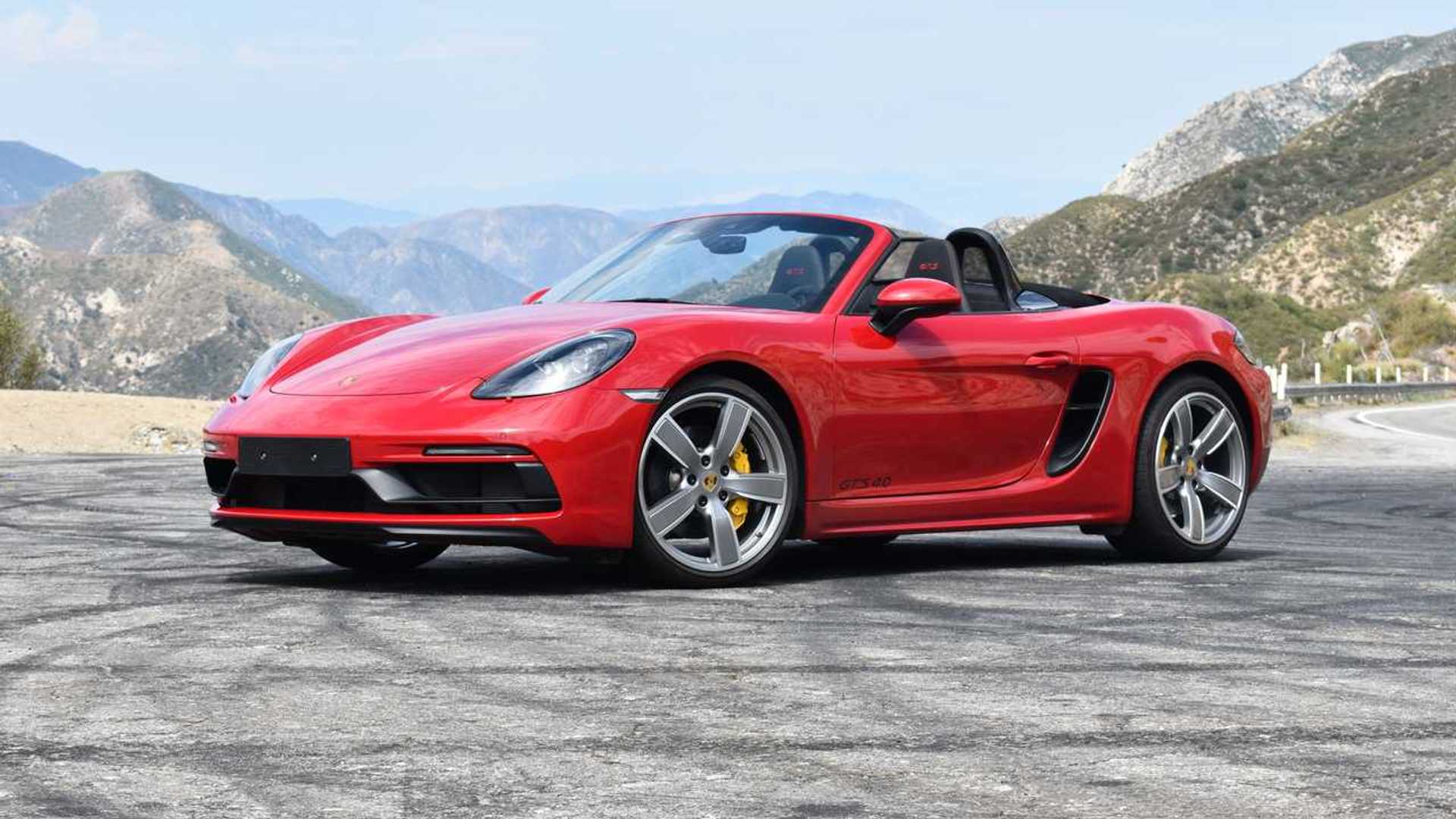
When shopping for a used car, depreciation is one of the most important factors to consider. While most vehicles lose value quickly after purchase, some manage to hold their worth much better over time. “10 Used Cars That Hold Their Value Surprisingly Well” highlights models that combine reliability, performance, and everyday practicality to deliver lasting appeal.
From the Toyota Corolla Hatchback, known for its balance of efficiency and fun-to-drive character, to performance icons like the Porsche 911 and Chevrolet Corvette, these cars prove that smart automotive investments exist across many categories. Each vehicle on this list offers something unique, whether it is trusted dependability, thrilling performance, or refined craftsmanship.
Together, they represent the best of both worlds: enjoyable ownership and strong resale value. For drivers who want a car that remains rewarding long after leaving the dealership, these ten models stand out as the smartest choices on the road.
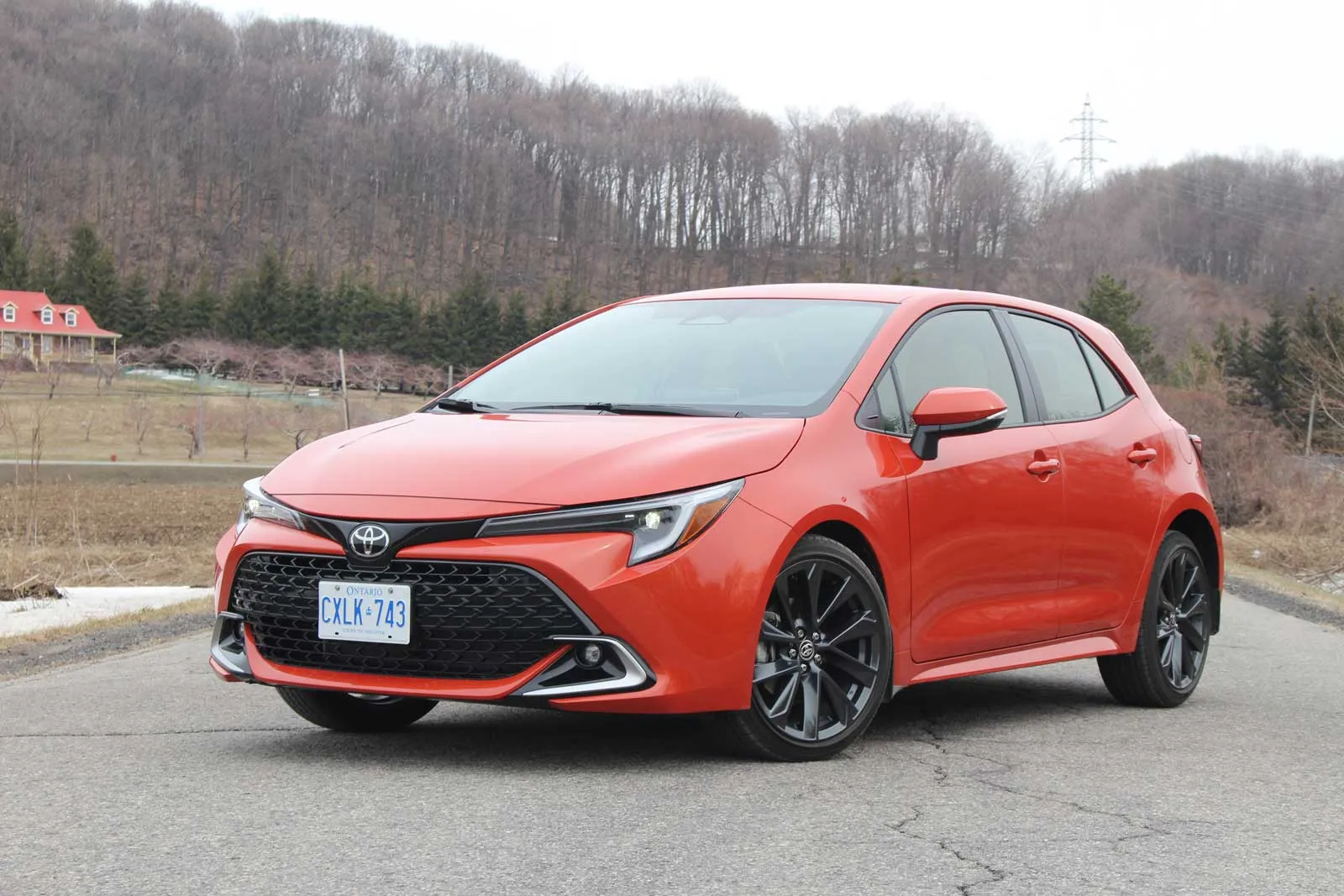
1. Toyota Corolla Hatchback: Style, Performance, and Everyday Practicality
The Toyota Corolla Hatchback has built a strong reputation for combining daily usability with driving enjoyment. With an average five-year depreciation of 30.1 percent and an average price difference from MSRP of $7,156, it proves to be a dependable investment compared with many compact competitors. Its sporty design and responsive performance set it apart from the sedan version, appealing to buyers who want both practicality and excitement.
The Corolla Hatchback’s appeal extends to enthusiasts through the high-performance GR Corolla, which showcases Toyota’s dedication to refining its vehicles. The standard model prioritizes balance and usability, while the GR variant introduces upgrades that enhance handling and power delivery.
For 2025, Toyota made subtle yet meaningful changes to the GR Corolla, such as improved rear stiffness, rebound springs in the dampers for better traction, and a retuned clutch for smoother engagement.
Torque has been increased from 273 to 295 lb-ft through an ECU tune derived from the exclusive Morizo Edition. These adjustments make the GR Corolla a standout in the sport compact segment, rivaling the Honda Civic Type R and Hyundai Elantra N.
The non-GR Corolla Hatchback continues to deliver a composed and engaging drive. The six-speed manual transmission provides an enjoyable connection to the road, while the available automatic offers smooth, efficient shifts.
The suspension tuning finds an excellent balance between comfort and agility, maintaining stability through corners without compromising ride quality. The SE trim focuses on comfort with smaller wheels and softer damping, while the XSE trim sharpens handling with a firmer setup for those seeking a more dynamic feel.
Inside, the Corolla Hatchback emphasizes comfort and thoughtful design. The front seats are well-bolstered and remain supportive during long drives. Cabin insulation is effective, minimizing road and wind noise.
The layout of the climate control system is straightforward, though its clustered buttons require some adjustment. Visibility is strong, aided by the low hoodline and slim roof pillars, while rear-seat space is sufficient for shorter trips.
Technology integration is modern and functional. The 8-inch touchscreen features crisp graphics but lacks a built-in navigation system. Apple CarPlay and Android Auto are standard, providing reliable smartphone connectivity.
Voice controls respond accurately, and the audio system produces clear sound for everyday listening. Toyota’s Safety Sense suite is included on all trims, featuring adaptive cruise control, automatic emergency braking, lane-keeping assist, and auto high beams.
Cargo capacity measures 17.8 cubic feet, slightly below key rivals, but the wide hatch opening and foldable rear seats improve usability. The cabin provides enough small-item storage for daily use, including large door pockets and accessible cupholders.
Fuel efficiency remains one of the Corolla Hatchback’s strongest qualities, achieving an EPA-estimated 31 mpg combined with the manual transmission and 35 mpg with the automatic. Real-world results closely match these figures.
Toyota’s reputation for reliability strengthens the car’s long-term appeal. Buyers benefit from two years or 25,000 miles of complimentary maintenance, covering essentials such as oil changes and tire rotations. Warranty coverage remains competitive within the segment.
The Toyota Corolla Hatchback succeeds in delivering a blend of practicality, comfort, and spirited performance. With excellent fuel economy, advanced safety technology, and Toyota’s renowned build quality, it remains one of the most appealing options in the compact hatchback market. The GR version adds an exciting edge, proving that efficiency and enthusiasm can coexist in one well-rounded package.
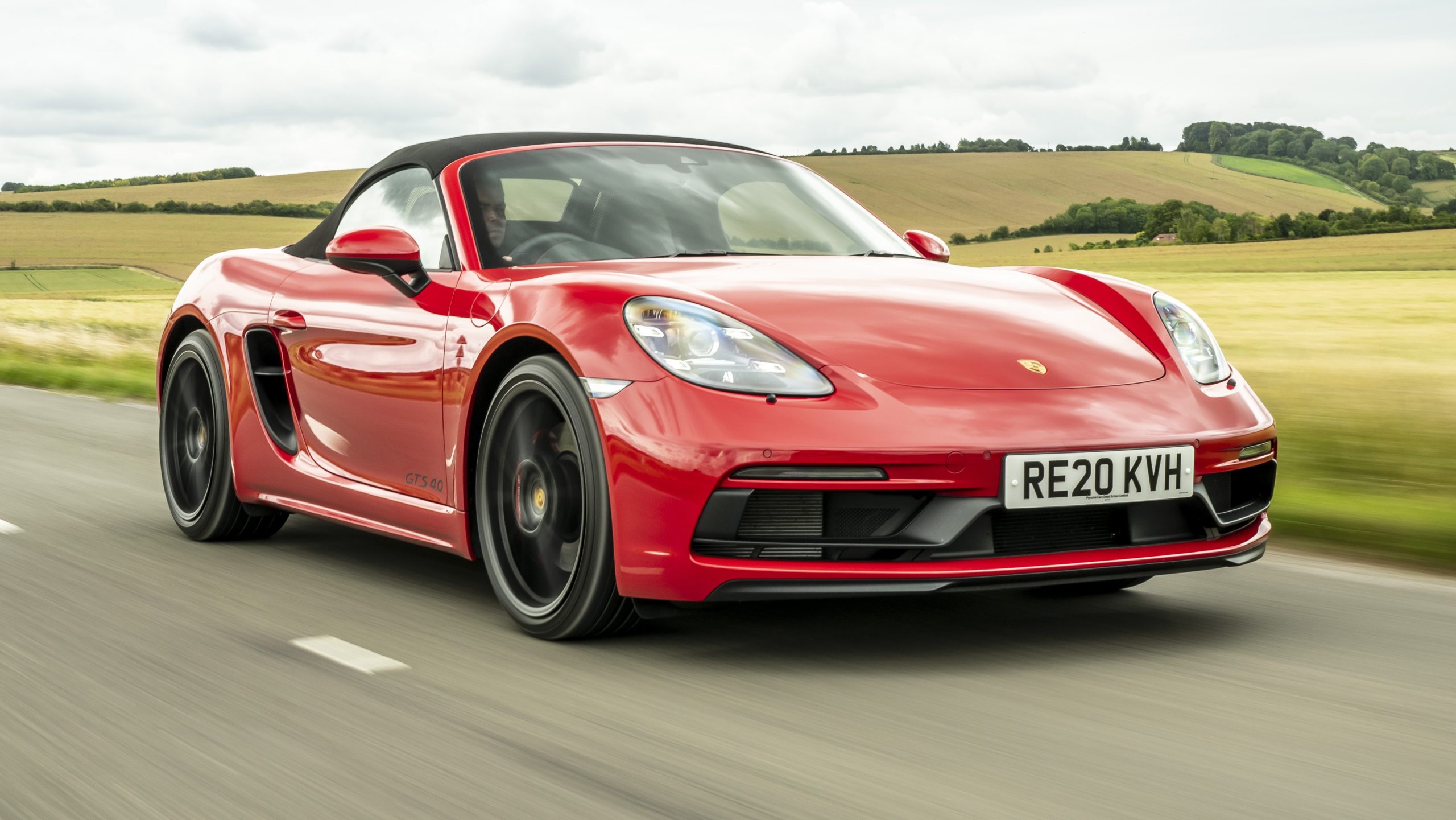
2. Porsche 718 Boxster: A Timeless Blend of Precision, Performance, and Poise
The Porsche 718 Boxster stands as one of the most balanced and rewarding sports cars on the road, blending dynamic performance with enduring value. With an average five-year depreciation rate of 29.6 percent and a price difference from MSRP of $22,155, it demonstrates exceptional long-term worth among luxury convertibles.
Sharing much of its engineering with the 718 Cayman, the Boxster offers identical performance with the added thrill of open-air driving. Its mix of agility, refinement, and precision.
The Boxster captures Porsche’s design philosophy of lightweight construction and driver engagement. Rivals like the Chevrolet Corvette may offer more raw power, but the Boxster focuses on harmony between speed, control, and feedback. Four powertrains cater to different enthusiasts.
The base model features a 300-horsepower 2.0-liter turbocharged flat-four, while the Boxster S increases output to 350 horsepower through a larger 2.5-liter engine. The GTS 4.0 adds a 394-horsepower naturally aspirated flat-six, and the range-topping Spyder RS delivers 493 horsepower from the same 4.0-liter setup.
Transmission options include a six-speed manual that delivers tactile precision or a seven-speed dual-clutch automatic (PDK) for rapid, seamless shifts. The GTS 4.0 with the PDK accelerates from zero to 60 mph in 3.4 seconds, while the Spyder RS accomplishes the sprint in just 2.8 seconds.
Even the base model feels lively, achieving 60 mph in 4.3 seconds. Porsche’s mid-engine layout ensures outstanding balance, giving the Boxster exceptional cornering composure without compromising comfort on longer drives.
Despite its performance, the Boxster maintains solid fuel economy. The manual-equipped base version earns an EPA-estimated 20 mpg city and 25 mpg highway, while the PDK increases efficiency slightly. Real-world testing has shown the Boxster surpassing these ratings, achieving up to 33 mpg on highway drives. This balance of power and efficiency highlights Porsche’s engineering precision.
The interior is minimalist yet refined, focused on function and craftsmanship. While some plastics remain, nearly all surfaces can be wrapped in leather for a premium finish.
The two-seat layout emphasizes connection with the car rather than practicality, though dual cargo compartments at the front and rear provide enough room for weekend luggage. The seats are low and supportive, creating a driving position that feels purposeful and immersive.
The infotainment system is straightforward and responsive, featuring Apple CarPlay, two USB ports, and optional navigation. Android Auto is not yet included, but the system remains intuitive and distraction-free. Porsche limits driver-assistance features intentionally to preserve driver focus. Standard parking sensors simplify maneuvering, while optional blind-spot monitoring and emergency braking provide extra assurance.
Porsche’s four-year or 50,000-mile warranty, paired with one year of complimentary maintenance, underscores the brand’s confidence in quality and reliability.
The 718 Boxster continues to embody Porsche’s pursuit of precision, offering sharp handling, refined powertrains, and a timeless design that rewards drivers with every mile. It remains one of the most engaging ways to experience pure, connected performance in a modern sports car.
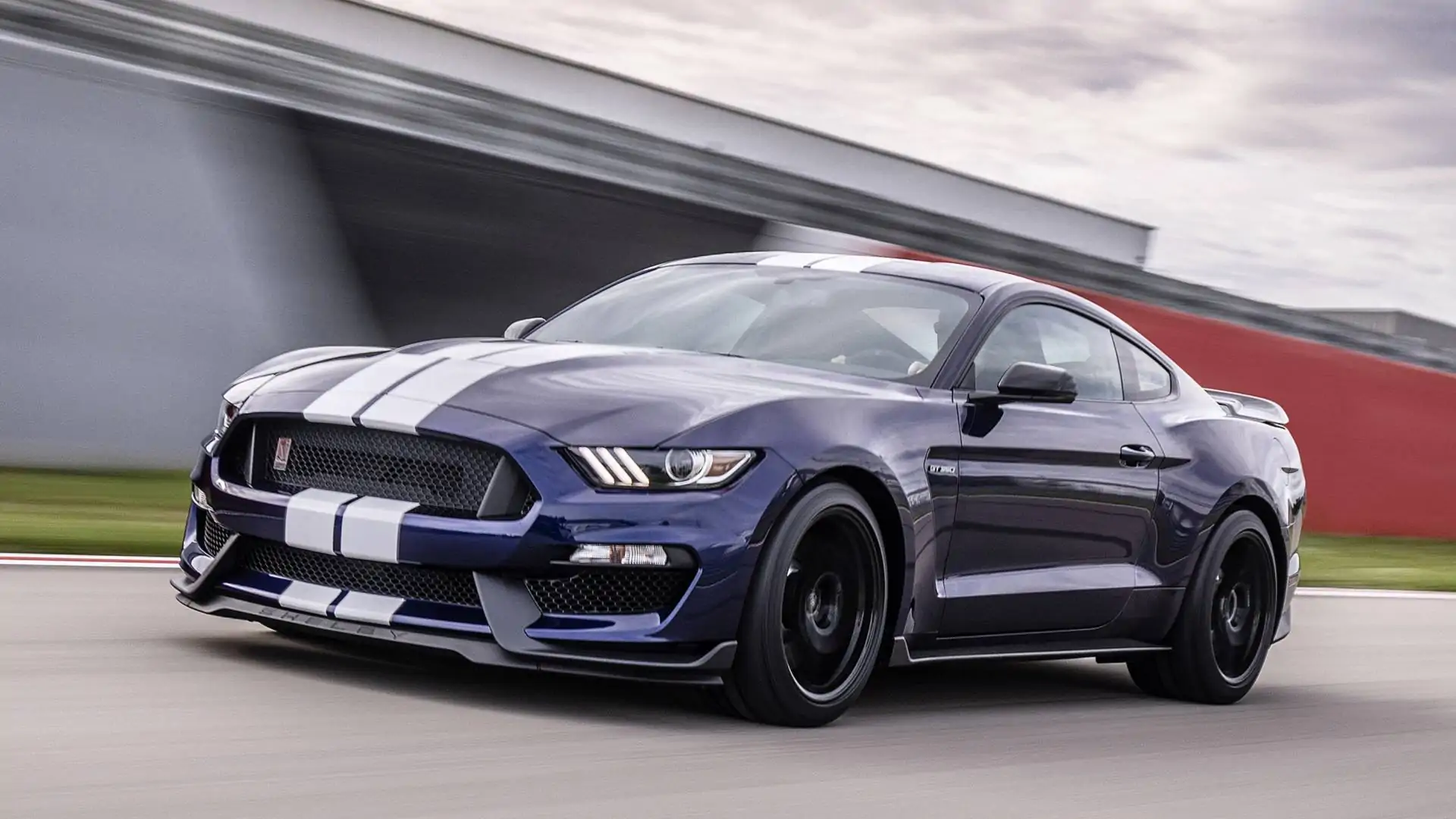
3. Ford Mustang: America’s Last Pony Car Standing
The Ford Mustang remains the final true pony car in the United States, representing a proud legacy of American performance. With the discontinuation of rivals such as the Chevrolet Camaro and Dodge Challenger, the Mustang stands as the last of its kind.
It continues to combine heritage, power, and accessibility, maintaining a five-year depreciation rate of 29.2 percent and an average price difference from MSRP of $9,325. As Ford’s only remaining car model, the Mustang has strengthened its position in a market dominated by SUVs, appealing to both enthusiasts and everyday drivers.
The Mustang delivers strong performance across all trims. The EcoBoost model accelerates from zero to 60 mph in 5.6 seconds, the GT with a six-speed manual in 4.8 seconds, and the GT with a 10-speed automatic in 4.3 seconds. Quarter-mile speeds range from 94.2 mph in the EcoBoost to over 113 mph in the GT automatic.
Each version demonstrates precise handling and balanced dynamics, with all models achieving nearly one g of lateral grip on the skidpad. Pirelli P Zero tires and a well-tuned suspension contribute to this impressive stability.
Both available engines showcase distinct personalities. The 2.3-liter turbocharged four-cylinder provides brisk acceleration and smooth torque delivery, while the 5.0-liter V8 offers deep reserves of power that make highway driving effortless.
The six-speed manual transmission enhances driver involvement, while the 10-speed automatic delivers quick, clean shifts for those who prefer ease and consistency. The MagneRide adaptive suspension available on higher trims provides sharper control while retaining comfort, and the standard suspension setup remains compliant for daily use.
Inside, the Mustang blends classic design elements with modern technology. The cabin features a digital instrument cluster and a 13.2-inch touchscreen that uses Ford’s Sync 4 system. The interface responds quickly and is easy to understand, while the optional 12-speaker B&O sound system provides strong audio quality. Climate control functions effectively, though adjusting fan speed requires entering a secondary menu.
Seats are supportive and comfortable, with optional heating and ventilation. The Recaro sport seats available on performance models provide outstanding support during spirited driving, but can feel tight for larger occupants. Rear seats are compact and best suited for short trips. Cargo space measures 13.5 cubic feet in the fastback and 11.4 cubic feet in the convertible, making the Mustang practical for its class.
Fuel economy depends on the engine choice. The EcoBoost achieves 26 mpg combined, while the V8-powered GT averages 18 mpg. Both figures are in line with EPA estimates. The Mustang’s warranty includes three years or 36,000 miles of bumper-to-bumper coverage and five years or 60,000 miles for the powertrain, along with roadside assistance.
The Mustang continues to embody the spirit of American freedom and performance. Its combination of power, agility, and design ensures that it remains both relevant and desirable. As the last pony car on the road, the Ford Mustang preserves a rich tradition of style and strength while offering a driving experience that connects deeply with those who value authenticity and excitement.
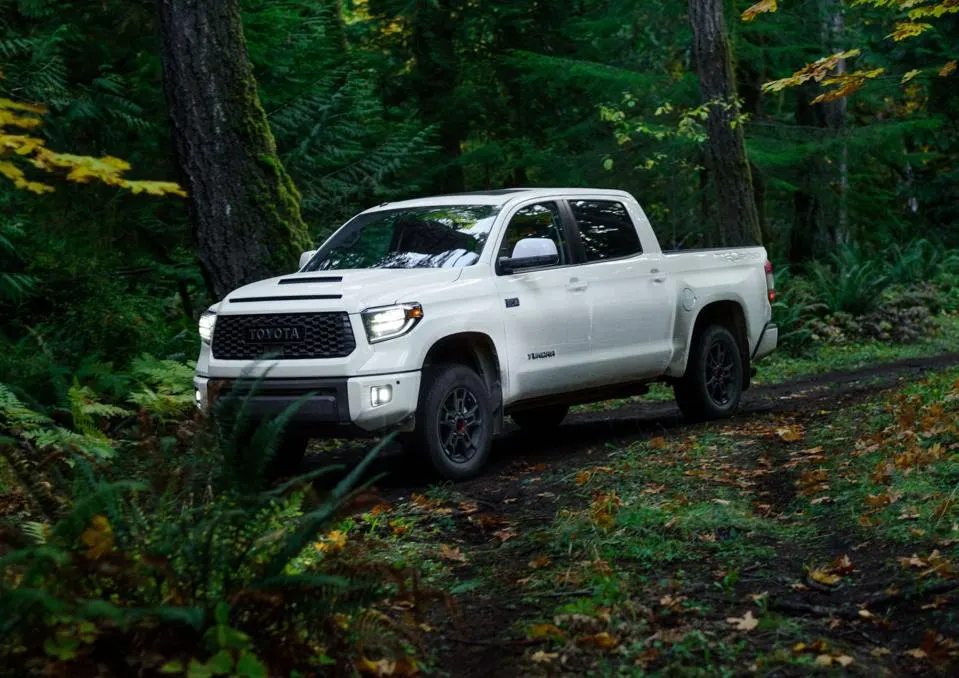
4. Toyota Tundra: Strength, Comfort, and Everyday Reliability
The Toyota Tundra continues to demonstrate the qualities that have long made it a dependable full-size pickup. Despite early issues with bearing failures in its twin-turbocharged V6, Toyota addressed the problem quickly and supported affected owners.
With an average five-year depreciation of 29.1 percent and a price difference from MSRP of $11,659, the Tundra retains value exceptionally well. Many buyers still view the older V8-powered generation as a solid purchase, but the latest model brings a refined balance of performance, technology, and capability that keeps it competitive in today’s market.
The turbocharged 3.4-liter V6 delivers strong, immediate torque and works smoothly with the 10-speed automatic transmission. In testing, a four-wheel-drive Tundra reached 60 mph in 6.6 seconds, quick for a truck of its size.
Acceleration feels confident, whether merging onto the highway or pulling a trailer. Braking performance is another highlight, as the Tundra stopped in shorter distances than many rivals, even when fitted with off-road tires.
Steering is light and precise, making the truck more manageable on narrow roads than expected. However, its long wheelbase and underbody clearance mean it can still struggle over certain off-road obstacles. The TRD Off-Road package adds a locking rear differential and terrain modes, but drivers who plan to tackle serious trails will find the TRD Pro better suited for that purpose.
Ride quality is composed, though not as cushioned as the Ram 1500’s. The Tundra maintains control over uneven pavement, and body movement is well managed for a vehicle of its size. Visibility is mostly clear from the elevated driving position, but the thick windshield pillars can block sightlines on two-lane roads.
The optional surround-view camera helps when maneuvering in tight spaces. Toyota’s driver assistance features work reliably, although the lane keeping assist can have difficulty keeping the truck centered.
The Tundra offers generous space and comfort, especially in the CrewMax configuration. The available panoramic sunroof and power rear window create an airy, open feel. Seats are wide and supportive, allowing all occupants to travel comfortably even on long drives. The driving position is commanding, which helps reduce the sense of size when operating in traffic or on narrow roads.
The interior layout emphasizes simplicity and usability. Controls are large and easy to operate with gloves, a useful feature for worksite use. The climate control system functions well and requires minimal adjustment.
Bright sunlight can make some labels hard to read, but ergonomics is straightforward and effective. Ride comfort remains consistent across trims, with enough suspension compliance to handle rough pavement without feeling disconnected.
Technology plays a significant role in the Tundra’s appeal. The available 14-inch touchscreen stands out for its clarity and ease of use, offering crisp graphics and responsive menus.
Many drivers may find Toyota’s native infotainment system just as satisfying as Apple CarPlay or Android Auto, which are both standard. The upgraded JBL audio system produces strong sound quality, though even the standard system is more than adequate for daily use.
Digital displays are clear and informative, and voice commands respond quickly. The interface feels modern without being complicated, fitting the Tundra’s practical nature.
The CrewMax cabin provides ample interior storage, including generous underseat compartments and various bins for small items. Front passengers have multiple storage options for phones, beverages, and tools.
However, the organization could be better, as the numerous compartments can become cluttered quickly. The Tundra’s cabin does not feature as many clever storage solutions as some rivals, but the available space is still sufficient for most needs.
Cargo capacity in the bed is well-suited for home projects, outdoor gear, or recreational hauling. While the Tundra’s maximum towing and payload capacities fall short of class leaders, they remain capable for typical owners who tow boats, trailers, or small campers.
Fuel economy is modest but comparable to most full-size trucks. The EPA estimates 19 mpg combined for the four-wheel-drive model. Real-world testing produced 15.2 mpg, which is slightly below expectations but typical for the segment. For most owners, efficiency will be an acceptable tradeoff for the truck’s strength and reliability.
The Tundra’s interior build quality is impressive. Panels align cleanly, materials feel sturdy, and trim pieces fit precisely. Even without the wood and chrome accents found in some competitors, the Tundra gives off a solid and refined impression. Pricing is typically a bit lower than that of comparable Ford and Chevrolet trucks, which enhances its value.
Toyota’s warranty coverage includes three years or 36,000 miles of bumper-to-bumper protection and five years or 60,000 miles for the powertrain. The brand also provides two years or 25,000 miles of free maintenance, an advantage over most rivals.
The Tundra may not dominate in towing, hauling, or ride comfort, but it performs strongly in every key area. It offers capability without excess, technology without confusion, and comfort without unnecessary flash.
Its design and personality feel approachable, familiar, and grounded, much like the smaller Tacoma. The Tundra embodies Toyota’s reputation for dependability, making it a truck that owners can trust for both daily use and demanding tasks for years to come.
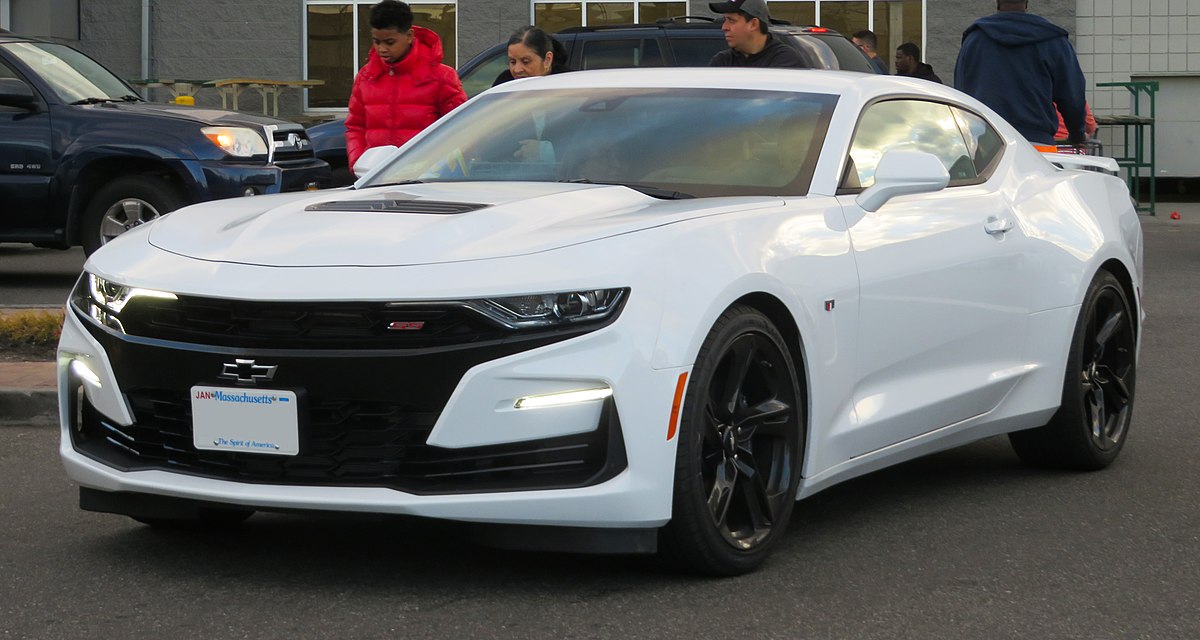
5. Chevrolet Camaro: A Modern Classic with Enduring Appeal
The sixth-generation Chevrolet Camaro stands as one of the most capable and balanced performance coupes of its time. With an average five-year depreciation of 28.0 percent and an average price difference from MSRP of $8,653, it has maintained strong resale value since its discontinuation in 2023.
Enthusiast demand and limited availability have helped preserve its market strength. Though the Camaro never matched the sales volume of its rivals, it earned respect for its dynamic performance, sharp handling, and well-engineered chassis that delivered true sports car agility.
The Camaro’s performance credentials are undeniable. Its lineup ranged from a turbocharged four-cylinder to a naturally aspirated V6 and a supercharged V8, ensuring there was a version for nearly every type of driver.
The V8 remains the favorite among purists for its commanding power and signature muscle-car sound, while the lighter four-cylinder and V6 models provide more balanced handling and better fuel economy. Acceleration across all variants is brisk, and each powertrain pairs effectively with the car’s finely tuned suspension.
The six-speed manual transmission offers short, precise throws and benefits from rev-matching technology that smooths out downshifts. The available Magnetic Ride Control suspension system enhances both comfort and cornering capability by adapting instantly to road conditions.
Braking performance is equally strong, with excellent stability even under aggressive driving. Steering feedback is direct and communicative, giving drivers confidence when cornering or maneuvering through tight turns.
For a high-performance coupe, the Camaro provides surprising comfort. The standard suspension strikes a reasonable balance between firmness and compliance, and the Magnetic Ride Control system on higher trims further refines the ride.
The front seats are supportive without being overly firm, offering comfort for both spirited drives and long-distance trips. Rear seating, however, remains tight and best suited for short rides or extra luggage.
The cabin design is unmistakably driver-focused, with a deep dashboard and high center console that create a cockpit-like feel. Visibility is the car’s most notable weakness due to its high beltline and thick roof pillars, which can make parking and low-speed driving challenging.
Despite that, the sense of enclosure enhances the performance atmosphere. Materials throughout the cabin feel solid, and the construction quality is commendable, though some hard plastics remain.
The Camaro’s infotainment system is intuitive, with responsive menus and clear graphics. The larger available touchscreen improves usability and adds built-in navigation.
Standard features include Apple CarPlay and Android Auto for seamless smartphone integration. Higher trims also gain driver-assistance systems such as blind-spot monitoring and rear cross-traffic alert, both helpful given the car’s limited sightlines.
Storage remains minimal, with a small trunk and limited cabin compartments. The trunk’s narrow opening and high liftover make loading bulky items difficult, but the rear seat can serve as supplemental cargo space when needed.
Fuel economy varies by engine, with the four-cylinder automatic rated at 25 mpg combined, the V6 at 22 mpg, and the V8 at 20 mpg. These figures are competitive within the segment.
The Camaro’s greatest strength lies in its performance-per-dollar ratio. From the affordable base model to the formidable ZL1, it offers exceptional handling and power for the price. Since production ended, its desirability has grown, and its reputation as a driver’s car remains unmatched among American coupes.
With its blend of power, precision, and enduring appeal, the sixth-generation Camaro stands as a modern icon destined to be cherished by enthusiasts for years to come.
Also Read: 10 Cars That Prove You Don’t Need to Be Rich to Drive Smart
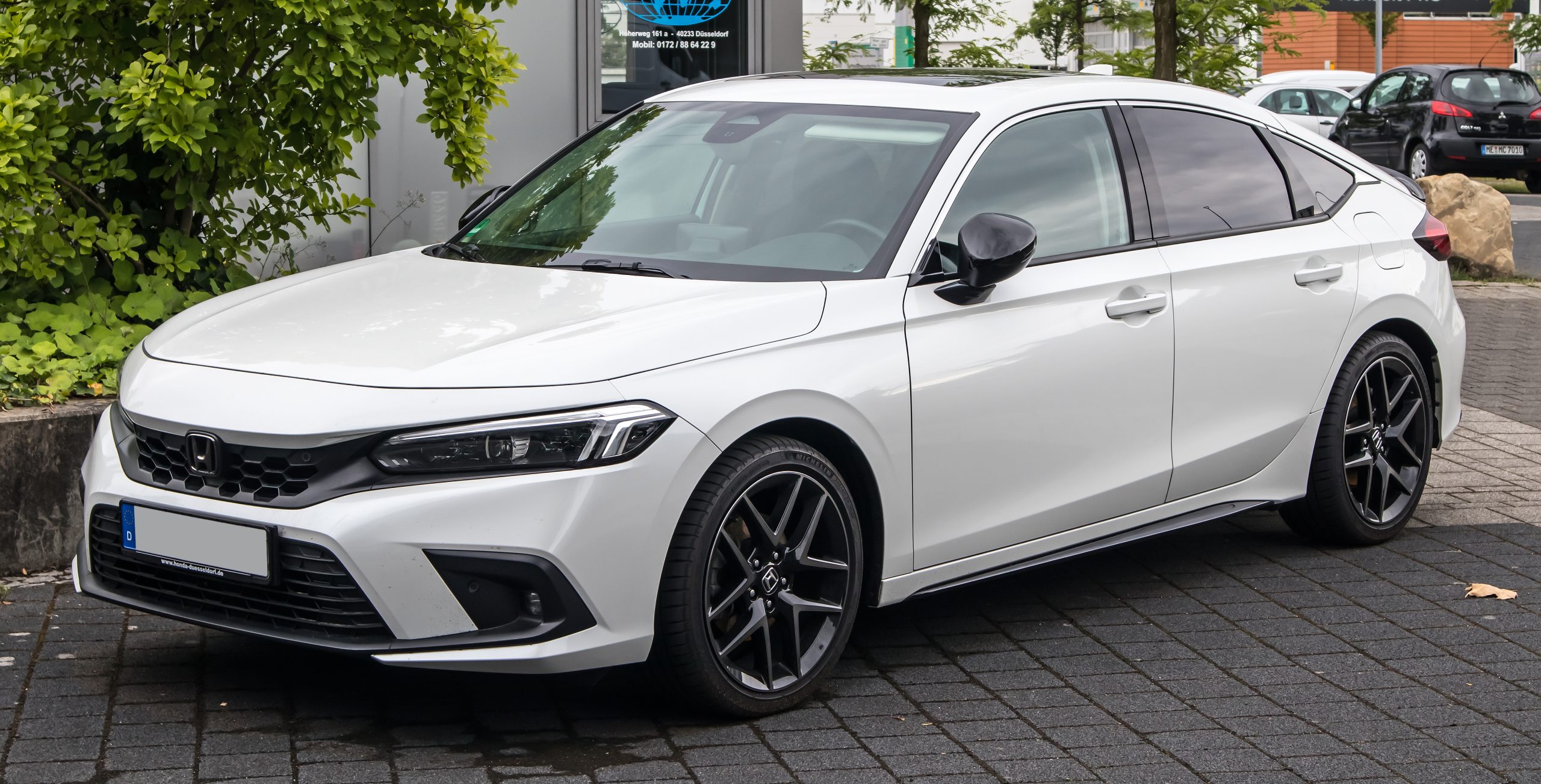
6. Honda Civic: A Benchmark for Balance, Efficiency, and Longevity
The Honda Civic continues to stand as one of America’s most trusted and best-selling compact cars, admired for its balance of reliability, performance, and long-term value. With an average five-year depreciation of 28.0 percent and an average price difference from MSRP of $6,987, it retains value exceptionally well.
The latest Civic builds on decades of success by combining efficiency, comfort, and refined engineering in a package that appeals to a wide range of drivers.
The Civic hybrid delivers quick and confident performance for its class. Its hybrid powertrain reaches 60 mph in 6.6 seconds, making it faster than many competitors and even surpassing the Civic Si in acceleration. Power delivery is smooth and immediate, with responsive throttle behavior that makes city driving and highway merging effortless.
The steering is precise and naturally weighted, while the suspension tuning maintains an ideal balance between agility and comfort. The chassis remains composed over rough pavement and provides reassuring stability during cornering.
Visibility from the driver’s seat is excellent, aided by slim roof pillars and well-placed mirrors that reduce blind spots. Rear visibility is slightly limited by the sloping roofline, but the standard multi-angle rearview camera compensates effectively. Honda’s suite of safety and driver-assistance systems, including adaptive cruise control and lane keeping assist, functions smoothly and enhances driver confidence without being intrusive.
Inside, the Civic offers a level of sophistication that rivals more expensive sedans. The cabin layout emphasizes simplicity, functionality, and comfort. The front seats provide strong support and generous space, making them comfortable for long-distance drives. Rear passengers enjoy good legroom, though taller occupants may find headroom limited by the car’s sleek profile.
Noise isolation is impressive for a compact car. Wind and engine noise are subdued, and the hybrid drivetrain operates quietly in most conditions. The climate control system uses easy-to-reach physical knobs and cleverly designed vents that distribute air evenly throughout the cabin.
The honeycomb-style vent trim running across the dashboard adds a modern and upscale visual touch, while the quality of materials and solid fit and finish highlight Honda’s attention to detail.
The Civic’s technology is intuitive and practical. The available 9-inch touchscreen includes Google Built-In features such as Maps and Assistant, while the smaller 7-inch version supports Apple CarPlay and Android Auto. Wireless connectivity is offered on higher trims, and the optional Bose premium audio system provides crisp, balanced sound.
Practicality remains a Civic hallmark. The sedan offers 14.8 cubic feet of trunk space, and the hatchback expands capacity to 24.5 cubic feet with fold-flat rear seats. Interior storage is thoughtfully arranged with deep bins and wide cupholders for daily convenience.
Efficiency is another standout trait. The hybrid model achieves up to 49 mpg combined, offering strong real-world performance without sacrificing fuel economy.
Backed by Honda’s reputation for reliability, a three-year/36,000-mile basic warranty, and a five-year/60,000-mile powertrain warranty, the Civic remains a smart and rewarding choice. It continues to embody Honda’s commitment to engineering excellence, combining practicality, efficiency, and driving enjoyment in a single, enduring package.
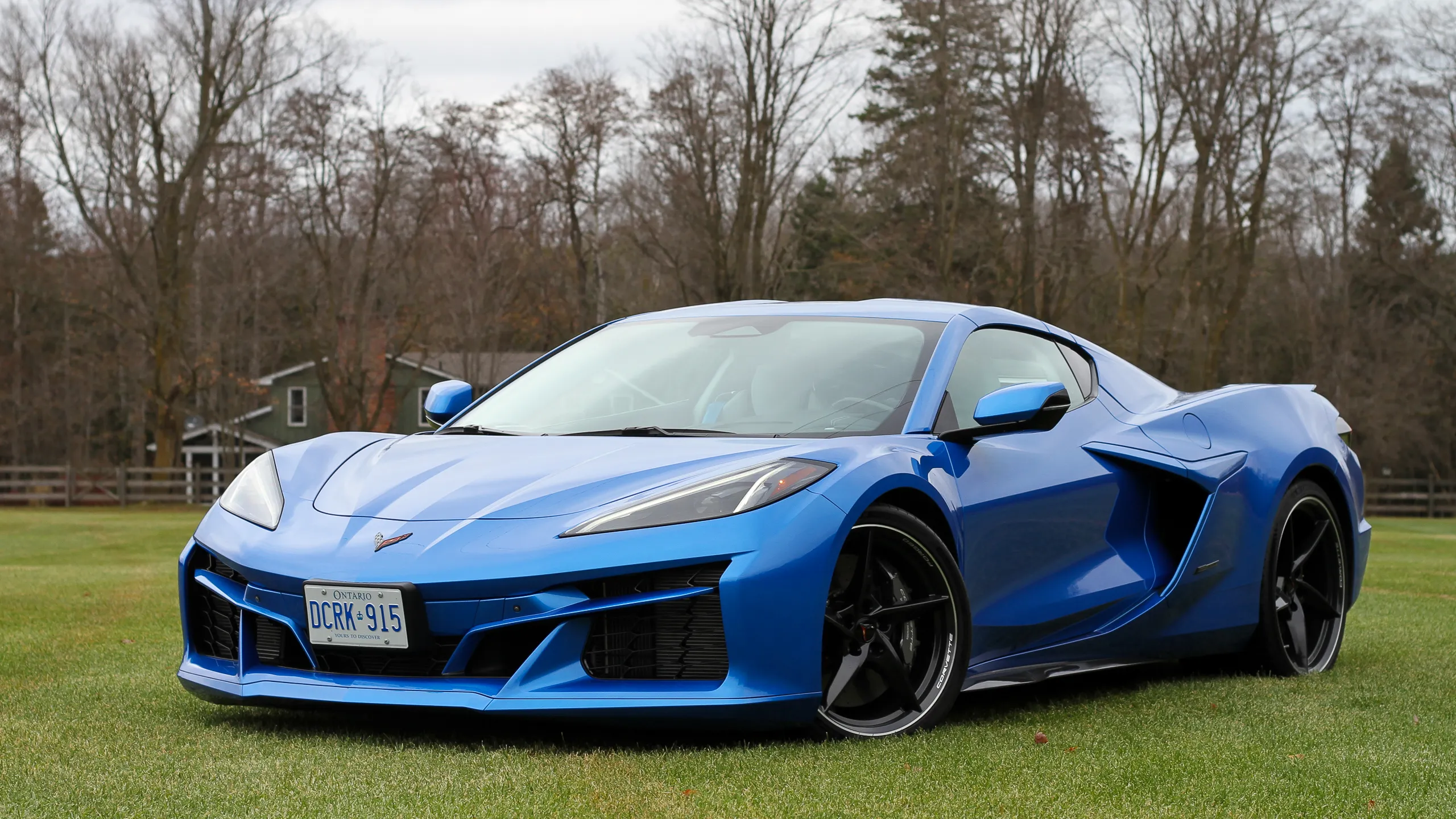
7. Chevrolet Corvette: America’s Supercar That Holds Its Value
The Chevrolet Corvette continues to be one of the most respected performance cars on the market, combining breathtaking speed, sharp handling, and real-world practicality in a package that holds its value remarkably well.
With an average five-year depreciation of 27.2 percent and an average price difference from MSRP of $18,557, it remains one of the most value-retentive sports cars available. The mid-engine generation has elevated the Corvette to new heights, rivaling far more expensive European exotics while maintaining the accessibility and everyday usability that have long defined America’s most famous sports car.
Performance is where the Corvette truly shines. In testing, the 3LT coupe accelerated from zero to 60 mph in 3.6 seconds, or 3.3 seconds with rollout, and completed the quarter mile in 11.8 seconds at 118 mph. The Z51 Performance package sharpens those figures to 3.4 seconds and 11.5 seconds, while also improving grip and braking ability.
Steering is crisp, communicative, and confidence-inspiring, allowing drivers to explore the car’s limits with precision. The eight-speed dual-clutch automatic transmission shifts smoothly and quickly, keeping the engine in its sweet spot at all times.
Braking performance is strong, with the Z51 model stopping from 60 mph in just 105 feet. Despite the impressive numbers, the Corvette feels approachable, even for drivers without professional experience, and it remains predictable and balanced when pushed hard.
Ride comfort is another area where the Corvette impresses. The available MagneRide adaptive suspension absorbs rough patches and imperfections in the road while maintaining composure and control. The GT2 bucket seats provide excellent support for enthusiastic driving and are comfortable enough for long road trips.
Road and wind noise are minimal for a sports car of this caliber, though the wide tires can produce noticeable sound on coarse pavement. The climate control system delivers strong airflow, and the heated and ventilated seat functions perform well, contributing to an unexpectedly refined driving experience.
The interior design matches the Corvette’s exterior drama. The cockpit wraps tightly around the driver, creating a focused and immersive environment. Entry and exit require some effort due to the low stance, but once seated, the driving position feels natural and commanding.
Visibility to the rear is limited, but a camera-based rearview mirror system improves awareness. Material quality is excellent, with soft-touch surfaces, precise stitching, and well-fitted panels.
Technology in the Corvette is modern and thoughtfully arranged. The infotainment touchscreen is angled toward the driver, with clear graphics and quick responses. Wireless Apple CarPlay and Android Auto are standard and integrate seamlessly.
The optional Bose audio system provides impressive clarity and depth, and an available front-axle lift system uses GPS to remember steep driveways, adding practical convenience. The front trunk offers space for small bags or groceries, while the rear trunk can accommodate two golf bags. Cargo space decreases when storing the removable roof panel, but there is still enough room for weekend travel.
Fuel economy is solid for a high-performance car. The EPA rates the Corvette at 19 mpg combined, and real-world testing produced 21.8 mpg. For a car capable of such speed, this level of efficiency is commendable.
The Corvette’s combination of performance, comfort, technology, and build quality makes it one of the best values in the sports car world. Even fully equipped models undercut many European rivals in price while offering similar capability and refinement. With its strong reliability, competitive warranty coverage, and exceptional performance, the Corvette continues to set the standard for attainable supercar excellence.
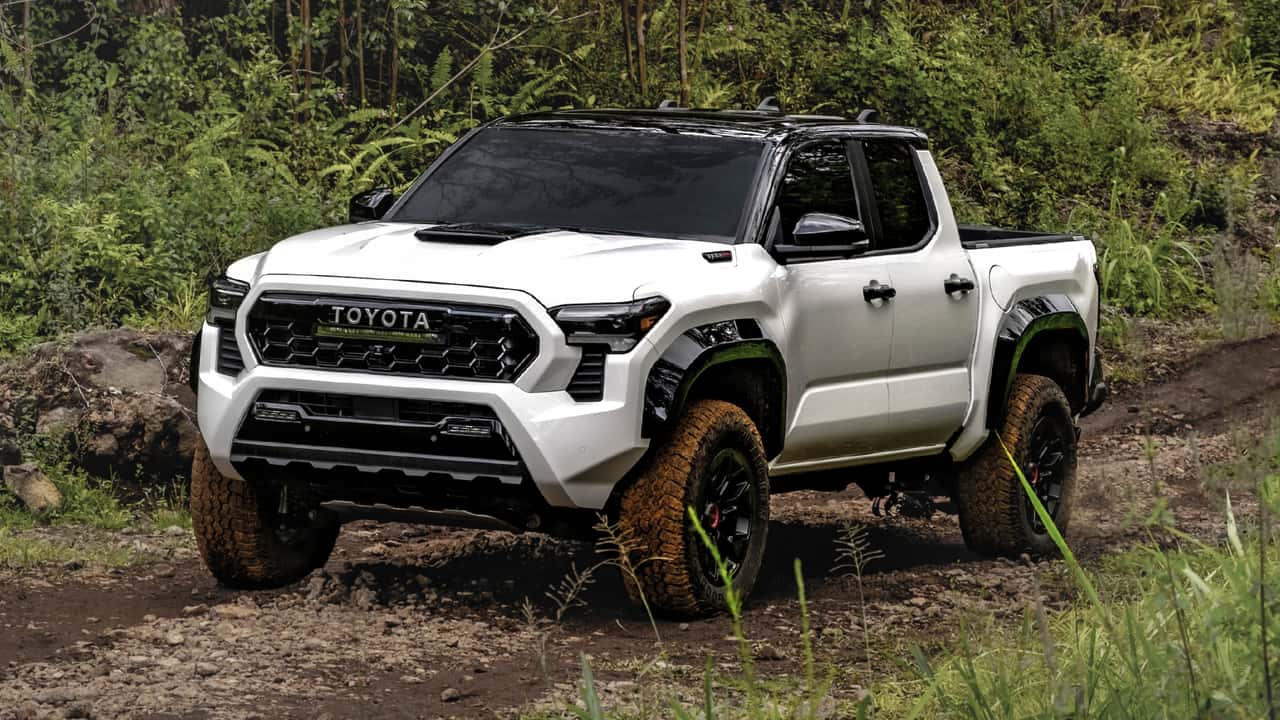
8. Toyota Tacoma: Durability, Capability, and Long-Term Value
The Toyota Tacoma has long been recognized for retaining its value, with an average five-year depreciation of just 26.0 percent and an average price difference from MSRP of $8,217.
Despite the arrival of a new generation in 2023, the previous-generation Tacoma remains a strong choice for buyers who value reliability, practicality, and a proven track record. Its combination of ruggedness, efficiency, and Toyota’s reputation for long-term dependability make it a standout in the midsize truck segment.
The Tacoma delivers solid performance for both city driving and light off-roading. The TRD Sport with its 278-horsepower engine accelerates to 60 mph in 7.6 seconds, while the TRD Pro with the i-Force Max hybrid powertrain is only slightly quicker at 7.4 seconds due to additional weight.
The transmission shifts smoothly, and the steering is light and accurate, offering confidence on highways. Braking is responsive yet smooth, and depending on the trim, the Tacoma’s off-road performance ranges from capable to exceptional, with advanced traction control and specially tuned shocks.
The Tacoma offers wide front seats suitable for various body types, although cloth upholstery feels coarse compared to synthetic leather options. Rear seat space is limited, particularly in TRD Pro models with IsoDynamic shock-absorbing seats, which reduce legroom significantly.
Ride quality varies by trim; lower trims feel stiffer, while higher trims provide advanced suspension for a smoother experience. Climate controls are easy to operate, even with gloves, enhancing everyday usability.
The Tacoma’s interior emphasizes rugged functionality, featuring an available 14-inch touchscreen with sharp resolution, wireless smartphone connectivity, and optional wireless charging. Physical buttons remain plentiful, offering a tactile interface.
Driver comfort is enhanced with adjustable steering and ample headroom, although rear access and seating space are limited in four-door and TRD Pro configurations. Standard driver-assist features include automatic emergency braking, lane departure alert, and full-speed adaptive cruise control, all of which operate effectively without being intrusive.
Tacoma offers practical storage solutions, including multiple bed sizes, cubbies, center console trays, and power outlets up to 2,400 watts for hybrid models. Payload capacity reaches 1,710 pounds, while towing maxes out at 6,500 pounds.
Fuel economy is consistent across trims, with four-wheel-drive models achieving around 21–22.6 mpg. The hybrid powertrain produces more power while maintaining similar efficiency and does not require premium fuel.
The Tacoma provides a wide range of trims to suit different needs and budgets. While base models are more utilitarian and lack some refinement, higher trims offer comfort, technology, and off-road capability.
Warranty coverage is average for the segment at three years/36,000 miles bumper-to-bumper and six years/60,000 miles for the powertrain, plus two years of complimentary maintenance. The Tacoma delivers a reliable, capable, and value-oriented choice for midsize truck buyers.
9. Porsche 718 Cayman: Precision, Power, and Lasting Value
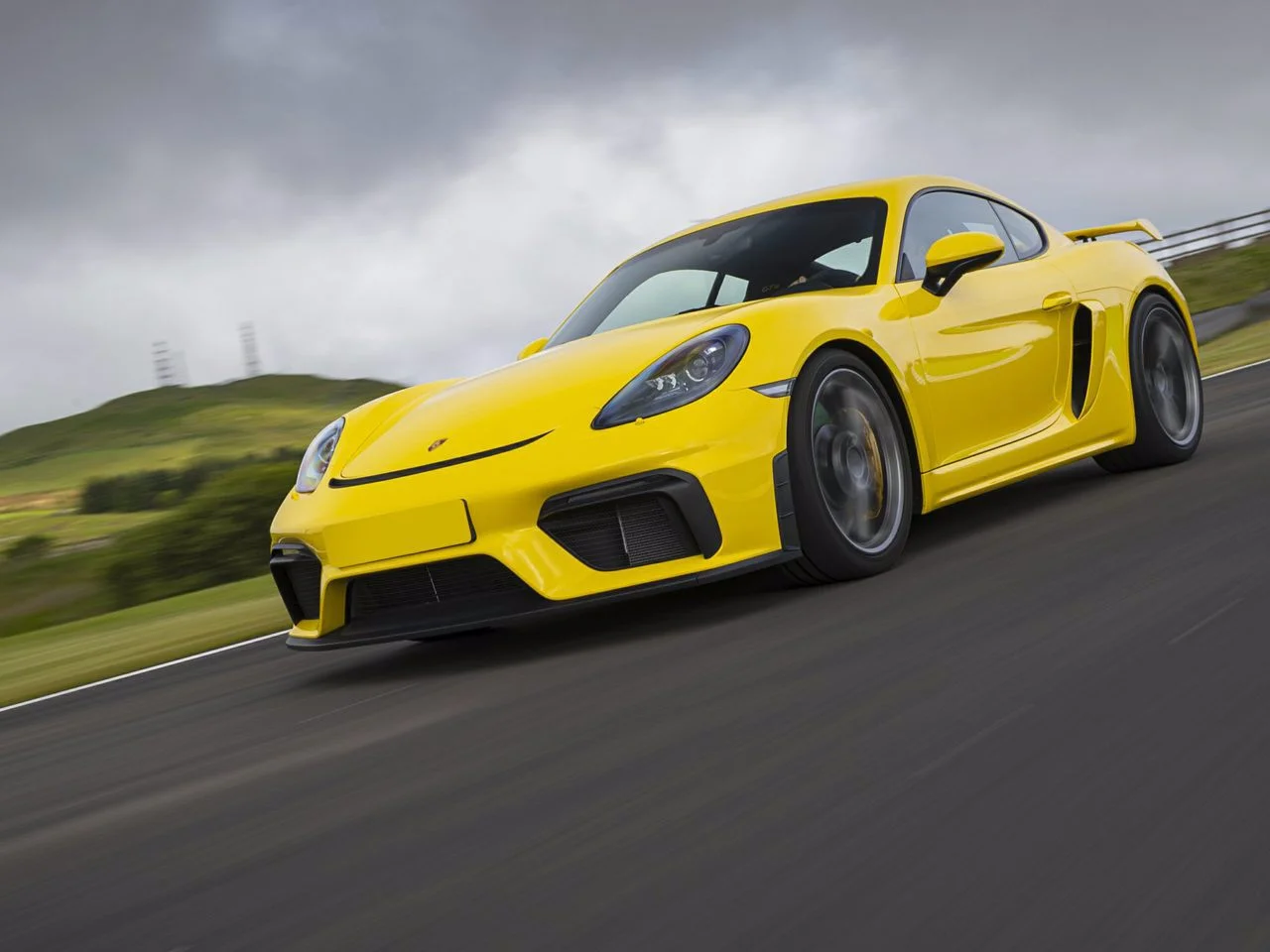
The Porsche 718 Cayman remains one of the most desirable driver’s cars on the market, pairing exquisite handling with a broad range of potent engines and timeless design. With an average five-year depreciation of just 21.8 percent and an average price difference from MSRP of $15,851, it stands as one of the best value-retaining sports cars available.
Its appeal lies in Porsche’s ability to blend thrilling performance with everyday usability, making the Cayman a benchmark for precision engineering and driving enjoyment.
The 718 Cayman offers multiple engine options to suit different levels of enthusiasm. The base model features a 300-horsepower turbocharged 2.0-liter flat-four, while the Cayman S increases output to 350 horsepower from a 2.5-liter version.
These engines provide brisk acceleration, though their sound lacks the rich tone enthusiasts expect from a Porsche. That changes with the naturally aspirated 4.0-liter flat-six available in the GTS 4.0 and the track-focused GT4 RS, producing 394 and 493 horsepower, respectively. These engines restore the soulful, high-revving character that defines Porsche’s legacy.
All Caymans come standard with a six-speed manual transmission that delivers one of the most satisfying shifts in the industry. For those who prefer convenience, a seven-speed dual-clutch automatic (PDK) is available, offering lightning-fast gear changes.
Performance ranges from quick to astounding: the base model sprints from zero to 60 mph in 4.4 seconds, the GTS 4.0 accomplishes it in 3.9 seconds, and the GT4 RS achieves a supercar-like 2.8 seconds. Thanks to its mid-engine layout, perfectly balanced chassis, and responsive steering, the Cayman delivers a mix of agility, stability, and control that few cars can match.
Inside, the Cayman focuses on driver engagement. The cockpit is snug yet comfortable, with excellent visibility and intuitive controls. Supportive seats, tactile switchgear, and a precise driving position create an immersive experience behind the wheel.
While the design is straightforward, higher trims offer extensive customization with leather-wrapped surfaces and contrast stitching. Hard plastics are present but do little to diminish the premium feel. The Cayman also offers surprising practicality, with storage split between a front trunk and rear cargo area that together can fit four carry-on bags.
A standard touchscreen infotainment system provides clear graphics and responsive performance. Apple CarPlay is included, though Android Auto remains unavailable. Buyers can upgrade to premium Bose or Burmester sound systems for a richer audio experience.
The Cayman’s efficiency is notable for its performance class, with the base model achieving up to 27 mpg on the highway and the Cayman S delivering 25 mpg. In real-world testing, both exceeded expectations with 32 mpg on the highway.
The Cayman’s build quality, performance, and enduring desirability help explain its strong resale value. Porsche’s four-year/50,000-mile warranty covers both basic and powertrain components, with one year of complimentary maintenance.
Between its sublime balance, intoxicating powertrains, and lasting appeal, the Porsche 718 Cayman remains a pure sports car that continues to deliver unmatched driving satisfaction and long-term value.
10. Porsche 911: The Icon of Performance and Prestige
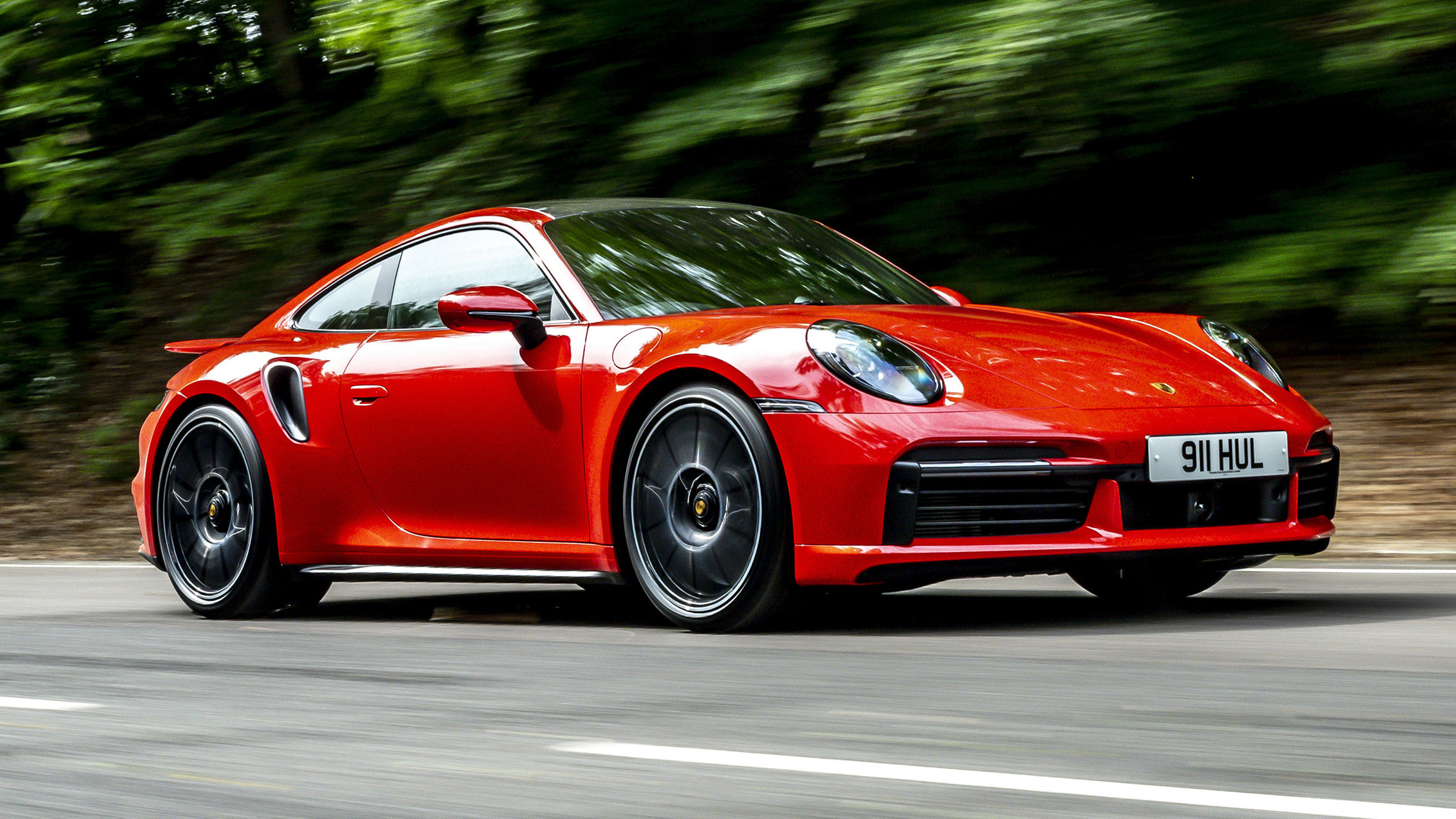
Few sports cars command as much respect as the Porsche 911. With a history spanning six decades, it continues to define precision engineering, thrilling performance, and enduring value.
The 911 retains its worth better than almost any rival, with an average five-year depreciation of just 19.5 percent and an average price difference from MSRP of $24,428. Despite a higher entry cost than in previous generations, the 911 delivers a driving experience that more than justifies its price.
Performance has always been the heart of the 911’s appeal. The base Carrera coupe accelerates from zero to 60 mph in just 3.5 seconds and covers the quarter mile in 11.7 seconds.
Launch control makes consistent, quick starts effortless, and the eight-speed dual-clutch automatic transmission shifts seamlessly and intelligently. For purists, a manual transmission remains available in the Carrera T, preserving the tactile thrill of clutch engagement and gear selection.
Beyond its speed, the 911’s poise and precision set it apart. Its rear-engine configuration places weight over the drive wheels, enhancing traction and cornering stability. The steering is direct and communicative, providing a clear sense of connection to the road.
Strong, responsive brakes deliver short stopping distances and instill confidence during spirited driving. The result is a car that feels planted, agile, and refined, whether on a racetrack or a winding mountain road.
The 911’s cabin strikes a balance between comfort and performance-focused support. The seats are firm yet accommodating, designed to hold occupants securely during hard cornering while remaining comfortable for daily use.
The adaptive suspension softens rough surfaces without sacrificing control, allowing the 911 to serve as both a performance car and a capable grand tourer. While engine and road noise are present, they add to the sensory experience rather than detracting from it. The optional sport exhaust amplifies the signature flat-six sound without becoming intrusive.
Inside, the 911 blends traditional craftsmanship with modern technology. The driving position is ideal, providing excellent forward visibility and an easy reach to all major controls.
Porsche’s mix of physical buttons and a responsive touchscreen creates an intuitive layout, avoiding the distraction of fully digital systems. Beginning with the 2025 model, the 911 transitions to a fully digital instrument cluster, which offers versatile display options but replaces the beloved analog tachometer.
Connectivity is comprehensive, with both Apple CarPlay and Android Auto offered wirelessly. The system also includes USB-C ports and a high-resolution display that integrates navigation and media controls. Advanced driver-assistance systems, including adaptive cruise control and parking assist, are available as options for added convenience.
Cargo space is modest, limited to a 4.6-cubic-foot front trunk that fits a pair of small bags, though the rear seat area can double as additional storage. Fuel economy is impressive for a high-performance car, with the Carrera achieving an EPA-estimated 21 mpg combined. Porsche’s four-year/50,000-mile warranty and excellent build quality enhance ownership confidence.
The Porsche 911 remains the quintessential sports car, combining speed, sophistication, and everyday usability in a way few vehicles can match. Its blend of dynamic excellence, craftsmanship, and enduring value ensures it remains the benchmark for performance cars worldwide.
Resale value reflects far more than just price. It shows the lasting quality, engineering, and desirability that keep certain cars in demand year after year. “10 Used Cars That Hold Their Value Surprisingly Well” showcases models that retain their worth through strong design, consistent performance, and trusted reliability.
The Toyota Corolla Hatchback proves that a compact car can be stylish and durable, while icons like the Ford Mustang, Porsche 911, and Chevrolet Corvette remind drivers that excitement and long-term value can go hand in hand. Reliable favorites such as the Honda Civic and Toyota Tundra further demonstrate that practicality does not have to mean compromise.
Each of these vehicles offers lasting satisfaction and confidence in ownership. In a market where trends come and go quickly, these cars continue to stand apart as dependable, enjoyable, and financially wise choices that make every mile worth the investment.