
The 1990s were a golden decade for pickup trucks. It was an era before touchscreen dashboards, where power and reliability mattered more than tech gimmicks.
Trucks from this period blended classic toughness with just enough modern refinement to make them genuinely enjoyable to drive and now, they’re becoming collector gold.
With the growing nostalgia for analog driving experiences and simple mechanics, many of these trucks are gaining value at auctions, on Bring a Trailer, and among enthusiasts across the U.S. From V8-powered icons to compact workhorses that outlasted expectations, here are nine trucks from the ’90s that collectors are snapping up faster than ever.
1. 1993–1998 Toyota T100
Before the full-size Tundra arrived, Toyota experimented with bridging the gap between compact and full-size pickups and the result was the T100.
At first, American buyers were lukewarm toward it because it didn’t quite fit in either category, but hindsight has been kind to the T100.
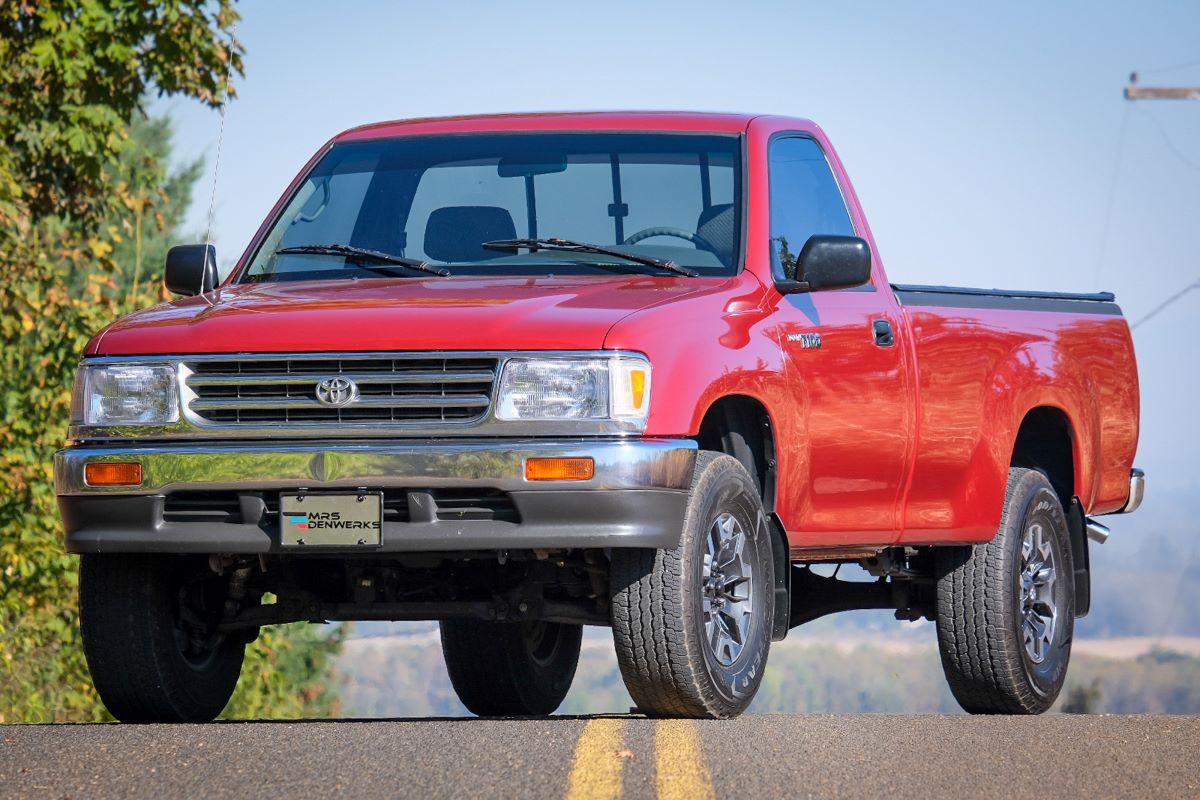
Its legendary Toyota reliability, smooth 3.4-liter V6, and exceptional build quality have made it a prized find today.
Collectors appreciate that it was built in Japan yet designed for American roads, making it somewhat of a “lost link” in Toyota’s truck lineage. Clean examples, especially 4×4 models, are now hard to come by and rising in value quickly.
In the early 1990s, Toyota was faced with the growing “bigger-is-better” mindset that dominated the U.S. truck market.
Although the Japanese automaker was no stranger to trucks or to importing them into the United States, its early efforts had mixed results. One of its first models, the Stout, brought over in 1964, was not well received in America. In fact, during its debut year, only four units were sold across the country.
Still, that didn’t mean there was no place for light trucks in the U.S. Following the Stout’s lukewarm reception, Toyota remained committed to the light truck market and found success with the SR5 and the much-loved 22R engine introduced in 1981. That persistence eventually led to the launch of the T100 in 1993.
Now, let’s turn our attention to this often-overlooked model, exploring its influence, its shortcomings, and the next truck that would take its place.
Toyota’s earlier accomplishments in the truck segment provided a solid foundation for the T100’s development.
With this model, Toyota aimed to blend the strength of a larger truck with the convenience of a smaller one, without sacrificing capability. However, the T100’s more compact dimensions came with compromises that ultimately limited its appeal among truck buyers.
Weighing between 3,350 and 3,430 pounds for the 1993 regular cab and one-ton versions, respectively, the T100 was neither particularly small nor truly full-sized. Considering that pickups typically weigh up to about 4,700 pounds, the T100’s size placed it awkwardly between categories.
Measuring 209.1 inches long, roughly 17.4 feet, it didn’t fit neatly into the small or full-size segments. Its powertrain also fell short.
The 3.0-liter V6 engine delivered 150 horsepower and 180 lb-ft of torque, numbers that failed to impress and would have benefited greatly from a V8 option. Unfortunately, no version of the T100 ever offered one.
Passenger space was another area where the truck came up lacking. Initially, it seated only three occupants and lacked an extended cab, which alienated many full-size truck enthusiasts. In 1995, Toyota revisited the design, introducing the Xtracab variant with seating for up to six people.
Ultimately, the T100 never quite fit the expectations of the U.S. market, and its sales reflected that. By 1997, Toyota upgraded the truck with a 3.4-liter V6 producing 190 horsepower and 220 lb-ft of torque, but even that wasn’t enough to compete.
Ford’s 1997 F-150 boasted 210 horsepower and 255 lb-ft of torque, and, of course, it had the one thing Toyota’s T100 lacked: a V8 engine.
With production discontinued, Toyota was forced to regroup and prove that it could still claim a strong presence in the lucrative truck segment. The vehicle that would succeed where the T100 fell short was the Toyota Tundra.
The T100 wasn’t Toyota’s biggest failure, nor was it one of the company’s most unusual vehicles, it was simply mismatched to the demands of its market. Its successor was initially called the T150, but that name presented a problem since Ford already had the F-150.
The Tundra entered production in 1999, and it was clear that Toyota had worked hard to correct the T100’s shortcomings.
By 2004, the Tundra Double Cab was added to the lineup, featuring a bed that Toyota proudly noted was “approximately seven inches longer than the bed in either the Ford F150 Super Crew or Nissan Titan Crew Cab.”
2. 1991–1996 Ford F-150 (Ninth Generation)
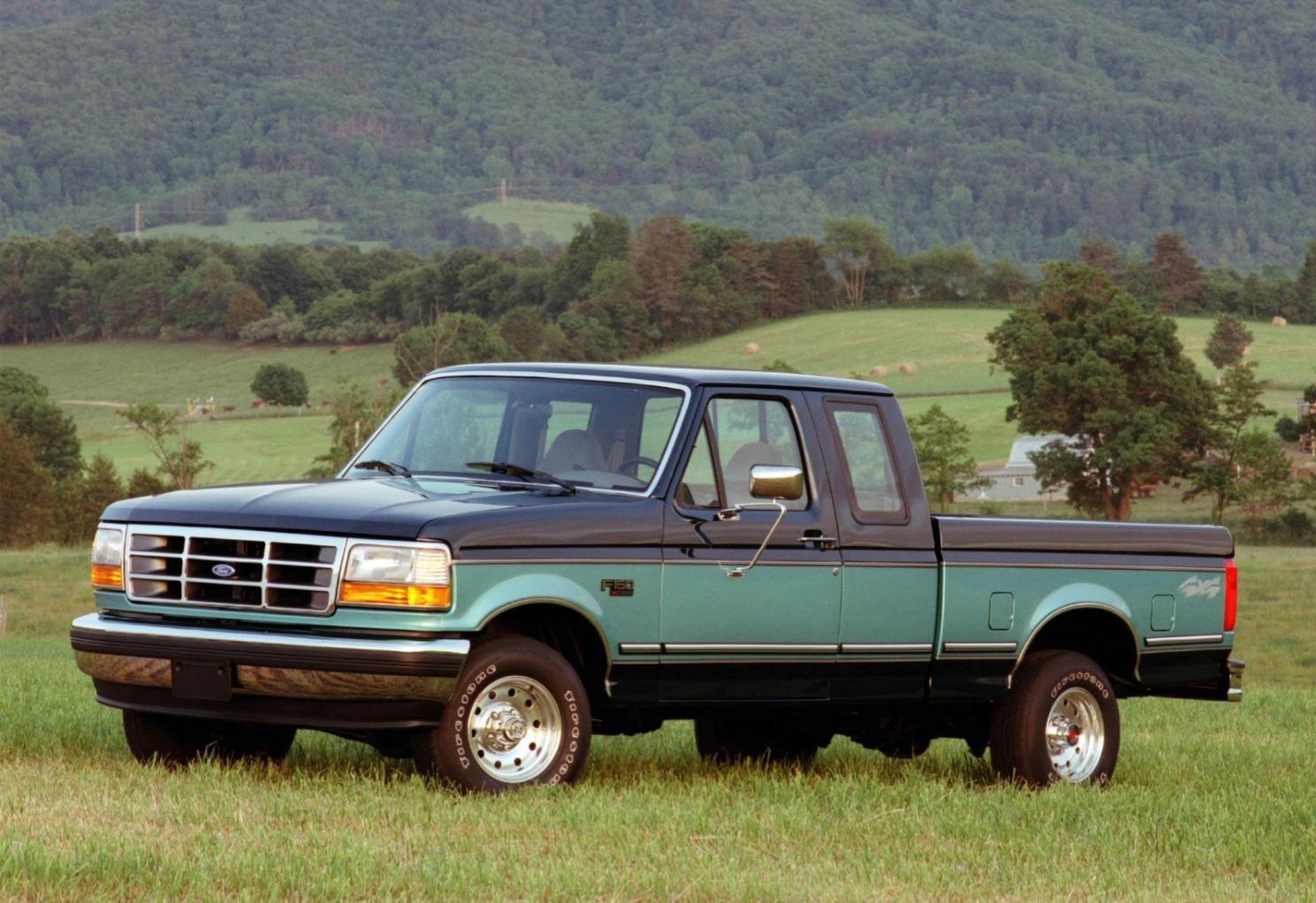
The ninth-generation Ford F-150 represents the last of the classic Ford pickups before the “aero” designs of the late ’90s took over. These trucks have a boxy, utilitarian look that truck purists love.
Models with the 5.0 or 5.8-liter V8 are becoming increasingly sought-after, especially with manual transmissions and 4WD.
They combine that old-school ruggedness with just enough creature comforts like power windows and air conditioning to be daily-drivable even today.
The Flareside models, with their retro-styled bed, are commanding particular attention from collectors looking for unique configurations.
r nearly twenty years, the Ford F-Series has held its title as the best-selling pickup truck in the United States.
For more than half of that time, it has also been the best-selling vehicle overall. It’s no wonder, then, that Ford executives were reluctant to completely reinvent their most successful model.
After all, the F-Series, which hadn’t undergone major engineering changes since 1980, continued to perform exceptionally well in sales.
However, with new and more demanding truck standards quickly approaching, Ford had to face the reality that the F-Series was beginning to show its age. The decision was made: a redesign was necessary.
After logging five million miles of development testing, Ford unveiled a completely reimagined F-150 in January 1996.
The all-new design featured bold styling, car-like amenities, overhead cam engines, and a short-and-long-arm front suspension, all of which divided Ford loyalists.
Many die-hard truck enthusiasts, accustomed to the traditional boxy design, bare-bones interiors, rugged pushrod engines, and the familiar Twin-I-Beam suspension of previous models, were skeptical of the dramatic change.
So, what did this new truck bring to the table? For starters, overall length increased across all models, while SuperCab variants offered significant gains in rear passenger legroom and hip room.
In response to the growing number of full-size pickups being purchased for personal use, the SuperCab now came standard with a third door for easier access.
Both cab configurations could be equipped with either Styleside or Flareside cargo boxes. Safety also took a leap forward with standard dual airbags, and the passenger-side airbag could be deactivated when using a rear-facing child safety seat.
The new F-150 was designed to meet the upcoming 1999 side-impact standards for trucks, and four-wheel anti-lock brakes were available as an option for all models. Additional new features included leather upholstery, a six-disc CD changer, and an advanced anti-theft system.
At launch, buyers could choose between two engines, with a third joining the lineup in fall 1996. The base engine was a 4.2-liter V6 producing 210 horsepower at 5,000 rpm and 255 lb-ft of torque at 3,000 rpm, outperforming comparable offerings from GM, Dodge, and Toyota.
The optional 4.6-liter V8 didn’t make much more horsepower, but it delivered its power more efficiently, with 210 horsepower at 4,400 rpm and 290 lb-ft of torque at 3,250 rpm.
Later that year, Ford introduced the top-tier 5.4-liter V8, producing 235 horsepower and 330 lb-ft of torque. Thanks to platinum-tipped spark plugs, tune-up intervals were extended to an impressive 100,000 miles.
Equipped with the 4.6-liter V8, an F-150 2WD Regular Cab paired with an automatic transmission and a 3.55 rear axle ratio could tow up to 7,200 pounds.
From our perspective, the new F-150 hits the mark. After driving several versions throughout the year, it’s evident that Ford has successfully pursued a strategy aimed at attracting more personal-use buyers while still satisfying the hardworking truck owners who rely on their pickups every day.
Styling, always a matter of taste, might divide opinions, with its smooth contours and fluid lines departing from the old-school rugged aesthetic.
We, however, appreciate its clean, uncluttered appearance, particularly around the grille area. If you’re shopping for a full-size pickup, it’s easy to see why the F-150 has remained the best-selling truck in America for the past decade.
Also Read: Top 10 Pickups That Rarely Need Engine Swaps
3. 1992–1999 Chevrolet C/K 1500 Silverado
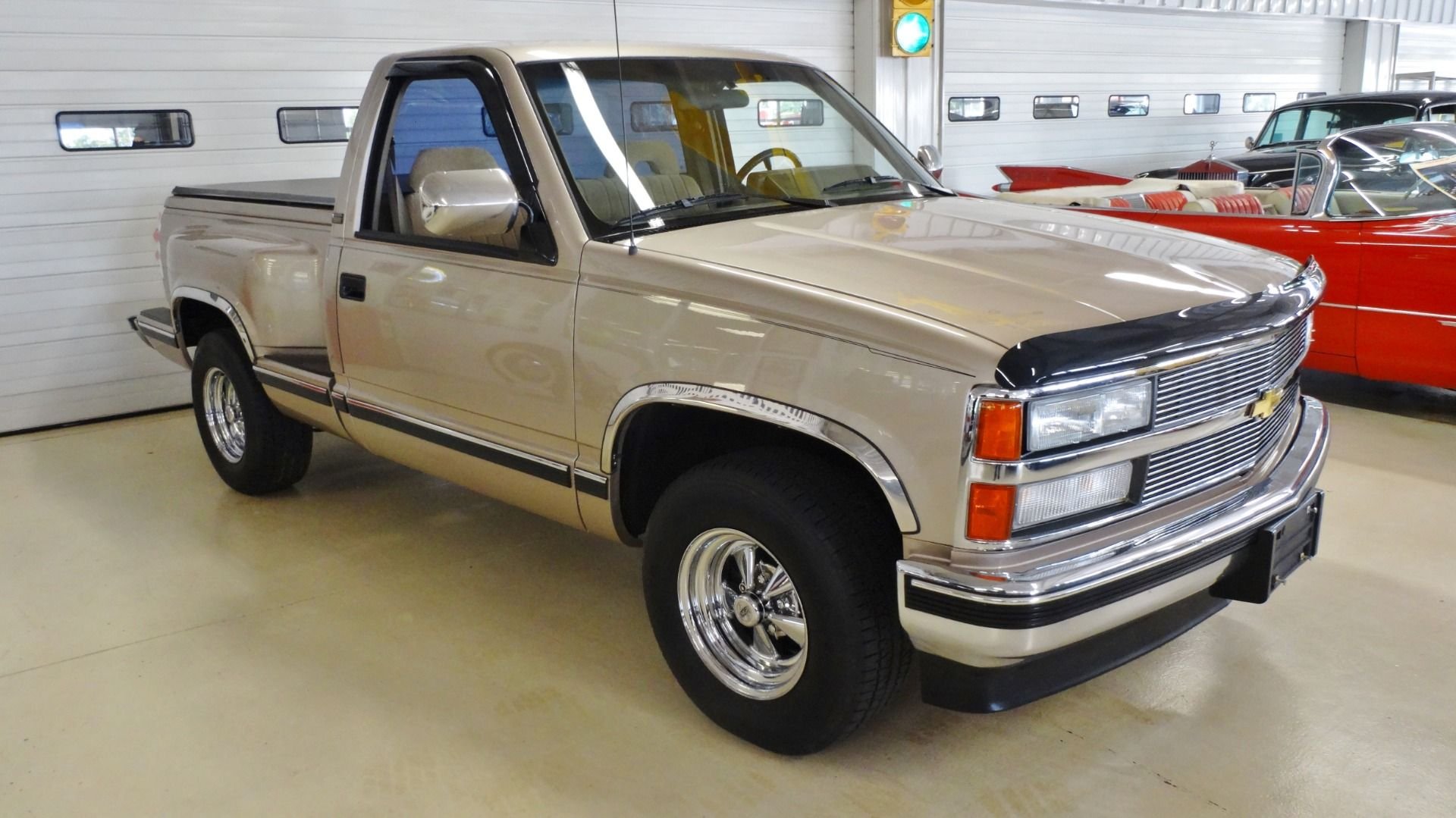
The GMT400 platform is legendary for its durability, and the Chevy Silverado from this era has gone from everyday workhorse to modern collectible. Its timeless design, fuel-injected small-block V8, and bulletproof transmission earned it a reputation for dependability.
Enthusiasts are hunting down single-cab short-bed models, often restoring them to factory specs or tastefully modifying them into showpieces.
The 454 SS version, introduced in 1990, is the most coveted of the bunch a muscle truck that could burn rubber and haul lumber all in one day.
Among General Motors’ top-selling vehicles, as any truck loyalist would know, are its full-size pickups: the half-ton, three-quarter-ton, and one-ton models celebrated for their dependable workhorse reputation.
Although Ford’s comparable F-Series consistently secures higher annual sales figures, devoted Chevrolet fans rarely waver in their loyalty.
What feels like the perfect pickup to a Chevy enthusiast might cause discomfort for a Ford devotee, and the sentiment goes both ways.
Each camp tends to claim the other’s truck rides rougher or lacks power, even if an unbiased observer might notice only subtle differences between them.
Truck enthusiasts are well aware that Chevrolet has a brand-new pickup set to arrive in showrooms soon. Named the Silverado, this 1999 model will debut first in 1500 and 2500 light-duty versions, with heavy-duty 2500 and 3500 variants slated to follow within the next year or two.
Given that, it’s no surprise that the 1998 C/K pickup lineup receives only minor updates. These include a now-standard theft-deterrent system, revised tailgate badging, the discontinuation of the Sport model, and a reshuffling of color choices.
Standard equipment includes four-wheel anti-lock brakes, and models weighing under 8,600 pounds GVWR feature a driver-side airbag integrated into the steering wheel hub.
When properly equipped, a C/K pickup can tow up to 10,000 pounds. In addition, long-life engine components help extend service intervals to as much as 100,000 miles for certain parts.
For those who prefer their trucks with a touch of luxury, the C/K can be outfitted with leather upholstery when ordered with the premium Silverado trim package.
Choosing a full-size Chevy pickup means navigating a wide array of configurations, with variations in wheelbase length, cargo-bed size, cab design, and either Sportside or Fleetside bed styles.
But that’s just the start, you’ll also need to select from five available engines, including two diesel options, and decide between two-wheel and four-wheel drive. And then comes the extensive list of optional features to consider.
Just thinking about all those choices can feel overwhelming, but that’s part of the experience when venturing into the world of big pickups.
Truck buyers don’t want a one-size-fits-all hauler that everyone else drives, they want a vehicle tailored precisely to their own needs. Chevrolet delivers on that expectation, offering countless combinations that allow owners to create a truly unique, one-of-a-kind truck.
4. 1994–2001 Dodge Ram 1500
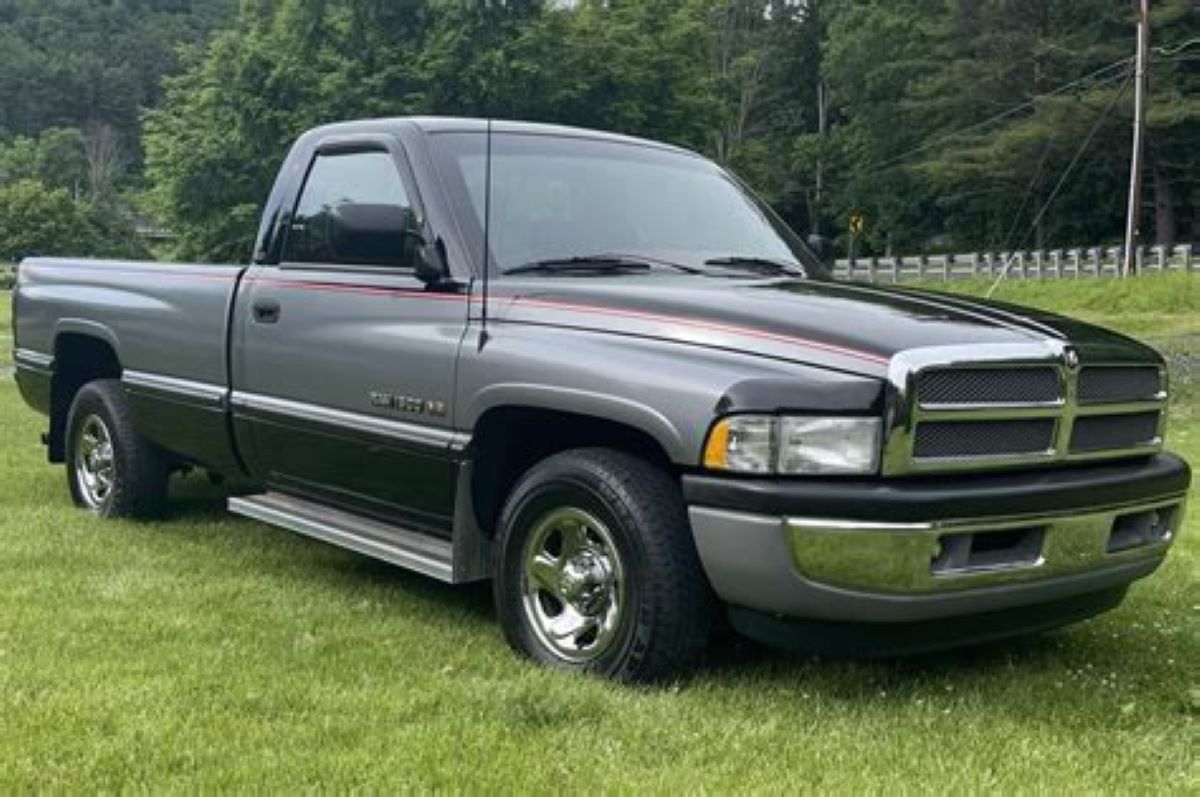
When the second-generation Dodge Ram debuted in 1994, it completely redefined truck design in America. Its big-rig styling made every other pickup of the time look dated, and it quickly became a sales hit.
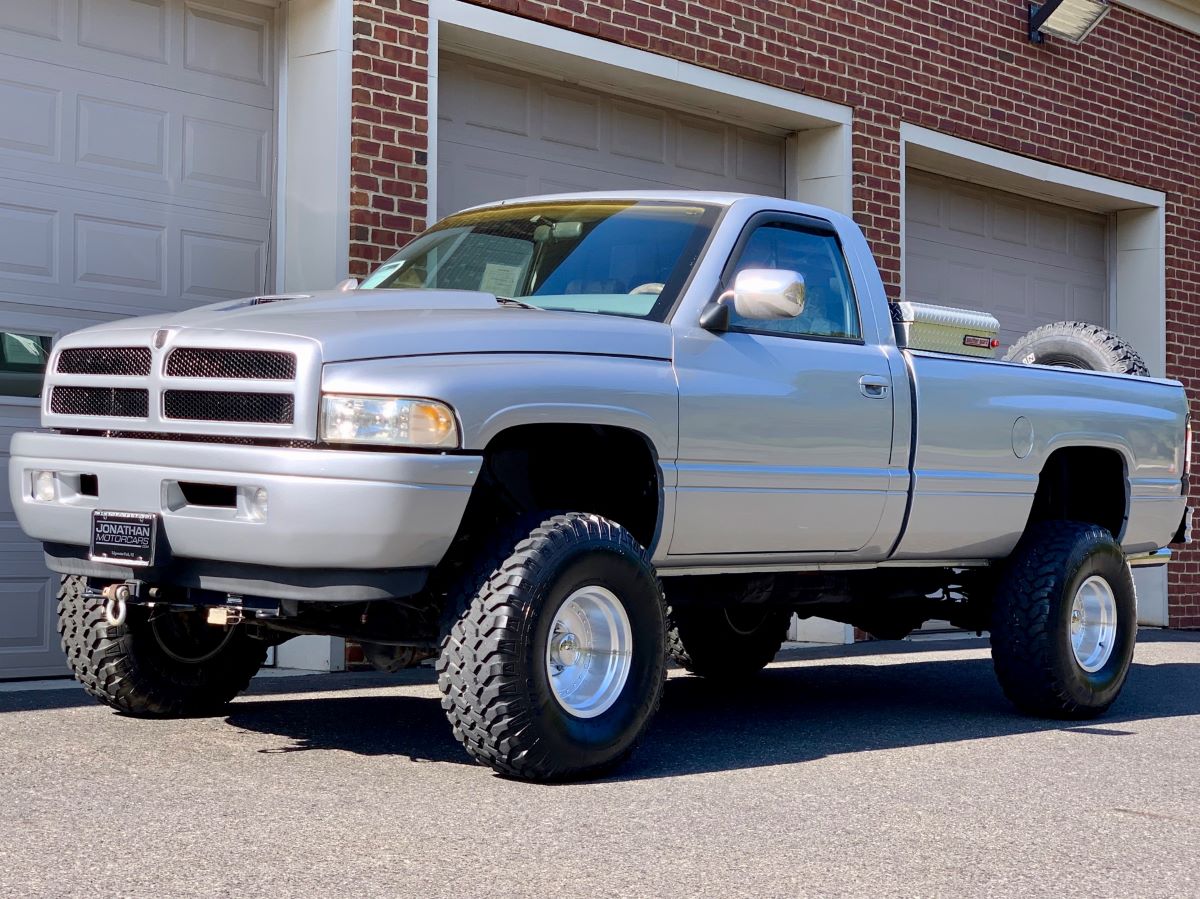
Collectors now view this as the truck that saved Dodge’s lineup, and clean, unmolested examples are being snapped up.
The 5.9-liter Magnum V8 models are particularly desirable for their torque and unmistakable sound. For many enthusiasts, this was the last “mechanical-feeling” Ram before electronics took over in the 2000s.
5. 1991–1994 GMC Syclone and 1992–1993 GMC Typhoon
Few vehicles better represent the wild experimentation of the ’90s than the GMC Syclone and its SUV sibling, the Typhoon. The Syclone was a turbocharged, all-wheel-drive compact truck that could outrun Ferraris of its time seriously.
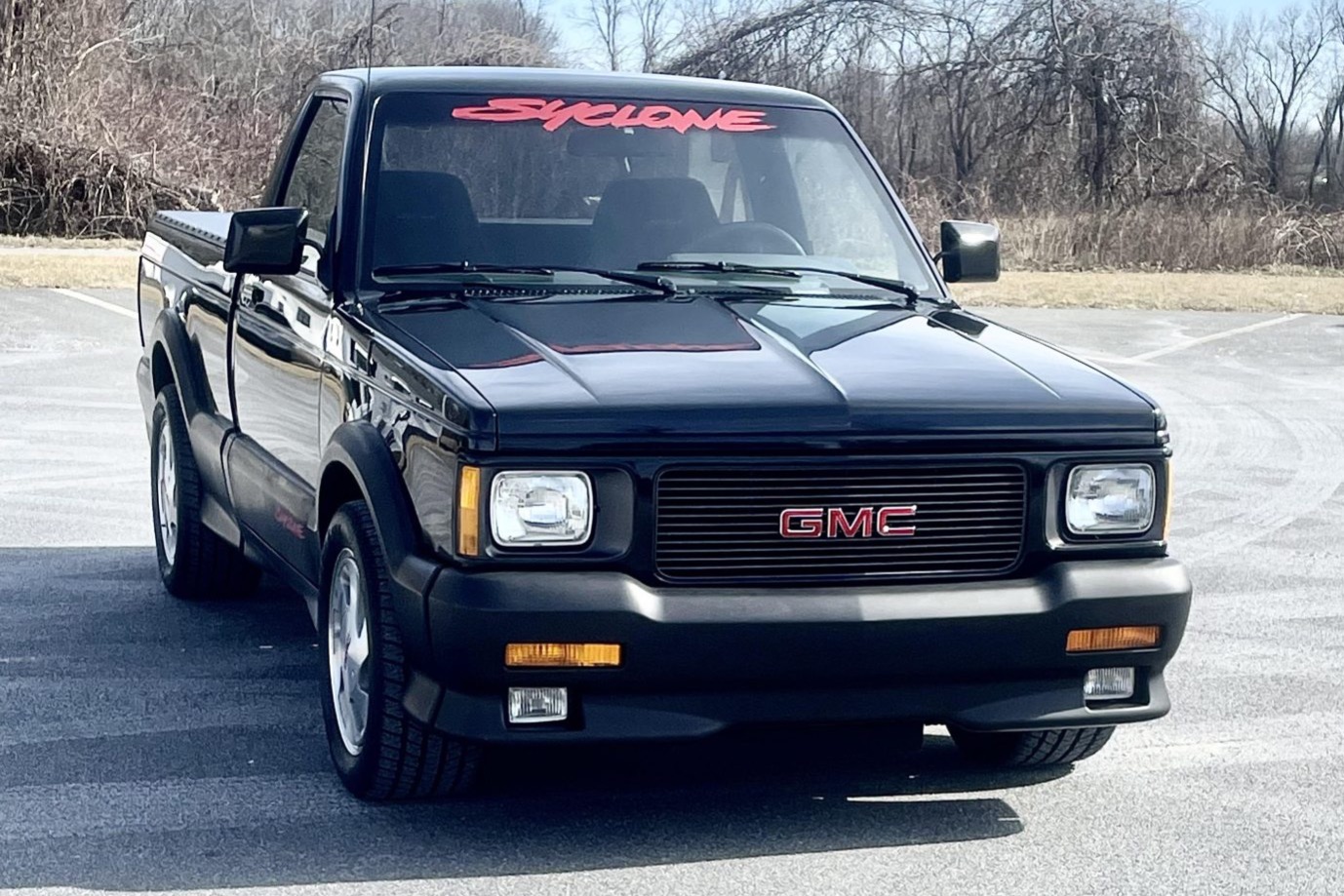
With a 4.3-liter V6 boosted by a turbocharger, it delivered 280 horsepower and blistering acceleration. Only around 3,000 Syclones and 4,700 Typhoons were made, making them ultra-rare collectibles today.
Their combination of speed, scarcity, and unmistakable ‘90s flair has made them cult icons in the collector market.
6. 1995–1997 Ford F-250 and F-350 Power Stroke Diesel
Before diesel trucks became luxury haulers, they were built for work and the mid-’90s Power Stroke Fords were among the best. The introduction of the 7.3-liter Power Stroke V8 in 1994.5 gave Ford a massive edge in towing, torque, and longevity.
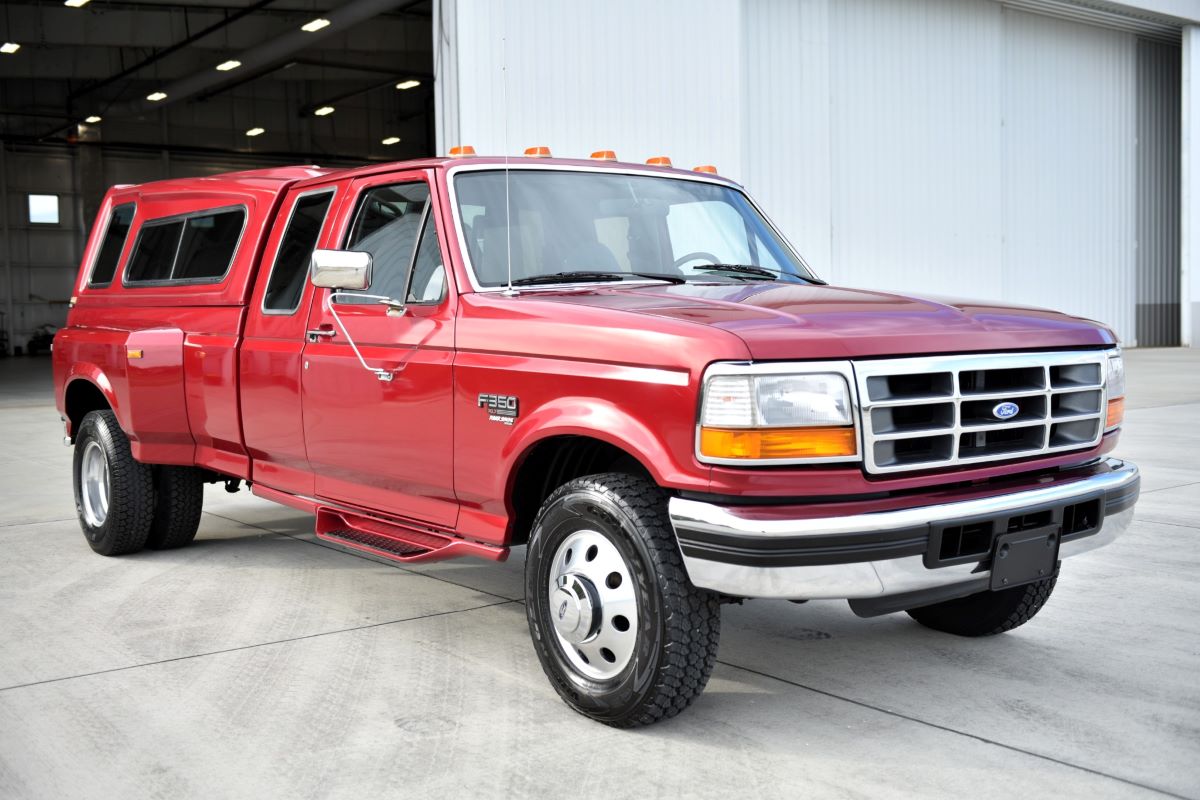
These trucks were nearly indestructible, and today, enthusiasts seek out clean examples that haven’t been abused.
Their simple electronics, easy maintenance, and unmatched durability make them collector favorites, especially for those who value mechanical authenticity over modern complexity.
7. 1997–2000 Toyota Tacoma (First Generation)
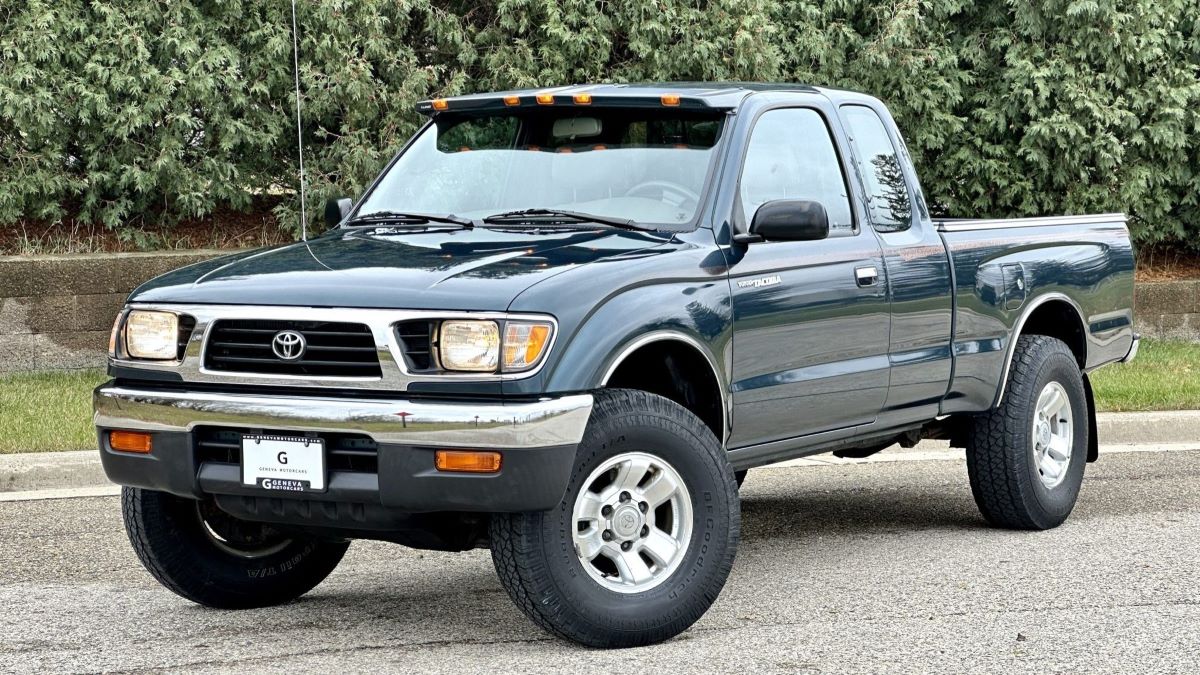
The original Toyota Tacoma arrived in the late ’90s and instantly built a reputation for bulletproof reliability and versatility. It replaced the Hilux in the U.S. and introduced a level of refinement American buyers hadn’t seen in a compact pickup.
The TRD Off-Road package models are especially desirable today, with collectors drawn to their rugged chassis, manual transmission options, and stout 3.4-liter V6.
Clean, rust-free examples especially in original paint are appreciating quickly as younger collectors look for ‘90s trucks that can double as weekend adventure rigs.
The 2000 Toyota Tacoma starts at a price of $11,528 and continues Toyota’s tradition of producing reliable and practical compact pickup trucks.
Measuring 184.5 inches in length, 66.5 inches in width, and 62 inches in height, the Tacoma offers a compact yet capable profile.
While the wheelbase measurement is not available, the truck provides seating for three occupants, with an optional two-seat configuration for those who prefer a different setup. Cargo capacity figures are not specified.
Powering the 2000 Tacoma is a 2.4-liter inline four-cylinder engine that delivers 142 horsepower at 5,000 rpm and 160 lb-ft of torque at 4,000 rpm.
This setup is paired with a manual transmission and features a rear-wheel-drive configuration. The four-cylinder, in-line engine design prioritizes efficiency and simplicity, though engine size specifications are not listed.
The Tacoma runs on unleaded fuel and achieves an estimated fuel economy of 22 mpg in the city and 26 mpg on the highway.
While the exact driving range isn’t available, the efficiency numbers make it an economical choice for daily use. Its ground clearance stands at 6.3 inches, providing adequate height for light off-road or utility work.
The truck’s gross vehicle weight rating (GVWR) is 4,244 pounds, and it offers a payload capacity of 1,664 pounds. However, towing capacity information isn’t specified.
Built as a truck body style, the 2000 Toyota Tacoma represents a durable and efficient vehicle in Toyota’s lineup. Although class designation and some details are unavailable, this model maintains Toyota’s focus on dependable performance, everyday practicality, and long-term value.
Also Read: Top 9 Durable Sports Cars That Outlast Their Rivals
8. 1990–1994 Nissan Hardbody (D21)
Known simply as the “Hardbody,” the D21 Nissan pickup earned its name with one of the toughest frames and body constructions ever made. Its sharp, boxy design and rock-solid engineering made it a favorite among tradesmen and off-roaders alike.
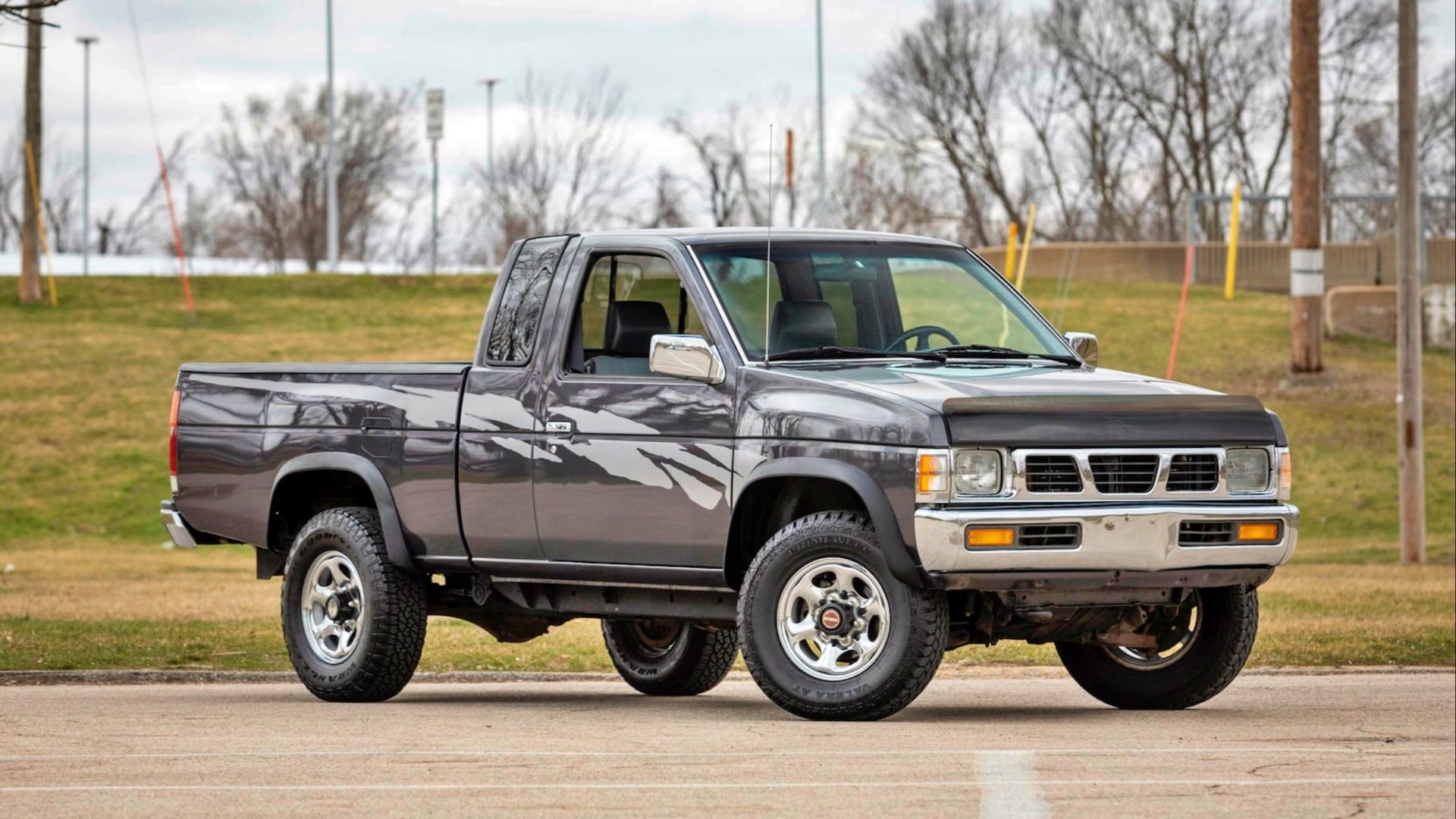
The 4×4 variants with the 3.0-liter V6 are especially collectible now, as most were driven hard and rusted away in northern climates.
Enthusiasts love restoring these trucks, not just for nostalgia but because they represent a simpler, tougher era of small Japanese pickups that could take a beating and still run forever.
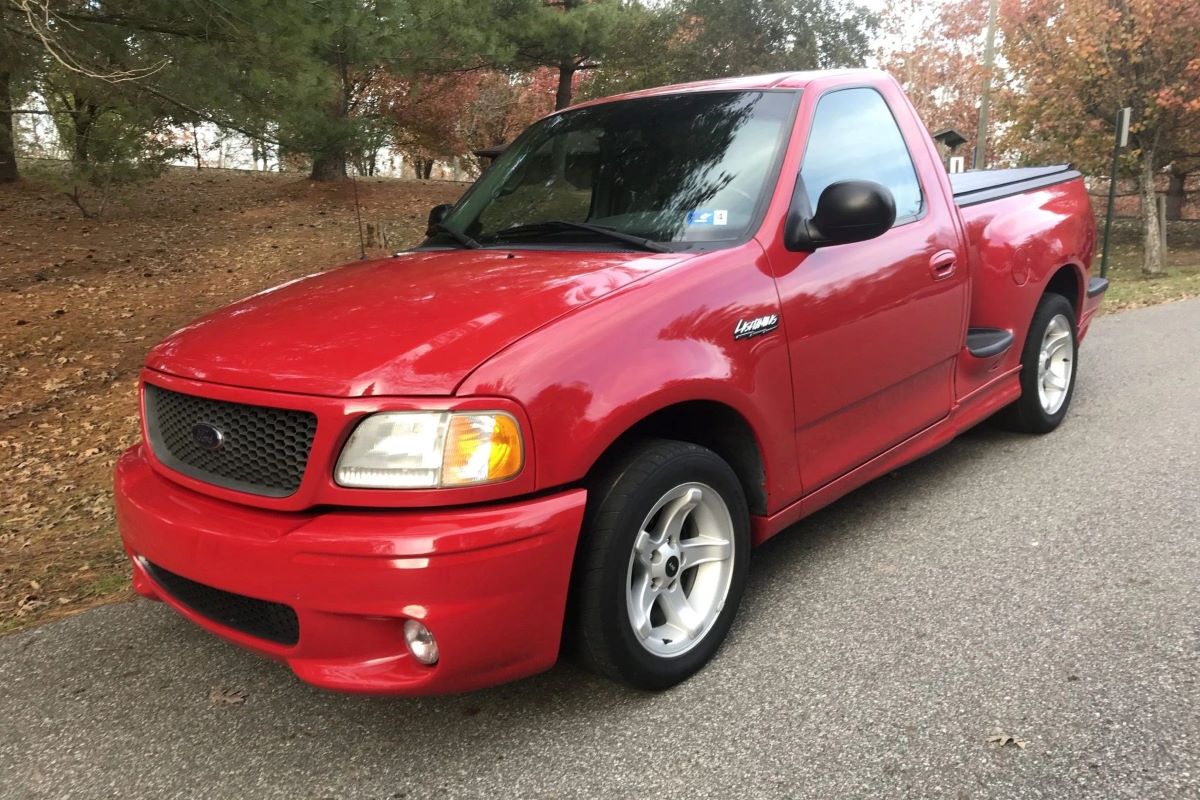
9. 1999–2004 Ford SVT Lightning
Technically straddling the ’90s and early 2000s, the second-generation SVT Lightning deserves a spot here because it was developed and previewed in the late ’90s.
This high-performance F-150 came from Ford’s Special Vehicle Team and was one of the fastest production trucks ever built at the time.
Its supercharged 5.4-liter V8 produced 360 horsepower, later increased to 380, and it could sprint from 0–60 mph in about five seconds jaw-dropping for a pickup.
The Lightning is a bona fide collector’s item today, blending muscle car performance with everyday usability, and clean examples are steadily appreciating in value.
Confident in the truck’s ability to attract a strong price, the seller decided to list it this time without a reserve, allowing bidders to offer their best prices freely.
That approach may explain why the latest bid at the time of writing stands at $24,000, a notable point to reach so early in the auction. However, it’s worth noting that there are still seven days remaining for potential buyers to place their bids, so competition is likely to intensify.
The truck’s odometer currently shows approximately 49,000 miles (78,858 km), which is about 1,000 miles (1,609 km) more than when it last changed hands.
Under the hood, the 2004 Ford F-150 SVT Lightning houses a 5.4-liter V8 engine paired with a four-speed automatic transmission. When new, this powertrain produced 380 HP (385 PS) and 450 lb-ft (612 Nm) of torque, all of which is sent exclusively to the rear wheels.
The sporty nature of this pickup is further accentuated by its side-exit exhaust outlets, which add to both its performance personality and its bold character.
The truck’s sleek, aerodynamic design also gives it a distinctive appearance, making it easily recognizable from less powerful models on the road.
Finished in a black clearcoat paint, the vehicle’s exterior has a deep, glossy look that demands attention, but also a bit of extra care, as this color tends to reveal dirt and dust quickly. Inside, the cabin features a mix of leather and gray cloth materials, creating an appealing and comfortable interior layout.
The truck rides on 18-inch SVT wheels and is equipped with an aftermarket rearview camera, a useful addition for anyone considering it as a daily driver.
To enhance convenience and entertainment, a touchscreen stereo has been installed, blending modern functionality with the truck’s original aesthetic without disrupting its cohesive design.
So why are these once-common pickups now becoming collector darlings? A few reasons stand out. First, they represent the last truly analog generation of trucks built before extensive electronics and emissions systems complicated repairs.
They’re also deeply nostalgic for Gen X and early millennials, who grew up seeing these rigs in driveways, on farms, and in movies. Finally, they’re usable classics: rugged enough for weekend adventures but comfortable enough for modern roads.
As the collector car market shifts toward the vehicles of the 1990s, these trucks are hitting their stride. They combine character, capability, and authenticity the very qualities that make them timeless.
Whether it’s a turbocharged Syclone or a rock-solid F-250 Power Stroke, the message is clear: the ’90s truck era wasn’t just about utility it was about identity. And that’s exactly why collectors are paying attention now more than ever.
