
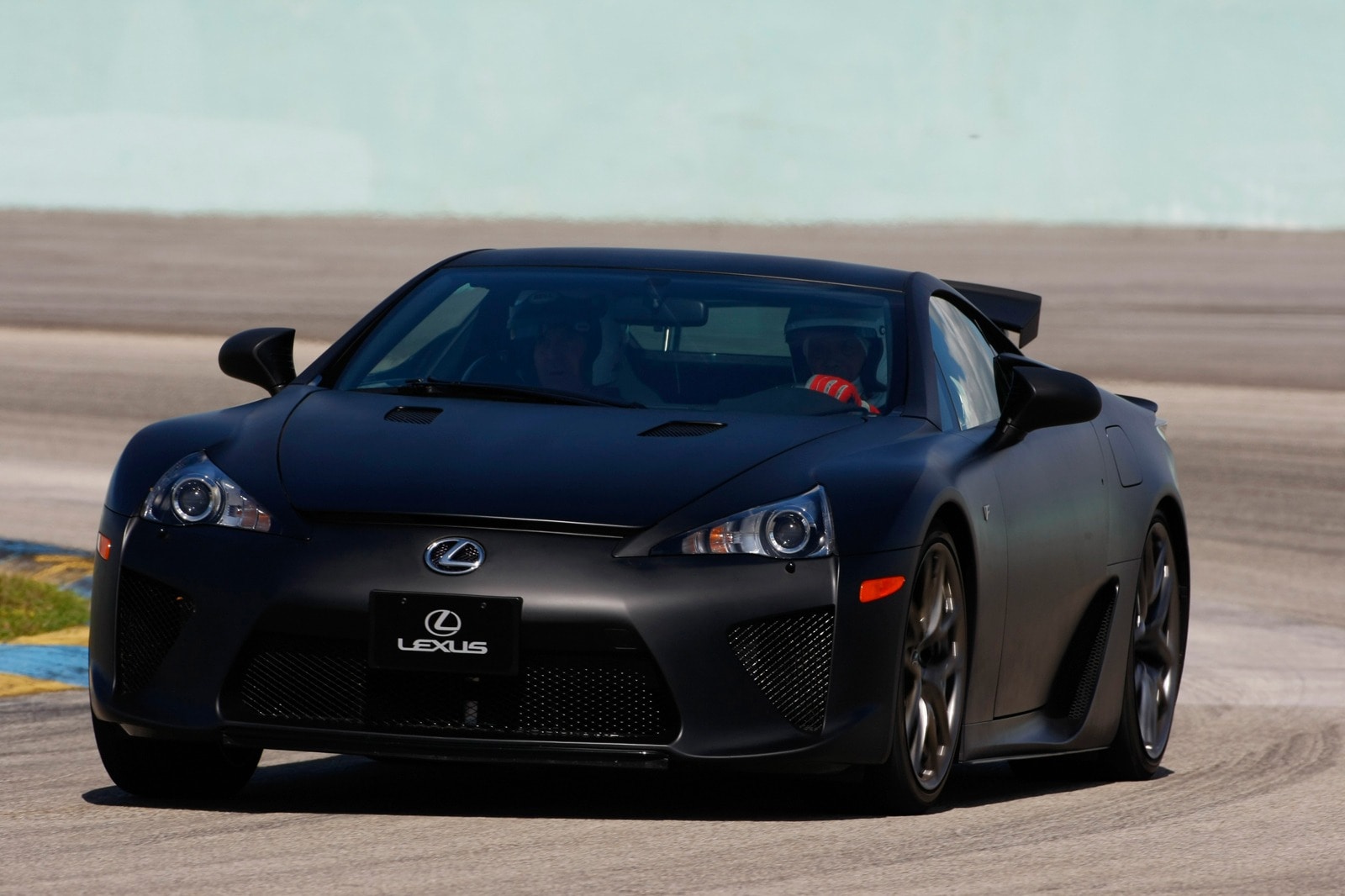
When the early 2010s rolled around, the auto industry was in a state of rebirth. After the 2008 financial crisis, carmakers redefined their priorities focusing on reliability, technology, and efficiency.
Many vehicles from that era have since faded into used-car anonymity, but a handful have quietly gained new respect in the resale market.
Whether it’s due to their durability, limited production runs, or cult followings, these cars are appreciating faster than you might expect.
Here are ten cars from the early 2010s that are now seeing a noticeable uptick in resale value vehicles that blend nostalgia, engineering excellence, and long-term desirability for collectors and enthusiasts alike.
1. Toyota FJ Cruiser (2010–2014)
The Toyota FJ Cruiser was always a bit of an oddball, and that’s exactly why it’s now gold in the used market. Its rugged retro design and exceptional off-road ability have made it a favorite among adventure seekers.
Toyota discontinued it in 2014, and since then, demand has surged especially for clean, low-mileage examples.
With Toyota’s proven 4.0-liter V6 and a frame derived from the 4Runner, the FJ offers bulletproof reliability and a go-anywhere attitude.
As overlanding culture exploded in the 2020s, so did the value of this quirky SUV. It’s not uncommon now to see well-kept models selling for nearly what they cost new.
The 2010–2014 Toyota FJ Cruiser 4.0L remains one of Toyota’s most distinctive SUVs, combining rugged design with off-road capability and reliable engineering.
The 2010 Toyota FJ Cruiser is classified as a 4-door SUV, carrying a base MSRP of $24,635 in the U.S. It comes with a 3-year or 36,000-mile warranty, giving buyers confidence in its durability and performance.
Under the hood, the FJ Cruiser is powered by a 4.0-liter V6 engine that produces 239 horsepower at 5200 rpm and 278 lb-ft of torque at 3700 rpm, offering a strong balance between power and efficiency.
The vehicle delivers an EPA-estimated 16 mpg in the city and 20 mpg on the highway, with a curb weight of 4,295 pounds.
The 4.0L V6 engine features a DOHC valve configuration and runs on regular gasoline. Its displacement measures 241 cubic inches (4000 cc), and it has a total engine oil capacity of 5.5 quarts, with 5W-30 oil recommended for optimal performance.
Power is sent through a 5-speed automatic transmission, ensuring smooth shifts and dependable power delivery across various terrains.
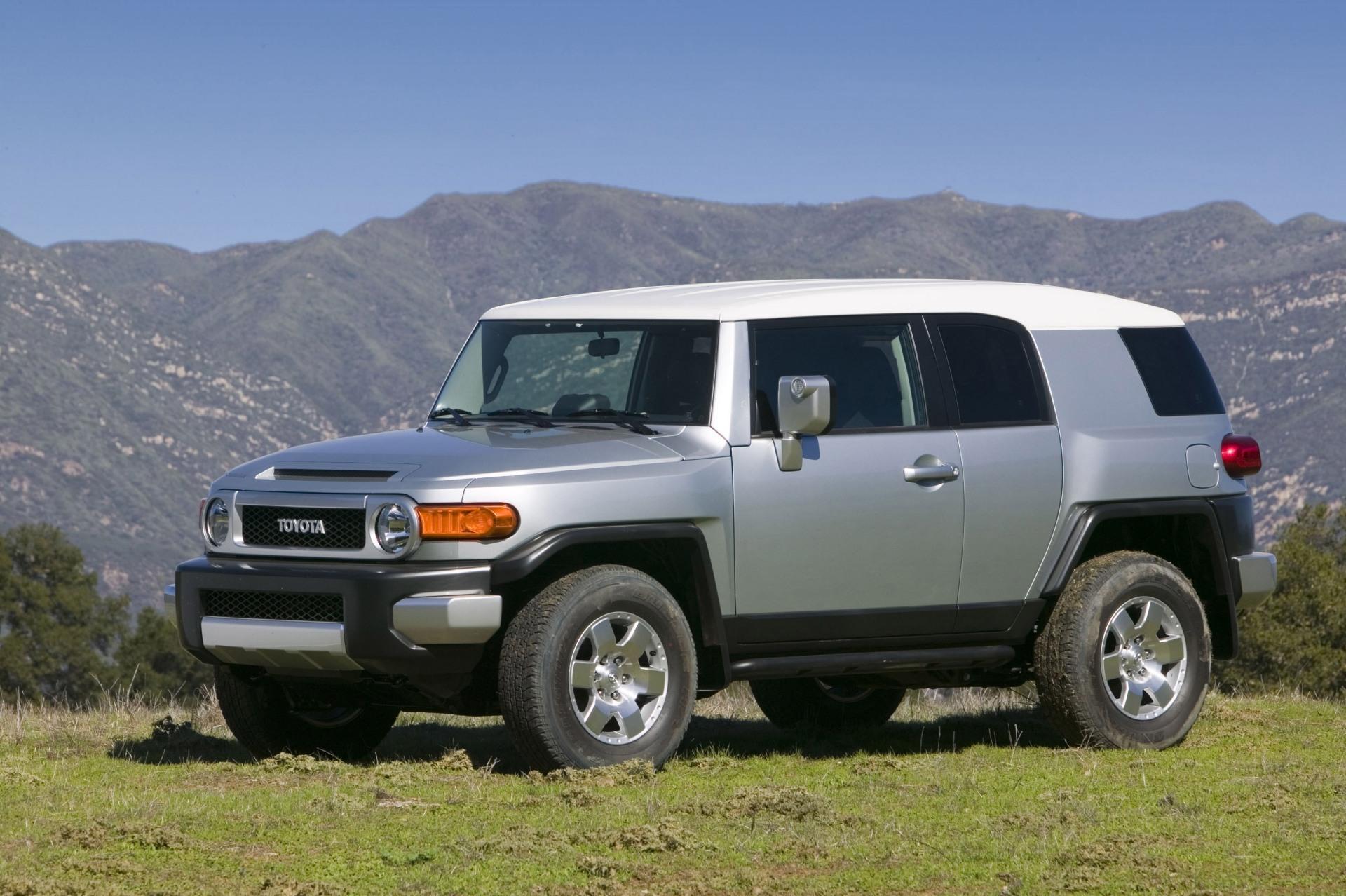
Riding on P265/70R17 tires, the FJ Cruiser provides excellent traction and stability both on and off the road.
Stopping power comes from dual hydraulic disc brakes in the front and dual disc brakes in the rear, ensuring effective braking under all driving conditions.
The SUV has a length of 183.9 inches and a fuel capacity of 19 gallons, allowing for decent range on long journeys. It seats up to five passengers comfortably, making it suitable for both adventure and daily driving.
Depending on configuration, the FJ Cruiser offers RWD or AWD driveline options, with two driveline modes to switch between for different driving conditions.
The headlights use 9007 bulbs, providing strong illumination for nighttime driving. Dimensionally, it measures 74.6 inches in width, 72.0 inches in height, and rides on a 105.9-inch wheelbase with an impressive 9.6-inch ground clearance, enhancing its off-road readiness.
In terms of weight and towing capability, the FJ Cruiser has a curb weight of 4,295 pounds, a tongue hitch weight of 500 pounds, and a maximum towing capacity of 5,000 pounds, making it ideal for hauling trailers, boats, or additional gear for outdoor adventures.
2. Lexus LFA (2011–2012)
The Lexus LFA was misunderstood at launch. Critics questioned its $375,000 price tag, but over time, enthusiasts recognized it as one of the finest Japanese supercars ever built.
Its 4.8-liter naturally aspirated V10 co-developed with Yamaha produces one of the most glorious engine notes in automotive history. Only 500 units were made worldwide, ensuring exclusivity.
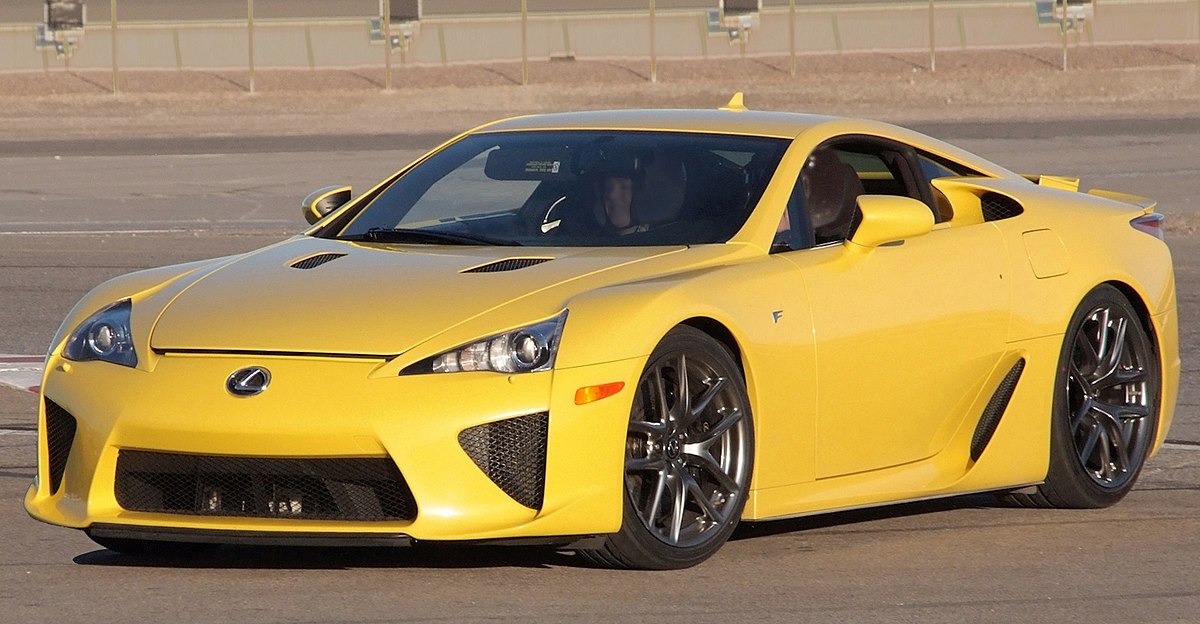
Today, collectors are driving up prices fast, with resale values easily surpassing $1 million for pristine examples.
The LFA’s combination of craftsmanship, rarity, and performance has made it a modern classic, and it’s now one of the most desirable exotics of its decade.
3. Honda S2000 CR (2008–2009, carried into early 2010s)
Though production technically ended in 2009, many S2000 CRs didn’t reach buyers until 2010, and they’ve since become some of the most collectible Hondas ever built.
The CR (Club Racer) edition was lighter, stiffer, and sharper than the standard model, with a focus on track-ready performance.
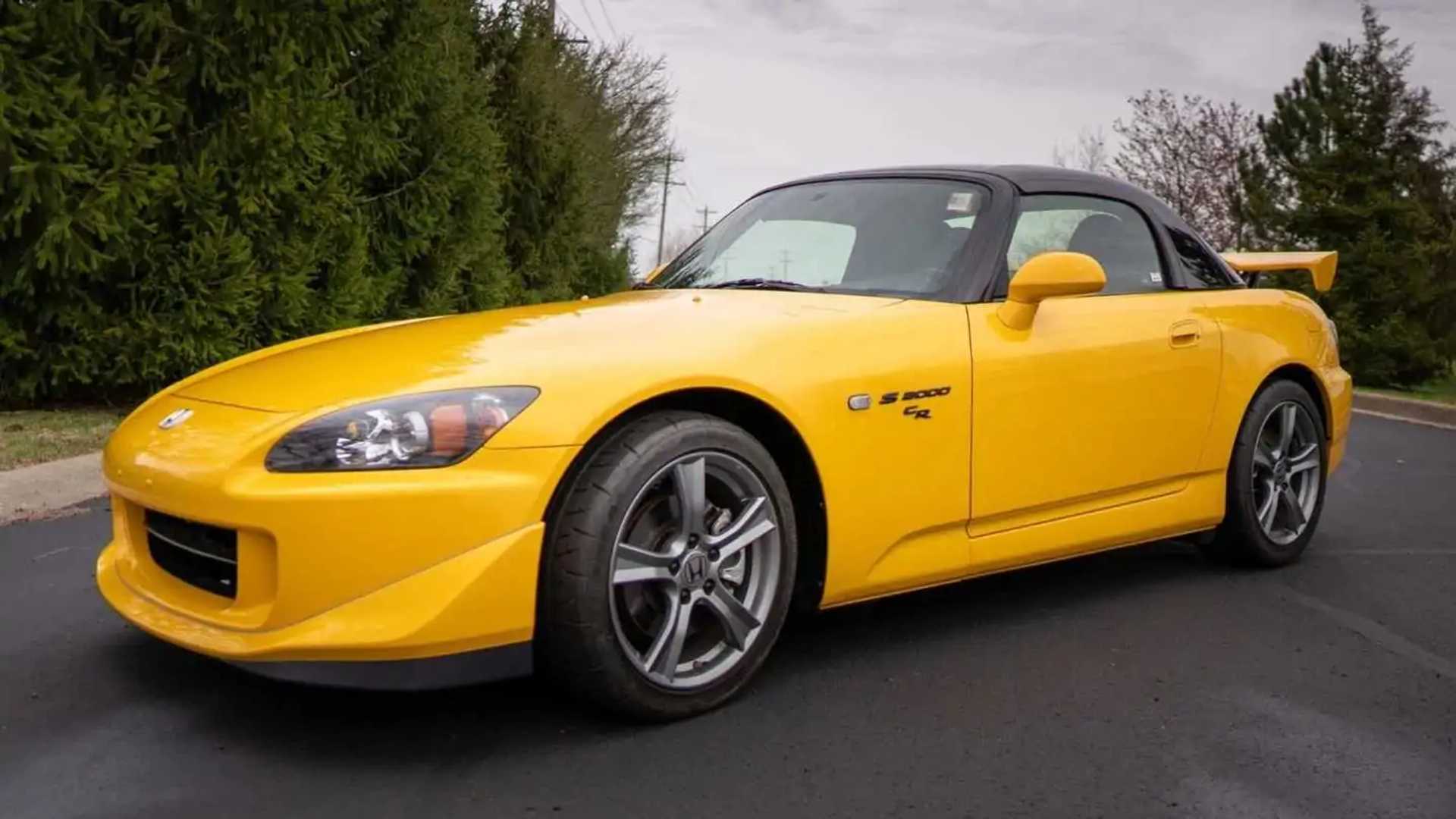
With only around 700 units made for the U.S. market, the CR’s rarity is a major factor in its rising value.
Enthusiasts also cherish it as the last of Honda’s high-revving, naturally aspirated roadsters a purist’s dream in a world shifting rapidly toward turbocharging and electrification.
4. BMW 1M Coupe (2011)
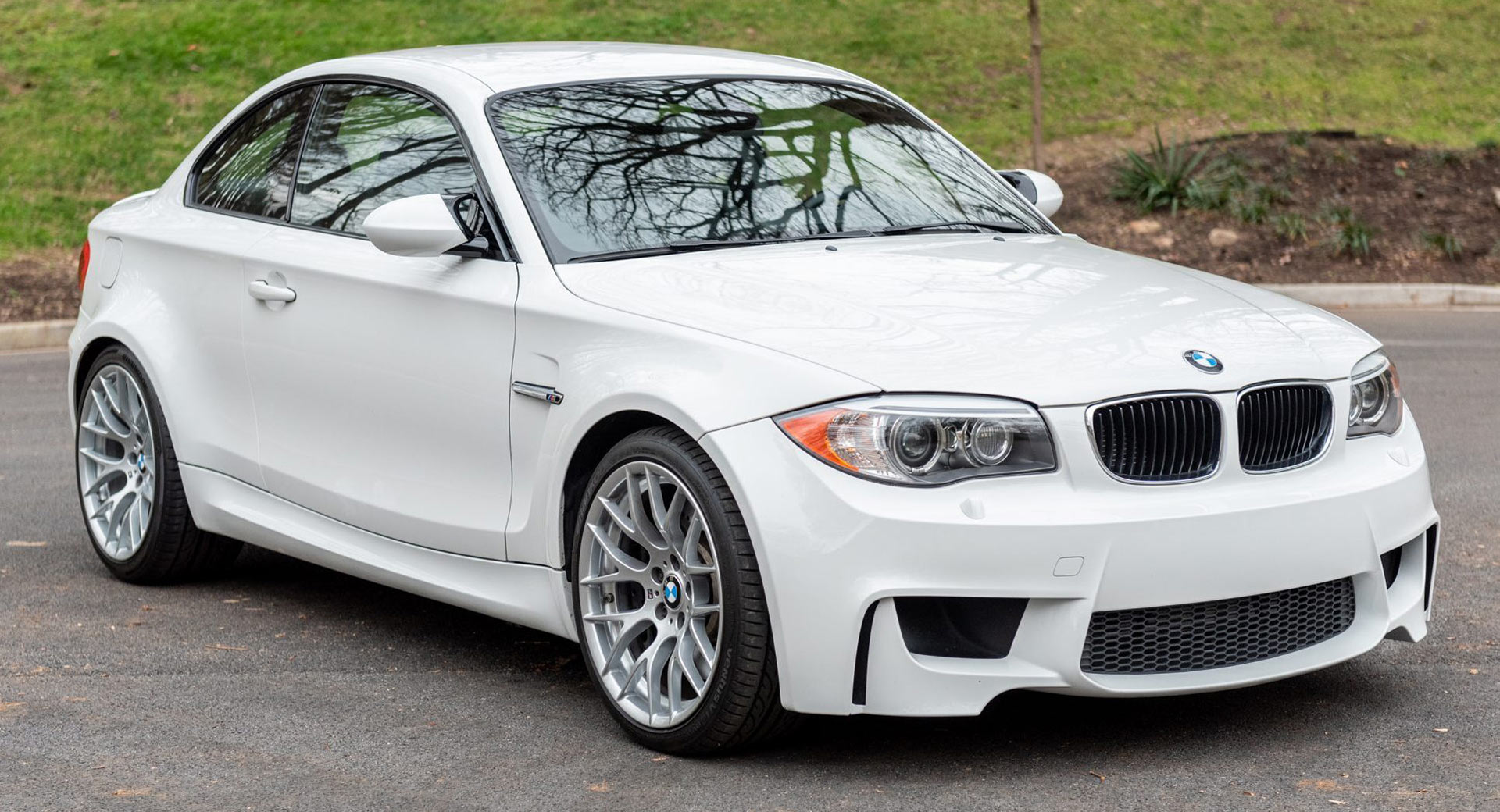
In 2011, BMW delivered one of its most thrilling compact sports cars ever: the 1 Series M Coupe. This wasn’t a parts-bin special it was a proper M car, featuring a twin-turbo inline-six and a six-speed manual transmission.
BMW only produced around 6,000 units globally, and its raw, analog driving experience has earned it a devoted following. The 1M’s values have steadily climbed, with used examples often selling for more than their original MSRP.
For enthusiasts who miss the days of small, rear-wheel-drive, driver-focused BMWs, the 1M represents the brand at its best.
When it was first introduced, the BMW 1M was considered something of an oddball in BMW’s lineup.
Yet, in the years since its debut, this compact performance coupe has transformed into one of the most sought-after M models ever built by the German automaker. Its rarity, driving dynamics, and connection to BMW’s purist roots have made it a highly coveted gem among enthusiasts.
According to the listing, the pristine white paint is paired with a set of silver 19-inch wheels, wrapped in Hankook Ventus Evo2 tires measuring 245/35 up front and 265/35 at the rear.
Inside, the cabin exudes a blend of sportiness and sophistication with black Boston leather upholstery, highlighted by orange contrast stitching and Alcantara trim adorning the dashboard, door panels, shifter boot, parking brake, and instrument cluster.
Despite being the most performance-focused version of the 1-Series, the BMW 1M doesn’t skimp on comfort and convenience.
It comes equipped with power-adjustable and heated seats featuring a memory function, as well as navigation, automatic climate control, cruise control, a Harman-Kardon premium sound system, Comfort Access, and M-branded floor mats that add a subtle finishing touch.
Beneath its muscular bodywork lies a twin-turbocharged 3.0-liter N54 inline-six engine, which produced 335 horsepower and 370 lb-ft of torque when new.
Power is delivered to the rear wheels through a six-speed manual transmission and a limited-slip differential, ensuring an engaging and dynamic driving experience.
This particular example is being offered with factory literature, service records, two keys, a BMW car cover, and a battery tender. Adding to its appeal is its remarkably low mileage, it has been driven just 14,000 miles (22,530 km), making it an exceptionally well-preserved and desirable piece of BMW M history.
5. Ford Mustang Boss 302 (2012–2013)
Before the modern Shelby GT350, there was the Mustang Boss 302 a revival of the classic nameplate that blended vintage spirit with modern engineering. Its 5.0-liter “Road Runner” V8 was a masterpiece, producing 444 horsepower and begging to be revved to 7,500 RPM.
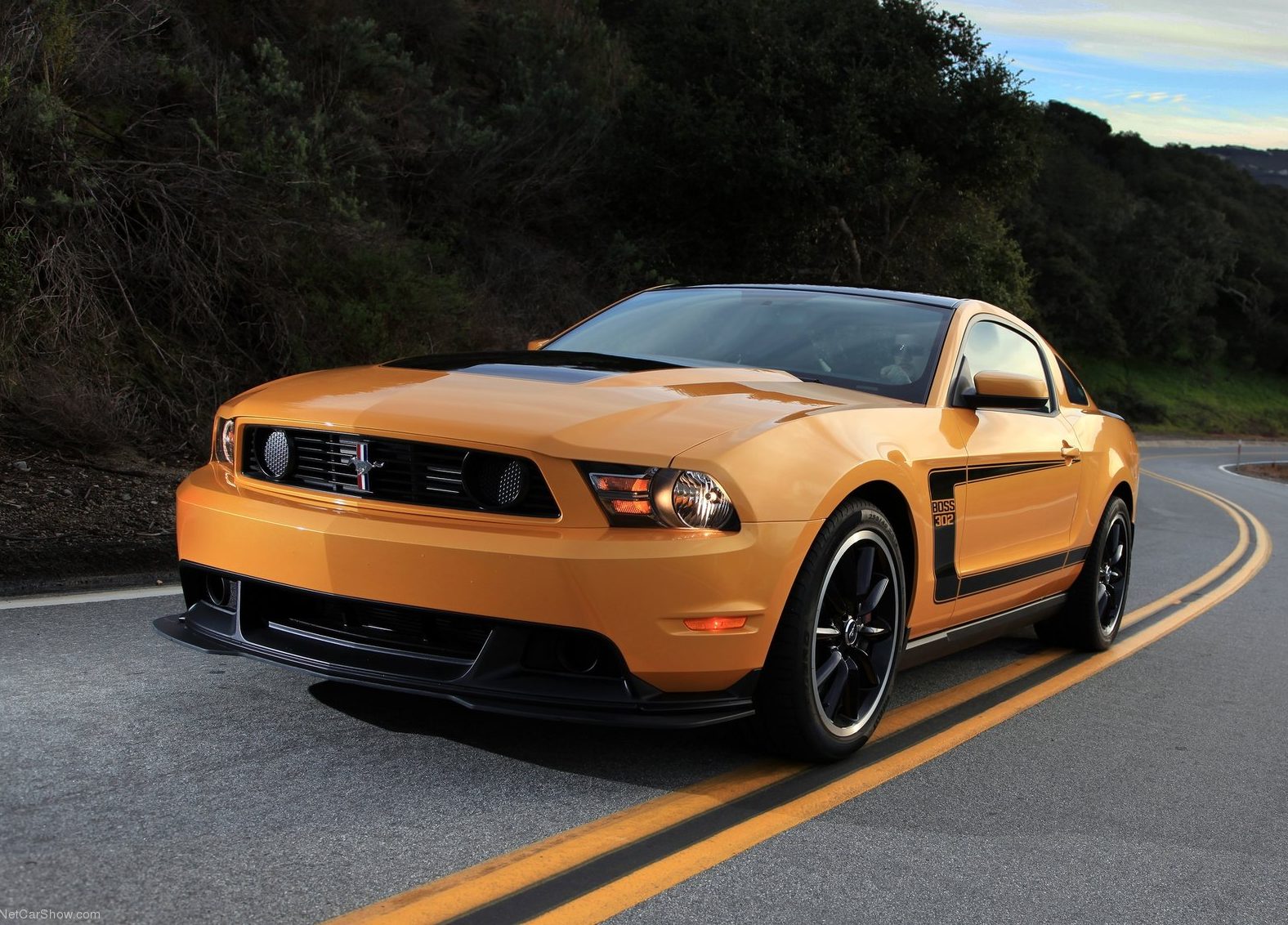
The Boss 302 also featured track-tuned suspension and unique styling cues that set it apart from the standard GT. These cars were limited in number and packed with personality, making them increasingly sought after by collectors.
With muscle car values climbing, the Boss 302 has become one of the most desirable Mustangs of the last 20 years.
6. Subaru WRX STI (2011–2014 Hatchback)
The early 2010s Subaru WRX STI hatchback has developed a strong cult following. It was the last generation of the STI to offer a five-door configuration, making it both practical and potent.
With its rally heritage, turbocharged flat-four engine, and signature all-wheel-drive system, it’s a performance icon.
Enthusiasts especially value the 2013 and 2014 models, which represented the peak of that design before Subaru switched to a more conservative sedan-only layout.
Clean, unmodified examples are increasingly rare and their prices reflect that scarcity. Exploring the 2011 Subaru Impreza lineup feels much like walking down the cereal aisle at your local supermarket, there’s truly something for everyone.
From the practical and budget-friendly base Impreza 2.5i hatchback to the ferociously quick WRX STI sedan, Subaru offers a version to suit nearly every type of driver.
With such a diverse range of trims and configurations, buyers may find themselves taking extra time to decide which Impreza best fits their lifestyle.
Performance enthusiasts will be particularly drawn to the 2011 Subaru WRX, which now adopts the wide-body fenders from the STI model, giving it a more aggressive stance.
Alongside the cosmetic upgrade, handling has also been improved through the use of wider wheels, broader track dimensions, and stiffer subframe bushings.
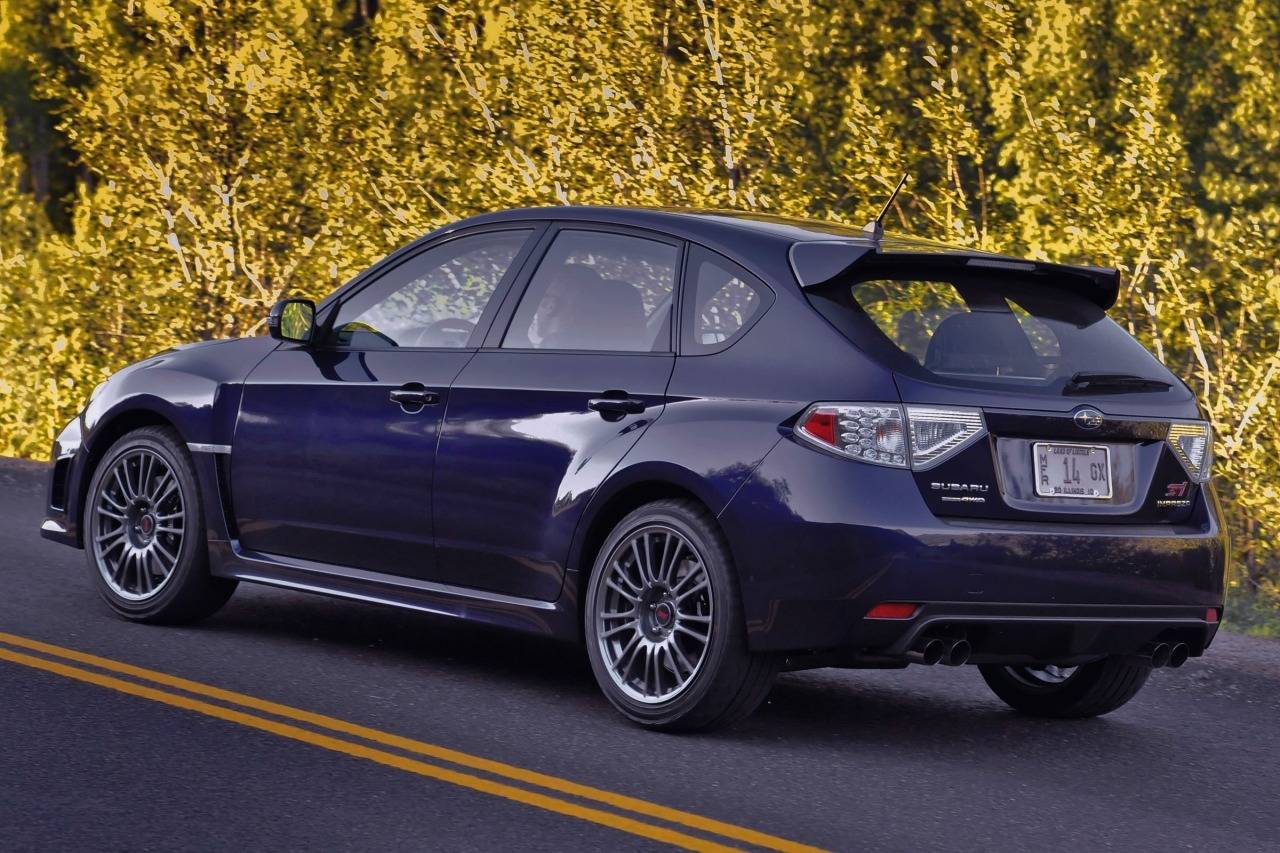
Meanwhile, the WRX STI itself benefits from a firmer suspension setup, lighter wheels for sharper handling, and a handful of new standard features, such as heated front seats.
Notably, 2011 marks the first year of the current-generation Impreza in which the WRX STI is offered as a sedan, in addition to the previously available hatchback.
While the Subaru doesn’t quite match these competitors in fuel efficiency or overall value, it stands apart by offering standard all-wheel drive, a major advantage for those living in regions prone to rain, snow, or other challenging conditions.
The Outback Sport variant, featuring increased ground clearance and rugged body cladding, even doubles as a worthy alternative to smaller crossover SUVs.
Though it lacks a bit of polish and interior refinement, the WRX more than compensates with its blistering acceleration, much like Usain Bolt leaving competitors in the dust.
For true thrill-seekers, the WRX STI remains a rally-inspired powerhouse, combining massive turbocharged performance, all-wheel drive, and limited-slip differentials for a driving experience few can match.
Naturally, the Mitsubishi Lancer Evolution continues to be its fiercest rival, and enthusiasts are encouraged to test-drive both to discover which one better suits their driving style. As you can tell, the 2011 Subaru Impreza lineup offers a wide variety of choices.
Whether you’re a commuter in snowy regions seeking a compact car with all-wheel-drive confidence or a hardcore performance fan eager for the thrill of turbocharged acceleration and agile handling, there’s almost certainly an Impreza that fits your needs.
Every 2011 Subaru Impreza comes standard with all-wheel drive, ensuring superior traction in any condition.
The 2.5i and Outback Sport trims are powered by a 2.5-liter horizontally opposed (boxer) four-cylinder engine, delivering 170 horsepower and 170 pound-feet of torque.
A five-speed manual transmission with hill-start assist comes standard, while a four-speed automatic is available as an option.
In performance testing, an Impreza equipped with the manual transmission sprinted from 0 to 60 mph in 8.2 seconds. While the all-wheel-drive system provides excellent grip, it also slightly reduces fuel efficiency.
The manual transmission achieves an estimated 20 mpg city / 27 mpg highway / 22 mpg combined, whereas the automatic version drops slightly to 20 mpg city / 26 mpg highway.
Though its efficiency trails some front-wheel-drive competitors, the trade-off comes in the form of unmatched stability and year-round driving confidence.
7. Chevrolet Volt (2011–2015)
While not a collector’s car in the traditional sense, the first-generation Chevrolet Volt has seen a surprising bump in resale value recently.
As America shifts toward electrification, buyers have come to appreciate the Volt’s clever plug-in hybrid system, which offered 35–50 miles of pure electric driving before switching seamlessly to gasoline power.
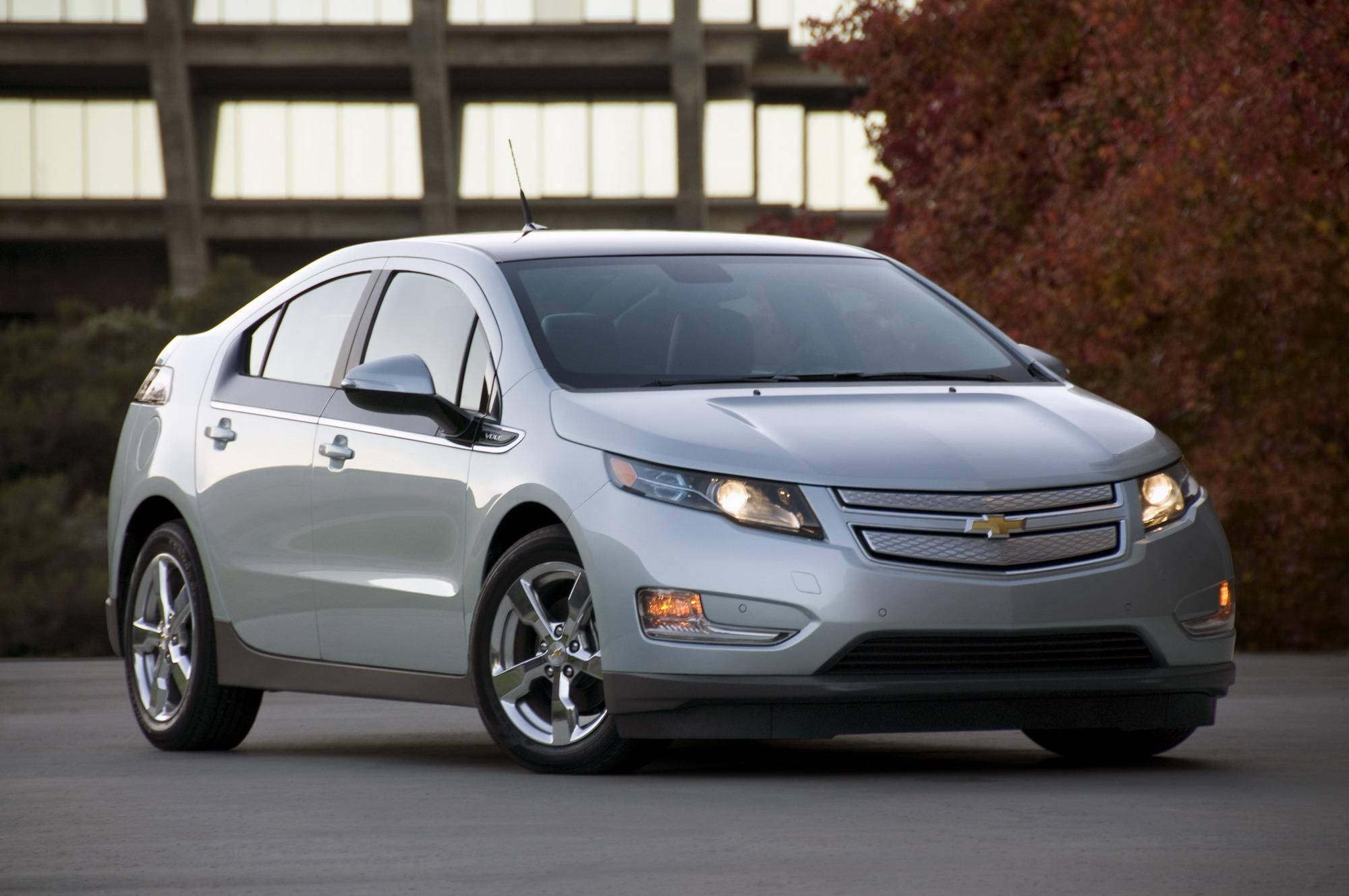
It was ahead of its time efficient, reliable, and well-built. As EV infrastructure continues to develop, many drivers are realizing the Volt represents an ideal bridge between gasoline and full-electric cars.
Early models in good condition now sell for more than expected on the used market.
8. Jeep Wrangler (JK Generation, 2010–2018)
The Jeep Wrangler’s resale value has always been strong, but the early 2010s JK generation is now becoming a hot ticket especially the Rubicon trims.
The combination of timeless design, unmatched off-road ability, and massive aftermarket support has helped these Wranglers age gracefully.
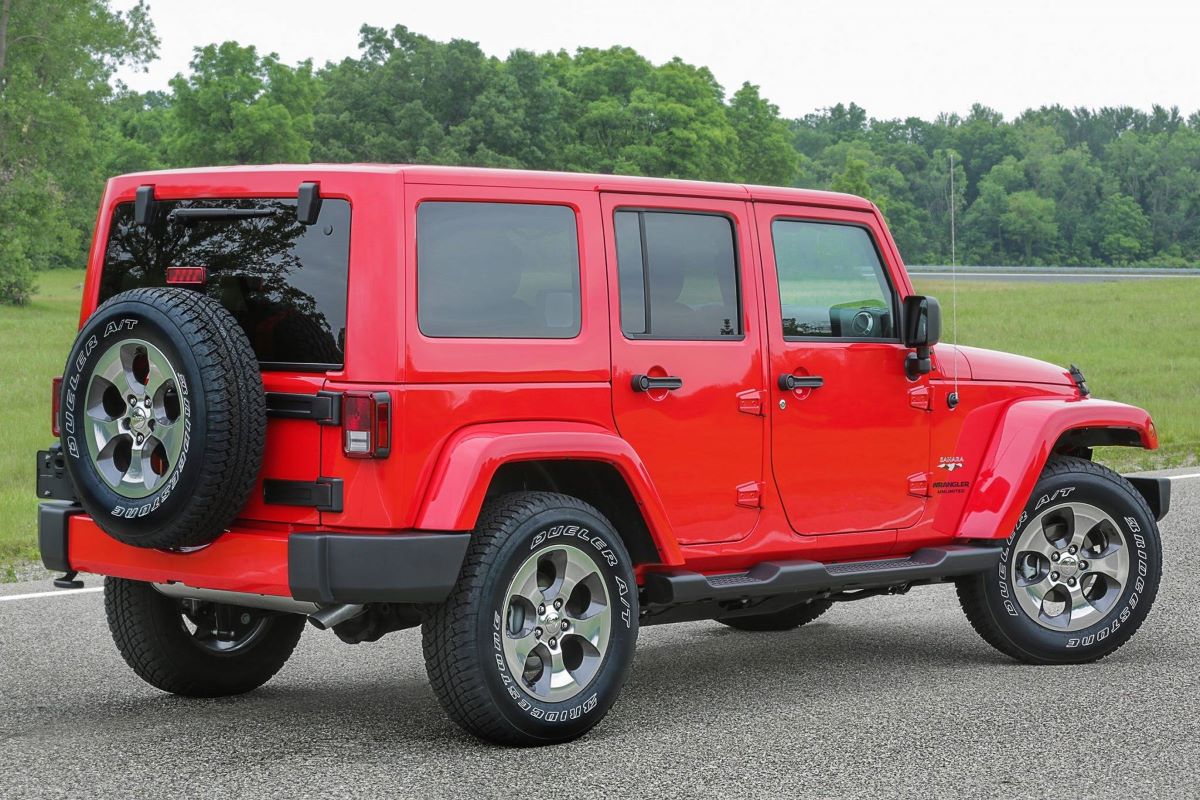
The 2012 update, which introduced the 3.6-liter Pentastar V6, significantly improved performance and fuel economy, further boosting desirability.
As the newer JL generation gets more complex (and pricier), enthusiasts are gravitating back toward the simpler, more mechanical JK Wranglers, pushing their resale values up year after year.
9. Porsche Cayman R (2012)
Porsche’s Cayman R from 2012 is one of those cars that enthusiasts didn’t fully appreciate until it was gone.
This lightweight, driver-focused coupe shed unnecessary frills like power seats and extra sound insulation to deliver one of the purest mid-engine driving experiences of the modern era.
Only about 500 were sold in the U.S., making it one of the rarest Caymans ever. With a 3.4-liter flat-six producing 330 horsepower and an exceptional chassis, it’s widely regarded as a future classic.
Prices have climbed steadily, especially for manual versions, and many predict they’ll only continue to rise.
The 2012 Porsche Cayman enters the year with minimal changes, as Porsche prepares to unveil a completely redesigned model within the next year or two. To mark the end of the current generation, Porsche has introduced a special edition, the Cayman S Black Edition.
Limited to just 500 units worldwide, this exclusive model is even rarer than its Boxster S Black Edition counterpart, of which 987 examples were built.
Under the hood, Porsche continues to offer two engines with three distinct power outputs for the 2012 Cayman lineup. The base Cayman is powered by a 2.9-liter flat-six engine producing 265 horsepower and 221 lb-ft of torque.
Moving up to the Cayman S, drivers gain a 3.4-liter flat-six that delivers 320 horsepower and 266 lb-ft of torque. The Cayman S Black Edition and the track-oriented Cayman R share a more potent 3.4-liter flat-six, tuned to generate 330 horsepower and 273 lb-ft of torque.
Although the 2012 Cayman lineup remains largely the same, the standout addition is undoubtedly the Cayman S Black Edition.
From a performance standpoint, the Cayman lineup offers thrilling driving dynamics across all variants. The base 2.9-liter engine produces 265 hp and 221 lb-ft of torque, while the Cayman S delivers 320 hp and 266 lb-ft.
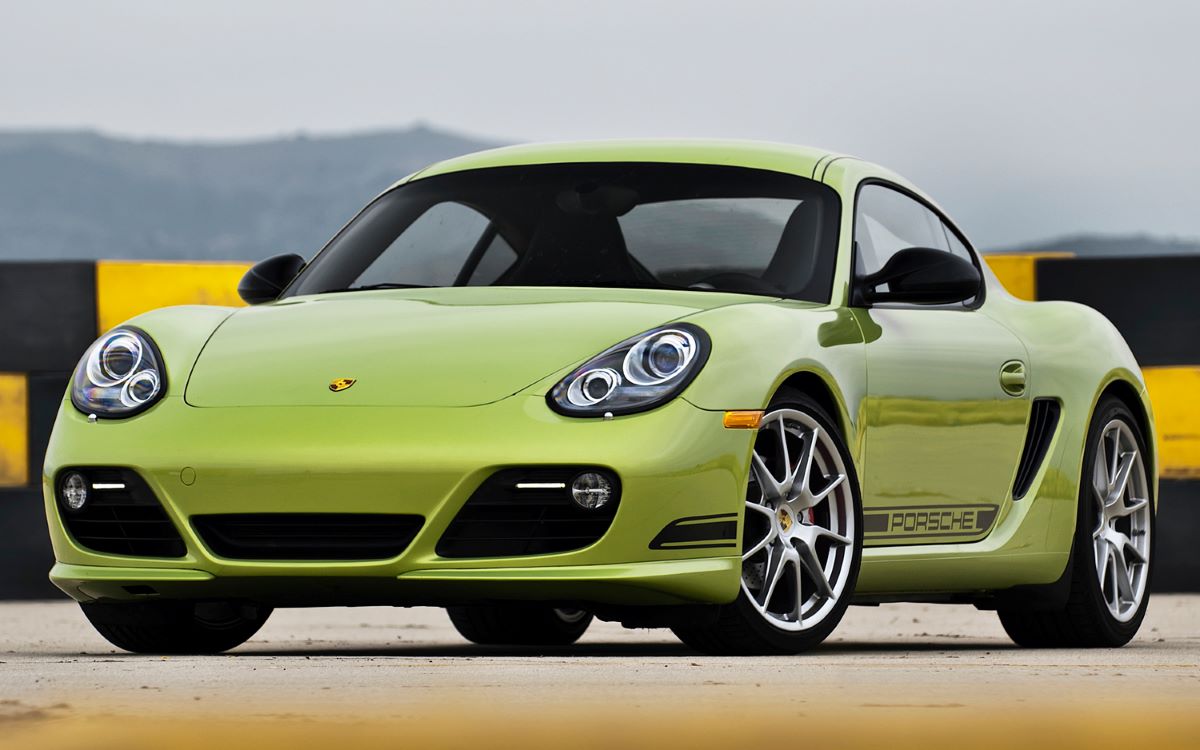
Both the Cayman S Black Edition and the Cayman R share the top-tier 3.4-liter flat-six, generating 330 hp and 273 lb-ft of torque.
Each version can be paired with either the six-speed manual or PDK seven-speed automatic transmission.
True to Porsche’s commitment to safety, the 2012 Cayman lineup incorporates advanced safety measures designed for high-speed stability and driver protection.
Standard safety features include six airbags, dual front airbags, and door-mounted side-curtain airbags, along with anti-lock brakes, traction control, and electronic stability control.
These systems ensure that whether on a winding mountain road or a high-speed stretch of the German Autobahn, the 2012 Porsche Cayman delivers a balance of precision, performance, and protection worthy of its name.
10. Tesla Model S (2012–2015)
The Tesla Model S didn’t just change the EV market it transformed the entire automotive industry. When it launched in 2012, it combined supercar acceleration with luxury sedan comfort and cutting-edge technology.
Early models are now gaining collector interest, particularly those with the P85 or P85D performance trims. Enthusiasts view them as the “Series 1” Teslas the cars that started it all.
With the EV movement showing no signs of slowing, these early Model S units represent a historic turning point in automotive evolution. Clean examples with original battery packs and minimal degradation are fetching increasingly higher prices.
The 2012 Tesla Model S is an all-electric luxury sedan that seeks to combine high-end comfort, advanced technology, and thrilling performance. Following the success of the Tesla Roadster, the Model S marked Tesla’s first major step toward producing a mass-market electric vehicle.
Powering the Model S is a fully electric powertrain, offered with several battery configurations that provide varying levels of range and performance. Its sleek, aerodynamic silhouette, smooth body lines, and distinctive front fascia emphasize its futuristic design.
Inside, the 2012 Tesla Model S boasts a minimalist and modern cabin that reflects Tesla’s design philosophy. Dominating the center console is a large touchscreen interface that controls most of the car’s functions, from navigation and media to climate settings.
Competing with luxury sedans such as the BMW 7 Series, Mercedes-Benz S-Class, and Audi A8, the Model S stands apart as one of the few fully electric vehicles in its class. Pricing starts at $59,900 and can exceed $105,400 depending on the selected configuration and battery capacity.
The 2012 Model S debuts as a completely new vehicle, marking Tesla’s formal entrance into the luxury sedan market. It was among the first fully electric sedans capable of exceeding 200 miles of range, depending on the chosen battery pack.
Tesla also introduced several innovative features with the Model S, such as a massive central touchscreen infotainment system, over-the-air software updates, and a high-performance version known as the Model S Performance.
The interior design of the 2012 Model S is distinctly futuristic and uncluttered. Its 17-inch touchscreen serves as the command center for nearly every vehicle function, eliminating the need for traditional buttons and switches.
Standard equipment includes cloth or leatherette upholstery, dual-zone automatic climate control, and a high-quality sound system.
Higher trims offer upgrades such as premium leather seating, heated front seats, and a panoramic glass sunroof. The cabin is exceptionally quiet, aided by the absence of an internal combustion engine, providing an environment focused on comfort and tranquility.
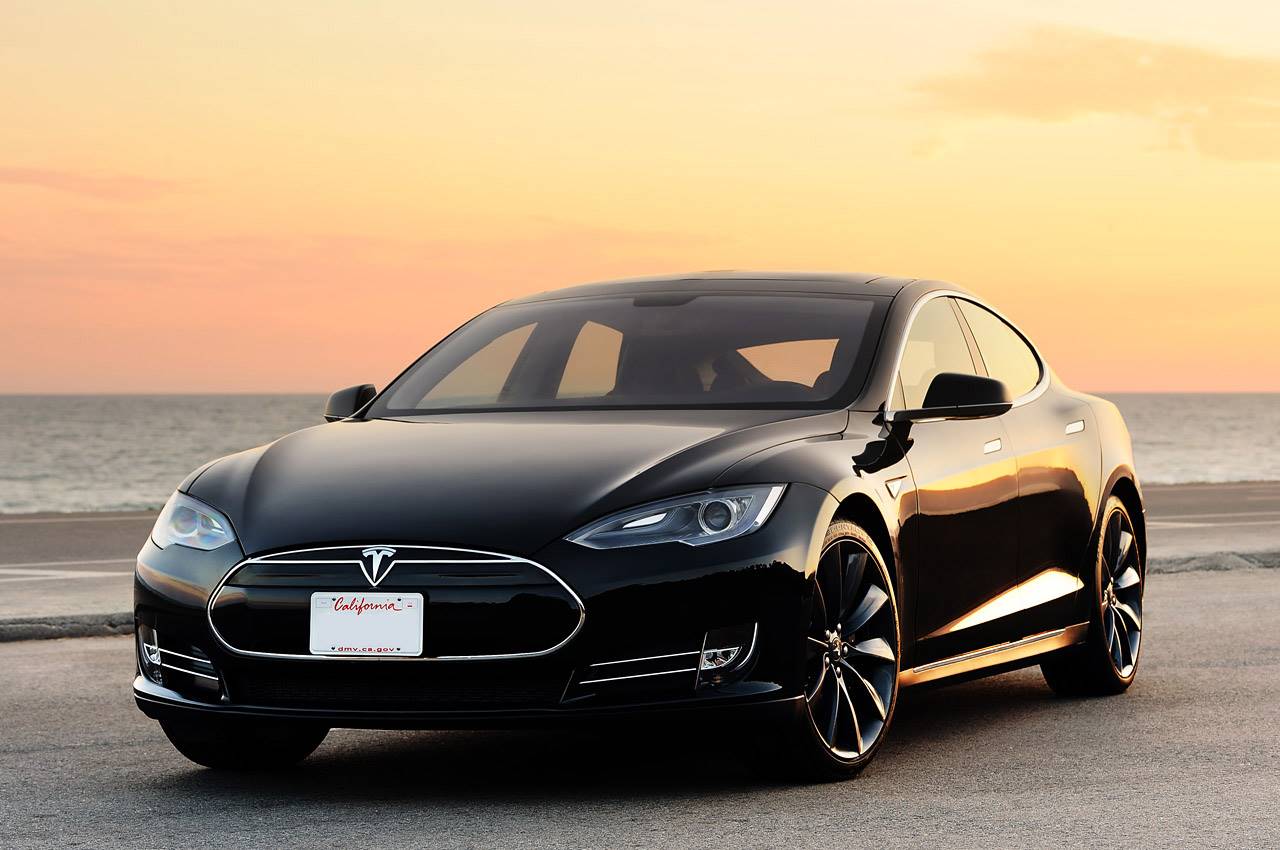
Cargo capacity is another area where the Model S stands out. It features both a front trunk (“frunk”) and a traditional rear trunk, combining for up to 31.6 cubic feet of cargo space. When the rear seats are folded flat, total storage expands to 63.4 cubic feet, ample room for larger items such as luggage or bicycles.
Performance in the 2012 Tesla Model S depends largely on the selected battery configuration. The base 40 kWh version generates 235 horsepower, accelerates from 0 to 60 mph in approximately 6.5 seconds, and delivers a 139-mile range.
The mid-tier 60 kWh model produces 302 horsepower, shortens the 0–60 time to about 5.9 seconds, and provides an estimated 208-mile range, ideal for longer daily commutes.
The 85 kWh version offers 362 horsepower, a 0–60 mph time of 5.4 seconds, and an impressive 265-mile range. For drivers seeking maximum performance, the Model S Performance variant, available exclusively with the 85 kWh battery, produces 416 horsepower and achieves 0–60 mph in just 4.4 seconds.
While sharing the same 265-mile range, it features enhanced handling characteristics and exclusive interior upgrades.
The car’s low center of gravity, made possible by the battery pack mounted beneath the floor, contributes to excellent stability and precise cornering dynamics, making the 2012 Tesla Model S a standout performer in the luxury electric segment.
The early 2010s might not seem distant, but automotive history moves fast. The vehicles that once lined suburban driveways or filled rental lots are now developing into collector favorites and appreciating assets.
From Japanese sports icons like the S2000 CR to American muscle legends like the Boss 302, these cars represent a snapshot of a transitional era where analog driving met digital innovation.
For enthusiasts and investors alike, keeping an eye on these rising stars could mean finding the next great modern classic before everyone else catches on.
