Many cars today deserve far more attention than they receive. While some models dominate headlines with bold styling or record-breaking performance, others quietly excel in areas that matter most to everyday drivers.
These overlooked vehicles offer a rare blend of comfort, reliability, and craftsmanship that often goes unnoticed. Each of the twelve cars featured here proves that success is not always measured by sales numbers or social media hype.
They deliver impressive quality, advanced technology, and driving enjoyment for those who take the time to notice. Some models represent the last of their kind, while others introduce subtle innovations that make daily driving easier and more rewarding.
From refined electric sedans to practical hybrids and confident all-wheel-drive commuters, these vehicles show that true automotive excellence often hides behind modest appearances, waiting for thoughtful drivers to appreciate their quiet strength and enduring appeal.
1. 2025 Genesis Electrified G80: Quiet Luxury with Electric Confidence
The 2025 Genesis Electrified G80 represents a refined blend of luxury comfort and modern electric performance. Despite its impressive qualities, it remains one of the lesser-known electric sedans on the market, with Genesis selling only 397 units in 2024, a steep drop from the 1,329 units sold in 2023. The low sales reflect the niche nature of the luxury EV sedan segment rather than any flaw in the car itself.
The Electrified G80 features a dual-motor setup that produces brisk acceleration, reaching 60 mph in just 4.5 seconds. It is not designed as a sports sedan but still feels strong and composed on the road.
The steering adjusts by mode, feeling heavier in Sport and lighter during low-speed maneuvers, making it easy to drive and park. The ride is smooth and stable, though the steering provides limited feedback. Regenerative braking allows for one-pedal driving, offering a calm, seamless driving experience ideal for relaxed commutes.
Comfort is one of the G80’s standout strengths. Its heated and ventilated front seats offer excellent support and adjustability, while the rear seats provide ample space and comfort. The cabin design is elegant and familiar, closely mirroring the gasoline-powered G80 but with greater serenity thanks to the electric powertrain’s quiet operation.
The adaptive suspension absorbs most bumps effectively, though it can occasionally let road imperfections filter through. A three-zone climate control system with physical controls and minimal touchscreen dependence enhances user convenience.
The interior remains a model of understated luxury, featuring spacious seating and high-quality materials. However, the raised rear floor due to the battery placement slightly affects rear passenger posture.
Visibility is moderate, but blind-spot cameras and a 360-degree monitor help compensate. The infotainment system is well-equipped, though the interface and steering controls require some familiarization. Standard Apple CarPlay and Android Auto are included, though not wireless, and the car still uses USB-A ports instead of USB-C.
The Electrified G80’s biggest drawback is limited trunk space, reduced to 10.8 cubic feet due to the battery, and it lacks a front trunk. Despite this, interior storage options are excellent.
The 87.2-kWh battery provides an EPA-estimated range of 282 miles, though real-world testing achieved 309 miles. Starting at around $80,000, the G80 offers remarkable value with a fully loaded package and generous warranties, solidifying its place as a refined, comfortable, and capable luxury EV.
2. 2025 Nissan Versa: Practical, Efficient, and Affordable
The 2025 Nissan Versa is a subcompact sedan built for practicality and efficiency. While it lacks flashy styling or a large infotainment system, it excels with reliability, low maintenance costs, and excellent fuel economy. In 2024, 42,589 units were sold in the U.S., up from 24,807 the previous year.
Though modest compared to rivals like the Toyota Corolla, the Versa appeals to buyers seeking a simple, dependable commuter. The 2025 model is the last year for new Versas, making it the final opportunity to buy a brand-new unit before the model is discontinued.
The Versa’s performance is modest. Its four-cylinder engine delivers adequate power for city and highway driving, but accelerates from 0 to 60 mph in a leisurely 10.4 seconds. The handling is composed, with predictable steering that can feel slightly heavy, and the brakes respond well in both routine and emergency stops. It is designed to prioritize stability and ease of use rather than sporty performance.
Comfort is solid for its class. The SR trim’s cloth seats are firm and supportive but narrow under the shoulders, with limited lumbar support for longer trips. Rear seats are similarly firm but comfortable, and headroom and legroom are generous for both front and rear passengers.
The cabin rides smoothly on most roads, though wind and road noise are noticeable on rougher surfaces. Visibility is excellent thanks to a short hood and large windows, and interior controls are user-friendly, with responsive touchscreen displays and intuitive climate and audio buttons.
Technology in the Versa includes an 8-inch touchscreen, a six-speaker audio system, and Apple CarPlay and Android Auto compatibility. The SR trim adds a wireless charging pad. Advanced driver-assistance features like lane-keeping and forward collision warnings are gentle and helpful, though the backup collision system can be overly sensitive, and the rearview camera has low resolution.
Storage is competitive, with a 15-cubic-foot trunk and folding rear seats. Small-item storage is limited, but child-seat installation is straightforward. The CVT-equipped Versa achieves an EPA-estimated 35 mpg combined, with real-world tests showing 41.1 mpg over mixed driving conditions.
Priced near $20,000, the Versa delivers excellent value. Its cabin quality and features exceed expectations for the class, and it provides sufficient safety equipment. Warranty coverage is standard, with three years/36,000 miles basic and five years/60,000 miles powertrain coverage, while roadside assistance matches the basic warranty term.
3. 2021 Audi A4: Refined, Capable, and Timeless
The 2021 Audi A4 is a compact luxury sedan that emphasizes refinement, performance, and long-term reliability. Despite selling only 7,036 units in 2024, which is about half of 2023’s figure, the A4 remains a strong choice for drivers seeking a quiet, capable, and well-engineered sedan in a market dominated by crossovers.
Audi discontinued the model after 2025, making the A4 a final opportunity for those who appreciate traditional luxury sedans.
Performance is a key strength of the A4. The test car, equipped with the 261-hp 45 TFSI turbocharged four-cylinder engine, accelerated from 0 to 60 mph in 5.3 seconds. The dual-clutch automatic transmission can feel slightly hesitant at times, especially at low speeds, but the A4 drives smoothly and quietly under normal conditions.
Braking is firm, although the combination of the transmission and pedal engagement can make precise low-speed maneuvers feel jerky. Handling through turns is competent, providing composure and stability even if the steering does not give detailed road feedback.
Comfort is another strong point. The front seats are firm but supportive on long trips, and the cabin remains quiet on highways, although some wind and tire noise is noticeable.
The suspension has a classic German feel, firm yet controlled, managing body movements well on rough roads without feeling harsh. Climate controls are physical knobs integrated into a sleek interface, making adjustments simple and intuitive.
The interior is stylish, functional, and tech-focused. The MMI touchscreen is easy to use and displays sharp graphics. Audi’s Virtual Cockpit digital instrument panel provides crisp visuals and fast responses. Wireless Apple CarPlay and wired Android Auto are standard, with plenty of USB ports for passengers. The cabin is spacious with generous legroom and headroom for adults in both front and rear seats.
Storage includes a 12-cubic-foot trunk, smaller than some competitors but practical with a wide opening and foldable 40/20/40 rear seats for extra versatility. Interior compartments are adequate for personal items, though some are shallow. Child seat installation is reasonable, allowing four adults and a small child without feeling crowded.
Fuel economy is solid for a luxury sedan, with the A4 45 TFSI achieving an EPA-estimated 26 mpg combined and 28 mpg on real-world highway testing. Audi provides a standard four-year/50,000-mile warranty, and the A4 offers strong value with quality materials, refined driving dynamics, and a feature-rich cabin.
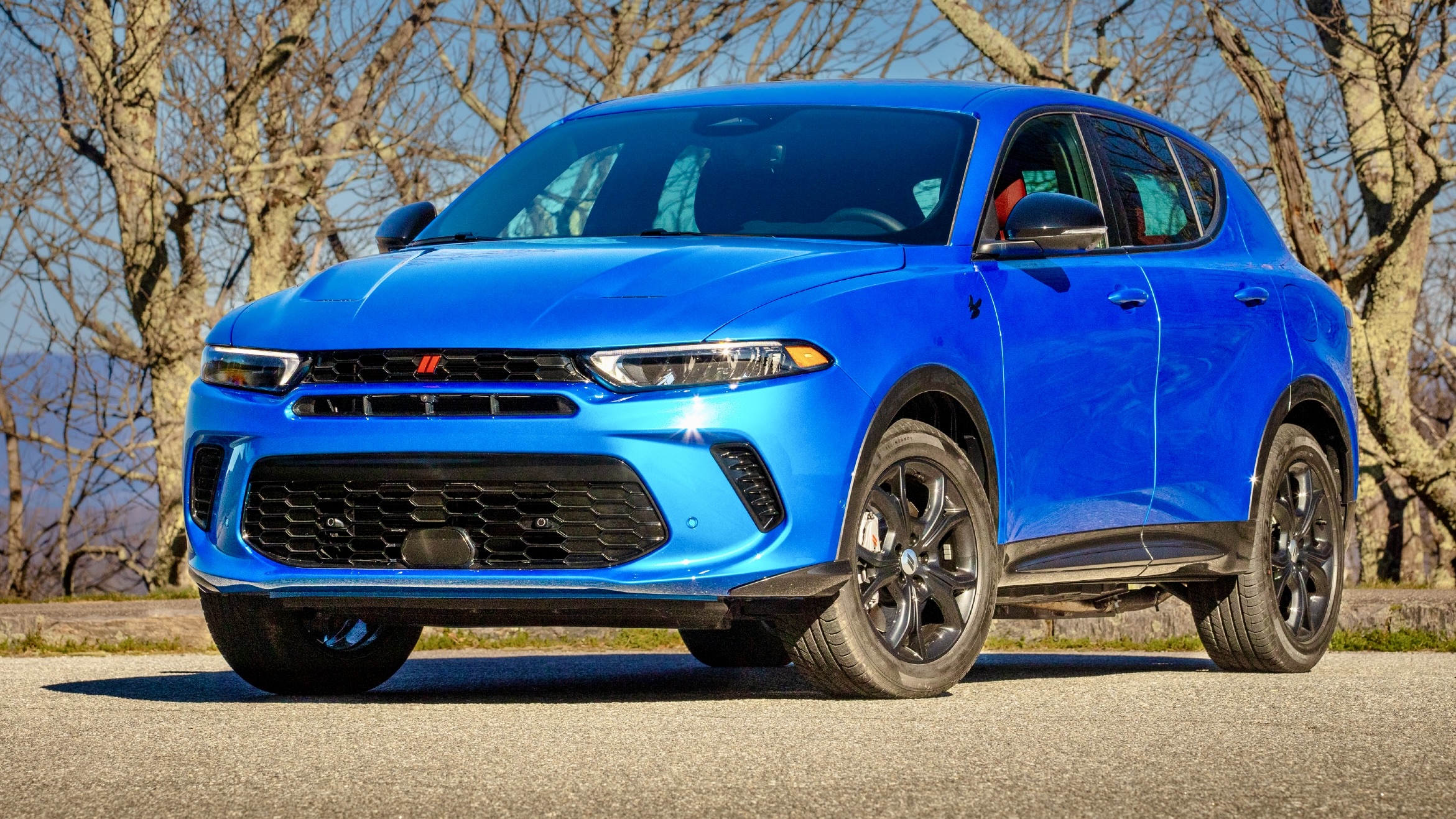
4. 2025 Dodge Hornet: Sporty, Engaging, and Distinctive
The 2025 Dodge Hornet is a compact SUV that blends sporty styling with an engaging driving experience. With roughly 20,559 units sold last year, the Hornet is still establishing its place in a market dominated by more familiar competitors. Early reviews suggest a solid build quality and dependable performance, making it an appealing choice for buyers seeking a unique but reliable vehicle.
The Hornet shares much of its design and engineering with the Alfa Romeo Tonale, offering similar nimble handling and all-wheel-drive capability. While the Tonale’s plug-in hybrid is available in the Hornet R/T trim, the standard GT trim relies on a turbocharged 268-hp four-cylinder engine paired with a nine-speed automatic transmission and all-wheel drive.
The Hornet GT accelerates from 0 to 60 mph in 5.7 seconds, only slightly slower than the more powerful and expensive R/T Plus plug-in hybrid. Handling is confident and sporty, though not as precise as Mazda or Volkswagen rivals. It provides a more engaging experience than the Hyundai Tucson or Kia Sportage, while maintaining competent composure on most roads.
Fuel economy for the gas-only Hornet is modest, with an EPA estimate of 21 mpg city and 29 mpg highway. Real-world highway testing returned 28 mpg at 75 mph. While not class-leading, these figures are reasonable for a compact SUV with this level of performance.
Inside, the Hornet offers a driver-focused cabin that mirrors the Tonale’s layout. Front seats are comfortable, though rear seating is tight, and cargo space is smaller than some competitors.
The interior features black cloth and synthetic leather with red stitching as standard, while higher trims offer leather, faux suede, or optional red leather upholstery. A tall center-console shift lever, a 10.3-inch infotainment touchscreen, and a 12.3-inch digital gauge cluster provide modern functionality.
Wireless Apple CarPlay, Android Auto, and Amazon Alexa connectivity are standard, with higher trims adding a Harman/Kardon 14-speaker stereo and navigation.
Safety is a strong point, with standard automated emergency braking, pedestrian and cyclist detection, lane-departure warning, and blind-spot monitoring. The optional Tech package adds adaptive cruise control with lane-centering.
Warranty coverage is typical for the segment, including a three-year/36,000-mile limited warranty and a five-year/60,000-mile powertrain warranty. Unlike some competitors, the Hornet does not include complimentary scheduled maintenance.
The Dodge Hornet stands out as a distinctive and sporty choice in the compact SUV class, offering engaging performance, a well-equipped interior, and reliable driving dynamics for buyers who want something less common on the road.
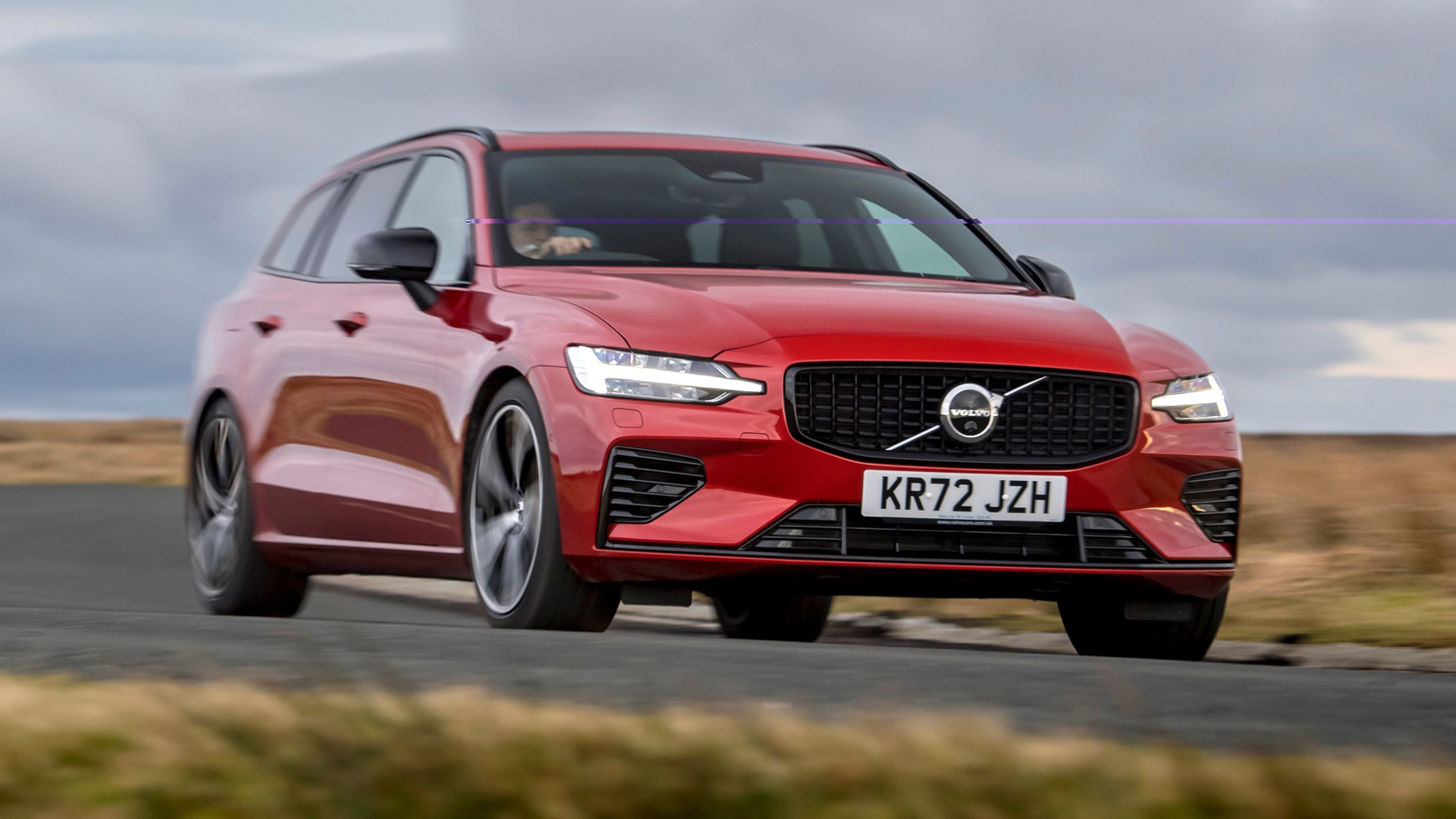
5. 2025 Volvo V60: Practical, Comfortable, and Safe
The 2025 Volvo V60 is a compact wagon that emphasizes practicality, comfort, and safety. While wagons are a niche segment in the U.S., the V60 Cross Country variant stands out with standard all-wheel drive, generous ground clearance, and Volvo’s signature focus on safety.
About 27,310 Volvos were sold in 2024, with many being V60 models. Volvo plans to discontinue the V60 after the 2025 model year, making it one of the last opportunities to buy a new example.
The V60 is Volvo’s smallest estate, launched in 2018 alongside the S60 sedan. Its design balances modernity with timeless charm, offering a stylish alternative to German competitors like the Audi A5, BMW 3 Series, or Mercedes C-Class estates. The cabin is minimalist yet inviting, with a solid feel to the dashboard and high-quality materials.
Controls are generally intuitive, though some features, such as air conditioning settings, are tucked away in the touchscreen interface. Active safety interventions are extensive, helping prevent accidents even if drivers are momentarily distracted.
Driving the V60 is more relaxed than sporty, making it well-suited for long journeys. The suspension is pliant, providing a smooth ride over poor roads while resisting excessive body roll. Steering feel is modest but adequate, with selectable steering strength settings available through the touchscreen. It rewards a calm driving style, emphasizing comfort and composure rather than sharp performance.
The V60 offers three powertrain options based on Volvo’s 2.0-liter four-cylinder engine. The base B4 model features mild-hybrid assistance, while the T6 and T8 plug-in hybrid variants provide around 45 miles of electric range.
Acceleration is measured, requiring planning at junctions, and PHEVs carry a higher price without offering significant advantages for drivers without charging access. The base petrol engine delivers capable cruising performance with mid-40s mpg achievable on mixed roads.
Practicality is a strong suit for the V60. The boot is spacious and well-designed, with features such as dividers to secure cargo. Rear seating offers ample room for tall passengers, though a raised central floor slightly impacts middle-seat comfort. Interior space, cargo capacity, and family-friendly layout make it a highly versatile vehicle.
The 2025 Volvo V60 excels as a human-centric estate, combining a comfortable and stylish interior, extensive safety features, and practical versatility. It may not have the flashiest tech or design compared to newer SUVs or electric models, but it delivers a thoroughly relaxed and dependable experience for families and discerning drivers.
Also Read: 10 Cars That Deliver Power Without Drama
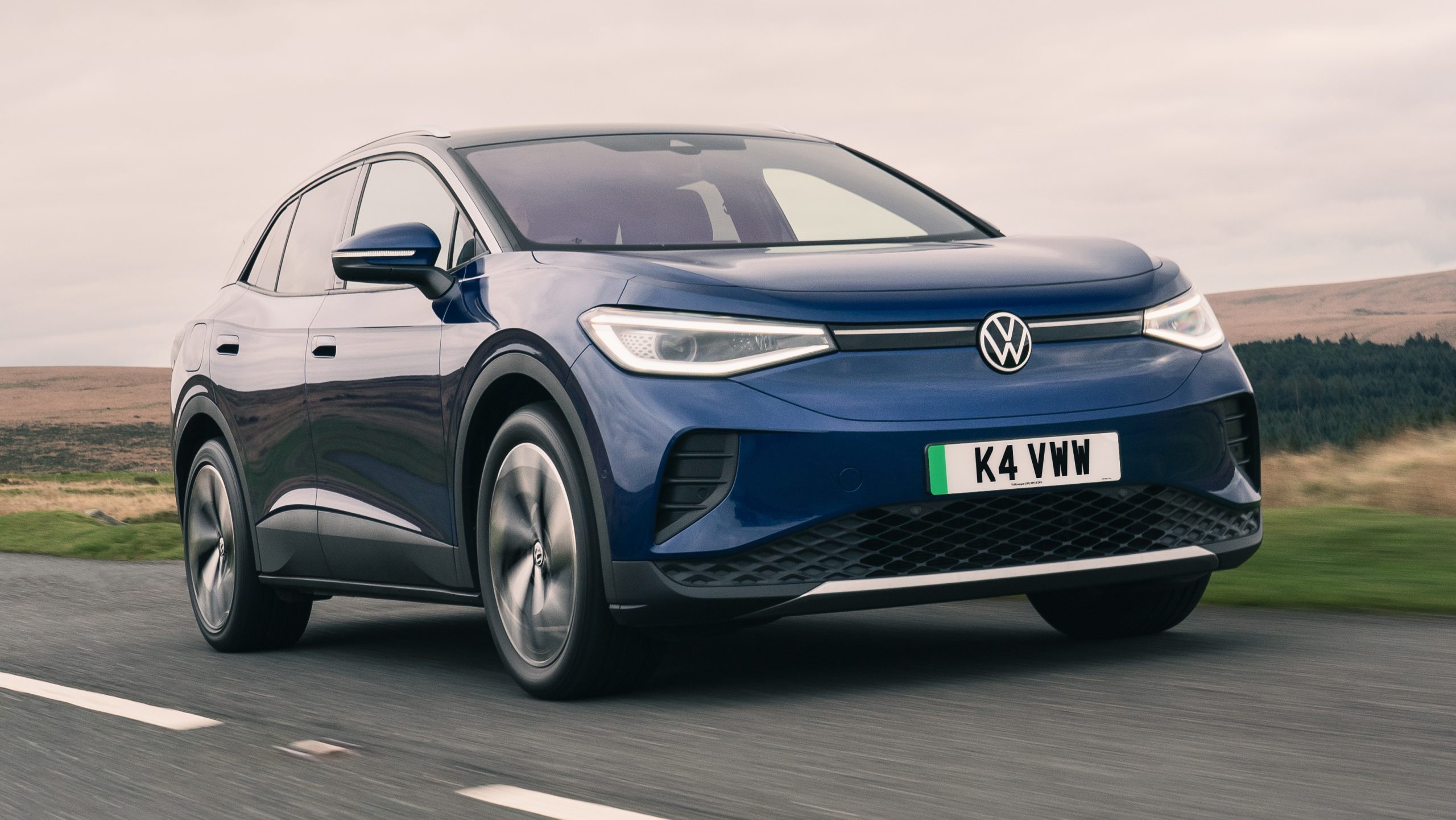
6. 2025 Volkswagen ID.4: Practical, Comfortable, and Family-Friendly EV
The 2025 Volkswagen ID.4 is a compact electric SUV that emphasizes comfort, practicality, and usability. Sales fell below 21,000 units in 2024 due to recalls and a stop-sale of 2021–2024 models, but VW’s discounts and incentives helped the ID.4 rebound, making it the third-best-selling EV in the U.S. as of early 2025.
The ID.4 offers a quiet cabin, solid build quality, and predictable performance, making it a strong choice for buyers transitioning to electric vehicles.
Performance is competent, with the single-motor ID.4 Pro S accelerating from 0 to 60 mph in 6.1 seconds, while the dual-motor version achieves 4.9 seconds. Despite brisk acceleration, sporty handling is limited, as Volkswagen prioritized comfort over excitement.
Regenerative braking is effective when lifting off the accelerator, but full stops require the brake pedal. The SUV rides smoothly on highways, though large bumps can cause noticeable up-and-down motion. Tight turning radius aids parking, and driver-assistance features like adaptive cruise control, lane-keeping assistance, and automatic parking work reliably.
Comfort is a strong point. Front seats are cushy but could offer more support and adjustment for long trips. Rear seats provide generous room, making the ID.4 a family-friendly EV, with easy-access car seat anchors. Climate control is intuitive, featuring touchscreen-operated adjustments and special commands like “warm feet” or “fresh air.”
Inside, the ID.4 features a 12.9-inch touchscreen with built-in navigation and intuitive voice controls. Wireless Apple CarPlay and Android Auto are standard, along with multiple USB ports.
The cabin has clever storage solutions, including a configurable center console and a rear cargo area offering 30.3 cubic feet, expanding to 64.2 cubic feet with the seats folded.
A 60/40-split rear seat folds flat, though the load floor is slightly high, and there is no front trunk. Towing capacity is modest, at 2,200 pounds for rear-wheel-drive and 2,700 pounds for all-wheel-drive models.
Efficiency and range are competitive, with EPA estimates from 206 to 291 miles depending on the configuration. Real-world testing of the single-motor RWD model returned 299 miles, slightly above EPA figures. Energy consumption measured 29.8 kWh/100 miles, in line with expectations. Fast charging adds 100 miles of range in just over 17 minutes, slightly below the class average.
The ID.4 offers a comfortable, practical, and family-friendly EV experience, though it lacks the sporty driving excitement and head-turning appeal of rivals like the Ford Mustang Mach-E, Kia EV6, or Tesla Model Y. Volkswagen’s warranties include a four-year/50,000-mile bumper-to-bumper and powertrain coverage, along with an eight-year/100,000-mile battery warranty, supporting confidence in long-term ownership.
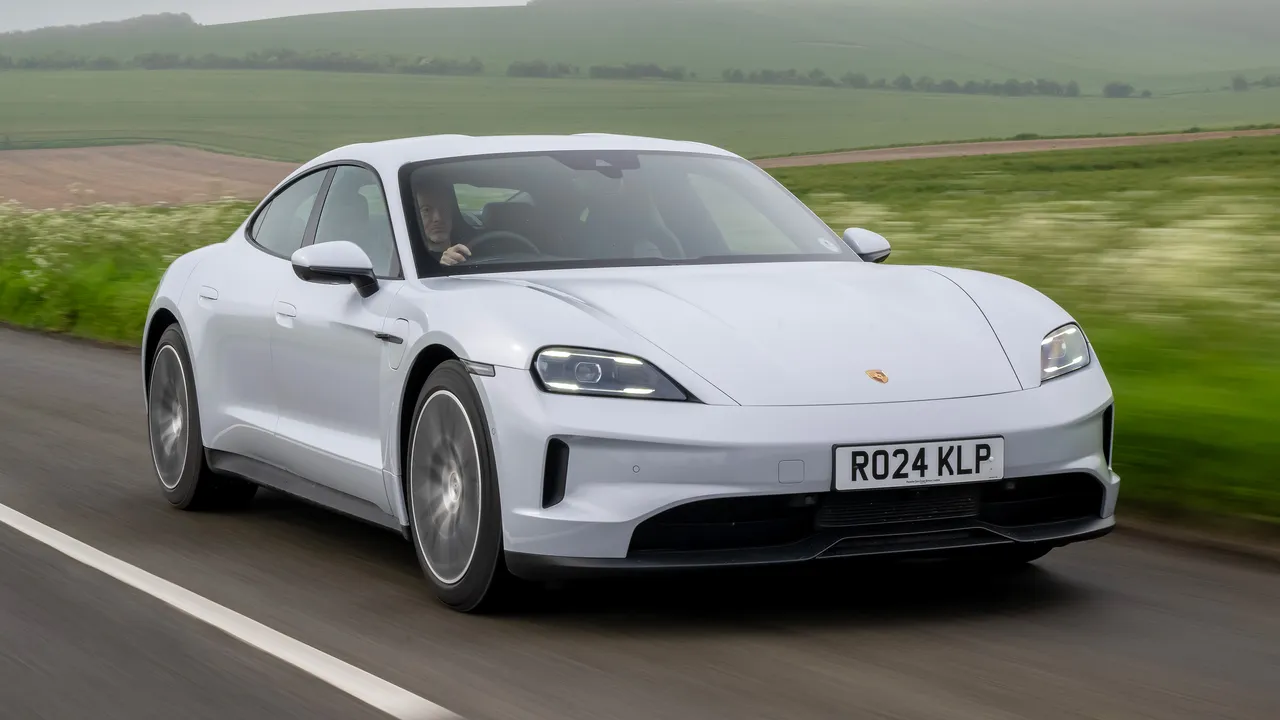
7. Porsche Taycan: A Blend of Performance, Comfort, and Precision Engineering
The Porsche Taycan remains one of the most refined electric vehicles on the market, combining Porsche’s engineering excellence with the instant torque of an EV. Despite its impressive capabilities, U.S. sales have dipped, with 4,747 units sold in 2024 compared to 7,716 the previous year. Still, the Taycan stands out as a reliable, luxurious, and exhilarating option for enthusiasts who value precision and quality.
When it debuted, the Taycan set benchmarks for speed and handling in the EV segment. The Taycan 4S with the Performance Battery reaches 0 to 60 mph in 3.4 seconds and finishes the quarter mile in 11.5 seconds at 115 mph, which is competitive with Mercedes, Lucid, and BMW equivalents.
However, its handling fell short in skidpad tests, achieving 0.89 g, which is lower than rival EVs. To maximize driving enjoyment, Porsche recommends performance-oriented options such as torque vectoring and the Sport Chrono package. While smooth and fast, it still lacks one-pedal driving, a common feature in other EVs.
Despite its sporty DNA, the Taycan delivers a refined and comfortable ride. Its suspension absorbs road imperfections well, providing a serene driving experience even on long trips. The seats strike a perfect balance between firmness and comfort, though climate controls operated through a touchscreen are cumbersome.
Inside, the Taycan’s front cabin offers generous space and ergonomic controls, while the rear seats feel tighter compared to competitors like the Tesla Model S or Lucid Air. Rear headroom and legroom are limited due to the car’s sleek silhouette. Visibility is average, but the optional surround-view camera helps mitigate this issue.
Porsche continues to improve the Taycan’s technology suite, adding wireless Android Auto and Apple CarPlay, efficient navigation, and a wireless charging pad. However, essential driver-assist features such as adaptive cruise control remain optional, which many competitors include as standard.
Storage space is modest, with a shallow rear trunk and a small 3-cubic-foot front trunk. While the rear seats fold for extra cargo, rivals offer greater practicality. Interior storage for small items is limited as well.
The updated Taycan offers better range and efficiency thanks to upgraded motors and batteries. The Taycan 4S achieves an EPA-estimated 252 miles, though real-world tests reached 307 miles, exceeding expectations. Charging is faster than before, supporting up to 320 kW at DC fast-charging stations.
Even with its improvements, the Taycan remains a costly choice compared to rivals that offer more range and features for less money. However, its combination of performance, craftsmanship, and dependability ensures it remains one of the most compelling luxury EVs available today.
8. Audi S6: Understated Power Meets Lasting Luxury
The 2025 Audi S6 remains one of the most refined performance sedans in its class, blending subtle luxury with dependable performance. With 6,448 units sold in 2024, the S6 saw a slight increase from the previous year’s 5,939 sales.
Despite its rarity compared to mainstream models like the Lexus ES, the S6 delivers a balanced mix of power, comfort, and enduring build quality that appeals to enthusiasts who appreciate understated performance.
The Audi S6 features a turbocharged V6 engine paired with Quattro all-wheel drive, offering steady power delivery and composed handling. It accelerates from 0 to 60 mph in 4.6 seconds, which is quick but not exceptional compared to rivals. Braking distances are decent but not class-leading, stopping from 60 mph in 113 feet. While the steering is light and precise, it lacks the tactile feedback expected from a true sport sedan.
Where the S6 truly shines is in real-world driving. It maintains speed with quiet confidence, offering the kind of smooth, composed performance that makes it an effortless highway cruiser. Audi has perfected the “sleeper” formula, blending performance capability with refined discretion.
Comfort is one of the S6’s strongest attributes. The suspension absorbs road imperfections smoothly, keeping the cabin quiet and poised over any surface. Audi’s sport seats, trimmed in diamond-stitched leather, are supportive yet comfortable, featuring excellent bolstering and under-thigh adjustment for long drives. The only notable flaw is the weak air-conditioning system, which struggles during hot conditions.
Inside, the S6’s cabin is aging gracefully. It offers excellent visibility, a spacious layout, and an easily adjustable driving position. Entry and exit can be slightly challenging due to the car’s low stance, though the air suspension helps by raising the vehicle slightly when the doors open.
Audi’s dual-screen infotainment system is feature-rich but takes time to master. Wireless Apple CarPlay and Android Auto come standard, while optional features like the Bang & Olufsen sound system and adaptive cruise control add sophistication. However, the audio system’s bass performance is disappointing for a luxury sedan of this caliber.
Storage is limited, with a 13.7-cubic-foot trunk that ranks near the bottom of its class. The rear seats fold down for flexibility, but interior storage for smaller items remains tight.
The S6 delivers a combined 22 mpg, matching EPA estimates and aligning with segment norms for six-cylinder luxury sedans. Although it lacks free maintenance programs offered by some competitors, the S6’s build quality, refined design, and precise craftsmanship justify its premium price.
The Audi S6 is a sophisticated, quietly confident luxury sedan that balances performance and comfort with long-term reliability. It may not be the flashiest choice, but it remains one of the most rewarding to own and drive.
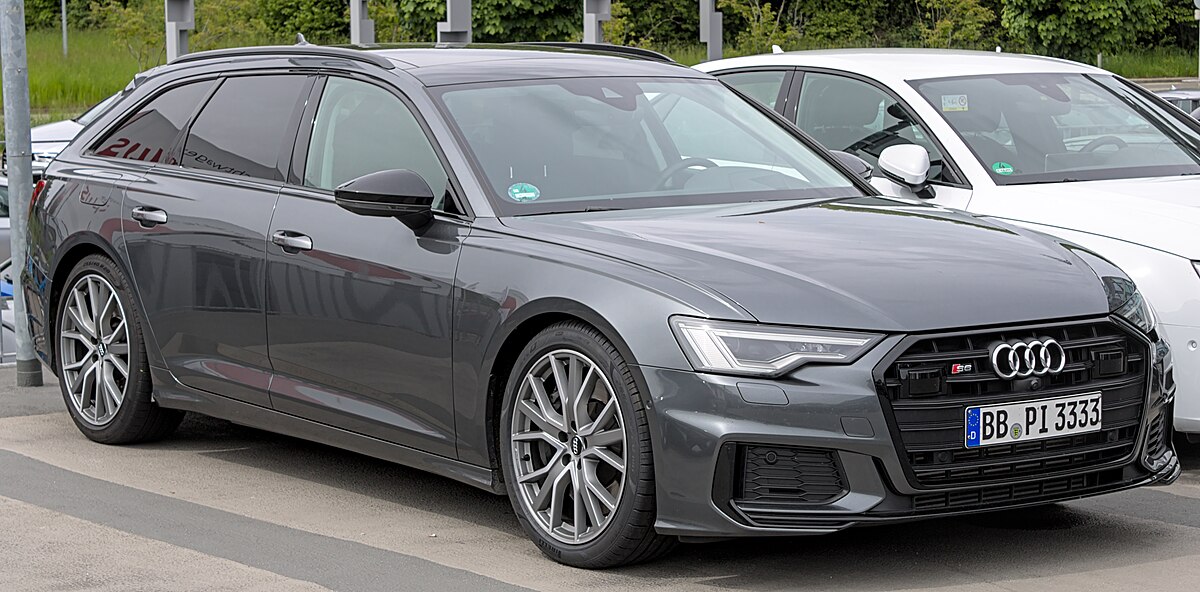
9. Lexus NX Hybrid: Quiet Strength in a Compact Luxury SUV
The 2025 Lexus NX Hybrid continues to strengthen its position as a standout in the compact luxury SUV segment. With 74,488 units sold last year, it achieved one of its best sales performances to date. While it trails behind the larger RX in total sales, the NX’s blend of hybrid efficiency, safety, and long-term reliability makes it a favorite among practical luxury buyers.
The NX Hybrid delivers a well-balanced driving experience focused on comfort and control rather than outright speed. The F Sport version tested reached 0 to 60 mph in 7 seconds, providing adequate power for highway driving and daily commutes. The eight-speed automatic transmission shifts smoothly, and the brakes are confident, stopping from 60 mph in 117 feet during testing.
Handling is stable and composed, with the F Sport package minimizing body roll while maintaining a comfortable ride. Though it does not feel particularly sporty, the NX’s precise steering and secure road manners inspire confidence.
The excellent visibility and available surround-view camera system make parking and maneuvering simple. Lexus Safety System+ 3.0 comes standard, adding a full suite of driver-assist features that work conservatively but reliably.
Inside, the NX upholds Lexus’ reputation for craftsmanship and comfort. The cabin features high-quality materials and supportive sport seats that provide strong bolstering without sacrificing comfort. However, the multifunction steering wheel buttons and occasionally confusing gear selector can be frustrating. The three-zone climate control system performs well, though the central vents sit lower than ideal.
Noise insulation is strong, minimizing wind intrusion, but a bit of tire noise seeps through. The rear seats offer adequate space for adults, though legroom trails some competitors. Narrow rear door openings slightly hinder access for installing car seats.
The optional 14-inch touchscreen offers crisp graphics and quick response times, although the interface could use simpler menus. The optional Mark Levinson 17-speaker audio system is exceptional, providing clarity and depth worthy of a premium upgrade. Wireless Apple CarPlay and Android Auto are standard, while a wireless charging pad and digital key system are available by subscription.
The NX’s cargo capacity is more generous than its official measurements suggest, offering a wide, unobstructed loading space. Interior storage is decent, with a large center console and hidden cubby under the wireless charger.
The NX Hybrid returns an EPA-estimated 24 mpg combined, performing slightly better in real-world driving at 25 mpg. Multiple powertrain options, including traditional and plug-in hybrids, provide even higher efficiency.
With standard all-wheel drive, advanced safety features, and Lexus’ renowned reliability, the NX Hybrid offers strong value for its class. Excellent build quality, above-average warranties, and a smooth, stress-free driving experience make it one of the most well-rounded compact luxury SUVs available today.
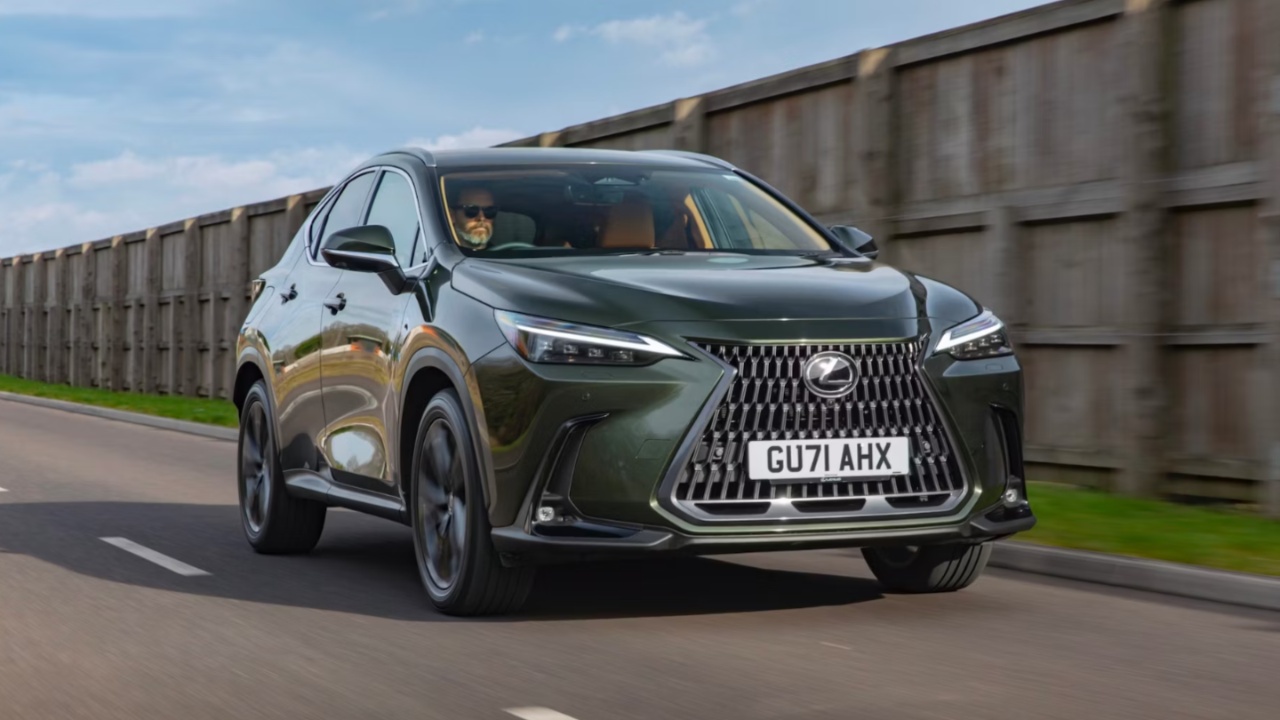
10. 2025 Acura Integra: Sporty Precision Meets Everyday Practicality
The 2025 Acura Integra carries forward the spirit of accessible performance and reliability that defined its predecessors. Revived under Acura’s banner, the Integra achieved around 24,398 sales in 2024, a strong result for a compact sporty hatchback in a market dominated by SUVs and crossovers.
Although it is not designed to be flashy, the Integra appeals to driving enthusiasts who value balance, efficiency, and dependable engineering.
At its core, the Integra features a turbocharged engine and a well-balanced chassis that provide confident handling and a smooth, composed ride. Acura has refined the driving experience to offer a mix of comfort and excitement suitable for both city driving and winding roads. Its precise steering and agile character make it engaging to drive, while the brand’s reputation for reliability ensures peace of mind for everyday use.
The design emphasizes understated sportiness and practicality. Its five-door hatchback layout combines style with everyday versatility, offering generous cargo space and easy access for passengers. This makes the Integra a smart choice for those who want a car that is both fun to drive and functional for daily life.
Inside, the Integra reflects Acura’s focus on thoughtful craftsmanship and user-friendly design. The interior uses high-quality materials and provides an intuitive technology interface.
Supportive seating and advanced safety systems enhance comfort and confidence for both drivers and passengers. The Integra’s refined cabin and dependable performance make it a strong option for professionals and small families seeking an enjoyable yet practical car.
Despite its strengths, there are reports that Acura may discontinue the Integra by 2028 as the company transitions toward electric and hybrid models. This potential change could make the current version one of the last gas-powered compact performance cars in Acura’s lineup.
The 2025 Acura Integra stands out as a modern reinterpretation of a beloved classic. It combines responsive performance, everyday comfort, and long-term dependability in a sleek and modestly styled package. While its future production may be limited, the Integra continues to demonstrate Acura’s commitment to creating cars that deliver driving enjoyment without compromising practicality or peace of mind.
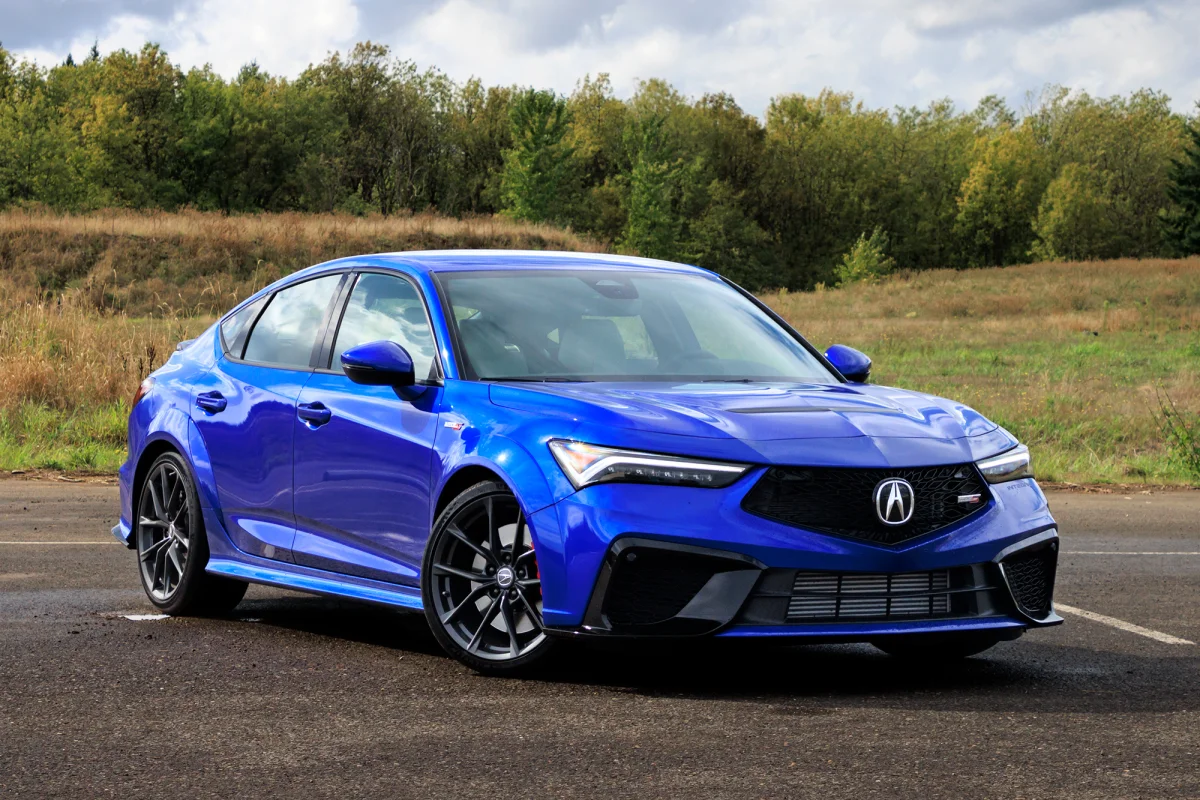
11. 2025 Hyundai Ioniq 6: Futuristic Design with Everyday Usability
The 2025 Hyundai Ioniq 6 stands out as a sleek, futuristic electric sedan that blends striking design with practical performance. Hyundai sold about 12,264 units in 2024, reflecting moderate interest in a model that prioritizes efficiency and style over mass-market appeal.
Built on Hyundai’s E-GMP electric platform, the Ioniq 6 offers reliable performance, minimal maintenance, and an impressively refined driving experience for an affordable electric vehicle.
The Ioniq 6 delivers strong performance from its dual-motor all-wheel-drive system, accelerating from 0 to 60 mph in 4.6 seconds. While not as quick as a Tesla Model 3, it still provides brisk acceleration with precise handling and strong road grip. The steering feels composed, and the car remains stable even under heavy braking.
Ride quality is one of its greatest strengths, as the suspension absorbs imperfections while maintaining a smooth and connected feel. Hyundai’s Highway Driving Assist 2, available on higher trims, allows automatic lane changes and assists with highway cruising.
Inside, the Ioniq 6 offers a quiet, comfortable cabin with thoughtful materials and design. Front seats provide good support, though some drivers might wish for extra thigh and lumbar adjustment. The rear seats offer ample legroom but limited headroom due to the car’s sloped roofline.
The cabin remains peaceful at high speeds, with minimal noise intrusion. Controls for temperature and seating functions are integrated into the touchscreen, which can take time to get used to.
Technology plays a central role in the Ioniq 6 experience. The infotainment interface is simple and responsive, though it lacks wireless Apple CarPlay and Android Auto. The navigation system works well but makes locating nearby charging stations along a route cumbersome. Hyundai equips the car with useful safety and driver assistance features, contributing to its secure, confident character on the road.
Cargo space is limited, with only 11.2 cubic feet in the trunk and a very small front compartment, but the interior offers generous storage areas between seats and in the doors. The Ioniq 6 delivers impressive efficiency, using only 27.5 kWh per 100 miles, and the dual-motor model achieves an EPA-estimated range of 270 miles, exceeding that figure in testing with 303 miles.
The single-motor version can travel up to 361 miles. Fast charging capability allows a 10-to-80 percent charge in just 18 minutes. Priced competitively, the Ioniq 6 combines futuristic style, strong efficiency, and Hyundai’s industry-leading warranties to create a capable and distinctive electric sedan.
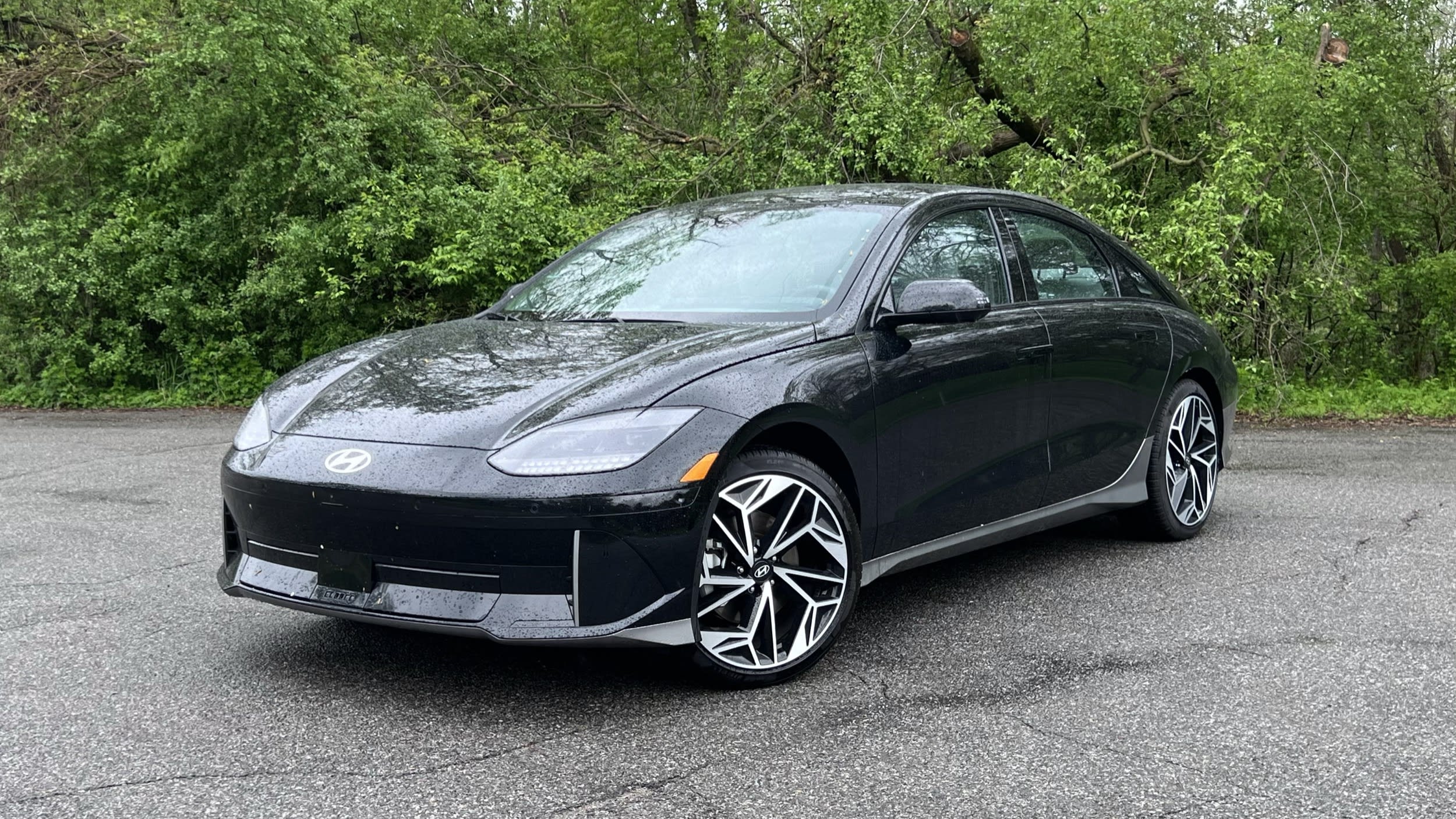
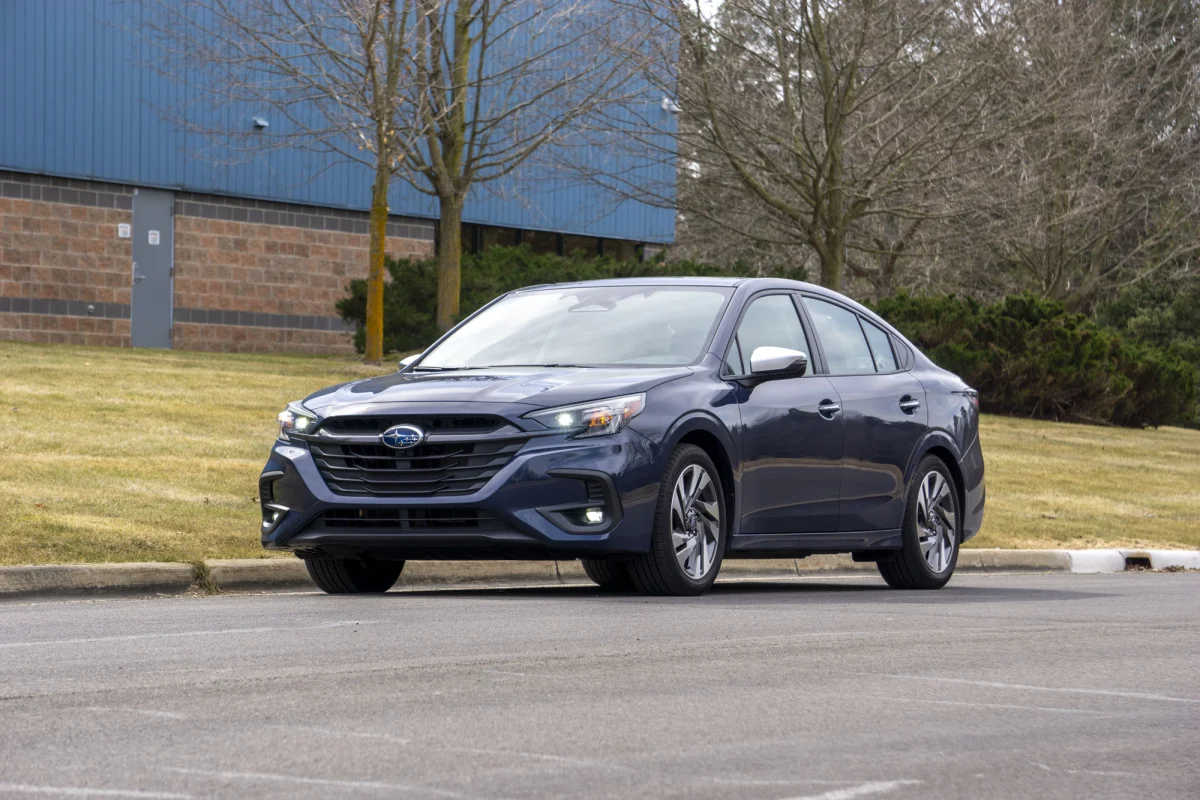
12. 2025 Subaru Legacy: Dependable Comfort in Its Final Year
The 2025 Subaru Legacy remains a solid, practical choice for families seeking all-weather confidence and long-term reliability. Subaru sold about 19,591 units in 2024, marking a 23% decline from 2023, as buyers continue to favor SUVs over traditional sedans. Despite its understated appearance, the Legacy continues to offer qualities that have made it a consistent performer in the midsize sedan segment.
All versions come with standard all-wheel drive, giving the Legacy a traction advantage over most competitors. The base 2.5-liter engine delivers adequate performance, reaching 60 mph in 8.5 seconds, though acceleration feels slower compared with rivals. The optional turbocharged engine provides stronger passing power and is the better choice for drivers seeking more engagement.
Handling is confident, and the steering feels natural and well balanced. The ride quality is soft yet controlled, offering comfort on long drives. However, the engine stop-start system can feel abrupt, and some driver-assist features in the EyeSight suite are overly sensitive, occasionally reacting too aggressively to traffic situations.
Inside, the Legacy emphasizes comfort and space. The cabin feels roomy and inviting, especially in the rear seats, which provide excellent headroom and legroom for adult passengers. Front seats are supportive and well contoured, making it easy to find a comfortable driving position.
Visibility is excellent thanks to large windows, enhancing the feeling of openness. The climate system works efficiently, though most adjustments require using the central touchscreen, which can be distracting. Heated seat controls respond quickly, but the infotainment interface can be slow and unintuitive.
Technology features are mixed. The infotainment system includes Apple CarPlay and Android Auto as standard, and upper trims offer multiple USB ports, but the software occasionally crashes and the voice control system lacks accuracy. Navigation graphics look sharp, yet searching for destinations is cumbersome. These issues slightly undermine what is otherwise a functional setup.
Practicality remains a strength. The 15.1-cubic-foot trunk is deep and tall, accommodating large items with ease. The folding rear seats add versatility, though the middle seat belt can get in the way. Cabin storage areas are abundant and well placed for small personal items. Fuel economy averages 30 mpg combined, competitive among all-wheel-drive sedans.
With Subaru announcing that the Legacy will be discontinued after 2025, this final model year underscores what the car has always stood for: a safe, durable, and comfortable sedan that delivers quiet confidence rather than flashiness.
The automotive world is filled with hidden treasures that deserve recognition. These twelve vehicles may not attract constant attention, but each brings something special to the road.
They reflect the creativity and dedication of carmakers who continue to build models that prioritize real-world performance, comfort, and dependability over fleeting trends.
Whether it is the poised handling of a compact performance car, the calm luxury of an electric sedan, or the lasting reliability of a family vehicle, every car on this list proves its worth through experience rather than image. For drivers seeking substance and character instead of noise and novelty, these cars offer lasting satisfaction.
They remind us that innovation does not always arrive with fanfare, and that the best choices often come from looking beyond the obvious. The reward for doing so is discovering vehicles that continue to deliver excellence long after the spotlight fades.
Also Read: 15 Cars That Remind Americans Why We Love to Drive