When most people think of pickup trucks, the Big Three (Ford, Chevrolet, and Ram) are usually the first that come to mind. Their long history and strong reputation have shaped what many expect from a truck: power, toughness, and reliability.
However, several other manufacturers have quietly created models that match or even surpass these traditional leaders. These trucks blend innovation, comfort, and capability while offering modern technology and smart design.
From the versatile 2021 Honda Ridgeline and the refined GMC Canyon to the dependable Nissan Titan and the adventure-ready Jeep Gladiator, each one proves that excellence is not limited to the usual names.
They provide strength for work, comfort for everyday driving, and style that appeals to a wide range of drivers. For anyone willing to look beyond the familiar, these eight trucks show that some of the best options are found outside the Big Three.
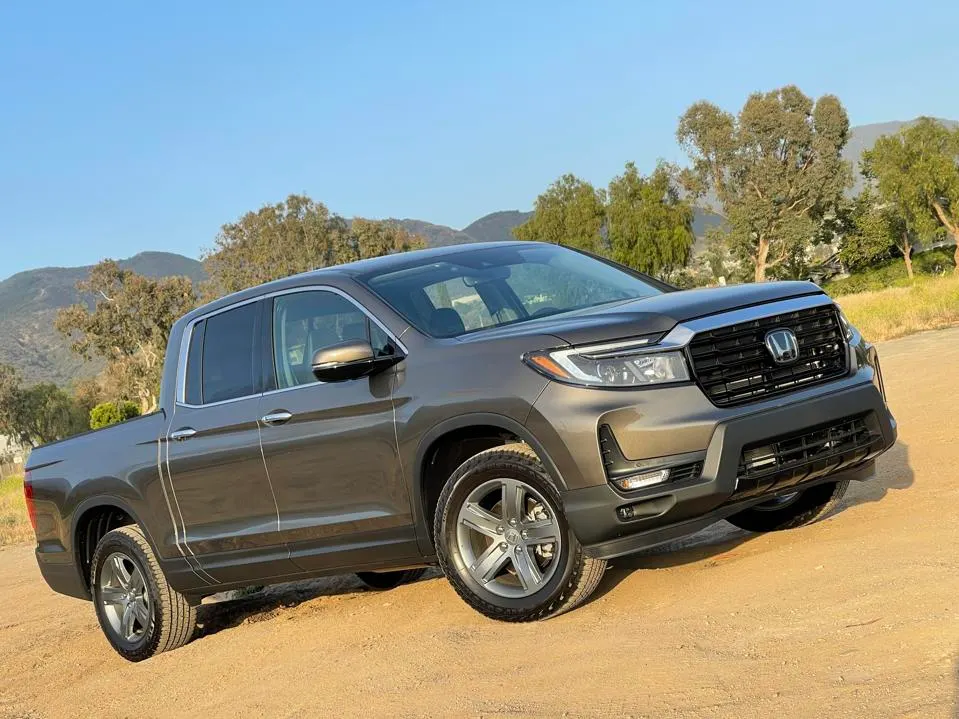
1. 2021 Honda Ridgeline
The 2021 Honda Ridgeline distinguishes itself in the midsize pickup category through its refined comfort, impressive handling, and smart design. Built on a unibody platform instead of the traditional body-on-frame structure, it delivers a smoother, more car-like ride while maintaining the practicality of a truck. It caters to drivers who value comfort and everyday usability without sacrificing capability.
The Ridgeline’s unibody construction, fully independent suspension, and torque-vectoring all-wheel-drive system make it one of the best-handling trucks in its class. It offers precise steering and confident cornering that feel more like a crossover than a pickup.
The 3.5-liter V6 engine, paired with a nine-speed automatic transmission, provides strong acceleration and smooth gear shifts. The Ridgeline reaches 0 to 60 mph in 7.2 seconds, making it quick for its size and segment.
While its off-road performance is limited compared to body-on-frame rivals, the Ridgeline handles dirt and gravel roads comfortably. It lacks the ground clearance and low-range gearing needed for rugged terrain, yet its independent rear suspension ensures excellent stability on uneven surfaces.
The Ridgeline sets a high standard for comfort in the midsize pickup class. Its suspension system absorbs bumps effortlessly, delivering a composed and stable ride on all road types. The front seats feature slim yet supportive padding with side bolsters that provide both comfort and security.
Wide cushions suit larger passengers, while the quiet cabin enhances long-distance driving comfort. Only the growl of the V6 engine under acceleration breaks the silence. Standard tri-zone climate control maintains a balanced temperature, and higher trims include heated front seats for added luxury.
Inside, the Ridgeline feels inviting and functional. The wide-opening doors make entry and exit easy, while generous legroom ensures passenger comfort in both rows.
The tilt-and-telescoping steering wheel helps drivers find an ideal position, and visibility is excellent due to the squared-off hood and large rear window. The cabin layout emphasizes convenience, combining the spaciousness of an SUV with the durability of a truck interior.
The Ridgeline’s technology package is practical and user-friendly. Its standard 8-inch touchscreen is intuitive and now includes a physical volume knob for added convenience. Apple CarPlay and Android Auto integration come standard, and the voice command system responds well with clearly spoken prompts.
Honda equips nearly every model with advanced driver-assistance systems, such as adaptive cruise control, lane-keeping assist, and forward collision mitigation. The only optional feature is blind-spot monitoring. Some systems, particularly the collision warning, may issue alerts more often than necessary.
Practicality is a defining strength of the Ridgeline. Its bed is the only one in the segment that can accommodate 4-foot-wide sheets between the wheel wells. Payload capacity reaches 1,583 pounds, and it can tow up to 5,000 pounds when properly equipped.
The dual-action tailgate opens both downward and sideways, and the lockable in-bed trunk provides additional secure storage. Inside, multiple compartments, a large center console, and under-seat storage in the rear offer excellent space management for daily use or travel.
The Ridgeline achieves an EPA-estimated 21 mpg combined, with 18 mpg in the city and 24 mpg on the highway. These figures surpass many V6-equipped rivals and align closely with real-world performance.
The discontinuation of the front-wheel-drive model has slightly increased the price, yet the Ridgeline continues to deliver strong value. Even the base Sport trim includes essential technology, advanced safety systems, and tri-zone climate control.
Higher trims add premium features like in-bed speakers and upgraded materials. Warranty coverage includes three years or 36,000 miles of basic protection and five years or 60,000 miles for the powertrain.
The 2021 Honda Ridgeline redefines what a midsize pickup can be. It blends SUV-like comfort with truck-level functionality, offering a refined ride and innovative features that suit a wide range of drivers.
Although not designed for extreme off-road challenges, it excels in everyday performance, towing, and interior comfort. The Ridgeline is a practical, polished, and forward-thinking option for those seeking versatility and sophistication in a midsize truck.
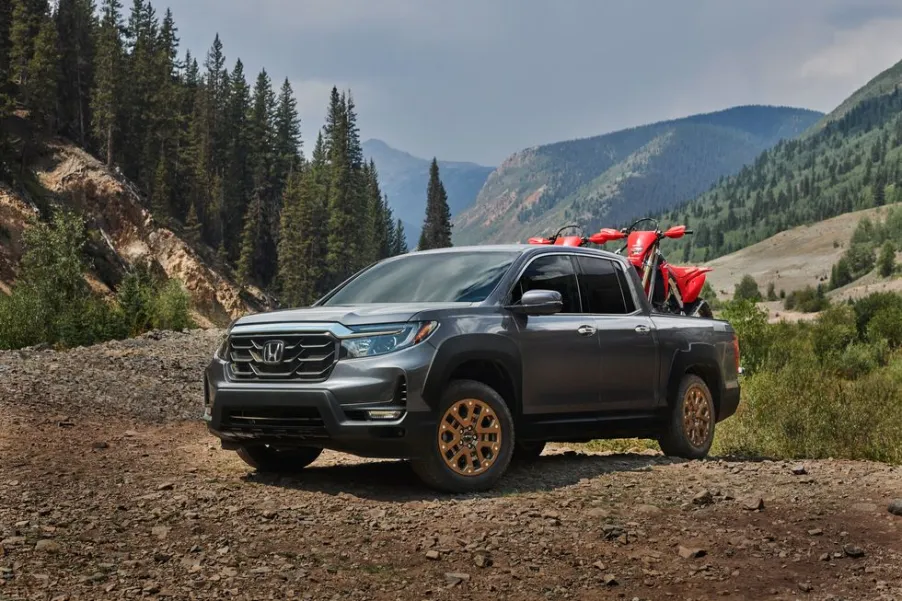
2. GMC Canyon
The GMC Canyon blends practicality, comfort, and technology in a compact pickup that offers both capability and refinement. It is available with three engine options, including a robust V6 and an efficient turbo-diesel four-cylinder, making it suitable for a wide range of driving needs.
With its quiet interior, strong towing capability, and city-friendly handling, the Canyon strikes a balance between power and usability that appeals to both truck enthusiasts and urban drivers.
The GMC Canyon delivers an engaging driving experience that distinguishes it from other compact pickups. The turbocharged four-cylinder engine provides strong performance, though in the heavier AT4X trim, its power can feel slightly muted due to the added weight of the off-road suspension and equipment.
In testing, the AT4X accelerated from 0 to 60 mph in 8.2 seconds, but standard versions can achieve times closer to the mid-6-second range. Steering is well-balanced and precise, giving the truck a composed and confident feel at highway speeds.
Off-road capability is another strength. The AT4X and other off-road-oriented trims are equipped to handle rough terrain, rocky trails, and steep inclines with ease. These models include enhanced suspension systems and durable components designed for adventure while maintaining solid on-road manners.
The Canyon provides impressive ride comfort for a compact pickup. Its suspension setup absorbs bumps effectively, striking a nice balance between firmness and smoothness. The AT4X trim, with upgraded suspension components, offers an even more composed ride over rough surfaces.
Seating comfort is adequate, though some drivers may find the seat bottoms too flat and lacking thigh support. Despite that, the cushions are soft and supportive for short and medium-length trips.
The climate control system is a highlight. It includes easy-to-use physical knobs and buttons, highly effective air conditioning, and responsive heated seats. Rear passengers also benefit from dedicated air vents, a feature not always found in this segment. Cabin noise is minimal, contributing to the Canyon’s refined and relaxed driving experience.
The Canyon’s interior mirrors that of its sibling, the Chevrolet Colorado, with a clean layout and intuitive controls. Essential functions are easily accessible through physical buttons for features like drive modes and four-wheel-drive selection. However, some functions, such as headlight operation, are managed through the touchscreen rather than a traditional knob, which may not appeal to all drivers.
Entry and exit can be challenging in higher trims due to the truck’s ride height, and the absence of a grab handle on the driver’s side makes it slightly inconvenient. Once inside, the cabin offers a comfortable amount of space for passengers. Rear seat room is average for the class, with sufficient headroom and legroom for adults. Visibility is good, with large windows and well-positioned mirrors minimizing blind spots.
Technology is one of the Canyon’s strongest areas. It comes standard with wireless Apple CarPlay and Android Auto, along with a wireless charging pad.
The infotainment system runs on a Google-based interface that syncs with the driver’s Google account to access contacts, navigation routes, and calendar events. Google voice commands are responsive and can control a wide range of features, from adjusting the temperature to finding destinations online.
The Canyon also includes an extensive suite of driver-assistance technologies, such as adaptive cruise control, lane-keeping assistance, blind-spot monitoring, and multiple camera views, including an available underbody camera for off-road driving. These systems enhance convenience and confidence on both highways and trails.
Every Canyon comes in a crew cab configuration with a 5-foot bed. The bed’s tall sides offer extra storage volume but make reaching in from the side more difficult. Payload capacity reaches up to 1,700 pounds, while towing capacity tops out at 7,700 pounds, putting the Canyon among the leaders in the compact truck category. Useful touches include cargo tie-downs and an adjustable tailgate panel for securing loads.
Interior storage is functional but less generous than in some rivals. There are fewer small compartments and bins, though a small under-seat storage area adds some practicality.
Fuel economy varies depending on configuration, ranging between 16 and 20 mpg combined. Models optimized for off-road use consume more fuel due to their heavier components. While the Canyon’s efficiency lags slightly behind some competitors, it remains reasonable for its performance capabilities.
GMC positions the Canyon as a premium entry in the compact truck segment, with a starting price higher than its Chevrolet Colorado counterpart. Build quality is solid, with well-fitted panels and minimal cabin noise. The Canyon includes a three-year/36,000-mile basic warranty and a five-year/60,000-mile powertrain warranty, along with five years of roadside assistance and one year of free maintenance.
The GMC Canyon offers a compelling mix of capability, comfort, and advanced technology in a compact package. Its strong engine options, refined driving manners, and impressive towing capacity make it versatile enough for both work and recreation.
Though interior storage could be improved and pricing is on the higher side, the Canyon delivers a polished, feature-rich experience that sets it apart from other compact pickups.
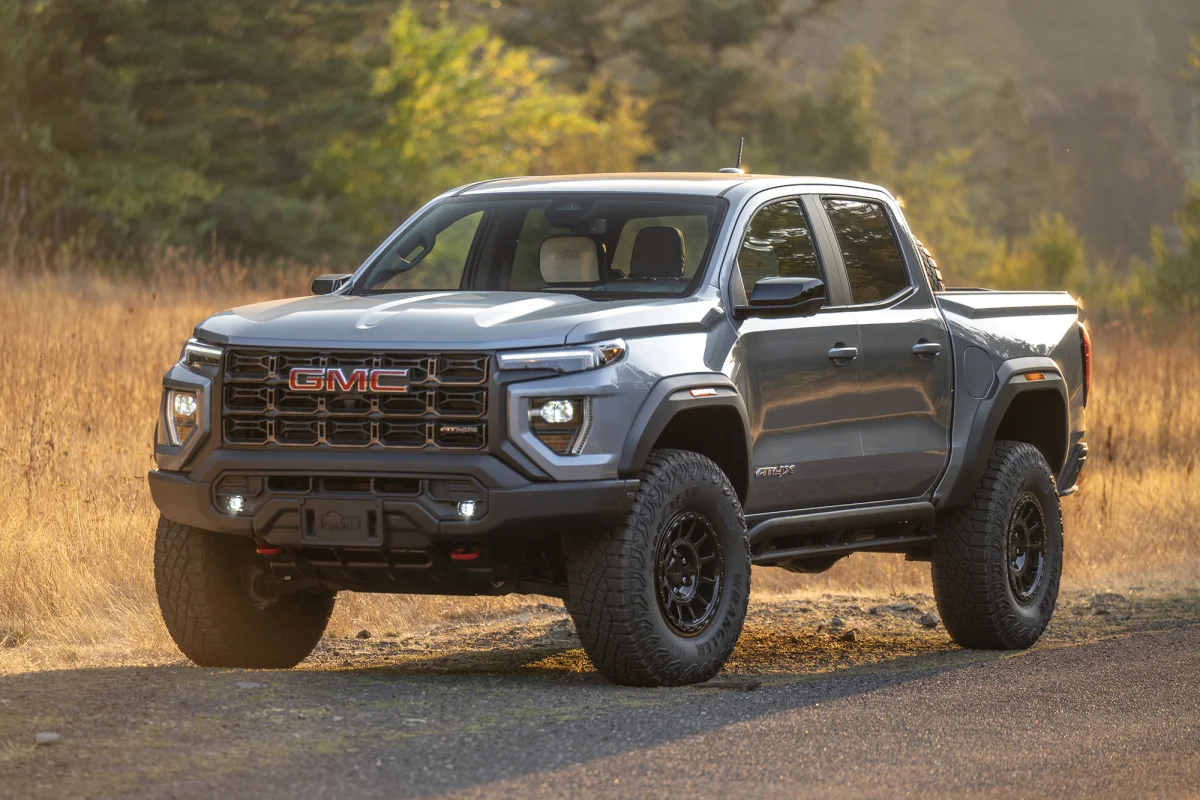
3. Nissan Titan
The Nissan Titan competes with America’s most popular full-size pickups by emphasizing strength, comfort, and value. Powered exclusively by a standard V8 engine, the Titan offers smooth performance and solid capability for drivers who need a reliable workhorse.
Its sturdy construction, composed ride, and extensive list of standard features make it a dependable choice for those seeking a capable yet comfortable truck.
Every Titan comes with a 5.6-liter V8 engine paired with a nine-speed automatic transmission. This setup delivers steady power and confident acceleration, reaching 0 to 60 mph in 7.5 seconds.
While that time is average for a light-duty pickup, the V8’s responsiveness and seamless shifts make it satisfying to drive. The transmission manages power delivery well, ensuring smooth operation whether cruising on highways or towing heavy loads.
Despite its strong engine, the Titan’s dynamics are less refined than some rivals. The steering feels heavy and can be cumbersome during parking or low-speed maneuvers. Drivers will also notice the truck’s weight during cornering and braking, as it takes firm pedal pressure to achieve full stopping power. Still, the Titan’s sturdy build and predictable handling provide a sense of stability that suits its size and purpose.
The Titan offers a smooth, composed ride, easily handling cracks and bumps in the road without disturbing passengers. Its front seats are plush and supportive, making long drives more comfortable. Ride comfort is further enhanced by a suspension that absorbs road imperfections effectively, providing a calm driving experience both on city streets and highways.
However, cabin noise levels are higher than expected. The fans from the automatic climate control are notably loud, and wind noise becomes noticeable at higher speeds. Conversations at highway speeds require raised voices, which slightly detracts from the cabin’s refinement. Still, comfort remains one of the Titan’s highlights, especially for those who value seat support and ride stability.
Inside, the Titan maintains a traditional truck feel with a column-mounted gear shifter, large controls, and straightforward ergonomics. Buttons are big and clearly labeled, ensuring easy operation even while wearing gloves. The cabin materials vary by trim; lower trims include more hard plastics, while higher trims feature soft-touch surfaces and wood accents for an upscale appearance.
Passenger space is generous in the front and acceptable in the rear, though some competitors offer larger back seats. Entry and exit are easy thanks to large door handles and wide openings. The seating position provides a commanding view of the road, but taller drivers may wish the seat could be lowered further. Blind spots are significant, yet the standard blind-spot monitoring system helps mitigate this issue.
The Titan’s technology package includes a 9-inch touchscreen with crisp graphics, standard Apple CarPlay, and Android Auto connectivity. The interface is easy to navigate, though visibility suffers when wearing polarized sunglasses. The rearview camera’s image quality is lower than expected for such a large screen, and even the optional Fender sound system delivers only average audio quality.
Nissan’s Safety Shield 360 suite comes standard across the lineup. It includes adaptive cruise control, lane departure warning, automatic emergency braking, and blind-spot monitoring. These features work smoothly and add confidence to everyday driving. The NissanConnect app also provides useful remote services, including on-call assistance and navigation integration.
The Titan’s cabin offers ample storage space, but the layout is not as clever as that of competitors. Some design choices, such as the placement of the smartphone holder, reduce accessibility to the center console. Despite these small drawbacks, the Titan provides good utility for work and play.
When properly equipped, the Titan can tow up to 9,290 pounds and carry a maximum payload of 1,710 pounds. These figures are sufficient for most needs, though slightly below the segment’s top performers. The truck bed is spacious and easier to reach into than some rivals, improving usability for loading and unloading cargo.
The Titan’s fuel economy aligns with other V8-powered full-size trucks. With four-wheel drive, it earns an EPA-estimated 17 mpg combined, and real-world testing produced 18.6 mpg on mixed routes. However, Nissan does not offer a smaller or more fuel-efficient engine option, limiting flexibility for buyers prioritizing economy.
Pricing for the Titan is competitive but not inexpensive, especially considering the presence of hard plastics in the cabin. Warranty coverage is standard at three years or 36,000 miles for basic protection and five years or 60,000 miles for the powertrain.
The Nissan Titan delivers the essentials of a full-size pickup: strength, comfort, and dependability. Its powerful V8 engine, smooth ride, and generous list of standard features make it a solid choice for those seeking a straightforward, capable truck.
While it lacks the customization, refinement, and fuel efficiency of some rivals, the Titan’s reliability and everyday practicality give it enduring appeal among drivers who value simplicity and toughness in their work and recreation.
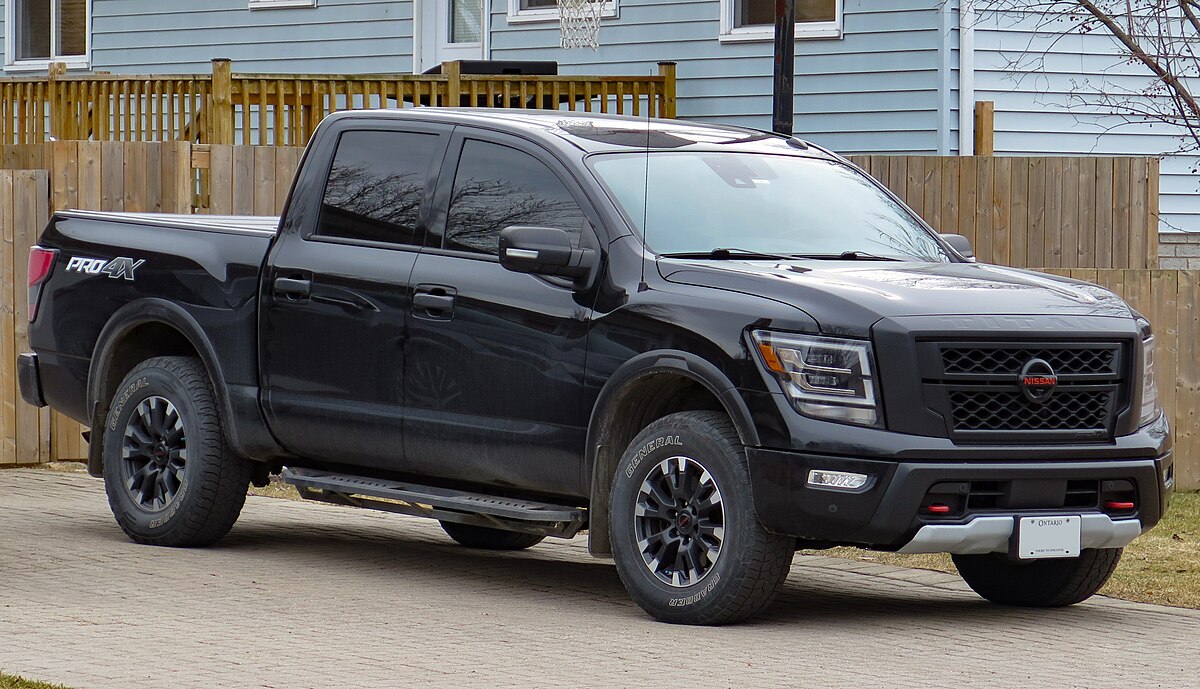
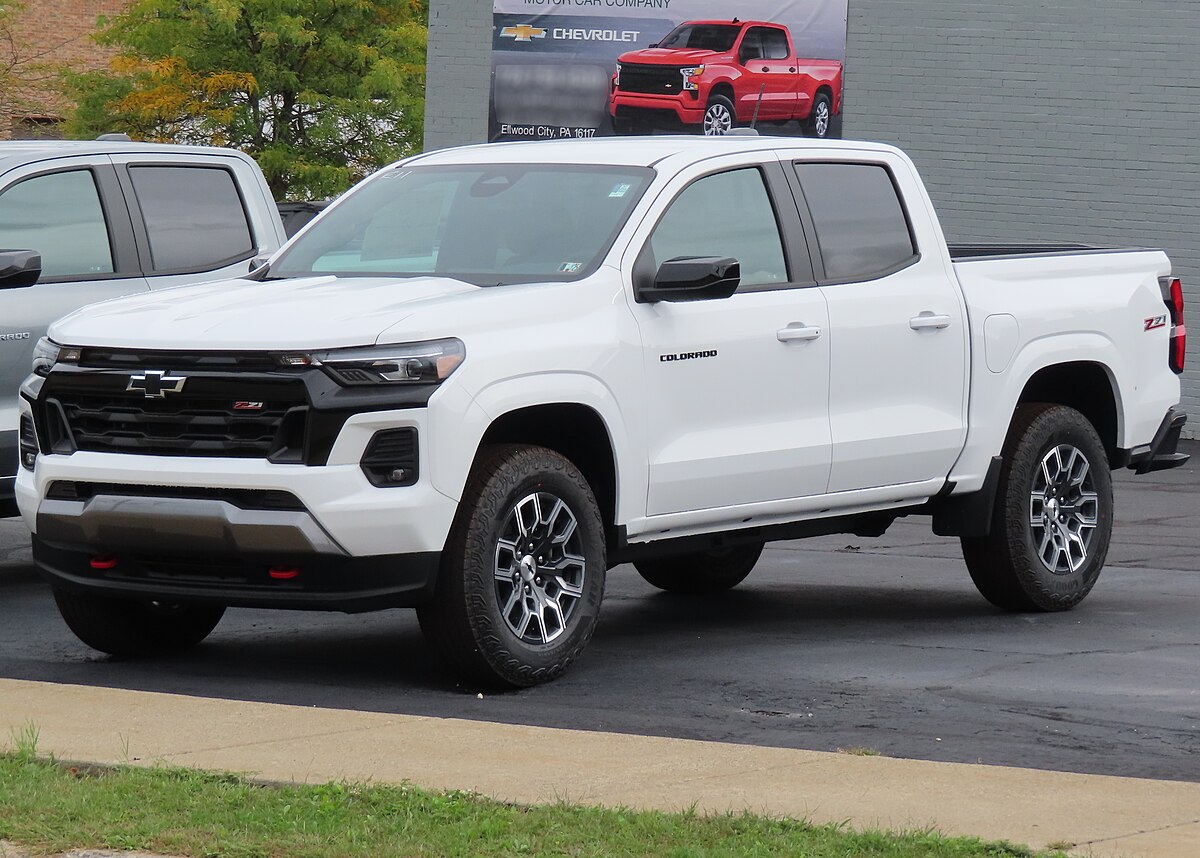
4. Chevy Colorado
The Chevy Colorado continues to impress in the midsize pickup segment with its strong mix of performance, comfort, and technology. Designed to appeal to a wide range of drivers, it offers multiple powertrain options, a refined ride, and advanced features that make it capable for both work and recreation.
Colorado’s combination of capability, usability, and modern design makes it one of the most complete midsize trucks on the market.
The Chevrolet Colorado stands out for its performance versatility, offering several engines, including a fuel-efficient four-cylinder, a strong V6, and a class-exclusive diesel.
The 2.7-liter turbocharged four-cylinder engine provides excellent low-end torque and smooth power delivery, which is ideal for towing and city driving. The transmission shifts quickly and precisely, giving a confident feel in various driving conditions. Braking performance is responsive, with good stopping power and a natural pedal feel.
Handling has improved significantly compared to previous generations of body-on-frame trucks. The Colorado feels stable and composed on the road while remaining agile enough for tight spaces and winding roads.
The Z71 trim offers a balance between comfort and control, while the Trail Boss and ZR2 models are built for more serious off-road adventures. The ZR2, in particular, features an upgraded suspension and rugged features that make it one of the most capable off-road trucks in its class.
Ride comfort is a highlight of the Colorado. It absorbs bumps and rough pavement effectively, creating a smooth and composed driving experience. The cabin is also well insulated from tire and road noise, though wind noise becomes noticeable at highway speeds.
Seat comfort could be improved. The cushions are flat and firm, offering limited support for longer drives. However, the climate control system is intuitive, with large knobs that are easy to use even with gloves on, and the fans provide strong airflow. The truck maintains a pleasant driving environment, whether in the city or on long trips.
Inside, Colorado’s cabin is functional and thoughtfully designed. Controls are placed logically and are easy to reach, with large buttons and knobs that fit the truck’s practical character. The materials include plenty of hard plastic, but they feel durable and well put together.
Visibility from the driver’s seat is clear, and the front cabin feels spacious. The back seat provides adequate headroom, though legroom may feel tight for taller passengers.
Chevrolet equips the Colorado with advanced technology that enhances convenience and safety. The infotainment system, powered by Google’s Android software, features sharp, bright displays and customizable instrument panels. Wireless Apple CarPlay and Android Auto come standard, along with built-in Alexa for voice commands. The system’s voice recognition responds quickly and accurately.
The Colorado includes driver-assist features such as adaptive cruise control, blind-spot monitoring, lane-keeping assistance, and a 360-degree camera system that makes parking and tight trail driving easier. These systems work seamlessly and add confidence in daily use.
The Colorado excels in towing and hauling. When properly equipped, it can tow up to 7,700 pounds, one of the highest ratings in its class. An available tow package adds trailer monitoring and diagnostic tools. Payload capacity is also strong, supporting demanding work or weekend trips.
Interior storage is decent but not exceptional. The center console is deep and includes a divider for better organization. There are useful phone slots in the cupholders, but the door pockets are small. The under-seat storage in the rear is limited, yet it provides a convenient spot for smaller items. The cargo bed features an in-tailgate storage area and an optional 240-volt outlet that can power tools or small appliances.
Fuel economy ranges between 16 and 20 mpg, depending on the setup. In testing, the 4WD Z71 version achieved 21.5 mpg, slightly better than its EPA estimate. This efficiency, combined with strong performance, makes the Colorado an appealing option for buyers who want both strength and practicality.
Pricing aligns well with Colorado’s features and craftsmanship. The cabin feels solidly built, particularly in higher trims, and the materials hold up well over time.
Chevrolet’s warranty coverage includes three years or 36,000 miles of basic coverage, five years or 60,000 miles for the powertrain, and six years or 100,000 miles of rust protection. Buyers also receive five years of roadside assistance and one year of complimentary maintenance.
The Chevy Colorado brings together performance, comfort, and versatility in a way that suits both work and leisure. Its smooth turbocharged powertrain, refined ride, and class-leading towing capability make it a standout choice among midsize pickups.
While seat comfort and rear space could be better, the Colorado’s thoughtful design, durable construction, and advanced features ensure it remains one of the best options for drivers seeking a capable and dependable truck.
Also Read: 12 Cars That Perfectly Represent 90s Performance
5. Toyota Tundra
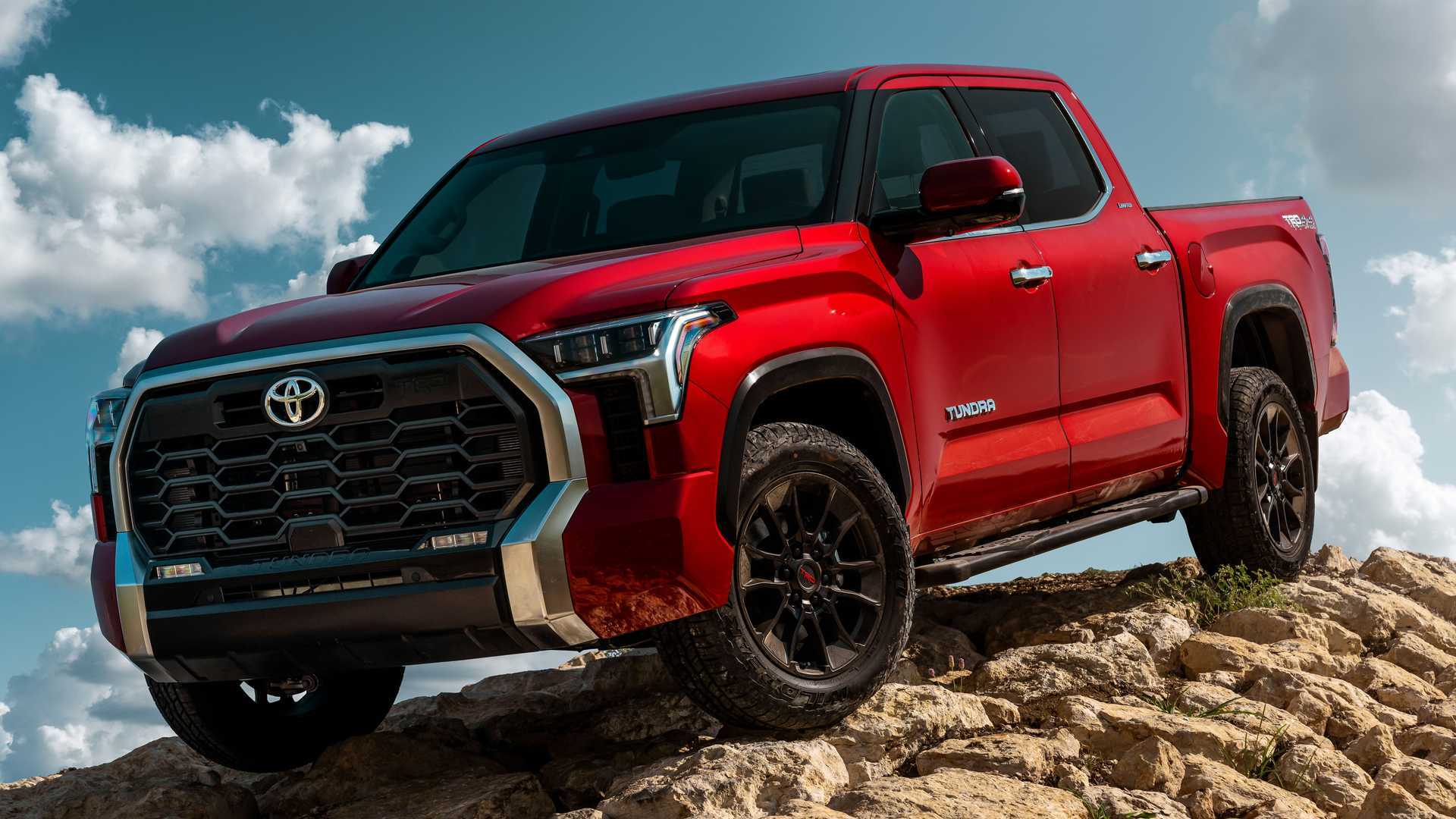
The Toyota Tundra continues to be one of the most dependable full-size pickup trucks on the market, blending power, comfort, and long-term reliability.
Known for its strong resale value and consistent performance, the Tundra offers a refined driving experience supported by advanced technology and solid craftsmanship. Its spacious cabin, well-tuned ride, and extensive list of standard safety features make it a compelling choice for both work and everyday use.
The Toyota Tundra delivers confident performance through its turbocharged 3.4-liter V6 engine paired with a 10-speed automatic transmission. This powertrain generates strong torque even at low speeds, helping the truck accelerate quickly and tow heavy loads with ease.
In testing, a four-wheel-drive model reached 60 mph in 6.6 seconds, making highway merging and passing simple. The transmission shifts smoothly, and braking distances are shorter than average for a full-size pickup, even with rugged tires.
Steering is light and precise, making the Tundra easier to handle on narrow roads than its large dimensions suggest. However, the long wheelbase can be limiting off-road, and the underbody may drag on obstacles. The TRD Off-Road package adds a locking rear differential and multiple terrain modes, though it doesn’t significantly enhance capability. Drivers who plan to spend time on trails should consider the TRD Pro model.
The Tundra’s ride quality is composed, maintaining stability over uneven surfaces. It’s firmer than the Ram 1500 but still comfortable for daily driving. Visibility from the driver’s seat is good, though the thick windshield pillars can obscure the view on winding roads.
The available surround-view camera helps improve confidence in tight spots. Driver assistance features perform well, though the lane-keeping system struggles to keep the truck centered at times.
Passenger comfort is one of the Tundra’s standout qualities. The CrewMax configuration provides generous space in both rows, and the optional panoramic sunroof and full-width rear window make the cabin feel open and airy. The seats offer excellent support and long-distance comfort, while the upright driving position provides a commanding view of the road.
The interior design is practical and user-friendly. The available 14-inch touchscreen dominates the dashboard, offering clear graphics and responsive touch controls. The gauges are simple and easy to read, and the climate controls use large physical buttons and dials that are easy to operate, even with gloves. Some labeling can be difficult to see in bright sunlight, but the layout remains intuitive and functional.
Toyota equips the Tundra with one of the most advanced infotainment systems in the segment. The 14-inch touchscreen offers crisp visuals and smooth menu transitions. Standard Apple CarPlay and Android Auto provide smartphone integration, but the native system is so well-designed that some users may prefer it.
The available JBL sound system enhances audio quality, though the standard system performs well for most drivers.
The Tundra includes a strong suite of driver-assist technologies, including adaptive cruise control, lane departure alert, blind-spot monitoring, and rear cross-traffic alert. These systems operate smoothly and contribute to a confident driving experience.
The Tundra provides generous storage throughout the cabin. The CrewMax’s rear seat area offers plenty of space for gear, and underseat storage is large enough for tools or personal items. The front cabin has multiple compartments, though organization could be improved since the bins tend to become cluttered easily.
Towing and hauling capabilities are strong, if not best in class. The Tundra’s maximum towing capacity reaches just over 12,000 pounds when properly equipped, which is more than sufficient for typical recreational trailers, boats, or small work equipment.
Payload capacity is also respectable, allowing for confident hauling of building materials or outdoor gear. While rivals like the Ford F-150 and Chevrolet Silverado may edge it out in raw capability, the Tundra offers a balanced mix of strength and usability.
The Tundra’s fuel economy is typical for the segment. The EPA estimates 19 mpg combined for the four-wheel-drive version, but real-world testing showed closer to 15.2 mpg. While this figure trails some competitors, the Tundra compensates with reliability and lower long-term maintenance costs.
Build quality is excellent throughout the cabin, with tight panel gaps and a sturdy feel. Even without luxury materials like wood or chrome, the Limited trim feels refined. Pricing is competitive, often coming in slightly below rivals with similar equipment.
Warranty coverage includes three years or 36,000 miles of bumper-to-bumper protection and five years or 60,000 miles for the powertrain. Toyota also includes two years or 25,000 miles of complimentary maintenance, adding extra value.
The Toyota Tundra remains one of the most well-rounded full-size pickups available. Its turbocharged V6 delivers strong power, while the interior provides space, comfort, and advanced technology that rivals more expensive trucks.
Though it may not lead the class in towing or fuel economy, the Tundra’s reliability, solid construction, and ease of use make it a dependable choice for drivers who want a powerful, comfortable, and long-lasting truck.
6. 2022 Ford Maverick
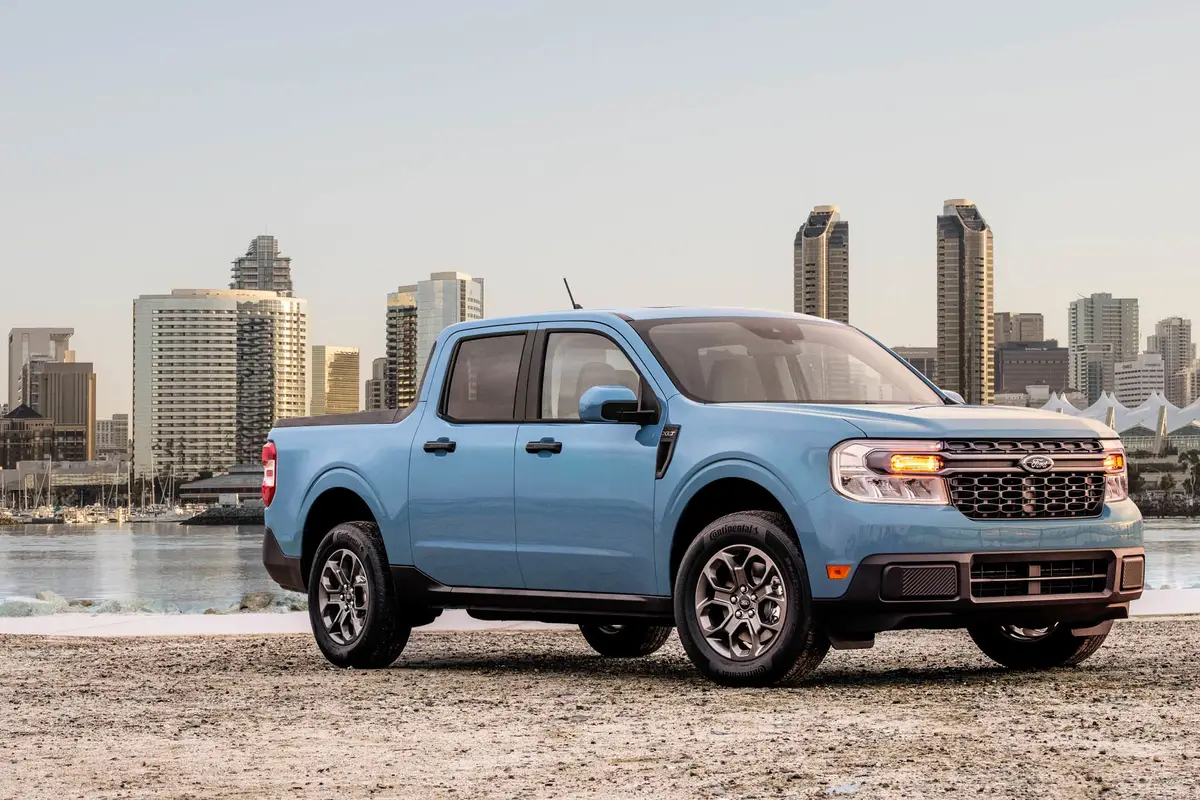
The 2022 Ford Maverick has reshaped expectations for what a compact pickup can offer. It is the first truck to come standard with a hybrid powertrain, balancing strong capability with exceptional fuel efficiency. Designed for city living but built with genuine truck utility, the Maverick delivers practicality, technology, and versatility in a small, affordable package.
The Ford Maverick offers two engine choices. The base model features a 2.5-liter hybrid engine paired with a continuously variable transmission, prioritizing fuel efficiency and smooth performance. It reaches 60 mph in 8.4 seconds, which is acceptable given its class-leading economy.
For those who want more power, the optional 2.0-liter turbocharged engine delivers 250 horsepower and allows the truck to sprint from 0 to 60 mph in 6.4 seconds, making it one of the quickest in its segment.
The eight-speed automatic transmission shifts decisively and avoids the gear-hunting often seen in smaller trucks. While acceleration is brisk, handling feels less refined. The steering offers little road feedback, and noticeable body roll occurs during sharp turns.
The Maverick’s stiff suspension gives it a firm, sometimes bouncy ride over uneven pavement. Off-road capability is limited, but the available FX4 package adds all-terrain tires, skid plates, and drive modes for adventurous buyers.
Comfort in the Maverick leans toward function rather than luxury. The seats are firm but supportive enough for long drives, though harder plastics near the knees make bracing against the doors uncomfortable on curvy roads.
Ride quality can feel choppy on rough surfaces, though the cabin remains fairly quiet during highway cruising. Engine noise is minimal at steady speeds, but full-throttle acceleration produces a coarse sound. The hybrid powertrain runs smoothly, though drivetrain noise can occasionally be heard under the rear floor.
Inside, the Maverick embraces simplicity and smart design. The dashboard layout is intuitive, with large buttons and straightforward controls that are easy to use even with gloves. Headroom is good, but the upright driving position and limited steering wheel and seat adjustments may restrict comfort for some drivers. Rear legroom is tight, though the wide door openings make entry easy.
Visibility is excellent thanks to large windows and integrated blind-spot mirrors. The interior materials are durable and practical rather than premium, with clever use of color accents and storage cubbies that highlight Ford’s attention to detail.
Technology in the Maverick is straightforward but effective. Every model includes an 8-inch touchscreen with Apple CarPlay and Android Auto. The interface is quick and easy to navigate, though the standard audio system lacks depth and volume.
The optional Luxury package adds valuable upgrades such as a wireless charging pad, adaptive cruise control, enhanced voice commands, lane-keeping assist, and a higher-quality sound system. These additions significantly improve convenience and safety.
Despite its compact size, the Maverick shines in utility. Inside, storage is exceptional. Large door pockets can fit oversized bottles, the deep center console has multiple compartments, and the underseat storage in the rear is practical for tools or small bags. The cabin feels like it was designed with organization in mind.
When properly equipped with the turbocharged engine, the Maverick can tow up to 4,000 pounds and carry a payload of 1,500 pounds, impressive figures for its class. It comes ready for towing with both four-pin and seven-pin connectors and an integrated trailer brake controller. These features make it more tow-ready than some rivals that require costly upgrades.
Fuel efficiency is where the Maverick truly excels. The turbocharged engine achieves an EPA rating of 25 mpg combined, while real-world testing often exceeds that figure. The hybrid variant is the standout performer, with an EPA estimate of 37 mpg combined and real-world results surpassing 40 mpg. This makes the Maverick the most fuel-efficient pickup on the market.
Pricing is another major strength. Even well-equipped trims cost less than most midsize trucks, offering exceptional value for the features provided. The materials are functional rather than upscale, but the fit and finish are solid. Warranty coverage includes three years or 36,000 miles of basic protection and five years or 60,000 miles for the powertrain, consistent with industry standards.
The 2022 Ford Maverick represents a fresh approach to the pickup market. Compact, efficient, and intelligently designed, it combines the utility of a truck with the efficiency of a compact car. Its hybrid powertrain, thoughtful storage solutions, and user-friendly technology make it ideal for urban drivers and first-time truck buyers.
While it lacks the refinement and premium feel of larger pickups, the Maverick’s affordability, practicality, and fuel economy make it one of the most innovative and appealing trucks in its class.
7. Jeep Gladiator
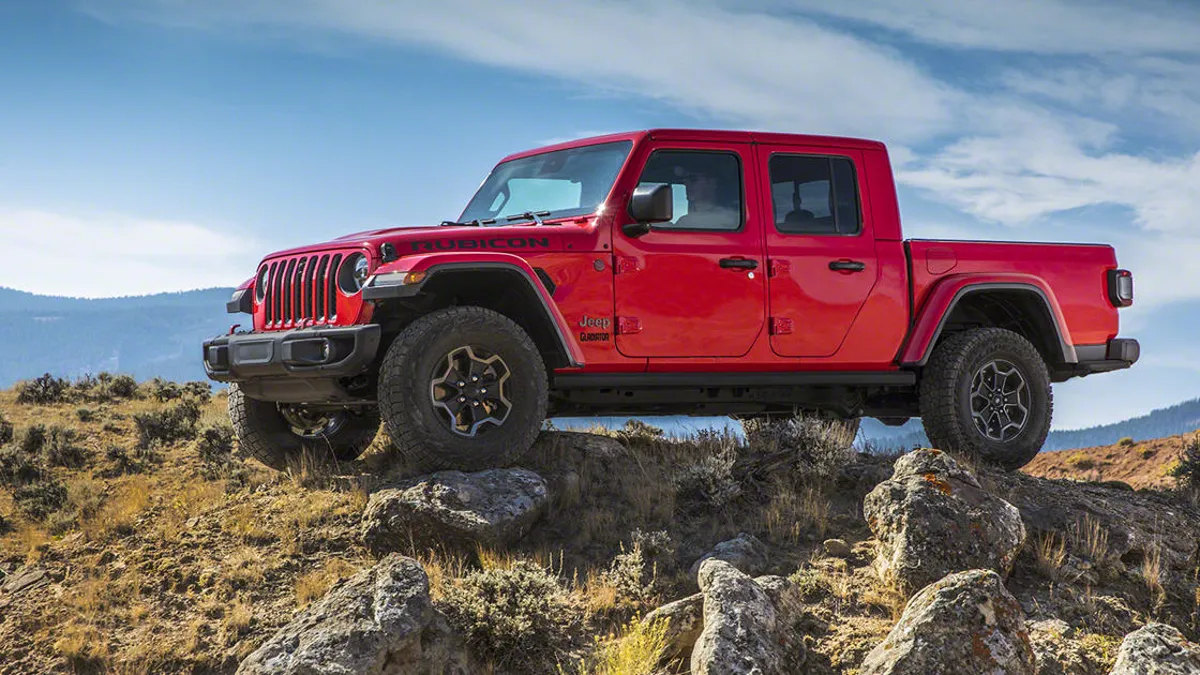
The Jeep Gladiator stands apart in the midsize truck category for its unmatched off-road performance and rugged versatility. Built on the legendary Jeep Wrangler platform, it merges the open-air adventure spirit of a Jeep with the practical hauling and towing capabilities of a pickup.
Its removable doors and roof, fold-down windshield, and trail-ready design make it ideal for drivers seeking both freedom and functionality.
On the road, the Gladiator delivers modest acceleration but confident power. The 3.6-liter V6 engine produces solid torque, and the eight-speed automatic transmission shifts quickly and predictably.
It reaches 60 mph in about 8.5 seconds, which is slower than some midsize rivals, but the power delivery feels smooth and consistent in daily driving. The Rubicon trim shines off-road, conquering challenging terrain with excellent traction and ground clearance. Its longer wheelbase slightly limits agility on tight trails compared to the Wrangler, yet the Gladiator remains impressively capable.
For those who enjoy high-speed desert driving, the Mojave trim is tailored for sand and rough terrain. On pavement, the Gladiator’s handling is less composed due to its large tires and solid front axle.
The steering requires more attention, especially in crosswinds or on uneven roads, making it less refined than competitors such as the Toyota Tacoma or Ford Ranger. However, optional features like adaptive cruise control and blind-spot monitoring improve daily usability.
Despite its rugged purpose, the Gladiator offers better comfort than expected. The front seats are firm but supportive during long drives, and the upright cabin design provides excellent headroom. Passengers in both rows have plenty of shoulder space, though rear legroom is only average.
The high step-in height may be difficult for shorter passengers, and the removable body panels introduce noticeable road and wind noise even with the hardtop installed.
The cabin design favors function over luxury, with physical buttons and sturdy controls that are easy to operate while wearing gloves. One drawback is the small rear door opening and protruding latch, which can make getting in and out awkward. The Gladiator feels durable and ready for adventure rather than plush and refined, which suits its personality.
The Gladiator combines practical features with modern connectivity. The standard 12.3-inch touchscreen is bright and runs Jeep’s Uconnect 5 infotainment system. Wireless Apple CarPlay and Android Auto are included, making it easy to connect smartphones.
However, system response can be slow during startup, and some advanced features like wireless charging and keyless smartphone entry are not available. The abundance of USB ports adds convenience for passengers who need to charge multiple devices on the go.
The Gladiator’s interior and bed are thoughtfully designed for utility. The rear seats split 40/60 and can fold up to reveal lockable storage compartments underneath, which is useful for tools or valuables. This setup allows access to storage even with a child seat installed on one side. Interior storage is limited, as the glovebox and center console are small, and the door nets provide minimal space for personal items.
The five-foot bed is practical and features low sides for easy loading, along with a power-locking tailgate. It offers sturdy tie-down points and enough room for camping gear or construction materials.
The Gladiator is a strong performer when it comes to towing. Properly equipped models can tow up to 7,700 pounds, putting them among the best in their class. Even the off-road-focused Rubicon can tow more than most rivals designed for trail use.
Payload capacity varies depending on the trim level, with the base Sport model capable of carrying over 1,600 pounds. Higher trims carry slightly less weight because of added off-road components. Drivers who plan to tow frequently may want to install aftermarket mirrors, as the stock ones provide limited visibility with wide trailers.
The Gladiator’s value depends on what kind of buyer you are. Traditional pickup shoppers may find it expensive and lightly equipped compared to other midsize trucks.
However, for off-road enthusiasts, it offers excellent capability straight from the factory with standard four-wheel drive and heavy-duty hardware. Higher trims add more creature comforts, but the main focus remains on off-road performance and customization potential.
The Jeep Gladiator is a unique midsize truck that combines the spirit of a Wrangler with the practicality of a pickup. Its removable roof and doors, exceptional off-road ability, and strong towing power make it a capable and versatile choice for adventure seekers. While it sacrifices some on-road comfort and interior refinement, the Gladiator delivers an authentic and rugged driving experience that few other trucks can match.
8. Ram 1500
The Ram 1500 stands as one of the most refined and capable full-size pickup trucks on the market. Known for its blend of power, comfort, and cutting-edge features, it combines the performance of a workhorse with the refinement of a luxury SUV. With strong engine options, a smooth ride, and a well-appointed cabin, the Ram 1500 has earned its reputation as one of the best all-around trucks in its class.
The Ram 1500 has shed its traditional V8 engine in favor of a turbocharged six-cylinder, yet performance remains impressive.
The standard-output engine delivers 420 horsepower and reaches 60 mph in just 5.2 seconds, while the high-output version with 540 horsepower accomplishes the sprint in 4.7 seconds. Even the off-road-oriented RHO trim, equipped with heavy-duty tires, clocks a 4.9-second 0–60 time, placing it ahead of most full-size rivals.
Despite its size, the truck handles predictably, maintaining control through corners without feeling bulky. Steering is light, though it lacks some road feedback. The Ram’s wide windows improve outward visibility, but high sides can obscure shorter objects nearby.
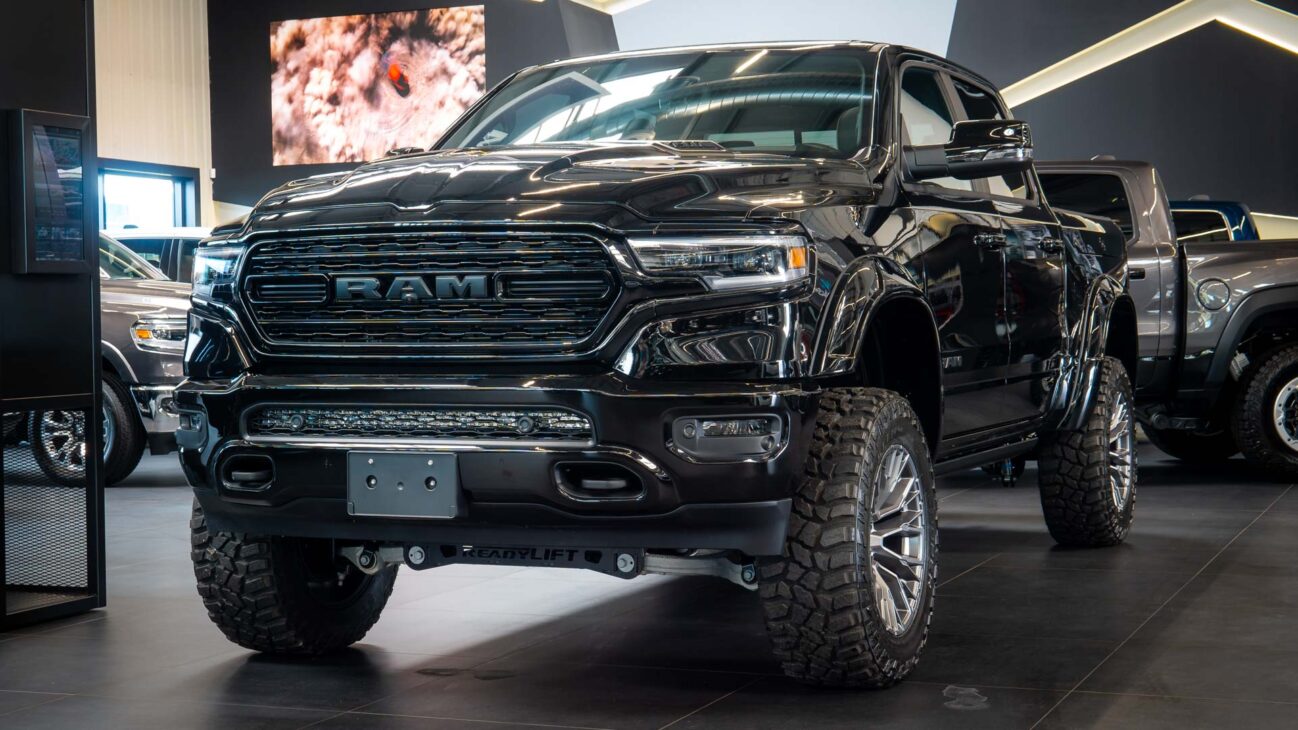
The RHO trim also excels in off-road performance, offering generous ground clearance and impressive suspension articulation. Ram’s hands-free driver assist system performs smoothly, making highway travel less tiring.
The Ram 1500 delivers segment-leading comfort, thanks to its coil-spring rear suspension that replaces the leaf springs used by competitors. The result is a smooth, composed ride with minimal vibration.
The seats are supportive and highly adjustable, allowing for a relaxed driving position. Cabin noise is well managed, and both rows provide generous head- and legroom. Getting in and out can be challenging without the optional air suspension or running boards, but once inside, the space feels refined and quiet.
Rear-seat passengers enjoy exceptional room, and installing child seats is simple due to wide access and generous spacing. The interior design emphasizes comfort and craftsmanship, with premium materials that rival luxury SUVs.
Inside, the Ram 1500 offers advanced technology through a 14.5-inch central touchscreen and an additional passenger display. The infotainment visuals are sharp, though the software can be slow to respond.
Wireless Apple CarPlay and Android Auto are standard, as are six USB ports and two wireless charging pads. While feature-rich, some functions are not as intuitive as they should be.
Storage options in the cabin are abundant. The large center console can hold a laptop or a handbag, while adjustable cupholder trays add flexibility. Rear seats fold up to create additional cargo space, though there’s no lockable storage. The Ram 1500 can tow up to 11,580 pounds and carry a payload of 2,300 pounds, which, while not class-leading, is more than adequate for most uses.
Fuel economy ranges from 17 to 23 mpg combined, depending on engine and drivetrain. The high-output version averages about 19 mpg in real-world testing. Warranty coverage is standard for the class, though reliability has been a recurring concern.
The Ram 1500 stands out for its blend of strength, luxury, and refinement. It may not match rivals in towing capacity or long-term dependability, but its ride comfort, premium interior, and powerful performance make it one of the most desirable full-size trucks available. For drivers seeking a blend of power and sophistication, the Ram 1500 offers one of the most rewarding experiences in the segment.