
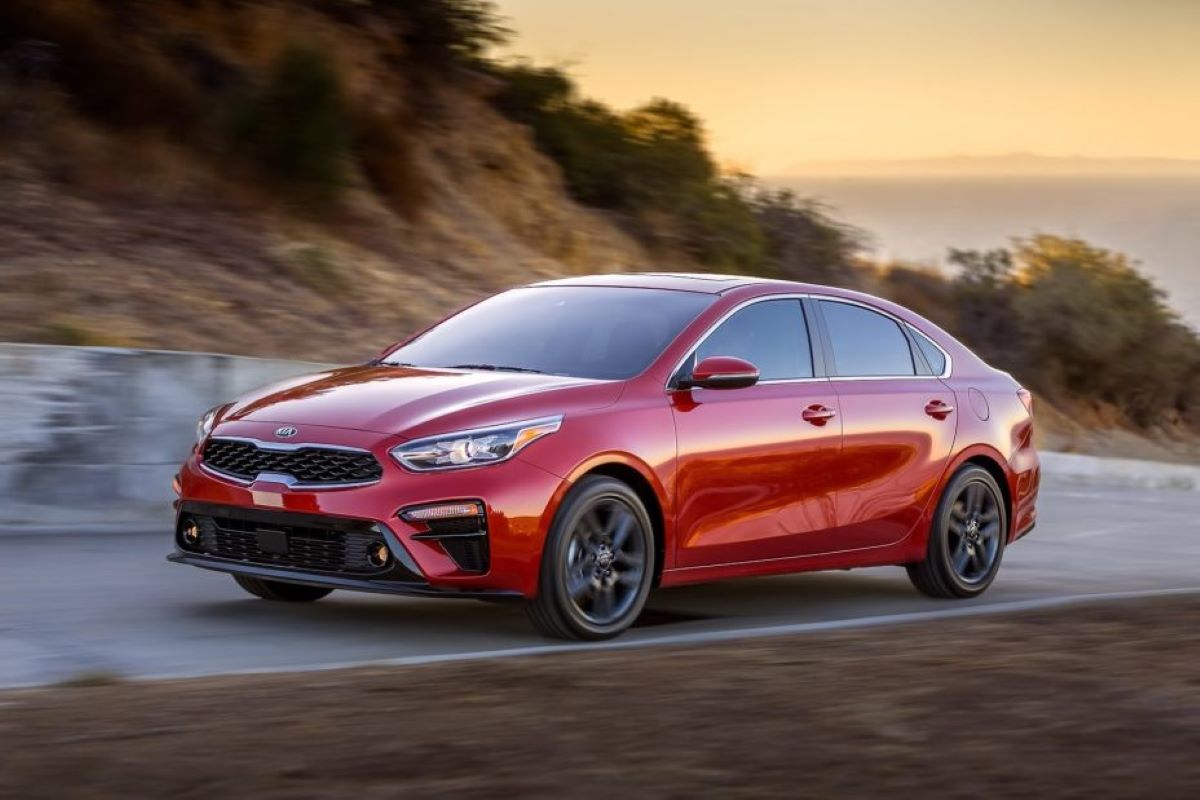
Buying a car on a budget requires careful consideration. While affordability is the primary driver, buyers naturally look for vehicles that deliver reliability, efficiency, and a satisfying ownership experience.
Some budget cars manage to impress consistently, providing excellent fuel economy, practical features, and durable performance that make daily driving a pleasant experience.
These cars feel like smart purchases, offering value that extends beyond the sticker price. Owners often appreciate not just the initial cost but the way these vehicles hold up over time, with minimal issues and low maintenance expenses.
On the other hand, many budget cars fail to meet expectations. Despite their attractive pricing, some models frequently face mechanical problems, uncomfortable interiors, and disappointing handling, resulting in higher long-term costs and owner frustration.
What initially seemed like a good deal can quickly become a source of stress, especially in markets where service networks or parts availability is limited.
This article highlights two categories of budget vehicles relevant to both the American and global markets: those that impress their owners consistently, and those that often disappoint.
By examining factors such as reliability, comfort, fuel economy, safety features, and long-term ownership experience, readers can make informed decisions when purchasing a budget car.
The goal is to help buyers identify cars that offer practical value, enjoyable driving experiences, and durability, while also highlighting those to approach with caution.
Understanding the differences between these vehicles is particularly important in markets where budget cars are a primary choice for commuting and family use.
Selecting the right car can mean the difference between years of trouble-free driving and ongoing maintenance headaches. This guide provides a clear comparison to help drivers make confident, well-informed decisions.
Also Read: 5 SUVs Mechanics Love Working On vs 5 They Dread
5 Budget Cars That Impress Owners
Finding a budget car that delivers consistent satisfaction can be challenging, but some models manage to combine affordability, reliability, and practical features effectively. These vehicles often impress owners with low maintenance costs, good fuel efficiency, and dependable performance.
They are suitable for daily commuting, family use, and even longer trips, proving that a car does not have to be expensive to provide comfort, safety, and peace of mind.
This section highlights five budget-friendly cars available in both the American and global markets that have earned strong owner approval.
Each model is selected based on reliability, real-world owner experience, and a combination of features that enhance daily use. By analyzing these vehicles, readers can identify options that make budget ownership a positive experience.
1. Honda Civic
The Honda Civic has long been a benchmark for budget-friendly cars that deliver consistent performance. In the American market, it is particularly favored for its reliability, strong resale value, and ease of maintenance.
Globally, the Civic also enjoys a reputation for durability and efficient fuel consumption, making it a top choice for drivers seeking long-term dependability.
Owners praise the Civic for its balanced driving dynamics. The suspension absorbs city bumps well, while the steering remains precise, providing confidence on highways. The engine lineup offers efficient petrol and hybrid options, which keep running costs manageable.
Fuel efficiency consistently ranks among the best in its class, contributing to the car’s overall practicality.
Inside, the Civic offers a thoughtfully designed cabin. While not overly luxurious, it includes features like touchscreen infotainment with smartphone integration, ergonomic seating, and good visibility. Safety is a strong point, with multiple airbags, ABS, and Honda Sensing driver-assist technology on newer models.
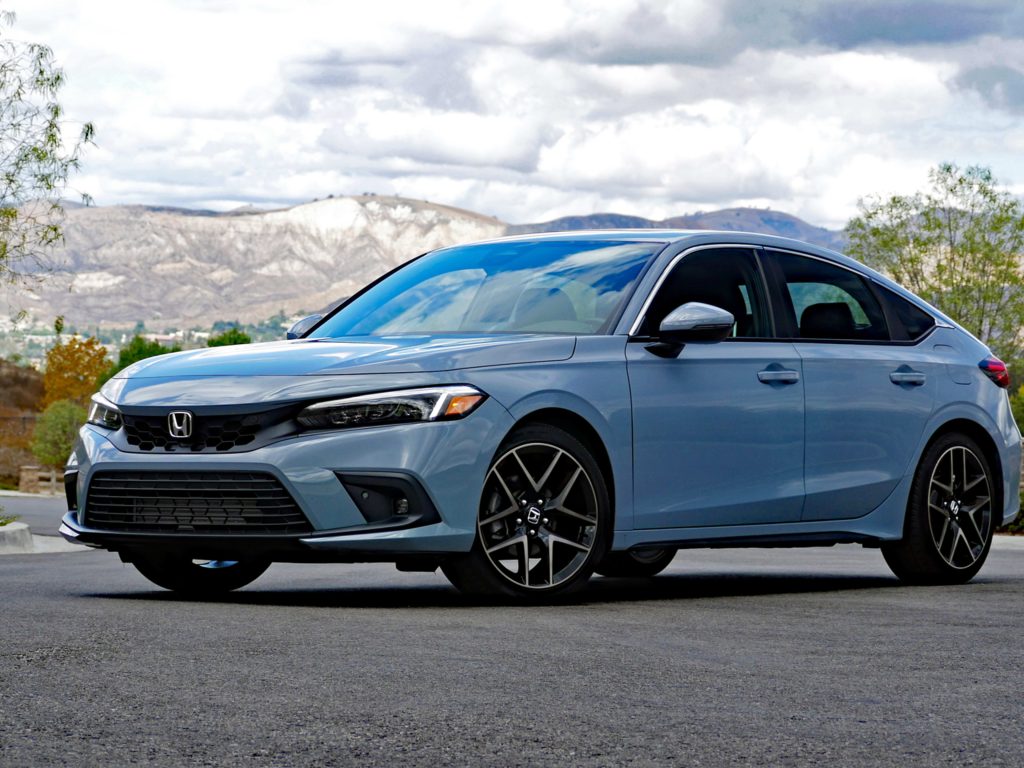
Long-term ownership experience is another reason the Civic impresses. Owners report minimal mechanical issues even after several years, and parts are widely available across American and international markets.
The Civic demonstrates that a budget-friendly car can deliver reliable performance, comfort, and long-term value without compromise.
2. Toyota Corolla
The Toyota Corolla has earned global recognition as one of the most dependable compact cars available. Its reputation is built on years of consistent reliability, low maintenance costs, and strong resale value. In the United States, it remains a favorite among budget-conscious buyers, while globally, it is considered a benchmark for efficiency and practicality.
One of the Corolla’s key strengths is its engine reliability. Both petrol and hybrid variants deliver smooth, predictable performance and excellent fuel economy.
Owners frequently highlight the car’s ability to handle daily commutes, long highway drives, and city traffic with minimal stress. The suspension provides comfort without compromising stability, and steering feels controlled in most driving conditions.
The interior prioritizes functionality. Ample legroom, simple yet effective infotainment, and ergonomic seating make the car comfortable for everyday use.
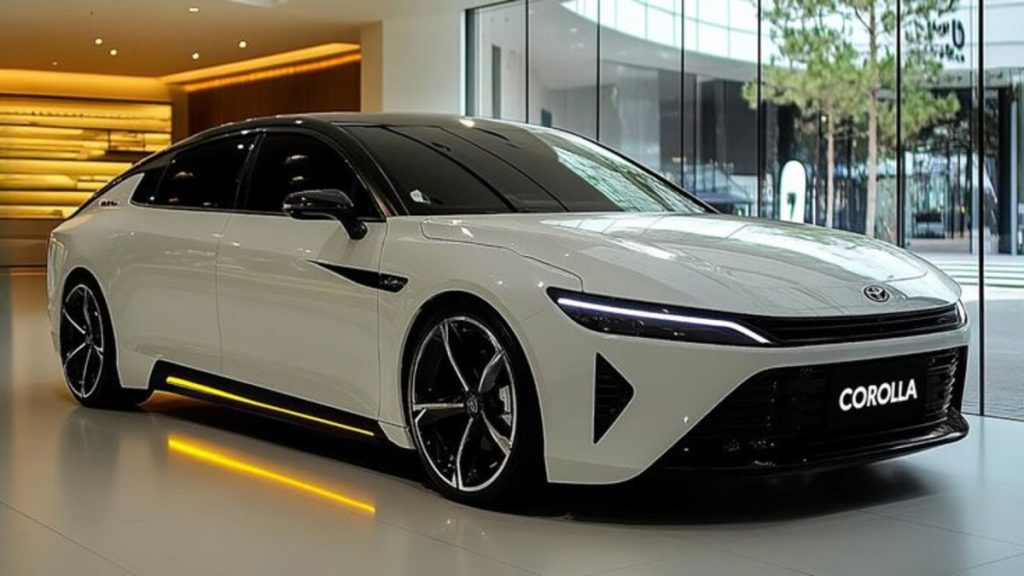
Safety is another advantage: the Corolla includes features like adaptive cruise control, lane departure alert, and pre-collision systems, which are not commonly found in other budget cars.
The Corolla’s durability contributes significantly to owner satisfaction. Many report problem-free ownership spanning several years, with minimal unexpected repairs.
Its wide availability of parts and servicing across both American and international markets ensures convenience and lower overall costs. The Corolla shows that a budget-friendly car can combine reliability, efficiency, and driver confidence in a way few competitors match.
3. Kia Forte
The Kia Forte is a standout choice in the compact sedan segment for drivers seeking an affordable, reliable car with modern features. In the American market, it is appreciated for its low starting price, long warranty coverage, and fuel-efficient engines.
Globally, the Forte has been recognized for its balance of comfort, performance, and practicality, making it a dependable choice for first-time buyers and families on a budget.
One of the Forte’s main advantages is its driving experience. The suspension is tuned to absorb rough city roads while maintaining stability during highway drives.
Owners often comment on the precise steering and predictable handling, which contribute to confidence on varied road conditions. The engine options, including fuel-efficient naturally aspirated and turbocharged versions, offer a balance of performance and economy.
Many owners report mileage figures that rival competitors, making it an attractive option for commuters.
Inside, the Forte cabin provides a surprisingly premium feel for a budget car. Comfortable seating, user-friendly controls, and a responsive infotainment system with smartphone connectivity make everyday driving enjoyable.
The layout is practical, with ample storage and sufficient legroom for passengers. In terms of safety, the Forte impresses with standard features such as forward-collision warning, lane-keeping assist, blind-spot monitoring, and multiple airbags. This attention to safety enhances peace of mind for owners.
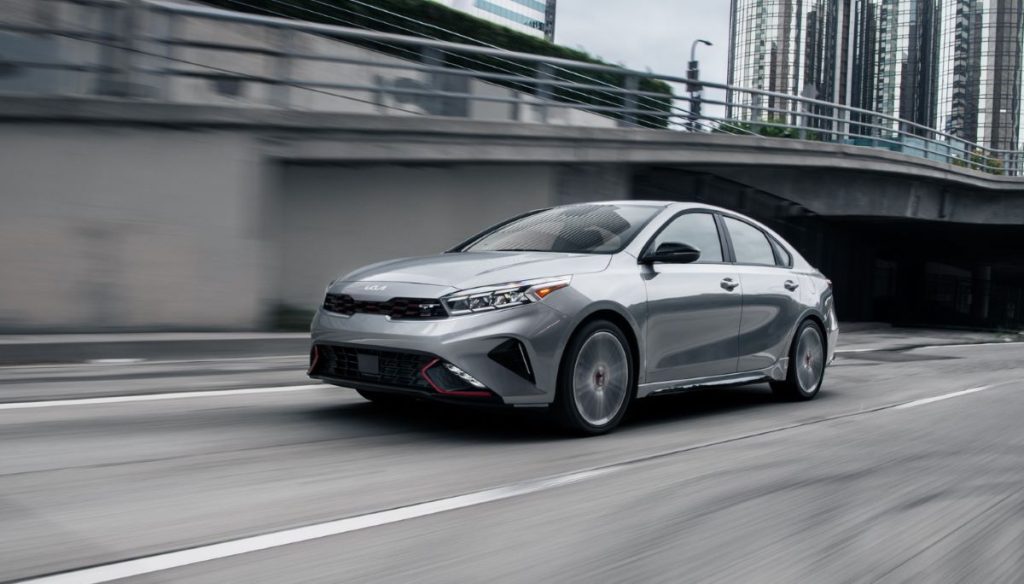
Reliability is another factor that contributes to the Forte’s positive reception. Long-term owners report minimal mechanical issues, and Kia’s extensive service network in the U.S. and international markets ensures parts availability and affordable maintenance.
The combination of modern styling, practical features, and dependable performance makes the Kia Forte a consistent favorite among budget-conscious buyers, proving that an affordable car can still provide a satisfying ownership experience.
4. Hyundai Elantra
The Hyundai Elantra has built a strong reputation in both the American and global markets as a budget-friendly compact sedan that delivers impressive performance and long-term reliability.
Its appeal lies in offering modern design, fuel-efficient engines, and practical interior features at an accessible price point. Many owners find that the Elantra provides a driving experience that feels well above its cost.
Performance and efficiency are central to the Elantra’s appeal. The suspension absorbs road imperfections effectively, providing a comfortable ride on city streets and highways alike.
The available engines, including naturally aspirated and turbocharged variants, balance power and fuel economy. Owners frequently highlight the car’s consistent fuel efficiency, making it an ideal choice for commuters and small families seeking low running costs.
The precise steering and composed handling contribute to a confidence-inspiring driving experience.
Inside, the Elantra offers a thoughtfully designed cabin. Ergonomic seating, a clear and responsive infotainment system, and generous legroom make daily driving and longer trips more enjoyable.
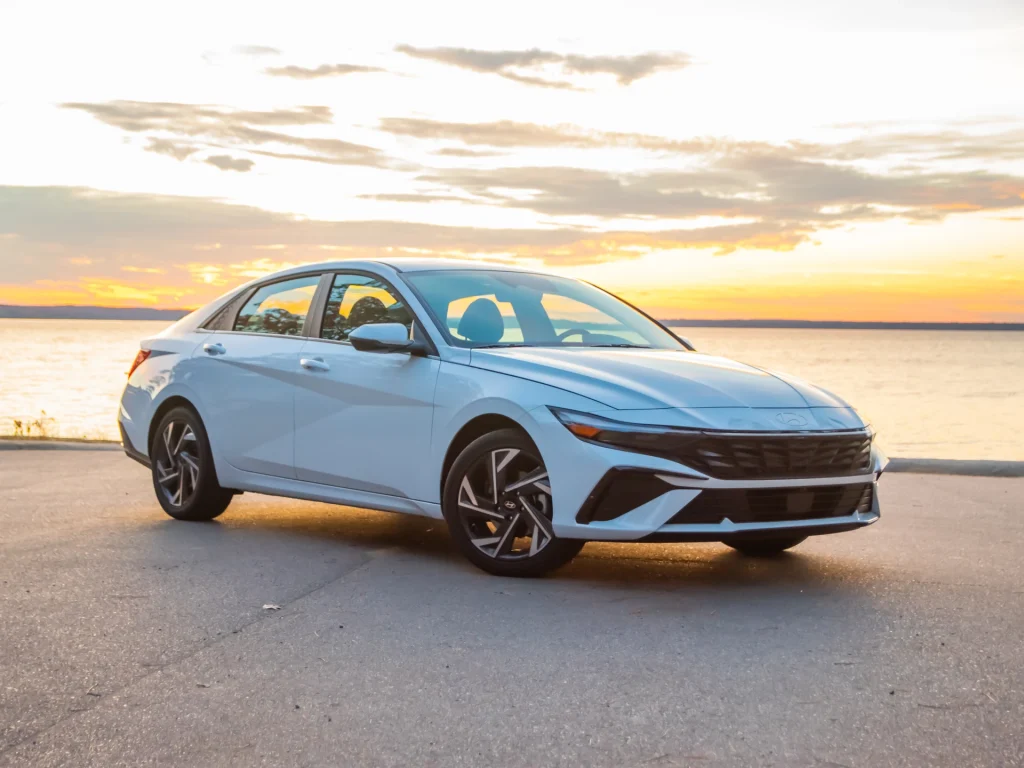
Practical storage spaces and quality materials enhance the perception of value. On the safety front, the Elantra includes features such as forward-collision alert, lane-keeping assist, adaptive cruise control, and multiple airbags, contributing to its reputation as a safe and reliable vehicle for budget buyers.
Long-term ownership feedback is overwhelmingly positive. Owners report minimal mechanical problems even after several years of use, and Hyundai’s global presence ensures parts and service are readily accessible.
The Elantra’s combination of affordability, efficiency, comfort, and safety makes it a standout in the compact sedan segment, consistently impressing drivers in both American and international markets.
5. Mazda3
The Mazda3 stands out as one of the most engaging and reliable compact cars in the budget segment. In the American market, it is praised for its sharp handling, upscale interior, and strong reliability ratings.
Globally, the Mazda3 has earned recognition for combining driving enjoyment with practical features and long-term dependability, making it a favorite among buyers seeking both style and performance without a premium price.
One of the key reasons the Mazda3 impresses is its driving dynamics. The suspension is well-tuned to provide a smooth ride over rough city streets while maintaining composure on highways.
The steering is precise, offering excellent feedback, which makes maneuvering through urban traffic and winding roads alike enjoyable.
Engine options, including efficient petrol and turbocharged variants, provide a balance of power and fuel economy. Owners often report consistent mileage figures, highlighting the car’s cost-effective operation.
Inside, the Mazda3 cabin feels more premium than its price might suggest. High-quality materials, a clean dashboard layout, and comfortable seats enhance the overall experience.
The infotainment system is intuitive and supports smartphone connectivity, while features such as climate control, ample storage, and ergonomic controls make everyday driving convenient.
Safety is another strong point: the Mazda3 comes equipped with multiple airbags, ABS, stability control, and advanced driver assistance features like lane departure warning and adaptive cruise control, contributing to a secure and confident drive.
Reliability and low long-term maintenance costs further add to the Mazda3’s appeal. Owners frequently highlight the minimal mechanical issues and consistent performance over several years of use.
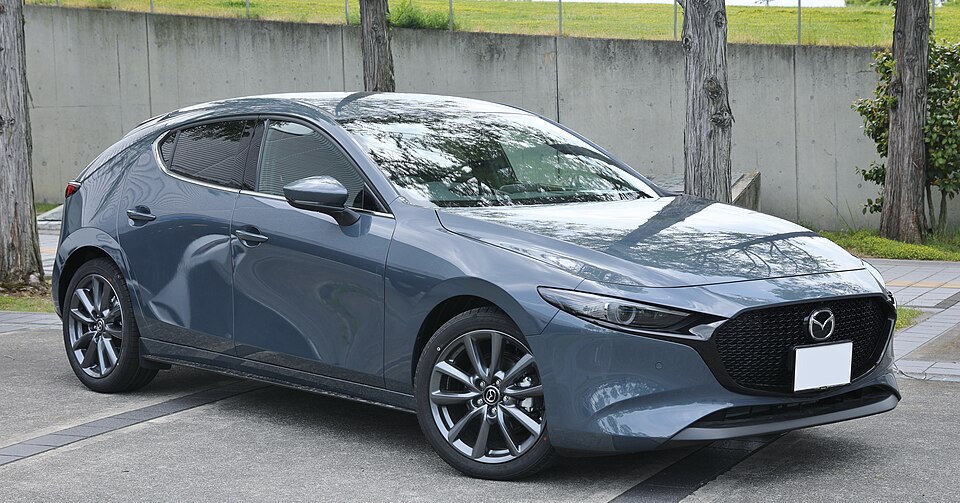
Its widespread availability in the U.S. and international markets ensures easy access to parts and servicing, which reduces potential hassles.
The Mazda3 demonstrates that budget cars do not need to compromise on driving enjoyment, comfort, or long-term reliability.
Its combination of efficient engines, precise handling, safe features, and a well-appointed interior makes it a top choice for drivers looking for a satisfying, affordable car experience in both American and global markets.
5 Budget Cars That Constantly Disappoint
While many budget cars offer reliable performance and satisfaction, some models fail to meet expectations despite their low price.
Owners of these vehicles often face recurring mechanical issues, uncomfortable interiors, poor fuel efficiency, or disappointing handling. In both American and global markets, these cars tend to incur higher long-term costs, cause stress, and leave buyers frustrated with their ownership experience.
This section highlights five budget cars that have consistently disappointed owners. Each model is chosen based on real-world reliability ratings, owner feedback, and recurring issues observed across markets.
By understanding the shortcomings of these vehicles, buyers can make informed decisions and avoid potential pitfalls.
1. Fiat 500
The Fiat 500 is often criticized in both the American and international markets for its charm failing to match its reliability.
While its compact size and retro styling attract attention, many owners report frequent mechanical issues, especially with the transmission and electrical systems. These problems can lead to unexpected repair costs that quickly outweigh the car’s affordable purchase price.
Performance and driving experience are additional sources of frustration. The small engine struggles on highways, particularly when fully loaded, making overtaking and long trips stressful.
The suspension is stiff, and road noise often intrudes into the cabin, which diminishes comfort during daily driving. Fuel efficiency, though advertised as competitive, sometimes falls short under real-world conditions, adding to dissatisfaction.
Inside, the Fiat 500’s cabin is cramped, with limited legroom and storage space. The interior materials feel cheap compared to competitors, and the infotainment system lacks reliability and user-friendliness. Safety features are minimal in older models, which has concerned some owners, especially families.
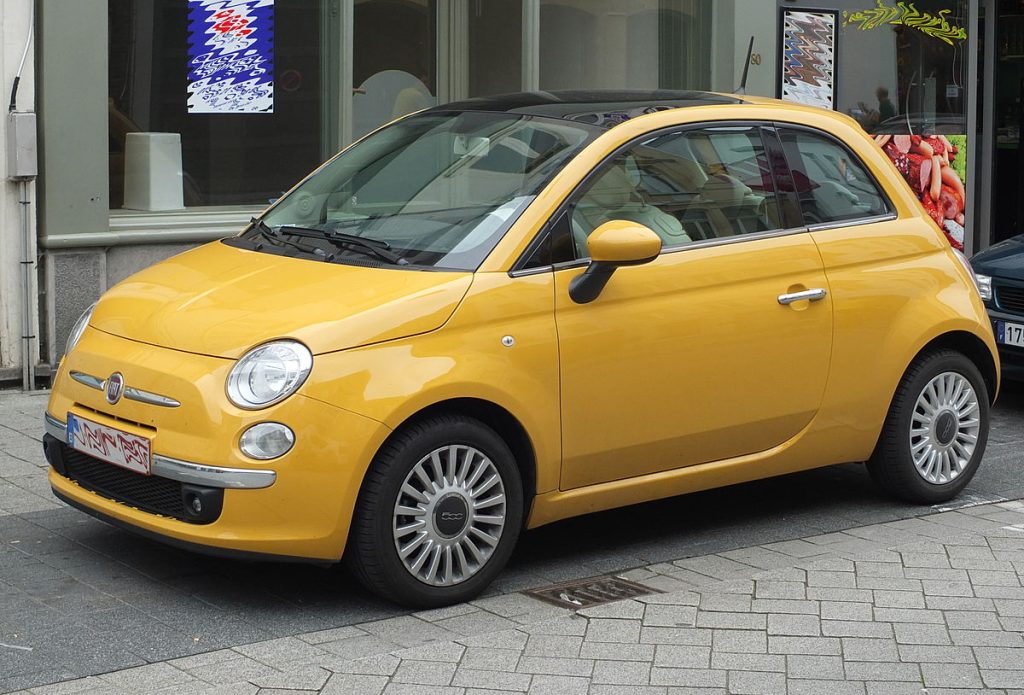
Long-term ownership is particularly challenging. Many reports indicate that repeated visits to service centers are necessary, and replacement parts can be expensive or slow to obtain in certain markets.
While the Fiat 500 is visually appealing and fun for short drives, it consistently falls short in reliability, comfort, and practicality, leading to a frustrating ownership experience for buyers.
2. Nissan Versa
The Nissan Versa, while priced attractively, has struggled to deliver a satisfying experience for many owners in the U.S. and globally. Its low cost comes with compromises that frequently lead to disappointment, including underwhelming performance, subpar interior quality, and lackluster handling.
The car’s engine performance is a common complaint. Acceleration is sluggish, making merging and highway driving stressful.
While fuel economy is generally adequate, many owners find it lower than expected in real-world conditions, particularly in city traffic. The suspension often feels soft and disconnected, which negatively affects handling and driving confidence.
Interior quality contributes to dissatisfaction as well. Materials feel cheap, and the cabin lacks refinement. Infotainment systems are basic, often prone to glitches, and storage space is minimal.
Seating comfort is limited, making longer trips uncomfortable for passengers. Safety features are basic in older models, with more advanced systems only available in higher trims, which increases costs.
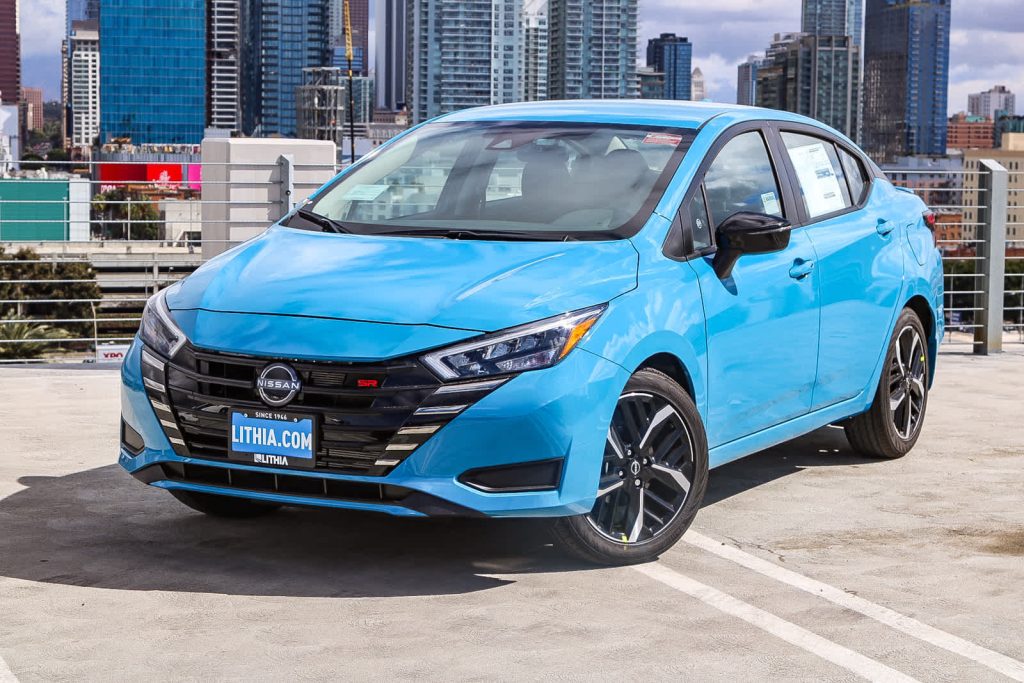
Long-term reliability is another issue. Owners have reported recurring problems with the CVT transmission and electrical components, leading to frequent repairs. The cost of maintenance over time can quickly surpass initial savings from the car’s low purchase price.
Overall, the Nissan Versa demonstrates that affordability alone does not guarantee a satisfying ownership experience. Its combination of underperformance, interior compromises, and reliability issues makes it a vehicle that consistently frustrates owners across both American and global markets.
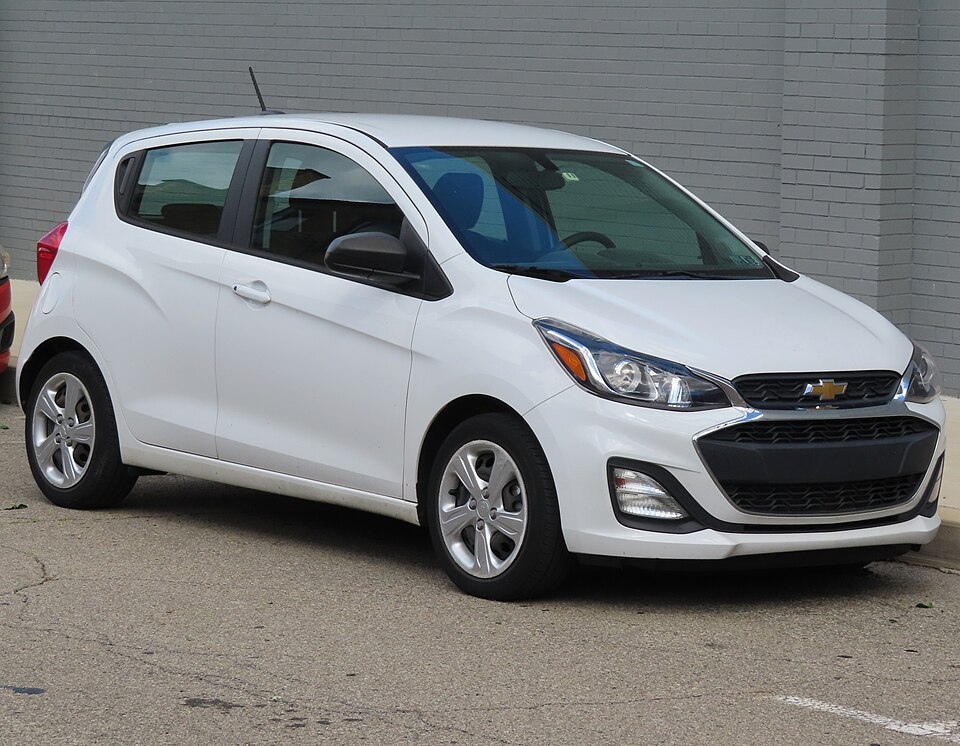
3. Chevrolet Spark
The Chevrolet Spark is often marketed as an ultra-affordable city car, but in both American and international markets, it has struggled to impress owners. While its small size makes parking and urban driving easy, many owners find that the compromises required to keep the price low outweigh the convenience.
Performance is a major drawback. The engine produces limited power, making highway driving and overtaking challenging. Acceleration is sluggish, and the car can feel unstable when fully loaded.
The suspension is tuned for economy rather than comfort, which results in a bumpy ride over uneven roads. Road and wind noise frequently intrude into the cabin, further reducing driving enjoyment.
Inside, the Spark offers a minimalistic interior with hard plastics and limited storage space. Seats are uncomfortable for longer trips, and legroom is tight, particularly in the rear.
The infotainment system, while functional in newer models, lacks responsiveness and is often criticized for being unintuitive. Older versions offer very few convenience features, which contributes to the overall sense of compromise.
Reliability is another concern. Owners frequently report issues with the electrical system, transmission, and engine components, resulting in unexpected repair costs.
The car’s warranty and service network mitigate some concerns in the U.S., but in international markets, parts availability and service quality can be inconsistent.
Despite its attractive price and compact design, the Chevrolet Spark often leaves owners frustrated due to poor performance, uncomfortable interiors, and recurring mechanical problems.
For those seeking a reliable and enjoyable daily driver, the Spark consistently underperforms compared to its competitors.
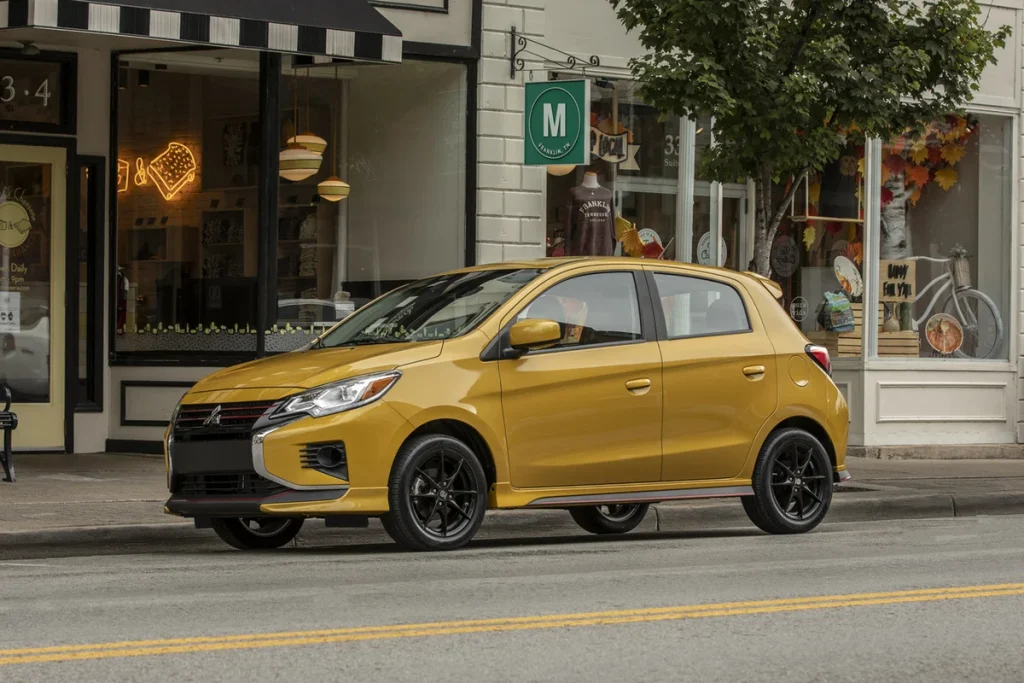
4. Mitsubishi Mirage
The Mitsubishi Mirage is one of the most budget-friendly cars available globally, but it has a history of disappointing owners. Its low cost comes with compromises that affect performance, comfort, and long-term reliability.
The Mirage’s engine provides minimal power, resulting in sluggish acceleration and a stressful driving experience on highways. Handling is light and imprecise, which reduces confidence when cornering or maneuvering in traffic.
While fuel economy is often highlighted as a selling point, real-world numbers can be lower than advertised, especially under heavy load or city driving conditions.
Inside, the cabin is extremely basic. Hard plastics dominate the interior, seating is uncomfortable for extended periods, and the infotainment system is outdated and unintuitive.
Space is cramped, particularly for passengers in the rear, and storage options are limited. Safety features are minimal on lower trims, forcing buyers to spend more for essential technologies like stability control or advanced driver assistance.
Long-term reliability is mixed. Many owners report recurring issues with the transmission, electrical components, and air conditioning systems. Parts and servicing are generally affordable in the U.S., but availability can be limited in certain global markets, increasing inconvenience and downtime.
While the Mitsubishi Mirage may appeal to first-time buyers or those seeking an extremely low purchase price, its combination of underwhelming performance, poor interior quality, and reliability concerns make it a consistent source of frustration for owners. It demonstrates that affordability alone does not guarantee a satisfying car ownership experience.
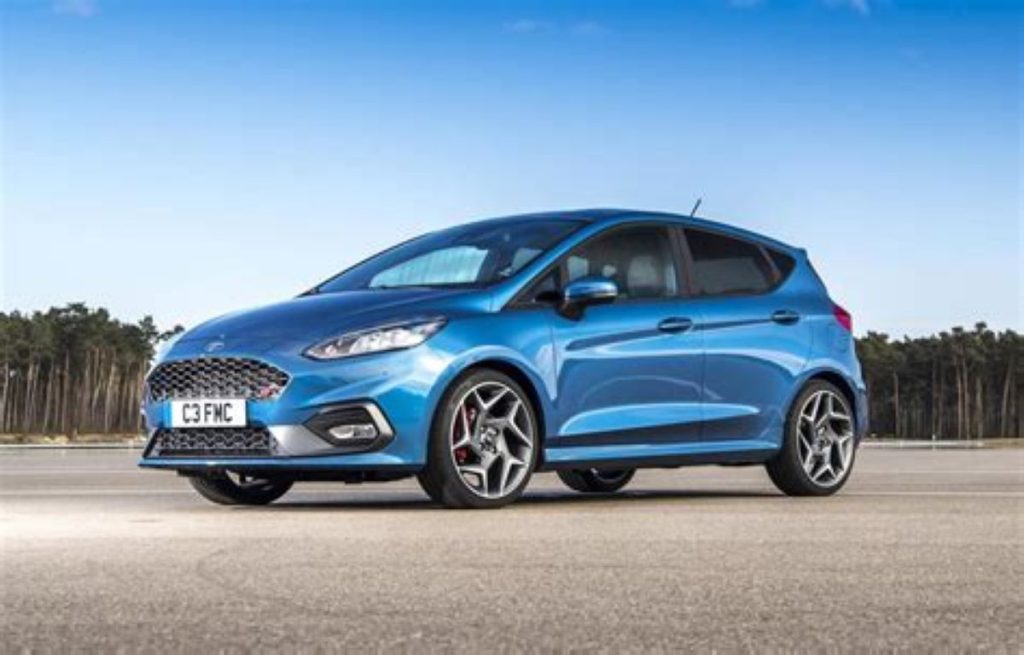
5. Ford Fiesta
The Ford Fiesta, once popular for its compact size and affordable pricing, has developed a reputation for disappointing many owners in both the American and global markets.
While it offers a stylish exterior and manageable city driving, ongoing reliability issues, subpar interior quality, and inconsistent performance have led to dissatisfaction.
Performance is one of the primary areas of concern. The smaller engines, particularly in base trims, struggle with acceleration and highway overtaking.
Owners frequently report that the manual and automatic transmissions, especially the dual-clutch automatic in older models, can feel jerky or prone to failure.
Suspension tuning prioritizes cost over comfort, resulting in a ride that transmits bumps and road imperfections into the cabin. Steering, while precise at low speeds, can feel light and disconnected at higher speeds, reducing overall driving confidence.
The interior design, although modern-looking, falls short in functionality. Materials feel cheap, and seats lack sufficient support for longer trips. Legroom and cargo space are limited for a compact sedan, making it less practical than competitors.
The infotainment system in older models is outdated, while newer versions can suffer from connectivity issues. Safety features, while present in newer trims, are often missing or limited in the base versions, requiring buyers to pay extra for essential technologies.
Reliability concerns are particularly significant for long-term ownership. Owners report recurring problems with the transmission, electrical systems, and fuel injectors, leading to unexpected repair costs.
While Ford’s service network in the U.S. helps mitigate some of these issues, international buyers sometimes face delays in parts availability and higher service costs.
Overall, the Ford Fiesta demonstrates that a low purchase price does not always translate to a satisfying ownership experience.
Its combination of underwhelming performance, limited interior comfort, and recurring reliability issues consistently frustrates owners in both American and global markets, making it a car many would caution prospective buyers to reconsider.
Choosing a budget car requires balancing cost, reliability, performance, and overall ownership satisfaction.
Across American and global markets, certain models consistently impress their owners, while others repeatedly disappoint despite their low purchase prices. Understanding these differences is crucial for making a smart investment in a vehicle.
Among the cars that impress, the Honda Civic, Toyota Corolla, Kia Forte, Hyundai Elantra, and Mazda3 stand out for their combination of reliability, comfort, and efficiency.
These vehicles offer engines that balance fuel economy and performance, ensuring smooth city and highway driving. Owners report minimal mechanical issues, which reduces long-term maintenance costs.
Features such as responsive steering, well-tuned suspension, and thoughtful cabin design enhance everyday usability, making these cars practical for commuting, family use, and longer trips.
Infotainment and connectivity features, while not always luxurious, are intuitive and functional, adding convenience without unnecessary complexity.
Safety remains a common strength across these models, with modern driver-assistance technologies and solid crash-test ratings providing reassurance to owners.
Across both American and international markets, these cars maintain value over time and offer a stress-free ownership experience, which is why they consistently earn positive reviews.
On the other hand, the Fiat 500, Nissan Versa, Chevrolet Spark, Mitsubishi Mirage, and Ford Fiesta highlight the challenges buyers can face when opting for ultra-budget cars.
While these models may attract buyers with low initial prices or distinctive styling, they often compromise on performance, reliability, and interior quality. Owners frequently report engine underperformance, transmission issues, and uncomfortable suspension, which reduces driving confidence.
Interiors are often cramped or built with cheap materials, while infotainment systems can be unintuitive or prone to glitches. Safety features may be limited in base trims, further diminishing their appeal.
Recurring mechanical problems and the cost or delay in obtaining replacement parts in some markets contribute to a frustrating long-term ownership experience.
Despite their affordability, these cars often end up costing more in maintenance and repairs, highlighting the importance of evaluating total ownership costs rather than just the sticker price.
In comparing these two groups, several patterns emerge. Budget cars that impress owners tend to prioritize reliability, efficient performance, and comfort within an affordable package.
They often include thoughtful safety features and maintain resale value, offering long-term satisfaction. Cars that disappoint typically sacrifice reliability and practicality to reduce initial cost, resulting in recurring issues and compromised comfort.
For buyers seeking a budget-friendly car in the American or global markets, the key takeaway is clear: prioritize proven reliability, practical features, and overall owner satisfaction over the lowest possible purchase price.
Investing slightly more upfront in vehicles like the Civic, Corolla, Elantra, Forte, or Mazda3 can lead to years of stress-free driving, while attempting to save on ultra-budget options often results in frustration and higher long-term costs.
Ultimately, understanding these patterns ensures that budget-conscious buyers can make informed decisions, avoiding disappointment while enjoying a vehicle that meets both practical and lifestyle needs.
Also Read: 5 Sports Cars That Can Handle Daily Driving vs 5 That Disappoint
