
Classic or retro cars possess a unique appeal, evoking nostalgia while reflecting the design, technology, and culture of their respective eras. Some retro cars remain stylish, exciting, and relevant decades after their release.
These vehicles maintain their charm through timeless design, driving dynamics, or a combination of both, proving that well-executed aesthetics and engineering can withstand changing tastes and technological advancements.
Conversely, not all retro cars age gracefully. Certain vehicles that were once innovative or trendy may now appear awkward, impractical, or outdated. Styling choices, poor ergonomics, or underwhelming performance can make a car that seemed cutting-edge at the time feel dated or even undesirable today.
Factors such as quality of materials, reliability, and how well the car’s design has endured also influence whether it remains appealing to modern audiences.
Cars that age well often balance character with usability. They retain an identifiable style, provide an engaging driving experience, and avoid overcomplicated technology that could quickly become obsolete.
Even as decades pass, these vehicles are admired not only by enthusiasts but also by casual observers, highlighting the importance of thoughtful design and engineering choices.
Cars that aged poorly, on the other hand, may struggle with proportions, ergonomics, or outdated mechanical systems.
While they may hold historical significance, their appeal is limited to niche collectors or those interested purely in automotive history rather than aesthetics or performance.
This article examines ten vehicles that illustrate these contrasting outcomes. The first five cars demonstrate how retro vehicles can continue to feel cool, offering timeless style, enduring performance, and lasting charm.
The second set of five highlights models that failed to age well, emphasizing the design and engineering choices that contributed to their dated appearance or diminished desirability. Each vehicle is analysed to show why some classics stand the test of time while others do not.
Also Read: 5 JDM Legends That Live Forever vs 5 Forgotten Models
5 Retro Cars That Still Feel Cool
Certain retro cars maintain their allure long after their original production, combining timeless styling, engaging performance, and memorable character.
These vehicles show that thoughtful design and balanced engineering can create models that remain relevant and desirable even decades later. For many enthusiasts and casual observers, these cars are proof that some classics never lose their charm.
One key factor is design. Cars that continue to feel cool often feature clean lines, balanced proportions, and unique styling cues that set them apart from the crowd.
Rather than relying on overly trendy elements that date quickly, these vehicles use design principles that appeal across generations. A well-proportioned body, iconic front fascia, and recognizable silhouette all contribute to a car’s enduring visual impact.
Performance and driving experience also matter. Retro cars that feel exciting today usually offer engaging handling, responsive steering, and a connection between driver and machine.
While they may not match modern cars in raw speed or technology, they deliver a sense of fun and engagement that keeps enthusiasts interested. Simplicity and reliability in mechanical systems help these cars remain accessible and enjoyable to drive.
Interior design and ergonomics contribute as well. Classic cabins that avoid overly complicated controls or impractical layouts are easier to appreciate and use decades later. High-quality materials, thoughtful placement of controls, and a focus on driver experience ensure that the car remains appealing beyond its initial era.
The following five vehicles exemplify these qualities. Each retains a sense of style, excitement, and usability that allows it to stand out among retro cars. By analyzing these models, it becomes clear why some classics maintain their cool factor while others fade into obscurity.
These examples demonstrate that timeless appeal comes from a combination of thoughtful design, enjoyable driving dynamics, and enduring character.
1. Porsche 911 (Classic Generations)
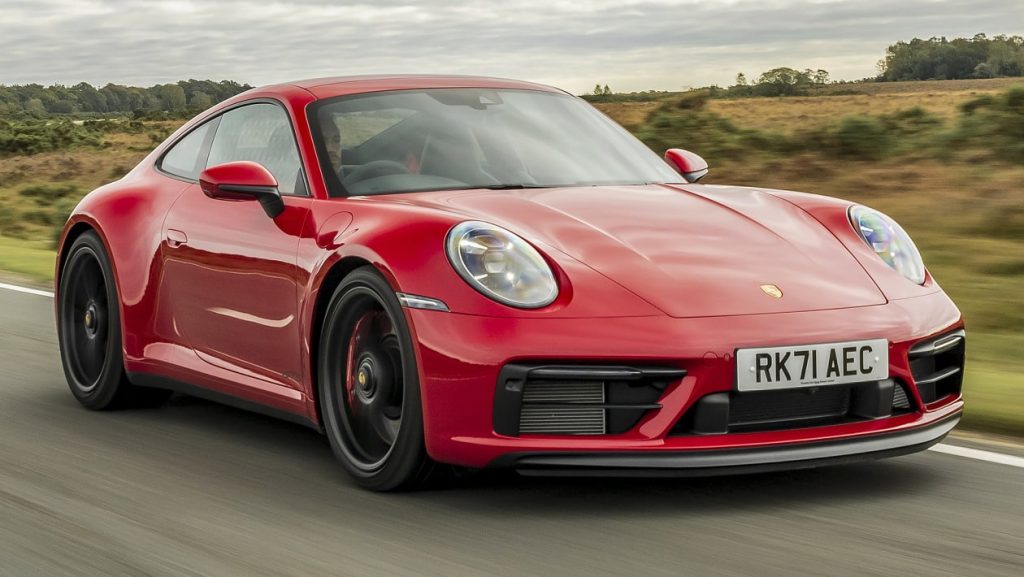
The Porsche 911, particularly the classic models from the 1960s through the 1980s, remains an icon of automotive design and performance.
Its distinctive silhouette, featuring a sloping rear roofline, round headlights, and wide rear haunches, has remained instantly recognizable across generations. This timeless design is a major reason why the 911 continues to feel cool, even decades after its original release.
Performance is another factor in its enduring appeal. Classic 911s feature rear-engine layouts and lightweight construction, which provide a unique driving experience.
Steering is direct, brakes are responsive, and the car feels connected to the driver in a way that modern electronics cannot replicate. While not as fast as contemporary sports cars, the engagement and precision of the 911 make it thrilling to drive, emphasizing skill and driver involvement rather than relying on technology to compensate.
The interior supports its classic appeal with a driver-focused layout. The dashboard is simple yet functional, with clear gauges, practical controls, and supportive seating. This simplicity ensures that the car remains intuitive and enjoyable, even for drivers unfamiliar with older vehicles.
Additionally, reliability and aftermarket support contribute to its enduring desirability. Well-maintained 911s can continue to operate effectively for decades, and enthusiasts have access to replacement parts and tuning options that preserve or enhance performance.
Overall, the Porsche 911 proves that timeless design, engaging performance, and a driver-centric approach can create a vehicle that never loses its cool factor.
Its combination of aesthetics, mechanics, and usability has solidified its status as one of the most revered and instantly recognizable classic cars in automotive history.
2. Ford Mustang (First Generation)
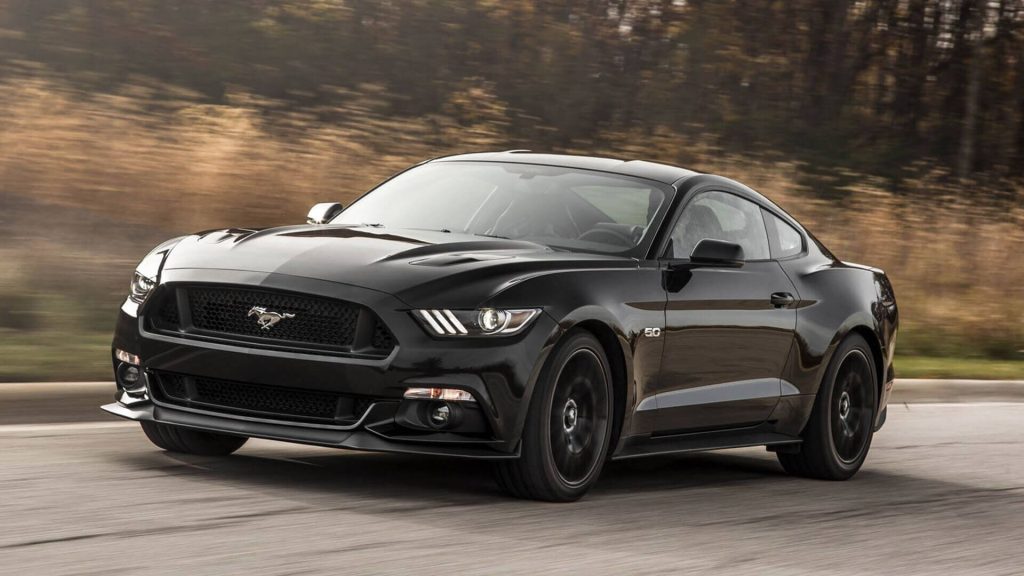
The first-generation Ford Mustang, introduced in 1964, remains one of the most celebrated American cars of all time. Its long hood, short rear deck, and aggressive stance created a bold and sporty appearance that captured attention and defined a new era of muscle cars.
These design elements have aged exceptionally well, allowing the Mustang to retain its cool factor decades later.
Performance and versatility contributed to the Mustang’s enduring appeal. The car was available with a range of engines, from efficient six-cylinders to powerful V8s, allowing drivers to tailor performance to their preferences.
Its rear-wheel-drive layout, balanced chassis, and straightforward suspension made it engaging to drive, particularly for enthusiasts who appreciated responsiveness and simplicity.
The interior complements its exterior style, offering a clean and functional design. Controls are easy to operate, gauges are clear, and the cabin feels open and driver-focused.
While not overly luxurious, the interior design is practical and intuitive, making the car accessible and enjoyable for a wide audience.
Cultural impact also reinforces the Mustang’s status. Its appearances in movies, racing, and pop culture helped cement its reputation as a classic that remains relevant today. Collectors and enthusiasts continue to seek well-preserved first-generation Mustangs, a testament to their enduring charm.
The combination of timeless design, versatile performance, and cultural significance ensures that the first-generation Ford Mustang remains a retro car that truly feels cool, demonstrating how thoughtful styling and engaging driving dynamics can create a lasting legacy.
3. Chevrolet Corvette (C2 “Sting Ray”)
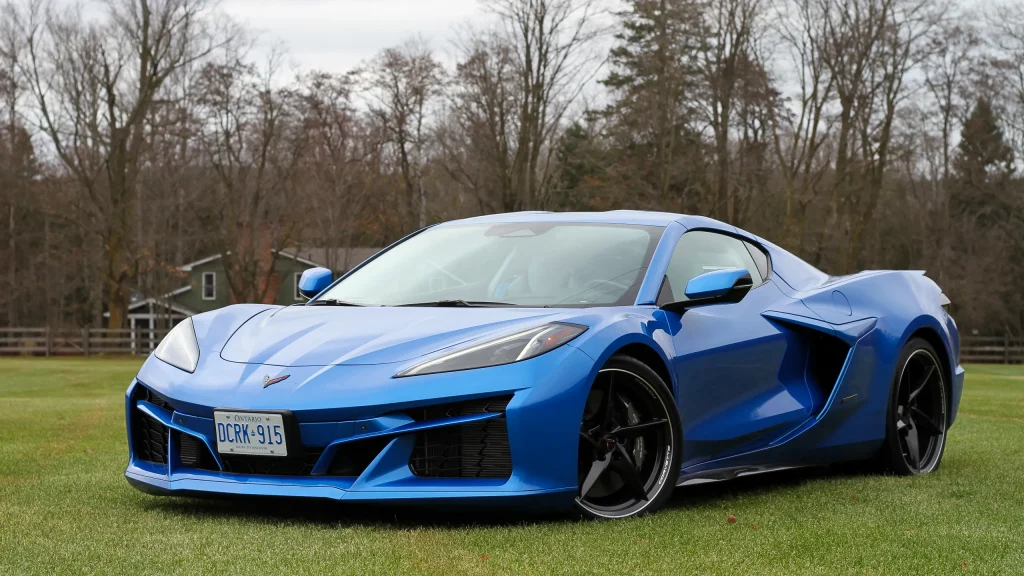
The Chevrolet Corvette C2, also known as the Sting Ray, remains one of the most stylish American sports cars ever produced.
Introduced in 1963, its sharp body lines, split rear window (on early 1963 models), and muscular stance established a design that still commands attention today. The Corvette’s iconic shape combines aggression with elegance, ensuring its timeless appeal.
Performance is a major factor in its enduring charm. The C2 was available with several V8 engine options, delivering impressive acceleration and a responsive driving experience.
Its lightweight construction and rear-wheel-drive layout allow precise handling, making it engaging for drivers who appreciate mechanical simplicity and feedback. Even by modern standards, the Sting Ray provides an exhilarating connection to the road, enhancing its cool factor.
The interior emphasizes driver-focused ergonomics, with straightforward controls and supportive seating. Unlike some contemporaries that over-complicated features, the Corvette keeps essential systems accessible and easy to use. The combination of simplicity and functionality makes the driving experience enjoyable without distraction.
Cultural significance adds to the C2’s appeal. Appearing in films, television, and motorsports, the Sting Ray became a symbol of American performance and style. Collectors prize well-preserved models, reinforcing the idea that its design and performance endure across decades.
The Chevrolet Corvette C2 demonstrates that thoughtful styling, balanced performance, and a driver-centric interior can create a retro car that maintains its cool factor. Its aesthetics, mechanical engagement, and cultural impact ensure it remains one of the most admired classic sports cars.
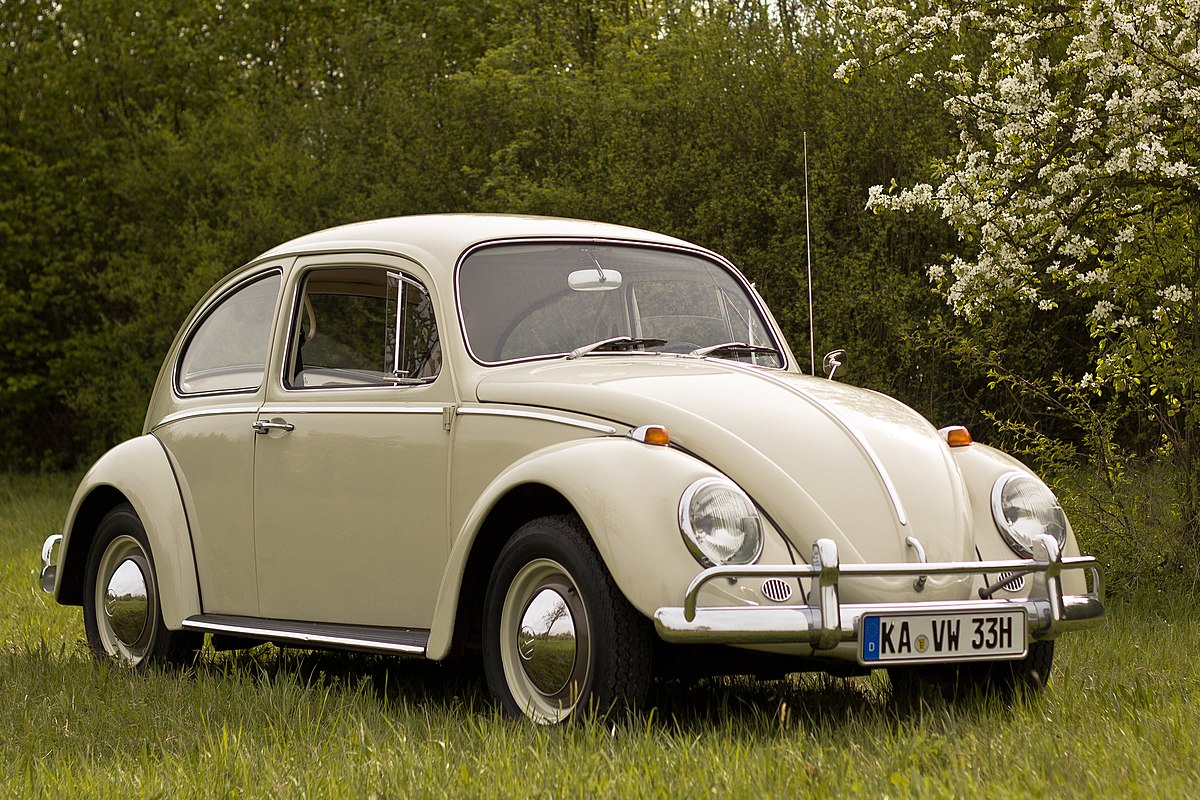
4. Volkswagen Beetle (Classic Type 1)
The classic Volkswagen Beetle is a retro car that continues to charm drivers with its quirky design and practicality.
Introduced in the 1930s, its rounded shape, compact size, and distinctive features like the curved fenders and oval rear window make it instantly recognizable even today. The Beetle’s playful design has a timeless appeal that transcends trends.
Performance is modest, but that contributes to its approachable character. With small, air-cooled engines and a lightweight body, the Beetle is easy to drive and maneuver in city or suburban settings. Its simplicity allows owners to maintain and repair it without excessive complexity, which enhances longevity and usability.
Inside, the cabin is minimalist yet functional. Controls are straightforward, seating is practical, and the layout emphasizes utility over luxury. The simplicity of the interior ensures that drivers can operate the vehicle without frustration, preserving its charm across generations.
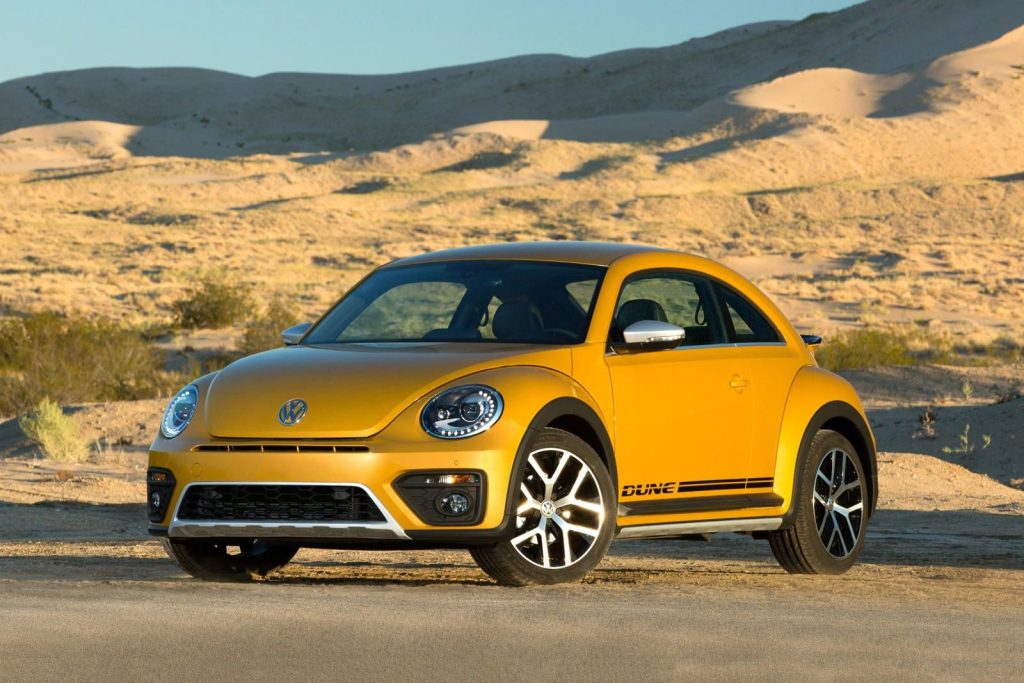
The Beetle’s cultural significance is undeniable. It became a symbol of the 1960s counterculture, appeared in films, and remains an icon in automotive history. Its cheerful personality, combined with practical engineering, ensures that it continues to be admired and collected by enthusiasts around the world.
The Volkswagen Beetle proves that a combination of distinctive design, user-friendly operation, and cultural relevance can make a retro car feel endlessly cool. Its enduring popularity is a testament to the success of simplicity and personality in automotive design.
5. Datsun 240Z
The Datsun 240Z, introduced in the early 1970s, is a classic Japanese sports car that remains highly respected for its design and performance.
Its long hood, sloping fastback roofline, and balanced proportions create a visually appealing profile that still feels modern decades later. This timeless styling is a key reason it continues to be admired.
Performance played a major role in the 240Z’s appeal. Lightweight construction, rear-wheel drive, and a responsive inline-six engine provide a fun and engaging driving experience.
The car offers a connection to the road that few modern vehicles replicate, with precise steering and enjoyable handling dynamics. Its performance-oriented yet approachable nature makes it suitable for enthusiasts and casual drivers alike.
The interior is simple and functional, with an emphasis on driver usability. Controls are easy to reach, gauges are clear, and the cabin avoids unnecessary complexity. This straightforward approach enhances driving enjoyment and contributes to the car’s lasting charm.
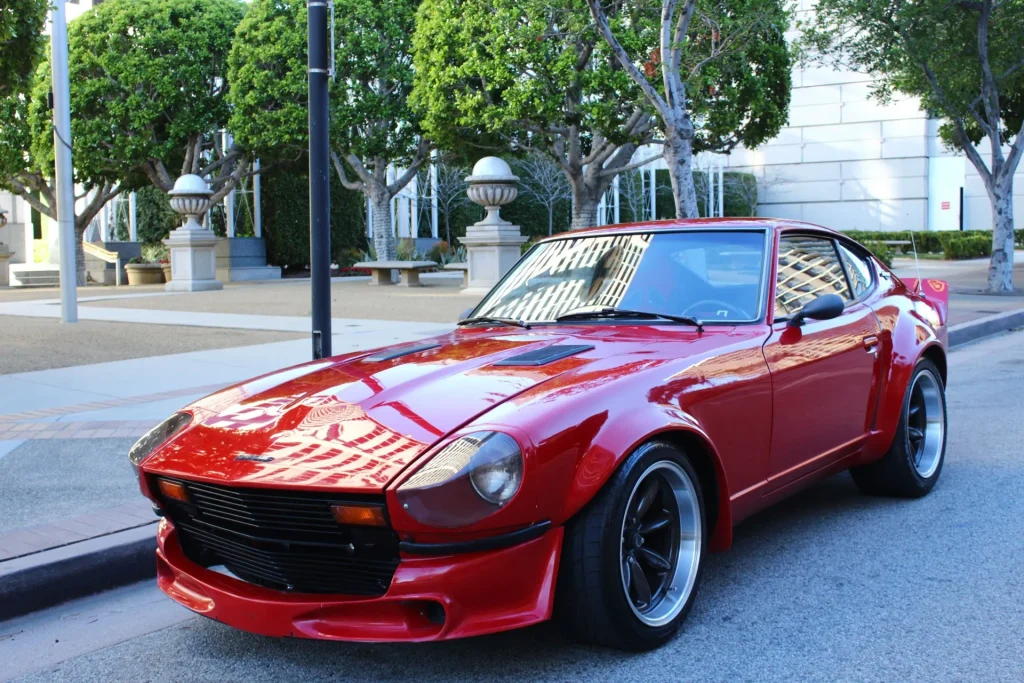
The 240Z also holds historical significance as one of the first Japanese sports cars to achieve global recognition, offering performance comparable to European models at a lower price. Its reputation for reliability and affordability helped build a dedicated fan base, ensuring its place in automotive history.
The Datsun 240Z demonstrates how thoughtful styling, engaging performance, and practical design combine to create a retro car that remains cool. Its combination of aesthetics, driving dynamics, and heritage ensures its enduring appeal among enthusiasts and collectors.
5 Retro Cars That Aged Poorly
Not all retro cars maintain their appeal over time. Some vehicles that were once stylish, innovative, or trendy now appear awkward, outdated, or even unappealing. These cars serve as reminders that design choices, materials, and engineering decisions can significantly affect how a vehicle is perceived decades later.
Styling plays a major role in whether a car ages well. Vehicles with unusual proportions, excessive ornamentation, or trends that quickly became dated often fail to retain charm.
Bold or experimental design elements that seemed modern at the time may now feel awkward or heavy-handed. Even features intended to enhance aerodynamics or aesthetics can backfire, making the car look clumsy by contemporary standards.
Mechanical complexity or underwhelming performance can also contribute to a retro car’s decline in appeal. Vehicles that relied on unrefined engines, uncomfortable suspensions, or intricate systems that were difficult to maintain often lose desirability over time.
Owners may find such cars frustrating to drive, while enthusiasts may avoid them due to high maintenance demands or inconsistent performance.
Interior design is another factor. Cabins that were stylish at the time may now feel cramped, uncomfortable, or poorly organized. Materials that degrade over time or layouts that were overly experimental can diminish usability, reducing the vehicle’s overall appeal.
This article examines five vehicles that illustrate these challenges. Each of these cars was noteworthy in its era, yet certain design, engineering, or usability choices have caused them to age poorly.
By analyzing these models, it becomes clear how trends, complexity, and impracticality can compromise long-term desirability.
These examples serve as a cautionary perspective, showing that while innovation and experimentation are important, careful attention to proportion, function, and timeless design is essential to ensure a retro car remains admired rather than forgotten.
1. AMC Pacer
The AMC Pacer, introduced in the mid-1970s, is often cited as a car that has aged poorly. Its unusual proportions, including a wide body and short length, gave it a unique appearance at the time but now make it look awkward and bulky. The large glass areas, while innovative for visibility, contribute to a design that feels disproportionate and dated by modern standards.
Performance and handling were not strong points for the Pacer. The car was equipped with modest engines that provided underwhelming acceleration and limited highway capability.
Suspension tuning and steering feedback were uninspiring, resulting in a driving experience that lacked engagement and refinement. This combination of weak performance and unusual design has contributed to its decline in appeal.
Interior design also reflects why the Pacer has not aged gracefully. While the cabin was roomy, the layout was unconventional and featured materials that degrade quickly.
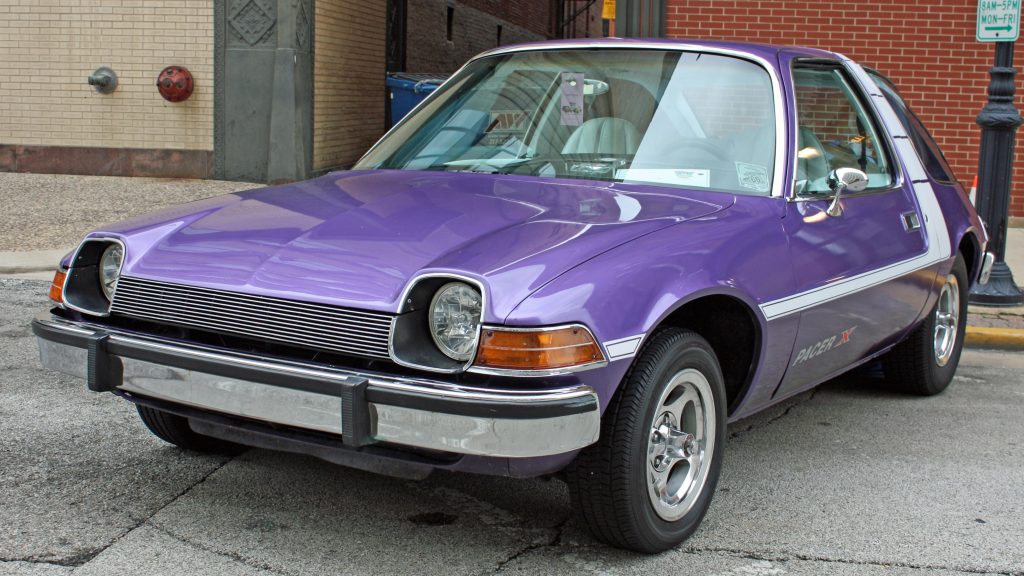
Controls were scattered and ergonomically awkward, and early models lacked the refinement or durability seen in competitor vehicles. Drivers today often find the interior cluttered and uncomfortable, further emphasizing the car’s dated characteristics.
Despite its innovative intentions and quirky personality, the AMC Pacer demonstrates that bold experimentation without careful attention to proportions, performance, and practicality can result in a car that does not age well.
Its unusual styling and mechanical shortcomings make it a challenging vehicle to appreciate today, limiting its desirability and long-term appeal.
2. Yugo GV
The Yugo GV, imported from Eastern Europe in the 1980s, is another example of a retro car that has aged poorly. Its compact dimensions and boxy styling were practical for urban environments but now appear outdated and uninspired. The simple exterior lacks the curves or distinctive details that make other retro cars continue to feel stylish.
Mechanical reliability was a significant issue. The Yugo was notorious for its frequent breakdowns and subpar build quality.
Its small engine offered minimal performance, and the suspension and handling were basic and unrefined. These mechanical shortcomings not only affected driving enjoyment at the time but also prevent the car from being appreciated today.
The interior contributes further to the Yugo’s decline in appeal. The cabin was sparse, featuring low-quality materials, minimal amenities, and poorly designed ergonomics. Drivers today would likely find it uncomfortable and outdated, with little charm or practicality compared to other cars of its era.
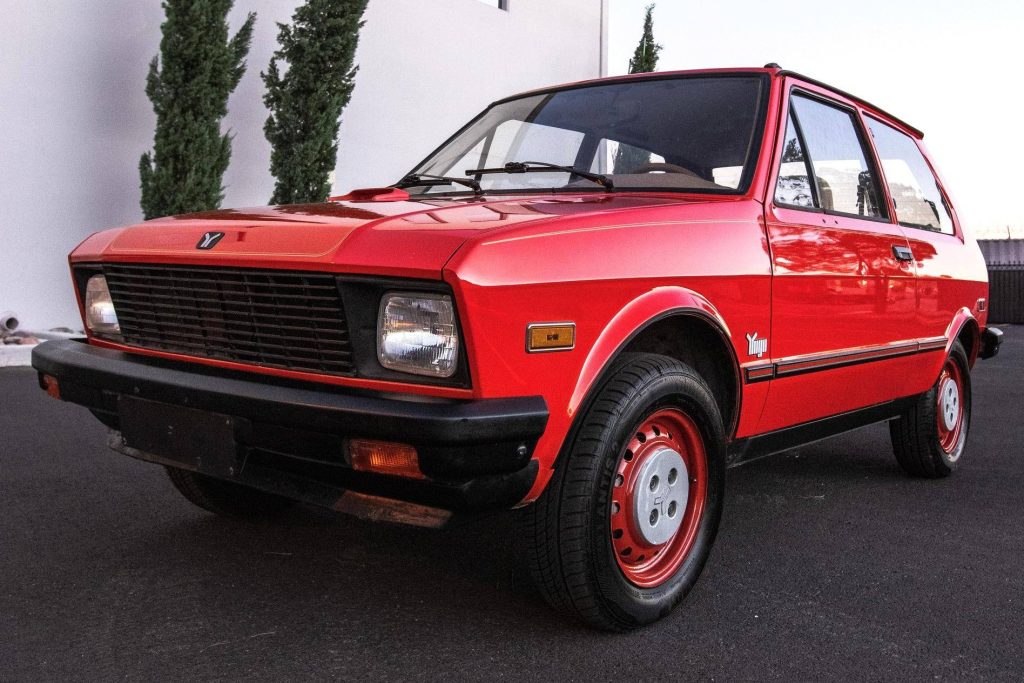
The Yugo GV highlights how poor design, low-quality construction, and underwhelming performance can prevent a car from aging gracefully.
While it may hold historical interest as a novelty, its combination of styling and mechanical limitations makes it a retro vehicle that struggles to remain relevant or admired by modern enthusiasts.
3. Pontiac Aztek
The Pontiac Aztek, introduced in the early 2000s, is often remembered as a striking example of a car that has aged poorly. Its exterior design featured sharp angles, awkward proportions, and an overcomplicated front fascia.
While intended to be futuristic and versatile, the result was a vehicle that appears ungainly and unattractive today. Its boxy and fragmented styling prevents it from being considered visually appealing even decades after its debut.
Performance and driving experience did not compensate for the design shortcomings. The Aztek used a modest V6 engine and a conventional all-wheel-drive system that offered unremarkable handling and limited driving enjoyment.
Ride quality was acceptable, but it did not deliver the engaging experience many drivers seek from crossover-style vehicles.
Interior design further contributes to its poor aging. While spacious, the cabin employed unconventional layouts and materials that now seem cheap and awkward.
The dashboard, center console, and control placement lack cohesion, and many features feel overcomplicated without enhancing usability. As a result, the interior fails to provide a timeless or comfortable experience.

The Pontiac Aztek demonstrates that ambition in design and versatility does not always translate to enduring appeal.
Its bold, unconventional styling and uninspiring performance make it difficult for modern drivers to appreciate, reinforcing how critical proportion, balance, and usability are for a vehicle to age gracefully.
4. Reliant Robin
The Reliant Robin, a three-wheeled British car from the 1970s and 1980s, is a prime example of a vehicle that has not aged well. Its unique three-wheel configuration made it unstable, earning it a reputation for tipping over easily.
While quirky at the time, this design choice now appears unsafe and impractical, undermining any nostalgic charm it might have had.
Performance was minimal, with a tiny engine producing modest power, insufficient for modern driving standards. Handling was awkward, particularly given its narrow track and high center of gravity. Steering and suspension offered little engagement, making driving more of a chore than a pleasure.
The interior is sparse and simple but lacks ergonomics. Controls were minimal and poorly positioned, and materials have not aged well over time. Seats are basic, and the cabin feels cramped, limiting comfort and functionality.
While the Reliant Robin holds novelty value and historical interest, it fails to meet expectations for design, performance, or practicality. Its unusual configuration and mechanical shortcomings prevent it from being considered a retro classic that is still appealing today.
5. Chrysler PT Cruiser
The Chrysler PT Cruiser, launched in the early 2000s, aimed to blend retro styling with modern functionality but has not aged gracefully.
Its high roofline, rounded edges, and prominent fenders were intended to evoke classic cars, yet the proportions now appear awkward and overdone. Many observers find the design clunky rather than charming.
Performance is adequate but unremarkable. The four-cylinder engines offered modest acceleration, and the handling felt soft and disconnected. Suspension tuning emphasized comfort over driving engagement, leaving the PT Cruiser feeling uninspiring behind the wheel.
Interior design also contributes to its decline. While it offered versatility, storage solutions, and unusual styling, the dashboard layout, materials, and ergonomics now feel dated.
Overly stylized elements and impractical placements reduce comfort and usability, highlighting the limits of design choices that prioritize style over function.
The PT Cruiser demonstrates that attempting to capture a retro aesthetic without attention to proportion, performance, or functionality can result in a vehicle that struggles to remain appealing. Its design may have stood out at launch, but decades later it serves as an example of a retro car that aged poorly.
Retro cars offer a fascinating glimpse into automotive history, showcasing design trends, engineering choices, and cultural influences from their respective eras. However, not all retro vehicles maintain their appeal over time.
Some continue to feel stylish, engaging, and relevant, while others appear awkward, outdated, or even unappealing. The contrast between these outcomes highlights the importance of design, performance, and usability in creating vehicles that endure.
Cars that still feel cool, such as the Porsche 911, Ford Mustang, Chevrolet Corvette C2, Volkswagen Beetle, and Datsun 240Z, share several key characteristics.
Their designs feature balanced proportions, clean lines, and distinctive styling elements that have remained attractive decades after production.
These vehicles also emphasize driving engagement, whether through responsive handling, rear-wheel-drive layouts, or lightweight construction. The simplicity and functionality of their interiors further support long-term usability, avoiding overly complex controls that could date quickly.
Cultural impact and historical significance often enhance the cool factor, ensuring these cars remain admired by enthusiasts and casual observers alike.
Together, these elements demonstrate that thoughtful design, driver-focused engineering, and enduring character are essential for a retro car to retain its appeal.
Conversely, cars that aged poorly, such as the AMC Pacer, Yugo GV, Pontiac Aztek, Reliant Robin, and Chrysler PT Cruiser, reveal the pitfalls of overambitious or poorly executed design. These vehicles often suffer from awkward proportions, excessive styling elements, or novelty features that fail to withstand the test of time.
Mechanical limitations, underwhelming performance, and unreliable components further detract from long-term desirability. Interiors that lack ergonomic thought or use low-quality materials exacerbate the sense of outdatedness.
While these cars may hold historical or nostalgic interest, they rarely attract admiration for style, performance, or usability decades after production.
The comparison underscores an important lesson: retro cars endure when design is thoughtful, proportionate, and complemented by engaging driving dynamics and functional interiors. Overcomplication, poor ergonomics, or reliance on fleeting trends often result in vehicles that fail to age gracefully.
Ultimately, retro cars that remain cool illustrate that timeless design, enjoyable driving experience, and cultural significance can create a lasting legacy.
Cars that aged poorly serve as cautionary examples, reminding designers and enthusiasts alike that charm, balance, and usability are critical for creating vehicles that remain admired across generations.
Also Read: 5 Cars With Instant Torque You’ll Never Forget vs 5 That Fall Short
