
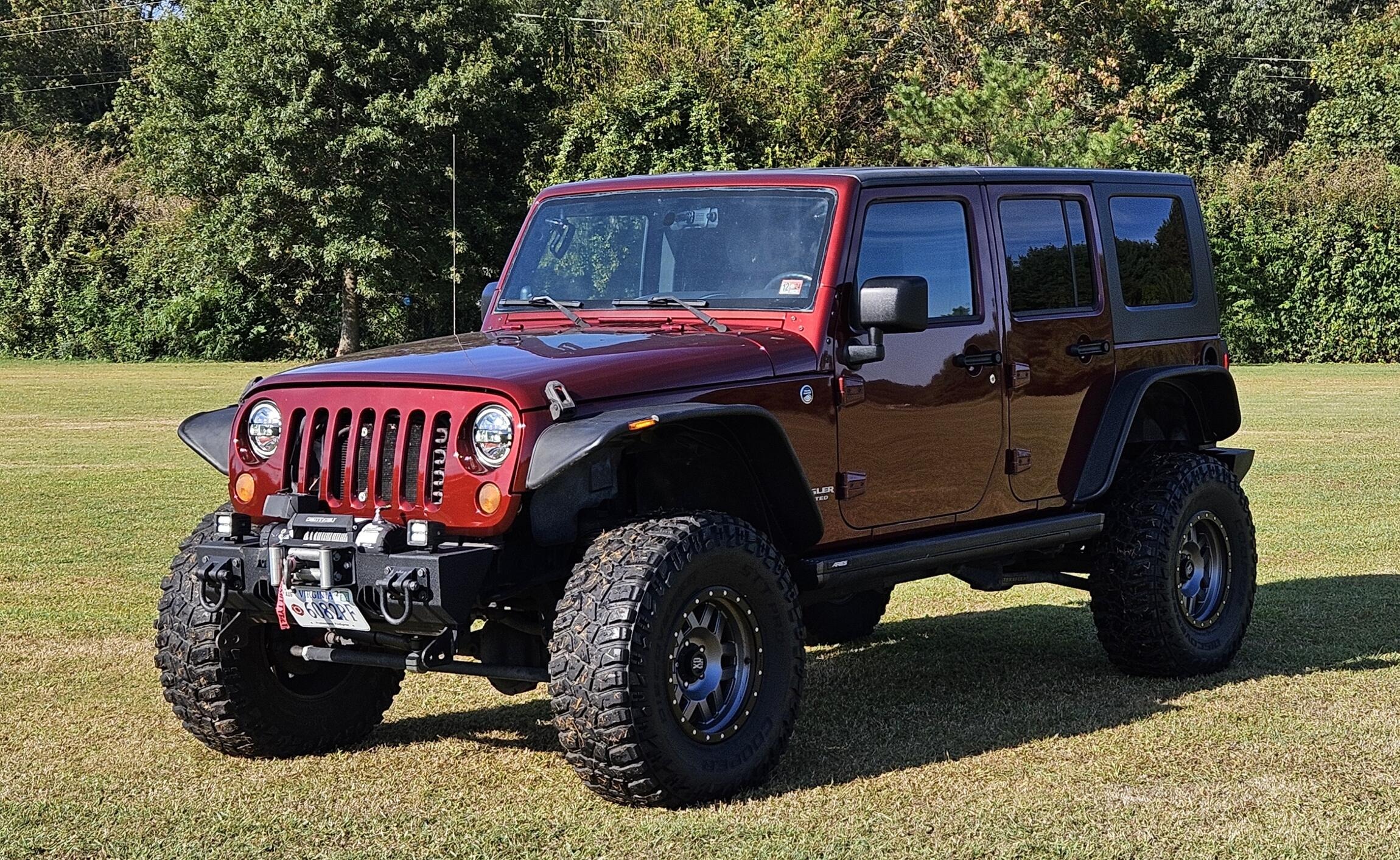
Jeeps have earned a reputation for toughness, versatility, and off-road capability. For some models, this reputation is well-deserved, as they can endure harsh terrain, extreme weather, and years of demanding use with minimal issues.
However, not every Jeep lives up to this standard. Some models are prone to mechanical failures, requiring frequent repairs and maintenance that frustrate owners. Understanding which Jeeps are built to last and which are more trouble-prone is essential for buyers seeking reliability and durability.
Jeeps that “live through anything” are known for their rugged construction, simple yet effective mechanical systems, and strong off-road capability. These vehicles often feature solid axles, robust suspension, and engines designed to endure heavy use.
Their reliability stems from thoughtful engineering combined with a focus on durability, making them favorites among off-road enthusiasts, adventurers, and anyone who demands a vehicle that performs under stress.
Models like the Wrangler and Cherokee have earned this status through decades of proven performance, earning trust for both everyday driving and challenging expeditions.
Conversely, some Jeeps are notorious for frequent breakdowns, electrical issues, or complex mechanical failures. These models, while potentially offering attractive features or styling, struggle with long-term reliability.
Frequent repairs, high maintenance costs, and unpredictable performance make these vehicles a source of frustration for owners, especially for those who rely on their Jeep for off-road adventures or daily commuting.
This article examines both sides of the Jeep experience. The first section highlights five models known for their durability and longevity, showing why they continue to impress owners even after years of demanding use.
The second section focuses on five models that tend to break down, analyzing the factors that contribute to their reputation for unreliability. By comparing these two groups, readers can understand what makes a Jeep truly dependable and which models may pose challenges over time.
Also Read: 5 Cars With Instant Torque You’ll Never Forget vs 5 That Fall Short
5 Jeeps That Can Live Through Anything
Jeeps are designed with ruggedness and versatility in mind, but some models stand out for their extraordinary durability and ability to handle extreme conditions.
These vehicles are built to endure off-road challenges, harsh weather, and years of continuous use without significant mechanical issues. Their reputation for reliability makes them favorites among adventurers, off-road enthusiasts, and anyone seeking a vehicle that can perform under stress.
Vehicles in this category typically feature robust construction, simple yet effective mechanical systems, and components engineered for longevity. Solid axles, heavy-duty suspension, and durable drivetrain elements contribute to their ability to survive challenging terrain and demanding usage.
Engines in these Jeeps are often designed for resilience rather than sheer performance, providing dependable power while minimizing the risk of frequent breakdowns.
Another reason these Jeeps are celebrated is their maintainability. Parts are often widely available, repairs are straightforward, and their mechanical simplicity allows owners to perform routine maintenance or even modifications without excessive difficulty.
This combination of reliability and ease of repair ensures that these models continue to perform well even as they age, creating lasting value for their owners.
In addition to mechanical durability, these Jeeps offer a practical balance of functionality and comfort. They provide strong off-road capabilities while remaining suitable for daily driving, commuting, or long-distance travel. Their versatility enhances their appeal and ensures that they remain relevant across various use cases.
This section highlights five Jeep models known for their endurance and reliability. Each selection demonstrates how thoughtful engineering, rugged construction, and practical design contribute to long-term dependability.
By examining these models, readers can understand why certain Jeeps have earned reputations as vehicles that truly “live through anything,” providing confidence, performance, and peace of mind to those who rely on them.
1. Jeep Wrangler TJ
The Jeep Wrangler TJ, produced from 1997 to 2006, is renowned for its legendary off-road capability and rugged durability.
Its solid axle design, strong frame, and simple yet effective mechanical systems make it one of the most dependable Jeeps ever produced. Enthusiasts and adventurers alike trust the TJ for both challenging trails and everyday use.
One of the TJ’s standout features is its proven suspension system, which provides excellent articulation for off-road conditions. The coil-spring setup allows the wheels to maintain contact with uneven terrain, improving traction and stability.
Coupled with solid axles front and rear, the Wrangler TJ excels in rock crawling, mud, and steep inclines. This mechanical simplicity not only enhances performance but also ensures that repairs and modifications are straightforward.
Under the hood, the Wrangler TJ offered a range of engines, most notably the 4.0-liter inline-six, which is celebrated for its reliability, smooth operation, and longevity. This engine can endure high mileage with minimal issues, making it a favorite among owners who prioritize dependability over peak performance.
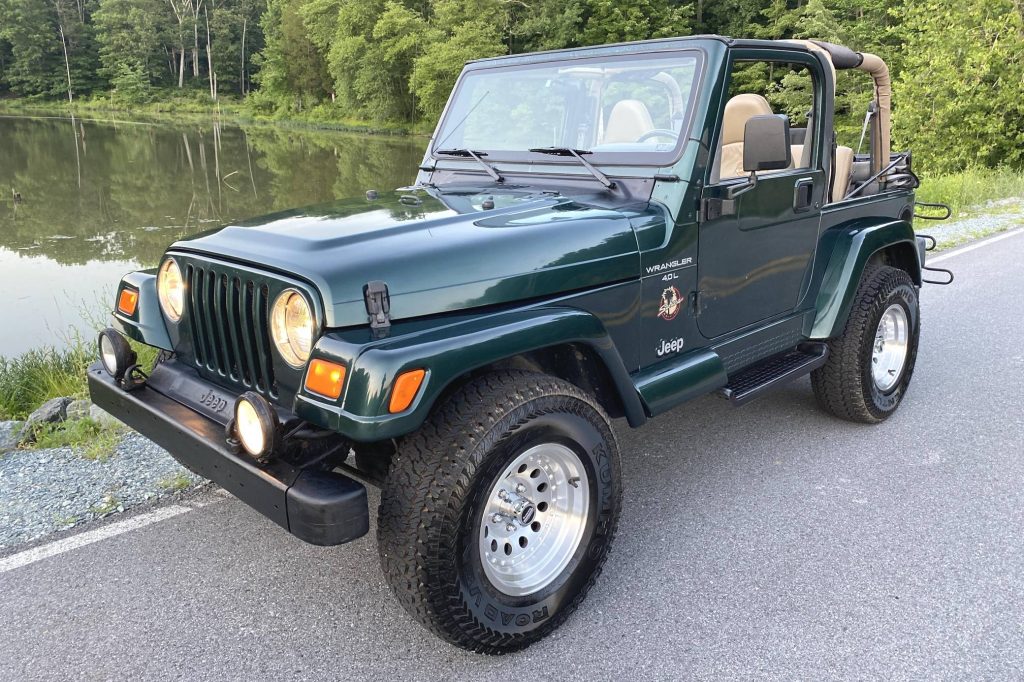
The TJ’s design also prioritizes practicality. Removable tops and doors, a rugged interior, and easy-to-access components make it adaptable to both urban driving and extreme outdoor adventures. Its widespread popularity ensures that replacement parts and aftermarket support are abundant, making maintenance simpler and more cost-effective.
The Jeep Wrangler TJ is included because it exemplifies what it means for a vehicle to “live through anything.” Its combination of durable construction, reliable engine, and off-road capability ensures that it remains highly sought after by enthusiasts.
The TJ’s enduring reputation for toughness and versatility makes it a benchmark for durable, dependable Jeeps that can withstand years of demanding use.
2. Jeep Cherokee XJ
The Jeep Cherokee XJ, produced from 1984 to 2001, is often hailed as one of the most durable and long-lasting SUVs ever made.
Its unibody construction combined with rugged suspension design gives it exceptional strength while keeping the vehicle light and agile. This model has earned a reputation for reliability and longevity, capable of surviving decades of use with proper maintenance.
One of the XJ’s key strengths is its solid front and rear suspension coupled with a dependable drivetrain. The live axles, combined with simple mechanical linkages, allow the Cherokee XJ to handle rough terrain while minimizing repair complexity. Its suspension is forgiving enough for daily driving while remaining capable on trails and off-road environments.
The engine options, particularly the 4.0-liter inline-six, are legendary for their durability. Known for running hundreds of thousands of miles without major issues, the 4.0-liter engine offers both sufficient power and an impressive track record for reliability.
This makes the Cherokee XJ an excellent choice for drivers who need a vehicle that can endure high mileage and demanding conditions.
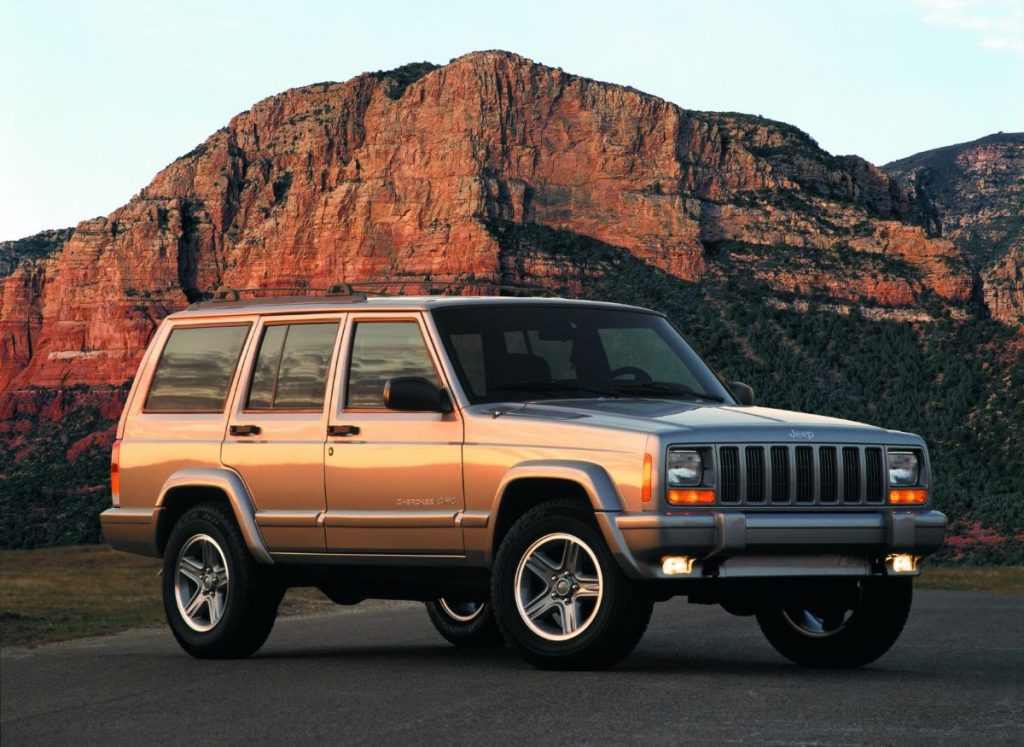
Another advantage is the availability of parts and community support. The XJ’s popularity means that replacement components, aftermarket upgrades, and repair guides are widely accessible, reducing downtime and maintenance costs.
Its straightforward mechanical systems also allow owners to perform repairs themselves, further enhancing long-term usability.
The Jeep Cherokee XJ is included because it demonstrates how smart engineering and durability can create a vehicle that truly “lives through anything.”
Its robust construction, reliable engine, and practical design have made it a favorite among off-road enthusiasts and long-term owners. The XJ remains a symbol of rugged dependability, earning its place as one of the most enduring Jeeps ever produced.
3. Jeep Wrangler JK
The Jeep Wrangler JK, produced from 2007 to 2018, represents a modern iteration of the legendary Wrangler while maintaining the toughness and reliability expected from the brand.
Designed for both off-road adventures and daily driving, the JK combines rugged construction, improved safety features, and enhanced comfort, making it a versatile and durable choice for Jeep enthusiasts.
One of the key factors contributing to the JK’s durability is its upgraded suspension system. It retains the solid axle configuration, which provides excellent off-road articulation and maintains stability over rough terrain.
The suspension improvements, combined with stronger frame components, allow the vehicle to handle challenging trails, rock crawling, and deep mud without significant stress on mechanical systems.
Engine options, such as the 3.8-liter V6 and later the 3.6-liter Pentastar V6, are designed for reliability and ease of maintenance.
These engines deliver sufficient power for both on-road and off-road driving while maintaining a reputation for longevity. Many owners report that the JK can endure high mileage with minimal issues, reinforcing its “live through anything” status.
The JK also benefits from modern enhancements, such as improved corrosion resistance, better interior materials, and advanced electronics, all while remaining simple enough to ensure longevity.
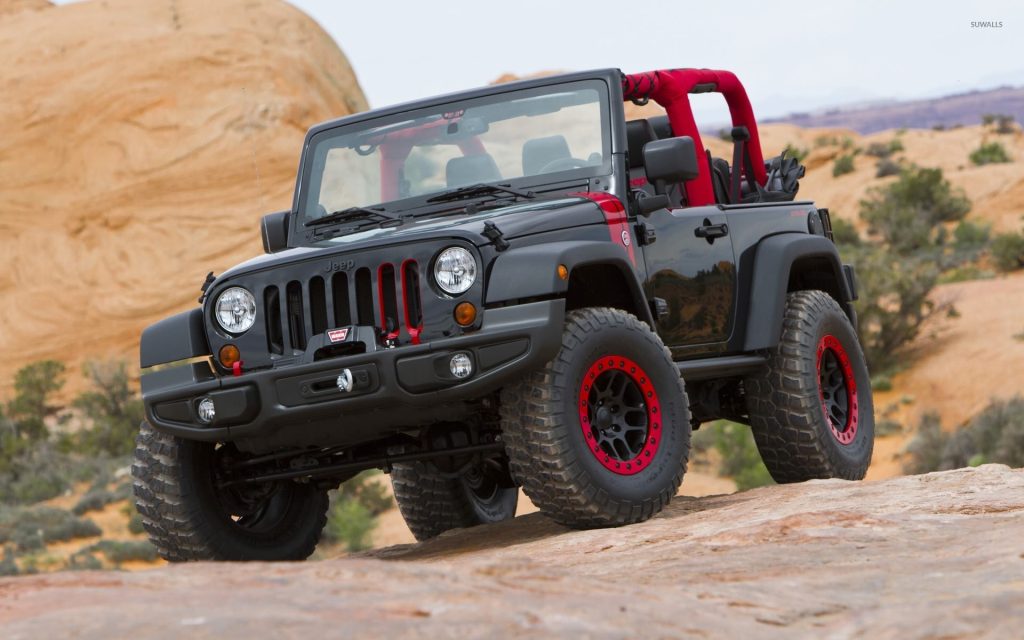
Removable tops and doors, a durable interior, and straightforward mechanical systems make the Jeep JK adaptable for outdoor enthusiasts and adventure seekers.
The Jeep Wrangler JK is included because it demonstrates how modern engineering can preserve durability while offering improved comfort and safety.
Its combination of solid construction, reliable powertrains, and off-road capability ensures that it continues the Wrangler legacy of toughness. The JK proves that even newer Jeeps can maintain the reputation for resilience and longevity that enthusiasts have come to expect.
4. Jeep Grand Cherokee ZJ
The Jeep Grand Cherokee ZJ, produced from 1993 to 1998, is often regarded as a reliable and enduring SUV capable of handling tough conditions while providing comfort and utility. It marked a significant step forward for Jeep, blending rugged off-road capability with a more refined driving experience suitable for everyday use.
One of the ZJ’s notable strengths is its frame and suspension design. Built on a unibody platform reinforced for durability, the Grand Cherokee ZJ offers a strong and stable foundation.
Its solid axles and well-tuned suspension allow it to navigate off-road trails with confidence, while also providing a comfortable ride on highways. This balance of ruggedness and refinement contributes to the model’s lasting appeal.
Engine reliability is another reason for the ZJ’s endurance. The 5.2-liter V8 and 4.0-liter inline-six engines are known for their longevity, capable of accumulating high mileage when properly maintained. These engines are straightforward to service, and parts are widely available, reducing repair costs and downtime.
Additionally, the ZJ’s combination of features, including four-wheel-drive systems, towing capacity, and ample cargo space, makes it versatile for outdoor adventures, family use, or utility purposes. Its practicality does not come at the expense of durability; the vehicle maintains reliability even under demanding conditions.
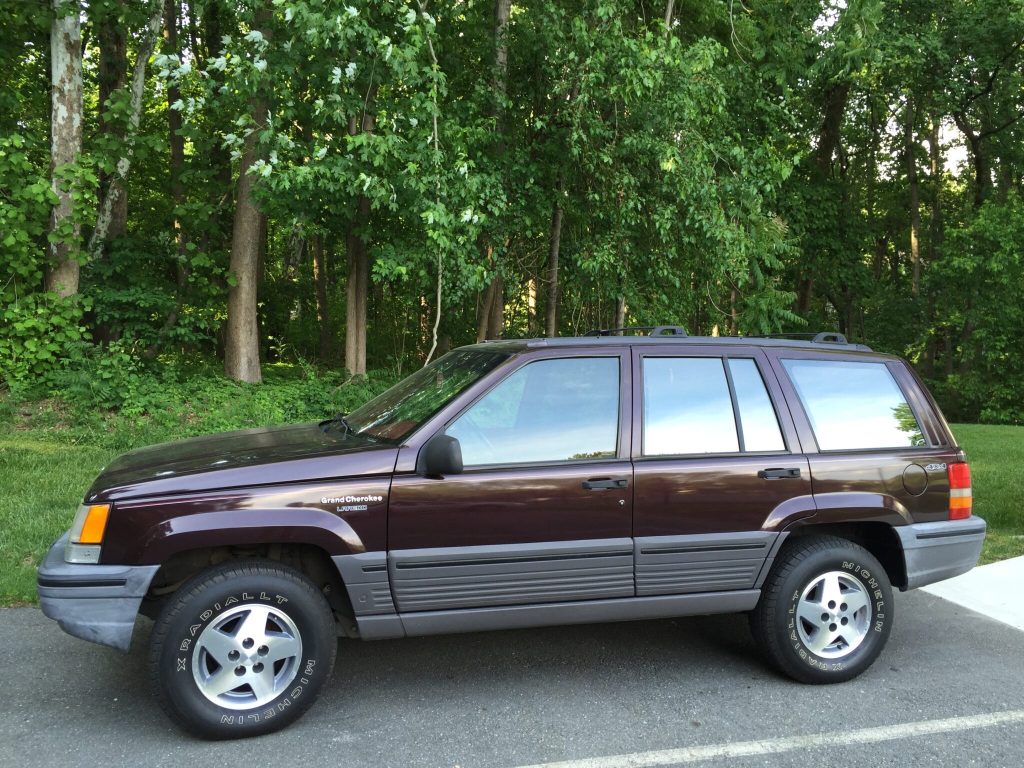
The Jeep Grand Cherokee ZJ is included because it exemplifies how a vehicle can blend off-road capability, comfort, and longevity. Its durable construction, reliable powertrains, and versatile design ensure it can endure years of demanding use.
The ZJ remains a standout in Jeep history, demonstrating that resilience and practicality can coexist, making it a true “live through anything” Jeep.
5. Jeep Wrangler YJ
The Jeep Wrangler YJ, produced from 1987 to 1995, is widely regarded as one of the most durable and reliable Jeep models ever made.
As the predecessor to the TJ, the YJ introduced modern refinements while maintaining the rugged construction and off-road capability that defined the Wrangler lineage.
Its combination of toughness, simplicity, and versatility has earned it a reputation as a vehicle that can endure challenging conditions and long-term use.
One of the YJ’s key strengths is its robust suspension system. Featuring solid axles front and rear, the YJ is capable of handling extreme off-road terrain with stability and control.
Its suspension geometry and durable components allow for effective articulation on uneven trails, ensuring that the vehicle can tackle rocks, mud, and steep inclines with minimal stress on mechanical parts.
Under the hood, the YJ offered reliable engine options, including the 2.5-liter four-cylinder and the 4.2-liter inline-six.
These engines are celebrated for their simplicity, ease of maintenance, and longevity, making the YJ a dependable choice for drivers who demand durability over high-end performance. Many owners report that these engines can reach high mileage without major repairs, further emphasizing the vehicle’s resilience.
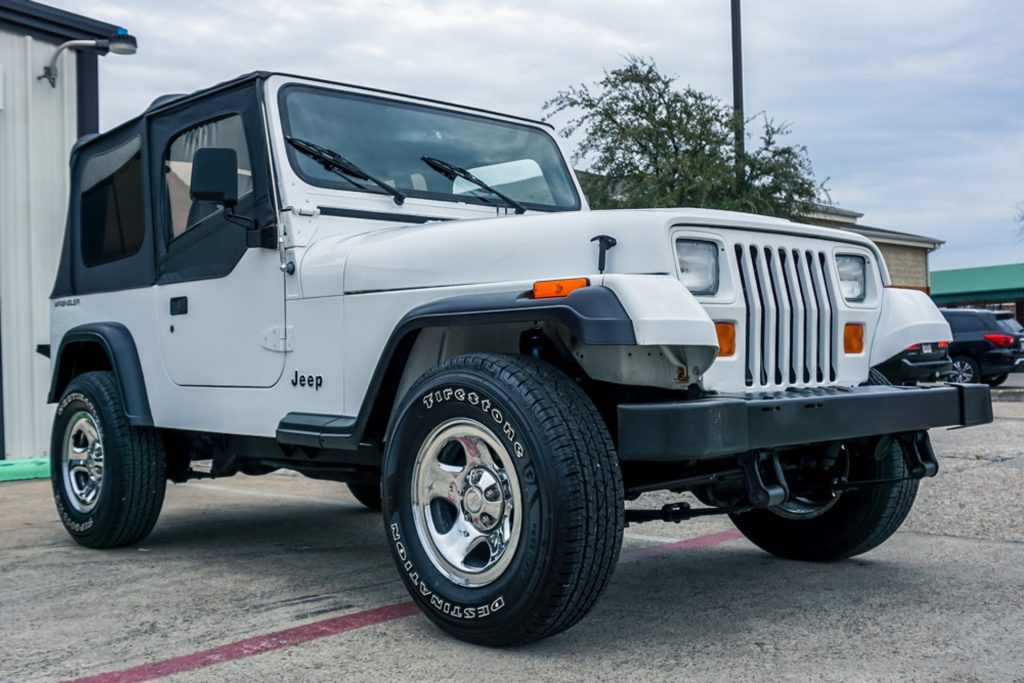
The YJ also features practical design elements that enhance its versatility. Removable tops and doors, a durable interior, and straightforward mechanical systems make it adaptable for both daily driving and extreme off-road adventures. Its simplicity ensures that repairs and maintenance are manageable, even in remote areas.
The Jeep Wrangler YJ is included because it exemplifies what it means to “live through anything.” Its combination of rugged construction, dependable powertrains, and off-road capability ensures that it remains a trusted and respected model among Jeep enthusiasts.
The YJ’s enduring reliability and adaptability make it a classic example of a Jeep built to withstand years of demanding use while remaining highly functional and enjoyable.
5 Jeeps That Constantly Break Down
While Jeeps are often celebrated for toughness and durability, certain models have developed reputations for frequent mechanical issues and reliability problems.
These vehicles, though appealing in design or features, tend to require constant attention, repairs, and maintenance, making ownership more challenging and less enjoyable.
Understanding which Jeeps are prone to frequent breakdowns can help buyers make informed decisions and avoid unnecessary frustration.
Jeeps that constantly break down often suffer from a combination of complex systems, mechanical weaknesses, or design flaws. Electrical issues, transmission problems, and suspension failures are common complaints among these models.
While they may offer attractive features, power, or styling, these vehicles often struggle to maintain consistent performance over time.
Owners may find themselves dealing with unexpected repairs, high maintenance costs, and reduced reliability, especially when the vehicles are subjected to demanding conditions.
Factors such as intricate electronics, turbocharged engines, or lightweight components can sometimes compromise a Jeep’s long-term dependability.
In certain cases, design choices aimed at improving comfort or off-road capability may inadvertently introduce weaknesses that require frequent intervention. These models contrast sharply with the durable, dependable Jeeps that can endure years of hard use with minimal issues.
This article examines five Jeep models known for reliability problems and frequent breakdowns. Each selection explores the mechanical, design, or engineering factors that contribute to these issues.
By analyzing these models, readers can identify patterns that impact vehicle longevity and understand why some Jeeps, despite their reputation for toughness, fail to meet expectations.
This comparison highlights the importance of researching a Jeep’s reliability before purchase, ensuring owners select a model suited to their needs and capable of withstanding the challenges of off-road and everyday driving without constant repairs.
1. Jeep Compass (First Generation)
The first-generation Jeep Compass, produced from 2007 to 2010, struggled with reliability and developed a reputation for frequent mechanical and electrical issues. Unlike traditional Jeeps with rugged construction, the Compass prioritized style and on-road comfort over durability, which led to recurring problems and frustration for owners.
One of the main concerns with the Compass is its transmission system. Many owners reported issues with the continuously variable transmission (CVT), including jerky performance, unexpected slipping, and complete transmission failures.
Repairs and replacements are often expensive and time-consuming, making this a notable weak point for a vehicle marketed as a capable SUV.
Electrical issues also plague the Compass. Problems with power windows, locks, and dashboard electronics are common, causing inconvenience and adding to maintenance costs. The combination of unreliable electronics and a problematic transmission contributes significantly to its reputation for constant breakdowns.
The engine options, including the 2.4-liter inline-four, were not particularly robust either. While sufficient for daily driving, they sometimes experience overheating, oil consumption, and timing chain issues if not maintained properly. These concerns highlight the Compass’s divergence from the durability standards set by other Jeep models.
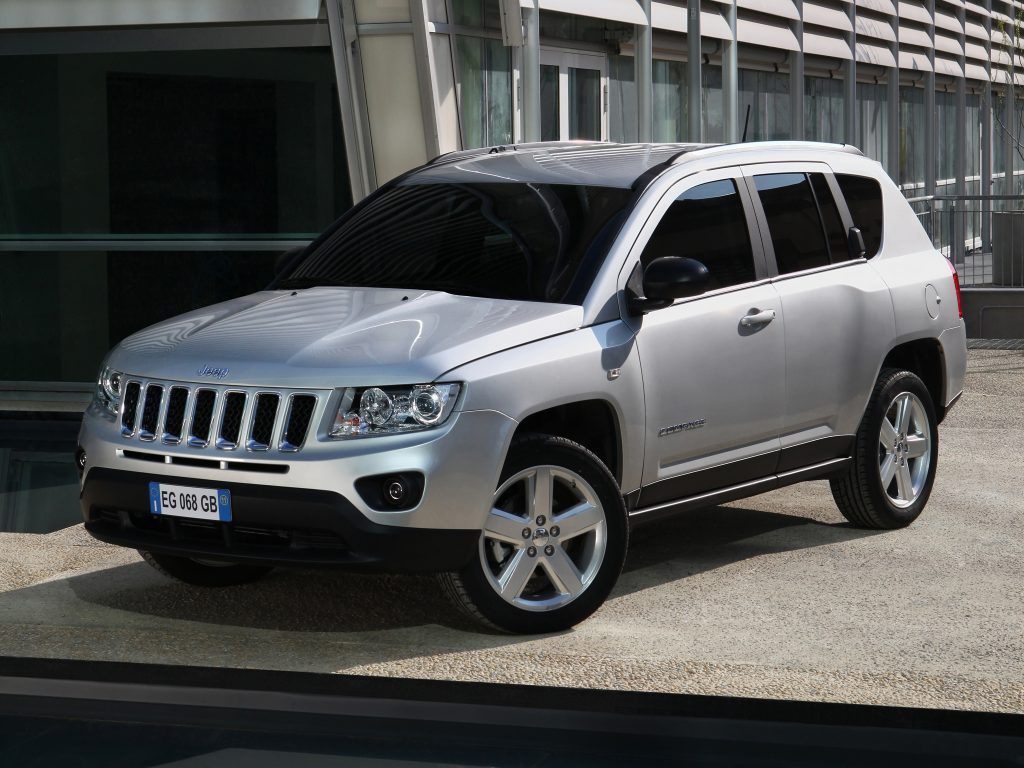
Despite its attractive design and compact size, the first-generation Compass fails to deliver the dependability expected from the Jeep brand. Its focus on aesthetics and on-road handling came at the expense of long-term reliability, which has left many owners dissatisfied.
The Jeep Compass is included because it demonstrates how prioritizing style and comfort over rugged engineering can result in frequent breakdowns.
Its transmission, electrical, and engine issues serve as cautionary examples for potential buyers seeking a Jeep capable of enduring daily use and off-road challenges without constant repair needs.
2. Jeep Liberty KJ
The Jeep Liberty KJ, produced from 2002 to 2007, is a compact SUV that earned criticism for mechanical issues and reliability concerns. Despite its attractive styling and off-road capabilities, many owners experienced frequent problems that impacted the vehicle’s overall dependability and reputation.
One of the Liberty KJ’s most common issues is its engine performance. The 3.7-liter V6 engine is prone to head gasket failures and coolant leaks, which can lead to overheating and costly repairs. These problems often appear at relatively low mileage, undermining confidence in the vehicle’s long-term reliability.
Transmission problems also affect the Liberty KJ. Owners frequently report rough shifting, slipping, or complete transmission failure, especially in the automatic variants. Combined with engine concerns, these issues significantly increase maintenance costs and reduce the vehicle’s usability for daily driving or off-road adventures.
Electrical components add further challenges. Issues with power windows, interior lighting, and the vehicle’s computer systems are common, causing frustration for owners and complicating repairs.
While some of these problems can be resolved with regular maintenance, the frequency and cost of repairs make the Liberty KJ a less dependable option.
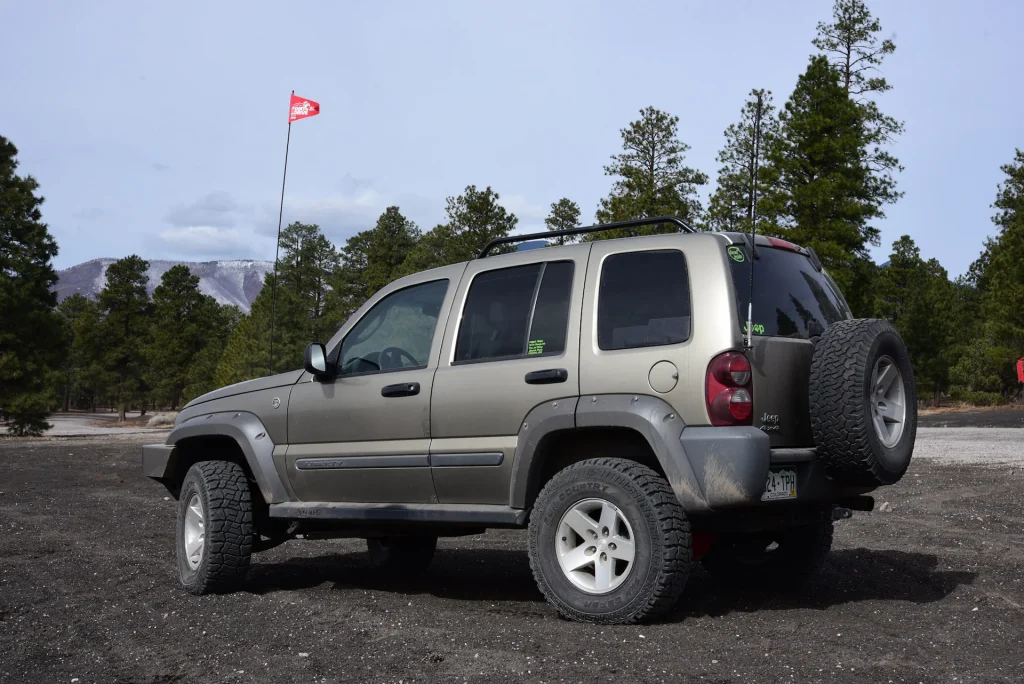
Despite its rugged exterior and capable four-wheel-drive system, the Liberty KJ’s combination of engine, transmission, and electrical problems undermines its reliability. Parts may be available, but recurring mechanical failures reduce confidence for owners seeking a low-maintenance vehicle.
The Jeep Liberty KJ is included because it highlights how a Jeep can look tough and capable while suffering from frequent breakdowns.
Its mechanical and electrical weaknesses serve as a reminder that reliability is not guaranteed across all models, even within a brand known for durability. The Liberty KJ is a cautionary example for buyers prioritizing long-term dependability.
3. Jeep Renegade (2015–2019)
The Jeep Renegade, introduced in 2015, is a compact SUV designed for urban driving and light off-road use.
Despite its modern styling and appealing features, the Renegade quickly gained a reputation for frequent mechanical and electrical issues, making it one of the more troublesome models in the Jeep lineup.
One of the Renegade’s primary problems is its transmission. Early models equipped with the nine-speed automatic transmission often exhibit rough shifts, hesitation, and occasional failure.
These transmission issues can lead to costly repairs and diminished driving confidence, particularly for owners who expect a reliable SUV for daily commuting and occasional off-road excursions.
Electrical problems further complicate the Renegade’s reliability. Owners frequently report issues with sensors, infotainment systems, and lighting components, leading to warning lights and unexpected malfunctions. These electrical gremlins can be difficult and expensive to diagnose, creating frustration for drivers who prioritize low-maintenance vehicles.
The 1.4-liter turbocharged engine, while efficient, has its own challenges. Some owners have experienced turbocharger failures, excessive oil consumption, and overheating under heavy use. These engine concerns, combined with transmission and electrical issues, compound the vehicle’s reputation for unreliability.
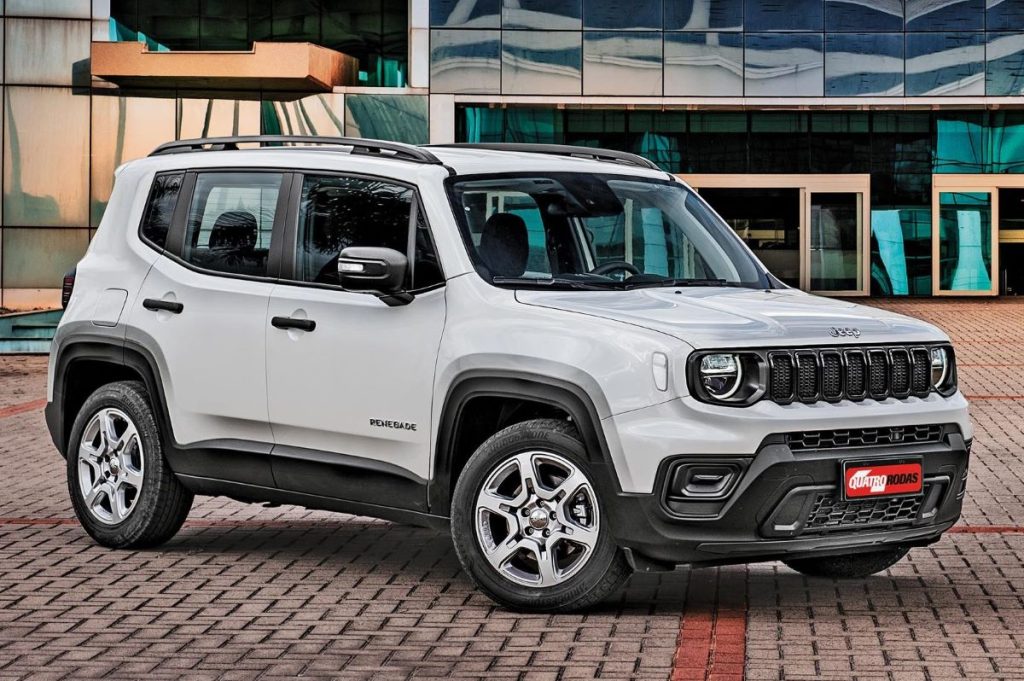
Despite its compact size and stylish appearance, the Renegade struggles to meet expectations for durability and long-term performance. Its off-road capability is limited compared to traditional Jeeps, and the frequent repairs make ownership less satisfying for enthusiasts or adventurers.
The Jeep Renegade is included because it demonstrates how a modern Jeep can fail to deliver consistent reliability. Transmission, electrical, and engine problems serve as clear examples of the potential challenges associated with certain models.
Prospective buyers should approach the Renegade cautiously, understanding that it may require frequent attention to maintain satisfactory performance.
4. Jeep Patriot (2007–2017)
The Jeep Patriot, produced from 2007 to 2017, is a compact SUV that was designed to offer a budget-friendly Jeep experience. While it shares styling cues and four-wheel-drive options with other Jeep models, the Patriot developed a reputation for reliability problems that frustrate many owners.
One of the Patriot’s most notable issues is its CVT (continuously variable transmission) system. Many vehicles experience transmission hesitation, shuddering, and premature failure, requiring costly repairs or replacements. The CVT’s sensitivity to driving conditions and maintenance neglect has made it a frequent source of dissatisfaction among owners.
Engine reliability is another concern. The 2.4-liter inline-four engine, while adequate for everyday driving, has been known to develop oil leaks, timing chain tensioner issues, and overheating problems. These issues can escalate quickly if not addressed, resulting in expensive repairs and downtime.
Electrical malfunctions also affect the Patriot. Owners report frequent problems with dashboard electronics, power locks, and lighting systems. The combination of electrical, engine, and transmission issues contributes to the vehicle’s reputation for constant breakdowns.
While the Patriot provides an affordable entry into the Jeep lineup and offers reasonable off-road capability, its recurring mechanical problems overshadow its benefits. Many owners find that repairs become a regular part of ownership, undermining confidence in the vehicle’s dependability.
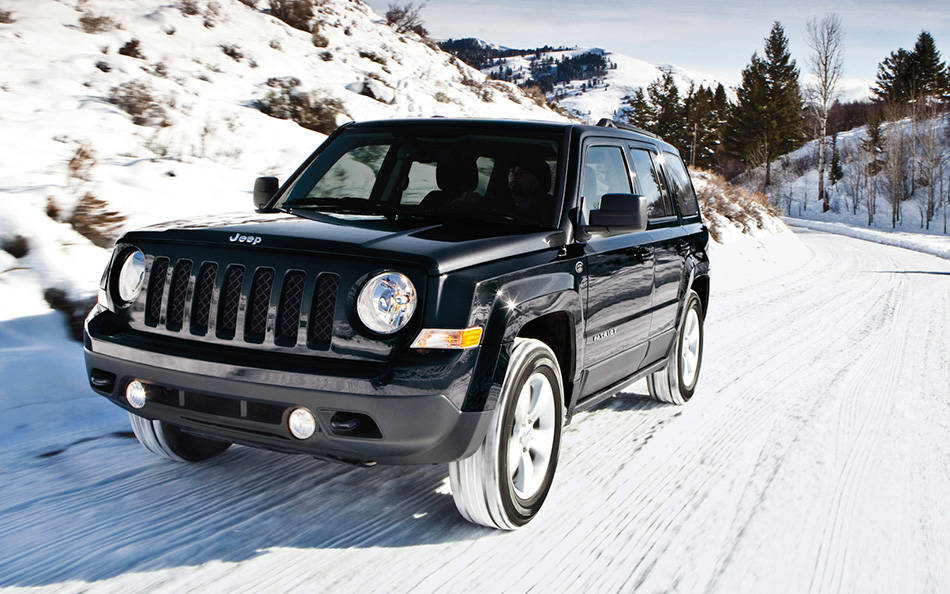
The Jeep Patriot is included because it illustrates how a Jeep can appear capable while struggling with consistent mechanical challenges. Its CVT, engine, and electrical problems highlight the importance of research and careful selection when purchasing a Jeep.
For buyers seeking reliability and durability, the Patriot represents a model that often falls short of expectations, requiring patience and attention to maintain usable performance.
5. Jeep Commander XK (2006–2010)
The Jeep Commander XK, produced from 2006 to 2010, is a full-size SUV that promised rugged capability and family-friendly features.
Despite its spacious interior and impressive off-road potential, the Commander developed a reputation for frequent mechanical and electrical problems, making it a model often associated with high maintenance costs and reliability issues.
One of the most significant problems with the Commander is its engine reliability. The 4.7-liter V8 and 3.7-liter V6 engines, while powerful, are prone to overheating, oil leaks, and failure of critical components such as head gaskets and intake manifolds.
These issues can appear at relatively low mileage, requiring expensive repairs that frustrate owners seeking dependable performance.
The Commander’s transmission is another area of concern. Many models equipped with the five-speed automatic transmission experience rough shifting, slipping, and occasional failure. These transmission problems reduce driving confidence, especially when towing or navigating challenging terrain, and contribute significantly to the vehicle’s reputation for unreliability.
Electrical problems further complicate ownership. The Commander’s onboard systems, including power windows, door locks, and dashboard electronics, frequently malfunction, leading to warning lights and operational issues.
Combined with mechanical failures, these electrical concerns create a vehicle that often requires constant attention.
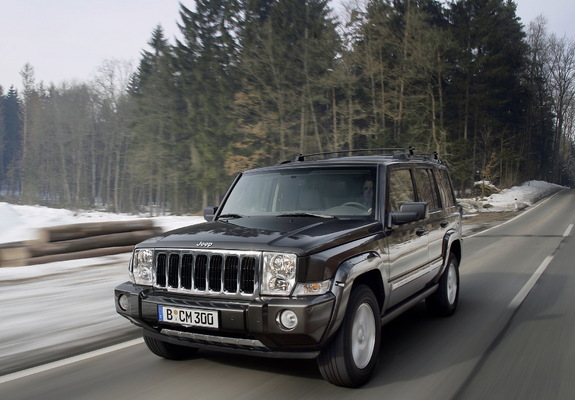
Despite its attractive design, three-row seating, and off-road potential, the Commander XK struggles with consistent reliability. Maintenance is often time-consuming and costly, and owners must remain vigilant to avoid major issues.
The Jeep Commander XK is included because it exemplifies how a Jeep can offer capability and space while suffering from persistent breakdowns. Its engine, transmission, and electrical problems serve as cautionary examples for prospective buyers.
Understanding these challenges is crucial for anyone considering the Commander, highlighting that not all Jeeps live up to the brand’s reputation for toughness and dependability.
Also Read: 5 Trucks That Run Like New After 10 Years vs 5 That Don’t
