
The American car market is a fascinating reflection of changing lifestyles, consumer preferences, and evolving automotive trends. Some vehicles hold an unshakable position in the hearts of drivers, consistently topping sales charts year after year.
Others, despite initial promise or strong marketing, quietly disappear from showrooms as buyers move on. The divide between cars that Americans keep buying and those they’ve abandoned says a lot about what truly matters to the modern driver reliability, practicality, technology, fuel efficiency, and long-term value.
Vehicles that continue to perform strongly are often built on trust and reputation. They offer a blend of dependable engineering, good resale value, and features that appeal to both urban commuters and families alike.
These are the vehicles that deliver what buyers need, not just what looks good on paper. From pickup trucks that dominate highways to sedans that balance comfort and economy, these cars remain best-sellers because they fit perfectly into American life.
On the other side are models that couldn’t maintain that bond. Some suffered from mechanical issues, others couldn’t keep up with market trends, while a few were simply outclassed by rivals.
Even well-known brands have had models that once sparked excitement but later struggled to stay relevant. When American consumers lose confidence in a vehicle, they rarely give it a second chance and the sales charts reflect that reality.
This comparison isn’t just about numbers. It’s about understanding the vehicles that have earned long-term trust and those that couldn’t sustain it. By examining both sides, we see what defines success in the automotive market and what mistakes can drive customers away.
Also Read: 5 JDM Legends That Live Forever vs 5 Forgotten Models
5 Cars That Americans Keep Buying
Some cars manage to stay popular for decades, even as design trends and technologies evolve. These are the models that resonate deeply with American buyers because they consistently meet expectations.
They are practical, durable, and often symbolize values such as hard work, reliability, and comfort. Many have adapted smartly to modern demands improving fuel economy, safety, and performance without losing their original identity.
Americans tend to form lasting attachments to vehicles that prove their worth in daily life. Whether it’s a truck that handles work duties with ease or a family SUV that feels safe on long drives, loyalty comes from dependability.
Automakers who understand this have refined these cars year after year, listening to feedback and enhancing performance, comfort, and longevity.
It’s not just about mechanical excellence, though. These vehicles often carry a strong emotional connection a first car passed down through generations, a trusted companion on cross-country trips, or a nameplate that has weathered decades of change.
Their continued dominance shows how much consistency matters in a market filled with flashy newcomers and short-lived trends.
The following five cars have built that kind of trust. They have earned their spots not through hype, but through steady performance and real-world satisfaction.
Each represents a category where American preferences are strongest pickup trucks, SUVs, and dependable sedans. Their success is proof that when manufacturers listen to their customers and deliver reliability, buyers respond with loyalty.
1. Ford F-150
The Ford F-150 is the best-selling vehicle in America for over four decades, and its success is no accident. It strikes the perfect balance between rugged strength and everyday comfort. Designed to serve construction workers, families, and commuters alike, the F-150 delivers versatility that very few trucks can match.
Its powertrain options range from efficient V6 engines to the mighty V8 and even a hybrid variant. Ford has also introduced the electric F-150 Lightning, showing its ability to adapt without losing its core identity.
The F-150 is dependable, capable of towing heavy loads while maintaining a smooth ride an essential combination for the American driver who expects a vehicle to work hard but also handle daily errands with ease.
Inside, the cabin feels modern and refined. Advanced safety systems, user-friendly technology, and a quiet interior make long drives comfortable. The truck’s resale value remains strong, adding another reason why buyers return to it generation after generation.
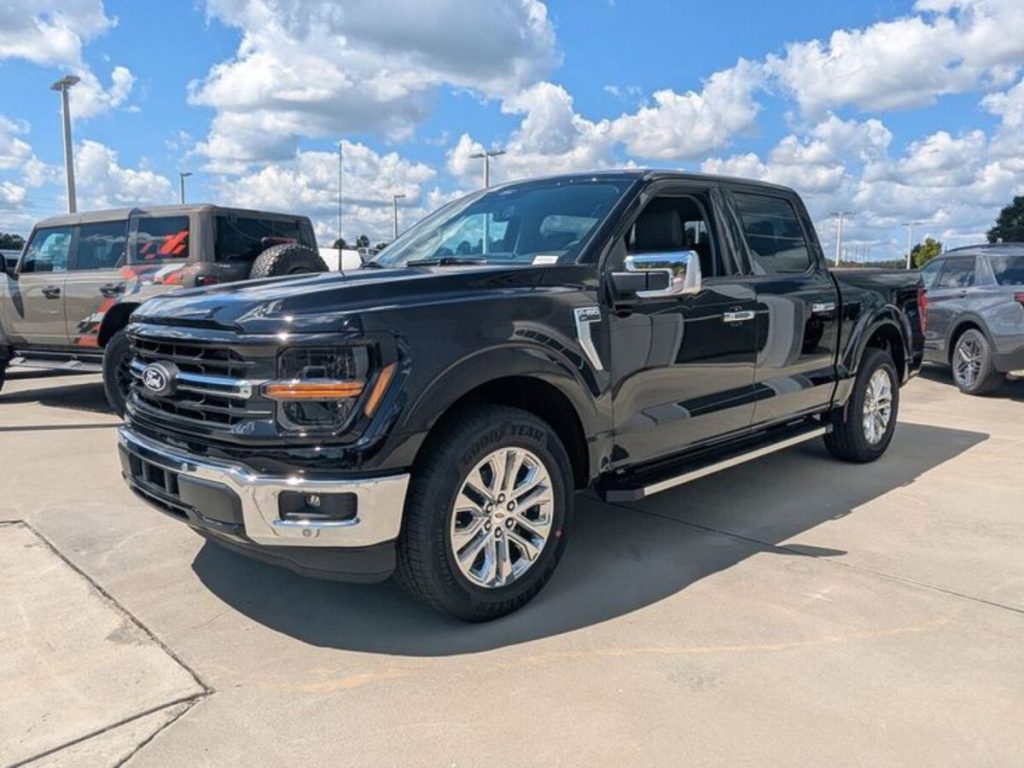
The reason for highlighting the F-150 is simple it represents American durability. It’s more than a work vehicle; it’s a cultural icon. Its ability to evolve while retaining its purpose keeps it on top of sales charts every year. Ford’s continuous updates prove that innovation doesn’t have to mean losing reliability.
The F-150 continues to be the standard for what a pickup should be strong, adaptable, and built for the long haul. That’s why Americans keep buying it without hesitation.
2. Toyota Camry
Few sedans have maintained the trust of American families as consistently as the Toyota Camry. Since its arrival, the Camry has represented a balance of practicality, dependability, and refinement that fits perfectly into daily life. It’s not flashy, but that’s exactly what makes it so enduring it quietly does everything right.
The Camry’s long-term success stems from Toyota’s commitment to quality engineering. Its engines are known for lasting well beyond 200,000 miles, and its smooth automatic transmission makes it a pleasure to drive in traffic or on highways. The ride comfort is one of its strongest qualities, offering a composed and quiet cabin even after years of use.
Toyota’s decision to keep improving the Camry rather than completely reinvent it has paid off. The car has steadily evolved with better fuel efficiency, enhanced safety systems, and more premium interiors. The available hybrid version appeals to eco-conscious drivers without sacrificing performance or reliability.
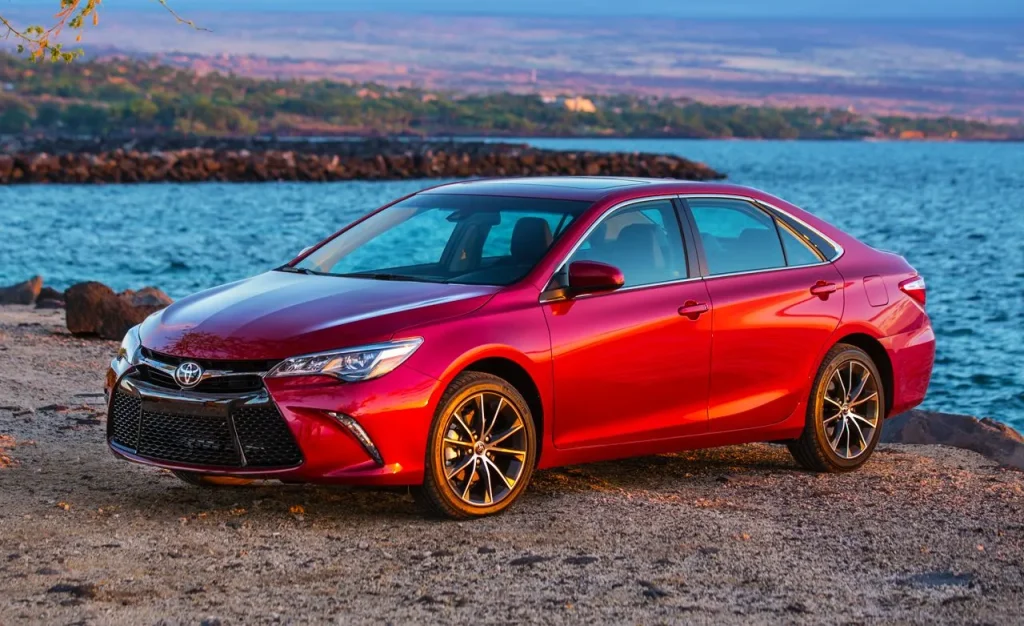
The reason this model continues to sell is simple it never lets its owners down. It’s a dependable car that delivers value far beyond its sticker price. For many Americans, the Camry is a smart, sensible investment that doesn’t demand much in return.
This car is being written about because it represents consistency in its purest form. In a market flooded with crossovers and experimental designs, the Camry stands tall as proof that reliability and comfort still matter most. It’s the quiet achiever of the automotive world dependable, efficient, and timeless.
3. Chevrolet Silverado 1500
The Chevrolet Silverado 1500 has long been one of America’s favorite full-size trucks, standing shoulder-to-shoulder with the Ford F-150 in popularity. Built to endure tough work conditions while offering comfort and advanced features, the Silverado has earned a devoted following across generations.
Its powerful lineup of engines, including the 5.3L and 6.2L V8 options, ensures that it can handle any task, from towing heavy trailers to off-road adventures. The available Duramax diesel engine gives it an edge in efficiency and torque, making it a strong choice for both work and recreation.
Chevrolet has continuously refined the Silverado’s design to appeal to both blue-collar workers and suburban families.
The cabin features durable materials, spacious seating, and a host of modern technologies like smartphone integration, trailer assist systems, and adaptive cruise control. These upgrades have helped it remain relevant in an increasingly competitive truck market.
Its toughness and reliability are key reasons why Americans keep returning to it. The Silverado has built its reputation not on marketing hype but through decades of real-world performance. It is a vehicle that drivers know they can depend on in harsh weather, long-distance hauls, or daily commutes.
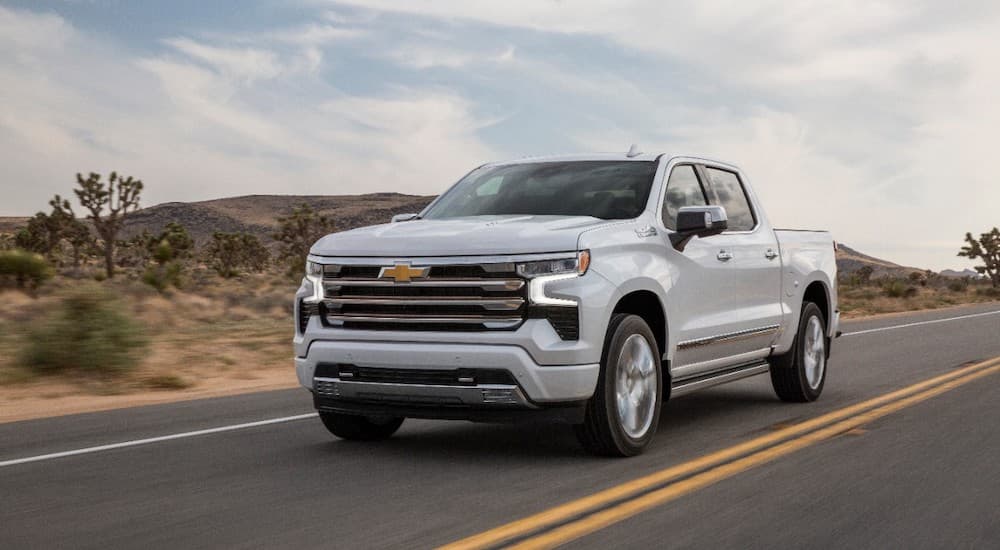
The Silverado is featured here because it embodies American resilience. It’s not just a truck; it’s part of a lifestyle that values hard work and dependability. Whether seen on construction sites, farms, or highways, it carries an image of strength and endurance.
For many buyers, choosing the Silverado means choosing tradition and trust. It’s a truck that proves consistency and capability can go hand in hand and that’s exactly why it continues to dominate American roads.
4. Honda CR-V
The Honda CR-V has become a cornerstone of American family life. It’s one of those vehicles that simply fits practical, comfortable, efficient, and built to last. For years, it has stood as a benchmark in the compact SUV category, winning over drivers who want space without sacrificing reliability or fuel economy.
What keeps Americans returning to the CR-V is its balanced nature. The cabin offers an airy, functional layout with quality materials and plenty of cargo space.
The seats are supportive, and the wide visibility makes city driving or highway cruising stress-free. Honda’s attention to everyday usability is what separates it from its rivals every button, lever, and screen feels thoughtfully placed.
Under the hood, the CR-V’s engines have proven to be efficient yet durable. Whether it’s the dependable 1.5-liter turbocharged version or the hybrid model, performance is smooth and confident. The suspension is tuned for comfort while maintaining steady handling, and the all-wheel-drive option gives drivers added assurance during bad weather.
This model continues to thrive because it meets nearly every need an average American driver could have affordability, dependability, comfort, and economy. There are fancier SUVs out there, but few can match the CR-V’s total value package.
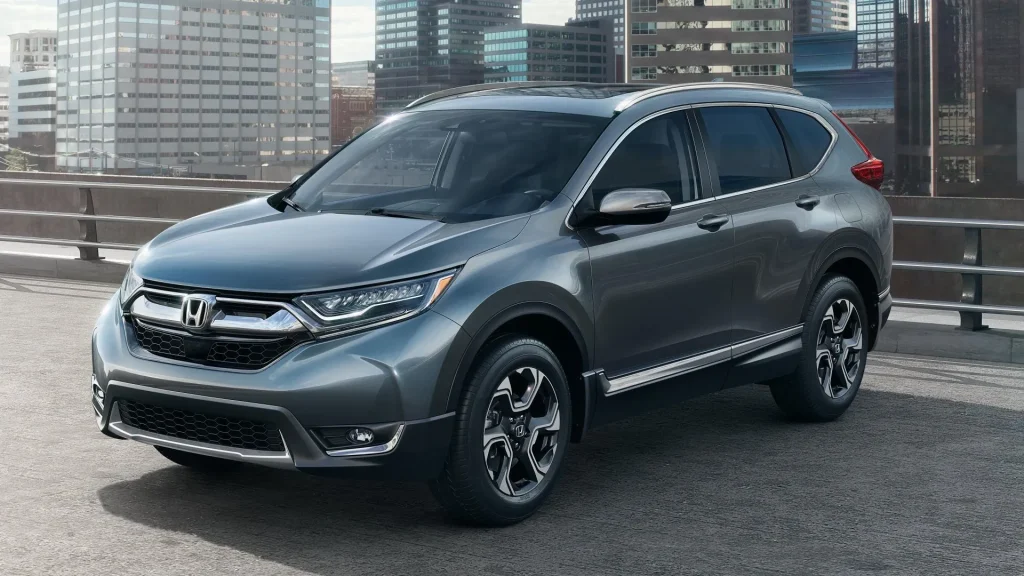
The CR-V earns its place here because it’s a symbol of consistency and practicality. It doesn’t rely on flashy technology or excessive power. Instead, it delivers on the simple promise of being reliable transportation that lasts for years. It’s not just a popular car it’s a trusted companion that reflects the preferences of millions who value reliability above all else.
5. Jeep Grand Cherokee
The Jeep Grand Cherokee has managed to hold its ground as a favorite among American drivers who want power, luxury, and versatility in one package. It bridges the gap between rugged adventure and refined comfort a rare combination that has defined its long-standing appeal.
One of the main reasons for its continued success is its versatility. Whether used for family road trips, daily commuting, or towing duties, the Grand Cherokee handles every role with confidence.
Its available V6 and V8 engines, along with optional four-wheel drive, make it equally capable on highways or dirt trails. Jeep’s engineering ensures that capability never compromises comfort.
Inside, the Grand Cherokee impresses with premium interiors that rival luxury SUVs. The modern infotainment system, quality upholstery, and attention to driver convenience make it feel more upscale than many of its competitors. Yet beneath its refinement lies the same rugged DNA that made Jeep famous.
This SUV has built a reputation for strength and longevity. Owners keep returning to it because it delivers both durability and prestige a blend few vehicles achieve. The design continually evolves, but the Grand Cherokee stays true to its roots: tough, confident, and distinctly American.
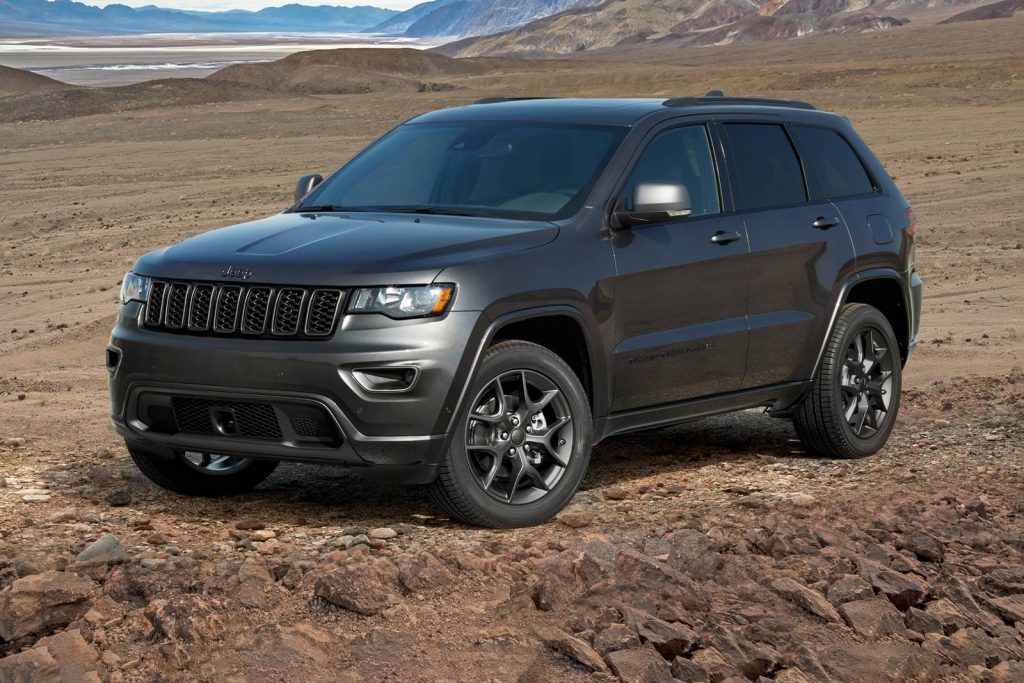
The reason it’s featured here is its ability to represent what American drivers love most independence, strength, and adaptability. It’s not just another SUV; it’s a symbol of endurance wrapped in luxury.
Few vehicles can climb mountains on weekends and handle office commutes on Mondays with the same ease. That’s what keeps the Grand Cherokee at the top of so many shopping lists year after year.
5 Cars That Americans Have Given Up On
Not every car manages to win the loyalty of American drivers. While some models become household names through reliability, practicality, or comfort, others fail to hold long-term appeal.
The reasons vary poor design choices, frequent mechanical issues, outdated features, or simply an inability to meet shifting market expectations. Over time, these vehicles lose their charm, leaving buyers looking elsewhere for something that delivers better value, performance, or reliability.
American drivers tend to be fiercely loyal when a car earns their trust, but once that bond is broken, it’s difficult to rebuild. A vehicle that looks good on paper may still fail in daily life if it doesn’t match real-world expectations.
Long maintenance times, declining resale value, and subpar performance can all push owners to move on. In a market that values innovation and practicality, there’s little room for vehicles that fail to evolve.
This section looks at five cars that once promised a lot but fell short in key areas. Each of these models serves as a reminder that brand reputation or flashy marketing can only go so far. When reliability falters or the competition outpaces innovation, buyers simply move on to something more dependable.
These cars are featured not to criticize but to highlight lessons that automakers and buyers can learn from. Each name once carried strong potential some even had large fan bases but eventually lost relevance due to missteps in performance, technology, or quality.
By understanding why Americans stopped buying them, it becomes easier to see what truly matters in a car purchase: consistency, dependability, and value over time.
These five vehicles show how quickly public opinion can change when a car stops delivering what drivers need most.
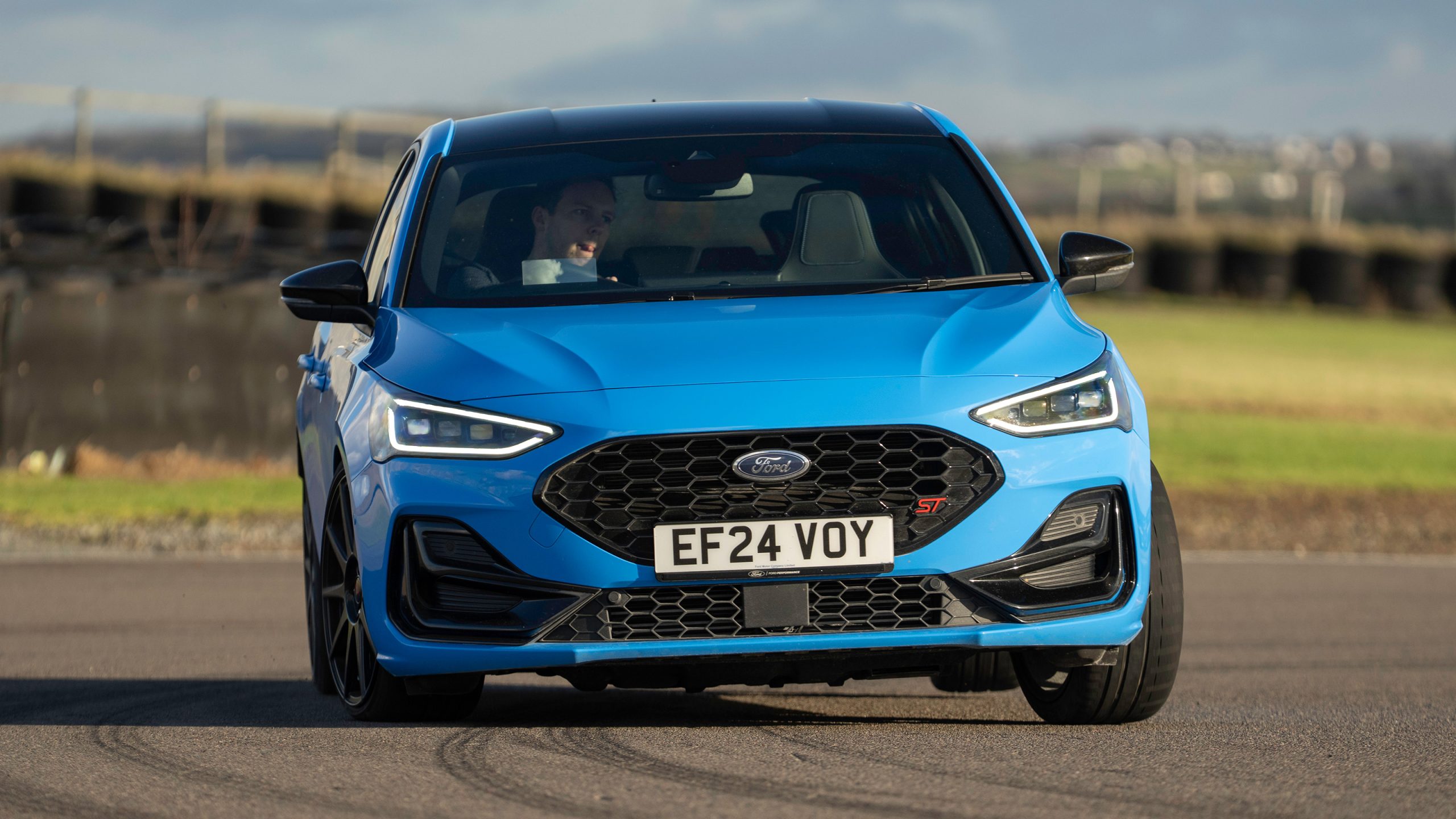
1. Ford Focus
The Ford Focus once stood as a cornerstone of Ford’s compact lineup. Affordable, stylish, and fuel-efficient, it captured the attention of millions when it first appeared on American roads.
However, over the years, reliability concerns and quality issues began to overshadow its appeal. What was once a smart, city-friendly choice eventually became a reminder of how critical long-term dependability is to American buyers.
One of the biggest problems that hurt the Focus was its transmission. The dual-clutch automatic system introduced in many models was plagued with shuddering, jerking, and early failure.
Ford faced numerous complaints, lawsuits, and costly repairs that severely damaged customer confidence. Drivers who expected a smooth, reliable ride found themselves dealing with unpredictable gear shifts and high maintenance costs.
Beyond the mechanical problems, the Focus also struggled to stand out as the market evolved. Competitors like Toyota, Honda, and Hyundai offered similar compact cars with better reliability and technology.
As American tastes shifted toward SUVs and crossovers, the compact sedan segment declined, leaving the Focus with a shrinking customer base.
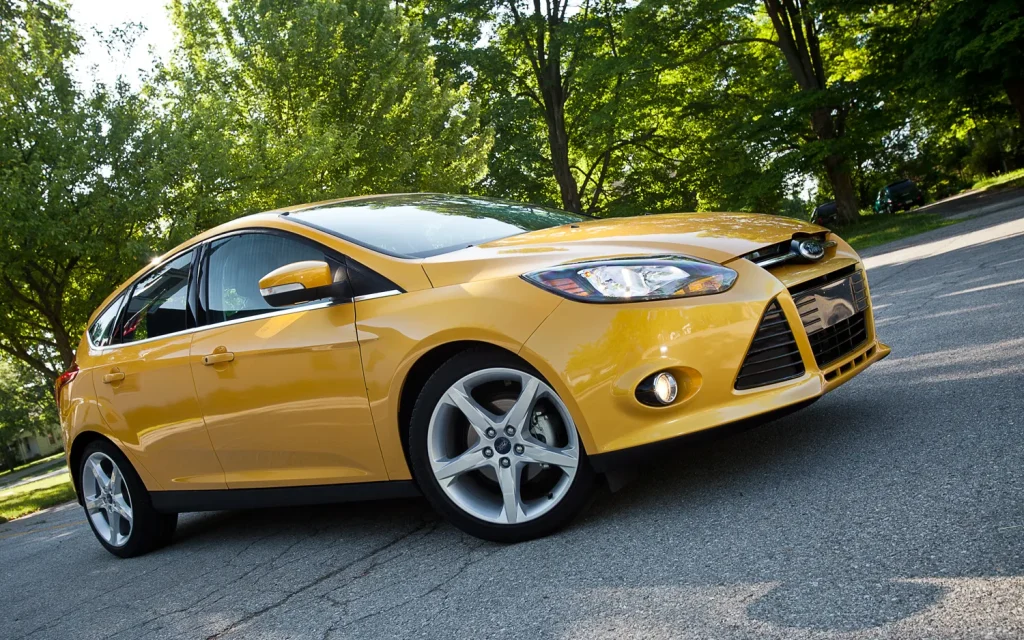
Ford eventually discontinued the Focus in the U.S., redirecting its efforts toward larger vehicles. It’s featured here not just because of its technical issues, but because it symbolizes how quickly a brand can lose buyer trust.
A car that once defined practicality became synonymous with frustration for many owners. The Focus serves as a clear example of how poor engineering decisions can tarnish a once-strong reputation.
2. Chrysler 200
The Chrysler 200 was introduced with high hopes of redefining the midsize sedan market. It had elegant styling, comfortable interiors, and a premium look that promised to compete with more established names.
Yet, despite its promising start, the Chrysler 200 failed to connect with American buyers, ultimately being discontinued after only a few short years.
The biggest issue with the 200 was its driving experience. While its sleek design caught attention, the performance was underwhelming. The transmission often hesitated, and acceleration felt sluggish compared to competitors.
Drivers expected refinement from a sedan in this segment, but the 200 failed to deliver that consistency. Its cramped rear seats and limited cargo space further reduced its practicality, making it less appealing to families the very market it was meant to attract.
Maintenance costs and reliability concerns also added to its struggles. Many owners reported issues with the automatic transmission, rough gear changes, and electrical malfunctions. In a market where Toyota, Honda, and Hyundai offered near-bulletproof sedans, the 200 simply couldn’t compete.
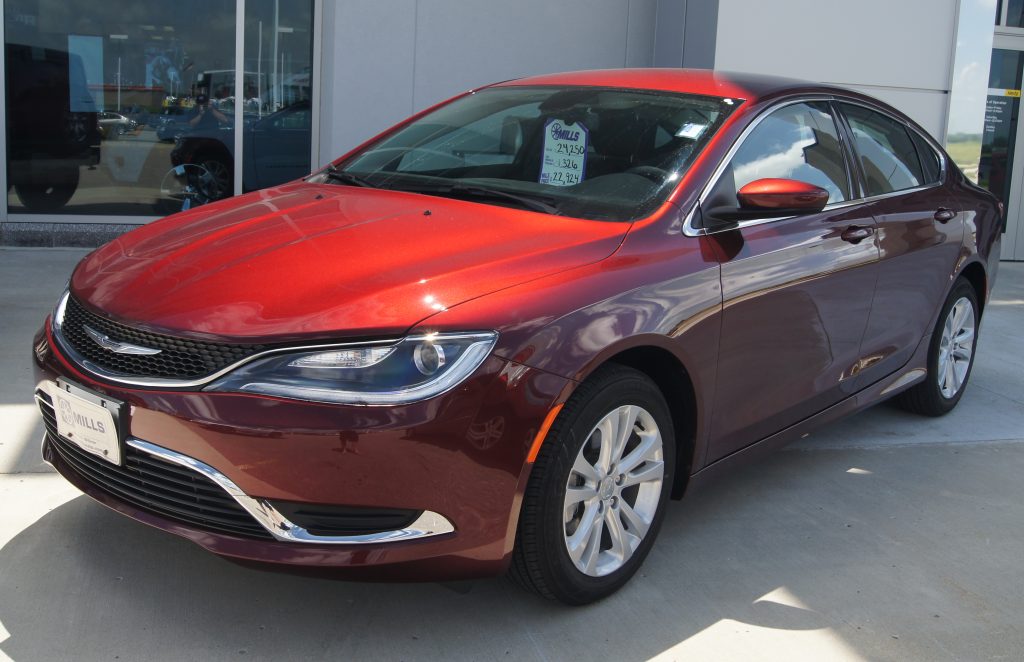
Chrysler discontinued the model in 2017, shifting focus to SUVs where demand was higher. The 200 stands as an example of a car that looked great on the surface but failed to deliver lasting satisfaction. It represents how presentation without consistent performance doesn’t win loyalty in the American market.
It’s included here because it highlights an important lesson: strong design alone cannot sustain a model if the foundation isn’t reliable. Buyers may be drawn to aesthetics, but dependability and value retention always decide a car’s long-term success.
3. Chevrolet Malibu
The Chevrolet Malibu once represented a dependable midsize sedan that appealed to a wide range of drivers. For decades, it was a familiar sight on American roads, known for comfort and reasonable pricing.
However, over time, the Malibu began to lose its edge, failing to keep up with competitors that offered better performance, technology, and long-term reliability.
One major reason for its decline lies in its inconsistent quality over different generations. While some model years were well-received, others suffered from mechanical problems, cheaply made interiors, and poor resale value.
Owners frequently reported transmission issues, electrical glitches, and premature wear on key components. This lack of consistency eroded buyer confidence and made the Malibu a harder sell in a highly competitive market.
As consumer preferences shifted toward crossovers and SUVs, the midsize sedan segment started shrinking, and Chevrolet’s limited investment in innovation for the Malibu didn’t help.
The design updates failed to excite buyers, and interior technology lagged behind competitors such as the Honda Accord and Toyota Camry. The once-iconic model became seen as outdated rather than reliable.
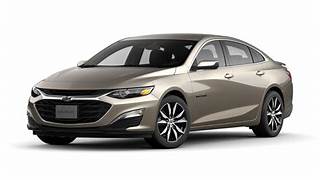
The Malibu remains available today, but its reputation has diminished. Many American drivers now overlook it in favor of more dependable or tech-savvy alternatives.
The reason it’s featured here is simple: it serves as an example of what happens when a company stops evolving a once-successful product. The Malibu’s story reflects how neglecting continuous improvement can turn a popular model into an afterthought.
For American buyers who value reliability and innovation, the Malibu no longer represents the safe choice it once was. It’s a case study in how gradual decline, rather than a single failure, can push a car out of public favor.
4. Nissan Sentra
The Nissan Sentra has been part of the American compact car market for decades, often praised for its affordability and fuel efficiency. However, in recent years, the Sentra has struggled to maintain the loyalty it once enjoyed.
What was once a dependable choice for budget-conscious drivers has become a symbol of missed potential and lackluster performance.
A key issue with the Sentra has been its continuously variable transmission (CVT). Many owners have reported premature failures, jerky acceleration, and high repair costs.
These problems have hurt Nissan’s reputation for reliability, especially when compared to rivals like the Toyota Corolla or Honda Civic, which maintain far stronger dependability records. Drivers who expected years of worry-free commuting often found themselves dealing with costly repairs far sooner than anticipated.
The Sentra also faced criticism for its uninspiring driving dynamics and limited cabin refinement. While Nissan attempted to modernize the design and add new features, the result often felt a step behind the competition.
Interior materials and infotainment systems didn’t match the polish or ease of use seen in other cars within its price range.
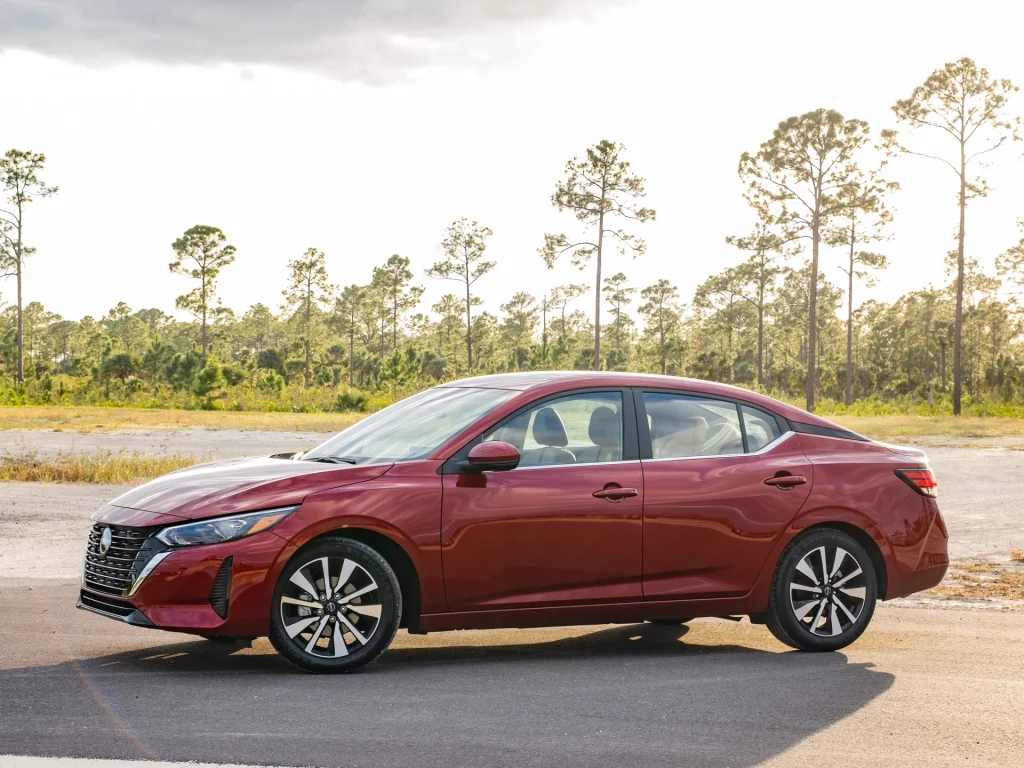
Nissan has made improvements in recent models, but the damage to its image among American buyers has been difficult to repair. Many have shifted their attention to more reliable or better-performing alternatives.
This car is included here because it represents how brand loyalty can fade when consistent reliability isn’t maintained.
The Sentra had every opportunity to remain a leader in its class, but quality control issues and uninspired updates eroded trust. For many American drivers, it became easier to walk away than to take another chance on disappointment.
5. Dodge Dart
When Dodge reintroduced the Dart in 2013, it was meant to mark a comeback for compact American sedans. The idea was to offer a stylish, fuel-efficient, and modern alternative to popular models like the Civic and Corolla.
On paper, it had all the right elements sleek looks, solid features, and the backing of a major automaker. Yet, despite its promising debut, the Dart quickly lost its place in the market, becoming one of the most short-lived and forgotten nameplates in recent memory.
The biggest issue with the Dodge Dart was its lack of identity. It tried to be everything at once sporty, practical, and affordable but didn’t excel in any area. Performance was average, and early models suffered from weak engine options and awkward gearboxes.
Many owners complained about sluggish acceleration and inconsistent handling, which hurt its appeal among drivers who expected more energy from a compact car.
Interior quality was also inconsistent, with materials that felt cheaper than competitors. While Dodge offered impressive tech for its time, it wasn’t enough to offset reliability concerns and higher maintenance costs. The Dart’s resale value dropped quickly, signaling its inability to compete in a market already dominated by better-built rivals.
Dodge discontinued the model by 2016, only three years after its introduction. It’s featured here because it reflects how misjudging consumer expectations can sink even a well-marketed product.
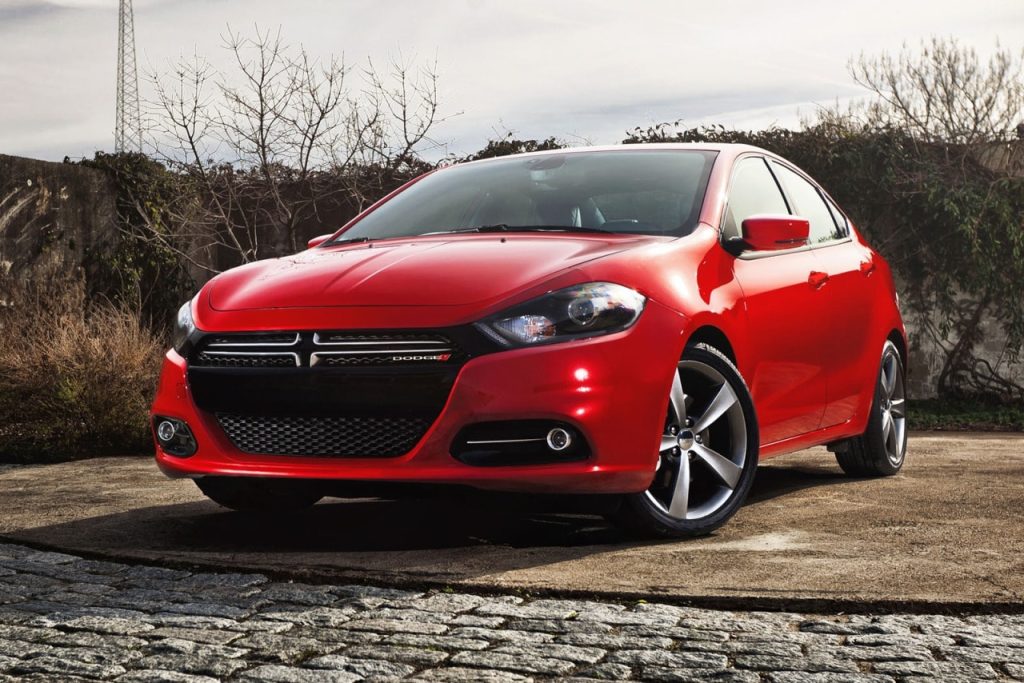
The Dart was an attempt to reenter a competitive segment without a clear understanding of what buyers truly valued: reliability, efficiency, and lasting quality. Its short lifespan and quick disappearance from roads make it one of the clearest examples of cars Americans gave up on without hesitation.
The contrast between cars that Americans keep buying and those they’ve given up on shows just how much trust, reliability, and everyday usability matter. When a car delivers consistent performance, comfort, and value, it becomes a long-term favorite.
Models like the Ford F-150, Toyota Camry, and Honda CR-V prove that success in the U.S. market is built on meeting practical needs rather than chasing trends. These vehicles have earned their place in driveways across the nation because they make life easier, not harder.
On the other hand, cars like the Ford Focus, Chrysler 200, and Dodge Dart serve as reminders of how quickly enthusiasm can fade when reliability or quality begins to slip.
Even strong design or clever marketing can’t save a model that fails to deliver on its promises. American drivers reward consistency and real-world dependability, but they are equally quick to move on from vehicles that disappoint.
The automotive market is constantly evolving, yet the values that shape purchasing decisions remain largely the same: trust, performance, affordability, and durability.
A brand that listens to its customers and focuses on long-term satisfaction continues to thrive. Those that ignore quality or rely on short-term hype eventually lose their audience.
This comparison highlights more than just vehicles it reflects consumer behavior and the standards that define lasting success in the auto industry.
Cars that consistently meet expectations don’t just sell well; they build loyalty across generations. Those that fail to do so fade away, remembered only as lessons in what not to repeat.
Also Read: 5 Cars With Smart Features vs 5 With Pointless Gimmicks
