
Cars vary widely not just in performance, design, or comfort, but in their reliability over time. Some models are built to endure hundreds of thousands of miles with minimal repairs, demonstrating consistency, solid engineering, and robust parts.
These vehicles often gain loyal followings because they deliver dependability, predictability in maintenance, and long-term value. Drivers can rely on them for daily commutes, road trips, and family use without the constant worry of mechanical failures or expensive repairs.
On the other hand, certain cars develop reputations for frequent breakdowns, costly repairs, and recurring mechanical issues. While they may offer attractive features, sporty styling, or advanced technology, these attributes sometimes come at the cost of reliability.
Owners of such vehicles often face recurring service visits, unexpected expenses, and frustration stemming from components that fail more often than they should.
This article examines both extremes of automotive reliability. The first section focuses on five cars known for running virtually indefinitely when properly maintained. These vehicles are often praised for their engineering quality, durable materials, and ease of service.
The second section highlights five cars that tend to encounter frequent problems, helping readers understand which models may require more attention and higher maintenance budgets.
By comparing vehicles at both ends of the spectrum, the discussion emphasizes the practical consequences of design, engineering choices, and build quality.
It provides insights for buyers who want long-lasting reliability as well as those curious about the factors that make certain cars prone to frequent repairs.
Understanding these differences is essential for anyone seeking a balance between performance, convenience, and long-term value.
Also Read: 10 Turbocharged Cars That Never Feel Boring
5 Cars That Run Forever
Some cars achieve a reputation for enduring performance, operating reliably for decades and hundreds of thousands of miles. These vehicles are not only well-built but also designed with engineering choices that prioritize longevity, simplicity, and maintainability.
They often feature proven engines, durable transmissions, and components that are readily available for servicing, which together create a low-stress ownership experience.
For many drivers, the appeal of these cars lies in their ability to remain dependable over long periods without requiring constant repairs or expensive interventions.
Cars that run forever usually combine mechanical reliability with practical design. Their engines and drivetrains are tested over years of real-world use, and manufacturers often stick to tried-and-true technology rather than constantly introducing untested systems that could fail prematurely.
Maintenance is generally straightforward, and replacement parts are widely accessible, which reduces the likelihood of downtime. Owners can often drive these vehicles for well over 200,000 miles while keeping costs manageable.
This section highlights five cars that exemplify longevity, durability, and dependability. Each model has earned its place through consistent performance in real-world conditions and owner satisfaction.
By discussing these cars, the focus is on demonstrating what makes a vehicle reliably long-lasting, from mechanical simplicity to design foresight.
These examples offer practical guidance for anyone seeking a car that balances comfort, performance, and durability, ensuring that daily driving and long-term ownership remain stress-free.
Understanding why some cars endure while others struggle is key for buyers who value reliability above all else.
The five models discussed here serve as benchmarks in automotive endurance, showing that thoughtful engineering and dependable construction result in vehicles capable of operating smoothly for years, if not decades.
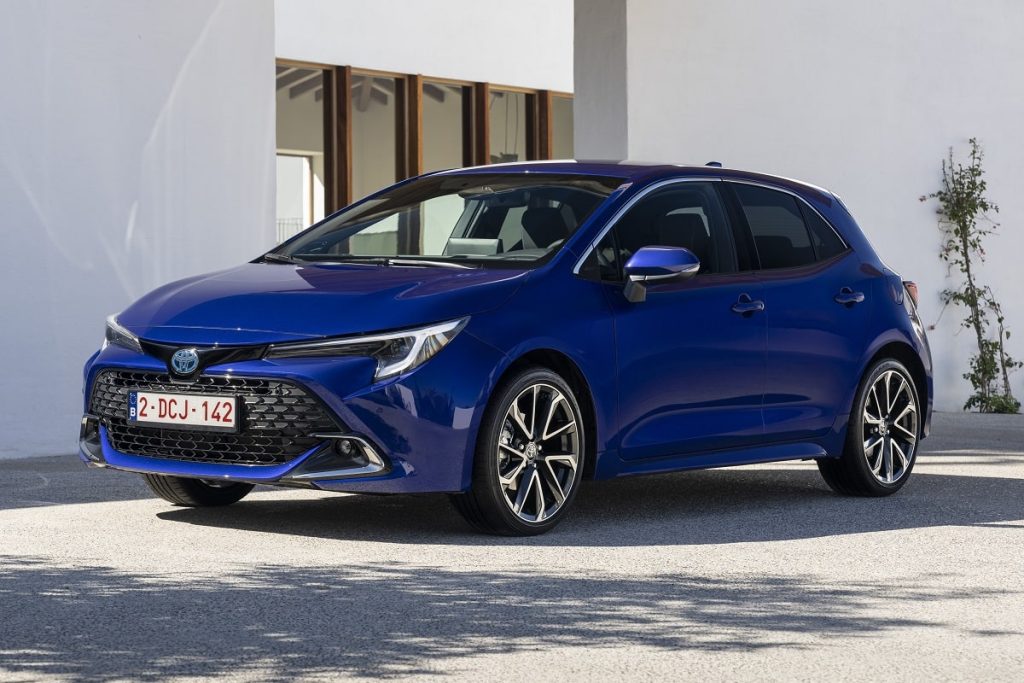
1. Toyota Corolla
The Toyota Corolla is widely recognized as one of the most reliable and long-lasting cars on the road. Its reputation for longevity is backed by decades of consistent performance, with many owners reporting well over 300,000 miles on the original engine and transmission.
The Corolla’s durability stems from Toyota’s commitment to proven engineering, simplicity in design, and the use of quality materials.
The engine and drivetrain are designed for efficiency and reliability rather than extreme performance, which reduces wear and tear over time.
Routine maintenance, such as oil changes, brake servicing, and timing belt or chain replacement, is straightforward and affordable, contributing to its low total cost of ownership.
Parts are widely available, and the mechanical layout is simple enough for both professional and skilled home mechanics to service, which further reduces long-term expenses.
The Corolla is featured here because it exemplifies how consistency and simplicity can result in a car that “runs forever.” It is a practical choice for daily commuting, family use, or even light road trips.
Its fuel efficiency, low maintenance requirements, and proven engineering make it ideal for anyone seeking long-term dependability. Owners can rely on the Corolla to start and run day after day, year after year, with minimal worry about unexpected breakdowns.
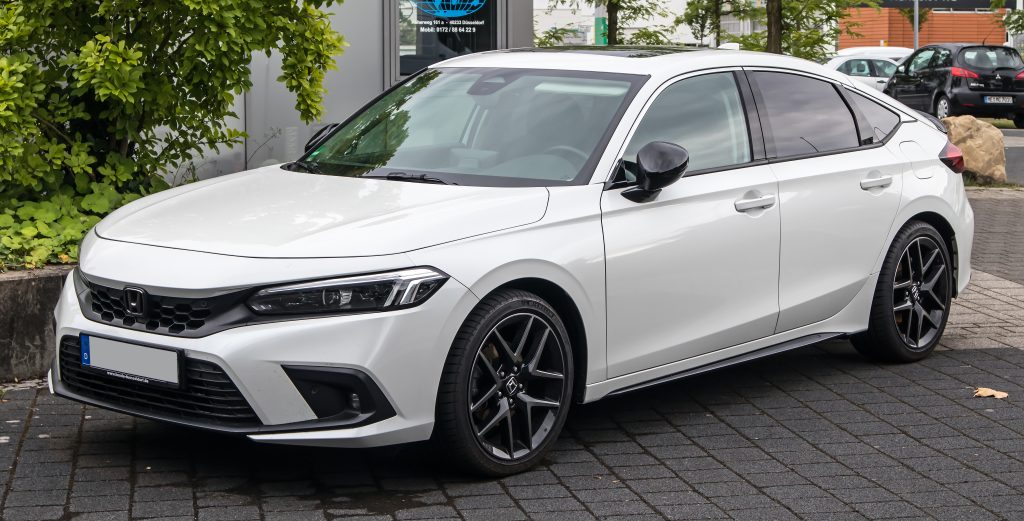
2. Honda Civic
The Honda Civic is another vehicle that has earned a reputation for exceptional longevity. Known for its reliable engines and sturdy construction, the Civic has been a favorite among drivers who prioritize durability.
Many examples of Civics from the early 2000s are still on the road today, demonstrating how consistent engineering and quality control can create a vehicle capable of decades of service.
The Civic’s appeal lies in its combination of performance, fuel efficiency, and low-maintenance design. Its engines are built to endure, with well-designed cooling and lubrication systems that minimize stress on components.
Routine servicing is straightforward, with parts widely available and costs generally low. Components such as brakes, suspension, and exhaust systems are engineered to last, reducing the need for frequent replacements.
This model is included because it highlights how a practical, reliable car can deliver consistent performance without sacrificing affordability.
Owners enjoy peace of mind knowing that their Civic can withstand high mileage and continue operating efficiently. Its reputation for running indefinitely has made it a benchmark for dependability in compact cars.
The Honda Civic demonstrates that a thoughtfully engineered vehicle can combine everyday usability, comfort, and long-term reliability. It is a prime example for drivers seeking a car that will endure the test of time, offering decades of dependable service with minimal unexpected maintenance.
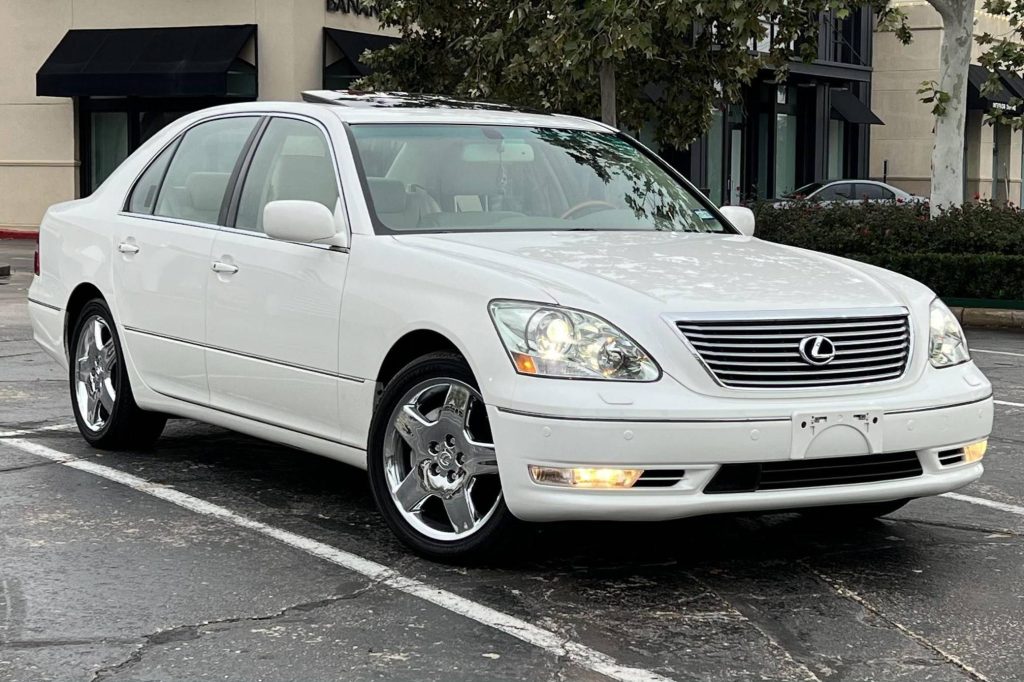
3. Lexus LS
The Lexus LS is a full-size luxury sedan that has gained a reputation for exceptional reliability and long-term durability.
While luxury vehicles often carry high maintenance costs, the LS stands out for combining advanced features with solid engineering that allows it to endure for decades when properly maintained. Owners often report high-mileage examples exceeding 250,000 miles with minimal major repairs, highlighting its resilience.
The LS benefits from Toyota’s engineering philosophy, prioritizing precision, longevity, and quality. Its engines, transmissions, and suspension components are designed for smooth operation and minimal wear over time.
Routine maintenance oil changes, brake service, and scheduled inspections is relatively straightforward compared to other luxury cars, and parts are accessible thanks to Toyota’s extensive service network. This predictability and ease of servicing contribute significantly to the LS’s long-lasting reputation.
The reason for featuring the Lexus LS is to demonstrate that reliability is not exclusive to economy or compact cars. Even vehicles with premium features, complex electronics, and luxurious interiors can achieve remarkable longevity when designed with care.
The LS is particularly valued by drivers who want comfort, refinement, and peace of mind, knowing that their investment will continue to perform well for many years.
Its combination of durable engineering and thoughtful design makes the LS a standout in luxury vehicles. It offers both a sophisticated driving experience and the confidence that comes from a car built to last. For those who prioritize longevity without sacrificing comfort or technology, the Lexus LS remains an exemplary choice.
4. Toyota Camry
The Toyota Camry has long been considered a benchmark for reliability and longevity in the midsize sedan segment. Known for its sturdy construction, durable engine, and reliable transmission, the Camry frequently reaches high-mileage milestones, often surpassing 200,000 miles with minimal mechanical issues.
Its reputation for endurance has made it one of the most popular cars worldwide, appealing to a broad range of drivers seeking dependable transportation.
The Camry’s engineering emphasizes simplicity and resilience. Its engines and drivetrains are designed to withstand years of consistent use, while routine maintenance tasks such as oil changes, brake servicing, and fluid replacements are both straightforward and cost-effective.
Replacement parts are widely available, reducing the likelihood of downtime and unexpected expenses. The Camry’s components are designed to wear gradually rather than fail abruptly, which adds to its longevity.
This vehicle is highlighted here because it showcases the effectiveness of practical engineering paired with high build quality. The Camry’s consistent performance and low maintenance needs make it ideal for daily commuting, family use, and long-term ownership.
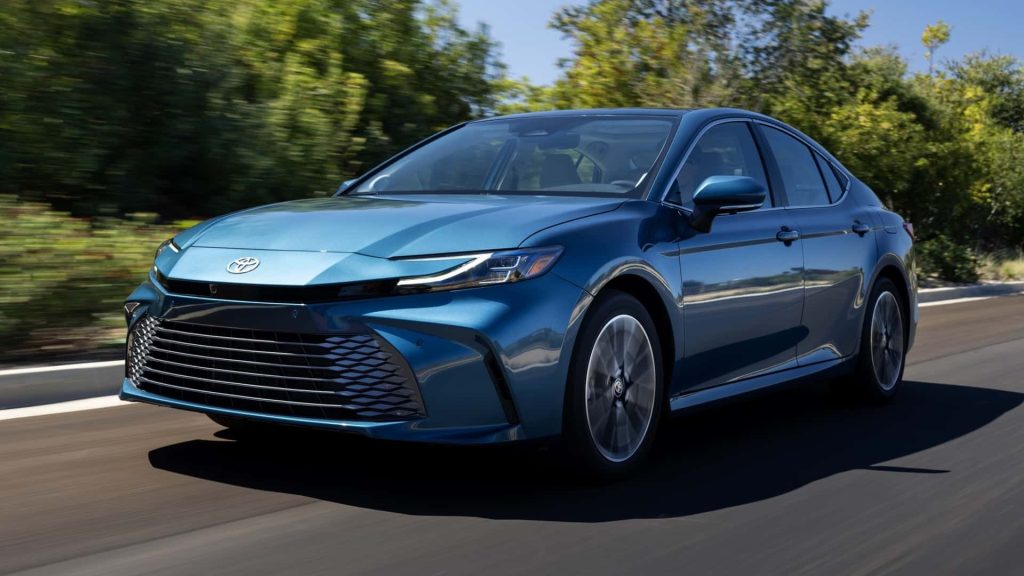
It demonstrates that a combination of thoughtful design, reliable powertrains, and widely available parts can result in a car that “runs forever.”
For drivers seeking a vehicle that balances comfort, performance, and long-term dependability, the Toyota Camry represents an excellent choice. Its reputation for endurance, affordability, and minimal repair requirements illustrates why it remains a top pick for those who prioritize longevity and a worry-free driving experience.
5. Subaru Outback
The Subaru Outback is a versatile crossover wagon renowned for its reliability and longevity, particularly in regions with varied weather conditions. Its reputation for enduring performance stems from a combination of durable engineering, standard all-wheel-drive systems, and practical design.
Many Outbacks from the early 2000s are still on the road today, highlighting its capacity to handle high mileage without major issues.
A key factor in the Outback’s longevity is its robust engine and drivetrain. Subaru’s horizontally opposed “boxer” engine design promotes balanced operation and even wear, reducing strain on components over time.
Routine maintenance, such as oil changes, brake servicing, and timing belt replacement on older models, is straightforward and accessible.
The availability of replacement parts is widespread, and many independent mechanics are familiar with Subaru systems, which helps keep long-term maintenance manageable.
The Outback is included here because it demonstrates that reliability extends beyond sedans and luxury vehicles.
Its combination of off-road capability, everyday usability, and durable construction makes it a practical choice for families, outdoor enthusiasts, and commuters alike. Drivers can expect consistent performance over many years, with minimal unexpected mechanical failures.
Additionally, the Outback’s reputation for longevity is strengthened by its safety features and solid build quality. Its chassis, suspension, and body components are designed to withstand regular wear and occasional rough use, which adds to its durability.
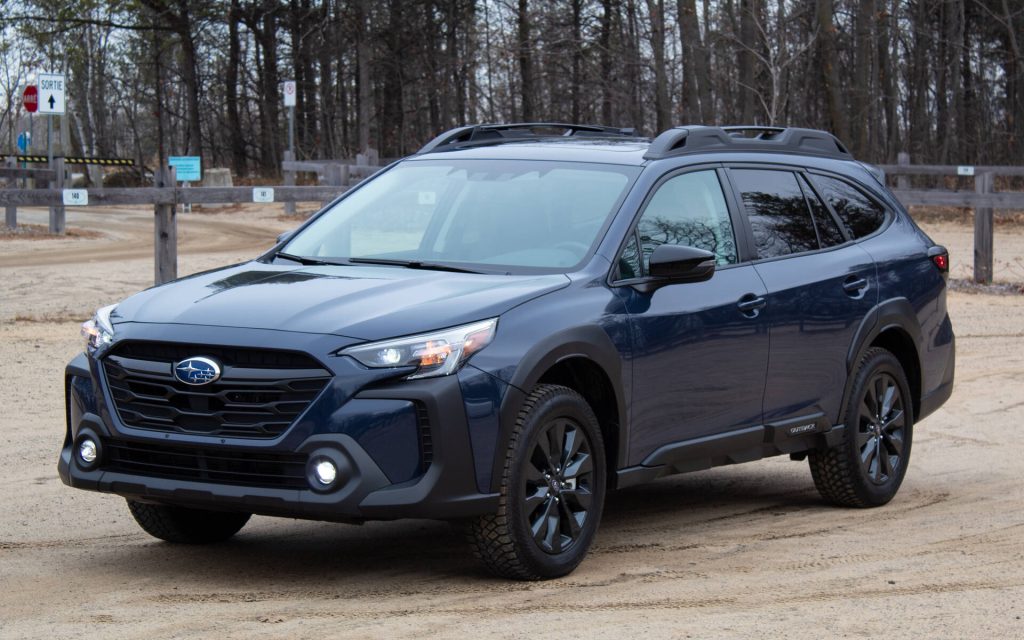
The vehicle proves that practicality, reliability, and performance can coexist, offering drivers a versatile option that is both dependable and resilient.
For those seeking a car that can handle long distances, varying conditions, and high mileage without frequent repairs, the Subaru Outback represents an excellent choice. Its engineering, maintenance ease, and proven track record solidify its place among cars that truly “run forever.”
5 Cars That Constantly Break
While some cars earn reputations for reliability and long-term durability, others struggle to maintain consistent performance and frequently require repairs.
These vehicles often feature advanced technology, complex electronics, or underdeveloped components that can lead to recurring issues. Drivers of such cars may face constant maintenance, unexpected breakdowns, and higher repair costs, even with regular servicing.
Cars that are prone to frequent problems can vary widely from compact sedans with intricate engine designs to luxury vehicles with sophisticated electronics.
Their mechanical or electronic systems may be highly sensitive, poorly designed, or difficult to service, contributing to repeated failures.
Parts may be expensive, labor-intensive to replace, or difficult to source, further increasing the cost and inconvenience of ownership.
This section focuses on five cars that are known for consistent reliability challenges. Each model has gained attention because owners often report repeated breakdowns, expensive repairs, or components that fail sooner than expected.
Highlighting these vehicles helps prospective buyers understand potential pitfalls and plan accordingly if considering one of these models.
The purpose of this discussion is not to dismiss the value or appeal of these cars but to provide clarity on long-term reliability. Many of these vehicles may offer strong performance, luxury features, or eye-catching design, yet their mechanical or electronic weaknesses reduce their dependability.
By examining these cars, readers can identify patterns that contribute to recurring issues and better weigh the trade-offs between features, cost, and maintenance.
Understanding which cars are prone to frequent breakdowns allows buyers to make informed choices. This section emphasizes practical awareness, showing how design, engineering, and component quality directly impact reliability.
The following five examples illustrate the challenges drivers may face when selecting a car that does not prioritize long-term mechanical stability.
1. Fiat 500
The Fiat 500, while praised for its compact size and stylish design, has developed a reputation for frequent mechanical and electrical issues. Its small engines are often stressed in urban driving conditions, which can lead to premature wear of components such as the turbocharger, clutch, and transmission.
Owners commonly report problems with the electrical system, including issues with the dashboard display, sensors, and wiring.
Maintenance on the Fiat 500 can be unexpectedly expensive because parts are relatively specialized and not always readily available outside major cities.
Even routine repairs may require professional attention due to the car’s tight engine bay and compact layout, which increases labor time. Common issues such as oil leaks, suspension wear, and ignition system failures contribute to recurring expenses and inconvenience for owners.
The reason for including the Fiat 500 in this section is that it exemplifies how design prioritizing aesthetics and compact performance can sometimes compromise long-term reliability.
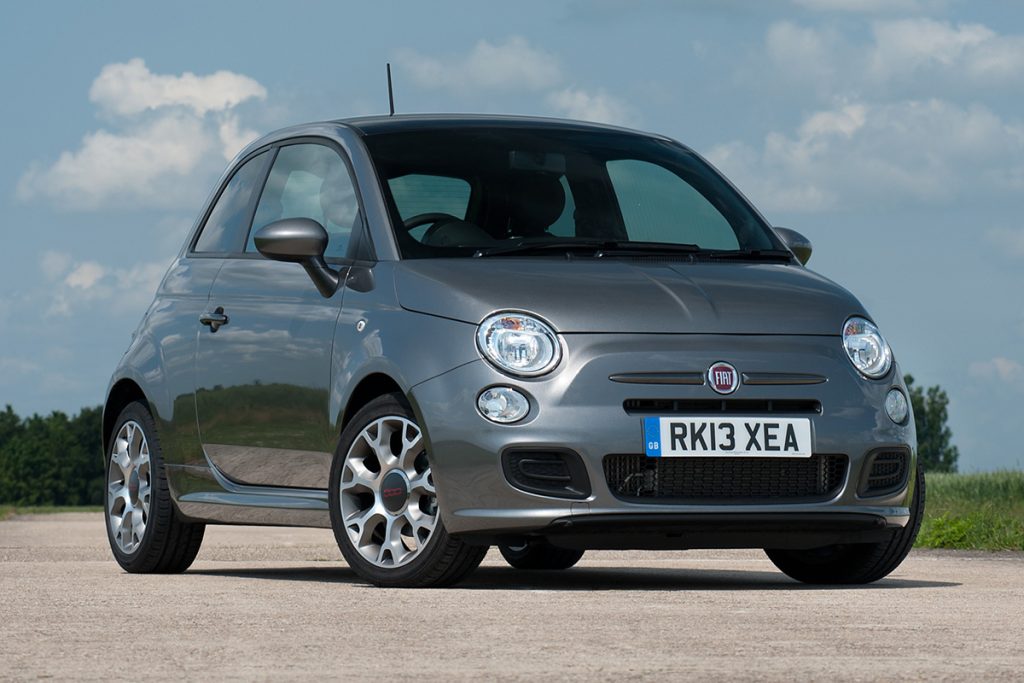
While it offers enjoyable handling and efficient fuel consumption, these benefits are frequently offset by maintenance challenges. Owners often experience repeated trips to the mechanic, which reduces the overall ownership satisfaction.
Understanding the Fiat 500’s reliability concerns is important for prospective buyers. It demonstrates that smaller, stylish vehicles can present hidden costs, especially when engineering compromises are made to achieve lightweight performance and unique design.
For those who value minimal maintenance and consistent operation, the Fiat 500 may pose unexpected challenges over time.
2. Mini Cooper
The Mini Cooper is known for its sporty handling and distinctive styling, yet it frequently appears on lists of cars prone to repeated breakdowns. Many owners report issues with the transmission, turbocharged engines, and electrical systems.
Components such as the fuel pump, timing chain, and electronic control modules often fail sooner than expected, leading to significant repair costs.
Maintenance and repairs on the Mini Cooper are generally more expensive than average due to the specialized nature of its components and the complexity of its engineering.
Even minor problems, like sensor failures or fluid leaks, can require extended labor time because the engine bay is compact and difficult to access. Replacement parts are often priced higher than those for mainstream compact cars, adding to the ongoing expense of ownership.
The Mini Cooper is included here because it highlights how performance-oriented engineering can sometimes come at the cost of reliability.
While drivers enjoy precise steering, nimble handling, and a premium interior, the frequent mechanical and electronic issues reduce the vehicle’s practicality for daily use.
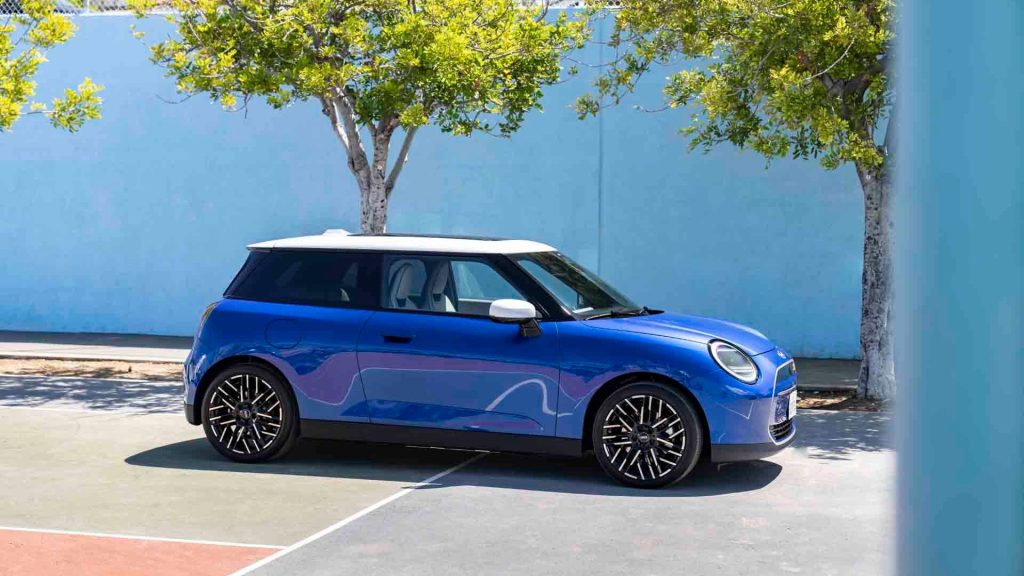
Owners often face repeated trips to the mechanic, unexpected expenses, and downtime, which contrasts sharply with more dependable compact cars.
By examining the Mini Cooper, prospective buyers gain insight into the trade-offs of choosing a car that emphasizes performance and style over long-term durability.
It serves as an example of how intricate engineering and advanced features, while appealing, can result in a vehicle that demands constant attention and higher maintenance costs compared to more robust alternatives.
3. Volkswagen Passat
The Volkswagen Passat, particularly models from the mid-2000s to early 2010s, has earned a reputation for frequent mechanical and electrical issues. While praised for its spacious interior, comfortable ride, and solid European styling, it often struggles with reliability.
Common problems include timing chain tensioner failures, water pump and coolant system leaks, and transmission malfunctions. Electrical components, such as sensors, control modules, and the infotainment system, also frequently fail, leading to recurring repairs.
Maintenance on the Passat can be costly. European-engineered parts are often more expensive than those for comparable mainstream sedans, and many repairs require specialized tools or expertise.
Even routine services, such as brake replacements or fluid changes, can take longer due to the complexity of the engine layout, contributing to higher labor costs. These factors combine to make the Passat a car that often demands more attention and expense than owners anticipate.
The reason for featuring the Passat here is to show how a vehicle that offers comfort, performance, and technology can still struggle with reliability.
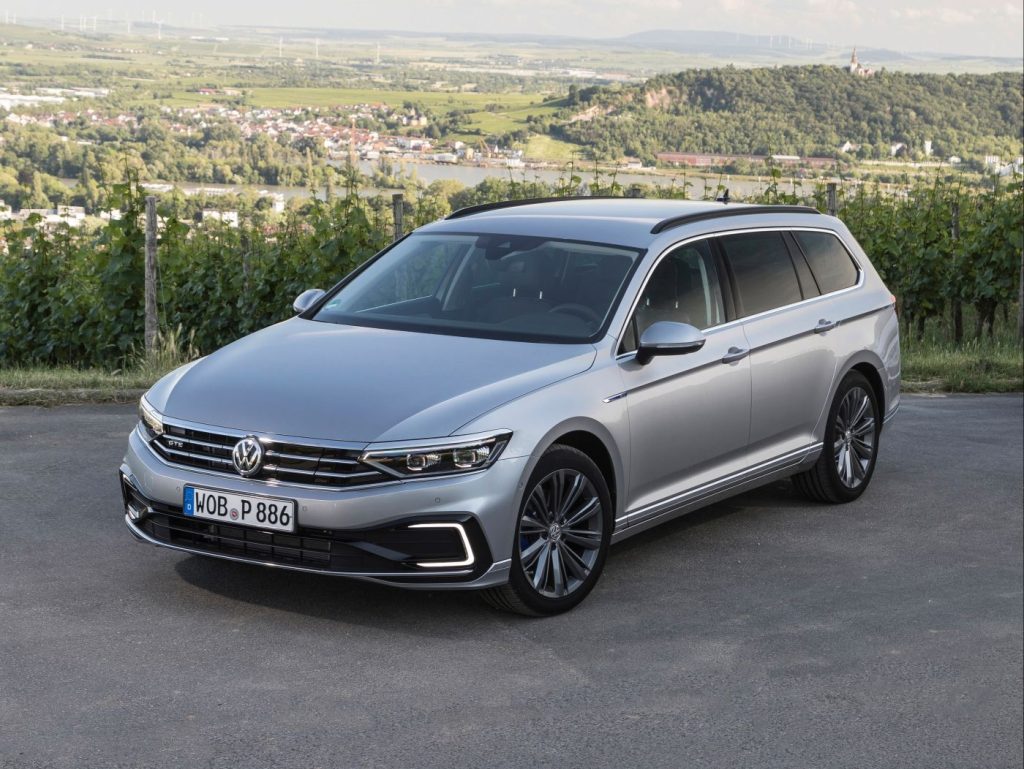
Its repeated mechanical and electrical issues create frustration for owners who expect consistent operation from a midsize sedan. While the Passat delivers a refined driving experience, the long-term maintenance demands are often significant and unpredictable.
Understanding the Passat’s challenges helps buyers make informed decisions. It illustrates that vehicles prioritizing advanced engineering and European performance traits may sometimes compromise ease of maintenance and reliability, resulting in repeated mechanical attention and higher ownership costs over time.
4. Jeep Cherokee
The Jeep Cherokee, especially models from the 2014–2019 generation, has developed a reputation for frequent breakdowns and mechanical issues.
Common problems reported by owners include transmission failures, engine stalling, and electrical malfunctions affecting everything from the infotainment system to critical sensors. Suspension components and transfer cases in four-wheel-drive versions also often require repairs, adding to ongoing maintenance costs.
Maintenance for the Cherokee is more complicated than average. Many issues require specialized diagnostic tools, and replacement parts can be expensive, particularly for the drivetrain and electronic components.
Even standard services such as brake servicing, fluid replacements, and minor engine repairs are often more time-consuming, contributing to higher labor costs.
These factors combine to make ownership of a Jeep Cherokee potentially frustrating for drivers seeking dependable, low-maintenance transportation.
The Cherokee is included here because it demonstrates how off-road capability and design complexity can impact reliability.
While the vehicle offers strong performance in rugged conditions and appealing styling, these features often come with higher repair frequency and greater expense.
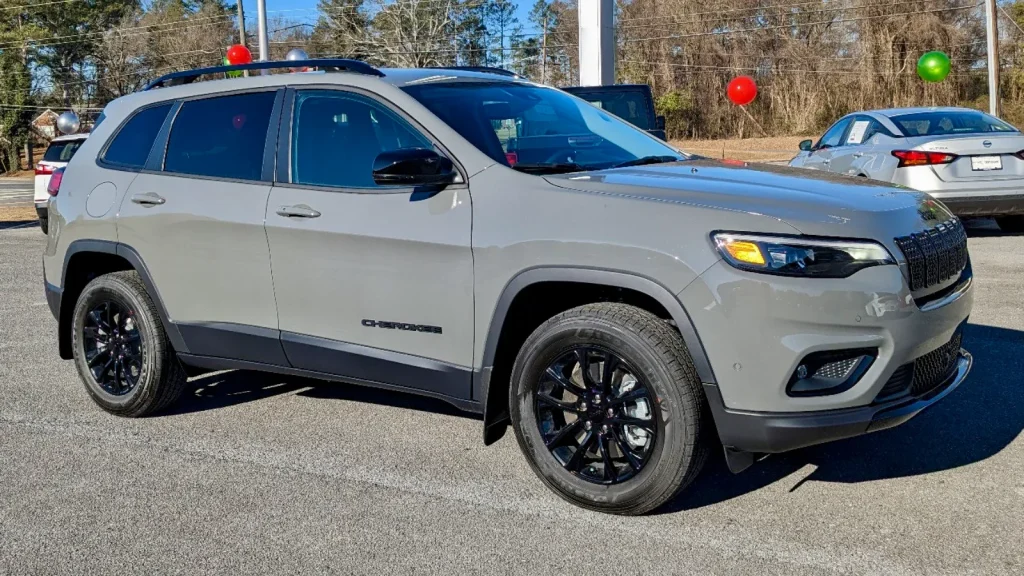
Owners frequently face repeated trips to the mechanic for recurring problems, reducing overall satisfaction and long-term dependability.
Highlighting the Cherokee’s issues provides insight into the trade-offs of purchasing a vehicle designed for performance and versatility over straightforward reliability.
Drivers considering this SUV must weigh its capabilities against the likelihood of recurring mechanical challenges, understanding that frequent maintenance may be an ongoing part of ownership.
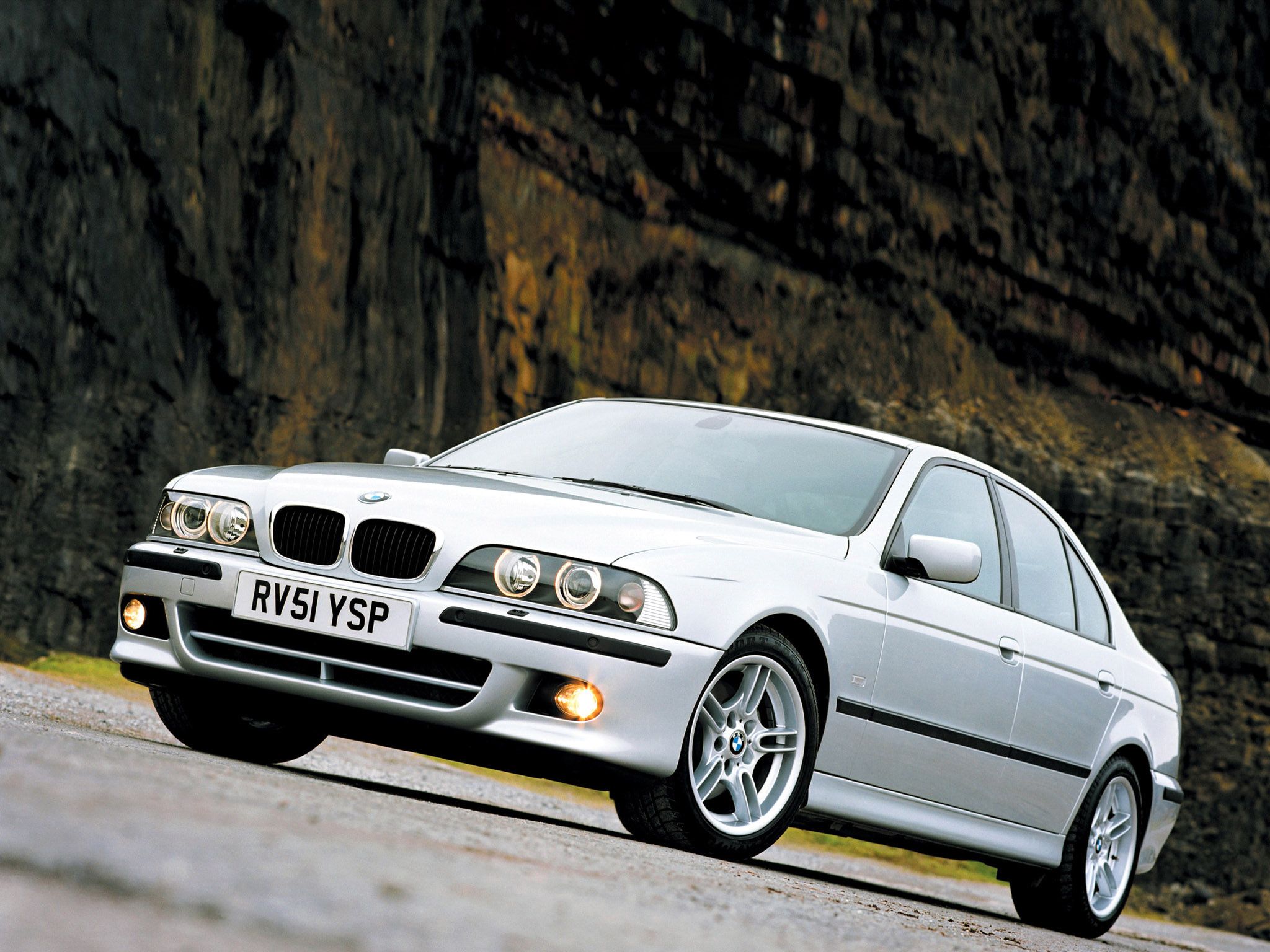
5. BMW 5 Series
The BMW 5 Series, particularly models from the mid-2000s to 2015, is renowned for luxury, performance, and advanced technology, yet it is also known for frequent mechanical and electronic issues.
Owners often report problems with the engine, transmission, suspension, and complex electronic systems. Common issues include turbocharger failures, coolant leaks, electrical module malfunctions, and expensive repairs to the air suspension and steering components.
Maintenance on the 5 Series tends to be costly due to the complexity of its components and the need for specialized tools and expertise.
Even routine services, such as oil changes, brake replacements, or filter servicing, can require longer labor times compared to standard sedans, increasing overall costs.
Replacement parts are generally more expensive than those for mainstream vehicles, and advanced electronic systems often require professional diagnostics, further contributing to maintenance expenses.
The 5 Series is featured here because it illustrates the trade-offs of high-end engineering and luxury features. While it delivers exceptional driving dynamics, comfort, and innovative technology, these advantages often come with reduced reliability.
Owners frequently face repeated visits to the service center for recurring issues, which can diminish the appeal of ownership despite the vehicle’s performance and status.
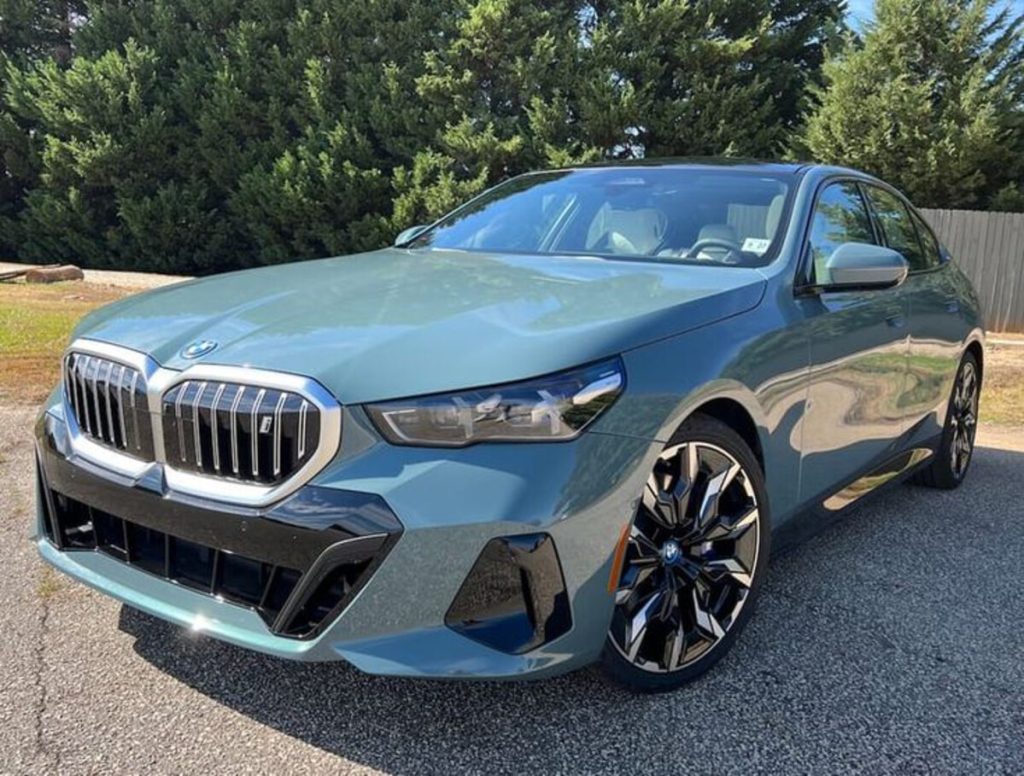
Highlighting the BMW 5 Series underscores a key consideration for prospective buyers: luxury and advanced engineering do not always equate to dependability.
While it provides a sophisticated driving experience, the long-term maintenance demands can be significant, making it less suitable for those seeking a vehicle with low repair frequency.
Understanding the 5 Series’ tendencies toward repeated breakdowns allows buyers to weigh performance, luxury, and maintenance costs carefully before making a purchase.
Automobile reliability varies significantly between models, with some cars built to last for decades and others prone to frequent mechanical and electrical failures. Understanding these differences is essential for prospective buyers who prioritize long-term performance, low maintenance costs, and peace of mind.
Cars that run forever share several key characteristics. They often feature simple, proven engineering, durable engines, and transmissions designed for longevity. Components are easily accessible, parts are widely available, and routine maintenance is straightforward.
Vehicles like the Toyota Corolla, Honda Civic, and Toyota Camry are excellent examples, offering consistent performance, fuel efficiency, and affordability while enduring hundreds of thousands of miles.
Luxury and versatile options such as the Lexus LS and Subaru Outback demonstrate that even cars with advanced features or all-wheel-drive capability can achieve remarkable reliability when engineered with durability in mind.
Owners of these vehicles enjoy low stress, predictable servicing, and confidence in long-term performance.
In contrast, cars that constantly break often combine complex engineering, advanced electronics, or performance-focused components that increase the likelihood of failure.
Models such as the Fiat 500, Mini Cooper, Volkswagen Passat, Jeep Cherokee, and BMW 5 Series illustrate how attractive design, sporty performance, or advanced features can come at the expense of dependability.
These vehicles frequently require costly repairs, specialized servicing, and repeated attention to maintain functionality. Owners may face ongoing maintenance challenges, making ownership more demanding and less predictable.
Comparing these two extremes highlights the importance of engineering choices, component quality, and design philosophy in determining a vehicle’s longevity.
For buyers, selecting a car that runs forever offers reliability and peace of mind, while cars prone to breakdowns demand careful consideration of trade-offs between features, performance, and ongoing maintenance.
Understanding these distinctions helps drivers make informed decisions, ensuring their choice aligns with both lifestyle and expectations for dependability.
Also Read: 10 Cars From the Early 2010s With Rising Resale Value
