
Truck ownership often involves balancing performance, utility, and long-term reliability. While some trucks maintain near-new condition even after a decade of use, others deteriorate quickly, showing signs of wear, mechanical issues, and declining performance.
Understanding which models remain dependable over long-term ownership is essential for drivers who rely on their trucks for daily commuting, heavy-duty work, or long-distance travel.
Trucks that run like new after 10 years typically feature durable engines, solid transmissions, and well-built chassis components. Manufacturers prioritize reliability, quality materials, and serviceability, allowing these trucks to maintain performance and appearance for many years.
Regular maintenance is straightforward, parts are accessible, and mechanical systems are engineered to endure repeated use, whether in demanding work environments or everyday driving.
Drivers of such vehicles experience fewer unexpected breakdowns, lower repair costs, and confidence in the truck’s continued operation.
Conversely, some trucks are prone to faster wear and higher maintenance demands as they age. They may exhibit engine or transmission issues, suspension and brake wear, or electronic system failures.
While they may offer attractive features, towing capacity, or advanced technology, these attributes sometimes come at the cost of durability. Owners often face higher repair bills and reduced reliability, which can impact productivity, convenience, and satisfaction.
This article examines both extremes of truck longevity. The first section focuses on five trucks that consistently maintain near-new condition after 10 years, showcasing quality, engineering, and durability.
The second section highlights five trucks that tend to decline or encounter frequent mechanical problems over time, providing insight into potential long-term challenges.
By comparing these two categories, readers can make informed decisions, understanding how engineering choices, build quality, and maintenance practices influence a truck’s ability to remain dependable and functional over a decade or more.
Also Read: 10 Cars That Make Every Drive Feel Like a Race
5 Trucks That Run Like New After 10 Years
Some trucks maintain near-new performance and appearance even after a decade of use. These vehicles are engineered with durability and quality in mind, combining reliable engines, sturdy transmissions, and resilient chassis components.
Their mechanical systems are built to withstand frequent use, heavy loads, and a variety of driving conditions, which allows them to remain dependable over many years.
Owners of these trucks often report minimal repairs, consistent handling, and stable performance long after purchase, making them highly sought after for long-term reliability.
The ability of a truck to maintain a like-new condition over time is not solely determined by maintenance but also by design and build quality. Manufacturers that emphasize engineering simplicity, high-quality materials, and serviceability produce trucks that age gracefully.
Key factors include corrosion-resistant bodies, proven drivetrain components, and engines that are tested under real-world conditions. Trucks that retain their reliability and appearance also tend to have widely available replacement parts, making upkeep straightforward and affordable.
This section highlights five trucks that exemplify long-term durability. Each model demonstrates how thoughtful engineering, robust materials, and practical design contribute to trucks that remain functional and reliable even after 10 years.
By focusing on these vehicles, the discussion emphasizes what makes a truck age well, from mechanical longevity to structural resilience.
The purpose of this examination is to provide guidance for buyers who seek trucks that combine performance, utility, and low long-term maintenance costs.
Understanding which models consistently maintain like-new operation allows owners to make informed decisions, ensuring that their investment remains dependable, efficient, and enjoyable for many years.
These five trucks represent benchmarks in long-term durability, offering both peace of mind and practical value for drivers who expect reliability well beyond the first few years of ownership.
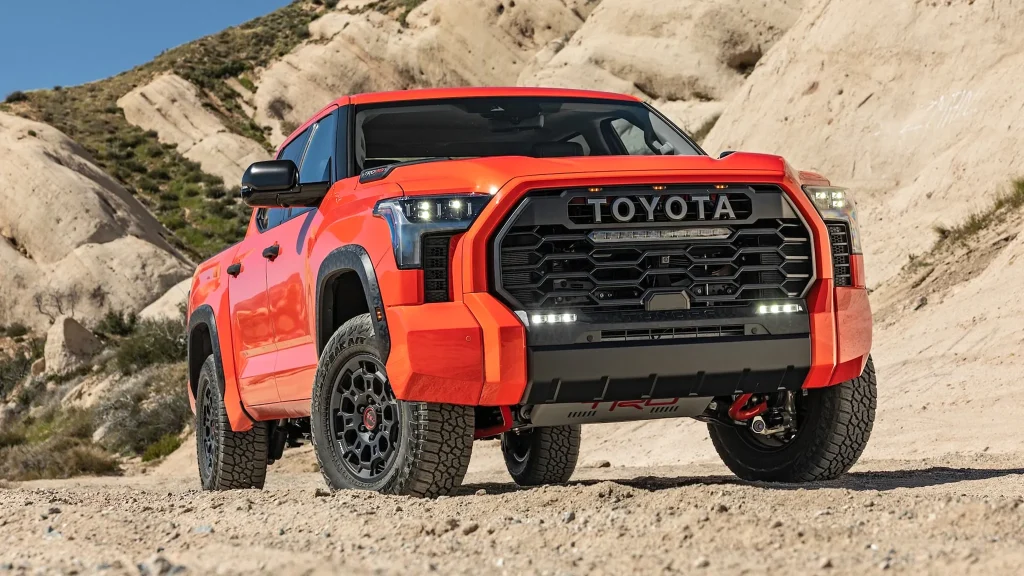
1. Toyota Tundra
The Toyota Tundra has earned a reputation for exceptional durability and longevity, making it a standout among trucks that remain reliable even after 10 years of use.
Its proven V8 engines and straightforward drivetrain are designed to handle heavy loads and frequent use without significant wear. Many Tundra owners report vehicles exceeding 200,000 miles with minimal mechanical issues, demonstrating consistent performance over the long term.
One reason the Tundra maintains like-new condition is its simple yet robust engineering. The engines and transmissions are designed for longevity, avoiding unnecessary complexity that can increase failure points.
Routine maintenance, such as oil changes, brake servicing, and fluid replacement, is straightforward, and parts are widely available, reducing both cost and downtime.
Additionally, the Tundra’s chassis and suspension are built to endure demanding workloads, while corrosion-resistant body materials help preserve the truck’s exterior appearance over time.
This truck is included because it demonstrates that a combination of reliability, engineering simplicity, and quality materials ensures sustained performance.
For drivers who rely on a truck for towing, hauling, or daily use, the Tundra offers peace of mind that the vehicle will continue operating efficiently even after a decade.
Its ability to maintain performance, comfort, and structural integrity over long-term ownership makes it an excellent choice for those seeking durability and low long-term maintenance costs.
The Toyota Tundra proves that thoughtful design and robust engineering create trucks that retain their value, performance, and usability. Owners can expect continued reliability and minimal unexpected repairs, ensuring that this vehicle remains dependable well beyond its initial years of operation.
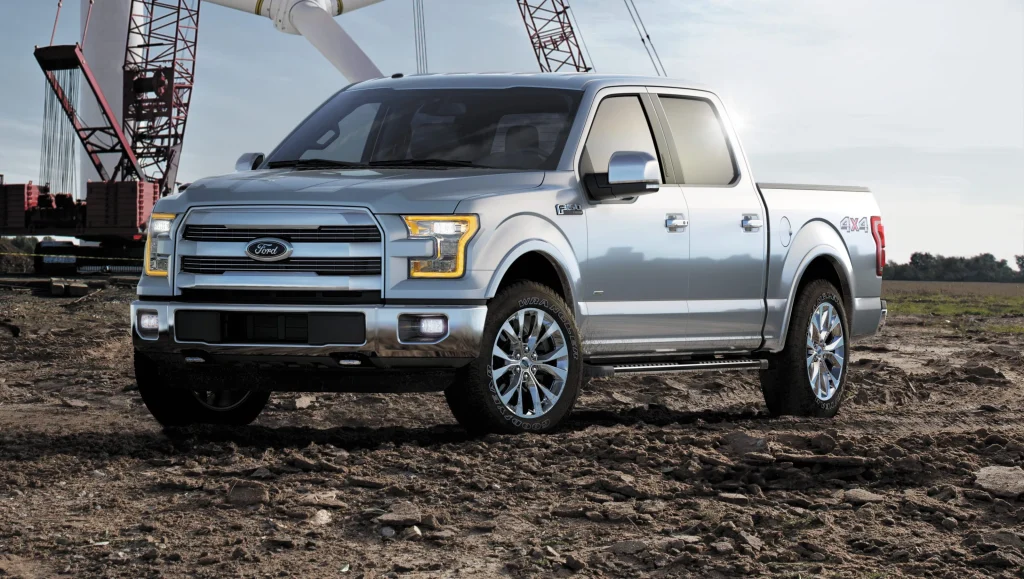
2. Ford F-150
The Ford F-150 is one of the most popular and long-lasting full-size trucks on the market, known for maintaining near-new performance after a decade. Its reputation for durability is supported by a combination of proven engines, strong frames, and high-quality components.
Many F-150 models continue to operate efficiently with minimal repairs even after surpassing 200,000 miles, making it a trusted choice for long-term ownership.
One reason for the F-150’s longevity is its engineering for real-world use. The engines, including the V6 and V8 options, are designed for reliability and long-term performance.
Transmissions are robust and capable of handling heavy towing and payloads without frequent failure. The truck’s chassis and suspension are built to endure repeated stress, while corrosion-resistant materials help maintain the vehicle’s exterior condition over time.
Routine maintenance is simple and cost-effective, with widely available parts and straightforward servicing procedures.
The F-150 is featured here because it demonstrates how thoughtful engineering and quality manufacturing result in trucks that retain performance and appearance for many years.
Its ability to maintain reliability, efficiency, and comfort over time makes it an excellent choice for work, family use, and recreational purposes.
Owners can confidently rely on the F-150 for consistent operation, knowing that the vehicle can handle heavy use and long distances without rapid deterioration.
This truck exemplifies long-term durability, showing that regular care, combined with robust design and engineering, allows a vehicle to maintain near-new performance even after a decade. The Ford F-150 continues to be a benchmark for trucks that age well, offering sustained value and reliability for its owners.
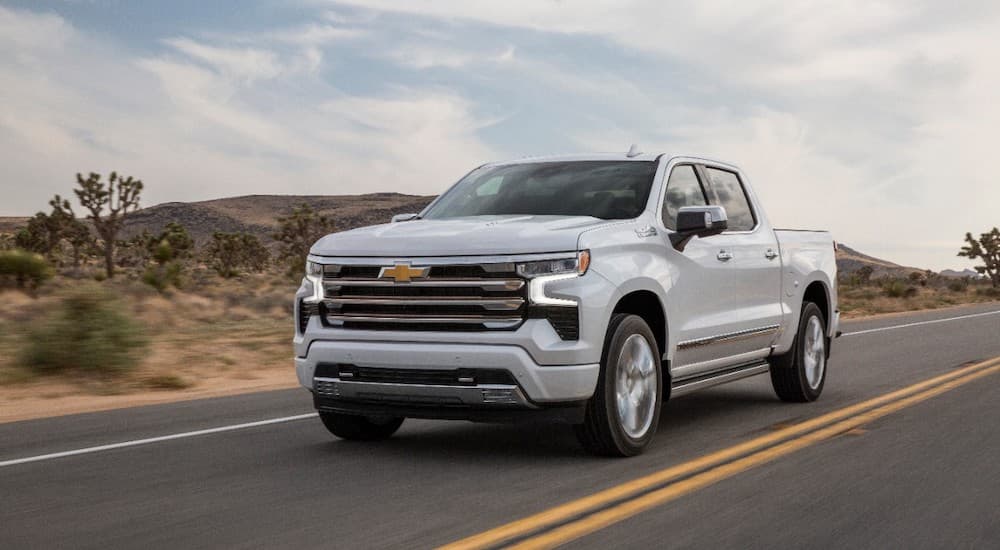
3. Chevrolet Silverado 1500
The Chevrolet Silverado 1500 is a full-size pickup truck that consistently demonstrates long-term reliability, retaining near-new performance after more than a decade of ownership.
Its reputation is built on durable engines, robust transmissions, and a solid frame that withstands heavy-duty use.
Many Silverado owners report trucks exceeding 200,000 miles while continuing to operate efficiently, highlighting the model’s engineering excellence and durability.
A key factor in the Silverado’s longevity is its proven drivetrain. The V6 and V8 engines are designed for extended service life, while the transmissions handle both towing and everyday driving with minimal issues.
Routine maintenance is straightforward, and replacement parts are readily available through dealerships and independent suppliers, keeping long-term service costs manageable.
Additionally, the truck’s suspension and chassis components are engineered to endure repeated stress, maintaining ride quality and handling even after years of heavy use.
The Silverado 1500 is featured because it demonstrates how consistent engineering and quality materials contribute to trucks that maintain functionality and appearance over time. Its corrosion-resistant body and durable interior components also help preserve aesthetics, making the vehicle feel like new even after extended ownership.
This truck is ideal for drivers seeking reliability, long-term performance, and low unexpected repair costs. Whether used for work, family transportation, or recreational activities, the Silverado 1500 remains dependable, providing owners with confidence that it can handle demanding conditions without rapid wear or mechanical failure.
The Chevrolet Silverado 1500 exemplifies how careful engineering, durable components, and accessible maintenance contribute to a truck’s ability to retain near-new operation, proving it is a smart investment for long-term ownership.
4. Honda Ridgeline
The Honda Ridgeline is a midsize pickup known for its unique unibody construction, car-like ride, and exceptional long-term reliability.
Unlike traditional body-on-frame trucks, the Ridgeline’s design reduces stress on the chassis and drivetrain, helping the vehicle maintain performance and structural integrity even after 10 years of regular use.
Owners frequently report high-mileage Ridgelines with minimal major repairs, making it a standout choice for longevity in the midsize truck segment.
One reason the Ridgeline remains like new is its durable powertrain. The 3.5-liter V6 engine is designed for smooth operation and longevity, while the automatic transmission is engineered for reliability under both light and moderate workloads.
Routine maintenance, such as oil changes, fluid replacements, and brake servicing, is straightforward and affordable. Parts are widely available, and the vehicle’s overall mechanical simplicity contributes to minimal unexpected repairs.
The Ridgeline is featured because it demonstrates that a truck can combine practicality, comfort, and long-term reliability. Its corrosion-resistant body panels and quality interior materials also contribute to a like-new feel even after extended use.

The Ridgeline’s innovative features, including the in-bed trunk and dual-action tailgate, remain functional and durable over time, highlighting Honda’s commitment to practical engineering and build quality.
For drivers seeking a dependable truck that retains performance, appearance, and functionality over a decade, the Ridgeline offers an ideal balance of reliability and versatility.
It proves that thoughtful design and robust engineering can result in a vehicle that maintains near-new condition with manageable maintenance, making it a smart choice for long-term ownership.
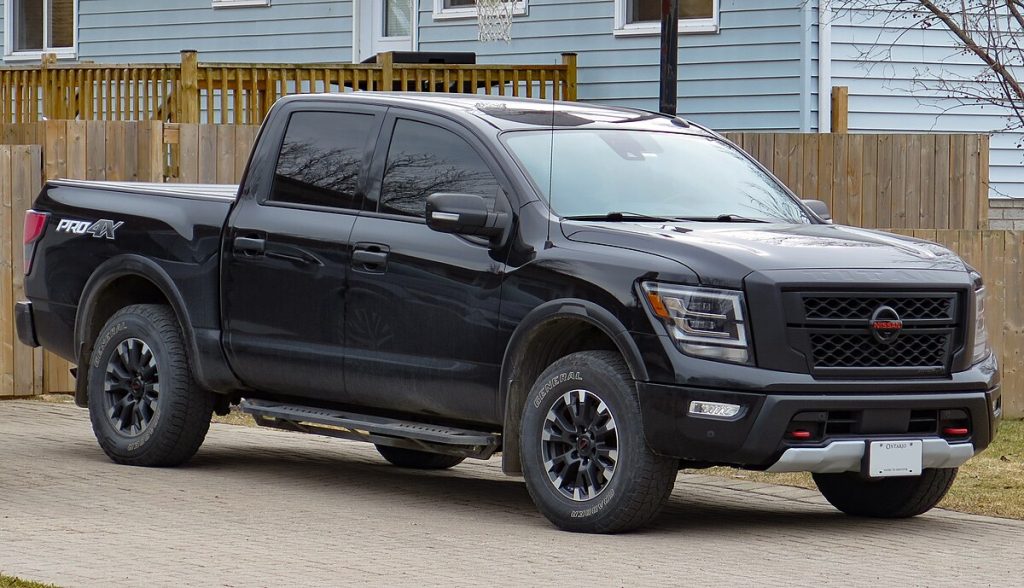
5. Nissan Titan
The Nissan Titan is a full-size pickup recognized for its durability and ability to maintain near-new performance even after a decade of ownership.
Built with robust components and a reliable V8 engine, the Titan is designed to endure daily driving, towing, and heavy workloads while remaining mechanically sound.
Many Titan owners report vehicles surpassing 200,000 miles with minimal major repairs, demonstrating the truck’s long-term dependability.
A major factor contributing to the Titan’s longevity is its proven powertrain. The naturally aspirated V8 engine offers strong performance without placing excessive stress on the mechanical components, and the automatic transmission is engineered for consistent operation under various driving conditions.
Routine maintenance, including oil changes, brake servicing, and fluid replacements, is straightforward and accessible, helping to keep the truck in excellent condition over time. Additionally, the Titan’s chassis and suspension are built for durability, maintaining ride quality and handling even after years of heavy use.
The Titan is featured because it exemplifies how engineering, build quality, and material selection contribute to long-term reliability.
Corrosion-resistant body panels, a robust frame, and durable interior components ensure that both appearance and functionality remain intact over extended ownership.
Drivers can rely on the Titan to retain performance, comfort, and structural integrity, reducing unexpected repair costs and preserving the truck’s overall value.
For owners seeking a dependable full-size truck, the Nissan Titan demonstrates that consistent engineering and practical design can result in a vehicle that runs like new even after 10 years.
Its combination of mechanical resilience, ease of maintenance, and thoughtful construction makes it a solid choice for long-term ownership, offering confidence and reliability for daily driving, work tasks, and recreational use alike.
5 Trucks That Don’t Run Like New
While some trucks maintain near-new performance and appearance over a decade of ownership, others tend to deteriorate more quickly.
These vehicles often exhibit declining engine performance, worn suspension components, and cosmetic wear that makes them feel older than their actual age. Understanding which trucks are prone to faster wear is important for buyers who prioritize long-term reliability and low maintenance costs.
Trucks that don’t run like new often face challenges stemming from design, component quality, or complexity. Engines may experience premature wear, transmissions can fail, and suspension parts may degrade faster than expected.
Electrical systems and electronics in newer models can also contribute to long-term reliability issues. While these trucks may offer attractive features, higher towing capacity, or advanced technology, these advantages sometimes come at the expense of long-term durability.
Maintenance and repair costs for these trucks are typically higher than for those that retain near-new condition. Parts may be expensive, difficult to source, or prone to frequent replacement.
Labor for repairs can be more involved due to intricate designs or less accessible components. As a result, owners may face repeated visits to service centers, increasing both cost and inconvenience over time.
This section highlights five trucks that tend to experience faster mechanical or cosmetic decline. Each model demonstrates how engineering choices, materials, and component design can affect a vehicle’s ability to age gracefully.
By examining these examples, readers can gain insight into potential long-term challenges, helping them make informed decisions when purchasing a truck for daily use, work, or recreational purposes.
Understanding these trade-offs allows buyers to balance performance, features, and longevity when considering which truck will remain reliable over a decade or more.
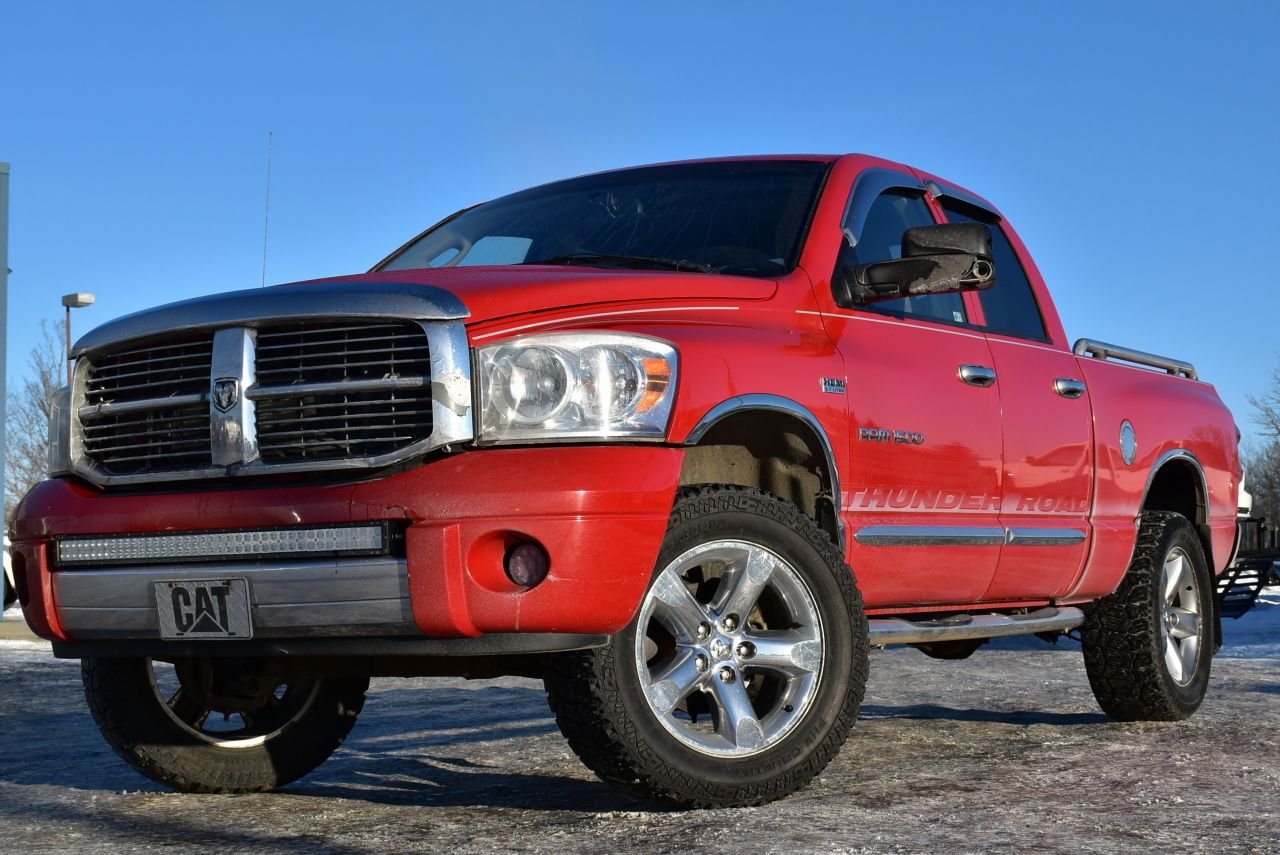
1. Dodge Ram 1500
The Dodge Ram 1500, while popular for its strong performance and towing capabilities, has developed a reputation for declining reliability and accelerated wear over time.
Many owners report engine and transmission issues emerging after several years of use, including oil leaks, faulty sensors, and transmission slippage.
These problems often result in frequent repairs and higher maintenance costs, which contribute to the truck feeling older than its actual age.
One factor affecting the Ram 1500’s long-term durability is the complexity of its components. Modern engines and transmissions include advanced systems designed for performance and fuel efficiency, but these systems can be more prone to failure than simpler, proven designs.
Suspension components, especially in trucks with off-road or heavy-duty packages, often experience faster wear, resulting in decreased ride quality and handling over time.
Electrical systems, such as onboard computers and sensors, can also develop faults, requiring specialized repairs.
The Dodge Ram 1500 is included because it illustrates how a combination of performance-oriented engineering and complex systems can compromise a truck’s ability to remain like new.
While it offers impressive towing capacity and features, these benefits sometimes lead to increased long-term maintenance demands. Owners may experience repeated trips to service centers, unexpected repair bills, and declining performance over a decade of use.

For buyers, the Ram 1500 highlights the importance of balancing features, performance, and long-term durability. Understanding that some trucks may require more care and investment over time allows owners to make informed decisions and anticipate potential issues.
While still capable and popular, the Ram 1500 demonstrates that even well-known trucks may not maintain near-new performance as reliably as some competitors.
2. GMC Sierra 2500HD
The GMC Sierra 2500HD, a heavy-duty pickup designed for towing and hauling, can experience accelerated wear and mechanical issues as it ages, making it less likely to maintain a like-new condition after 10 years.
Owners frequently report problems with the drivetrain, suspension, and engine components, particularly under heavy workloads. Transmission concerns, fuel system issues, and brake wear are common, contributing to higher repair costs and a decline in overall performance.
A primary reason the Sierra 2500HD struggles to remain like new is its heavy-duty construction combined with complex systems.
While designed for maximum towing capacity and strength, the truck’s large engines, advanced electronics, and reinforced suspension components are more susceptible to wear over time.
Routine maintenance may involve higher labor costs, and replacement parts are often more expensive due to the truck’s heavy-duty design. Vehicles used regularly for towing or hauling may experience accelerated component fatigue, which further affects long-term reliability.
The Sierra 2500HD is featured in this section because it demonstrates how capability-focused engineering can sometimes compromise longevity.
While the truck excels at performance and utility, these advantages may come at the expense of sustained appearance and mechanical reliability. Owners may notice declining ride quality, increased repair frequency, and overall reduced dependability after several years of use.

Understanding the limitations of the Sierra 2500HD helps buyers weigh the trade-offs between performance, utility, and long-term durability.
For drivers who prioritize towing and payload over maintaining a truck in like-new condition, the Sierra 2500HD offers power and capability.
However, it illustrates that heavy-duty trucks may require greater attention and investment to preserve functionality and appearance over a decade.
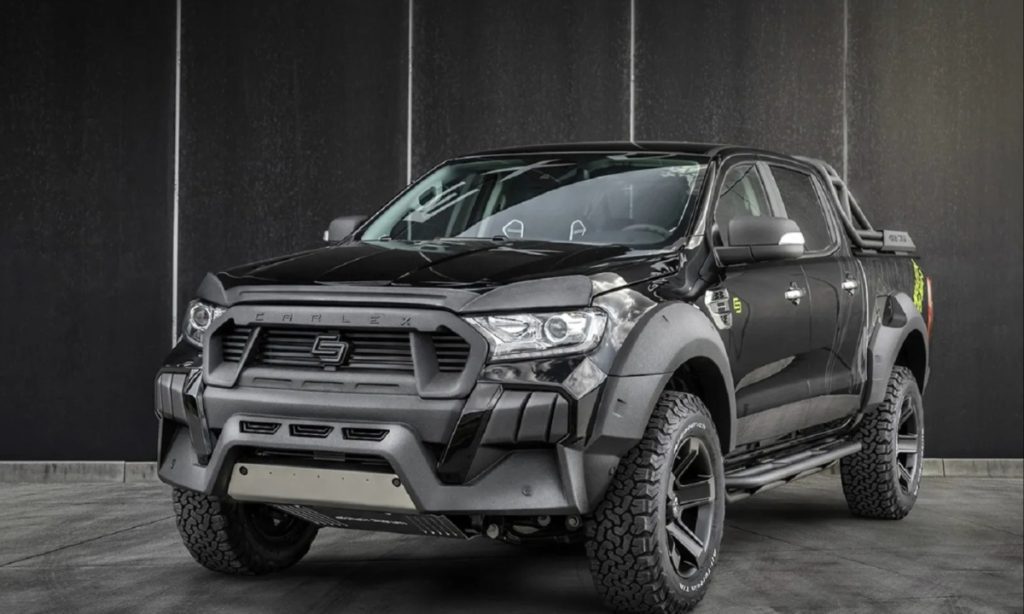
3. Ford Ranger (2019–2021)
The Ford Ranger, especially models from the 2019–2021 generation, has gained a reputation for early wear and mechanical issues that prevent it from maintaining a like-new condition after a decade.
Common problems reported by owners include engine oil leaks, transmission roughness, and premature wear of suspension components. These recurring issues can lead to frequent repairs and higher maintenance costs, making long-term ownership more challenging than expected.
The Ranger’s limited production and focus on compact performance contribute to some of these long-term reliability concerns.
While the truck is engineered for fuel efficiency and everyday usability, its smaller engine and intricate drivetrain components can be more sensitive to wear than the larger, more robust powertrains found in full-size pickups.
Electrical systems and sensors, including those for advanced safety features, are also prone to malfunction over time, further reducing reliability.
This truck is included because it highlights how even newer or popular models can face challenges in maintaining durability over a decade.
Despite offering a comfortable ride, fuel efficiency, and practical design, the Ranger may not withstand heavy use or aging as gracefully as trucks engineered with long-term robustness in mind.
Owners often face repeated service visits, unexpected component failures, and ongoing maintenance demands that can diminish satisfaction over time.
Understanding the limitations of the Ford Ranger helps prospective buyers make informed decisions, particularly for those seeking a compact truck with longevity.
While it offers performance and style, drivers should anticipate higher maintenance frequency compared to trucks known for maintaining near-new condition, ensuring that expectations align with practical long-term use.
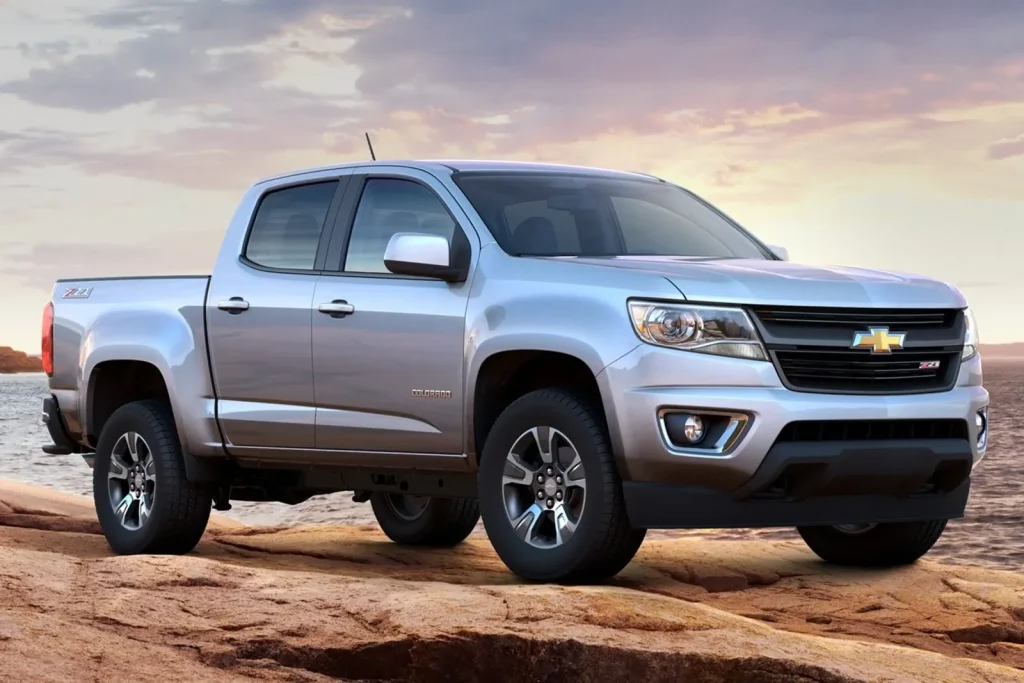
4. Chevrolet Colorado (2015–2019)
The Chevrolet Colorado, particularly models from 2015–2019, has a tendency to experience wear and mechanical issues that prevent it from retaining like-new condition after a decade.
Common complaints include premature transmission problems, engine overheating, and suspension wear. Electrical issues, such as sensor failures and malfunctioning infotainment systems, further contribute to increased repair frequency and maintenance costs.
One factor affecting the Colorado’s longevity is the combination of compact engineering and advanced features. While designed to provide efficiency and versatility, the truck’s smaller engines and more complex drivetrain components are susceptible to early wear, especially under heavy use.
Suspension components and chassis parts may show signs of fatigue sooner than expected, particularly in trucks regularly used for off-road driving or towing. Maintenance is often more time-consuming, and parts can be more expensive than those for simpler designs, increasing the overall cost of ownership.
The Colorado is included in this section because it demonstrates how balancing capability, efficiency, and comfort can sometimes compromise long-term durability.
Despite offering a smooth ride, towing capacity, and modern features, owners often encounter repeated repairs and a decline in performance and aesthetics over time. These issues can make the truck feel older than its actual age, reducing owner satisfaction.
Understanding the Chevrolet Colorado’s limitations helps potential buyers evaluate trade-offs between design, performance, and durability. Drivers who prioritize long-term reliability may need to consider higher maintenance requirements or anticipate reduced vehicle longevity.
While the Colorado is capable and versatile, it exemplifies the challenges of maintaining a truck in near-new condition after a decade of use.
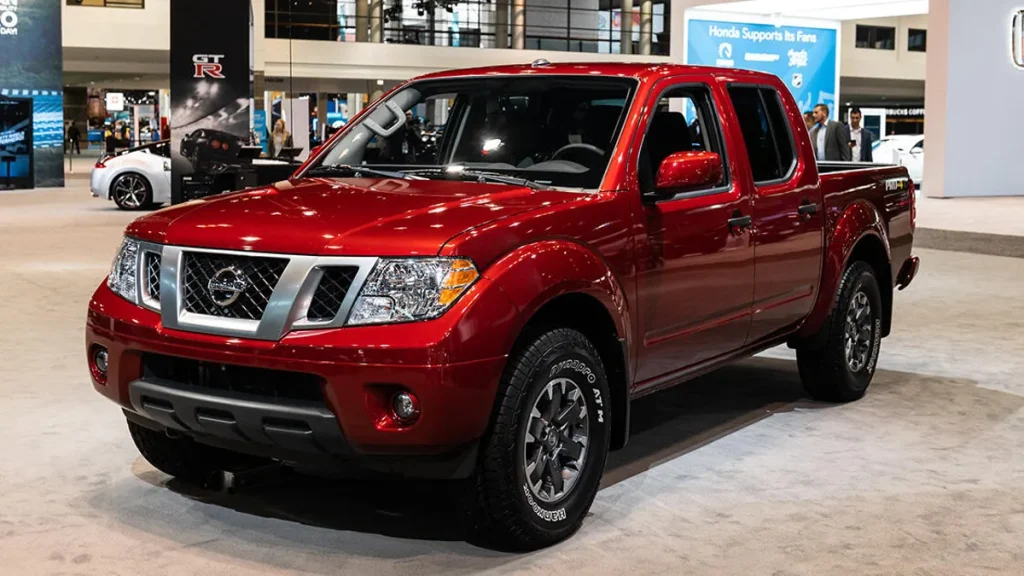
5. Nissan Frontier (2016–2020)
The Nissan Frontier, particularly models from 2016 to 2020, is known for its rugged design and affordability, yet it often struggles to maintain a like-new condition after 10 years of use.
Many owners report engine wear, transmission issues, and premature suspension degradation, which can make the truck feel older than its actual age. Recurring mechanical and electrical problems contribute to higher maintenance costs and frequent service visits.
One factor affecting the Frontier’s long-term performance is its aging engine and drivetrain design. While the truck is engineered for utility and moderate off-road use, its components can experience accelerated wear under heavy workloads or consistent high-mileage driving.
The suspension and braking systems, though adequate initially, may develop issues sooner than expected, affecting ride quality and handling. Additionally, electrical components, including sensors and control modules, are prone to malfunction over time, further reducing reliability.
The Frontier is included in this section because it illustrates how a truck’s utility-focused design does not always guarantee long-term durability.
Despite being practical, affordable, and capable, the Frontier can require more attention and repairs than trucks engineered for extended longevity.
Owners may face declining performance, repeated maintenance needs, and unexpected expenses over a decade of use, making ownership more challenging.
Understanding the Nissan Frontier’s limitations helps potential buyers make informed choices. While the truck offers solid utility and off-road capability, those seeking long-term reliability should anticipate higher maintenance frequency and potential mechanical issues.
By recognizing these challenges, drivers can weigh the trade-offs between affordability, capability, and long-term dependability. The Frontier exemplifies a truck that, while practical and capable, may not retain a like-new condition after years of regular use.
Also Read: 5 Trucks With Maintenance Costs Under $400/Year vs 5 That Exceed $1,000
