
Parking is one of the most common challenges drivers face, especially in urban environments or crowded areas. While some cars are designed with features and dimensions that make parking straightforward and stress-free, others present significant difficulties, requiring careful maneuvering and patience.
Choosing a vehicle that facilitates easier parking can save time, reduce stress, and even prevent minor accidents or scratches in tight spaces.
Cars that make parking easy often combine compact dimensions, precise handling, and advanced technology to help drivers maneuver in confined spaces.
Features like rearview cameras, 360-degree sensors, and automatic parking systems can simplify parallel parking, tight lot entries, and complex garage situations.
Vehicles that excel in parking also tend to offer excellent visibility from the driver’s seat, responsive steering, and tight turning radii, which all contribute to a smoother and safer experience.
On the other hand, vehicles that are difficult to park often suffer from larger sizes, reduced visibility, or awkward handling characteristics.
SUVs, trucks, and high-performance cars can be particularly challenging, as their bulk, long wheelbase, or wide turning radius can make maneuvering in narrow spots tricky.
Limited visibility, blind spots, or poorly positioned mirrors can exacerbate the challenge, resulting in increased stress and a higher likelihood of minor collisions or curb scrapes.
This article examines both sides of parking ease. The first section highlights five cars that make parking simple and convenient, combining thoughtful design, compact dimensions, and useful technology to enhance maneuverability.
The second section focuses on five cars that present challenges in parking due to size, design, or handling limitations.
By comparing these two categories, readers can better understand which vehicles reduce parking stress and which may require extra care, helping them make informed decisions when selecting a car for city driving, tight lots, or everyday use.
Also Read: 5 Trucks With Maintenance Costs Under $400/Year vs 5 That Exceed $1,000
5 Cars That Make Parking Easy
Certain cars are designed with practicality and maneuverability in mind, making parking a simple and stress-free experience.
For drivers who frequently navigate tight city streets, crowded parking lots, or narrow garages, choosing a vehicle that simplifies parking can be a major advantage. Compact size, precise handling, and helpful technology all contribute to making a car easier to park.
Small to midsize cars naturally have an advantage when it comes to parking. Shorter wheelbases and narrower widths allow for easier alignment in tight spots and reduce the chance of minor collisions or curb scrapes.
Additionally, vehicles with tight turning radii respond quickly to steering inputs, enabling smooth parallel parking and quick adjustments in confined spaces. Visibility also plays a key role.
Cars with large windows, well-positioned mirrors, and thoughtfully designed cabin layouts give drivers a clear view of surroundings, making it easier to judge distances and avoid obstacles.
Advanced technology further enhances parking ease. Features such as rearview cameras, parking sensors, and 360-degree camera systems provide visual and auditory guidance, helping drivers navigate even the tightest spaces with confidence.
Some models include automated parking assistance, which can steer the car into a spot while the driver controls acceleration and braking, significantly reducing stress in urban environments.
This section highlights five cars that make parking easy, selected for their combination of compact design, maneuverability, and driver-assist features.
Each vehicle demonstrates how thoughtful engineering and practical features contribute to a safer and more convenient parking experience.
By examining these models, drivers can identify options that reduce the effort and stress involved in parking, making everyday driving more enjoyable and efficient.
1. Honda Fit
The Honda Fit is a compact hatchback renowned for its maneuverability and ease of parking, making it an ideal choice for city driving and tight spaces.
Its small size, short wheelbase, and narrow width allow drivers to navigate narrow streets, crowded parking lots, and parallel parking situations with confidence.
Despite its compact dimensions, the Fit’s interior remains surprisingly spacious, adding practicality without compromising parking convenience.
One key feature that enhances parking ease is the Fit’s responsive steering and tight turning radius. Drivers can quickly adjust the vehicle’s position in confined spaces, reducing stress and increasing precision.
The Fit also offers excellent outward visibility, with large windows and well-placed mirrors that make it easier to judge distances and detect obstacles. This visibility helps prevent minor scrapes or collisions when maneuvering in challenging spots.
Technology further improves the parking experience. The Fit is equipped with rearview cameras in most trims, providing visual guidance during reverse maneuvers.
Some models include parking sensors that alert drivers to nearby obstacles, adding an extra layer of confidence in tight situations. These features, combined with the car’s compact size and agile handling, make it easier for drivers of all skill levels to park efficiently.
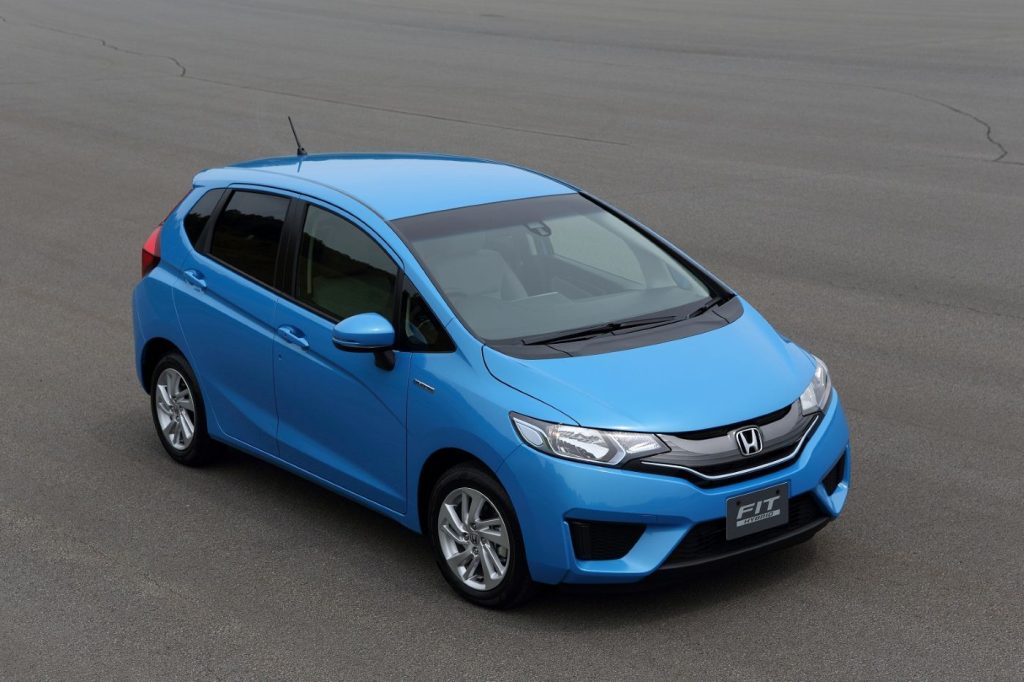
The Honda Fit is included because it demonstrates how thoughtful engineering and practical design can simplify a traditionally stressful task. It provides a balance of size, visibility, and technology that reduces parking challenges while maintaining comfort and functionality.
For drivers who frequently navigate urban areas or crowded parking lots, the Fit proves that a small car can offer both convenience and confidence, making it a standout choice for anyone prioritizing easy parking without sacrificing practicality.
2. Toyota Yaris
The Toyota Yaris is a subcompact vehicle that excels in urban environments, particularly when it comes to parking. Its small dimensions and nimble handling make it ideal for tight parking spaces, crowded city streets, and parallel parking situations.
The Yaris combines practicality with efficiency, offering a compact footprint without sacrificing essential comfort or convenience for drivers and passengers.
A major factor that contributes to the Yaris’ ease of parking is its short wheelbase and tight turning radius. These features allow drivers to make quick adjustments and maneuver into small spots with minimal effort.
The Yaris also provides excellent outward visibility, with large windows and strategically placed mirrors that help drivers judge distances and navigate obstacles effectively. This visibility reduces the likelihood of minor collisions or curb scrapes, even in challenging environments.
Advanced technology further enhances the parking experience. The Yaris comes equipped with a rearview camera, giving drivers a clear view of obstacles behind the vehicle.
Higher trims may include additional sensors or driver-assist features, providing auditory or visual alerts when objects are detected nearby. These features increase confidence when parking in tight or complex situations.
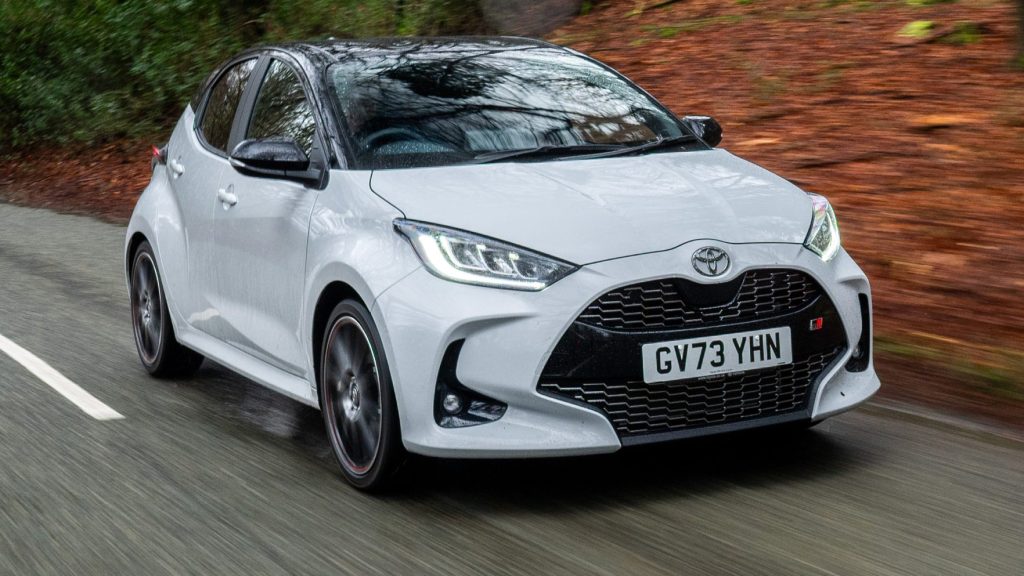
The Toyota Yaris is included because it highlights how compact design, maneuverable handling, and practical technology can make parking easier and less stressful.
It demonstrates that a well-engineered subcompact car can offer both convenience and reliability, reducing common challenges associated with parking.
For drivers who spend significant time in urban areas or tight spaces, the Yaris provides a combination of simplicity, efficiency, and confidence, making it an excellent choice for hassle-free parking.
3. Mini Cooper
The Mini Cooper is celebrated for its compact size, sharp handling, and urban-friendly design, making it one of the easiest cars to park. Its small footprint allows drivers to maneuver into tight parking spots, narrow city streets, and parallel parking spaces with confidence.
Despite its diminutive exterior, the Mini Cooper offers a surprisingly spacious cabin, demonstrating that practicality and parking ease can coexist in a stylish package.
A major factor contributing to the Mini Cooper’s ease of parking is its tight turning radius. The responsive steering and precise handling allow drivers to make quick adjustments in confined spaces, reducing stress and preventing minor collisions.
Large windows, low dashboard height, and well-placed mirrors further improve visibility, enabling the driver to judge distances accurately and park with precision.
Advanced parking technology enhances convenience in certain trims. Rearview cameras, parking sensors, and available automatic parking assistance make it easier to navigate into tight spaces or parallel park in crowded areas.
These features, combined with the car’s natural agility, allow drivers of all skill levels to handle challenging parking situations with confidence.
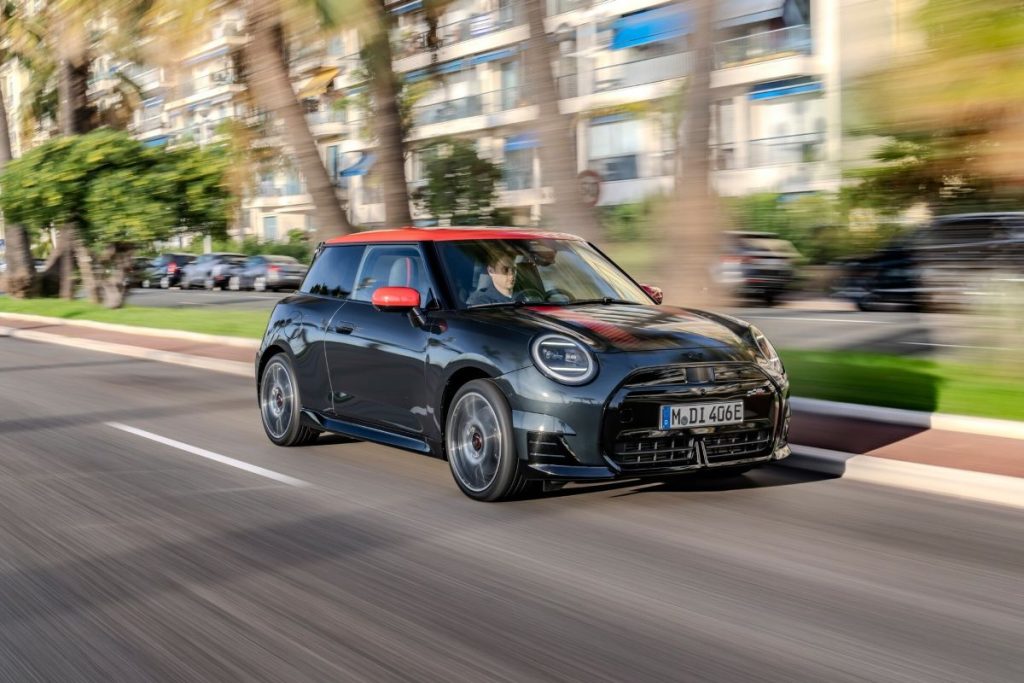
The Mini Cooper is included because it exemplifies how thoughtful engineering and driver-focused design can simplify parking, even in urban environments.
Its combination of size, handling, and technology ensures a smooth parking experience while maintaining comfort, style, and practicality. Drivers who face frequent city driving or parking challenges benefit from the Mini Cooper’s ability to make tight spaces manageable.
Ultimately, the Mini Cooper demonstrates that a small, agile vehicle with visibility-focused design and supportive technology can remove much of the stress from parking.
For anyone seeking an enjoyable yet practical urban vehicle, the Mini Cooper provides a perfect balance of convenience, style, and confidence when navigating tight spots.
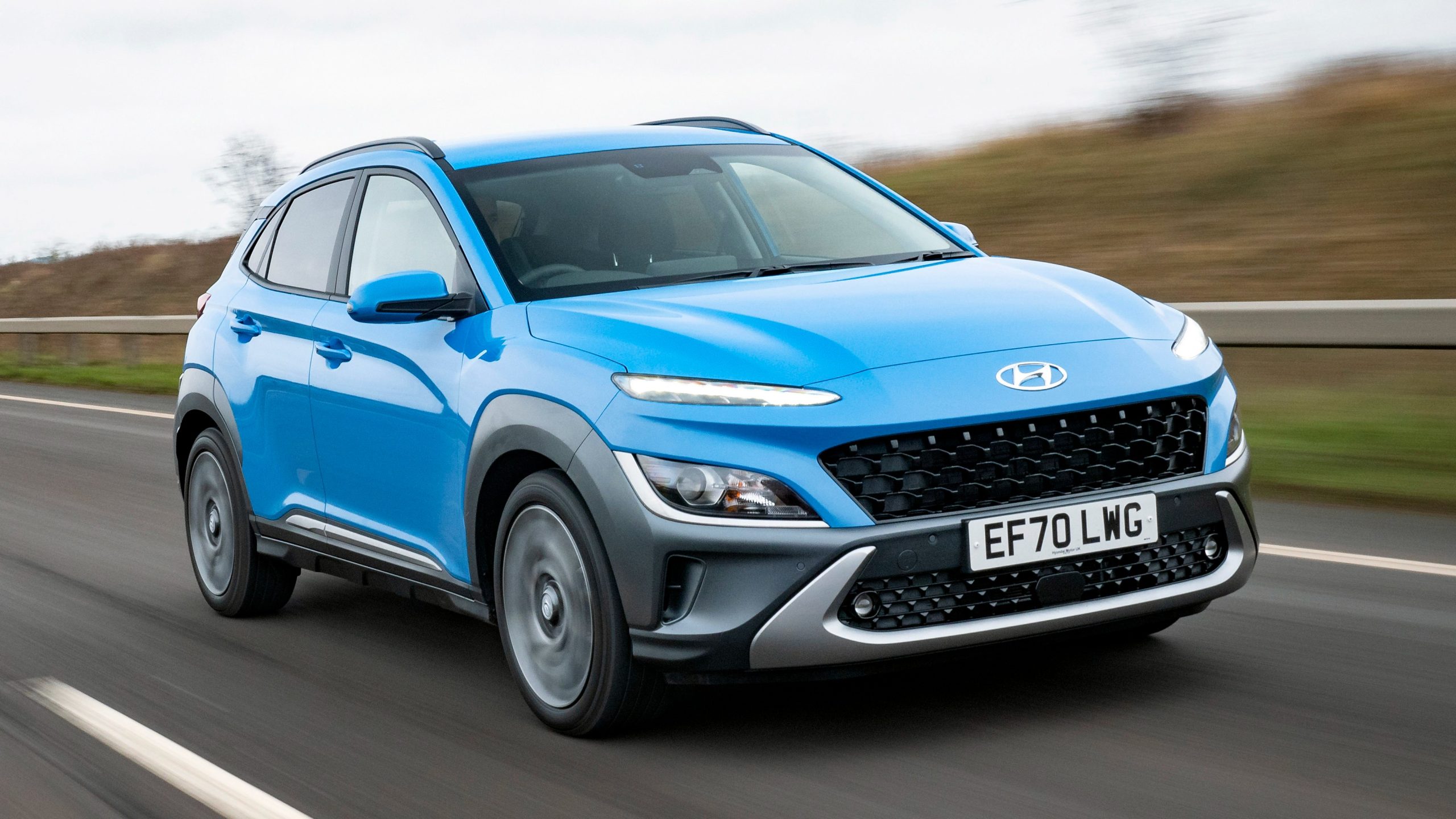
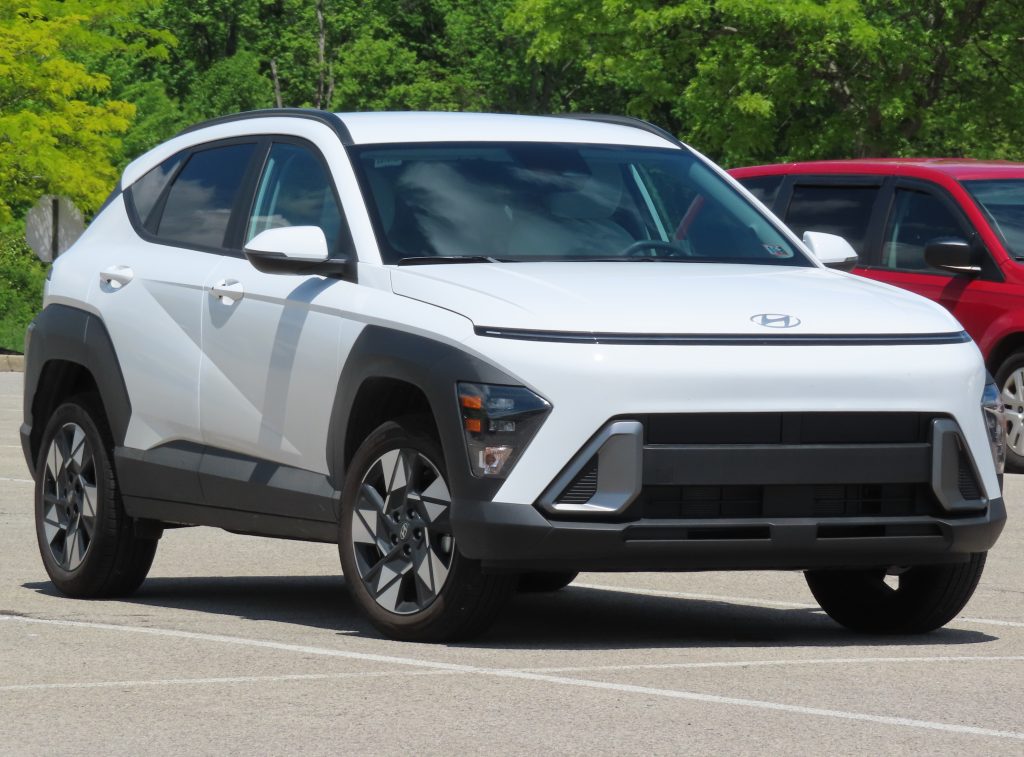
4. Hyundai Kona
The Hyundai Kona is a compact crossover SUV designed to offer both practicality and maneuverability, making it easy to park in urban and suburban environments.
Its small dimensions, responsive handling, and thoughtful design features help drivers navigate tight spaces, parallel parking situations, and crowded lots without difficulty.
Despite its compact size, the Kona provides a comfortable interior and practical cargo space, combining functionality with convenience.
One reason the Kona is easy to park is its tight turning radius. Steering is responsive, allowing drivers to make quick adjustments and align the vehicle in narrow spaces with minimal effort.
Additionally, outward visibility is strong, thanks to well-positioned mirrors, large windows, and a well-designed cabin layout. These factors allow drivers to judge distances accurately and avoid obstacles while parking.
Technology in the Kona further simplifies parking. Most trims are equipped with a rearview camera, providing a clear view behind the vehicle.
Some higher-end models include parking sensors and driver-assist features, alerting the driver to obstacles and ensuring safer maneuvering in tight spaces. These aids make the vehicle more approachable for less experienced drivers or situations with limited space.
The Hyundai Kona is included because it demonstrates how compact SUV design, visibility, and technology can combine to make parking effortless. It highlights that even a small crossover, which may be larger than a subcompact car, can offer urban-friendly maneuverability and parking convenience without sacrificing interior comfort or versatility.
For drivers who frequently face crowded streets or tight parking spaces, the Kona provides a reliable, stress-free solution. Its practical dimensions, responsive handling, and helpful parking features make it a standout option for anyone seeking convenience and confidence when parking in everyday driving situations.
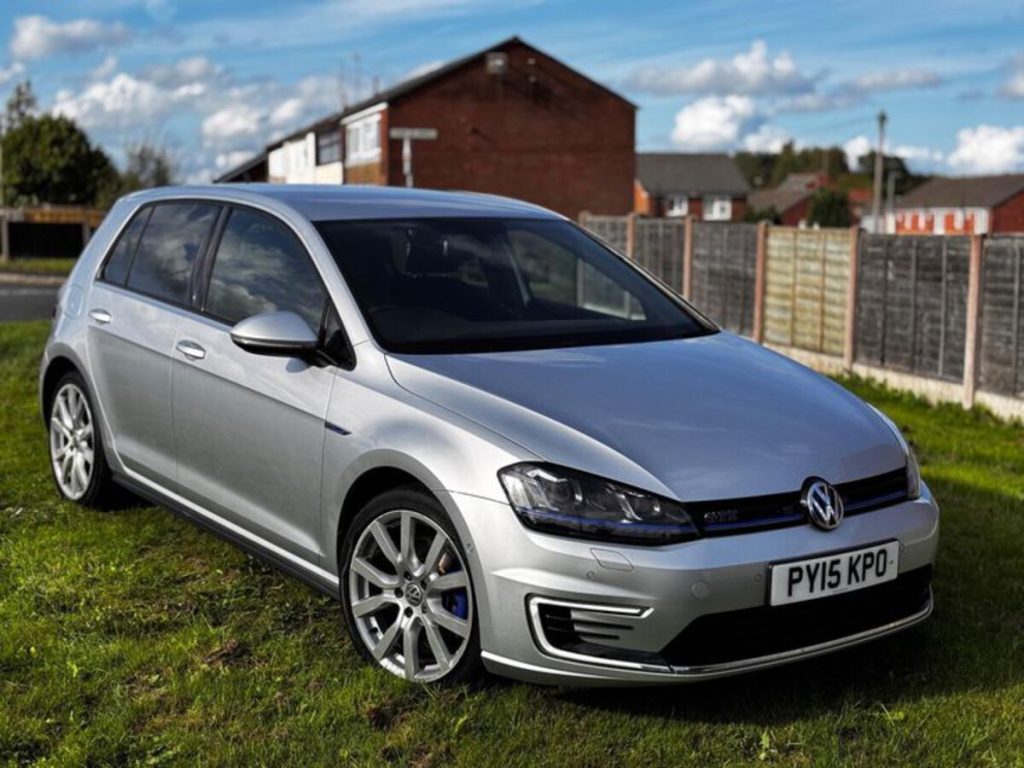
5. Volkswagen Golf
The Volkswagen Golf is a compact hatchback that combines practicality, maneuverability, and driver-friendly design, making it exceptionally easy to park.
Its small size and well-proportioned dimensions allow drivers to navigate tight city streets, parallel park in crowded spaces, and maneuver efficiently in small garages.
Despite its compact exterior, the Golf provides a comfortable and versatile interior, demonstrating that practicality and parking convenience can coexist.
One of the key features that enhance parking ease is the Golf’s responsive steering and tight turning radius. These characteristics allow drivers to make precise adjustments in confined spaces, reducing stress and minimizing the likelihood of minor collisions.
The elevated seating position for the driver and thoughtfully designed cabin layout contribute to excellent visibility, enabling drivers to judge distances accurately and navigate obstacles effectively.
Technology also supports convenient parking in the Golf. Rearview cameras are standard on most trims, giving drivers a clear perspective when reversing.
Higher trims may include parking sensors or semi-automated parking assistance, which guide the vehicle into tight spots while alerting the driver to nearby objects. These systems simplify the parking process and provide extra confidence in challenging scenarios.
The Volkswagen Golf is included because it illustrates how compact design, precise handling, and supportive technology combine to make parking straightforward and stress-free. Drivers of all skill levels benefit from the Golf’s maneuverability, clear visibility, and parking aids, making urban driving and crowded lot navigation more manageable.
Overall, the Golf proves that a well-engineered compact vehicle can make everyday parking significantly easier without sacrificing comfort, versatility, or performance.
Its blend of size, handling, and technology ensures that drivers spend less time worrying about tight spaces and more time enjoying a practical, reliable, and enjoyable driving experience.
5 Cars That Don’t Make Parking Easy
While some vehicles are designed to simplify parking, others present challenges that make maneuvering in tight spaces stressful and time-consuming.
Cars that are difficult to park often suffer from larger dimensions, reduced visibility, or handling characteristics that complicate precise movements. For drivers navigating crowded city streets, narrow lots, or tight garages, these challenges can increase stress, lead to minor collisions, and make everyday driving less convenient.
Large SUVs, trucks, and high-performance vehicles are typically more difficult to park due to their size, long wheelbase, or wide turning radius.
Their bulk can limit the ability to fit into smaller spaces, while sharp corners or blind spots can make it harder to judge distances accurately. Even with parking technology, the sheer size or shape of a vehicle can make parking more complex than with a compact or subcompact model.
Another factor that affects parking difficulty is visibility. Vehicles with high beltlines, small windows, or poorly positioned mirrors can create blind spots, making it challenging for drivers to see obstacles or judge distances. This increases the likelihood of minor scrapes, bumper dents, or collisions when parking in confined areas.
Additionally, handling characteristics can play a significant role. Cars with stiff suspension, long overhangs, or limited maneuverability respond less precisely to steering inputs, requiring extra effort to position the vehicle accurately.
Drivers may need multiple adjustments when attempting parallel parking or tight garage entries, increasing frustration and time spent parking.
This section examines five vehicles that are notably challenging to park. Each model is selected based on size, visibility limitations, and handling traits that make parking less convenient.
By understanding which cars present difficulties in tight spaces, buyers can make informed decisions about their next vehicle, especially if they frequently encounter crowded lots, narrow streets, or confined garage situations.
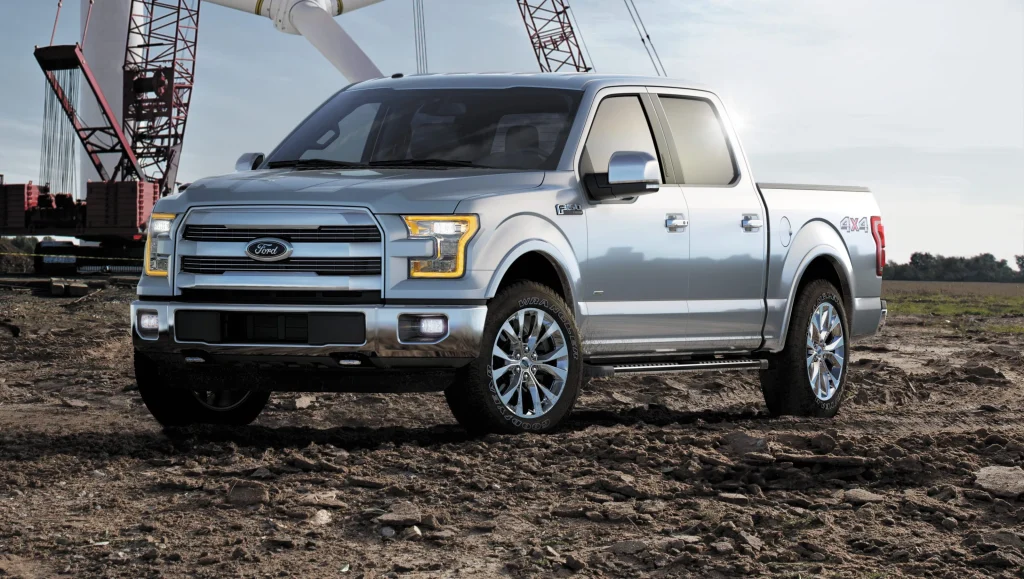
1. Ford F-150
The Ford F-150 is a full-size pickup truck celebrated for its strength, towing capacity, and versatility. However, its large dimensions and long wheelbase make parking a challenge in tight spaces.
Urban environments, narrow parking lots, and crowded streets can be especially difficult to navigate, requiring extra care and precision. Even with modern parking assistance technology, the F-150’s size demands heightened attention from the driver.
One reason the F-150 is difficult to park is its length and width. Maneuvering into parallel parking spots or compact spaces requires multiple adjustments, particularly in urban areas where parking spots may be smaller than the vehicle itself.
The truck’s height and long hood can also affect visibility, making it harder to judge distances when approaching obstacles or curbs.
Although most modern F-150 models include rearview cameras, sensors, and optional 360-degree cameras, the truck’s sheer size still necessitates careful maneuvering.
Drivers must often rely on experience and caution to avoid scratches, dents, or minor collisions. Additionally, the truck’s turning radius is larger than smaller vehicles, making tight corners and confined lots more difficult to navigate.
The F-150 is included because it exemplifies how utility-focused vehicles can complicate parking. While it offers unmatched performance for work or hauling, it is less convenient in situations that require precision in small spaces. Owners must factor in the challenge of parking when considering this pickup for daily driving or urban use.
Overall, the Ford F-150 demonstrates that size, visibility limitations, and handling characteristics significantly impact parking ease. Drivers seeking a capable truck must balance these challenges with the vehicle’s advantages, understanding that parking may require additional effort and care.
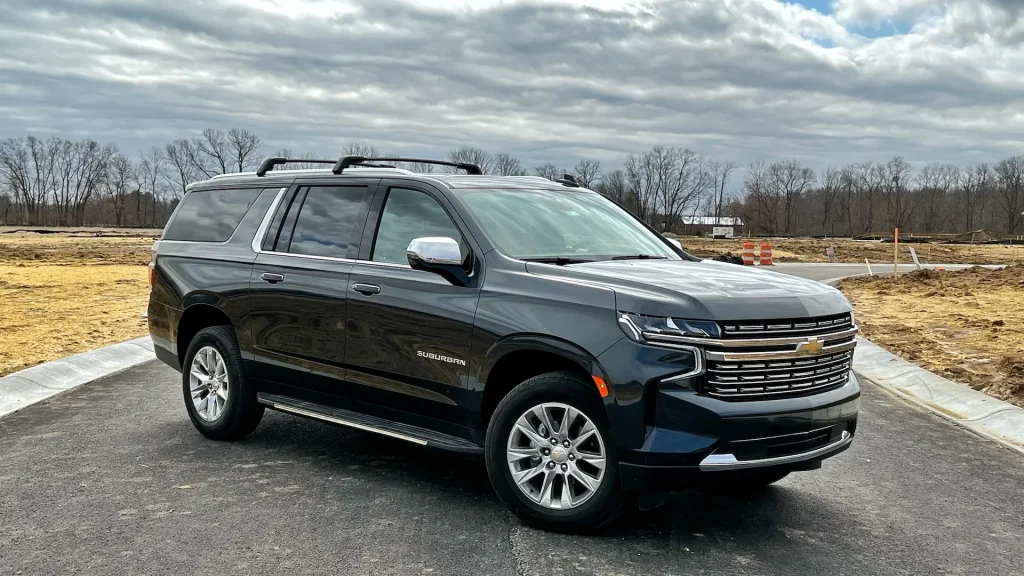
2. Chevrolet Suburban
The Chevrolet Suburban is a full-size SUV known for its spacious interior, towing capacity, and family-friendly features. However, its extended length, wide body, and high driving position make parking a demanding task, especially in urban areas or confined spaces.
Maneuvering into tight spots often requires multiple adjustments, patience, and precise control, which can be stressful for many drivers.
A major factor that complicates parking is the Suburban’s overall size. Its long wheelbase and extended rear overhang reduce maneuverability in tight spaces, making parallel parking and narrow lot entries challenging.
The wide body requires careful alignment to avoid hitting adjacent vehicles or obstacles, while its height can create blind spots that obscure low-lying curbs or barriers.
Modern models include rearview cameras, parking sensors, and optional 360-degree camera systems to assist with parking. While these features provide helpful guidance, they cannot fully compensate for the vehicle’s bulk.
Drivers still need to carefully monitor surroundings and make repeated adjustments to park safely. The Suburban’s turning radius is also significantly larger than smaller SUVs, making tight corners or angled parking maneuvers more difficult.
The Chevrolet Suburban is included because it illustrates how large SUVs, despite offering comfort and utility, can pose significant parking challenges. While the vehicle excels in passenger space, cargo capacity, and road presence, its size and visibility limitations require extra effort during parking.
This SUV highlights the trade-offs that come with larger vehicles. Drivers who prioritize space, towing, and long-distance comfort must accept that parking in crowded or confined areas will be more difficult.
The Suburban demonstrates that even with advanced technology, vehicle size and handling characteristics play a crucial role in parking convenience.
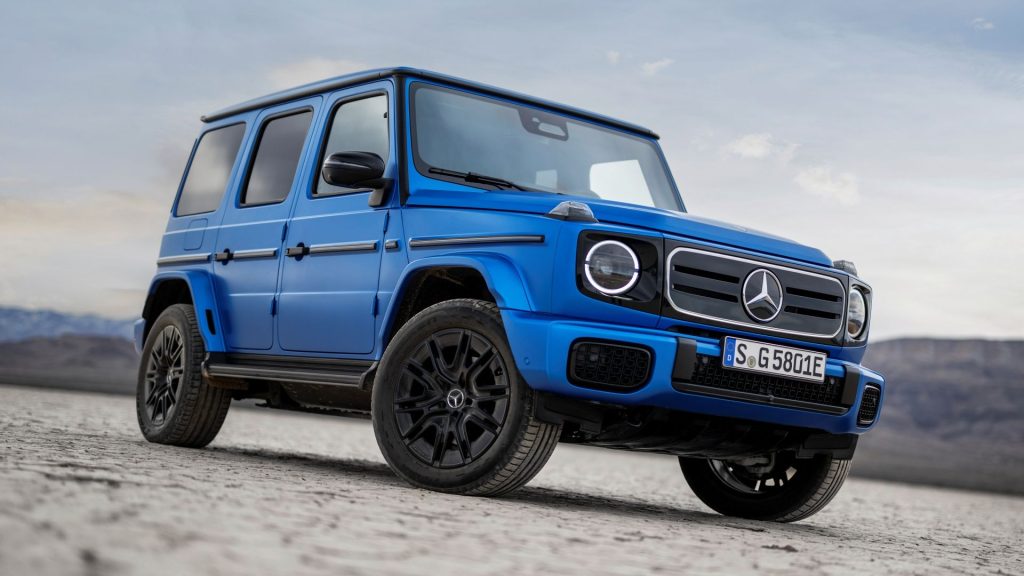
3. Mercedes-Benz G-Class
The Mercedes-Benz G-Class, also known as the G-Wagon, is a luxury SUV famed for its rugged off-road capability and iconic design. Despite its appeal, the G-Class is notoriously difficult to park due to its boxy shape, large dimensions, and high driving position.
Urban streets, tight parking lots, and confined garages can pose significant challenges for drivers, requiring careful attention and multiple maneuvers.
One key reason the G-Class is hard to park is its overall size and rigid shape. The long wheelbase and wide body limit maneuverability, making parallel parking or angled entries difficult.
Its height can obscure low-lying obstacles, while thick pillars create blind spots that hinder visibility. Even with modern parking aids, such as rearview cameras and sensors, the G-Class demands heightened spatial awareness and experience to avoid minor collisions or scratches.
The turning radius is another factor contributing to parking difficulty. Sharp corners or confined spaces require multiple adjustments, as the vehicle responds more slowly than smaller SUVs.
Drivers must often rely on camera systems and careful observation to navigate tight areas safely. The G-Class’s weight also means sudden corrections can feel cumbersome, adding to the complexity of precise parking.
The G-Class is included because it illustrates that luxury, prestige, and off-road capability do not necessarily translate into ease of parking. While it excels in performance, road presence, and interior comfort, its dimensions and handling limitations make it less practical for everyday urban use.
Overall, the Mercedes-Benz G-Class demonstrates that even a high-end vehicle with advanced features can present parking challenges. Drivers must consider size, visibility, and handling characteristics, especially when frequently parking in tight or crowded environments.
Its combination of bulk, design, and driving dynamics makes parking a demanding task, highlighting the trade-offs of owning such a distinctive SUV.
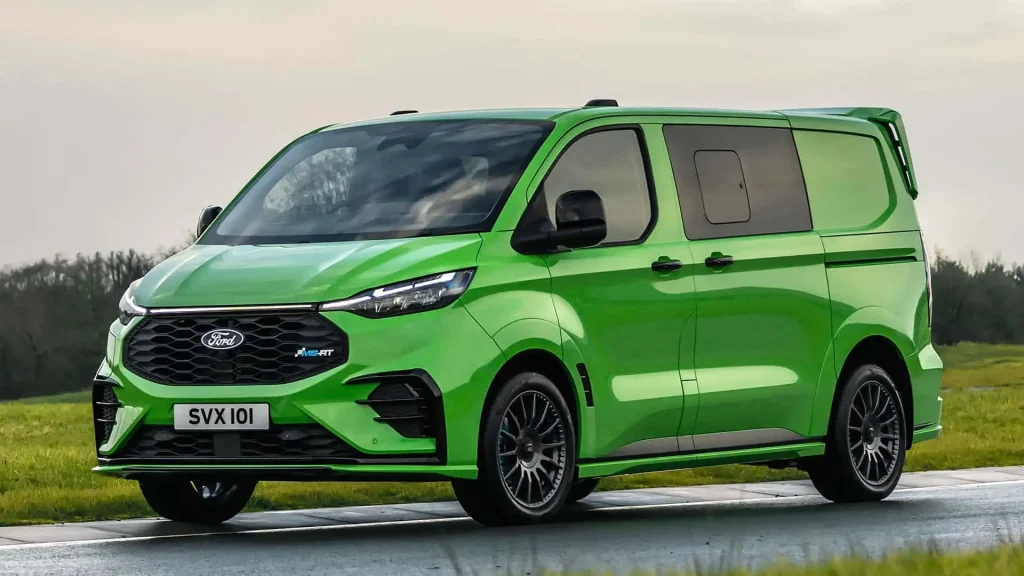
4. Ford Transit
The Ford Transit is a full-size van widely used for commercial purposes, including cargo transport, passenger shuttling, and delivery services.
While it provides exceptional utility and space, its large size, high roof, and long wheelbase make parking a difficult task, particularly in urban areas or confined lots. Even with experience, drivers must exercise caution to avoid collisions, curb damage, or misalignment.
One factor that complicates parking is the Transit’s length and height. Its extended wheelbase reduces maneuverability, while a tall roofline limits visibility, especially for low-hanging obstacles or structures.
Narrow streets, tight parking spots, and garages can be particularly challenging, requiring multiple corrections and constant awareness of surroundings.
Technology, such as rearview cameras and parking sensors, can assist with navigation, but the sheer size of the vehicle limits the effectiveness of these aids.
Drivers must anticipate turns carefully, account for overhangs, and sometimes rely on spotters in particularly tight situations. The Transit’s turning radius is larger than that of smaller vehicles, which makes parallel parking and angled lot entries more labor-intensive.
The Ford Transit is included because it highlights how utility and practicality can come at the expense of parking convenience.
While the van excels in cargo capacity, passenger space, and work-related functionality, these benefits make everyday parking more demanding. Drivers must be aware of the physical dimensions, turning limitations, and reduced visibility, especially in urban or crowded settings.
Overall, the Ford Transit demonstrates that vehicles optimized for function and capacity often face significant challenges in parking.
Even with technological assistance, size and design characteristics play a central role in determining ease of maneuvering, making it a vehicle that requires skill, patience, and awareness to park safely.
5. Tesla Model X
The Tesla Model X is a luxury electric SUV celebrated for its innovative features, long-range performance, and distinctive falcon-wing doors.
While it offers impressive technology and comfort, the Model X can be challenging to park due to its large size, wide body, and unique door design. Urban streets, tight parking lots, and confined garages can present difficulties that require careful attention from the driver.
One factor that complicates parking is the vehicle’s dimensions. The Model X is longer and wider than most midsize SUVs, which can make fitting into standard parking spaces difficult.
Its wide body increases the risk of scraping adjacent vehicles, while the long wheelbase and overhangs require precise maneuvering. Even with parking assistance technology, drivers must remain vigilant to navigate tight spots successfully.
Visibility is another consideration. While the Model X has large windows, its high beltline, sloped roof, and thick pillars create blind spots, particularly toward the rear corners. These areas can obscure curbs, pedestrians, or low obstacles, making parking more stressful.
Although Tesla’s advanced sensors, rearview camera, and optional 360-degree camera system assist with maneuvering, they cannot fully eliminate the challenges posed by the vehicle’s size.
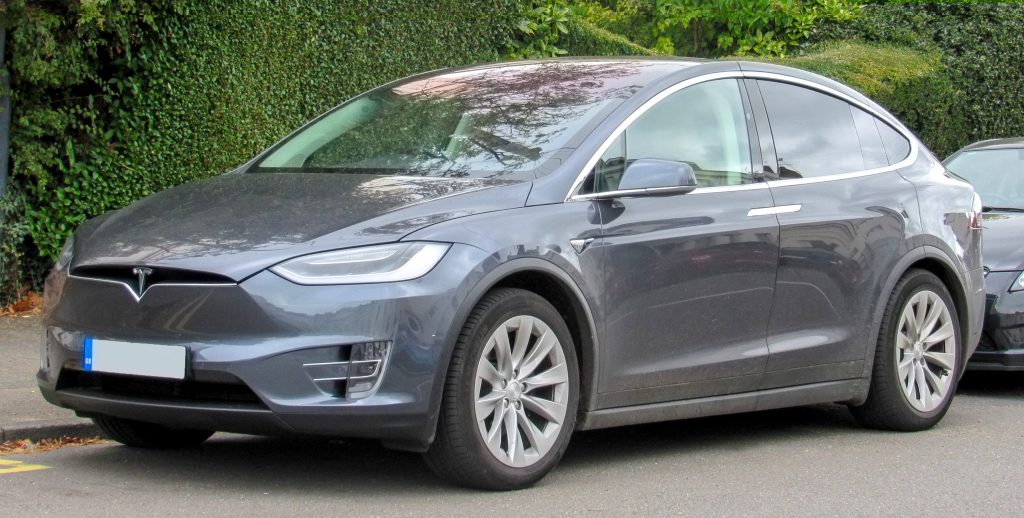
The falcon-wing doors also introduce unique constraints. In tight spaces, fully opening the rear doors can be difficult or impossible without adequate clearance, limiting accessibility and requiring extra caution when parked in narrow areas.
The Tesla Model X is included because it demonstrates that advanced technology, electric performance, and luxury features do not automatically translate into parking convenience. Drivers must account for size, visibility, and door mechanics, particularly in crowded or confined spaces.
While the SUV offers cutting-edge features and a premium experience, its dimensions and design characteristics make parking more complex, highlighting the trade-offs of owning a high-tech, large electric vehicle.
