When Americans shop for a new car, they’re not just thinking about looks or performance they’re thinking about the long haul.
The best long-term cars combine reliability, low maintenance costs, solid resale value, and comfort that lasts through hundreds of thousands of miles. With the average car on U.S. roads now over 12 years old, long-term ownership isn’t just a goal it’s an expectation.
Whether you’re commuting daily, road-tripping across the country, or simply trying to get the most value from your investment, some cars are simply built to go the distance. Here are twelve models that have proven themselves as smart, durable choices for long-term ownership.
1. Toyota Camry
The Toyota Camry has been a symbol of long-term reliability for decades. It’s not flashy, but that’s exactly why so many Americans trust it.
The Camry’s reputation for dependability is well-earned many owners report surpassing 250,000 miles with only routine maintenance.
The available 2.5-liter four-cylinder engine offers excellent fuel economy and a proven track record for durability, while the V6 option delivers extra power without compromising reliability.
Its comfortable cabin and soft ride make it easy to live with, and Toyota’s commitment to affordable parts and wide dealership support means keeping it on the road is never a struggle.
Toyota has a lot invested in the Camry, and for good reason, it remains the bestselling sedan in the United States.
To maintain its dominance, the car must continue to embody the qualities that have long defined it: spaciousness, comfort, and efficiency. Fortunately, the all-new 2025 Toyota Camry delivers on all these fronts and even adds a few surprises.
In a major shift, the ninth-generation Camry moves away from traditional internal combustion engines to an all-hybrid lineup.
While there’s no plug-in hybrid version yet, the base model’s impressive estimated 51 mpg combined makes it hard to miss the outgoing 2.5-liter four-cylinder and 3.5-liter V-6 gasoline engines.
This move underscores Toyota’s commitment to efficiency without sacrificing performance.
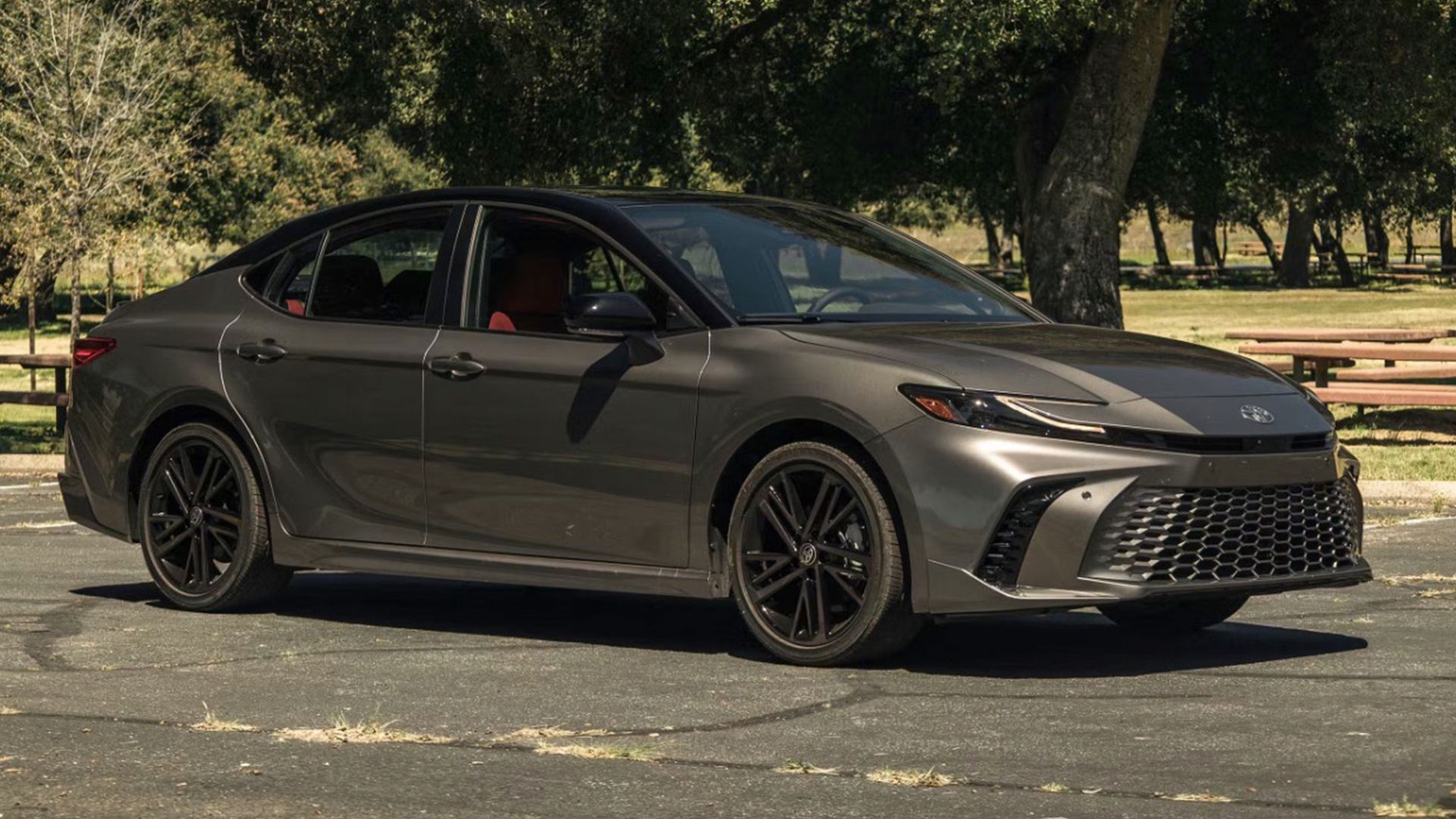
Drivers who once dismissed the Camry as little more than a reliable appliance may want to reconsider their stance. Since the 2018 redesign, the Camry has been on an upward trajectory in both design and driving engagement.
The 2025 model continues that trend with even sharper styling and a more dynamic feel, proving that practicality and driving enjoyment can coexist in one package.
Inside, the 2025 Camry showcases the kind of fit and finish that Toyota owners have come to expect. Everything feels solid and well-crafted, right down to the satisfying “thunk” of the doors.
The seats are supportive and comfortable across all trims, though the sloping rear roofline can make headroom a bit tight for taller passengers entering or exiting. The trunk remains spacious, offering a wide and deep cargo area.
Up front, the infotainment display is neatly integrated into the dashboard, and chief engineer Mark DeJongh highlights the absence of “button blanks,” ensuring that no trim level feels incomplete.
As for the exterior, the Camry borrows the Prius’ sharp LED lighting design, which translates beautifully onto its sleek and modern sedan body.
Behind the wheel of the all-wheel-drive SE trim, one of the first things drivers will notice is the steering’s precision. The wheel provides excellent feedback, allowing for confident, accurate handling.
The suspension tuning complements this nicely, keeping the car level and composed through corners. With a curb weight around 3,500 pounds and a low center of gravity, the Camry feels stable yet agile on winding roads.
Under normal conditions, the Camry operates as a front-wheel-drive vehicle powered by Toyota’s Hybrid Synergy Drive, which combines two electric motors with a gasoline engine through a planetary continuously variable automatic transmission.
When additional traction is required, an independent rear electric motor automatically engages the rear wheels.
This electronic AWD setup offers multiple advantages. It’s lighter and less complex than a traditional mechanical system since it eliminates the need for a driveshaft running the length of the car.
This helps maintain impressive fuel economy, there’s only a minor difference between the front-wheel-drive Camry LE’s estimated 51 mpg combined and the AWD version’s 50 mpg.
It also reduces production costs, as Toyota can simply choose whether to install the rear motor during assembly.
Altogether, the 2025 Toyota Camry demonstrates how thoughtful engineering can blend efficiency, capability, and refinement in one of America’s most beloved sedans.
2. Honda Accord
The Honda Accord is another perennial favorite among long-term owners. Known for its rock-solid powertrains, this sedan consistently scores high in reliability studies from J.D. Power and Consumer Reports.
The Accord’s engineering strikes the perfect balance between performance and efficiency, and its interiors are designed to age gracefully.
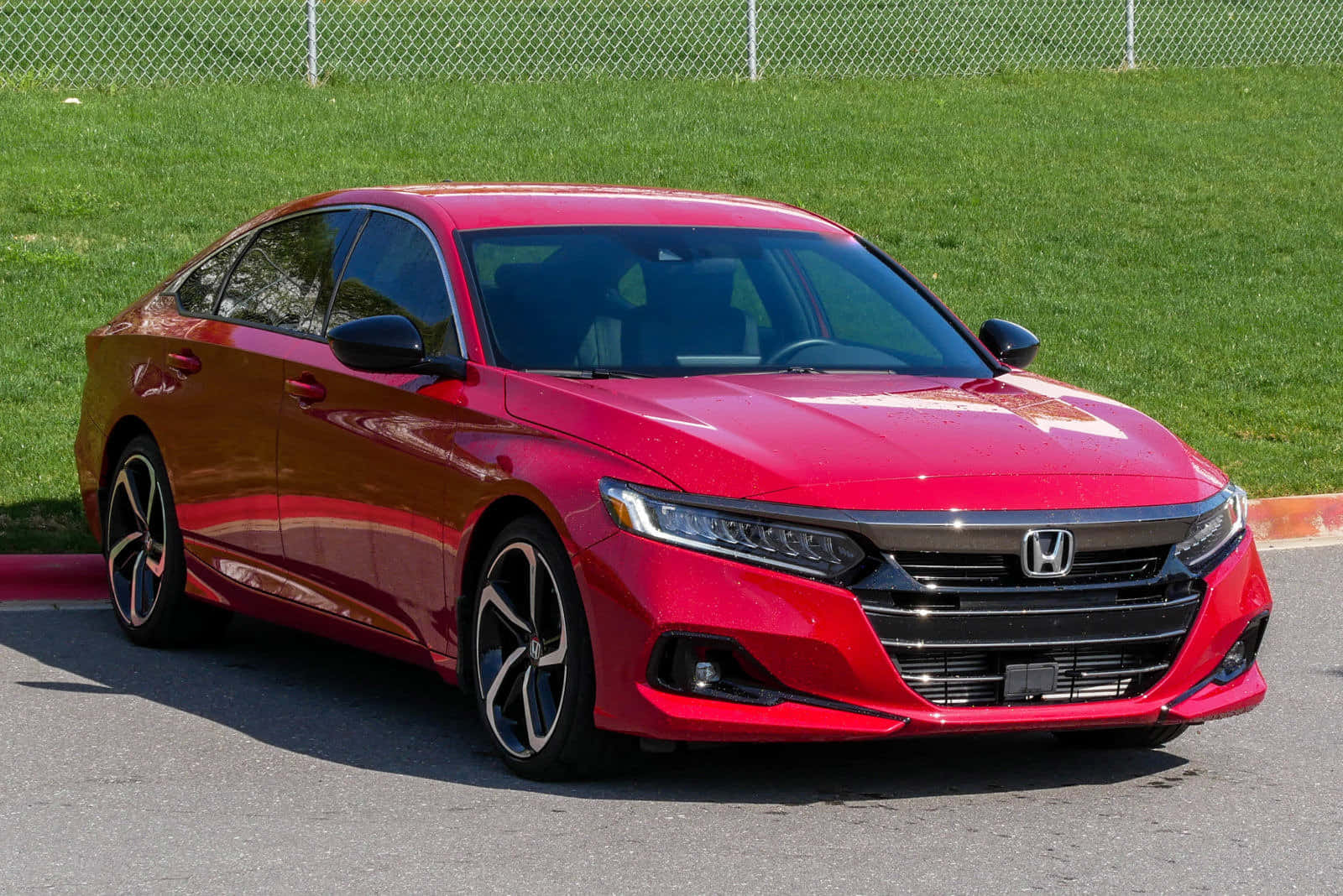
Even models from a decade ago still feel modern, thanks to Honda’s attention to layout and materials. Parts availability is excellent across the U.S., making it a practical choice for drivers who plan to keep their car well beyond the average ownership span.
Also Read: 5 Pickup Trucks That Always Sell for Top Dollar vs 5 That Don’t
3. Subaru Outback
For drivers who need versatility along with longevity, the Subaru Outback is a clear winner.
Its standard all-wheel drive system makes it ideal for long-term ownership in states with harsh winters, and Subaru’s boxer engine design provides balanced power and a low center of gravity for improved handling.
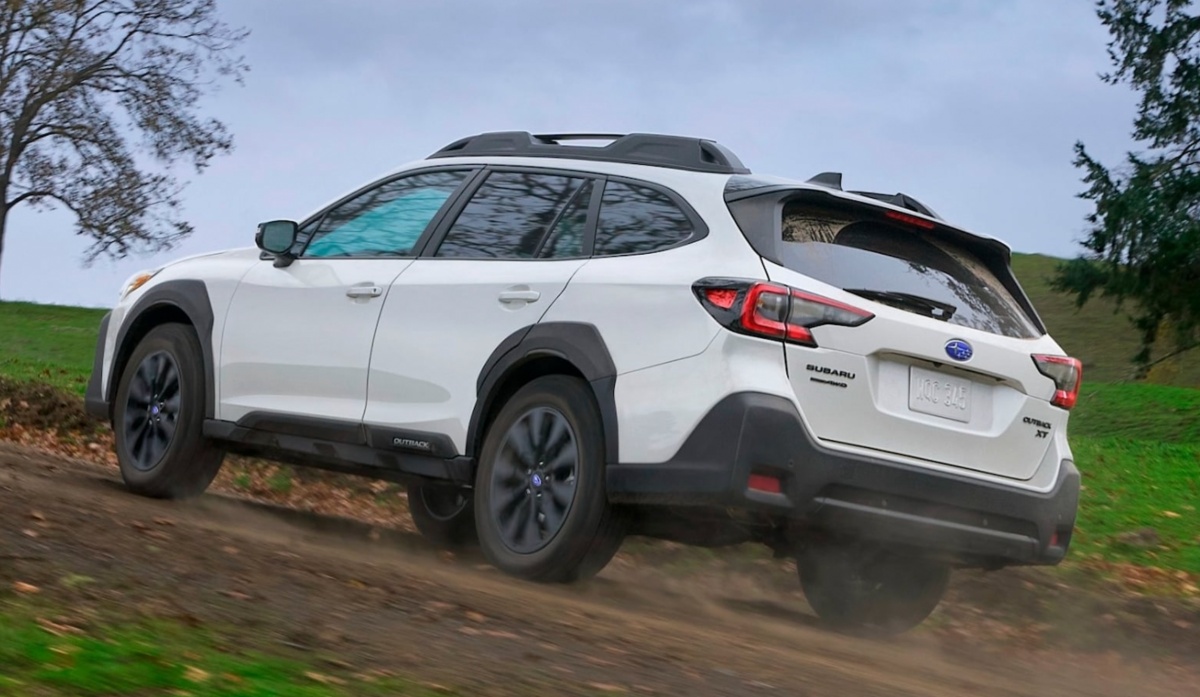
The Outback’s raised ride height, wagon-like cargo space, and rugged design make it a favorite for adventure seekers.
Subaru owners are known for holding onto their vehicles longer than most brands a testament to the Outback’s ability to handle years of wear without breaking down.
4. Toyota 4Runner
Few SUVs have the long-term reputation of the Toyota 4Runner. Built on a truck-based platform, the 4Runner is engineered for longevity in a way few modern crossovers can match. It’s not uncommon to see 4Runners with over 300,000 miles still running strong.
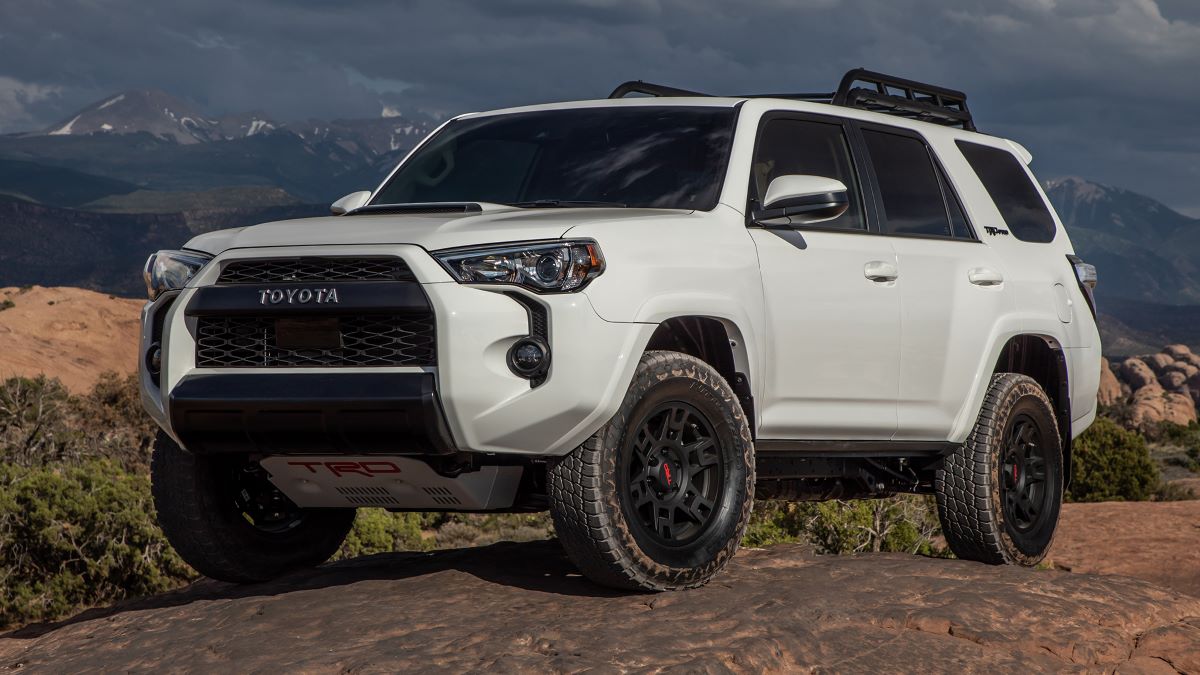
The 4.0-liter V6 engine, while not the most efficient, is bulletproof in terms of reliability. This SUV is ideal for drivers who need a tough, capable vehicle that can handle both daily commutes and off-road adventures.
While its technology may feel dated, its mechanical simplicity is what makes it so dependable over time.
5. Lexus RX
Luxury and long-term ownership don’t often go hand in hand, but the Lexus RX breaks that rule. As one of the most reliable luxury crossovers in the U.S., it delivers comfort, refinement, and longevity in equal measure.
Sharing many components with the Toyota Highlander, the RX benefits from Toyota’s reliability while adding upscale touches like premium materials and a quiet, insulated cabin.
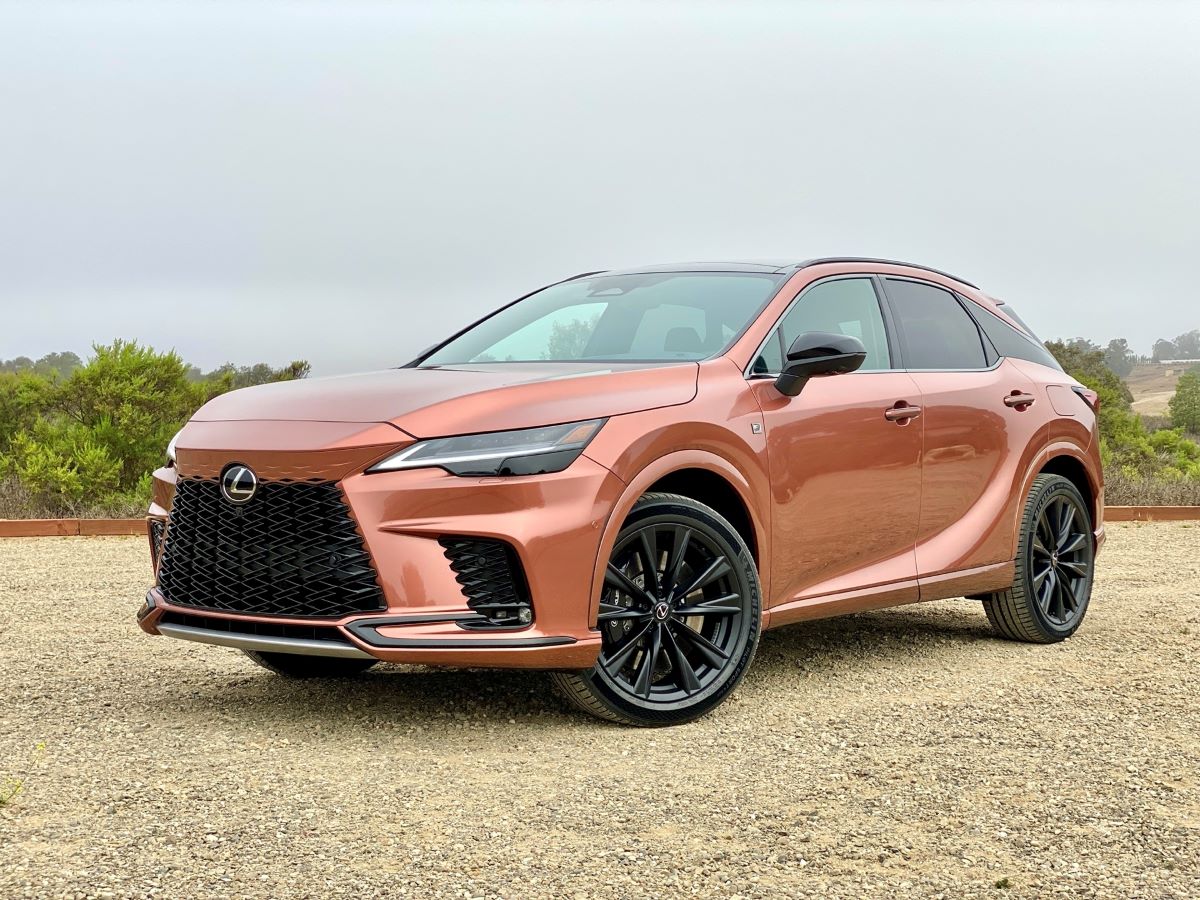
Regular maintenance keeps this SUV running smoothly well past 200,000 miles. It’s a top pick for buyers who want long-lasting comfort without sacrificing a luxurious experience.
6. Honda CR-V
The Honda CR-V stands as one of the best examples of long-term ownership in the compact SUV segment. It’s known for reliability, easy maintenance, and strong resale value.
The CR-V’s 1.5-liter turbocharged engine (and earlier naturally aspirated options) offers great fuel economy while maintaining dependable performance.
With plenty of interior space and Honda’s reputation for bulletproof engineering, the CR-V is often passed down between family members a sign of true longevity. Whether for a small family or a solo commuter, it’s a safe bet for years of trouble-free driving.
Honda’s best-selling compact crossover, the CR-V, continues its strong momentum into 2025 with only minor changes.
Now in its sixth generation, which debuted in 2023, the CR-V features modern styling, a roomy and refined interior, and an updated powertrain lineup.
The 2025 model also includes the efficient CR-V Hybrid, which remains a popular choice among eco-conscious buyers. Competing in one of the most crowded segments, the CR-V faces rivals such as the Nissan Rogue, Toyota RAV4, and Subaru Forester.
For 2025, the biggest update comes in the form of an all-new hydrogen fuel cell variant. This version of the CR-V will combine hydrogen power with plug-in hybrid capability, making it the first vehicle of its kind in North America, according to Honda.
Production will be limited to just a few hundred units, and sales will take place exclusively in California due to the state’s existing hydrogen refueling infrastructure.
Aside from this addition, the rest of the lineup remains largely unchanged, offering the same dependable performance and family-friendly versatility the CR-V is known for.
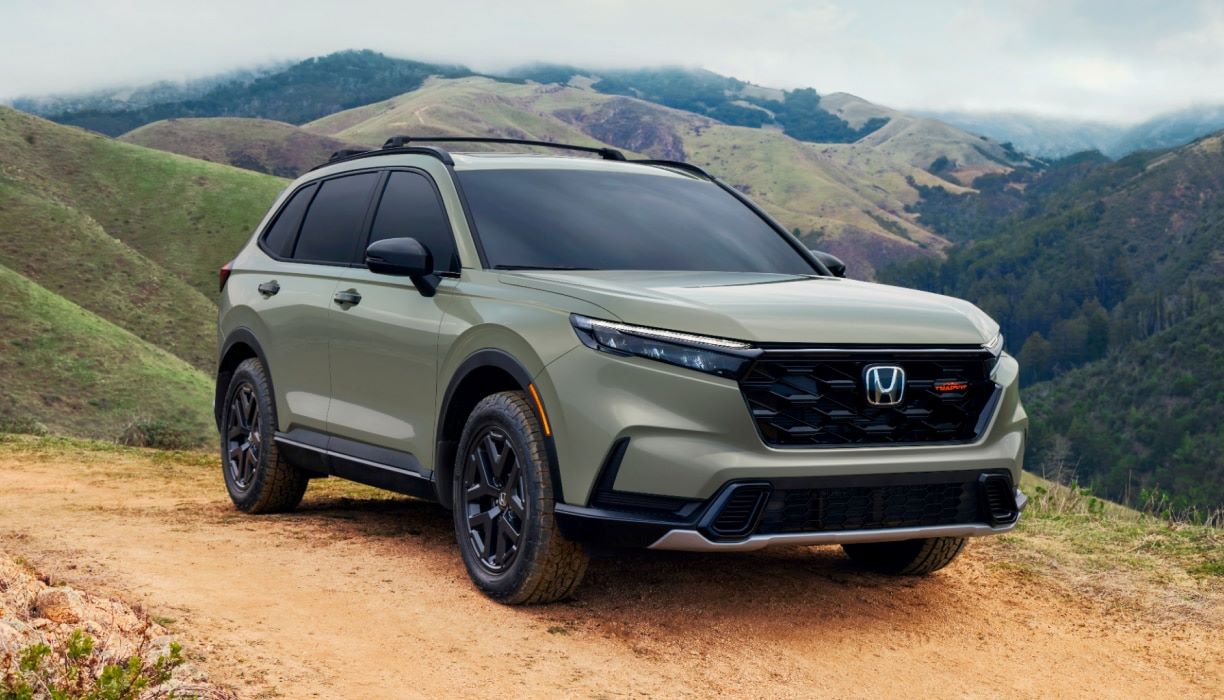
Although the 2025 CR-V continues to be a top performer, it’s not without its drawbacks. The crossover remains as capable and well-rounded as ever, but some of its competitors have made bigger leaps forward in innovation and design.
That said, the CR-V continues to impress with its comfortable driving dynamics and thoughtfully designed cabin, which emphasizes practicality and ease of use.
Honda’s inclusion of driver-assist features adds convenience and safety, making it a reliable daily driver for a wide range of buyers.
However, the CR-V’s conservative styling and restrained personality may come across as plain compared to some of its more adventurous rivals.
Another point of critique is that the more attractive features tend to be reserved for the hybrid models, leaving the standard gasoline variants feeling a bit under-equipped.
Even so, the CR-V’s strong reputation for dependability ensures it remains one of the safest bets in the compact SUV segment for 2025.
While it’s not particularly fast and could use shorter stopping distances, it’s perfectly suited for everyday driving.
In Efficiency and Range (8.7/10), both the gas and hybrid versions offer impressive fuel economy. The hybrids especially stand out with their ability to travel farther per tank.
Under the hood, the standard CR-V comes with a turbocharged 1.5-liter inline-four engine producing 190 horsepower and 179 lb-ft of torque.
It pairs with a CVT automatic transmission and offers both front- and all-wheel-drive options. An AWD CR-V hit 60 mph in 8.7 seconds. Fuel economy is rated at 28/34 mpg city/highway for FWD models and 27/32 mpg with AWD.
The CR-V Hybrid steps things up with a 2.0-liter engine paired with two electric motors, generating a combined 204 horsepower and 247 lb-ft of torque.
This improves the 0–60 mph time to 7.6 seconds and boosts efficiency to 43/36 mpg (FWD) or 40/34 mpg (AWD). Altogether, the 2025 Honda CR-V lineup offers a smart mix of performance, practicality, and innovation, continuing its legacy as one of the most balanced and trusted compact SUVs on the market.
Also Read: Top 9 Durable Sports Cars That Outlast Their Rivals
7. Toyota Tacoma
For those who prefer trucks, the Toyota Tacoma is a name synonymous with durability. The Tacoma’s midsize frame, reliable V6 engine, and off-road prowess have earned it a loyal fan base that keeps their trucks for decades.
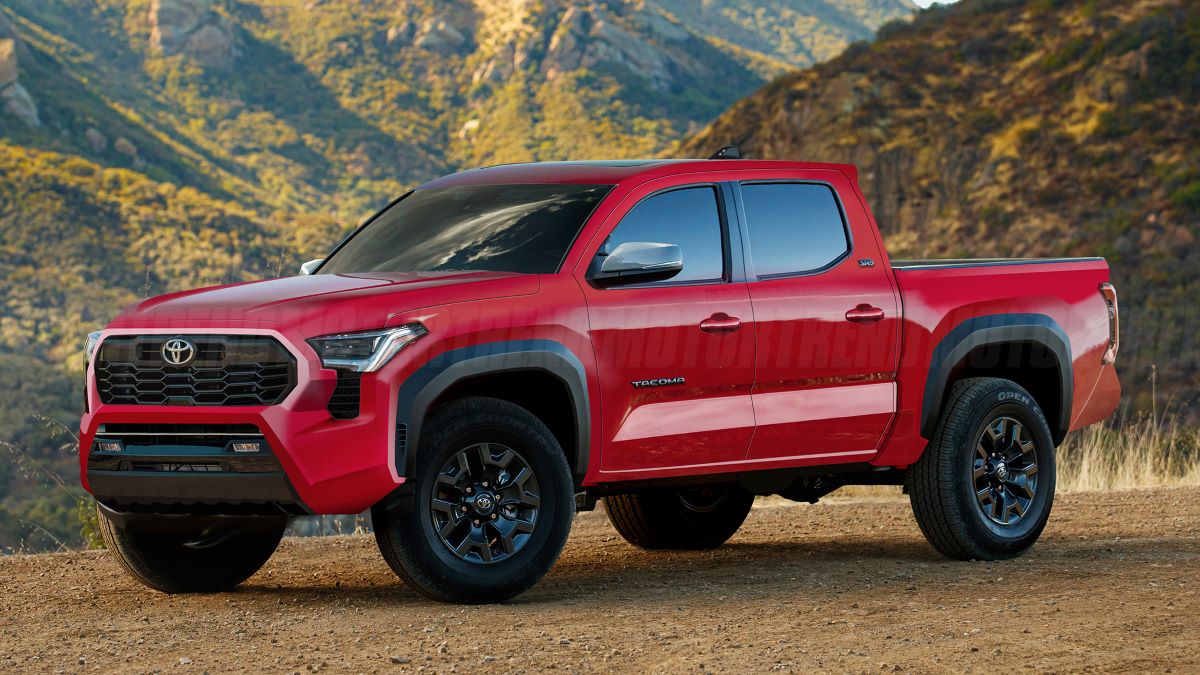
In resale markets, few vehicles hold their value like a Tacoma. Its simple mechanical design and Toyota’s tough engineering make it a top pick for anyone who needs a truck that can survive demanding use year after year.
The Tacoma’s reliability means it’s not just a purchase it’s an investment that pays off long-term.
8. Mazda CX-5
Mazda has built a reputation for creating vehicles that blend engaging driving dynamics with long-term dependability, and the CX-5 is a perfect example. Unlike many crossovers, the CX-5 offers a sporty feel without compromising comfort or reliability.
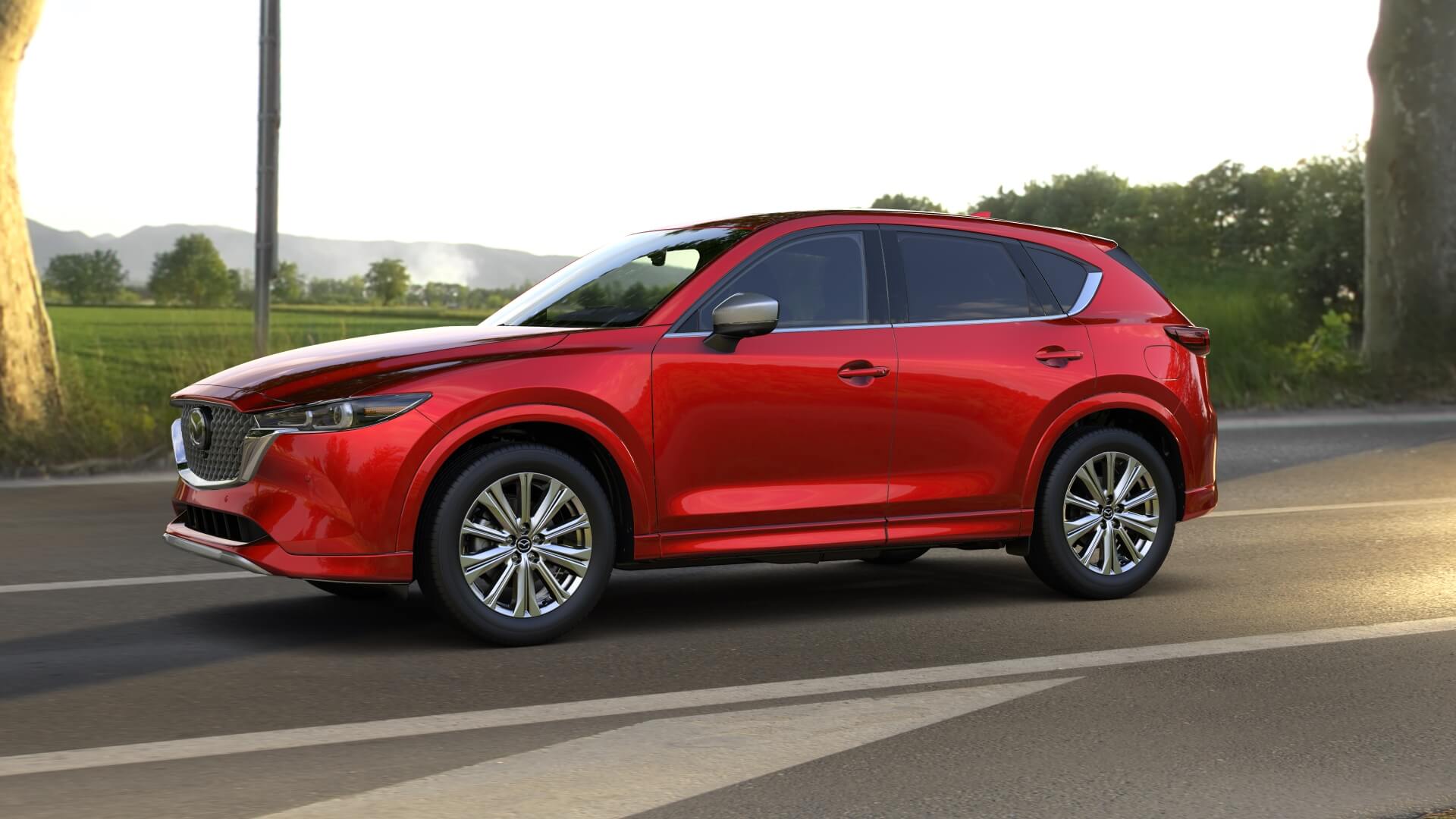
Mazda’s SkyActiv engines are engineered for efficiency and durability, and the CX-5’s premium interior materials age better than many rivals in its class. It’s also affordable to maintain, making it one of the smartest long-term crossover choices for American families.
The 2025 Mazda CX-5 remains one of the sportiest contenders in the compact SUV segment, thanks largely to its precise, well-balanced steering and minimal body roll that make it a joy to drive through corners
Mazda’s engineers have given the CX-5 a responsive and engaging feel on the road, combining agility with control in a way few rivals can match.
Complementing its athletic handling, the SUV’s supple suspension ensures a smooth and composed ride, allowing it to strike a near-perfect balance between comfort and performance.
Under the hood, the CX-5 comes standard with a 2.5-liter four-cylinder engine producing 187 horsepower and 186 pound-feet of torque.
For those seeking a bit more excitement, Mazda offers an available 2.5-liter turbocharged four-cylinder that delivers 227 horsepower and 310 pound-feet of torque, or up to 256 horsepower and 320 pound-feet when fueled with premium gasoline.
Every CX-5 model features all-wheel drive as standard, paired with a six-speed automatic transmission that provides smooth and predictable shifts.
The base engine offers sufficient power for everyday driving and city commutes, delivering a dependable and well-rounded performance.
However, drivers who spend more time on highways may appreciate the additional punch provided by the turbo-four engine. With the added boost of the turbocharged setup, acceleration becomes brisk and confident, making highway merging and passing maneuvers effortless.
Whether equipped with the standard engine or the turbo option, the 2025 Mazda CX-5 continues to impress as a compact SUV that blends comfort, control, and capability with a distinctly sporty edge.
9. Lexus ES
The Lexus ES shares much of its DNA with the Toyota Camry but adds a level of refinement that makes long-term ownership feel like a reward.
Known for its whisper-quiet cabin, comfortable suspension, and near-perfect reliability scores, the ES is a long-distance driver’s dream.
Owners often keep these sedans for 10 years or more without serious issues. Even the hybrid versions are known to be exceptionally reliable, proving that luxury and longevity can coexist beautifully when engineered right.
Most car enthusiasts are familiar with Lexus’ first flagship sedan, the LS, which debuted for the 1990 model year and reshaped the American luxury car market.
However, fewer people realize that the LS didn’t enter the scene alone, it was accompanied by its loyal, more affordable sibling, the Lexus ES.
Toyota, the parent company of Lexus, was initially hesitant to launch a luxury brand in the U.S. with only one high-end model. To strengthen its lineup and appeal to a broader audience, it introduced the ES as an entry-level luxury sedan.
The front-wheel-drive ES was based on the Japanese-market Toyota Soarer, a car that shared nearly everything with the best-selling Toyota Camry, except for the exterior design.
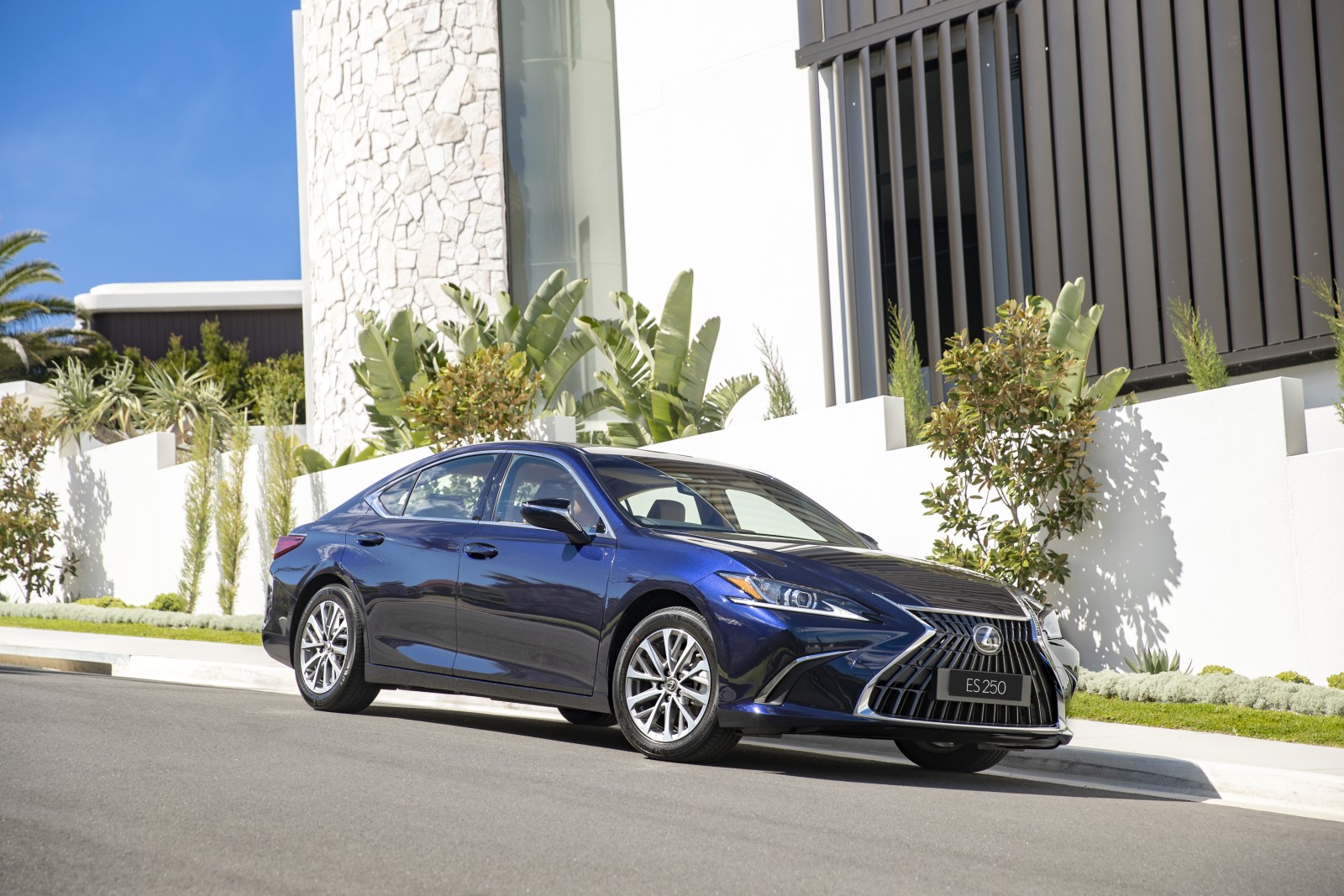
The first-generation ES 250 featured a 156-horsepower, 2.5-liter 24-valve V6 engine borrowed from the Camry and was even offered with a five-speed manual transmission.
While the interior reflected the same high standards of craftsmanship found in the LS, critics found the ES too similar to its Toyota counterpart. Nevertheless, it sold remarkably well for a newcomer in the luxury space.
Lexus addressed these criticisms with the second-generation ES, which debuted in 1992. Still based on the Camry platform, both models had grown into the midsize segment.
The new ES 300 name signified a larger 3.0-liter V6 producing 185 horsepower. While it retained some of its Camry DNA, the ES 300 began to carve out its own identity, becoming Lexus’ best-selling model. A facelift arrived in 1995, but the car’s overall formula remained unchanged.
In 1997, Lexus unveiled the third-generation ES, again badged as the ES 300, with an upgraded 3.0-liter engine producing 200 horsepower.
The design became slightly sleeker, though the underlying concept remained familiar. A mild restyle came in 2000, keeping the model fresh without altering its successful formula.
For 2002, the fourth-generation ES arrived, still emphasizing comfort over sportiness. By this point, Lexus had introduced the sportier IS model, which allowed the ES to fully embrace its luxury-oriented character.
The design featured larger headlights, smaller taillights, and a rounded profile. In 2004, the model name changed to ES 330, reflecting a new 3.3-liter engine, and the 2005 model brought the expected styling refresh.
The 2007 model year saw the debut of the fifth-generation ES 350, powered by a robust 272-horsepower 3.5-liter V6 that made it significantly quicker than its predecessors.
The ES 350 introduced several premium features borrowed from higher-end Lexus models, such as radar-based adaptive cruise control and rain-sensing wipers. A facelift followed in 2010, but the formula, refined comfort and reliability, remained largely intact.
By 2013, Lexus launched the sixth-generation ES, marking a more significant evolution. The new model grew in size and now shared its underpinnings with the larger Toyota Avalon instead of the Camry.
10. Honda Civic
Few compact cars can match the Civic’s reputation for reliability and affordability. It’s not just a commuter car it’s a long-term companion for millions of Americans.
With excellent fuel economy, straightforward mechanics, and a well-earned reputation for going well past 200,000 miles, the Civic continues to dominate its class.
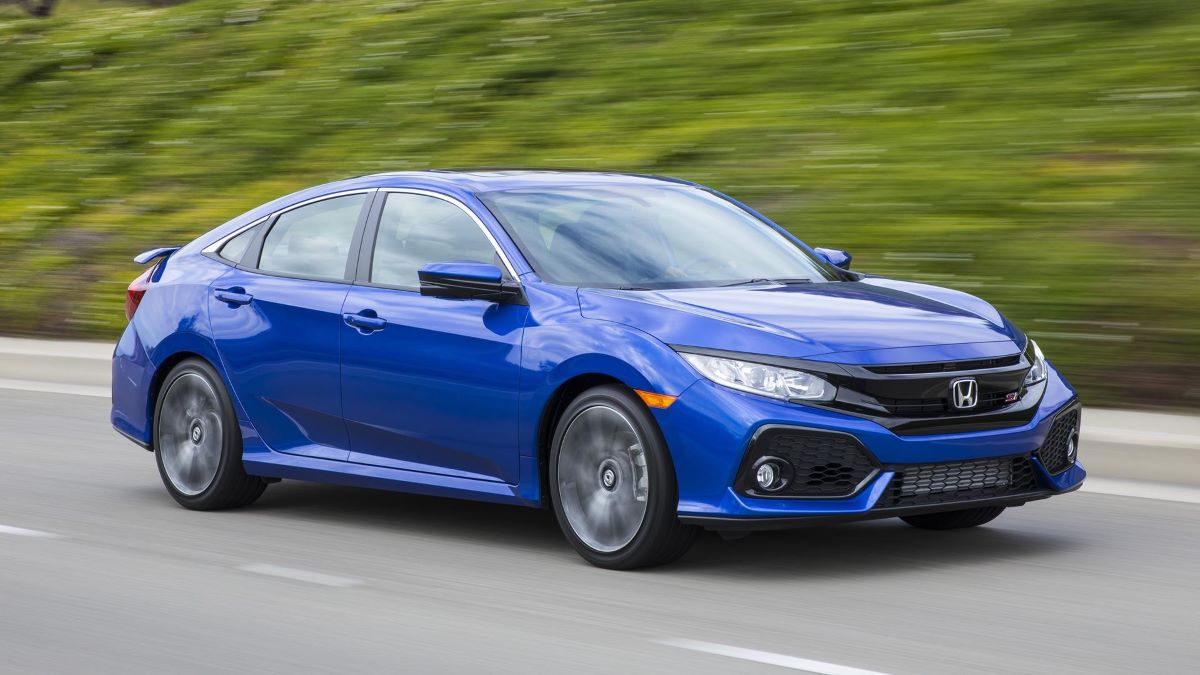
It’s inexpensive to repair and parts are widely available, making it a low-stress car to own over the long haul. Whether it’s a sedan, hatchback, or sporty Si model, the Civic always delivers dependable value.
11. Toyota Highlander
The Toyota Highlander blends practicality, reliability, and comfort in a package that’s perfect for long-term family use. With available hybrid options, it offers excellent fuel economy for a three-row SUV.
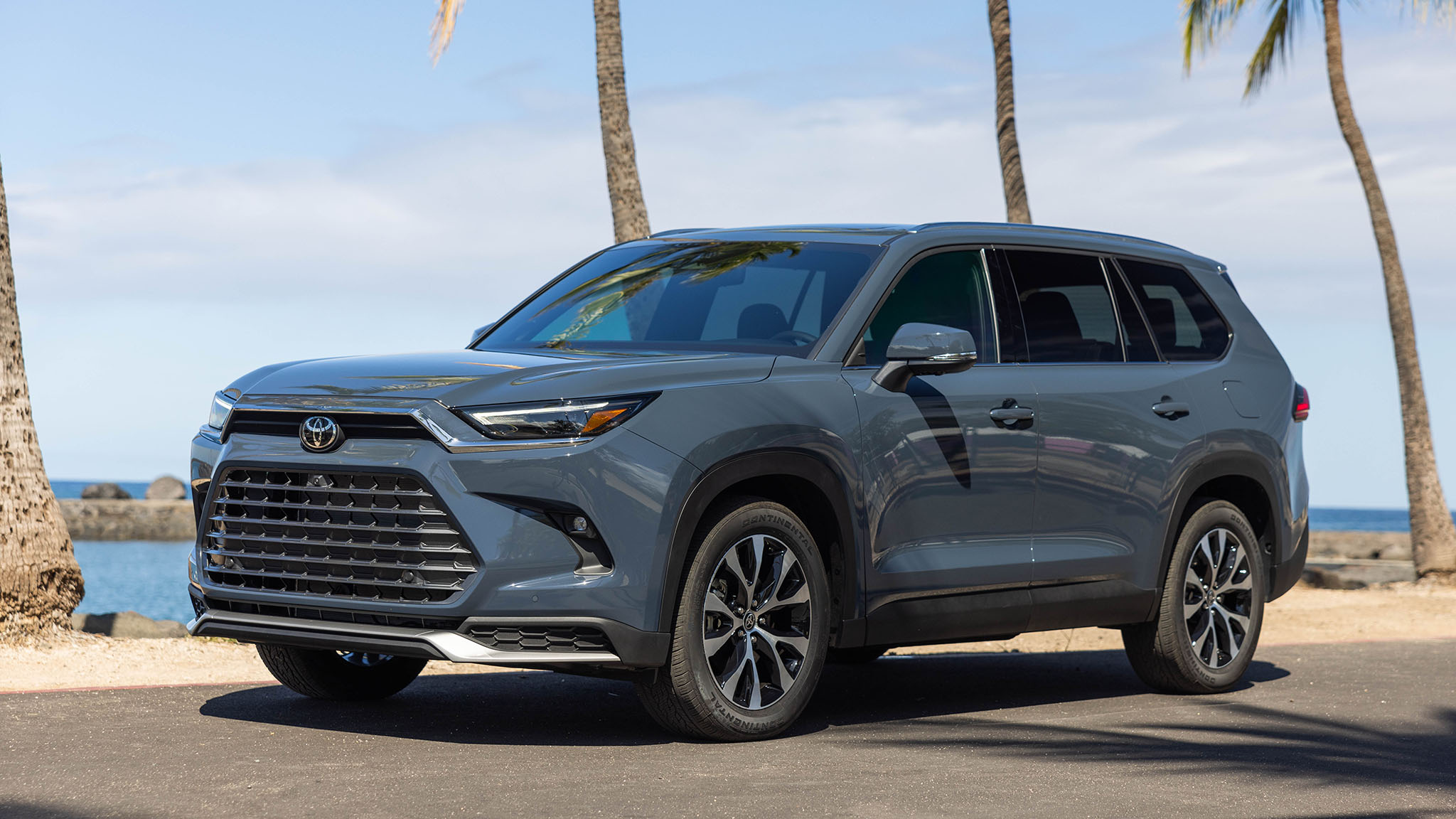
The Highlander’s solid construction, smooth ride, and strong resale value make it a top pick for drivers who plan to hold onto their SUV for a decade or more. Its reputation for trouble-free ownership has made it one of the most trusted names in American driveways.
12. Hyundai Elantra
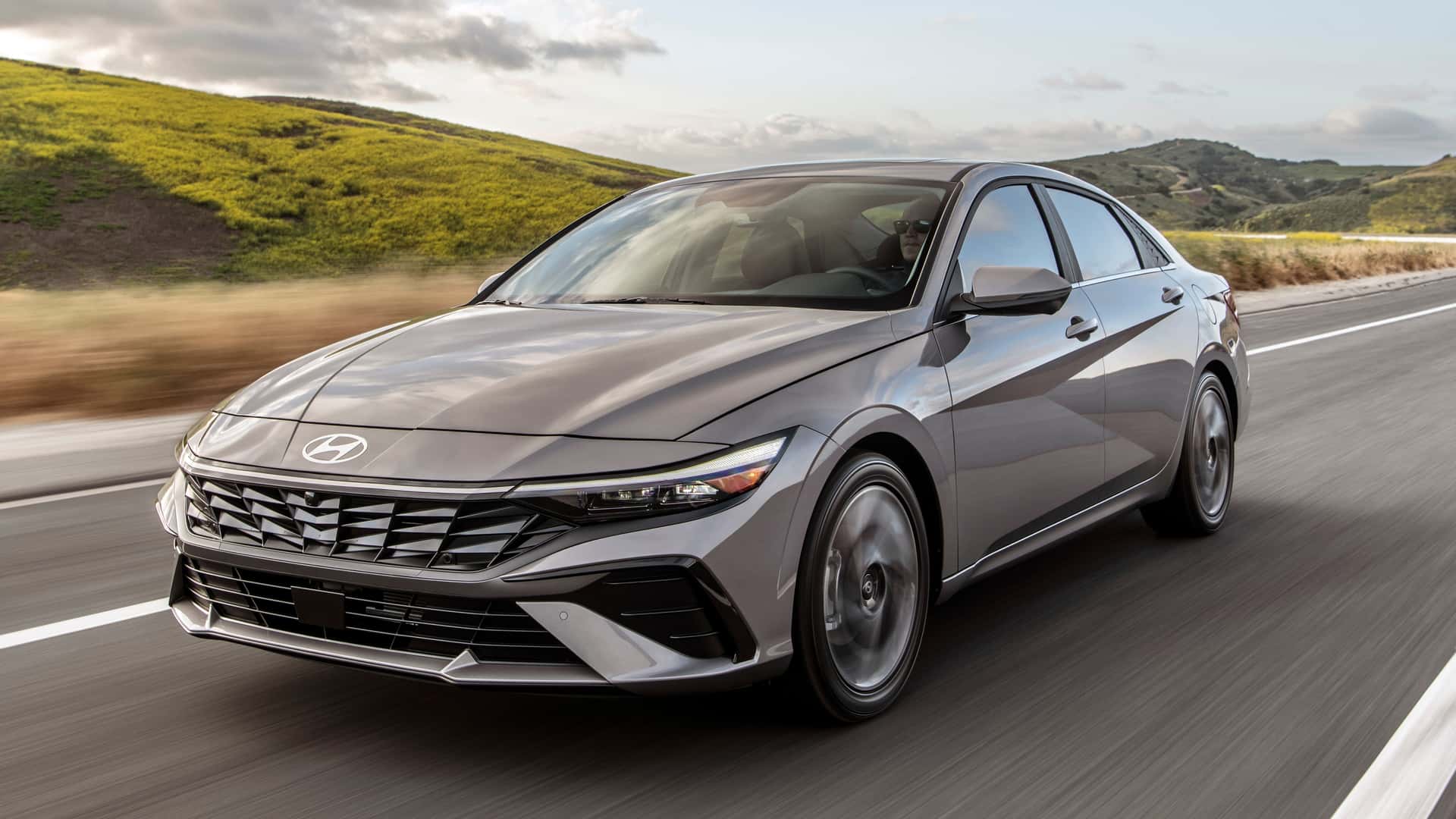
Once seen as a budget option, the Hyundai Elantra has evolved into a car that’s genuinely built to last. Modern Elantras come with one of the best warranties in the business 10 years or 100,000 miles showing Hyundai’s confidence in its reliability.
Over the years, Hyundai’s build quality and engineering have improved dramatically, and many long-term owners report exceptional dependability with minimal repairs.
The Elantra’s combination of value, style, and durability makes it a surprisingly strong contender for anyone looking to keep their car long-term.
Owning a car for the long haul is about more than saving money it’s about peace of mind. The vehicles on this list have earned their reputations through real-world dependability, smart engineering, and long-term customer satisfaction.
The Hyundai Elantra has been a key model in the South Korean automaker’s lineup for more than thirty years.
While it hasn’t always stood out as the top choice among compact sedans when compared to long-standing rivals like the Honda Civic or Toyota Corolla, the competition has never been closer than it is with the 2023 model.
The latest Elantra, which underwent a full redesign just two years ago, combines an affordable starting price with a generous list of features, making it an appealing value in the segment.
Beyond individual listings, Hyundai provides a wide range of choices within the 2023 Elantra lineup. Most trims are powered by a 147-horsepower engine, offering solid performance for daily driving.
For those seeking more excitement, the turbocharged 201-hp Elantra N Line delivers a sportier experience, while the top-tier Elantra N, with its 276-hp engine, brings serious performance credentials to the compact sedan class.
On the other hand, drivers prioritizing efficiency can opt for the Elantra Hybrid, which impresses with up to an EPA-estimated 54 mpg in combined driving, making it an excellent pick for minimizing fuel costs.
From Toyota’s legendary reliability to Honda’s consistent build quality and Lexus’s refined durability, these cars prove that a smart purchase today can pay dividends for years to come.
Whether you’re buying new or used, any of these twelve models will serve as a reliable partner on the road year after year, mile after mile.