When you’re buying a car in the U.S. today, it’s easy to feel like prices are getting out of hand. From soaring dealer markups to luxury trims creeping into six-figure territory, many new vehicles seem overpriced.
Yet, a select few stand out as being genuinely worth their MSRP offering exceptional engineering, reliability, driving dynamics, technology, or resale value that justify every dollar spent.
Whether you’re spending $30,000 or $100,000, the cars on this list deliver a return on investment that’s more than skin deep.
Here are twelve cars that live up to their sticker prices and make owners feel like they got exactly what they paid for or even more.
1. Toyota GR Corolla
Toyota’s GR Corolla is one of the most enthusiast-oriented hot hatches money can buy. With a 300-horsepower, turbocharged 1.6-liter engine and an advanced all-wheel-drive system derived from rally racing, this car offers a thrilling experience for around $37,000.
Every dollar goes toward performance engineering lightweight components, a slick six-speed manual, and track-tuned suspension.
It’s rare to find this level of driver engagement in a modern hatchback that’s also reliable enough for daily use. The GR Corolla feels like a purpose-built machine that respects its buyer’s passion for driving.
If the word “Corolla” makes you think of dull but dependable transportation, the GR Corolla is the tire-shredding hot hatch built to change that perception.
A 300-horsepower, manual-transmission, all-wheel-drive Corolla hot hatch wasn’t something anyone expected, but Toyota has a habit of surprising enthusiasts in recent years.
As the performance flagship of the Corolla lineup, the 2025 GR Corolla joins the GR86 and Supra in Toyota’s family of sports cars, and for 2025, the lineup continues to grow.
We must be living in an automotive golden age, with so many exciting performance cars to choose from. In Toyota’s ongoing effort to prove it can build more than just dependable daily drivers, the GR Corolla arrived in 2023 with the clear intent to deliver pure driving fun.
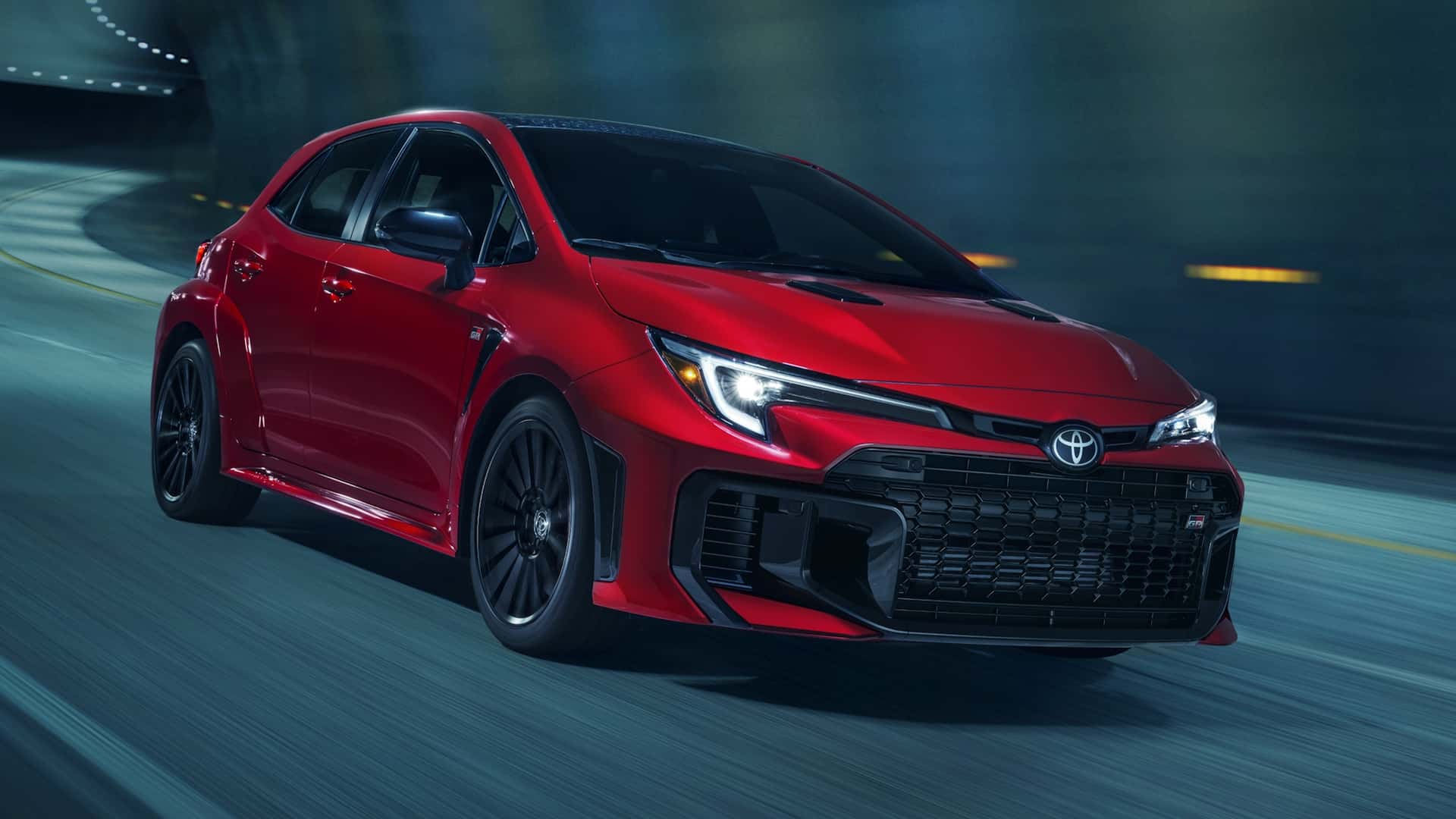
What truly separates the GR Corolla from other top-tier hot hatches like the outstanding Honda Civic Type R and Volkswagen Golf R is its high degree of customizability.
Even in everyday driving, the GR Corolla never hides its athletic side. Its firm ride and the theatrical whoosh of the turbo when you lift off the throttle constantly remind you that this little beast is ready to play.
It can feel like overkill for a quick trip to CVS, but if you buy this car, that’s probably part of the fun. And while it’s certainly lively, the GR Corolla’s heavy, precise steering provides remarkable stability and confidence at any speed.
With 300 horsepower perfectly matched to its chassis, the car delivers the “slow car fast” thrill, never dull, always engaging.
We enjoy both 2025 GR Corolla variants, though we noticed that the DAT version occasionally shifts mid-corner and hesitates on downshifts when slowing for traffic lights. Still, the GR Corolla remains an excellent choice for drivers who prioritize excitement behind the wheel.
A few drawbacks do carry over from the standard Corolla hatchback, though: the rear seat is somewhat cramped, and the cabin, acceptable in a sub-$30,000 car, feels dated here, especially next to the Civic Type R.
Opting for the $720 rear chassis brace also reduces the already-small trunk space by half. Additionally, despite being a 2025 model, the Corolla’s switchgear and screen resolution feel a generation behind.
Under the hood, the 2025 Toyota GR Corolla packs a 1.6-liter turbocharged three-cylinder engine producing 300 horsepower and, now, 295 lb-ft of torque across all trims.
Fuel economy is reasonable for the performance it delivers. The new automatic GR Corolla earns an EPA rating of 19 mpg in the city and 27 mpg on the highway, while the manual achieves 21/28 mpg.
For comparison, the 2024 Volkswagen Golf R, with its standard AWD, manages 22/31 mpg with an automatic and 20/28 mpg with a manual transmission.
2. Honda Civic Type R
The Civic Type R remains one of the best examples of how to blend practicality and performance.
At around $45,000, it might seem steep for a front-wheel-drive hatch, but its near-perfect chassis balance, 315 horsepower, and precision steering justify the cost.
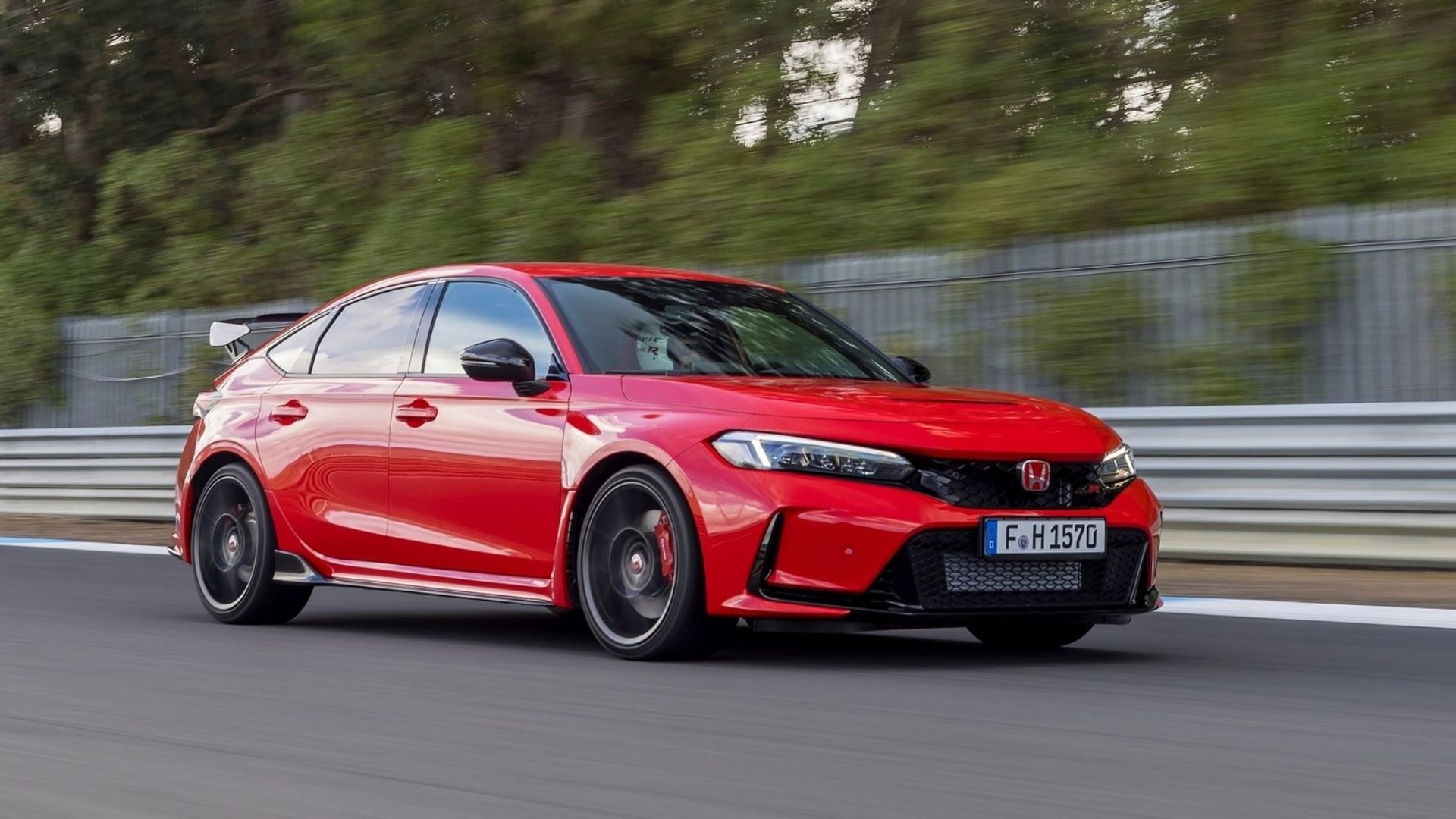
The interior feels premium without gimmicks bolstered seats, metal accents, and a digital cluster designed for spirited driving.
Honda’s engineering ensures longevity and real-world usability, making the Civic Type R one of the few performance cars that’s as satisfying on the track as it is in traffic.
Also Read: 10 Cars That Withstand Daily Stop-and-Go Traffic
3. Mazda MX-5 Miata
Few cars embody “worth every cent” like the Miata. Starting under $30,000, this lightweight roadster has an unmatched reputation for fun, balance, and simplicity.
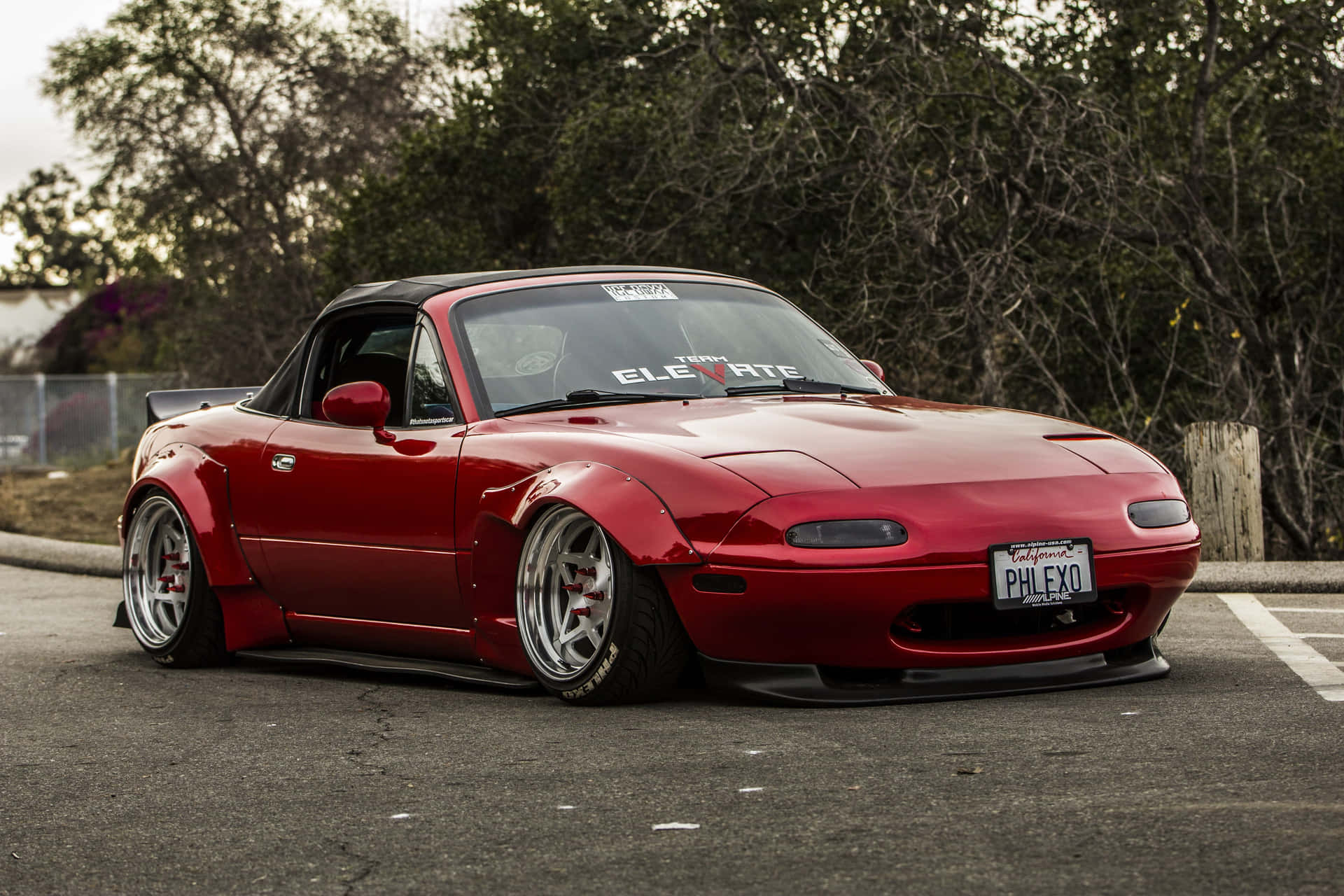
The 2.0-liter engine may not boast huge power figures, but its precise handling and rear-wheel-drive layout make every drive memorable. The Miata’s reliability and low ownership costs make it an even smarter purchase.
This is one of those cars where you’re not paying for unnecessary tech or brand image you’re paying for pure, unfiltered driving joy.
4. Tesla Model 3 Long Range
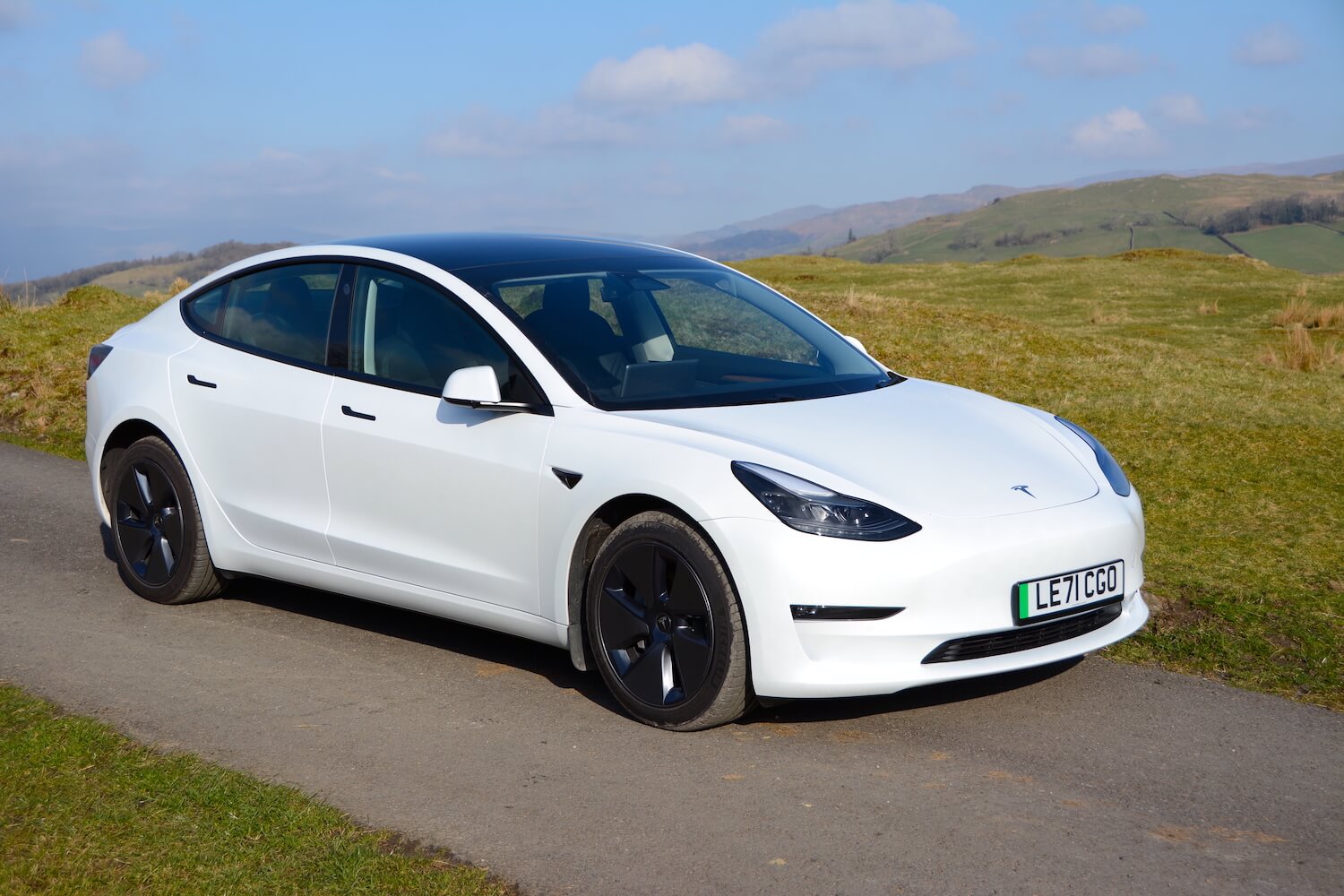
For those seeking electric performance without stepping into luxury-brand pricing, the Tesla Model 3 Long Range delivers exceptional value.
With over 340 miles of EPA-rated range, rapid acceleration, and access to Tesla’s vast Supercharger network, it’s hard to argue against the MSRP of around $47,000.
The minimalist interior, over-the-air updates, and semi-autonomous features make it feel like you’re driving the future today. For tech-savvy Americans, it’s the most future-proof EV in its price range.
Tesla has a long-standing tradition of offering unique entry-level versions of the Model 3. In contrast, the 2026 Model 3 Standard is far more transparent and easier to get your hands on.
In our first drive of the 2026 Tesla Model Y Standard, we observed how distinctly different it felt compared to its Premium counterpart.
The Model 3 has undergone similar updates, particularly with its downgraded suspension dampers, but the impact here is much less pronounced.
Being a sedan rather than an SUV gives the Model 3 a natural advantage. Its lower center of gravity makes it easier to minimize body lean in corners, allowing engineers to achieve a balanced ride without sacrificing handling precision.
For those who enjoy the act of driving, the Model 3 Standard offers a more engaging experience than the equivalent Model Y.
Despite being the entry-level model, it still embodies Tesla’s signature traits. The instantly responsive steering remains intact, turn the wheel, and the car reacts immediately.
Body roll through corners is minimal, giving the Model 3 its characteristic sporty feel. At the same time, it doesn’t compromise on comfort. The result is a refined family sedan that’s both lively and composed.
Tesla’s own figures list the Model 3 Standard’s 0–60 mph time at 5.8 seconds, compared to 4.9 seconds for the Premium model.
While technically slower, a sub-six-second sprint is still impressive for a family-oriented electric car. It’s hard to imagine anyone stepping out of this car and feeling it lacks performance.
The acceleration experience is classic Tesla. Unlike the Model Y, where the throttle response feels slightly softened, the Model 3’s accelerator remains sharp and spirited.
It still delivers that instant electric torque and sportiness that Tesla is known for. This model may be less expensive, but it never feels like a bargain-bin version of the brand’s popular sedan.
As covered in our initial look at the car, the changes to the Model 3 Standard are far less significant than those made to the Model Y. The lack of a cupholder cover is hardly noticeable, and from the driver’s seat, there’s almost nothing to suggest this is the base model.
The panoramic glass roof, removed from the Y, is still available in the Model 3, letting in plenty of natural light.
Personally, I also find the fabric seat inserts appealing; while they may be more affordable, they add a refreshing contrast to the abundance of vegan leather.
The only questionable omission is the removal of autosteer functionality. As noted in the video above, this seems more like a marketing tactic to nudge buyers toward either the Premium version or Tesla’s Full Self-Driving subscription, which costs an additional $99 per month.
While it doesn’t offer the cargo flexibility of an SUV and isn’t quite as roomy in the back as the Hyundai Ioniq 6, it’s still a practical and comfortable choice for four adults.
One of the most controversial changes Tesla made in recent years was removing the indicator stalks and replacing them with steering wheel buttons. Many customers disliked this change, and Tesla listened. For 2026, the traditional stalk has returned, not only in the Model 3 Standard but across all Model 3 variants.
The Model 3 Standard is priced $5,500 below the rear-wheel-drive Model 3 Premium, a larger gap than the difference between the Model Y Standard and Premium.
Considering that the Model 3’s changes are relatively minimal, this price distinction is quite surprising. While we’ve questioned whether the Model Y Standard offers better value than the Premium, the case for the Model 3 Standard is far more convincing.
The Model Y Standard feels like a true base model, but the Model 3 Standard does not, it delivers the full Tesla experience at a more accessible price point.
5. Porsche 718 Cayman
At first glance, the Cayman’s $70,000 starting price might seem steep for a two-seater, but few cars under six figures can match its precision or quality.
The balance of a mid-engine layout, communicative steering, and Porsche’s masterful chassis tuning make it one of the best-handling cars on the road.
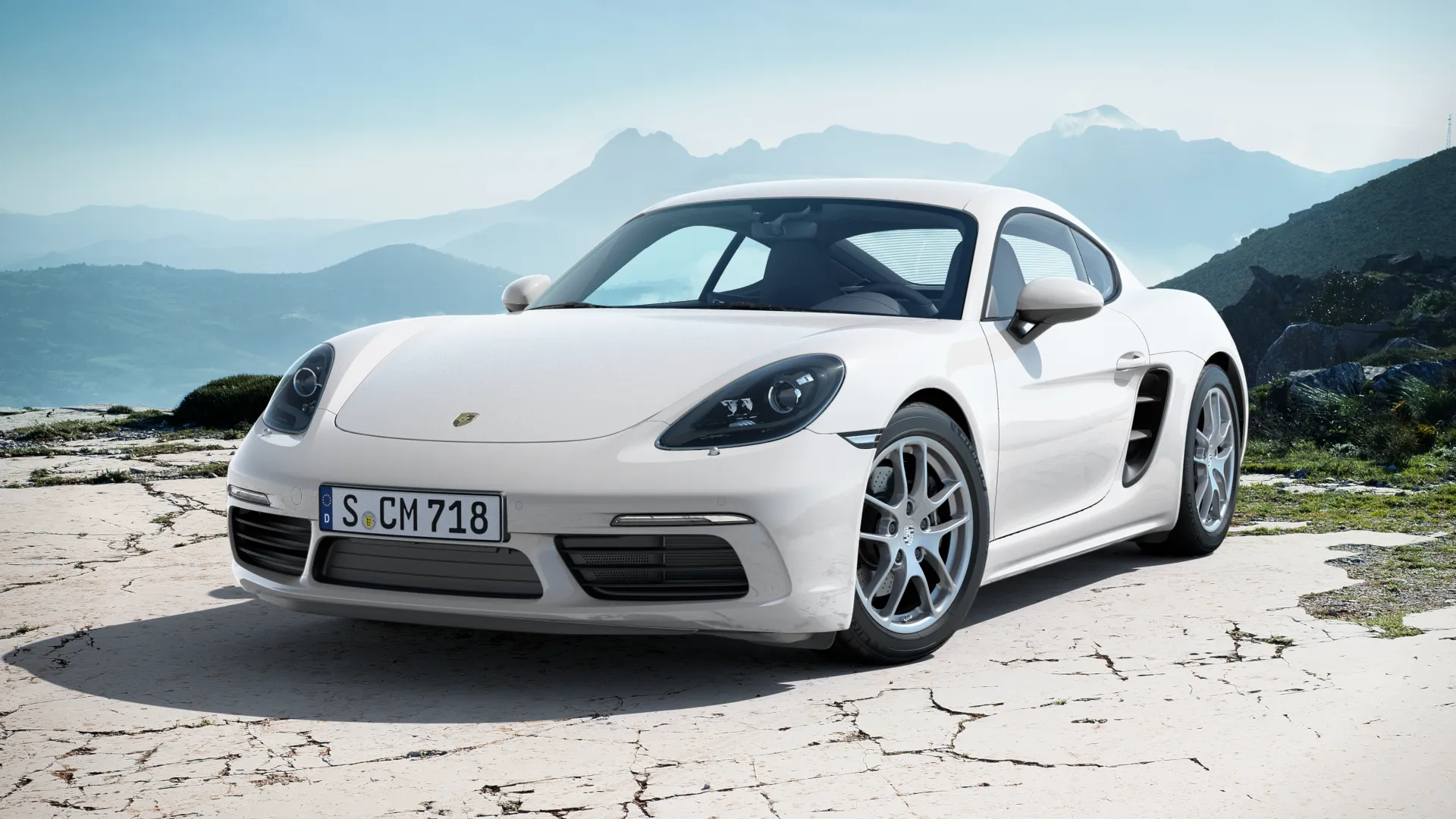
Every dollar spent translates to tangible performance, refinement, and longevity. For enthusiasts who value driving purity, the Cayman’s MSRP feels justified even modest.
Few vehicles, sports cars included, deliver the same singular sense of purpose as the 2022 Porsche 718 Cayman. With its mid-engine configuration and masterfully tuned suspension, it offers a driving experience that’s nothing short of exhilarating.
Buyers can select between a horizontally opposed four-cylinder or six-cylinder engine, the latter producing a symphony of sound that entices drivers to push harder.
For those who prefer open-top motoring, the 718 Boxster provides a comparable thrill, though we review that model separately.
Porsche has turned up the heat for 2022 with the introduction of the track-focused GT4 RS. This high-performance variant borrows the magnificent 4.0-liter flat-six engine from the 911 GT3, tuned here to deliver 493 horsepower.
It also features suspension upgrades and aerodynamic improvements designed to maximize lap times. For those looking to compete, Porsche has created the GT4 RS Clubsport, a full-fledged race car approved for several professional road-racing series.
Buyers can now order key fobs painted to match their car’s exterior and choose from a range of premium leather accessories, including key pouches, floormats, and owner’s manual covers.
If we were buying, we’d go for the GTS 4.0 to gain access to the glorious naturally aspirated flat-six engine. We’d also stick with the standard six-speed manual gearbox, it’s more engaging than the automatic and enhances the car’s connection to the driver.
Every GTS model also comes well-equipped, featuring adjustable and supportive Sport Seats Plus, a throaty performance exhaust, adaptive sport suspension, and sleek 20-inch black wheels.
The Sport Chrono package is standard, adding a limited-slip differential, brake-based torque vectoring, and the iconic dashboard-mounted clock.
Porsche offers a range of impressive powertrains for the 718 Cayman. The base model features a 300-horsepower turbocharged 2.0-liter flat-four, while the S variant upgrades to a 350-horsepower turbocharged 2.5-liter flat-four.
Though both engines provide brisk acceleration, their sound lacks the refinement expected from a Porsche sports car.
Fortunately, the naturally aspirated 4.0-liter flat-six more than remedies this, delivering an intoxicating soundtrack and thrilling performance. This engine produces 394 horsepower in the GTS 4.0, 414 horsepower in the GT4, and a mighty 493 horsepower in the new GT4 RS.
Every Cayman comes standard with a precise six-speed manual transmission, arguably the best in the business. For those who prefer automation, a rapid seven-speed dual-clutch automatic (PDK) with paddle shifters is available.
The Cayman’s chassis is its greatest strength, with steering so responsive and balanced it borders on telepathic. Its mid-engine layout, combined with sticky summer tires, grants the coupe incredible stability and cornering prowess on winding roads.
The 718 Cayman masterfully blends sharp, confidence-inspiring handling with a surprisingly composed ride, making it one of the most complete sports cars on the market.
6. Toyota RAV4 Prime
The RAV4 Prime redefines what a compact SUV can offer. With a plug-in hybrid system that delivers 302 horsepower and over 40 miles of electric-only range, it’s both a performance sleeper and an efficiency champion.
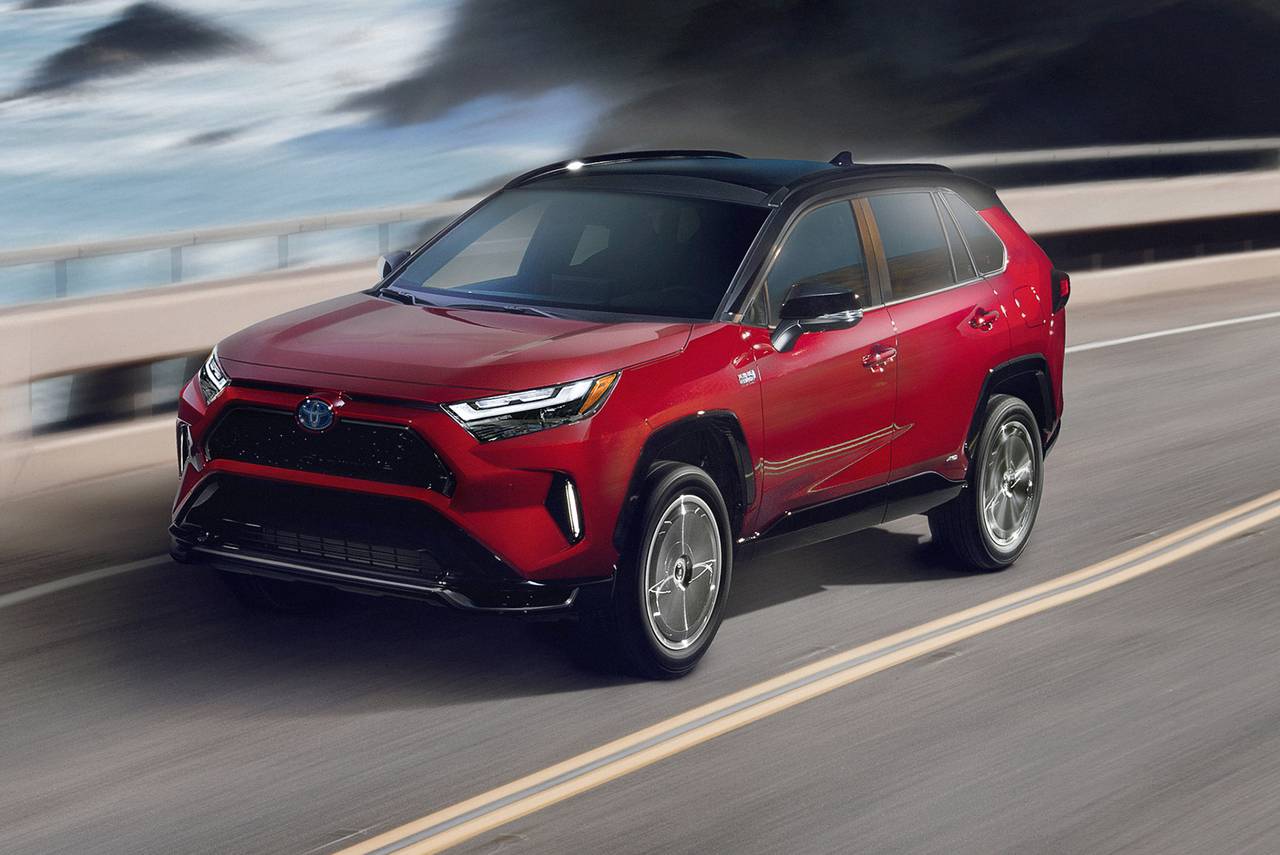
Priced around $44,000, it’s not cheap, but buyers get AWD capability, exceptional reliability, and long-term fuel savings. Given rising gas prices and Toyota’s track record, the RAV4 Prime might be one of the smartest long-term investments in its segment.
Also Read: 5 Pickup Trucks That Always Sell for Top Dollar vs 5 That Don’t
7. BMW M2
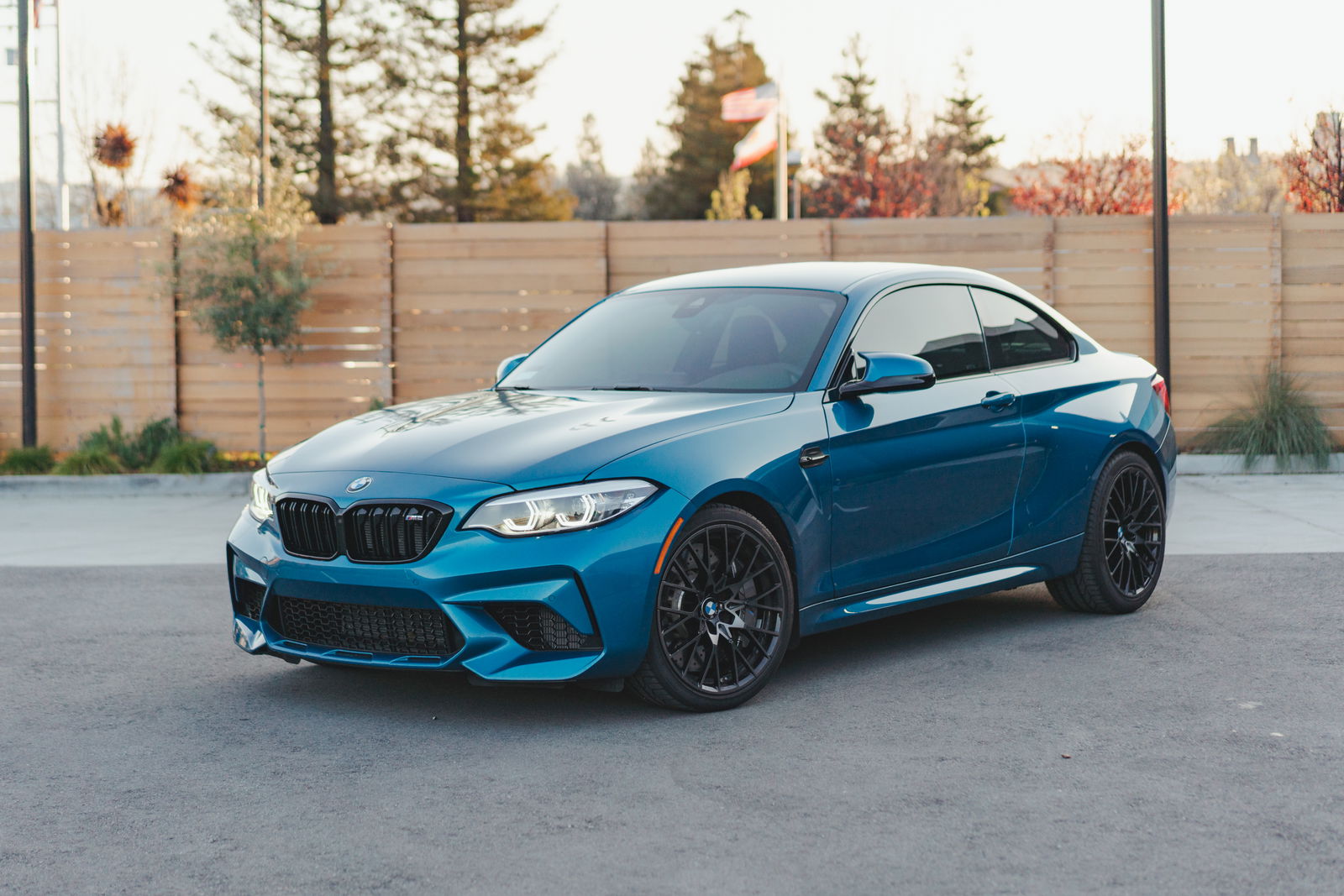
The BMW M2 offers the kind of old-school performance experience that’s disappearing fast. With rear-wheel drive, a manual transmission, and a 453-horsepower twin-turbo inline-six, it’s the purest M car currently in production.
Starting at around $64,000, the M2 feels every bit like a modern classic in the making. The build quality, performance engineering, and connection to BMW’s motorsport heritage make it a car that delivers far beyond its price tag.
When it comes to peak performance, the word “compromise” is practically forbidden, and thankfully, the 2021 BMW M2 Competition doesn’t have to utter it.
Compared with the standard BMW 2-Series, this high-powered coupe flaunts a more aggressive stance, broader fenders, a racetrack-ready chassis, and an engine that delivers serious punch.
Its ferocious, high-revving twin-turbocharged straight-six devours straights faster than Kobayashi at a hot dog contest. And in an age where manual transmissions are becoming an endangered species, this little BMW continues to fly the flag for driving purists.
Of course, for those who prefer it, a quick-shifting dual-clutch automatic is also available. BMW decided not to alter the winning formula for the 2021 M2 Competition. The high-performance coupe carries over unchanged for the new model year, maintaining its potent setup and aggressive personality.
Under the hood, the M2 Competition houses a snarling twin-turbocharged 3.0-liter inline-six, a true gem of an engine producing 405 horsepower and 406 lb-ft of torque.
Power is sent to the rear wheels through either a six-speed manual or an optional seven-speed dual-clutch automatic transmission. This engine delivers its power with unrestrained ferocity, thrilling drivers as it eagerly spins toward its 7,600-rpm redline.
Driving the M2 is an adrenaline rush, but it’s not for the faint of heart. Its firm, uncompromising suspension translates to a punishing ride on rough roads, so harsh, in fact, that it could use a safe word.
However, for those willing to tolerate its firmness on the street, the M2 rewards them with sheer bliss on the track. There, it becomes an extension of the driver, responding instantly, launching with violent enthusiasm, and cornering with razor-sharp precision.
Yes, the ride is harsh, but the M2 remains a spectacular driver’s car. Those seeking comfort can look toward the softer, more forgiving BMW M240i, but for enthusiasts, the M2’s raw personality is part of its charm.
Unlike rivals equipped with adaptive dampers, BMW sticks to traditional fixed shocks, tuned the old-school way for maximum engagement. If there’s one area that could be improved, it’s the electrically assisted steering, which dulls some of the feedback enthusiasts crave.
Still, the M2’s massive brake rotors and strong pedal feel provide consistent, fade-free stopping power that perfectly complements its performance prowess.
8. Lexus GX 550
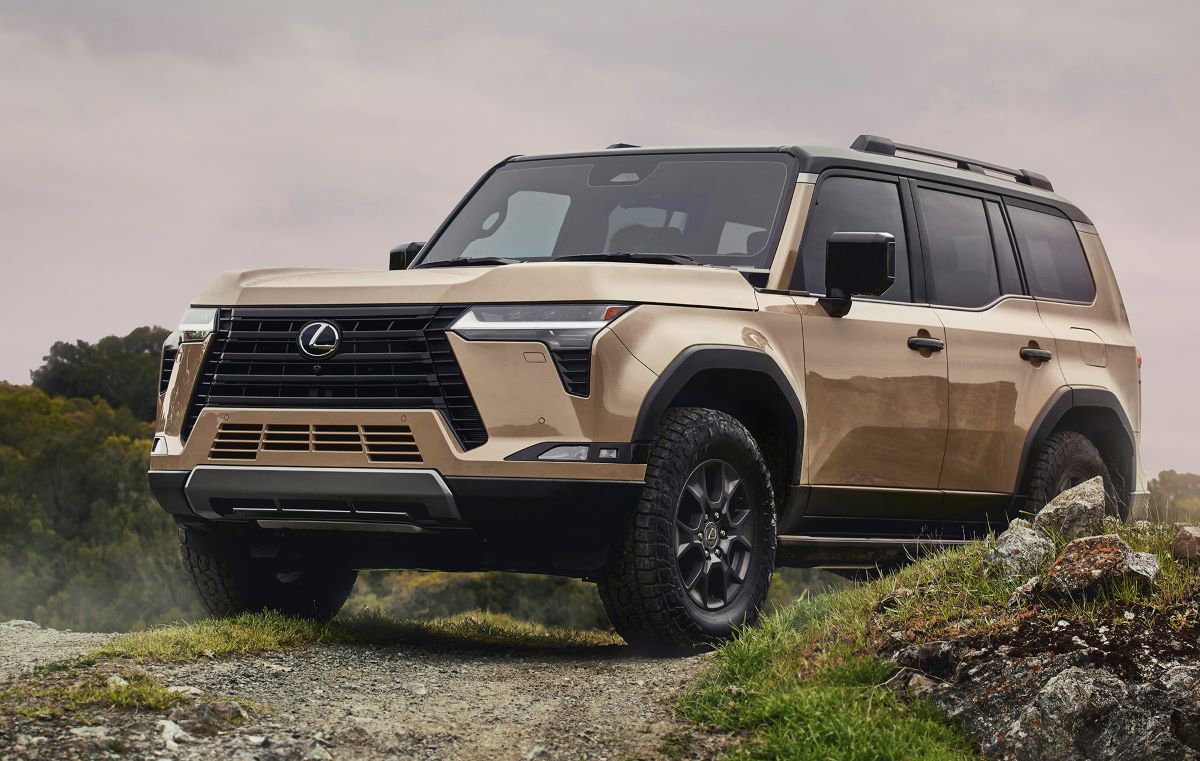
The redesigned Lexus GX 550 proves that luxury and off-road capability can coexist without compromise. For around $64,000, buyers get a body-on-frame SUV with a twin-turbo V6, a sophisticated 4WD system, and a luxurious interior that feels built to last decades.
While other luxury SUVs chase tech trends, the GX stays true to its rugged roots, delivering the kind of durability and refinement that justify every cent. It’s a perfect choice for families who need a dependable, go-anywhere vehicle.
Lexus offers a broad lineup of SUVs, but if you’re seeking one with rugged looks and genuine off-road capability, the 2025 Lexus GX might be exactly what you’re looking for.
This midsize luxury SUV, which Lexus redesigned just last year, successfully combines a truck-based foundation with a wealth of upscale features, making it a versatile and appealing all-purpose vehicle.
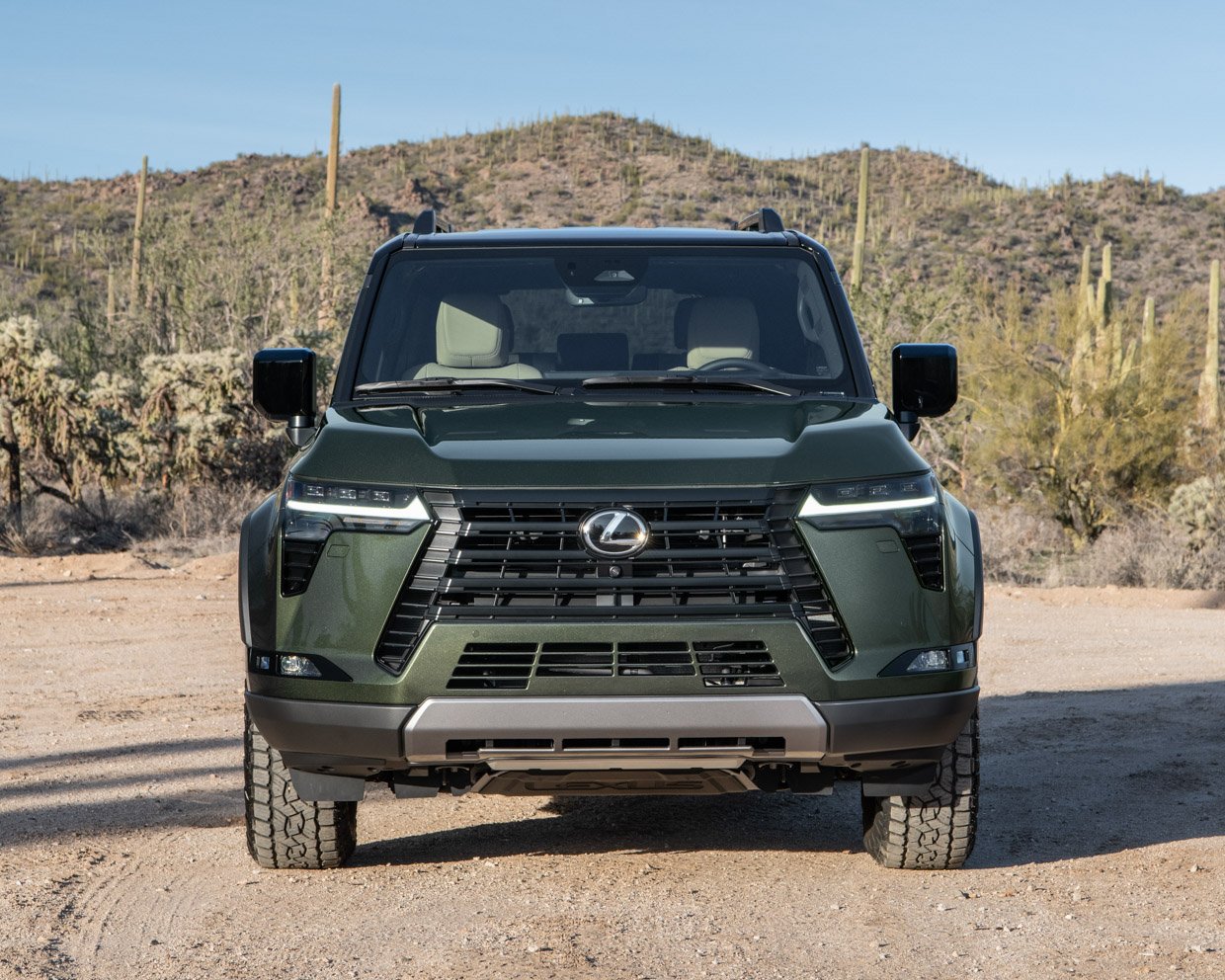
Lexus has taken a thoughtful and distinctive approach to configuring the GX’s features, organizing them into packages that allow buyers to tailor the SUV’s personality to their specific needs.
Every 2025 GX comes standard with four-wheel drive and low-range gearing, providing extra confidence when tackling tougher trails or unpaved roads.
The Overtrail and Overtrail+ trims are equipped with all-terrain tires and a locking rear differential for improved traction in demanding conditions.
On the other hand, those who prefer a more luxurious ride can opt for premium touches such as massaging front seats and an impressive 21-speaker sound system.
9. Chevrolet Corvette Stingray
America’s sports car is still a bargain at its base price of roughly $70,000. The mid-engine Corvette Stingray offers exotic-level performance 495 horsepower, lightning-fast acceleration, and a supercar-like profile for a fraction of what European rivals charge.
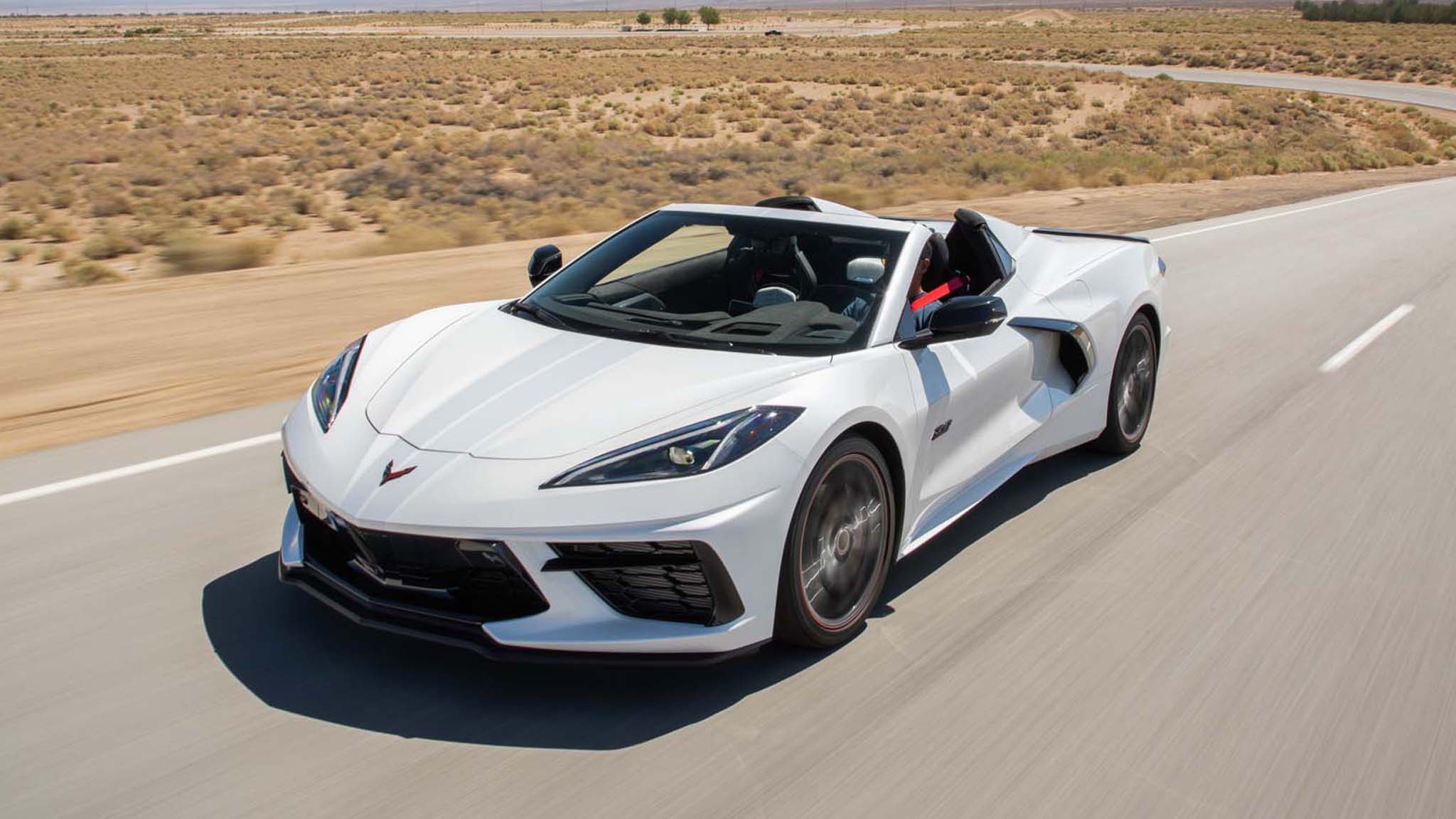
The cabin now feels premium, with materials and tech that rival luxury marques. Whether it’s weekend track runs or cross-country cruising, the Corvette delivers thrills per dollar unmatched anywhere in the market.
10. Subaru Outback Wilderness
For buyers looking for utility and adventure without paying a luxury premium, the Subaru Outback Wilderness is one of the most practical choices around $40,000.
It offers lifted suspension, all-terrain tires, and Subaru’s Symmetrical All-Wheel Drive system, making it ideal for outdoor enthusiasts.
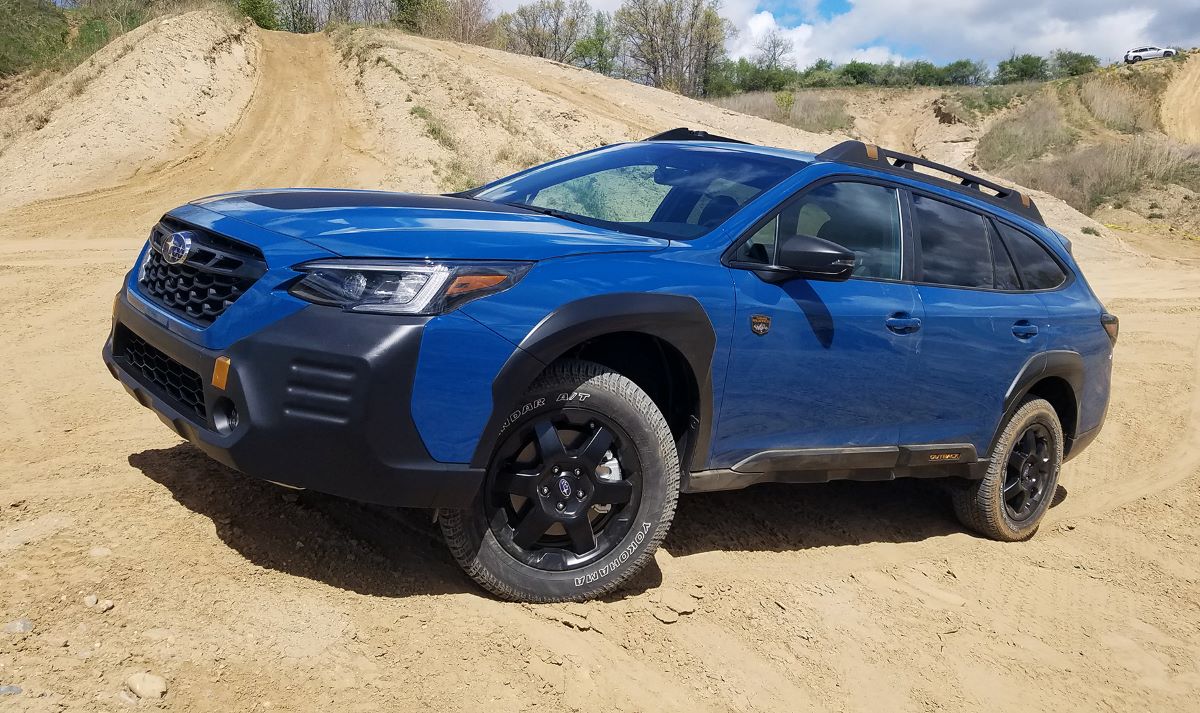
The rugged trim adds both style and substance, with skid plates and increased ground clearance. Its reliability, safety tech, and versatility make it worth every dollar to those who value go-anywhere capability.
11. Hyundai Ioniq 5
The Hyundai Ioniq 5 has proven that great EVs don’t have to come with premium badges. Priced around $45,000, it delivers up to 303 miles of range, ultra-fast charging, and a futuristic cabin that rivals Tesla’s for design and usability.
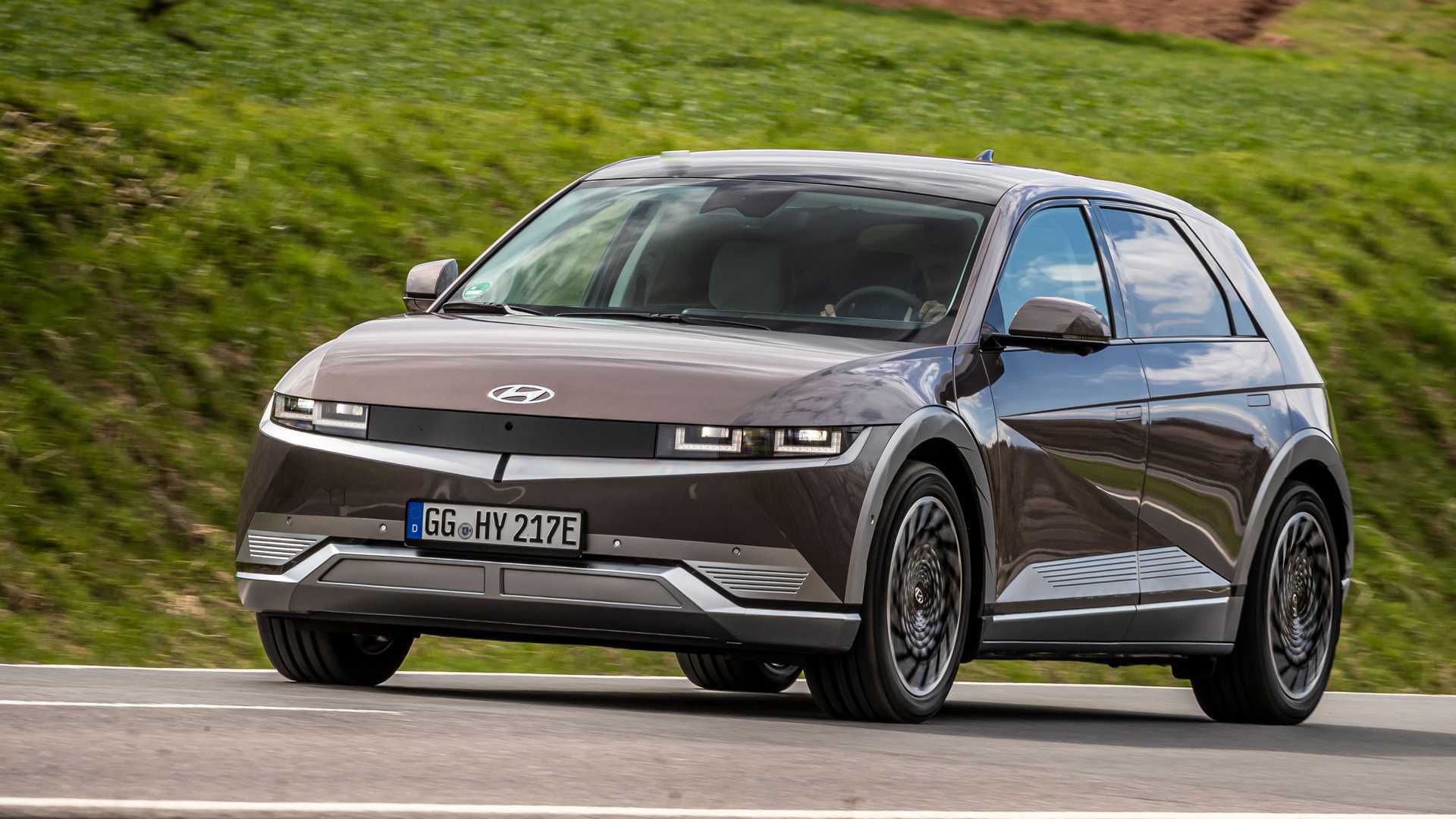
The Ioniq 5’s build quality and tech features like vehicle-to-load power and 800-volt architecture make it feel like a much pricier vehicle. Add Hyundai’s generous warranty, and it’s one of the most well-rounded electric cars in America today.
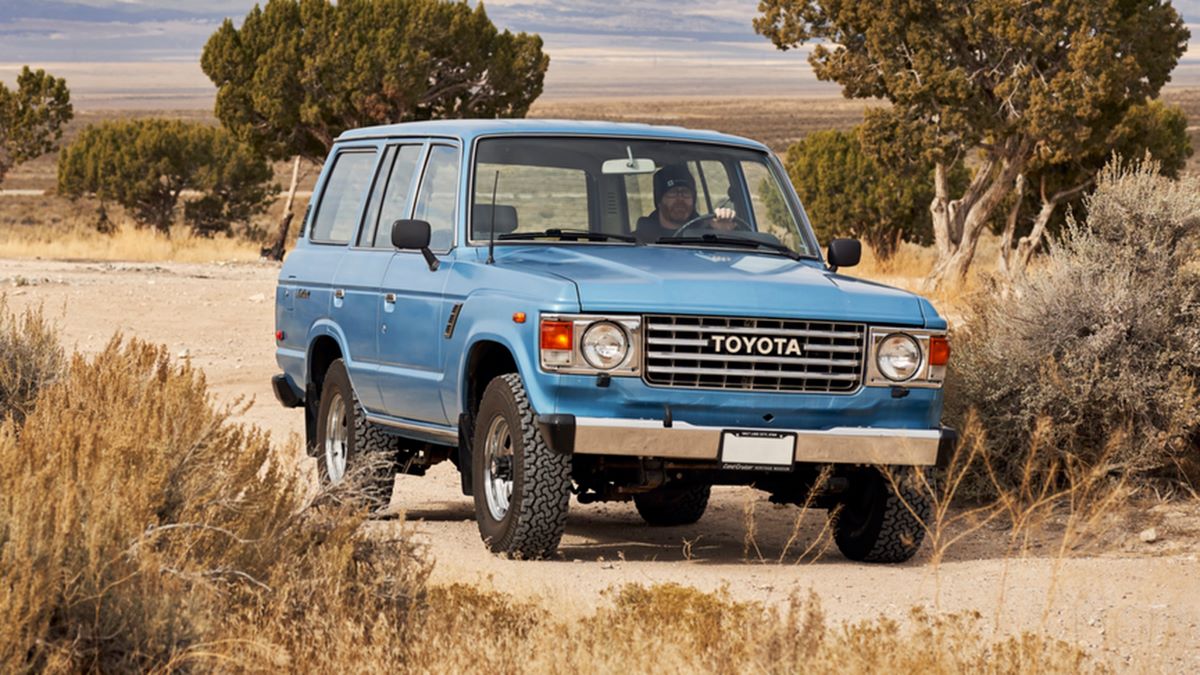
12. Toyota Land Cruiser
After a brief hiatus, the Toyota Land Cruiser returns to the U.S. market for 2024, starting at just under $56,000. It’s a more affordable, turbocharged version of Toyota’s legendary off-roader, offering 4WD toughness with refined comfort.
While cheaper than the previous generation, the new Land Cruiser doesn’t cut corners it still features a robust frame, locking differentials, and Toyota’s bulletproof reliability.
This SUV represents real-world value: capability, heritage, and durability that far outlast trendier models.
In a market filled with inflated prices and unnecessary luxury add-ons, these twelve cars stand out because they deliver genuine value in what they offer.
From sports cars that redefine performance per dollar to SUVs that blend durability and comfort, each vehicle here justifies its MSRP not through marketing, but through real-world satisfaction.
For American drivers looking to spend wisely, these models prove that “worth every cent” isn’t about being cheap it’s about getting exactly what you pay for, and loving every mile that follows.