

Some people grow up believing there is only one brand of car worth buying, and that belief runs through their family like tradition. It does not happen by random choice or blind loyalty. Certain vehicles earn that position through years of dependable service, winning trust until they become part of the household story.
When an old father proudly talks about how his own father drove a particular model, and now he has passed that same preference to his children, that is not ordinary brand loyalty. That is heritage that has been tested and proven.
Vehicles that build this type of reputation go far beyond what their brochures claim. They become reliable partners through life. They stay strong when other cars break down. These are the kind of vehicles people recommend with confidence because they have experienced their durability firsthand.
Whether they are used in busy urban traffic or driven quietly on countryside roads, they keep proving that they are worth every coin spent on them.
Many of these cars are not only passed down physically from one owner to another within the same family, but they also carry stories with them. Stories of long journeys, safe returns, years of faithful service, and special family moments experienced inside them.
Such devotion does not come by chance. Cars that earn lifelong loyalty strike a balance between practical value and emotional appeal. Their build quality remains strong even after years of service. Their repair costs remain reasonable.
Their engines perform reliably across different road conditions. But beyond all those physical characteristics, they build a strong emotional connection. These vehicles become part of family life, always present when important memories are made.
They carry newborns home from the hospital, transport students to school, and later take those same students to university or job interviews.
When a single vehicle brand continues to gain respect across several generations while retaining its charm, it transcends being just a car. It becomes a symbol of family pride on wheels. Here now are twelve cars that have managed to achieve this rare honour.
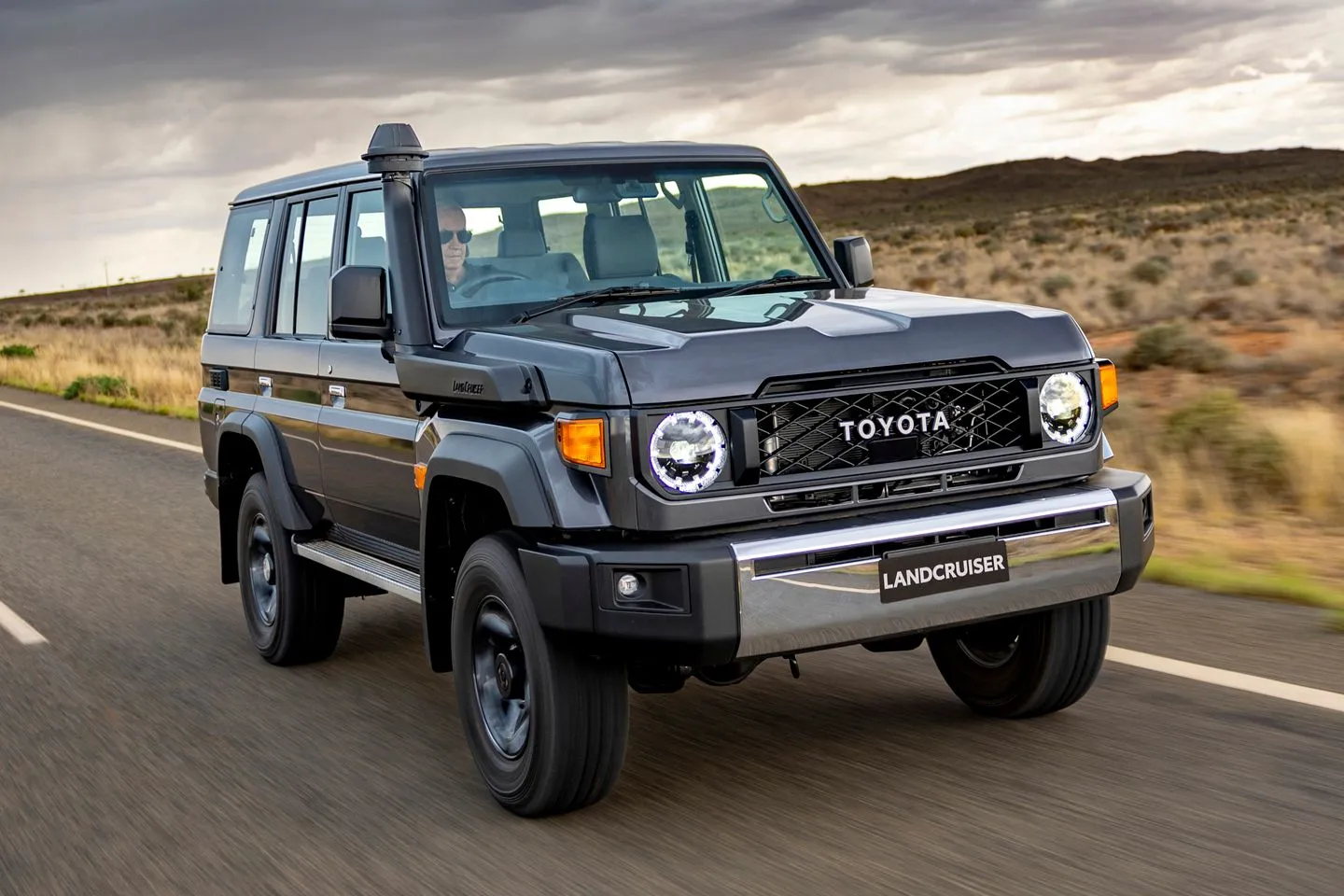
1. Toyota Land Cruiser J70 Series
Ask anyone who has driven across challenging roads which vehicle they trust most, and this name comes up repeatedly.
Launched in 1984 and still in production today, this beast refuses to fade away. While other manufacturers chase comfort and technology, this machine stays true to its original purpose: getting you there and back, no matter what stands in the way.
Grandparents who bought this vehicle in the 1980s found something special. It conquered muddy roads, sandy deserts, and rocky paths without complaint.
When it needed repairs, local mechanics could fix it without expensive diagnostic computers or rare parts. Simple engineering meant fewer things could go wrong, and when they did, solutions were straightforward. This simplicity became its greatest strength.
Children who grew up in the back seats of these machines remember the adventure. Weekend trips to the village, family expeditions to remote locations, and the confidence their parents had in this vehicle’s ability to handle anything.
That confidence was well-placed. The diesel engines ran for hundreds of thousands of miles, the chassis withstood punishment that would break lesser vehicles, and the four-wheel-drive system tackled obstacles that stopped others cold.
Today’s generation faces a different world, but this vehicle remains relevant. Young professionals who need dependability for business trips to rough locations choose it without hesitation. Farmers and rural workers still consider it the gold standard.
Adventure seekers know it won’t abandon them far from help. Families with limited budgets appreciate that repairs don’t require taking loans. The design may look dated compared to modern SUVs, but owners don’t care about appearances when they need something that works every single time.

2. Mercedes-Benz W123 Series
Most high-end cars enjoy attention for a few years, then fade away, but the Mercedes-Benz W123 sedan earned long-lasting respect that refuses to disappear. Built from 1976 to 1985, it stood far ahead of many cars of its era in both strength and refinement.
Many vehicles from its generation have gone silent, yet W123 units produced more than forty years ago still move confidently on highways and narrow city roads. It did not rely on flashy design. Instead, it focused on tough construction and long-term value.
Those who first bought it often did so because they desired comfort and class. Wealthy professionals and business owners selected it as a symbol of success. However, with time, they discovered it offered far more than an image. The doors shut with a solid feel that announced quality.
The body resisted corrosion impressively well, and the cabin materials continued to look presentable long after other cars from that period began to rot or fade.
Inside these cars, switches, buttons, and dashboard pieces stayed firmly in place rather than rattling or breaking as years passed. Beneath the bonnet, everything was engineered to function without stress.
Families passed these cars down from one generation to the next because they remained trustworthy long after their original owners retired. Many of the diesel versions, especially the five-cylinder OM617-powered units, earned a near-mythical status. Stories of W123 sedans running past 800,000 kilometers without major engine work have become common in motoring circles.
In several countries, taxi operators adopted the W123 because it could handle nonstop work without crying for mercy. Even now, you can still find these taxis moving between cities in parts of Europe, Africa, and the Middle East, proving that quality speaks for itself.
Younger drivers in today’s market sometimes search patiently for clean examples to restore. Finding one in good condition is not easy, but when a buyer finally gets one, it becomes a long-term project worth every effort. Spare parts still exist, though prices can stretch the pocket depending on the supplier.
Yet many owners gladly invest in repairs because the W123 delivers a driving experience that modern cars cannot copy. Its steering communicates clearly with the driver, and its engine responses feel natural rather than computer-controlled.
People who enjoy pure mechanical engineering appreciate this model and often learn to carry out simple servicing themselves. It has become more than a car. It has grown into a symbol of reliability, patience, and craftsmanship that refuses to disappear from family histories.
Also Read: 5 Sedans That Handle Like Sports Cars vs 5 That Drive Like Boats

3. Honda Civic Fifth Generation
Practical transportation doesn’t usually inspire passion, but this compact car changed many minds. Released in 1991, it arrived when fuel efficiency and reliability mattered more than horsepower and luxury. Families on tight budgets found a vehicle that delivered value without constant headaches.
Parents bought this car to save money on fuel and maintenance, expecting basic transportation. What they got exceeded those modest expectations. The engine sipped fuel like it was precious, which it often was for middle-class families.
Routine maintenance involved simple procedures that didn’t require specialist knowledge. When parts needed replacing, prices stayed reasonable. The car started every morning without drama, transported families safely, and asked for little in return beyond regular oil changes.
Children raised in these vehicles absorbed lessons about reliability and sensible choices. They watched their parents drive the same car for ten, fifteen, or even twenty years without major problems. When the time came to buy their first vehicles, many followed the family tradition.
The aftermarket support for this model remains strong, with parts readily available and mechanics familiar with common issues. Rust became the main enemy, but examples kept in dry climates still serve daily duties decades after leaving the factory.
Today’s car market offers more options, but this model’s reputation endures. Young people seeking affordable reliability search for well-maintained examples. First-time drivers appreciate the straightforward controls and forgiving handling. Mechanics still recommend it when asked about dependable used cars.
The design may look dated, but function matters more than fashion for buyers focused on getting from point A to point B without emptying their wallets. Three generations later, families still tell stories about “that old Civic that just wouldn’t quit,” and those stories inspire continued loyalty to the brand that built it.

4. Volkswagen Beetle Type 1
Few vehicles achieve cultural icon status while remaining practical transport, but this German creation managed both. From 1938 to 2003, production continued with minimal design changes, creating one of history’s longest-running car productions.
Grandparents bought these when they were affordable new cars, never imagining their grandchildren would cherish them decades later.
Simplicity defined every aspect of this vehicle’s design. Air-cooled engine in the rear, torsion bar suspension, minimalist interior. Nothing was complicated to understand.
Owners developed deep connections with their vehicles because they could work on them personally. Changing oil, adjusting valves, and replacing parts, all within reach of someone with basic tools and patience. This accessibility created confidence and independence.
Families passed these vehicles down not because they were valuable, but because they still worked. Children learned to drive in them, experiencing the unique rear-engine handling and the distinctive sound of that flat-four engine.
Mechanics everywhere knew how to fix them, parts were cheap and available, and the simple design meant fewer expensive surprises. People who couldn’t afford newer cars kept these running for transportation, while others collected them as reminders of simpler times.
Modern roads present challenges for this aging design. Safety features are minimal, performance is modest, and comfort doesn’t match contemporary expectations. Yet enthusiasts continue restoring and driving them. Young people discover the joy of driving something mechanical and direct, without computer systems between driver and machine.
Classic car shows feature them prominently, restored to better-than-new condition or preserved in original patina. Some families own multiple generations of Beetles, each member adding their vehicle to the collection. The emotional connection runs deep, creating loyalty that transcends rational transportation choices.

5. Nissan Patrol Y60 Series
Many sport utility vehicles were built during the late 80s and 90s, but only a few managed to gain genuine respect for strength and staying power. One of them was the Toyota Land Cruiser 80 Series, produced from 1987 to 1997.
Without trying to look fancy or expensive, it became a trusted companion for people who needed a vehicle that could survive hard environments and still carry a family comfortably. It did not rely on flashy features or premium interiors to impress anyone. Instead, it built its name on pure strength.
Buyers who chose it in those early years usually had clear priorities. They wanted something tough enough for difficult roads and remote journeys but still easy to maintain.
This Land Cruiser offered a heavy-duty ladder frame, dependable mechanical parts, and true four-wheel drive ability at a price far lower than similar vehicles from Europe. With time, owners discovered it had another advantage. It was built with long-term use in mind.
Its straight-six engines became famous for lasting beyond high mileage limits with no major engine damage. Many drivers put these engines through heavy towing, mountain travel, and rough village roads, yet they kept running like workhorses.
The gearbox and transfer case rarely failed, even when used under strain. When repair work was needed, it did not scare owners because parts were easy to source and most mechanics understood its simple layout.
Many children who sat in the back seats of this SUV during family journeys later became adults who wanted the same confidence in their own cars.
Tall body height made passengers feel safe, and its strong suspension made long trips fun, no matter where they went, whether deserts, farms, riversides, or broken roads. It carried people and their goods without fear of getting stuck.
Today, almost 30 years after its production ended, the Land Cruiser 80 Series still sells fast in used markets. Compared with modern SUVs full of sensitive electronics, it attracts people who prefer machines that do not depend on computers to function. People who enjoy fixing their cars in their home garage love how easy it is to work on this model.
In off-road groups, the respect for this SUV remains strong, and owners offer each other support, advice, and parts. Many units still carry families every day, still pull trailers, still climb hills, and still travel long distances. It has been proven that strong engineering can outlast trends and remain useful across generations.
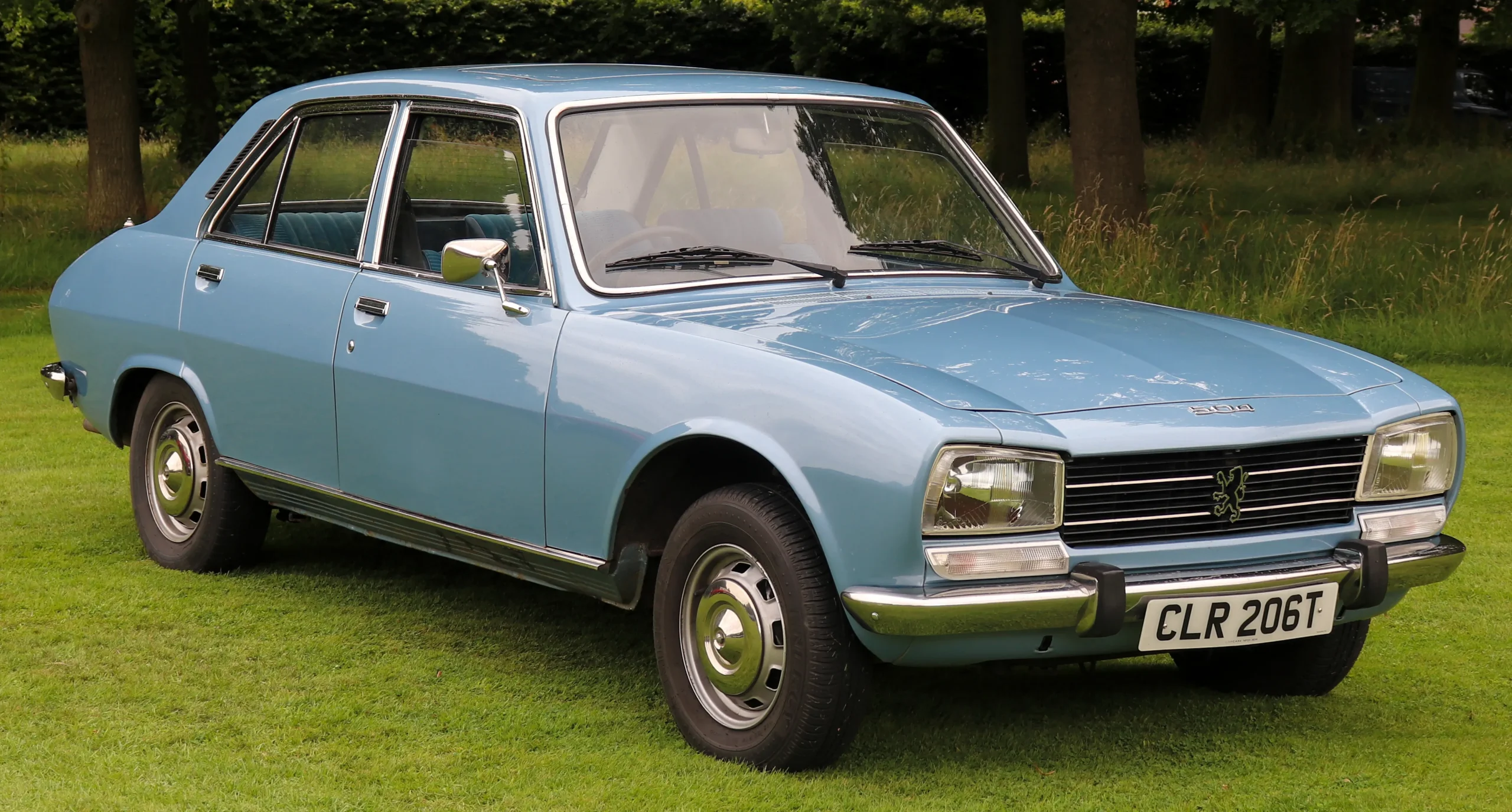
6. Peugeot 504 Sedan and Wagon
French engineering created something special with this understated sedan. From 1968 to 1983 in Europe, and continuing until 2006 in other markets, this vehicle earned legendary status in challenging environments.
Comfortable suspension, durable construction, and surprising capability in difficult conditions made it a favorite across Africa and other developing markets.
Families discovered this car could handle roads that weren’t really roads at all. The suspension soaked up potholes, ruts, and rough surfaces that destroyed other sedans.
High ground clearance for a car meant fewer problems with flooding and uneven roads. Diesel engines provided excellent fuel economy and long service life. Mechanics learned to repair them without factory training, using basic tools and common sense.
Parents who owned these vehicles remember their versatility. School runs on paved streets, weekend trips on dirt tracks, emergency journeys in harsh conditions; this sedan handled everything without complaint.
Cargo space accommodated large families and their belongings. Reliability meant fewer roadside breakdowns, important when help might be far away. The car became part of the family, trusted and depended upon.
Today’s enthusiasts seek out remaining examples for restoration and continued use. Parts availability varies by location, but dedicated suppliers keep common components in stock.
The driving experience feels different from modern cars, softer and more flexible, which some find refreshing after contemporary stiff suspensions.
Young people interested in automotive history appreciate this model’s achievements. Families with examples still running tell stories to younger generations, passing down not just vehicles but respect for engineering that prioritized durability and practicality over flash and fashion. This model proves that sometimes the best designs come from understanding real-world needs.

7. Toyota Corolla E100 Series
Many affordable family cars come and go without leaving any real mark, but this particular Toyota Corolla generation rewrote expectations in a quiet but powerful way.
When it arrived in 1991, it strengthened Toyota’s image as a brand that builds cars that last long beyond their expected lifespan. Its pricing made it easy for everyday earners to own, and its long-lasting performance turned casual buyers into long-term believers.
People purchasing their very first vehicle discovered that this Corolla offered exactly what they needed without pretending to be something it was not. It handled daily movement with ease, offered pleasant seating for everyday driving, and helped owners save money on fuel.
It was never built to impress people looking for excitement behind the wheel. Instead, it focused on those who valued a car that starts every morning without stress and keeps moving without unnecessary troubles. Year after year, it fulfilled that purpose without disappointment.
Owners held on to these cars for far longer than is common in the automobile world. Many kept theirs for well over a decade, and plenty of them remained on the road after twenty years of use. Keeping it in good shape did not require heavy spending, and routine servicing stayed simple.
Expensive engine problems were rare, which gave buyers peace of mind. When children in those households became old enough to drive, many inherited these same Corollas. Those young drivers did not just get a car. They received proof that dependability matters more than trendy features.
Even today, you can still find this generation of Toyota Corolla in used markets across many regions. People looking for low-cost transportation that will not suffer sudden breakdowns often choose it.
Replacement parts are still easy to find, and independent garages are very familiar with its structure, so repair work remains affordable.
Young buyers who hear stories from parents or relatives about how dependable the Corolla has always been continue to trust it.
This single generation strengthened Toyota’s long-standing reputation because it fulfilled one simple promise. It delivered transportation people could trust without fear or stress, and that kind of reliability keeps loyalty alive for years.

8. Mitsubishi Pajero Second Generation
Japanese manufacturers understood what buyers in challenging markets needed, and this SUV represented that understanding perfectly.
Produced from 1991 to 1999, it combined genuine off-road capability with comfortable on-road manners. Families who needed one vehicle for multiple purposes found this balanced approach appealing.
Early buyers appreciated the advanced features packed into this SUV. Four-wheel-drive system with multiple modes, independent front suspension for better road comfort, powerful V6 engines, and a spacious interior for families.
Yet beneath these features lay simple, durable engineering. Mechanics could service them without specialized training, parts were reasonably priced, and the chassis handled rough use without complaint.
Children remember these vehicles as capable family haulers. Beach trips, mountain excursions, and visits to remote relatives, all handled with ease.
The high seating position gave passengers great visibility, while the robust construction provided safety and confidence. When those children grew up and started their own families, many sought out this same generation, remembering how well it served their parents.
Modern SUV buyers have countless options, but this model retains dedicated followers. Used examples remain affordable, making them accessible to young families on a budget. The mechanical simplicity means owners can maintain them personally or use independent mechanics.
Off-road communities recognize and respect this model’s capabilities. Reliability reputation attracts buyers tired of newer vehicles with constant electronic problems. Spare parts availability remains good in many markets.
Families buying their second or third example demonstrate loyalty built on positive experiences spanning decades. When a vehicle serves multiple generations without losing its appeal, it has achieved something rare in automotive history.

9. Volvo 240 Series
Swedish engineering prioritized safety and durability, creating a sedan and wagon that outlasted nearly everything else from its era. Produced from 1974 to 1993, this boxy vehicle became synonymous with longevity. Families who valued substance over style found exactly what they needed.
Parents bought these vehicles primarily for safety features that were revolutionary at the time. Crumple zones, reinforced passenger compartments, and rear-facing child seats, features that protect families in accidents.
They discovered additional benefits through ownership. Engines ran for hundreds of thousands of miles without major issues. Bodies resisted rust better than competitors. Interior components lasted rather than breaking after a few years.
Growing up in these vehicles, children absorbed lessons about quality and durability. They noticed their friends’ parents changing cars every few years, while their family kept the same Volvo running smoothly.
When those children became adults choosing their own vehicles, many sought out this same model, now in the used market. Stories of “million-mile Volvos” weren’t exaggerations but documented reality, with multiple examples achieving that remarkable milestone.
Today’s car market offers safer vehicles with more features, but this model maintains its following. Enthusiasts appreciate the simplicity of mechanical systems without electronic complications.
Young families seeking affordable, safe transport discover these vehicles offer exactly that at bargain prices. Parts remain available through specialist suppliers and enthusiast networks.
Simple maintenance procedures mean owners can service them personally. Classic car status in some markets protects them from regulations that retire other older vehicles.
Three decades after production ended, examples still serve daily transportation duties, proving that building something properly the first time creates value that endures across generations.

10. Isuzu Trooper Second Generation
This Japanese SUV arrived when many buyers wanted something between basic trucks and luxury vehicles. Produced from 1991 to 2002, it offered genuine off-road capability wrapped in civilized packaging. Families who needed practical transport that could handle occasional adventure found their match.
Buyers appreciated the straightforward approach to SUV design. Ladder frame chassis for strength, proven four-wheel-drive system, spacious interior with seven seats, and powerful engines.
Nothing complicated or overly sophisticated, just solid engineering focused on reliability. Diesel versions earned particular praise for longevity and fuel efficiency. Owners discovered these vehicles could accumulate massive mileage without major problems.
Parents used these SUVs for everything from school runs to off-road excursions. Children remember the high ride height and commanding view, the confidence their parents showed tackling difficult roads, and the reliability that meant trips rarely got interrupted by breakdowns.
When those children grew up and needed their own vehicles, many remembered how well this model served their families.
Current market conditions favor this generation for budget-conscious buyers. Used examples sell for reasonable prices, making seven-seat capability affordable. Maintenance costs stay low thanks to simple mechanical systems. Parts availability remains good in markets where the vehicle was popular.
Independent mechanics familiar with these vehicles keep repair costs manageable. Young families seeking their first SUV discover this model offers space, capability, and reliability at prices newer vehicles can’t match.
Off-road enthusiasts value the proven platform for modifications and improvements. Loyalty builds when products consistently deliver what buyers need, and this SUV delivered practical capability to multiple generations who remember and appreciate that dependability.
Also Read: 5 Affordable Sedans That Outlast Luxury Cars vs 5 That Don’t

11. Ford Ranger Second Generation
Pickup trucks earn loyalty through hard work and dependability, and this American truck delivered both. Produced from 1993 to 2011 in various markets, it offered a compact size with full capability. Families who needed a truck utility without excessive size found this balanced approach perfect.
Early buyers chose this truck for its versatility. Small enough for city use, capable enough for serious work, efficient enough to ease fuel costs. They discovered excellent build quality and reliability that exceeded expectations.
Engines lasted for years without major issues, transmissions held up under heavy loads, and chassis withstood abuse that broke competitors. Simple mechanical systems meant repairs stayed affordable.
Children who helped their parents with weekend projects using this truck developed an appreciation for its capability. Hauling building materials, towing trailers, and off-road adventures, the truck handled everything without complaint.
Watching their parents maintain the same vehicle for years taught lessons about quality and value. When those children needed their own work vehicles, many turned to this familiar model.
Today’s truck market features much larger vehicles with more power and technology, but this generation maintains its appeal. Used examples remain available at reasonable prices, making truck ownership accessible to young buyers. Simple mechanical systems mean owners can perform their own maintenance and repairs.
Parts remain available through multiple suppliers. Compact size makes them practical for daily use, not just weekend work. Reliability reputation attracts buyers seeking dependable transport that won’t drain their budgets. Young professionals starting businesses appreciate affordable capabilities.
Families with members spanning multiple generations often own several examples, each serving different needs. When a vehicle earns this kind of multi-generational trust, it has transcended being mere transport and become part of family tradition.

12. Subaru Legacy First Generation
All-wheel-drive sedans were rare when this Japanese vehicle arrived in 1989. Combining car-like handling with enhanced traction, it created a new category that attracted loyal followers. Families in regions with difficult weather conditions found safety and confidence in its innovative design.
Buyers seeking something different from typical front-wheel-drive sedans discovered this model offered unique advantages. All-wheel drive provided superior traction in rain, snow, and rough conditions.
Horizontally-opposed engine design created a low center of gravity for better handling. Wagon versions offered exceptional cargo space. Build quality exceeded many competitors, with solid construction and attention to detail.
Parents who owned these vehicles remember their confidence in challenging conditions. Winter driving became less stressful, rural roads posed fewer problems, and the reliable mechanical systems meant fewer breakdowns.
Children who grew up experiencing this superior traction learned to appreciate engineering innovation. When they needed their own vehicles for similar conditions, many chose the brand that served their families well.
Modern all-wheel-drive systems are common, but this generation maintains dedicated followers. Enthusiasts appreciate the mechanical simplicity compared to later electronic systems. Used examples remain affordable, making all-wheel drive accessible to budget-conscious buyers.
Parts availability stays good through specialist suppliers and enthusiast networks. Simple maintenance procedures allow owners to service their own vehicles. Young people in regions with harsh weather seek out this generation for its proven capability and reliability.
Families buying their second or third example demonstrate loyalty built on decades of positive experiences.
When a vehicle introduces innovative technology that actually works reliably, earning trust across multiple generations, it achieves something special in automotive history. This sedan did exactly that, creating family loyalty that continues today.
