
Car culture in the United States has always been about more than transportation it’s a deep emotional connection between people and machines.
Over the decades, some cars have earned “cult” status, gathering passionate fan bases that defend them at every turn. Sometimes, that loyalty is well deserved a product of genuine innovation, character, and driving joy.
But other times, it’s built on nostalgia, hype, or sheer aesthetic appeal that doesn’t hold up under scrutiny.
In this piece, we’ll explore five cars that truly deserve their cult status vehicles that earned it through performance, design, and cultural impact and five that probably shouldn’t be as worshipped as they are.
Cars With Cult Followings for Good Reason
Some cars manage to do more than just get us from point A to point B, they inspire devotion. These are the vehicles that transcend time, trends, and even practicality to become true icons in automotive culture.
Whether it’s the roar of a legendary engine, the timeless design, or the unique driving experience that makes them unforgettable, certain models have earned cult followings that refuse to fade.
In this article, we take a closer look at the cars that enthusiasts around the world can’t stop loving, and the reasons why their appeal endures.
1. Mazda MX-5 Miata (NA & ND Generations)
There’s no denying that the Mazda MX-5 Miata deserves every ounce of love it gets. When the first-generation NA Miata debuted in 1989, it resurrected the spirit of lightweight British roadsters like the MG and Lotus Elan but with Japanese reliability and precision engineering.
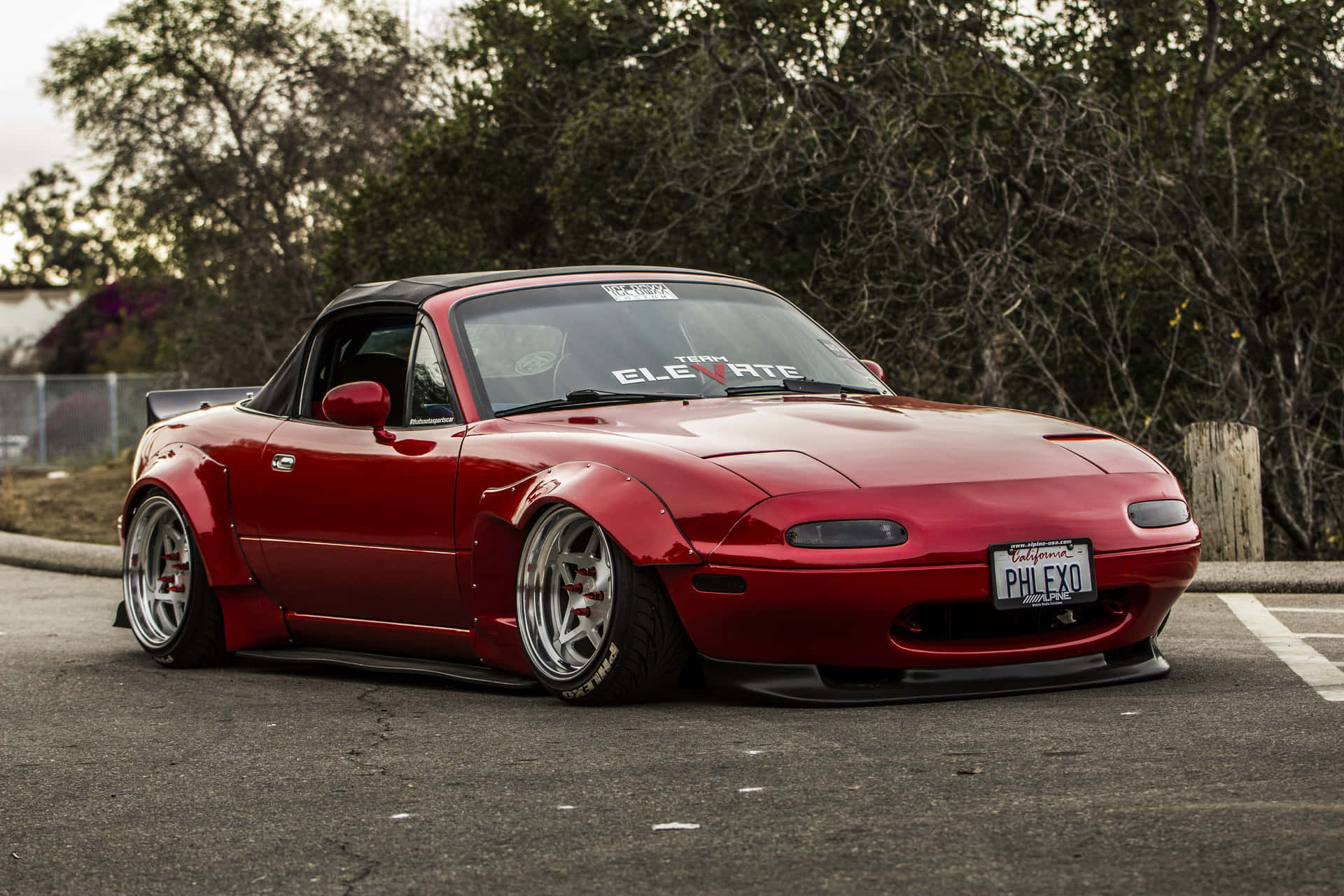
Its perfectly balanced chassis, rear-wheel drive, and open-top simplicity created a pure driving experience that enthusiasts still chase today.
The ND generation continues that legacy, remaining affordable and fun in an era dominated by overpowered, overweight machines. The Miata’s cult following isn’t ironic; it’s earned.
2. Toyota Supra (A80)
The 1990s Toyota Supra, especially the A80 (Mark IV), is the very definition of a cult icon. While its Hollywood fame in The Fast and the Furious franchise certainly helped, true enthusiasts already knew what made it special the bulletproof 2JZ-GTE inline-six engine.
Capable of handling ridiculous amounts of boost without complaint, it became the tuner’s dream platform.
Whether you’re chasing 1,000 horsepower or admiring its timeless design, the Supra’s appeal transcends trends. It’s not just nostalgia it’s mechanical brilliance with character to spare.
The Toyota Supra Mk4, also known as the A80, is more than just a car; it’s a true automotive legend. Born during the golden era of Japanese performance, it earned worldwide fame for its powerhouse 2JZ engine, timeless styling, and unforgettable role in pop culture.
Whether you’re a seasoned car enthusiast or new to the JDM world, the Supra remains a symbol of speed, spirit, and pure performance, making it a dream car for many and a must-have for collectors.
Produced between 1993 and 2002 in Japan, the Supra Mk4 was built on the JZA80 platform and classed as a sports car or grand tourer. It came as a 2-door coupe, with some models offering a Targa Top for open-air driving, and was designed by Isao Tsuzuki.
Its engine options included the naturally aspirated 2JZ-GE, producing around 220–230 horsepower, and the twin-turbocharged 2JZ-GTE, officially rated at 276 horsepower but widely acknowledged as underrated.
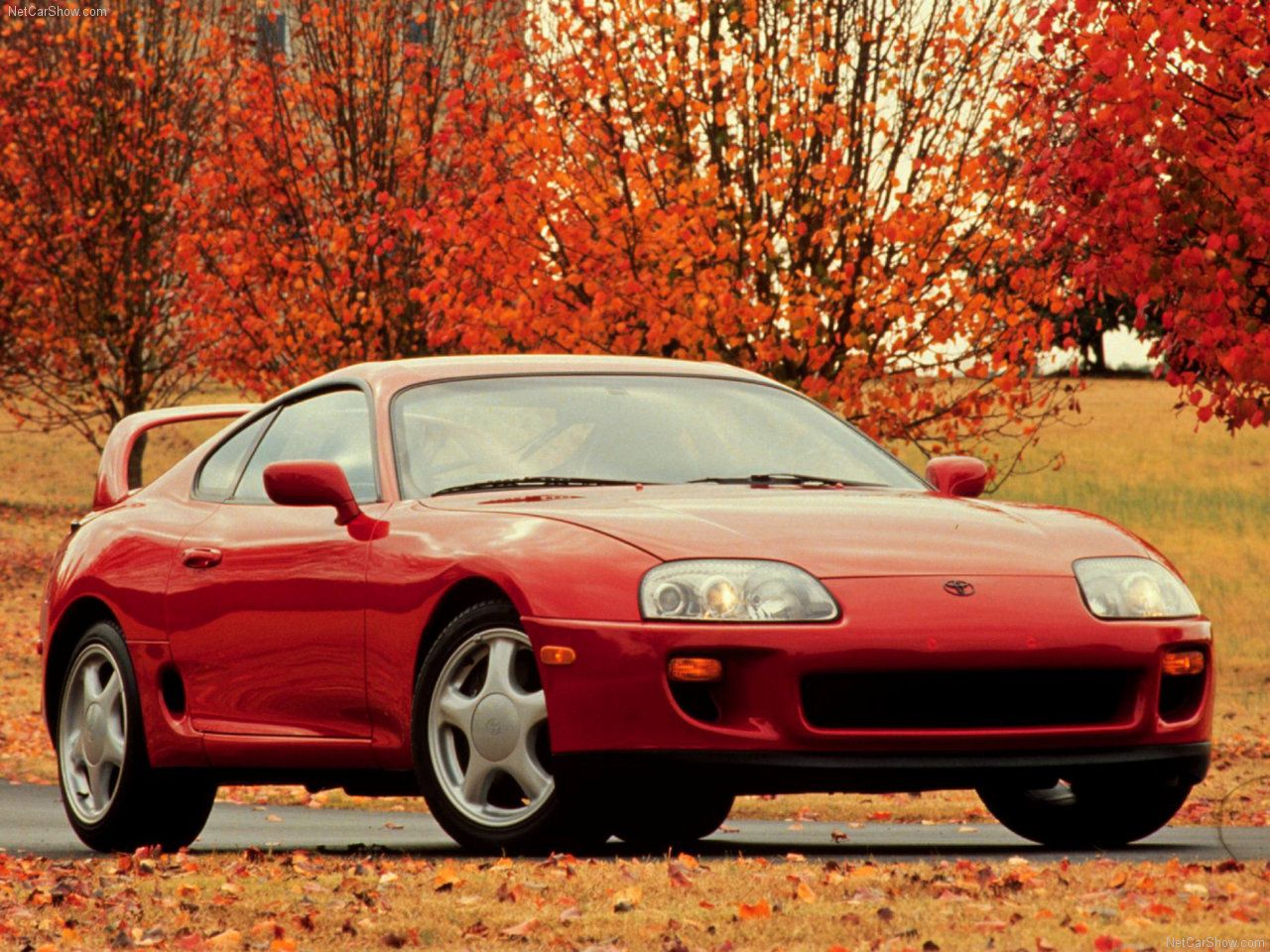
Performance numbers were impressive for the era, with the twin-turbo accelerating from 0–100 km/h in about 4.6 seconds and a limited top speed exceeding 250 km/h.
Transmission options included a 5-speed manual for the NA, a 6-speed Getrag manual for the turbo, and a 4-speed automatic as an option.
Key features of the Supra Mk4 include its reliable and highly tunable 2JZ-GTE engine, lightweight design of 1400–1500 kg, aerodynamic styling with integrated headlights, double-wishbone suspension for precise handling, and available Targa Top for an open-air feel.
The 2JZ-GTE engine is nearly indestructible, making the car a tuning masterpiece capable of handling extreme power upgrades while maintaining reliability.
The Supra Mk4 has also become a strong investment, with prices for clean, low-mileage Twin Turbo manuals now ranging from $60,000 to $150,000 and even higher for rare or collector editions.
Its vast aftermarket support allows enthusiasts to build everything from drift machines to show cars, ensuring the car’s legacy continues through customization and community involvement.
Driving the Supra is a pure analog experience, free of excessive electronics, offering raw, engaging feedback that evokes the spirit of 1990s Japanese performance.
In conclusion, the Toyota Supra Mk4 (A80) is an absolute yes for anyone seeking an appreciating asset with soul, a platform for tuning and spirited driving, or a piece of automotive history. With proper maintenance and security, it remains a car that defines an era, and once these legends are gone, they are gone for good.
Also Read: 8 SUVs That Sell for Top Dollar After 15 Years
3. Subaru WRX STI (2004–2014)
The WRX STI earned its cult status the old-fashioned way: through rally dominance and everyday practicality. Its turbocharged boxer engine, all-wheel drive, and aggressive styling gave Americans a taste of Subaru’s rally heritage.
It wasn’t the fastest or most refined, but it was thrilling in real-world conditions snow, gravel, rain, or tarmac.
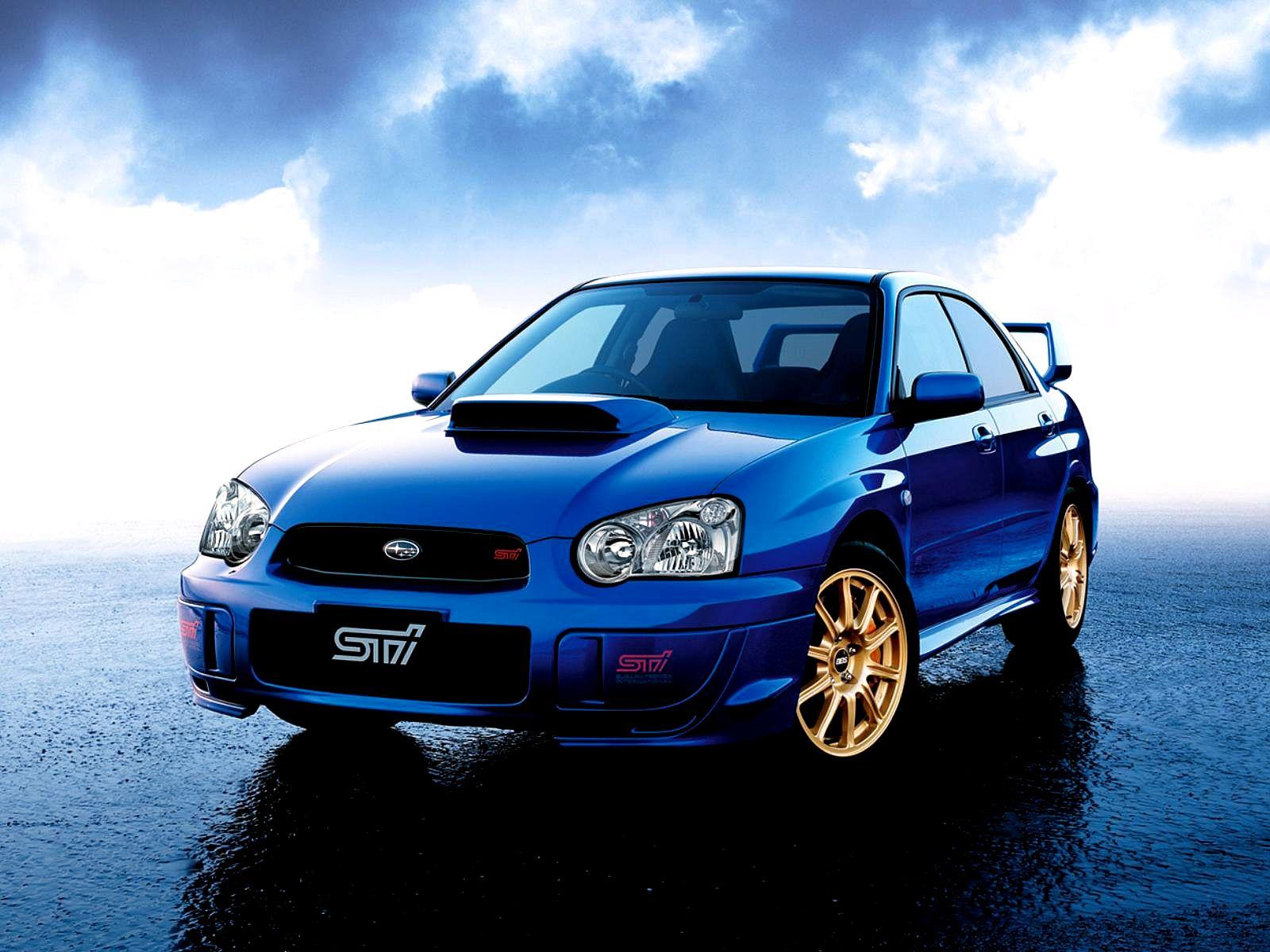
The mid-2000s WRX STI represented a golden era where performance didn’t have to mean luxury prices. Owners didn’t just drive them; they lived them, from track days to mountain runs.
The Subaru Impreza has been on the market for over a decade, but it’s only in recent years that it has developed the style and performance that make it truly appealing.
The 2002 redesign not only expanded interior space and added features, but it also introduced a high-performance variant known as the WRX.
With a turbocharged engine and sport-tuned suspension, the Impreza WRX can compete with many vehicles that cost thousands more, and it’s even available in a wagon body style.
For buyers who find the WRX too aggressive, Subaru offers other trim levels, including the Outback Sport, which provides extra utility without the full price of a traditional Outback.
All 2.5 i and Outback Sport models are powered by a 2.5-liter, horizontally opposed four-cylinder engine producing 173 horsepower. The WRX sedan and wagon feature a more powerful turbocharged 2.5-liter flat-four engine, generating 230 horsepower and 235 lb-ft of torque.
Buyers can choose between a five-speed manual or a four-speed automatic transmission, with all-wheel drive standard across the lineup.
The 2006 Impreza WRX sedan and wagon are exceptionally fun to drive. The previous generation had softer low-rpm power delivery, but the new 2.5-liter turbo provides stronger bottom-end pull and a richer midrange.
Handling is precise, aided by a well-tuned suspension and standard all-wheel drive. Even the less powerful 2.5 i sedan and wagon offer engaging driving experiences on twisty roads, while the Outback Sport may look sportier, the 2.5 i wagon actually handles better.
While it doesn’t rival the cockpit of a Jetta, the Impreza’s dashboard is modern and the materials are of good quality.
Wagon models provide 27.9 cubic feet of cargo space, expanding to 61.6 cubic feet with the rear seats folded flat, making it practical as well as enjoyable to drive.
4. Jeep Wrangler
Few vehicles have a fan base as loyal or as outdoorsy as the Jeep Wrangler. It’s not refined, quiet, or aerodynamic, but that’s the point.
The Wrangler’s cult following exists because it embodies freedom and adventure in a way few vehicles ever have.
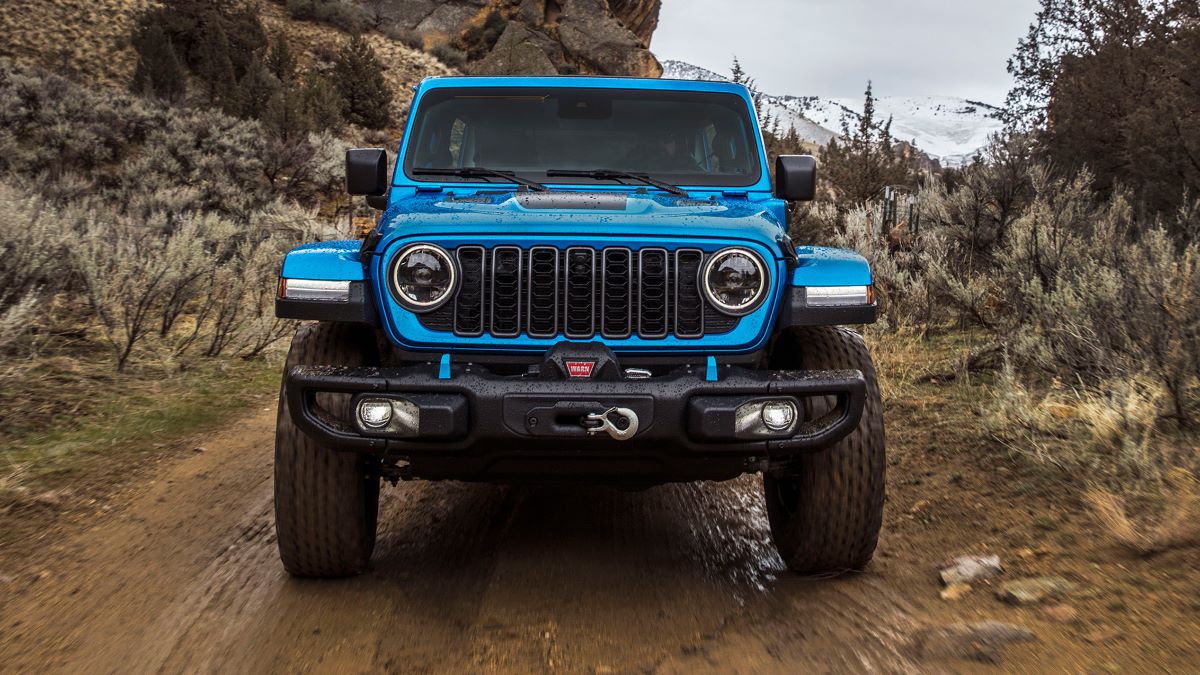
Whether you’re crawling over boulders in Moab or driving down a beach in Florida, the Wrangler makes you feel part of something bigger a tradition that dates back to the WWII Willys Jeep. Its rugged charm and go-anywhere capability ensure its reputation isn’t just hype; it’s heritage.
5. Honda Civic (EG & EK Generations)
The Honda Civic became a cultural icon in the 1990s for all the right reasons. The EG and EK generations (1992–2000) were affordable, reliable, and endlessly customizable.
They turned an entire generation of young Americans into car enthusiasts. The VTEC engines offered surprising power and a signature sound, while the lightweight chassis encouraged tinkering and tuning.
Far from being a “ricer” stereotype, the Civic’s cult following represents accessibility the idea that anyone could build something special with a wrench, a dream, and a modest budget.
We know that headline might raise a few eyebrows, but hear us out. When it comes to bang for your buck, this generation of Honda Civic is incredibly hard to beat.
The EG and EK models are affordable, easy to find, simple to modify, and versatile enough for daily driving, racing, or just about anything you throw at them. And if you’re looking for a hatchback, these generations truly shine, drag racing included.
On the track, the EK Civic has proven its mettle time and again. Our coverage of the K-swapped Civic from Gears and Gasoline showed that building one “the right way” can cost upwards of $20,000, but there are plenty of times where a few basic upgrades can achieve amazing results on a budget.
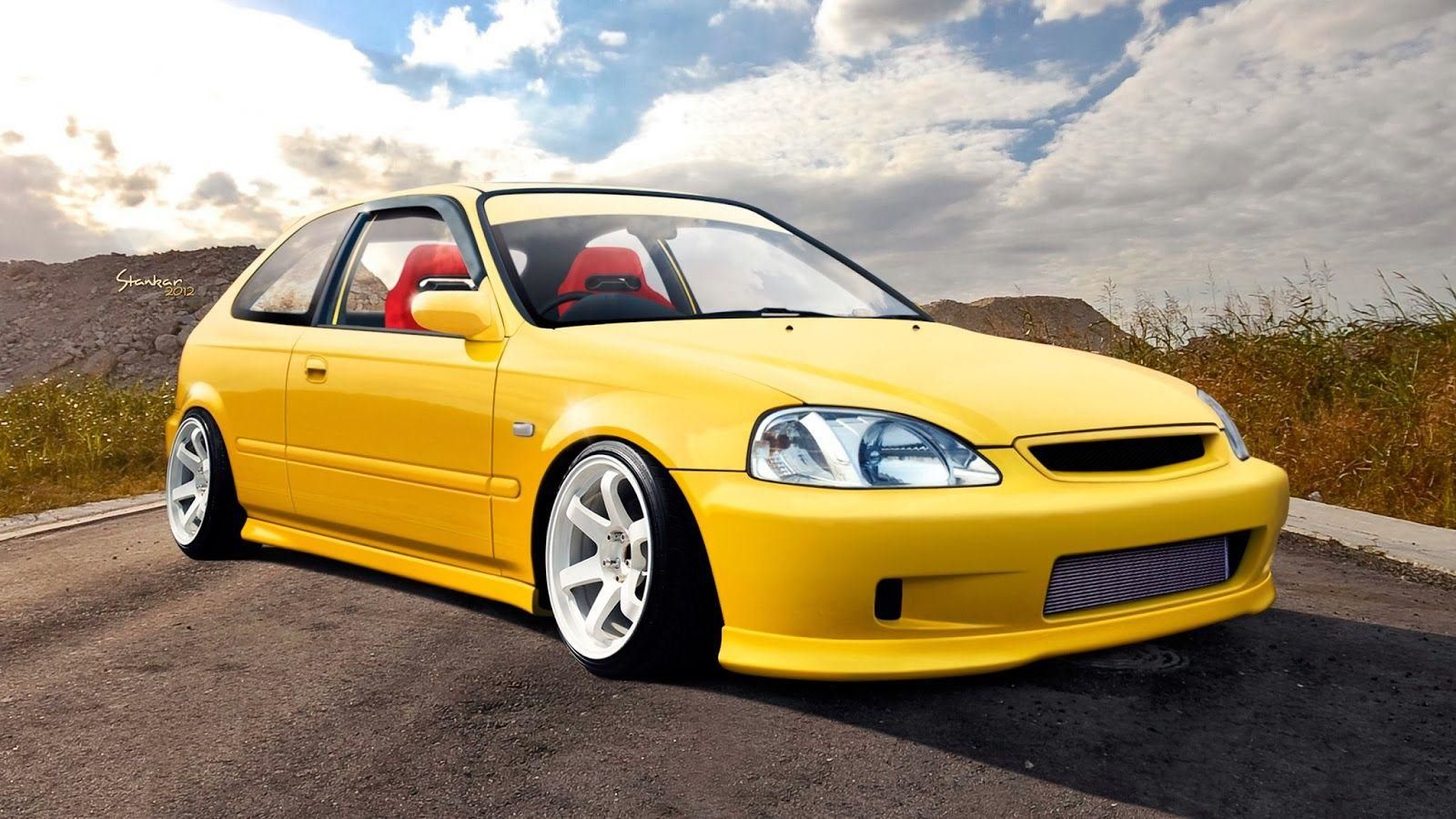
Drag racing is another domain where these Civics excel. A recent Turbo K20 EG Hatch we covered runs 7-second passes, and other EG drag builds have reached astonishing 1000-horsepower AWD conversions. Turbo EGs, in particular, have proven themselves as one of the most rewarding builds to undertake.
These cars give you unmatched options, something you rarely see in later Civics like the FA5 or FG2, which don’t even offer rear-wheel drive setups. And from what we know, there’s only one AWD FK8 making the rounds today.
Sure, other Hondas have their strengths and may outperform the EG and EK in specific areas, but when you look at affordability, modifiability, and overall versatility, these two generations of Civic remain incredibly hard to beat.
Also Read: 10 Legendary Inline-Four Engines That Refuse to Die
Cars With Cult Followings That Don’t Deserve It
Not every car that earns a cult following truly deserves the hype. While some vehicles achieve legendary status for good reason, others gain devoted fanbases for quirks that are more frustrating than fantastic.
From overblown reputations to mechanical headaches hidden behind a shiny exterior, these are the cars that enthusiasts love, sometimes blindly, despite their glaring flaws.
In this article, we take a closer look at vehicles that have earned cult followings, and why, in reality, their acclaim might be a little undeserved.
1. Pontiac Aztek
The Pontiac Aztek has become something of an ironic icon thanks in part to Breaking Bad but let’s be honest: it doesn’t deserve the love it sometimes gets today.
Marketed as a futuristic crossover in the early 2000s, it ended up being awkwardly designed and poorly executed.
While it offered practicality, including a tent option and plenty of cargo space, it was underpowered and uninspiring to drive. Its cult status now rests on nostalgia and memes rather than genuine automotive excellence.
The Pontiac Aztek made its first public appearance as a concept car in 1999, designed as a versatile SUV aimed at the Gen X buyer. It officially launched in 2000 for the 2001 model year, entering the crossover market alongside vehicles like the Honda CR-V.
General Motors had ambitious sales goals of around 75,000 units per year, but by the end of 2002, the Aztek had sold just 27,793 units, an amount that would stand as its best annual performance. Clearly, it fell short of expectations.
Under the hood, the 2001 Pontiac Aztek came with a 3.4-liter six-cylinder engine producing 185 horsepower and 210 lb-ft of torque, paired with a 4-speed automatic transmission and available in both front-wheel and all-wheel-drive configurations.
While some may debate which vehicle truly qualifies as the first crossover, with contenders like the Lada Niva, AMC Eagle, and Jeep Cherokee XJ, modern crossovers trace much of their DNA to the mid-1990s Toyota RAV4.
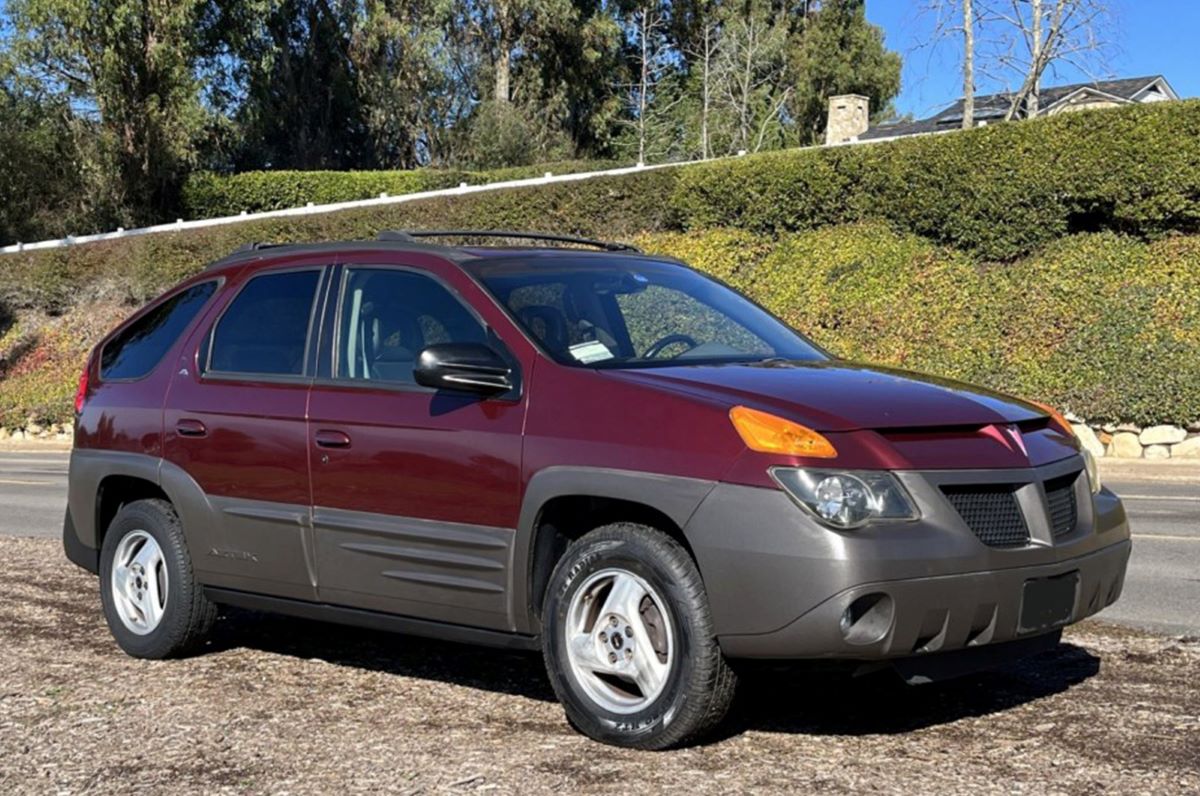
In a market where many still considered the Jeep Wrangler a “truck” in the late 1990s, the Aztek was boldly stepping into largely uncharted territory, making it a pioneer in the segment.
In the early 2000s, SUVs were only beginning to gain traction, with the Ford Explorer being the only SUV among the top ten best-selling vehicles in 2001. Sedans like the Ford Taurus and pickups such as the Dodge Ram dominated sales.
Body-on-frame SUVs were just starting to become popular, and unibody, car-like crossovers like the Aztek were rare. Essentially, Pontiac was trying to lead a segment that barely existed.
The Aztek also anticipated the overlanding and adventure vehicle trend. While off-roading and camping rigs are a major focus today, Pontiac offered innovative accessories, including a removable cooler and the unique Aztek camping tent, which transformed the rear of the SUV into a small camper.
This concept catered to the “active lifestyle Gen Xer” who wanted adventure without committing to a dedicated RV, effectively turning the Aztek into a daily driver that could double as a part-time adventure vehicle.
In retrospect, while the Pontiac Aztek may have failed commercially, it was undeniably forward-thinking, foreshadowing the crossover boom, fuel efficiency demands, and adventure-ready features that would dominate the automotive landscape just a few years later.
2. DeLorean DMC-12
The DeLorean DMC-12’s stainless-steel body and gullwing doors make it one of the most recognizable cars in history but that fame owes more to Back to the Future than to its real-world performance.
Beneath the cinematic allure was a sluggish 130-horsepower V6 and handling that never lived up to its looks.
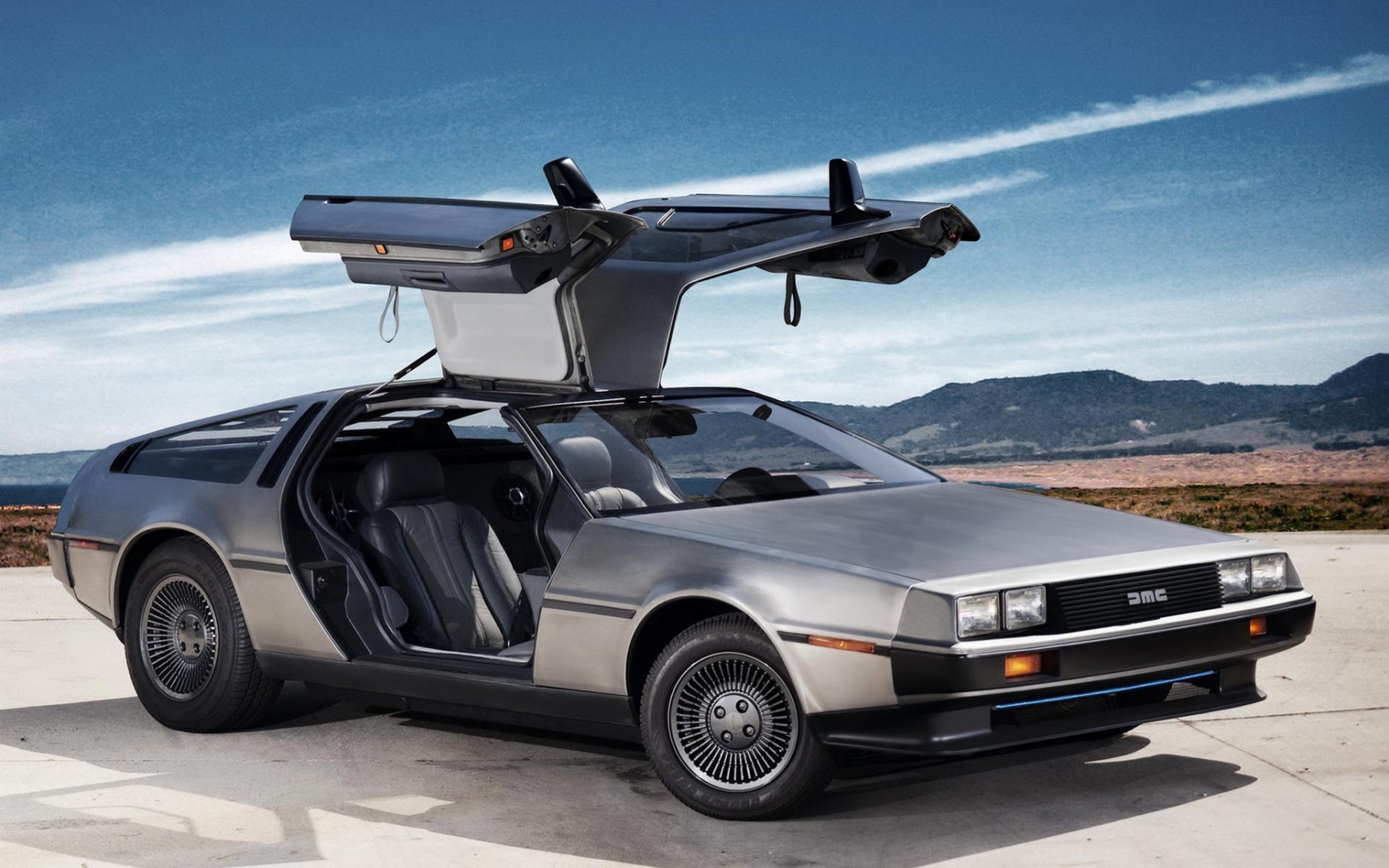
Its cult following is understandable, but it’s built on Hollywood magic rather than automotive substance. In truth, the DeLorean’s reputation as a time machine is the only reason it’s remembered fondly at all.
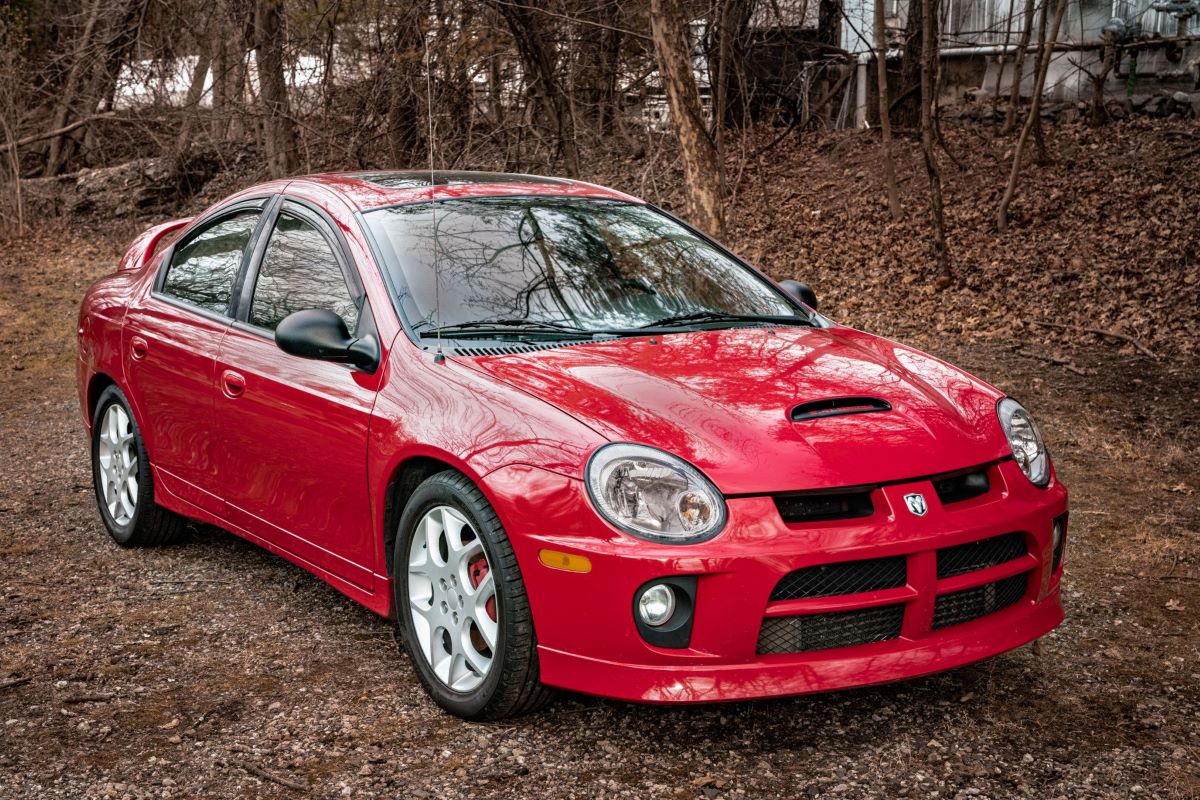
3. Dodge Neon SRT-4
In the early 2000s, the Dodge Neon SRT-4 earned a loud, loyal following for being one of the cheapest ways to go fast. But with time, it’s clear that much of that enthusiasm was misplaced.
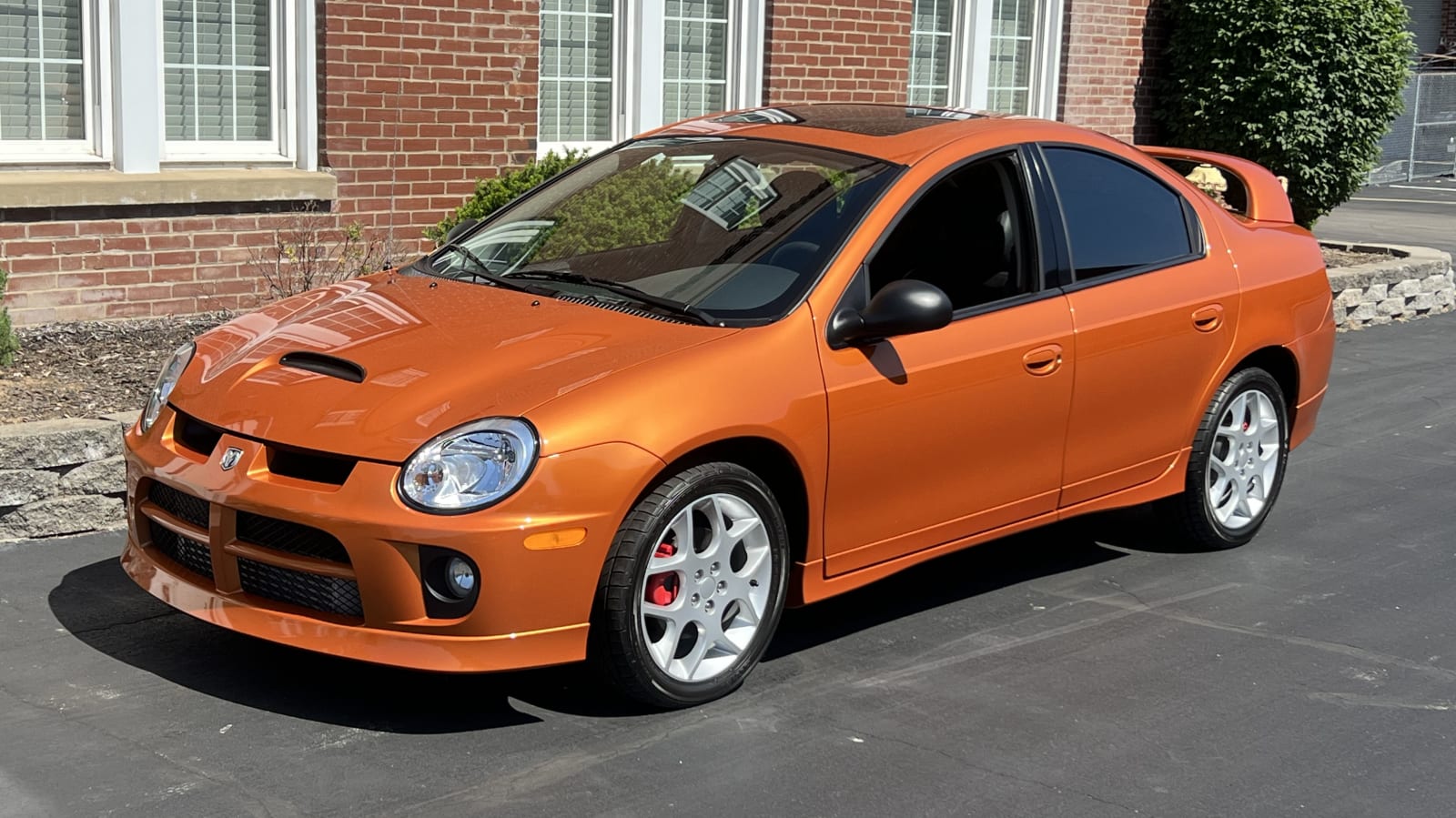
While its turbocharged engine offered legitimate speed, the rest of the package build quality, ride comfort, and refinement fell far short.
It’s a cult classic mostly because of nostalgia for a bygone era of raw, budget performance.
During the 1980s, Chrysler enlisted the help of none other than Carroll Shelby to inject some much-needed performance into its mainstream lineup, and he certainly delivered.
Models like the Omni GLHS and Daytona GLHS offered tire-smoking thrills, though they sent power to the front wheels rather than the rears like Shelby’s iconic Mustangs. Fast forward to the early 2000s, and Dodge revived that same high-octane spirit with an economy sedan that was boosted to the heavens.
The Dodge Neon SRT-4 represented pure, affordable speed when it debuted—and became even cheaper and faster once it hit the used market and enthusiasts started modifying it.
Unfortunately, many of these high-strung sport compacts didn’t make it past their third or fourth owners, thanks to heavy right feet and easy access to aftermarket performance parts.
However, this particular 2004 example tells a different story. It’s a single-owner car with just 51,000 miles on the clock, and it’s currently listed for sale on Bring a Trailer.
Beneath its vented hood sat a 2.4-liter four-cylinder engine paired with a Mitsubishi-sourced turbocharger. A large intercooler helped keep intake temperatures low, allowing the SRT-4 to deliver 230 horsepower and 245 lb-ft of torque.
Power was routed to the front wheels through a five-speed manual transmission and a limited-slip differential, making it a true driver’s car for enthusiasts on a budget.
This particular SRT-4 leans a bit toward the “dad-spec” side, having been purchased new by the seller’s father. As a result, it features the more relaxed factory seats instead of the aggressive, Viper-inspired sport seats Dodge offered.
Perhaps it’s time for Dodge to dig through its archives and consider bringing back some turbocharged, four-cylinder insanity at an affordable price point.
This low-mileage SRT-4 stands as a reminder of when Dodge was all about delivering cheap thrills.
4. Hummer H2
The Hummer H2 is often seen as a symbol of excess rather than excellence. Its cult following, primarily from the early 2000s, came from its “military tough” image and celebrity appeal.
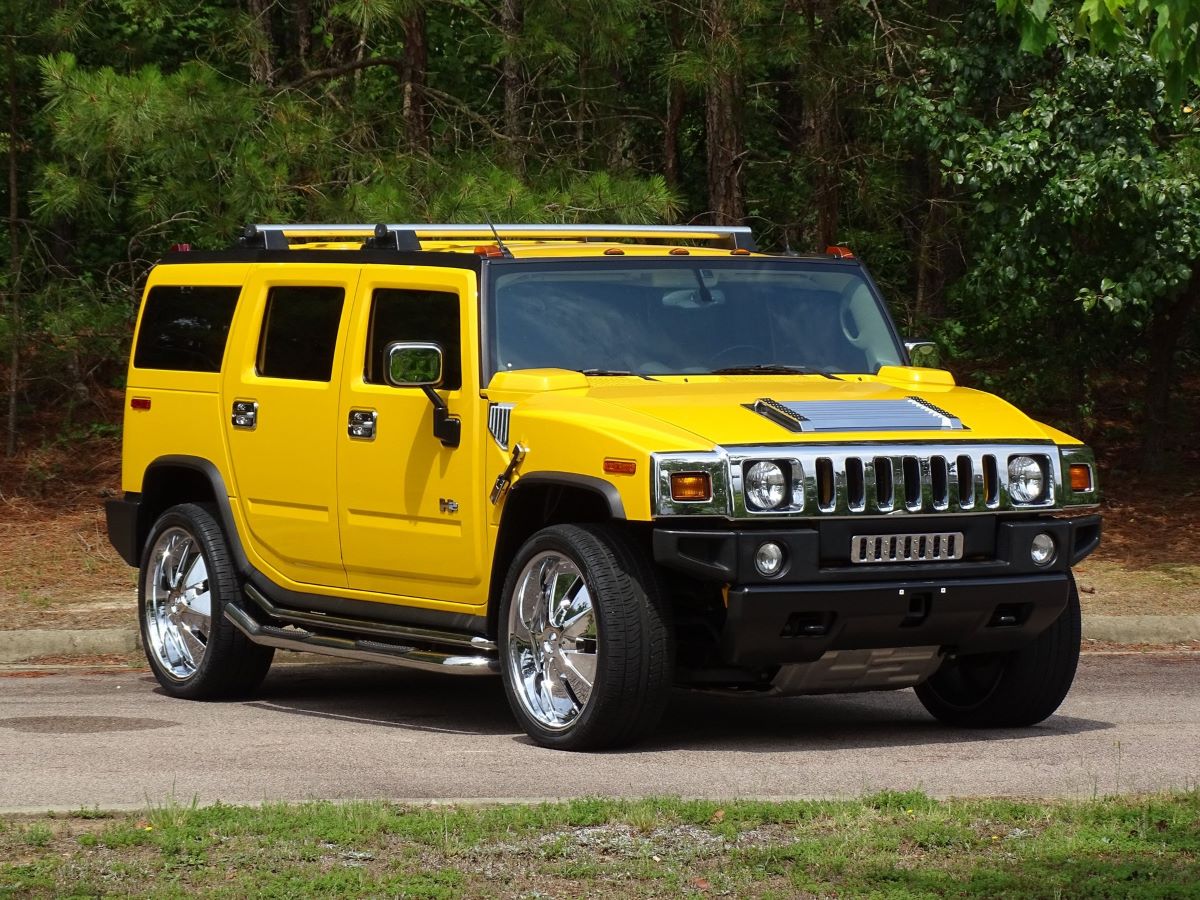
But underneath the imposing bodywork was a GM truck chassis weighed down by over 6,000 pounds of steel and plastic. Its off-road performance was fine, but its fuel economy and handling were atrocious.
Today’s EV Hummer has redeemed the name, but the H2’s cult following was never truly earned it was built on image alone.
Now in its second generation, the Hummer H2 continued to command attention wherever it went, combining bold street presence with the same rugged, go-anywhere off-road capabilities that made it famous.
The H2 came in a single body style and trim level, but buyers could enhance it with numerous features and two optional packages.
Standard equipment included dual-zone climate control, an OnStar communication system, and keyless entry for added convenience.
One available package, the Adventure, introduced self-leveling rear air suspension, an upgraded audio system, and a sturdy front brush guard for improved off-road readiness.
The Lux package, on the other hand, added premium touches such as leather upholstery, exterior chrome accents, roof racks, and the Adventure package’s enhanced audio setup.
Buyers could also choose from several standalone options, including heated front and rear seats, a power sunroof, and an overhead light bar for extra visibility.
Powering the H2 was a 6.0-liter V8 engine that produced 316 horsepower and 360 lb-ft of torque, delivering strong performance both on and off the pavement.
Although the redesigned Hummer H2 was intended to serve as a daily driver, it wasn’t the most comfortable or refined option for city streets or highway cruising.
5. Volkswagen Beetle (New Beetle, 1998–2011)
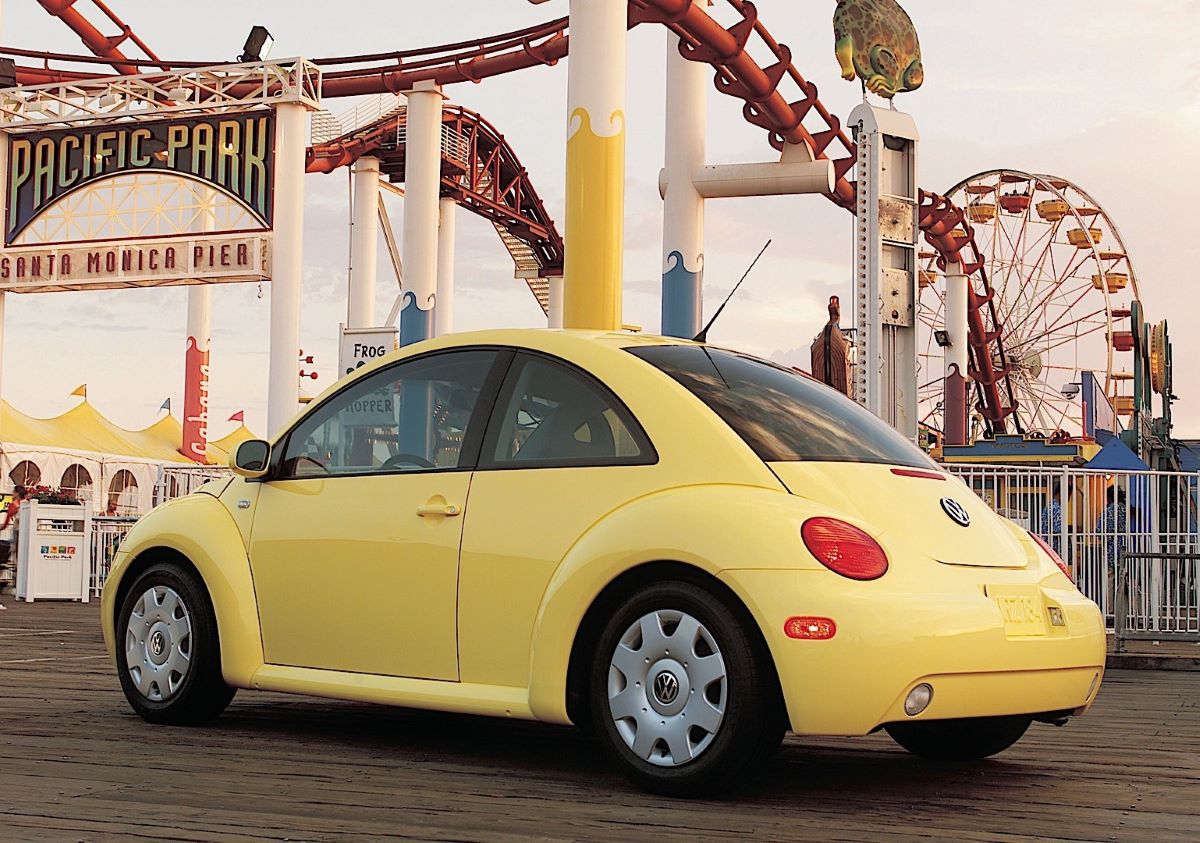
There’s no denying the original VW Beetle changed the world, but the New Beetle revival in the late 1990s doesn’t deserve the same admiration. While it sparked a wave of nostalgia, it was more style than substance.
Built on a Golf platform, it offered little innovation, limited practicality, and a design that quickly felt dated. Enthusiasts clung to its retro charm, but the driving experience never matched the emotional promise.
In hindsight, its cult following feels more like a fashion statement than genuine affection for great engineering.
The automotive world is full of icons some built on legitimate achievement, others on pop culture and nostalgia. Cars like the Miata, Supra, and Wrangler continue to inspire because they connect drivers to something visceral and authentic.
Others, like the DeLorean and H2, survive as curiosities interesting, yes, but hardly worthy of the reverence they sometimes receive.
A car’s cult following says as much about people as it does about the vehicle itself. Some cars become beloved because they embody freedom, joy, or innovation.
Others become famous for their flaws or appearances on screen. Either way, every cult classic deserved or not tells a story about the ever-evolving relationship between Americans and their machines.
