
Nothing kills your road trip faster than an air conditioning system that decides to quit working right when you need it most. Picture this: you’re stuck in traffic under the blazing sun, sweat dripping down your face, and your SUV’s AC is blowing hot air like a faulty hair dryer.
Frustrating, right? This scenario plays out more often than you’d think, and it’s not always because owners neglect their vehicles. Some SUVs simply have air conditioning systems built to last, while others seem designed to fail at the worst possible moments.
Air conditioning repairs can drain your bank account faster than fuel consumption during rush hour. A simple refrigerant recharge might cost you a few hundred, but compressor replacements or evaporator repairs?
You’re looking at bills that make grown adults cry. Worse still, AC problems rarely announce themselves politely. One day, everything works fine, the next da,y you’re driving a mobile sauna that nobody wants to ride in.
Smart buyers need to know which SUVs will keep them cool for years without constant trips to the mechanic. This guide separates the reliable champions from the problematic troublemakers. We’ve identified five SUVs with air conditioning systems that rarely cause headaches, and five that will have you on a first-name basis with your AC repair shop.
Whether you’re shopping for a new family vehicle or considering a used SUV, this information could save you thousands in repair costs and countless hours of discomfort. Let’s get into which models deserve your trust and which ones should make you run in the opposite direction.
SUVs That Rarely Need AC Repairs
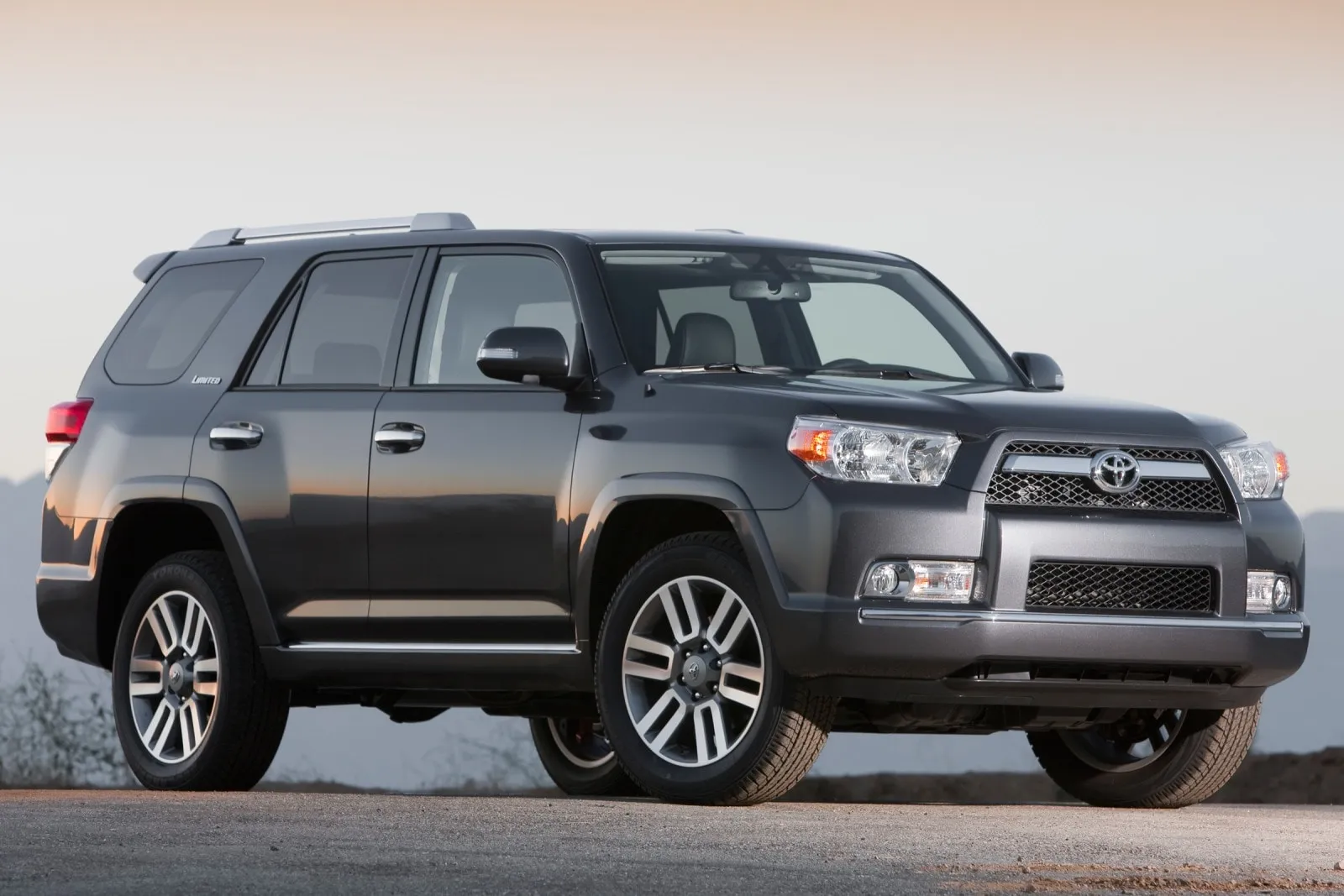
1. Toyota 4Runner (2010-2015 Models)
Built like a tank with an AC system that refuses to quit, the fifth-generation 4Runner stands out for reliability. These SUVs handle extreme temperatures across different climates without breaking a sweat, literally and figuratively.
Owners consistently report that their air conditioning systems work perfectly even after a decade of hard use. Toyota engineered this system with durability as the top priority, not just cooling performance.
What makes this 4Runner’s AC system so dependable? Simple, robust components that don’t fail easily. The compressor is built with a heavy-duty design, designed to handle constant cycling without wearing out prematurely.
Refrigerant leaks are rare because Toyota used quality seals and connections throughout the system. Even the evaporator, which sits hidden behind the dashboard and costs a fortune to replace in most vehicles, rarely develops problems in these 4Runners.
Climate control electronics deserve special mention. While many modern SUVs suffer from complicated computer systems that constantly malfunction, the 4Runner keeps things straightforward. Blend door actuators work reliably without the clicking noises that plague other brands.
Temperature sensors remain accurate. Blower motors last surprisingly long before needing replacement, and when they finally do fail, the repair costs stay reasonable compared to luxury competitors. Cabin insulation helps the AC system work efficiently without overworking itself.
Good door seals prevent cool air from escaping, reducing strain on the compressor. This efficiency means less wear and tear, which translates to fewer repairs down the road. Regular maintenance is still necessary, but you won’t face the constant expensive fixes that other SUVs demand. Filter changes and occasional refrigerant checks keep everything running smoothly.
Desert dwellers love these 4Runners for good reason. Even in scorching conditions where other vehicles’ AC systems struggle, the Toyota keeps delivering cold air consistently. The system cools the cabin quickly and maintains the temperature effectively.
Three-zone climate control in higher trims works just as reliably as the basic setup. After years of ownership, most people report their AC works exactly as it did when new. This reliability is exactly why the 4Runner maintains strong resale value.
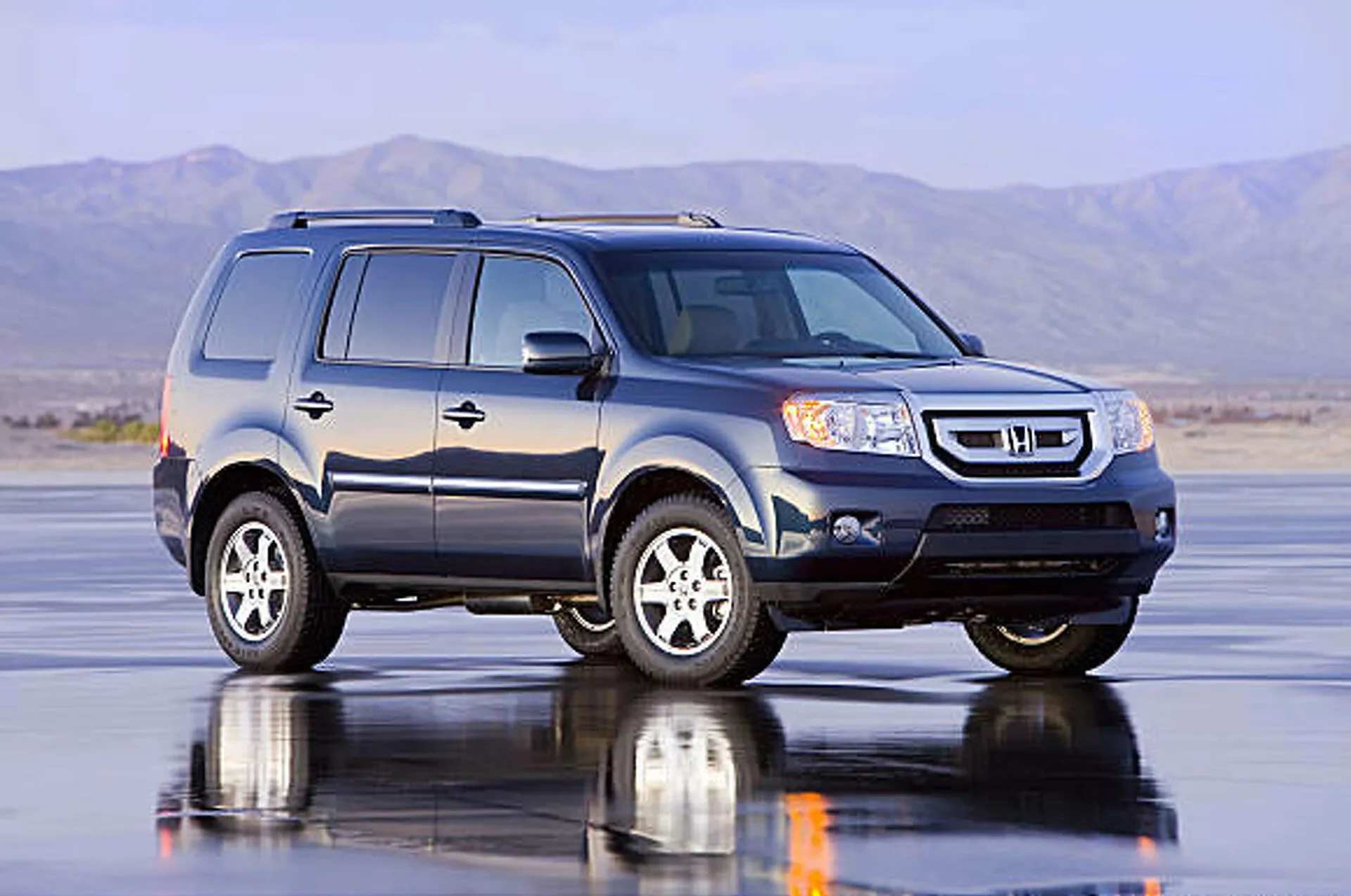
2. Honda Pilot (2009-2015 Models)
Families depend on reliable air conditioning, and the second-generation Pilot delivers without drama. These SUVs have proven themselves across hundreds of thousands of kilometres with AC systems that just keep working.
Honda approached climate control design with practicality in mind, creating systems that technicians rarely see for anything beyond routine service. Parents appreciate not having to deal with AC failures during family road trips.
Compressors in these Pilots are exceptionally durable. Honda used proven designs that handle daily use without premature wear. The clutch mechanism engages smoothly and lasts much longer than average.
Refrigerant levels stay stable because the system is sealed properly from the factory. Leaks occasionally happen after many years, but they’re far less common than competing brands from the same period.
Electrical components controlling the climate system prove equally reliable. Relay switches don’t burn out constantly. Pressure sensors continue functioning accurately.
Even the AC control panel buttons and dials hold up better than expected, maintaining smooth operation when similar parts in other SUVs become sticky or unresponsive. Blower motor speeds adjust properly without strange noises or erratic behaviour.
Rear climate controls add another potential failure point in most SUVs, but not here. Honda engineered these systems to work reliably even with multiple zones.
Rear passengers enjoy consistent cooling without the front system suffering performance issues. Both systems operate independently when needed, yet they don’t overtax the compressor. This balanced approach prevents the overworking that causes premature component failure in lesser vehicles.
Replacement parts remain affordable and readily available when maintenance becomes necessary. You won’t spend days waiting for special-order components to arrive from overseas. Any competent mechanic can service these AC systems without expensive diagnostic equipment.
This accessibility keeps ownership costs down and ensures you won’t suffer through extended periods without air conditioning. The Pilot proves that Honda’s reputation for reliability extends to climate control systems just as much as engines and transmissions.
Also Read: 5 SUVs With Common Parts vs 5 With Rare Ones
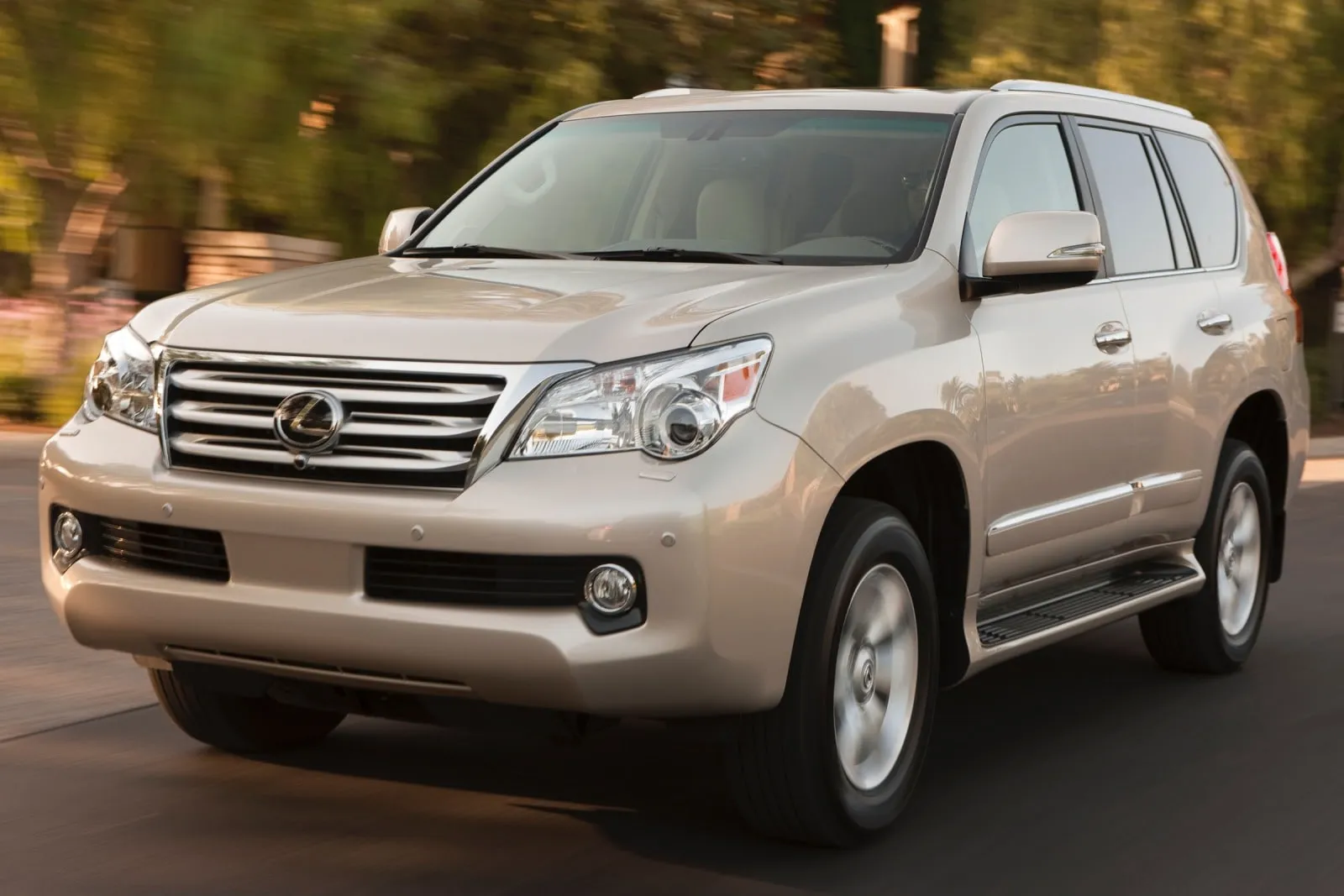
3. Lexus GX 460 (2010-2015 Models)
Luxury should include reliable air conditioning, and the GX 460 delivers this expectation beautifully. Built on the same platform as the 4Runner but with premium components, this Lexus offers bulletproof climate control that befits its price tag.
Owners enjoy cold, consistent air conditioning that requires minimal attention year after year. The extra money you pay upfront translates directly into fewer repair bills later.
Quality materials separate this system from cheaper alternatives. Lexus uses superior seals that don’t deteriorate quickly under heat and pressure. Hoses remain flexible and leak-free for much longer than economy brands.
Even the compressor clutch assembly benefits from better metallurgy and tighter manufacturing tolerances. These details might sound boring, but they determine whether you’re comfortable or sweating five years down the road.
Automatic climate control systems in luxury vehicles often become expensive nightmares as they age. Not so with the GX 460. Temperature sensors maintain accuracy without the constant recalibration that plagues German competitors.
Actuator motors move blend doors smoothly and quietly without binding or breaking. The computer modules that control everything prove remarkably stable, avoiding the glitchy behaviour that makes other premium SUVs unbearable to own long-term.
Cabin air filtration systems work efficiently without clogging prematurely. Clean filters help the AC system operate at peak efficiency, reducing strain on the compressor. Even the evaporator stays cleaner longer thanks to a better drainage design that prevents moisture buildup. This attention to detail throughout the entire climate control system explains why GX 460 owners rarely complain about AC problems.
Service intervals stretch longer than average because these systems simply don’t wear out quickly. You’ll change cabin filters and occasionally check refrigerant levels, but major repairs remain rare.
When service is needed, Lexus dealers provide excellent support, though independent mechanics can handle most tasks easily. After years of ownership, your AC will likely work as well as the day you bought it. This reliability justifies the premium you pay for the Lexus badge.
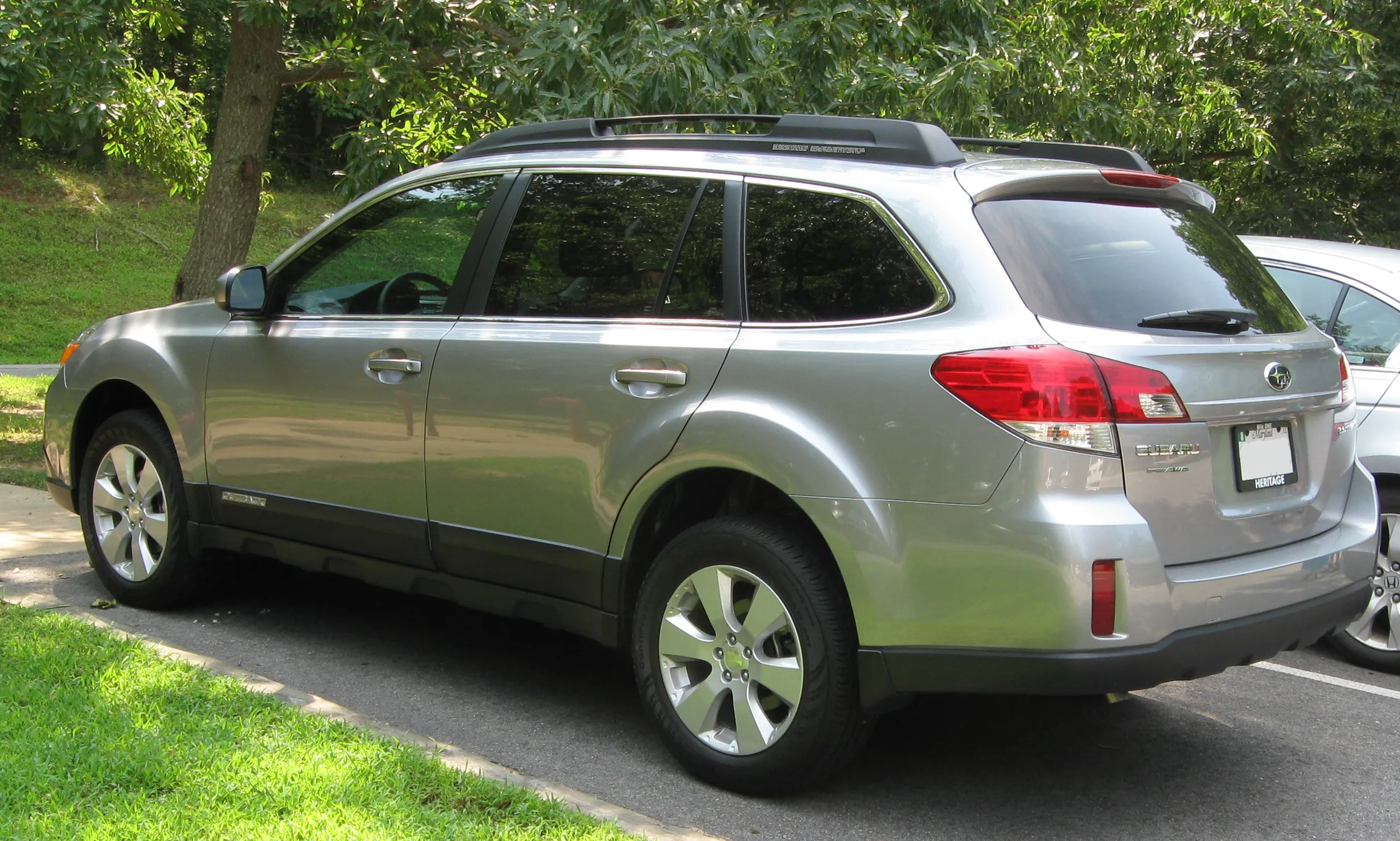
4. Subaru Outback (2010-2014 Models)
All-wheel drive gets attention in Subaru marketing, but the fourth-generation Outback’s air conditioning deserves equal praise. These wagons, marketed as SUVs, feature climate control systems that endure harsh conditions without constant repairs.
Owners across different climates report consistent satisfaction with AC reliability. Subaru built these systems to handle temperature extremes that would challenge lesser vehicles.
Compressor design in these Outbacks emphasizes longevity rather than maximum cooling power. This conservative approach means the unit doesn’t work at its limits constantly, reducing wear and extending lifespan.
Cycling happens smoothly without the harsh engagement that damages clutch assemblies in other brands. Even after 200,000 kilometres, many original compressors continue functioning perfectly.
Electronic climate control components show impressive durability. Blend door actuators rarely fail, maintaining proper air direction and temperature mixing for years.
Blower motors operate quietly at all speeds without developing annoying vibrations or grinding noises. Speed control modules don’t burn out like they do in many competing vehicles. Even simple things like control knobs and buttons remain functional and responsive when others become loose or sticky.
Evaporator cores benefit from smart engineering that prevents the premature corrosion plaguing other manufacturers. Subaru designed drainage systems that remove condensation effectively, preventing the mould and bacteria growth that causes foul odours and component damage.
This attention to moisture management extends the life of expensive hidden components that require dashboard removal for replacement. Prevention is always cheaper than repair.
Cold-weather performance deserves mention because Subaru owners often live in harsh climates. These AC systems double as dehumidifiers during winter, preventing window fogging without the failures common in other brands.
The compressor handles year-round operation reliably, unlike systems designed only for summer use. When you need dependable climate control regardless of season or weather, the Outback delivers without the constant repairs that make other vehicles frustrating to own.
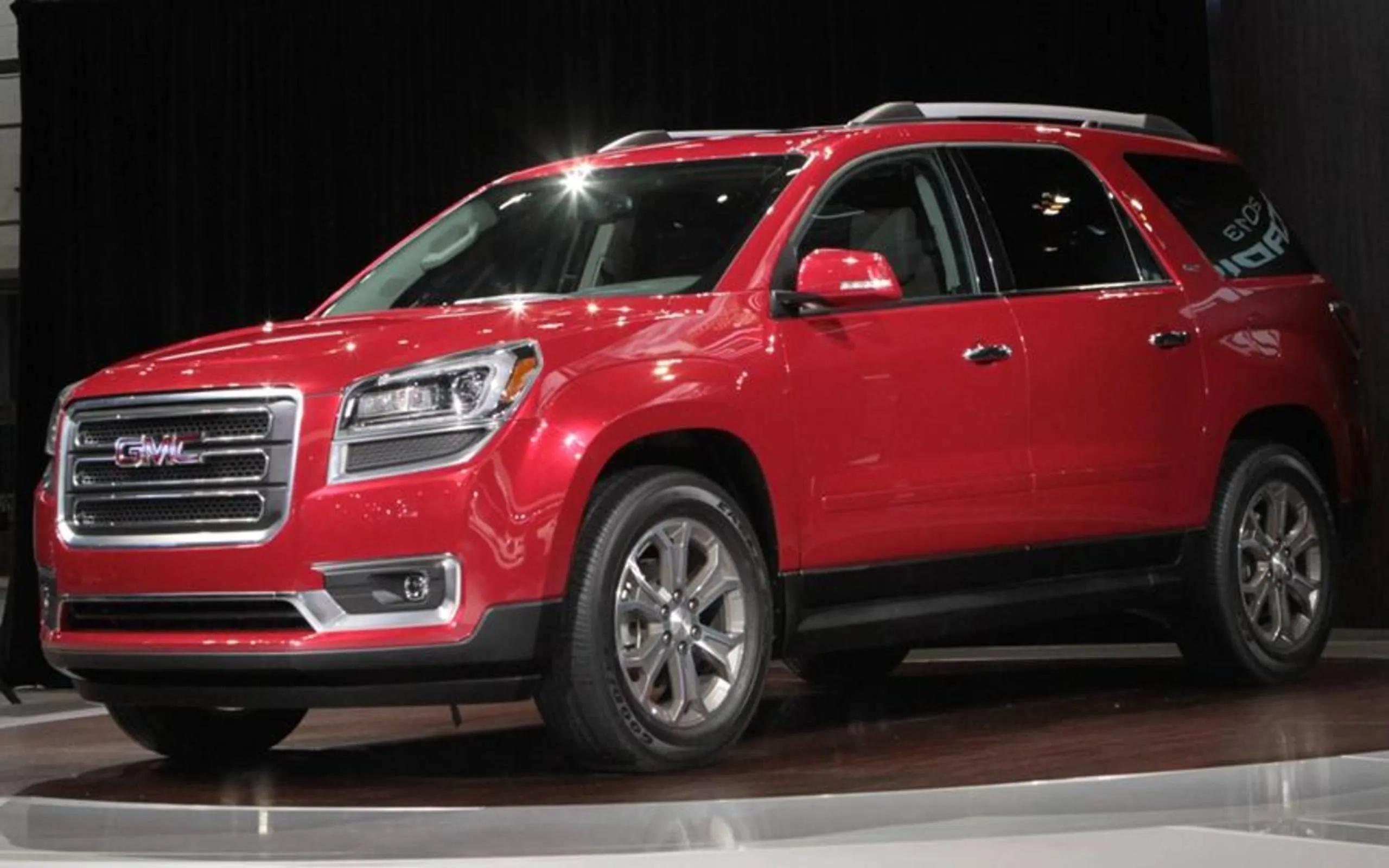
5. GMC Acadia (2013-2016 Models)
American SUVs don’t always get credit for reliability, but the second-generation Acadia breaks this stereotype with its dependable AC system. These family haulers feature climate control that handles the demands of transporting multiple passengers without constant breakdowns.
Parents appreciate not having to schedule repair appointments every summer before vacation season arrives. General Motors got it right with this model’s air conditioning design.
Tri-zone climate control sounds like three times the problems, but GM engineered these systems properly. Independent temperature control for front, second, and third rows operates smoothly without overtaxing the compressor or causing electrical gremlins.
Each zone maintains its selected temperature accurately, keeping everyone comfortable without arguments. This setup handles real-world family use better than cheaper single-zone systems that leave rear passengers sweating.
Compressor quality improved dramatically in these models compared to earlier GM products. Cycling happens seamlessly, and the clutch assembly lasts much longer than previous generations.
Refrigerant stays contained within the system thanks to better seals and connections throughout. Leaks still happen occasionally after many years, but at rates comparable to Japanese brands rather than the constant problems that plagued earlier American SUVs.
Blower motors and associated electronics perform reliably across all three zones. Speed adjustments work smoothly without the erratic behaviour that makes other brands annoying to use.
Cabin air filters are easily accessible for regular changes, encouraging proper maintenance that keeps the entire system healthy. When filters stay clean, the AC doesn’t work as hard, extending component life naturally.
Replacement parts remain affordable despite this being a domestic brand that some mistakenly assume uses expensive proprietary components. Most repairs, when needed, cost less than foreign luxury brands and even some mainstream imports.
Service is convenient because GM dealers and independent shops both handle these vehicles competently. This combination of good initial reliability and reasonable repair costs makes the Acadia a smart choice for families needing dependable air conditioning without breaking their budget.
SUVs That Constantly Need AC Repairs
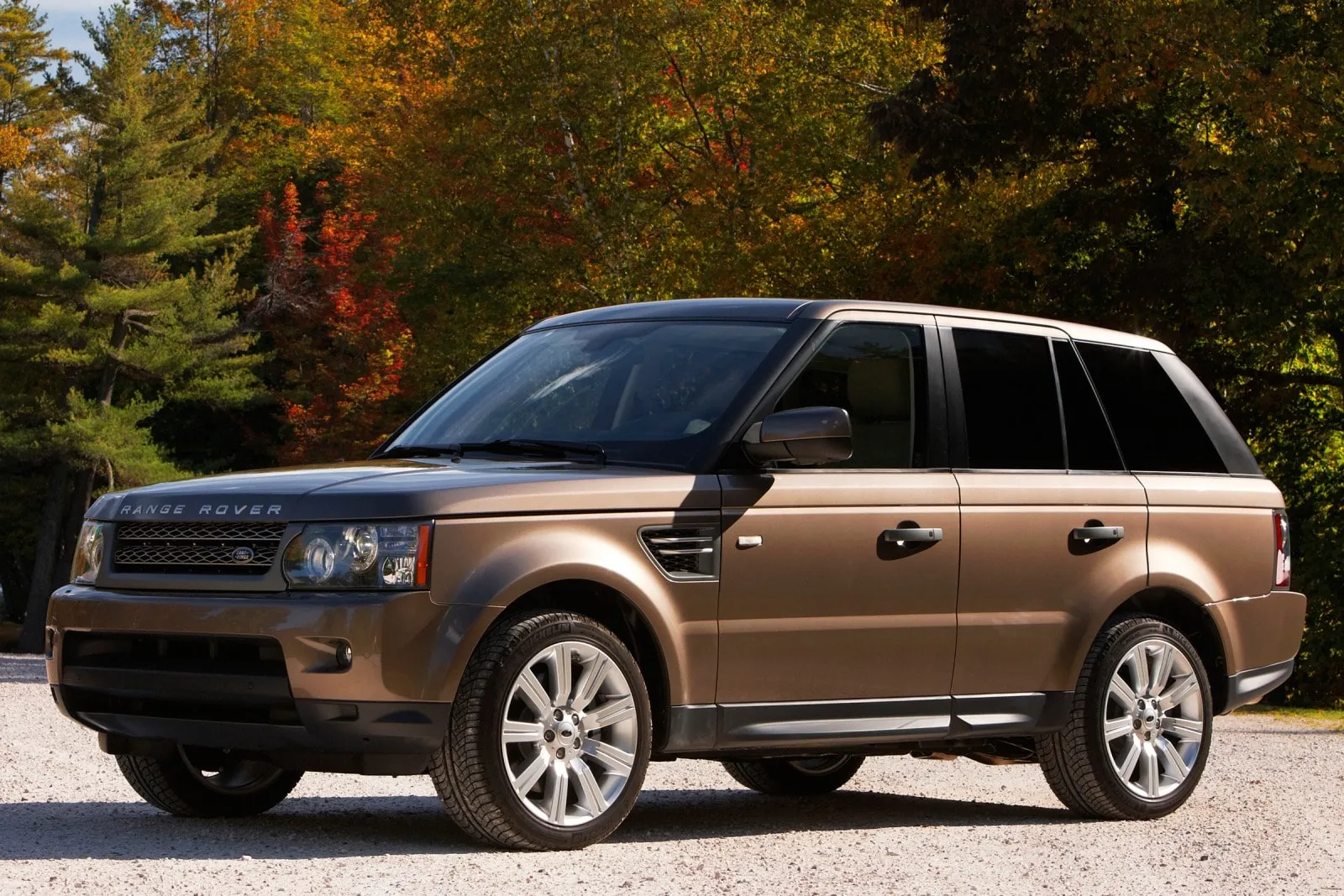
1. Range Rover Sport (2010-2013 Models)
British luxury comes with British problems, and the second-generation Range Rover Sport’s AC system exemplifies this perfectly. These SUVs might look impressive parked at fancy restaurants, but their climate control systems fail with alarming regularity.
Owners quickly learn that the prestige badge costs far more than the purchase price when repair bills start arriving. What begins as a dream vehicle transforms into a financial nightmare.
Compressor failures happen prematurely and expensively. Land Rover used complicated designs that don’t handle real-world stress well. Clutch assemblies wear out quickly, requiring complete compressor replacement rather than simple repairs.
Refrigerant leaks appear constantly because seals deteriorate faster than they should. Finding and fixing these leaks becomes an expensive treasure hunt that never seems to end permanently.
Electronic climate control modules fail regularly, causing erratic behaviour that makes the vehicle unbearable. Temperature settings become meaningless as blend doors move randomly or stop working entirely.
Diagnostic computers throw error codes constantly, yet finding the actual problem requires expensive specialist equipment and experience. Independent mechanics often refuse to work on these systems, forcing you to dealerships that charge premium rates for everything.
Dual-zone and tri-zone systems multiply the problems exponentially. More zones mean more actuators, sensors, and potential failure points. When one zone stops working, it often affects the others, creating cascading problems that cost thousands to repair properly.
Parts must be ordered from overseas, meaning you’ll suffer through weeks without air conditioning while waiting for components to arrive. Loaner vehicles aren’t always available at independent shops. Evaporator and heater core failures require complete dashboard removal, a labour-intensive process that costs more than many people’s monthly rent.
These failures happen far too frequently in Range Rover Sports compared to reliable Japanese brands. Moisture management is poor, leading to mould growth and foul odours that indicate expensive repairs are coming. After a few years of ownership, many people sell these SUVs rather than face another summer of expensive AC problems.
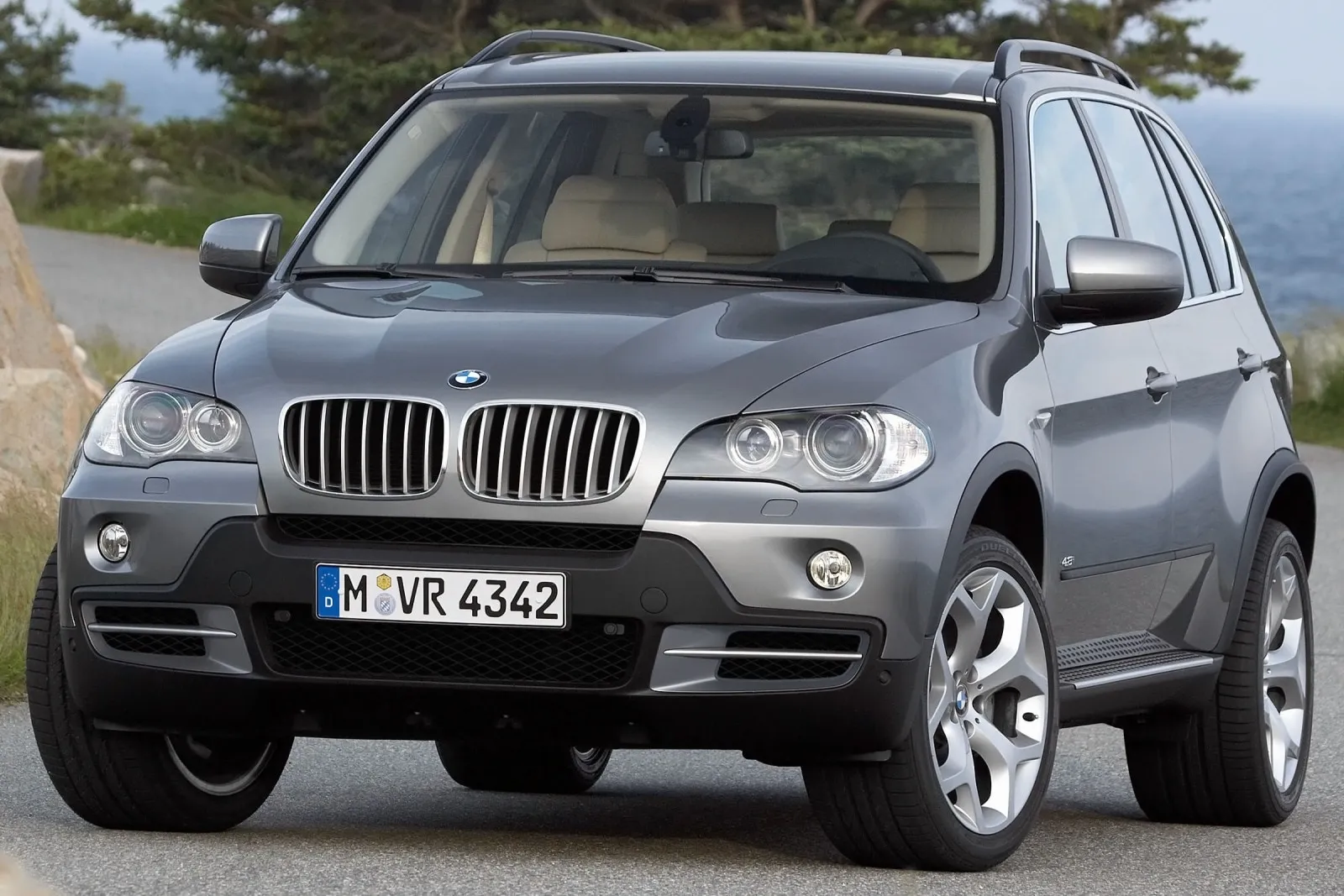
2. BMW X5 (2007-2013 Models)
German engineering sounds impressive until you own an E70 X5 and watch your AC system disintegrate. These SUVs feature unnecessarily complicated climate control that fails constantly and costs absurd amounts to repair.
BMW prioritized features and technology rather than durability, creating systems that frustrate owners for years. What seems like a smart purchase becomes a source of constant stress and expense.
Compressors in these X5s are fragile and expensive. They fail prematurely, often taking out other components when they die. Metal shavings from worn compressors circulate through the system, damaging expansion valves and clogging orifices.
Complete system flushes become necessary, multiplying repair costs dramatically. Even with proper maintenance, these compressors simply don’t last as long as Japanese equivalents.
Electronic failures plague these vehicles relentlessly. Final stage resistors controlling blower speeds burn out regularly, leaving you with only one fan speed or none at all.
Replacing this part requires special tools and knowledge that most general mechanics don’t have. Temperature sensors fail frequently, causing erratic cooling performance. Actuator motors bind and break, creating clicking noises that drive owners crazy before the AC stops working entirely.
Refrigerant leaks develop constantly throughout the system. Condensers mounted in front get damaged easily by road debris, requiring expensive replacement. O-rings and seals deteriorate faster than they should, causing slow leaks that are difficult to locate.
You’ll spend hundreds on refrigerant recharges annually before finally addressing the root cause, which costs thousands. This cycle of temporary fixes and eventual expensive repairs defines X5 ownership. Parts costs border on criminal. A compressor that costs three hundred for a Toyota runs over a thousand for the BMW, before installation labour.
Specialized diagnostic equipment means you can’t avoid dealership service rates. Independent mechanics who work on these vehicles charge nearly as much because the hassle isn’t worth cheap prices. After years of ownership, you’ll have spent enough on AC repairs to buy a reliable used SUV outright.
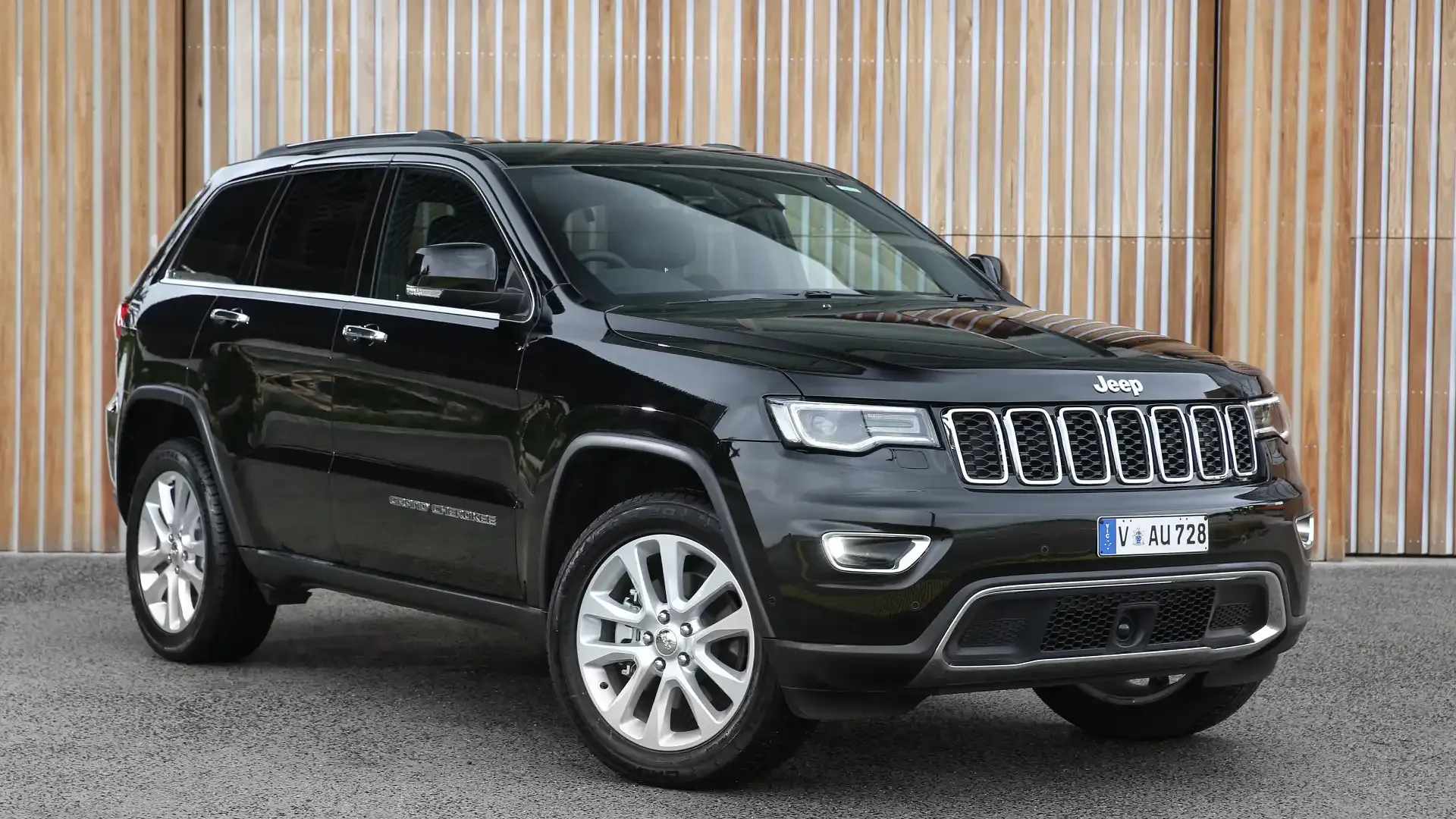
3. Jeep Grand Cherokee (2011-2013 Models)
Chrysler’s flagship SUV disappoints terribly when it comes to air conditioning reliability. These Grand Cherokees feature climate control systems that fail frequently and frustrate owners constantly.
What should be a dependable family vehicle becomes a source of summer misery when the AC quits working again. Jeep’s reputation for adventure doesn’t include reliable cooling, apparently.
Compressor clutches fail prematurely in these models, a common problem that affects many owners. When the clutch goes, the entire compressor usually needs replacement because Jeep used designs that don’t allow easy clutch-only repairs.
These failures happen far too early in the vehicle’s life, often while still under warranty, but then repeat shortly after coverage expires. The pattern suggests fundamental design problems rather than isolated bad luck.
Blower motor issues become chronic annoyances. These motors burn out frequently, leaving you without air circulation. Speed control modules fail regularly, causing erratic fan behaviour or complete loss of blower function.
Resistor failures mean you might only get high speed or nothing at all. For an SUV marketed toward families, these reliability problems are unacceptable, yet they persist across multiple model years without proper fixes from the manufacturer.
Blend door actuators break constantly, creating clicking sounds that announce their impending failure. These cheap plastic components can’t handle the stress of regular use, breaking gears and binding mechanisms.
When they fail, you lose temperature control or proper air direction. Replacing them requires dashboard disassembly in some cases, turning a cheap part into an expensive repair. Multiple actuators exist throughout the system, and they all seem to fail eventually.
Evaporator leaks plague these Grand Cherokees more than they should. When this component fails, you face dashboard removal and enormous labour bills. These leaks develop after just a few years rather than the decade or more you’d expect from well-designed systems.
Adding insult to injury, the repair process often damages other components, creating additional problems. Many owners trade in their Jeeps rather than face these repairs, taking huge losses just to escape the constant AC problems.
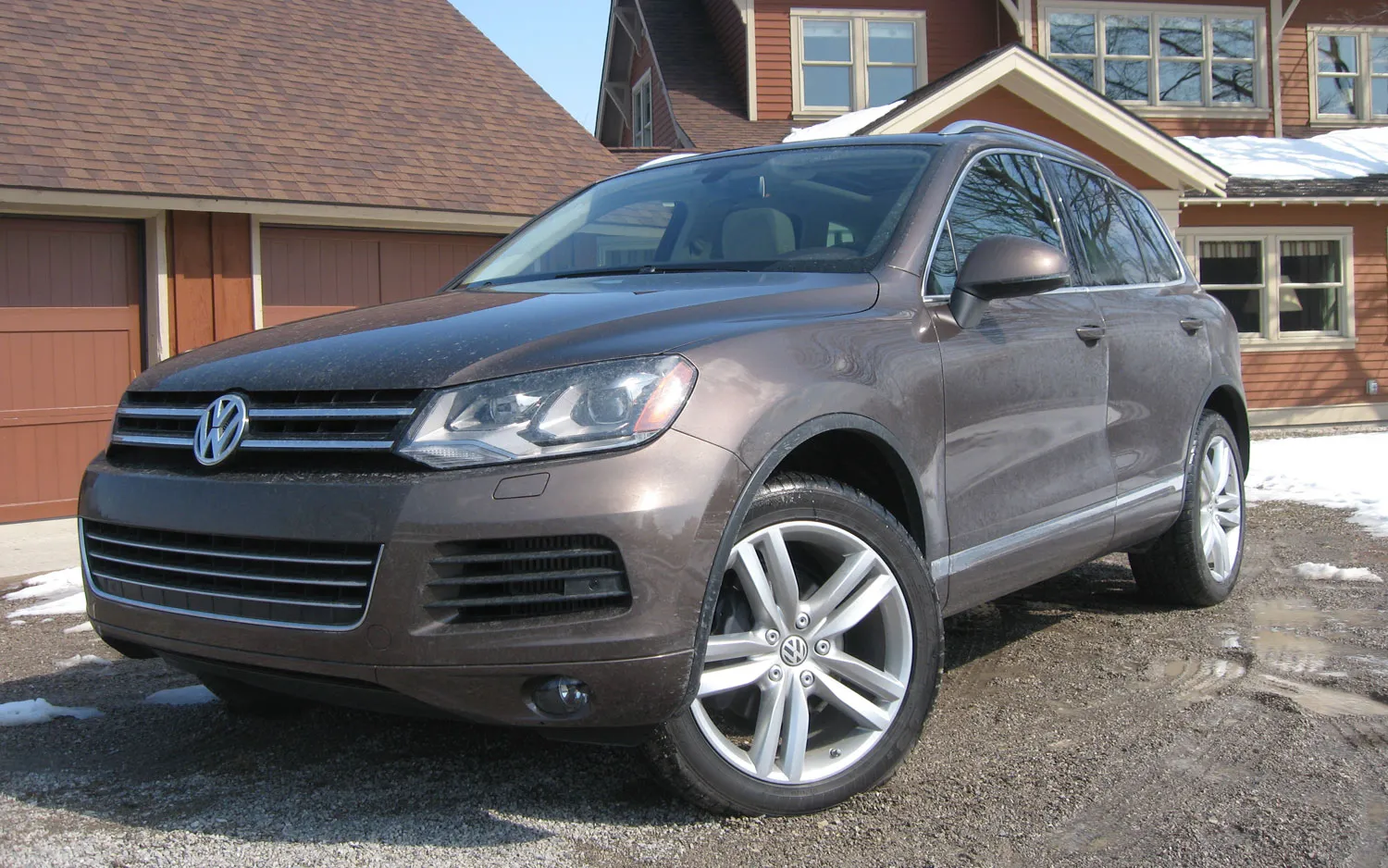
4. Volkswagen Touareg (2011-2014 Models)
German luxury meets German complications in the worst possible way with the second-generation Touareg’s AC system. These SUVs cost premium prices but deliver constant climate control problems that make ownership painful.
Volkswagen engineered these systems with sophistication that impresses nobody when you’re sweating in traffic waiting for repairs. Fancy features mean nothing when nothing works reliably.
Compressor failures happen regularly, often due to electrical problems rather than mechanical wear. Voltage irregularities damage compressor clutches and internal components, leading to expensive replacements.
When compressors fail, they often contaminate the entire system with metal debris, requiring complete flushing and replacement of multiple components. What starts as one problem snowballs into thousands in repair costs.
Electronic climate control modules are nightmares of complications that fail spectacularly. These computers control every aspect of the AC system, and when they malfunction, diagnosing problems becomes nearly impossible without dealer-level diagnostic equipment.
Actuator motors receive faulty commands, moving blend doors randomly and creating temperature chaos. Sensor failures confuse the system, causing it to blow hot air when you want cold and vice versa.
Four-zone climate control sounds luxurious until you realize it means four times the potential problems. Each zone has its own actuators, sensors, and controls that can fail independently or affect other zones.
Rear passengers suffer when front systems malfunction. Unequal cooling becomes common as different zones age differently. Trying to diagnose which of the many components has failed requires patience and expensive dealer time.
Parts availability and costs make repairs even more painful. Volkswagen uses proprietary components that must be ordered from Germany in many cases. Waiting weeks for parts while suffering through the summer heat adds insult to injury.
When parts finally arrive, installation requires specialized knowledge that limits your repair shop’s options. Labour rates at VW dealers make luxury brand prices look reasonable. After dealing with multiple AC failures, most Touareg owners swear they’ll never buy another Volkswagen product.
Also Read: 5 SUVs With Great Visibility vs 5 That Have Dangerous Blind Spots
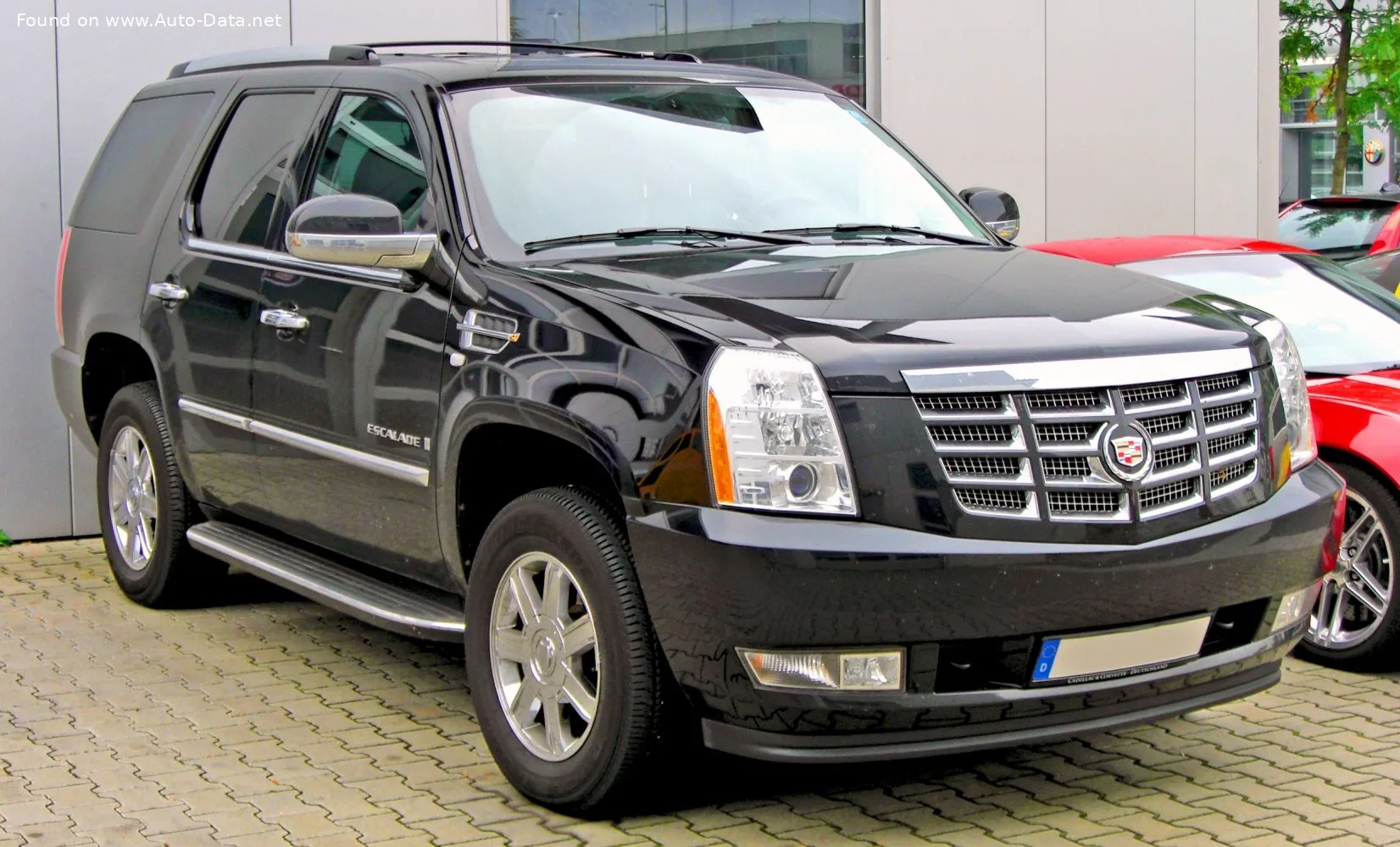
5. Cadillac Escalade (2007-2013 Models)
America’s luxury SUV icon fails spectacularly when it comes to air conditioning reliability. These third-generation Escalades feature climate control systems that break constantly despite their premium prices.
Status symbols shouldn’t leave you sweating, yet these Cadillacs do exactly that with frustrating regularity. General Motors built these vehicles to impress initially, not serve owners faithfully for years.
Compressor problems appear early and often in these Escalades. GM used designs that can’t handle the demands of cooling these massive SUVs properly. Clutches burn out prematurely, seals leak constantly, and internal components wear faster than they should.
When compressors fail, they rarely do so cleanly, instead contaminating systems with metal particles that require complete flushes. Replacement costs run into thousands, and failures repeat after repairs.
Tri-zone and even quad-zone climate control systems create endless headaches. Multiple actuators throughout the vehicle fail independently, each requiring diagnosis and repair.
Temperature sensors give false readings, causing the system to behave erratically. Rear entertainment systems interfere with climate controls in ways that make no sense yet cost money to fix. Electrical problems multiply as these SUVs age, affecting AC performance alongside everything else.
Blower motors fail frequently, particularly in rear climate zones. These motors burn out prematurely, leaving rear passengers without air circulation. Speed controllers malfunction, causing fans to operate at the wrong speeds or not at all.
Resistor packs burn out regularly, creating intermittent problems that are difficult to diagnose accurately. Even when you replace these components, they fail again quickly, suggesting deeper electrical problems that GM never properly addressed.
Evaporator cores develop leaks far too early, requiring dashboard removal and expensive labour. These repairs cost several thousand dollars and take days to complete properly. Even worse, the problem repeats after a few years because the replacement parts aren’t any better than the originals.
Condensers get damaged easily by road debris and corrode prematurely, adding yet another expensive repair to the list. After years of ownership, you’ll have spent enough on AC repairs to buy a nice used car, and you’ll still face more problems down the road.
