
Nothing ruins a good driving experience faster than a transmission that won’t cooperate. You’re cruising along smoothly, then suddenly the gears start slipping, power disappears, and your heart sinks.
Smart buyers know that transmission repairs can cost as much as a decent used car. Avoiding this headache means choosing vehicles with proven track records.
We’re talking about machines where the transmission just works, year after year, without drama or expensive surprises. These aren’t theoretical choices based on marketing promises. They’re real vehicles with decades of service proving their transmissions can handle daily abuse without giving up.
Engineering quality matters most. Companies that prioritize durability over cutting-edge features tend to build better gearboxes.
Simpler designs with fewer failure points outlast complicated systems with a hundred electronic sensors. Proper cooling systems prevent overheating that destroys transmission fluid and internal components. Strong construction materials withstand stress without warping or breaking.
When families keep the same vehicle for ten, fifteen, or twenty years without transmission problems, that tells you something important. When mechanics recommend certain models specifically because transmissions never fail, pay attention.
When used car buyers actively seek specific vehicles because they know the gearbox won’t let them down, that’s a reputation earned through performance. Let’s examine ten vehicles whose transmissions have earned respect through years of reliable service, proving that good engineering truly makes all the difference.
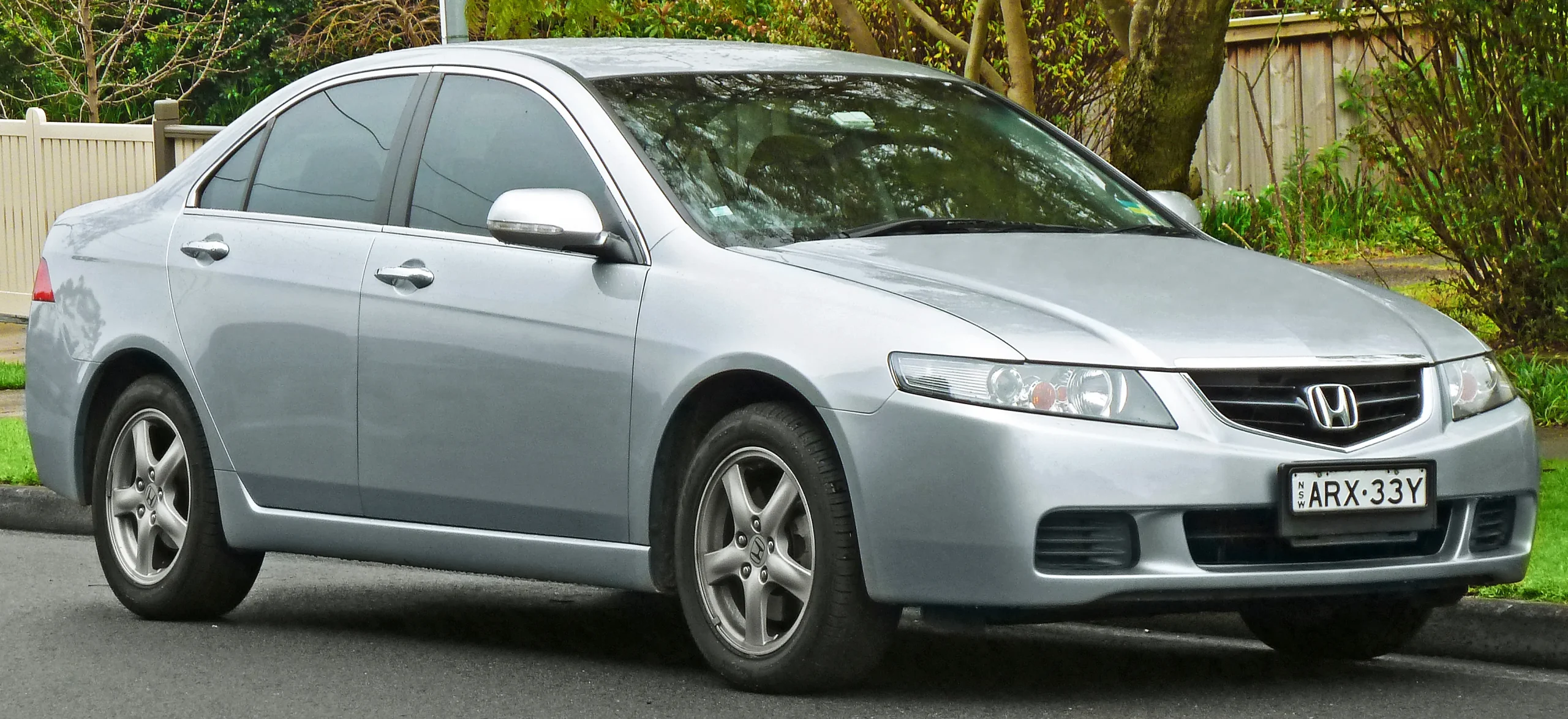
1. Honda Accord Seventh Generation
This Japanese sedan debuted in 2002 with a rare feature: a five-speed automatic transmission that actually worked properly.
While other manufacturers struggled with new gearbox designs that failed prematurely, this model’s transmission just kept shifting smoothly. Buyers who needed reliable daily transport found exactly that.
Engineers at Honda built this transmission using lessons learned from decades of experience. Instead of chasing more gears or fancy features, they focused on making five gears work flawlessly. Internal components were sized properly for the power they had to handle.
Clutch packs used quality materials that resisted wear. Cooling systems kept temperatures under control even during hard use. Quality control during manufacturing caught problems before they reached customers.
Owners discovered their transmissions shifted smoothly even after 100,000 miles, then 200,000, then more. Fluid changes at recommended intervals kept everything working properly. No harsh moves, no slipping between gears, no warning lights on the dashboard.
Just smooth, predictable performance that made driving effortless. Mechanics who serviced these vehicles noticed how clean the transmissions stayed internally, proof that good design prevented problems rather than just dealing with them.
Used car buyers actively search for this generation specifically because of transmission reliability. While newer models offer more technology, this version delivers dependability that matters more for budget-conscious owners. Regular maintenance costs stay low, fluid changes are affordable, and catastrophic failures are remarkably rare.
Families who bought these sedans new often kept them for fifteen years or more without transmission issues. That kind of real-world performance builds reputations that last. When people talk about bulletproof transmissions, this model comes up repeatedly in discussions, and for good reason.
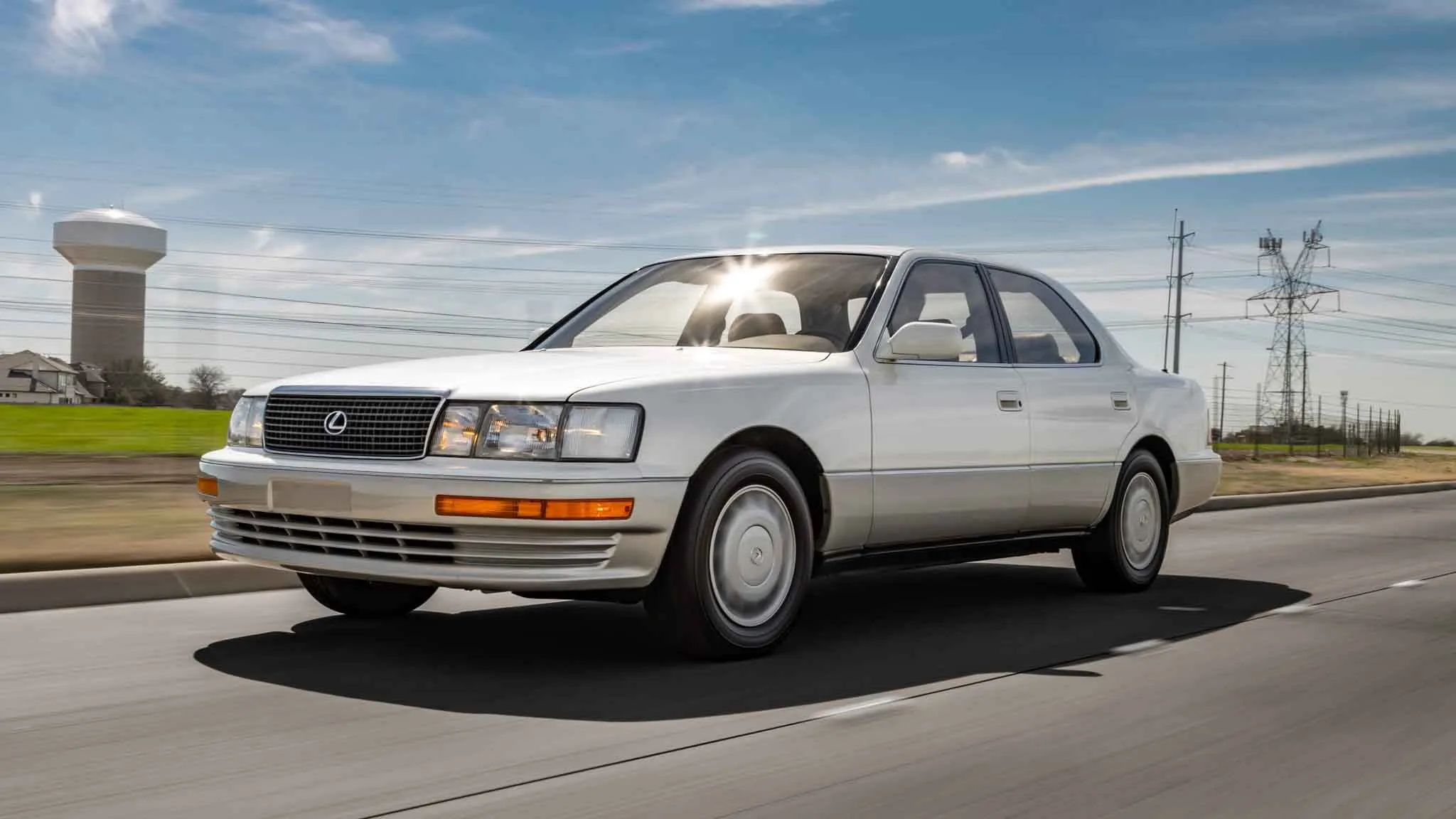
2. Lexus LS 400 First Generation
Most high-end cars focus heavily on comfort and advanced features, which often makes them difficult or expensive to maintain, especially as they age. The first-generation Lexus LS400 refused to follow that pattern.
Introduced in 1989 as Toyota’s luxury flagship for the global market, it came with a four-speed automatic transmission carefully engineered to match the quiet, refined character of the sedan.
Buyers entering Lexus dealerships expected smooth driving and quiet performance, and this transmission delivered both while also proving extremely long-lasting.
Designing a gearbox for a premium vehicle required more than just ordinary engineering. Instead of sharp or jerky changes between gears, the LS400 needed a transmission that shifted so gently that passengers would barely notice it.
Yet Lexus did not sacrifice strength in pursuit of comfort. The internal hardware included strong steel components capable of handling stress without wearing down.
The hydraulic valves were tuned to respond with precision, giving the car a relaxed yet responsive feel even at high speeds. Electronic management was kept simple and dependable. Instead of stuffing it with unnecessary software, Lexus engineers focused on reliability and sensible function.
During years of ownership, drivers discovered that this transmission was far tougher than expected in a luxury sedan. Many original units surpassed 300,000 miles without needing major repairs. There are countless reports of LS400 sedans still running their original gearboxes at 400,000 and even 500,000 miles.
Routine transmission fluid changes helped maintain smooth operation, but the surprising thing is how many neglected examples still held together despite poor maintenance.
Mechanics who specialize in Toyota and Lexus products often comment that these transmissions rarely come in for rebuilds. When they do, it is usually for simple servicing, not failure.
This long-term durability has helped the LS400 age gracefully in today’s used car market. People shopping for reliable premium cars at reasonable prices are strongly drawn to it. Even high-mileage examples attract buyers because the mechanical reputation is backed by years of evidence.
Young professionals who want comfort without massive repair bills often choose this model over German competitors from the same era. Many independent technicians actually recommend the LS400 because of its dependable drivetrain.
When a luxury car from 1989 can still retain its original transmission and operate without problems decades later, it shows that careful engineering and honest build quality always stand the test of time.
Also Read: 5 Affordable Sedans That Outlast Luxury Cars vs 5 That Don’t
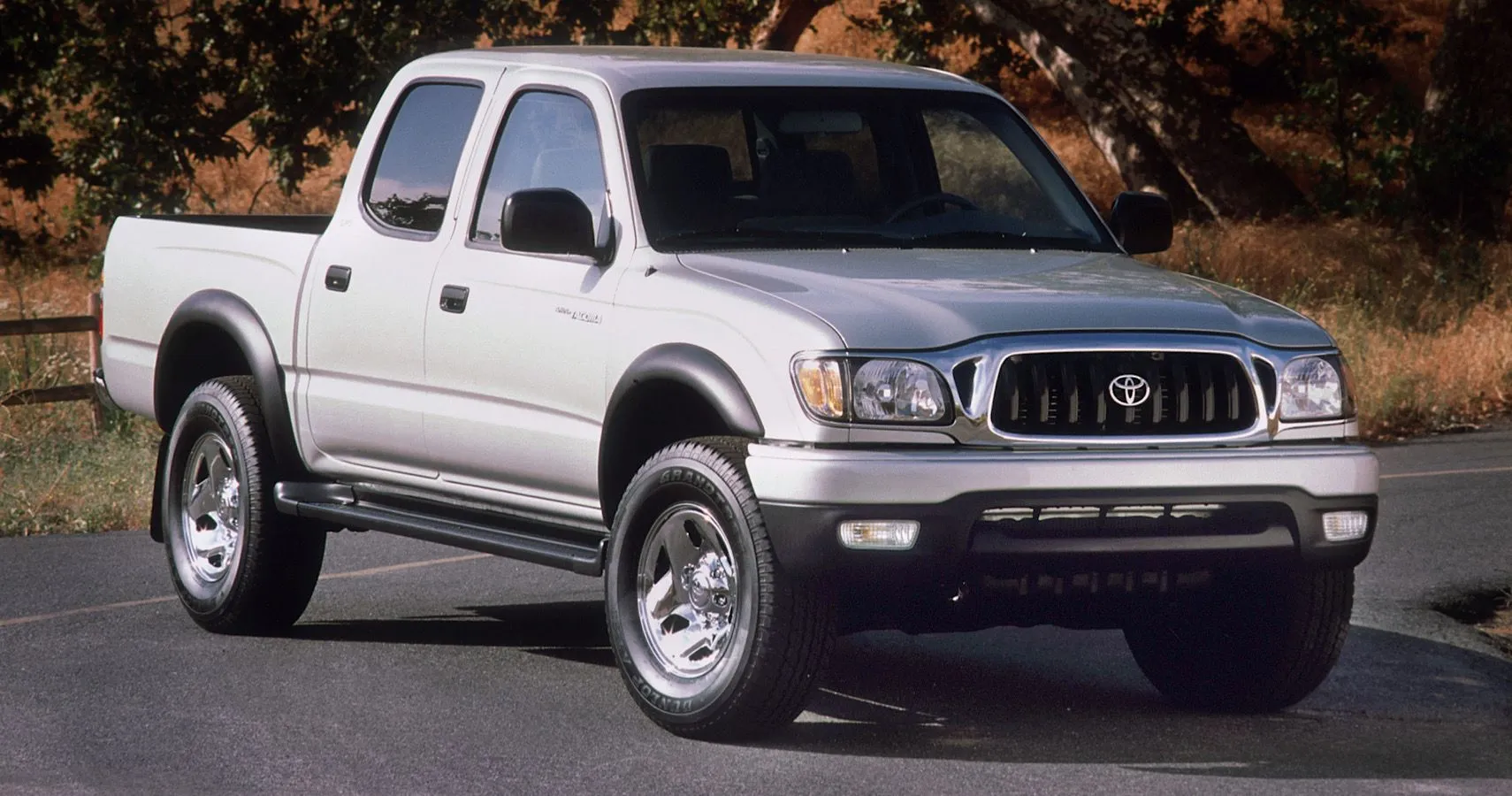
3. Toyota Tacoma First Generation
Pickup trucks need transmissions that can handle abuse. Heavy loads, towing, and off-road use all stress gearboxes in ways that destroy weaker designs. This Japanese truck arrived in 1995 with transmissions built tough enough to handle hard work without complaining.
Automatic transmission versions used proven designs rather than experimental technology. Four speeds were enough for a truck that prioritized reliability over performance. Internal components were built stronger than necessary, providing safety margins that prevented failures.
Manual transmission options gave drivers direct control, and those gearboxes were equally robust. Clutches lasted for over 100,000 miles when operated properly, and rebuilds were straightforward when eventually needed.
Truck owners pushed these vehicles hard. Construction sites, farms, off-road trails, heavy towing, and daily abuse would destroy weaker transmissions. Yet these gearboxes kept working.
Fluid changes prevented overheating damage, and proper maintenance schedules kept everything operating smoothly. Even examples used as work trucks, carrying heavy loads daily, reached high mileage without transmission failures.
Used truck buyers seeking reliability put this generation at the top of their lists. Twenty-year-old examples still serve as daily drivers, original transmissions still shifting properly. Younger buyers appreciate the simple mechanical systems that they can maintain themselves.
Fluid changes don’t require special procedures or expensive synthetic fluids. When problems do occur, parts are readily available and repairs are straightforward.
Families who need dependable work vehicles return to this model repeatedly, knowing the transmission won’t leave them stranded. Building transmissions this durable requires commitment to quality that many manufacturers abandoned in pursuit of fuel economy and more gears.
4. Mazda MX-5 Miata Second Generation
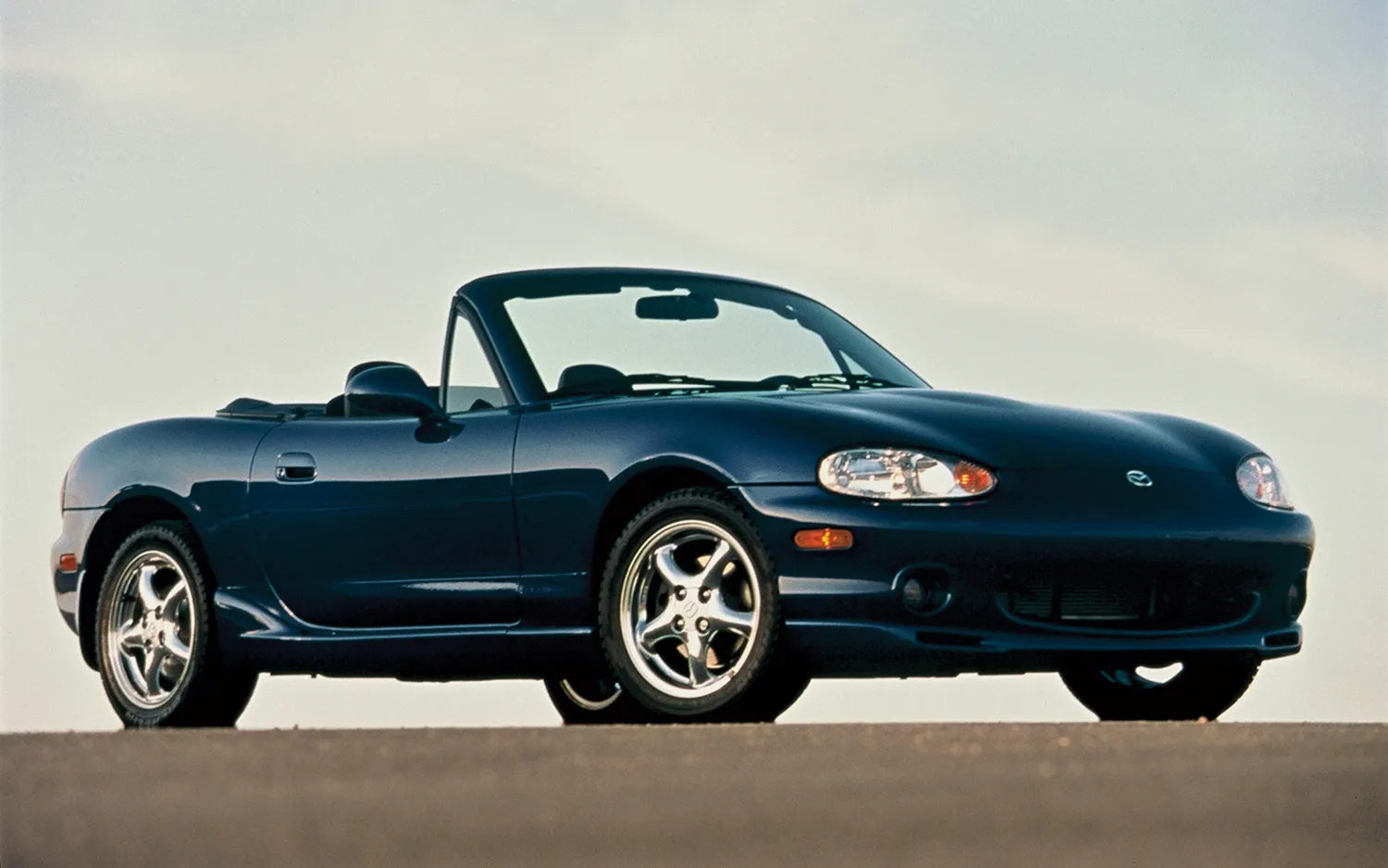
Sports cars often prioritize performance over reliability, but this Japanese roadster proved you could have both. Produced from 1998 to 2005, it featured a manual transmission that made driving fun while lasting far longer than typical sports car gearboxes.
Enthusiasts who bought these cars for weekend fun kept them for years, racking up miles through twisty roads and track days. Regular oil changes in the transmission kept everything working smoothly.
Even examples driven hard by multiple owners rarely needed transmission work beyond routine maintenance. Clutch replacements were the only common repair, and those were wear items expected to need periodic replacement.
Today’s sports car buyers seeking affordable fun discover that this generation offers excellent value. Used examples remain plentiful, and manual transmissions scare away buyers who prefer automatics, keeping prices reasonable for enthusiasts who appreciate three pedals.
Young drivers learning to drive a manual choose this model because the transmission is forgiving while still being engaging.
Mechanics who work on sports cars point to this generation as an example of how to build a fun gearbox that doesn’t break. When your sports car transmission can handle years of enthusiastic driving without failing, you’ve built something special.
5. Jeep Cherokee XJ
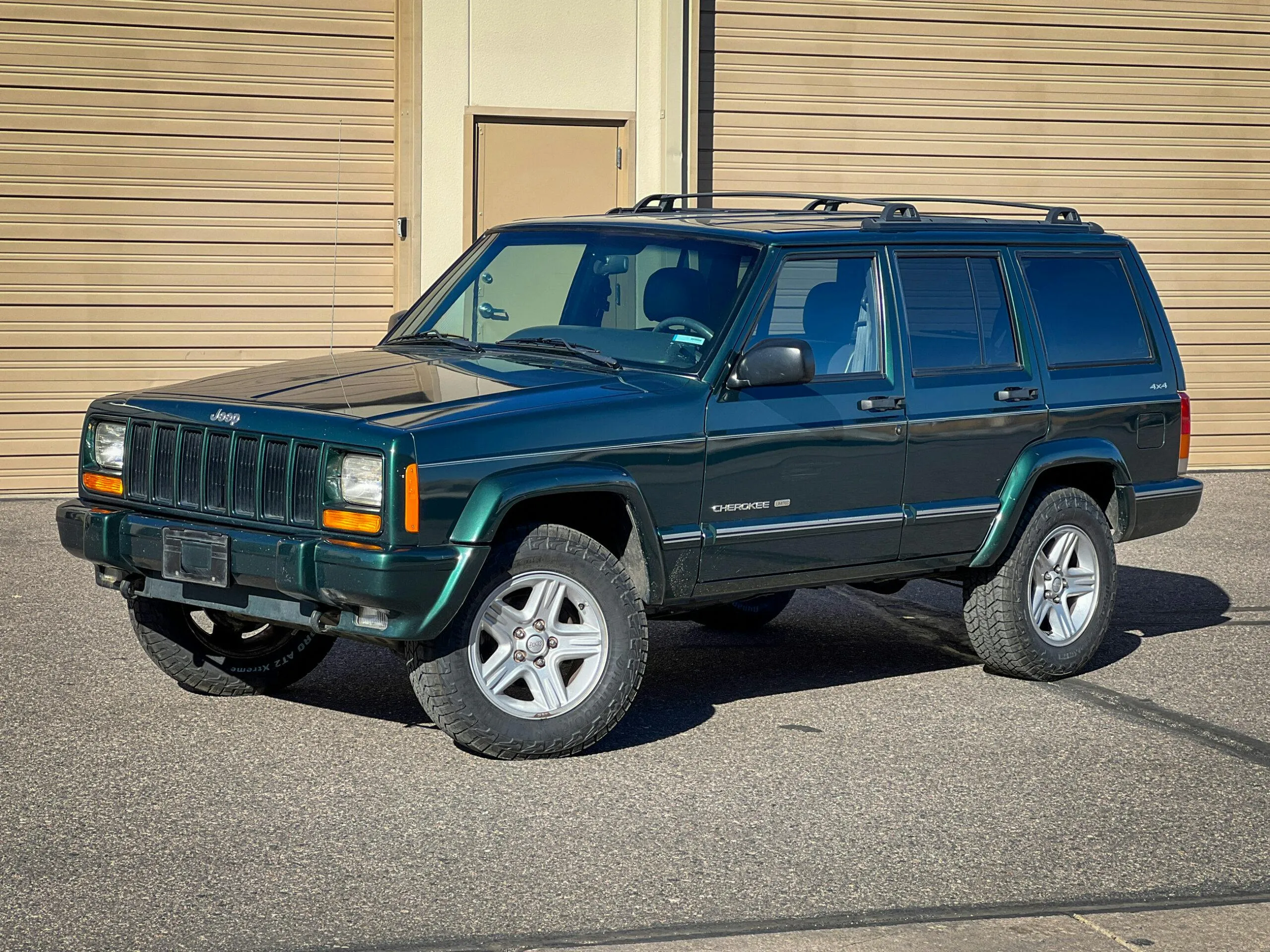
American engineering created something exceptional with this SUV’s transmission options. Produced from 1984 to 2001, it offered both automatic and manual transmissions that became legendary for durability. Off-road enthusiasts and daily drivers alike discovered these gearboxes could handle punishment.
Automatic versions used Chrysler’s AW4 four-speed transmission, a design licensed from a Japanese manufacturer and built to exacting standards.
This gearbox featured heavy-duty construction that handled both towing and off-road use without complaint. Fluid coolers prevented overheating during hard use. Electronic controls were simple and reliable. Internal clutch packs used quality materials that resisted wear.
Owners who drove these SUVs off-road pushed transmissions to their limits. Rock crawling, mud bogging, and steep hill climbs, conditions that destroyed weaker gearboxes. Yet these transmissions survived.
Proper fluid changes and cooler maintenance kept everything working. Examples with 250,000 miles on original transmissions weren’t unusual, and many reached 300,000 or more without major repairs.
Used SUV buyers seeking off-road capability specifically search for this model because of transmission reliability. Younger enthusiasts building off-road rigs start with this platform, confident the transmission won’t fail during adventures.
Mechanics who specialize in four-wheel-drive vehicles recommend this SUV specifically because transmission problems are so rare.
When your gearbox can handle years of off-road abuse and still work perfectly, you’ve achieved something remarkable. Building transmissions this tough requires understanding what they’ll face in real-world use, not just laboratory testing.
6. Acura Integra Second Generation
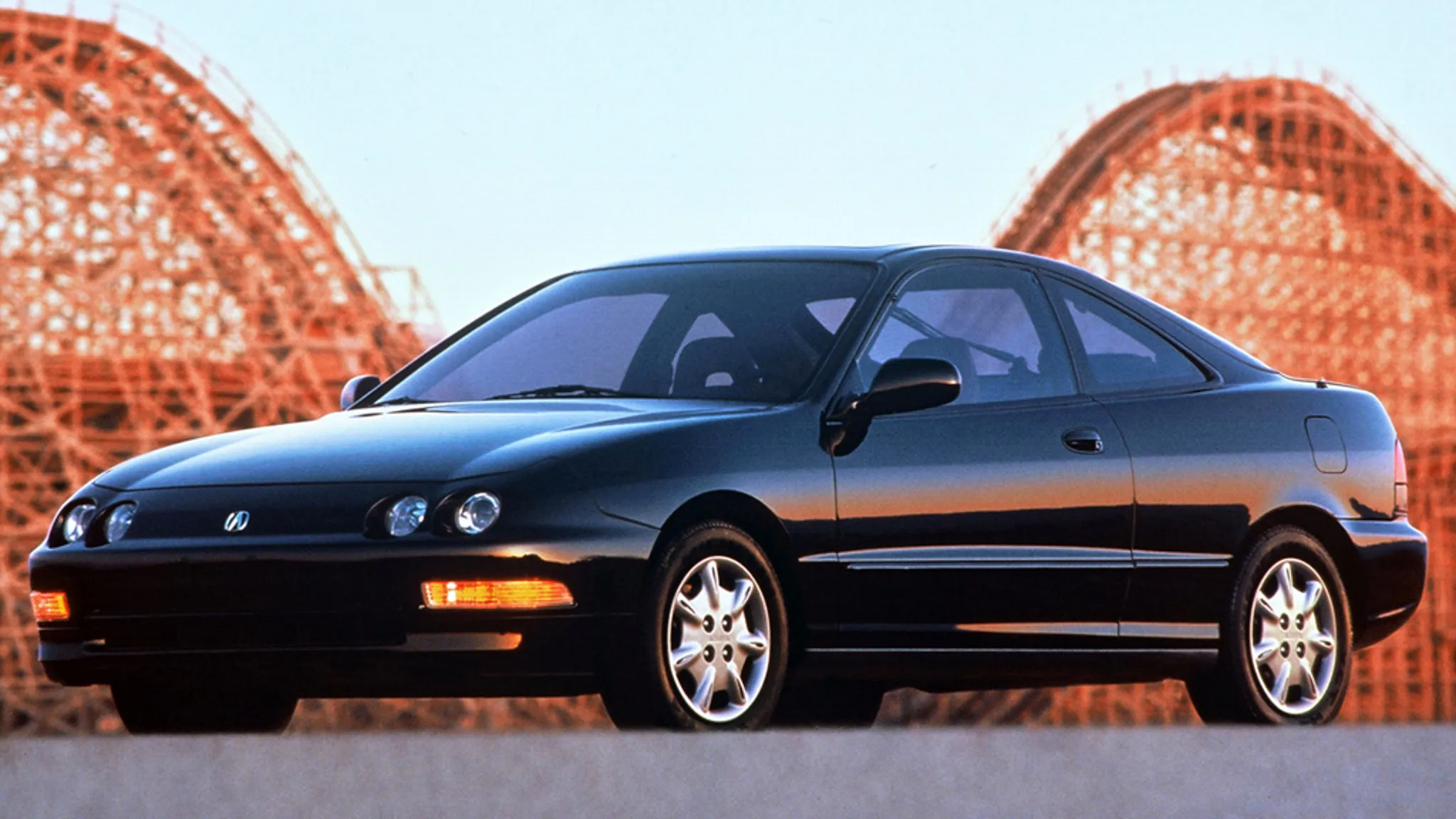
Sporty compact cars are often seen as machines built for excitement rather than durability, but the second-generation Acura Integra changed that belief completely. Manufactured from 1990 to 1993 in both coupe and sedan body styles, it proved that spirited driving could still come with long-term dependability.
Acura, backed by Honda’s engineering heritage, produced a car that gave drivers enjoyable performance without forcing them to deal with constant repairs. Even decades later, many units from this era are still actively driven, which says a lot about how well they were built.
Unlike many sporty cars that burn through transmissions under hard use, the Integra stood out for having gearboxes that could survive serious driving abuse. The five-speed manual gained serious respect from drivers who enjoyed full control of their vehicles.
Gear engagement felt solid and smooth, and the unit retained that feeling even with age. Owners who liked to push the car to its limits often bounced the tachometer near redline and shifted aggressively, yet the gearbox handled it without grinding or wearing out prematurely.
People who bought these used cars could still enjoy precise shifting years later, with many reporting original clutches lasting well beyond 100,000 miles before needing replacement.
Even high-mileage examples responded well to simple maintenance, making them favourites among car enthusiasts who enjoy driving without worrying about breakdowns.
The automatic versions also held their own reputation. Using Honda’s four-speed automatic design, they offered simple, predictable operation. These transmissions did not try to imitate sportiness. Instead, they focused on a smooth performance that worked well for daily driving.
With regular fluid changes, they stayed healthy even after long years of use. Owners routinely reported original automatic transmissions running beyond 200,000 miles. For a lightweight performance car, that level of resilience is admirable.
Today, this generation of Acura Integra continues to attract a wide range of buyers. Young drivers who want a strong first-performance car appreciate how forgiving the manual transmission is while still offering a connected feel. Car hobbyists looking for a reliable foundation for modifications also choose it because they trust the drivetrain.
Many mechanics describe this car as one of the best examples of smart Japanese engineering from the early 90s. Its balance of performance, usability, and toughness built a loyal community that continues to grow. When a car still earns respect thirty years after it left the showroom, it proves that quality and thoughtful design always stand the test of time.
7. Ford F-150 Ninth Generation
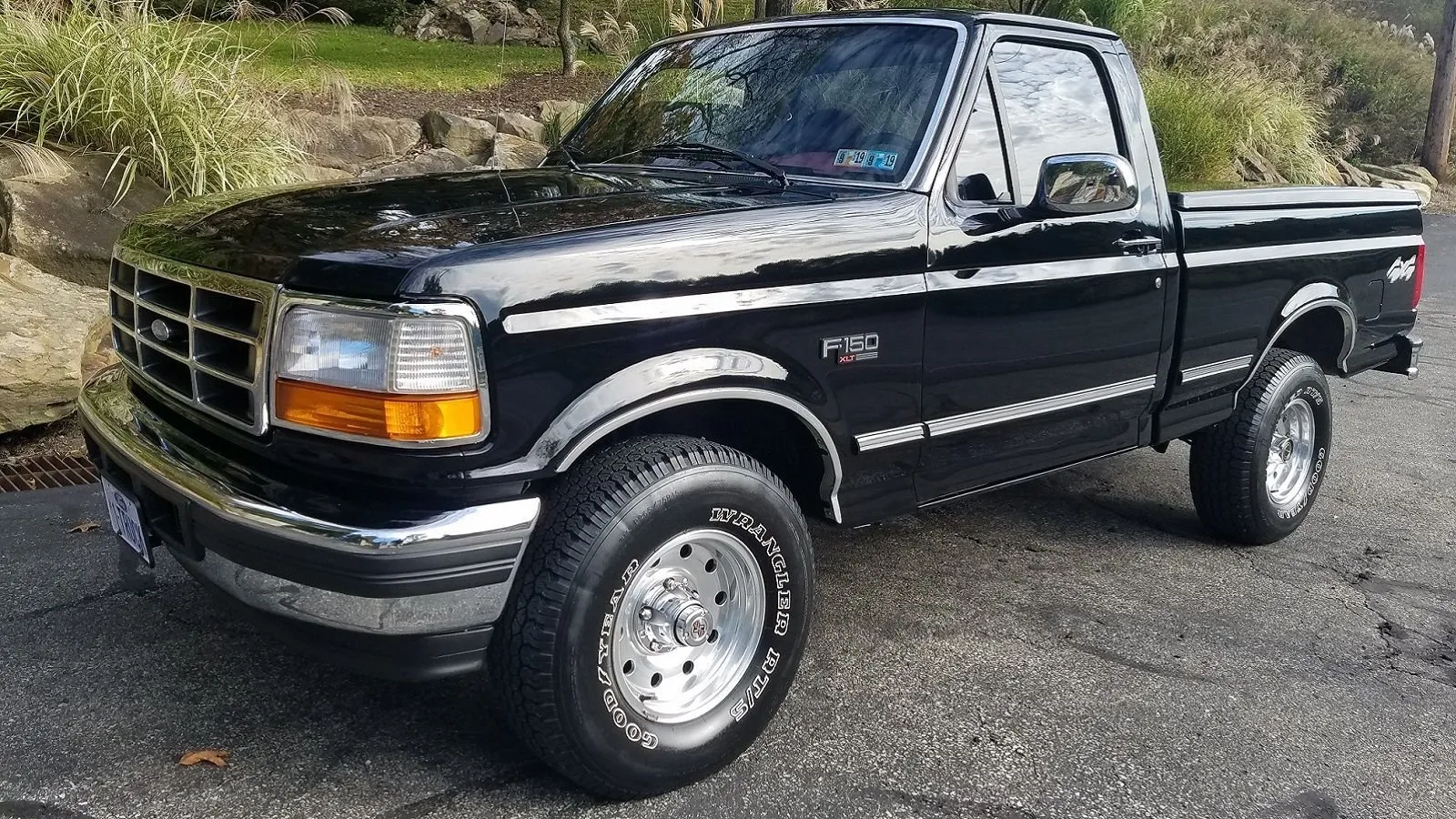
American-built work trucks depend on strong drivetrains, and the early to mid-1990s models proved their worth with transmissions designed for demanding conditions.
Manufactured between 1992 and 1996, this generation offered both automatic and manual gearboxes capable of supporting commercial use, farm work, and heavy towing. Owners who needed a practical and dependable truck found that these transmissions maintained steady performance when serviced properly.
The E4OD four-speed automatic used in many V8 and heavy-duty configurations demonstrated solid engineering once early refinements were completed. Designed for towing and hauling, it combined electronic change management with a strong internal build.
When paired with a proper cooling system and torque converter, it handled high stress without slipping or overheating. While no transmission can survive constant neglect, this unit performed reliably when owners monitored fluid condition, managed towing loads responsibly, and serviced the cooling system.
Fleet operators, contractors, and rural users pushed these trucks through years of daily work. They hauled materials, moved equipment, and towed livestock trailers across long distances.
With consistent service, fluid and filter changes at recommended intervals, and responsive repair when early symptoms appeared, many transmissions remained operational beyond 200,000 miles.
Trucks driven by owners who inspected transmission lines, maintained clean fluid, and prevented excessive heat buildup generally stayed problem-free the longest.
In today’s used market, buyers who prioritize function over cosmetics often target this generation. The design is simple enough for experienced mechanics to diagnose and repair, and parts availability remains strong.
Well-maintained units still deliver dependable performance, making them practical for anyone seeking an affordable work vehicle that values durability over luxury.
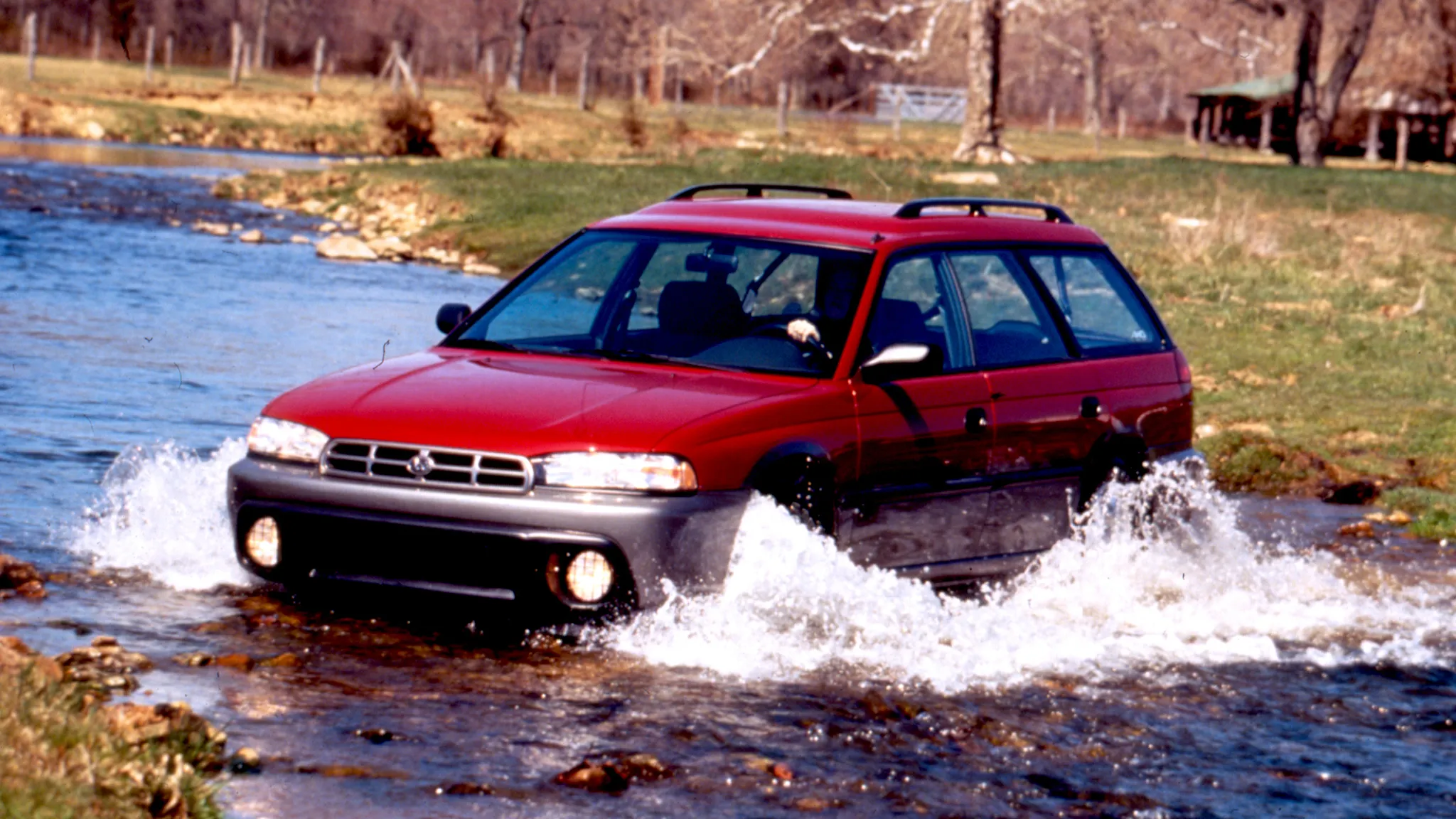
8. Subaru Outback First Generation
All-wheel-drive vehicles put extra stress on transmissions, but this Japanese wagon’s gearbox handled it without problems. Launched in 1996, it featured automatic and manual transmissions designed specifically for continuous all-wheel-drive operation.
Four-speed automatic transmissions in this generation were engineered to handle the constant power distribution that all-wheel drive requires.
Extra clutch packs managed the power split between front and rear wheels. Cooling systems prevented overheating during hard use. Electronic controls were simple and reliable, avoiding complicated systems that caused problems in later designs.
Owners who drove these wagons in harsh conditions found that their transmissions stayed healthy. Mountain driving, winter weather, rough roads, conditions that stressed gearboxes constantly.
Regular fluid changes kept everything working properly. Examples with 200,000 miles on original transmissions still functioned smoothly, a testament to solid engineering.
Today’s buyers seeking all-wheel-drive reliability on a budget discover this generation offers proven performance.
Used examples remain affordable while delivering capabilities that newer vehicles cost much more to provide. Mechanics familiar with all-wheel-drive systems recommend this generation because transmission problems are manageable.
When your all-wheel-drive transmission can handle years of harsh conditions without failing, you’ve built something worthy of respect. Engineering transmissions for continuous all-wheel-drive operation requires understanding the stresses that part-time systems never face.
Also Read: 5 Cars That Stay Popular for Years vs 5 That Fade Quickly
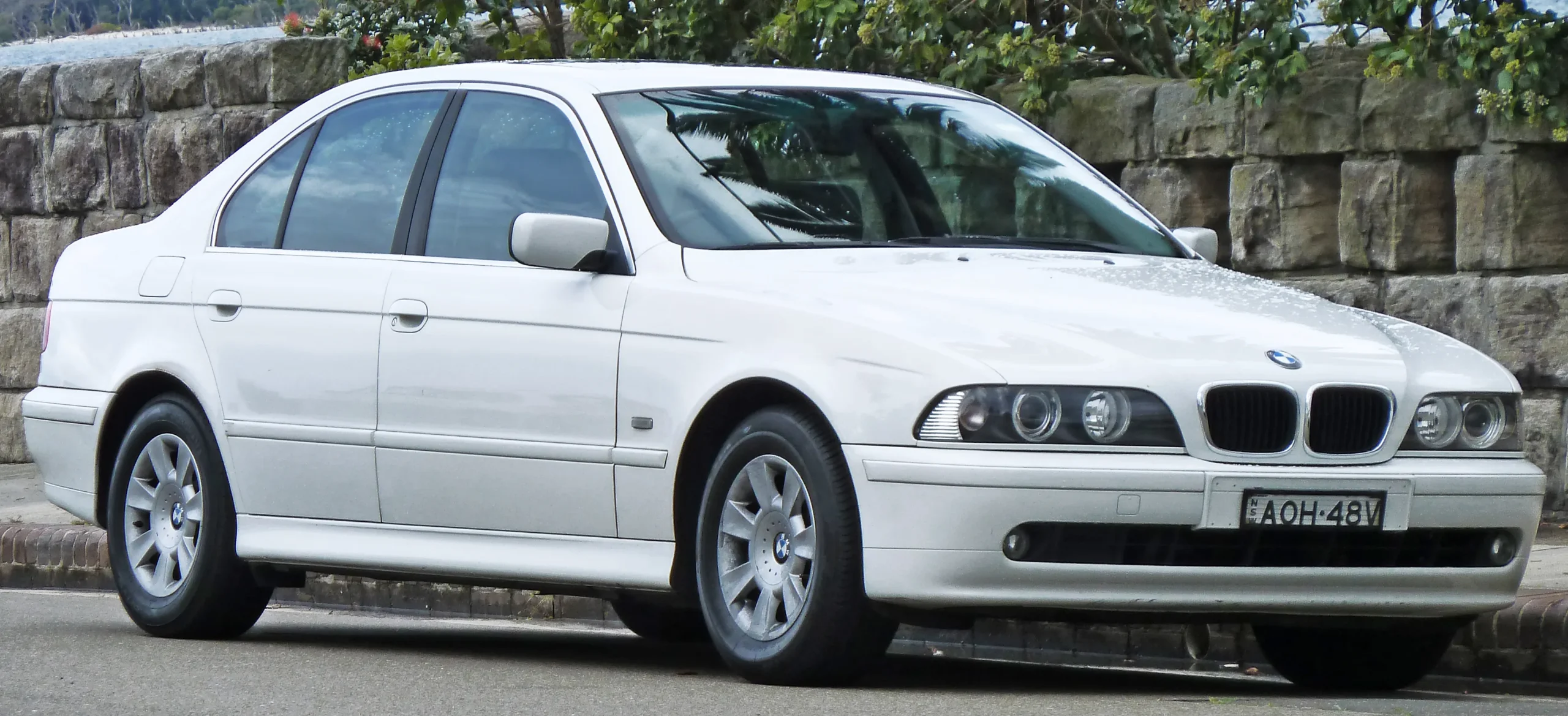
9. BMW E39 5 Series
German luxury sedans are often criticized for being expensive to maintain and sensitive to age, yet the BMW 5 Series E39 defied that expectation when it came to transmission performance.
Produced between 1995 and 2003, this generation earned respect because its automatic gearboxes provided a strong balance between refined shifting and long service life.
While some owners faced issues due to poor maintenance, those who treated their cars properly discovered that the E39 transmission could outlast many rivals.
BMW used the ZF five-speed automatic transmission in many E39 models, including the 528i, 530i, and 540i. This gearbox was engineered with high precision, and its internal build reflected serious attention to quality.
Gear transitions felt smooth but firm, allowing the vehicle to maintain its sporty character while still delivering a relaxed driving experience.
Unlike cheaply built transmissions that start slipping or banging through gears after extended use, the ZF unit stayed composed when maintained correctly. It managed power delivery well, even in the V8-powered models that put extra demand on drivetrain components.
Owners who respected maintenance requirements enjoyed the best results. ZF recommended transmission fluid changes, even though some BMW dealers claimed the units were “lifetime sealed.”
Drivers who ignored fluid service often faced issues, but those who followed fluid change intervals every 50,000 to 70,000 miles avoided major breakdowns.
People entering the used luxury car market today still consider the E39 a smart purchase when they find a carefully maintained example. Service history is very important with this model because it clearly separates the good cars from the neglected ones.
Mechanics who handle European cars usually recommend versions with documented maintenance because they know the ZF transmission can stay healthy with fresh fluid, clean filters, and occasional software updates.
Many car enthusiasts still drive their E39 sedans daily, confident that the transmission can continue working without drama if treated with basic care. When a luxury sedan from the late 90s continues to earn trust for its transmission strength, that shows disciplined engineering and thoughtful design.
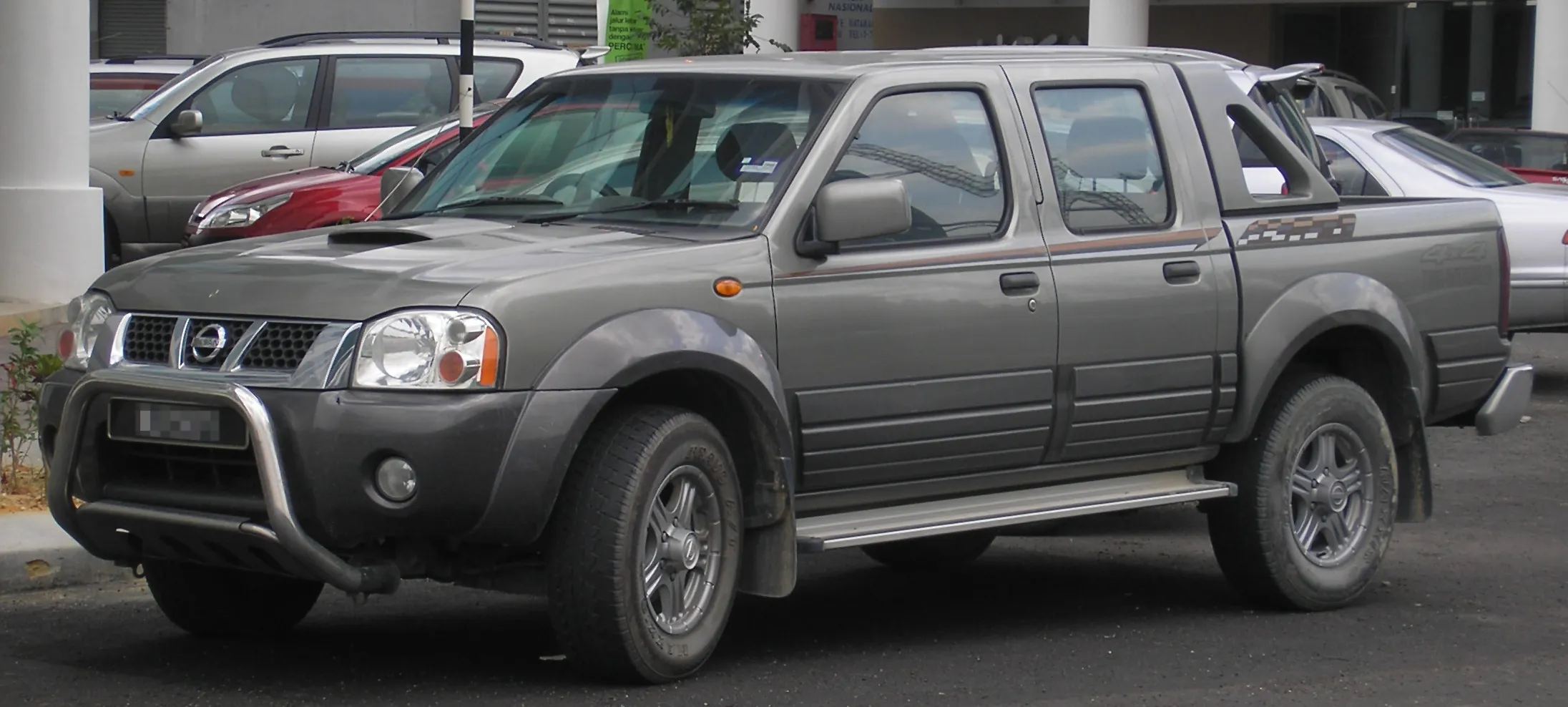
10. Nissan Frontier First Generation
This Japanese pickup arrived in 1998 with transmissions built to handle serious work. Both automatic and manual versions proved surprisingly durable for a midsize truck, earning loyal followings among buyers who needed dependability.
Four-speed and five-speed automatic transmissions in this generation were engineered conservatively. Rather than chasing more gears or advanced features, designers focused on making the basics work reliably.
Internal components were sized generously, providing safety margins that prevented failures. Cooling systems kept temperatures under control during towing and hauling.
Truck owners who used these vehicles for work found their transmissions stayed healthy. Construction sites, landscaping operations, small businesses, and daily abuse stress gearboxes continuously.
Proper fluid changes prevented overheating damage. Regular maintenance kept everything operating smoothly. Examples used as work trucks reached high mileage without transmission failures, proving the engineering was sound.
Used truck buyers seeking affordable reliability put this generation on their shopping lists. Twenty-year-old examples still serve as daily drivers and work vehicles, original transmissions still shifting properly.
Younger buyers appreciate the straightforward mechanical systems that don’t require expensive dealer service.
Fluid changes use standard transmission fluid, not expensive synthetic formulations. When problems do occur, parts are readily available, and independent mechanics can handle repairs.
Families and small business owners who need dependable trucks return to this model repeatedly, knowing the transmission will handle daily demands without expensive failures.
Building transmissions this reliable for work trucks requires understanding what they face in commercial use, then engineering accordingly.
