

You know that feeling when you buy something expensive and it just keeps working like it was built by people who actually cared? That’s what some truck owners experience every single day.
They drive their vehicles for years, rack up hundreds of thousands of kilometres, and the engine still purrs like a satisfied cat. But then there are those other people, the ones who bought a truck thinking they were making a smart investment, only to watch it crumble faster than a biscuit in hot tea.
These are machines built to haul heavy loads, survive rough roads, and take a beating without complaining.
But here’s the thing: not all trucks got that memo. Some manufacturers put together vehicles that can survive anything you throw at them, while others seem to have forgotten what the word “durability” means.
When we talk about trucks that outlast their beds, we’re talking about machines where the cargo area rusts out or gets damaged, but the engine and drivetrain keep going strong. These are the legends that make mechanics shake their heads in amazement.
However, some trucks fall apart so fast, you’d think they were made from recycled soda cans and prayers. Components fail, systems break down, and owners spend more time at the repair shop than on the road.
Let’s break it down and see which ones will serve you faithfully and which ones will have you crying into your wallet.
Trucks That Outlast Their Beds
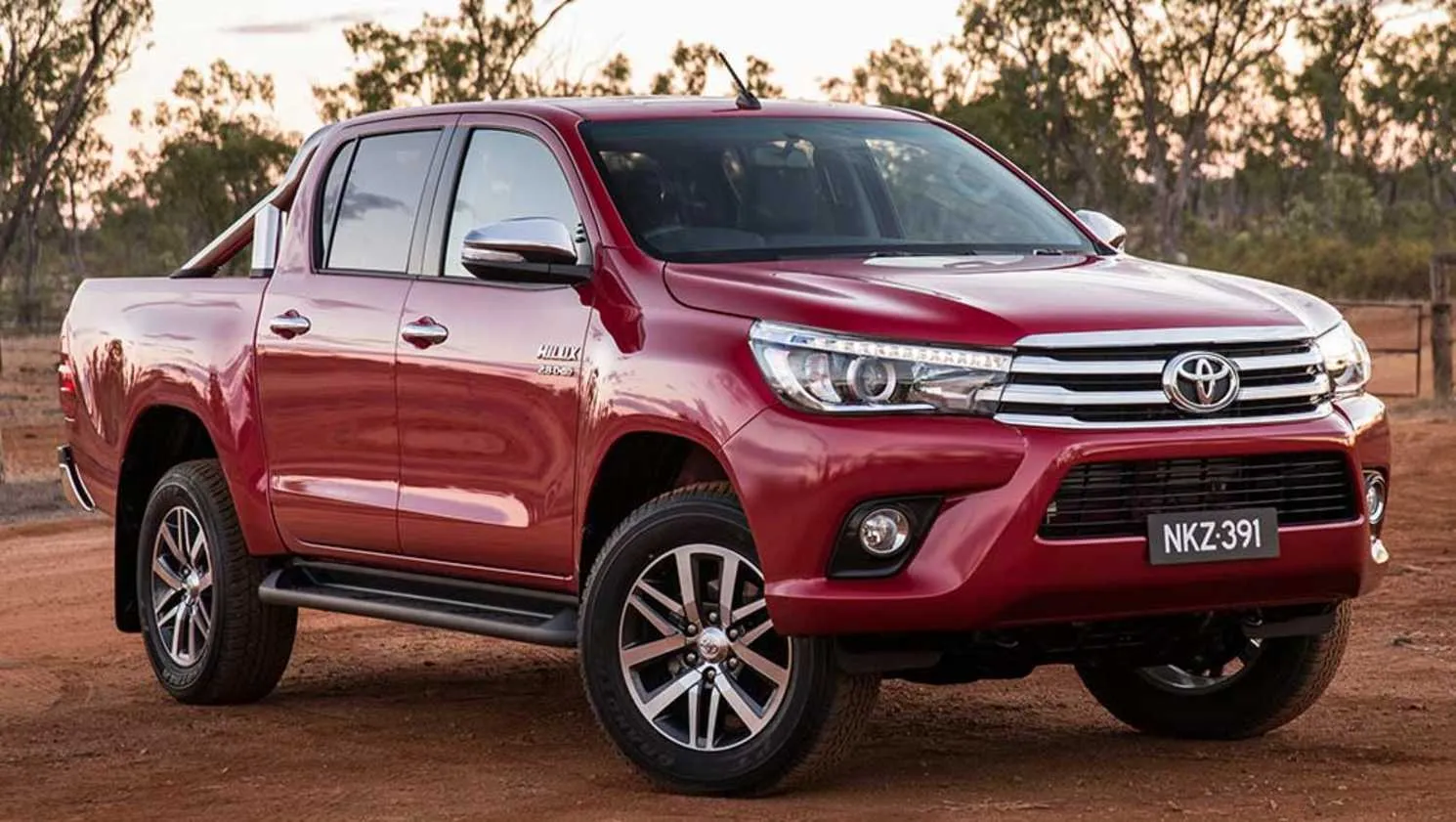
1. Toyota Hilux 2015-2020
Ask anyone who has driven a Hilux, and they’ll tell you stories that sound like exaggerations until you see the proof with your own eyes. This truck has earned its reputation in the harshest conditions across Africa, Asia, and the Middle East, where vehicles either survive or become scrap metal within a few years.
The 2015-2020 generation brought improvements to an already proven formula, with the 2.8-litre turbo diesel engine that refuses to quit, no matter how much abuse it takes.
What makes this Hilux special is how the mechanical components just keep functioning long after the body shows its age. Owners report seeing their cargo beds rust through, the paint fade to nothing, and the interior fall apart, but the engine? That thing keeps running like it has a personal vendetta against failure.
The transmission, whether manual or automatic, handles power delivery with a reliability that seems almost supernatural. Drive one through mud, sand, water, or over rocks that would make other trucks weep, and it just keeps moving forward.
The suspension system deserves special mention because it takes punishment that would destroy lesser vehicles. This truck was built with a philosophy that prioritizes function over everything else, and it shows in how long these vehicles stay operational.
Many owners in rural areas use their Hilux trucks as workhorses, commercial vehicles, and family transport all at once, putting stress on them that would send other trucks to an early grave. Yet they survive, and when they finally do break down, it’s usually something simple and cheap to fix.
Parts availability makes the Hilux even more attractive for long-term ownership. You can find components for this truck in almost any country, which means repairs don’t require waiting months for some obscure part to arrive from overseas.
Mechanics who work on these vehicles have seen it all, so there’s a wealth of knowledge about keeping them running. When your bed rusts through, you weld in a new floor or replace the whole thing, and the truck keeps going for another decade.

2. Ford F-150 2011-2014 (3.5L EcoBoost)
American trucks don’t always get credit for reliability, but this generation of F-150 with the 3.5-litre EcoBoost engine proved that proper engineering can create something truly durable.
The twin-turbo V6 produces serious power while maintaining fuel economy that seems impossible for a truck this size. But power and efficiency mean nothing if the vehicle can’t last, and this F-150 showed it could take years of hard use and keep performing.
Owners who bought these trucks for work purposes discovered something interesting after several years of ownership. The aluminium bed, while lighter and theoretically rust-resistant, could get damaged from the constant loading and unloading of heavy materials.
Dents, scratches, and structural wear would accumulate, but underneath, the drivetrain components stayed strong.
The engine, with proper maintenance, could easily push past 300,000 kilometres without major issues. The ten-speed transmission came later, but the six-speed in these models proved itself capable of handling the EcoBoost’s torque without falling apart.
What really impresses people about this F-150 is how well the four-wheel-drive system holds up. Trucks used for construction, farming, and other demanding work often face situations where they need to engage 4WD regularly, and this system doesn’t complain.
The electronic locking rear differential adds another layer of capability that actually works when you need it. Many trucks offer fancy features that break after a few years, but Ford engineered this system to last.
The interior shows its age faster than the mechanical bits. Buttons wear out, the infotainment system becomes outdated, and seats start sagging, but none of that affects whether the truck can do its job.
You might be sitting in a cab that looks tired, driving over a bed with more dings than smooth metal, but the engine fires up every morning, and the transmission moves smoothly. That’s what matters when you depend on a vehicle for your livelihood.
Professional truck buyers who studied reliability data started recommending this specific generation to clients who wanted something that would last, and those recommendations proved accurate as the years passed.
Also Read: 5 Trucks That Are Worth Every Dollar vs 5 That Aren’t
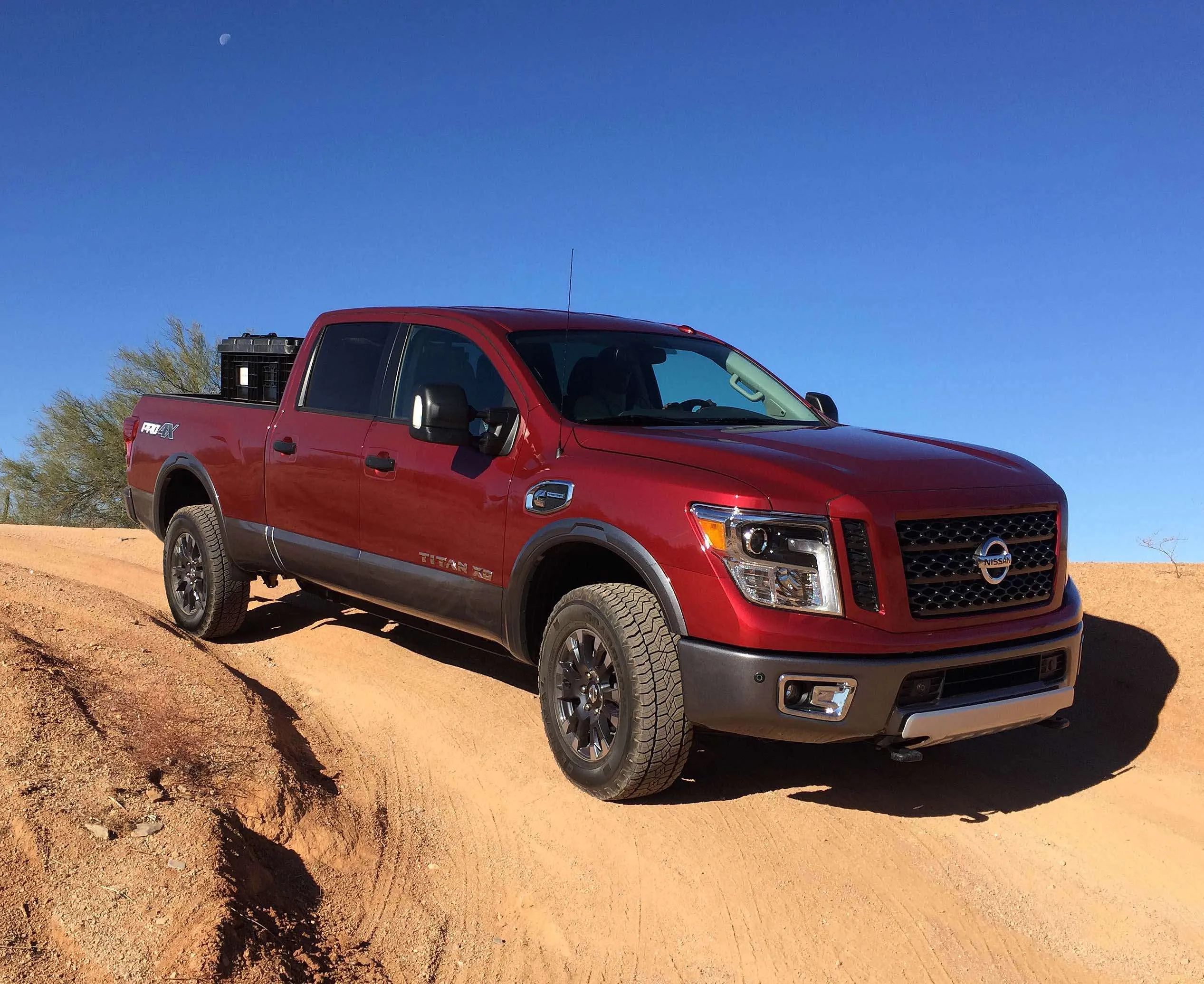
3. Nissan Titan XD 2016-2019 (5.0L Cummins)
The Titan XD, powered by the Cummins 5.0-litre V8 diesel, never received the recognition it deserved, yet it offered a dependable workhorse for drivers who needed more strength than a regular half-ton truck but did not want the size or running costs of a heavy-duty model.
Nissan’s collaboration with Cummins produced a diesel engine known for long service life, steady torque delivery, and rugged design.
Built with a strong block, durable internals, and a reliable fuel system, the engine performed best with routine servicing, clean diesel, regular fuel filter changes, and timely oil maintenance were enough to keep it operating smoothly for very high mileage.
Even when the exterior showed signs of age, the drivetrain proved extremely resilient. Beds could rust in moisture-prone regions or develop dents from heavy tools and building materials, but the engine always started and pulled without hesitation. The Aisin six-speed automatic transmission paired with the diesel was another highlight.
Designed for high torque use, it offered predictable shifting behaviour, especially under load, and the factory cooling system helped it survive long towing trips without overheating.
Strong frame construction reduced chassis bend, and the reinforced rear axle managed weight confidently. Although Nissan discontinued the Cummins option, existing Titan XD diesel models remain valued by practical truck owners who prioritise durability over looks.
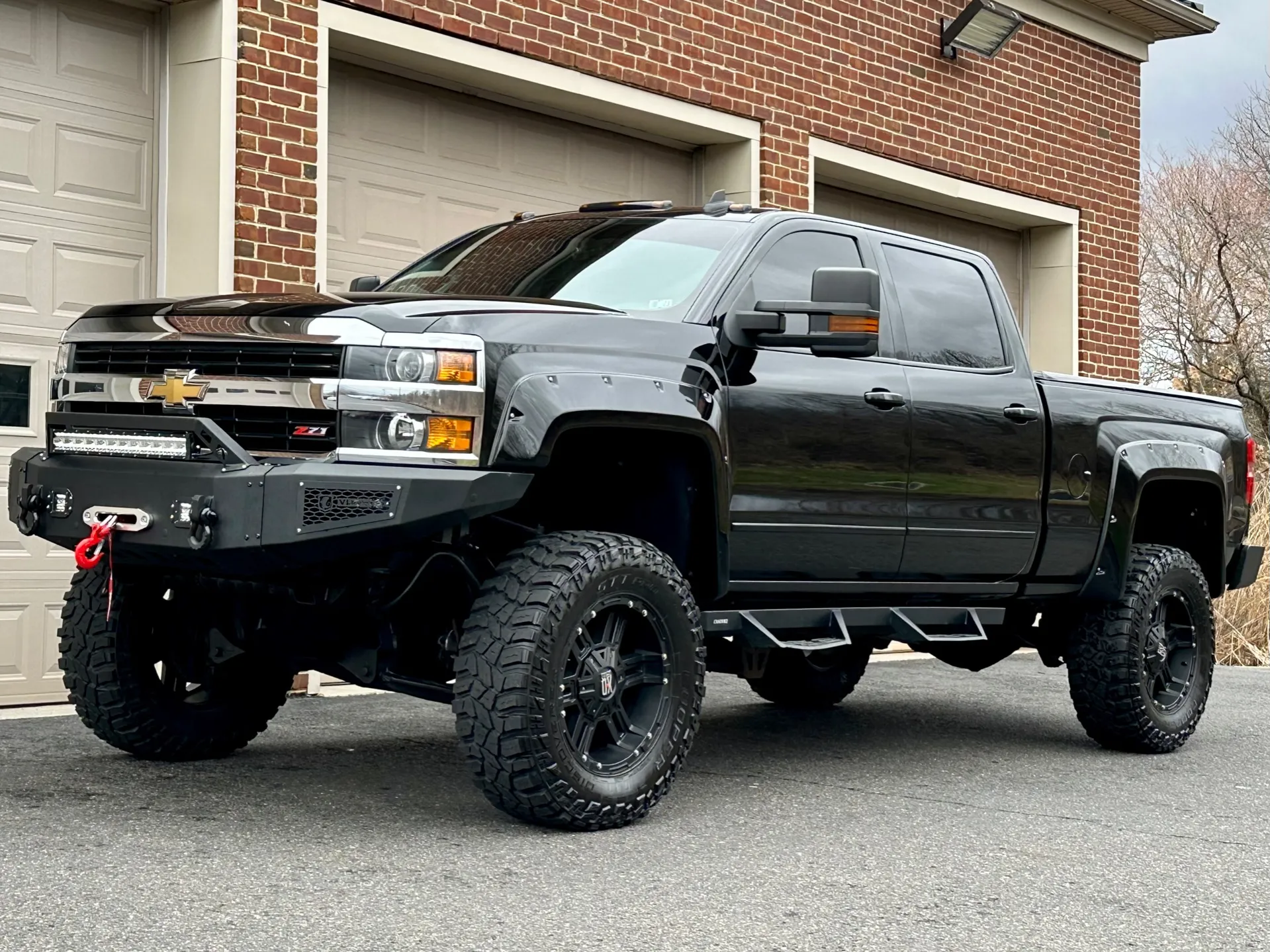
4. Chevrolet Silverado 2500HD 2015-2019 (6.0L V8)
This generation of Silverado, equipped with the 6.0-litre V8 gas engine, became popular among people who value strength over complicated engineering.
At a time when trucks were becoming overloaded with sensitive electronics and fragile emissions systems, this naturally aspirated V8 stood out for its simple, durable construction.
The cast-iron block and straightforward valve train gave it long life, even in demanding work situations where maintenance schedules were not always perfect.
These trucks often showed scars from hard labour. Beds would dent from hauling bricks, concrete blocks, generators, and heavy equipment. Paint would wear away along the rails, and toolboxes would leave permanent marks.
Yet the mechanical side kept going without drama. The 6.0-litre engine did not depend on turbochargers or advanced emissions components, so it avoided the costly failures seen in many diesel setups. Regular oil changes and proper cooling system care kept it running for extremely high mileage.
Transmission options supported this reliability. The six-speed automatic delivered consistent performance under load, and routine fluid changes kept internal parts healthy. Four-wheel drive units stayed functional when serviced correctly, even after long exposure to mud and towing strain.
Suspension components held up well, and replacement parts were affordable. Many owners preferred this configuration because it offered dependable performance without the financial burden of diesel maintenance or complicated repair bills.

5. Ram 2500 2014-2018 (6.7L Cummins)
This Ram, equipped with the 6.7-litre Cummins diesel engine, earned a reputation for long-term durability. The Cummins inline-six design uses a cast-iron block and straightforward engineering that supports extreme mileage.
Owners who keep up with scheduled service find the high-pressure fuel system remains dependable when filters are replaced on time and clean diesel is used. The turbocharger is built to handle heavy boost pressure and heat, so it continues working even under demanding towing conditions.
Cosmetic wear often tells a different story than the mechanical condition. Years of loading cargo may leave the truck bed dented, scratched, and faded, but the engine continues to operate with consistent performance.
Many of these trucks pass 300,000 kilometres without internal engine repairs, which explains why they are favourites among commercial users.
Transmission options support the engine’s high torque output. The available Aisin six-speed automatic became popular among buyers who wanted maximum strength, especially for towing.
It uses heavy-duty internals that handle strain without early failure. The six-speed manual option appealed to drivers who prefer direct control and long-term reliability, as it avoids the heat-related issues seen in lighter automatic units.
Rear axles in these trucks were built to carry weight. Both standard and upgraded versions hold up well during years of towing and hauling.
Suspension wear occurs as time goes on, but replacing shocks or bushings is basic maintenance. Many Ram 2500 owners keep these trucks in service for work because the core mechanical systems remain dependable even after exterior components show age.
Trucks That Fall Apart

1. Nissan Titan 2004-2015 (5.6L V8)
This first-generation Titan tried to compete with the established American trucks but fell short in ways that became painfully obvious as these vehicles aged.
The 5.6-litre V8 engine looked good on paper with decent power numbers, but real-world reliability told a different story. Owners began reporting issues with the timing chain system, where the chains would stretch and the tensioners would fail, leading to expensive repairs that shouldn’t happen on a truck with reasonable mileage.
Transmission problems plagued many of these Titans, with the five-speed automatic showing weakness under heavy loads or during extended towing. Harsh shifting, slipping, and complete failure happened often enough that it became a known issue among mechanics who worked on these trucks.
The radiator, in a particularly unfortunate design decision, could develop leaks that allowed coolant to mix with transmission fluid, destroying the transmission in the process. This “strawberry milkshake of death” became infamous among Titan owners, and fixing it required replacing both the radiator and the transmission.
The frame and suspension components didn’t hold up as well as buyers expected from a full-size truck. Rust formed quickly in areas where moisture could collect, especially around the rear axle mounting points and the frame sections near the spare tire.
The rear differential could develop leaks and noise issues, and replacing it wasn’t cheap. Ball joints wore out faster than they should have, and replacing them required specialized tools and knowledge that made the repair expensive at shops.
Interior quality started deteriorating after just a few years of use. The dashboard developed cracks, especially in hot climates, and the plastic trim pieces broke easily. The seats wore through their fabric covering, and the electronics started acting up with annoying frequency.
The audio system would glitch, the climate control would work intermittently, and warning lights would illuminate for problems that didn’t exist.
For a truck that cost serious money when new, these failures disappointed buyers who expected better. Many owners found themselves sinking money into repairs that exceeded the truck’s value, leading to frustration and a sense that they’d made a terrible purchasing decision.

2. Dodge Ram 1500 2002-2008 (4.7L V8)
This generation of Ram 1500 with the 4.7-litre V8 seemed like a good choice when new, but time revealed weaknesses that made ownership expensive and frustrating. The engine itself wasn’t terrible, but the components surrounding it caused headaches.
The intake manifold could develop cracks that caused vacuum leaks, leading to a rough idle and poor performance. Fixing this required removing multiple components and replacing the entire manifold, which meant hours of labour and a hefty bill.
Transmission failures became so common that many mechanics could diagnose the problem just by hearing the symptoms. The 45RFE and 545RFE automatic transmissions used in these trucks had weak internal components that couldn’t handle the abuse of daily driving combined with occasional towing.
The torque converter would fail, the solenoid pack would malfunction, and the valve body would develop issues that affected move quality. Rebuilding these transmissions required special knowledge because just replacing worn parts didn’t fix the design flaws that caused the problems in the first place.
Electrical problems turned these trucks into rolling headaches for their owners. The TIPM, or Totally Integrated Power Module, became famous for causing all sorts of weird issues.
The fuel pump would stop working, the wipers would activate randomly, the horn would honk by itself, and the radio would drain the battery overnight.
Replacing the TIPM costs hundreds of dollars for the part alone, not including labour, and even new units could develop the same problems. Ground connections corroded, causing intermittent electrical gremlins that were difficult to diagnose and fix.
Rust became a serious problem for these trucks, particularly in areas where road salt was used during winter. The cab corners would rust through, the rockers would perforate, and the bed would develop holes that no amount of patching could permanently fix. The frame itself could rust in critical areas, compromising structural integrity and safety.
Body panels would show surface rust that would spread quickly if not addressed, and fixing rust properly required cutting out bad metal and welding in new sections. Many of these trucks ended up being scrapped, not because the engine died, but because the body had deteriorated beyond economical repair.

3. Ford F-150 2004-2008 (5.4L Triton V8)
Ford’s 5.4-litre Triton V8 gained a reputation that made mechanics cringe and owners regret their purchase decisions. The three-valve version used in these F-150s suffered from spark plug issues that turned routine maintenance into an expensive ordeal.
The spark plugs would break off during removal, leaving the bottom portion stuck in the cylinder head. Extracting the broken piece required special tools and patience, and in some cases, ended with damaged threads that needed repair or even replacement of the cylinder head.
The timing chain system in this engine became another source of expensive repairs. The chains would stretch, the tensioners would fail, and the plastic guides would break apart, allowing the chain to jump timing or even break completely.
When this happened, the engine could suffer catastrophic damage from valves hitting pistons, turning a timing chain replacement into an engine rebuild or replacement. Preventive replacement of the timing components was expensive, but not doing it risked even more expensive repairs.
Cam phaser problems plagued these engines, causing a distinctive rattle on cold starts that sounded like the engine was full of marbles. The phasers, which adjusted valve timing for better performance and efficiency, would wear out and malfunction.
Replacing them required removing the front of the engine, which meant hours of labour and a large bill. Many owners lived with the noise because the repair cost more than the truck was worth, but the problem could eventually lead to more serious engine damage.
Transmission issues added to the misery of owning one of these trucks. The four-speed automatic used in earlier models and the six-speed in later ones both had their share of problems. Solenoid failures, torque converter issues, and internal wear led to expensive rebuilds.
The transmissions couldn’t handle the engine’s torque when towing or hauling, which accelerated wear and reduced lifespan. Interior quality matched the mechanical problems, with cheap plastics that broke easily and fabrics that wore through quickly.
The dashboard would crack, the door panels would fall apart, and the seats would sag after just a few years. These trucks managed to disappoint their owners in almost every way possible.

4. Toyota Tundra 2007-2013 (4.7L V8)
This generation of Toyota Tundra, equipped with the 4.7-litre V8, developed issues that surprised buyers who expected long-term durability. The most serious problem was frame corrosion. Many trucks suffered from frames that rusted from the inside, weakening the structure and creating safety concerns.
The issue became widespread enough for Toyota to launch a large recall and offer frame replacements or buybacks. Even with these repairs, the controversy damaged confidence in the truck.
Mechanical problems added to the owner’s frustration. The exhaust manifolds were prone to cracking, leading to loud ticking noises and exhaust leaks.
Repairing the problem required labour because of limited engine bay access. The secondary air injection system also failed frequently. Faulty pumps and stuck valves triggered warning lights and expensive repairs, especially in regions with strict emissions testing.
Suspension wear was another concern. Front-end parts such as ball joints and tie rods wore out earlier than expected, and rear leaf springs sometimes broke on trucks used for hauling. Braking systems on lower trims lacked strength, causing early wear and longer stopping distances.
Interior durability did not meet expectations either. Climate control actuators failed, door lock motors quit working, and seat materials wore out quickly. Many owners felt the entire build quality fell short of Toyota’s usual standards.
Also Read: 5 Trucks That Age Gracefully vs 5 That Rust Too Soon
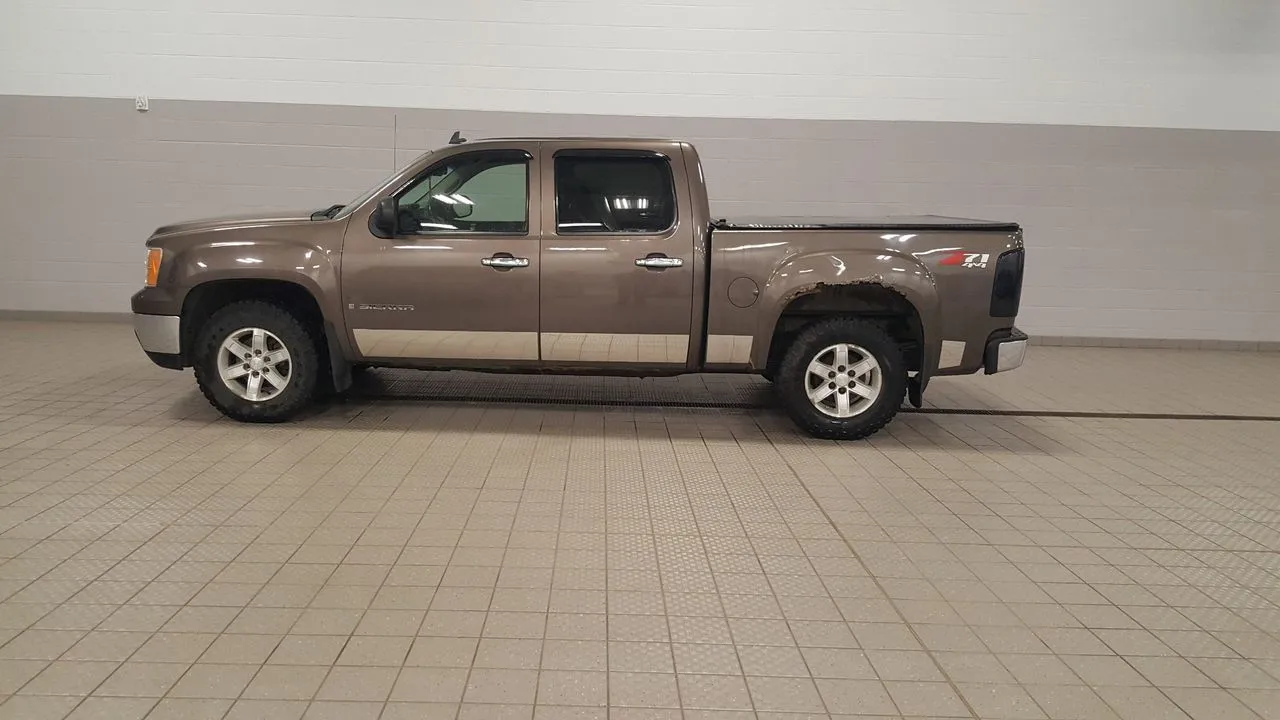
5. GMC Sierra 1500 2007-2013 (5.3L V8 with AFM)
This generation of Sierra trucks brought modern technology to traditional V8 power, but the execution created long-term reliability concerns. The 5.3-litre V8 fitted with Active Fuel Management (AFM) became one of the most problematic engines in its class.
The AFM system switched off cylinders during low-load driving to improve fuel economy, but the lifters responsible for this function frequently failed. When the lifters stopped moving correctly, they damaged the camshaft and created internal engine wear.
Repair costs were high because fixing the issue often required removing cylinder heads and replacing major components.
Transmission durability was another concern. The six-speed automatic used with the 5.3-litre engine suffered from harsh shifting, delayed engagement, and torque converter shudder during light acceleration.
These problems came from weak internal components and poor factory calibration. Many owners needed transmission rebuilds before reaching high mileage, and long-term reliability improved only when upgraded parts and better valve bodies were installed.
Electrical quality also declined in this model range. Dashboards cracked easily, and interior electronics such as audio systems, climate controls, and communication modules frequently malfunctioned.
Wiring and battery drain issues caused unpredictable failures. These trucks performed well when new, but time revealed design weaknesses that made maintenance costly.
