Every commute does not have to be ordinary. For car enthusiasts and casual drivers alike, the daily drive can become an experience that excites the senses, challenges precision, and brings joy behind the wheel.
From nimble roadsters that handle corners with precision to sleek luxury sedans that combine comfort and sportiness, the right car can make even the most routine journey memorable. In this article, we explore 8 cars that turn every commute into an experience, featuring models like the turbocharged Ford Mustang EcoBoost, the playful Mazda MX-5 Miata, and the stylish Mercedes-Benz CLA.
Each vehicle balances practicality with thrills in its own way through responsive acceleration, engaging handling, or advanced technology, showing that a daily drive can be more than just a task.
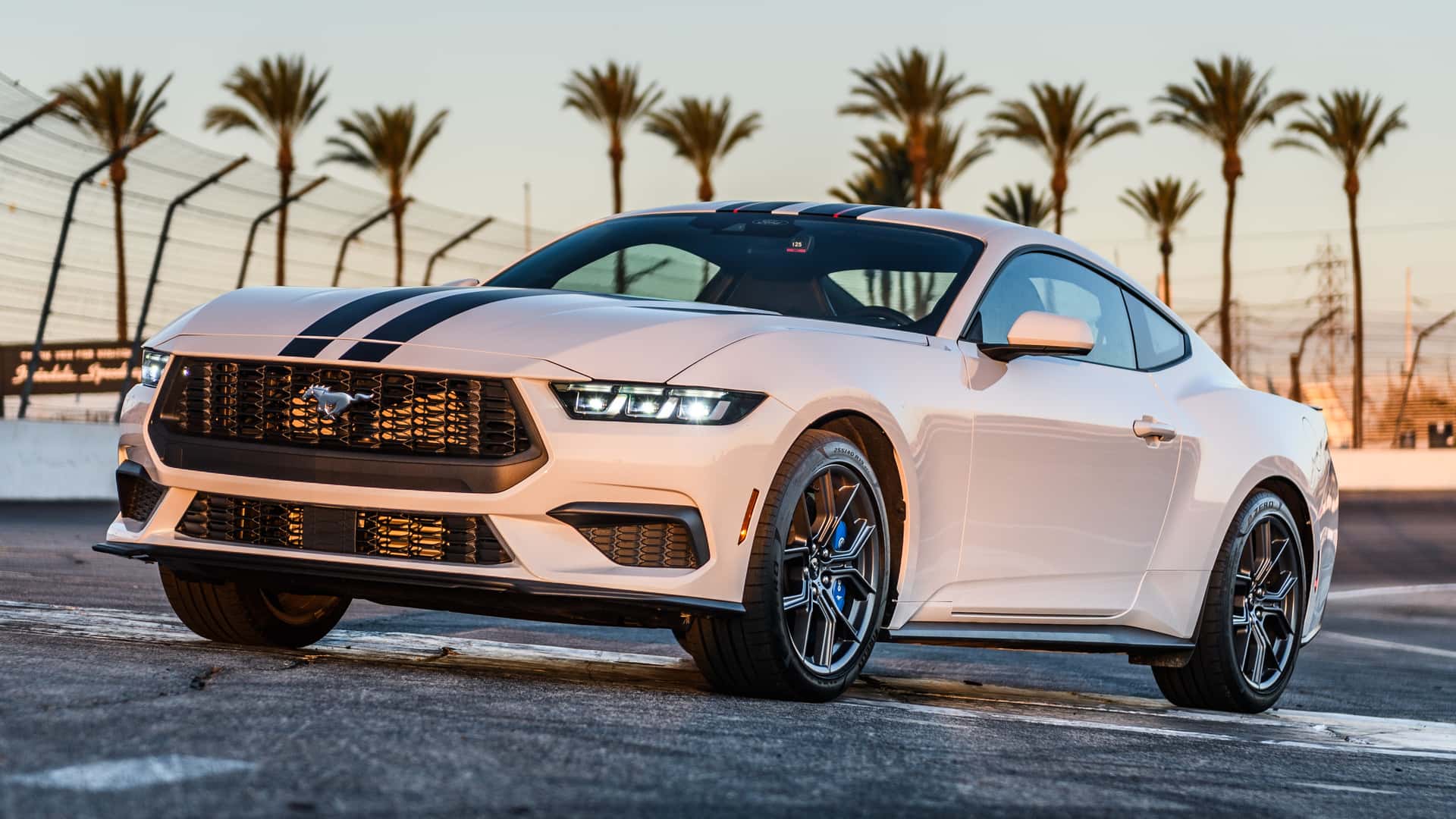
1. Ford Mustang EcoBoost: Daily Driver with Muscle-Car Flair
The Ford Mustang EcoBoost is a strong choice for drivers seeking a two-door sports car that balances daily usability with spirited performance. While it does not feature the classic V8, the turbocharged four-cylinder engine delivers a satisfying surge off the line, accompanied by a muscle-car-inspired soundtrack.
Rear-wheel drive, selectable drive modes, and a digital instrument cluster enhance the driving experience, allowing drivers to switch between comfort and sport. Its fuel efficiency makes it a practical option for commuting compared to the more powerful V8 variants.
Mustang performance is impressive across the lineup. The EcoBoost version reaches 60 mph in 5.6 seconds, while the GT with a six-speed manual hits 4.8 seconds, and the GT with a 10-speed automatic achieves 4.3 seconds.
Quarter-mile speeds follow the same pattern: 94.2 mph for EcoBoost, 111.6 mph for the manual GT, and 113.1 mph for the automatic GT. Braking is strong, requiring roughly 100 feet to stop from 60 mph, and the chassis demonstrates excellent stability and handling with Pirelli P Zero tires.
The Mustang performs well both on the track and in daily driving. The EcoBoost engine is peppy and keeps pace with traffic, while the V8 delivers ample torque for smooth highway driving. Transmission choices include a manual six-speed or a 10-speed automatic, both providing engaging driving experiences.
The Mustang caters to both comfort-focused and performance-oriented drivers. Standard suspension absorbs most road irregularities effectively, while the optional MagneRide adaptive suspension offers a firmer, more track-oriented ride. Recaro sport seats provide strong lateral support, though larger drivers may prefer the standard or heated/ventilated options.
Some interior features are less intuitive. The climate system’s fully digital controls require opening multiple menus, and the center vents lack sufficient airflow and adjustability. Cabin noise includes tire and road sounds, but the cabin is well insulated. Rear seats are cramped and better suited for short trips, while long doors and thick windshield pillars can affect access and visibility.
The Mustang features a digital instrument cluster paired with a 13.2-inch SYNC 4 touchscreen, offering clear, responsive menus. Navigation is quick and efficient, while the optional 12-speaker B&O audio system produces strong volume but limited nuance at higher levels.
Standard safety features include automatic emergency braking and blind-spot warning, though lane-keeping assist can feel inconsistent. USB ports are conveniently positioned for everyday use.
The Mustang is practical for daily driving. The fastback offers 13.5 cubic feet of trunk space, and the convertible provides 11.4 cubic feet, accommodating luggage or sports gear efficiently. Interior storage is sufficient for essentials, though fitting car seats may be challenging. Convertible models retain trunk space when the top is down.
Fuel efficiency meets EPA estimates: EcoBoost averages 26 mpg combined, while the V8 GT achieves 18 mpg. Compared to competitors like the Toyota GR Supra and BMW M240i, the Mustang’s V8 is slightly less efficient.
The EcoBoost model provides an affordable entry into Mustang ownership, while the GT competes with higher-end sports cars. Interior materials may feel less premium than rivals, but the Mustang allows extensive personalization. Warranty coverage includes 3 years/36,000 miles bumper-to-bumper and 5 years/60,000 miles powertrain, with five years of roadside assistance.
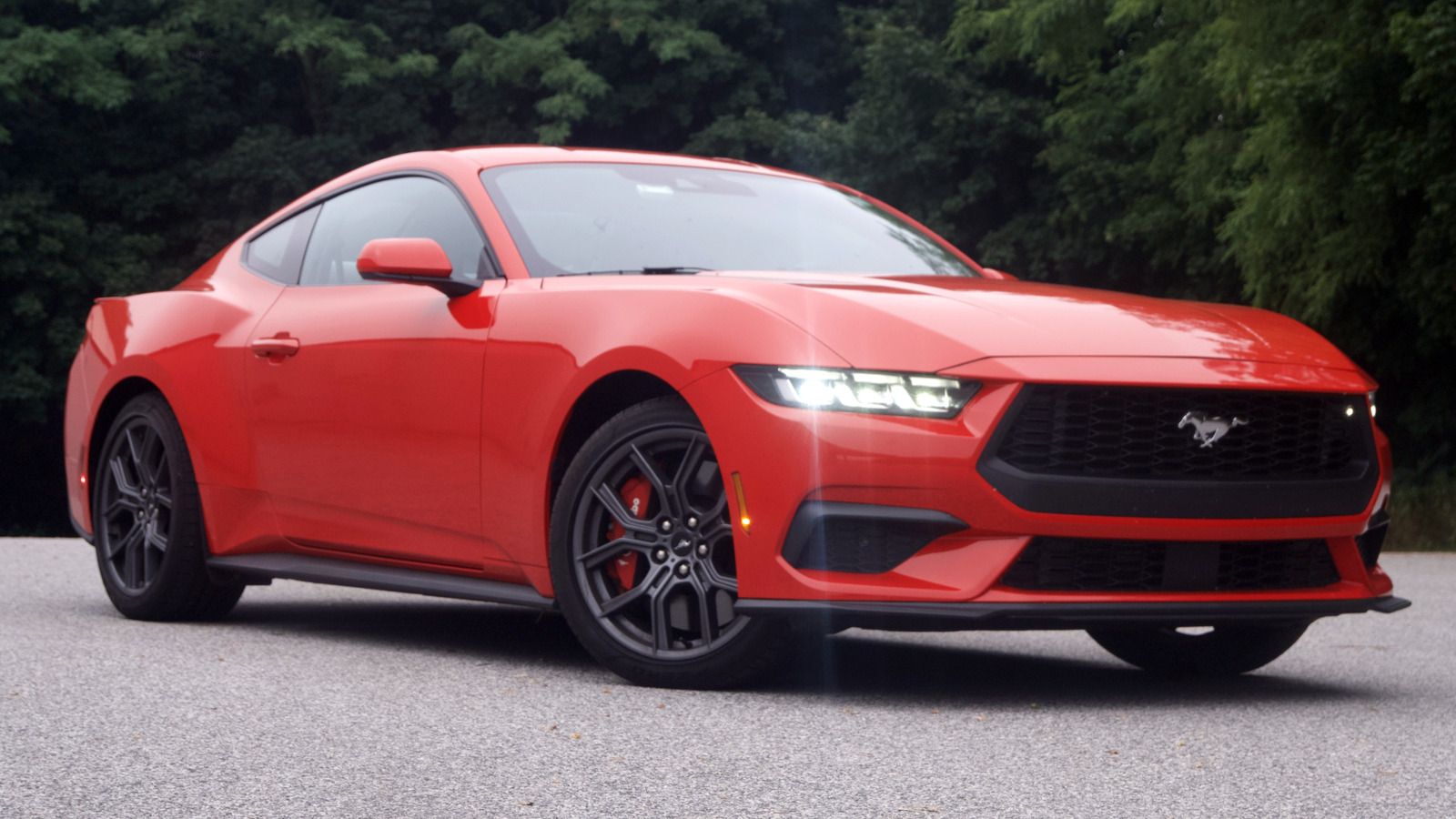
2. Mazda MX-5 Miata: A Fun and Nimble Roadster
The Mazda MX-5 Miata is a small, lightweight roadster celebrated for its nimble handling and engaging driving experience. Its perfect weight distribution and sharp steering make cornering feel precise and thrilling, while the soft top allows drivers to enjoy open-air motoring or a cozy enclosed cabin during cooler mornings.
The intuitive manual gearbox provides direct, tactile feedback, reminiscent of vintage sports cars, and reliability surveys consistently rank the Miata as one of the most dependable convertibles.
On the road, the Miata is light, precise, and easy to drive, even when pushed hard. In testing, the manual-equipped MX-5 Miata accelerated from 0 to 60 mph in 6.4 seconds, which is slightly slower than competitors such as the Subaru BRZ or the VW Golf GTI but still respectable for a small roadster.
Braking performance is strong, with a measured stop from 60 mph in 113 feet. Around corners, the Miata provides excellent feedback, allowing drivers to feel the limits of available grip. Body roll is noticeable at high speeds but does not usually compromise the driving experience unless the car is taken to a racetrack.
Although compact two-seaters are not known for comfort, the Miata proves surprisingly livable for daily driving. Its suspension handles smaller road imperfections well, though larger bumps are more noticeable.
Seats are supportive and include heaters for chilly mornings, although some may find the padding unusual. One drawback is the significant wind noise with the top up, which can make highway conversation difficult. Driving with the top down reduces this problem and enhances the open-air experience.
The Miata’s cabin is designed for driver-focused fun, with most controls within easy reach. The infotainment system includes a control knob that is awkwardly placed, but touchscreen alternatives make it manageable.
Cupholders are inconveniently positioned, and taller drivers may find headroom and legroom limited. The passenger footwell is shorter than the driver’s, restricting space for taller co-pilots. A highlight is the easy-to-operate manual soft top, which allows quick transitions between open and closed configurations.
Mazda balances driving purity with modern tech, offering two USB ports, Apple CarPlay, and Android Auto. The Miata also includes driver-assist features, with blind-spot monitoring being particularly useful. The optional nine-speaker Bose audio system delivers good sound quality, while the voice control system is functional but limited. Navigation is available but basic in design.
As a compact two-seater, the Miata’s storage is limited. The trunk measures 4.6 cubic feet, enough for a few small bags or carry-on luggage. There is no rear seat or traditional glovebox, with a small central bin serving as the main storage area. Child seating is possible but restricted to one forward-facing seat or booster, with no advanced anchoring options.
The Miata achieves an EPA-estimated 29 mpg combined, making it fuel-efficient for a sports car. Build quality is solid, with soft plastics and synthetic leather giving the interior an upscale feel. While higher trims can be pricey, the Miata offers strong value. Mazda provides a three-year/36,000-mile bumper-to-bumper warranty and a five-year/60,000-mile powertrain warranty, along with three years of roadside assistance.
The Mazda MX-5 Miata is a lightweight, reliable, and fun-to-drive roadster with excellent handling, modest performance figures, limited practicality, and a well-appointed, driver-focused interior. It combines driving excitement with usability for daily driving and weekend adventures.
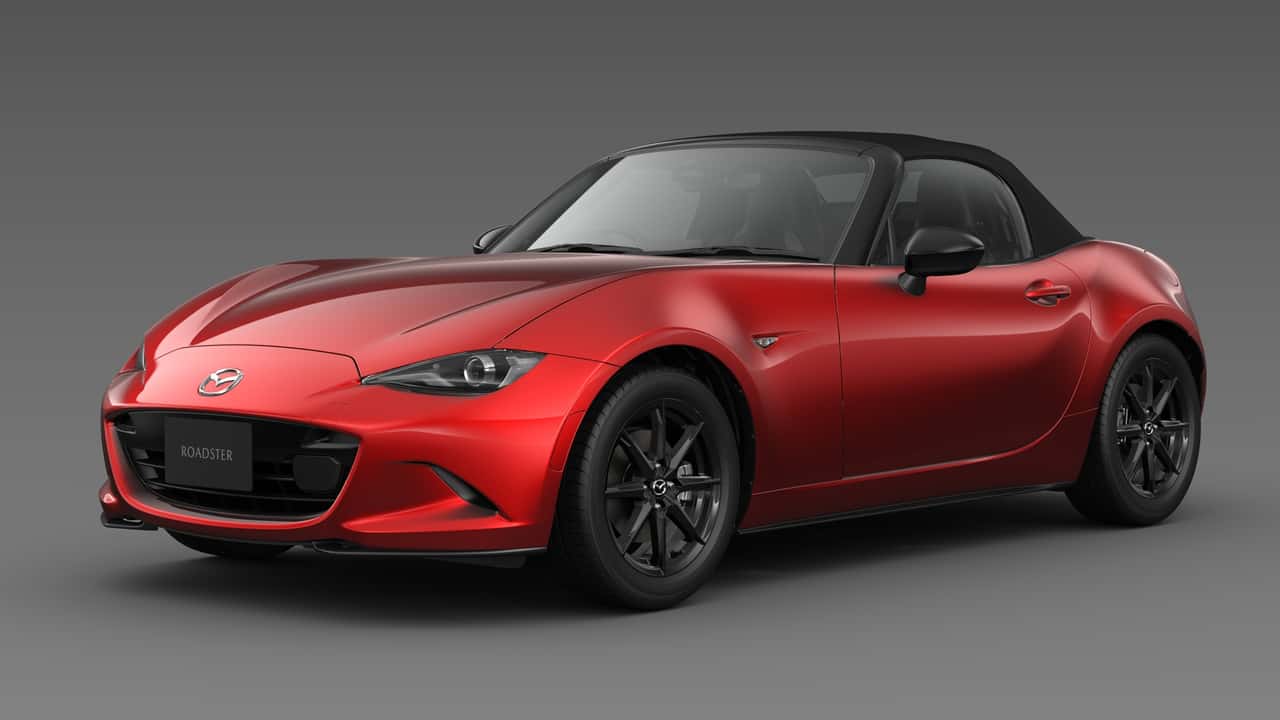
3. Toyota GR86: Fun Meets Practicality
The Toyota GR86 is a compact sports coupe that blends everyday practicality with engaging driving dynamics. Built on a rear-wheel-drive platform tuned for precision, it delivers a playful and responsive driving experience while still being suitable as a daily driver.
With Toyota’s reputation for reliability, the GR86 provides both thrills and peace of mind, making it a compelling choice for enthusiasts who need a car for more than just weekends.
The GR86 excels in handling, offering sharp steering feedback and excellent balance. Equipped with optional high-performance summer tires, grip and confidence increase significantly, though the firm suspension can feel harsh on rough roads. Braking performance is strong, with the GR86 stopping from 60 mph in just 104 feet, demonstrating impressive control for a low-priced sports car.
Acceleration depends on the transmission. The manual version reaches 0 to 60 mph in six seconds, delivering an engaging experience thanks to a precise shifter, well-positioned pedals, and a light, easy-to-modulate clutch.
The automatic variant takes slightly longer at 6.9 seconds but adds convenience in traffic and includes paddle shifters with quick downshifts in Track mode. The GR86 rewards drivers with a connected and responsive feel, ideal for spirited drives and tight corners.
While designed for performance, the GR86 retains a measure of comfort. Its suspension is stiffer than the Subaru BRZ, offering excitement at lower speeds but transmitting more bumps and jitters over longer journeys.
Manually adjustable seats feature improved bolstering, holding occupants securely without feeling restrictive. Dual-zone climate control enhances comfort for front passengers, though noise from the road, tires, and engine can be intrusive.
The interior of the GR86 emphasizes the driving experience. A low dashboard improves forward visibility, and the digital instrument panel is easy to read at a glance.
The small steering wheel allows easier entry and exit, particularly for taller drivers, while front seats provide sufficient space and comfort. Rear seats are cramped and more suitable for storage than passengers. The cabin is solidly built, functional, and focused on performance.
For a sports car, the GR86 delivers respectable efficiency. The automatic model achieves an EPA-rated 24 mpg combined, with real-world testing reaching 28 mpg. The manual version is slightly less efficient, rated at 22 mpg combined but achieving 23 mpg in real-world conditions. These numbers make the GR86 practical enough for daily commuting without excessive fuel costs.
The Toyota GR86 offers remarkable value, combining driving enjoyment with practicality at a competitive price. The interior is not luxurious but feels solid and well-constructed. Comparable cars with similar equipment often cost significantly more.
Toyota provides warranties of three years or 36,000 miles for bumper-to-bumper coverage and five years or 50,000 miles for the powertrain, along with three years or 36,000 miles of roadside assistance and two years of complimentary maintenance, providing added reassurance.
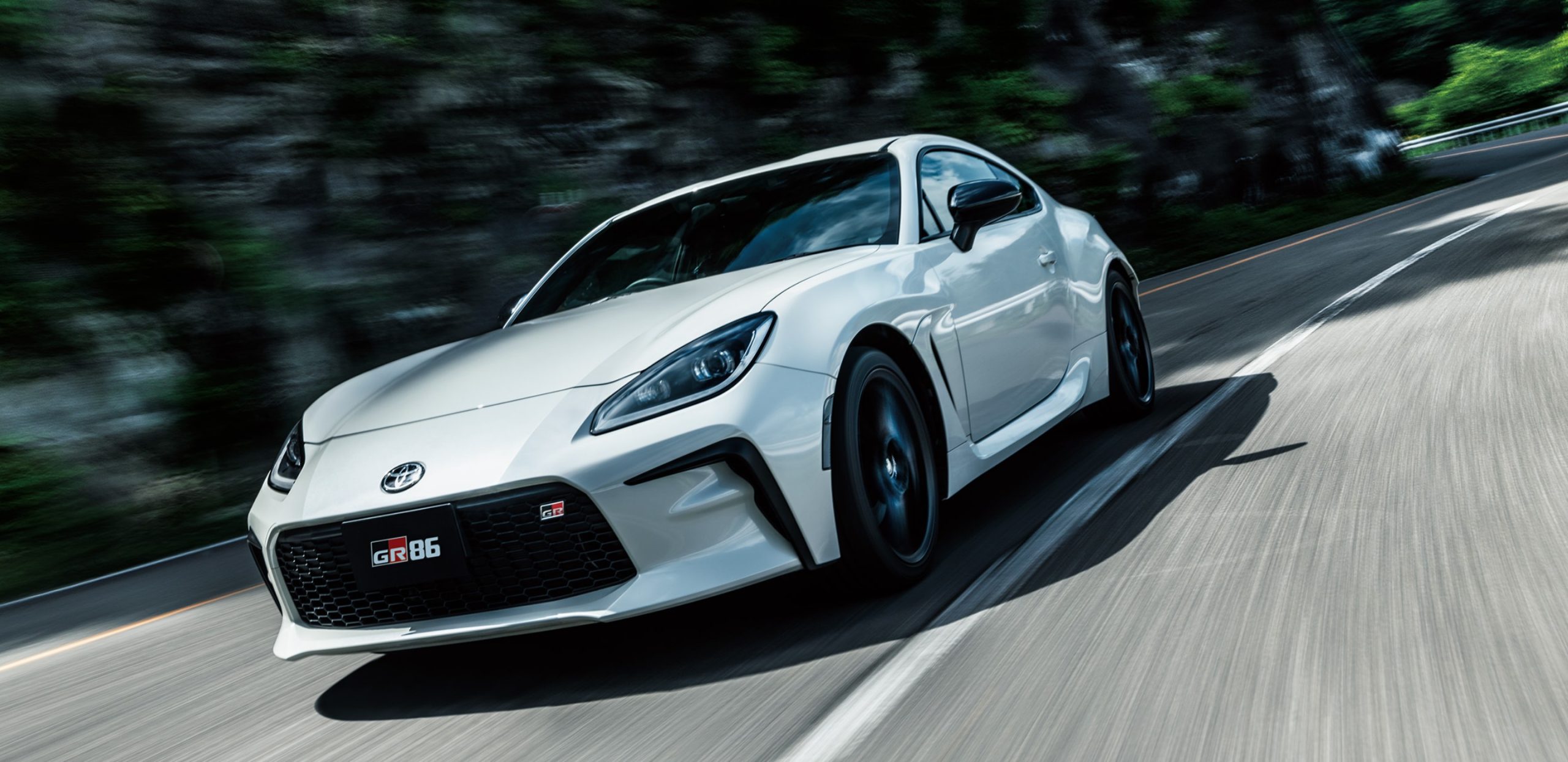
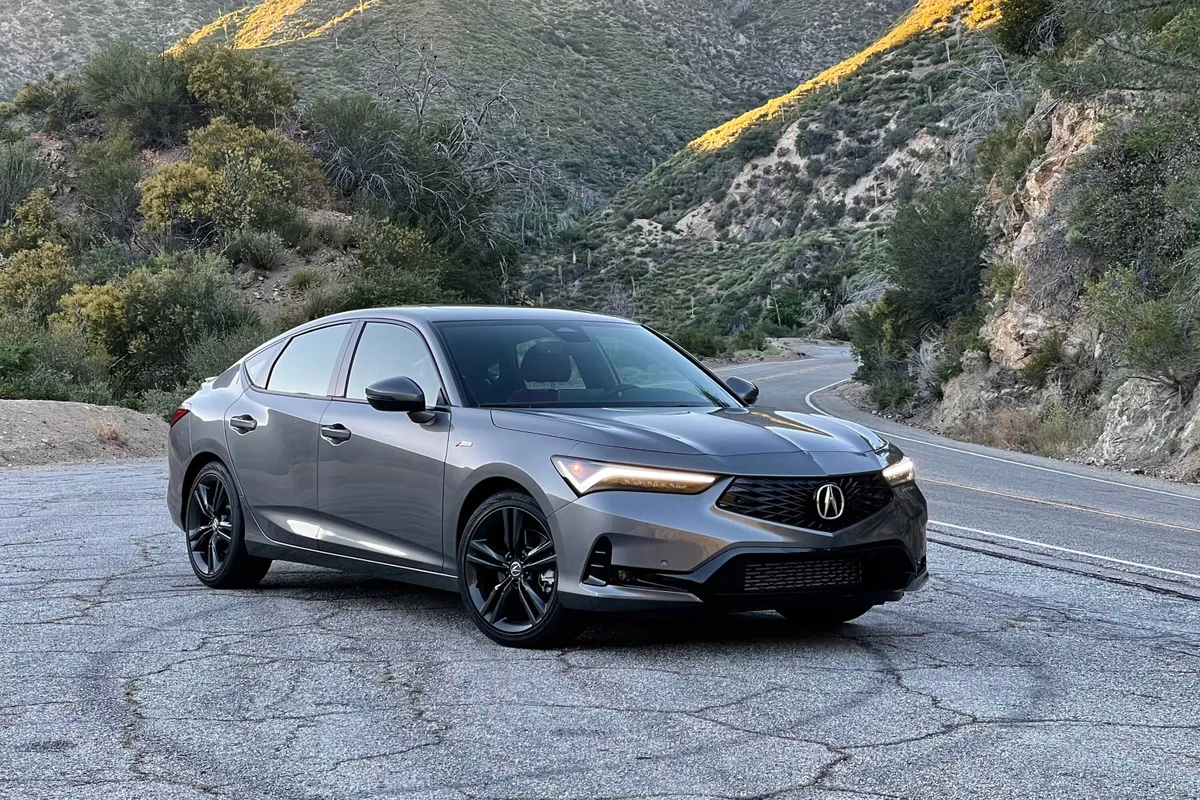
4. Acura Integra: Stylish, Practical, and Fun to Drive
The Acura Integra revives a classic nameplate with a modern approach, offering a premium hatchback that balances style, comfort, and driving enjoyment. Its turbocharged engine delivers eager acceleration once past initial turbo lag, while leather-trimmed sport seats and ambient cabin lighting enhance the driving experience.
Acura’s Precision All-Wheel Steer improves turn-in agility, showing that luxury and fun can coexist in a single vehicle.
The Integra provides an engaging driving experience, though its 0 to 60 mph time of 7.8 seconds is slower than lighter competitors like the Civic Si. The midrange torque enhances everyday drivability, and revving to redline recalls the excitement of classic Honda engines. Braking is competent, with the Integra stopping from 60 mph in 119 feet, slightly better than some premium rivals.
Handling benefits from a well-engineered chassis, but factory all-season tires limit peak grip. Adaptive suspension dampers, available in the A-Spec with Technology trim, improve ride comfort and handling, though the difference between Normal and Sport modes is subtle unless pushed aggressively. The Integra rewards spirited driving while remaining manageable for daily commutes.
Comfort is mixed. The adaptive suspension delivers a smoother ride than the Civic Si, but firmness is still noticeable for a luxury vehicle. Interior noise is higher than expected, reducing cabin refinement.
Power-adjustable lumbar support is a notable feature for drivers in higher trims, while front passenger seating is mostly manual unless upgraded. Seats are supportive but not exceptional, and the air-conditioning system is slower to cool the cabin and lacks rear vents.
The Integra shares much of its interior with the Civic Si, though additional color schemes and features give it a more premium feel. Visibility is excellent in all directions, and the driving position is well-suited for most drivers.
Front and rear legroom is generous, but rear headroom is slightly reduced due to the hatchback design. Cargo capacity is a strong point, offering 24.3 cubic feet behind the rear seats and more space when folded, making the Integra practical for carrying gear or luggage.
Technology is well-implemented, including a 9-inch touchscreen in higher trims and a 7-inch screen on lower trims. The interface responds quickly, keeping attention focused on the road.
ELS 3D audio is available in higher trims, producing clearer sound than the Civic Si, though it is not exceptional for the luxury segment. Adaptive cruise control and lane-keeping assist work well with the manual transmission, blending driver engagement with convenience.
Fuel efficiency is solid for a sporty hatchback. The manual model achieves 30 mpg combined, consistent with real-world driving tests, while the CVT improves efficiency to 33 mpg combined. This makes the Integra economical for daily use or longer trips.
The Integra’s price may challenge some buyers, as it costs significantly more than the Civic Si while offering similar hardware. The CVT option replaces a more responsive automatic, which could limit appeal to enthusiasts.
Warranty coverage is slightly better than the Civic, with four years or 50,000 miles for comprehensive coverage and six years or 70,000 miles for the powertrain. The Integra delivers style, practicality, and a premium feel, but differentiation from mainstream competitors is limited.
Also Read: 5 Cars With Smart Features vs 5 With Pointless Gimmicks
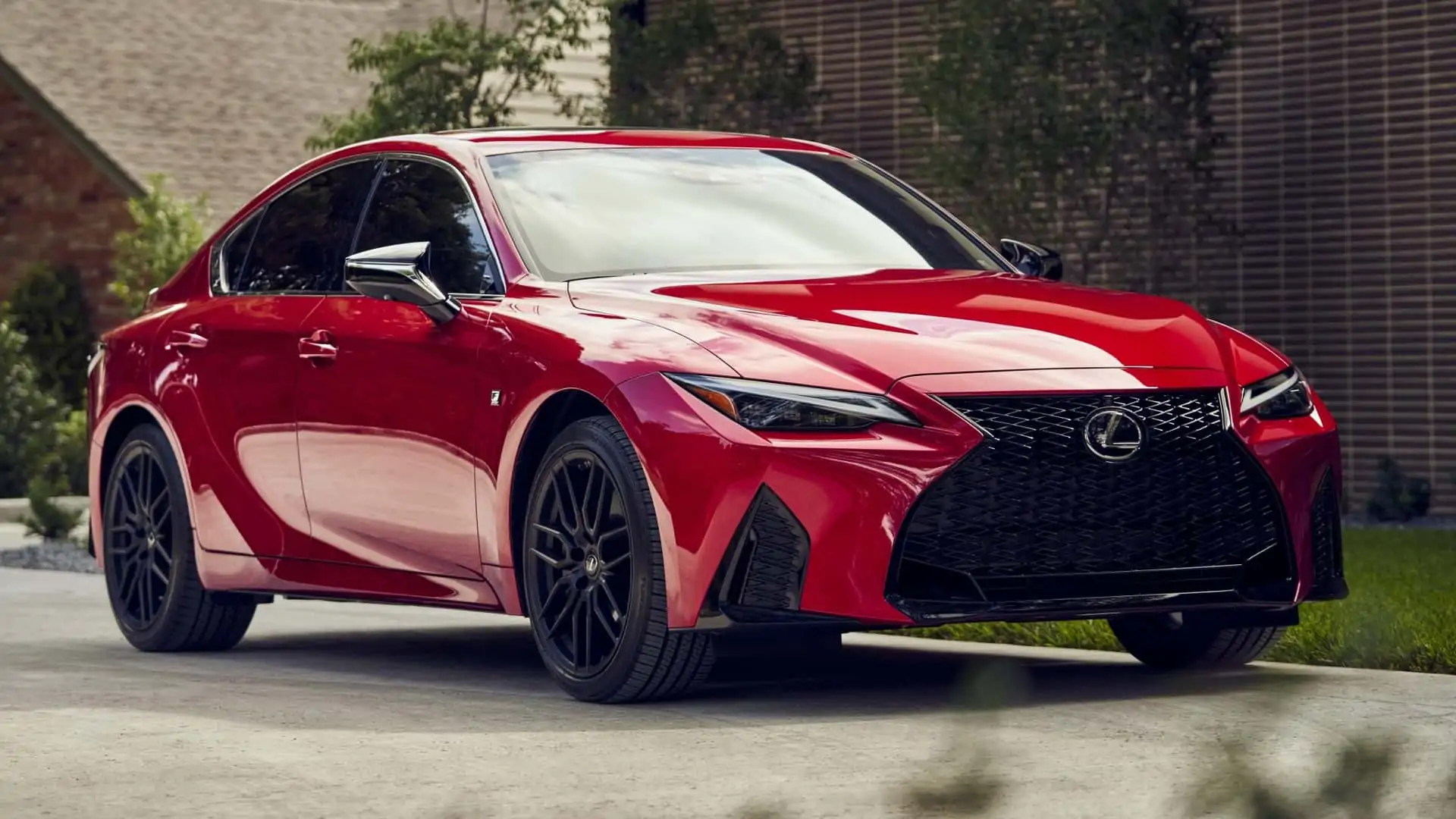
5. Lexus IS: Entry-Level Luxury with Sporty Appeal
The Lexus IS combines entry-level luxury with sporty handling and renowned reliability. Its rear-wheel-drive bias, precise steering, and smooth engine note make it engaging for drivers, while supportive seats and the standard Lexus Safety System Plus ensure comfort and safety. The cabin’s high-resolution displays and intuitive controls provide a premium feel, elevating daily driving into a more refined experience.
The Lexus IS 350 F Sport offers nimble handling but is slightly let down by its naturally aspirated V6 engine. In testing, the rear-wheel-drive model accelerated from 0 to 60 mph in 6.2 seconds, which is slower than many competitors’ base four-cylinder variants. Despite this, the engine delivers smooth, linear power from idle to redline, and the automatic transmission shifts quickly and cleanly.
Steering, braking, and suspension are standout features. The IS 350 is athletic and well-planted through corners, particularly when equipped with optional adaptive suspension and a limited-slip differential. These options enhance handling and ride quality, making the sedan feel capable and responsive on both city streets and winding roads.
The IS provides a balanced ride, particularly with adaptive suspension, offering taut handling without being overly harsh. Front seats are comfortable despite fewer adjustments than some competitors, and climate control combined with heated and ventilated seating keeps occupants comfortable in varying conditions.
Road and tire noise remain minimal, though optional F Sport summer tires produce slightly more sound than typical Lexus standards.
The driving position is excellent, with good visibility and accessible controls. However, the rear seats are small for adults, and passengers taller than six feet may find them cramped.
The infotainment system includes a touchscreen and touchpad controller, which can be somewhat distracting to use, but the touchscreen simplifies menu navigation. Interior storage is limited, with few spaces for phones, sunglasses, or small items, and rear seating space can complicate child seat installation.
The IS comes equipped with Apple CarPlay, Android Auto, voice commands, and a suite of driver assistance features, including adaptive cruise control, lane-keeping assistance, automatic high beams, and blind-spot warning. While the safety features are comprehensive, some systems, like adaptive cruise control, lack the refinement of competitors, reacting more slowly and leaving larger gaps between vehicles.
Cargo space in the IS is below average in the segment, but remains practical due to its wide and tall dimensions. Rear seats fold 60/40 to expand storage capacity, making it more versatile than some sedans with higher trunk volume ratings. Interior storage, however, is limited and does not provide convenient spots for everyday items.
The rear-wheel-drive IS 350 achieves an EPA-estimated 23 mpg combined, slightly better than many six-cylinder rivals. All-wheel-drive models drop to 22 mpg combined, maintaining competitive efficiency for the segment.
The Lexus IS provides a feature-rich, sporty luxury experience at a reasonable price. Some interior controls feel less refined, but the cabin is generally well-constructed. Warranty coverage is solid, with four years or 50,000 miles for basic coverage and six years or 70,000 miles for the powertrain, reflecting Lexus’ commitment to reliability and ownership satisfaction.
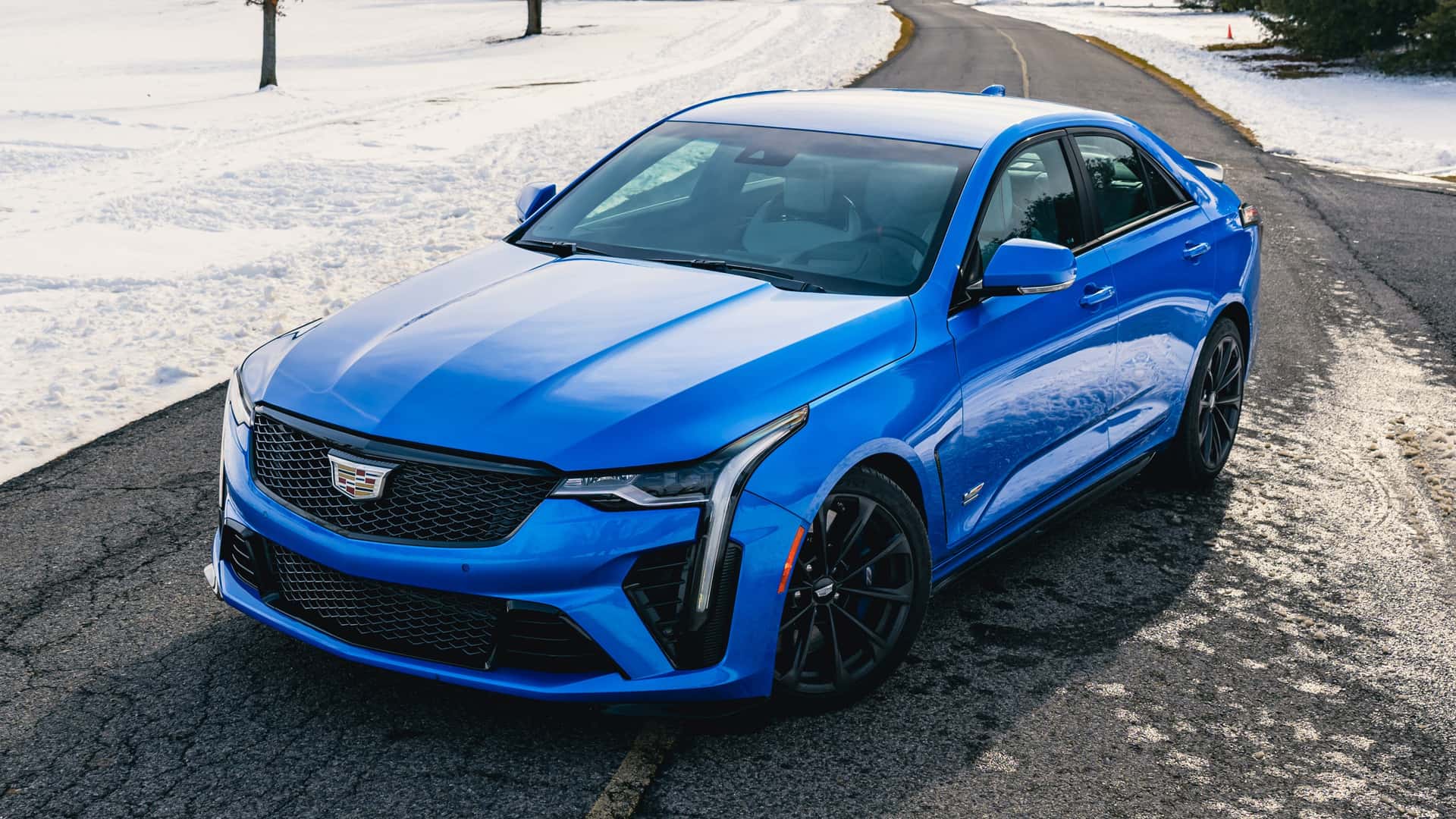
6. Cadillac CT4: Sporty Design Meets Mixed Execution
The Cadillac CT4 aims to combine performance, luxury, and style in a compact executive sedan. With rear-wheel-drive balance, Magnetic Ride Control, and turbocharged engines, the CT4 promises engaging driving dynamics.
The cabin features leather seating and brushed-metal accents, giving it a premium appearance. Despite strong performance figures, the driving experience exposes several shortcomings in responsiveness and refinement.
The CT4 offers brisk acceleration, especially with the 2.7-liter turbocharged engine in all-wheel-drive models, which reached 0 to 60 mph in just 5.0 seconds during testing. The engine, however, feels hesitant under load and lacks immediate responsiveness.
Steering is heavy, chassis transitions between quick turns feel unrefined, and the 10-speed automatic transmission produces noticeable thumps during shifts. The automatic engine stop-start system is loud, and the brake pedal feels wooden, making smooth stops challenging. While the CT4 performs well on paper, many aspects of its driving dynamics leave a mixed impression.
Comfort is a weak point for the CT4. The Premium Luxury trim tested did not provide supportive seating, and the leather surfaces felt generic rather than high-end. Road noise is present at nearly all speeds, and the suspension transmits bumps sharply to the cabin, creating a choppy ride. Drivers and passengers may find the ride less refined than expected for a vehicle at this price point.
The CT4 cabin is driver-focused, but some design decisions reduce convenience. Front-seat entry and exit are easy, but rear seating is tight due to low rooflines and narrow door openings.
Tall passengers may feel cramped, and high sills make stepping in and out difficult. Controls are inconsistently placed, requiring attention to locate buttons quickly. The rotary controller for the main interface feels cheap, diminishing the cabin’s sense of quality.
Technology options are strong, including an 8-inch touchscreen with integrated navigation and a 14-speaker Bose sound system. Wireless Apple CarPlay and Android Auto come standard, and Bluetooth pairing is seamless.
The voice recognition system functions adequately, though it does not support natural language commands. Adaptive cruise control is optional and was missing in the test vehicle, leaving it behind many competitors in convenience features.
Storage is limited. The trunk offers 10.7 cubic feet of space and lacks handles for folding the rear seats. Inside, the center console and smartphone charging station provide some utility, but cupholders and door pockets are small. The tight rear seats make it difficult to install larger child seats, reducing practicality for families.
The EPA estimates 24 mpg combined for the all-wheel-drive 2.7-liter model. In real-world testing, the CT4 achieved 29.5 mpg over a 115-mile route, surpassing expectations for a turbocharged four-cylinder sedan.
The CT4’s value is questionable. Interior materials feel cheap given the price, and the tested model totaled $46,690. Warranty coverage includes four years or 50,000 miles for basic coverage and six years or 70,000 miles for the powertrain, slightly above average.
Rust protection is limited to four years or 50,000 miles, which is low for a luxury brand. While the CT4 features a striking design and strong acceleration numbers, it struggles to compete with rivals that offer higher-quality interiors and smoother driving experiences.
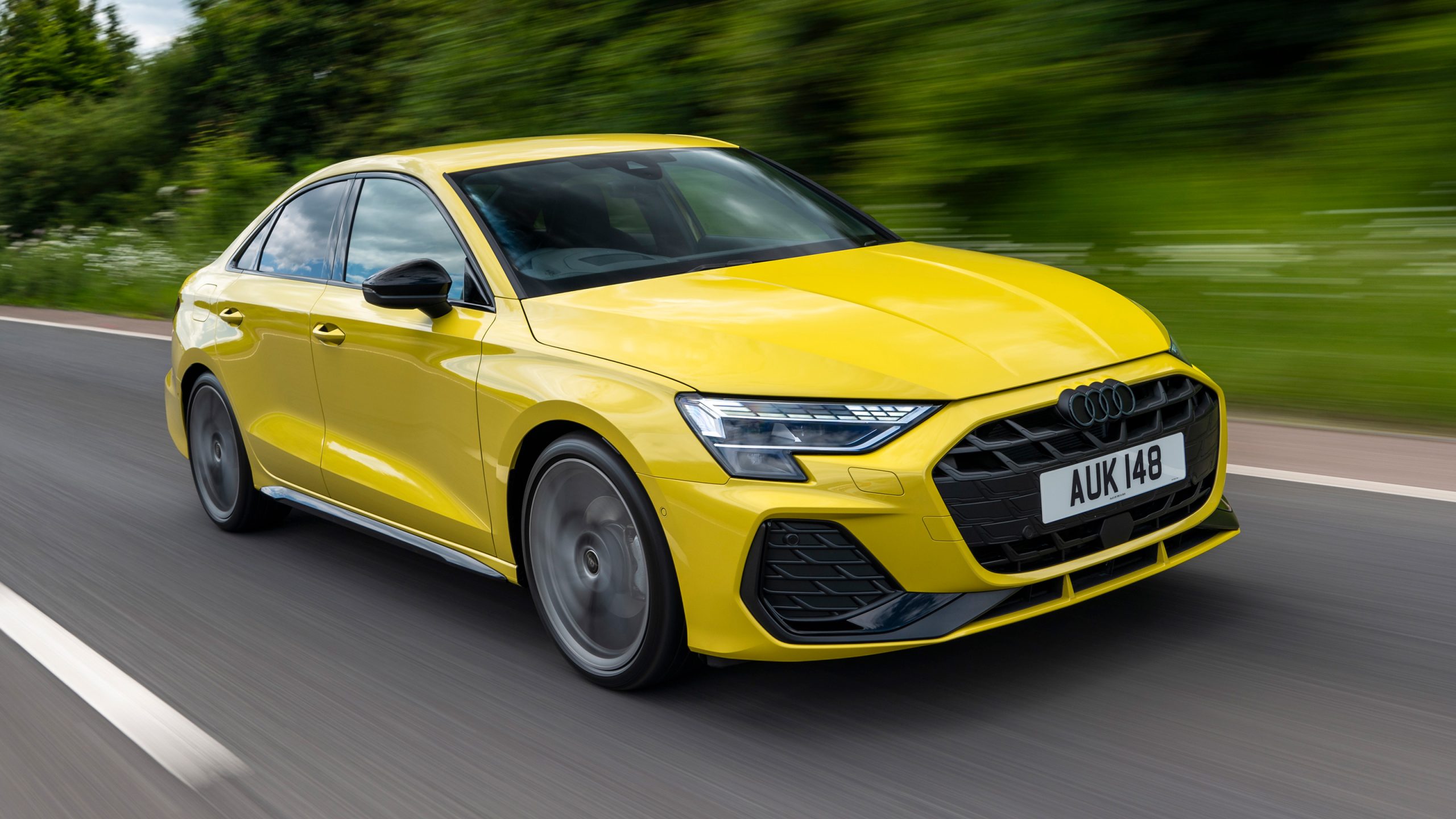
7. Audi A3: Compact Luxury with Agile Performance
The Audi A3 is a compact luxury sedan that combines German engineering, nimble handling, and refined design at a competitive price. Its taut chassis, precise steering, and available Quattro all-wheel drive make it enjoyable in various driving conditions, while the turbocharged four-cylinder engine provides sufficient power for daily driving.
The Virtual Cockpit display integrates navigation, audio, and performance data into a single, clear instrument cluster, giving the cabin a modern, upscale feel.
The Audi A3 is one of the smallest sedans on the market, making it feel light and responsive in both city streets and winding roads. Steering is accurate and quick, though it offers limited road feedback. Brakes perform well, delivering short stopping distances during emergency testing.
The turbocharged engine provides adequate low- and mid-range power, allowing the A3 to accelerate briskly from stops. The transmission shifts smoothly and enhances comfort in urban driving. While the sportier S3 and RS 3 offer higher performance, the base A3 is still engaging and enjoyable for everyday driving.
The A3 offers a comfortable, compliant ride that leans slightly toward firmness, allowing drivers to feel the road without discomfort. Front seats are heated, supportive, and easily adjustable, while rear seats are slightly flat but still manageable for adults on shorter trips.
Three-zone climate control is efficient and responsive, cooling the cabin evenly. Controls are intuitively placed on the dash, making operation simple without diverting attention from driving.
Despite its compact size, the A3 provides reasonable interior space. Taller drivers can find a comfortable front seating position, and the adjustable seats make finding an ideal driving posture straightforward. Rear passengers are snug but can remain comfortable over shorter distances.
The small width and short doors aid entry and exit. Audi combines traditional buttons with touchscreen menus, though some settings are buried within the interface. The cabin materials feel premium, with minimal compromises on quality.
The A3 includes modern technology features, including a touchscreen navigation system, wireless Apple CarPlay and Android Auto, and an available Sonos audio system.
The Virtual Cockpit provides a clear, integrated display for navigation and performance metrics. Driver aids, including adaptive cruise control and blind-spot monitoring, are optional, but they operate smoothly and unobtrusively when installed. Wireless charging is also available, enhancing convenience.
Cargo space is modest at 10.9 cubic feet, but it is wide and tall, with rear seats that fold flat for additional utility. Front storage includes a phone bin, cupholders, and door pockets. Rear seat anchors are easily accessible for child seats, and compact rear dimensions still allow practical use for smaller passengers.
The A3 achieves an EPA-estimated 28 mpg combined. On the test route, the all-wheel-drive model exceeded expectations with 34.7 mpg, demonstrating strong efficiency for a compact luxury sedan.
The Audi A3 offers a near-luxury experience at an entry-level price. Standard features include leather upholstery, heated front seats, and a 10.1-inch touchscreen. Optional packages add driver aids and tech enhancements. Some hard plastic surfaces exist, but they do not detract significantly from the premium feel.
Warranty coverage includes four years or 50,000 miles for basic and drivetrain components, with four years of roadside assistance. While maintenance coverage is limited, the A3 remains a strong contender for buyers seeking a compact, stylish luxury sedan.
8. Mercedes-Benz CLA: Sleek Design Meets Entry-Level Luxury
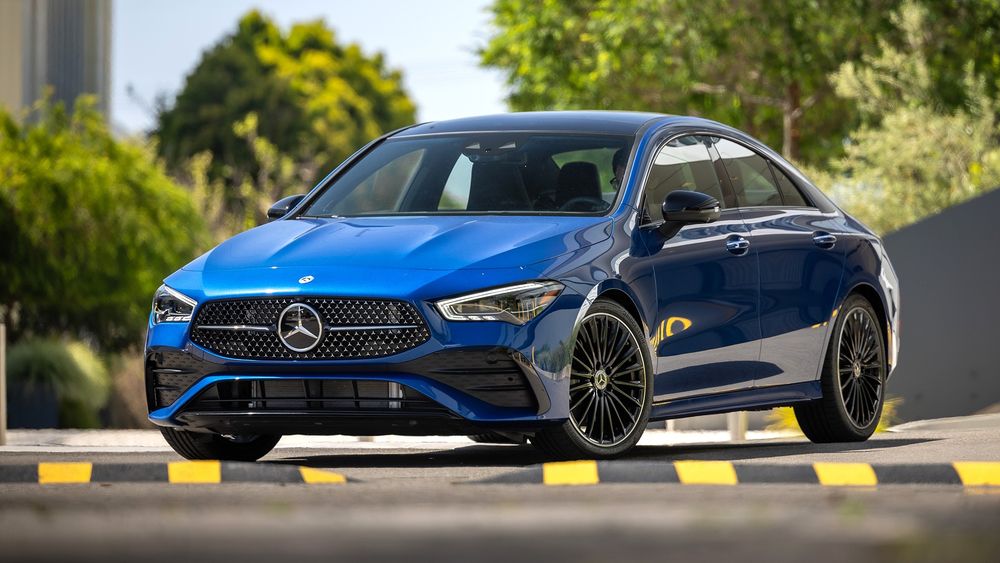
The Mercedes-Benz CLA offers a striking coupe-like silhouette with a steeply raked roofline and stylish proportions that stand out in traffic. It delivers entry-level luxury with advanced technology, including the MBUX voice assistant that understands natural commands. Dynamic Select drive modes adjust throttle, steering, and transmission response, tailoring the driving experience to suit daily commutes or spirited drives.
The CLA 250 tested featured all-wheel drive and a zippy engine, making it agile in traffic and responsive on freeway ramps. Handling is reasonably entertaining, though tire grip limits cornering potential unless upgrading to the AMG CLA 45 S.
The transmission shifts quickly during normal driving or in manual mode, but occasional delays occur when moving from park to drive or reverse, and the car can roll if the brake isn’t firmly applied. While the CLA offers fun driving dynamics for a compact luxury sedan, some mechanical responses feel hesitant under pressure.
Ride comfort is firm, particularly on city streets, and optional 19-inch wheels can exacerbate harshness. Stock 18-inch wheels help smooth the ride. Front seats are narrow and may not suit all body types, while rear seats accommodate short adults for brief journeys.
The air-conditioning system uses intuitive physical controls and LED indicators for temperature adjustment, though cooling power is limited on warm days. Ventilated seats would improve comfort, but were unavailable on the tested model.
The CLA’s cabin is compact but functional. Front occupants have adequate legroom and headroom, though space between the seats is limited. Rear visibility is compromised by thick roof pillars and headrests, making the optional 360-degree camera system valuable for parking.
Entry is simple thanks to wide-opening doors, but taller passengers must duck slightly. Touchscreen controls dominate most functions, and the touch-sensitive steering wheel buttons are prone to accidental activation.
Technology in the CLA is advanced, featuring dual 10.25-inch screens for infotainment and instruments, programmable LED ambient lighting, and wireless smartphone integration. The Burmester audio system offers clear separation of highs, mids, and lows, though the bass could be stronger.
Driver-assistance features such as adaptive cruise control, lane-keeping assistance, and automatic emergency braking operate smoothly. Wireless charging and convenient smartphone trays add usability for daily driving.
Trunk space measures 11.6 cubic feet and expands with folding rear seats. Loading is aided by a low ride height despite a high liftover. Cabin storage is more limited: the center console is deep but narrow, cupholders and door pockets are modest, and the rear seats are tight, making car seat installation challenging. Lower Isofix anchors are easy to access, but upper tethers are harder to reach.
The CLA 250 with all-wheel drive is EPA-rated at 28 mpg combined, similar to competitors like the Audi A3, though real-world testing yielded approximately 26 mpg. Efficiency is competitive for the class but slightly below estimates.
The CLA is expensive relative to rivals, and adding options increases its price significantly. While the car is attractive and technologically advanced, it lacks the distinction necessary to justify its premium cost. Warranty coverage is average for the class, and no complimentary maintenance is included. Buyers face a higher price point than similar vehicles without receiving proportionally greater features or performance.
Driving does not have to be routine. The eight cars featured here show how careful design, precise handling, and thoughtfully crafted interiors can make every commute enjoyable.
Whether you prefer the raw excitement of a sports coupe, the nimble charm of a roadster, or the refined thrill of entry-level luxury, each car brings its own character and fun to the journey.
From the Ford Mustang EcoBoost’s muscular performance to the Acura Integra’s practical driving appeal, these models prove that daily driving can be an experience in itself. Choosing a car that fits your style can make even short trips memorable and remind you that the drive can be just as rewarding as the destination.
Also Read: 10 Cars With Timeless, Clean Design That Have Become Icons