
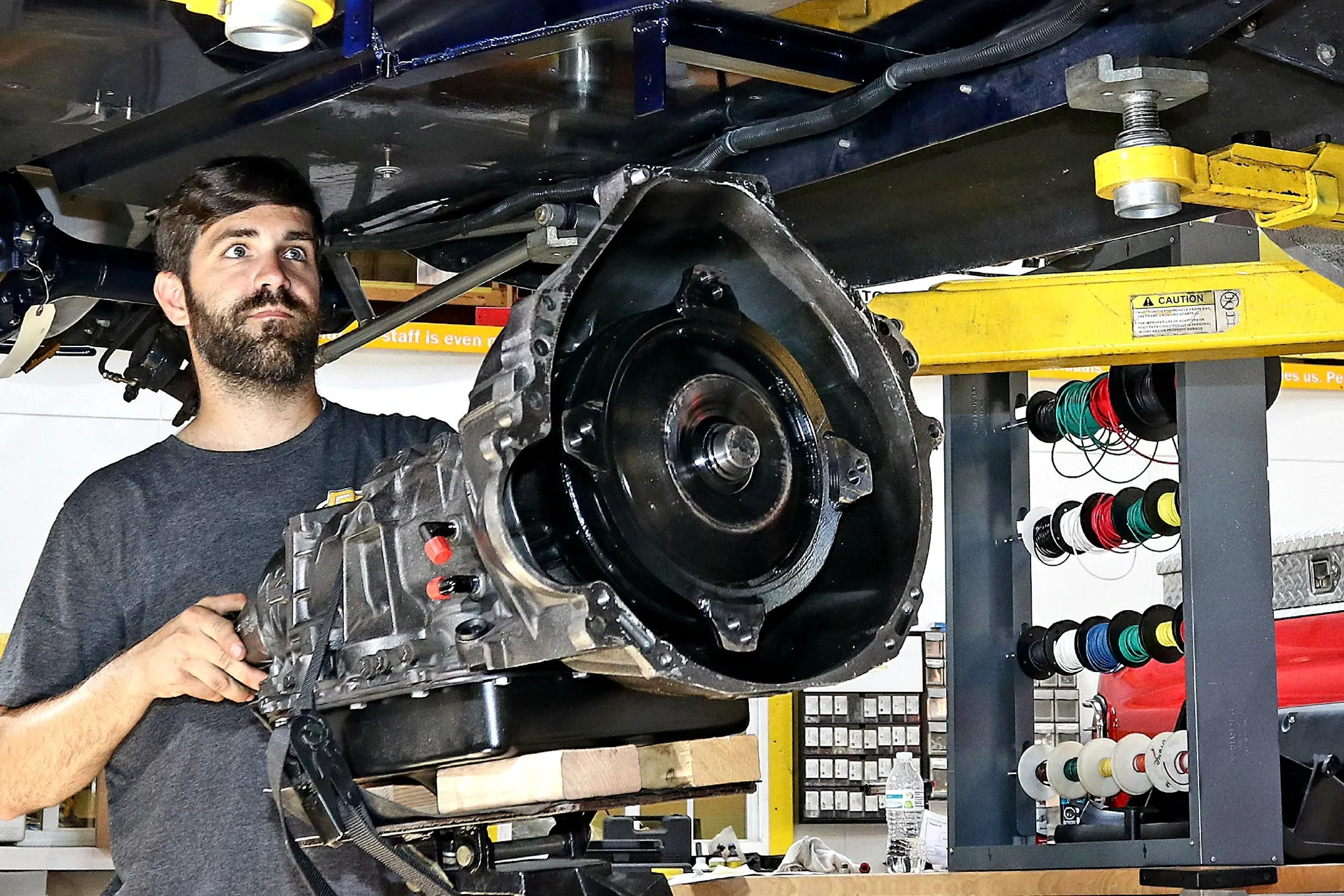
You’re cruising down the highway, enjoying your favorite song, when suddenly your car starts vibrating like it’s possessed. Is that uncomfortable shaking at low speeds or during acceleration?
That’s torque-converter shudder, and it’s one of the most annoying transmission problems you can experience.
It feels like you’re driving over rumble strips when the road is perfectly smooth, or like your engine is misfiring even though everything under the hood checks out fine.
What makes this problem so frustrating is how it creeps up on you. Your transmission works perfectly for months or years, then suddenly that judder appears out of nowhere.
You take your car to the mechanic, and they tell you it needs transmission fluid service, new fluid, or worse yet, a complete torque converter replacement. Anywhere from $500 to $3,000, depending on what needs fixing and which transmission you’re dealing with.
Not all transmissions develop this annoying vibration, though. Some are engineered properly with quality components and smart designs that prevent shuddering from ever happening.
Others seem almost destined to develop it, using cheap materials or flawed designs that guarantee problems within 50,000 to 100,000 miles.
This difference isn’t small either. We’re talking about transmissions that run smoothly for 200,000+ miles versus ones that start shaking before the warranty expires.
So which automatic transmissions stay smooth throughout their lives, and which ones turn into vibrating nightmares that ruin your daily driving experience?
Let’s break down seven transmissions that handle torque converter duties brilliantly, and seven others that seem designed to fail. Your next car purchase might depend on knowing this information.
Transmissions That Stay Silky
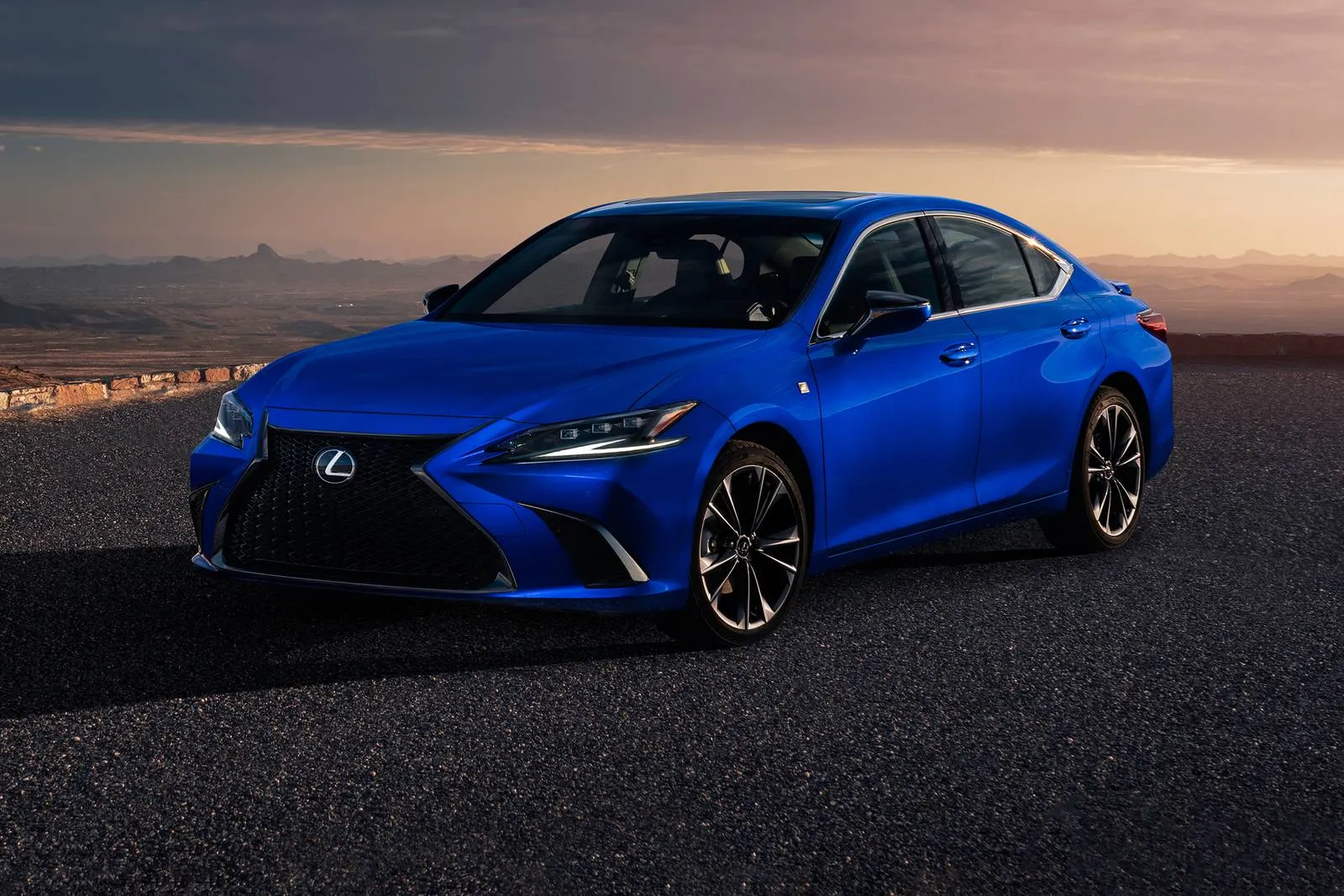
1. Lexus ES 350 Eight-Speed (2019)
Aisin builds this transmission for Toyota’s luxury division, and quality control standards are absolutely strict. Every component gets inspected multiple times during assembly, and tolerances are measured in microns rather than millimeters.
That attention to detail creates transmissions where parts fit together perfectly, eliminating the clearances and misalignments that cause shudder in cheaper units.
Torque converter design uses a special damper system with multiple stages of vibration absorption. When the engine sends power pulses through the converter, these dampers smooth everything out before vibrations can reach the transmission housing and get transmitted to the chassis.
Earlier single-stage dampers couldn’t handle all the vibration frequencies, but this multi-stage approach catches everything.
Fluid specifications are incredibly strict, with Lexus requiring Toyota Type IV ATF that meets exact friction characteristics.
This isn’t just any automatic transmission fluid; it’s formulated specifically to prevent the friction variations that cause shudder. Using cheaper fluid or the wrong specification will cause problems, but stick with the right stuff, and this transmission stays smooth forever.
Lockup clutch materials use friction surfaces that maintain consistent characteristics throughout their service life. Cheaper clutches experience changes in their friction coefficient as they wear, causing the grabbing and releasing that creates shudder.
Premium materials in this Lexus transmission maintain stable friction properties even after 150,000 miles, preventing shudder from developing as the transmission ages.
Service intervals at 60,000 miles keep fluid fresh and prevent the degradation that causes shudder. Many manufacturers now claim “lifetime” fluid, but Lexus knows better.
Fresh fluid maintains proper friction characteristics and removes metal particles and clutch material that accumulate during normal operation. Following these service intervals virtually guarantees shudder-free operation for the vehicle’s entire life.

2. BMW X5 xDrive40i Eight-Speed (2021)
The ZF 8HP transmission has earned global recognition for its refined operation and long-term dependability. Every detail in its design reflects precision, with engineers addressing the typical causes of vibration that affect less advanced systems.
Its torque converter features a multi-plate lockup clutch that engages progressively, distributing force smoothly instead of creating abrupt, harsh contact. The result is consistent, vibration-free performance under any driving condition.
A sophisticated network of sensors works continuously to monitor the transmission’s performance. If the system senses the slightest irregularity, it instantly recalibrates clutch pressure and timing to maintain seamless operation.
This proactive management stops shuddering before it can even begin, ensuring the driver experiences nothing but smooth transitions.
ZF’s German craftsmanship ensures that every component is assembled to exact tolerances, minimizing internal play and maintaining structural integrity. This precision translates to exceptional longevity and reliability, even after years of use.
The transmission’s adaptive learning function further enhances performance by tailoring movement patterns to the driver’s habits. Whether driven gently or aggressively, the 8HP adjusts accordingly, offering the right balance of comfort and responsiveness.
Trusted by premium automakers like BMW, Land Rover, and Jaguar, the ZF eight-speed stands as a benchmark of engineering excellence and mechanical resilience.
Also Read: 5 Best Sedans With Seats That Don’t Sag vs 5 That Hurt Your Back by Year Three
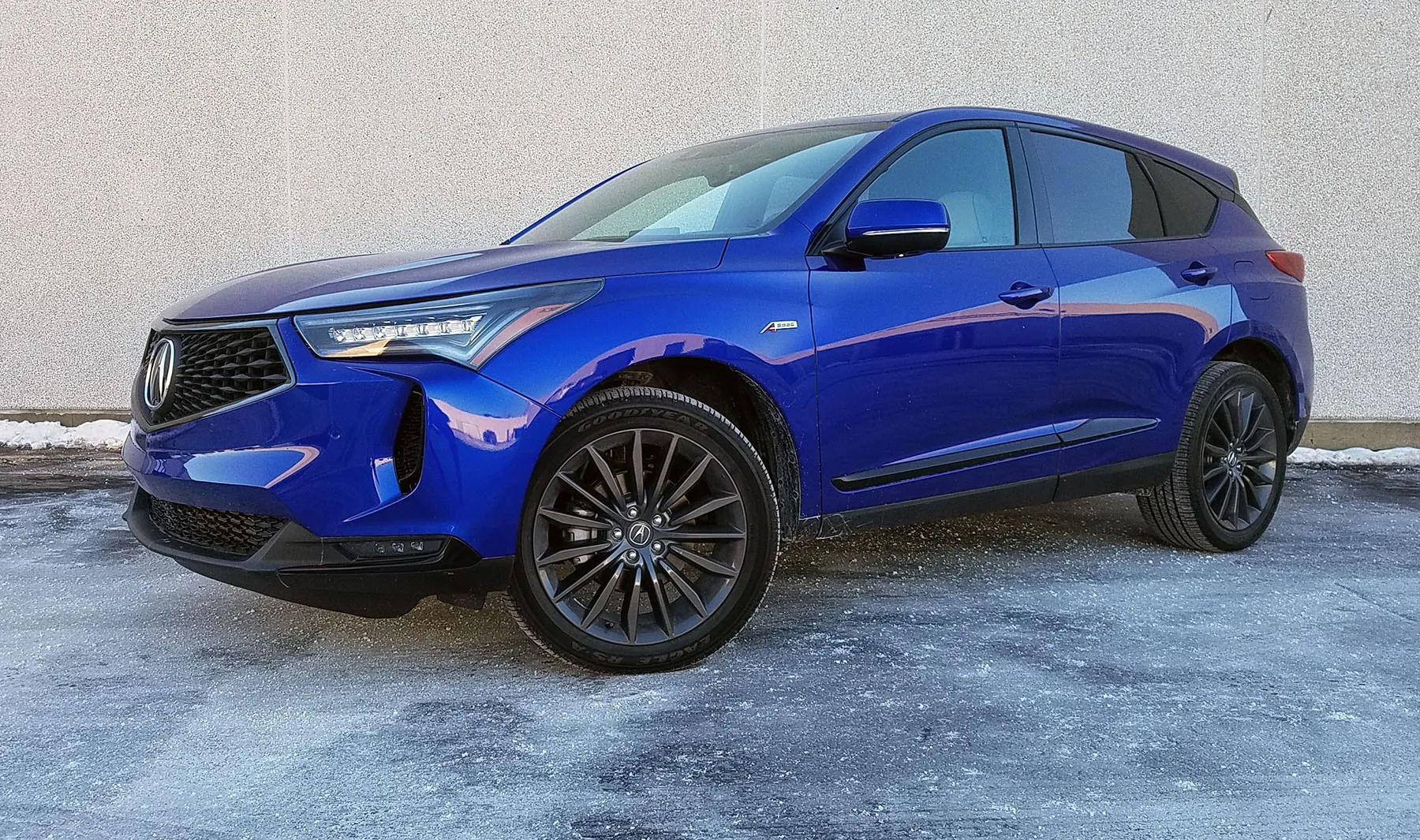
3. Acura RDX A-Spec Ten-Speed (2022)
Honda engineering created this ten-speed automatic specifically to avoid the shudder problems that affected some of their earlier transmissions.
Torque converter design incorporates lessons learned from warranty claims on previous generations. Engineers identified exactly what caused vibration in older units, then redesigned the converter to eliminate those problems.
Ten forward gears might seem excessive, but this ratio spread allows the transmission to keep the engine in its smoothest operating range.
Fewer, wider gear ratios force the engine to operate at RPMs where power pulses are stronger and harder to damp out. More, closer ratios let the engine run where it’s naturally smoother, reducing the vibration the torque converter must handle.
Lockup strategy is conservative, engaging the clutch fully only when conditions are ideal. Many transmissions rush to lock the converter to improve fuel economy, but this creates a shudder when the lockup happens at inappropriate times.
Acura programmed this transmission to prioritize smoothness, accepting slightly lower fuel economy in exchange for vibration-free operation that customers actually notice and appreciate.
Fluid capacity is generous at over 10 quarts, which helps with heat management and maintains fluid properties longer. Smaller fluid volumes heat up quickly and degrade faster, losing the friction characteristics that prevent shudder.
Larger volumes stay cooler and last longer between services, maintaining proper operation throughout the service interval.
Testing in diverse conditions before production revealed potential shudder situations that engineers addressed through programming changes.
Honda subjected prototype RDXs to everything from city traffic to mountain climbing to towing, monitoring for any hint of vibration. When they found conditions that caused problems, they adjusted control parameters to eliminate shudder before customer deliveries began.
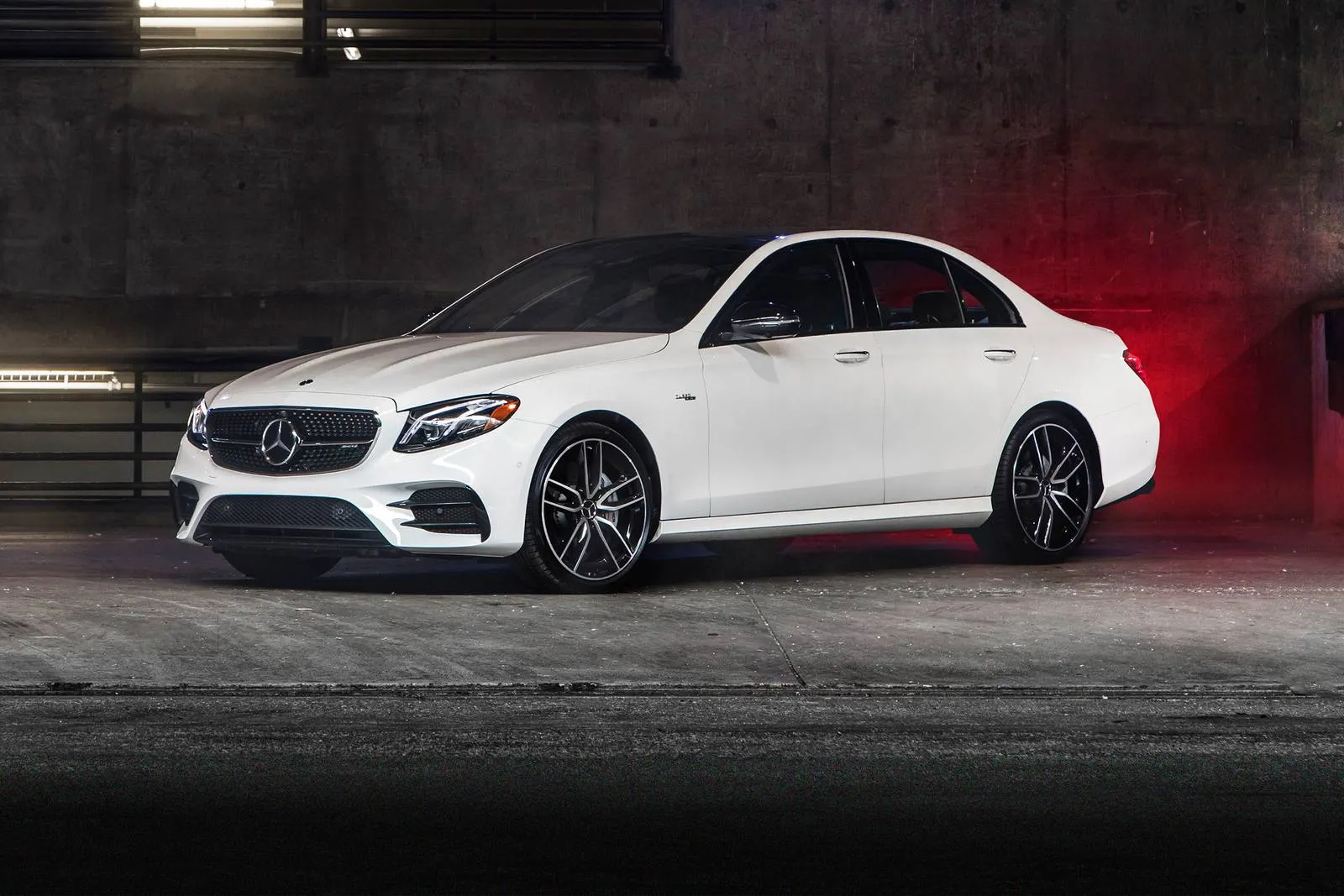
4. Mercedes-Benz E 450 Nine-Speed (2020)
Advanced torque converter technology in this Mercedes transmission uses a dual-mass damper system that isolates engine vibrations better than single-mass designs. Two flywheels connected by springs absorb different vibration frequencies, creating smoother operation across all engine speeds and loads.
This sophisticated damping prevents the vibrations that cause shuddering from ever reaching the transmission housing. Electronic control programming is incredibly refined after years of development across Mercedes’ entire lineup.
Engineers programmed the transmission computer to recognize the conditions that cause shudder and avoid them entirely. If sensors detect potential problems, the system adjusts lockup behavior to maintain smooth operation rather than blindly following a fixed program.
Friction materials in the lockup clutch use advanced compounds developed specifically for smooth, consistent operation.
Mercedes worked with suppliers to create clutch materials that don’t experience the friction coefficient variations that cause grabbing and shuddering. These premium materials cost substantially more than standard clutches but deliver the refinement luxury car buyers expect and deserve.
The fluid cooling system includes a dedicated transmission cooler that’s larger than most competitors use. Cooler fluid maintains better friction properties and protects clutch materials from the heat-related degradation that causes shudder.
This thermal management extends transmission life while ensuring smooth operation throughout that extended lifespan.
Service procedures are well-documented and widely available through Mercedes dealer networks. When fluid changes are due, dealers have the correct fluid, filters, and procedures to service the transmission properly.
This support infrastructure ensures transmissions receive proper maintenance, preventing the neglect that causes shuddering in transmissions that aren’t serviced correctly or on schedule.
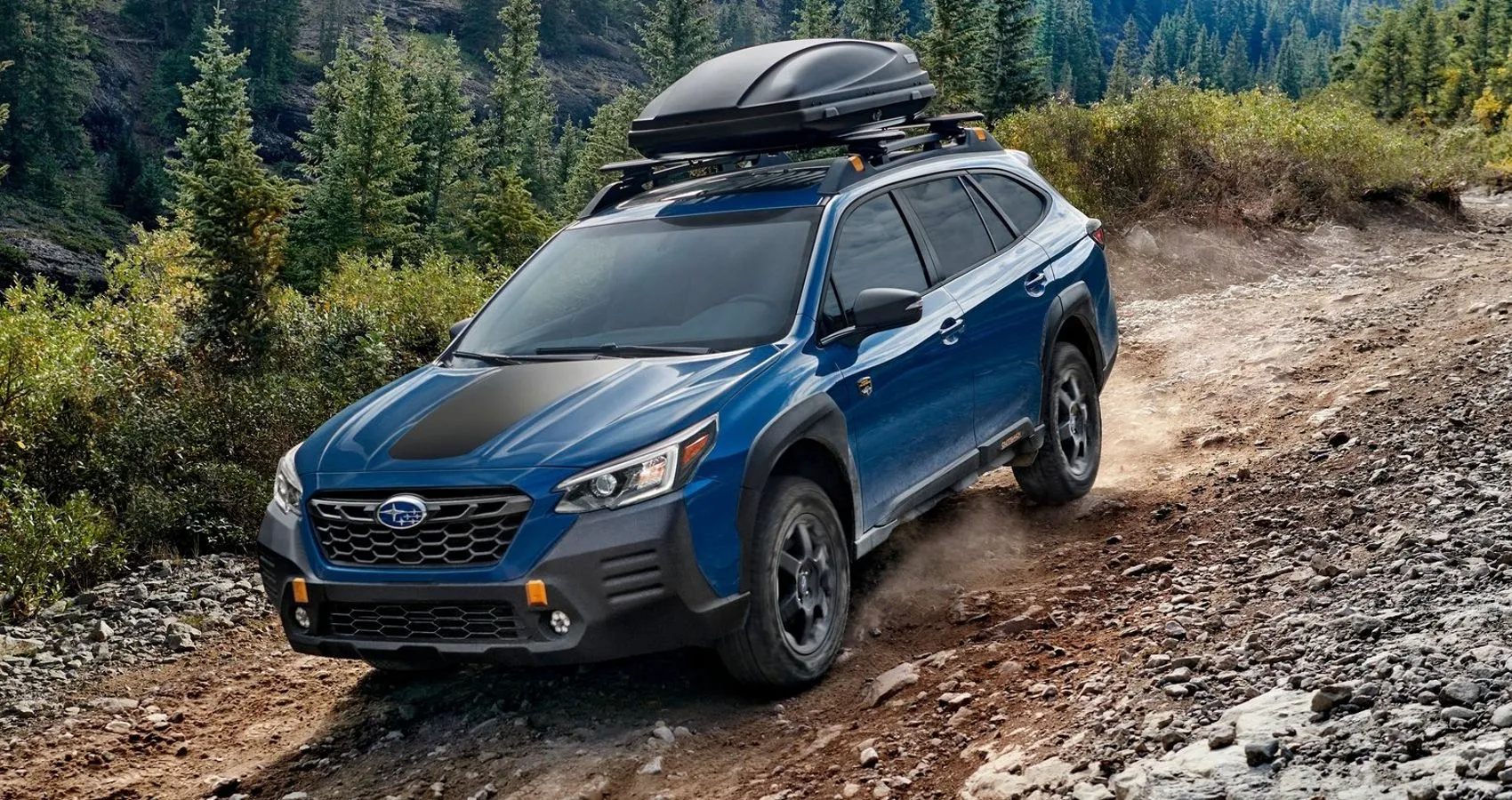
5. Subaru Outback Wilderness CVT (2022)
Subaru’s continuously variable transmission takes a different route to power delivery compared to standard automatics, yet it still manages to stay exceptionally smooth.
The torque converter in this design engages gradually, preventing the sudden lockup that typically produces vibration or shudder. Transitions between slipping and full lock are nearly imperceptible, creating a seamless driving feel.
The chain-driven system inside the CVT is engineered for strength and long-term stability. Where earlier designs sometimes suffered from belt slack or momentary slip, Subaru’s version maintains consistent tension using spring-loaded sheaves that adjust automatically as components wear.
This self-correcting mechanism ensures the chain stays tight, eliminating the looseness that can trigger shuddering as time goes on.
Advanced sensors constantly analyze driving conditions, allowing the control system to make real-time adjustments that keep the operation smooth. Any sign of irregular motion is corrected instantly, stopping vibration before it becomes noticeable.
Proper fluid maintenance is essential for this system’s longevity. Subaru’s proprietary CVTF fluid provides the exact friction properties required for this transmission.
Using anything else can cause severe issues or even failure. When maintained correctly, these CVTs have been documented to exceed 200,000 miles while remaining quiet and refined, proving Subaru’s engineering evolution has paid off.

6. Genesis GV80 3.5T Eight-Speed (2023)
Hyundai’s luxury arm relies on transmissions built by seasoned suppliers known for reliability and refinement. The eight-speed automatic used in the Genesis GV80 benefits from years of expertise and proven design principles.
Every component, from the torque converter to the clutch assemblies, is crafted with high-quality materials that ensure long-term durability and consistent performance. Starting with superior parts means fewer mechanical issues and smoother operation as time goes on.
The torque converter clutch adopts a multi-disc layout managed by precise electronic control. This setup allows gradual engagement instead of the harsh transitions seen in single-plate systems.
The result is a seamless transfer of power that avoids the vibration or hesitation commonly known as shudder.
Genesis engineers didn’t simply use standard software; they customized the transmission’s behavior specifically for their vehicles.
By synchronizing it with the engine’s power delivery and chassis balance, the transmission operates in harmony with the rest of the car, enhancing both comfort and responsiveness.
Rather than depending on insulation to hide imperfections, Genesis focused on achieving authentic mechanical smoothness.
The confidence behind this craftsmanship is reflected in the brand’s 10-year or 100,000-mile warranty, signaling that the company expects its transmissions to remain reliable and refined for years of ownership.
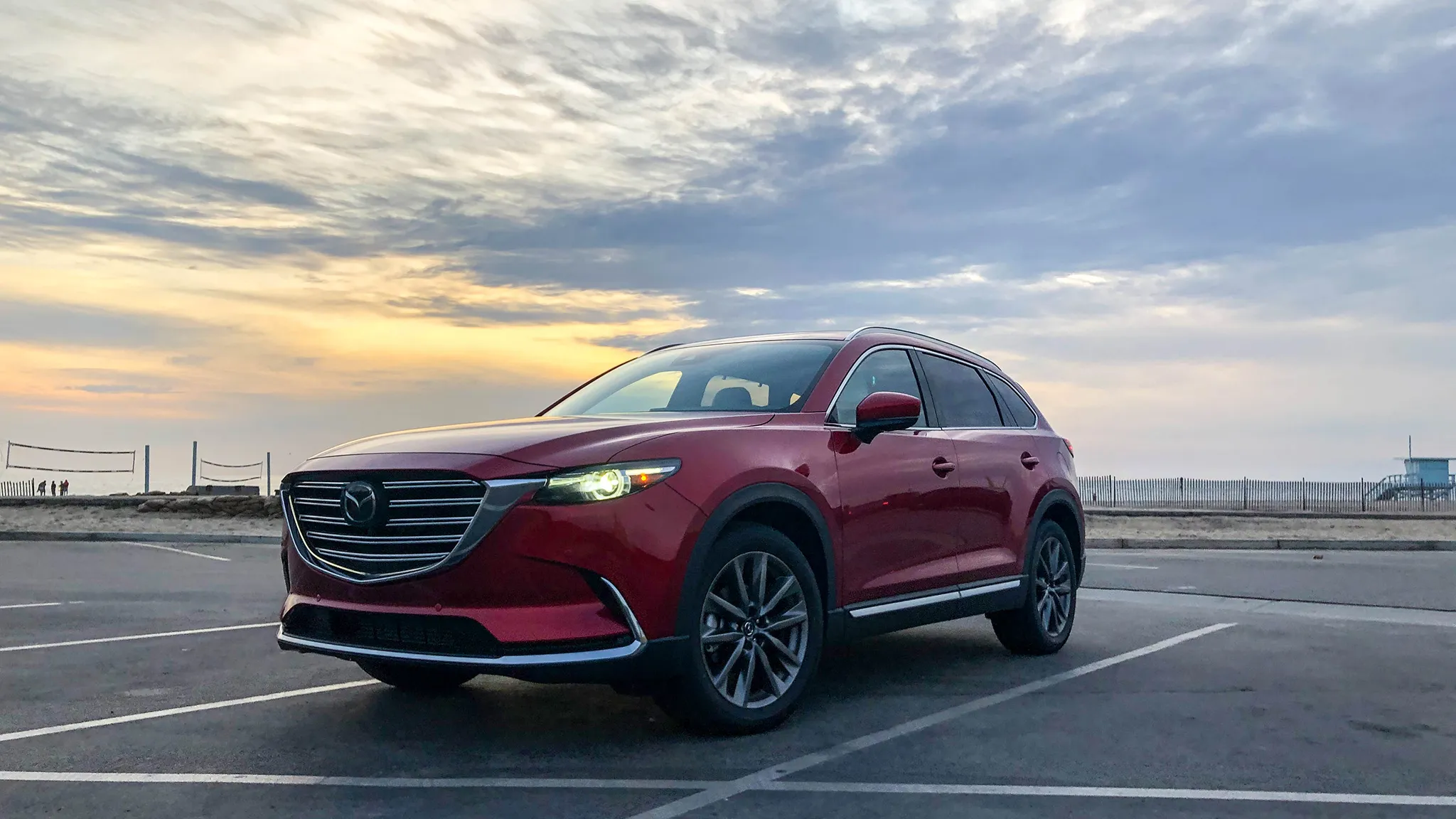
7. Mazda CX-9 Signature Six-Speed (2020)
While modern vehicles boast transmissions with up to ten gears, Mazda’s six-speed setup proves that simplicity often wins the reliability race. With fewer moving parts and a straightforward hydraulic system, this gearbox minimizes the risk of internal failures and keeps maintenance costs low.
Over countless miles, it has earned a reputation for durability, avoiding the shudder and hesitation problems that plague many newer, overly complicated designs. The torque converter relies on a sturdy damper system that effectively manages vibration without resorting to unnecessary electronic trickery.
Its strength lies in its mechanical balance and precision. Mazda’s engineers chose proven materials and refined tuning instead of chasing marketing gimmicks, resulting in a transmission that feels smooth and dependable over the long haul.
The transmission tuning focuses on smoothness over raw speed. Each gear transition feels calm and intentional, prioritizing comfort in everyday driving instead of quick, forceful acceleration.
This strategy trades a bit of performance for long-term dependability and a polished driving experience, reflecting Mazda’s commitment to balanced engineering.
Each unit benefits from strict manufacturing standards in Japan, where every transmission undergoes testing before installation.
Paired with easy servicing and widely available parts, Mazda’s six-speed gearbox stands as a reminder that careful engineering and thoughtful simplicity can outlast even the most advanced systems.
Transmissions That Develop Problems
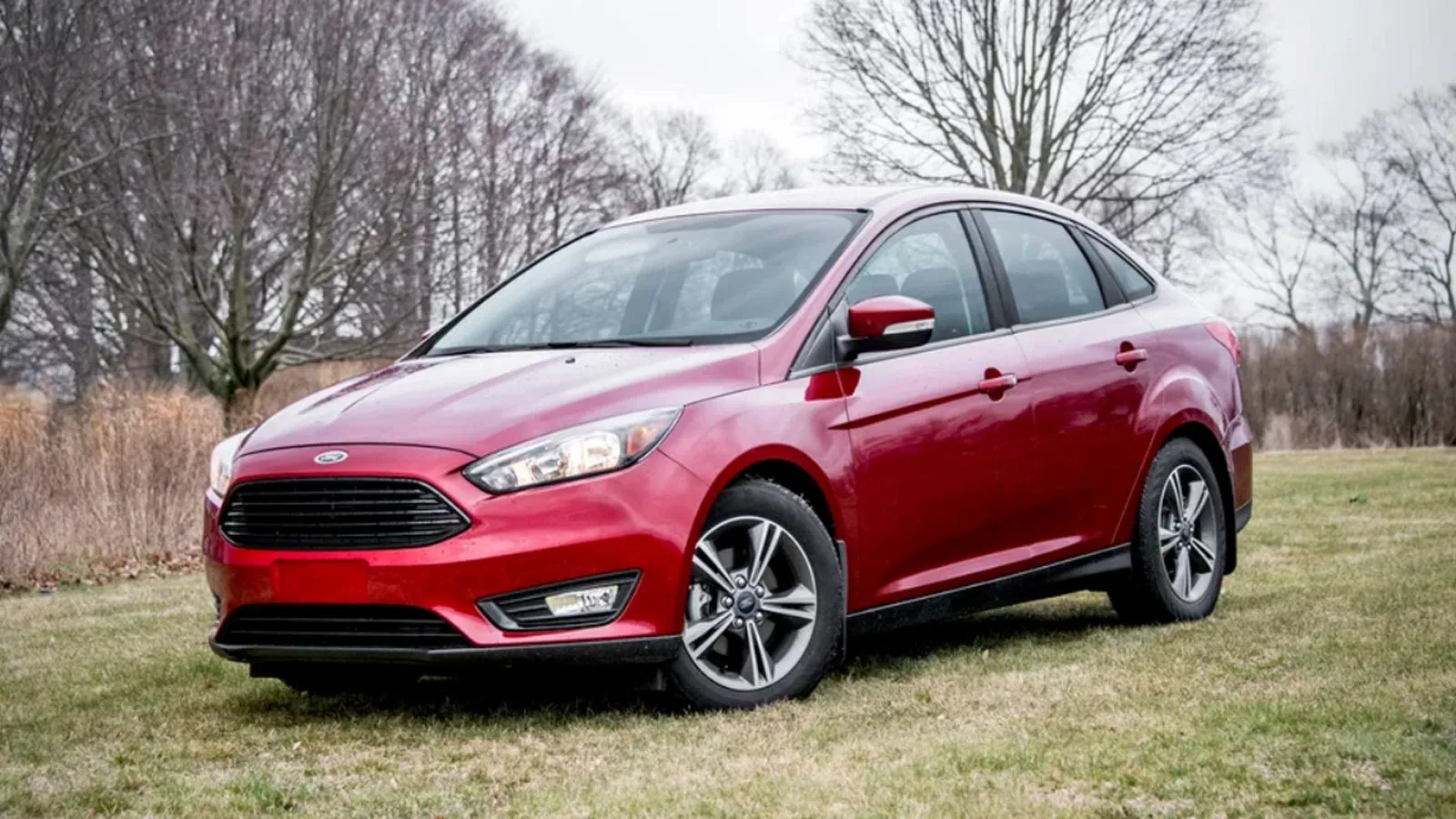
1. Ford Focus SE Dual-Clutch (2014)
Dual-clutch automated manual transmissions work brilliantly in performance cars but struggle in stop-and-go traffic. This Ford DPS6 transmission became infamous for developing shudder, with thousands of complaints and multiple lawsuits.
The clutch design couldn’t handle the constant slipping required in traffic, causing premature wear that led to vibration and shudder.
Low-speed operation caused excessive clutch slippage and heat buildup. When you’re creeping along in traffic, the clutches are constantly slipping to modulate power.
This generates enormous heat that degrades clutch materials and causes the grabbing behavior that creates shudder. Ford’s cooling system couldn’t manage this heat adequately, accelerating clutch wear.
Software updates attempted to fix the problem but never fully succeeded. Ford reprogrammed transmission computers multiple times, trying different clutch engagement strategies.
Some updates improved things temporarily, but shudder inevitably returned as clutches continued wearing. You can’t fix a fundamental design problem with software alone.
Clutch replacement became common before 50,000 miles on many vehicles. Owners reported multiple clutch jobs under warranty, with some vehicles needing three or four clutch pack replacements.
Even after replacement, the shudder returned because the design couldn’t handle the operating conditions Ford subjected it to. This wasn’t a parts quality issue; it was fundamental design unsuitability.
Class-action lawsuits and buyback programs eventually forced Ford to compensate affected owners. But no amount of money returns the time wasted at dealerships or the stress of driving unreliable vehicles.
Ford learned an expensive lesson about putting inappropriate transmissions in economy cars, and customers paid the price through years of frustration.
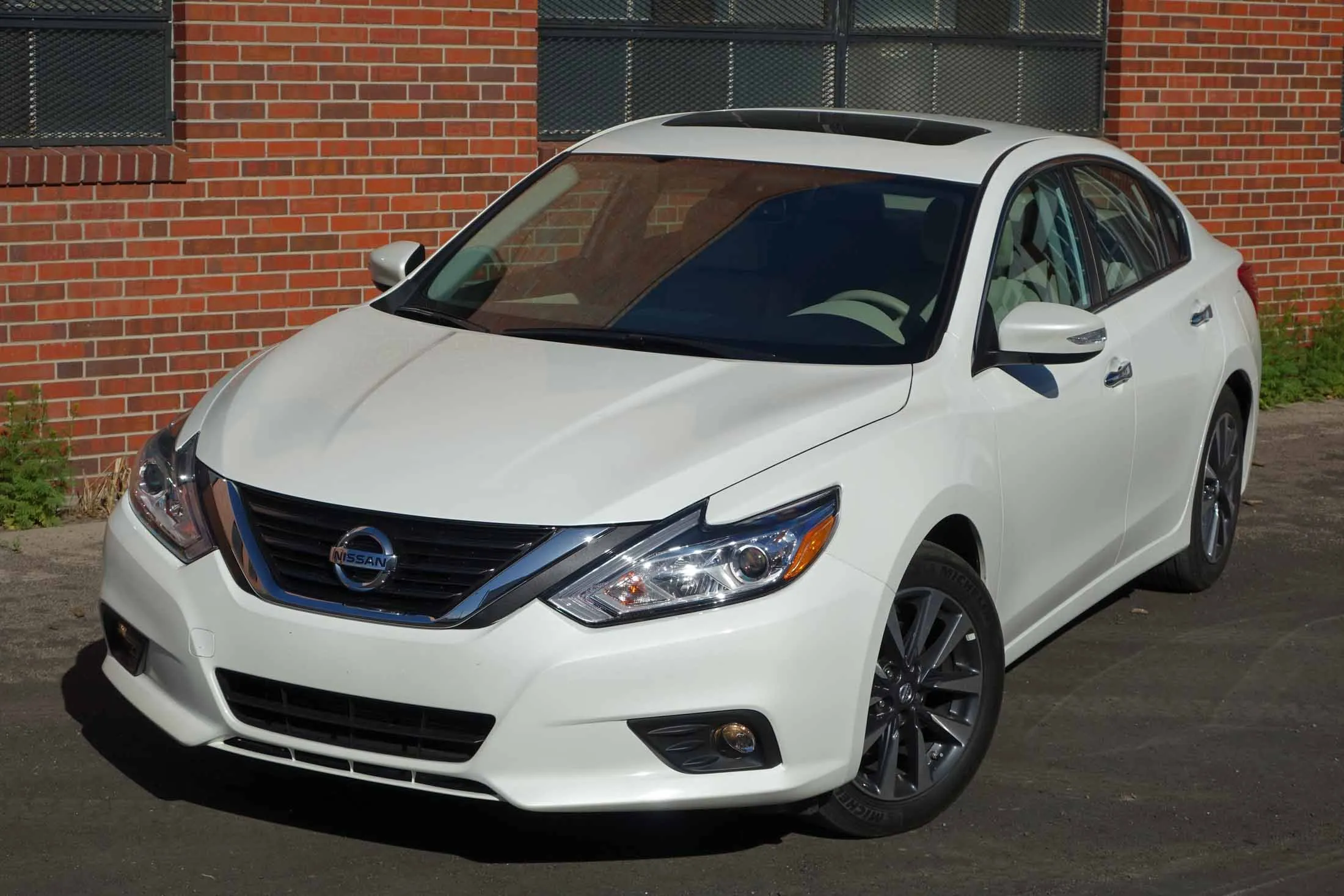
2. Nissan Altima 2.5 S CVT (2016)
Nissan’s Jatco CVT transmissions became infamous for their persistent shudder and long-term reliability issues. Many drivers noticed slight vibrations during acceleration that worsened as mileage increased, turning smooth drives into constant frustration.
The problem stemmed from inconsistent belt or chain tension inside the CVT, which led to slippage that mimicked a harsh mechanical shake.
Another weak point was the torque converter’s lockup clutch, which often wore out prematurely. As the friction material degraded, it would engage and disengage repeatedly, producing a jerking sensation at low speeds.
Nissan’s early responses mainly involved fluid changes and software reprogramming, only providing short-lived relief, never resolving the underlying mechanical flaws.
Compounding the issue, the CVT fluid degraded much faster than Nissan initially claimed. Marketing it as “lifetime fluid” backfired badly when the lubricant lost its protective properties, accelerating wear and intensifying shudder.
Although the company later revised maintenance recommendations, many transmissions had already suffered irreversible damage.
The volume of complaints forced Nissan to extend warranties for some vehicles, indirectly confirming the scale of the problem. Yet owners outside that coverage were left with costly repair bills.
As word spread, resale values sank, and even trouble-free cars were penalized by reputation. The Jatco CVT’s legacy remains a cautionary tale in automotive design.

3. Chevrolet Malibu LT Eight-Speed (2018)
General Motors’ eight-speed automatic transmission became infamous for widespread shudder problems that frustrated thousands of owners. The issue stemmed from premature wear of the torque converter clutch, which caused noticeable vibration during light throttle or steady cruising.
Since this transmission was installed across several GM models, it quickly became clear that the problem was rooted in design, not random failure. As the clutch materials deteriorated, debris began circulating through the fluid, contaminating the system and damaging internal components.
This contamination created a vicious cycle; each round of wear worsened fluid quality, which in turn accelerated further damage. By the time drivers felt the shudder, the transmission was often already compromised internally.
GM attempted to address the issue through technical service bulletins suggesting fluid replacements, but these fixes rarely lasted long. Fresh fluid temporarily masked the symptoms before becoming polluted again. Without redesigning the torque converter clutch, the issue simply kept returning.
In some cases, dealerships recommended full transmission replacements costing thousands of dollars, yet even these “new” units often carried the same weaknesses.
Mounting complaints eventually led to class-action lawsuits claiming GM was aware of the defect before sales began. Regardless of intent, the scope of failures revealed serious oversights in development and long-term durability testing.
4. Ram 1500 Big Horn Eight-Speed (2015)
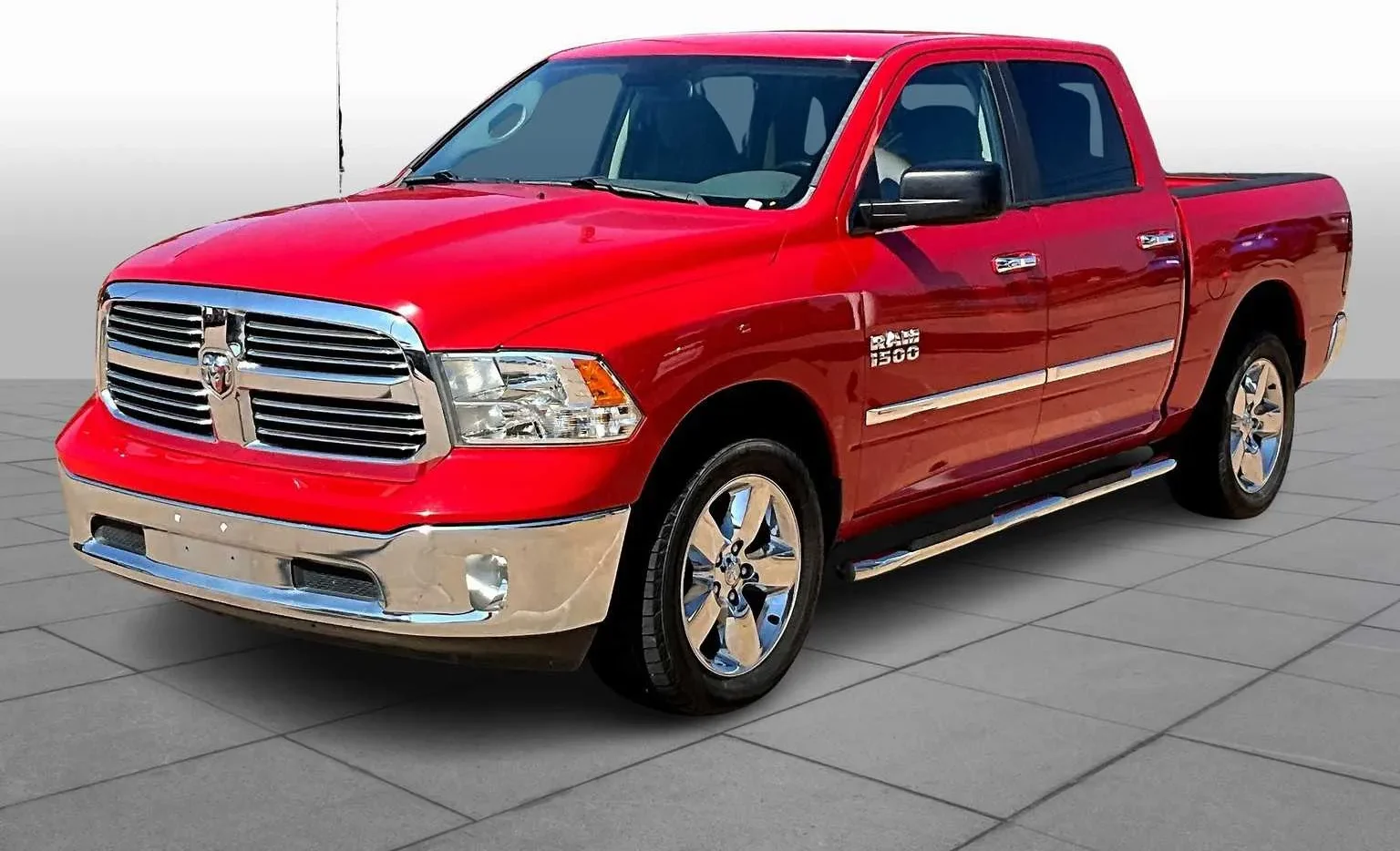
ZF makes excellent transmissions, but this eight-speed application in early Ram 1500s developed shudder problems despite the supplier’s good reputation. Integration between the engine and transmission wasn’t optimized properly, creating conditions that caused lockup clutch vibration. This shows that even good transmissions can develop problems when poorly integrated into vehicles.
Torque management during lockup engagement was too aggressive, causing harsh clutch application that led to shudder. Ram programmed the transmission for quick lockup to maximize fuel economy, but this strategy caused vibration. More gradual engagement would have prevented shudder, but hurt EPA test numbers that Ram prioritized over real-world smoothness.
Software updates improved behavior but didn’t eliminate the shudder. Ram released multiple transmission recalibrations attempting to fix the problem, with each update helping some vehicles while others continued experiencing issues. Variability in how different trucks responded suggested manufacturing variations affecting how transmissions behaved.
Fluid change intervals were too long, allowing fluid to degrade before scheduled service. Ram initially recommended 100,000-mile fluid changes, but this was too long for preventing shudder. Fluid lost its friction properties before that mileage, allowing shudder to develop. Later recommendations shortened service intervals, acknowledging that the original schedule was inadequate.
Some owners found that frequent fluid changes minimized or eliminated shudder. Changing fluid every 30,000 miles kept it fresh enough to maintain proper friction characteristics. This worked as a band-aid solution, but it shouldn’t have been necessary with proper engineering and realistic service schedules from the manufacturer.
5. Honda Accord Sport CVT (2018)
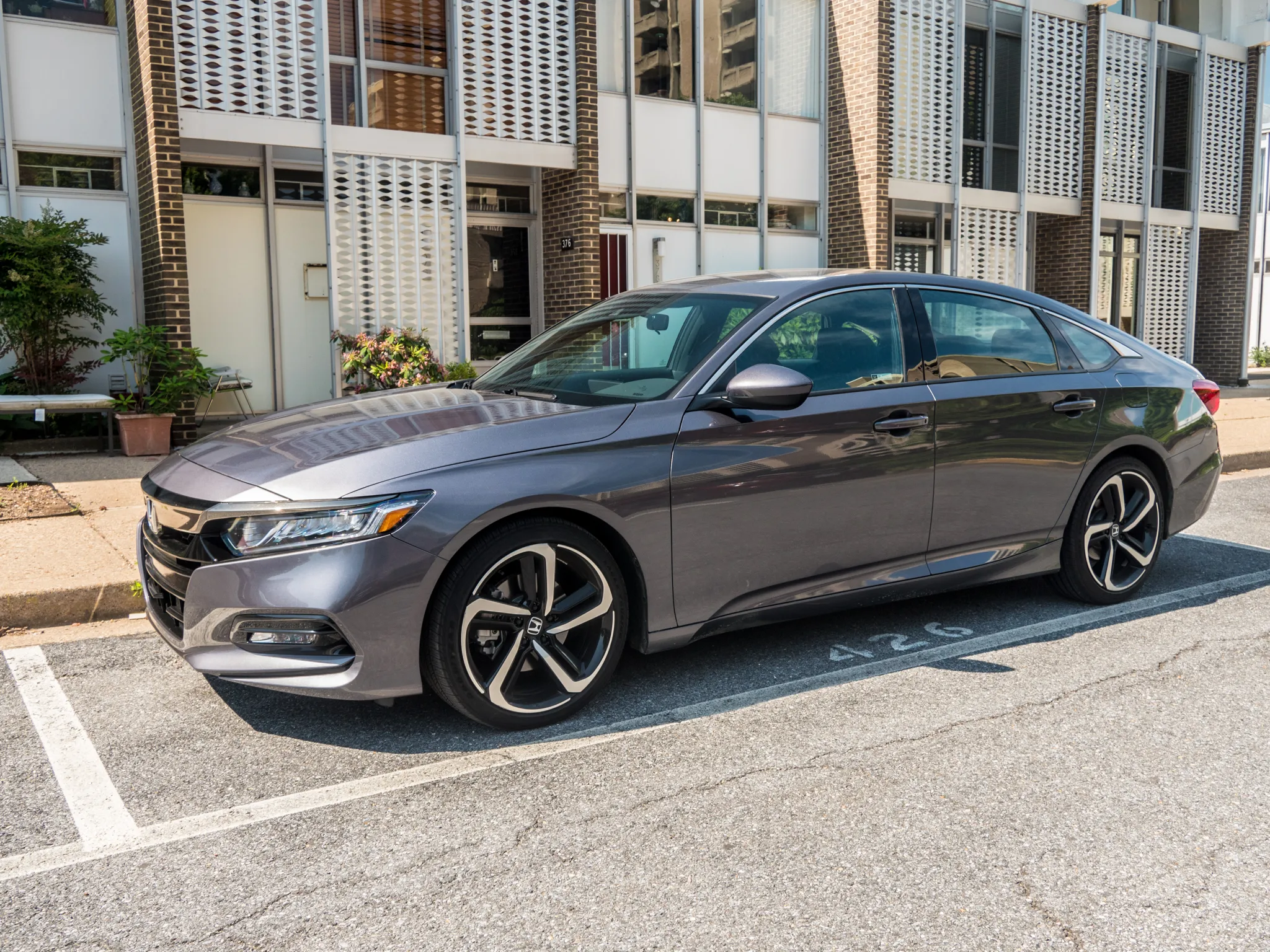
Honda’s CVT transmissions are generally reliable, but some 2018-2019 Accords developed torque converter shudder that tarnished Honda’s reputation.
The lockup clutch would stick and release repeatedly, creating vibration at low speeds or during gentle acceleration. This affected enough vehicles that Honda extended warranties and offered free repairs for affected owners.
Judder during low-speed acceleration became Honda’s most common CVT complaint. Drivers reported feeling like they were driving over rumble strips when the road was smooth.
This vibration was annoying but also concerning, making owners worry about transmission failure and expensive repairs outside warranty coverage.
Honda addressed the problem through software updates and, in severe cases, torque converter replacement. Software changes adjusted lockup strategies to avoid conditions that caused shudder.
When software alone didn’t work, Honda replaced converters under warranty, showing they recognized the problem and took responsibility for fixing it.
The root cause seemed related to clutch material friction characteristics changing as it wore. Initial production converter clutches used materials that worked well when new, but developed different friction properties after some miles.
Honda switched to improved clutch materials in later production, fixing the problem for new vehicles but leaving early examples vulnerable.
Extended warranty coverage to 10 years or 150,000 miles for torque converter shudder showed Honda standing behind their product.
While problems shouldn’t have occurred initially, Honda’s response was better than many manufacturers, who deny issues and leave customers paying for repairs. This customer-focused approach maintained loyalty despite the transmission problems.
6. Jeep Cherokee Latitude Nine-Speed (2017)
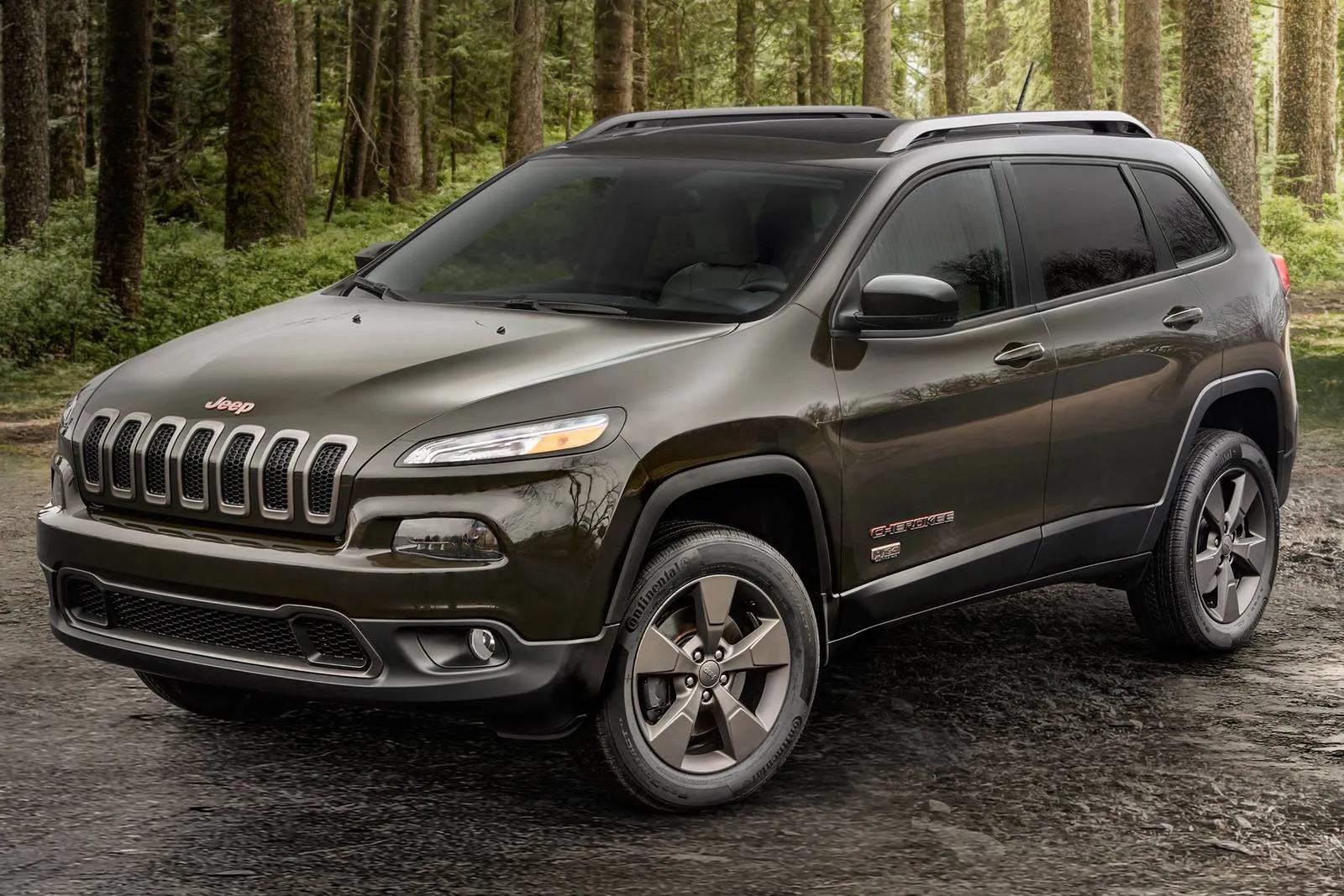
FCA’s nine-speed transmission earned a terrible reputation for shudder and other problems. Torque converter design struggled with the wide ratio spread of nine gears created.
Shifting between so many ratios required precise control that the transmission’s programming couldn’t consistently deliver, leading to vibration and hesitation.
Low-speed operation was particularly problematic, with the transmission hunting between gears and the converter creating a shudder. Driving in parking lots or slow traffic became frustrating experiences as the Cherokee jerked and vibrated. This wasn’t the refined experience buyers expected from a $30,000+ SUV.
Software updates were issued repeatedly but never fully resolved shudder problems. Each reprogramming helped somewhat, but shudders often returned after a few thousand miles.
Owners grew frustrated, taking their Cherokees to dealers multiple times for the same problem without achieving lasting fixes.
Transmission replacement became common under warranty, but replacements developed the same problems. This indicated design issues rather than manufacturing defects, since brand-new transmissions exhibited identical behavior.
You can’t fix fundamental design problems by replacing parts that are built to the same flawed specification.
Resale values suffered tremendously as Cherokee transmission problems became well-known. Buyers avoided these model years even though other aspects of the Cherokee were quite good. When one major component has serious reliability issues, it destroys the entire vehicle’s reputation and marketability.
Also Read: 5 Sedans With Robust Door Handles vs 5 That Snap in Cold Weather

7. Volkswagen Tiguan S Eight-Speed (2019)
Some Volkswagen Tiguan models equipped with the eight-speed automatic transmission experienced noticeable torque converter vibration that left many owners disappointed. The issue stemmed from clutch material wear, which led to shuddering during light throttle or steady cruising.
These symptoms often surfaced between 30,000 and 50,000 miles as internal components gradually deteriorated. A major contributor to the issue was improper fluid use. Volkswagen required a specific automatic transmission fluid formula, but not all repair shops followed these guidelines.
When the wrong fluid was used, the friction behavior changed, accelerating wear and intensifying shudder. The company advised fluid replacement every 40,000 miles, yet the high cost at dealerships pushed some owners toward cheaper options where incorrect fluids were frequently applied.
Extended warranty programs occasionally covered torque converter replacement, but many affected vehicles fell outside eligibility, leaving drivers with repair bills that sometimes topped $3,000. This situation created frustration among customers who trusted Volkswagen’s reputation for precision engineering and reliability.
As reports accumulated, class-action inquiries began examining the scope of the issue. The number of complaints suggested a widespread problem rather than a few isolated failures, raising concerns about quality control and long-term durability in what was marketed as a refined, premium crossover.
