Rear-wheel-drive cars have always held a special place in automotive culture, offering a driving experience defined by balance, responsiveness, and pure enjoyment. From lightweight roadsters to iconic muscle cars, these vehicles put the driver at the center of the experience, rewarding every turn of the wheel and press of the accelerator.
Whether it is the mid-engine agility of the 2000 Toyota MR2 Spyder, the timeless thrill of a 2001 Porsche 911 Carrera, or the approachable fun of a 2016 Mazda MX-5 Miata, rear-wheel-drive cars provide a connection to the road that is increasingly rare in today’s traction-controlled, all-wheel-drive world.
Affordable yet exhilarating, these 15 models show that you do not need a six-figure budget to experience driving joy. For enthusiasts, collectors, or anyone seeking spirited weekend adventures, these cars combine precision, personality, and a thrill that few front-wheel-drive vehicles can match.
1. 2000 Toyota MR2 Spyder: Lightweight Mid-Engine Fun
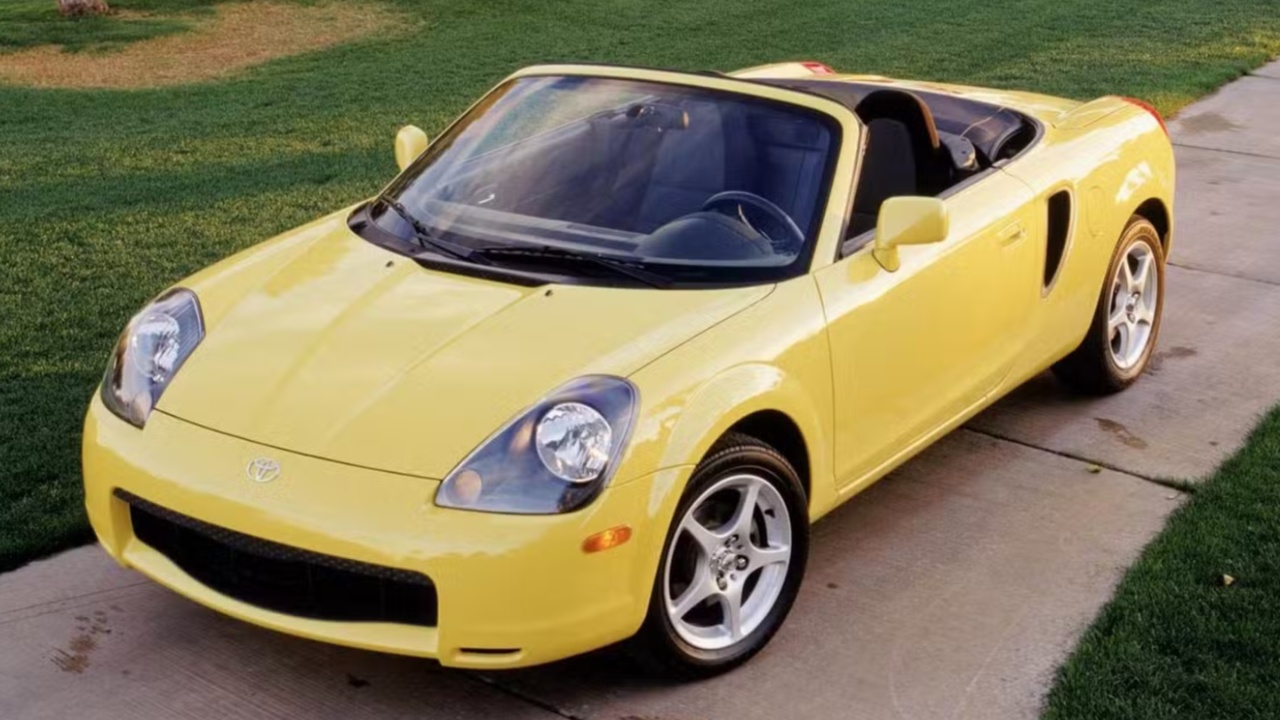
The 2000 Toyota MR2 Spyder is a compact, mid-engine roadster that offers exceptional handling, engaging driving dynamics, and affordability. As the final generation of the MR2, it drew comparisons to the Lotus Elise for its precise cornering and nimble chassis.
With prices ranging from $8,000 to $10,000, the MR2 Spyder is a standout choice for enthusiasts seeking a lightweight, driver-focused sports car without breaking the bank. Its mid-engine layout, rear-wheel drive, and low weight provide a level of agility and responsiveness that few entry-level sports cars can match.
Powering the MR2 Spyder is a 1.8-liter inline-four engine producing 138 horsepower and 125 lb-ft of torque. It accelerates from 0 to 60 mph in 7.1 seconds and reaches a top speed of 123 mph. While modest on paper, the car’s 2,200-pound curb weight allows it to feel quick and lively on winding roads.
The engine is paired with a five-speed manual transmission. Electric hydraulic power-assisted steering makes the MR2 Spyder exceptionally engaging to drive. Its suspension setup, featuring MacPherson struts and a wide track, ensures stability and precise handling through corners, while the differing front and rear tire sizes further enhance grip and balance.
The MR2 Spyder’s design prioritizes performance over practicality. Storage space is limited, and the convertible ragtop requires exiting the car to operate. Lightweight steel panels and a high-rigidity unit body support aftermarket customization.
Inside, the roadster comes with standard features such as air conditioning, ABS, power windows, tilt steering, and a glass rear window with a defroster. This last feature is missing in some higher-priced competitors like the Honda S2000.
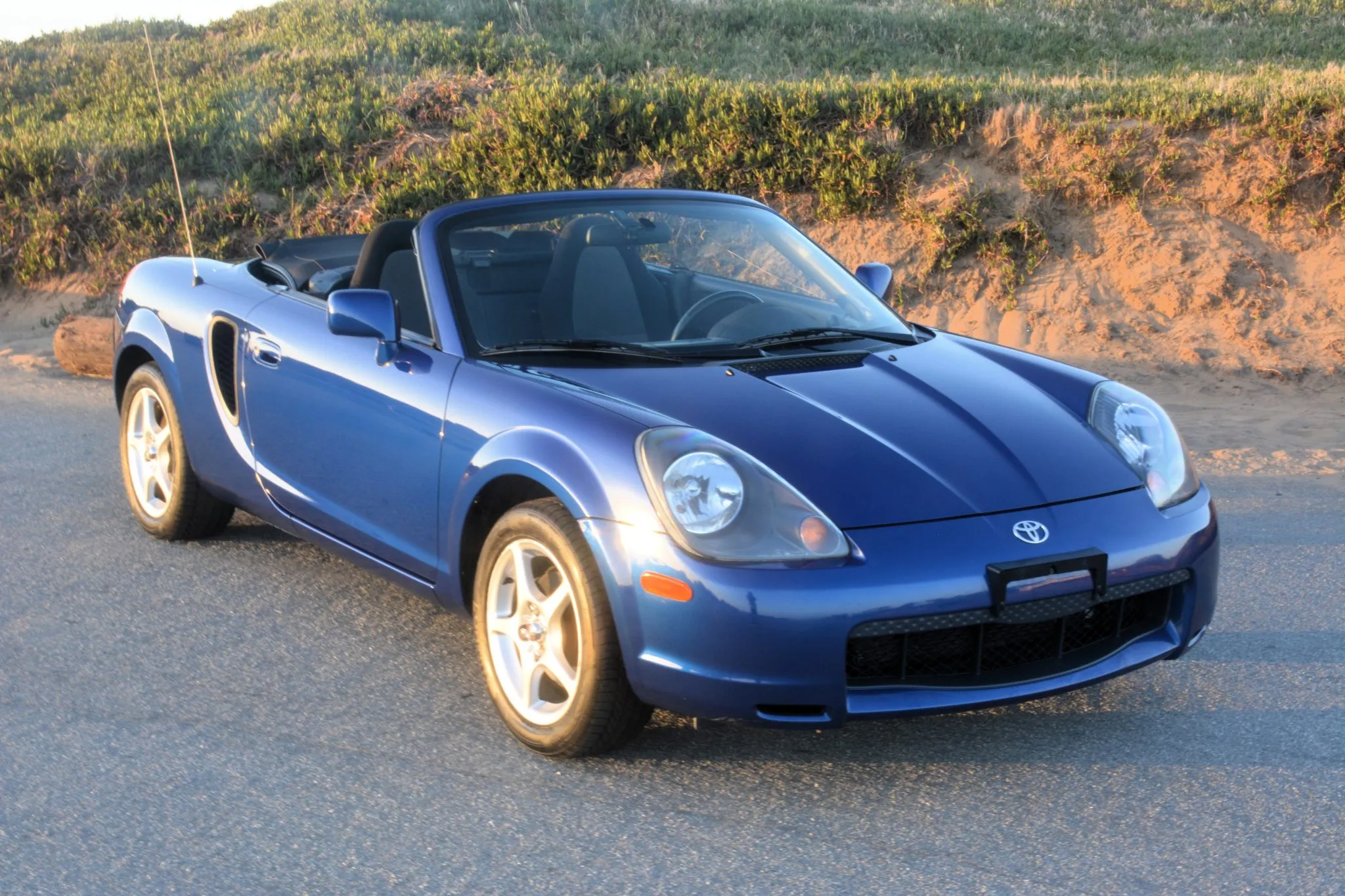
Styling is polarizing with bulging headlights and rounded lines that contrast with the sleeker Mazda Miata, yet it adds a unique charm. Its compact dimensions, mid-engine balance, and lively chassis make it ideal for canyon roads, track days, or spirited drives around town.
The 2000 Toyota MR2 Spyder excels as an affordable, lightweight, and highly enjoyable sports car. It appeals to enthusiasts who prioritize handling and driving engagement over luxury or cargo space, offering a rare combination of mid-engine excitement and budget-friendly ownership. It remains a standout choice for those seeking a small, agile, and fun convertible.
2. 2009 Nissan 350Z: A Balanced Japanese Sports Car
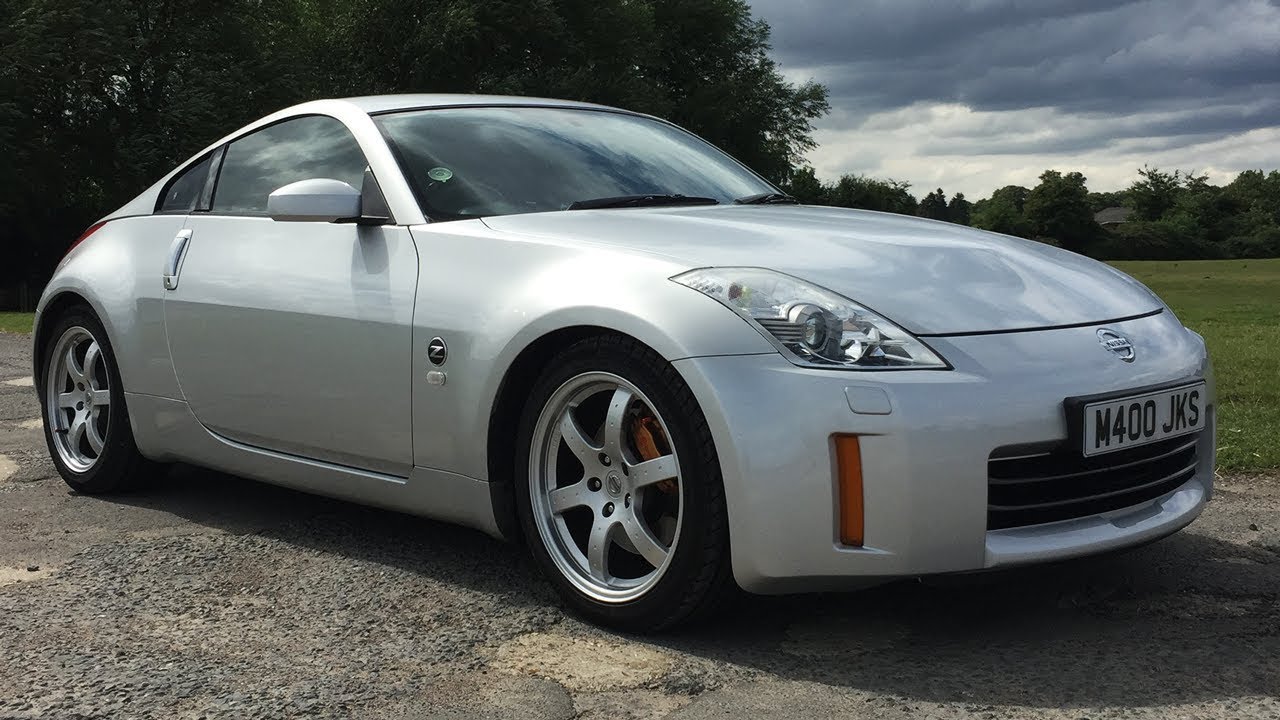
The 2009 Nissan 350Z is a standout in the legendary Z car series, known for combining performance, style, and driving enjoyment. With a price range of $11,000 to $13,000, the 350Z remains an affordable option for sports car enthusiasts seeking a thrilling yet reliable ride.
Its compact dimensions, rear-wheel-drive layout, and well-balanced chassis define it as a true sports car, providing both agility and comfort, which is rare in this segment.
At the heart of the 350Z is a 3.5-liter V6 engine producing 306 horsepower and 268 lb-ft of torque. It can accelerate from 0 to 60 mph in 5.1 seconds and reach a top speed of 155 mph.
All three trims, Enthusiast, Touring, and Grand Touring, feature this engine paired with either a manual or automatic transmission. Fuel economy is modest, with the manual returning 17/24 mpg and the automatic 17/23 mpg city and highway. While the manual’s clutch can be challenging in stop-and-go traffic, the automatic provides a convenient alternative.
Driving dynamics receive high praise, with reviewers noting the precise steering and tightly tuned suspension that provide excellent handling, although the ride can feel firm. The 350Z’s chassis is forgiving and responsive, making it a popular choice among drivers and a strong candidate for aftermarket modifications.
Interior design receives mixed reviews. Seats are comfortable, and the cabin feels more spacious than many two-seaters, but the interior quality is considered cheap-looking. Cargo space is limited to 4.1 cubic feet, regardless of roof position.
Standard features include power seats, automatic climate control, cruise control, a power soft top, and a CD player. Optional upgrades include heated seats, Bluetooth, navigation, leather upholstery, a Bose audio system, and satellite radio.
Compared to competitors such as the 2009 Honda S2000, the 350Z prioritizes performance over fuel efficiency. The Nissan 370Z, introduced the same year, replaced the 350Z coupe and offered improved interior quality and refined handling, addressing areas where the 350Z fell short. With its combination of reliability, driving excitement, and enthusiast appeal, the 2009 350Z remains a highly desirable sports car.
3. 2005 BMW M3: A High-Performance Classic
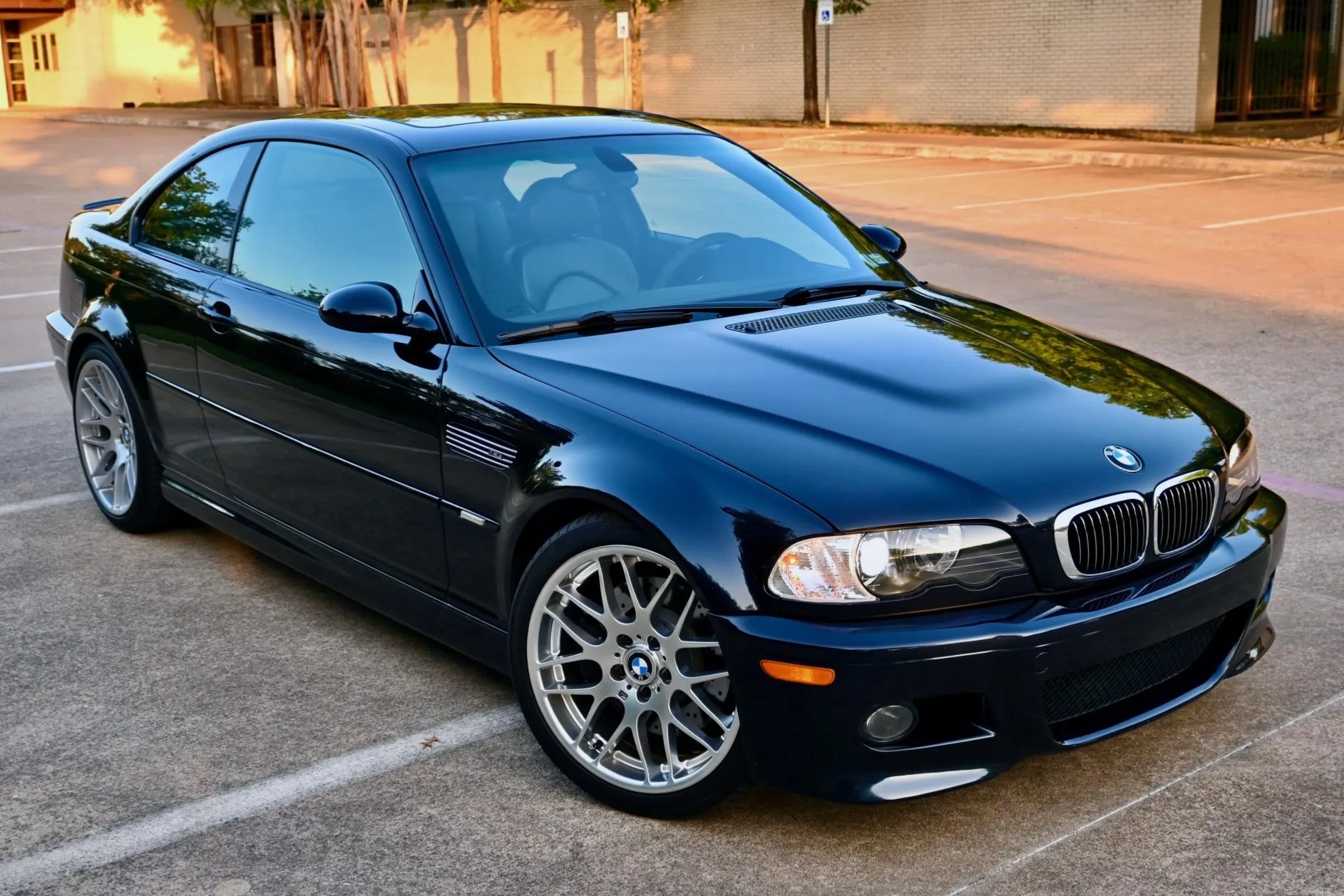
The 2005 BMW M3 is widely regarded as one of the best driver’s cars in the 3 Series lineup. Known for its combination of style, luxury, power, and handling, the M3 has built a dedicated following over the years. Prices for a 2005 M3 range from $14,500 to $17,000, making it an attainable choice for enthusiasts seeking a high-performance sports car with a strong reputation.
Powering the M3 is a 3.2-liter inline-six engine producing 333 horsepower and 262 lb-ft of torque. This allows the car to accelerate from 0 to 60 mph in 5.4 seconds and reach a top speed of 155 mph.
Buyers can choose between the Coupe 2D or the Convertible 2D, with fuel economy rated at 15/22 mpg city/highway for the coupe and 14/20 mpg for the convertible. Both models retain the thrilling driving experience that has made the M3 an icon.
Consumer reviews reflect strong satisfaction with this generation (2001–2006) of the M3. Owners give it a 4.8 out of 5 rating, with 95 percent recommending it. Popular features include its aggressive styling, abundant power, and precise handling.
Many owners highlight the fun-to-drive nature of the Competition Edition, which combines stiff suspension, instant feedback, and stability at high speeds. However, maintenance costs are high, with common expenses including brake jobs, tire replacements, oil changes, and other dealer repairs.
The M3 also includes modern safety features for its era, such as driver and passenger airbags, front side airbags, rear side airbags, traction control, stability control, and rear parking sensors. Child safety features like door locks and seat anchors are not available.
The M3 Coupe 2D originally had a starting MSRP of $51,140, while the Convertible 2D started at $56,495. Kelley Blue Book estimates for used models today are $13,348 for the coupe and $12,249 for the convertible, reflecting the depreciation and typical market conditions.
Owners praise the 2005 M3 for its combination of performance, handling, and timeless design. Its reliability and build quality are above average, with a quality rating of 4.9 out of 5. With its exhilarating driving dynamics, iconic looks, and cult status among enthusiasts, the 2005 BMW M3 continues to be a highly desirable sports car for both collectors and drivers seeking performance on a budget.
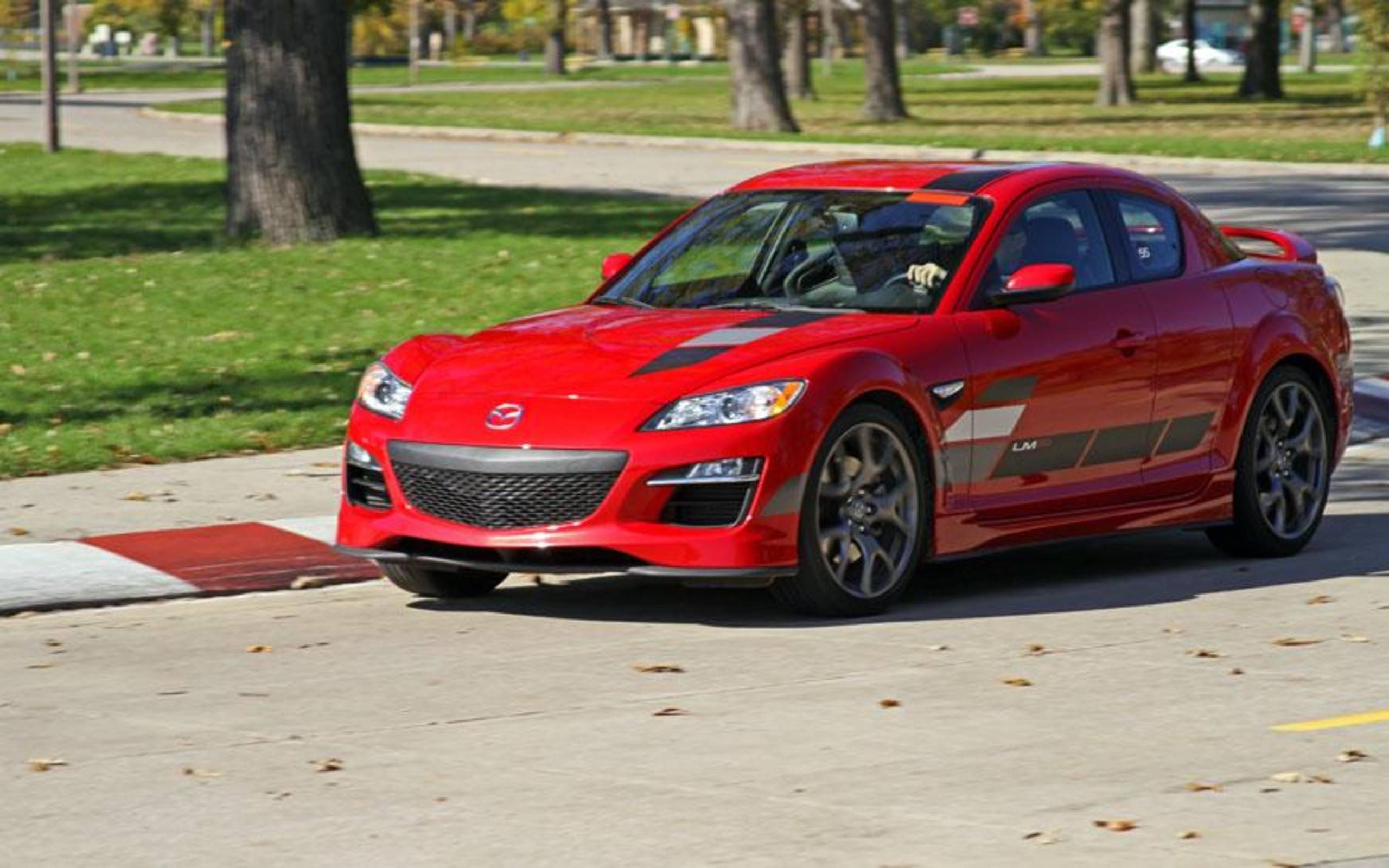
4. 2011 Mazda RX-8: A Unique Rotary-Powered Sports Car
The 2011 Mazda RX-8 stands out in the sports car segment as the only mass-produced rotary-powered passenger car in the world. Its 1.3-liter Wankel rotary engine delivers 212 to 232 horsepower depending on the trim and transmission, producing 159 lb-ft of torque.
The RX-8 can accelerate from 0 to 60 mph in six seconds and reaches a top speed of 145 mph. While its fuel economy is modest at 16 mpg city and 22 mpg highway, the engine’s compact size and lightweight design make the RX-8 quick, nimble, and fun to drive.
The RX-8 is praised for its handling and driver engagement. Its front mid-motor, rear-wheel-drive layout provides excellent balance, with responsive steering and solid grip in corners. The suspension is smooth and well-tuned, allowing confident handling without making the cabin feel harsh. These characteristics make the RX-8 enjoyable for daily driving as well as spirited driving sessions.
Despite its unique rotary engine, reliability can be a concern. The Wankel engine is known to require careful maintenance, and potential buyers should be prepared for higher upkeep costs.
Nevertheless, many owners experience no major issues, and a well-maintained RX-8 can be purchased on the used market for $7,000 to $11,000. This affordability has made it a popular choice for enthusiasts interested in performance upgrades, such as engine tuning or even engine swaps.
The RX-8 features a distinctive four-door layout with conventional front doors and small rear-hinged access doors. Rear seating is limited in space, so it is best suited for small passengers or cargo. Standard safety features include stability control, side curtain airbags, whiplash-reducing front seats, and a breakaway brake pedal, along with a “shock-cone” hood design for pedestrian safety.
The Grand Touring edition, originally priced at $32,260, includes premium features such as Xenon headlights, fog lights, leather seats, heated front seats, Bose audio, automatic climate control, power-adjustable driver’s seat with memory, rain-sensing wipers, keyless entry, push-button start, and a power moonroof. Optional satellite navigation is available as an add-on.
The 2011 Mazda RX-8 delivers a unique driving experience with its rotary engine, precise handling, and distinctive styling. While maintenance demands caution, its engaging performance, compact design, and affordability make it a rare and compelling choice for sports car enthusiasts.
5. 2001 Porsche 911 Carrera: Accessible Porsche Thrills
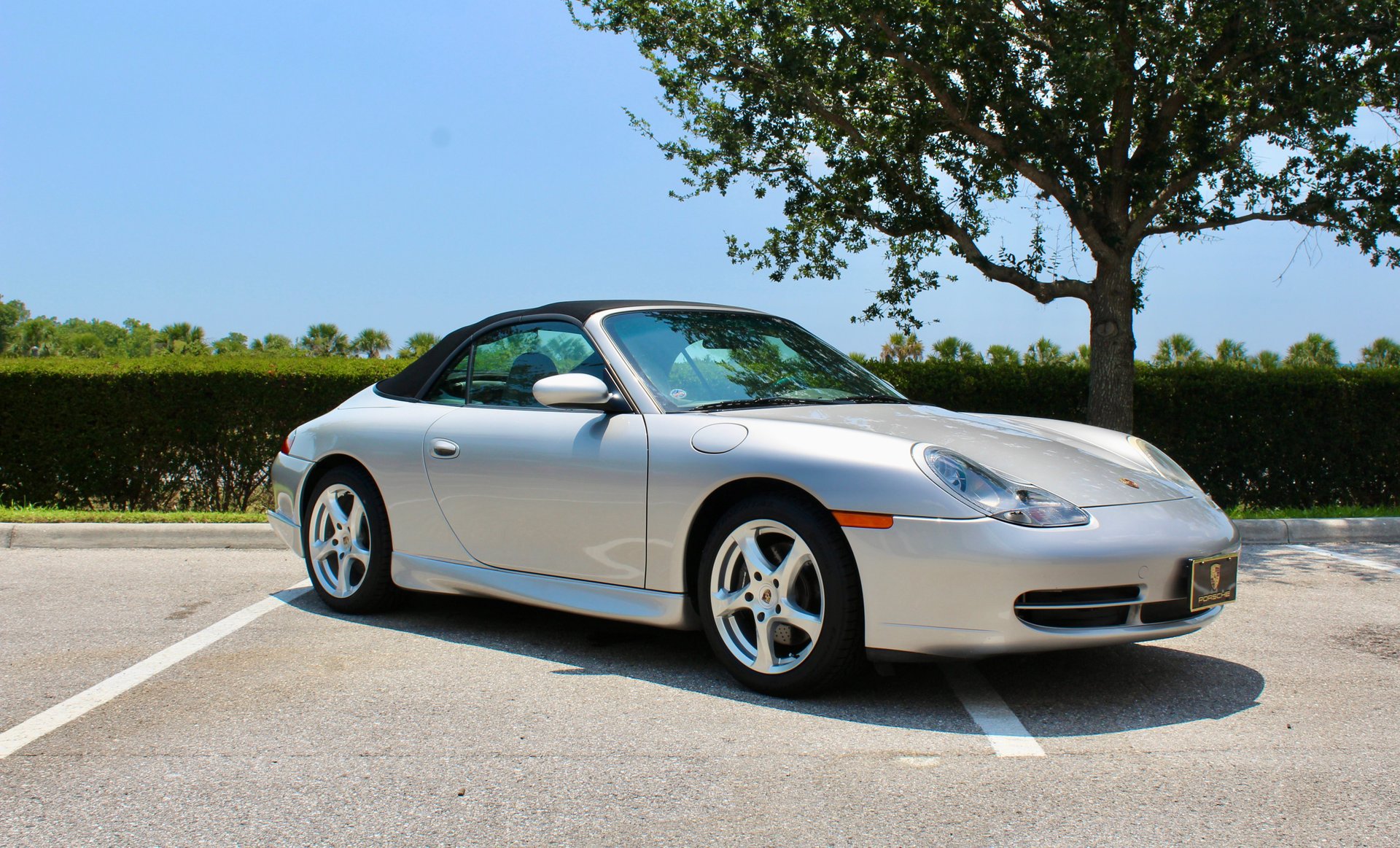
The 2001 Porsche 911 Carrera, part of the 996 generation, is one of the most affordable ways to own a Porsche 911, with prices ranging from $23,000 to $27,000. While some enthusiasts criticized the 996 for its water-cooled engine and distinctive headlight design, it still delivers the driving thrills, handling precision, and iconic styling that define the 911 nameplate.
Under the hood, the 2001 Carrera is powered by a 3.4-liter flat-six engine producing 300 horsepower and 258 lb-ft of torque. It accelerates from 0 to 60 mph in 5.1 seconds and reaches a top speed of 174 mph.
The Carrera’s rear-engine, rear-wheel-drive layout provides excellent balance and a rewarding driving experience, making it engaging on both tight corners and open highways. The six-speed manual transmission allows precise control, while Porsche’s attention to chassis dynamics ensures predictable and responsive handling.
The 996 generation introduced water-cooled engines, which improved efficiency and performance over air-cooled predecessors. Despite the change, the Carrera maintains the signature flat-six character and sporty exhaust note, offering a familiar Porsche experience at a fraction of the cost of newer models.
Interior comfort is consistent with Porsche’s reputation for quality, providing supportive seats, clear instrumentation, and driver-focused ergonomics.
Compared to higher-performance variants like the 911 Turbo, the Carrera is more accessible but still features strong acceleration, precise steering, and balanced braking.
While the Turbo adds all-wheel drive, turbocharging, and advanced aerodynamic enhancements, the Carrera emphasizes a purer, more traditional 911 experience. Its lightweight design and nimble handling make it particularly enjoyable for enthusiasts who prioritize driver engagement over outright speed.
The 2001 Porsche 911 Carrera represents a rare opportunity to experience Porsche’s renowned performance and build quality without the high price tag of newer 911 models. Its combination of affordability, classic 911 driving dynamics, and everyday usability makes it an excellent choice for enthusiasts seeking a spirited sports car with the pedigree and performance of a Porsche.
6. 2009 Pontiac Solstice: An Underrated American Roadster
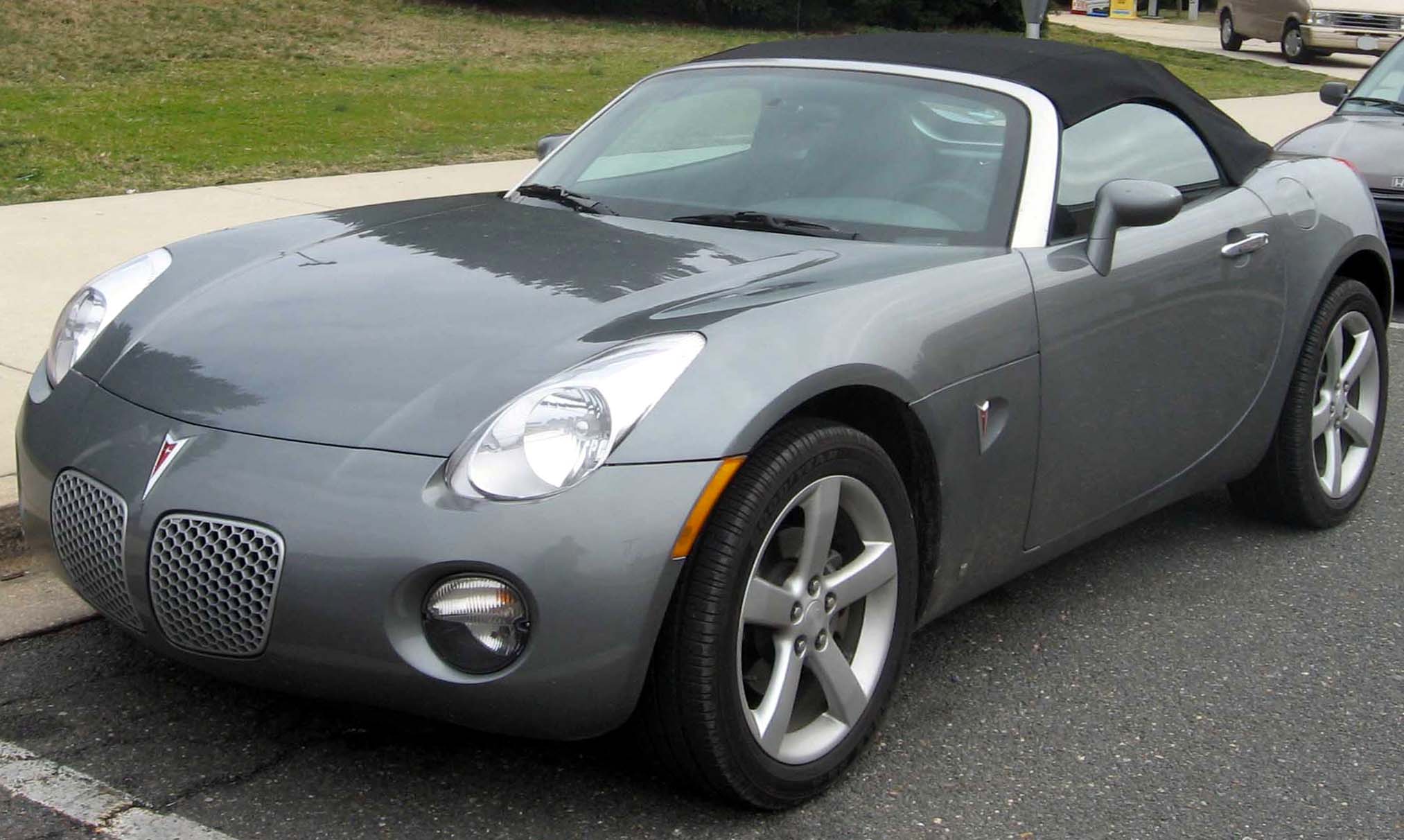
The 2009 Pontiac Solstice, often called the “American Miata,” is a rear-wheel-drive convertible that offers spirited driving at an affordable price, ranging from $11,000 to $13,500. Pontiac’s first two-seater since the 1988 Fiero, the Solstice went largely unnoticed due to the brand’s declining popularity, but it delivers enjoyable handling, balanced weight distribution, and a distinctive design that draws attention on the road.
In GXP trim, the Solstice is powered by a 2.0-liter turbocharged inline-four engine producing 260 horsepower and 260 lb-ft of torque. This allows it to sprint from 0 to 60 mph in 5.4 seconds and reach a top speed of 155 mph. The smaller 2.4-liter naturally aspirated engine in base models produces 177 horsepower and 166 lb-ft of torque, offering a 0-60 time of 7.2 seconds.
Both engines are paired with a five-speed manual transmission noted for its short, precise throws, though the clutch can feel heavy. The Solstice’s fully independent suspension, with A-arms, coil springs, shocks, and anti-roll bars front and rear, keeps the 2,888-pound car composed through corners while delivering good feedback through the steering.
The Solstice’s design is a blend of retro and modern cues. The flowing bodywork evokes mid-1950s Thunderbirds and small Corvette proportions, giving it a playful, aggressive stance.
Its compact cabin features a low seating position, simple controls, and an understated dashboard layout, though interior space is tight and trunk capacity is extremely limited. Raising and lowering the soft top requires some effort, which can make it less practical for casual drivers.
Driving the Solstice is engaging, with precise rack-and-pinion steering and responsive throttle control. While it lacks the high-revving soundtrack or explosive acceleration of some competitors, it rewards involvement, making every corner and gear change feel satisfying. Its handling is slightly heavier than a Miata at the limit, but most drivers will appreciate its communicative nature and stability.
The 2009 Pontiac Solstice is a compelling choice for enthusiasts seeking a stylish, affordable roadster with engaging dynamics. Its combination of turbocharged performance, sharp handling, and retro-inspired looks makes it a fun, driver-focused car, even if it does not have the refinement or brand prestige of its Japanese rivals.
7. 2013 Volkswagen Golf R: The Ultimate Hot Hatch
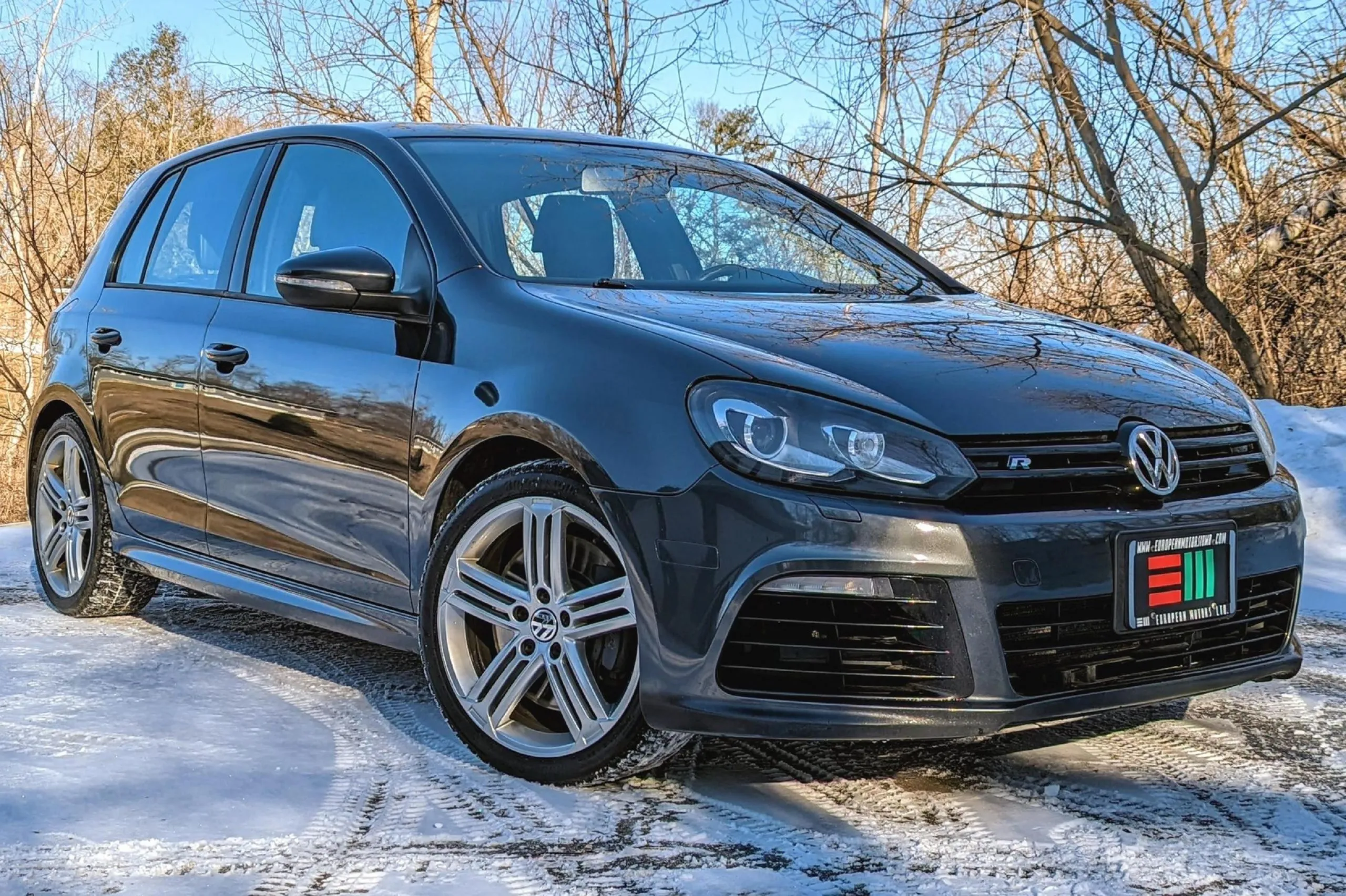
The 2013 Volkswagen Golf R represents the pinnacle of Volkswagen’s seventh-generation Golf lineup, combining everyday practicality with high-performance driving.
Often hailed as one of the most fun-to-drive hot hatches on the market, the Golf R takes the familiar Golf formula and elevates it with turbocharged power, all-wheel drive, and sport-focused handling. Prices for used models range from $15,500 to $17,500, making it an attractive option for enthusiasts seeking a sporty, compact hatchback.
At the heart of the Golf R is a 2.0-liter turbocharged inline-four engine producing 296 horsepower and 280 lb-ft of torque. This allows the car to accelerate from 0 to 60 mph in 5.6 seconds, with a top speed of 130 mph.
Unlike the standard Golf, which comes with a 2.5-liter five-cylinder engine generating 170 horsepower or a 2.0-liter TDI diesel with 140 horsepower, the Golf R emphasizes performance over fuel efficiency. Its all-wheel-drive system, larger brakes, and firmer suspension enhance cornering grip, stability, and driver engagement, making it a standout among hot hatches.
The Golf R is offered exclusively with a six-speed manual transmission, which appeals to purists, although some reviewers note that Volkswagen’s DSG dual-clutch transmission would offer faster shifts and improved performance figures.
The hatchback body style provides practical versatility, including rear seats and cargo space suitable for daily use, while the sport-tuned suspension and responsive steering keep it engaging on winding roads.
For 2013, Volkswagen made minor updates to the Golf lineup, including a standard front-center armrest, floor mats for both rows, and, on convenience trims, a leather-wrapped steering wheel, shift knob, and handbrake. These enhancements add comfort and refinement without detracting from the Golf R’s focused driving character.
The 2013 Volkswagen Golf R offers a rare combination of compact practicality, high-revving turbo power, and all-wheel-drive confidence. Its strong acceleration, sharp handling, and daily usability make it one of the most compelling hot hatches of its generation.
Enthusiasts seeking a fun-to-drive, versatile, and performance-oriented compact car will find the Golf R hard to beat in terms of balance, performance, and driving satisfaction.
Also Read: 5 Cars That Americans Keep Buying vs 5 They’ve Given Up On
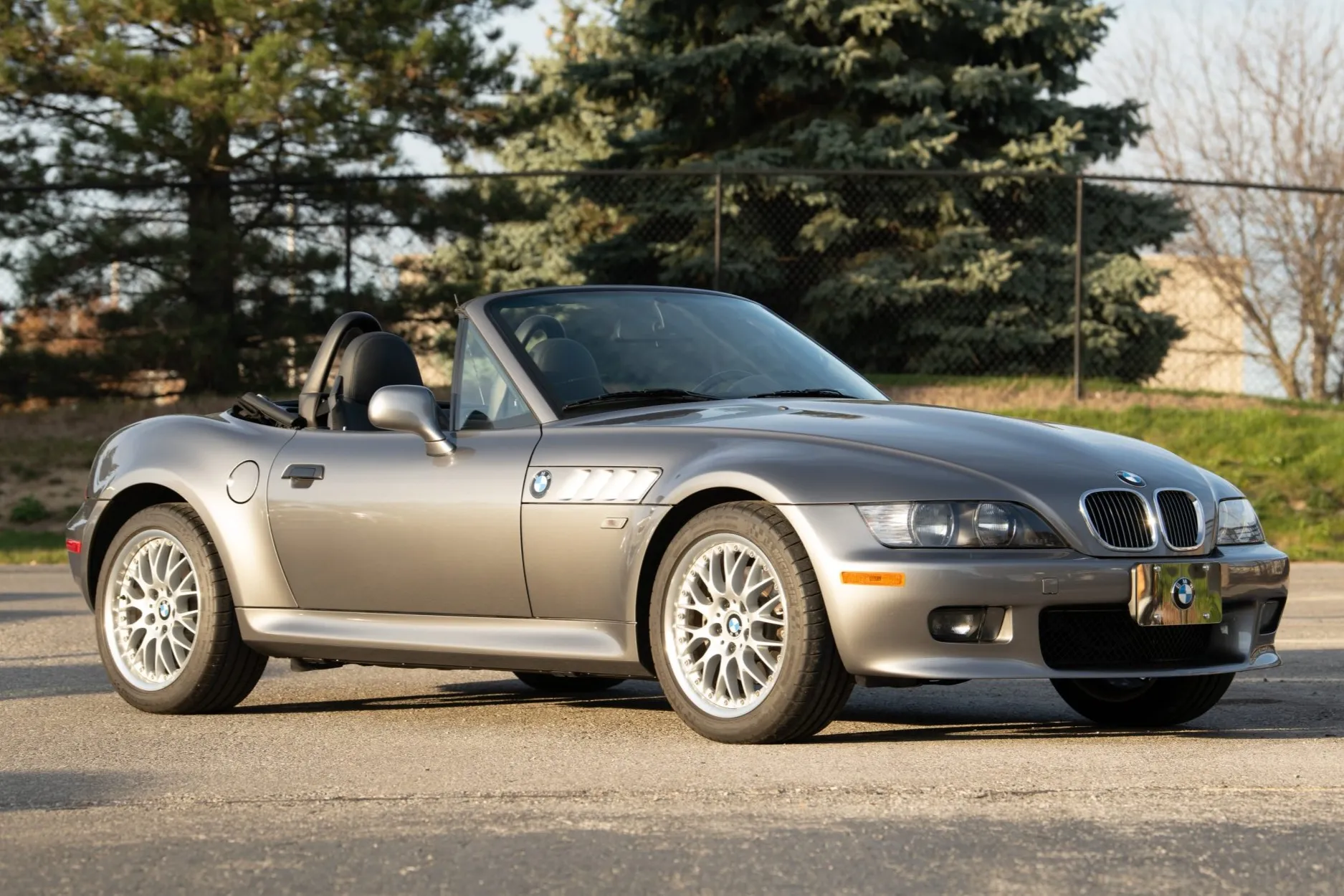
8. 2002 BMW Z3 Roadster: Affordable Classic Sports Car
The 2002 BMW Z3 Roadster is a premium two-seater that combines European design, rear-wheel-drive balance, and engaging driving dynamics at an attainable price. With used models available for $8,000 to $9,000, the Z3 offers a rare opportunity to own a classic BMW roadster.
While early Z3s were known for reliability issues, a well-maintained example delivers a rewarding, analog driving experience reminiscent of a Miata but with stronger power and a more refined badge.
Under the hood, the Z3 features a 3.0-liter inline-six engine producing 225 horsepower and 214 lb-ft of torque. The car accelerates from 0 to 60 mph in 5.9 seconds and reaches a top speed of 149 mph.
The lightweight 3,131-pound chassis and 96.8-inch wheelbase make it nimble, with responsive steering and excellent grip in corners. The M Roadster variant, with its 3.2-liter inline-six generating 315 horsepower, amplifies the Z3’s performance credentials, offering thrilling acceleration and a raw, street-fighter feel.
The Z3’s exterior design is classic and sophisticated, with a long nose and short rear that honors European sports-car tradition. Inside, the two-tone leather interior, supportive bucket seats, and nine-speaker Harman Kardon audio system provide a sense of luxury, although long trips can become tiring, and luggage space is limited to five cubic feet. These compromises are typical for a small, driver-focused roadster built for pure enjoyment rather than practicality.
Driving the Z3 is an experience designed for enthusiasts who value engagement over comfort. Its low ride height, wide front track, and responsive suspension keep the car planted through corners, but rough roads transmit bumps directly to occupants. The Z3 thrives on open stretches of road, delivering a sense of speed and connection that few modern sports cars can replicate.
The 2002 BMW Z3 Roadster appeals to those who cherish spirited driving, open-top motoring, and classic roadster aesthetics. It is a car for dreamers and enthusiasts who prioritize fun and connection with the car over convenience. With careful maintenance, the Z3 offers a rewarding blend of style, performance, and affordability, making it one of the most compelling entry points into the world of classic European sports cars.
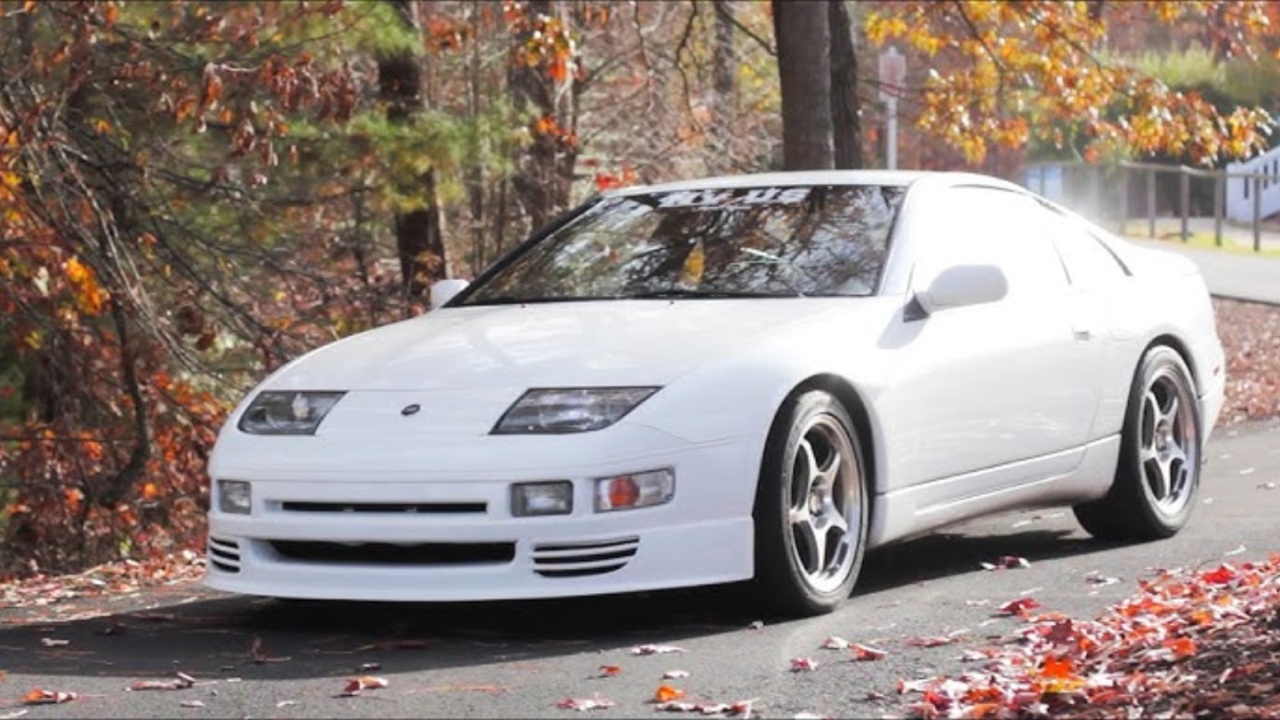
9. 1999 Nissan 300ZX: Classic JDM Sports Car
The 1999 Nissan 300ZX remains one of the most iconic Japanese sports cars of the 1990s, offering a combination of striking design, rear-wheel-drive performance, and a driver-focused experience.
Often overlooked in discussions of Nissan’s sports cars, the 300ZX is a compelling choice for enthusiasts seeking a classic JDM roadster or coupe at an affordable price, with examples ranging from $9,000 to $13,000. Twin-turbo models provide even more performance, delivering up to 300 horsepower for those willing to invest a little extra.
Under the hood, the 300ZX features a 3.0-liter V6 engine producing 222 horsepower and 198 lb-ft of torque. The car accelerates from 0 to 60 mph in 6.1 seconds and reaches a top speed of 155 mph.
Power is sent to the rear wheels, providing an engaging, responsive driving experience that rewards driver input. The naturally aspirated version is smooth and capable, while the twin-turbo variant offers significantly more thrust for spirited driving on winding roads or open highways.
The 300ZX’s design blends elegance and aggression, with flowing lines, a low-slung profile, and an athletic stance. The interior is driver-centric, with controls logically arranged and supportive seats that keep occupants planted during spirited driving.
While modern sports cars may surpass it in technology or refinement, the 300ZX excels at delivering a pure, no-nonsense driving experience. Its combination of performance, balance, and style ensures that it remains a car that draws attention even decades after its release.
The 1999 model marked the final chapter in the Z-car’s storied history, as Nissan chose not to produce a direct successor. At a time when consumer interest shifted toward luxury SUVs, the 300ZX stood as one of the last affordable, high-performance sports cars available from the brand. Emissions compliance was updated for this final year, but otherwise, the car remained largely unchanged from earlier iterations.
The 1999 Nissan 300ZX offers a rare opportunity to own a classic Japanese sports car that combines performance, style, and heritage. Its enduring appeal lies in its balanced rear-wheel-drive chassis, distinctive design, and engaging driving dynamics, making it a timeless choice for collectors and enthusiasts seeking a pure, driver-focused experience.
10. 2002 Pontiac Firebird Trans Am: Affordable American Muscle
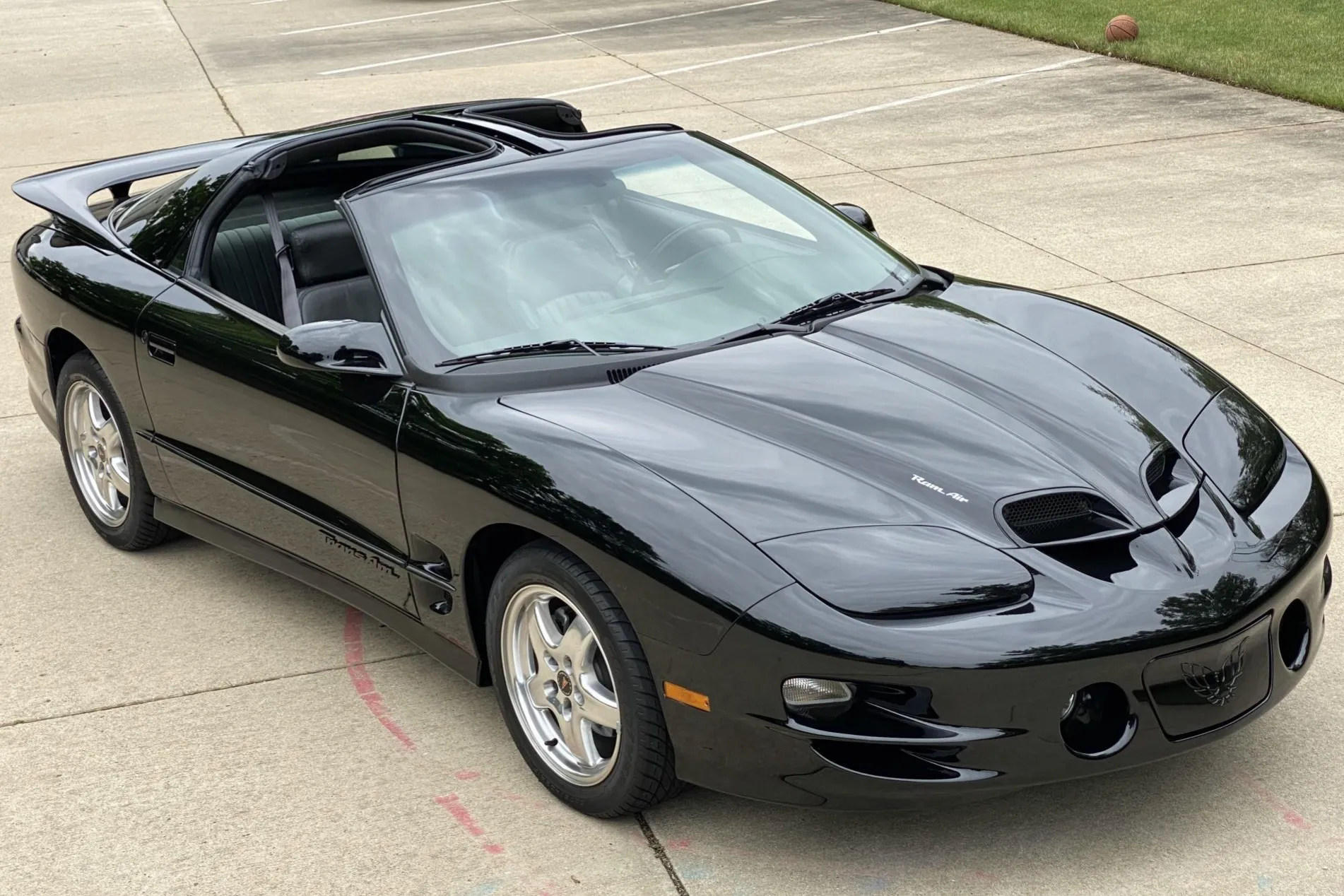
The 2002 Pontiac Firebird Trans Am is an underrated American muscle car that combines classic styling, impressive performance, and affordability. With used models priced between $12,000 and $13,000, the Trans Am offers a rare opportunity to experience high-powered V8 performance without breaking the bank.
Featuring a 5.7-liter LS1 V8 engine producing 310 horsepower and 340 lb-ft of torque, the car accelerates from 0 to 60 mph in approximately 5.6 seconds and can achieve a top speed of 161 mph. A Borg-Warner six-speed manual transmission is available for enthusiasts seeking full engagement, while a four-speed automatic comes standard.
The Firebird’s design blends sleek, aerodynamic lines with aggressive muscle-car cues. Pop-up headlights, sculpted side scoops, and an optional convertible roof add flair, though the more restrained midlevel Formula trim provides similar performance with a subtler appearance.
The Trans Am’s cockpit features dual airbags, antilock brakes, and an optional traction-control system, offering a balance of safety and driver focus. The interior and controls emphasize both style and function, reflecting Pontiac’s effort to create a driver-oriented sports car.
Performance enhancements include the WS6 package, which adds a ram-air induction hood, dual-outlet exhaust, high-performance 275/40ZR17 tires, and a specially tuned suspension.
These upgrades provide better power delivery, grip, and handling, making the Firebird a formidable competitor on straightaways and corners alike. Base V6 models produce a respectable 200 horsepower, but the LS1 V8’s torque and acceleration deliver a truly thrilling driving experience.
Despite its strengths, the Firebird struggled in showrooms against competitors like the Ford Mustang, contributing to the eventual discontinuation of Pontiac’s performance coupe lineup. Still, the 2002 Trans Am stands out as a low-cost, high-reward sports car, offering classic American muscle combined with modern reliability and style.
For enthusiasts seeking an iconic V8-powered roadster or coupe, the Firebird Trans Am provides a potent mix of performance, design, and driving enjoyment, making it a compelling option for anyone looking to embrace the thrill of traditional American muscle.
11. 2003 Lexus IS300: A Sleeper Sports Sedan
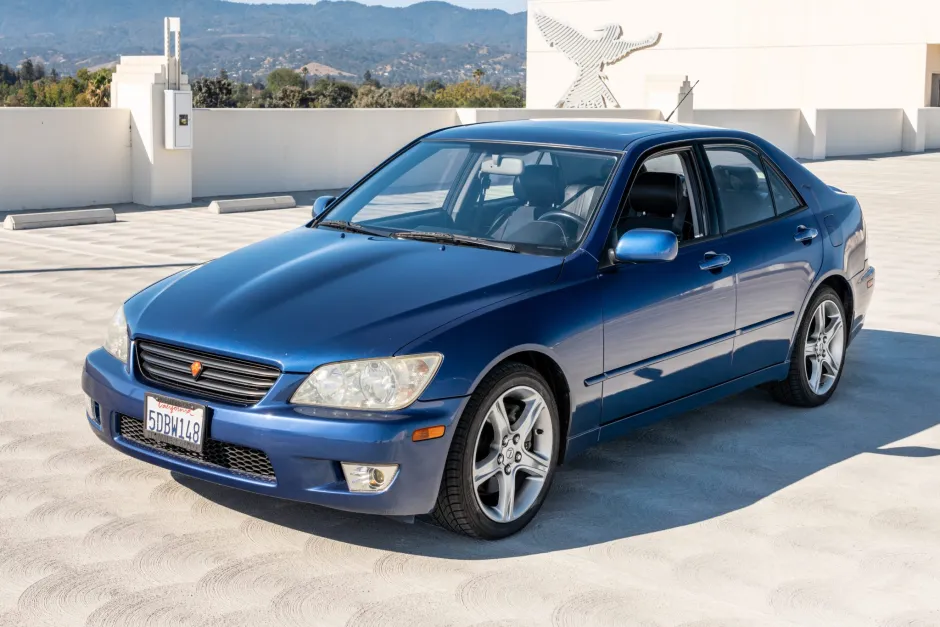
The 2003 Lexus IS300 is a sleeper sedan that combines understated styling with a potent powertrain, making it a favorite among enthusiasts who appreciate performance disguised as an ordinary luxury car. Under the hood lies the legendary 2JZ 3.0-liter inline-six engine, the same powerplant that propelled the Toyota Supra to iconic status.
Producing 215 horsepower and 218 lb-ft of torque, the IS300 accelerates from 0 to 60 mph in 7.3 seconds and reaches a top speed of 149 mph. Rear-wheel drive ensures engaging handling, giving the driver a responsive and connected feel behind the wheel.
Despite its modest appearance, the IS300 delivers the reliability and refinement Lexus is known for. It rides on a platform derived from the GS sedan, with double-wishbone front suspension and independent multilink rear suspension, both retuned for sportier dynamics.
The car balances daily comfort with athletic capability, offering a smooth ride over highways while remaining composed on twisting roads. Steering is precise, and the chassis provides a confident sense of control without being punishing.
Inside, the IS300 boasts a well-crafted cabin with high-quality materials. Leather seats, soft-touch surfaces, and thoughtful design create a quiet, luxurious environment. Front occupants enjoy generous comfort, though rear legroom is limited, reflecting the compact dimensions of this sporty sedan.
Standard features include traction control, stability control, and four-wheel antilock brakes with Electronic Brakeforce Distribution and BrakeAssist. Optional advanced safety systems include the Pre-Collision System, which preemptively tightens seatbelts and stiffens suspension when a collision is detected, enhancing occupant protection.
The IS300 offers a solid blend of performance, reliability, and luxury at an affordable price, typically between $7,000 and $9,000 on the used market. It stands out in the compact luxury segment for those seeking a rear-wheel-drive sports sedan without drawing excessive attention.
Its combination of the bulletproof 2JZ engine, refined ride, and understated styling makes the IS300 a compelling choice for drivers who want a capable, fun, and dependable car with the potential for performance upgrades. Whether used as a daily driver or a spirited weekend cruiser, the IS300 delivers a rewarding driving experience while remaining practical and reliable.
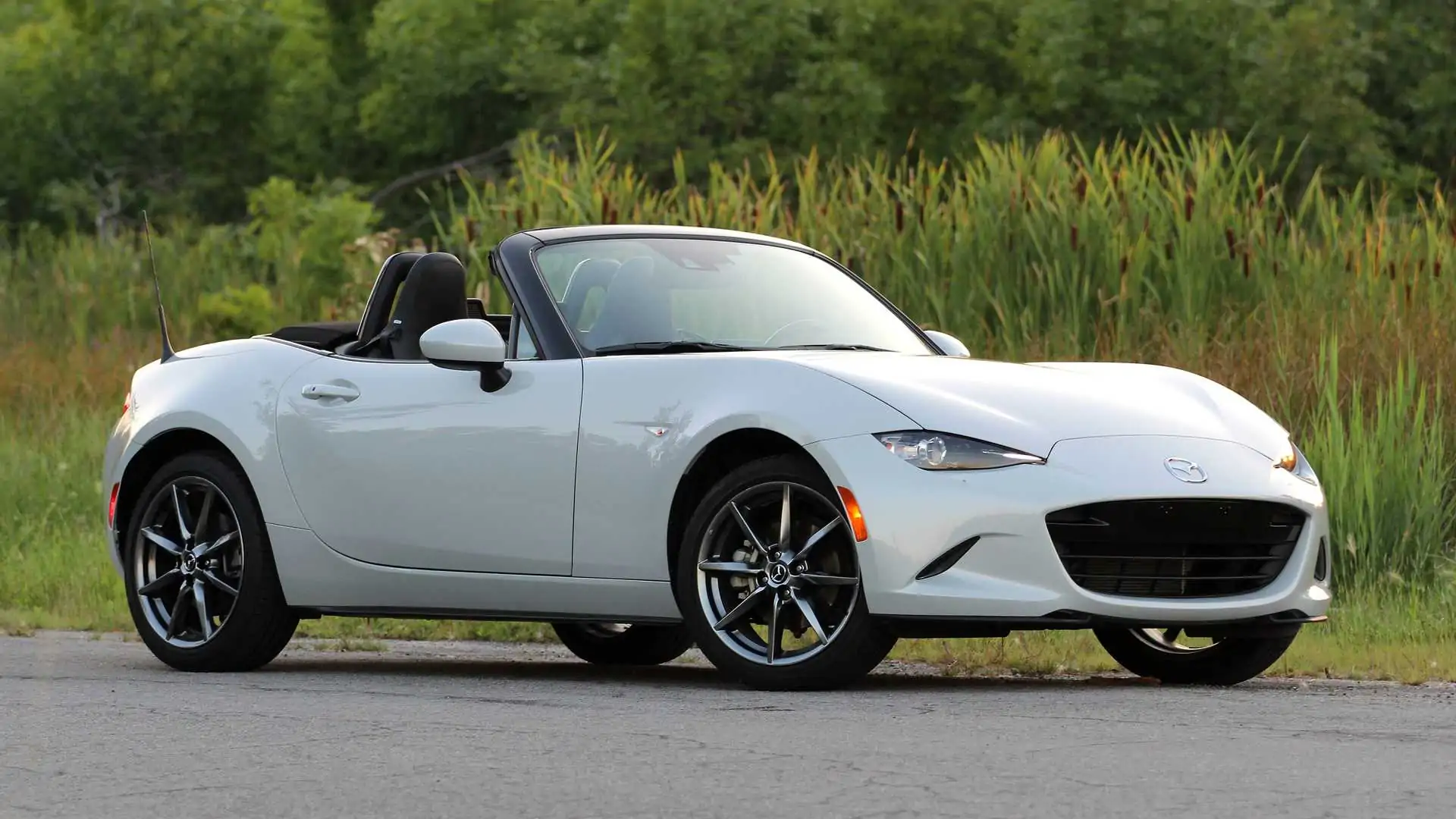
12. 2016 Mazda MX-5 Miata: Affordable, Engaging Roadster
The 2016 Mazda MX-5 Miata continues the legacy of Mazda’s iconic two-seat roadster, combining affordability, lightweight dynamics, and a highly engaging driving experience. Priced between $16,000 and $18,000 on the used market, it remains one of the most accessible rear-wheel-drive sports cars, appealing to both purists and casual enthusiasts.
The 2016 model marks a significant improvement over its predecessor, shedding about 200 pounds while adding modern features such as a 7-inch touchscreen infotainment system, USB connectivity, and Bluetooth.
Under the hood, the Miata is powered by a 2.0-liter inline-four engine producing 155 horsepower and 148 lb-ft of torque. Paired with a six-speed manual transmission as standard, the Miata accelerates from 0 to 60 mph in approximately 5.8 seconds, with a top speed of 135 mph.
A six-speed automatic is also available, including steering-wheel-mounted shift paddles. Its lightweight design and precise rear-wheel-drive balance give the Miata exceptional agility on twisty roads, while the limited-slip differential enhances cornering performance. Fuel economy is strong for a sports car, with EPA ratings of 27 mpg city and 34 mpg highway for the manual and slightly better for the automatic.
The 2016 Miata excels in driver engagement, offering sharp steering, responsive handling, and a suspension tuned to provide a connected feel without being punishing. The ride is compliant enough for everyday use but reveals its sporty character when pushed. Road and wind noise are present with the top up, and trunk space is limited to just 4.6 cubic feet, reflecting the typical compromises of a compact roadster.
Inside, the cabin is snug but thoughtfully designed, with comfortable seats aided by a mesh-suspension system and improved materials quality on higher trims. Controls are driver-focused, intuitive, and complemented by an upgraded infotainment interface on the Club and Grand Touring models. The manual soft top is easy to operate, allowing for quick open-air enjoyment.
The 2016 Mazda MX-5 Miata offers an affordable, lightweight, and extremely fun-to-drive roadster experience. It remains one of the most balanced and engaging sports cars for the money, delivering a genuine convertible driving experience with modern amenities and timeless handling characteristics.
13. 2004 Chevrolet Corvette: Iconic American Sports Car
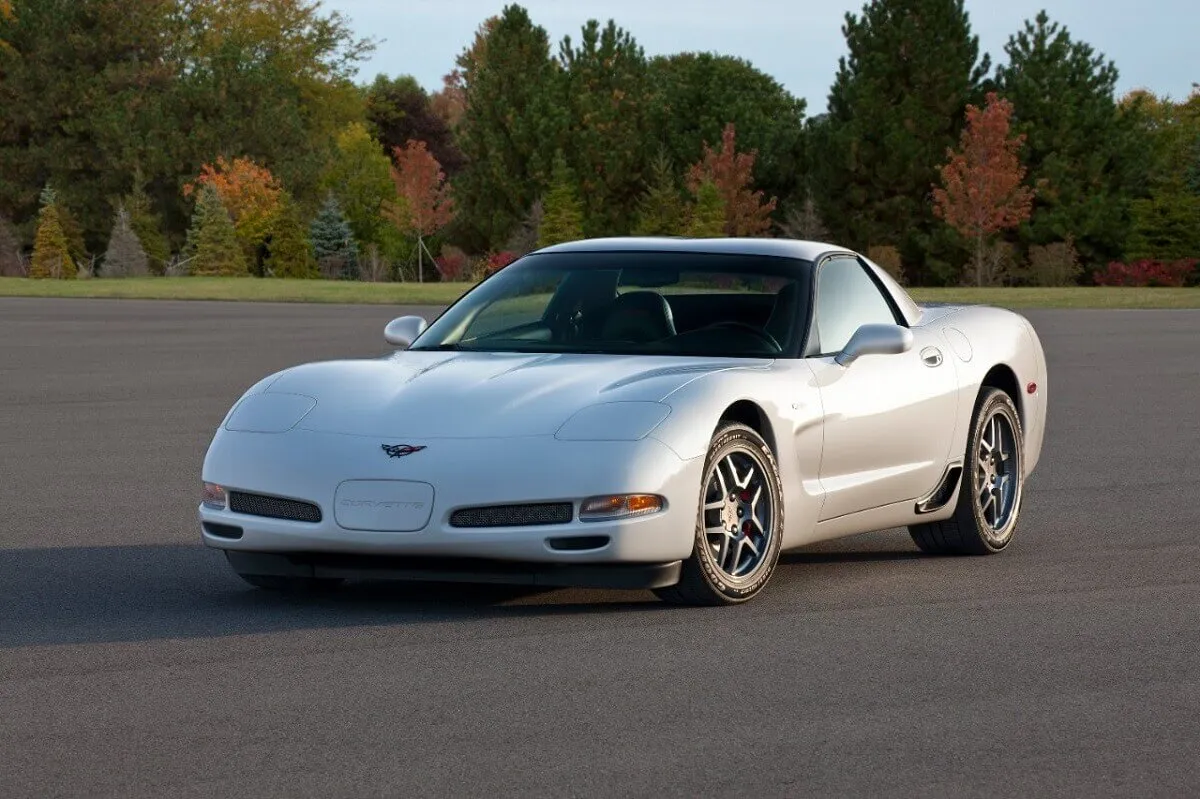
The 2004 Chevrolet Corvette C5 remains one of the most compelling and affordable American sports cars, with prices ranging from $17,000 to $19,500.
Powered by a 5.7-liter LS1 V8 producing 350 horsepower and 360 lb-ft of torque, it accelerates from 0 to 60 mph in just 4.7 seconds and reaches a top speed of 175 mph. Its combination of performance, reliability, and value makes it a standout choice for enthusiasts on a budget.
The Corvette has a storied history dating back to its 1953 debut at the GM Motorama. While the first models were modest, subsequent generations gradually transformed the Corvette into an American icon.
The 1963 Sting Ray solidified its sports car credentials, and later models like the C4 in 1984 introduced modern styling, removable tops, and improved handling. By the 1990s, Corvette performance became world-class, with models like the ZR-1 reaching 375 horsepower and ranking among the fastest cars of the era.
The C5, introduced in 1997, brought substantial refinement and performance improvements. Its hydroformed one-piece frame improved stiffness and cornering capability, and the LS-1 V8 provided ample power. Convertible and hardtop variants followed shortly, and the high-performance Z06 returned in 2001, offering a track-focused package for enthusiasts.
The 2004 C5 Corvette continues to provide an exceptional driving experience. Its suspension, especially with optional performance packages, balances a compliant ride with precise, white-knuckled handling.
Traction and stability control systems help manage its rear-wheel-drive power without diminishing driver engagement. Standard four-wheel ventilated antilock brakes ensure stopping power, while side airbags are optional. The Active Handling System adds an extra layer of safety, intervening subtly to maintain control.
Inside, the Corvette combines function with modest luxury. The interior quality improved significantly from earlier generations, with better materials, practical cupholders, and optional navigation systems. While still not at the level of European competitors, it offers a comfortable, driver-focused cabin.
The 2004 Chevrolet Corvette C5 delivers a rare combination of American V8 muscle, precise handling, and everyday usability. Its performance, iconic styling, and affordability make it an enduring choice for enthusiasts seeking an exciting sports car experience without the European price tag.
14. 2007 Ford Mustang GT: Affordable American Muscle
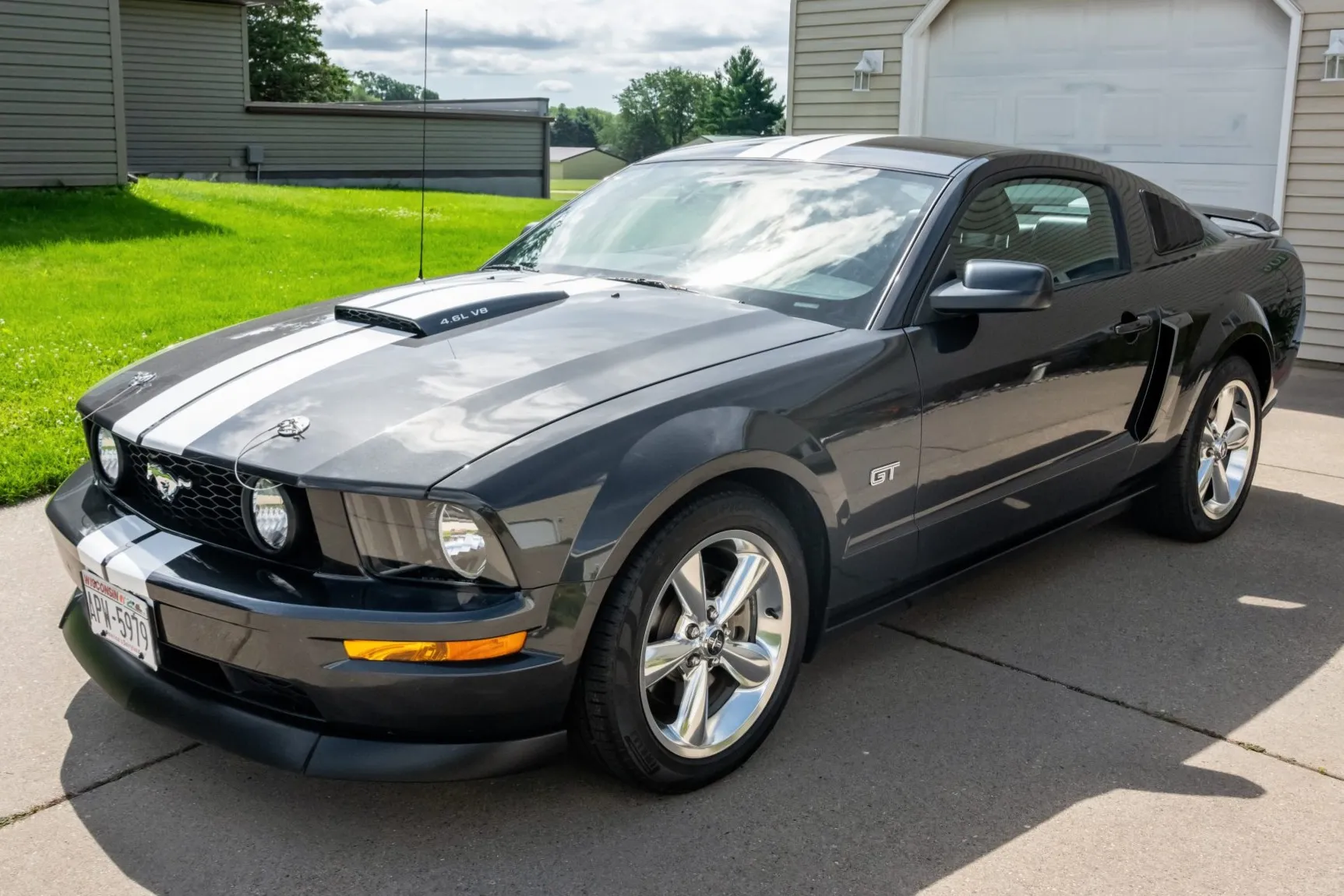
The 2007 Ford Mustang GT remains an iconic and accessible American muscle car, with prices ranging from $10,000 to $12,000. Powered by a 4.6-liter V8 producing 300 horsepower and 320 lb-ft of torque, the GT can accelerate from 0 to 60 mph in 5.2 seconds and reach a top speed of 155 mph.
Its combination of performance, classic styling, and affordability makes it a standout option for enthusiasts seeking rear-wheel-drive excitement without breaking the bank.
The Mustang is the only pony car from the 1960s to survive into the 21st century without interruption. The 2007 model represents the ninth generation and builds on a 2005 redesign. Its exterior blends heritage cues with modern touches, including a canted nose, large grille, round headlights, and GT-specific foglights.
The coupe’s fastback roofline, sculpted sides, and triangular side windows pay homage to classic 1960s Mustangs, including Carroll Shelby’s iconic 2+2 GT350 fastback. Buyers can personalize their Mustangs with a wide array of colors and appearance packages.
Inside, the Mustang combines retro charm with ergonomic functionality. The dual-hooded dash, round-hub steering wheel, and classic gauges evoke nostalgia while integrating seamlessly with modern controls.
The standard interior features hard plastics, though an optional Interior Upgrade Package adds satin aluminum accents and customizable backlighting for the instruments. Seating for four is standard, and average-size adults can sit comfortably in the rear.
Under the hood, the GT’s 4.6-liter V8 is paired with either a five-speed manual or automatic transmission, delivering spirited acceleration and an unmistakable exhaust note. Rear-wheel drive and careful suspension tuning offer reasonably precise handling, despite the use of a basic solid-axle rear suspension.
While it cannot match the refinement of import competitors such as the Nissan 350Z or Mazda RX-8, the Mustang’s ride quality remains compliant enough for daily commuting.
Safety features include four-wheel disc brakes, antilock brakes, and traction control as standard on the GT. Front seat-mounted side airbags are optional. NHTSA crash tests awarded the 2007 Mustang five stars for front-impact protection and four stars for side-impact protection.
The 2007 Ford Mustang GT combines classic American muscle styling, robust V8 performance, and daily usability. Its retro-modern interior, thrilling acceleration, and accessible pricing make it one of the most compelling and affordable muscle cars on the market.
15. 2014 Subaru BRZ: Lightweight Rear-Wheel-Drive Fun
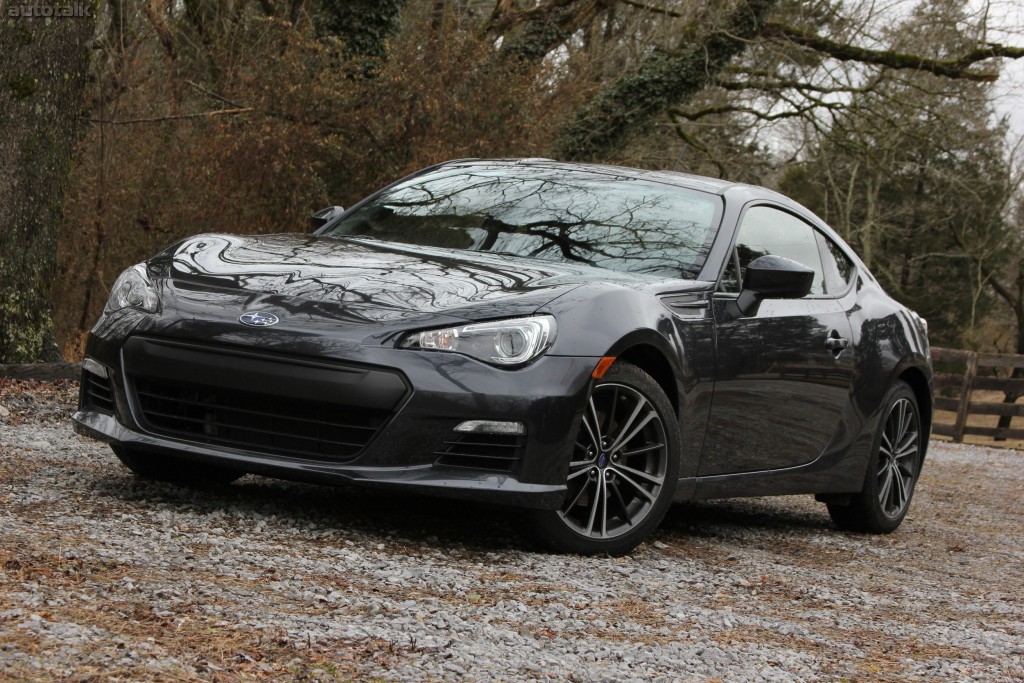
The 2014 Subaru BRZ is an affordable, small, and lightweight sports car designed for driving enthusiasts who value handling over raw power. Prices range from $12,000 to $14,000, and it is a rear-wheel-drive coupe developed jointly by Subaru and Toyota, sharing its platform with the Toyota GT86.
Its 2.0-liter naturally aspirated flat-four engine produces 200 horsepower and 151 lb-ft of torque, enabling a 0-60 mph sprint in 6.4 seconds with a top speed of 143 mph. The six-speed manual transmission is standard, with a six-speed automatic featuring paddle shifters available.
What sets the BRZ apart is its remarkable chassis balance, low curb weight of 2,700 pounds, and a low center of gravity. The powertrain layout, with the engine set farther back in the car, creates ideal fore-aft weight distribution.
Combined with precise, communicative steering, the BRZ offers excellent handling on twisty back roads and tight corners. Its limits are approachable, making it rewarding for both novice and experienced drivers. Brake feel is firm and consistent, and the chassis remains composed even on uneven surfaces.
Despite its engaging dynamics, the BRZ lacks the straight-line speed of some rivals. Cars like the Ford Mustang, Hyundai Genesis Coupe, and Nissan 370Z offer more power, while performance-oriented hatchbacks like the Subaru WRX and Ford Focus ST provide greater practicality with comparable performance.
The BRZ’s engine may feel modest in comparison, but its light weight and chassis tuning ensure driving enjoyment.
The cabin is simple and functional, with Toyota-Subaru switchgear and quality materials. Front seats are supportive for spirited driving and comfortable for longer trips.
The interior includes modern tech such as navigation, HD radio, and Bluetooth audio, although the touchscreen interface is somewhat cumbersome, and there are no steering-wheel audio controls. Rear seating is minimal and best left for occasional use, while the trunk offers 6.9 cubic feet of space, expandable by folding the rear seats.
Safety features include antilock brakes, stability and traction control, front side and side-curtain airbags, and a strong crash-test record with top IIHS ratings. Fuel economy is solid, with the manual rated at 25 mpg combined and the automatic at 28 mpg combined.
The 2014 Subaru BRZ delivers a pure, engaging driving experience for enthusiasts, prioritizing cornering agility and driver connection over straight-line power or practicality.
From Japanese sports cars to classic American muscle, the 15 rear-wheel-drive cars featured here demonstrate the enduring appeal of a drivetrain designed for the driver.
Each model delivers its own style of excitement, whether it is lightweight agility, balanced handling, or raw V8 power, proving that driving enjoyment does not always require a high price. These cars celebrate the connection between driver, machine, and road, offering experiences that modern technology often smooths away.
Affordable, reliable, and endlessly engaging, vehicles such as the BMW Z3, Nissan 350Z, and Subaru BRZ show why rear-wheel drive continues to capture the hearts of enthusiasts worldwide.
Whether carving corners, cruising highways, or enjoying the open-top freedom of a classic roadster, these cars provide pure joy in every mile. They are invitations to drive, connect, and rediscover the excitement of being behind the wheel.