
Picture this: you just drove your brand-new truck off the dealer’s lot, and that feeling of accomplishment washes over you like warm sunshine. You worked hard, saved your money, and finally made that big purchase.
Fast forward six months, and you’re either still grinning every time you see your truck in the driveway, or you’re lying awake at night wondering what possessed you to buy this money pit. That’s the difference between a smart truck purchase and one that haunts you.
Buyer’s remorse with trucks hits differently than with regular cars. We’re talking about serious money here, vehicles that cost as much as small houses in some places. When you get it right, your truck becomes a trusted companion that handles everything you throw at it without complaint.
Get it wrong, and you’re stuck with years of payments on something that spends more time broken down than working. Friends and family who warned you start looking smarter by the day, and every new problem feels like another punch to your wallet and your pride.
Some trucks have earned their reputations through years of making owners happy. People buy them, use them hard, and recommend them to everyone who asks. Other trucks look great in advertisements, but turn into nightmares once real-world use begins. Repair costs pile up, reliability becomes a joke, and resale values drop faster than a stone in water.
So which trucks leave owners satisfied and which ones cause regret? Let’s examine ten trucks that sit at opposite ends of the satisfaction spectrum and understand why some purchases feel brilliant while others feel like expensive mistakes.
Trucks That Rarely Cause Buyer’s Remorse
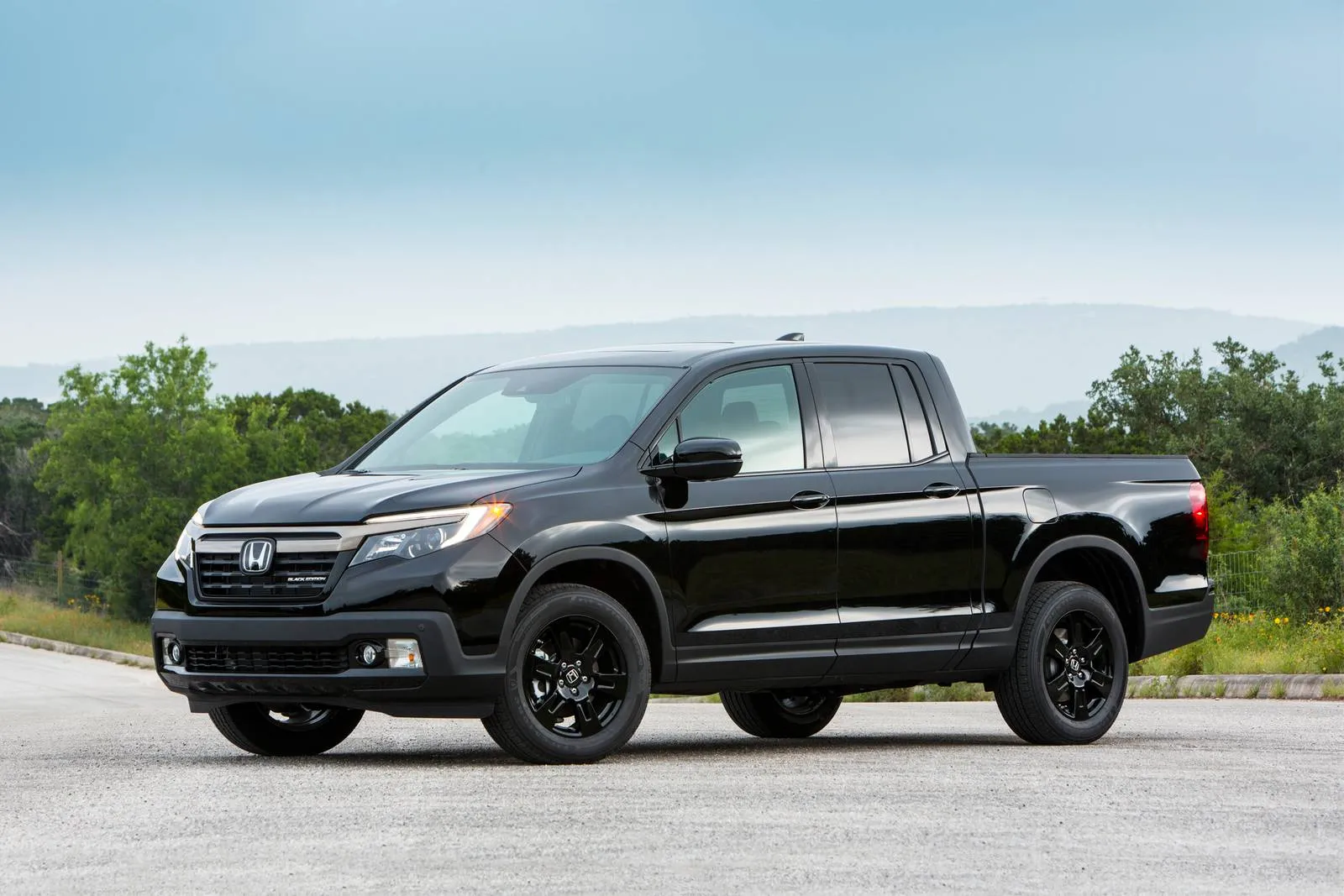
1. Honda Ridgeline 2017-2023
Most truck purists laugh at the Ridgeline with its unibody construction and car-like ride, but owners of this Honda couldn’t care less about what traditionalists think. They’re too busy enjoying a truck that actually works without the constant headaches that plague body-on-frame alternatives.
Daily driving feels comfortable rather than punishing, fuel economy stays reasonable instead of horrifying, and reliability reaches levels that make other truck owners jealous. People who buy Ridgelines typically need truck capabilities without wanting to sacrifice everyday usability. Hauling furniture, towing small trailers, camping trips, and Home Depot runs all happen without drama.
That lockable in-bed trunk becomes indispensable for storing tools and equipment securely, something traditional truck beds can’t match. Rain or shine, your valuable items stay dry and protected from thieves who can’t even see what you’re carrying.
Honda’s legendary reliability extends fully to the Ridgeline. That 3.5-litre V6 engine runs smoothly for hundreds of thousands of kilometres without major issues. No diesel particulate filter problems, no turbocharger failures, no complicated emissions systems breaking down.
Just a proven engine that starts every morning and delivers adequate power without fuss. Transmission behaviour stays consistent year after year, shifting smoothly rather than developing the clunks and hesitations that appear in ageing automatic gearboxes.
Resale values hold steady because used truck buyers recognize the Ridgeline’s advantages once they get past their initial biases. Smart shoppers researching reliability data discover this Honda tops the charts while traditional trucks languish in the middle or bottom.
Dealers actually want Ridgelines on their used lots because they sell quickly to buyers tired of dealing with unreliable alternatives. This strong demand keeps values high and protects owners from the steep depreciation that destroys other trucks’ resale potential.
Ownership costs stay low enough that Ridgeline buyers rarely experience the financial regret common with other trucks. Fuel consumption remains tolerable rather than shocking, maintenance intervals come at reasonable distances, and parts don’t cost fortunes when replacements become necessary.
Insurance companies recognize the vehicle’s safety record and charge accordingly. Add these factors together and you get a truck that makes financial sense throughout ownership rather than just appearing affordable at purchase.
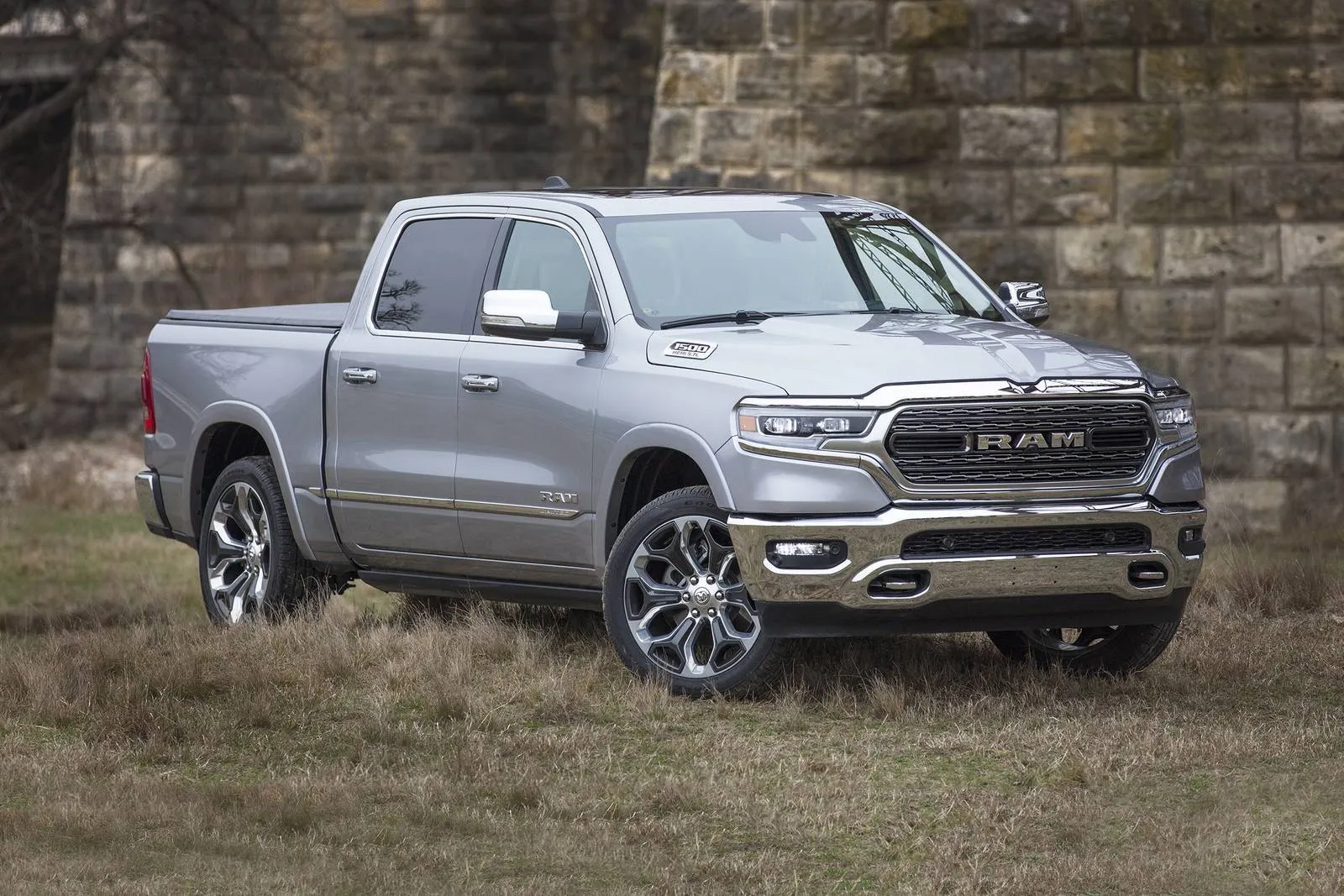
2. Ram 1500 2019-2023 (5.7L HEMI)
Driving a Ram 1500 with the 5.7-litre HEMI V8 feels like sitting in a luxury car that happens to have a bed attached. That interior puts German luxury brands to shame with its materials, design, and attention to detail.
Long highway trips become pleasant rather than endurance tests, and passengers actually volunteer to ride along instead of making excuses. This comfort level matters enormously for people who spend serious time in their trucks.
Power delivery from the HEMI satisfies anyone who needs to tow trailers or haul heavy loads. Pulling a camper up steep grades doesn’t require flooring the accelerator and praying; it just happens smoothly with power to spare.
Merging onto busy highways never causes anxiety because acceleration is always available when needed. This V8 produces its power reliably without the turbo lag or complicated maintenance that turbocharged alternatives require.
The build quality in these recent Rams reached levels that previous generations never achieved. Squeaks and rattles that plagued earlier models got engineered out through better assembly processes and improved materials.
Doors close with satisfying solidity, panel gaps stay consistent, and everything feels substantial rather than cheap. This attention to construction quality extends vehicle lifespan and maintains the premium feel that justifies the truck’s price.
Storage solutions throughout the cabin show real thought about how people actually use trucks. That RamBox system in the bed rails provides lockable, weatherproof storage that proves invaluable for tools, tie-downs, and equipment.
Centre console storage swallows laptops, tablets, and all the stuff that normally clutters truck cabins. Thoughtful details like these make daily ownership more pleasant and reduce the frustrations that cause regret.
Technology integration works properly instead of frustrating owners with glitches and poor design. That Uconnect infotainment system responds quickly, connects reliably to phones, and provides navigation that actually helps rather than confusing drivers.
Apple CarPlay and Android Auto work seamlessly, allowing drivers to use familiar interfaces. When technology enhances ownership rather than complicating it, satisfaction increases and regret decreases.
Also Read: 5 Trucks That Laugh at Rust vs 5 That Rot Fast
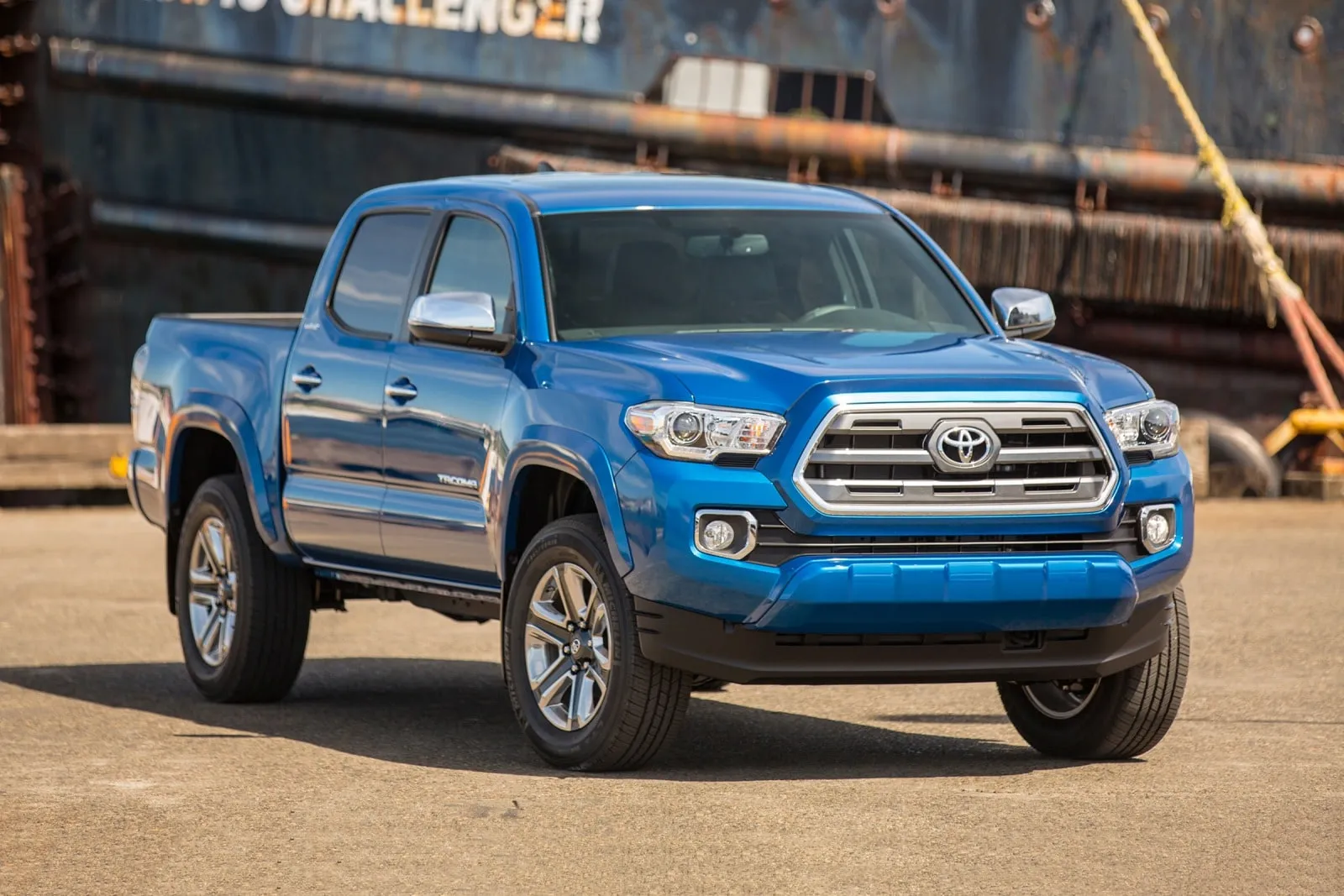
3. Toyota Tacoma 2016-2023
Tacoma buyers know exactly what they’re getting: a truck that will outlast their willingness to keep making payments. These vehicles run forever with basic maintenance, surviving abuse that would kill lesser trucks.
Off-road capability comes standard with adequate ground clearance, proper approach and departure angles, and four-wheel-drive systems that actually work when conditions get sketchy. Adventure seekers trust Tacomas to get them into remote places and back out again.
Resale values on Tacomas border on ridiculous, with used examples sometimes selling for nearly what they cost new. This happens because demand consistently exceeds supply, and buyers recognize these trucks as safe investments.
Someone purchasing a Tacoma today knows they can drive it for years and still recover most of their money when selling. This value retention eliminates one of the biggest sources of buyer’s remorse: watching your purchase lose half its value within three years.
Simplicity defines the Tacoma’s engineering philosophy, with proven components replacing cutting-edge technology that might fail. That naturally aspirated V6 engine lacks turbochargers or cylinder deactivation systems that could malfunction.
Automatic transmissions use traditional designs rather than complicated dual-clutch or CVT setups. Four-wheel-drive systems rely on mechanical components instead of electronic wizardry. This old-school approach means fewer expensive repairs and longer component life.
Off-road enthusiasts modify Tacomas extensively without voiding warranties or creating reliability concerns. Lift kits, larger tyres, aftermarket suspension, and auxiliary lights all bolt on easily thanks to massive aftermarket support.
This customization potential means buyers can create exactly the truck they want rather than settling for factory limitations. When your truck grows with your needs and interests, satisfaction increases and regret never develops.
Community support for Tacoma owners rivals any vehicle on the market. Forums overflow with helpful information, local groups organize trail rides and meetups, and experienced owners eagerly help newcomers.
This community creates emotional connections that transcend simple vehicle ownership. People don’t just buy Tacomas, they join a culture that values capability, reliability, and adventure. These social bonds prevent regret by making ownership about more than just transportation.
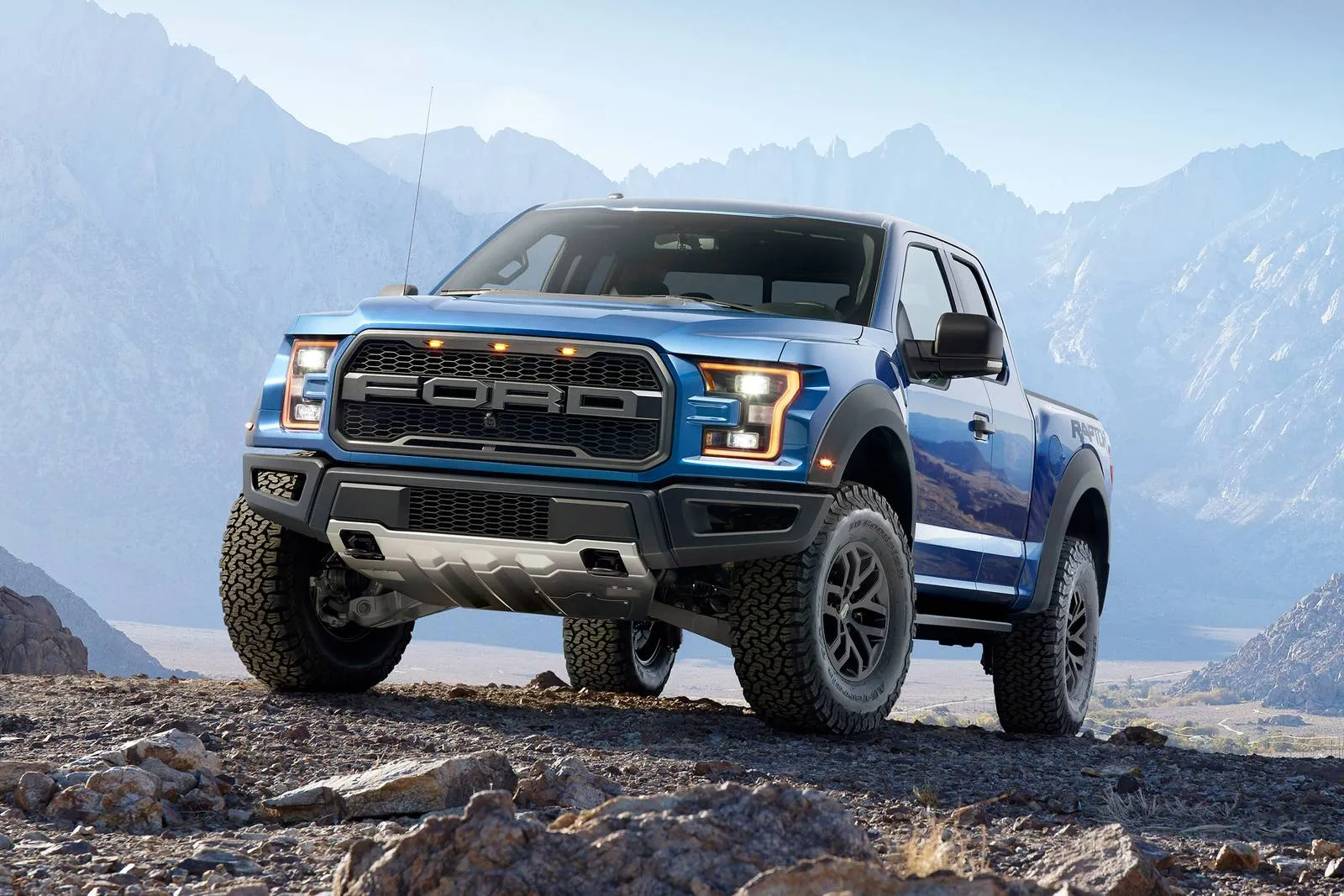
4. Ford F-150 2018-2023 (2.7L EcoBoost)
Small displacement turbocharged engines usually make truck buyers nervous, but Ford’s 2.7-litre EcoBoost V6 proved that modern engineering can produce both power and reliability. This engine delivers V8-level performance while consuming far less fuel, creating real savings for owners who rack up serious kilometres.
Towing capacity surprises people who assume small engines can’t pull heavy loads, yet this twin-turbo V6 handles trailers confidently. Aluminium body construction reduces weight without sacrificing strength, improving both efficiency and payload capacity.
Critics initially questioned aluminium’s durability, predicting dents and damage that would plague owners. Years of real-world use proved these concerns unfounded as F-150s demonstrated their aluminium bodies could handle work truck abuse without problems. This weight reduction provides tangible benefits that owners appreciate every time they fuel up or load cargo.
Versatility makes the F-150 suitable for diverse buyer needs, from contractors hauling tools to families using it as daily transportation. Cab configurations range from simple regular cabs to spacious crew cabs with adult-sized rear seats.
Bed lengths vary to match specific requirements. Engine choices span from efficient EcoBoost V6s to powerful V8s. This customization ensures buyers get exactly what they need rather than compromising on important features.
Technology features in these F-150s actually enhance capability rather than just adding gimmicks. Pro Trailer Backup Assist makes reversing with trailers easy, even for inexperienced drivers. Integrated trailer brake controllers work properly without requiring aftermarket installations. Blind spot monitoring with trailer coverage extends to include trailers, preventing accidents when changing lanes. These thoughtful additions make truck ownership easier and safer.
Dealer networks provide widespread service availability, crucial for people who depend on their trucks for work. Finding qualified technicians never becomes a problem because Ford dealers exist everywhere, and mechanics understand these vehicles thoroughly.
Parts availability stays excellent with competitive pricing thanks to high production volumes. When service needs arise, owners get their trucks back quickly without astronomical bills, maintaining satisfaction throughout ownership.
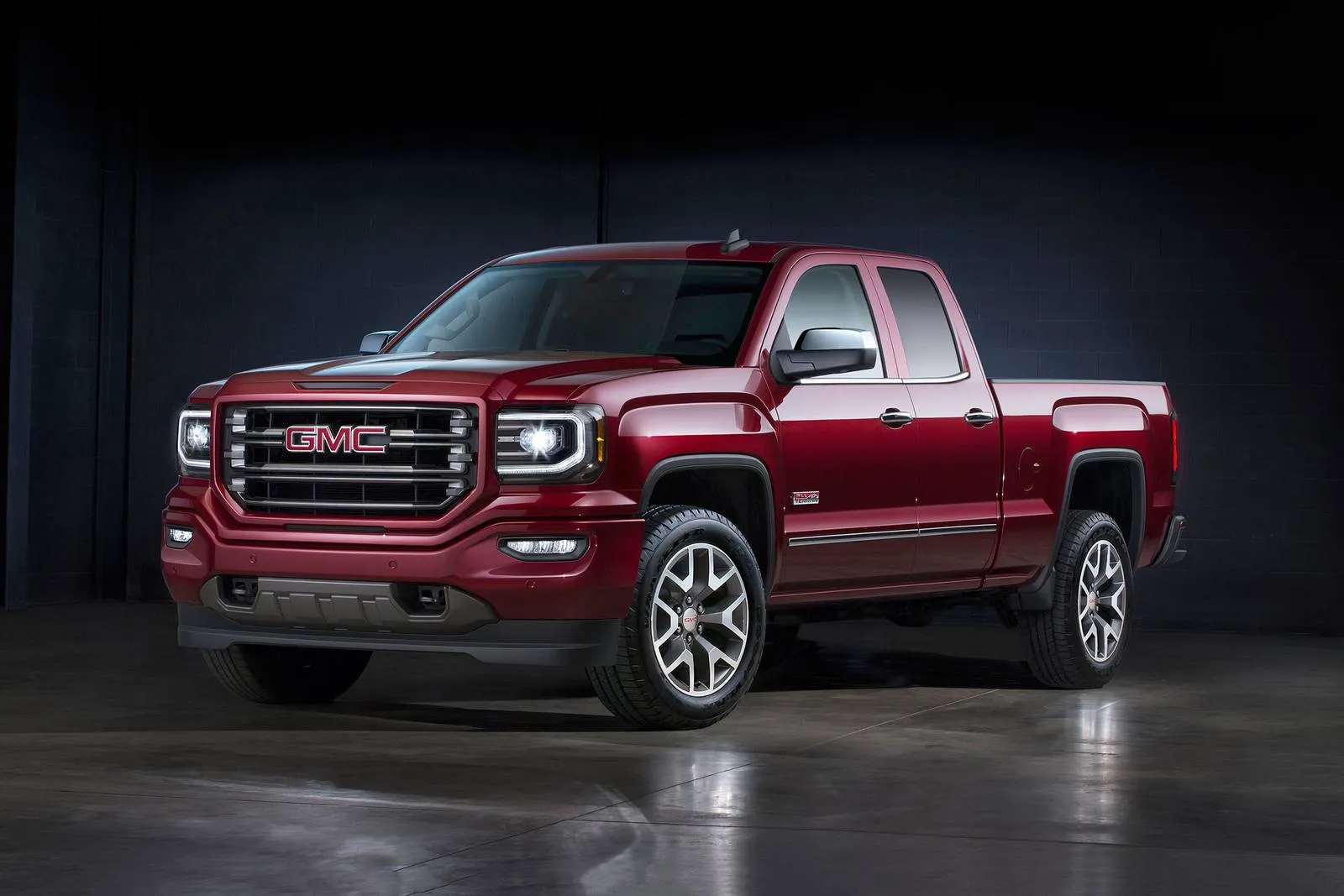
5. GMC Sierra 1500 2019-2023 (3.0L Duramax)
Diesel power in a light-duty truck sounds like a recipe for problems based on past experiences, but GMC’s 3.0-litre Duramax inline-six changed expectations entirely. This smooth, quiet diesel delivers exceptional fuel economy without the noise, vibration, and harsh behaviour typical of older diesel engines. Highway cruising returns fuel consumption figures that make petrol V8 owners weep with envy, creating substantial savings for high-mileage drivers.
Towing capability from this diesel exceeds what buyers expect from a light-duty truck. That massive torque output makes pulling heavy trailers feel effortless, with the engine barely working while climbing grades that have petrol engines screaming.
Exhaust brake functionality helps control speed on downhill sections without wearing out friction brakes. People who tow regularly appreciate these diesel advantages enough that fuel cost savings become secondary benefits.
Premium positioning places the Sierra above its Chevrolet Silverado sibling with better interior materials and more standard features. Buyers willing to spend extra for nicer cabins find the Sierra delivers genuine quality rather than just badge engineering.
Real wood trim, leather seats, and superior sound deadening create an environment that justifies premium pricing. This elevated experience reduces regret by making every drive feel special rather than utilitarian.
Reliability concerns that plagued earlier GM diesels haven’t materialized with this Duramax engine. Proper engineering and thorough testing before launch prevented the rushed-to-market problems that destroyed other diesel reputations.
Emissions systems work properly without the constant regeneration cycles and DEF consumption issues that frustrate other diesel owners. When diesel advantages come without diesel headaches, buyer satisfaction stays high.
Quiet operation surprises people expecting typical diesel clatter. Sound insulation and engine refinement combine to create cabin noise levels comparable to petrol engines. Passengers often don’t realize they’re riding in a diesel until told, which speaks to engineering quality that prioritizes user experience. This civilized behaviour makes the Sierra suitable for luxury car buyers who need truck capability without sacrificing comfort.
Trucks That Cause Buyer’s Remorse
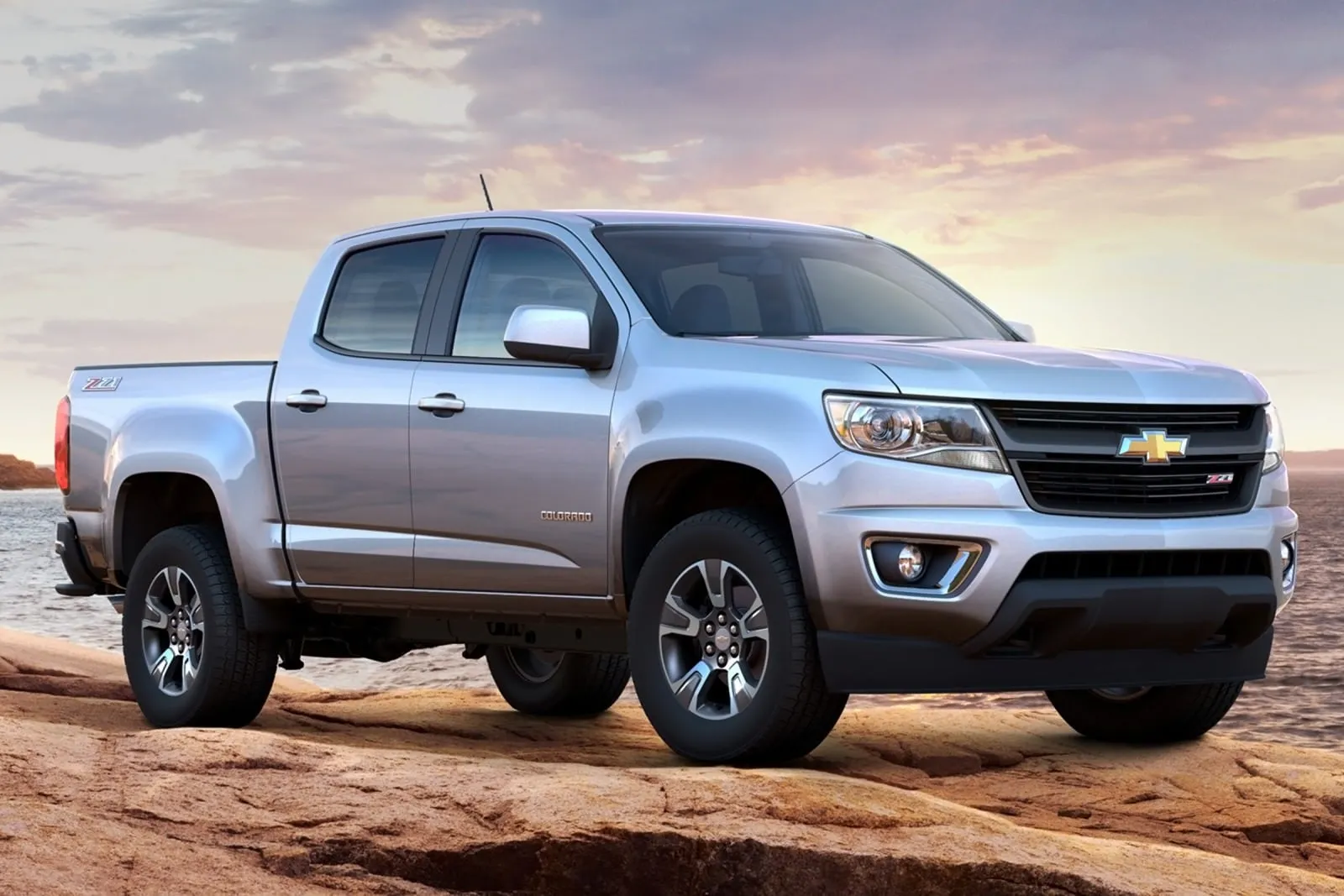
1. Chevrolet Colorado 2015-2020 (2.8L Duramax)
Small diesel engines in midsize trucks should theoretically provide perfect combinations of capability and efficiency, but Chevrolet’s 2.8-litre Duramax proved that theory and reality often diverge painfully.
This engine developed reputation-destroying problems that left owners furious and dealers scrambling for solutions. Emissions system failures became so common that online forums dedicated entire sections to troubleshooting check engine lights and limp mode incidents.
Diesel exhaust fluid consumption rates shocked buyers expecting reasonable DEF usage. Tanks emptied far faster than advertised, requiring frequent refills that added cost and inconvenience. Worse, the DEF systems themselves proved unreliable, with sensors failing and injectors clogging.
These problems often strand trucks in parking lots or along highways, creating dangerous situations and expensive towing bills. Warranty coverage helped initially, but problems often returned shortly after repairs.
Fuel economy failed to meet expectations set by EPA estimates and marketing materials. Real-world driving returned numbers barely better than petrol alternatives while requiring more expensive diesel fuel.
Buyers who chose the diesel specifically for its promised efficiency found themselves paying premium fuel prices without receiving the anticipated savings. This financial disappointment festered into serious regret as they calculated how much extra they’d paid for the diesel option.
Engine performance characteristics frustrated drivers accustomed to smooth power delivery. Turbo lag created hesitation during acceleration, making merging and passing feel uncertain. Power came in surges rather than building progressively, resulting in jerky behaviour that passengers complained about. For a truck costing serious money, this lack of refinement felt unacceptable and reminded owners daily that they’d made a poor choice.
Resale values collapsed as word spread about reliability problems. Used truck buyers educated themselves about the Duramax issues and either avoided Colorado diesels entirely or negotiated steep discounts.
Original owners watched their investments depreciate at alarming rates, losing thousands more than comparable petrol models. This financial hit added insult to injury for people already dealing with mechanical problems and repair costs.
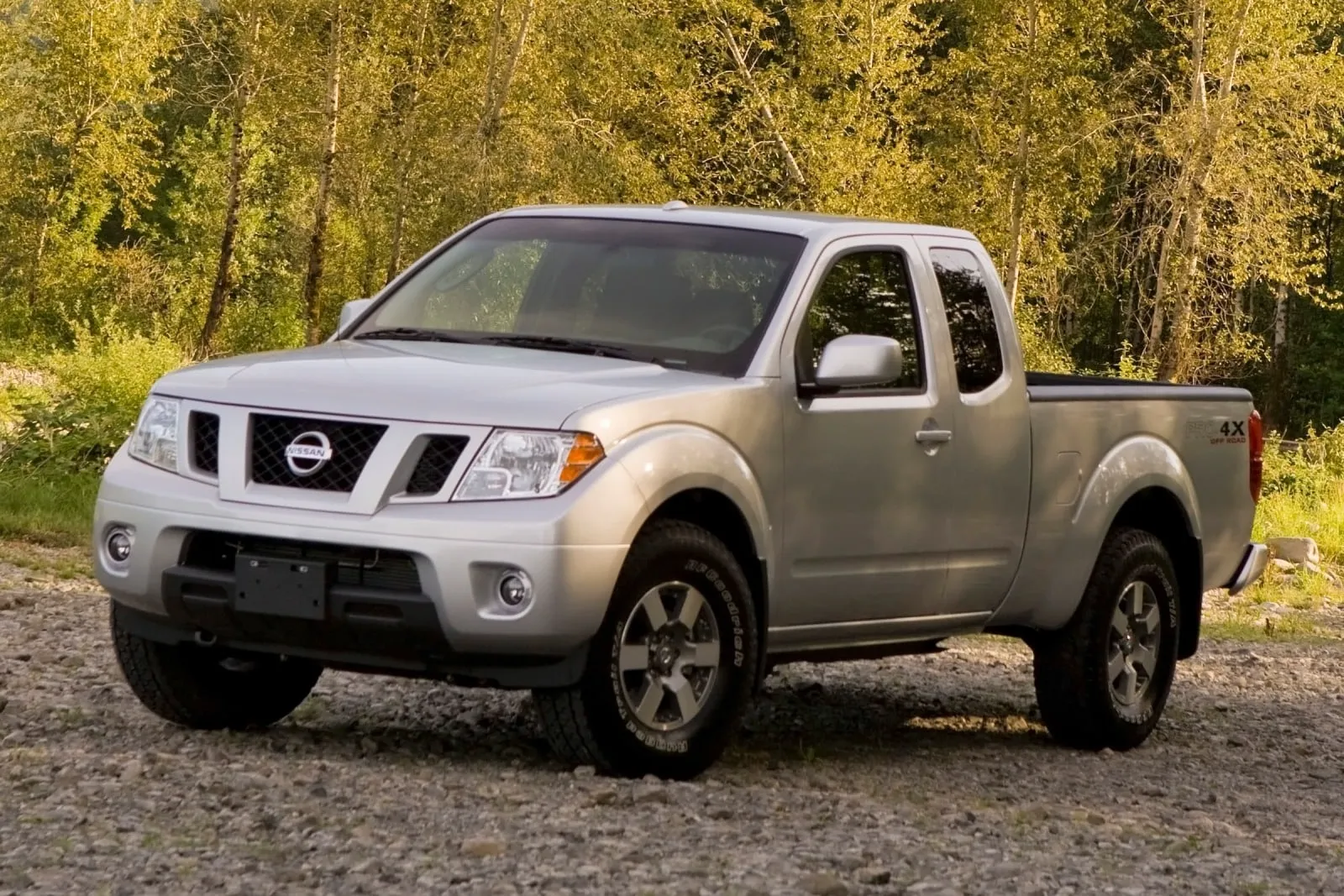
2. Nissan Frontier 2005-2021
Nissan let the Frontier stagnate for sixteen years with minimal updates, creating a truck that felt outdated the day it rolled off the production line. Buyers expecting modern features found themselves with technology from the mid-2000s and interiors that looked cheap even when new.
That five-speed automatic transmission belonged in a museum, not a modern truck competing against six, eight, and ten-speed alternatives. Interior quality failed to meet standards set by competitors, with hard plastics everywhere and a design that screamed “we didn’t try very hard.”
Seats provided minimal support and comfort, making long drives exhausting rather than pleasant. Storage solutions were afterthoughts, with small door pockets and console bins that couldn’t hold modern phones or tablets. Spending substantial money on something that felt cheap from day one created immediate regret.
Fuel economy lagged behind competitors despite the Frontier’s smaller size and lighter weight. That 4.0-litre V6 engine guzzled petrol like a full-size truck while producing less power than modern alternatives.
Daily fuel costs added up quickly, reminding owners that their “affordable” truck actually costs more to operate than pricier but more efficient options. These ongoing expenses compounded purchase regret with every fuel station visit.
Safety features present in other trucks simply didn’t exist in the Frontier. No blind spot monitoring, no rear cross-traffic alert, no adaptive cruise control, no automatic emergency braking. Just basic airbags and stability control that became mandatory years earlier. Buyers with families realized too late that they’d purchased trucks lacking standard protections in cheaper sedans. This safety deficit caused genuine worry about loved ones’ well-being.
Towing capacity and payload ratings fell short of what buyers needed for actual truck duties. Attempting to tow trailers near the rated capacity resulted in poor performance and concerning vehicle behaviour.
Loading the bed with heavy materials compressed the suspension to its limits, creating harsh rides and handling problems. People who bought trucks specifically for hauling and towing discovered their Frontiers couldn’t handle the jobs they needed done.
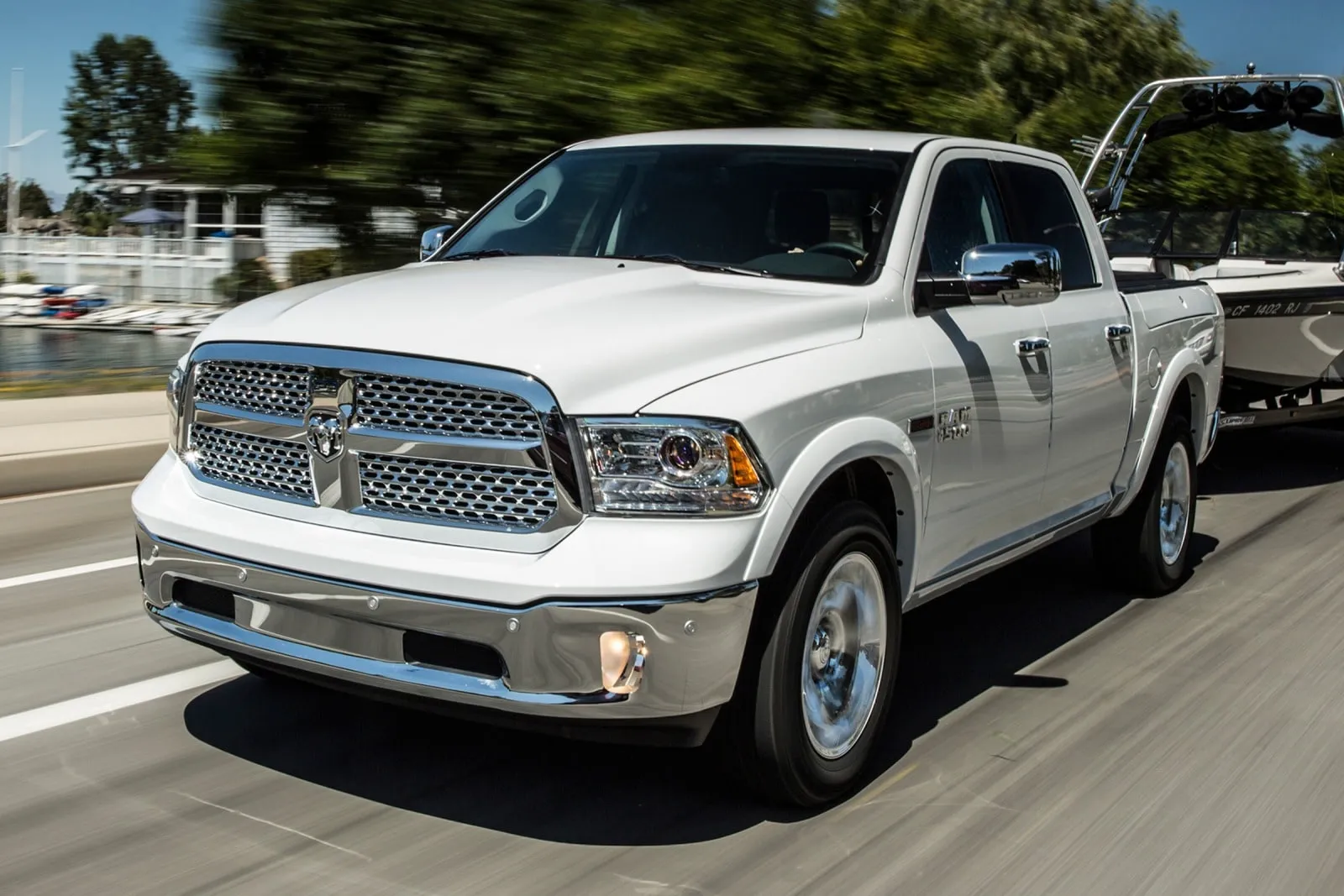
3. Ram 1500 2013-2018 (3.0L EcoDiesel)
Early EcoDiesel engines in these Rams promised diesel efficiency in light-duty packages but delivered nightmare ownership experiences instead. Emissions system problems plagued these trucks from early in their lives, with EGR valves clogging, DPF filters requiring frequent regeneration, and DEF systems failing repeatedly. Warranty repairs fixed problems temporarily, but issues returned with frustrating regularity, destroying confidence in vehicle reliability.
Fuel economy advantages over petrol engines proved smaller than advertised, especially during real-world mixed driving. Highway mileage looked good, but city driving saw consumption figures barely better than HEMI V8s.
Factor in diesel’s higher fuel cost and the premium paid for the diesel engine option, and actual savings evaporated entirely. Buyers who did the math after purchase realized they’d been sold a bill of goods that didn’t deliver promised benefits.
Oil consumption became legendary among EcoDiesel owners, with engines burning through litres of oil between changes. Checking oil levels became a mandatory regular task, and owners who missed this could face catastrophic engine damage.
Adding oil frequently created both expense and concern about what was happening inside engines that shouldn’t consume oil at all. This problem alone caused many owners to regret their purchase decisions.
Reliability ratings for these EcoDiesel Rams consistently ranked among the worst in the segment. Consumer Reports and J.D. Power surveys showed owners reporting problems at rates far exceeding acceptable levels.
These poor ratings made resale difficult as educated buyers avoided these trouble-prone trucks. Original owners found themselves trapped with vehicles they couldn’t sell without taking massive financial losses.
Repair costs after warranties expired terrified owners who faced bills in the thousands for emissions system repairs. Diesel particulate filter replacements, EGR cooler repairs, and injector replacements all carried premium price tags.
Independent shops often refused to work on these complicated diesel systems, forcing owners to dealers charging top rates. These financial hits caused severe regret and financial hardship for people just trying to keep their trucks running.
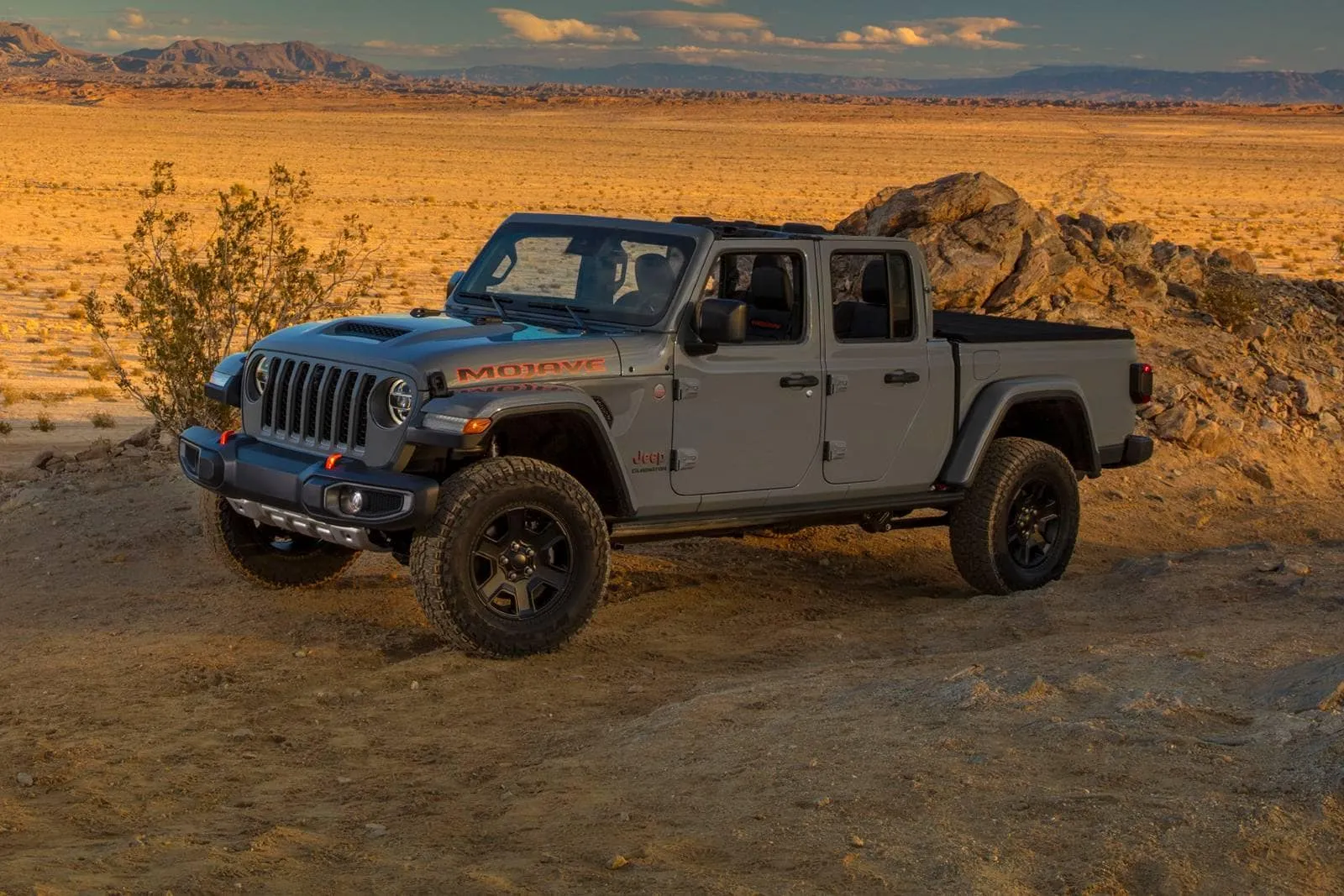
4. Jeep Gladiator 2020-2023
Jeep combined Wrangler capability with truck practicality and somehow created something less useful than either. That short bed couldn’t accommodate full sheets of plywood or standard toolboxes without creative positioning.
Towing capacity fell short of competitors despite the Gladiator’s size and weight. People who bought these expecting truck utility discovered they’d purchased expensive compromises that failed at both truck and Jeep duties.
Ride quality on pavement bordered on punishment, with harsh impacts transmitted directly through the solid axles to passengers’ spines. Highway cruising meant fighting wandering steering and wind noise that made conversations difficult.
Daily commuting in Gladiators became ordeals rather than pleasant drives, causing owners to dread the trips they’d make happily in normal trucks. This misery accumulated daily, building resentment toward purchase decisions.
Fuel economy shocked buyers, unprepared for Wrangler-level consumption from a truck. That boxy shape created aerodynamic drag that destroyed highway efficiency, while weight and gearing hurt city numbers.
Gladiator owners found themselves constantly fueling up while watching competitors’ trucks travel much further on tanks. These fuel costs added up to thousands annually, creating ongoing financial regret.
Reliability problems typical of Wranglers appeared in Gladiators as expected. Electrical gremlins caused random warning lights and system malfunctions. Water leaks around removable tops and doors, soaking interiors during rain.
Soft top mechanisms failed, hard tops developed leaks, and weatherstripping deteriorated quickly. These quality issues felt unacceptable in trucks costing as much as luxury vehicles, breeding resentment with every problem discovered.
Resale values initially looked strong but dropped as used buyers realized the Gladiators’ limitations. Anyone shopping for actual truck capability chose better alternatives, while Wrangler enthusiasts preferred regular Wranglers without the awkward bed.
This narrow market appeal crushed resale values, leaving original owners underwater on loans and unable to escape without financial pain. Watching investments depreciate rapidly while dealing with problems created perfect conditions for severe buyer’s remorse.
Also Read: 12 Trucks That Rarely See Frame Rot While Sitting For Years
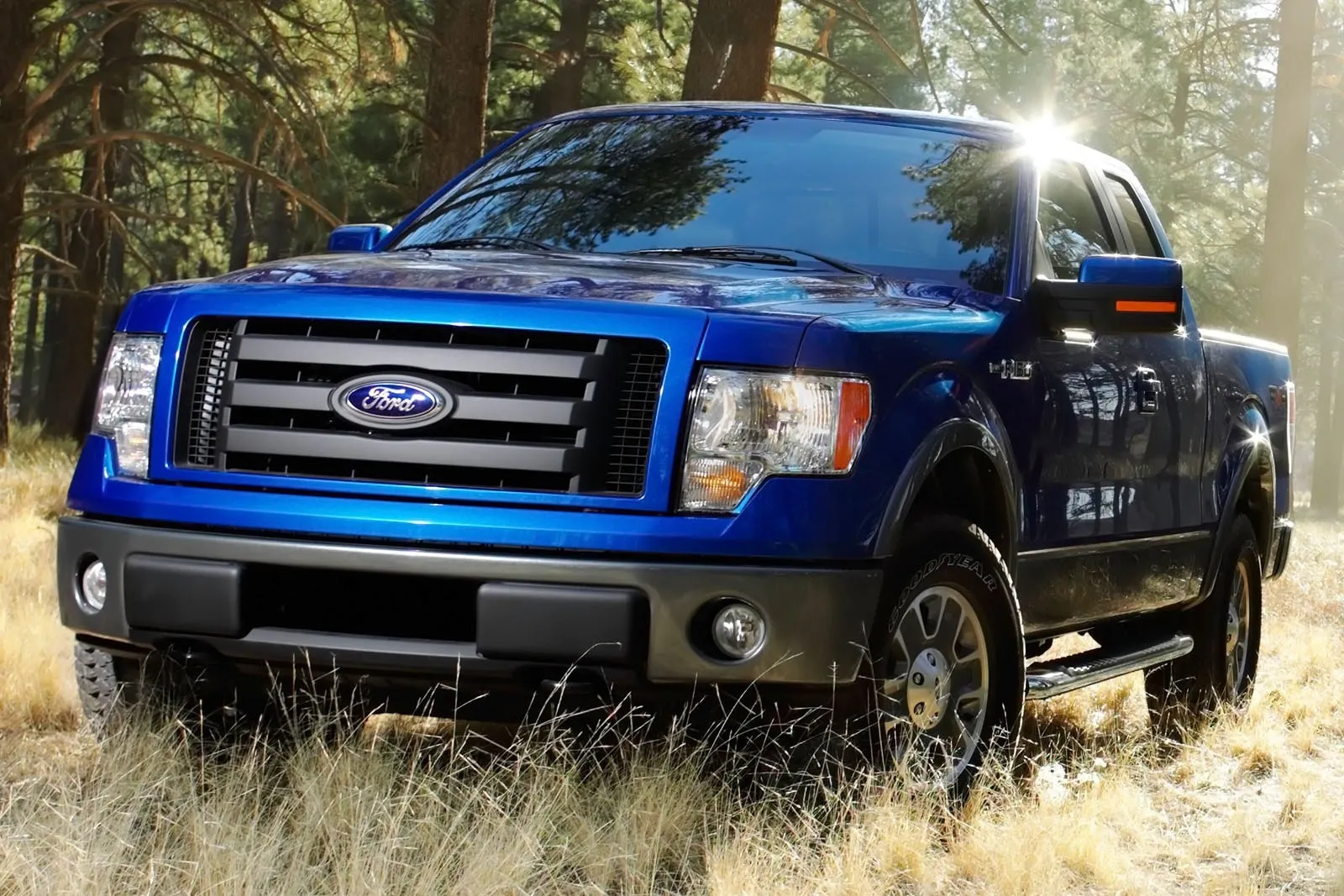
5. Ford F-150 2011-2014 (6.2L V8)
Big naturally aspirated V8s should be simple and reliable, but Ford’s 6.2-litre engine proved that exceptions exist. Spark plug problems that plagued the 5.4-litre Triton carried over to this larger engine, with plugs breaking during removal and leaving pieces stuck in cylinder heads. Routine maintenance became expensive ordeals requiring special tools and techniques. Some cases ended with damaged threads requiring costly head repairs.
Fuel consumption from this engine horrified owners who didn’t research real-world numbers before buying. Highway cruising returned single-digit kilometres per litre, while city driving barely registered on efficiency scales.
People using these F-150s as daily drivers watched fuel gauges drop visibly during commutes. Annual fuel costs rivaled car payments, creating ongoing financial stress and regret about engine choice.
Transmission problems affected many of these F-150s, with the six-speed automatic developing harsh moves, shuddering, and complete failures. Torque converter issues required expensive repairs, and rebuilt transmissions often developed similar problems shortly after repairs.
This unreliability destroyed confidence and created anxiety about whether trucks would complete trips without leaving owners stranded. Repair bills added insult to injury for people already unhappy with their purchases.
Interior quality failed to match the truck’s premium pricing, with cheap plastics and fabrics that wore quickly. Dashboard materials looked decent when new, but developed cracks within a few years. Seat fabrics tore easily, and leather in higher trims cracked and peeled prematurely.
This rapid deterioration made trucks feel old and cheap long before mechanical components wore out, reducing pride of ownership and increasing regret. Technology features worked poorly when they functioned at all. MyFord Touch infotainment systems froze regularly, requiring hard resets that erased settings and frustrated owners.
Voice commands rarely understood instructions, navigation provided questionable directions, and Bluetooth connections dropped randomly. These daily annoyances compounded mechanical problems to create ownership experiences that left buyers wishing they’d chosen different trucks entirely.
