True driving excitement isn’t defined by sheer speed or horsepower figures. Some cars deliver a sense of motion and agility that makes them feel faster than they really are. “10 Lightweight Cars That Feel Faster Than They Are” explores vehicles that capture this magic through clever engineering, balanced design, and driver engagement.
These are cars that thrive on lightness, responsiveness, and connection between driver and machine. From the timeless appeal of the Mazda MX-5 Miata to the sharp precision of the Porsche 718 Cayman, each model shows that joy on the road comes from how a car feels, not just how fast it goes.
Whether it’s the playful handling of the Subaru BRZ, the heritage-inspired Nissan Z, or the refined poise of the BMW Z4, these cars remind us why lightweight performance remains one of the purest forms of automotive pleasure.
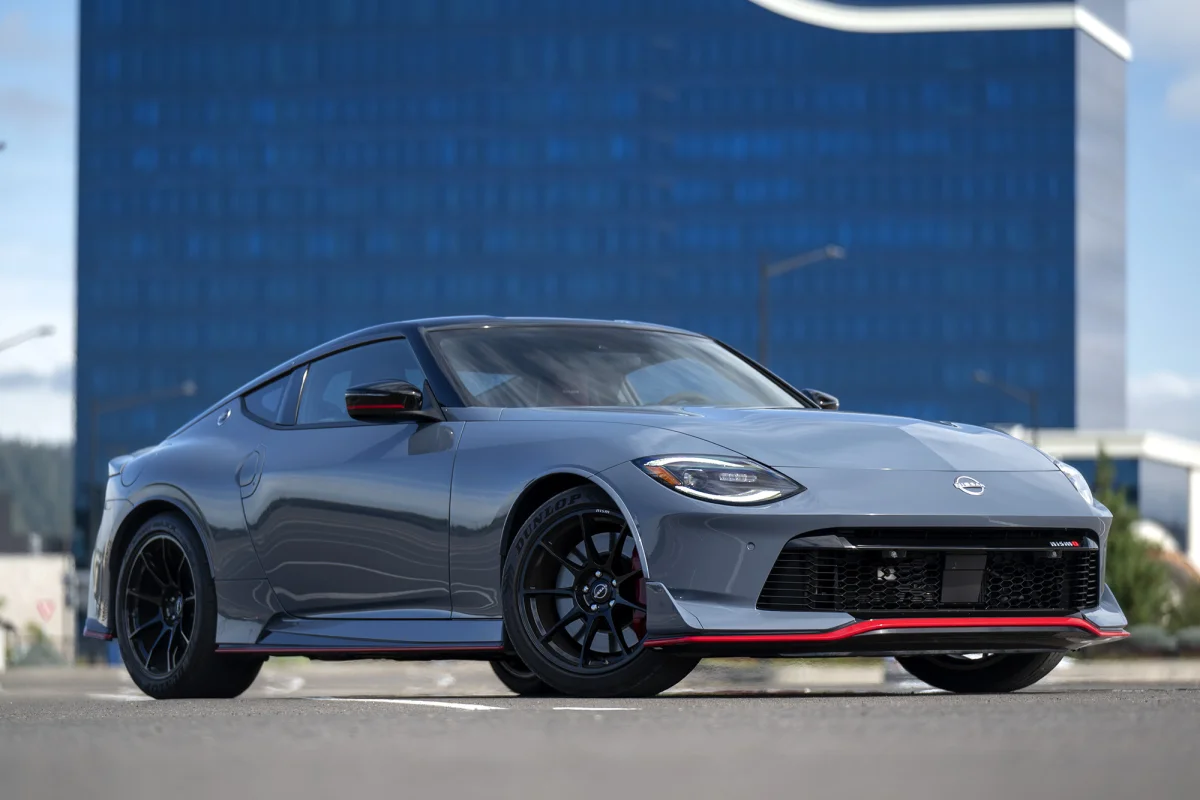
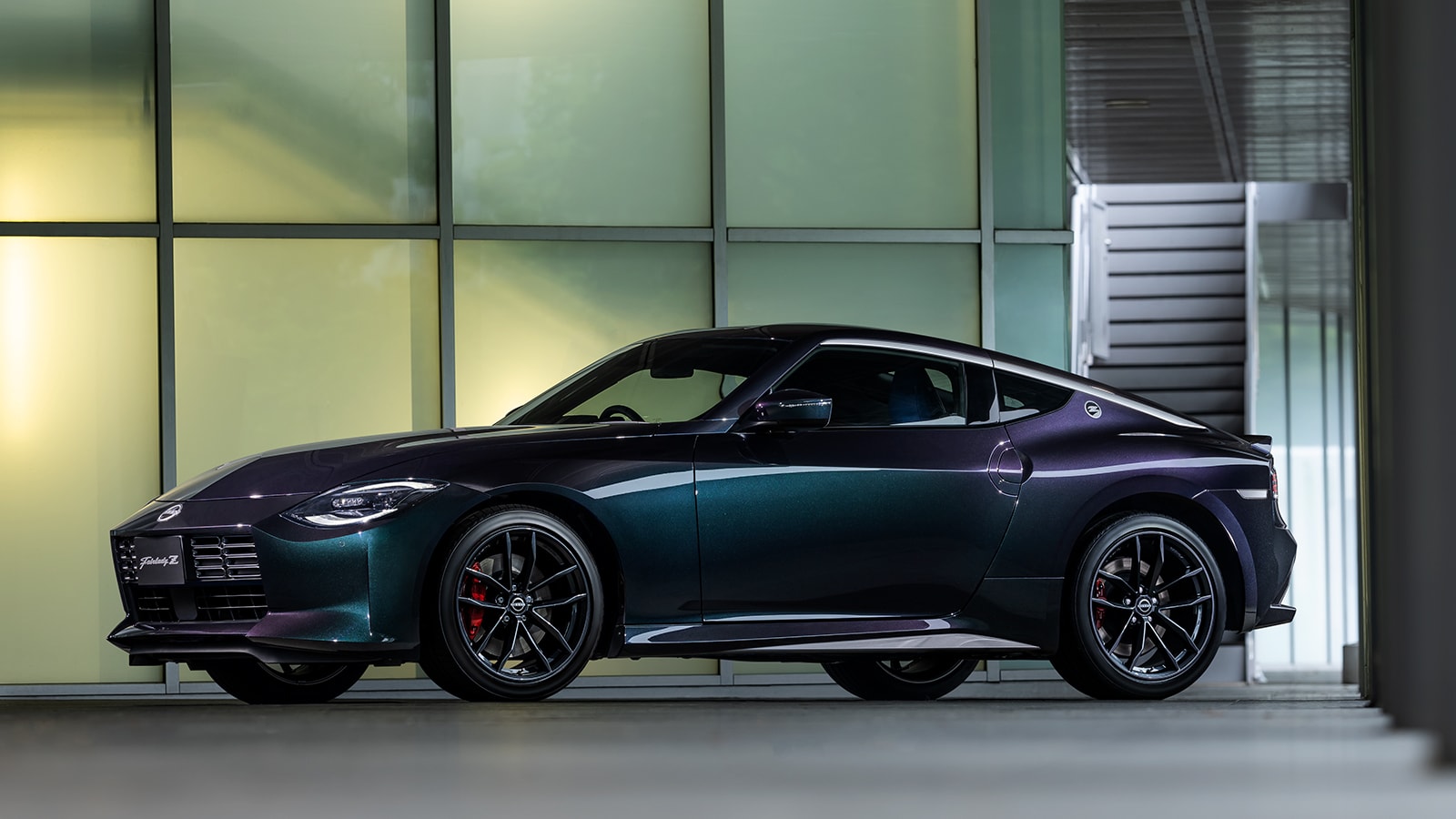
1. 2025 Nissan Z: A Modern Classic Blending Heritage and Everyday Performance
The 2025 Nissan Z carries forward the brand’s storied sports car lineage with a balance of retro-inspired design, modern comfort, and accessible performance. Priced from $42,970, the new Z is not the fastest or sharpest in its segment, but it delivers an engaging driving experience paired with everyday usability. These qualities make it a compelling grand-touring coupe rather than a pure track machine.
At its heart lies a twin-turbocharged 3.0-liter V6 engine producing 400 horsepower and 350 lb-ft of torque, sent to the rear wheels through either a six-speed manual or a nine-speed automatic transmission. Officially, the Z accelerates from 0 to 60 mph in 3.9 seconds and reaches a top speed of 165 mph.
In real-world testing, however, the manual version achieved a 0 to 60 mph time of 5.0 seconds and a quarter-mile of 13.6 seconds, which is slower than rivals such as the Toyota GR Supra. The engine’s performance also depends on access to 93-octane fuel, which is not available in all regions.
Handling performance is respectable, with 0.98 g of lateral grip and a 60 to 0 mph braking distance of 112 feet. Despite the strong braking capability, the ABS system can feel unrefined, and both steering feedback and body control could be sharper.
The car delivers strong torque at mid-range speeds, making it enjoyable on open roads rather than tight corners. Enthusiasts who prefer more precision can opt for the Nismo trim, which enhances suspension tuning and steering response.
Comfort remains one of the 2025 Z’s strongest attributes. The heated and power-adjustable seats in the Performance trim provide excellent support, and the suspension absorbs rough pavement effectively while maintaining stability.
Cabin noise levels could be improved, as the V6 engine lacks the refinement and excitement found in the Supra. The climate control system performs well but has awkwardly positioned dials beneath the dashboard.
Inside, the redesigned cabin represents a major improvement. The driver-focused layout includes a customizable digital instrument cluster and a responsive 9-inch touchscreen infotainment system.
The interface is intuitive but could benefit from a simpler menu structure. Certain features, such as stock tracking, feel unnecessary in a sports coupe. Driver-assistance systems, including adaptive cruise control and lane departure warning, are useful but can be intrusive during spirited driving.
Practicality is limited, with only 6.9 cubic feet of cargo space, though smaller storage compartments inside the cabin are adequate for daily use. Fuel economy is respectable for a performance car: the manual version averages 20 mpg combined, reaching up to 26 mpg in real-world conditions, while the automatic achieves about 22 mpg combined.
The 2025 Nissan Z offers a thoughtful blend of nostalgic style, modern technology, and enjoyable power delivery. It may not match its competitors in outright speed or precision, but its comfort, build quality, and engaging personality keep the Z spirit alive for a new generation of drivers.
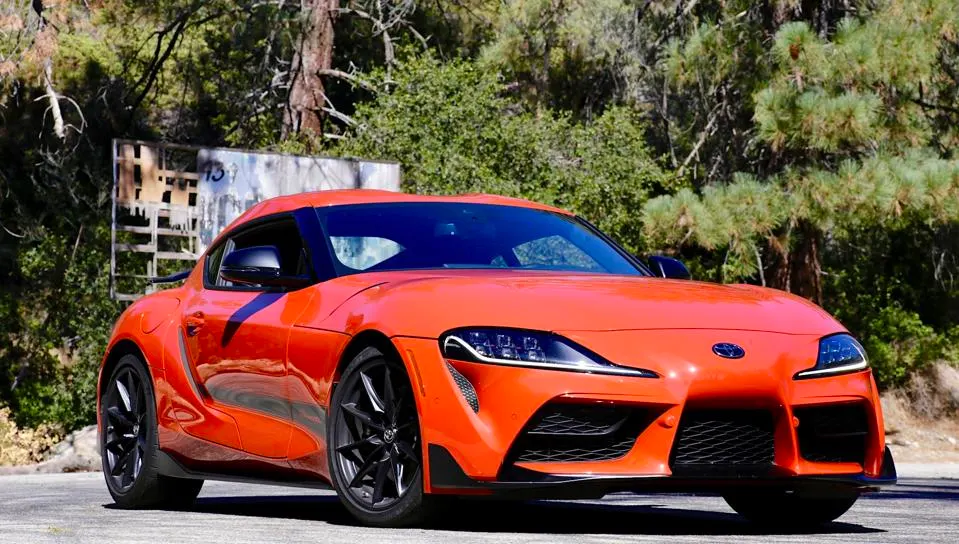
2. 2025 Toyota GR Supra: Precision Engineering with Everyday Comfort
The 2025 Toyota GR Supra continues to honor its performance legacy while embracing modern refinement and practicality. Starting at $56,250 and weighing 3,389 pounds, it achieves a near-perfect equilibrium between athleticism, comfort, and efficiency. Despite its compact footprint, the Supra delivers true sports car excitement while remaining versatile enough for daily driving.
Powering the Supra is a turbocharged 3.0-liter inline-six engine that produces 382 horsepower and 368 lb-ft of torque, sending power to the rear wheels through a six-speed manual or an eight-speed automatic transmission.
The car accelerates from 0 to 60 mph in 3.9 seconds and reaches a top speed of 161 mph. In independent testing, the automatic version achieved a 0 to 60 mph time of 4.4 seconds, demonstrating quick response and smooth power delivery.
The Supra excels in precision and balance. Its steering provides accurate feedback, and the chassis feels composed yet playful, delivering excellent grip through corners. Stability at high speeds inspires driver confidence, and the car’s braking capability is strong, stopping from 60 mph in just 105 feet. Drivers who plan to take the Supra to the track may benefit from upgraded brake pads for better endurance under heavy use.
Unlike earlier generations that emphasized straight-line performance, the 2025 model shines in agility and composure. It feels equally at home carving through winding roads or cruising on the highway, offering a rare mix of excitement and usability. The suspension setup provides a firm but controlled ride, keeping the car connected to the road without excessive harshness.
Inside, the Supra combines sportiness with refinement. The leather-trimmed seats offer excellent lateral support, though some drivers may find them snug around the shoulders.
The cabin design reflects BMW influence, featuring premium materials, a minimalist layout, and the familiar iDrive infotainment system. While functional, the interface requires some adjustment for first-time users. Visibility and entry are better than expected for a low coupe, though taller occupants may need to duck when entering.
The cabin offers a pleasant blend of mechanical sound and refinement, with the engine and exhaust notes tuned to heighten the experience in Sport mode. The dual-zone climate control system works effectively, though its controls could be more intuitive.
Technology features include a 12-speaker audio system with clear sound, wireless Apple CarPlay, and navigation with natural voice commands. Android Auto remains unavailable, which may disappoint some buyers.
Despite being a two-seater, the Supra proves surprisingly practical. The 10.2 cubic feet of trunk space accommodates weekend bags or groceries, and the rear pass-through adds flexibility for longer cargo. Fuel economy is impressive for a high-performance car, with an EPA rating of 26 mpg combined and up to 29 mpg in real-world driving.
At its price, the 2025 Toyota GR Supra stands out as a well-rounded performance coupe offering luxury, power, and precision. Its engaging handling, quality build, and refined comfort make it one of the most rewarding sports cars available, bridging the gap between track capability and everyday practicality.
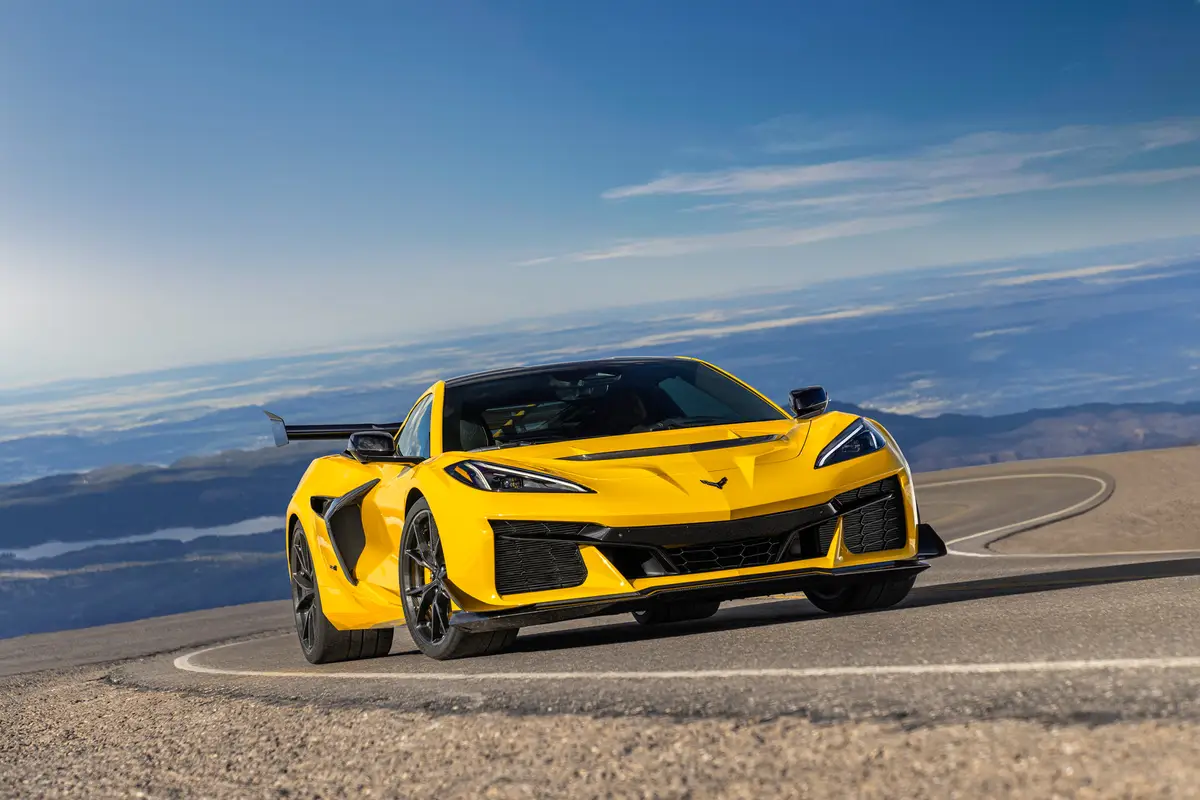
3. 2025 Chevrolet Corvette: Redefines American Performance with Power, Precision, and Style
The 2025 Chevrolet Corvette continues to prove why it remains an American performance icon. Combining classic V8 power with a modern mid-engine design, the latest C8-generation Corvette delivers both thrilling speed and everyday livability.
Starting at $68,300 and weighing 3,366 pounds, it rivals exotic European competitors while maintaining a distinctly American identity built on muscle, craftsmanship, and technology.
At the heart of the 2025 Corvette is a 6.2-liter naturally aspirated V8 engine producing 495 horsepower and 470 lb-ft of torque. Power is sent to the rear wheels through an eight-speed dual-clutch automatic transmission, resulting in a 0 to 60 mph sprint in just 2.8 seconds and a top speed of 184 mph.
During tests, the 3LT coupe variant achieved a 0 to 60 mph time of 3.6 seconds and completed the quarter mile in 11.8 seconds at 118 mph. With the Z51 Performance package, the Corvette gains sharper acceleration, improved braking, and a stopping distance of just 105 feet from 60 mph. Steering feedback and chassis balance remain exceptional, inspiring confidence in both new and experienced drivers.
The dual-clutch transmission is one of the car’s standout features, providing rapid yet smooth gear changes that enhance the driving experience. The magnetic ride control suspension allows seamless transitions between comfort and sportiness, adapting to road conditions with precision. This balance between performance and practicality makes the Corvette as enjoyable on daily drives as it is on the track.
Inside, the Corvette surprises with a cabin that combines comfort, technology, and craftsmanship. The driver-focused interior takes inspiration from fighter jets, featuring high-quality materials and refined design. The GT2 bucket seats offer excellent long-distance comfort while maintaining support during spirited driving.
Optional Competition seats provide extra bolstering for track enthusiasts. Though the row of climate control buttons along the center divider may feel unconventional, the rest of the layout is intuitive. Visibility remains a challenge due to the low stance, but the digital rearview mirror mitigates the issue effectively.
Technology enhances both convenience and driving performance. A responsive touchscreen with crisp graphics includes wireless Apple CarPlay and Android Auto. The available 14-speaker Bose audio system delivers impressive clarity, while Chevrolet’s Performance Traction Management and GPS-enabled nose-lift system add sophistication.
Storage is practical for a mid-engine car, offering two trunks that can accommodate small luggage or golf bags. Fuel economy is solid for its class, averaging 19 mpg combined, with real-world testing reaching 21.8 mpg.
Priced under $70,000, the 2025 Chevrolet Corvette offers supercar-level performance at an attainable price. Its precision engineering, high-quality build, and thoughtful features reaffirm its position as a benchmark for American sports cars. The Corvette remains a symbol of innovation and power, blending raw muscle with refined technology for drivers who demand both excitement and excellence.
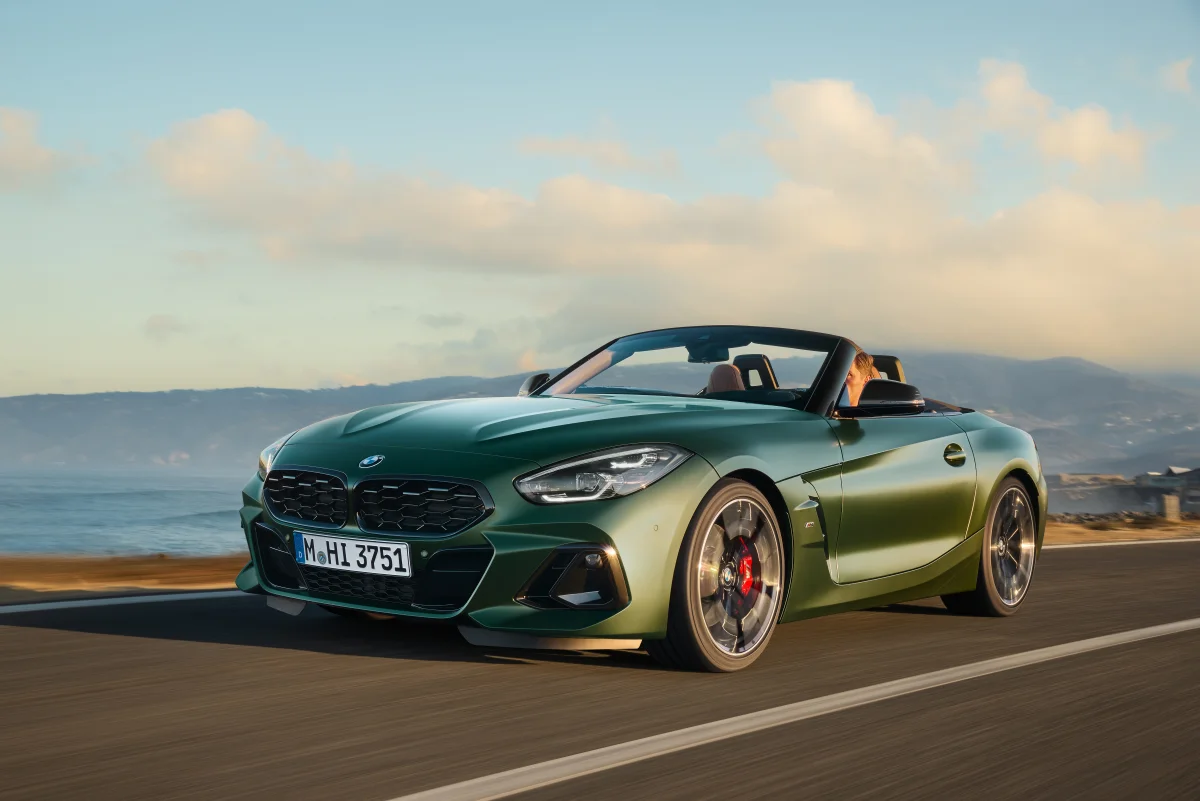
4. 2025 BMW Z4: Combines Open-Air Freedom with Precision and Everyday Refinement
The 2025 BMW Z4 continues to represent the ideal blend of performance and luxury in the modern roadster segment. With a curb weight of 3,314 pounds and a starting price of $54,500, this two-seat convertible captures BMW’s signature balance of agility, power, and comfort.
Its soft-top roof enhances the open-air experience while maintaining a refined and quiet cabin, making it equally suited for spirited drives and long-distance cruising.
Powering the Z4 is a turbocharged 3.0-liter inline-six engine that produces 382 horsepower and 369 lb-ft of torque. Paired with a six-speed manual transmission and rear-wheel drive, it accelerates from 0 to 60 mph in just 3.9 seconds and reaches a top speed of 152 mph.
The Z4’s light construction enhances its responsiveness, while precise steering and strong brakes make it feel both athletic and controlled.
A four-cylinder option, the Z4 sDrive30i, delivers a 0 to 60 mph time of 5.3 seconds, while the six-cylinder M40i variant completes the sprint in 4.1 seconds with the automatic or 4.3 seconds with the manual transmission. Regardless of the engine choice, both versions offer smooth power delivery and confident handling.
Ride quality is balanced between comfort and sportiness, aided by the adaptive M Sport suspension that adjusts to changing road conditions. Even on uneven surfaces, the Z4 remains composed and stable.
Because the seats are positioned close to the rear axle, bumps can be slightly more noticeable, but the suspension effectively absorbs most imperfections. The seats provide strong support for both daily use and spirited cornering, though a touch more bolstering would benefit aggressive driving.
Inside, the Z4’s cabin impresses with its craftsmanship, space, and noise insulation. The soft-top roof keeps wind and road noise low, allowing easy conversation even at highway speeds.
The interior design emphasizes comfort, with excellent legroom and headroom despite the car’s compact footprint. The power-operated fabric roof opens or closes quickly and does not affect trunk space, which remains practical for weekend trips. Although storage compartments are limited, the layout is functional and driver-focused.
Technology plays a key role in the Z4’s appeal. The infotainment system features a responsive touchscreen with sharp graphics, along with standard wireless Apple CarPlay and Android Auto.
Optional upgrades such as a wireless charging pad and premium audio enhance convenience and entertainment. Advanced safety features, including adaptive cruise control and blind-spot monitoring, work smoothly, though lane-centering assist can feel intrusive.
Fuel efficiency is commendable for a performance convertible, with the Z4 sDrive30i rated at 28 mpg combined and the M40i achieving 26 mpg. Real-world tests show the six-cylinder version reaching up to 31.6 mpg, highlighting its efficiency at cruising speeds.
Priced below many rivals like the Porsche 718 Boxster, the Z4 offers a compelling mix of craftsmanship, performance, and everyday usability. With its elegant design, refined dynamics, and strong value, the 2025 BMW Z4 stands out as a modern interpretation of the classic roadster formula.
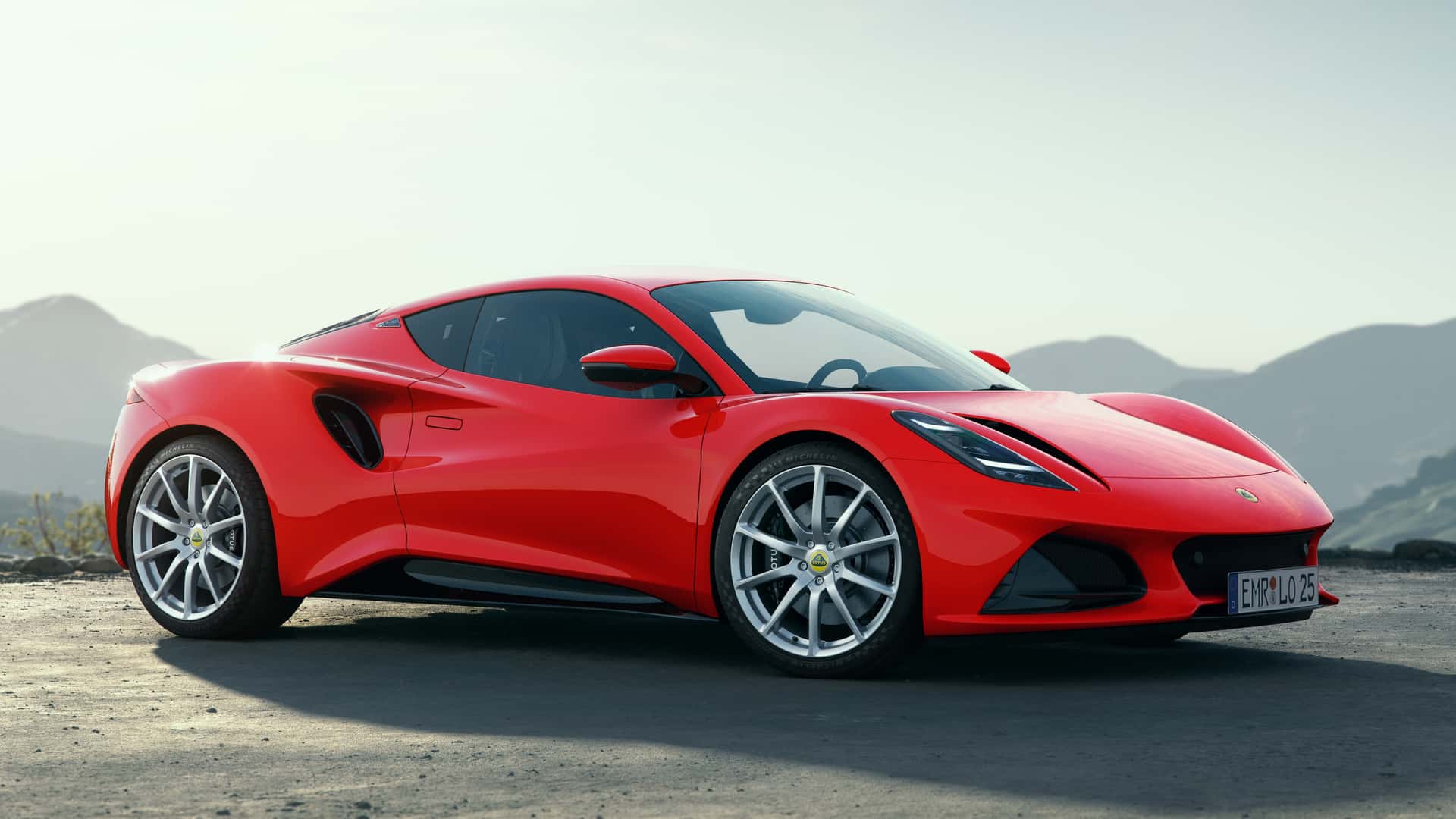
5. 2025 Lotus Emira: A Modern Classic That Honors Its Lightweight Heritage
The 2025 Lotus Emira represents the perfect blend of Lotus tradition and modern refinement. With a curb weight of 3,279 pounds and a starting price of $99,900, it maintains the brand’s philosophy of lightweight engineering while delivering the power and comfort expected from a contemporary sports car. As the final Lotus to feature an internal combustion engine, the Emira symbolizes the end of an era for the British automaker.
The Emira is offered with two potent engine choices. The first is a Toyota-sourced supercharged 3.5-liter V6 producing 400 horsepower and 310 lb-ft of torque, available with either a six-speed manual or six-speed automatic transmission.
The second is a turbocharged four-cylinder engine from Mercedes-AMG, also rated at 400 horsepower but with a slightly higher torque figure of 354 lb-ft, paired exclusively with an eight-speed dual-clutch automatic.
Lotus retains a hydraulic power steering system, a rarity in modern sports cars, which delivers superior feedback and connection to the road. During testing, the Emira impressed with its balanced handling, precision steering, and driver engagement.
The manual gearbox, while engaging, could use smoother shifting action, and the brakes tend to feel overly sensitive. Still, the Emira delivers the kind of tactile driving experience that enthusiasts expect from Lotus.
In performance testing, a manual First Edition Emira accelerated from 0 to 60 mph in 4.3 seconds and completed the quarter mile in 12.7 seconds at 111 mph. While not quite as quick as the Porsche 718 Cayman GTS, which reaches 60 mph in 3.8 seconds, the Emira’s performance remains strong and engaging, prioritizing driver feel over outright speed.
The Emira’s design strikes a balance between simplicity and sophistication. Its mid-engine layout gives it classic proportions, while the refined bodywork and aggressive stance reflect modern performance car aesthetics.
Inside, the two-seat cabin offers an intimate and driver-focused environment. A 12.3-inch digital gauge cluster provides key driving information, while a 10.2-inch central touchscreen handles infotainment functions.
Unlike past Lotus interiors, the Emira features premium materials and a more ergonomic layout. Physical controls for climate settings add to its usability, and the narrower door sills make getting in and out much easier than in older models. Though compact, the Emira includes useful storage options such as cupholders, door bins, and a combined 12 cubic feet of cargo space split between two compartments.
The cabin is well insulated, with minimal road noise, allowing for a more refined driving experience than previous Lotus offerings. Seat comfort and driving position are well executed, making the Emira suitable for both spirited drives and longer journeys.
The infotainment system features Apple CarPlay and Android Auto as standard, supported by USB and 12-volt charging ports. The touchscreen is intuitive, though physical buttons are limited to essential functions such as volume control. The interface is modern and responsive, providing a welcome improvement over earlier Lotus systems.
Fuel economy is reasonable for a high-performance sports car. The V6 manual achieves 16 mpg city and 24 mpg highway, while the automatic version improves slightly to 18 mpg city and 26 mpg highway. Official ratings for the AMG-sourced four-cylinder have not yet been released.
For the first time, Lotus includes optional driver-assistance features, such as adaptive cruise control, lane-departure warning, and automated emergency braking. This addition signals a shift toward blending performance with practicality.
Pricing begins at $99,900, positioning the Emira among premium sports cars like the Porsche 718 Cayman and Chevrolet Corvette, yet it distinguishes itself with its raw mechanical feel and driver-focused design. Warranty coverage includes three years or 36,000 miles for both limited and powertrain protection, though no complimentary maintenance is offered.
The 2025 Lotus Emira is more than just a new sports car; it is a statement of Lotus heritage and engineering philosophy. With its responsive steering, mid-engine balance, and modern refinements, it captures the spirit of pure driving enjoyment while marking the last chapter of Lotus’s combustion-engine legacy.
Also Read: 5 Cars That Deliver Pure Driving Joy Under $40K vs 5 That Are Too Simple
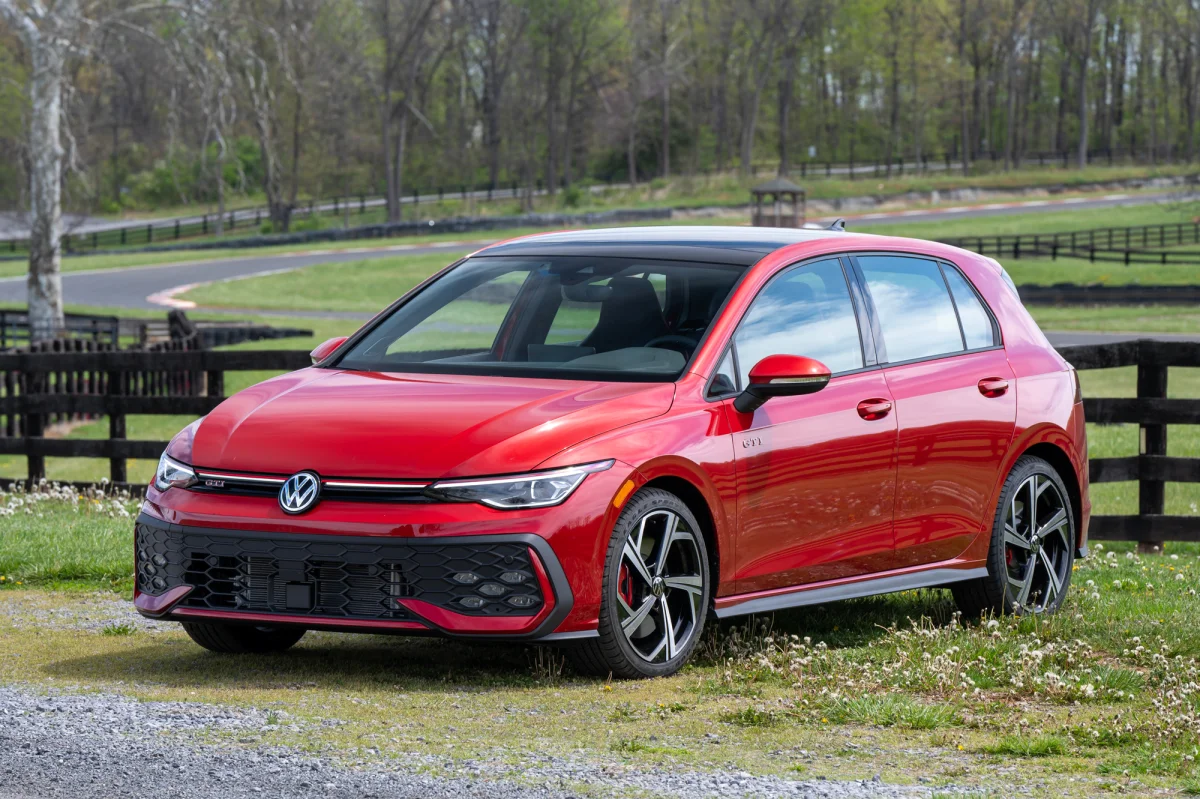
6. 2025 Volkswagen GTI: The Everyday Hot Hatch That Still Delivers
The 2025 Volkswagen GTI continues to uphold its reputation as one of the most enjoyable and versatile compact performance cars. With a curb weight of 3,188 pounds and a starting price of $31,965, the latest GTI combines practicality, comfort, and engaging performance in a package that remains true to its heritage.
Despite its growth in size and refinement, the GTI still offers the spirited driving experience that has made it a favorite among enthusiasts for nearly five decades.
Under the hood, the 2025 GTI features a turbocharged 2.0-liter inline-four engine that produces 241 horsepower and 273 lb-ft of torque, sent exclusively to the front wheels through a seven-speed dual-clutch automatic transmission. The manual option has been discontinued, but the dual-clutch system shifts rapidly and smoothly, maintaining the GTI’s performance pedigree.
In testing, the GTI accelerated from 0 to 60 mph in 5.9 seconds, which is only slightly slower than some more powerful rivals like the Hyundai Elantra N. The car’s handling remains its strongest asset, offering impressive grip and composure even when pushed hard.
While some understeer is noticeable at the limit, the GTI delivers balance and responsiveness that make it one of the best-handling front-wheel-drive cars available. The adaptive suspension system enhances versatility, allowing drivers to switch between a soft, comfortable ride and a firmer, sportier setup depending on the road or mood.
The GTI has long been praised for blending athleticism with comfort, and this model continues that tradition. The adaptive suspension provides a smooth, compliant ride in Comfort mode while remaining firm and controlled in Sport mode. Cabin noise is minimal for a performance hatchback, adding to its appeal as a daily driver.
Interior improvements for 2025 make the GTI more user-friendly. The new illuminated sliders for volume and temperature adjustment replace the previously criticized touch controls, and the steering wheel now features physical buttons, enhancing usability.
The seating position is excellent, with supportive, adjustable seats and clear outward visibility. The interior feels premium, with high-quality materials and a minimalist yet sporty layout. While rear legroom is modest, there’s adequate space for passengers on shorter trips.
Volkswagen upgraded the GTI’s tech suite with a 12.9-inch touchscreen that is quicker and more responsive than before. The infotainment system supports wireless Apple CarPlay and Android Auto, while voice control has been significantly improved. Drivers can issue natural-language commands, such as adjusting the climate system by simply saying, “My feet are cold.”
The GTI also includes a comprehensive suite of driver-assistance features, such as adaptive cruise control, blind-spot monitoring, and lane-keeping assistance. These systems function smoothly and intuitively, maintaining the car’s balance between everyday usability and driving engagement.
Practicality has always been one of the GTI’s strengths. Its hatchback design offers 19.9 cubic feet of cargo space behind the rear seats and 34.5 cubic feet when they are folded down.
The wide opening and flat load floor make it easy to carry luggage, groceries, or sports gear. Up front, storage is generous, with large door pockets and useful bins for small items. The cupholders are slightly awkwardly placed, but that’s a minor inconvenience in an otherwise well-thought-out cabin.
The GTI remains efficient for its performance level. The EPA estimates 27 mpg combined, and testing returned 30.8 mpg, confirming the GTI’s strong balance between power and economy.
Starting at $31,965, the GTI is priced higher than many compact rivals but justifies its cost with superior build quality, advanced technology, and an engaging driving experience. Volkswagen’s four-year/50,000-mile warranty and two years/24,000 miles of complimentary maintenance add to its appeal, providing solid long-term value.
The 2025 Volkswagen GTI continues to be the benchmark for practical performance. It is quick, refined, and fun to drive, with everyday usability that few sports cars can match. For drivers seeking a single car that combines comfort, practicality, and driving excitement, the GTI remains an exceptional choice.
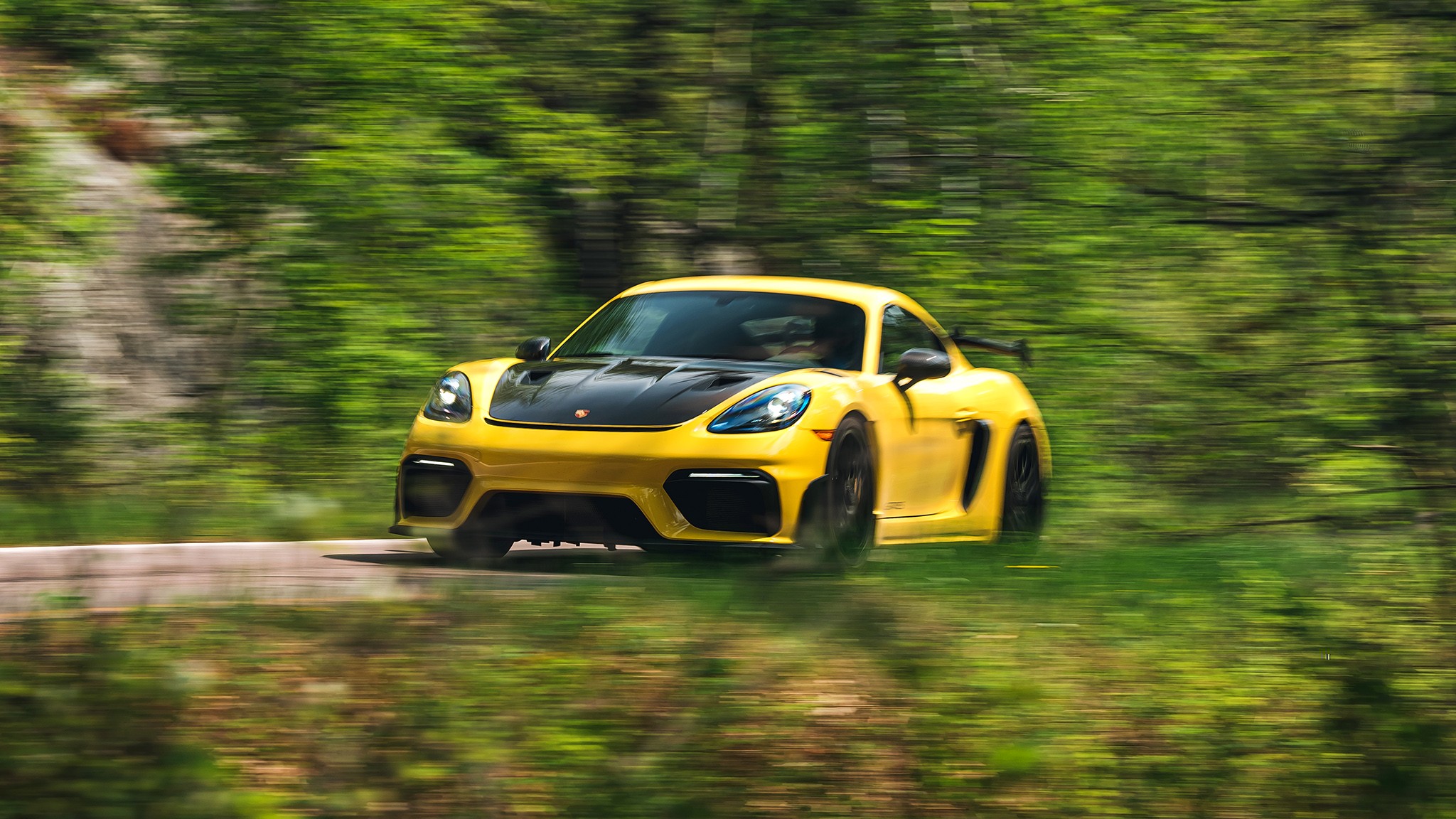
7. 2025 Porsche 718 Cayman: Precision Engineering and Driving Excellence
The 2025 Porsche 718 Cayman continues to define what a true driver’s car should be. With its mid-engine layout, near-perfect balance, and meticulously tuned suspension, it offers a driving experience that blends precision, agility, and raw excitement. Weighing 3,040 pounds and priced from $72,800, the Cayman represents the essence of Porsche’s performance heritage.
Porsche provides multiple configurations for the 718 Cayman, each catering to different enthusiasts. The base model comes with a 2.0-liter turbocharged flat-four engine producing 300 horsepower, while the Cayman S uses a 2.5-liter flat-four generating 350 horsepower. Both deliver brisk acceleration and impressive responsiveness, though they lack the characteristic soundtrack of the six-cylinder versions.
The standout variant is the Cayman GTS 4.0, powered by a naturally aspirated 4.0-liter flat-six that delivers 394 horsepower and 309 lb-ft of torque. The six-speed manual transmission enhances driver engagement with crisp, tactile shifts, while the optional 7-speed PDK automatic offers lightning-fast gear changes.
The GT4 RS pushes performance even further with a 493-horsepower version of the same engine, achieving a blistering 0–60 mph in 2.8 seconds.
Regardless of configuration, the Cayman’s handling is extraordinary. The mid-engine balance, precise steering, and sophisticated suspension provide stability and feedback that inspire confidence at every turn. The car’s agility and control make it as comfortable on winding backroads as it is on a racetrack.
Despite its performance focus, the Cayman maintains solid fuel efficiency. The base model is rated at 21 mpg city and 27 mpg highway, while the GTS 4.0 achieves 16 mpg city and 23 mpg highway with the manual transmission. Real-world testing shows both the base and S variants capable of 32 mpg on the highway.
The Cayman’s ride quality balances firmness with comfort, making it surprisingly suitable for daily driving. Visibility is excellent for a sports coupe, and the cabin remains composed even on longer journeys.
Inside, the 718 Cayman prioritizes the driver. The seating position, controls, and visibility are finely tuned for precision driving. The cabin design focuses on function, with high-quality materials and optional leather or Alcantara upgrades.
Storage is practical for its class, thanks to dual cargo areas a front trunk and a rear hatch capable of holding four small carry-on bags.
Technology includes a responsive touchscreen infotainment system, Apple CarPlay, and optional Bose or Burmester audio systems. Built-in navigation and Wi-Fi can be added, though Android Auto remains unavailable.
Safety features include front and rear parking sensors, with adaptive cruise control and blind-spot monitoring available. The warranty offers four years or 50,000 miles of coverage, plus one year or 10,000 miles of complimentary maintenance.
The 2025 Porsche 718 Cayman embodies Porsche’s philosophy of driver engagement and mechanical purity. Whether in its accessible base form or the thrilling GTS 4.0, it combines precision, performance, and emotion in a way few modern cars can match.
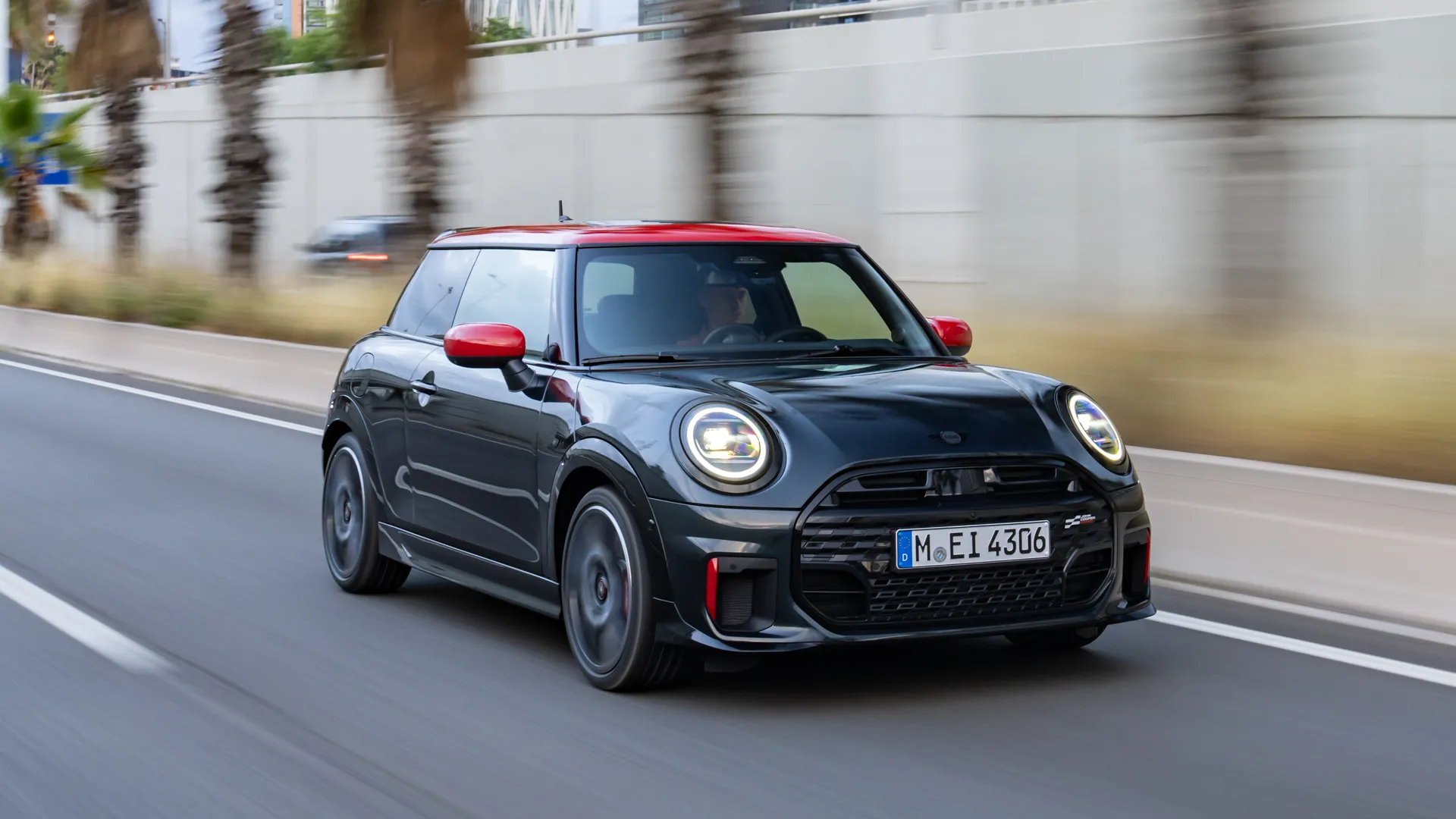
8. 2025 Mini Cooper S: A Modern Icon with Playful Performance
The 2025 Mini Cooper S continues the legacy of one of the most recognizable hatchbacks on the road. Weighing 3,014 pounds and starting at $28,950, this latest version blends Mini’s signature charm with new technology and refined engineering.
Though it has grown heavier under BMW’s direction, the Cooper S keeps its lively personality and spirited handling, making it a perfect choice for city drivers who appreciate agility and character.
The new Cooper S features a turbocharged 2.0-liter inline-four engine producing 201 horsepower and 221 lb-ft of torque. It uses a seven-speed dual-clutch automatic transmission, enabling a 0–60 mph sprint in 5.8 seconds and a top speed of 150 mph. Mini no longer offers a manual gearbox, but the dual-clutch system shifts with speed and precision that enhance the driving experience.
The Cooper S still delivers the “go-kart” sensation Mini fans love. Its short wheelbase and low weight provide sharp, direct steering and impressive agility. The “Go-Kart” driving mode adjusts throttle and steering response for extra excitement on twisty roads.
Despite its sporty setup, the ride remains comfortable enough for daily commutes. The engine produces a bassy tone with subtle turbo sounds, giving the car a refined but energetic feel.
The 2025 Cooper S introduces the fourth generation of the Mini lineup with a refreshed, modernized appearance. The front grille is smoother and cleaner, while the rear stands out with triangular taillights that replace the previous Union Jack design. These changes give the car a wider stance and a more contemporary presence without losing its signature playfulness.
Mini has removed the center-mounted dual exhausts that once defined the S model. Though this may disappoint some fans, the design feels sleek and forward-thinking, signaling Mini’s shift toward future electric models while maintaining its youthful flair.
Inside, the Mini Cooper S receives a major update. The cabin continues its circular theme but features improved materials and an advanced digital layout. At the center sits a large circular OLED touchscreen, which displays vivid colors and supports wireless Apple CarPlay. Mini’s new “Experiences” modes customize the look of the display and interior lighting for a more personalized atmosphere.
While the technology looks impressive, it can be tricky to navigate. Some functions feel less intuitive, and response times can lag, similar to a slow smart TV. Still, vital controls such as temperature, media, and navigation remain easy to reach. The car retains physical buttons on the steering wheel, a traditional volume knob, and a toggle-style ignition switch, all of which contribute to a satisfying tactile experience.
The cabin feels solid and well-built, with stylish bronze accents and durable fabrics. The rear seats are usable for shorter trips, providing adequate space for adults in a pinch. Cargo capacity is limited but functional, fitting the needs of most city drivers.
The Cooper S strikes a pleasing balance between sportiness and practicality. The suspension provides a firm but compliant ride suitable for both spirited driving and daily errands. The compact dimensions make it effortless to maneuver and park in tight spaces, while the visibility and driving position are well-judged.
A few ergonomic quirks remain, such as the lack of touch-sensitive locking on the passenger door and the sometimes inconsistent infotainment response. Yet, these issues are minor compared to the car’s engaging character and ease of use.
The 2025 Mini Cooper S blends nostalgia with modern innovation, delivering a driving experience that feels energetic and stylish without being excessive. Its responsive handling, clever packaging, and distinctive design make it stand out among small performance cars.
The infotainment quirks and loss of a manual transmission may bother some enthusiasts, but its charm, craftsmanship, and playfulness continue to define what makes a Mini special.
For drivers who want a fun, refined, and uniquely expressive hatchback, the 2025 Mini Cooper S remains an irresistible choice.
9. 2025 Subaru BRZ: Lightweight Precision with Everyday Usability
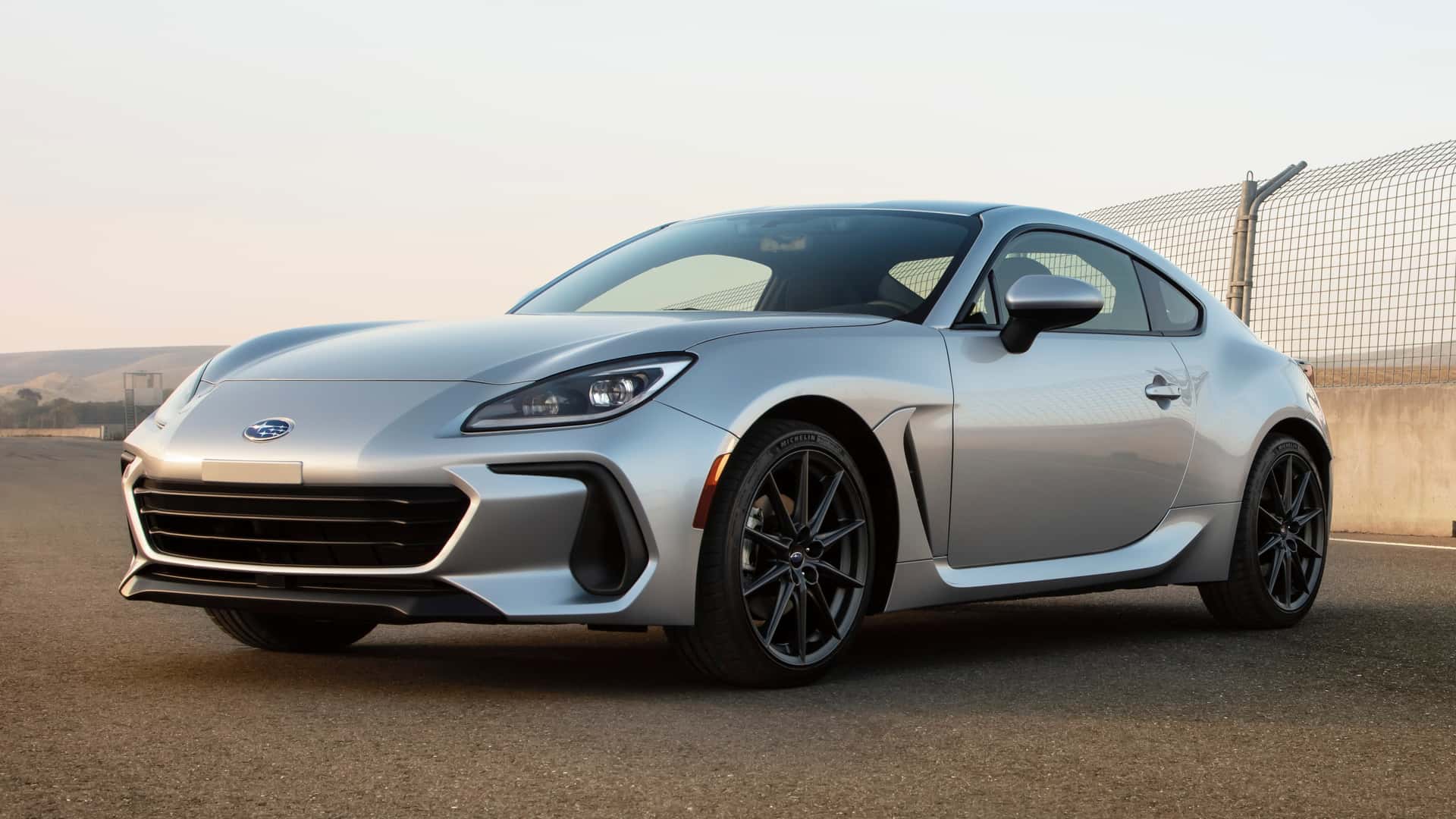
The 2025 Subaru BRZ remains one of the most engaging and driver-focused sports cars available today. With a curb weight of 2,851 pounds and a starting price of $31,210, it continues to strike an ideal balance between performance, simplicity, and practicality. Subaru’s rear-wheel-drive coupe proves that light weight and sharp handling matter more than outright power.
Power comes from a 2.4-liter naturally aspirated flat-four engine that produces 228 horsepower and 184 lb-ft of torque, sent to the rear wheels through a six-speed manual transmission. The BRZ accelerates from 0 to 60 mph in 5.5 seconds and reaches a top speed of 140 mph. An automatic version is available for those who drive frequently in traffic, although it is slightly slower in acceleration.
The BRZ’s driving experience is its strongest trait. Its quick, precise steering and balanced suspension give the driver total control through corners. The chassis feels light and responsive, allowing for both sharp grip and playful tail-out behavior. The car’s well-tuned setup makes it enjoyable on both winding roads and racetracks.
Braking performance is equally impressive, with the BRZ Limited stopping from 60 mph in 106 feet. The larger engine improves midrange torque compared to the previous generation, providing smoother and more consistent power delivery throughout the rev range.
Despite being a performance-focused coupe, the BRZ offers a comfortable ride. The suspension is firm but compliant, absorbing most bumps and road imperfections, particularly at highway speeds. The front seats feature supportive bolstering that holds the driver in place without feeling restrictive. While the dual-zone climate control might seem unnecessary for such a compact car, it adds convenience for everyday driving.
Noise levels are one of the few drawbacks. Road and tire noise are constant, and the engine note, while distinctive, is not particularly refined. Still, for drivers who prioritize connection over quietness, these characteristics are part of the car’s personality.
Inside, the BRZ’s cabin is simple, intuitive, and driver-focused. The controls are straightforward, allowing the driver to stay concentrated on the road. Thanks to the low dashboard and hood line, visibility is excellent. The front seats offer generous space, even for taller drivers, but the rear seats are best used for storage rather than passengers.
The trunk provides 6.3 cubic feet of space, which is modest, but the folding rear seats add flexibility. Subaru notes that the BRZ can carry a set of four wheels with tires, something most compact sports cars cannot claim. Interior storage is minimal but well thought out, with cupholders placed out of the way and small compartments for personal items.
The 2025 BRZ includes modern technology such as Apple CarPlay and Android Auto compatibility. The infotainment system responds quickly and is easy to navigate. Two USB ports are available for device charging. The audio system, however, lacks power and struggles to overcome the high cabin noise.
Models equipped with the automatic transmission gain additional driver assistance features such as adaptive cruise control, automatic emergency braking, and rear emergency braking. The car’s traction and stability systems are intelligently tuned and can be relaxed or completely turned off for track use, giving drivers flexibility based on skill level and environment.
Fuel economy is strong for a performance coupe. The manual version returns 22 mpg combined (20 city and 27 highway), while the automatic achieves 25 mpg combined (21 city and 30 highway). In real-world driving, test results have reached 28 mpg, demonstrating that the BRZ is both fun and efficient.
At just over $31,000, the BRZ provides exceptional value. It offers the performance and handling of cars that cost significantly more, along with solid build quality and reliability. Subaru backs the car with a three-year or 36,000-mile basic warranty and a five-year or 50,000-mile powertrain warranty, as well as three years of roadside assistance.
The 2025 Subaru BRZ delivers a rare combination of balance, agility, and driver connection. Its manual transmission, responsive handling, and lightweight design make it one of the most rewarding cars to drive at any price. While it is not the quietest or most spacious coupe, its focus on pure driving pleasure makes it a standout choice for enthusiasts who value control and engagement above all else.
10. 2025 Mazda MX-5 Miata: Lightweight Fun and Timeless Simplicity
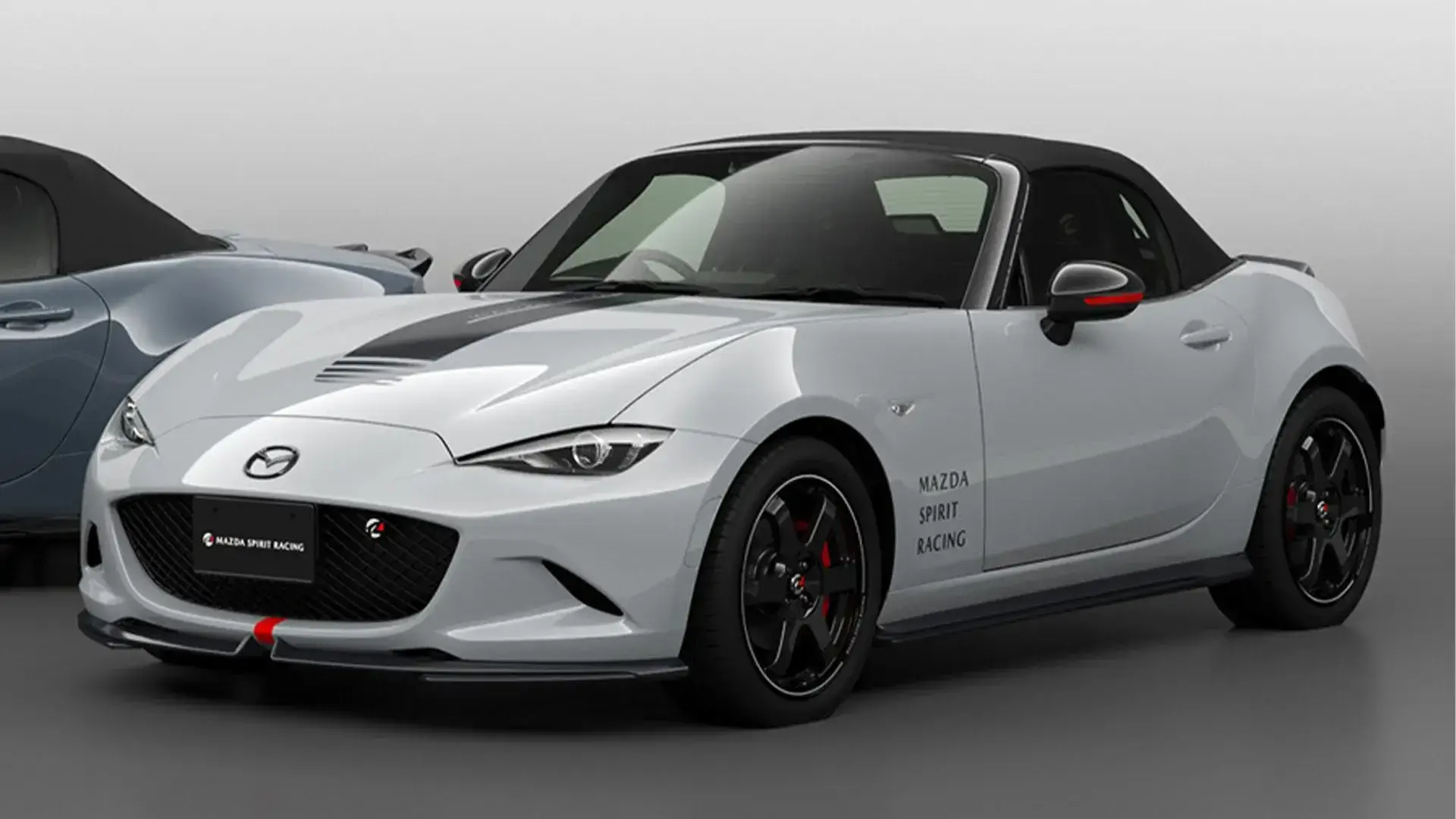
The 2025 Mazda MX-5 Miata remains a benchmark for lightweight sports cars, offering pure driving enjoyment at an affordable price. With a curb weight of 2,366 pounds and a starting MSRP of $29,330, the Miata delivers a rare combination of agility, balance, and open-air fun. Its compact size and engaging dynamics make it one of the most beloved driver’s cars on the market.
Under the hood, the Miata features a 2.0-liter inline-four engine producing 181 horsepower and 151 lb-ft of torque, paired with a six-speed manual transmission. Power is sent to the rear wheels, allowing for classic roadster dynamics. The Miata accelerates from 0 to 60 mph in 5.5 seconds and reaches a top speed of 139 mph.
The car’s light weight makes it feel agile and connected. Its precise steering and balanced chassis allow it to corner with confidence and predictability. While body roll is noticeable at high speeds, it adds to the car’s communication with the driver.
Braking is strong and consistent, with a 60–0 mph stopping distance of 113 feet. The smooth, short-throw manual gearbox enhances driver engagement and remains one of the best in any sports car today.
Despite its compact dimensions, the Miata is comfortable enough for everyday use. The seats are supportive and heated, providing good comfort for long drives. However, the cabin can get loud, especially at highway speeds with the soft top up. The manual convertible roof is easy to open and close, encouraging top-down driving whenever possible.
The interior layout is simple and driver-focused. Controls are logically placed, though taller passengers may find space limited. Storage is minimal, with a 4.6-cubic-foot trunk and a small compartment between the seats instead of a glovebox.
The Miata balances classic simplicity with modern convenience. It includes Apple CarPlay, Android Auto, and a Bose nine-speaker audio system that performs well despite road noise. Standard safety features include blind-spot monitoring and lane departure warning.
Fuel efficiency is excellent for a sports car, rated at 29 mpg combined, and real-world results often match this figure. Build quality is solid, with premium-feeling materials throughout. Backed by a three-year/36,000-mile warranty and five-year/60,000-mile powertrain coverage, the Miata offers strong value for enthusiasts who want authentic driving joy without excess.
Performance is more than acceleration figures or top speeds; it’s about emotion, control, and feedback. The cars on this list prove that light weight and balance can create sensations that rival far more powerful machines.
Each one delivers its own flavor of excitement, from the responsive steering of the Lotus Emira to the everyday fun of the Volkswagen GTI. These vehicles invite drivers to engage, explore, and enjoy every corner rather than simply chase straight-line numbers. They represent a philosophy that values connection over complexity and feeling over force.
Whether it’s a convertible cruise in the BMW Z4 or a spirited canyon run in the Mazda MX-5, these lightweight cars remind us that true speed is experienced through the senses. They stand as proof that less mass and more balance often lead to the most memorable drives.
Also Read: 10 Cars With Ergonomic Layouts You’ll Actually Appreciate