
When it comes to driving confidence, few things matter more than a dependable transmission. A car’s gearbox is its heart in motion responsible for transferring power smoothly, efficiently, and predictably.
Whether you’re merging onto the freeway or cruising through city traffic, a well-engineered transmission can make every drive seamless. But not all gearboxes are created equal.
Some are renowned for bulletproof reliability and precision engineering, while others are infamous for jerky shifts, unexpected slips, and expensive repairs.
For American drivers, who often keep their cars well past 100,000 miles, transmission reliability can make or break ownership satisfaction.
In this article, we’ll explore five cars celebrated for their rock-solid gearboxes and five that too often end up in the shop, offering insight into what makes some systems bulletproof and others a nightmare.
Cars With the Most Reliable Gearboxes
When it comes to buying a car, performance and style are important—but reliability often matters even more. One of the most crucial components that determines a vehicle’s longevity and driving experience is the gearbox.
A smooth-shifting, dependable transmission not only makes daily driving more enjoyable but also helps avoid costly repairs down the line.
In this article, we’ll explore the cars that have earned a reputation for having the most reliable gearboxes, helping you make an informed choice whether you’re shopping for a new ride or planning your next upgrade.
1. Toyota Camry (Automatic and CVT Models)
The Toyota Camry’s reputation for reliability isn’t just about its engine it’s also about its transmission. Toyota’s in-house automatic and CVT units are known for lasting well beyond 200,000 miles with minimal issues.
These gearboxes are smooth, predictable, and designed to handle the daily grind without drama.
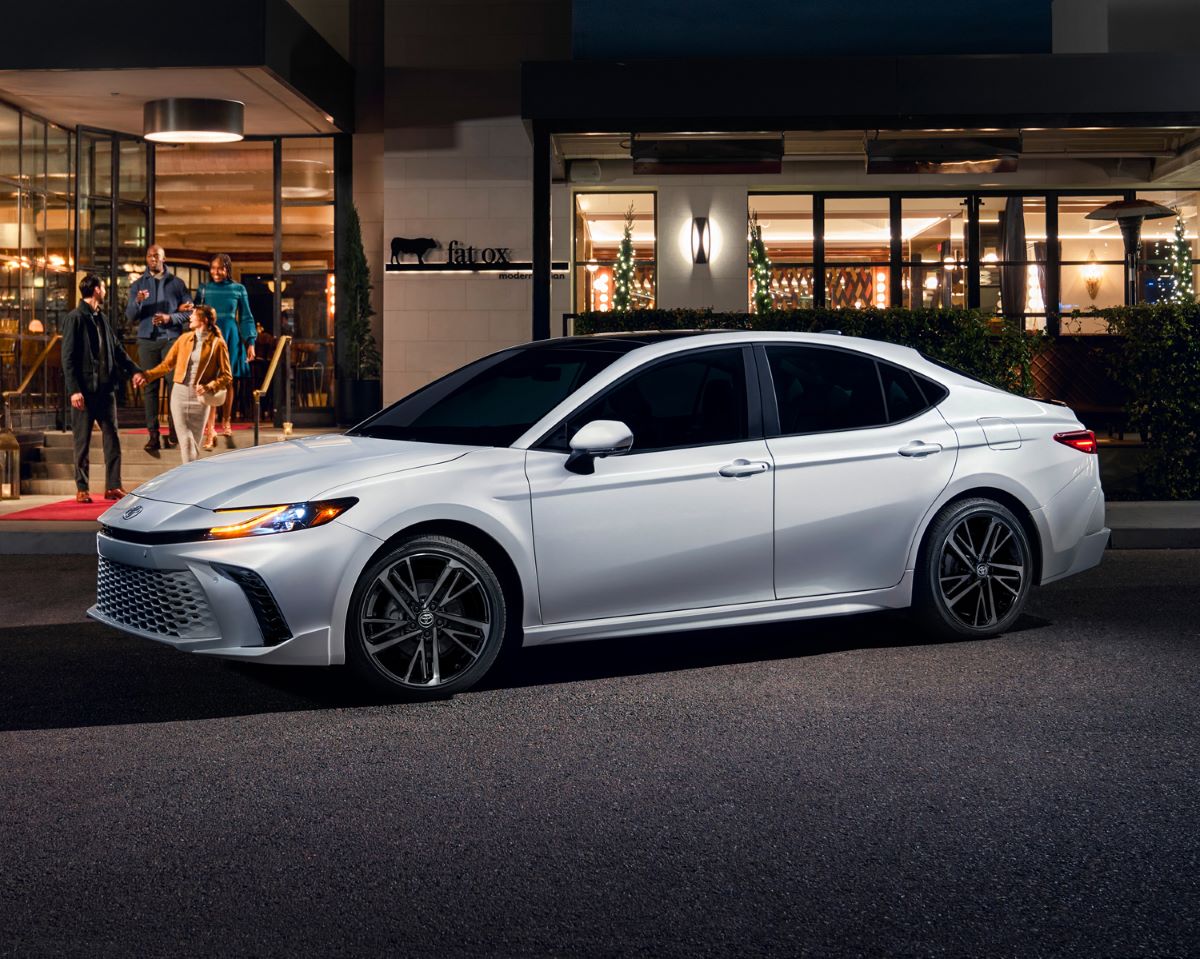
Owners rarely report slipping or premature failure, and Toyota’s commitment to gradual refinement means even newer CVT-equipped Camrys avoid the “rubber-band” feel that plagues other brands.
The Camry has long been one of North America’s most popular vehicles, and for good reason. Toyota delivers a car that balances impressive fuel economy with a comfortable ride, packed with enough features to satisfy most drivers.
It’s also among the few affordable sedans that offer all-wheel drive, a major advantage for those facing snowy or icy conditions.
Toyota’s AWD setup is unique to the Camry: while the front-wheel-drive version pairs a 2.5-liter four-cylinder engine with two electric motors, adding all-wheel drive introduces a third motor that powers the rear wheels and boosts total output to 232 horsepower.
Much like the Corolla, Toyota takes a straightforward approach with the Camry. Every trim comes equipped with a CVT, a new standard for the brand.
For 2025, Toyota has eliminated all traditional gasoline engines, offering only hybrid powertrains.
That means the non-hybrid four-cylinder and the more powerful 301-hp V6, along with the eight-speed automatic transmission that came with them, are no longer available. While this simplifies the buying process for customers, it does limit options.
Fortunately, the Camry hybrid performs admirably. Similar to its smaller counterpart, it can achieve 50 mpg or more in city driving, even with all-wheel drive.
At the same time, it can accelerate to highway speeds in under seven seconds—quicker than many conventional gas engines in the midsize segment.
Also Read: 5 SUVs That Are Smart Buys Used vs 5 That Are Money Traps
2. Honda Accord (10-Speed Automatic and CVT)
Honda has long been a benchmark in transmission engineering. Earlier models of the Accord used bulletproof 5- and 6-speed automatics, while the newer 10-speed unit continues that tradition.
It shifts quickly and precisely, without hunting for gears or overheating under load.
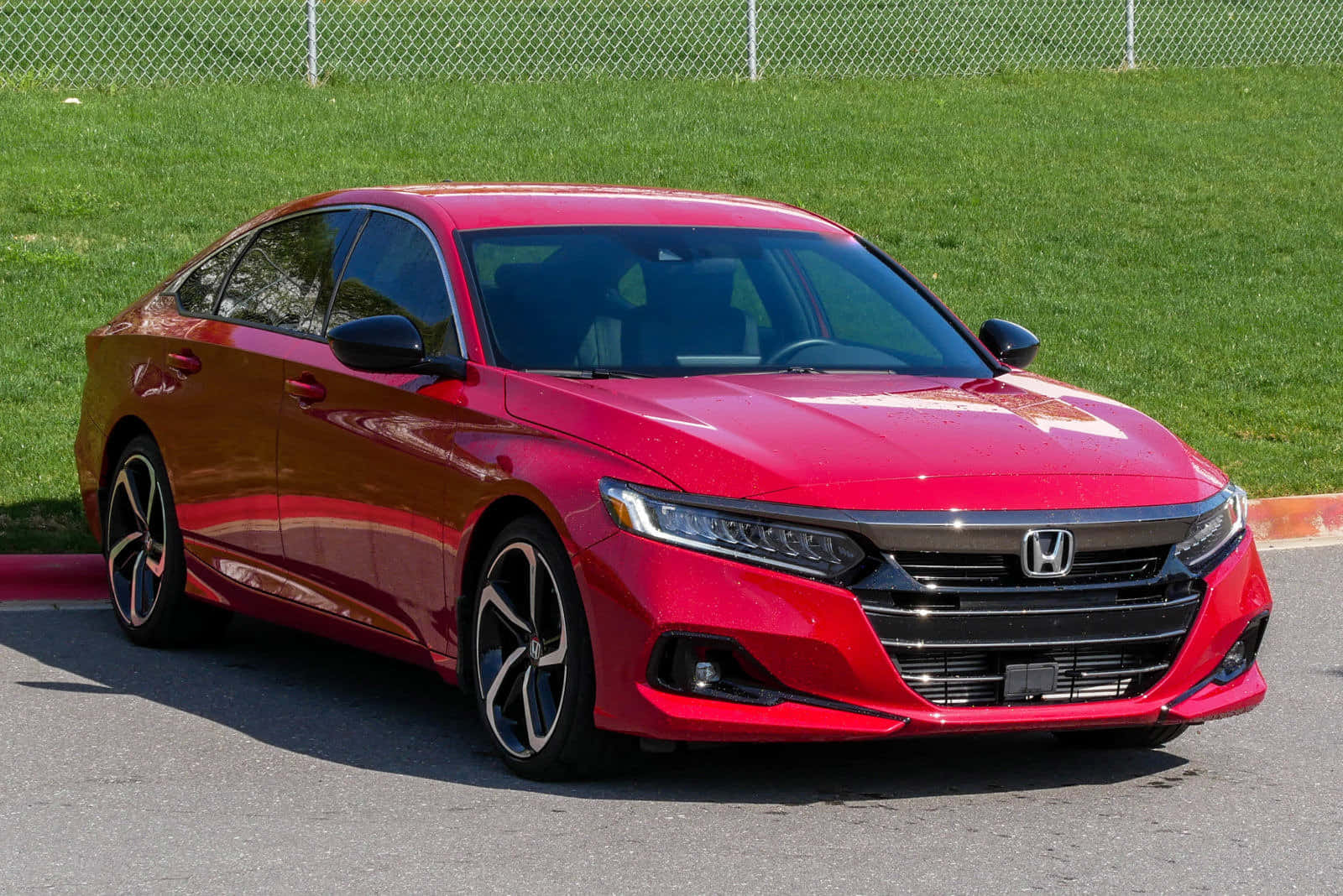
Honda’s continuously variable transmissions in the 1.5-liter models also hold up remarkably well when serviced regularly something that can’t be said for many CVTs on the market.
As a result, the Accord remains one of the most consistent choices for drivers who value long-term dependability.
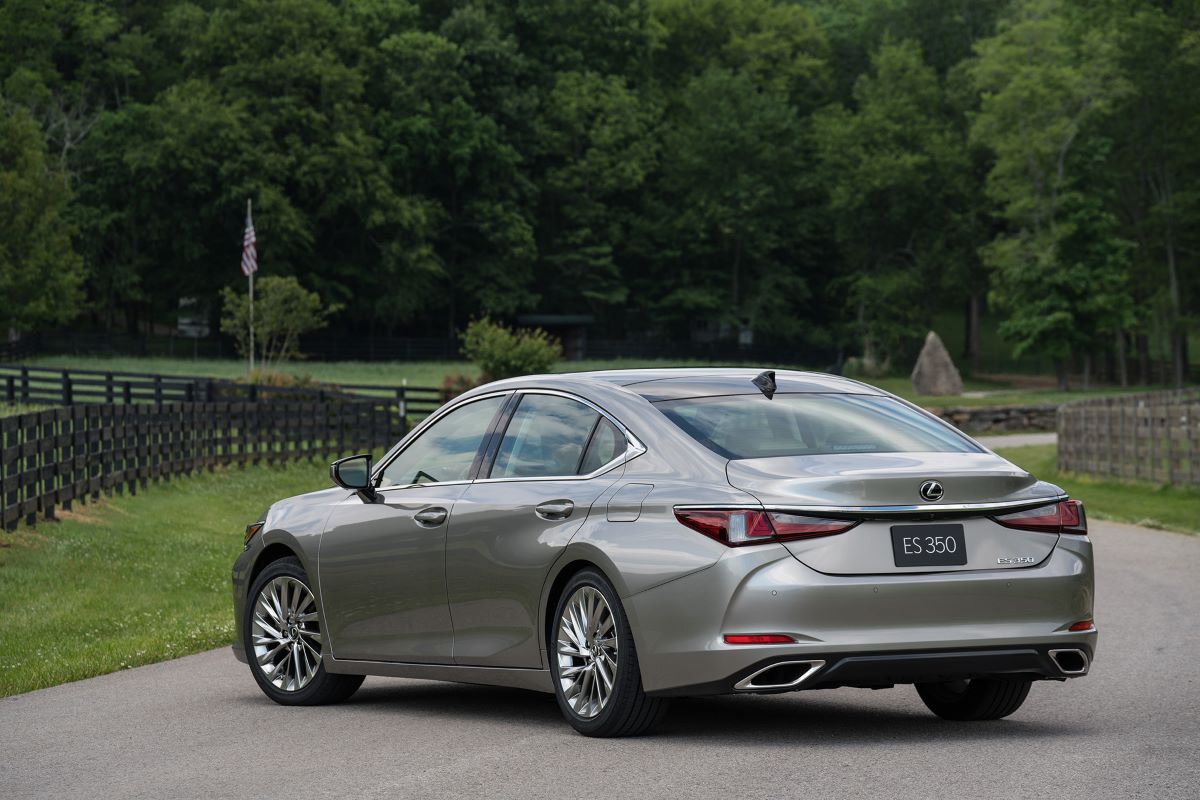
3. Lexus ES 350 (8-Speed Automatic)
Luxury and reliability often clash but not with Lexus. The ES 350’s 8-speed automatic transmission is one of the most refined and dependable in its class.
Built on Toyota’s TNGA platform, it blends smooth power delivery with mechanical resilience. It rarely suffers from harsh shifts, leaks, or control module issues.
This gearbox can handle hundreds of thousands of miles without slipping or lagging, especially with basic maintenance. For American buyers wanting luxury without the long-term headaches of European rivals, the Lexus ES is an unbeatable choice.
We already know quite a bit about the next Lexus ES, and it’s nothing like the model you see here.
Lexus is charging boldly into the future with the next generation of its midsize sedan, to the point where the current car might feel a little tame, perhaps even old-fashioned.
The current ES remains an attractive sedan. Its clean lines, simple surfacing, relatively short wheelbase, and long overhangs echo the original LS 400.
What Lexus perfected in 1990, it continues to do well today. Every panel aligns precisely; there are no noticeable gaps either inside or out.
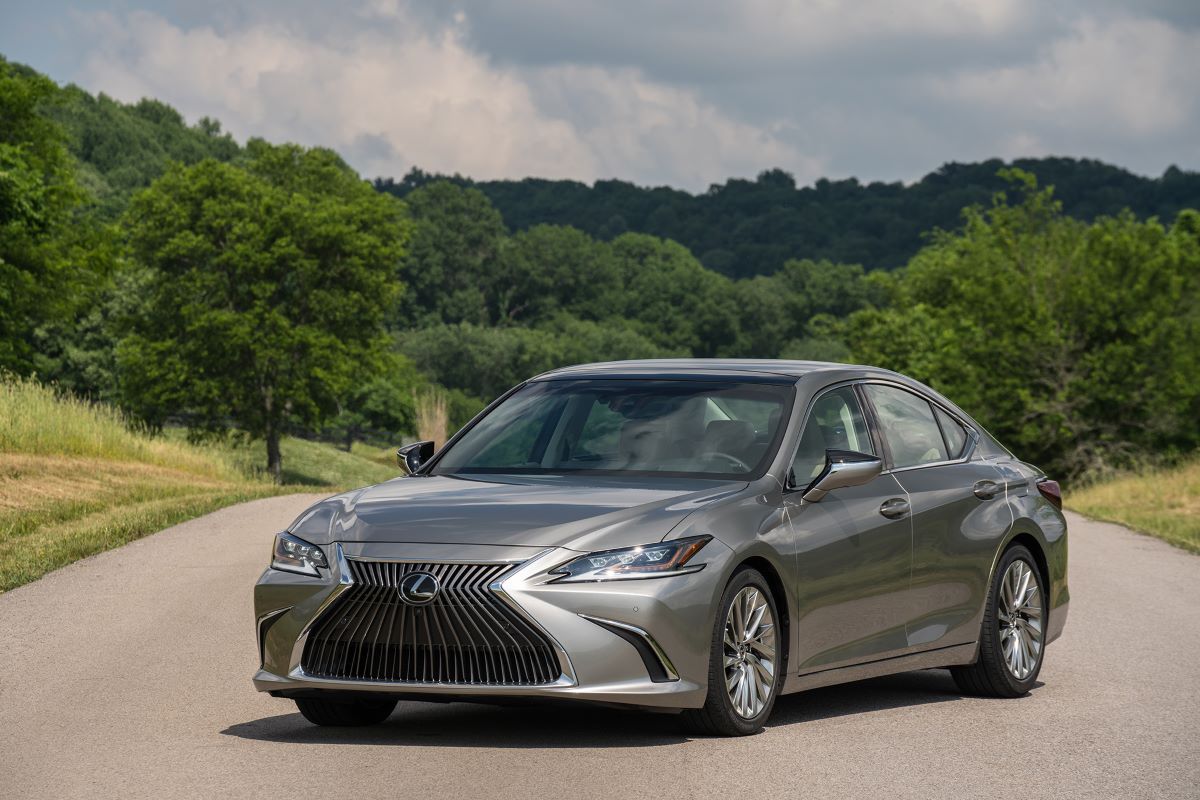
The interior has a premium feel, with a rich mix of materials that break up surfaces in visually interesting ways. You can even opt for wood inlays that feature genuine grain and texture.
That said, being as well-finished as its competitors doesn’t make the ES a performance powerhouse. In testing, the front-wheel-drive ES 350, powered by its 302-horsepower 3.5-liter V6, took a fairly relaxed 6.8 seconds to reach 60 mph from a standstill.
The quarter-mile passed in a lengthy 15.2 seconds, with the Lexus clocking 94.7 mph. In other words, the ES took an additional 8.4 seconds to gain just 34.7 mph beyond 60. No matter the driving mode or how aggressively you push it, the ES maintains a leisurely pace.
Rivals will outperform the ES without needing to tap their fastest configurations. A base BMW 330i, for instance, with its turbocharged four-cylinder, accelerates to 60 mph in just 5.7 seconds. The Audi A4 is even quicker at 5.3 seconds. Across performance metrics, the ES doesn’t surpass the competition.
The ES 350’s steering is weighty and responsive off-center, but it requires patience. The brake pedal is soft and has a long travel, allowing for a chauffeur-like smoothness when coming to a stop, you wouldn’t want to jostle anyone’s drink, after all.
Ultimately, the ES knows exactly what it’s meant to do: It allows you to settle in, switch off, and glide your way home after a long, meeting-packed day at the office.
Also Read: 10 Lightweight Cars That Feel Faster Than They Are
4. Mazda MX-5 Miata (6-Speed Manual)
For enthusiasts, the Mazda Miata’s manual gearbox is nothing short of legendary. Its crisp, short throws and mechanical precision make it one of the best-shifting manuals ever built. But beyond driving feel, it’s also one of the most reliable.
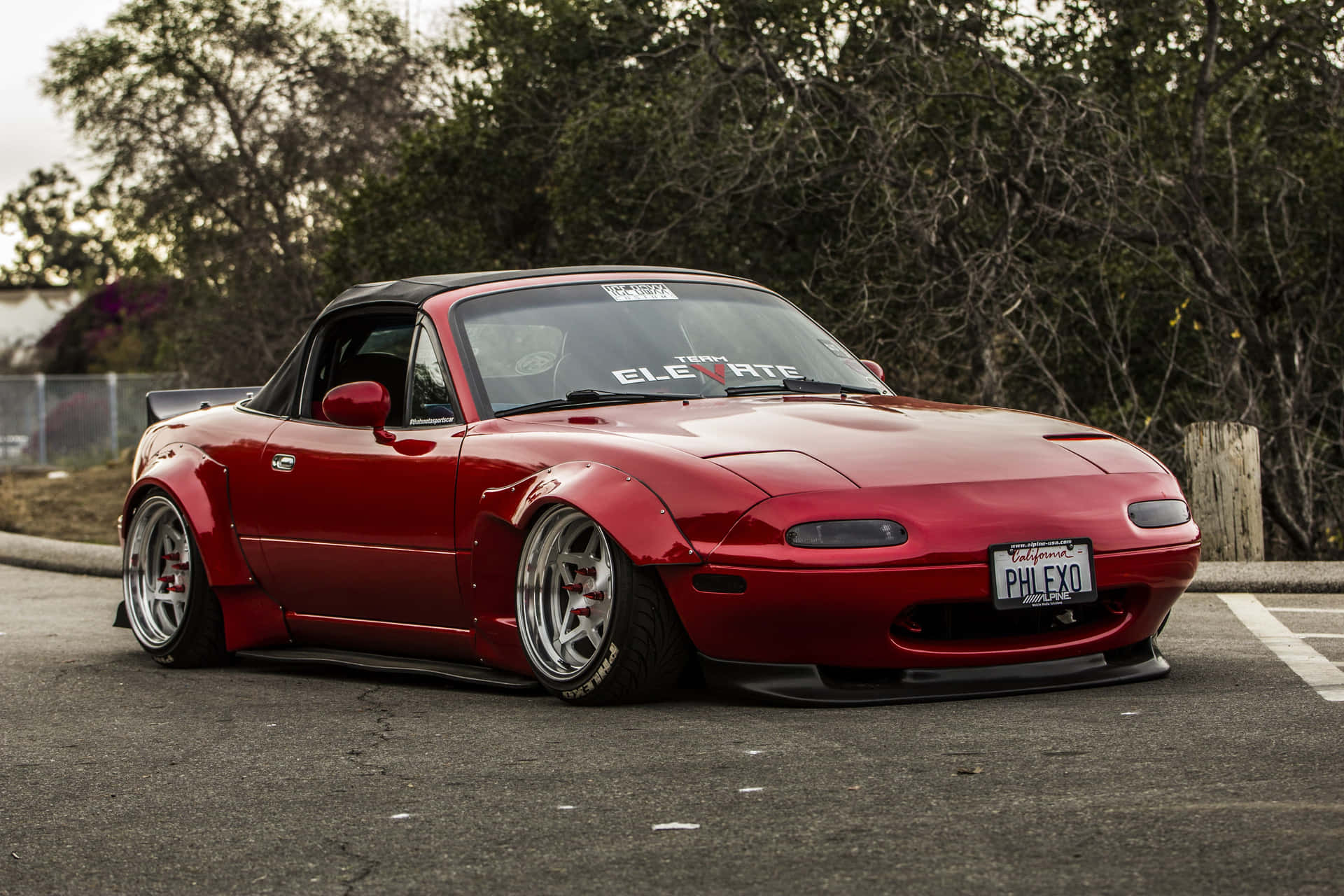
Mazda engineered the 6-speed to handle high revs and spirited driving without developing synchro issues or gear slippage.
Even with regular track use, Miata owners rarely report gearbox failures. It’s proof that reliability doesn’t have to come at the expense of fun.
5. Subaru Outback (Lineartronic CVT – Post-2020 Models)
Subaru’s early CVTs had a rough reputation, but the company learned fast. The updated Lineartronic CVT in modern Outbacks is far more durable, smoother, and better cooled than earlier designs.
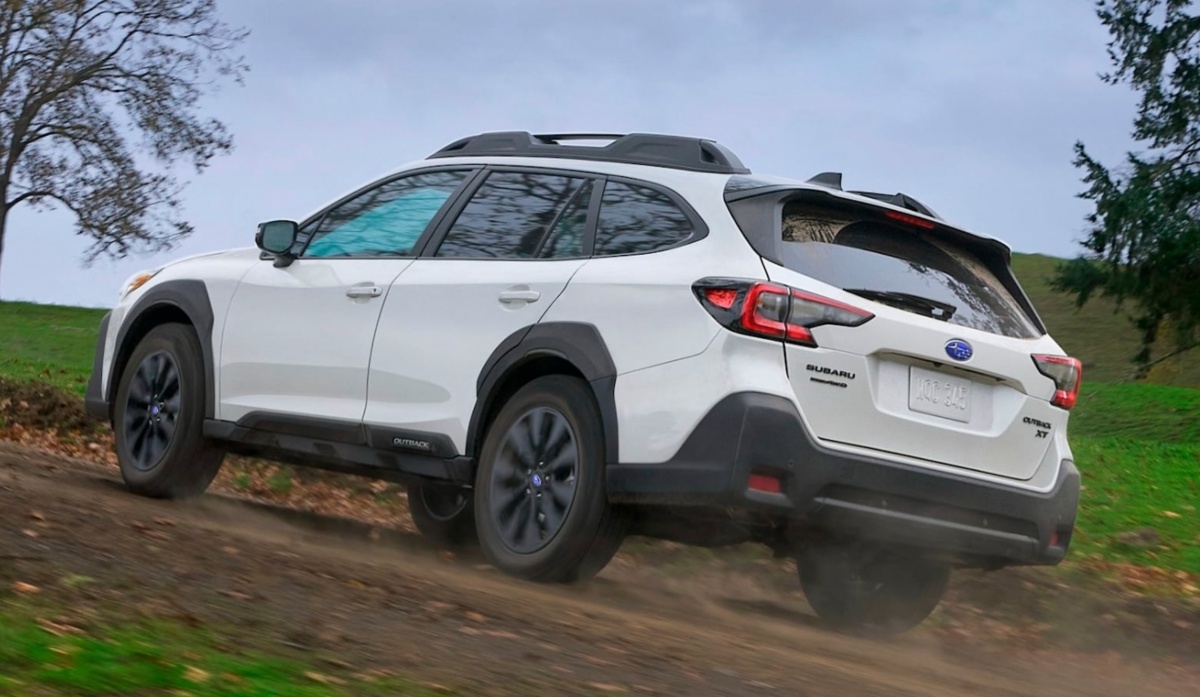
Subaru reinforced internal components and improved software calibration, resulting in a transmission that handles both daily commutes and light off-roading with ease.
While some drivers still prefer traditional automatics, the modern Outback CVT is a model of reliability in today’s AWD crossover segment.
To thrive in a market dominated by crossovers, Subaru’s long-standing Outback station wagon has carved out a niche by blending SUV-like styling with the practicality and handling of a traditional wagon.
Buyers can choose between a turbocharged or naturally aspirated four-cylinder engine, both paired with standard all-wheel drive. A sturdy roof rack provides a convenient spot for bikes or a kayak without the elevated stance of an SUV, making loading and unloading simpler.
The Outback’s formula has proven so effective that luxury brands have attempted similar designs: close competitors include the Audi A4 Allroad and Volvo V60 Cross Country, both of which start nearly $20,000 higher.
The 2022 Outback lineup introduces the even more rugged Wilderness model, featuring higher ground clearance, an upgraded suspension, Yokohama all-terrain tires, and various styling upgrades that emphasize its tougher appearance.
The Wilderness model comes standard with the turbocharged four-cylinder engine, a roof rack capable of supporting up to 700 pounds, and water-repellent interior upholstery.
It comes with the standard 182-hp four-cylinder engine, while upgrading to the turbocharged 260-hp engine costs at least $6,000, a jump we don’t think is justified given the modest improvements in acceleration and towing capacity.
The Premium trim includes an 11.6-inch touchscreen, a 4G LTE mobile hotspot, heated front seats, a power-adjustable driver’s seat, additional USB ports, and options not offered on the base model.
The Outback comes with two flat-four-cylinder engines: a 182-hp 2.5-liter four-cylinder standard, and a 260-hp turbocharged 2.4-liter optional. Both are paired with a continuously variable automatic transmission (CVT) that simulates an eight-speed gearbox to reduce engine drone.
All models feature Subaru’s standard all-wheel drive. In our tests, the standard engine delivered modest acceleration and sluggish transmission response, while the turbocharged version was quicker but suffered from the same uncooperative CVT.
Cars That Constantly Slip (and Strain Their Owners’ Patience)
Few things frustrate a car owner more than a gearbox that just can’t keep up. When transmissions slip, hesitate, or strain under normal driving conditions, even short trips can turn into a test of patience.
Beyond the annoyance, these issues can lead to costly repairs and a vehicle that feels unreliable.
In this article, we’ll take a close look at the cars notorious for transmission troubles, models that have left owners shaking their heads and reaching for the repair manual more often than they’d like.
1. Nissan Altima (CVT Models)
Nissan’s CVT transmissions are infamous in the automotive world. The Altima, once a solid family sedan, has become notorious for transmission failures, particularly between 60,000 and 100,000 miles.
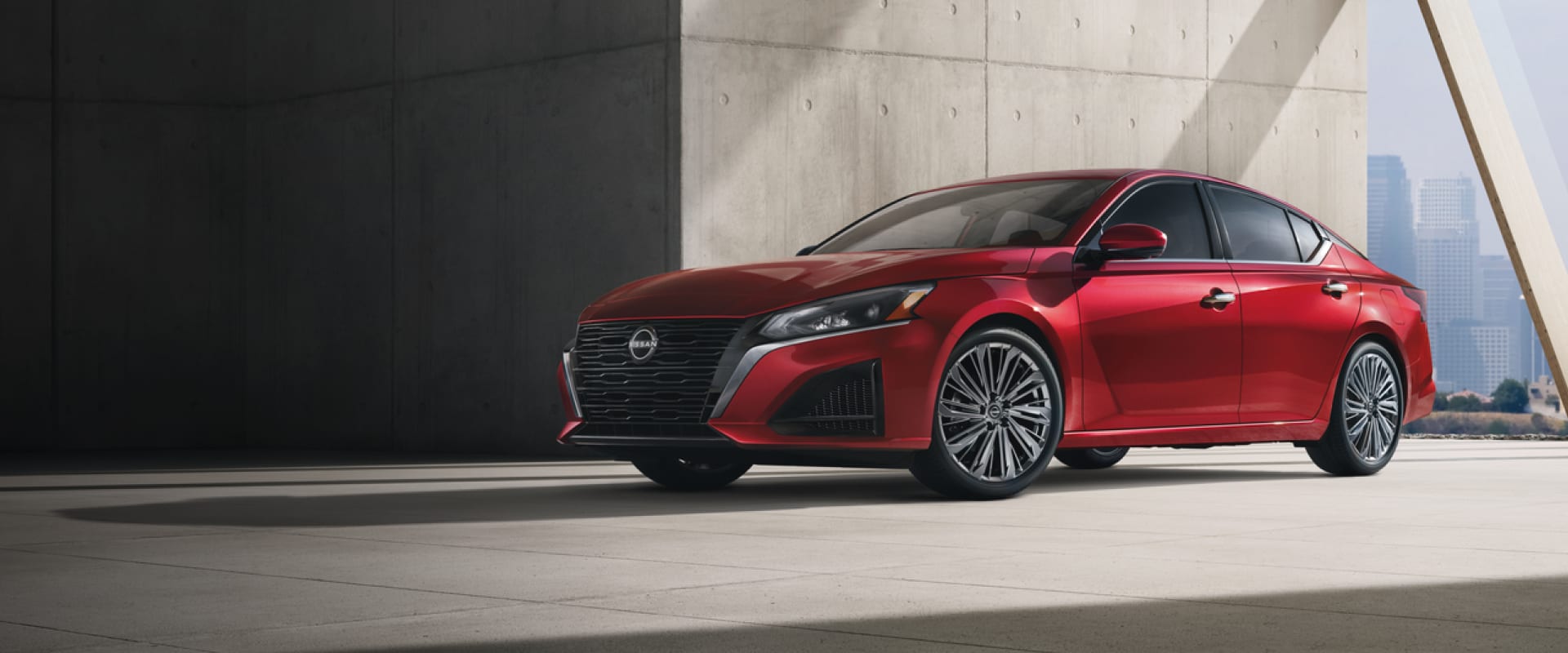
Common complaints include jerking, slipping, overheating, and sudden loss of acceleration. The issue isn’t just mechanical it’s also software-related, with control modules often mismanaging torque.
Nissan has updated the CVT design several times, but reliability remains inconsistent, and many owners have faced expensive replacements.
2. Jeep Cherokee (9-Speed Automatic)
The 9-speed automatic used in the Jeep Cherokee shared with several other Stellantis models was ambitious on paper but problematic in practice.
Designed by ZF, it was meant to improve efficiency and performance. Instead, it delivered rough shifting, gear hunting, and frequent software glitches.
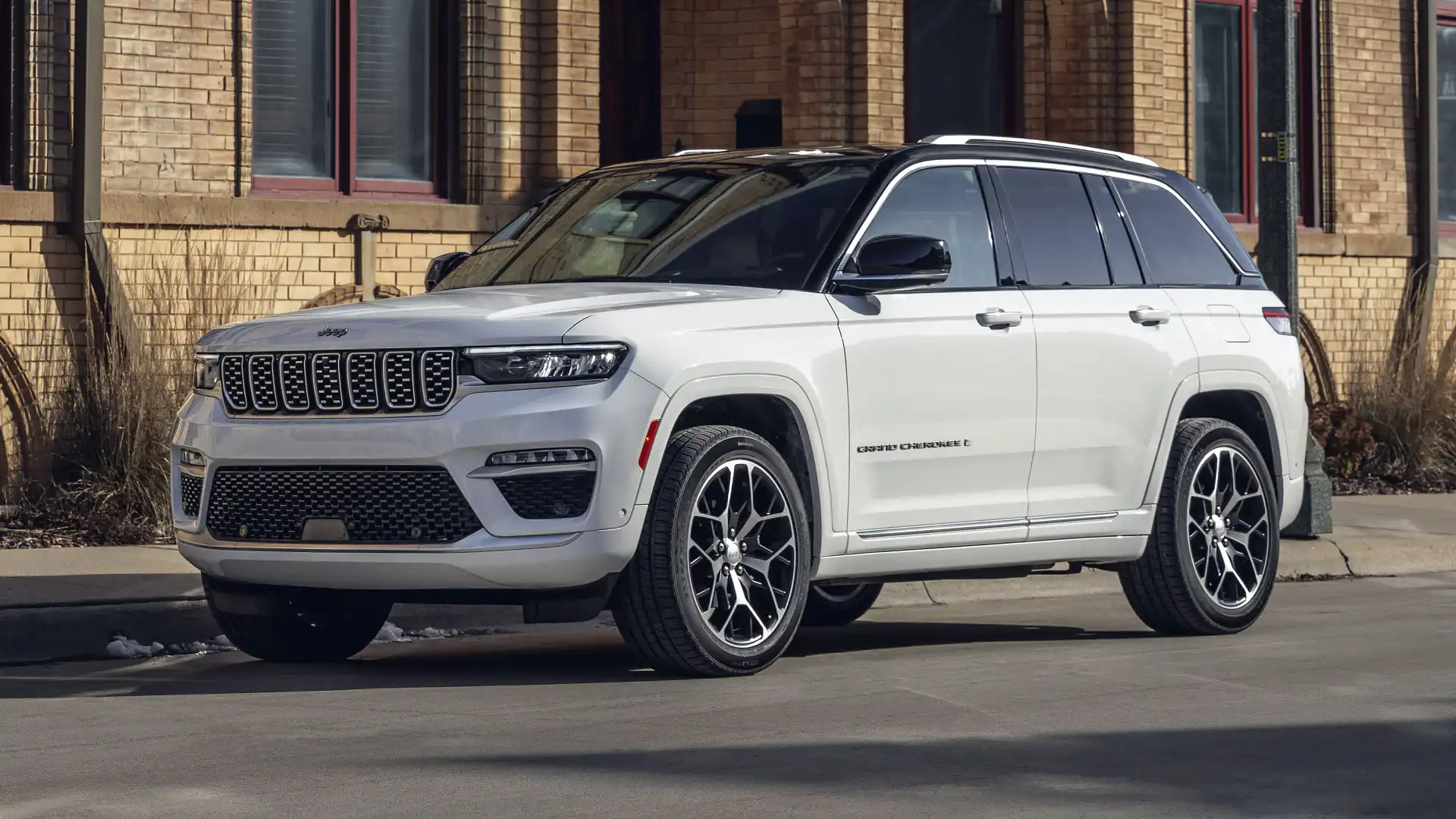
Many Cherokee owners experience hesitation or gear slip during acceleration, especially at lower speeds. Despite multiple software updates, this gearbox has never fully shaken its reputation for inconsistency.
The Cherokee will become the first Jeep hybrid sold in North America that doesn’t require a plug. Its powertrain combines a turbocharged 1.6-liter four-cylinder engine with two electric motors.
The total system output is rated at 210 horsepower and 230 lb-ft of torque. That’s comparable to the Toyota RAV4 hybrid, but Jeep’s system operates a bit differently.
While Toyota’s rear wheels are powered solely by a rear-mounted electric motor, the Cherokee links its rear wheels to the transmission through a physical drive shaft.
Don’t expect a dramatic performance boost, though. Jeep lists a 0-60 mph time of 8.7 seconds, over a second slower than the most recent RAV4 hybrid we tested. Jeep also estimates the new Cherokee will achieve 37 mpg combined according to the EPA and offer a range exceeding 500 miles on a single tank.
This makes it Jeep’s most fuel-efficient gas-powered vehicle, though it still trails the RAV4 and Honda CR-V in overall fuel economy.
Where the physical drive connection really shines is off-road. With 8 inches of ground clearance and improved approach and departure angles compared to both the RAV4 and CR-V, the Cherokee is ready for rough terrain.
Inside, all Cherokees receive large digital displays. The instrument cluster measures 10.3 inches, while the infotainment screen is a 12.3-inch unit.
These screens, along with the dashboard layout and steering wheel, are borrowed directly from the Wagoneer S, Jeep’s more expensive electric SUV. The result is a cabin that feels premium, bringing high-end features to a lower price point.
The new Cherokee’s interior is a significant upgrade over its predecessor. Materials feel higher-quality, and there are numerous cubbies for phones, wallets, and other small items.
The Cherokee also supports over-the-air updates, allowing Jeep to keep the screens and software current without requiring a dealership visit.
Rear passenger space has expanded as well, much more than in the Toyota RAV4 we recently tested. Jeep extended the Cherokee’s wheelbase, improving both rear legroom and cargo capacity.
Standard features on all Cherokees include keyless entry, blind-spot warning, and adaptive cruise control. While it isn’t the hands-free, eyes-on system found in higher-end Jeeps, it’s a clear step up from basic cruise control.
At launch, the new compact Jeep will be available in several trims: base Cherokee, Laredo, Limited, and Overland. Jeep expects the new Cherokee to reach dealerships near the end of this year.
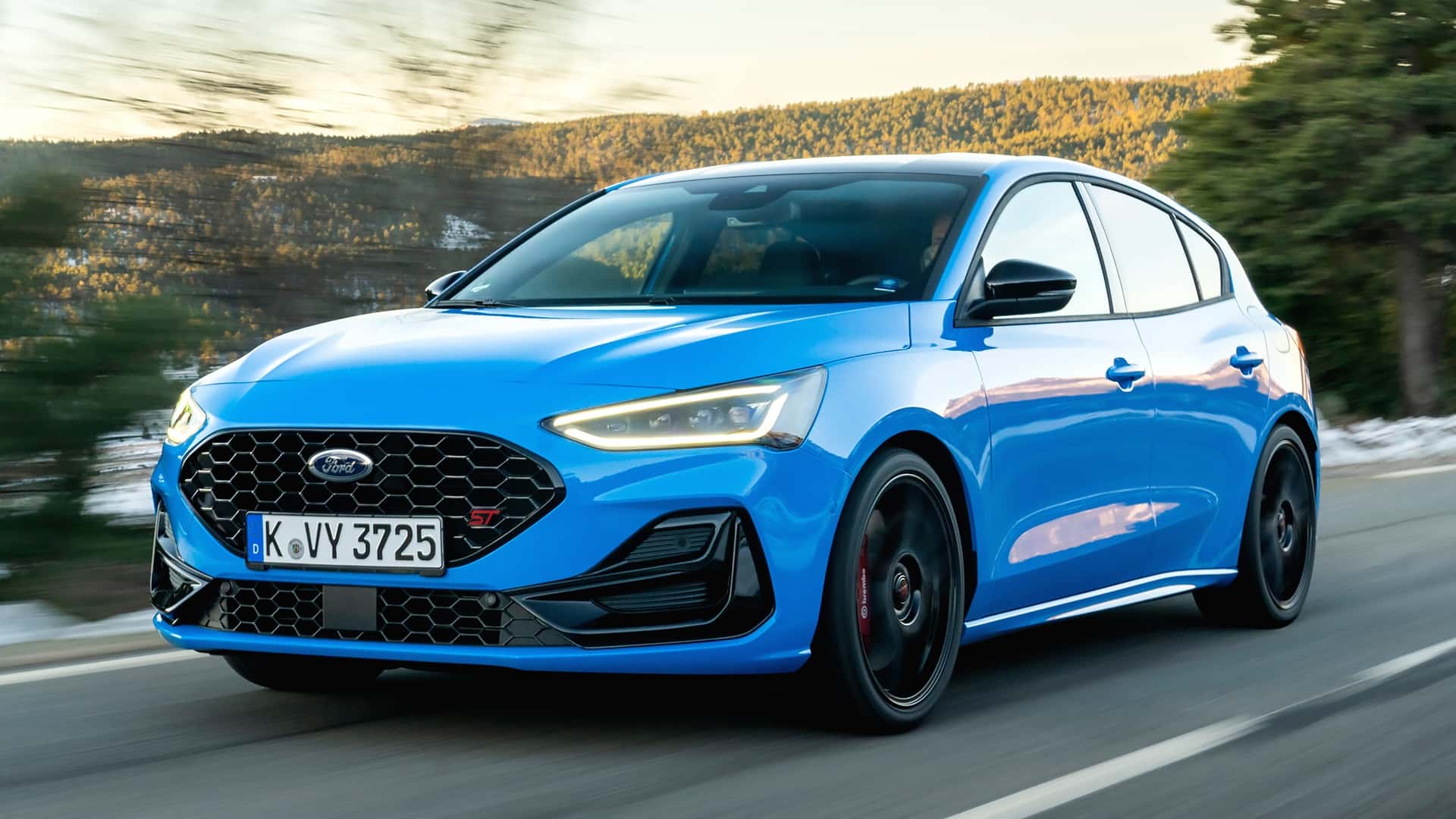
3. Ford Focus (PowerShift Dual-Clutch Automatic)
Few transmissions have caused as much frustration as Ford’s PowerShift dual-clutch gearbox. Found in the 2012–2016 Focus and Fiesta, it was marketed as an efficient alternative to a conventional automatic.
In reality, it suffered from chronic clutch slippage, shuddering, and premature wear. Numerous lawsuits and recalls followed, damaging Ford’s credibility.
The underlying issue stemmed from the gearbox’s dry clutch setup, which couldn’t handle heat and stop-and-go driving typical in U.S. traffic. For many owners, smooth shifting was never part of the experience.
They say all good things must come to an end, and the Ford Focus is a prime example. The original model was a genuine trailblazer in its day, and even though this fourth-generation version continues to sell strongly, Ford has confirmed that production will officially cease in November.
It’s understandable if this news catches you off guard, but Ford has its reasons. Like many other automakers, the company is shifting its attention toward SUVs and electric vehicles.
The seriousness of this strategy became clear when Ford discontinued the Fiesta, a car that had held the title of the UK’s best-selling new vehicle for an impressive 12 consecutive years.
The Ford Focus remains a well-rounded family car offering sharp handling, a comfortable ride, and solid refinement. However, its engine lineup is somewhat limited, and some competitors offer better value for money.
If you’re considering one, we recommend the entry-level 1.0 Ecoboost 125 mHEV in Titanium trim. That said, the ST-Line version offers even more engaging handling thanks to its firmer suspension.
The only other engine available is the 1.0 Ecoboost 155 mHEV. Producing 153bhp, it’s slightly livelier and trims the 0–60mph sprint to 8.6 seconds.
This 155 mHEV version comes exclusively with an automatic gearbox. While it shifts quickly and smoothly once underway, it can be jerky at low speeds, something competitors like the Golf and Skoda Octavia handle better.
If you’re not interested in a mild-hybrid petrol engine, you’ll need to explore alternatives, since rivals like the Golf offer a broader engine lineup.
For the most engaging drive, the ST-Line or ST-Line X trims are the way to go.
Their stiffer, lower suspension minimizes body roll and makes the most of the car’s natural agility and cornering balance. Among mainstream family cars, only the Seat Leon offers a similarly entertaining experience.
Less sporty versions lean a bit more through corners, but even the entry-level Titanium trim feels more agile than the Skoda Octavia. Meanwhile, the elevated Active X remains impressively tidy despite its extra ride height.
All versions benefit from quick steering that’s light and effortless around town but gains weight at higher speeds for better feedback. That said, we’d prefer a touch more heft and a slightly more natural self-centering feel.
The Focus’s 1.0-litre engines produce a faint thrum, but it’s never intrusive and remains quieter than the Seat Leon or VW Golf 1.0 TSI 110 / 1.5 TSI 130.
At motorway speeds, you might hear a bit of wind flutter around the door mirrors, but overall road noise is impressively subdued.
The Focus offers an excellent driving position, with manual height and lumbar adjustment standard across all trims. The X trims enhance comfort with a four-way electric driver’s seat and powered lumbar support.
The steering wheel offers generous reach and rake adjustment, ensuring you can easily find your ideal setup.
The alignment of the wheel, pedals, and seat is nearly perfect. Most trims feature a clear analogue instrument cluster, while X versions get a sharp 12.3-inch digital display, making the optional head-up display largely unnecessary.
Visibility is strong overall. The front pillars aren’t overly obstructive, and large rear windows aid over-the-shoulder views.
However, there are no physical infotainment controls, meaning all adjustments must be made via the screen, something that can be distracting on the move. In this respect, the Mazda 3’s rotary controller is easier to use.
On the positive side, the Focus’s interior feels solid, with soft-touch materials used across the upper dashboard. All versions include a leather-wrapped steering wheel and gear knob, and the door bins are lined on three sides to prevent rattles.
4. Volkswagen Jetta (Early DSG Models)
Volkswagen’s dual-clutch transmissions are impressive when they work but early DSG-equipped Jettas (especially from 2006–2013) were plagued with issues.
The mechatronic control unit, which governs clutch engagement, often failed prematurely, leading to jerky shifts or total gearbox failure. Some models also experienced clutch slippage under heavy acceleration.
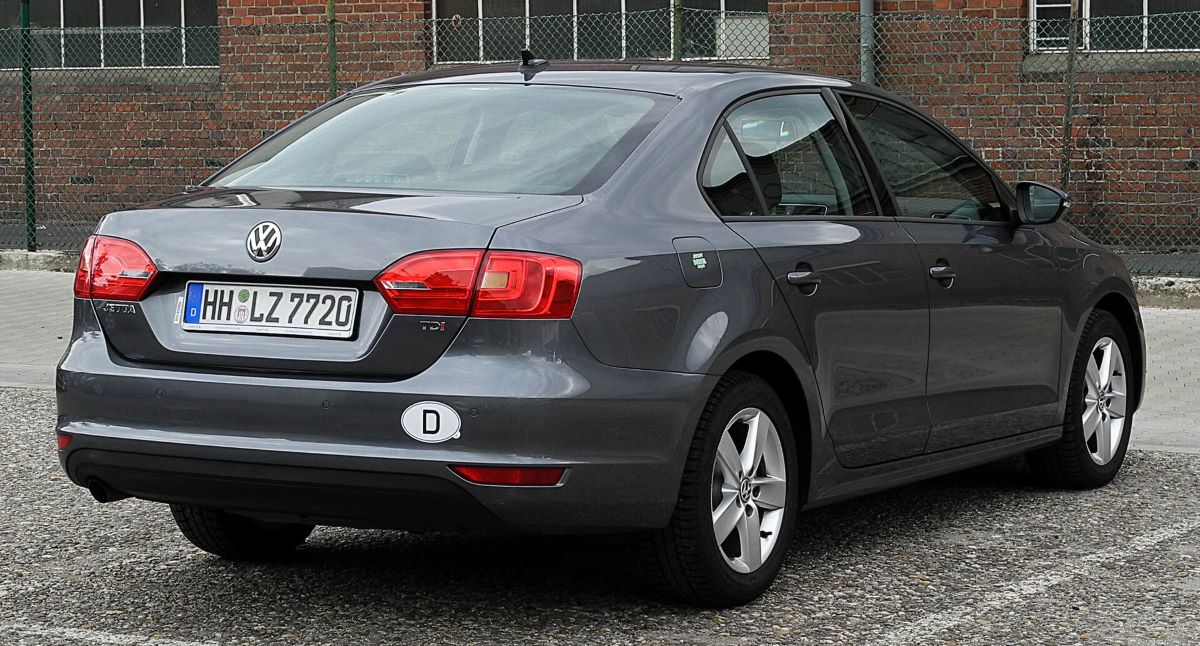
While later generations improved significantly, the early DSG Jettas taught many American drivers that German precision doesn’t always mean long-term reliability.
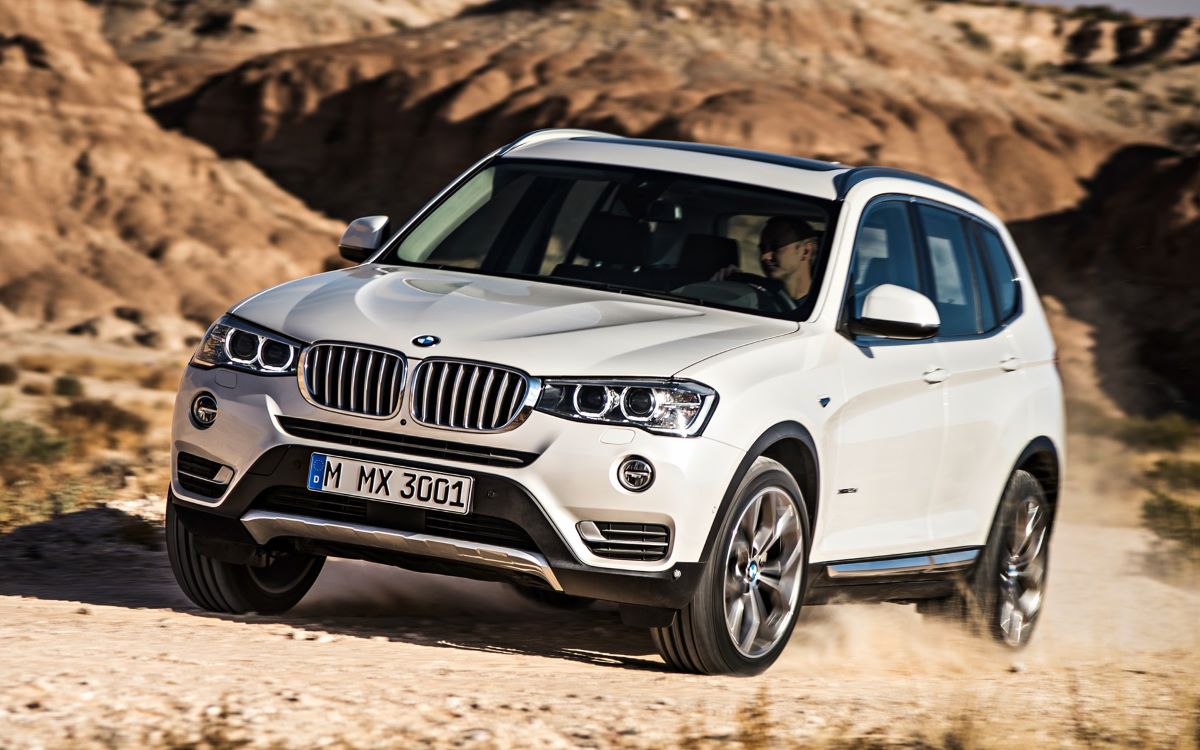
5. BMW X3 (8-Speed Automatic – Pre-2017 Models)
BMW’s ZF 8-speed transmission is praised for performance, but reliability varies by model and maintenance history.
In pre-2017 X3s, the gearbox is prone to slipping, harsh downshifts, and delayed engagement issues often linked to mechatronic valve body failures or fluid degradation.
BMW markets its transmissions as “lifetime fill,” but in reality, that lifetime is much shorter than owners expect. Without fluid changes every 60,000 miles, these gearboxes can quickly degrade, leading to costly repairs that offset the vehicle’s premium feel.
For U.S. drivers, gearbox reliability can determine whether a car is a decade-long companion or a financial burden.
Cars like the Toyota Camry, Honda Accord, and Lexus ES prove that smooth, dependable shifting doesn’t require constant maintenance or expensive repairs.
Meanwhile, vehicles like the Nissan Altima and Ford Focus PowerShift serve as cautionary tales about untested innovation and corporate shortcuts.
When shopping for a used or new vehicle, it’s worth researching not just horsepower or interior features but also what’s happening beneath the surface.
After all, the transmission isn’t just another part it’s the bridge between the engine’s power and your peace of mind on the road.
