For years, sedans have been the perfect compromise between practicality and driving excitement. They offer space, comfort, and refinement without the bulk of an SUV or the compromises of a two-door sports car.
However, not all sedans are created equal when it comes to handling. Some deliver precise steering, excellent balance, and an eagerness to corner like a true sports machine.
In the U.S. market, where drivers balance comfort and engagement, choosing the right sedan can make or break your daily driving experience.
Here are five sedans that deliver sports car-like precision and five that, sadly, float more than they grip.
Sedans That Handle Like Sports Cars
When it comes to driving excitement, most people think of sleek, low-slung sports cars built purely for performance. But what if you could enjoy that same agile handling and thrilling responsiveness without sacrificing comfort, practicality, or four-door convenience?
That’s where a select group of sedans comes in, models that blur the line between daily driver and track-day toy.
In this article, we’ll explore sedans that deliver sharp steering, balanced chassis dynamics, and the kind of road feel that makes every corner an event. These aren’t just family cars, they’re sports cars in disguise.
Also Read: 7 Family Cars That Shock Owners by Lasting Forever
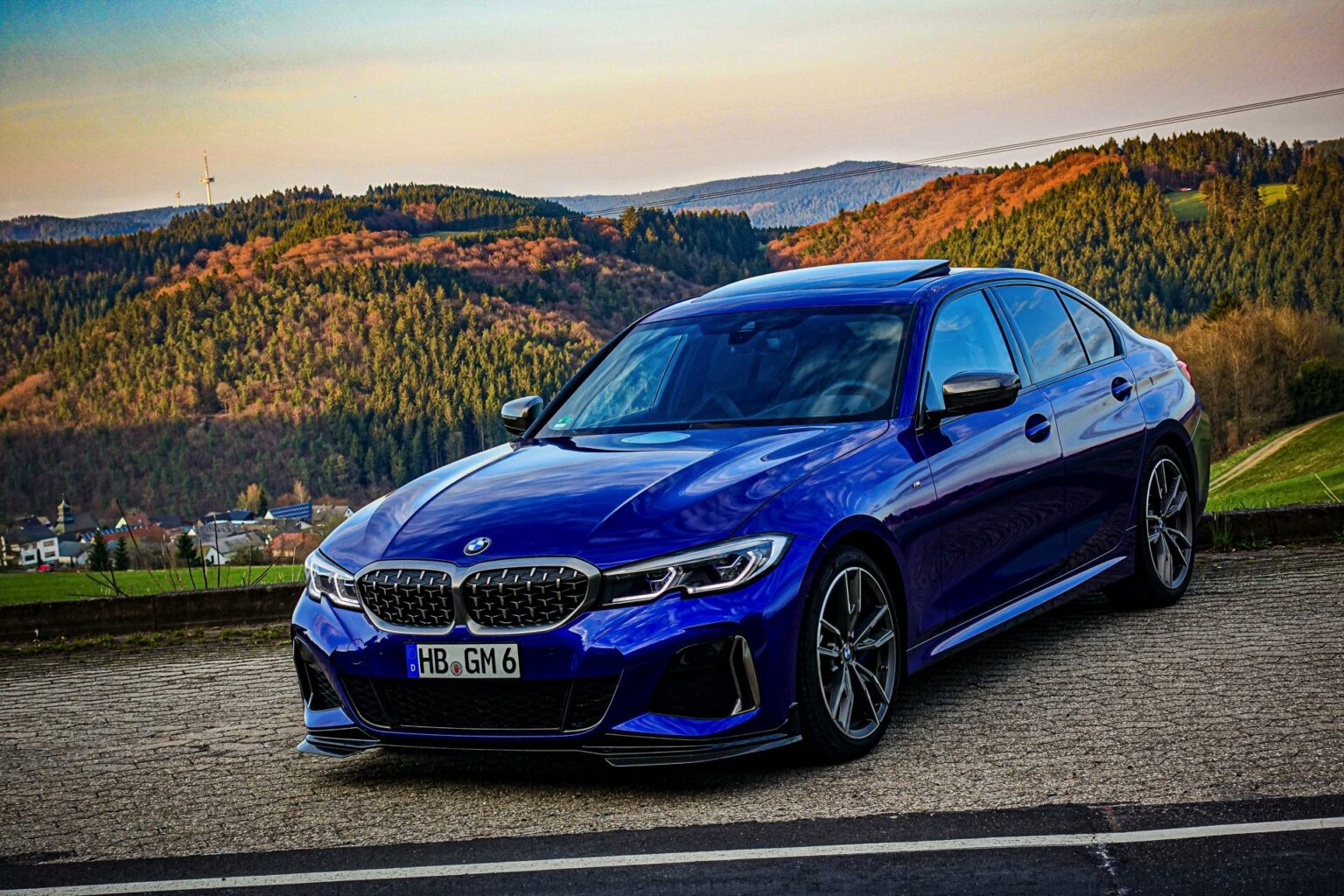
1. BMW M340i
BMW’s M340i proves that you don’t need to splurge on a full-blown M3 to enjoy razor-sharp handling. With a near-perfect 50/50 weight distribution, rear-wheel drive (or optional xDrive), and adaptive M suspension, this 3 Series variant channels the soul of a true sports car.
The turbocharged inline-six packs 382 horsepower, but it’s the chassis dynamics that steal the show.
Turn the wheel, and the M340i responds instantly its precision and poise through corners make it one of the most engaging sedans in its class.
It feels planted yet playful, maintaining BMW’s “ultimate driving machine” legacy without sacrificing daily usability.
One would be a manual sports car to take to the track and enjoy spirited drives through the stunning canyon roads of Southern California. The other would be an EV or an efficient daily commuter, ideal for handling my everyday driving comfortably and with minimal hassle.
However, that dream combination, an M2 and an EV, came to an abrupt end when I switched jobs. The company car, an EV, was suddenly gone, leaving me in need of a new commuter.
Yet, the vision of a fun sports car for weekend canyon runs and road trips still lingered in my mind.
For decades, luxury sports sedans have been the go-to choice for enthusiasts seeking the perfect one-car solution. They combine the practicality of a traditional sedan with performance levels that approach those of dedicated sports cars.
While they may not top the charts for efficiency or pure performance, their ability to balance both worlds makes them incredibly appealing for drivers who crave excitement but still need everyday usability.
After all, not everyone can reasonably drive a two-seat sports car 75 miles a day for years while carrying luggage or passengers.
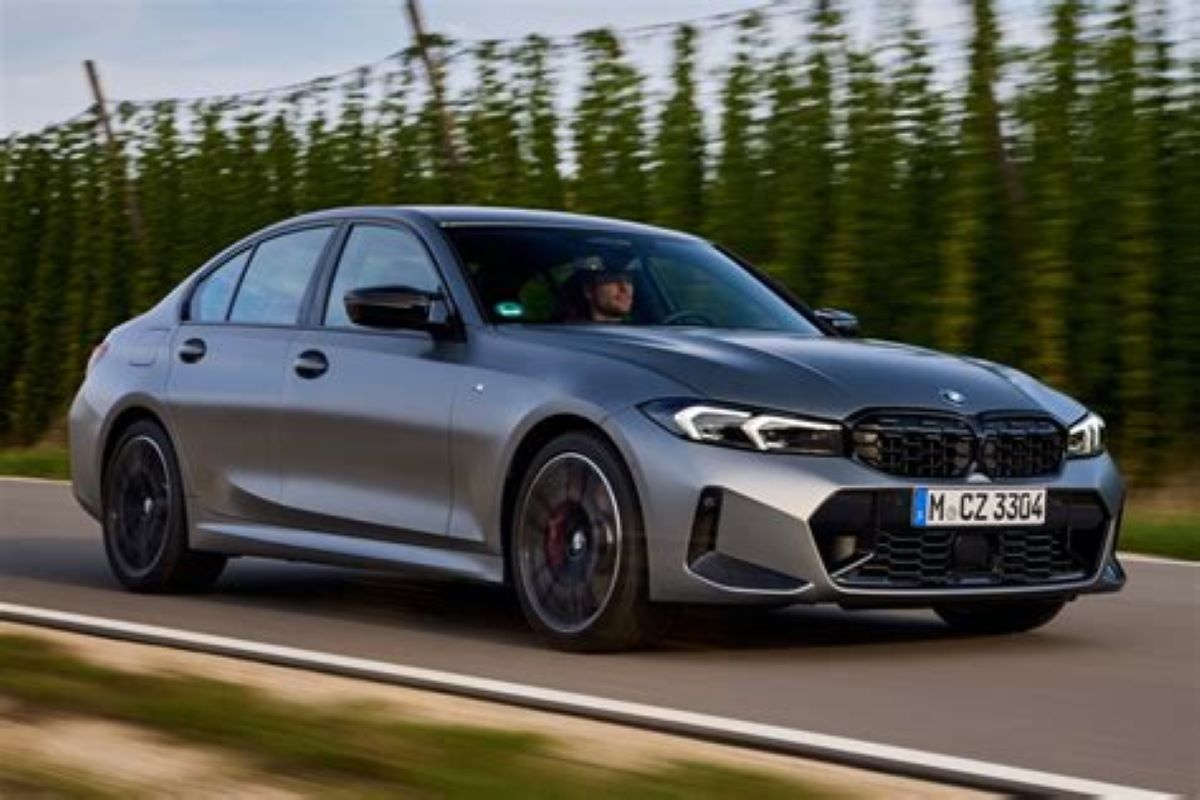
Since its debut 50 years ago, the BMW 3 Series has consistently defined the sports sedan category.
The current G20 generation continues that legacy. Since its 2019 introduction, the 330i and M340i, have remained the benchmarks for competitors like Audi and Mercedes-Benz.
While some might argue that rivals deliver slightly more comfort or luxury, when it comes to pure driving dynamics and performance, the G20 stands on top. Even as other brands have rolled out newer models, BMW has kept the G20 fresh with continuous updates, and the M340i remains the standout among them.
For 2025, both the BMW M340i and 330i receive another round of updates. The first LCI (Life Cycle Impulse) refresh in 2022 introduced a redesigned front end, the new curved iDrive 8.5 display setup, and, for the M340i, a mild hybrid system.
Now, for 2025, BMW has refined the package even further, with updates that go deeper than they might initially appear.
The interior has been subtly reworked, with iDrive 8.5 now standard and featuring a sleeker, more intuitive software interface. Ambient lighting has been updated, and the M Performance steering wheel gets a fresh design.
BMW also introduces several new color choices, including Arctic Race Blue, previously exclusive to the 4 Series, and new wheel designs such as the 1038i and 995M options.
2. Alfa Romeo Giulia Ti
The Alfa Romeo Giulia doesn’t just handle well it dances. With its lightweight chassis, direct steering, and a rear-wheel-drive setup that feels alive under your fingertips, it’s one of the most passionate sedans on sale.
Even the non-Quadrifoglio Ti model offers an engaging drive, with suspension tuning that feels straight from Italy’s mountain roads. It’s communicative, beautifully balanced, and begs to be driven hard.
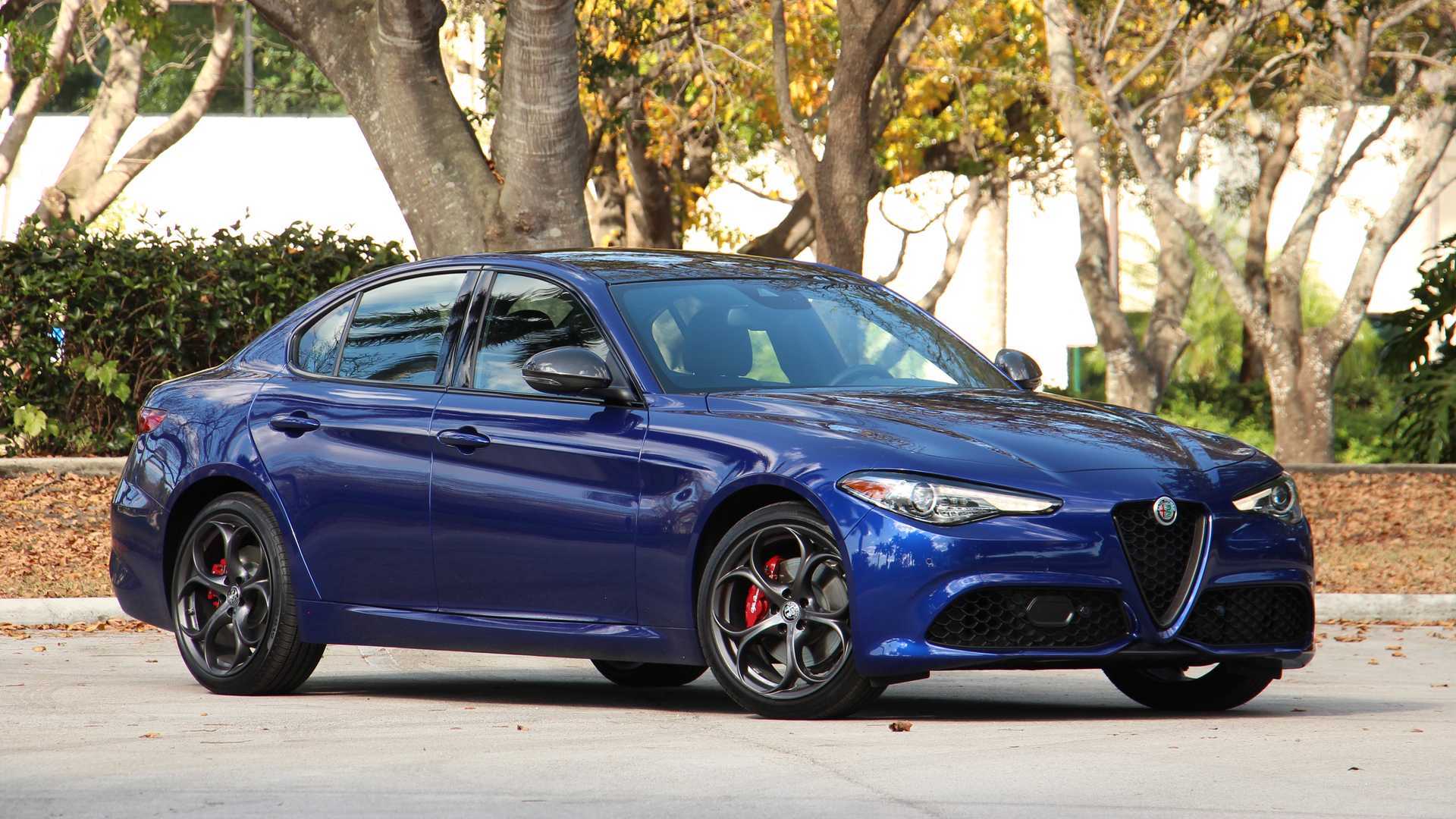
Unlike some German rivals that prioritize polish over passion, the Giulia Ti is raw and responsive, proving that Italian engineering can blend elegance with athleticism in a way few sedans can.
Even with a subtle refresh for 2024, featuring new headlights, taillights, and a 12.3-inch digital instrument cluster, the Giulia remains the same curvaceous, quick, and captivating sports sedan it has been since its 2017 debut.
Its 280-horsepower base engine delivers impressive acceleration, while the eight-speed automatic transmission fires off upshifts with rifle-bolt precision. The thick, tactile steering wheel provides a wealth of feedback, transmitting every nuance of the road directly to your fingertips.
If you’re looking for a sport sedan that might irritate your in-laws and make your neighbors green with envy, the Giulia could be your perfect match.
Of course, its thrilling performance and head-turning looks come with a few trade-offs, slightly dated tech and less-than-perfect comfort.
3. Cadillac CT5-V Blackwing
American performance doesn’t get much purer than the Cadillac CT5-V Blackwing. This super sedan brings a 668-hp supercharged V8 to the table, but its cornering capability is what really shocks people.
The Magnetic Ride Control system reads the road 1,000 times per second, adapting damping instantly to keep the car flat and composed through corners. Its steering is heavy but precise, with incredible feedback.
Despite being larger than European rivals, the CT5-V Blackwing shrinks around the driver when pushed hard, offering a level of control and agility that genuinely rivals the BMW M5 and Mercedes-AMG E63.
TThe 2025 model continues its impressive streak, marking the fourth consecutive year it earns this distinction. Alongside the legendary Corvette, the Blackwing represents the pinnacle of General Motors engineering.
This supercharged, gasoline-breathing, sharp-handling marvel delivers an exhilarating driving experience, all wrapped in the sleek body of an otherwise unassuming midsize luxury sedan.
Beneath its sculpted hood lies a 668-horsepower V-8 engine, paired with a six-speed manual gearbox and what we consider the industry’s finest traction control system.
With its rear-wheel-drive setup, the CT5-V Blackwing feels more alive and engaging than competitors like the BMW M5 or the previous-generation Mercedes-AMG E63, and as a bonus, it’s significantly more affordable than either.
While its cabin still feels more like a polished Chevy Malibu than a truly bespoke Cadillac, that doesn’t detract from its mission: to deliver pure driving bliss through impeccable balance and massive power.
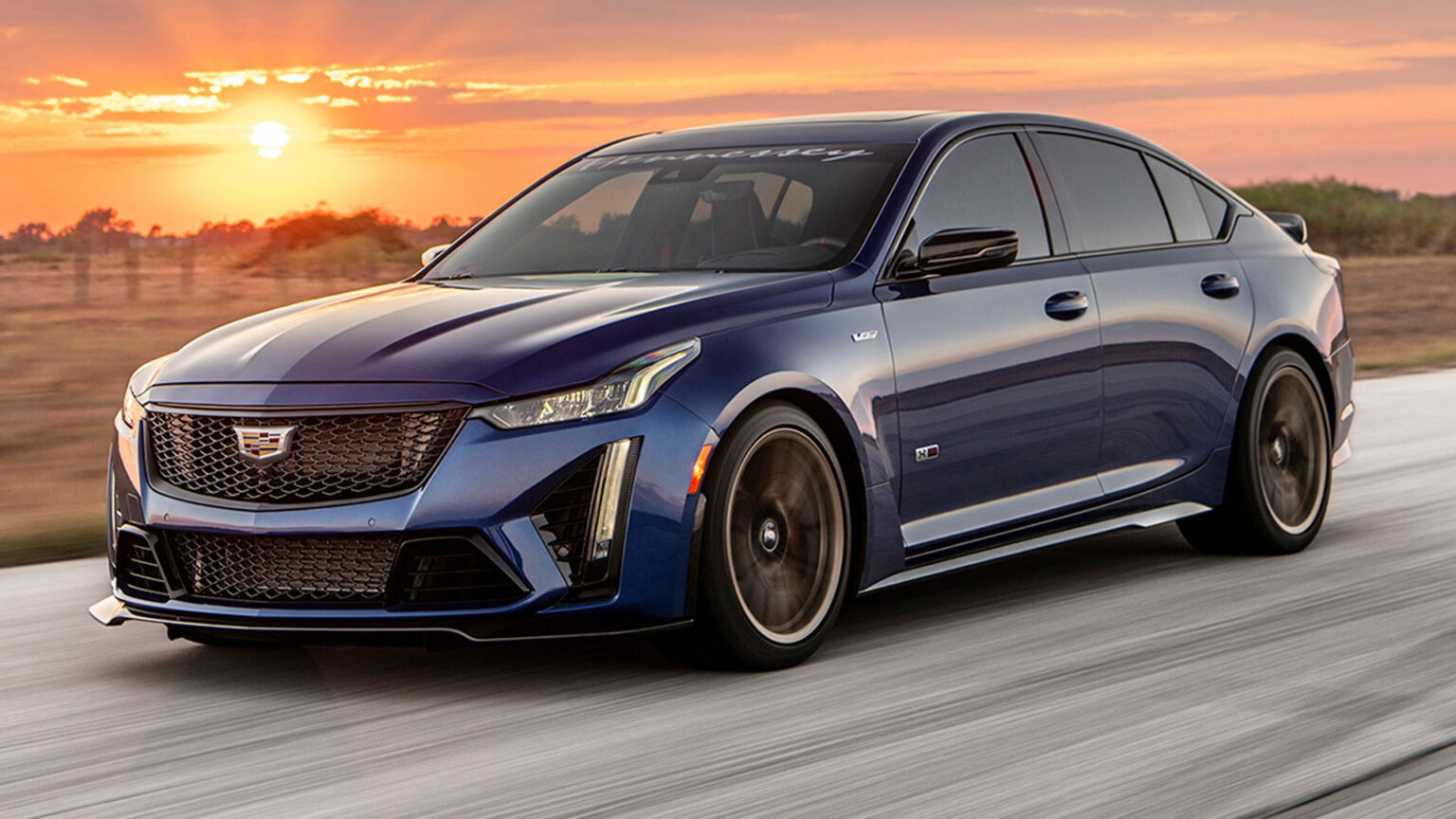
Much like the refreshed standard CT5, the 2025 CT5-V Blackwing receives a redesigned front end featuring a wider, reshaped grille and daytime running lights that extend seamlessly into a reworked lower fascia.
To help distinguish it further from the regular CT5, the Blackwing gains additional diagonal creases and sharper cutlines, along with decorative air vents positioned beneath the new stacked headlights.
Inside, the Blackwing sees a major upgrade: the previous 10.0-inch touchscreen and analog gauges have been replaced by a striking 33.0-inch curved display that combines both the infotainment and instrument cluster in one sweeping panel.
Powered by GM’s new Google-based infotainment system, the display introduces improved performance telemetry and data-tracking applications for enthusiasts who love to analyze their laps and runs.
The standard six-speed manual transmission is the enthusiast’s choice, offering maximum driver engagement, while the available 10-speed automatic shaves a fraction off the 0–60 mph time.
If the CT5-V Blackwing’s price stretches beyond your reach, consider its smaller sibling, the Cadillac CT4-V Blackwing, which delivers similar thrills at a lower cost and is reviewed separately.
Powering the CT5-V Blackwing is a supercharged 6.2-liter V-8, churning out a jaw-dropping 668 horsepower.
Drivers can opt for a rapid-shifting 10-speed automatic transmission, but the standard six-speed manual delivers an unmatched sense of connection and control, and it’s the one we’d recommend.
In short, the 2025 Cadillac CT5-V Blackwing remains the ultimate expression of American performance luxury, equal parts power, precision, and passion.
4. Acura TLX Type S
The TLX Type S is a Japanese precision tool built for drivers who want a balance of performance and refinement. Acura’s Super Handling All-Wheel Drive (SH-AWD) system actively vectors torque, allowing you to carve through corners with surprising agility.
The steering is quick and communicative, while the adaptive suspension strikes a beautiful balance between comfort and control. It’s not the lightest sedan, but its dynamics make it feel smaller than it is.
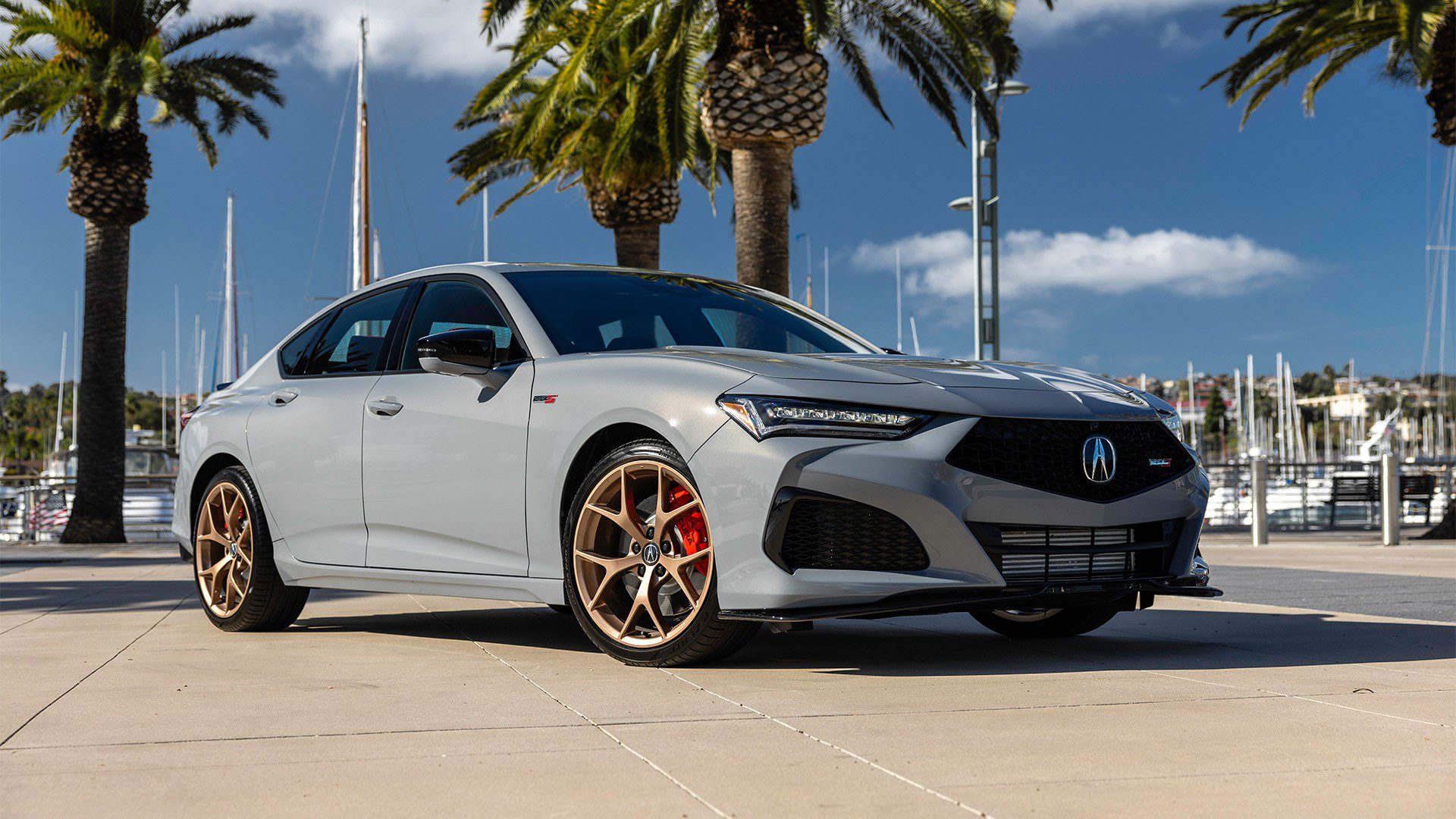
Acura engineered the TLX Type S to bring back some of the magic that made cars like the Integra Type R so special engaging, confidence-inspiring, and deeply satisfying to drive.
5. Genesis G70 3.3T
Genesis has rapidly become the brand to watch, and the G70 3.3T is its most compelling driver’s car. With rear-wheel drive, a twin-turbo V6 producing 365 horsepower, and adaptive suspension, it’s a true sports sedan in every sense.
What stands out is the G70’s steering feel it’s tight, accurate, and delivers genuine road feedback, something many modern sedans have lost.
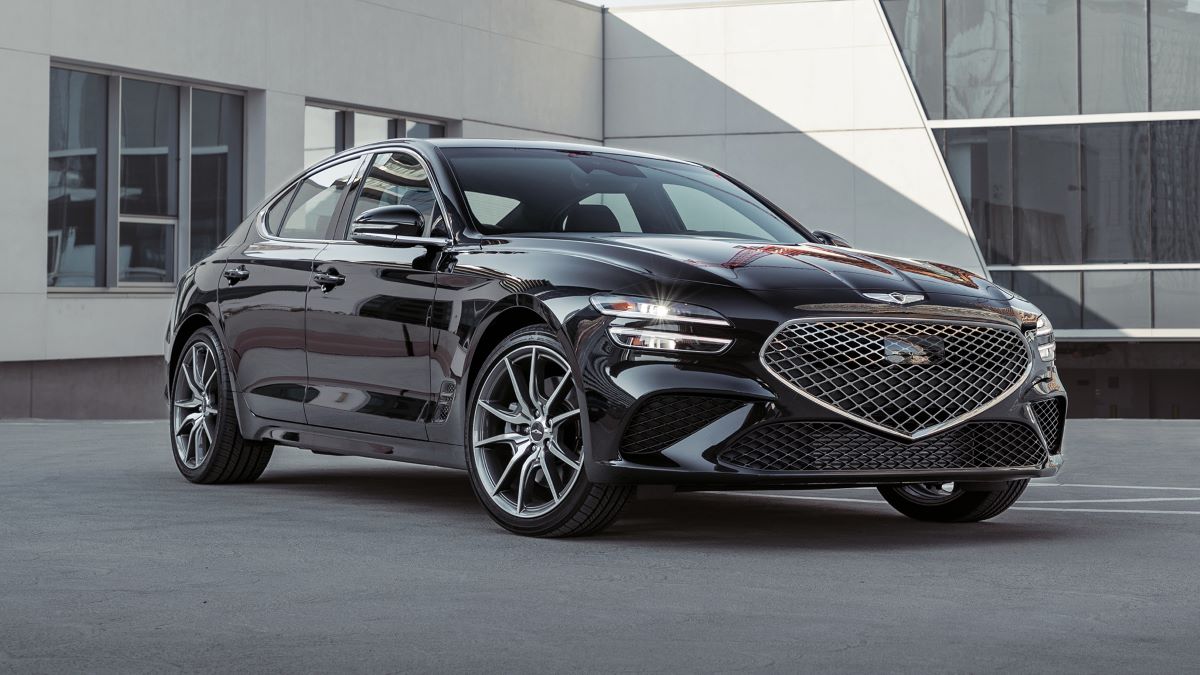
Genesis tuned the chassis with input from performance engineers in Europe, and it shows. Whether on a canyon road or a highway on-ramp, the G70 feels composed and eager, rivaling the BMW 3 Series in driver engagement.
Sedans That Drive Like Boats
Not every sedan is built for sharp cornering or spirited driving. Some prioritize comfort above all else, gliding down the road with a soft, almost floaty feel that soaks up every bump and imperfection.
These are the sedans that trade razor-sharp handling for a smooth, cushy ride, the ones that make you feel like you’re piloting a luxury yacht on land.
In this article, we’ll take a closer look at the cars that “drive like boats,” exploring why some drivers love their plush, relaxed nature while others find them a little too detached from the road.
1. Toyota Avalon
The Avalon has long been Toyota’s luxury-oriented full-size sedan, but handling precision was never its mission. The soft suspension tuning and overly light steering make it more suited to smooth interstate cruising than corner carving.
While it’s undeniably comfortable and quiet, the Avalon’s large size and floaty ride make it feel disconnected from the road. It glides rather than grips a fine trait for a highway cruiser, but not for those who enjoy spirited driving.
The Toyota Avalon has long stood as a symbol of comfort and reliability in the American automotive landscape, much like its smaller sibling, the Camry.
Since its debut in 1994, the Avalon has served as Toyota’s flagship full-size sedan for the U.S. market. The first generation remained in production until 1999, when the second-generation Avalon arrived as a 2000 model.
Six years later, Toyota introduced a complete redesign, created specifically for American buyers. Unlike many of the brand’s other vehicles, this generation of the Avalon was designed in the United States, for the United States, and was never sold in Europe or Japan.
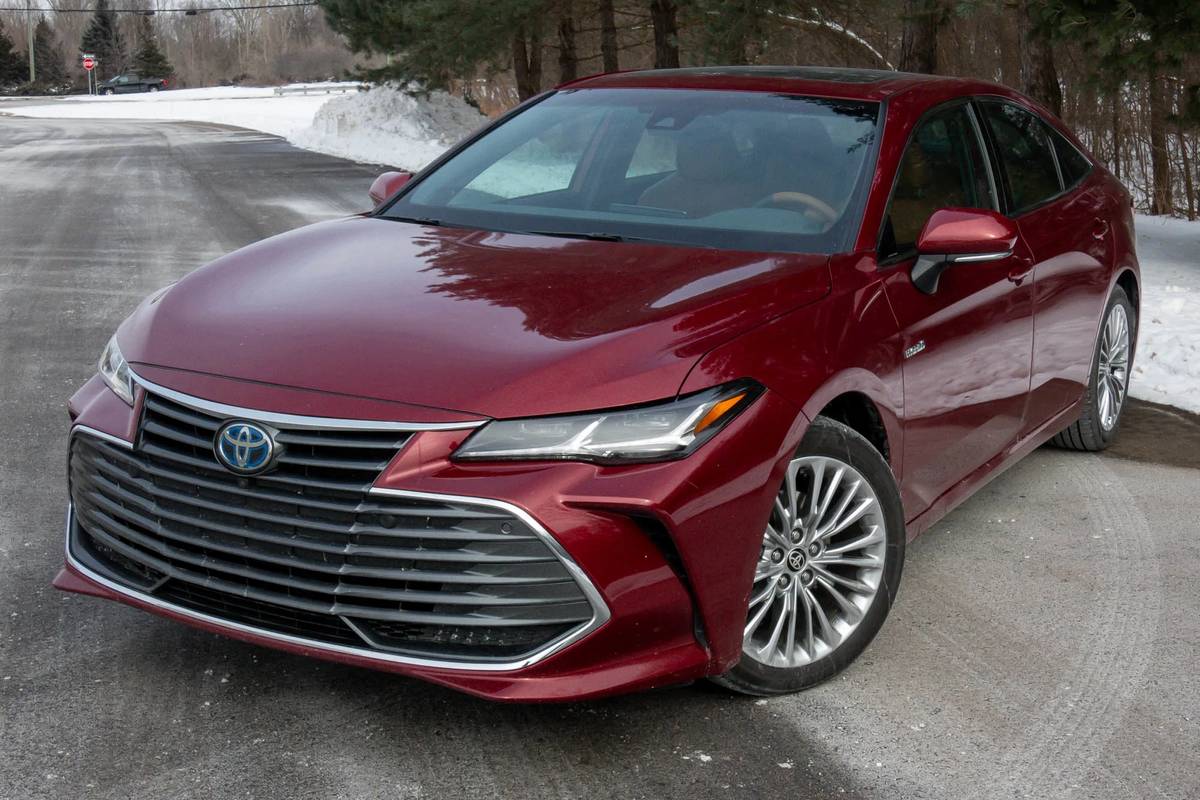
Over the years, the Toyota Avalon evolved to better suit American preferences, with continuous refinements to comfort, design, and technology. A hybrid variant eventually joined the lineup, catering to drivers seeking improved efficiency without sacrificing the Avalon’s signature refinement.
The first two generations featured 3.0-liter V6 engines, while later versions adopted the more powerful 3.5-liter V6 that became a defining feature of the model until its discontinuation.
Production of the Avalon has now ended, with the Toyota Crown stepping in as its modern replacement. Still, the Avalon remains a standout in Toyota’s history, a full-size sedan that perfectly balanced comfort, durability, and understated elegance.
This article provides an overview of the Avalon’s key updates and generational changes throughout its lifespan.
It will continue to be updated as new information or successors emerge. Only U.S.-market model years, generations, and specifications are included.
The fifth and final generation of the Toyota Avalon spanned from 2019 to 2022, offering buyers a choice between a naturally aspirated 2.5-liter inline-four (available with or without a hybrid powertrain) and a 3.5-liter V6 engine.
Mirroring its Camry sibling, Toyota introduced a performance-oriented variant during this generation: the Avalon TRD.
Also Read: 10 Best Lexus SUVs With Timeless Reliability
2. Nissan Maxima
Once nicknamed the “four-door sports car,” the Maxima has lost its athletic edge. Despite a powerful V6, its handling feels dulled by a CVT transmission and a comfort-biased suspension setup.
The steering lacks precision, and body roll is noticeable on twisty roads. Nissan’s focus on luxury and insulation has made the Maxima more of a comfy barge than a driver’s machine.
It’s a shame because the platform has potential, but the execution caters to smoothness over sharpness.
Now in its eighth generation, the Nissan Maxima continues to carry the “four-door sports car” identity that has defined it since the late 1980s.
Serving as Nissan’s flagship sedan, it sits at the top of the brand’s lineup, positioned above the Versa, Sentra, and Altima.
The current generation made its debut for the 2016 model year, and for 2021, updates are minimal, the main highlight being a 40th Anniversary Edition and a simplified trim lineup.
There’s a lot to appreciate about the Nissan Maxima. Its cabin feels upscale and contemporary, offering quality materials and intuitive technology. The adaptive cruise control works exceptionally well for long drives, and the standard V-6 engine delivers a refined, responsive performance.
That said, Nissan’s “four-door sports car” slogan might be a bit ambitious. In testing, the Maxima displayed mild understeer and steering that felt inconsistent, particularly in Sport mode, where resistance becomes oddly weighted.
The brakes also lack a sharp initial bite. At lower speeds, the steering can feel unnecessarily heavy, while on the highway it becomes vague and detached. Rear-seat space and trunk capacity are also more limited compared to some of its direct competitors.
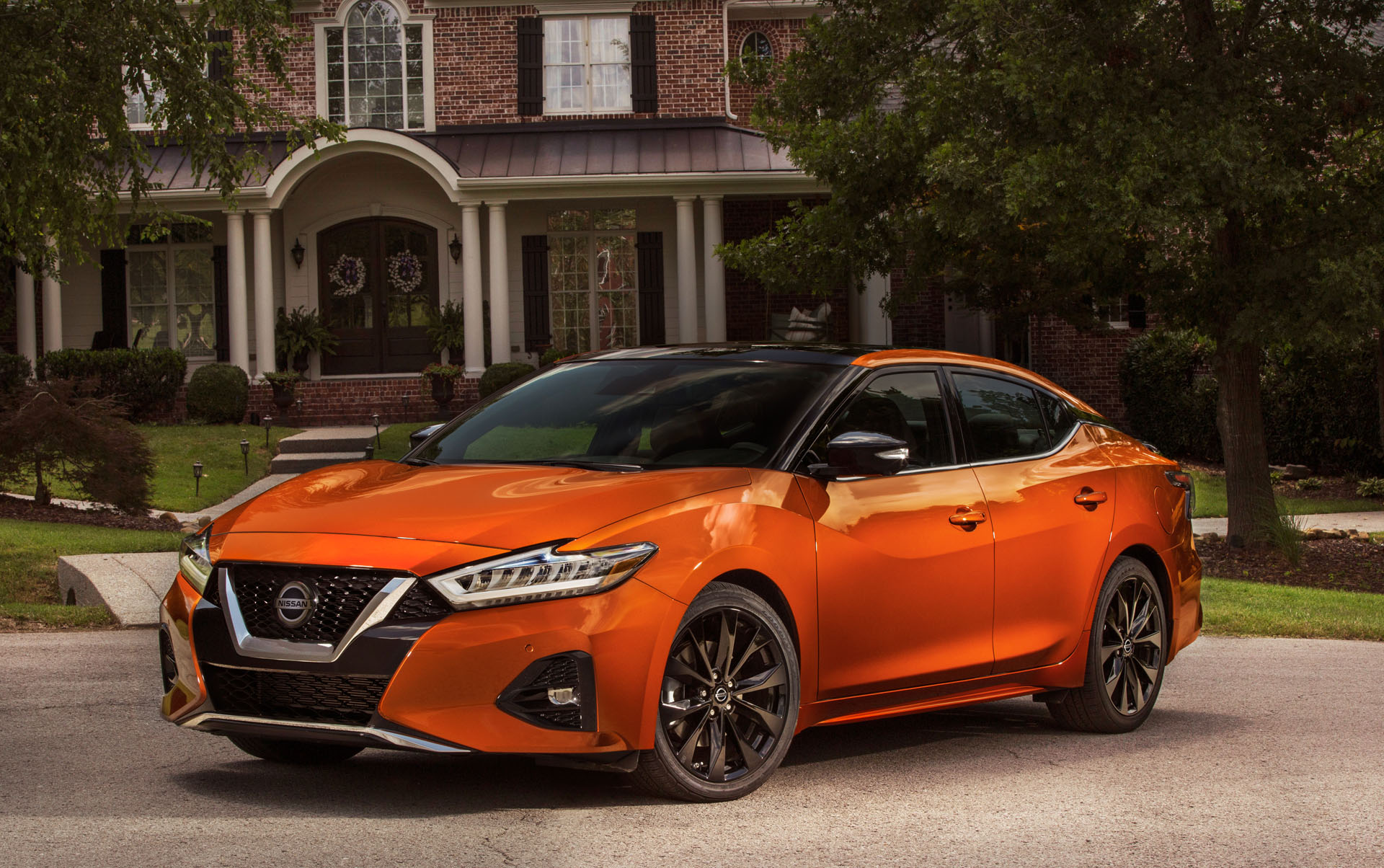
All versions of the Maxima are powered by a 3.5-liter naturally aspirated V-6 engine, paired with a CVT automatic transmission that drives the front wheels.
The engine produces 300 horsepower and 261 lb-ft of torque, providing smooth acceleration and confident highway passing power.
In performance testing, the Maxima reached 0–60 mph in 6.0 seconds, while an earlier 2016 test model managed an even quicker 5.8 seconds.
Although it may not deliver the sharp handling of a true sports sedan, the Maxima offers a comfortable blend of power, refinement, and everyday usability.
3. Chrysler 300
The Chrysler 300 exudes style and American swagger, but agility isn’t in its DNA. Built on an aging platform that dates back to the mid-2000s, the 300’s heavy steering, soft dampers, and sheer weight make it feel more like a land yacht than a nimble sedan.
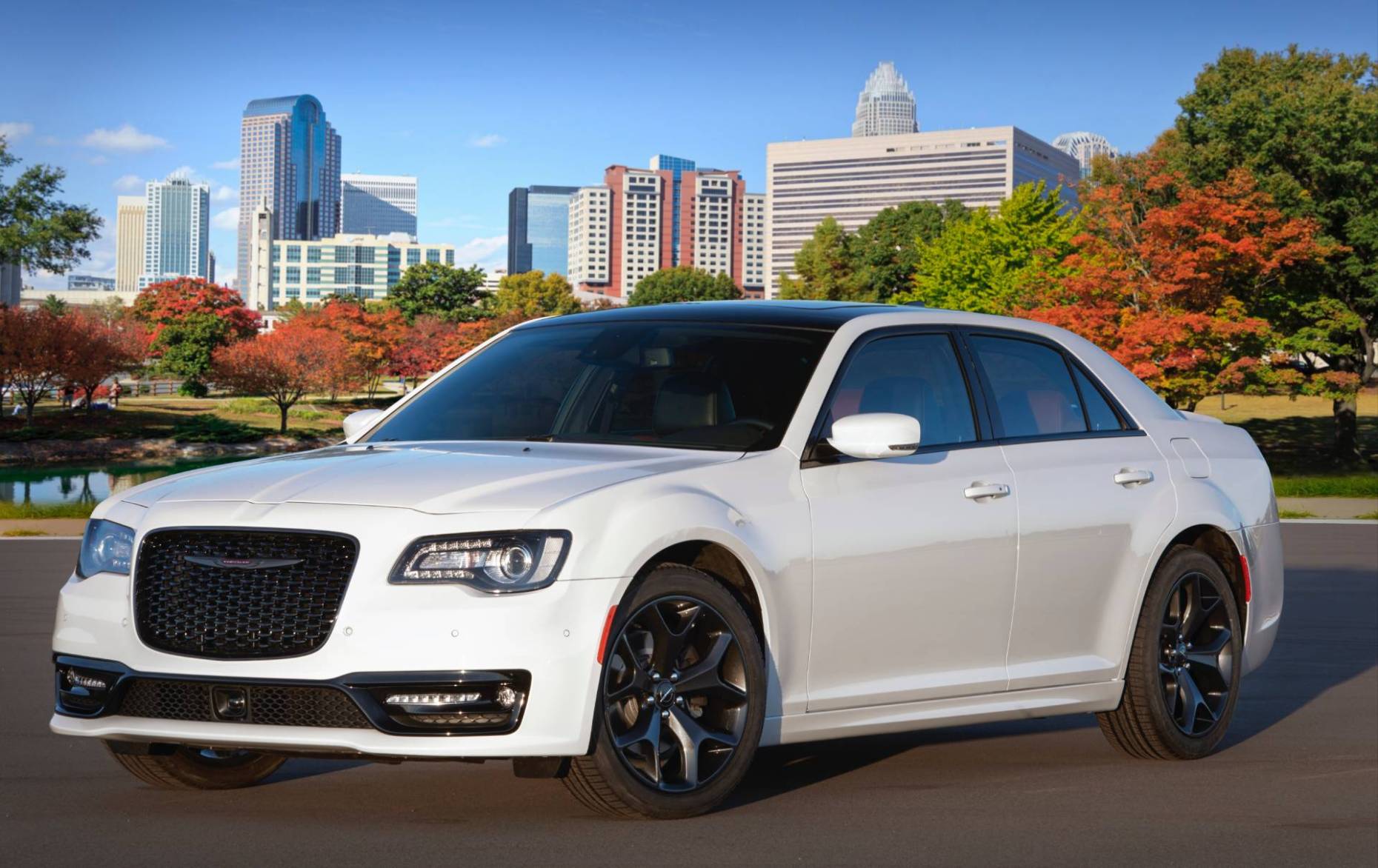
Even in 300S trim, which adds firmer suspension, the car prefers straight lines to switchbacks. It’s built for cruising down wide highways, not slicing through corners. That’s fine for comfort seekers but enthusiasts should look elsewhere.
4. Volkswagen Passat
The Passat used to have a European sense of tautness, but its later U.S.-spec versions became increasingly tuned for comfort. The steering feels vague, and the suspension isolates rather than engages.
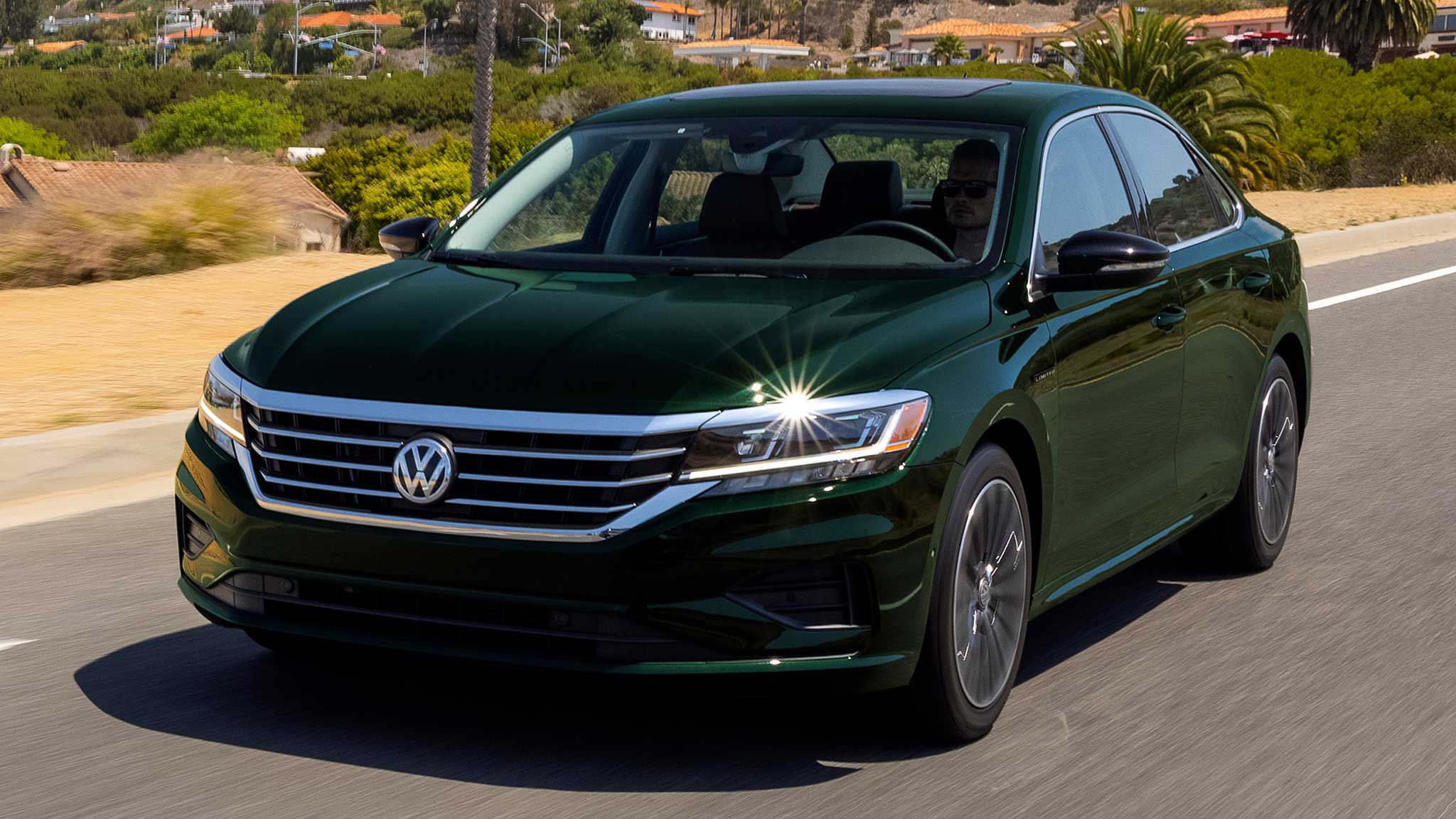
While it’s incredibly comfortable for long drives, its floaty ride and understeer-prone handling make it uninspiring. Volkswagen aimed to please the family sedan market in America, but in doing so, stripped away much of the sporty precision that once defined its brand.
That said, the Passat’s design hasn’t entirely won us over just yet. The outgoing Mk8 had sharp, well-defined lines and a confident stance, particularly in its rugged Alltrack guise. The new model trades that crispness for softer, more rounded edges and a less assertive character.
The focus here isn’t on maximizing range but on achieving superior quietness and refinement inside, essential traits for a sedan aiming to meet premium-class expectations.
Fully electric power remains exclusive to Volkswagen’s ID. lineup for now, but there’s still plenty of electrification under the Passat’s hood. UK buyers have four powertrain options, three of which feature some form of hybridization.
The entry-level mild-hybrid pairs a 1.5-liter four-cylinder petrol engine with a light electric assist, enhancing efficiency, smoothing stop/start operation, and even allowing coasting under certain conditions.
Its 148bhp output may seem modest for a 4.9-meter, 1.6-tonne estate, and its 9.3-second 0–62 mph sprint reflects a more conservative performance focus.
Above that are two plug-in hybrid variants, both combining the same 1.5-liter TSI engine with a 113bhp electric motor.
The first setup, the 201bhp eHybrid, hits 0–62 mph in 8.1 seconds but sacrifices some cargo space to house its hybrid components. At the top sits the 268bhp eHybrid, which trims the sprint time to 7.1 seconds.
Both plug-ins use a 19.7kWh (net) battery pack capable of DC fast charging up to 40kW and deliver an impressive WLTP-rated 78 miles of pure electric range, or up to 560 miles when combining petrol and electric power. Once again, that sleek aerodynamic profile earns its keep.
5. Chevrolet Malibu
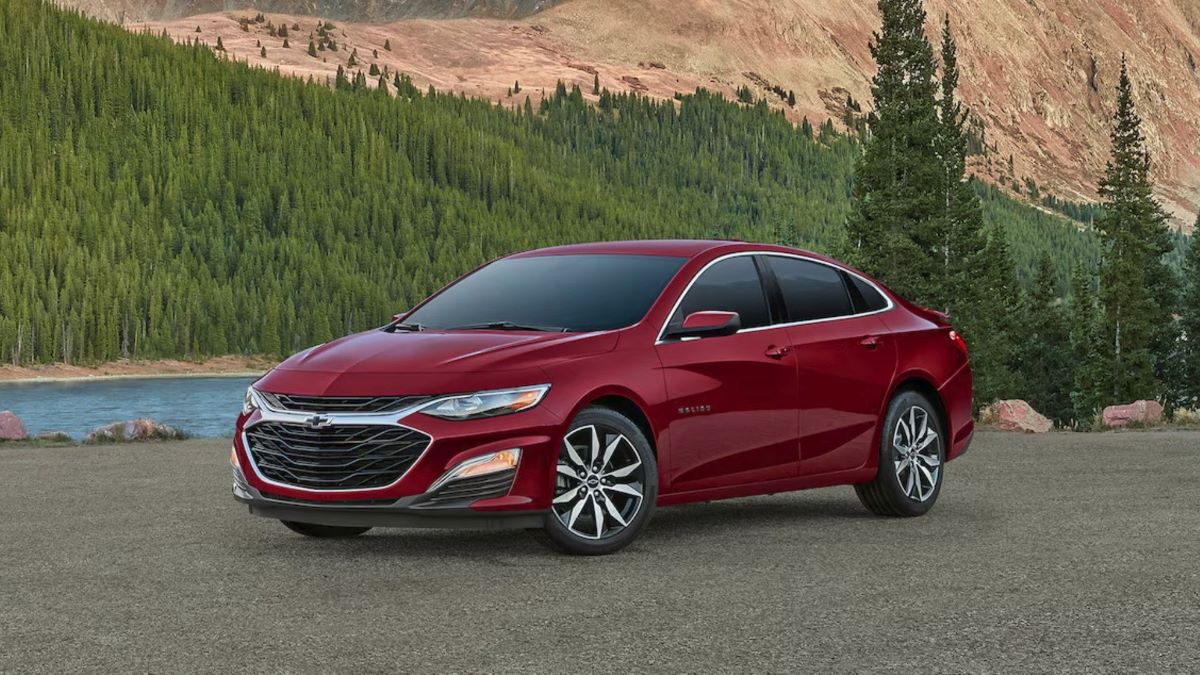
The Chevrolet Malibu is a case study in competent but characterless design. It’s comfortable and quiet but utterly forgettable behind the wheel. The steering is over-assisted, the suspension is tuned for softness, and body control is poor when pushed.
While it’s fine for commuting, there’s little connection to the road drivers who enjoy the act of driving will find it dull. The Malibu does what it’s supposed to transport you comfortably but never invites you to have fun doing it.
For American buyers, sedans that blend performance and practicality are rare gems. Cars like the BMW M340i, Giulia Ti, and Cadillac CT5-V Blackwing show that you can have everyday usability without sacrificing excitement.
They reward the driver with steering feel, balance, and precision qualities that once defined the golden age of sedans.
On the flip side, cars like the Avalon, Maxima, and Malibu demonstrate how comfort can sometimes come at the expense of connection. They’re great for relaxed commutes but lack the engagement that makes driving feel alive.
At the end of the day, the difference between a sedan that handles like a sports car and one that drives like a boat comes down to engineering intent.
Some automakers tune their cars to communicate and inspire confidence; others aim purely for comfort and isolation. For enthusiasts who still love the art of driving, the right sedan can make even the daily grind feel like a joyride.