
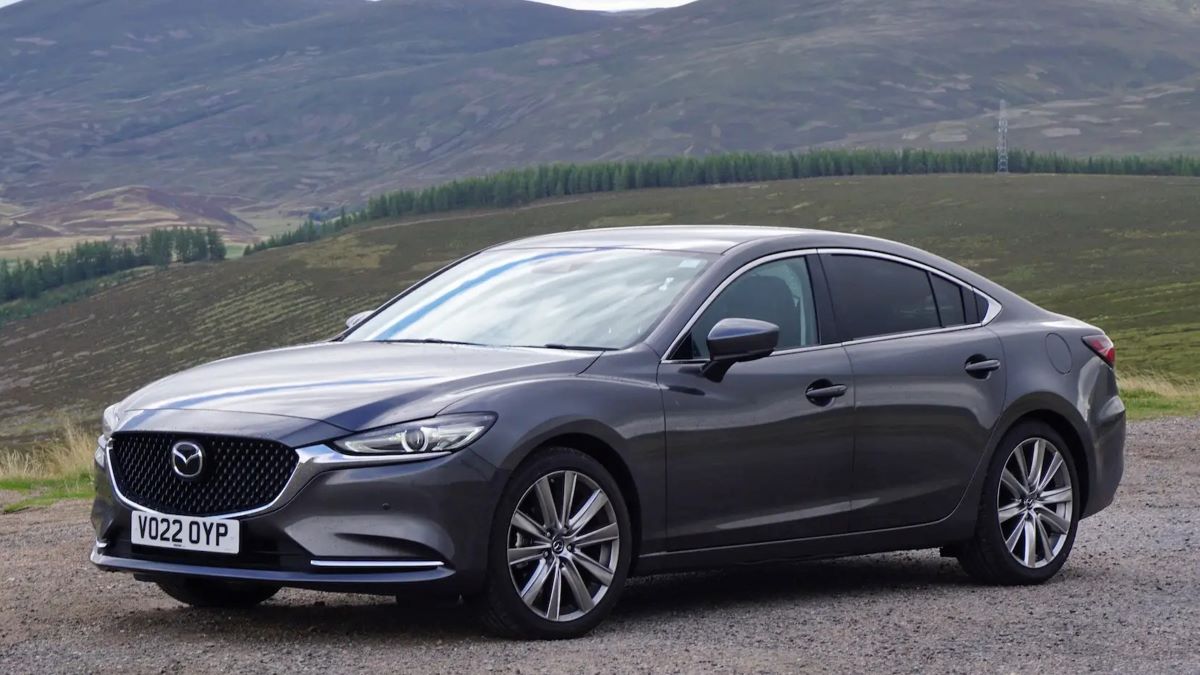
For years, luxury automakers have promised superior engineering, craftsmanship, and longevity as part of their high sticker prices. But the reality is more nuanced.
Many affordable sedans built with simpler mechanics, cheaper maintenance, and proven drivetrains often outlast their premium counterparts when it comes to long-term reliability.
Meanwhile, some budget cars crumble well before hitting 100,000 miles. For American drivers who value durability and low ownership costs, choosing the right affordable sedan can mean a decade of dependable performance versus a costly repair cycle.
Here’s a look at five budget-friendly sedans that consistently outlast luxury models, and five that don’t hold up nearly as well.
Affordable Sedans That Outlast Luxury Cars
When it comes to reliability, price doesn’t always tell the full story. While luxury cars may boast advanced technology and premium materials, they often come with high repair costs and complex maintenance needs.
On the other hand, many affordable sedans prove that durability and longevity don’t have to break the bank.
These budget-friendly models deliver dependable performance, low upkeep expenses, and impressive lifespans, outlasting some of their high-end rivals in the long run. In this article, we’ll explore the most affordable sedans that go the distance and stand the test of time better than luxury cars.
1. Toyota Camry
Few cars symbolize durability quite like the Toyota Camry. Whether you pick up a base four-cylinder or a hybrid variant, this sedan is engineered for longevity.
Camrys from the early 2000s are still cruising American highways with 250,000 miles or more, often on original powertrains. The secret? Toyota’s conservative approach to engine technology and transmission design.
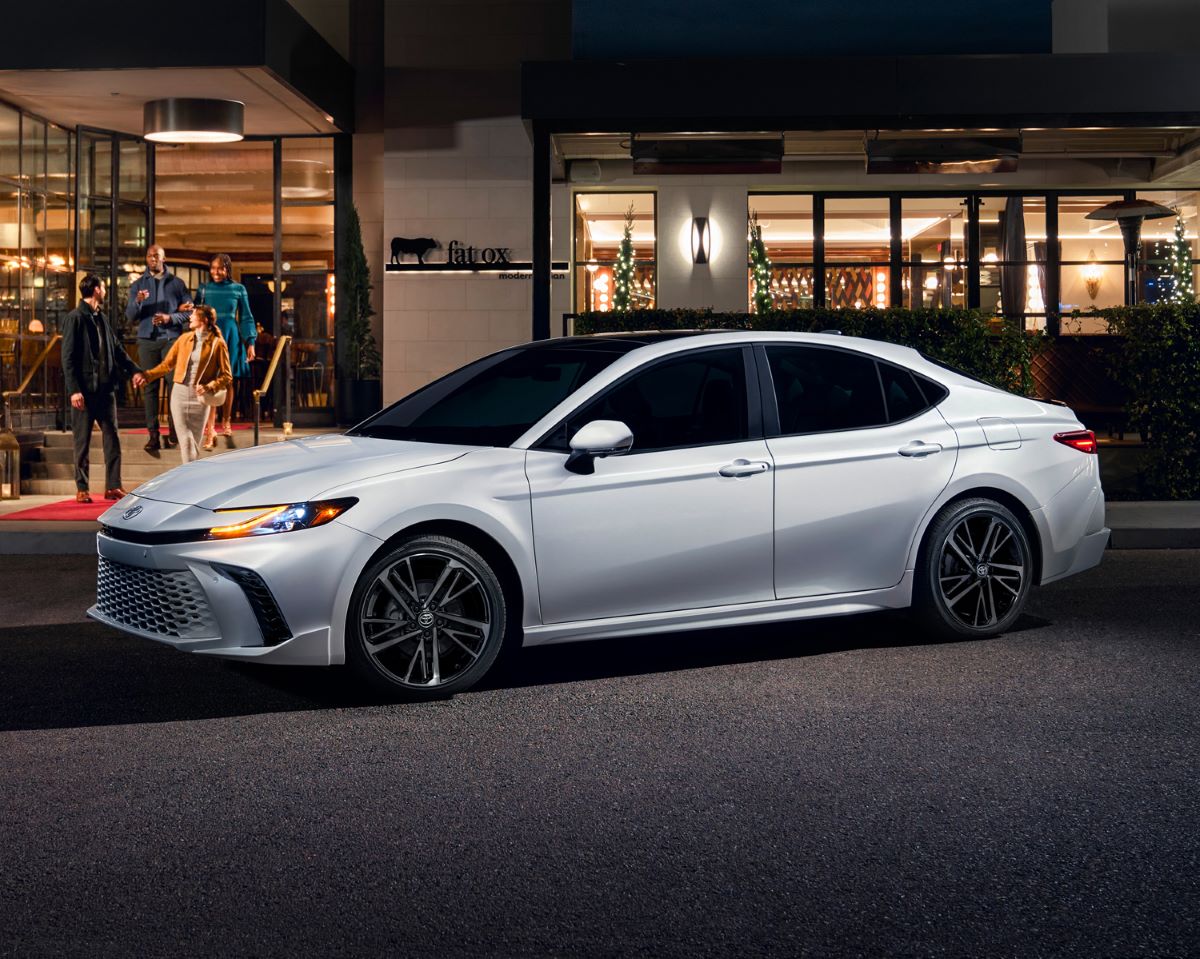
Even as luxury brands leaned into complex dual-clutch systems and turbocharging, the Camry kept things simple and serviceable.
Maintenance is affordable, parts are ubiquitous, and Toyota’s manufacturing consistency means fewer surprises as the miles add up.
The Camry stands out as perhaps the most recognizable name in Toyota’s family of well-known vehicles. The 2024 Toyota Camry remains a top choice among midsize sedans, offered with both conventional gasoline and hybrid powertrains.
What makes the Camry so appealing is its roomy cabin, providing ample space for passengers in both the front and rear seats, along with a large trunk that easily accommodates luggage or groceries.
While it’s not the most thrilling car to drive, the Camry is one of the few sedans in its class to offer all-wheel drive, giving it an edge for drivers in regions with cold or snowy weather.
This year marks the final run for the current-generation Camry, as a full redesign is expected for the 2025 model year. It’s understandable if some buyers decide to hold off for the new version.
Still, the 2024 Camry remains a dependable and well-rounded choice among midsize sedans, even if it’s beginning to feel a bit dated next to the Honda Accord and Hyundai Sonata.
Although the model has seen a few updates since then, most notably in 2022, the 2024 Camry retains much of what made that version successful when this generation was first introduced.
During its long-term test, the Camry proved to be a comfortable and roomy sedan with excellent fuel economy from its four-cylinder engine.
2. Honda Accord
The Honda Accord is another stalwart of dependability. It blends engaging handling with bulletproof reliability, a combination luxury sedans sometimes struggle to achieve.
Accords from nearly every generation are praised for their sturdy engines especially the naturally aspirated inline-fours and robust transmissions.
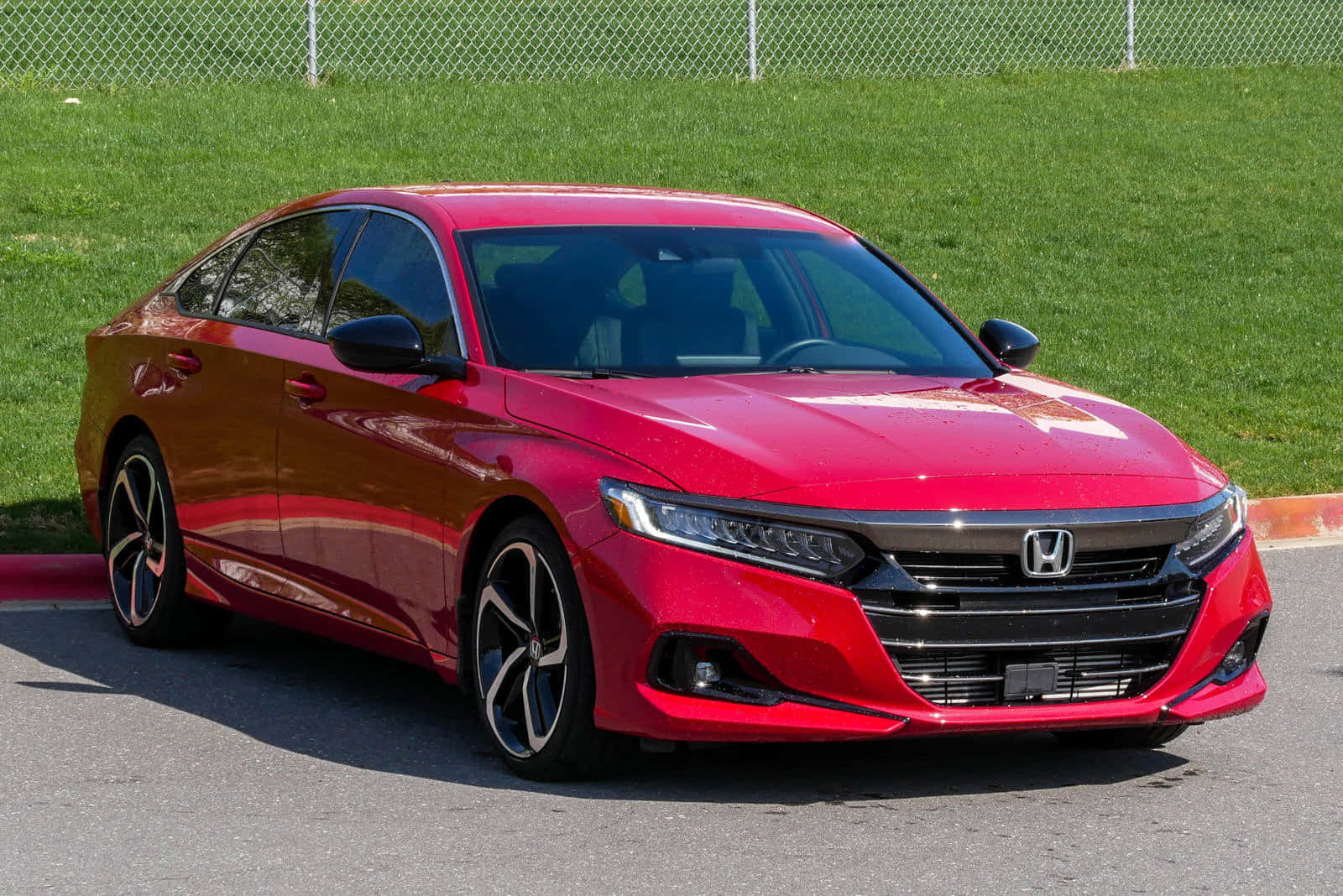
While a BMW 5 Series or Audi A6 might spend its later years in the shop for electronic or air suspension failures, the Accord keeps soldiering on with relatively simple mechanicals. It’s not just long-lasting it’s predictable, which is exactly what long-term owners want.
Also Read: 14 Long Lasting SUVs That Rarely Have Rust Problems
3. Mazda6
Mazda’s midsize sedan may not get as much attention as Toyota or Honda’s offerings, but it’s built to endure. The Mazda6’s SkyActiv engines have proven remarkably reliable, with minimal oil consumption and few major issues even after 200,000 miles.
It also avoids the overly complex electronics that plague European luxury sedans, making it easier and cheaper to maintain.
Beyond reliability, the Mazda6 provides something rare in the affordable segment: a refined driving experience that feels premium without the long-term repair bills of a luxury badge.
The Mazda 6e will be offered with two battery configurations, a standard 68.8kWh unit and an 80kWh Long Range alternative.
The standard version comes equipped with a 254bhp electric motor, delivering a 0–62mph time of 7.6 seconds.
That’s quick enough for everyday driving and provides a satisfying level of responsiveness from behind the wheel, though it doesn’t quite match the entry-level Tesla Model 3, which hits 0–60mph in 5.8 seconds.
With the smaller battery, the 6e offers an official range of 297 miles. That’s slightly below the figures for the entry-level Model 3 (318 miles), BMW i4 (311 miles), and Polestar 2 (344 miles), though the difference isn’t huge.
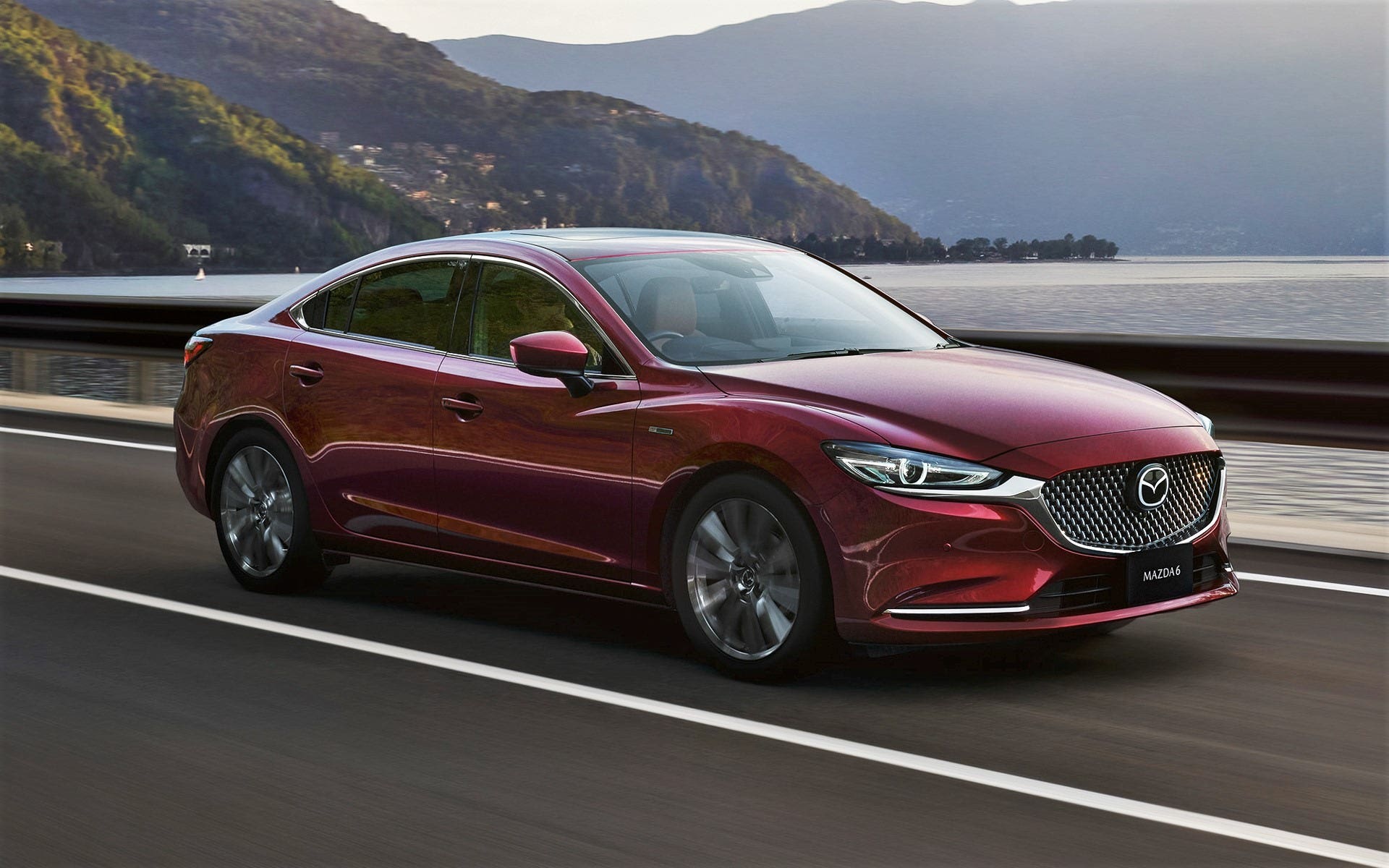
Opting for the 6e Long Range version brings a larger 80kWh battery and a less powerful 241bhp motor. Despite the lower output, its 0–62mph time increases only marginally to 7.8 seconds, so performance feels nearly identical to the standard model.
The main advantage of the Long Range model, as expected, lies in its extended driving distance, which climbs to an official 342 miles.
While that’s sufficient for most drivers, it still trails rivals such as the Model 3 Long Range RWD (436 miles), BMW i4 eDrive40 (372 miles), Polestar 2 Long Range Single Motor (408 miles), and VW ID 7 Pro S (436 miles).
On winding roads, the 6e feels surefooted and composed, though it doesn’t inspire a desire for spirited driving.
Its larger size and added weight compared to the Model 3 are noticeable, as the Tesla delivers sharper steering and more grip. That said, the 6e keeps body roll impressively minimal.
The trade-off, however, is a ride that feels firm and unsettled. Despite its stiff suspension setup, body control isn’t particularly refined, resulting in a bouncy, almost pogo-like effect over uneven surfaces. In contrast, the Model 3, i4, and ID 7 all provide smoother, more comfortable rides.
On the upside, wind noise is well suppressed even at highway speeds, with only a touch of tire noise entering the cabin, making the 6e a pleasant long-distance cruiser.
The brake pedal also feels progressive and well-calibrated, allowing smooth stops, unlike the Polestar 2’s pedal, which tends to be grabby.
4. Hyundai Elantra
Hyundai’s transformation over the past 15 years is one of the auto industry’s greatest turnarounds. The Elantra, once a budget buy with mediocre reliability, now regularly competes with Japanese mainstays.
Modern Elantras, especially those from the 2017 model year onward, have benefited from Hyundai’s improved build quality and long powertrain warranties.
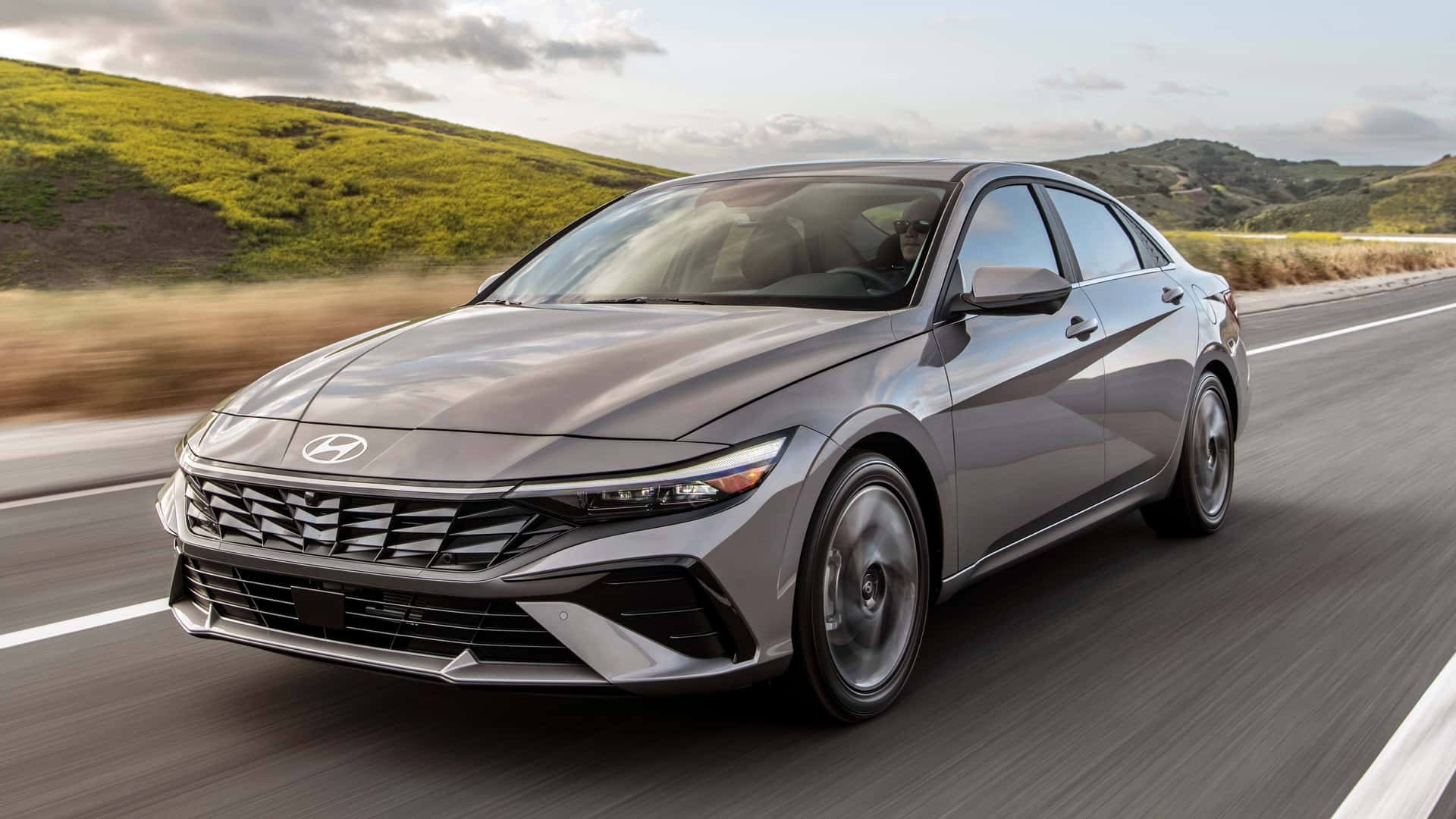
Owners frequently report exceeding 200,000 miles with routine maintenance. Meanwhile, luxury sedans like the Jaguar XF or Mercedes-Benz C-Class often struggle with high repair costs and electrical problems well before that milestone.
The most enjoyable part of driving the Elantra is its exceptionally smooth ride quality. It takes on corners with confidence and easily absorbs most bumps and imperfections in the road.
However, it doesn’t try to pass itself off as a sports car, and it lacks the agility found in some of its more performance-focused competitors.
The standard 147-horsepower four-cylinder engine performs adequately for everyday driving, though drivers may notice a bit of hesitation when accelerating to highway speeds. Its continuously variable automatic transmission (CVT) handles gear changes seamlessly and operates quietly in the background.
For those seeking a touch more excitement, the Elantra N Line offers a 201-horsepower turbocharged four-cylinder engine that delivers a sportier experience.
5. Toyota Corolla
If longevity were a competition, the Toyota Corolla would be the reigning champion. Simple, efficient, and globally trusted, the Corolla’s mechanical reliability is legendary.
Many taxis and ride-share fleets rely on Corollas because they’re inexpensive to service and almost never leave drivers stranded.
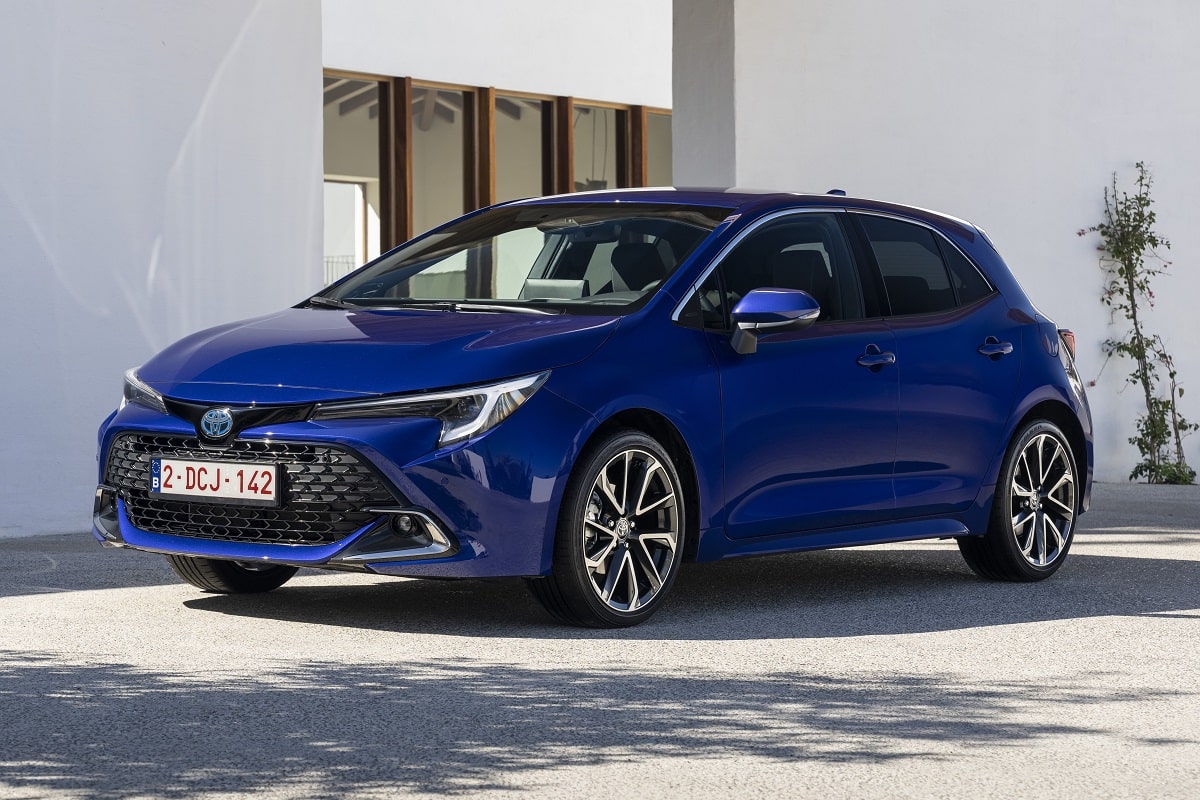
The powertrains are overbuilt rather than over-engineered a key distinction from many luxury brands. Where high-end sedans suffer from aging sensors and expensive turbo or suspension failures, the Corolla simply keeps running.
Its straightforward design philosophy is what allows it to outlast even prestigious names like BMW and Audi.
Affordable Sedans That Don’t Outlast Luxury Cars
Not every affordable car is built to go the distance. While budget-friendly sedans often appeal with low upfront prices and decent features, some simply can’t match the long-term durability or build quality of luxury vehicles.
From cheaper materials to less advanced engineering, these models may start strong but show their age far sooner than their high-end counterparts.
In this article, we’ll take a closer look at affordable sedans that fall short in longevity when compared to luxury cars, helping you understand which models might not stand the test of time.
Also Read: 10 Forgotten Cars With Incredible Mileage Stories That Prove Reliability
1. Chrysler 200
The Chrysler 200 promised sleek styling and comfort but delivered headaches for owners. Its nine-speed automatic transmission became infamous for jerky shifts and early failures.
Add in electrical gremlins and limited aftermarket support, and the 200 quickly earned a reputation for short lifespans.
Compared to similarly aged Lexus ES or Acura TL models, the Chrysler feels disposable after 100,000 miles. While it looked premium, it certainly didn’t age like one.
The Chrysler 200 made its debut in 2011 with high hopes of standing out in the crowded midsize sedan segment.
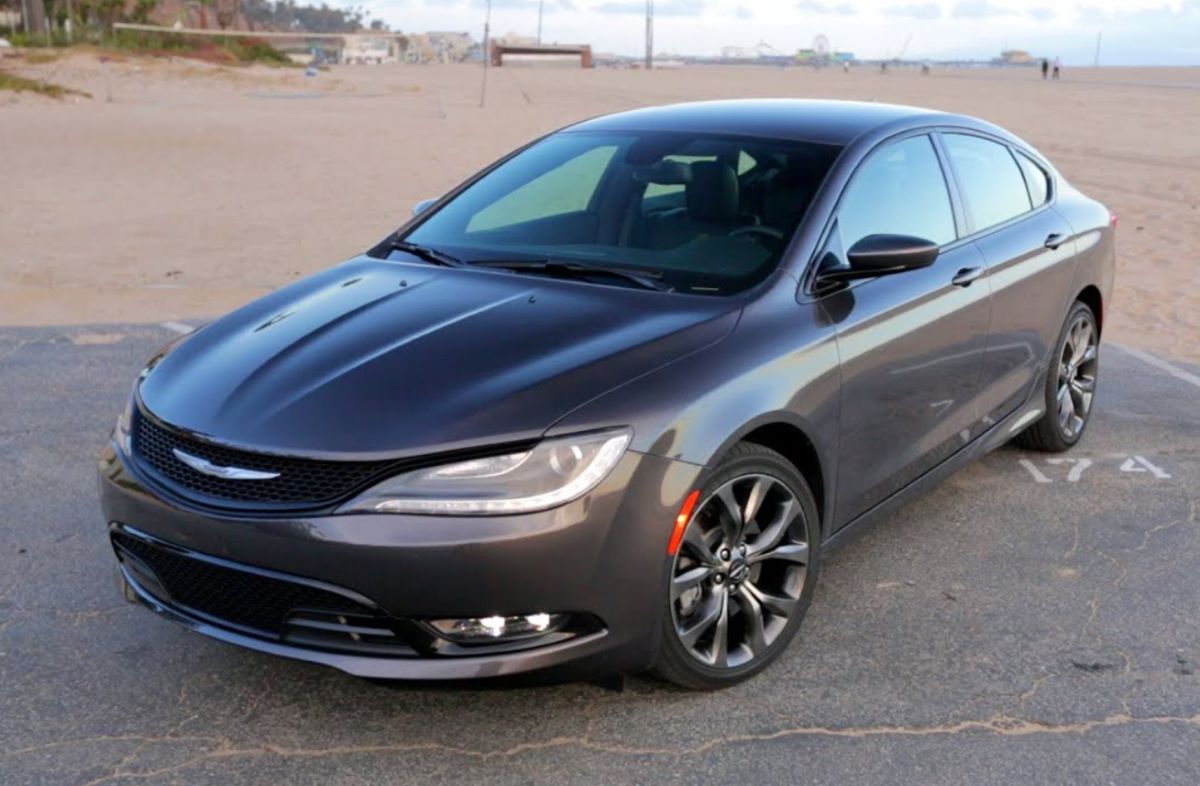
With its sleek styling and a promise to blend design, performance, and affordability, it seemed poised for success. However, just a few years later, the model quietly vanished from showrooms across the U.S. So, what led to the Chrysler 200’s early exit?
Chrysler officially ceased production of the 200 sedan in December 2016 due to poor sales performance.
While 2015 marked its strongest year with 177,889 units sold, that number dropped dramatically the following year to just 62,185 units.
Following its discontinuation, Chrysler’s Sterling Heights plant in Michigan, where the 200 was built, was converted to produce Dodge Ram 1500 trucks, backed by a $1.48 billion company investment.
Although the Chrysler 200 enjoyed a brief period of popularity in the early 2010s, it didn’t last long. Still, many drivers from that era often wonder how it compared to the Chrysler 300, and whether one had any influence on the other.
In reality, the two sedans served entirely different purposes. The Chrysler 200 was a midsize, four-cylinder sedan aimed at younger buyers who prioritized fuel efficiency and a modern interior.
The Chrysler 300, on the other hand, was a larger, six-cylinder full-size sedan designed for more comfort and power. It even offered an optional Hemi V8 engine for those seeking higher performance.
Despite its strong reputation, the Chrysler 300 was eventually discontinued as well, just seven years after the 200. In December 2023, Chrysler ended production of all 300 models as part of its strategic shift toward an all-electric vehicle lineup.
2. Chevrolet Malibu
The Malibu is a mixed bag comfortable and stylish, yes, but not built for the long haul. Its turbocharged engines, particularly the 1.5-liter unit, are prone to carbon buildup and oil issues over time.
The infotainment systems and sensors also tend to glitch out as the miles rack up. Once past 120,000 miles, repair costs can easily surpass the car’s value.
In contrast, luxury sedans like the Lexus GS from the same era often last twice as long with fewer issues, proving that affordability doesn’t always mean durability.
The Chevrolet Malibu has seen many iterations and varying degrees of success since it first hit the market in 1964.
Interestingly, by 2021, the Malibu stood alone as Chevrolet’s only remaining sedan, with models like the smaller Cruze and the larger Impala having been discontinued.
A well-equipped Malibu Premier with its upgraded turbocharged engine can be enjoyable to drive and offers a decent mix of features.
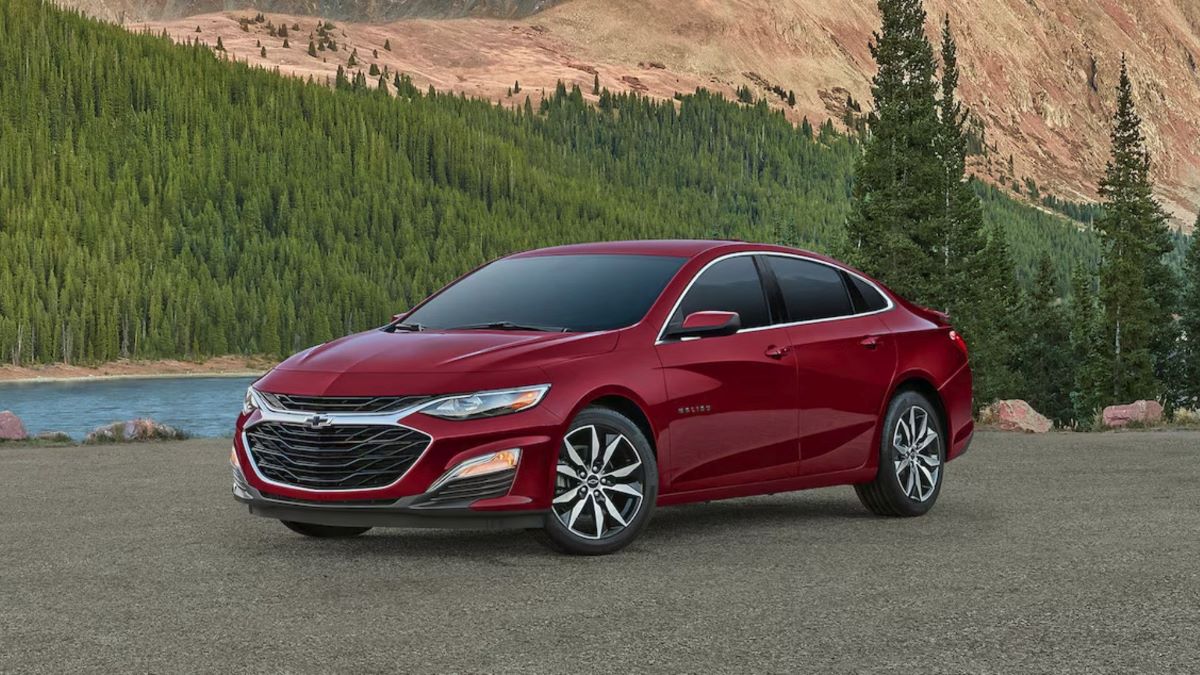
However, the challenge lies with the rest of the lineup. Most Malibu trims, which make up the bulk of available models at dealerships, simply don’t stack up well against competing midsize sedans.
The base engine feels underpowered, and Chevrolet has fallen behind competitors by not including many of today’s advanced driver-assistance features as standard equipment. The Malibu’s cabin design and materials also feel dated and would benefit from a significant refresh.
The Malibu midsize sedan is available in five trims: L, LS, RS, LT, and Premier. Two engines are offered. Most trims come equipped with a turbocharged 160-horsepower four-cylinder engine paired with a continuously variable automatic transmission (CVT).
The Premier trim, on the other hand, features a more powerful turbocharged 2.0-liter four-cylinder that produces 250 horsepower and is mated to a nine-speed automatic transmission. All Malibu models are front-wheel drive.
The Premier stands out as the clear choice since it’s the only version that includes the stronger turbocharged 2.0-liter engine along with numerous premium features that aren’t available on the lower trims.
3. Nissan Altima
The Altima’s biggest flaw lies in its CVT (continuously variable transmission). Nissan’s insistence on this gearbox has haunted the model for years, with countless reports of premature failure.
While early Altimas with traditional automatics were nearly indestructible, modern versions often face transmission replacements before 100,000 miles a costly repair that undermines any savings at purchase.
Ironically, even some European luxury cars outlast the Altima simply because they use sturdier transmission technology.
While small crossovers have surged in popularity in recent years, midsize sedans remain a top choice for families seeking practical, comfortable transportation.
The segment continues to be vital for automakers, prompting several of the most popular models to receive redesigns or major updates for the 2018 model year. Unfortunately, the 2018 Nissan Altima isn’t among them.
Over the years, we’ve generally liked the Altima, but this particular generation is showing its age.
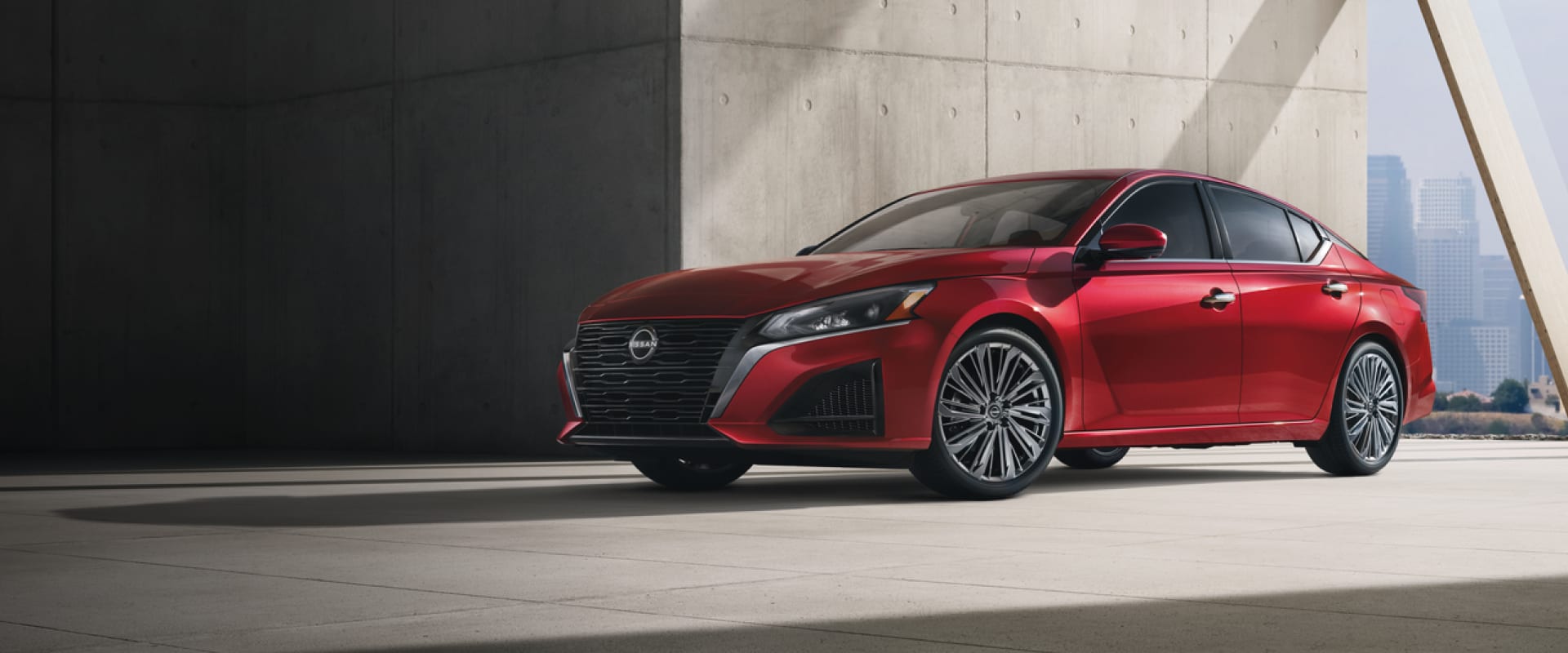
The latest round of rival sedans only serves to emphasize where the Altima falls short, especially in terms of technology, interior refinement, and performance.
To its credit, Nissan has made a few worthwhile improvements for 2018. Every trim level now comes standard with a forward collision warning system and automatic emergency braking, while the infotainment system has been updated to include Apple CarPlay and Android Auto compatibility.
With segment leaders such as the Honda Accord and Toyota Camry receiving complete redesigns this year, many midsize sedans are playing catch-up, and the 2018 Nissan Altima is no exception. It’s competent overall but lacks standout qualities that would distinguish it from its competition.
Despite being marketed as the sportier Altima model, the SR trim fails to deliver the kind of performance expected from its class rivals. While it earns some credit for capable handling, it falls short in nearly every other aspect of driving dynamics.
As competitors inch closer to entry-level luxury comfort, the Altima feels stuck in its economy-car roots. The supportive front seats are a highlight, but they can’t fully compensate for the firm ride and noisy cabin.
The Altima’s interior design lags behind newer sedans in layout and quality. The touchscreen’s low positioning can distract the driver, and while the materials appear competitive at first glance, many surfaces are composed of hard plastics.
The wide, low trunk opening makes the class-average 15.4-cubic-foot cargo capacity feel larger than it is. It easily accommodates bulky luggage or golf bags, and the inclusion of remote seatback releases simplifies loading longer items.
4. Volkswagen Jetta
On paper, the Volkswagen Jetta seems like a refined budget sedan. In reality, it often struggles to match Japanese reliability standards. The turbocharged engines, while efficient, can develop timing chain tensioner problems, oil leaks, and electrical faults as they age.
Maintenance costs also run higher than average for the segment, which defeats the purpose of buying affordable.
Compared to an Audi A4 which shares some components the Jetta can feel cheaper and less durable, proving that German engineering doesn’t always trickle down well into the budget tier.
In previous generations, the Volkswagen Jetta was known for delivering a distinctly European driving experience and impressive refinement.
However, in its 2018 form, the Jetta has shifted focus. Its biggest strengths now lie in its spacious cabin and sizable trunk, while much of its former refinement and driving enjoyment have faded.
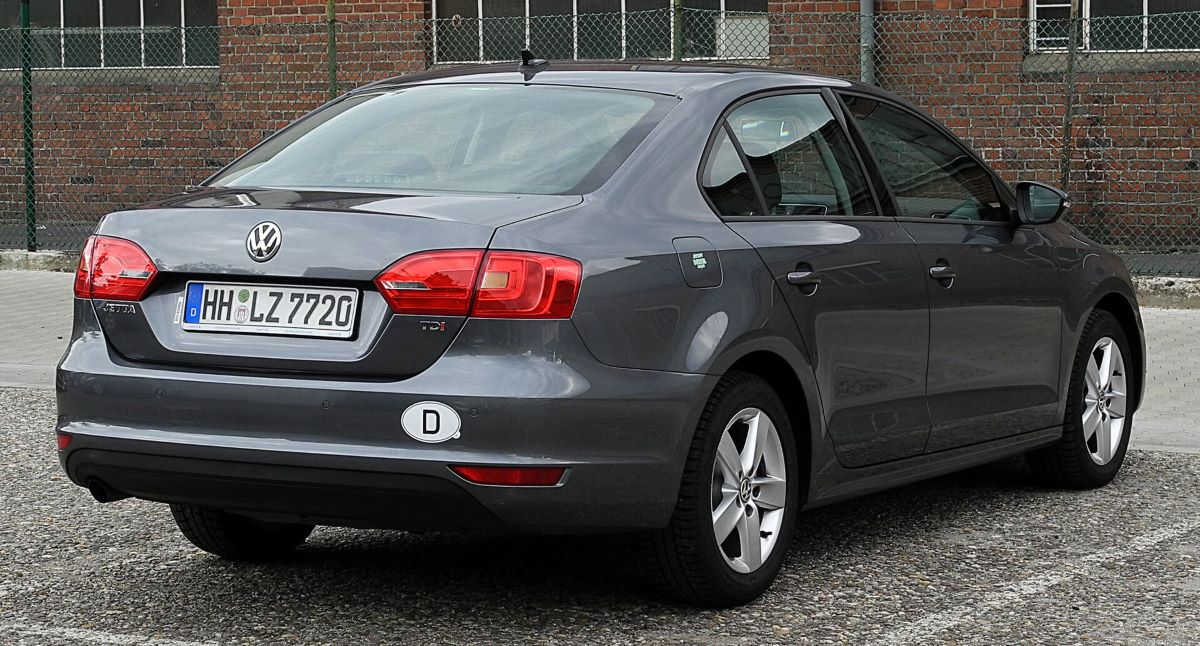
It feels as though Volkswagen traded the Jetta’s signature German character for a more generic, mass-market approach.
Having plenty of interior space is undoubtedly a plus, and the Jetta’s turbocharged engines deliver strong acceleration along with solid fuel economy.
However, the compact sedan segment is crowded with appealing alternatives, many of which outperform the Jetta in design, handling, and available features.
A full redesign for the Jetta is expected for the 2019 model year, but until then, buyers may want to consider other options such as the Honda Civic, Kia Forte, or Mazda 3. Even Volkswagen’s own Golf hatchback presents a more attractive overall package.
The 2018 Volkswagen Jetta prioritizes space over sophistication. While its roomy interior and trunk stand out, it lacks the refinement and engaging dynamics that once made it a standout in the compact car class.
Equipped with the 1.8-liter engine, the Jetta is one of the quicker cars in its class, offering stronger acceleration than many competitors.
However, when it comes to handling, the Jetta fails to deliver the responsiveness or driving engagement enthusiasts might expect. Lower trims with the smaller 1.4-liter engine feel even less dynamic.
The Jetta offers a quiet and comfortable ride, making it suitable for long-distance travel such as a cross-country road trip. Still, while it’s adequately comfortable, it doesn’t surpass rivals in ride quality, and it falls short of the refinement found in Volkswagen’s own Golf.
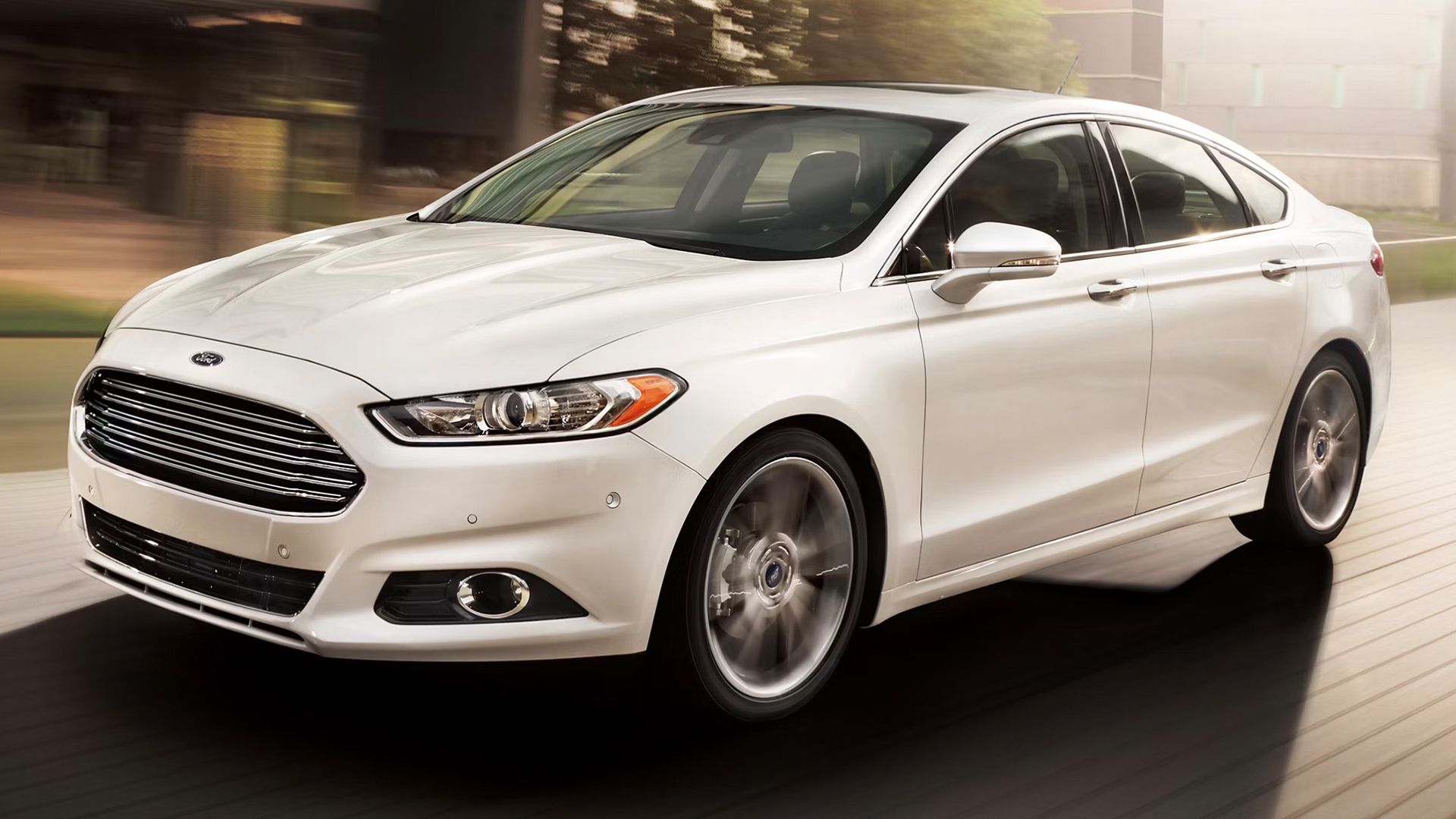
5. Ford Fusion
The Ford Fusion won many fans for its design and road manners, but longevity isn’t its strongest suit. The 1.5- and 2.0-liter EcoBoost engines have faced reliability issues ranging from coolant leaks to head gasket failures.
Even non-turbo models often struggle with transmission wear and electronic malfunctions as they age. While the Fusion feels upscale when new, it doesn’t hold up like a well-maintained Lexus or Acura after a decade on the road.
Ford discontinued it in 2020, partially because of waning sedan sales but also because its long-term reputation couldn’t compete with stalwarts like the Camry or Accord.
Longevity isn’t always linked to price. Many affordable sedans outperform luxury cars not by offering cutting-edge tech or extravagant features, but by focusing on simple, time-tested engineering.
Models like the Toyota Camry, Honda Accord, and Mazda6 thrive because they’re built for the long haul reliable engines, easy-to-source parts, and straightforward maintenance.
On the flip side, some budget models like the Chrysler 200 or Nissan Altima illustrate that cutting corners in quality control or overcomplicating design can doom a car’s lifespan.
For U.S. buyers looking to maximize their investment, it’s wise to remember that the badge on the hood doesn’t guarantee endurance. Sometimes, it’s the modest sedan quietly racking up the miles that truly defines automotive value.
