
Electric cars have come a long way from being slow, quirky city commuters. The latest generation of EVs blends cutting-edge technology with thrilling driving dynamics, making some feel more like high-performance sports cars than eco-friendly transportation devices.
However, not all EVs deliver that same excitement behind the wheel some prioritize range, comfort, or practicality at the expense of driving feel.
For the American buyer looking to balance adrenaline with innovation, understanding the difference between sporty EVs and those that don’t quite make the cut is essential.
Below are five electric cars that truly drive like sports cars offering sharp handling, responsive power, and emotional engagement and five that, while capable, fall short when it comes to that pulse-quickening experience.
Electric Cars That Drive Like Sports Cars
Electric cars have come a long way from being quiet, efficiency-focused commuters. Today, some EVs are engineered to thrill, offering the kind of sharp handling, instant acceleration, and driver engagement once reserved for high-performance sports cars.
These electrified machines blend cutting-edge technology with pure driving excitement, proving that sustainability doesn’t have to come at the expense of speed or style. In this article, we’ll look at electric cars that capture the spirit of a sports car, delivering heart-pounding performance with zero emissions.
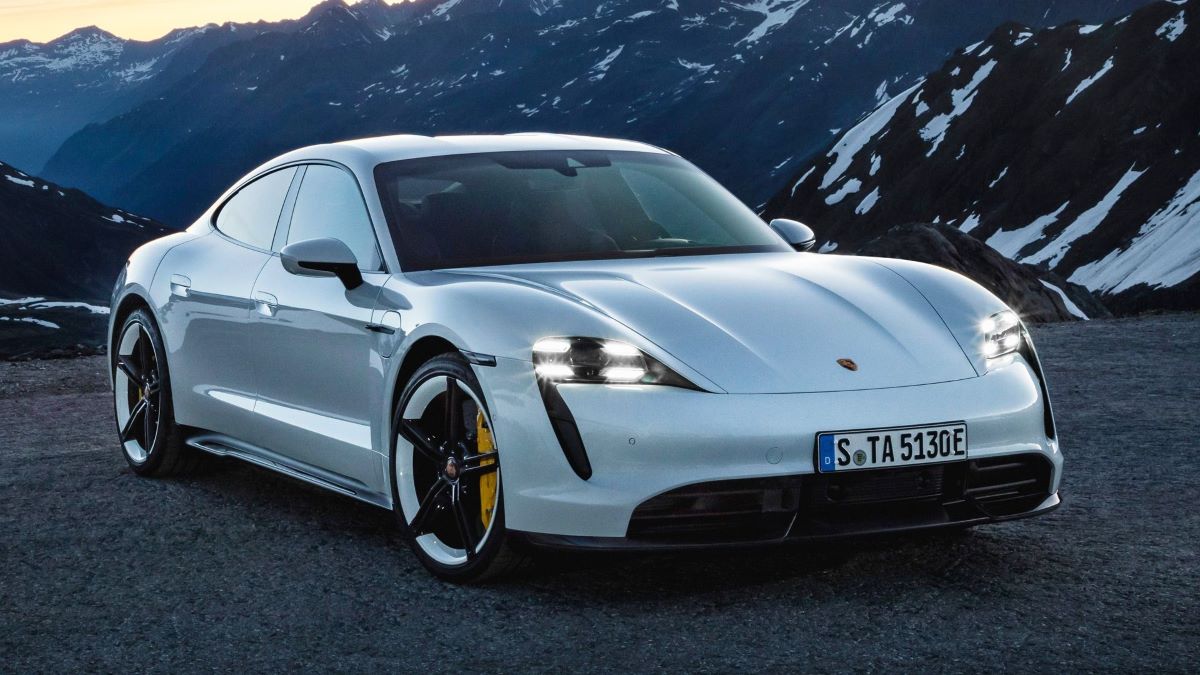
1. Porsche Taycan
Porsche didn’t just enter the electric market it redefined it. The Taycan is arguably the most engaging EV on the road today.
Its low-slung stance, two-speed transmission, and instant throttle response create a sense of mechanical connection rarely found in electric cars.
The Taycan’s steering feel is pure Porsche precise, weighty, and confidence-inspiring. Even the base model feels athletic, while the Taycan Turbo and Turbo S variants rival supercars in acceleration and handling.
Unlike many EVs that fade after repeated runs, the Taycan’s thermal management allows consistent performance, making it a true sports sedan with an electric soul.
Luxury EV shoppers have long had options like the Tesla Model S, Mercedes EQS, and Lucid Air, all capable of traveling 100 miles or more farther on a full charge, sometimes for less money.
Choosing the Taycan, then, was a conscious trade-off: sacrificing range for Porsche’s trademark driving engagement. But after a six-hour drive and a remarkably brief charging stop in a prototype of the refreshed 2025 Taycan, it’s clear Porsche finally tackled its biggest shortcoming.
After topping up at our hotel, we charged to 100 percent in Range mode, where the display estimated 322 miles of range.
With mild weather in the high 60s and climate control set to 72 degrees, conditions were ideal for the Taycan to prove its progress. Cruise control set at 70 mph, just like our standardized range tests, we hit the road.
According to Porsche, reduced suspension travel can slightly compromise ride comfort, though we couldn’t detect much difference. Switching to Normal mode and turning on the cooled, massaging seats shaved about two percent off the range estimate.
As we headed back north to recharge, the Taycan’s navigation automatically detected our destination as a charging station and began preconditioning the battery for optimal fast-charging speeds. We arrived with just six percent battery remaining after covering 298.3 miles, averaging 3.2 miles per kWh.
A quick calculation revealed that the 2025 Taycan 4 Cross Turismo offers an estimated highway range of 317 miles, a dramatic improvement over its predecessor.
While this figure comes from an anecdotal test under near-perfect conditions, it’s roughly 35% better than the outgoing car’s EPA rating. Even more impressively, this was one of the least efficient versions; other journalists reported 345 miles in a Taycan Turbo and up to 360 miles in a rear-wheel-drive Taycan sedan.
Range is only part of the story. While models like the Tesla Model S (up to 405 miles) and Lucid Air (up to 516 miles) still travel farther per charge, real-world driving habits make charging speed just as important.
Most drivers stop well before the 300-mile mark on long trips, and when they do, the Taycan will have them back on the road faster than almost anything else.
We reached a 350-kW Electrify America charger eager to see how the 2025 Taycan performed. The original Taycan from 2020 debuted with an 800-volt electrical system, the first of its kind, allowing a then-record 270 kW charge rate.
With a preconditioned battery, our Taycan’s dash display indicated an initial charge rate of 290 kW. Plugging in, we saw 293 kW immediately, climbing to 309 kW within minutes.
To put this in perspective, the fastest we’ve recorded in a Tesla Model S Plaid is 250 kW, while the Lucid Air peaks at 300 kW. Until now, no production EV had surpassed that mark.
So how does a roughly 10% increase in capacity yield a roughly 35% boost in range? The answer likely lies in efficiency.
Stronger regenerative braking could also be contributing, and it wouldn’t be surprising if Porsche fitted more efficient motors.
Our test vehicle’s Hankook EV-specific tires likely reduced rolling resistance as well. Combine those gains with improved aerodynamics and weight reduction, and the leap in range begins to make perfect sense.
2. Tesla Model 3 Performance
While Tesla’s reputation has shifted more toward technology and software innovation, the Model 3 Performance remains one of the sharpest-handling EVs on the market.
It’s light for an electric car, has an ultra-low center of gravity, and delivers staggering acceleration 0 to 60 mph in around 3.1 seconds.
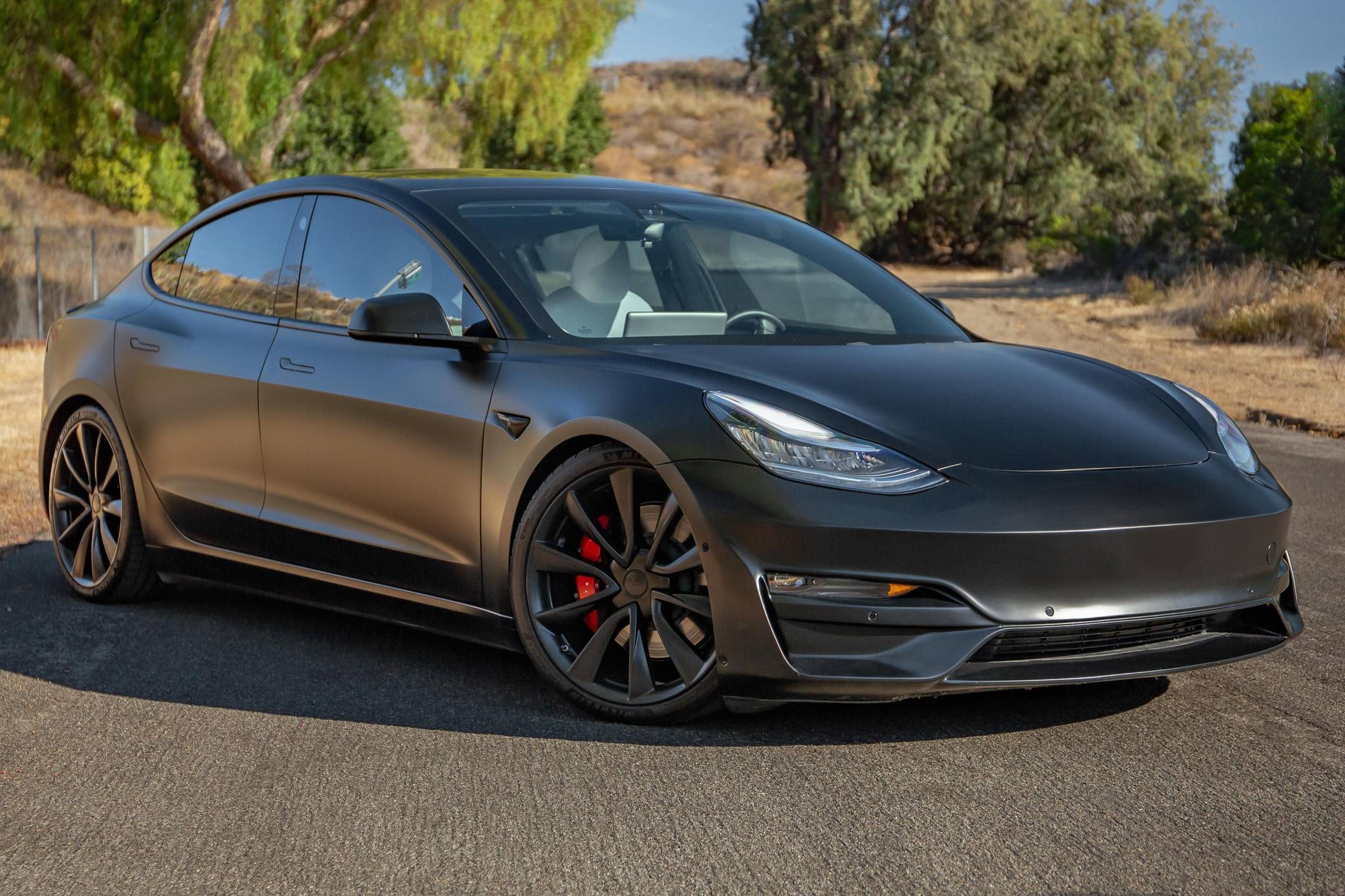
The steering is quick and responsive, and while it lacks the tactile feedback of a traditional sports car, its precision and balance through corners are impressive.
With Track Mode offering torque vectoring and customizable dynamics, it’s one of the few EVs that feels eager to dance through corners rather than just go fast in a straight line.
3. Hyundai Ioniq 5 N
Hyundai’s N division has transformed the already excellent Ioniq 5 into something astonishingly fun. The Ioniq 5 N isn’t just quick it’s visceral.
Hyundai engineered in fake gear shifts, rev-matching sounds, and torque distribution that mimics rear-wheel-drive behavior. The car even lets drivers perform controlled drifts, something few EVs dare to offer.
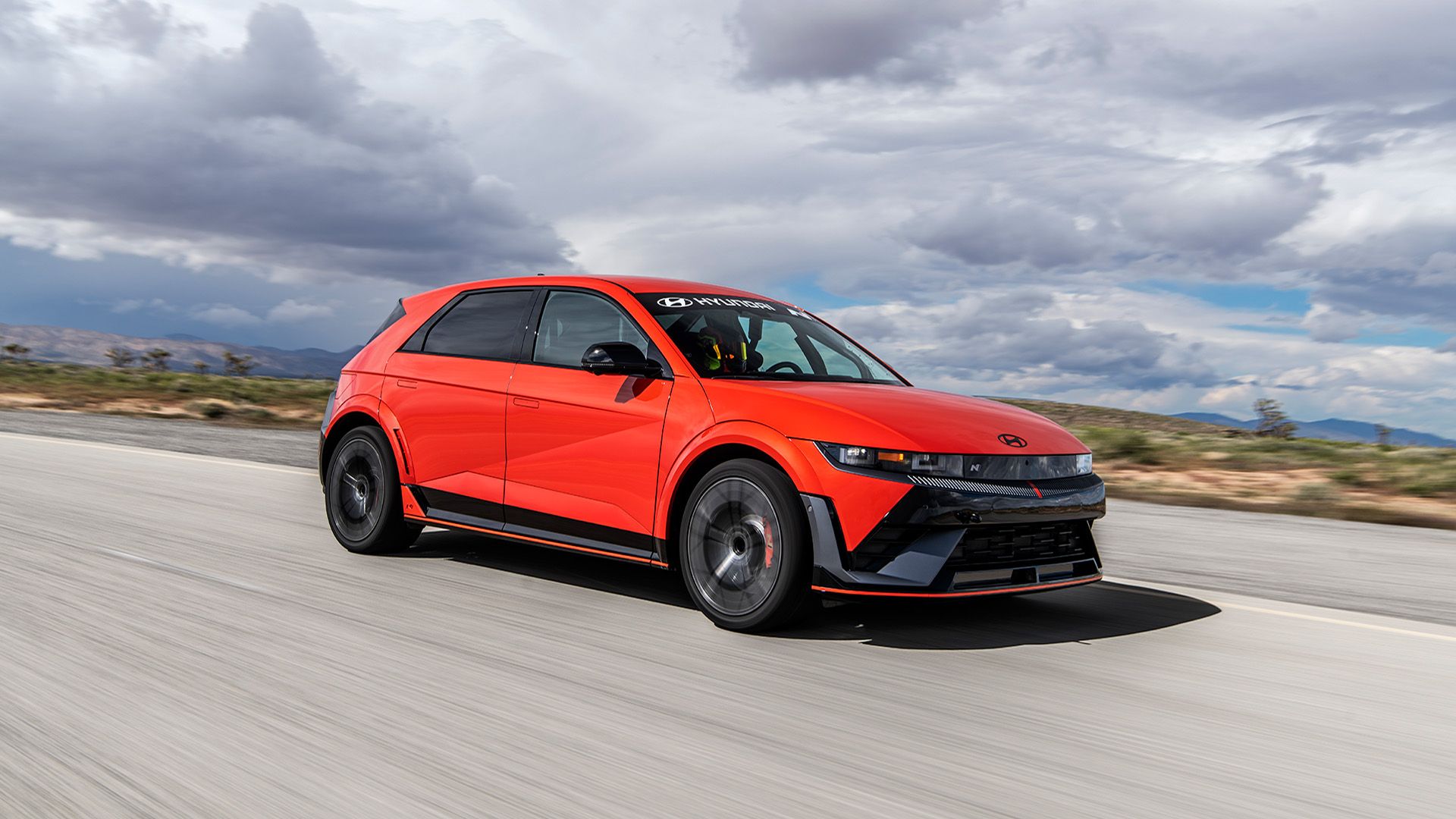
Despite its SUV shape, it’s incredibly agile, with electronically controlled suspension and superb balance.
The Ioniq 5 N proves that performance and personality aren’t reserved for legacy sports car brands anymore Hyundai built a true driver’s EV.
Also Read: 12 Top Sedans With the Best Dashboard Layouts
4. BMW i4 M50
BMW’s M division took its first steps into the EV world with the i4 M50, and it shows. This car channels much of what made the M3 and M4 famous sharp cornering, confident power delivery, and engaging balance.
The dual-motor setup produces up to 536 horsepower, and it feels rear-biased enough to encourage spirited driving.
The steering and chassis feedback are well-tuned, making it one of the most authentic “sports sedan” experiences in the EV space. It’s fast, but more importantly, it’s fun.
The 2022 BMW i4 lands squarely in BMW’s comfort zone, the brand’s hallmark of crafting small luxury sport sedans, but with a significant twist: there’s no gasoline engine under the hood.
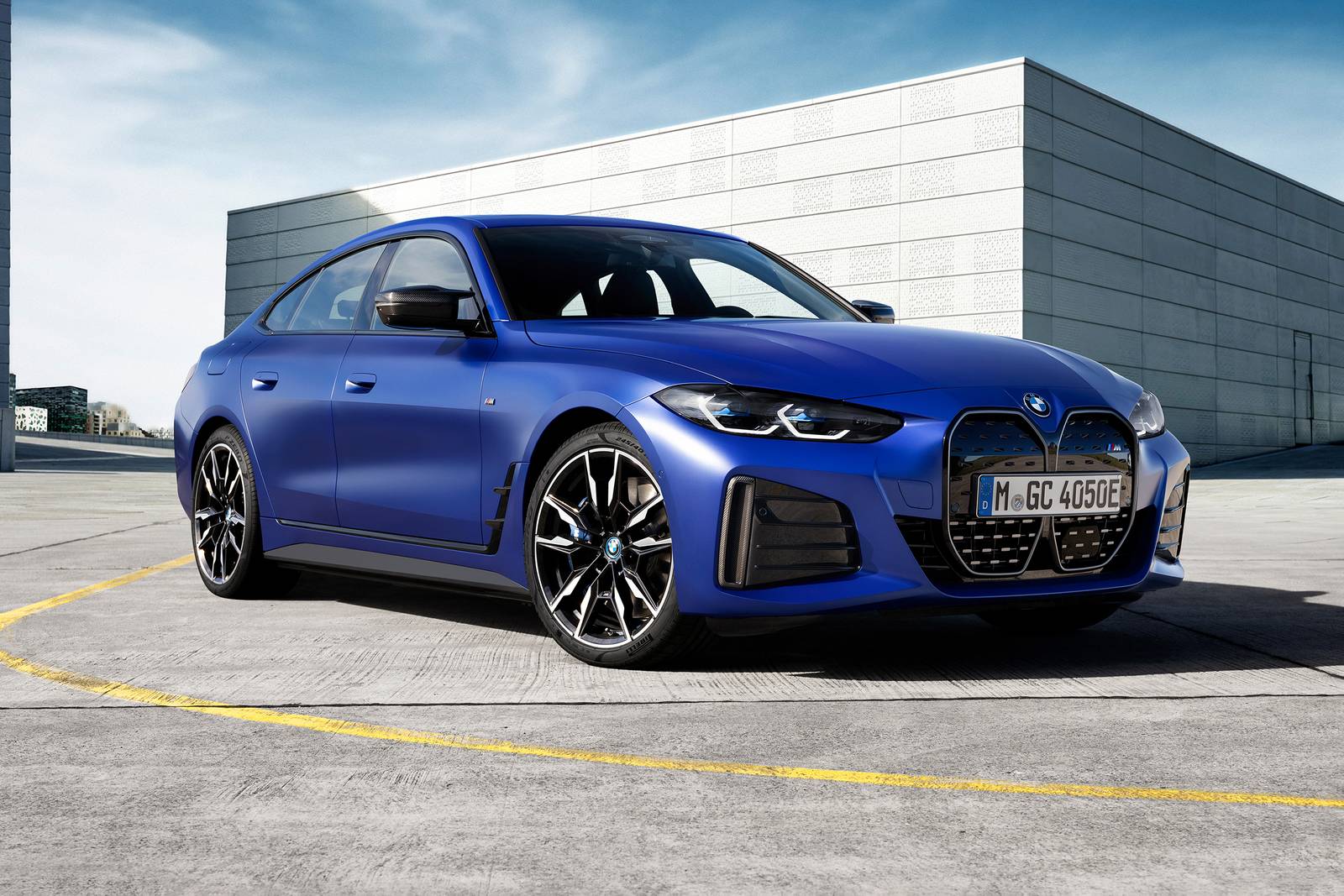
The i4 is a fully electric vehicle. At first glance, it looks nearly identical to the 4 Series Gran Coupe, and that’s by design.
BMW wanted to maintain a familiar appearance to keep its loyal customers intrigued. However, beneath the surface, the i4’s platform, suspension, and electronic systems are almost entirely new.
The result is a BMW designed to go head-to-head with Tesla’s Model 3. Both cars share similar dimensions and offer comparable levels of performance and range across their respective lineups.
Combine that with BMW’s advanced infotainment system, exceptional smartphone connectivity, and a genuinely upscale interior, and you’ve got a formula for a legitimate Tesla rival.
It’s been quite some time since BMW introduced a next-generation EV. While enthusiasts still hold a soft spot for the now-discontinued i3 hatchback, the i4’s broader appeal makes it far more compelling to a wider audience.
Higher trims deliver astonishing levels of power, while models with smaller outputs still provide competitive EPA-rated range, offering buyers a clear choice between performance and practicality.
For traditional BMW sport sedan fans, the i4 delivers a familiar driving experience with a new twist, trading in the beloved straight-six engine for an electric powertrain that offers instant torque, near-silent operation, lower running costs, and a smaller environmental footprint.
5. Lotus Emeya
Lotus has always built cars focused on feel, and the all-electric Emeya continues that heritage. It’s an EV super-sedan that blends raw speed with finesse.
With lightweight construction, active aerodynamics, and a low-slung stance, the Emeya feels planted and alive on the road.
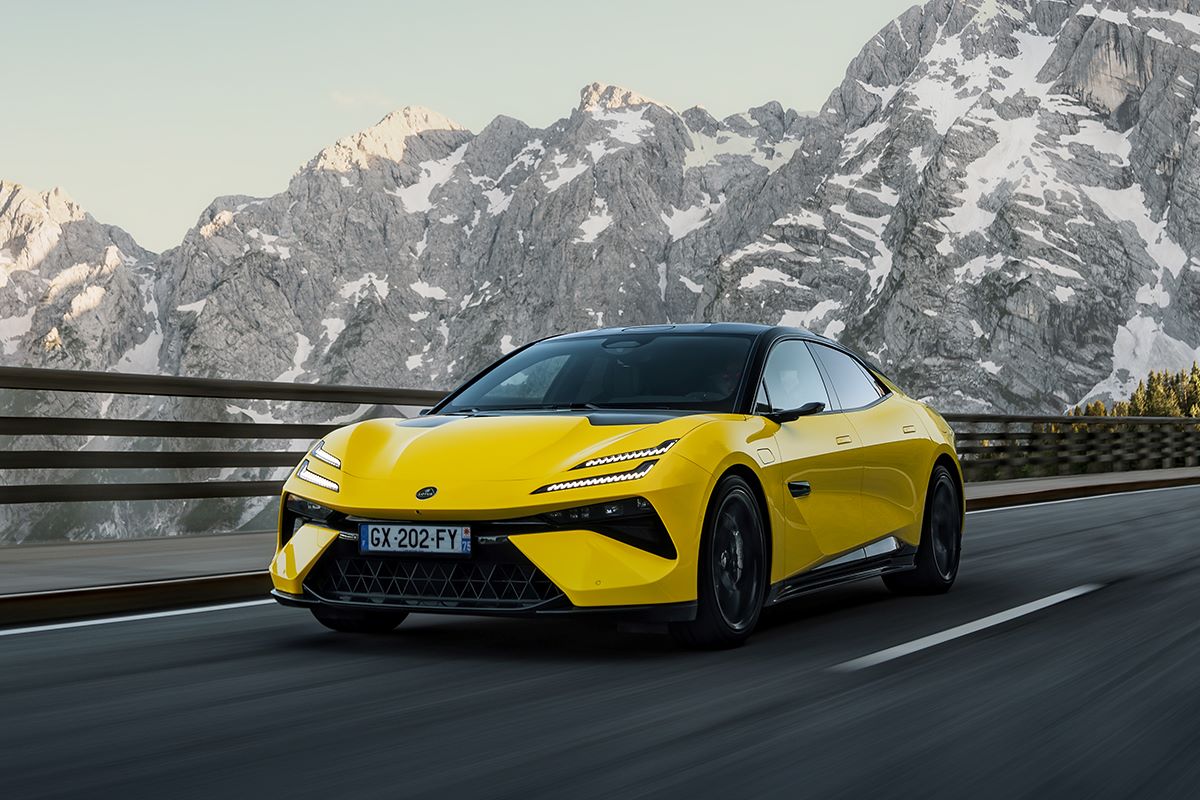
Its steering is communicative something that’s nearly extinct in the EV world and the suspension tuning manages to deliver both precision and comfort.
Unlike some EVs that insulate drivers from the road, the Emeya invites them in. It’s a genuine sports car experience just powered by electrons.
When the Emeya first debuted in 2024, the lineup was refreshingly simple, offering just three variants. The base Emeya and the Emeya S both featured a dual-motor setup producing 603bhp and 524lb-ft of torque.
Sitting at the top of the range was the Emeya R, because no electric vehicle lineup feels complete without an outrageously fast flagship. Packing 905bhp and 727lb-ft of torque, the Emeya R could rocket from 0 to 62mph in a blistering 2.8 seconds.
Lotus decided to shake things up, or perhaps complicate them, by revising the trim structure for both the Emeya and the Eletre. Initially, the changes seemed logical, with the addition of 600 and 900 badges to roughly correspond with the power outputs.
Also Read: 5 Cheap Cars That Offer Top-Tier Build Quality vs 5 That Don’t Work
Electric Cars That Don’t Drive Like Sports Cars
Not every electric car with sleek styling and bold performance claims delivers the engaging, dynamic feel of a true sports car.
Some EVs may boast impressive horsepower and instant torque on paper, yet fall short when it comes to steering precision, handling balance, or driver feedback.
Whether it’s excessive weight, soft suspension tuning, or a lack of connection between car and driver, these models prove that speed alone doesn’t make a vehicle sporty. In this article, we look at electric cars that promise excitement but don’t quite deliver the sports car experience behind the wheel.
1. Tesla Model Y
The Model Y is one of America’s most popular EVs and for good reason. It’s spacious, efficient, and quick in a straight line.
But it’s far from a driver’s car. The steering is numb, the suspension feels busy on uneven pavement, and its height gives it a higher center of gravity than sportier rivals.
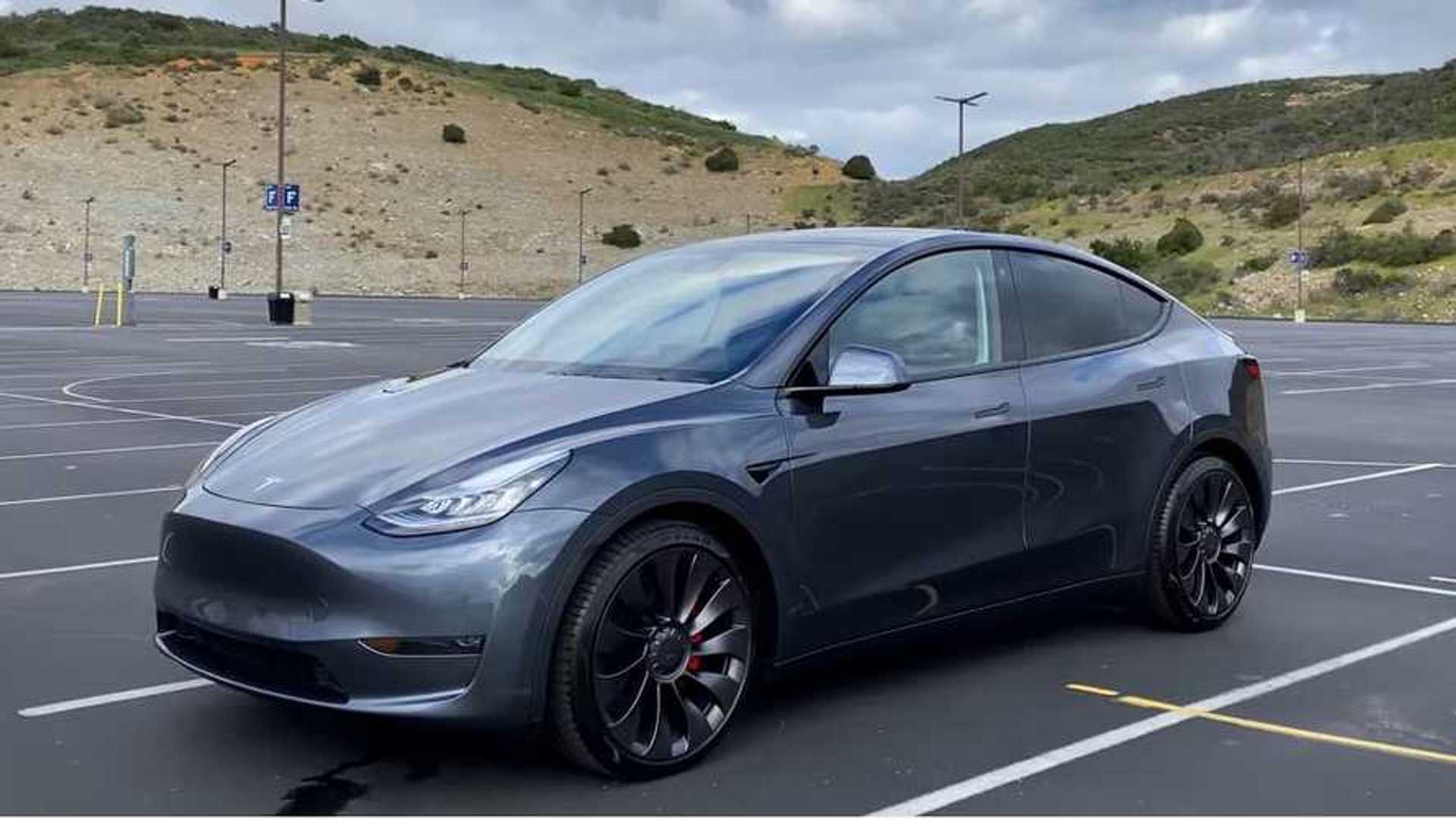
While the acceleration is impressive, the lack of steering feedback and body roll in corners make it feel more like a fast appliance than a sports crossover. For those seeking excitement, the Model Y feels clinical rather than emotional.
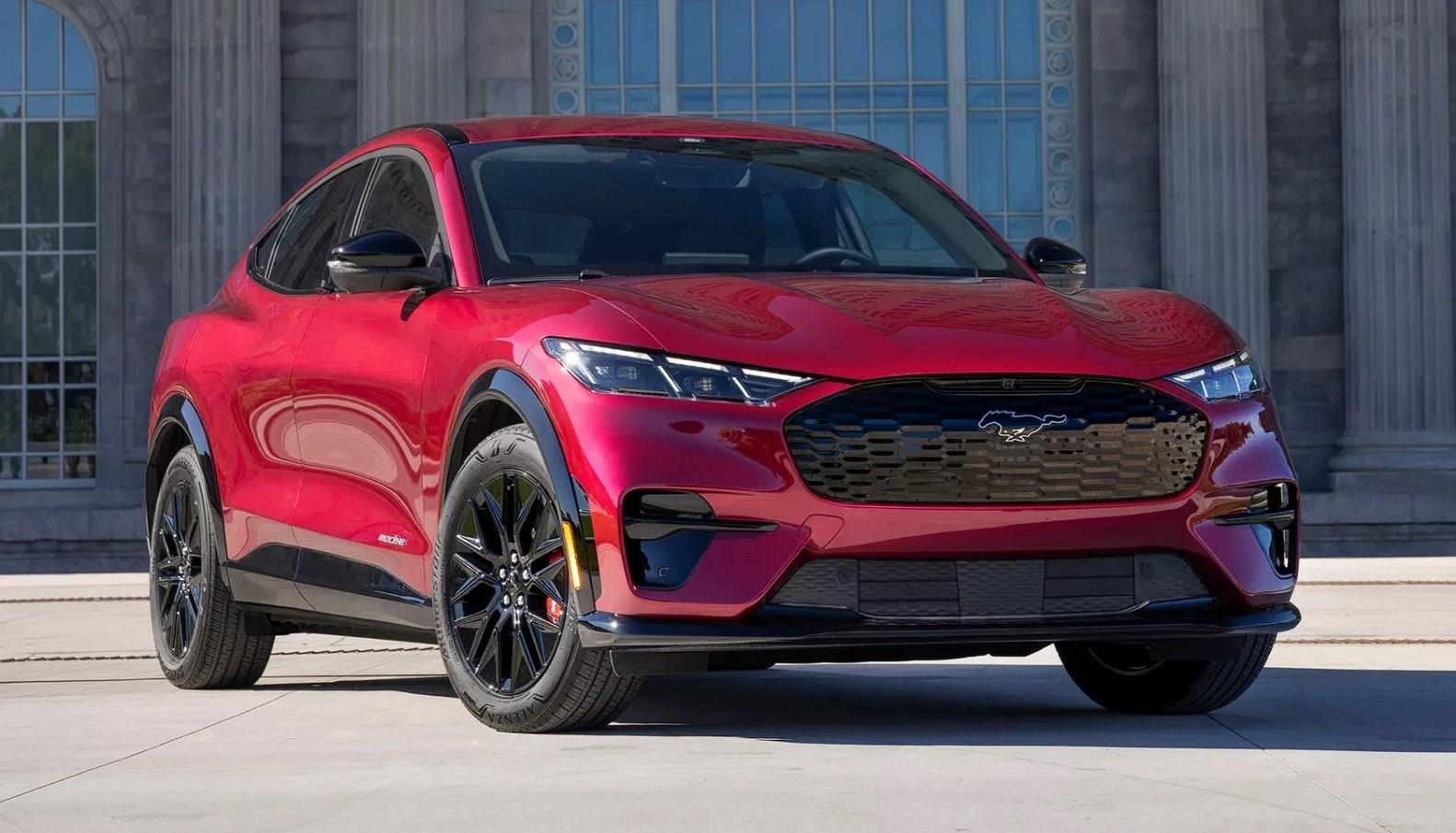
2. Ford Mustang Mach-E (Non-GT models)
Ford’s decision to attach the Mustang name to an electric SUV was bold but not all Mach-E models live up to the muscle car spirit. The base and mid-tier trims prioritize comfort and practicality over dynamic handling.
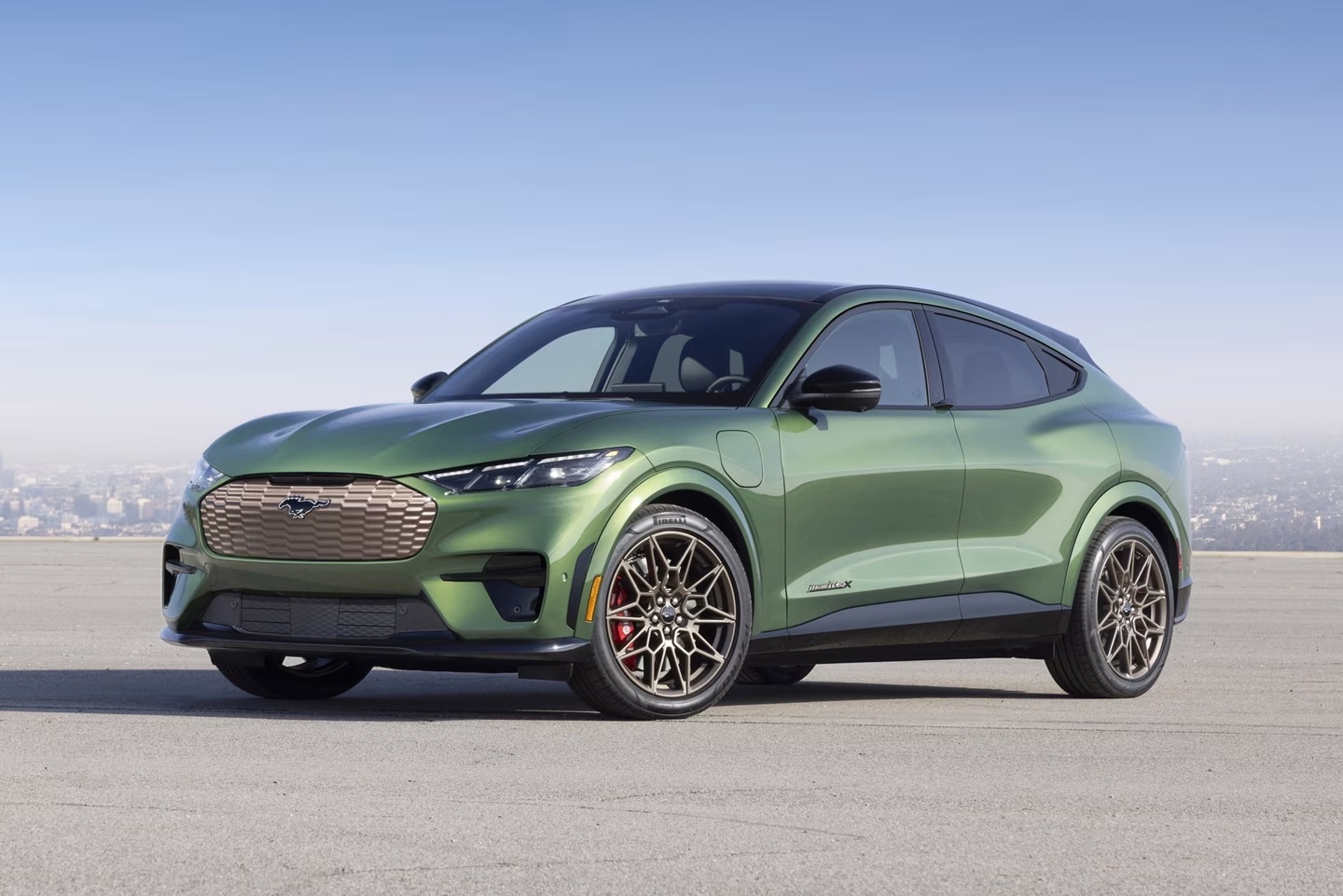
They’re quiet and comfortable but don’t offer the sharp steering or cornering balance you’d expect from something wearing the Mustang badge.
Even the GT, while powerful, doesn’t deliver the tactile engagement that defines a true sports car. The result is a stylish, competent EV that’s fun to look at but not thrilling to drive.
The 2021 Ford Mustang Mach-E might not top the charts for speed, affordability, or maximum range, but it stands out in a more surprising category.
Indeed, with a starting price in the mid-$40,000 range before tax credits and incentives, the Mach-E competes squarely with premium brands.
That status becomes even more justified when you consider the high-performance Mach-E GT, which begins north of $60,000. Beyond its price tag, however, the Mach-E earns its place in the luxury conversation through its features, refinement, and driving experience.
This marks Ford’s first-ever vehicle built entirely as an electric model, there’s no gas-powered or hybrid version to accompany it.
About the same size as a Ford Escape or a Porsche Macan, the Mustang Mach-E combines SUV practicality with distinct Mustang-inspired styling cues.
When Ford first announced it would attach the iconic Mustang name to an electric SUV, skepticism ran high. Yet after experiencing it on the road, the Mach-E’s performance, character, and overall enjoyment make it deserving of that legendary badge.
3. Volkswagen ID.4
The Volkswagen ID.4 nails many aspects of EV design it’s roomy, well-built, and efficient but “sporty” isn’t one of them. The steering is overly light, and body control feels soft, especially in tight corners.
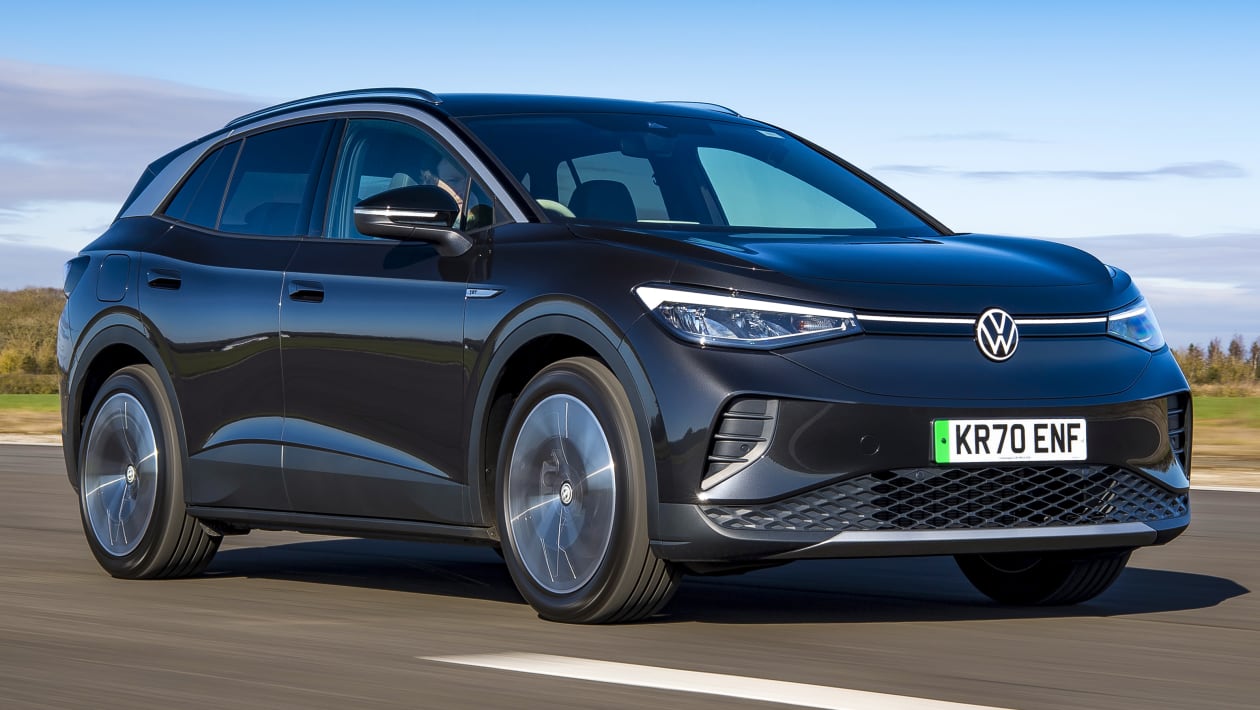
It’s designed for comfort and stability, not driving excitement. While the GTX variant adds power and all-wheel drive, it still lacks the agility or responsiveness that would classify it as fun.
For American buyers who love Volkswagen’s GTI legacy, the ID.4 feels like a step back in terms of driver engagement.
The base model stays true to its roots with a single rear-mounted electric motor, while an optional all-wheel-drive setup adds a second motor to the front.
Offering up to 280 miles of range per charge and the convenience of DC fast-charging for quick top-ups, the ID.4 delivers solid practicality for daily driving.
Though it doesn’t have the same spirited handling that defines many of Volkswagen’s gasoline-powered models, it compensates with a serene cabin and a relaxed driving character.
Inside, the nearly all-digital dashboard lends the ID.4 a futuristic aesthetic, but the infotainment system can be a bit finicky.
For 2022, updates are minor but meaningful. The ID.4 now includes an auto-hold brake feature as standard, faster DC charging at up to 135 kW, and slightly improved range figures, 280 miles for the rear-wheel-drive Pro model, 268 miles for the Pro S, and around 250 miles for the all-wheel-drive versions.
Pricing starts at $42,525 for the Pro trim and rises to $47,025 for the better-equipped Pro S. The Pro is the smarter buy, especially if you invest in the optional $3,680 dual-motor all-wheel-drive system, which boosts power and sharpens performance.
Under the hood, figuratively speaking, the rear-wheel-drive ID.4 produces 201 horsepower, while the dual-motor setup increases output to 295 horsepower.
It can tow up to 2,700 pounds and benefits from regenerative braking, though it lacks the strong one-pedal feel common in other EVs.
The rear-drive model’s 7.6-second 0–60 mph time makes it more relaxed than some rivals, while the all-wheel-drive variant cuts that to 5.4 seconds. Handling is less engaging than sportier EVs, but the ride quality and cabin refinement stand out.
A 77.0-kWh battery delivers up to 280 miles of EPA-rated range, putting the ID.4 in line with competitors like the Hyundai Kona Electric and Kia Niro EV, though it falls short of the Tesla Model Y’s 330-mile range.
In real-world testing, the ID.4 achieved 82 MPGe and 190 miles of range in cold weather, an impressive result given how temperature can affect EV performance.
Volkswagen backs the ID.4 with a four-year/50,000-mile limited and powertrain warranty, plus eight years or 100,000 miles for the battery components.
Complimentary maintenance is included for two years or 20,000 miles, rounding out a competitive package for buyers looking to go electric without giving up everyday practicality.
4. Nissan Ariya
The Ariya represents a major leap forward for Nissan in terms of design and technology, but it’s tuned more for serenity than sport.
Its electric powertrain delivers smooth acceleration, but the suspension prioritizes comfort, and the steering feels vague.
Even with e-4ORCE all-wheel drive, the Ariya doesn’t inspire much confidence in corners. It’s an excellent commuter EV quiet, composed, and efficient but it lacks the athleticism or feedback needed to qualify as a sports car alternative.
Nissan was among the pioneers of the electric vehicle movement, introducing the Leaf back in 2011 and setting the stage for mainstream EV adoption.
Over the years, competitors have flooded the market with a wide variety of electric options, while Nissan curiously lagged behind in expanding its lineup.
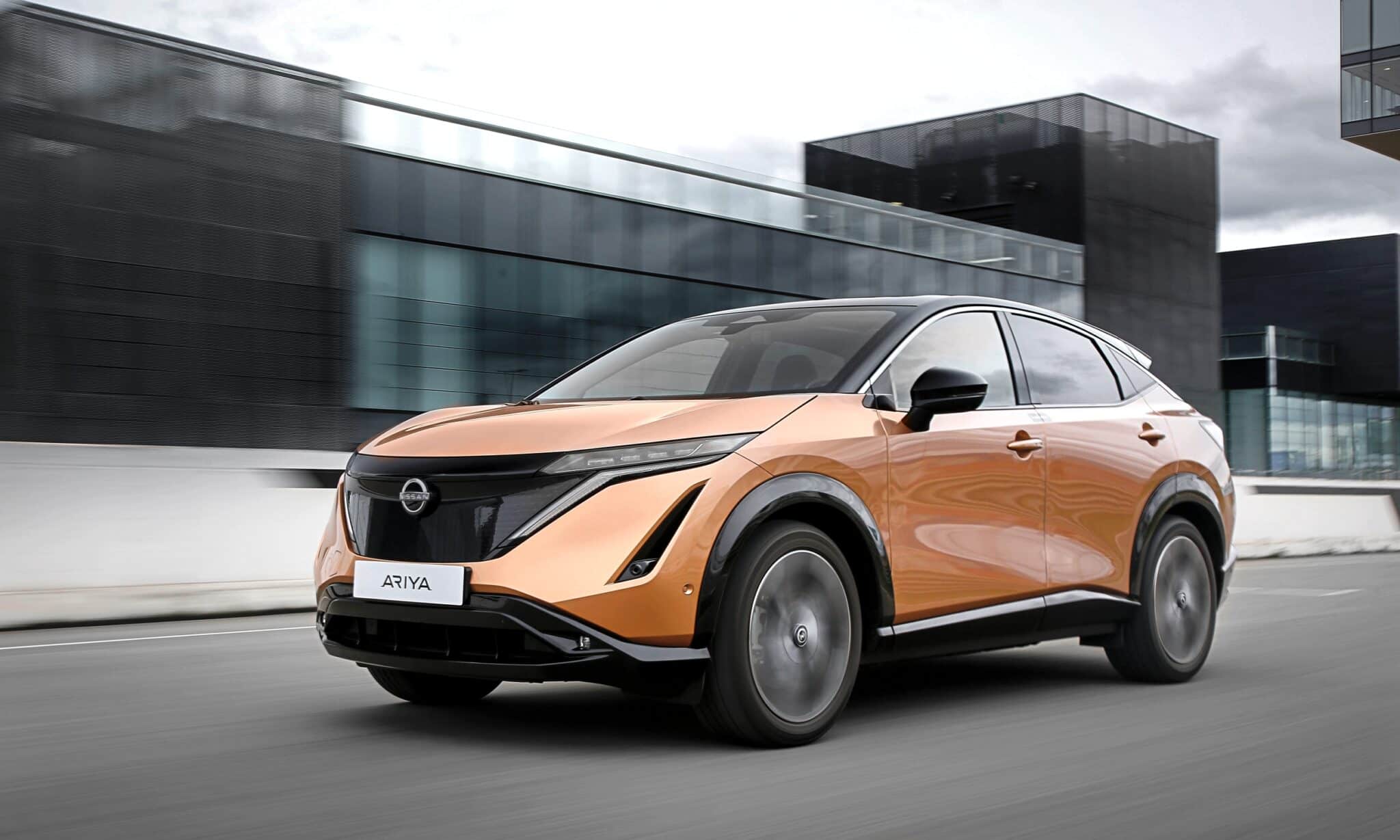
That finally changes with the arrival of the 2023 Nissan Ariya, a fully electric SUV that embraces the latest advancements in EV technology.
The Ariya is a compact, five-passenger SUV comparable in size to Nissan’s own Rogue, making it an appealing choice for smaller families ready to transition to an electric vehicle.
Its range varies significantly, starting at a modest 205 miles and reaching up to an impressive 304 miles depending on the configuration.
While this flexibility allows buyers to find a version that suits their needs and budget, the seven available trim levels, each with different capabilities, can make the selection process a bit tricky.
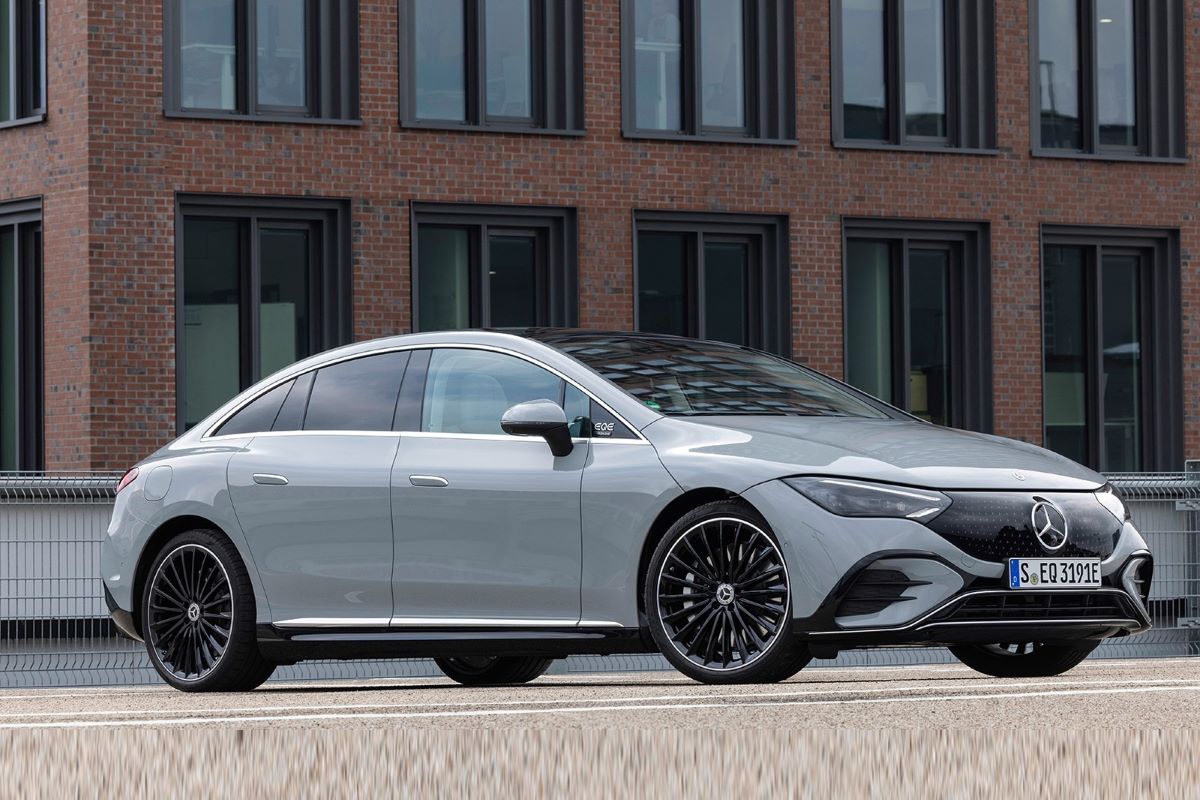
5. Mercedes-Benz EQE Sedan
Mercedes’ EQE sedan is luxurious, futuristic, and supremely quiet but not exciting. The heavy battery pack dulls its reflexes, and the steering is filtered to the point of detachment.
While straight-line acceleration is brisk, the car’s weight and soft suspension tuning make it more of a highway cruiser than a backroad companion.
Even the AMG-tuned versions focus more on speed than engagement, lacking the visceral connection that defines a true sports sedan. It’s impressive in technology and comfort, but not in emotional driving appeal.
Electric cars have no problem delivering speed instant torque ensures that even the most comfort-oriented EVs can out-accelerate many gas-powered sports cars. But true driving enjoyment is about more than just numbers.
The EVs that succeed as “sports cars” create a connection between driver and machine, offering precise control, feedback, and confidence.
Cars like the Porsche Taycan, Tesla Model 3 Performance, and Hyundai Ioniq 5 N prove that electric performance doesn’t have to mean soulless speed. They show that innovation and emotion can coexist.
On the other hand, models like the Tesla Model Y and Mercedes EQE demonstrate how easy it is for EVs to feel sterile when too much focus is placed on technology and comfort.
As EV technology continues to evolve, we can expect more brands to bridge this gap creating electric cars that not only accelerate like sports cars but feel like them too. For enthusiasts in the US, that future can’t come fast enough.
