In America, trucks are more than just workhorses they’re lifestyle machines. From hauling gear for a weekend adventure to towing equipment for a small business, trucks play a crucial role in both leisure and livelihood.
But not all pickups hold up the same way over the years. Some age like fine wine, maintaining their looks, performance, and resale value well beyond the 100,000-mile mark.
Others, unfortunately, start to show rust, wear, and mechanical fatigue long before they should.
For U.S. truck buyers especially those living in rust-prone regions like the Midwest or Northeast knowing which models stand the test of time can save thousands in repairs and frustration.
Here’s a look at five trucks that age gracefully and five that tend to rust or wear out too soon.
Trucks That Age Gracefully
Some trucks are built to work hard, others are built to last. The best models manage to do both, proving that durability and dependability never go out of style.
In this article, we’re highlighting trucks that age gracefully, the ones that keep their strength, reliability, and appeal long after the new-car smell has faded.
Whether it’s their rugged engineering, timeless design, or reputation for resilience, these trucks continue to earn respect on the road and hold their value year after year.
1. Toyota Tacoma
The Toyota Tacoma has become legendary for its durability, earning a reputation as the truck that just won’t quit.
Its solid frame, dependable V6 engine, and minimal electronic complications make it one of the most reliable midsize pickups ever sold in the U.S. Owners frequently report Tacomas running well past 250,000 miles with little more than routine maintenance.
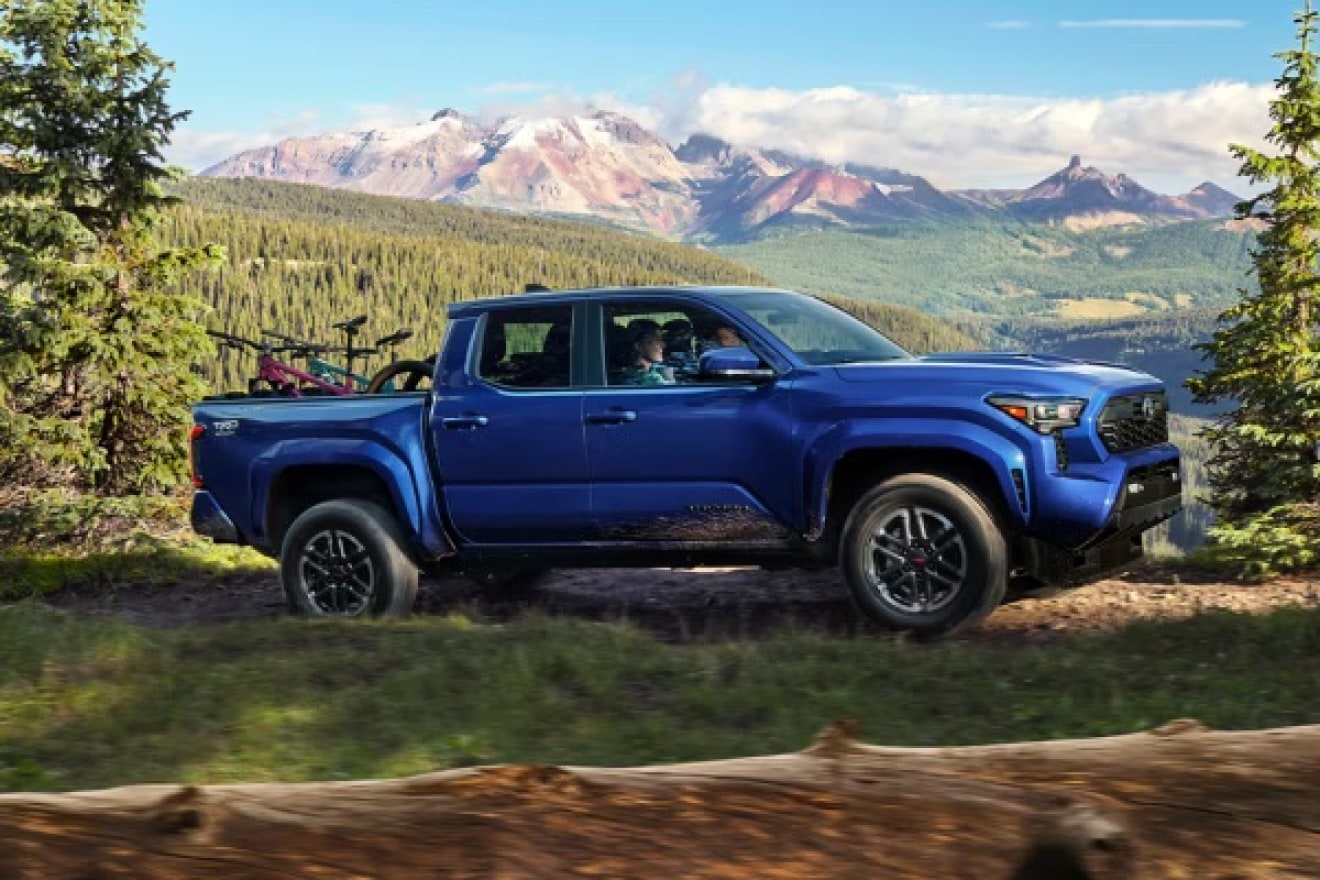
Beyond reliability, the Tacoma’s design resists rust better than many rivals thanks to Toyota’s corrosion-resistant coatings and durable paint.
Even in snowbelt states where salt is a daily winter reality, the Tacoma’s body panels tend to hold up. Add in strong resale value it’s consistently among the best in its class and you’ve got a truck that doesn’t just age gracefully; it matures with pride.
2. Ford F-150 (2015 and newer)
Ford’s decision to switch to an aluminum body for the F-150 starting in 2015 was controversial at first, but it turned out to be a stroke of genius for longevity.
Aluminum panels don’t rust like traditional steel, meaning these newer F-150s can look fresh even after a decade of service.
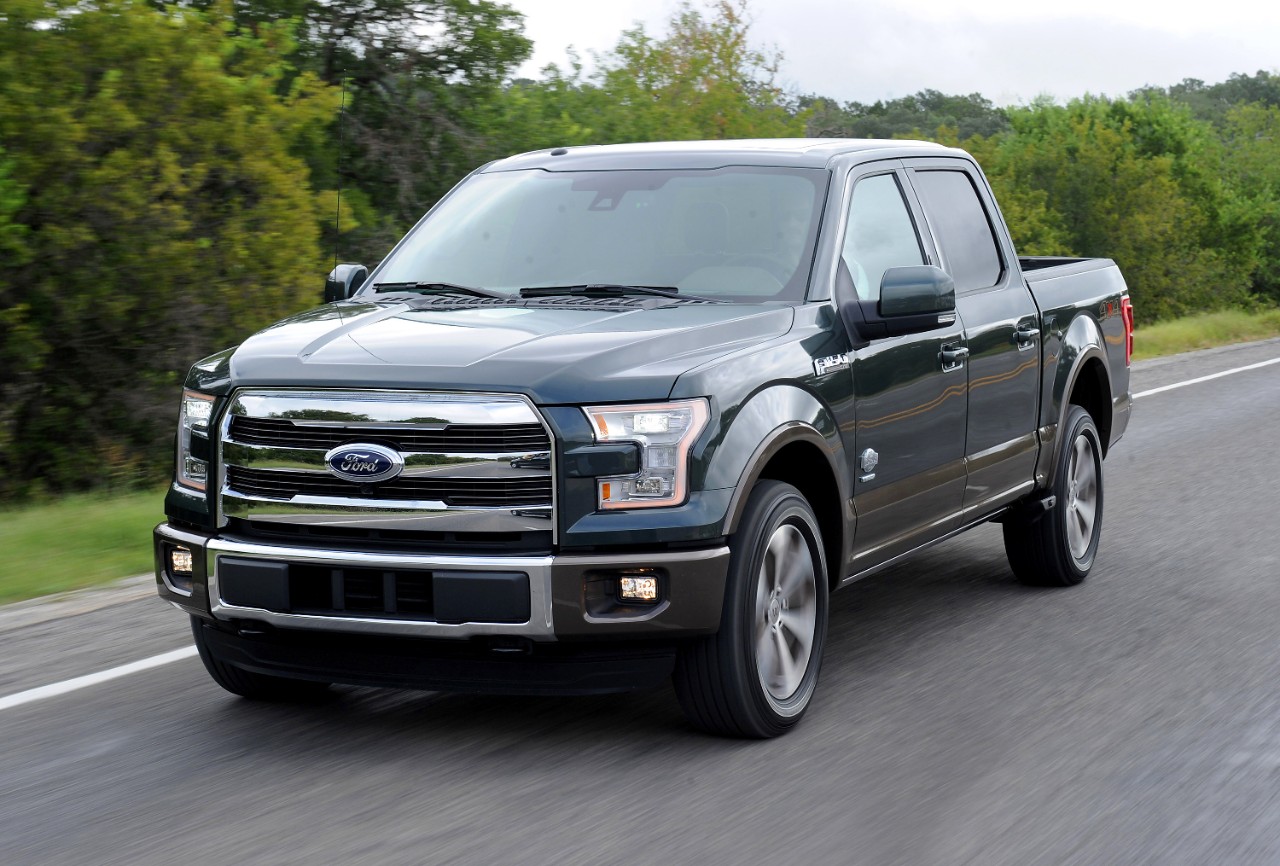
Coupled with modern EcoBoost powertrains and a well-built frame, the F-150 blends work capability with corrosion resistance. For buyers who live in coastal areas or places where road salt eats vehicles alive, this generation of F-150 is a game-changer.
It’s also backed by a strong aftermarket and a vast parts network, making long-term ownership easy and affordable.
In response to the introduction of all-new full-size pickups from its chief rivals, Ford recognized the need for a bold and innovative redesign of its 13th-generation F-Series, America’s best-selling line of full-size trucks.
The result is the 2015 Ford F-150, and early impressions suggest that Ford’s gamble on radical change has paid off.
At first glance, the new F-150 may not appear drastically different. In deference to the traditional tastes of truck buyers, Ford opted for subtle exterior updates.
The redesigned grille and uniquely shaped headlights are the most noticeable visual cues that this is an entirely new model.
However, the most significant transformations lie beneath the surface. Ford engineers have made extensive use of lightweight aluminum throughout the vehicle, from the hood and body panels to the truck bed, cutting as much as 700 pounds from the total weight.
Those worried about durability need not be; Ford assures that the military-grade aluminum alloys used in the F-150 are available in various thicknesses, many of which are stronger than steel while weighing considerably less.
Supporting it all is a fully boxed, ladder-style frame that incorporates far more high-strength steel than before.
The benefits of this weight reduction are substantial. With a given GVWR, a lighter truck can carry a higher payload, and the same principle applies to GCWR and towing capacity.
Less mass also translates to quicker acceleration and improved fuel efficiency. The new 2.7-liter turbocharged EcoBoost V6 engine exemplifies this efficiency, with the two-wheel-drive model achieving a combined 22 mpg, just shy of the 23 mpg delivered by the pricier diesel-powered Ram 1500 EcoDiesel.
For traditional truck enthusiasts, Ford ensures that performance remains a priority: when properly equipped, the F-150 can tow up to 12,200 pounds using the larger 3.5-liter turbocharged V6 engine.
The 2015 F-150 also introduces a suite of advanced technologies. It offers multiple camera systems, including a trailer hitch assist with dynamic guidelines for effortless one-person trailer hookups and an optional 360-degree top-down camera for easier maneuvering in tight spaces.
The 2015 Ram 1500 stands out for its refined ride, quiet cabin, and available diesel engine, while the 2015 Chevrolet Silverado 1500 impresses with its balance of comfort, performance, and practicality.
Even so, the redesigned Ford F-150 brings enough meaningful advancements to make it one of the most compelling choices in the segment.
The 2015 Ford F-150’s standard engine is a 3.5-liter V6 generating 283 horsepower and 255 pound-feet of torque. Next up is a new turbocharged 2.7-liter V6 producing 325 horsepower and 375 lb-ft of torque.
For drivers needing greater strength for heavy towing or payloads, Ford offers a 5.0-liter V8 rated at 385 horsepower and 387 lb-ft, as well as a turbocharged 3.5-liter V6 delivering an impressive 365 horsepower and 420 lb-ft of torque.
3. Honda Ridgeline
While some purists dismiss the Honda Ridgeline as more of an SUV with a bed than a “true truck,” its real-world aging performance is impressive.
The Ridgeline’s unibody construction (shared with the Honda Pilot) means fewer joints and welds where rust can start. Its suspension and drivetrain are known for reliability, and the body panels resist corrosion far better than traditional body-on-frame designs.
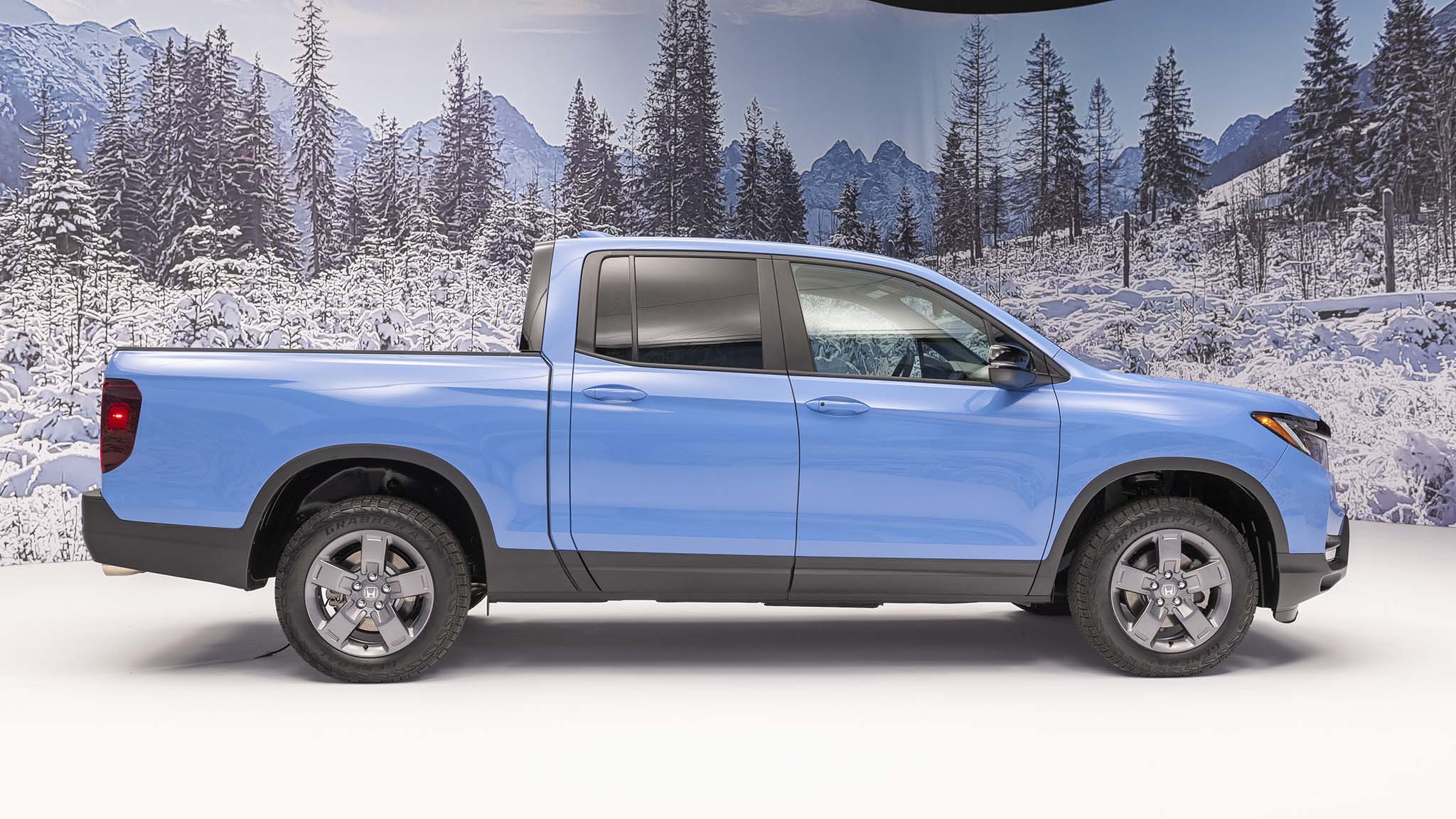
Owners often praise how the Ridgeline feels tight and composed even after a decade, with minimal rattles and surprisingly strong ride comfort.
It’s not a heavy hauler, but for the average U.S. buyer who values longevity and comfort over brute strength, the Ridgeline ages like a fine piece of engineering.
The only available powertrain is a 3.5-liter V-6 producing 280 horsepower and 262 lb-ft of torque, paired with a nine-speed automatic transmission and standard all-wheel drive.
The engine operates smoothly, and throttle response is notably quick when you demand strong acceleration. As an unconventional pickup in many respects, the Ridgeline delivers a surprisingly refined driving experience.
On the road, it behaves with confidence and composure, offering impressive capability. Its coil-sprung independent rear suspension provides a carlike ride quality that rivals with leaf-sprung, solid-axle setups simply can’t match.
Body roll through corners is minimal, and small road imperfections are easily absorbed. The electrically assisted steering feels well-tuned and natural.
However, the Ridgeline’s braking performance stands as its only dynamic shortcoming. Stopping from 70 mph to zero takes a bit longer than ideal, and the brake pedal feels soft with excessive travel during everyday driving.
4. Chevrolet Silverado 2500HD (Duramax models)
Chevy’s heavy-duty Silverado lineup, especially those equipped with the Duramax diesel engine, has proven remarkably durable.
The combination of a bulletproof powertrain, stout Allison transmission, and solid frame construction means these trucks stay strong after years of hard work.
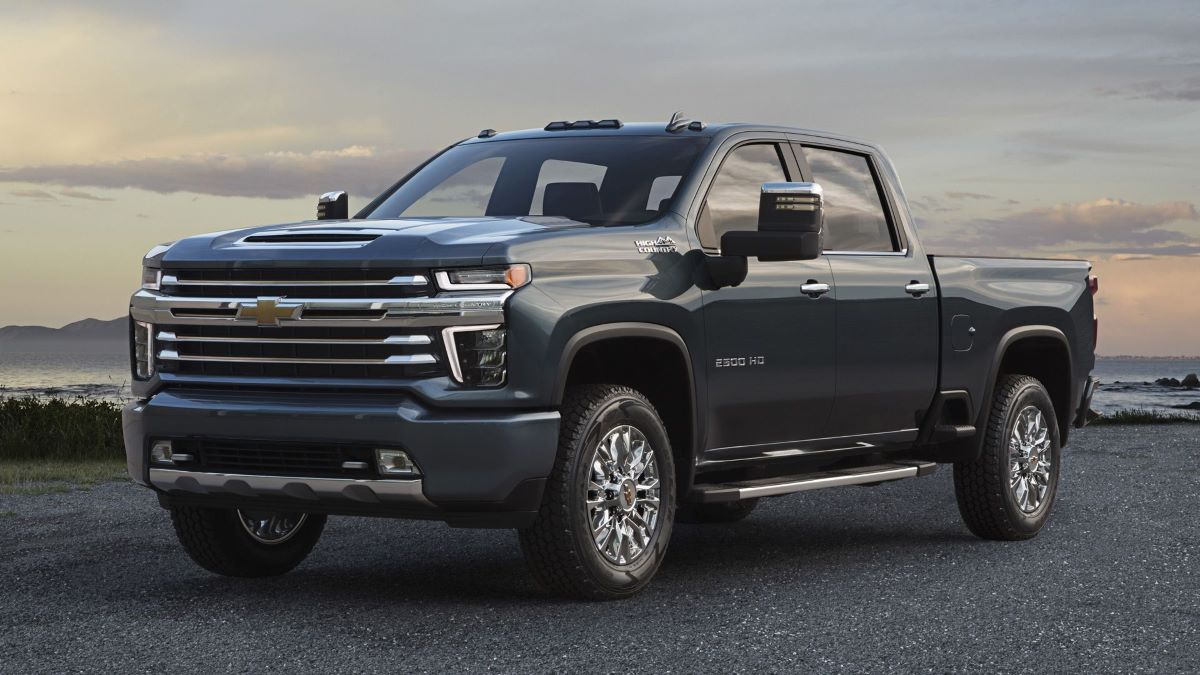
Rust can be an issue in older Silverados, but the 2015+ models saw significant improvements in corrosion protection and paint quality.
Enthusiasts and contractors alike report that these trucks keep their power and structure even after years of towing or hauling heavy loads. When properly maintained, a Duramax-powered Silverado 2500HD can still look and drive nearly new well past 200,000 miles.
Full-size trucks like the Chevrolet Silverado 1500 are capable of handling most tasks their owners demand, but sometimes, extra muscle is necessary.
That’s where the Silverado 2500HD comes into play. Many drivers need the added towing and payload strength this model provides without stepping up to the even larger 3500HD. Others simply prefer the presence, power, and capability that come with driving a bigger truck.
The 2022 Chevrolet Silverado 2500HD can tow up to an impressive 18,500 pounds when properly equipped, and it’s capable of carrying nearly 4,000 pounds of cargo in its bed, depending on configuration.
These robust figures stem from its strong gasoline and available turbodiesel engines. Buyers can also choose from regular-, double-, or crew-cab body styles, with standard or long bed options to match their specific requirements.
To simplify towing, the Silverado 2500HD comes with Chevrolet’s Advanced Trailering System and a dedicated mobile app. These tools include custom trailer profiles, pre-departure checklists, lighting diagnostics, and more.
The truck can also be fitted with up to eight cameras offering 15 different views for parking, driving, and hitching. For 2022, updates are limited, though Chevrolet did make the versatile Multi-Flex tailgate available across all trim levels.
The Chevrolet Silverado 2500HD delivers the strength and versatility expected from a heavy-duty pickup, combined with a spacious and comfortable interior. However, one area where it falls short is its cabin design.
Compared with rivals like the Ford F-250 Super Duty and Ram 2500, the Silverado’s interior feels outdated, with lower-grade materials and less advanced technology. Even so, the Silverado 2500HD remains a dependable, capable choice for anyone seeking a powerful heavy-duty truck.
5. Ram 1500 (2019 and newer)
Ram’s fifth-generation 1500 made massive strides in both quality and durability. The frame features advanced corrosion-resistant materials, and the paint holds up better than earlier generations that had rust-prone rocker panels and wheel wells.
The truck’s interior a major selling point is built to last, too, with materials that resist fading and cracking even after years of sun exposure.
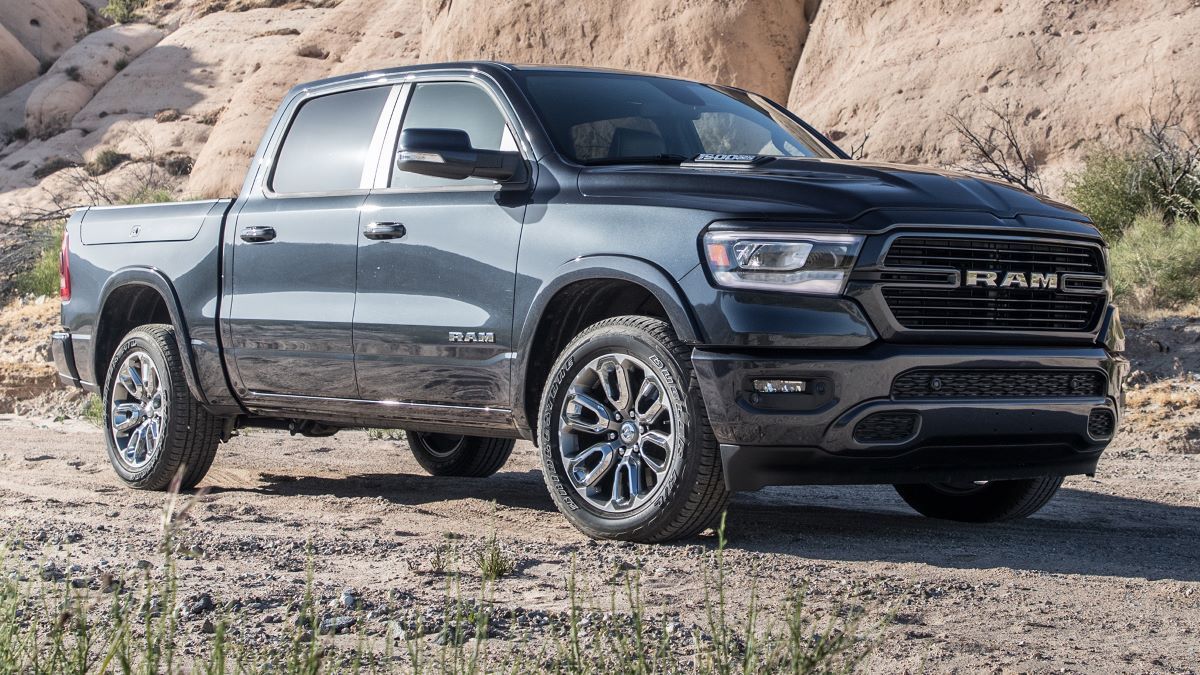
Under the hood, the 5.7-liter HEMI and the mild-hybrid eTorque system have proven to be reliable and easy to maintain. Ram’s smoother ride and improved build quality mean the truck doesn’t feel “used up” after years of ownership.
For many buyers, this generation of the Ram 1500 finally matched the long-term toughness of Ford and Toyota rivals.
Trucks That Rust Too Soon
Trucks are built to endure, from hauling heavy loads to braving harsh weather and rugged terrain. But not every model stands the test of time when it comes to corrosion.
Some trucks, despite their power and performance, begin to show rust far earlier than expected. In this article, we take a closer look at trucks that rust too soon, the ones whose durability is undermined by poor rust protection, cheap materials, or flawed design.
Whether you’re shopping for a used pickup or trying to preserve your current one, knowing which models are prone to rust can save you costly repairs down the road.
1. Chevrolet Silverado 1500 (1999–2013)
While the Silverado 1500 has long been a top-seller, the early 2000s models developed a notorious rust problem. Owners across the U.S., especially in northern states, complained of rocker panels and rear fenders disintegrating within five to seven years.
Even trucks with low mileage often showed corrosion under the doors and around the wheel wells. GM eventually improved paint quality and rust protection, but these earlier models remain a cautionary tale.
Mechanically, they’re solid, but keeping one visually intact requires constant care or regular rust treatment.
Now in its third year of the current generation, the Chevrolet Silverado has shed its early imperfections, solidifying its reputation as a quick, comfortable, and dependable full-size truck.
With class-leading engine performance and clean, purposeful styling, Chevrolet’s bestseller continues to enhance its appeal through thoughtful innovations that set it apart in the often predictable world of half-ton pickups.
For the first time, Chevrolet introduces the PRO TEC truck box on extended cab 4×4 models equipped with the Z71 package. This factory-installed, all-composite bed serves as an alternative to traditional aftermarket liners and offers numerous advantages.
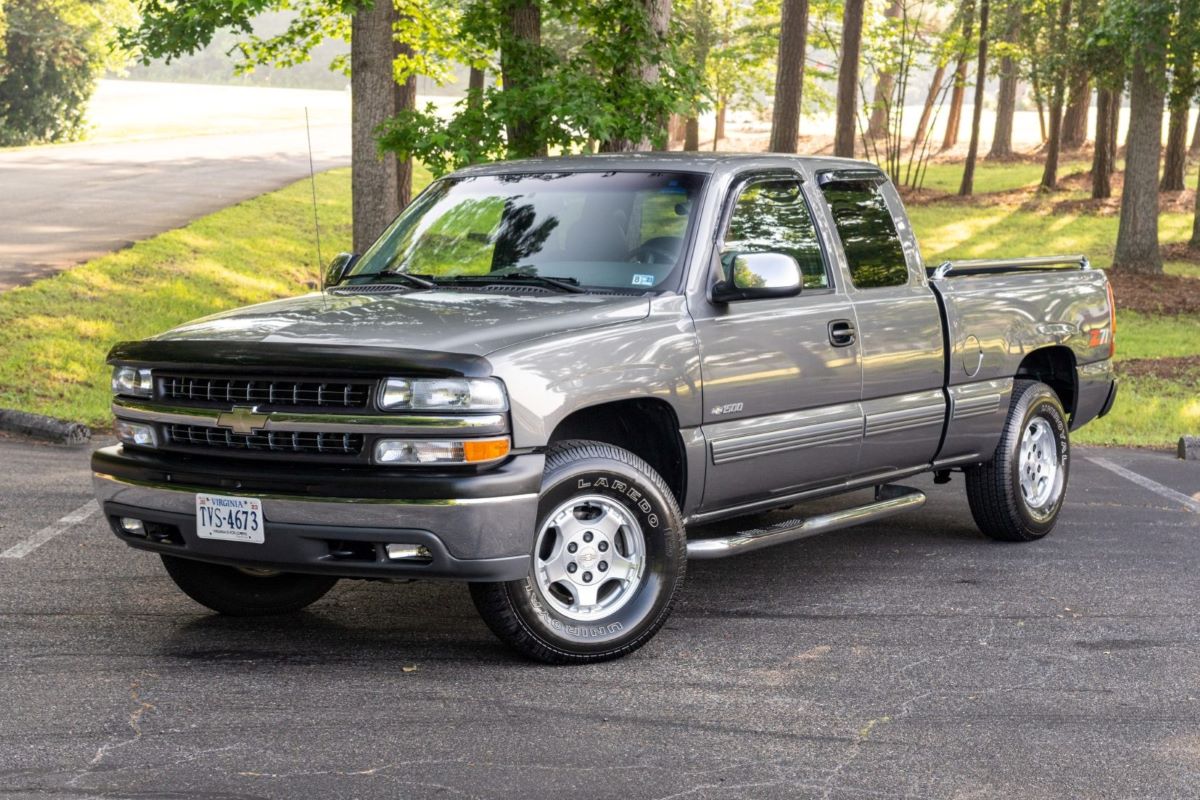
It’s 50 pounds lighter than its steel equivalent, resists dents and scratches, and provides superior protection against corrosion. The tailgate is also lighter for easier operation, while its load capacity rises to 1,000 pounds compared to 600 pounds for the steel version.
The Silverado offers a range of engines, from a 4.3-liter V6 to a 5.3-liter V8, with most buyers opting for the 4800 or 5300 Vortec V8s that produce 270 and 285 horsepower, respectively.
Automatic transmissions come with a tow/haul mode designed to enhance performance when pulling heavy loads.
Beneath it all, a three-section frame provides strength, lightness, and rigidity, resulting in a smoother ride and quieter cabin. Advanced steering, suspension, and braking systems make the Silverado surprisingly enjoyable to drive.
Inside, the Silverado’s cabin layout is functional and intuitive, though the plastic materials still feel a bit toy-like. Extended cab versions offer generous space, with standard rear doors providing easy access to the back seat.
If front occupants give up a touch of legroom, rear passengers can enjoy a surprisingly comfortable ride. The front seatbelts are mounted directly to the seats, so there’s no awkward tangle of straps for those climbing in or out of the back.
With its robust V8 engine lineup, excellent four-wheel disc brakes, and genuine rear-seat comfort, the Chevrolet Silverado remains a top contender in the fiercely competitive full-size pickup segment, continuing its strong legacy as one of America’s favorite trucks.
2. Nissan Frontier (Pre-2022)
Nissan’s Frontier is known for its mechanical simplicity and affordable price, but its Achilles’ heel has long been rust.
Frames on older models, particularly those built in the 2000s and early 2010s, were infamous for corrosion issues bad enough that Nissan had to issue recalls in severe cases.
While the drivetrain could easily last 200,000 miles, many Frontiers met an early end due to rusted-out frames or suspension mounts. For drivers in dry southern states, it’s not a big issue, but in northern climates, the Frontier’s aging problems show up fast.
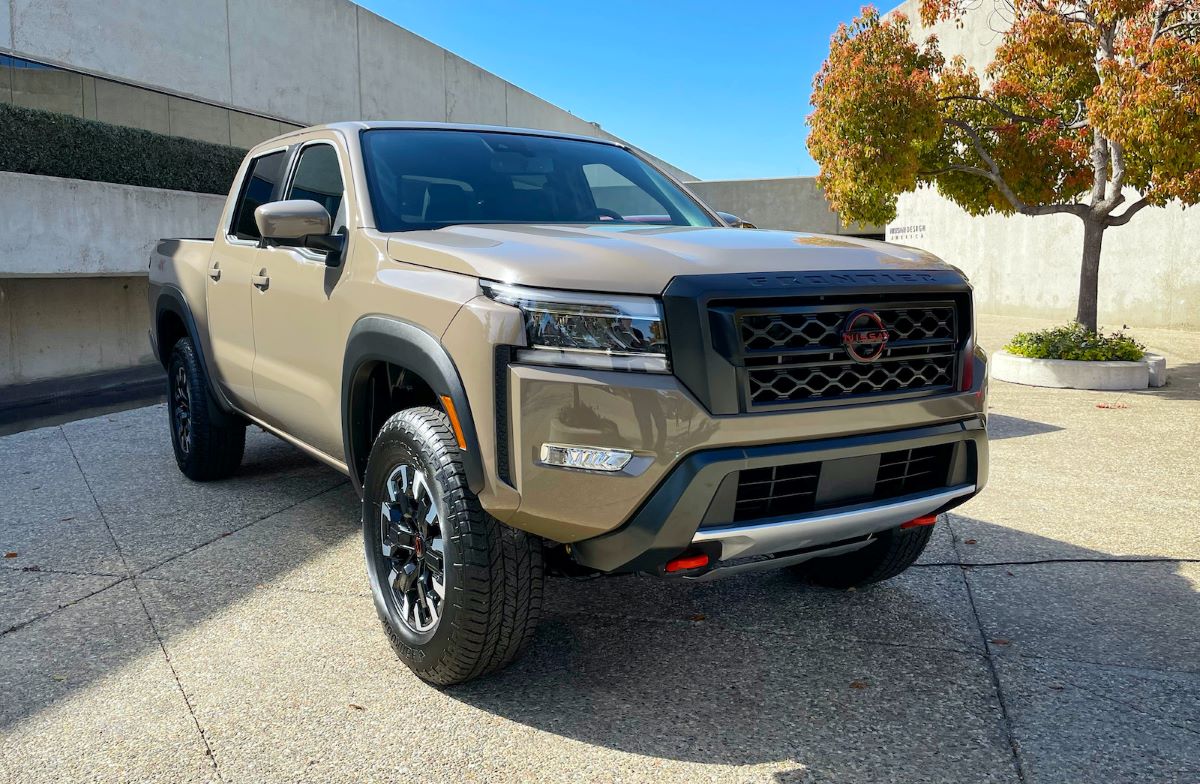
The 2022 Frontier carries over Nissan’s naturally aspirated 3.8-liter V-6 engine, first introduced in the 2020 model of the previous generation. This powerplant delivers 310 horsepower and 281 pound-feet of torque, paired with a nine-speed automatic transmission and the choice between rear- or four-wheel drive.
In our initial drive, the Frontier’s V-6 impressed with its smooth performance and sufficient power delivery. We tested the off-road-focused Pro-4X trim, which proves confident and capable over challenging terrain, even if it doesn’t quite match the extreme abilities of the lifted Chevy Colorado ZR2 or Jeep Gladiator.
Additionally, the Frontier benefits from quicker, more precise steering and numerous chassis upgrades, all contributing to a more composed, refined driving experience both on and off the pavement.
3. Ford Ranger (Pre-2011 models)
Before Ford revived the Ranger in 2019, its previous generation had a major rust reputation. While dependable in terms of drivetrain, the frame and undercarriage suffered badly in salt-heavy areas.
Rear frame rust was particularly severe, with some trucks developing structural issues that made them unsafe to drive.
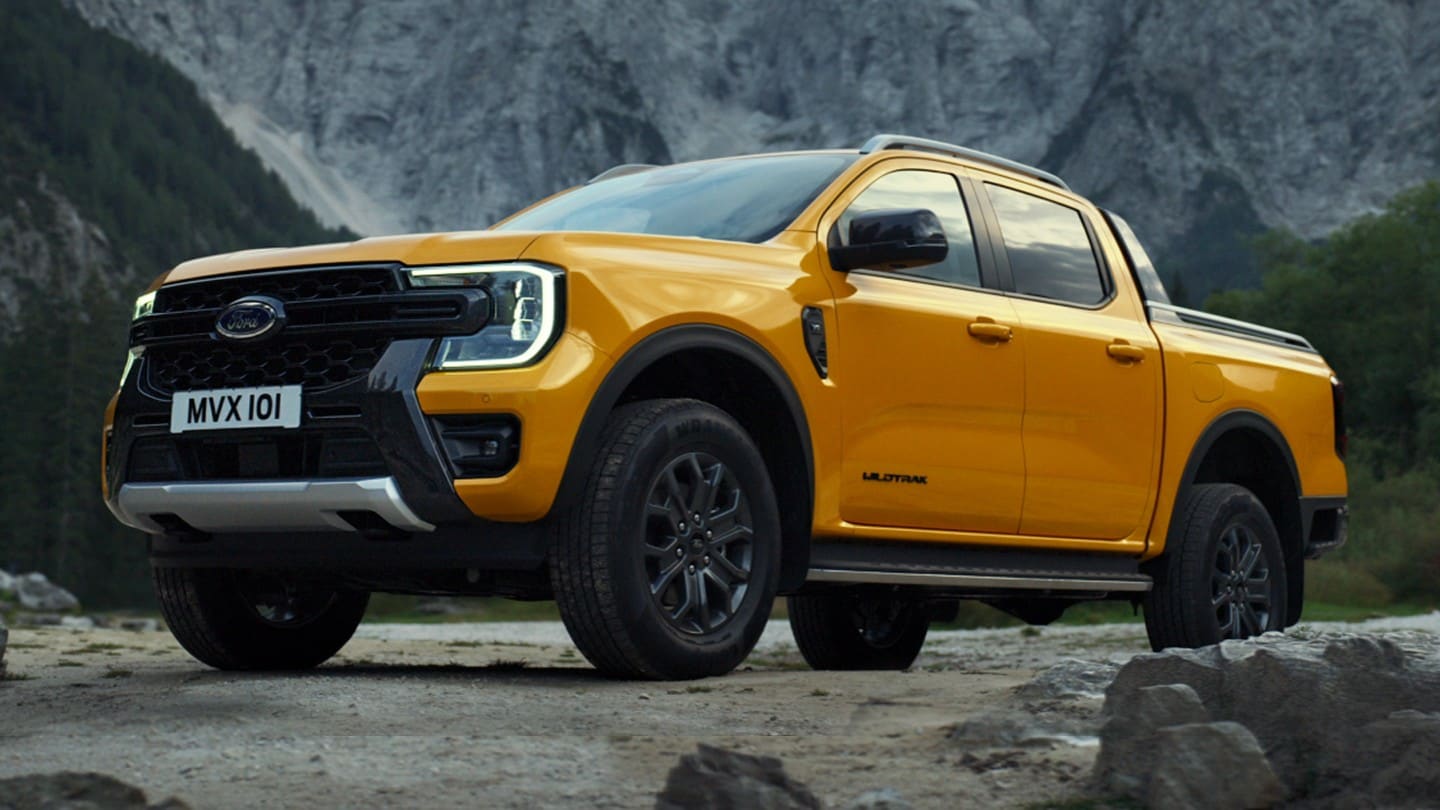
Many owners reported entire sections of the frame flaking away a serious issue for what was otherwise a rugged small truck. The modern Ranger fixed these problems, but the older models remain on used lots with significant corrosion concerns.
4. GMC Sierra 1500 (Pre-2014)
The GMC Sierra 1500 shared many of the same problems as its Chevrolet sibling during the early 2000s and early 2010s. Even though it was marketed as the “luxury” truck of the pair, it was equally prone to rusting rocker panels, fender lips, and tailgates.
While owners often loved the truck’s powertrain and comfort, maintaining one in good cosmetic condition meant frequent undercoating or even bodywork.
GM’s improvements post-2014 helped tremendously, but earlier models remain an example of good engineering undermined by poor corrosion resistance.
The 2014 GMC Sierra 1500 arrives thoroughly redesigned, boasting major updates under the hood and throughout its structure.
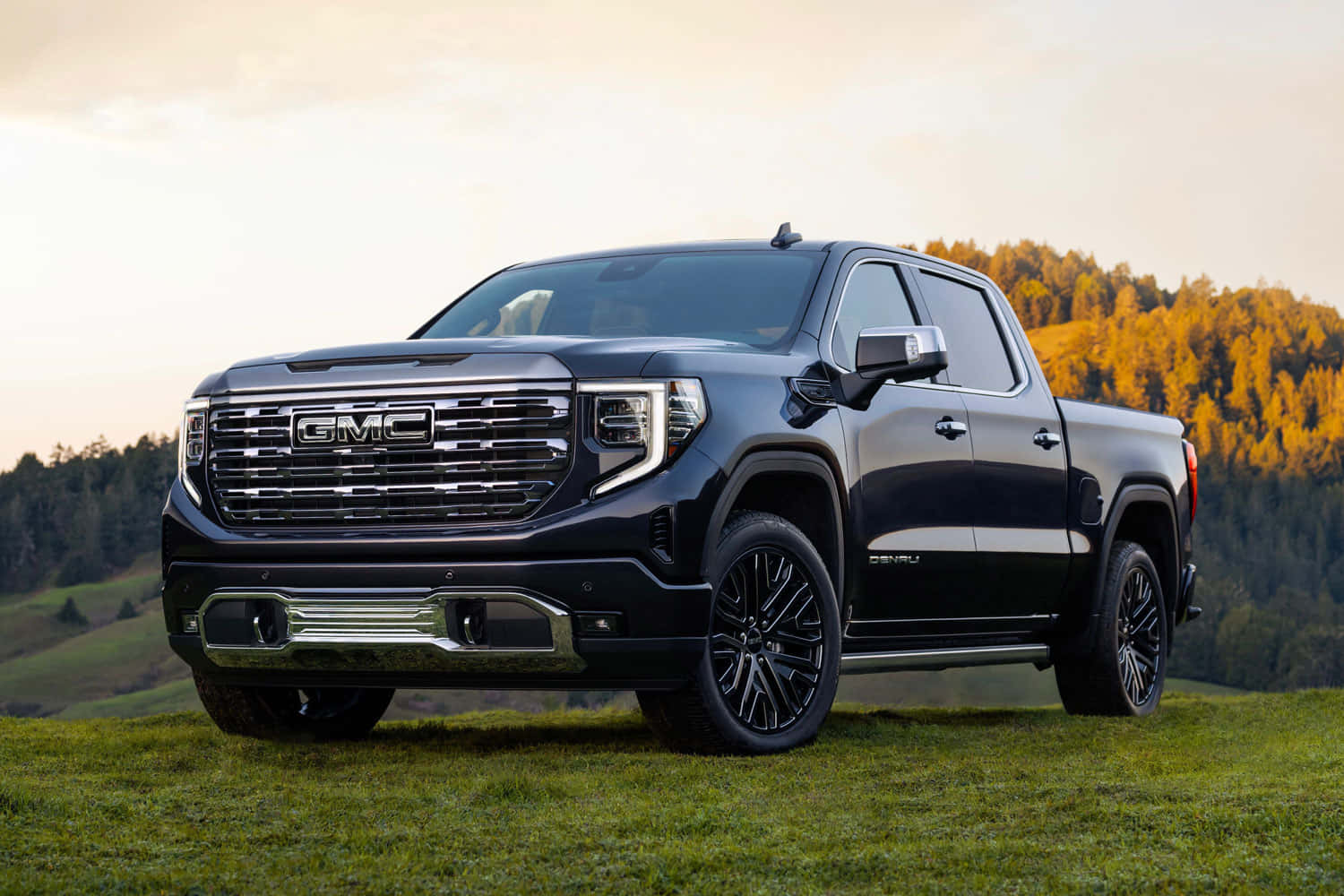
Its new lineup of engines features aluminum blocks and heads, along with modern technologies such as variable valve timing, direct fuel injection, and cylinder deactivation.
The base 4.3-liter V-6 now produces a notable increase in output, 285 horsepower and 305 lb-ft of torque compared to the previous generation’s 195 hp and 260 lb-ft, replacing the old 4.8-liter V-8.
The popular 5.3-liter V-8 also sees a boost, climbing from 315 hp and 335 lb-ft to 355 hp and 383 lb-ft. At the top of the range sits the 6.2-liter V-8, preliminarily rated at 420 hp and 450 lb-ft, marking gains of 17 horsepower and 33 lb-ft.
While the Sierra retains its front control arms and rear leaf springs, both materials and tuning have been revised to reduce weight and enhance ride and handling.
Inside, the cabin receives a significant upgrade, offering improved materials, more storage solutions, and updated technology. The body and cab have also been redesigned for greater strength and reduced wind noise, further contributing to a refined driving experience.
Though the 2014 Sierra 1500’s design may appear similar to its predecessor, nearly every aspect has been reworked.
From its new all-aluminum engines and recalibrated suspension and steering to its upgraded interior materials, this half-ton pickup represents a comprehensive and well-executed evolution of GMC’s dependable workhorse.
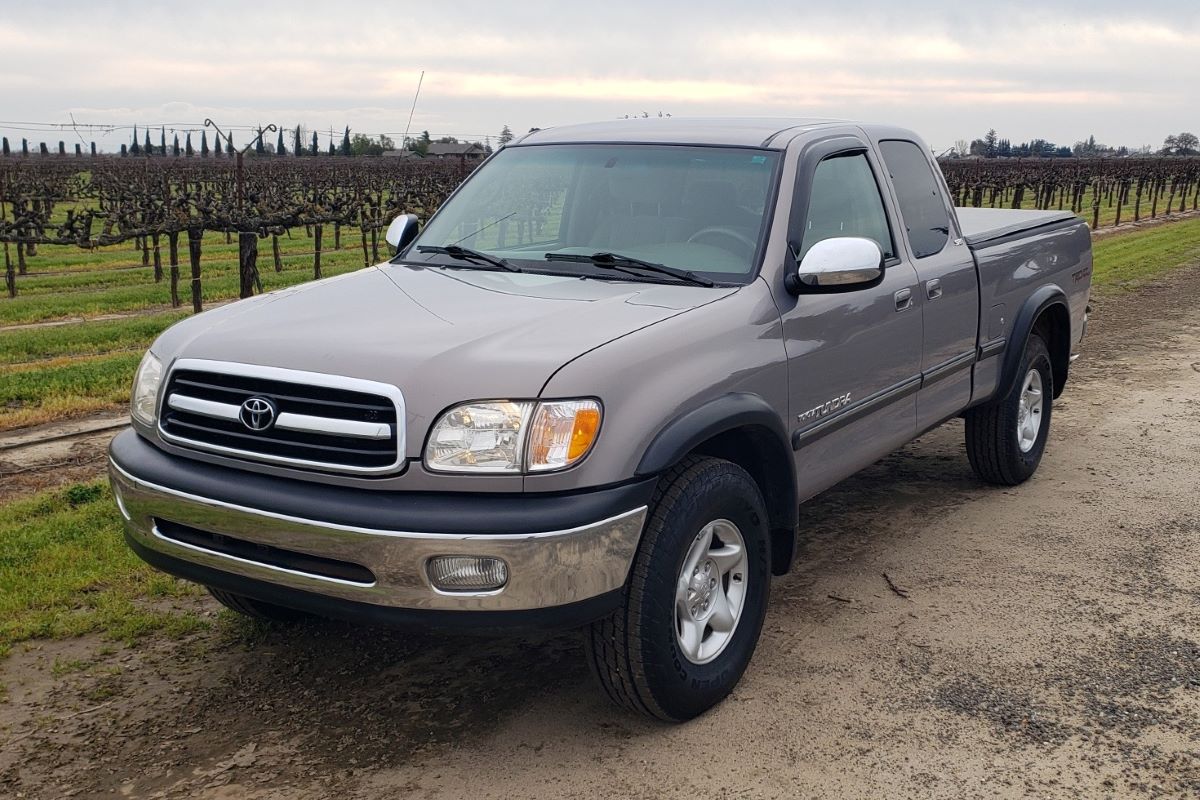
5. Toyota Tundra (2000–2010)
The first-generation Tundra helped Toyota break into the full-size truck market, but it wasn’t without flaws the biggest being frame rust.
The issue became so widespread that Toyota launched a massive recall to replace or treat corroded frames on older models. Some owners even had frames replaced entirely under warranty.
While the Tundra’s drivetrain is exceptionally reliable, the rust problem was so severe in the early years that many trucks failed state safety inspections.
Later generations corrected the issue, but the early Tundra serves as a reminder that even Toyota can miss the mark when it comes to corrosion resistance.
When buying a truck in the U.S., longevity isn’t just about the engine it’s about the body and frame, too. Rust can silently destroy a perfectly good drivetrain and tank resale value.
Trucks like the Toyota Tacoma, Ford F-150, and Chevrolet Silverado 2500HD prove that modern engineering and corrosion protection can extend a truck’s useful life by years.
On the other hand, models like the early Silverados, Frontiers, and first-gen Tundras remind us that neglecting rust protection can turn a tough-looking pickup into a costly liability.
For buyers in rust-prone regions, a little prevention regular undercoating, washing after salted-road driving, and parking indoors goes a long way.
But choosing a truck built with long-term durability in mind is the smartest move of all. In the end, the trucks that age gracefully don’t just last longer they stay proud symbols of reliability on American roads.