
Performance cars occupy a fascinating place in the automotive world. They deliver heart-racing speed, precision handling, and emotional satisfaction that few other machines can match. Yet beneath the excitement lies a constant concern: maintenance.
While some fast cars are engineered with durability and practicality in mind, others demand constant attention, draining bank accounts as quickly as they empty fuel tanks. This duality defines the modern performance car market.
Owning a fast car isn’t just about how quickly it accelerates or how tightly it corners. True ownership satisfaction comes from a balance between performance and dependability.
Some automakers have mastered this equilibrium, designing cars that thrill drivers without punishing them financially.
These are the machines built with thoughtful engineering, parts availability, and mechanical simplicity in mind. They prove that speed doesn’t always have to come with pain.
On the other end of the spectrum are cars that promise excitement but deliver endless bills. Exotic materials, complex electronics, and frequent servicing turn them into financial traps. Their beauty and power come at the cost of practicality, leaving owners frustrated instead of fulfilled.
This feature examines both sides: five fast cars that let owners enjoy performance without constant repair anxiety, and five that burden them with ongoing expenses.
It’s a study in design philosophy, where one group prizes longevity and usability while the other prioritizes exclusivity and complexity. Together, they show that performance alone doesn’t define greatness reliability and sustainability matter just as much when passion meets ownership.
Also Read: 5 SUVs With Growing Demand vs 5 Falling Out of Favor
5 Fast Cars That Are Easy to Maintain
Speed and dependability rarely coexist in the same garage. Most high-performance cars demand specialized care, costly parts, and constant attention. Yet, a select few deliver genuine performance without punishing their owners.
These machines were designed with thoughtful engineering that balances excitement and practicality.
They prove that a fast car doesn’t have to mean endless repair bills or fragile components. Instead, they combine thrilling acceleration and handling with reliability that gives peace of mind long after the adrenaline fades.
What makes these cars stand out is not just their speed, but the thought behind their construction. Each one uses accessible components, logical design, and engines tested through years of refinement.
Routine servicing is straightforward, and replacement parts are easy to find. Their engines can handle daily driving just as easily as weekend track days.
Maintenance costs stay manageable, not because corners were cut, but because durability was part of the design philosophy from the start.
These cars serve as proof that owning something fast doesn’t mean constant worry. They appeal to drivers who love performance but also appreciate practicality. Whether it’s a lightweight sports coupe or a turbocharged sedan, each of these models provides enjoyment without unnecessary complication.
I chose to highlight these five because they remind enthusiasts that great engineering means more than horsepower figures. It means balance the ability to deliver speed, sound, and satisfaction while still being trustworthy after thousands of miles.
They are the ideal answer for those who want passion without punishment, cars that bring smiles on the road and peace of mind in the garage.
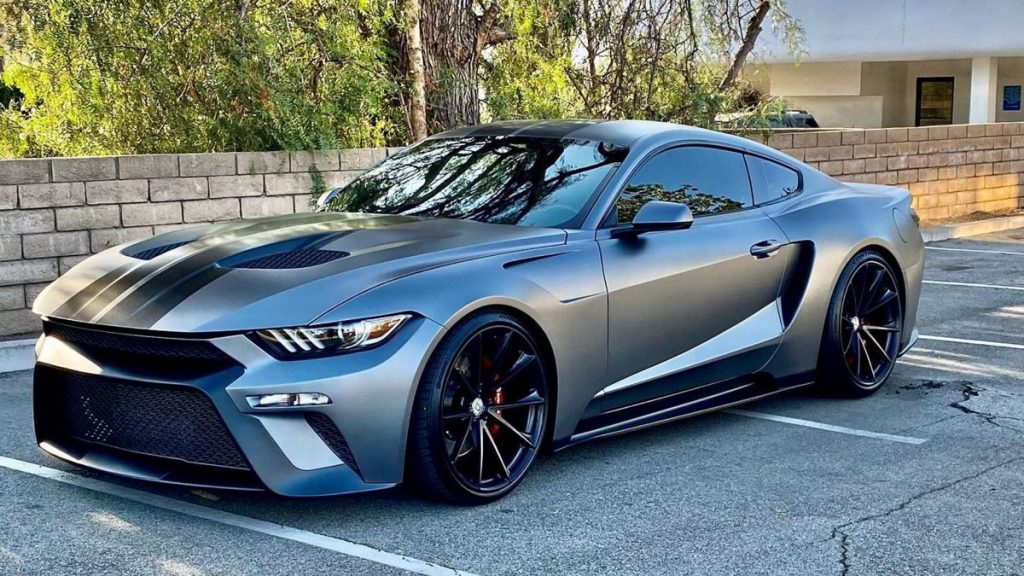
1. Ford Mustang GT
The Ford Mustang GT remains one of the most rewarding performance cars for enthusiasts who value both speed and practicality. Its 5.0-liter Coyote V8 is not only powerful but also known for its toughness.
Producing around 480 horsepower, the Mustang delivers thrilling acceleration and a commanding soundtrack without requiring exotic maintenance routines. Ford’s long-standing approach to accessibility means replacement parts are affordable and widely available.
The simplicity of its design contributes greatly to its reliability. The naturally aspirated V8 avoids the complexity of turbocharging or hybrid systems, which keeps maintenance straightforward.
Regular oil changes, brake servicing, and basic inspections are often all it needs to stay healthy. The transmission options manual or automatic, are both proven and durable, designed to handle spirited driving without complaint.
What makes the Mustang GT truly appealing is how it bridges performance with usability. It’s fast enough to thrill even experienced drivers, yet comfortable and predictable in daily use.
Owners can track it on weekends and commute during the week without fear of mechanical strain. Few cars deliver that combination of power, heritage, and low upkeep so effectively.
I chose to feature the Mustang GT because it represents the best of American engineering honesty. It’s a reminder that performance cars don’t need to be temperamental or overly complex.
The Mustang offers a raw, emotional drive while remaining practical to own something that even many European sports cars can’t claim. It proves that excitement and reliability can share the same engine bay.
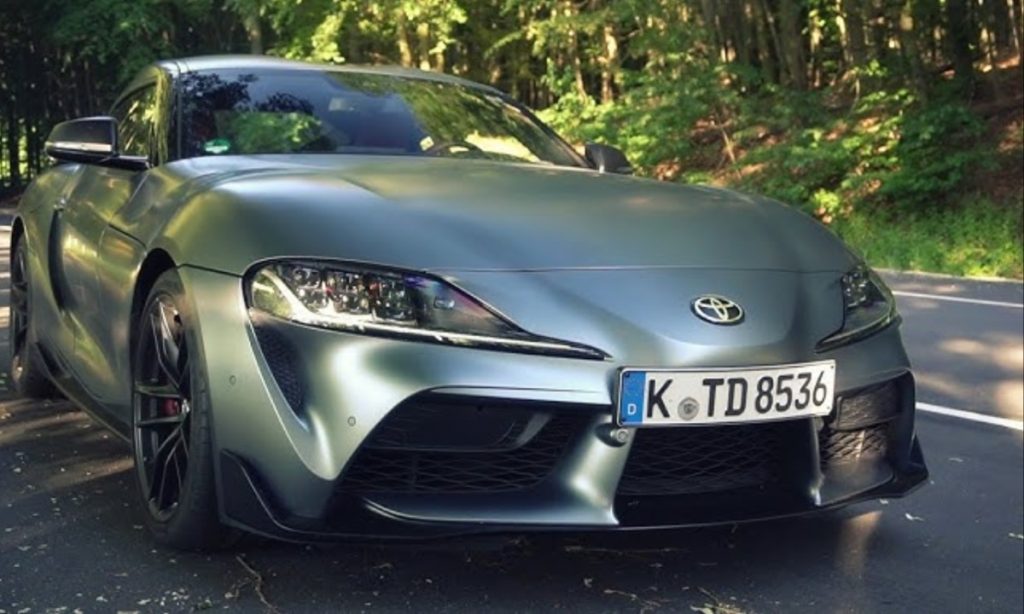
2. Toyota GR Supra (A90)
The Toyota GR Supra, developed in partnership with BMW, has gained attention for its balanced performance and surprising dependability.
Its turbocharged 3.0-liter inline-six engine, borrowed from BMW’s B58 series, is a masterpiece of modern engineering robust, refined, and proven across multiple platforms.
Despite the shared DNA, Toyota’s tuning ensures excellent long-term reliability, and the car doesn’t suffer from the fragility often associated with exotic sports coupes.
Routine maintenance on the Supra is remarkably straightforward. The B58 engine’s design allows easy access to service points, and its oil and cooling systems are well-tested.
Parts availability remains strong due to its shared platform, and Toyota’s global service network means qualified technicians are easy to find. The brakes, suspension components, and electronics are durable enough for regular spirited driving without frequent replacement.
In performance terms, the Supra’s power output of around 382 horsepower delivers rapid acceleration, but its strength lies in balance.
It handles with confidence, and its mechanical layout is free from unnecessary complications. Unlike many modern high-performance cars, it doesn’t rely on excessive electronic trickery to feel fast it’s fast by nature and strong by design.
I chose to include the GR Supra because it combines excitement with long-term reassurance. It embodies how collaboration between two automakers can produce something thrilling yet sensible to own.
While it carries BMW precision and Toyota reliability, the result feels cohesive and robust. It’s a car that delivers emotional performance while respecting its owner’s budget a rare mix in the sports car world.
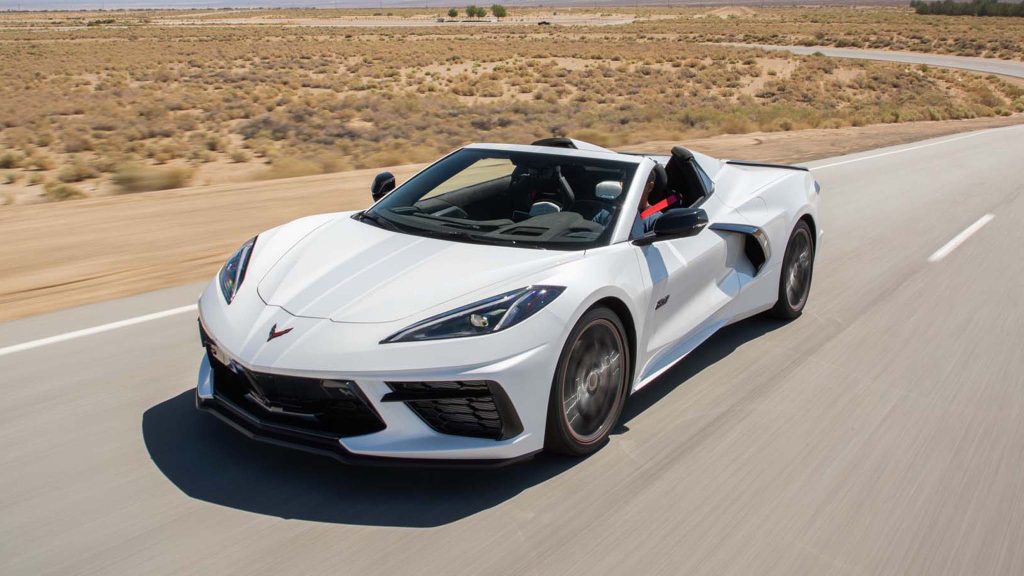
3. Chevrolet Corvette Stingray (C8)
The Chevrolet Corvette Stingray (C8) is a breakthrough for American performance cars, delivering supercar-level speed while keeping ownership practical.
It uses a 6.2-liter LT2 V8 engine producing around 495 horsepower, positioned mid-ship for improved balance and handling.
Despite its exotic configuration, the C8 maintains the mechanical simplicity that has always made the Corvette easy to live with. It’s a car that combines astonishing performance with accessible upkeep.
The LT2 engine is naturally aspirated, avoiding the complex forced induction systems that often raise costs. Routine servicing oil changes, filters, and fluids, is inexpensive relative to its speed category.
Parts are easy to source through Chevrolet’s extensive network, and many components are shared with other GM vehicles. Even consumables like brake pads and tires are reasonably priced compared to those on European exotics.
The car’s engineering also supports durability. The transmission, a dual-clutch unit designed for both performance and reliability, has proven resilient under track conditions.
The cooling systems are robust, allowing the engine to operate efficiently without overheating. Owners can drive the C8 daily or take it to a circuit without worrying about fragile electronics or finicky maintenance schedules.
I chose to include the Corvette Stingray because it challenges the idea that true performance always requires compromise. It’s every bit as thrilling as cars costing twice as much but demands a fraction of the upkeep.
Chevrolet has succeeded in creating a sports car that delivers supercar sensations without the supercar stress. For anyone seeking breathtaking speed and manageable ownership costs, the C8 remains a triumph of balanced engineering.
4. Honda Civic Type R (FL5)
The Honda Civic Type R continues to prove that precision and practicality can coexist. Its turbocharged 2.0-liter engine produces over 315 horsepower, yet it’s engineered for durability and reliability traits that define Honda’s philosophy.
Despite being capable of serious performance, the Type R’s maintenance requirements are straightforward and cost-effective. It’s a car built to handle aggressive driving without punishing its owner.
Honda’s design approach emphasizes mechanical efficiency. The engine uses proven internals, efficient cooling, and a strong manual gearbox that rarely needs major service.
The clutch is light yet durable, and the braking system uses components that are both high-performing and affordable to replace. Even when driven hard, the Type R’s systems are designed to withstand stress without premature wear.
Routine servicing costs are modest compared to other performance cars. Oil changes, spark plugs, and filters are easily accessible, and Honda’s extensive global network ensures parts availability.
The turbocharger, often a point of concern in other brands, has shown impressive long-term reliability thanks to careful tuning and consistent boost management.
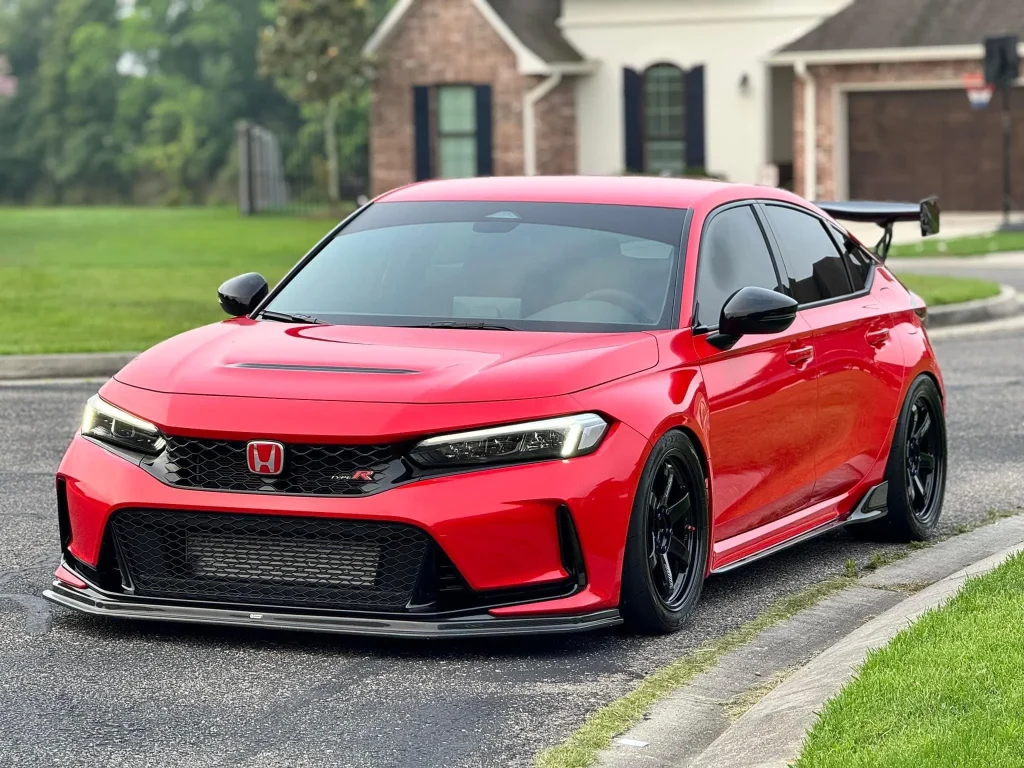
I chose to write about the Civic Type R because it represents the kind of engineering that rewards ownership as much as it rewards driving. It’s proof that a fast, high-revving, front-wheel-drive car can be both thrilling and dependable.
Enthusiasts can enjoy track days or spirited road driving without fear of costly surprises. The Type R stands as a modern example of how performance and reliability can share the same DNA, making it one of the most complete cars on the market.
5. Porsche 911 Carrera (992)
The Porsche 911 Carrera continues to set the benchmark for performance cars that last. Its twin-turbocharged flat-six engine delivers between 379 and 443 horsepower depending on the variant, but it’s engineered for endurance.
Porsche’s reputation for reliability within the sports car segment is not an accident it’s the result of decades of refinement and consistency in design. The 911 blends excitement with dependability in a way few luxury sports cars can match.
Every component of the 911 feels engineered for longevity. The powertrain is robust, the cooling systems are advanced, and the PDK dual-clutch transmission has proven to be both fast and incredibly durable.
Routine maintenance is predictable and well-documented, with long service intervals and clear procedures that don’t demand specialist-only tools. Owners often find that, compared to Italian or British sports cars, the 911’s maintenance costs are refreshingly modest.
Even when driven hard, the car’s structure and drivetrain remain composed. Porsche builds each 911 with performance longevity in mind, ensuring that owners can enjoy both spirited driving and peace of mind. Parts availability is excellent, and the brand’s service network is among the most respected in the industry.
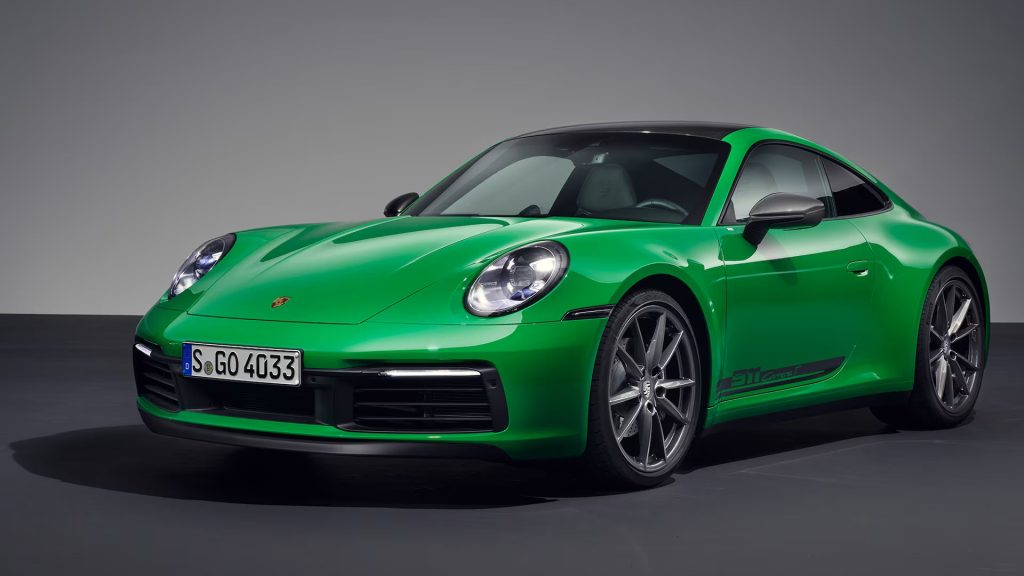
I chose to feature the 911 Carrera because it epitomizes the idea that high speed and high reliability are not mutually exclusive. It’s the rare sports car that feels just as dependable as it is desirable.
Owning one doesn’t require deep pockets for constant repairs only appreciation for quality engineering. The 911 has stood the test of time as a fast, sophisticated, and low-maintenance companion that continues to define what true performance reliability means.
5 Fast Cars That Bankrupt Owners
Speed can be intoxicating, but sometimes the price of owning that speed becomes a burden too heavy to carry. While some performance machines reward their owners with durability and affordable upkeep, others turn into financial nightmares after the thrill fades.
These are the cars that demand not just admiration, but also deep pockets, endless patience, and often a second set of keys for the repair shop.
The truth is that fast cars are not all created equal when it comes to ownership costs. Some are built with racing pedigree in mind but lack the everyday resilience that keeps expenses under control.
Exotic materials, intricate electronics, bespoke components, and short service intervals quickly turn routine maintenance into a luxury affair. Even basic tasks like changing oil or replacing brakes can cost more than an entire year of maintenance for a mainstream vehicle.
This section focuses on performance cars that may deliver unmatched driving pleasure, yet punish owners financially. They are the kind of cars that make your heart race when you see them and your wallet ache when you own them.
Every one of these models represents the seductive side of performance the glamour and the prestige but also the darker side of complex engineering and expensive upkeep.
I chose to write about these five cars because they illustrate the fine line between passion and practicality. They are not bad cars by any measure; in fact, some are engineering marvels. But their ownership stories remind enthusiasts that performance often comes with a price.
Understanding these machines means understanding what happens beyond the thrill when the maintenance bills start arriving and the reality of keeping them on the road begins to sink in.
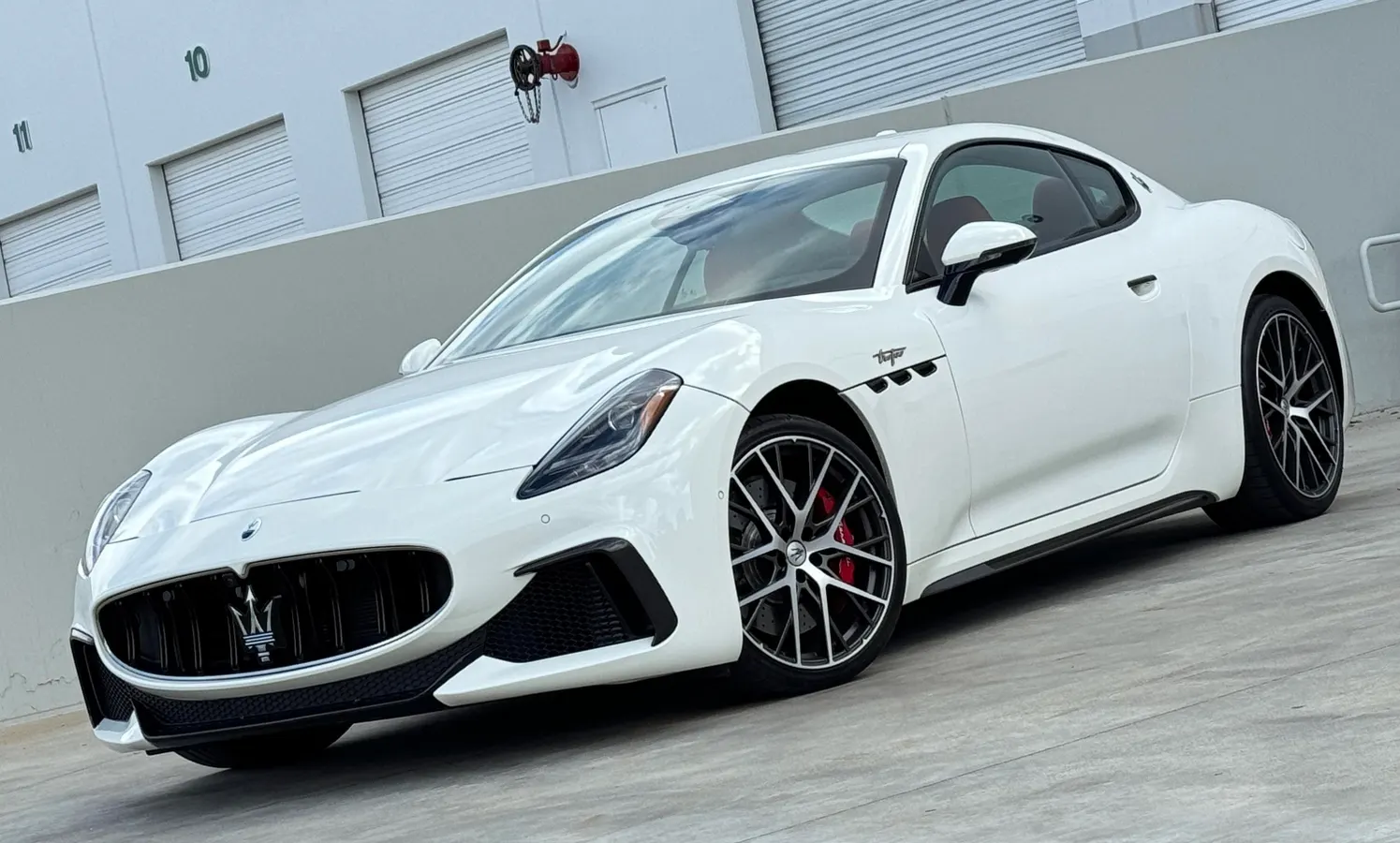
1. Maserati GranTurismo
The Maserati GranTurismo is one of the most beautiful performance coupes ever built, yet its ownership experience is infamous for draining wallets.
The car’s 4.7-liter Ferrari-derived V8 produces a glorious sound and delivers over 450 horsepower, but that partnership with Ferrari also brings along Ferrari-like maintenance costs.
Every service requires specialized attention, and even routine items such as spark plugs or filters can cost significantly more than those of comparable German rivals.
The GranTurismo’s design emphasizes elegance and luxury, but reliability was never its strong point. Owners report frequent electrical issues, suspension wear, and transmission problems that demand expert intervention.
The Skyhook adaptive suspension, while excellent on a smooth road, is expensive to repair when it fails. Even regular consumables such as brakes and tires are priced far above average due to bespoke sizing and brand exclusivity.
Insurance premiums and parts availability further complicate ownership. Because Maserati sells fewer cars than competitors like Porsche or BMW, finding replacement parts often takes longer and costs more. The resale value also tends to drop quickly, meaning that depreciation can be as punishing as maintenance.
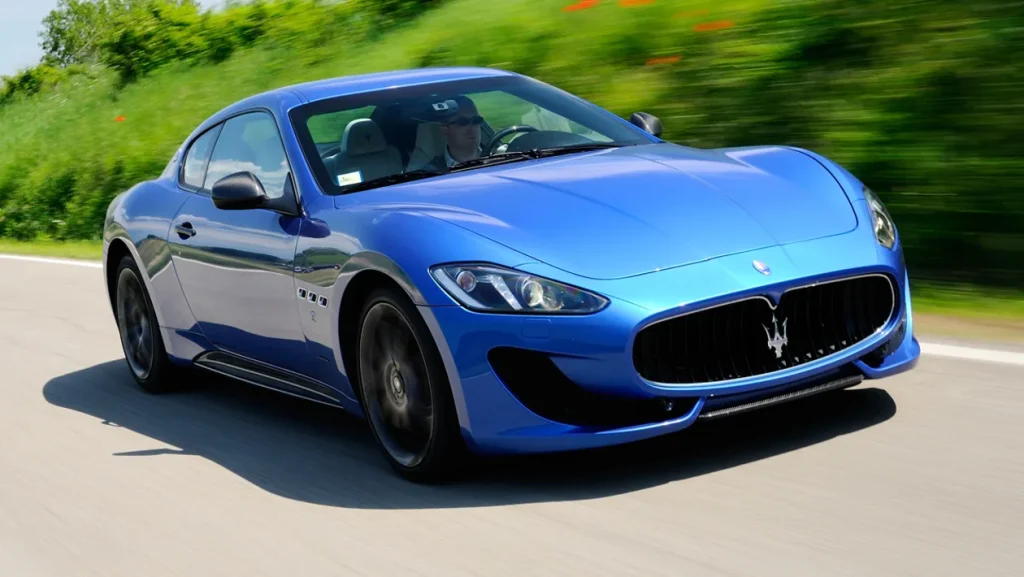
I included the GranTurismo because it perfectly represents the allure and agony of Italian performance ownership. The car seduces with its design and sound but frustrates with its upkeep.
Enthusiasts buy it for its charisma and emotional appeal, but keeping it running smoothly requires dedication, time, and significant financial flexibility. The GranTurismo remains a masterpiece of passion beautiful, thrilling, and expensive in every sense.
2. BMW M5 (F90)
The BMW M5 (F90) stands as one of the most powerful and advanced sedans ever made, with its 4.4-liter twin-turbo V8 producing up to 617 horsepower in Competition trim.
It’s an incredible machine capable of humbling supercars while carrying four passengers in comfort. Yet, beneath that brilliance lies an ownership cost that can quickly spiral.
The M5’s complexity is both its strength and its weakness. The twin-turbocharged powertrain operates under extreme heat and stress, leading to potential issues with turbo seals, cooling systems, and ignition components.
Routine maintenance is already expensive, but once warranty coverage ends, repair bills can climb sharply. Labor costs alone for specialized BMW technicians add another layer of expense.
Electronic systems contribute further complications. Adaptive suspension, dynamic steering, and active differential controls require precise calibration and are costly to replace if they malfunction.
The M5’s weight and power also translate into rapid wear on consumables tyres, brakes, and rotors often last far fewer miles than on standard sedans, and replacements are premium-priced.
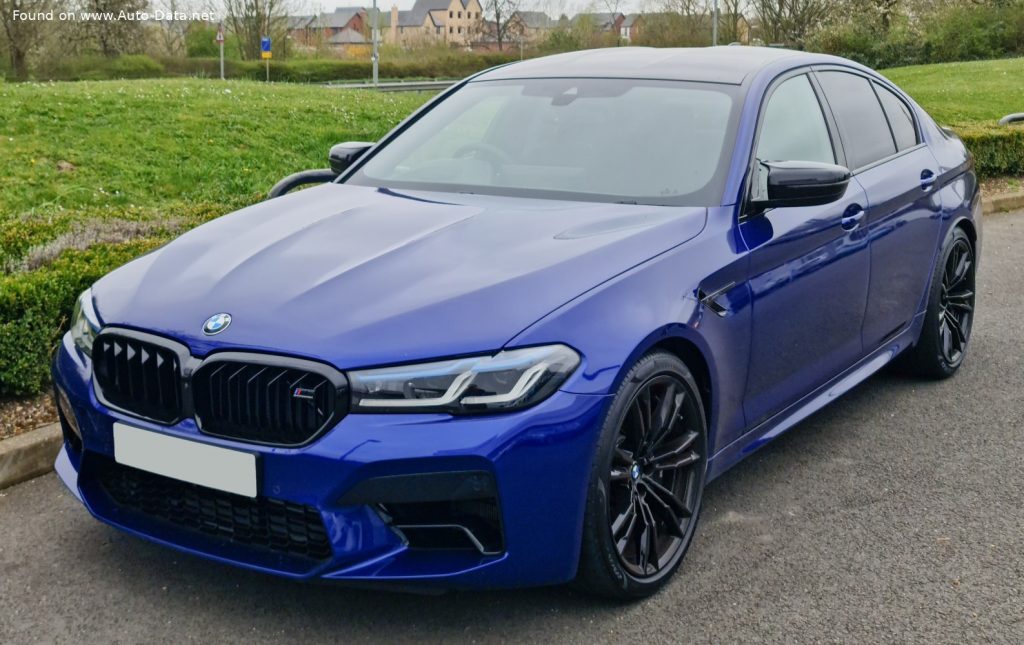
I chose to write about the F90 M5 because it illustrates how cutting-edge performance can coexist with fragile financial practicality. The car’s engineering brilliance demands respect, but it also demands resources to maintain at peak condition.
Owners often describe it as exhilarating to drive and punishing to keep. The M5 gives you the thrill of racing technology wrapped in business-class comfort, but the running costs make it a car best suited for those ready to treat ownership like a performance commitment in itself.
3. Aston Martin Vantage
The Aston Martin Vantage is pure temptation in motion sleek, muscular, and rich in character. It delivers that intoxicating British blend of craftsmanship and speed, powered by a 4.0-liter twin-turbo V8 sourced from Mercedes-AMG.
Producing around 503 horsepower, the Vantage accelerates fiercely and handles with poise. Yet beneath its beauty and sound lies an ownership cost that few can afford to ignore.
Maintenance on the Vantage is both expensive and unpredictable. While the AMG-supplied engine is relatively dependable, Aston Martin’s proprietary systems electronics, interior controls, and body components can be delicate and costly to service.
Routine maintenance like oil changes or brake fluid replacement costs several times more than on similarly fast German competitors. Once warranties expire, even small issues can lead to four-figure repair bills.
The car’s limited production numbers make spare parts scarce and expensive. Body panels, lighting assemblies, and trim components often need to be imported directly from Aston Martin’s supply chain, which adds both time and expense. Labor charges are another concern, as only a handful of workshops are qualified to service these cars properly.
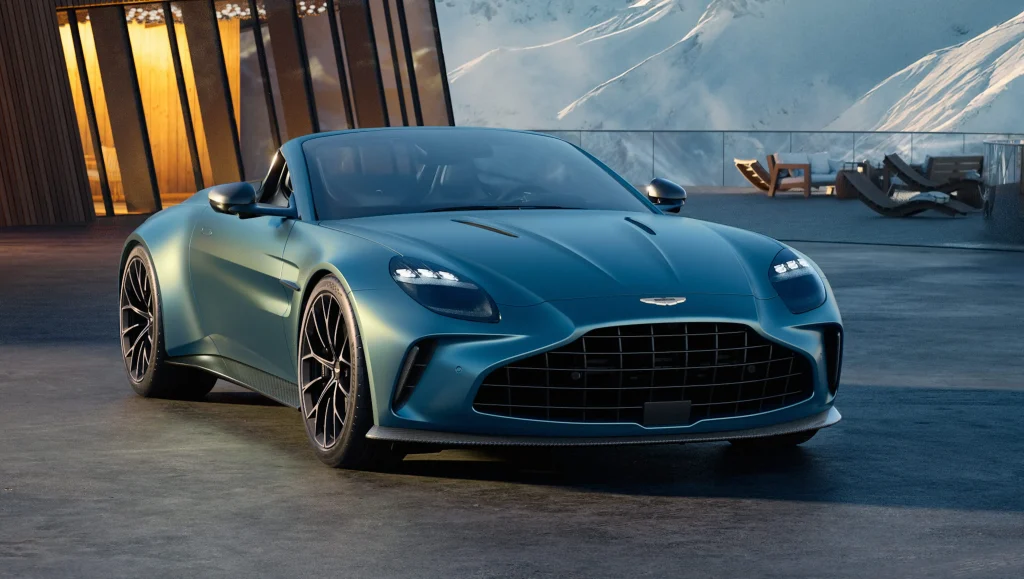
I chose to include the Vantage because it captures the emotional conflict of performance ownership heart over logic. Every drive feels special, every start of the engine feels significant, yet each maintenance invoice reminds owners of its exclusivity.
It’s a car built more for admiration than affordability, a modern-day symbol of passion overshadowed by practicality. The Vantage remains breathtaking to drive and devastating to maintain, a beautiful contradiction on four wheels.
4. Audi R8 V10
The Audi R8 V10 is a masterpiece of engineering that brings supercar thrills to a more approachable shape. It shares its 5.2-liter V10 with the Lamborghini Huracán, producing up to 602 horsepower.
This connection gives it phenomenal performance and sound, but it also means the R8 carries the service demands of an exotic. While it may wear the Audi badge, it doesn’t share Audi’s typical maintenance affordability.
Routine servicing is costly, and consumables like brakes, tires, and clutch components can deplete budgets quickly. The V10’s tightly packed engine bay makes labor-intensive jobs even more expensive.
The R8’s complex all-wheel-drive system and adaptive suspension require specialized technicians who charge premium rates. Owners frequently report that even simple fluid changes can run far higher than expected due to the supercar-level engineering underneath.
Electronic systems add to the financial pressure. The R8’s combination of digital displays, sensors, and driver aids means that diagnosing faults often involves proprietary tools and software. Replacement parts, especially carbon-ceramic brakes or bespoke wheels, cost thousands.
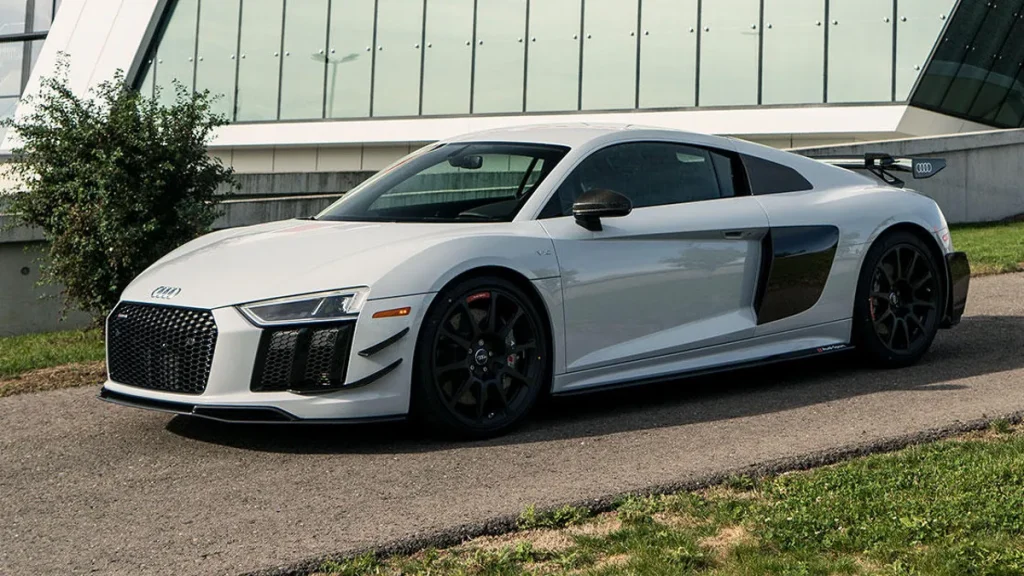
I chose to feature the R8 because it symbolizes a fascinating paradox: a car that looks like a daily driver but costs like a Lamborghini to keep alive. It’s incredibly rewarding to drive, offering immense grip and character, but the long-term ownership costs are often shocking for first-time supercar buyers.
The R8 gives you a taste of exotic performance with everyday usability, but it also reminds you that “everyday” doesn’t mean “inexpensive.”
5. McLaren 570S
The McLaren 570S is one of the most thrilling machines ever produced, powered by a 3.8-liter twin-turbo V8 delivering 562 horsepower and astonishing acceleration. Its carbon-fiber chassis, lightweight design, and razor-sharp handling make it a true driver’s car.
Yet, the same precision that makes it special also makes it incredibly costly to maintain. The 570S demands perfection in both engineering and ownership.
Maintenance on the McLaren is complicated due to its construction. Even simple repairs require removing large sections of the body or specialized diagnostic tools.
The carbon-fiber monocoque limits who can work on it safely, forcing owners to rely on McLaren-certified service centres each visit accompanied by a premium price tag. Parts availability is also limited, and waiting times can stretch for weeks.
Regular servicing can cost several thousand dollars annually, with major repairs such as suspension or turbocharger replacements reaching five figures easily.
The 570S’s electrical systems are sensitive, and malfunctions can cause cascading issues. Depreciation further amplifies ownership costs, as resale values drop quickly once warranties end.
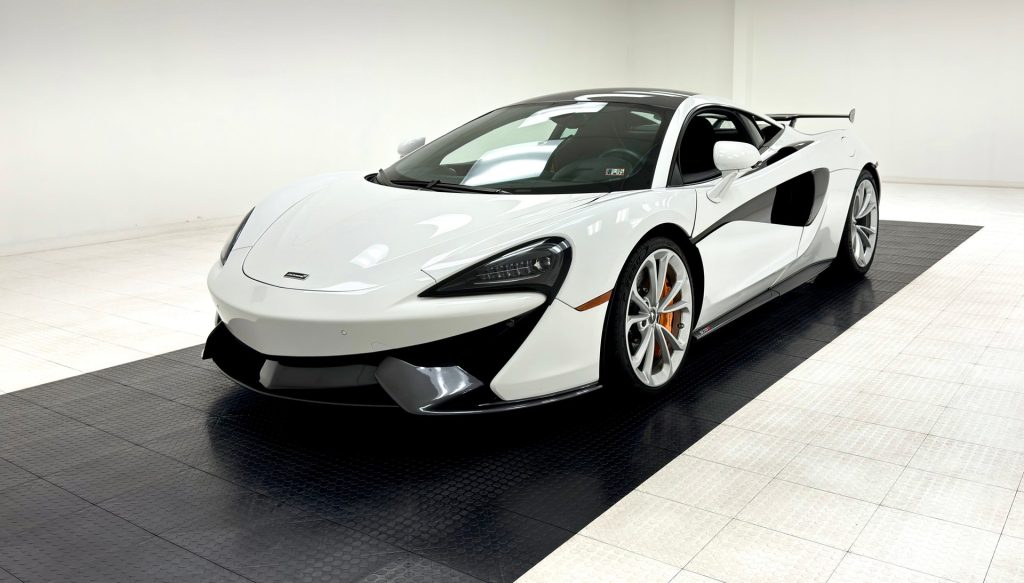
I chose to include the 570S because it highlights the hidden reality of exotic ownership. It’s an incredible machine to drive, delivering an experience unlike any other, yet it punishes financially with every service interval.
McLaren’s engineering brilliance is undeniable, but so is the fragility that comes with it. The 570S remains a lesson that performance perfection often comes at a price that goes far beyond the showroom.
Performance cars excite with speed, handling, and design, but ownership often reveals a stark contrast between thrill and practicality.
Cars like the Ford Mustang GT, Toyota GR Supra, Chevrolet Corvette Stingray, Honda Civic Type R, and Porsche 911 Carrera deliver exhilarating driving experiences without draining owners financially.
Their engines are robust, components accessible, and maintenance straightforward, proving that speed and reliability can coexist. These vehicles reward skill and passion while keeping long-term costs manageable, allowing owners to enjoy performance without constant worry.
On the other hand, cars such as the Maserati GranTurismo, BMW M5, Aston Martin Vantage, Audi R8 V10, and McLaren 570S illustrate how high performance can come at an extraordinary price.
Exotic components, complex electronics, and specialized labor make routine maintenance expensive and time-consuming.
While these cars offer unmatched thrills and prestige, their ownership demands significant financial commitment. Even basic service can become a burdensome expense, and unexpected repairs can escalate rapidly.
The key difference lies in design philosophy. Affordable high-performance cars prioritize durability alongside excitement, while exotic machines prioritize peak performance, exclusivity, and advanced technology, often at the cost of reliability.
Understanding this distinction helps enthusiasts make informed choices, ensuring that passion doesn’t turn into frustration. Ultimately, true enjoyment comes from balancing speed with sustainability.
Also Read: 5 Trucks That Will Be Collectibles Soon vs 5 That Won’t
