
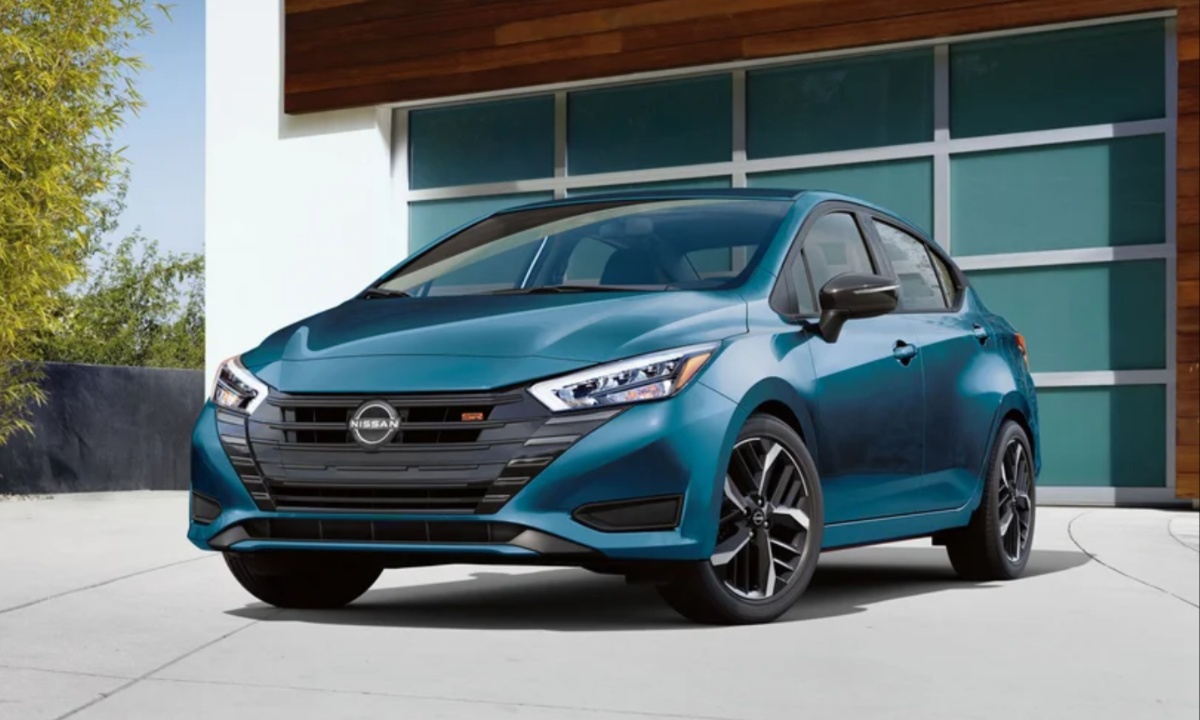
Car enthusiasts often face a dilemma when purchasing an affordable vehicle: should it be practical, or should it provide a platform for customization and personal expression?
While some cars are naturally enjoyable to modify, offering robust aftermarket support, performance potential, and ease of upgrades, others fall short, leaving owners frustrated and limited in their options.
Understanding which affordable vehicles are fun to modify and which are not can save money, time, and headaches while enhancing the ownership experience.
Cars that are fun to mod typically offer strong engine performance, simple mechanical layouts, and a vibrant aftermarket community.
These vehicles allow owners to improve power, handling, styling, and audio systems without breaking the bank.
Popular models often provide a balance between affordability and performance potential, making them ideal for enthusiasts who enjoy tinkering, tuning, or personalizing their vehicles.
The experience goes beyond aesthetics well-chosen modifications can enhance driving enjoyment, responsiveness, and even long-term reliability if done correctly.
On the other hand, some affordable cars appear promising at first glance but prove difficult to modify. Limited aftermarket support, proprietary parts, and restrictive electronic systems can make even minor upgrades costly or impractical.
In some cases, performance limitations or poor design choices restrict potential improvements, leaving owners with minimal options to enhance the car’s capabilities.
This article examines both sides of the spectrum. First, it highlights five affordable cars that are highly enjoyable to modify, showcasing their performance, community support, and upgrade potential.
Then, it explores five cars that, despite being inexpensive, are difficult or unrewarding to modify, demonstrating the importance of choosing wisely.
By comparing these vehicles, readers gain a clear understanding of which cars offer the best opportunities for creative customization and which are better left stock.
Also Read: 5 Sedans That Handle Like Sports Cars vs 5 That Drive Like Boats
5 Affordable Cars That Are Fun to Mod
Affordable cars that are fun to modify offer enthusiasts a unique opportunity to enhance performance, style, and personalization without spending a fortune.
These vehicles combine solid engineering, accessible parts, and a strong aftermarket community, allowing owners to explore upgrades ranging from engine tuning and suspension improvements to cosmetic modifications and audio enhancements.
Choosing the right platform is crucial because a well-supported car provides countless options for improvement, while also maintaining reliability and long-term value.
Vehicles in this category often feature engines and drivetrains that respond well to upgrades, chassis designs that allow handling modifications, and interiors that can accommodate personalization without excessive expense.
The community surrounding these cars also plays a key role, offering guidance, parts, and shared experiences that simplify the modification process.
Enthusiasts can achieve noticeable performance gains or distinctive styling even with a modest budget, making the ownership experience more engaging and enjoyable.
On the other hand, some affordable cars are inherently limited when it comes to modifications. Weak engine platforms, complex electronic systems, or a lack of aftermarket support can make upgrades costly or impractical, discouraging creative customization.
This section focuses on five cars that provide the best opportunities for modifications in terms of affordability, performance potential, and parts availability.
Each model is chosen for its ability to deliver fun, satisfaction, and versatility, proving that an affordable car does not have to be mundane.
The following five vehicles highlight how accessibility, durability, and enthusiast support come together to create rewarding modification experiences.
They serve as ideal starting points for anyone looking to personalize a car, improve performance, or simply enjoy the process of making a vehicle truly their own.
1. Honda Civic (2000–2010)
The Honda Civic has long been a favorite among car enthusiasts for its modification potential. Its lightweight chassis, reliable engines, and widespread availability make it an ideal platform for both beginners and experienced modifiers.
Models from the 2000s, including the seventh and eighth generations, feature engines such as the D-series or K-series, which respond exceptionally well to bolt-on upgrades like intake systems, exhausts, and turbo kits.
Aftermarket support for the Civic is vast. Performance parts, suspension upgrades, and aesthetic modifications are readily available, often at affordable prices.
The car’s simplicity and mechanical accessibility allow owners to perform many modifications themselves, further reducing costs.
Additionally, a large enthusiast community offers forums, guides, and shared knowledge, making the process of upgrading less intimidating.
Beyond performance, the Civic is versatile for cosmetic modifications. Custom body kits, wheels, and lighting upgrades are widely available, allowing owners to personalize the car’s appearance without excessive expense. Interior modifications, including audio and seating upgrades, are also straightforward.
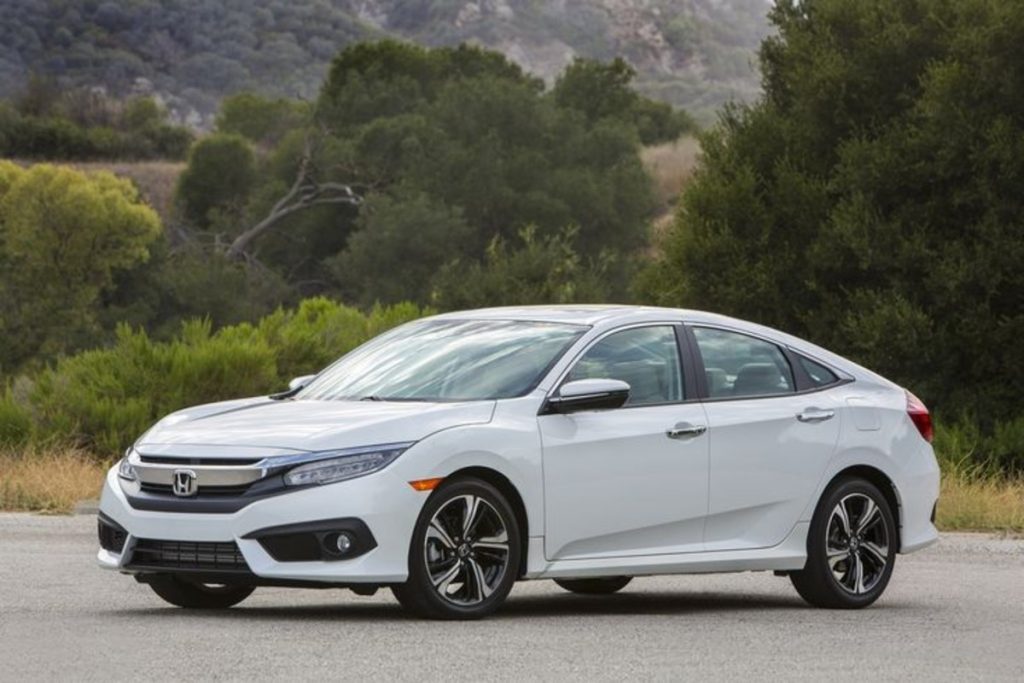
Reliability is a major factor that sets the Civic apart. Even heavily modified models can remain dependable if proper maintenance is performed, making it a practical choice for daily driving while still offering an engaging modification experience.
The Honda Civic demonstrates why it remains one of the most popular platforms for affordable modifications.
Its balance of performance potential, reliability, and aftermarket support ensures that owners can create a car that suits their preferences, whether focused on speed, handling, or personalized style.
2. Mazda MX-5 Miata (1990–2005)
The Mazda MX-5 Miata is renowned for its driving enjoyment, and its modification potential adds another layer of appeal. Lightweight, rear-wheel-drive, and balanced, the Miata provides an excellent platform for upgrades that enhance handling, power, and aesthetics.
The first and second-generation models, including NA and NB versions, are especially popular among enthusiasts due to their simplicity and mechanical reliability.
Engine modifications, such as intake, exhaust, and forced induction kits, can significantly improve performance. Suspension upgrades, including coilovers and sway bars, allow drivers to tailor handling for spirited driving or track use.
The Miata’s compact size and low weight mean that even minor modifications result in noticeable improvements in performance and responsiveness.
Aftermarket support for the Miata is extensive. Parts are widely available and relatively inexpensive, and there is a strong community of enthusiasts who provide guidance, tutorials, and shared experiences.
Cosmetic modifications, including wheels, body kits, and interior upgrades, are also plentiful, allowing owners to personalize the car without excessive cost.
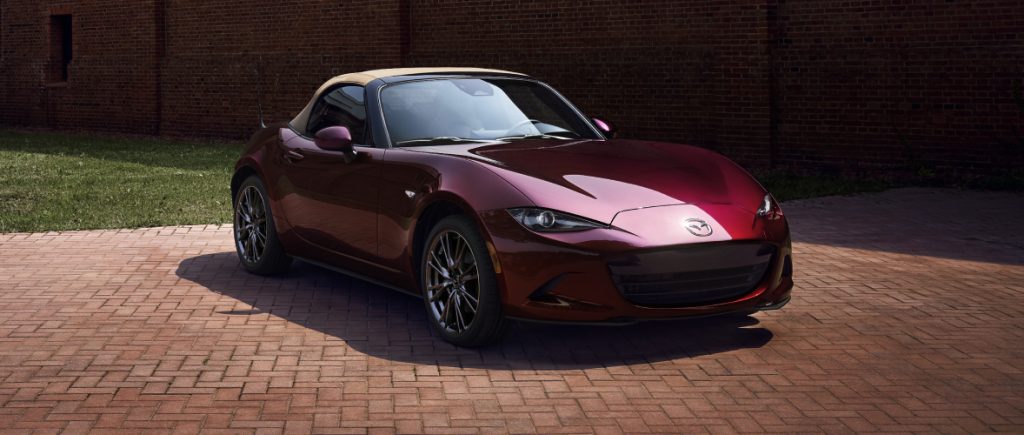
The Miata remains mechanically reliable, even when modified, provided owners maintain it properly. This combination of lightweight fun, rear-wheel-drive dynamics, and modification potential makes it a perfect choice for both weekend drivers and hobbyists.
The Mazda MX-5 Miata shows that an affordable car can deliver an engaging driving experience while offering countless possibilities for customization, ensuring that the joy of ownership extends beyond the factory configuration.
3. Volkswagen Golf GTI (2005–2014)
The Volkswagen Golf GTI is a well-rounded hatchback that combines practicality, performance, and modification potential, making it a favorite among enthusiasts.
Models from the fifth and sixth generations provide a solid platform for both cosmetic and performance upgrades.
The GTI’s turbocharged engines respond well to bolt-on modifications, including intake systems, exhaust upgrades, and ECU tuning, allowing significant gains in power without major expense.
Handling is one of the GTI’s strong points. The front-wheel-drive chassis can be enhanced with aftermarket suspension kits, sway bars, and brake upgrades, allowing owners to improve cornering performance and overall driving dynamics.
The car’s lightweight and balanced design ensures that even modest upgrades translate into noticeable improvements on the road.
Aftermarket support is extensive. Performance parts, body kits, wheels, and interior accessories are widely available, giving enthusiasts the flexibility to personalize their vehicles both mechanically and aesthetically.
The large and active Golf community provides guidance, tips, and shared experiences, simplifying the modification process.
Practicality is another advantage. The GTI remains a usable daily driver with a functional hatchback design, ample cargo space, and comfortable seating. Reliability is generally strong, particularly when owners maintain the turbocharged engines and follow routine servicing.
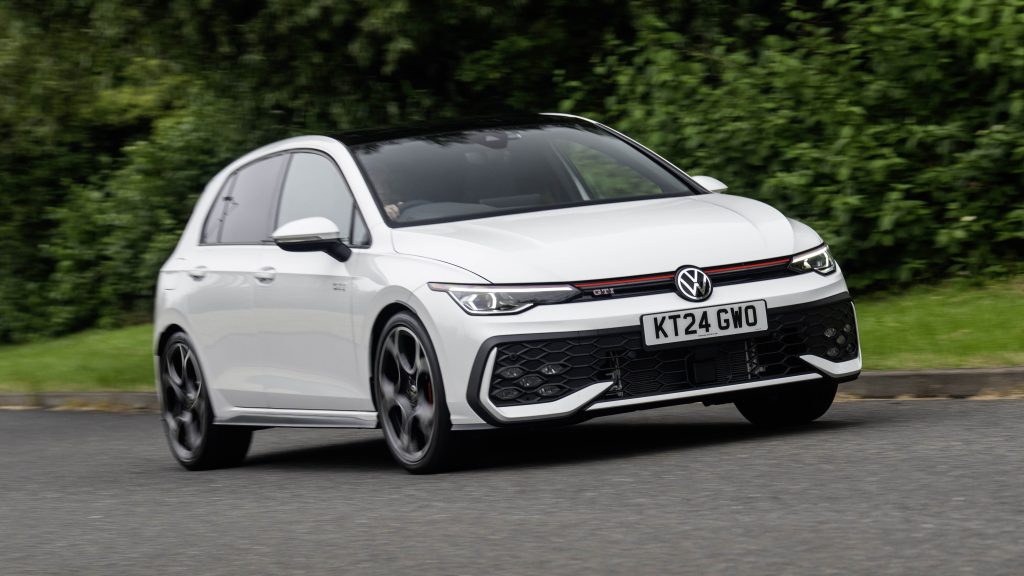
The Volkswagen Golf GTI proves that a compact hatchback can be both practical and highly modifiable. Its combination of turbocharged performance, chassis flexibility, and aftermarket availability allows owners to create a car that reflects personal style, performance goals, and driving preferences.
For enthusiasts seeking an affordable vehicle that offers both fun and versatility, the GTI remains an excellent choice.
4. Ford Fiesta ST (2013–2019)
The Ford Fiesta ST is a compact, lightweight hot hatch that provides excellent driving dynamics and strong modification potential.
Its turbocharged 1.6- or 1.5-liter EcoBoost engines respond well to simple upgrades, including intakes, exhausts, and ECU tuning, allowing owners to boost power without major investment.
The Fiesta ST’s front-wheel-drive chassis is agile and responsive, making suspension and brake upgrades highly effective for spirited driving.
Aftermarket support is substantial, with a wide array of performance parts, cosmetic enhancements, and interior upgrades.
Enthusiasts have access to forums, guides, and community advice, simplifying modifications and ensuring reliability during upgrades. Wheels, body kits, and lighting accessories further allow personalization to match driving style or aesthetics.
Reliability is strong for a modified vehicle. The engine and drivetrain can handle moderate upgrades without compromising longevity, provided proper maintenance is performed.
The small size and lightweight design contribute to excellent handling, making the car enjoyable on both streets and track days.
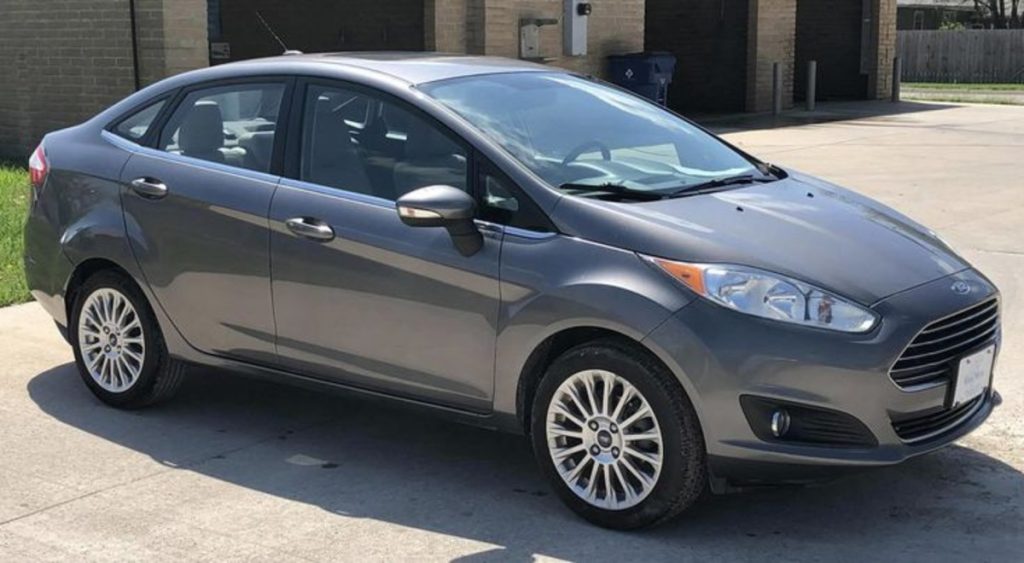
Practicality is maintained despite its performance-oriented nature. The Fiesta ST remains a usable daily driver, offering comfortable seating for four, a functional hatchback, and reasonable fuel efficiency.
The combination of fun driving dynamics, modifiability, and affordability makes it a popular choice among young enthusiasts or anyone seeking a spirited yet practical car.
The Ford Fiesta ST illustrates how a small, inexpensive vehicle can provide immense satisfaction for modifiers. Its balance of performance, handling, and community support ensures that upgrades are effective, accessible, and rewarding.
5. Subaru WRX (2008–2014)
The Subaru WRX is an iconic all-wheel-drive sports sedan that offers strong modification potential and a practical chassis for performance upgrades.
Popular among enthusiasts, models from the third and fourth generations provide turbocharged engines that respond exceptionally well to bolt-on enhancements, including exhausts, intakes, turbo kits, and ECU tuning, allowing significant increases in power and responsiveness.
The WRX’s all-wheel-drive system makes it particularly enjoyable for handling-focused modifications.
Suspension upgrades, brakes, and limited-slip differentials can enhance cornering and traction, while maintaining stability in adverse conditions. Its drivetrain flexibility allows enthusiasts to build cars suited for street, track, or rally-style driving.
Aftermarket support is extensive. Parts for performance, aesthetic, and interior upgrades are readily available, and the Subaru enthusiast community provides guidance and shared experiences. This support network makes modifications more accessible, affordable, and reliable.
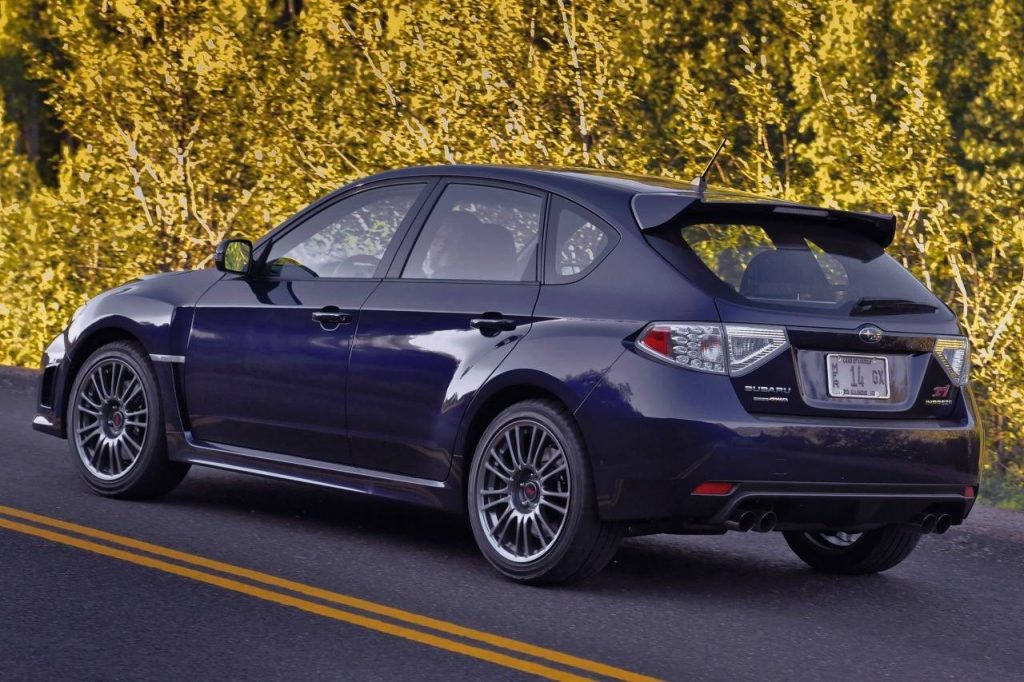
Practicality is another strength. The WRX is a usable daily driver, offering four doors, seating for five, and a reasonably sized trunk. Reliability is solid, particularly when owners maintain the turbocharged engines and follow service schedules.
The Subaru WRX demonstrates that an affordable sports sedan can provide immense modification potential without sacrificing usability.
Its combination of turbocharged performance, all-wheel-drive capability, and extensive aftermarket support ensures that owners can create a vehicle tailored to their driving preferences, making it one of the most rewarding affordable cars to modify.
5 Affordable Cars That Aren’t Fun to Mod
Not all affordable cars are suitable for modifications. While some vehicles provide excellent platforms for upgrades, others present challenges that make modifying them difficult, expensive, or unrewarding.
Understanding which cars fall into this category is essential for enthusiasts who want to avoid frustration, wasted money, and limited performance improvements.
Cars that aren’t fun to mod often face limitations due to weak engines, complex electronic systems, or poor aftermarket support. Even simple upgrades can become costly or impractical when parts are scarce, proprietary, or incompatible with other components.
Performance gains may be minimal, and handling or structural limitations can prevent meaningful improvements. As a result, owners often find that modification attempts yield disappointing results, leaving the car largely unchanged despite investment and effort.
Additionally, some vehicles are designed with safety, emissions, or economy as the primary priorities.
While these aspects are important for daily use, they can restrict modification potential. Turbocharging, suspension tuning, or aesthetic customization may be difficult or ineffective, reducing enjoyment for hobbyists seeking a rewarding project car.
This section highlights five affordable cars that are challenging or unrewarding to modify. Each model is selected based on engine limitations, structural constraints, lack of aftermarket support, or design choices that hinder performance and personalization.
By identifying these vehicles, enthusiasts can make informed decisions and focus on platforms that offer the most enjoyable modification experience.
Comparing these less mod-friendly cars with highly modifiable vehicles emphasizes the importance of selecting an appropriate platform.
The following five cars illustrate why affordability alone does not guarantee a rewarding modification experience and demonstrate the value of research and foresight before investing in upgrades.
1. Toyota Corolla (2010–2019)
The Toyota Corolla is known for reliability, efficiency, and practicality, but it is not an ideal platform for modifications.
While it serves well as a daily driver, its engines, such as the 1.8-liter four-cylinder, are designed for fuel economy rather than performance, limiting the potential gains from upgrades.
Even with intake, exhaust, or ECU tuning, performance improvements are minimal, offering little noticeable difference in speed or responsiveness.
Handling and suspension design also constrain modification potential. The Corolla’s front-wheel-drive layout and soft suspension are tuned for comfort rather than sporty dynamics, meaning suspension upgrades provide limited improvement.
Steering response remains modest, and chassis rigidity is insufficient for high-performance enhancements.
Aftermarket support is another limiting factor. While minor cosmetic parts are available, performance-oriented components, such as turbo kits or advanced suspension systems, are scarce or prohibitively expensive. This restricts options for enthusiasts who wish to significantly enhance driving performance.
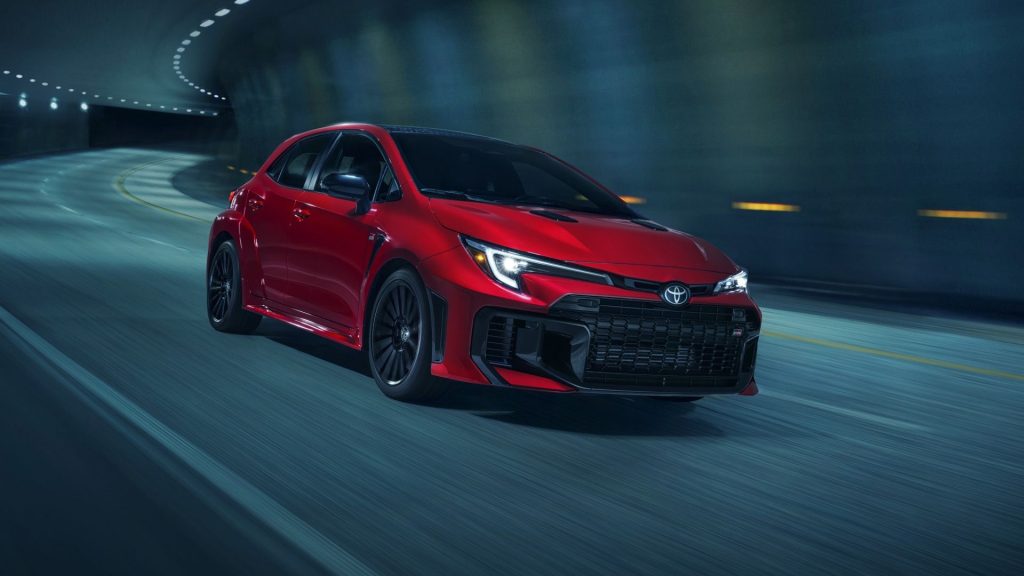
Interior and aesthetic modifications are possible, but they do not compensate for the lack of mechanical potential.
The car’s electronic systems are not particularly friendly to modifications, and safety and emissions controls further limit opportunities for tuning.
Despite these limitations, the Corolla excels in reliability, fuel efficiency, and low maintenance costs, making it a strong choice for practical ownership but not for modification enthusiasts. Those seeking a rewarding upgrade experience will find the platform restrictive and unrewarding.
The Toyota Corolla demonstrates that affordability and reliability do not automatically make a vehicle fun to modify. Its engine limitations, chassis design, and lack of aftermarket support combine to make meaningful performance or handling upgrades difficult and expensive.
2. Honda Fit (2007–2014)
The Honda Fit is a compact, efficient, and versatile car, but it is not well-suited for performance modifications.
Its small engines, such as the 1.5-liter inline-four, are designed for economy and urban driving rather than power, leaving little room for significant performance gains.
Bolt-on modifications like exhausts or intake systems produce minimal results, making upgrades less satisfying for enthusiasts.
Suspension and handling also limit modification potential. The Fit’s front-wheel-drive layout, soft suspension, and lightweight chassis were optimized for comfort and practicality rather than spirited driving.
Suspension upgrades may improve handling slightly but cannot transform the vehicle into a performance-focused car.
Aftermarket support for the Fit is limited compared to more popular modification platforms. While cosmetic parts like wheels, spoilers, or interior accessories are available, performance upgrades are sparse and often expensive.
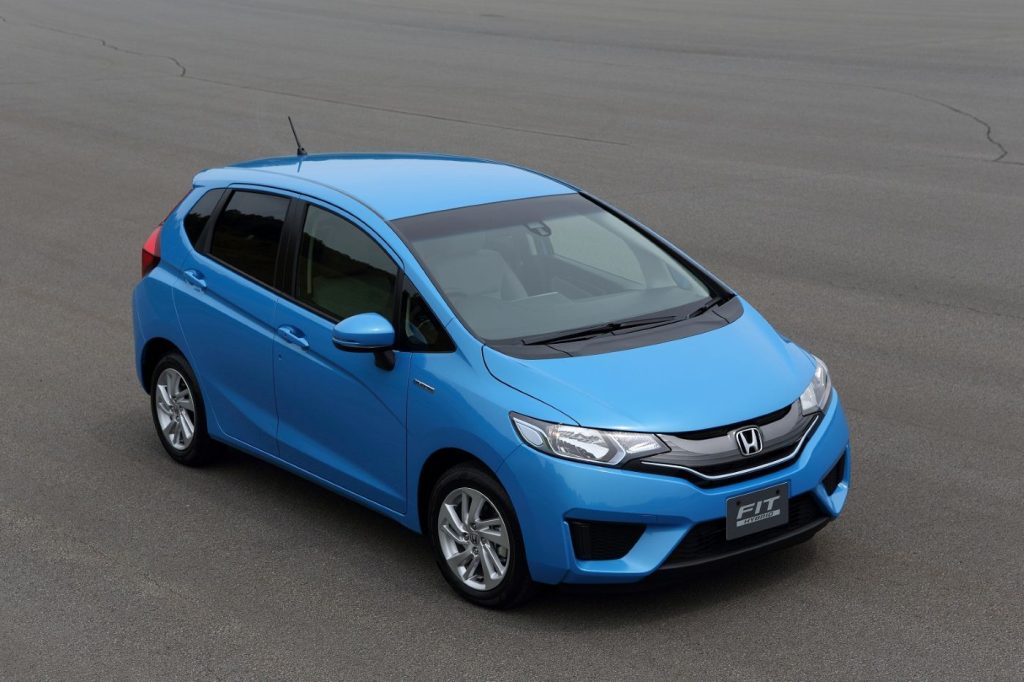
Turbocharging or forced induction is not commonly supported, reducing options for those seeking meaningful power improvements.
The Fit’s interior and practicality are highlights, offering flexible cargo space and efficient packaging, but they do not enhance modding appeal. Electronic systems are basic, which limits advanced tuning options or aftermarket electronics integration.
In essence, the Honda Fit is excellent as an affordable, practical daily driver but disappointing as a modification platform.
Its engine limitations, chassis design, and limited aftermarket support prevent significant performance or handling improvements, making it less enjoyable for enthusiasts seeking a rewarding project car.
3. Nissan Versa (2012–2019)
The Nissan Versa is an economical compact car designed primarily for affordability and fuel efficiency. While it excels in low ownership costs and practicality, it is a poor choice for modifications.
Its engines, typically 1.6- or 1.8-liter four-cylinders, are designed for efficiency, providing minimal horsepower and torque. Even simple bolt-on upgrades such as intake, exhaust, or ECU tuning result in negligible performance gains.
The Versa’s chassis and suspension limit its handling potential. The front-wheel-drive setup and soft suspension are optimized for comfort, not sporty driving.
Suspension upgrades offer little improvement in cornering or stability, and the lightweight frame does not lend itself to aggressive tuning. Steering feedback remains uninspiring, making any handling-focused modifications less effective.
Aftermarket support is minimal. While a few cosmetic options exist, such as wheels or body kits, performance-oriented parts are rare.
Advanced upgrades like forced induction, high-performance brakes, or suspension components are either unavailable or disproportionately expensive relative to the car’s value. Electronics and safety features further restrict tuning possibilities.
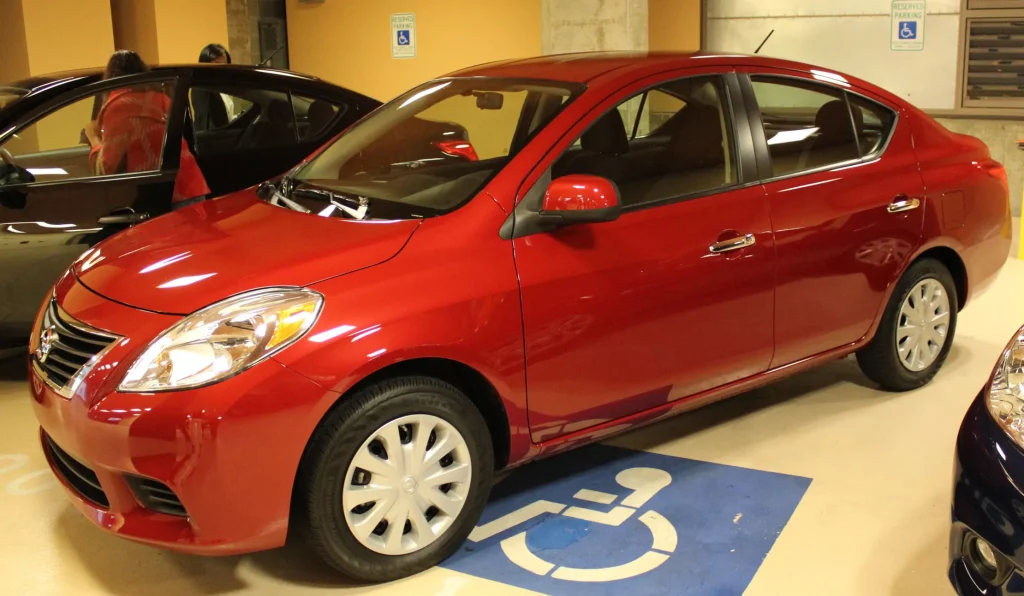
Inside, the Versa is practical but basic. Upgrades to audio or interior aesthetics are possible, but these modifications do not compensate for the vehicle’s inherent performance limitations.
Overall, the Nissan Versa demonstrates that an affordable car with reliable and practical features does not automatically make a good platform for modifications.
Its engine constraints, soft chassis, and lack of aftermarket support make meaningful upgrades difficult and unrewarding. Enthusiasts seeking a car that allows for enjoyable mechanical and aesthetic improvements would find the Versa limiting and frustrating.
4. Chevrolet Spark (2013–2020)
The Chevrolet Spark is a tiny urban-focused hatchback that prioritizes fuel efficiency and compact size over performance or modifiability.
Its small engines, typically 1.0- or 1.4-liter four-cylinders, provide minimal power and respond poorly to bolt-on modifications. Gains from intakes, exhausts, or ECU tuning are negligible, leaving enthusiasts with limited options to enhance performance.
Handling is acceptable for city driving but does not encourage spirited upgrades. The soft suspension and lightweight front-wheel-drive chassis limit cornering improvements, and steering feedback remains basic.
Upgrading brakes or suspension yields only minor changes, offering little satisfaction for performance-minded modifiers.
Aftermarket support is very limited. Few performance parts exist, and customization options beyond cosmetic upgrades are scarce. Electronics, safety systems, and compact packaging restrict modification possibilities further.
Wheels, spoilers, or interior enhancements are available, but these are largely aesthetic and do not improve driving dynamics.
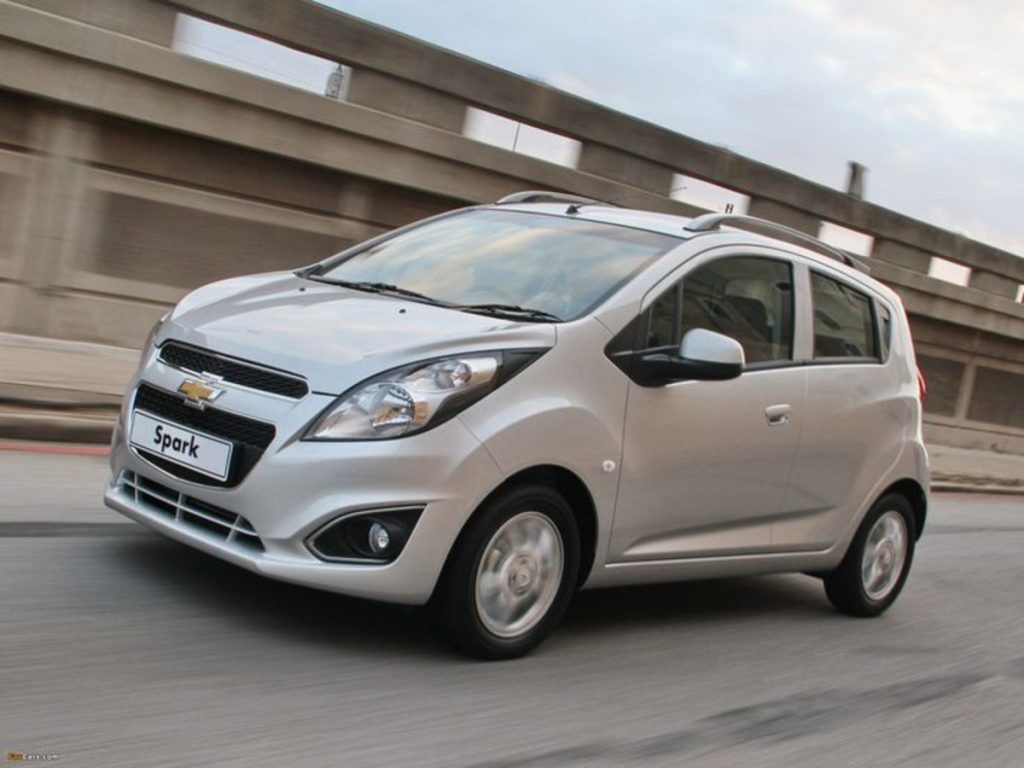
Despite its limitations, the Spark is reliable, easy to maintain, and highly economical. It works well as a commuter car or first vehicle, but it fails as a platform for performance or serious customization.
The Chevrolet Spark illustrates that not all affordable cars are fun to mod. Its engine limitations, soft chassis, and sparse aftermarket support make meaningful upgrades difficult. Enthusiasts seeking a rewarding modification experience will quickly find the Spark restrictive and frustrating.
5. Kia Rio (2012–2017)
The Kia Rio is an inexpensive compact car designed primarily for economy and reliability. While it functions well as a daily driver, it is not a rewarding platform for modifications.
Its small 1.6-liter engines produce limited power, and performance upgrades such as exhaust, intake, or ECU tuning result in minimal improvements, offering little satisfaction for enthusiasts.
The chassis and suspension design further restrict modification potential. The Rio’s front-wheel-drive layout and comfort-focused suspension limit handling enhancements, and steering feedback remains soft and unresponsive even after upgrades.
Suspension or brake modifications provide only marginal benefits, preventing a substantial increase in driving enjoyment.
Aftermarket support is limited. Performance parts are scarce, and specialized modifications are often expensive or unavailable, reducing opportunities for meaningful enhancements. Cosmetic modifications like wheels or body kits are possible but do not compensate for the vehicle’s mechanical limitations.
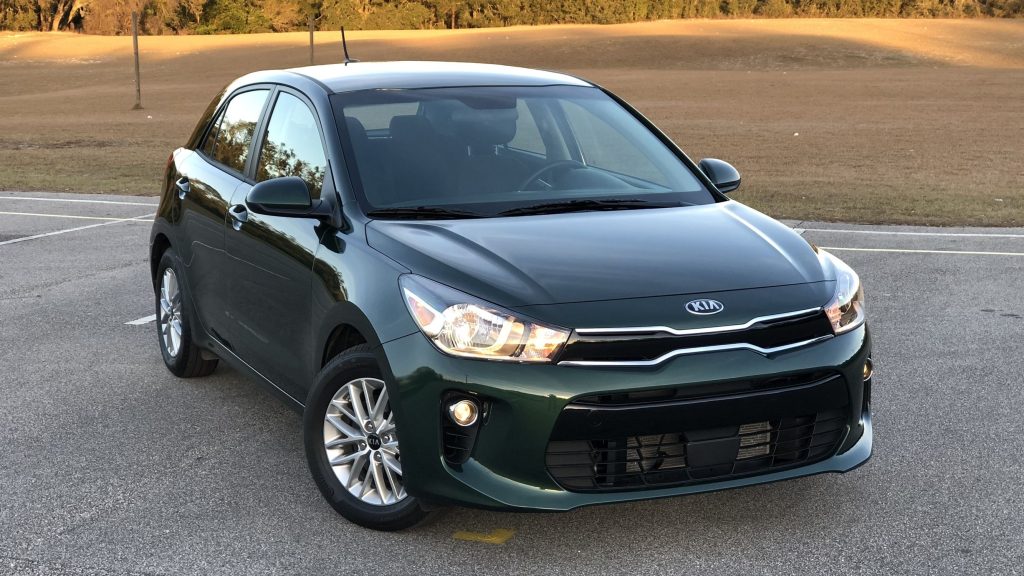
Interior customization is also minimal. Cabin space is compact, and electronic systems are basic, offering few options for advanced infotainment or tech upgrades. While minor audio or aesthetic changes are feasible, they do not enhance the car’s performance or overall engagement.
Despite its low price and reliability, the Kia Rio is frustrating for enthusiasts seeking a fun, modifiable platform.
Engine limitations, restrictive chassis design, and scarce aftermarket support make it a poor choice for modifications, proving that affordability alone does not guarantee a rewarding project car.
Affordable cars offer a wide range of opportunities for enthusiasts, but not all vehicles provide rewarding experiences when it comes to modifications.
Some cars are ideal platforms for upgrades, allowing owners to enhance performance, handling, and aesthetics without excessive expense, while others are restrictive, limiting the effectiveness of even simple modifications.
The Honda Civic, Mazda MX-5 Miata, Volkswagen Golf GTI, Ford Fiesta ST, and Subaru WRX demonstrate why certain affordable cars are highly enjoyable to modify.
These vehicles combine mechanical reliability, responsive engines, and balanced chassis designs that respond well to upgrades.
Extensive aftermarket support ensures that parts for performance, suspension, and cosmetic modifications are readily available, while large enthusiast communities provide guidance, shared experiences, and practical advice.
Owners can improve acceleration, handling, and styling while maintaining daily usability, making these cars versatile and satisfying projects.
Their modifiability adds a layer of engagement that goes beyond driving stock vehicles, allowing owners to personalize their cars to match both performance goals and aesthetic preferences.
Conversely, cars like the Toyota Corolla, Honda Fit, Nissan Versa, Chevrolet Spark, and Hyundai Accent illustrate the challenges of modifying vehicles with limited potential.
Weak engines, restrictive chassis, and minimal aftermarket support reduce the impact of modifications, leaving owners frustrated and unrewarded.
Even cosmetic changes cannot fully compensate for the inability to improve performance or handling meaningfully.
These vehicles remain practical and reliable daily drivers, but their lack of upgrade potential makes them poor choices for enthusiasts seeking a rewarding modification experience.
Understanding the strengths and weaknesses of each platform is essential for anyone considering a modification project.
Choosing cars with strong aftermarket support, reliable engines, and adaptable chassis ensures that upgrades are effective, enjoyable, and cost-efficient, while avoiding vehicles with limited potential prevents wasted effort and disappointment.
Also Read: 5 Cars That Feel Made for the U.S. vs 5 That Don’t Belong Here
