
Electric vehicles have rapidly gained popularity due to their efficiency, reduced emissions, and potential for lower operating costs. One of the most important factors for buyers is range the distance a vehicle can travel on a single charge.
While some EVs reliably deliver the range advertised in real-world conditions, others exaggerate their capabilities, leading to frustration and range anxiety.
EVs that deliver real range offer consistent performance across different driving conditions. Their battery management systems, efficient motors, and aerodynamics work together to ensure drivers can reach their destinations without frequent charging stops.
Transparency from manufacturers regarding expected real-world performance enhances confidence in the vehicle, making daily commuting and longer trips predictable and stress-free.
Conversely, some electric vehicles mislead buyers with inflated range claims. These models may achieve high range figures under idealized test cycles, but in everyday driving especially in cold weather, hilly terrain, or when using climate controls the actual range falls short.
The result is frequent charging, unexpected detours, and dissatisfaction with the ownership experience. Misleading range can also affect resale value, as prospective buyers may be wary of overstated capabilities.
This article examines both sides of the spectrum. The first section highlights five EVs that consistently deliver real-world range close to or exceeding expectations, demonstrating engineering reliability and efficiency.
The second section looks at five EVs whose range claims often fall short, highlighting how discrepancies can impact usability and driver satisfaction. Comparing these vehicles helps prospective buyers understand which models offer genuine range performance and which require careful evaluation before purchase.
Understanding the difference between advertised and practical range is crucial for anyone considering an EV, as it directly affects convenience, planning, and confidence in daily driving. This comparison ensures informed decisions and helps drivers avoid models that fail to meet real-world expectations.
Also Read: 5 Affordable Cars That Are Fun to Mod vs 5 That Aren’t
5 EVs That Deliver Real Range
Range is one of the most critical factors when evaluating an electric vehicle. Some EVs genuinely meet or exceed advertised mileage, allowing drivers to commute, run errands, or take longer trips without constantly worrying about recharging.
Vehicles that deliver real-world range combine efficient battery design, effective energy management, and aerodynamic engineering to ensure predictable performance under various conditions.
EVs that perform reliably in real-world driving provide confidence to owners. This includes accurate range estimates across city and highway driving, as well as in varying weather conditions.
Effective thermal management and regenerative braking systems help maximize energy efficiency, ensuring that the vehicle performs as expected without unexpected drops in range.
Practical usability is another reason these EVs stand out. With dependable charging infrastructure, rapid charging capability, and energy-efficient components, they reduce range anxiety while offering flexibility for daily driving and occasional long trips.
Manufacturers that maintain transparency in communicating range expectations also foster trust, making these vehicles more desirable for long-term ownership.
This section highlights five EVs that have earned reputations for delivering real-world range consistent with or better than their advertised specifications.
Each model represents a combination of solid engineering, reliable battery technology, and thoughtful design, ensuring that drivers can plan their journeys confidently.
By focusing on vehicles that live up to their claims, prospective buyers can make informed decisions and avoid the frustration associated with EVs that fall short of expectations.
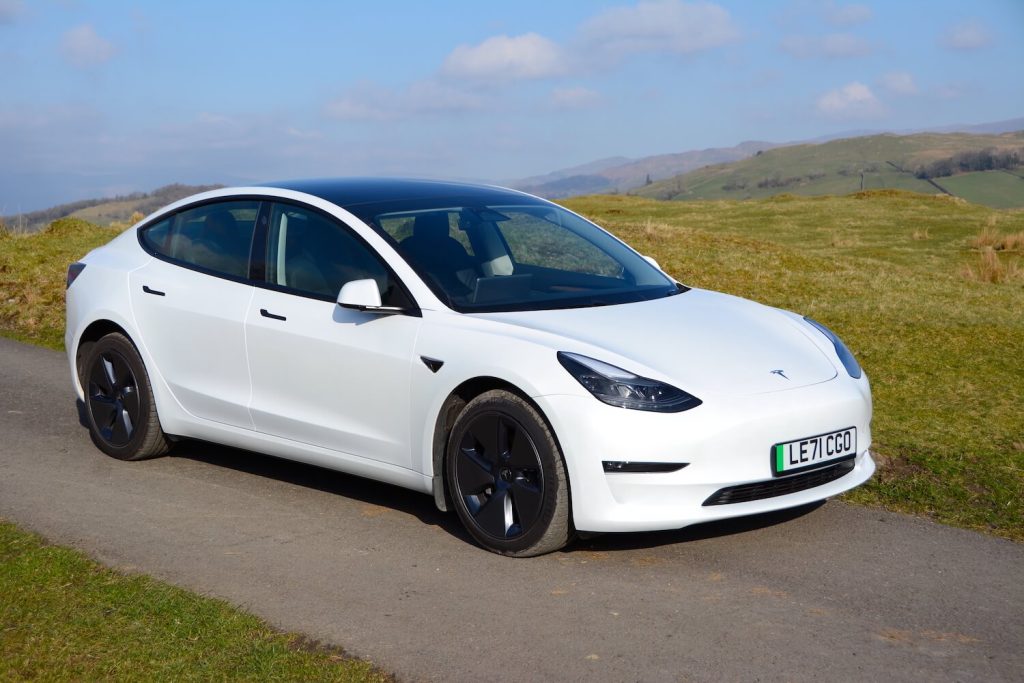
1. Tesla Model 3 Long Range (2021–2025)
The Tesla Model 3 Long Range has established itself as one of the most reliable EVs for real-world range. Equipped with a large battery pack and efficient dual-motor all-wheel-drive system, it consistently delivers mileage close to or even exceeding its advertised figures.
On highway drives, many owners report achieving 310–340 miles per charge under normal conditions, which aligns closely with Tesla’s official ratings.
Key to its reliability is Tesla’s advanced battery management system, which optimizes energy distribution across cells while minimizing losses.
Regenerative braking contributes additional efficiency, allowing the vehicle to recover energy during deceleration. Aerodynamic design also reduces drag, further extending range during long-distance drives.
The Model 3 Long Range performs consistently across different conditions, including city traffic, suburban commuting, and moderate inclines.
Even in cooler weather, thermal management ensures that the battery maintains performance, although extreme cold may slightly reduce mileage. Fast charging capabilities make long trips convenient, with Supercharger stations widely available to complement the vehicle’s range.
Interior electronics, while extensive, are integrated efficiently, avoiding unnecessary energy drain. Owners benefit from navigation that predicts range based on terrain, speed, and climate control usage, enhancing confidence in trip planning.
The combination of efficient engineering, dependable energy management, and accurate range predictions makes the Tesla Model 3 Long Range a standout choice for drivers prioritizing real-world mileage.
Its consistency and transparency have earned widespread trust, making it a prime example of an EV that delivers reliable range in practical driving conditions.
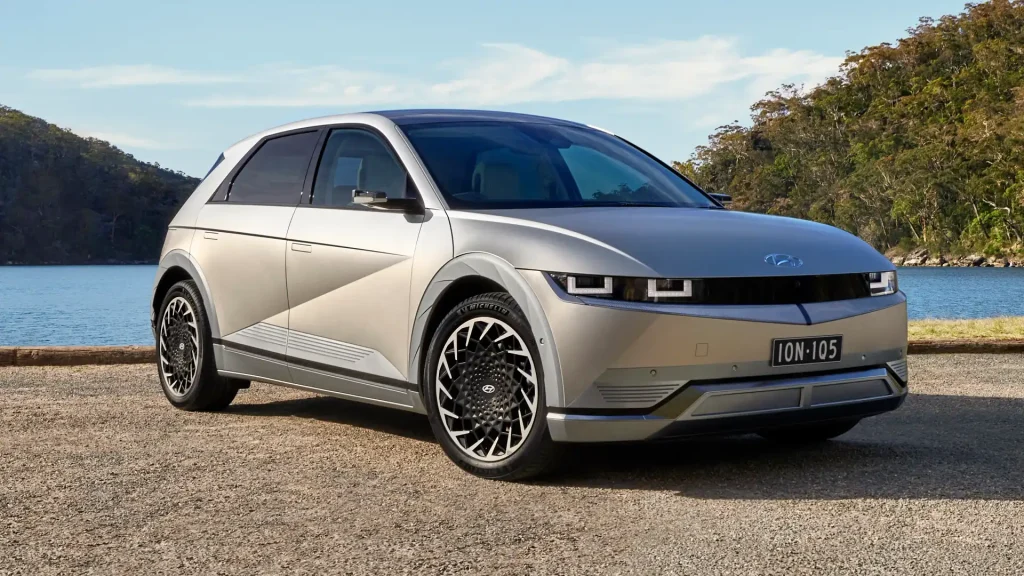
2. Hyundai Ioniq 5 (2022–2025)
The Hyundai Ioniq 5 has quickly earned a reputation as a highly efficient and dependable EV. With a 77.4 kWh battery and modern electric motors, it consistently achieves real-world ranges close to its estimated 303–320 miles, depending on driving conditions.
Its efficient design ensures minimal energy loss, making it suitable for daily commuting and longer trips alike.
The Ioniq 5 features advanced thermal management, which maintains battery performance even in fluctuating temperatures. Regenerative braking allows for additional energy recovery, further extending range in stop-and-go city traffic.
Its low drag coefficient, combined with lightweight construction and modern aerodynamics, maximizes efficiency without compromising cabin space or comfort.
Fast-charging capability is another highlight. The vehicle supports 800V charging, enabling 10–80% charge in under 20 minutes with compatible chargers. This feature reduces downtime during long trips, enhancing convenience and usability.
Inside, the Ioniq 5 uses energy-efficient electronics and climate systems that minimize battery drain. The vehicle’s trip planning system provides accurate real-world range estimates based on terrain, speed, and climate control usage, allowing drivers to plan confidently.
Owners frequently praise the Ioniq 5 for its predictable performance across highways, city streets, and varied weather conditions. Its combination of advanced battery management, efficient design, and accurate range communication ensures that drivers can rely on it daily.
The Hyundai Ioniq 5 demonstrates that thoughtful engineering and attention to efficiency result in an EV that consistently delivers practical, real-world mileage.
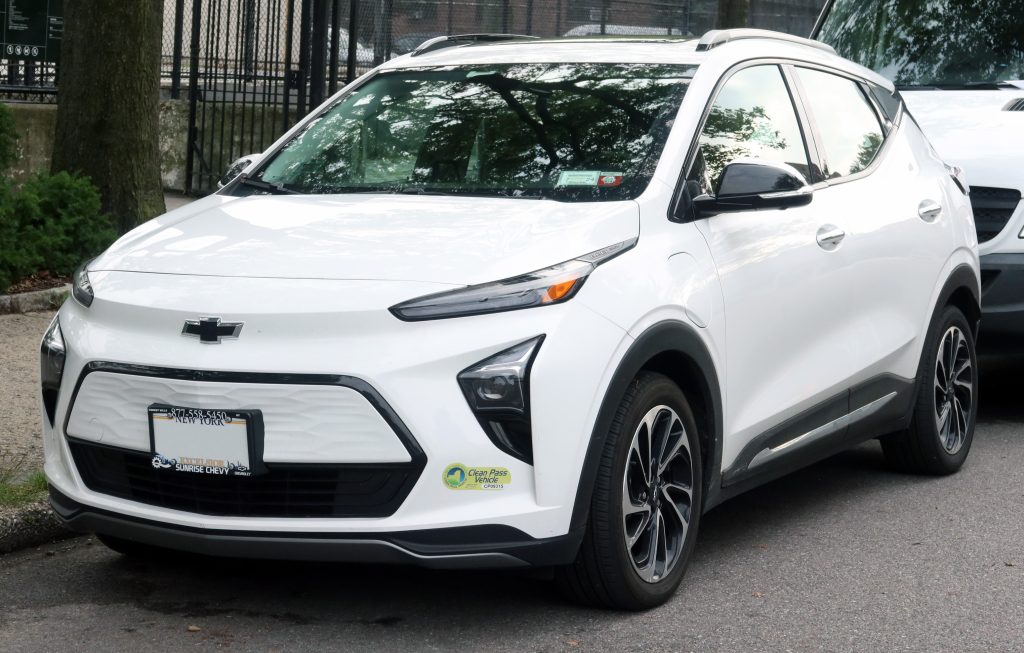
3. Chevrolet Bolt EV (2022–2025)
The Chevrolet Bolt EV has long been recognized as a practical, efficient electric vehicle with a dependable real-world range.
The latest 2022–2025 models feature a 66 kWh battery that achieves around 259–270 miles of range under everyday driving conditions, closely aligning with the advertised 259 miles. Its compact design and efficient motor contribute to its ability to maximize battery use across city and highway routes.
Battery management is a strong point for the Bolt EV. Thermal management systems regulate temperature effectively, reducing efficiency losses in hot or cold weather. Regenerative braking provides energy recovery in stop-and-go traffic, further extending range.
Drivers can comfortably rely on the estimated range for daily commutes, errands, and moderate road trips without constant concern for charging stops.
The vehicle’s electronics are thoughtfully integrated to minimize unnecessary battery drain. Features such as climate control, infotainment, and power accessories consume energy efficiently, contributing to predictable mileage.
Charging infrastructure for the Bolt EV is also expanding, with Level 2 and DC fast-charging support making longer trips manageable.
Owners appreciate its compact size, nimble handling, and low operating costs, combined with a practical, dependable range.
Despite its affordability, the Chevrolet Bolt EV delivers a consistent driving experience that meets expectations, making it a standout for buyers who want a reliable, real-world electric vehicle.
Its combination of efficient battery design, energy management, and predictable performance ensures that it remains one of the most trusted EVs for daily use and practical range.
4. Kia EV6 (2022–2025)
The Kia EV6 is a midsize electric crossover renowned for its real-world range and advanced efficiency.
Equipped with a 77.4 kWh battery in the long-range variant, it delivers 310–325 miles per charge depending on driving conditions, closely matching the manufacturer’s estimates.
Its design emphasizes aerodynamics, energy efficiency, and battery longevity, making it a dependable choice for both daily driving and longer trips.
Thermal and battery management systems in the EV6 maintain consistent performance even in varying temperatures.
Regenerative braking, paired with efficient motor control, allows energy recovery during deceleration and city driving. This contributes to practical range estimates, enabling drivers to plan routes confidently.
The EV6 also supports 800V ultra-fast charging, enabling a 10–80% charge in approximately 18 minutes with compatible chargers. This fast-charging capability complements its long range, reducing downtime on extended trips.
Energy-efficient electronics, including climate control and infotainment, prevent excessive battery drain, further ensuring that the vehicle’s range remains close to expectations.
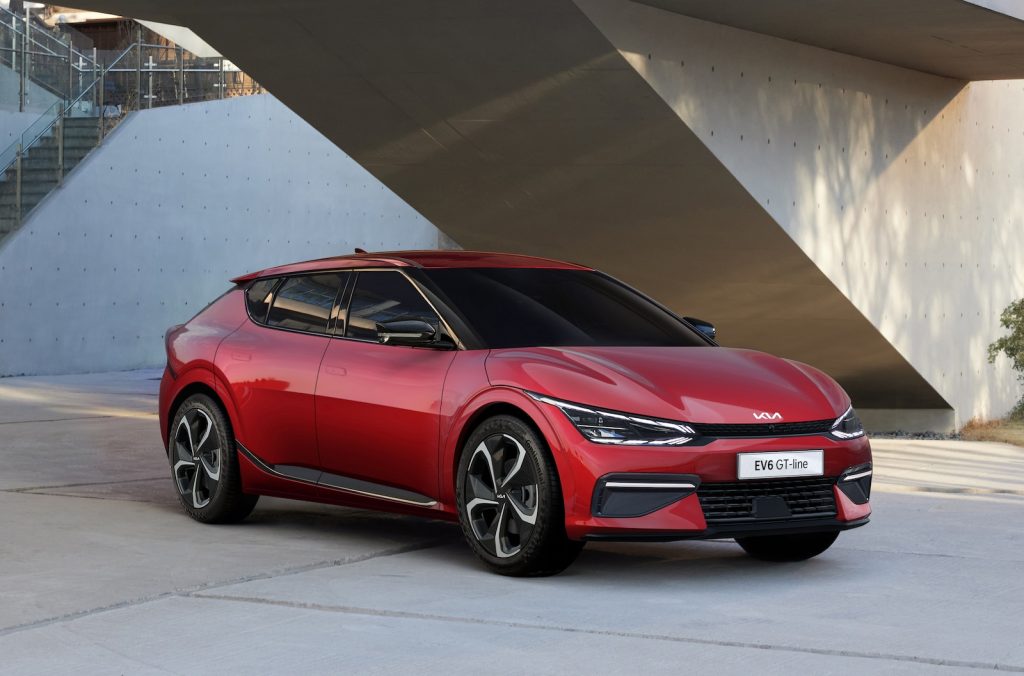
Inside, the EV6 offers a spacious and functional cabin with modern technology designed to optimize energy use.
Drivers benefit from accurate range prediction tools that factor in driving style, terrain, and temperature. Owners consistently report dependable range performance in both city and highway conditions.
The Kia EV6 demonstrates that electric vehicles can provide both efficiency and practicality. Its combination of advanced battery management, aerodynamic design, and energy-efficient systems ensures that it delivers real-world range that aligns closely with advertised specifications, making it a reliable option for daily and long-distance driving.
5. Ford Mustang Mach-E (2021–2025)
The Ford Mustang Mach-E has emerged as a competitive EV that reliably delivers real-world range.
The extended-range variants, featuring a 98.8 kWh battery pack, achieve approximately 290–305 miles on a single charge under typical driving conditions, closely matching advertised figures. Its electric motors and battery system are engineered to provide both performance and efficiency.
Thermal management in the Mach-E optimizes battery temperature, maintaining consistent performance across different climates. Regenerative braking adds efficiency during city driving, while aerodynamics and motor efficiency support highway range.
Drivers experience predictable mileage without constant charging concerns, making it suitable for commuting and longer trips.
Fast-charging support enhances practicality. The Mach-E can charge from 10–80% in under 45 minutes using a DC fast charger, reducing downtime and supporting flexible travel plans. Integrated electronics, including infotainment and climate systems, are designed to minimize unnecessary battery drain, ensuring range reliability in real-world conditions.
The interior layout focuses on functionality and driver convenience, supporting long drives without compromising energy efficiency.
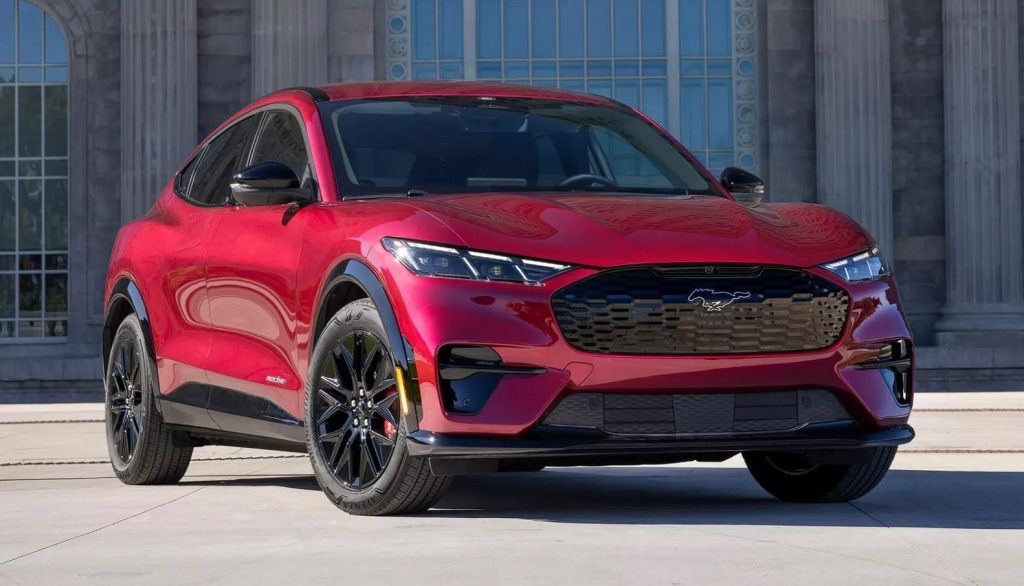
Range prediction tools consider driving behavior and environmental factors, providing realistic expectations. Owners frequently report that the Mach-E meets or exceeds daily range needs, validating its advertised performance.
By combining efficient battery technology, robust energy management, and aerodynamic design, the Mustang Mach-E exemplifies an EV that delivers reliable real-world range.
Its ability to balance performance, usability, and predictable mileage makes it a trusted choice for drivers seeking an electric vehicle that performs as promised.
5 EVs That Mislead Buyers
While electric vehicles promise efficiency and convenience, not all models deliver the range they advertise. Some EVs achieve high figures under ideal test conditions but fall short in real-world driving scenarios.
Factors such as climate, terrain, driving speed, and use of climate controls can significantly reduce the distance these vehicles can travel on a single charge.
EVs that mislead buyers often present inflated range numbers to appear competitive, but practical usability suffers when drivers cannot reach destinations as expected. Frequent charging stops, unexpected detours, and diminished confidence in the vehicle can result from this discrepancy.
These challenges can affect daily commuting, long trips, and overall satisfaction with ownership. Misleading range may also influence resale value, as prospective buyers become wary of vehicles that fail to meet advertised specifications.
Several elements contribute to these discrepancies. Manufacturers may rely on testing protocols that favor idealized driving cycles rather than real-world conditions.
Additionally, smaller batteries, inefficient motors, or poor energy management systems can exacerbate range loss during typical use. Some vehicles also consume additional energy through heavy electronics or climate control systems, further reducing effective mileage.
This section examines five electric vehicles that frequently fail to deliver the range buyers expect. Each model is analyzed in terms of advertised versus actual performance, highlighting factors that lead to discrepancies and how they affect usability.
By identifying these vehicles, prospective buyers can make informed decisions, avoiding EVs that may cause frustration due to misleading range claims.
Understanding which EVs fall short of expectations is crucial for planning, convenience, and peace of mind.
This comparison emphasizes the importance of real-world testing, energy efficiency, and accurate communication from manufacturers, helping drivers select models that meet their practical needs while avoiding those that exaggerate their capabilities.
1. Nissan Leaf (2018–2021)
The Nissan Leaf, while popular as an entry-level electric vehicle, often misleads buyers regarding its real-world range. The 2018–2021 models, equipped with a 40 kWh battery, are officially rated at up to 150 miles per charge.
However, many drivers report achieving closer to 110–125 miles under everyday driving conditions, particularly on highways or in colder climates.
Several factors contribute to this discrepancy. The Leaf lacks advanced thermal management in the standard battery, meaning that battery performance can drop significantly in extreme temperatures.
This results in shorter range during winter months or in hot conditions where air conditioning is heavily used. Additionally, regenerative braking is less efficient compared to competitors, limiting energy recovery in city driving.
The vehicle’s onboard electronics also consume more energy than advertised. Climate control, infotainment systems, and other accessories can reduce the effective range by 10–15%, which is not always clearly communicated to buyers. Drivers attempting to complete longer commutes or weekend trips often find themselves needing unscheduled charging stops.
Despite its affordability and accessible design, the Leaf’s advertised range can create unrealistic expectations. Owners need to plan for actual mileage rather than relying solely on manufacturer estimates.
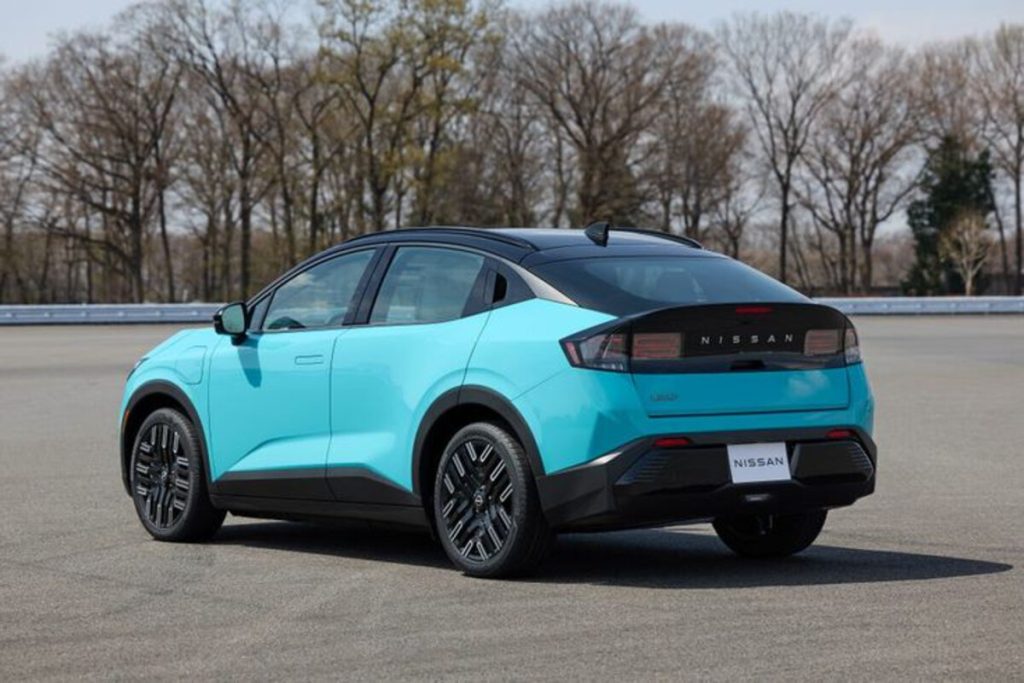
While it remains a functional EV for short commutes, the discrepancy between claimed and achievable range highlights a limitation that buyers should be aware of before purchase.
The Nissan Leaf demonstrates that even well-known EVs can fail to meet advertised performance. For drivers prioritizing consistent, predictable range, this vehicle may fall short, especially for those planning longer trips or living in regions with extreme temperatures.
2. BMW i3 (2017–2021)
The BMW i3 is a compact electric vehicle that often overstates its practical range. With a 33–42 kWh battery, official ratings suggest up to 153 miles per charge, but many drivers report real-world distances closer to 100–120 miles, depending on speed, terrain, and climate.
Part of the range shortfall is due to the i3’s high energy consumption relative to its small battery. Its acceleration and performance-oriented electric motors can drain the battery quickly under spirited driving.
Additionally, the i3’s limited thermal management system struggles to maintain optimal battery temperature, reducing efficiency in cold or hot conditions.
Climate control and other electrical systems also contribute to energy drain. Running the heater, air conditioning, or infotainment can noticeably reduce range, which is often underestimated by buyers relying on advertised figures. Frequent short trips with high acceleration further amplify these losses.
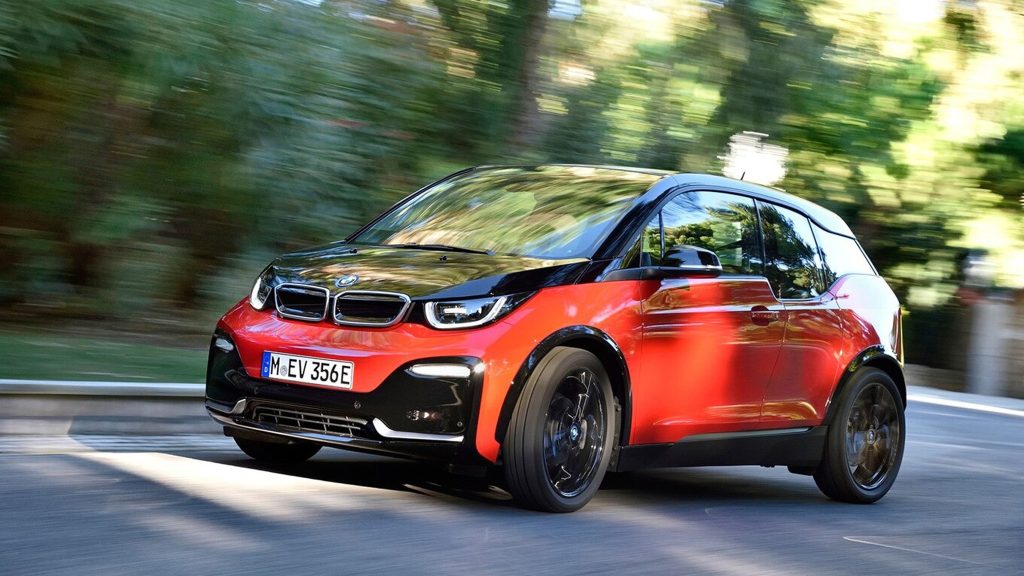
Despite its innovative design and lightweight construction, the i3’s range limitations can create frustration for drivers expecting consistent, long-distance usability. Charging infrastructure may mitigate these issues, but the discrepancy between claimed and real-world range remains a persistent concern.
The BMW i3 exemplifies how performance-oriented or compact EVs can mislead buyers regarding distance capabilities.
For drivers who require predictable range for commuting or longer trips, the i3 may necessitate careful planning and frequent charging, illustrating the importance of considering real-world conditions rather than relying solely on manufacturer ratings.
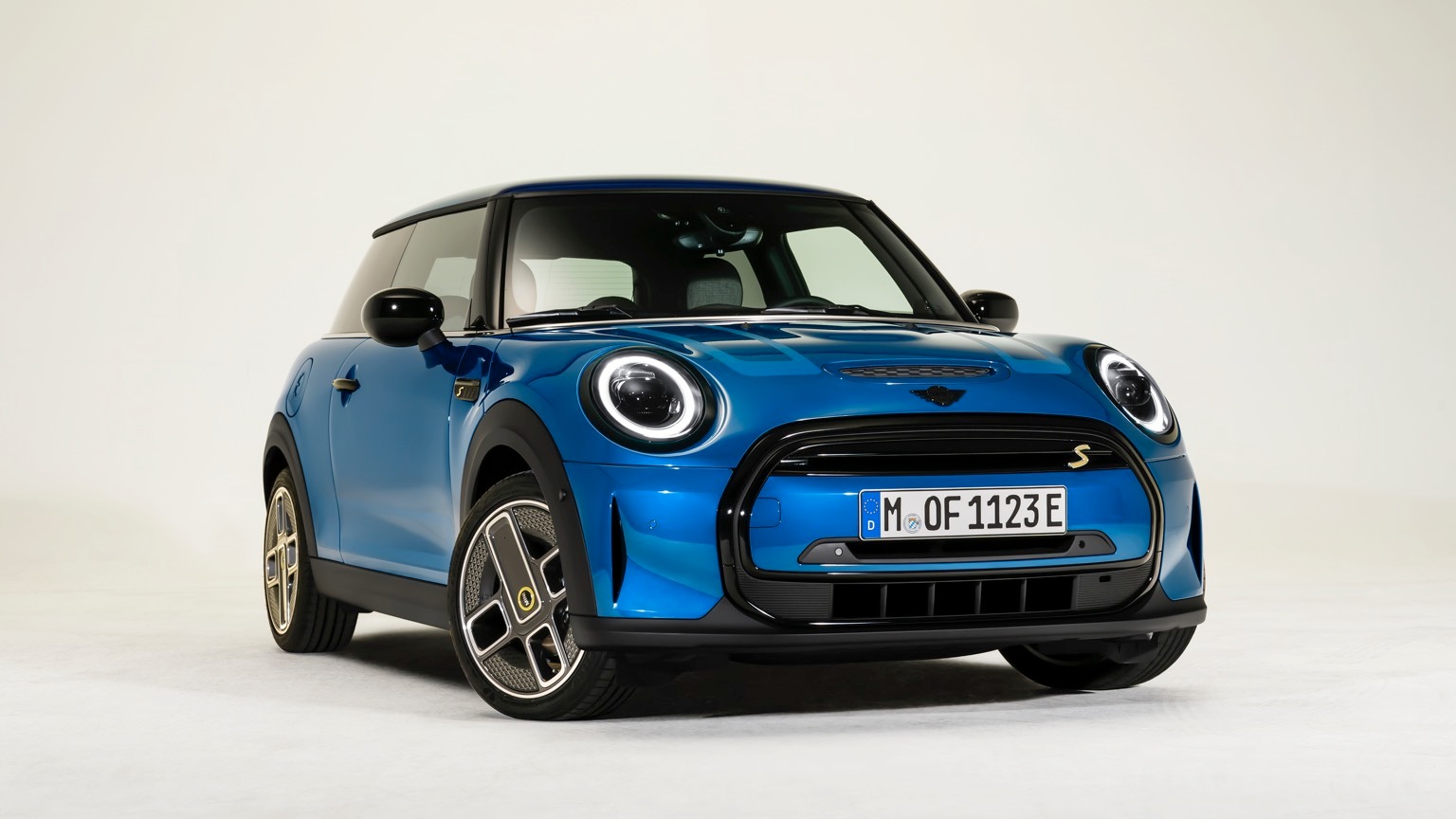
3. Mini Cooper SE Electric (2020–2023)
The Mini Cooper SE Electric is a small, city-focused EV that often falls short of advertised range expectations.
With a 32.6 kWh battery, its official range is rated at 110 miles, yet real-world figures often come in around 80–95 miles depending on driving style and climate conditions. This discrepancy can cause range anxiety, particularly for drivers who attempt longer trips or combine urban and highway driving.
Several factors contribute to the gap between claimed and actual mileage. The battery is relatively small, limiting total energy storage, and regenerative braking efficiency is moderate compared to competitors.
City driving with frequent stops can recover some energy, but higher speeds on highways significantly reduce range. Additionally, the Mini’s electric motors are tuned for spirited driving, which consumes more energy under acceleration.
Environmental conditions further exacerbate the issue. Cold weather significantly reduces battery efficiency, and the cabin heating system draws considerable energy, cutting range further. Even in temperate conditions, use of air conditioning or infotainment can shave several miles off the achievable distance.

While the Mini Cooper SE Electric is fun to drive and ideal for short commutes, its limited battery and higher energy consumption make it less suitable for predictable long-distance travel. Drivers must carefully plan charging stops and manage energy usage to avoid running out of range.
The Mini Cooper SE demonstrates how small, performance-oriented EVs can mislead buyers with optimistic range claims.
Although practical for urban driving, its limited real-world range underscores the importance of evaluating EVs beyond manufacturer estimates, especially for buyers who require dependable daily and long-distance usability.
4. Jaguar I-PACE (2019–2022)
The Jaguar I-PACE is a premium electric SUV with striking performance, yet it often fails to deliver advertised range in real-world conditions. With a 90 kWh battery, Jaguar claims up to 292 miles per charge. However, owners frequently report effective ranges closer to 230–250 miles under typical driving conditions.
One primary reason is the I-PACE’s high-performance electric motors. While delivering impressive acceleration and handling, these motors consume substantial energy, particularly during spirited driving or highway cruising.
Aerodynamic drag and vehicle weight also contribute to higher energy use, further reducing practical range.
The thermal management system, although present, cannot fully compensate for energy losses in extreme temperatures.
Cold winters or hot summers can noticeably reduce battery efficiency. Additionally, climate control, infotainment, and other electronics draw power consistently, impacting the achievable distance.
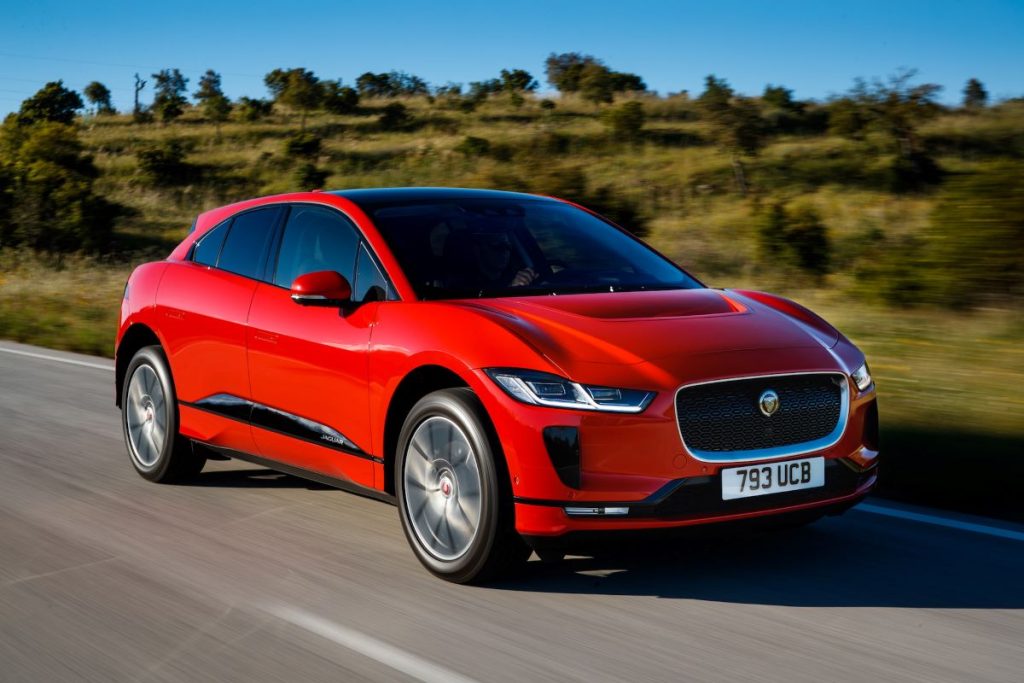
Despite its luxurious interior and advanced technology, the I-PACE requires careful energy management for long trips. Owners often need to plan charging stops in advance, especially on extended drives where actual range falls short of expectations.
The Jaguar I-PACE illustrates that even high-end EVs with advanced engineering can mislead buyers with optimistic range figures. While it excels in performance and luxury, its real-world mileage may disappoint those expecting long, uninterrupted trips without charging.
Buyers must account for practical limitations rather than relying solely on manufacturer ratings to avoid frustration and planning errors.
5. Fiat 500e (2019–2022)
The Fiat 500e is a compact, city-oriented electric car that frequently misrepresents its range capabilities. With a 24 kWh battery, its official range is listed around 84 miles, yet real-world driving often produces only 70–75 miles under normal conditions, particularly on highways or with climate control in use.
The small battery limits energy storage, and its efficiency is further affected by the vehicle’s urban performance tuning. Frequent acceleration, stop-and-go traffic, and higher speeds can quickly reduce range, creating unexpected charging needs for drivers.
Thermal management in the 500e is minimal, meaning that extreme temperatures can further reduce usable mileage.
Heating in winter or air conditioning in summer can cut several miles from the achievable range. The vehicle’s electronics, while lightweight, still draw consistent power, contributing to lower-than-expected results.
While suitable for short commutes and city driving, the Fiat 500e is less practical for longer journeys. Drivers may encounter frustration when planning trips, as charging stops become necessary sooner than anticipated.

Its advertised range can mislead buyers into overestimating convenience, particularly for those unfamiliar with the limitations of smaller EVs.
The Fiat 500e demonstrates that compact EVs, despite affordability and city-friendly design, can fail to meet advertised range expectations.
Its performance highlights the importance of evaluating real-world conditions and energy consumption when selecting an EV, ensuring drivers avoid models that may cause inconvenience or range anxiety.
Electric vehicles have become increasingly popular, but not all models provide the range they claim. This distinction is critical for drivers who rely on predictable mileage for commuting, errands, and longer trips.
Some EVs consistently deliver real-world performance close to their advertised figures, while others fall short, creating frustration and range anxiety.
Vehicles like the Tesla Model 3 Long Range, Hyundai Ioniq 5, Chevrolet Bolt EV, Kia EV6, and Ford Mustang Mach-E are exemplary in delivering reliable range.
These EVs combine advanced battery management, efficient motors, aerodynamic designs, and energy-conscious electronics to ensure predictable mileage under varied driving conditions.
Their thermal management systems maintain battery performance across temperatures, while regenerative braking recovers energy to extend range. Fast-charging capabilities further enhance practicality, reducing downtime on longer trips.
Drivers benefit from transparent range estimates, functional trip planning tools, and confidence that daily and extended journeys are feasible without frequent charging interruptions.
Conversely, EVs such as the Nissan Leaf, BMW i3, Mini Cooper SE, Jaguar I-PACE, and Fiat 500e often mislead buyers. Their advertised range is frequently optimistic, measured under idealized conditions rather than real-world scenarios.
Factors including small or high-performance batteries, inefficient thermal management, climate control usage, and aggressive driving can significantly reduce actual mileage. Drivers may encounter unexpected charging needs, diminished convenience, and planning challenges, particularly on longer trips.
Understanding these differences is essential for EV buyers. Choosing vehicles that deliver dependable range reduces anxiety and ensures practical usability, while recognizing models prone to overestimated range prevents frustration and misinformed purchases.
Evaluating real-world performance alongside manufacturer claims empowers drivers to select electric vehicles that truly meet their daily and long-distance driving needs.
Also Read: 5 Trucks That Are Worth Every Dollar vs 5 That Aren’t
