
Pickup trucks have evolved from simple work tools into versatile machines that can tow, haul, and transport in comfort while still handling daily driving duties.
The modern truck market spans a wide range from basic workhorses designed for utility to luxury-laden models packed with technology and convenience features.
However, not every truck justifies its price tag. Some provide tremendous capability, long-term dependability, and enduring value, while others overpromise, underdeliver, and leave buyers feeling shortchanged.
Understanding which trucks offer true worth and which fail to live up to expectations is essential for anyone considering a purchase.
Trucks that are worth every dollar share certain traits. They combine durability, thoughtful engineering, consistent reliability, and a proven track record across both private and commercial use.
Their resale values remain strong because owners trust them to deliver under all conditions, whether towing heavy loads or commuting through traffic.
They balance practicality with comfort, offering interiors that stand up to daily wear and features that feel genuinely useful rather than superficial. These trucks tend to maintain value over time, rewarding ownership rather than draining it.
On the other hand, some trucks look impressive on paper but reveal flaws when put to work. They may boast strong performance numbers but suffer from poor build quality, expensive repairs, or questionable long-term dependability.
Others burden owners with high operating costs or lack the refinement expected for their price. Understanding which models fit either side of this line requires looking beyond spec sheets to real-world performance, owner satisfaction, and how well they age with miles and use.
The following sections separate the dependable investments from the disappointments five trucks that prove their worth with every dollar spent, and five that fail to justify their cost once the shine of the showroom fades.
Also Read: 5 Cars That Stay Popular for Years vs 5 That Fade Quickly
5 Trucks That Are Worth Every Dollar
A truly worthwhile truck is one that consistently performs beyond expectations, maintains its value, and continues to earn the respect of its owner long after the purchase date.
In a market filled with aggressive marketing, chrome-heavy trims, and endless options, only a few trucks genuinely justify every rupee or dollar spent on them. These are the models that feel solid whether on a job site, a long highway trip, or deep in rough terrain.
They manage to blend reliability, functionality, and comfort in a way that reflects good engineering and long-term thinking rather than short-term appeal.
The trucks in this list have built reputations through real-world dependability and measurable customer loyalty. Their resale values remain high because they hold up over time, both mechanically and structurally.
They’re not just known for towing figures or flashy dashboards they’ve proven themselves through endurance. Their engines are tuned for longevity, their interiors resist wear, and their suspensions handle both load and comfort with balance.
These are vehicles that owners often keep longer than planned because they continue to serve without drama or disappointment.
Each of these trucks stands for a certain philosophy: function before flash, dependability before digital gimmicks, and strength without compromise.
They aren’t necessarily the most expensive models, but they deliver quality where it counts under the hood, in the chassis, and in the day-to-day ownership experience.
Their manufacturers understand that truck buyers remember how their vehicles perform after years of service, not how they looked in the showroom.
This section highlights five such trucks that have proven their worth across different segments from midsize pickups to heavy-duty haulers.
Each one has earned its reputation through real performance, solid construction, and the kind of reliability that makes it feel like money well spent every single time it starts.
1. Toyota Tacoma
The Toyota Tacoma has become synonymous with lasting value and rugged reliability. It’s one of those rare vehicles that seems to age in reverse on the used market, often commanding prices close to what it cost new.
That’s because the Tacoma’s formula has always been straightforward: build a durable midsize truck that can handle abuse without complaint. Owners praise it for its bulletproof 3.5-liter V6 engine, which isn’t the most powerful on paper but performs flawlessly in the long run.
The six-speed transmission, paired with Toyota’s proven four-wheel-drive system, provides consistent control whether towing, climbing, or cruising.
The interior, while not overly luxurious, is built with the kind of durability that withstands years of rough use. Hard-wearing plastics, intuitive controls, and a clean layout make it easy to maintain.
The Tacoma’s resale value is exceptional because it rarely lets its owners down parts are widely available, reliability scores remain high, and mechanical failures are minimal. Even older Tacomas from the early 2000s are still in active service, often with several hundred thousand miles on them.
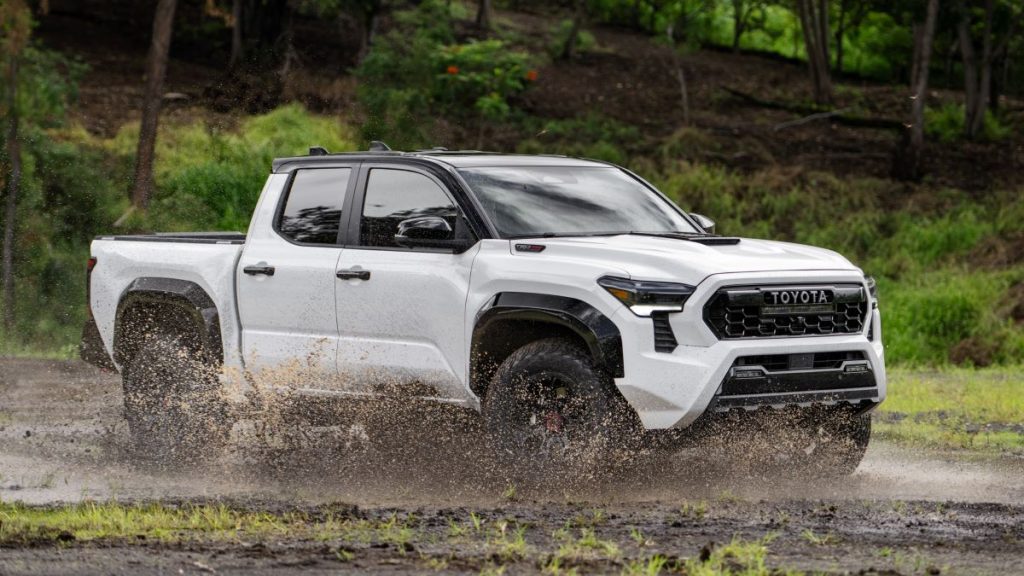
I chose to include the Tacoma because it’s one of those trucks that defines what it means to be worth the money. It’s not cheap, but it gives back through dependability, confidence, and longevity.
Few trucks inspire as much owner loyalty or deliver such consistent results. Whether used for adventure, commuting, or light commercial duty, the Tacoma continues to prove that the right engineering can outlast trends and technology.
2. Ford F-150
The Ford F-150 has earned its title as America’s best-selling vehicle for decades because it consistently provides value across a wide range of trims and engines.
Whether equipped with a V8, EcoBoost turbo, or PowerBoost hybrid system, the F-150 is engineered to handle nearly every type of work or lifestyle demand.
What makes it worth every dollar isn’t just its power but the combination of capability, comfort, and durability that few trucks can match.
The aluminum body construction, introduced to reduce weight and improve efficiency, faced early skepticism but has proven its strength over time. It resists rust better than steel and contributes to improved fuel economy without compromising toughness.
Inside, Ford manages to offer refinement that rivals luxury SUVs, especially in trims like the Lariat and King Ranch, while still retaining the hard-working character that defines a proper pickup.
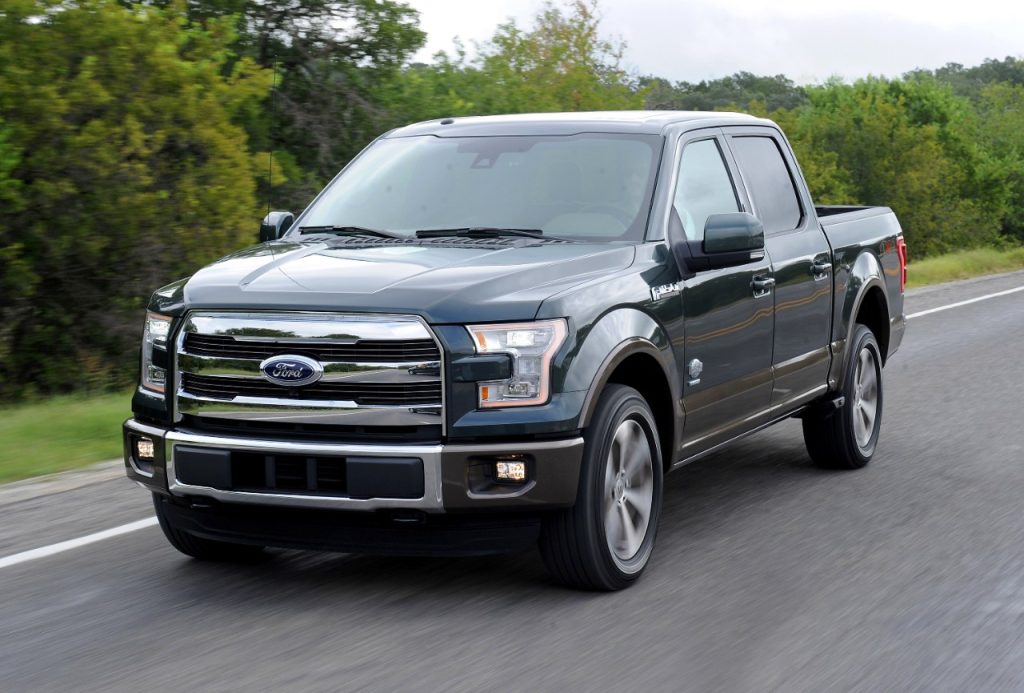
From towing heavy trailers to daily errands, the F-150’s versatility stands out. Its suspension tuning and advanced driver aids make it surprisingly composed even on rough roads.
Long-term reliability data shows that well-maintained F-150s can easily surpass 200,000 miles, and resale values remain strong because demand for used ones never fades.
The reason this truck deserves its spot here is simple it has managed to evolve while staying true to its workhorse roots.
Buyers can choose from numerous configurations, yet even the base models feel like solid investments. The F-150’s ongoing success proves that Ford understands what pickup buyers need: a dependable partner that delivers year after year.
3. Chevrolet Silverado 1500
The Chevrolet Silverado 1500 earns its place among trucks that truly deliver value because it balances strength, comfort, and long-term dependability. It has long been a favorite among fleet buyers and private owners alike, a clear sign that it’s built to last.
The Silverado’s chassis is engineered for resilience, and its range of engines from the reliable 5.3-liter V8 to the torque-heavy 3.0-liter Duramax diesel, caters to different needs while maintaining a reputation for reliability.
The combination of power and refinement makes it one of the best all-around trucks for people who want both capability and daily usability.
Inside, the Silverado feels purposeful. The materials are designed to handle wear from years of heavy use, yet newer models bring improved fit and finish that make long drives comfortable.
The infotainment system is intuitive, and even lower trims come with useful features rather than unnecessary gimmicks. Its towing capacity, often surpassing 13,000 pounds depending on the setup, means it can handle demanding jobs without complaint.
What makes the Silverado worth every dollar is its proven toughness and affordable maintenance. Parts are easily accessible, and Chevrolet’s dealer network is extensive, ensuring quick service even in remote areas.
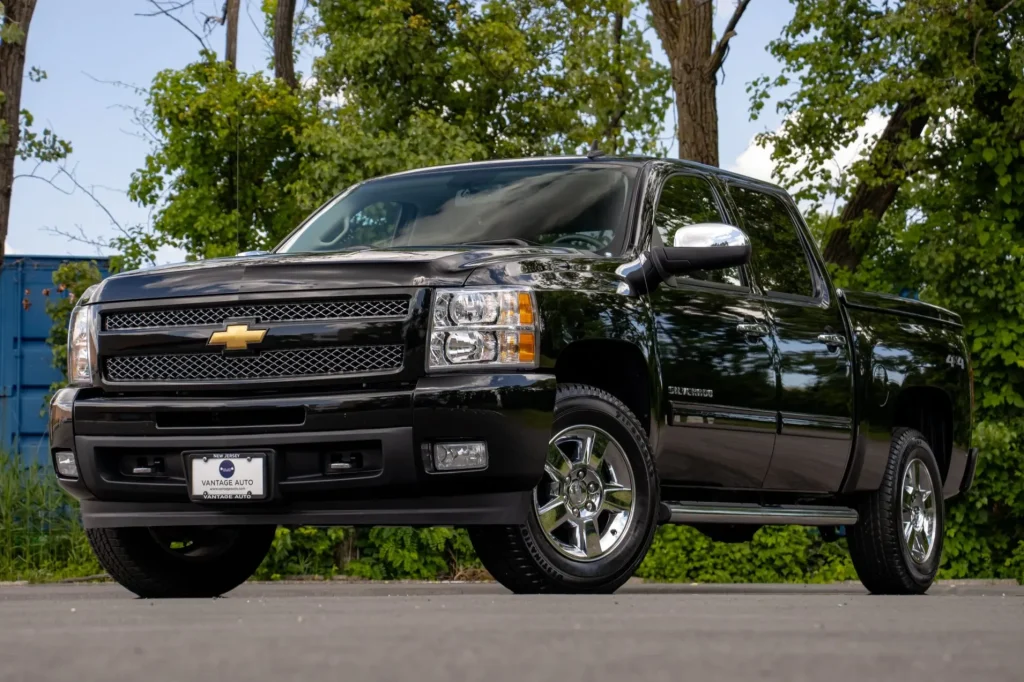
It’s the kind of truck that consistently delivers without drawing attention to itself a quiet performer that rewards ownership with reliability and practicality.
I’m including it because it represents the sweet spot between work-ready toughness and long-lasting value, something that’s becoming rare in today’s market.
4. Ram 2500 Heavy Duty
When it comes to heavy-duty pickups that justify every penny, the Ram 2500 stands tall. Known for its impressive towing ability and comfortable ride, it bridges the gap between brute strength and real-world usability.
The available 6.7-liter Cummins turbo-diesel engine is legendary for its longevity and torque output, allowing it to haul over 19,000 pounds with confidence.
Unlike many competitors, the Ram doesn’t just focus on muscle it pairs its capability with refinement, giving drivers a truck that feels composed even when fully loaded.
The interior is one of the Ram’s greatest strengths. It feels durable yet upscale, with clear ergonomics and excellent build quality. The ride comfort is enhanced by the coil-spring rear suspension, a feature that makes it far more livable than other heavy-duty pickups.
Owners consistently praise its stability, low vibration levels, and the way it maintains composure during long hauls or towing trips.
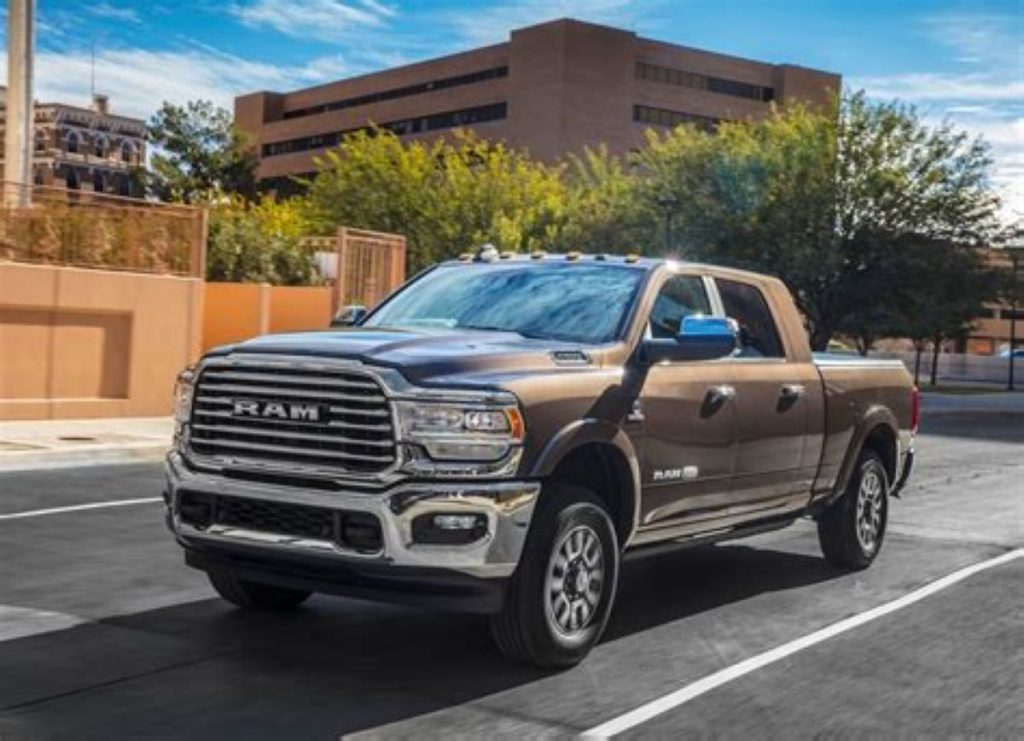
The Ram 2500 earns its position here because it offers unmatched strength with surprising finesse. Its maintenance costs are reasonable for its size, and its diesel engines have a reputation for lasting well beyond 300,000 miles when properly cared for.
I chose this model because it’s the definition of getting what you pay for no inflated promises, just proven engineering that performs consistently.
For anyone who needs a true workhorse that doesn’t punish its driver with harshness or fatigue, the Ram 2500 remains a solid and lasting investment.
5. Honda Ridgeline
The Honda Ridgeline stands apart from traditional pickups because it approaches durability and practicality from a different angle. While many trucks rely on body-on-frame construction, the Ridgeline uses a unibody platform shared with Honda’s SUVs.
At first glance, purists questioned whether it could hold up to the demands of truck ownership. Years later, the answer is clear it absolutely can. The Ridgeline consistently earns praise for its smooth ride, smart engineering, and long-term dependability, making it one of the most underrated values in the pickup market.
What makes the Ridgeline worth every dollar is how effectively it blends comfort with genuine utility. Its 3.5-liter V6 engine is strong, refined, and proven across several Honda models, delivering dependable performance over hundreds of thousands of miles.
The truck’s dual-action tailgate and in-bed trunk offer a level of functionality that even full-size trucks struggle to match. This focus on clever design rather than raw power shows Honda’s ability to rethink what a truck can be.
The interior feels like a well-built crossover but still functions as a capable work vehicle. The materials resist wear, and the layout makes everything easy to use. Reliability ratings remain excellent year after year, and resale values are higher than most people expect.
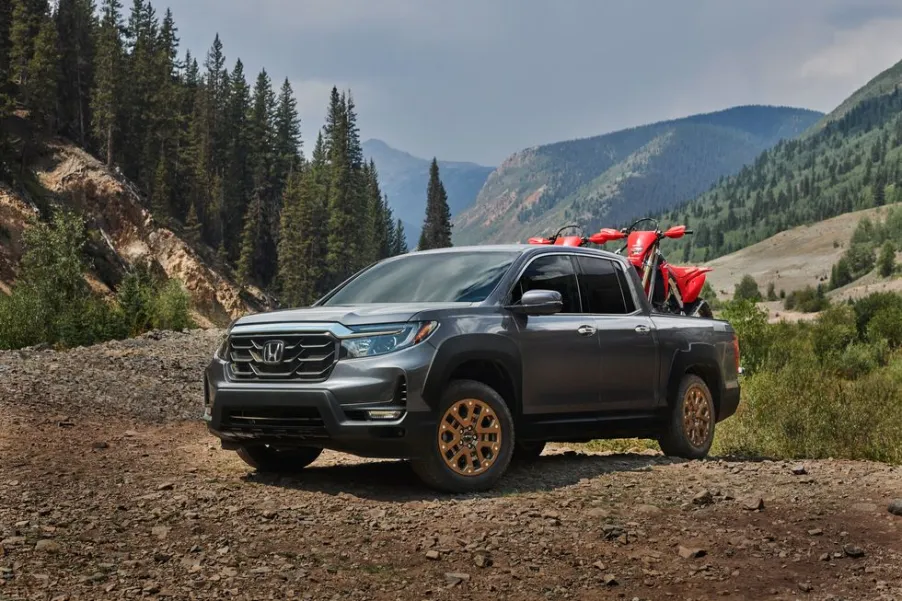
Owners appreciate how little the Ridgeline demands in maintenance costs, especially compared to more traditional pickups with complex drivetrains.
I chose to include the Ridgeline because it proves that value isn’t just about towing numbers or size it’s about engineering that lasts and makes daily life easier.
It may not appeal to those who need to haul massive loads, but for drivers who want something dependable, comfortable, and practical without unnecessary bulk, the Ridgeline is one of the smartest purchases on the market.
5 Trucks That Aren’t Worth Every Dollar
Not every truck that looks tough or carries a big price tag lives up to its promise. Some are overdesigned, overpriced, or simply underperform once real-world use begins. A good truck should inspire confidence, whether it’s hauling, towing, or commuting.
Yet, there are models that fail to deliver consistent reliability or lasting value, despite their initial appeal. Buyers often discover that the features they paid for don’t compensate for poor build quality, excessive repair costs, or rapid depreciation.
These trucks represent the side of the market where expectations outpace execution. They might look sharp on the outside or come with advanced tech, but their long-term ownership stories tell another tale.
Some struggle with mechanical issues, others suffer from design flaws, and a few simply don’t hold up against their competition. A vehicle meant to handle hard work and heavy loads should never become a source of frustration, but these models often do just that.
The reason for writing about them is simple: to highlight the difference between real value and marketing promises. Buyers deserve to know which trucks consistently disappoint once the showroom shine fades.
Whether it’s unreliable transmissions, weak engines, or interiors that deteriorate too quickly, each of these examples shows how easily a truck can fall short despite a recognizable badge.
This section focuses on five trucks that, for various reasons, fail to justify their cost. They may have once generated excitement, but their long-term performance and resale value have exposed their weaknesses.
Owning a truck is supposed to be a dependable experience, but with these models, too many owners have learned that sometimes the best decision is to look elsewhere before signing the paperwork.
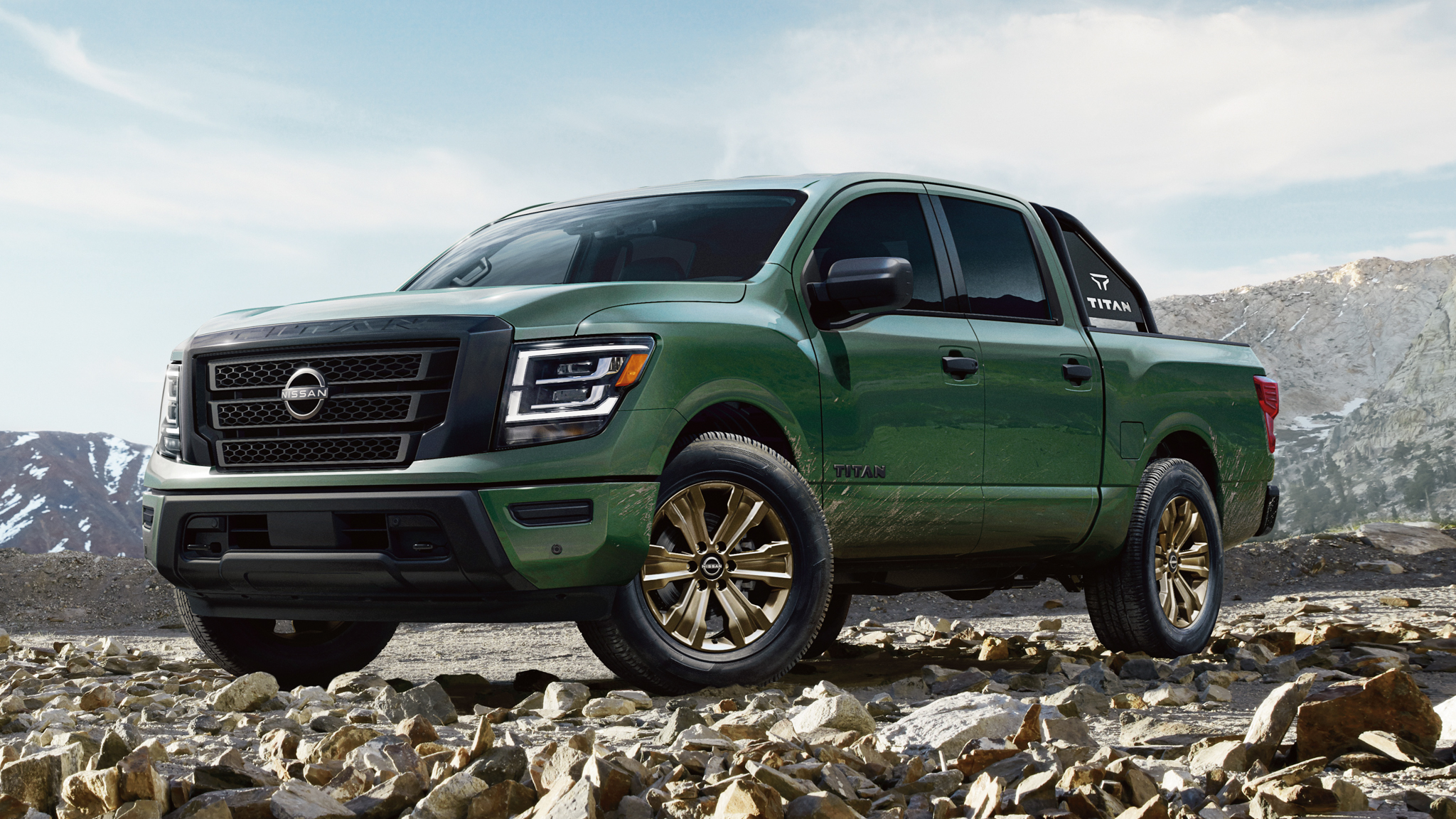
1. Nissan Titan
The Nissan Titan entered the full-size truck market with high hopes, but it never managed to compete effectively against established rivals. On paper, it seemed promising with its strong 5.6-liter V8 engine and bold styling.
However, buyers quickly realized that while it offered decent performance, it lacked the refinement, reliability, and value retention seen in its competitors. The Titan’s ride quality is uneven, its handling less composed, and its interior materials fail to justify its price tag.
Over time, it became a difficult truck to recommend because it simply didn’t deliver the toughness or resale value expected from a full-size pickup.
One of the Titan’s biggest drawbacks is its poor fuel economy combined with unimpressive towing figures compared to the Ford F-150 or Chevrolet Silverado.
The transmission, while smooth in some conditions, has been reported to exhibit hesitation and rough shifts after a few years of use. Add to that limited aftermarket support and fewer dealership options, and ownership becomes less convenient than competitors in the same price range.
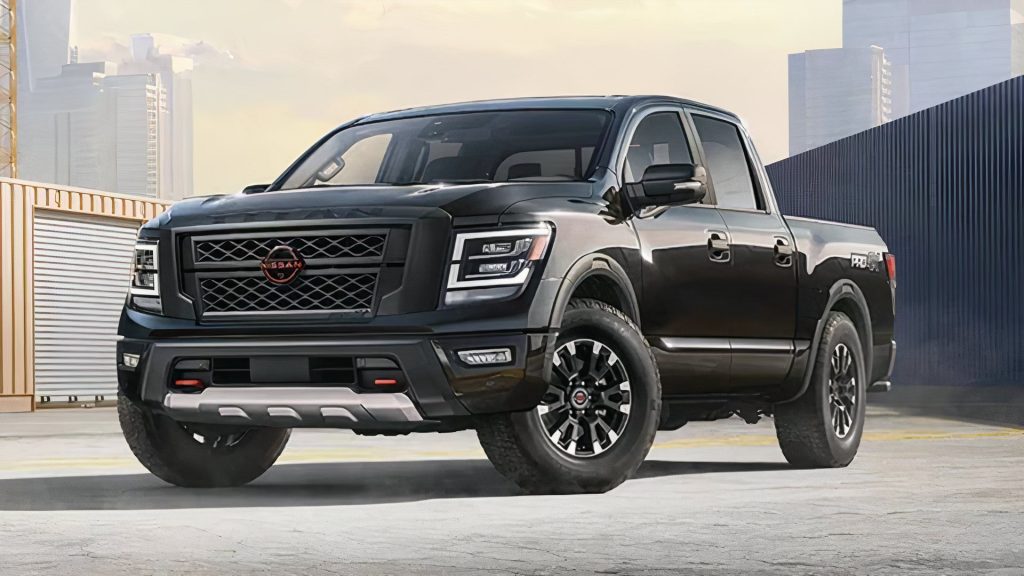
The reason it earns a place on this list is that it illustrates how a truck can fall short despite good intentions. Nissan tried to compete head-on with American brands but missed the mark on refinement and long-term reliability.
Depreciation is steep, meaning owners lose significant value over time. While it’s not a bad truck mechanically, it doesn’t live up to its cost or to the expectations of serious truck buyers who demand consistency and endurance.
2. Chevrolet Colorado
The Chevrolet Colorado was once praised for bringing modern features to the midsize segment, but as the years passed, its shortcomings became more apparent. It’s not that the Colorado is undrivable it’s that its quality and durability don’t match the price Chevrolet asks for it.
The interior feels dated even in newer models, with materials that show wear faster than expected. The ride can be bumpy, the steering lacks precision, and reliability ratings have been inconsistent, especially for models with the 8-speed automatic transmission.
Owners frequently report transmission shuddering and shifting issues, which can become expensive to fix once out of warranty. Some models also suffer from electrical gremlins and air conditioning failures that shouldn’t be common in modern trucks.
While the diesel option provides strong torque, it comes with maintenance costs that eat into the overall value. In comparison to competitors like the Toyota Tacoma or Ford Ranger, the Colorado struggles to hold its resale value and long-term durability.
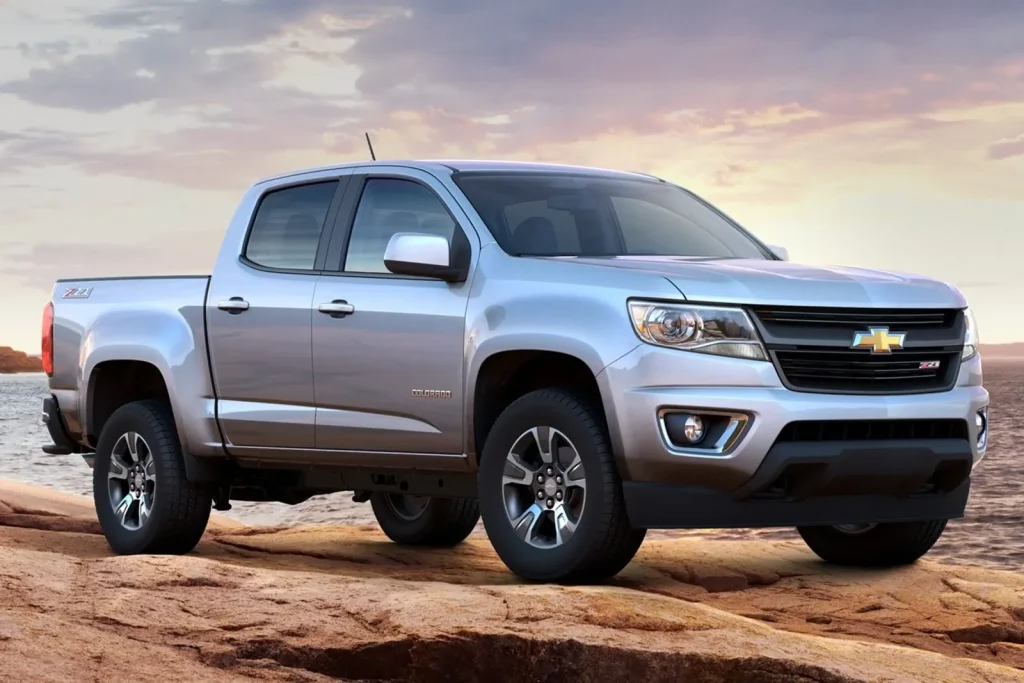
I chose to include the Colorado because it demonstrates how a promising concept can fall short in execution. On the surface, it offers good towing capability and modern styling, but under the surface, it lacks the reliability that owners expect from a long-term investment.
For buyers wanting a dependable midsize truck that keeps its worth, this one too often disappoints once real ownership begins.
3. Ram 1500 Classic
The Ram 1500 Classic is a curious case of an older model kept alive far longer than it should have been. Initially, it offered solid value when it was first introduced, but keeping the same design on sale for years while charging near-modern prices eventually made it poor value for money.
Compared to newer competitors, the Classic feels outdated in performance, technology, and safety. The cabin layout, though functional, uses materials that fall short of the standards now expected from a full-size truck in its price range.
Under the hood, the available 3.6-liter V6 or 5.7-liter Hemi V8 engines are familiar but aging. While they still produce respectable power, their fuel economy is unimpressive, and the transmission tuning can feel rough during acceleration.
Moreover, the suspension setup, once praised for comfort, now feels less refined compared to newer trucks with updated chassis designs. Maintenance costs are moderate, but long-term durability isn’t as strong as Ram’s newer 1500 models.
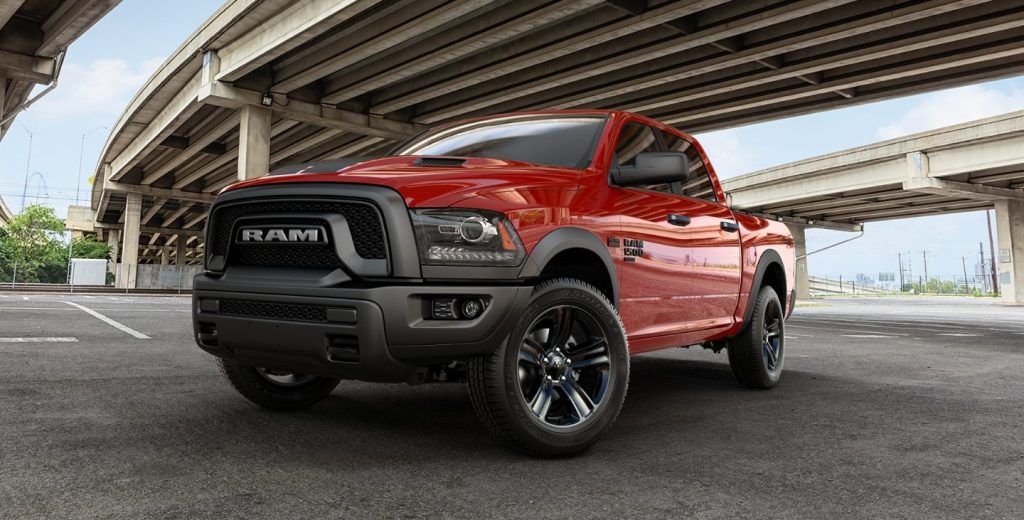
This truck earns its place on this list because it shows how a brand can lean too heavily on nostalgia without updating the essentials. Ram kept the Classic as a cheaper option, but its price crept too close to more advanced rivals.
Buyers often realize later that spending a little more upfront would have provided a better, more efficient, and safer truck.
The 1500 Classic might have served well years ago, but today, it no longer justifies its cost when compared to trucks that offer better reliability, technology, and resale strength.
4. GMC Canyon
The GMC Canyon has long tried to position itself as a more upscale version of the Chevrolet Colorado, but that strategy hasn’t worked as intended. Priced higher than its sibling, the Canyon struggles to prove that it offers anything meaningfully better.
Despite its bold grille and polished trim options, the difference largely ends at appearance. Underneath, it shares the same transmission issues, stiff ride, and inconsistent reliability as the Colorado. For a truck marketed as “professional grade,” that’s not enough to earn its premium price tag.
Owners have reported problems with the automatic gearbox and electrical system, as well as premature wear on suspension components.
While the diesel engine option provides excellent torque and towing ability, it comes with expensive maintenance and repair costs that diminish long-term value.
The interior, although more refined than the Colorado’s, still lacks the sophistication expected from a truck with GMC’s price and reputation.
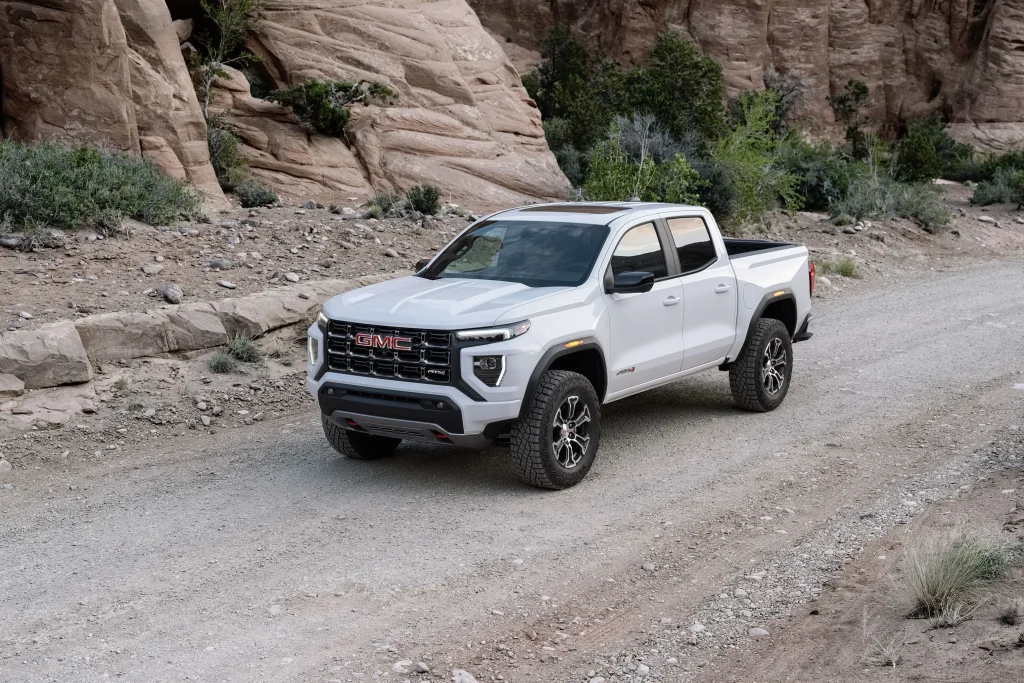
I chose to include the Canyon because it perfectly represents a vehicle that tries to justify a luxury image without delivering genuine improvement in quality or dependability.
Buyers are effectively paying more for the badge rather than a measurable upgrade in performance or reliability.
Resale value also trails behind rivals, meaning depreciation hits hard. While the Canyon has its strengths, its price-to-value ratio doesn’t hold up over time, making it a difficult recommendation for anyone seeking true worth for their money.
5. Toyota Tundra (Pre-2022 Models)
The Toyota Tundra has long enjoyed a strong reputation for reliability, but that reputation began to fade with its pre-2022 models, which struggled to justify their price in the modern truck market.
For years, Toyota kept the same platform with minimal updates, leading to a truck that felt aged both inside and out.
Buyers expecting cutting-edge performance and comfort from a full-size truck quickly realized they were paying a premium for a design that had barely changed in over a decade.
While the 5.7-liter V8 engine is durable, it’s also thirsty, returning fuel economy figures that lag far behind competitors. The transmission lacks refinement, and towing capacity, although respectable, no longer competes with newer rivals from Ford, Ram, or Chevrolet.
Inside, the dashboard design and infotainment system look dated, and the materials don’t reflect the truck’s high sticker price. The lack of modern driver-assist features in older trims also limits its appeal for buyers seeking safety and convenience.
I chose to include the pre-2022 Tundra because it highlights how even a brand known for quality can fall behind when innovation slows down. Toyota relied heavily on its reputation for dependability while ignoring the evolving expectations of truck owners.
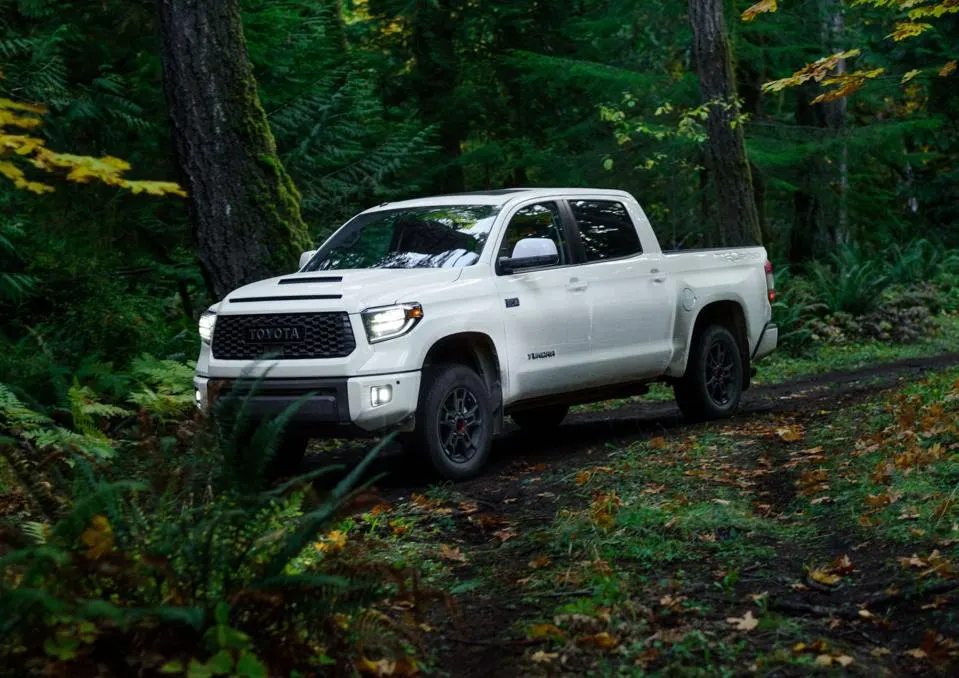
Depreciation became more noticeable as other brands introduced modernized designs with better performance and comfort. While the Tundra remains mechanically tough, the lack of efficiency, technology, and refinement made it poor value compared to what its price suggested.
The redesigned 2022 model corrected many of these flaws, but earlier versions show how standing still in a fast-moving market can turn a once-strong nameplate into an underwhelming investment. The older Tundra serves as a reminder that even reliability alone isn’t enough to make a truck worth every dollar.
The trucks discussed here show a clear divide between models that truly deliver value and those that don’t. Reliable performers like the Toyota Tacoma, Ford F-150, and Ram 2500 prove that strength, endurance, and smart engineering still define good investments.
On the other hand, trucks such as the Nissan Titan, Chevrolet Colorado, and older Toyota Tundra models reveal how poor refinement, aging designs, or high maintenance costs can ruin long-term worth.
Real value lies not in flashy features but in consistency, build quality, and dependability qualities that make certain trucks worth every cent while others simply fall short.
Also Read: 5 Trucks That Outwork the Competition vs 5 That Constantly Fail
