
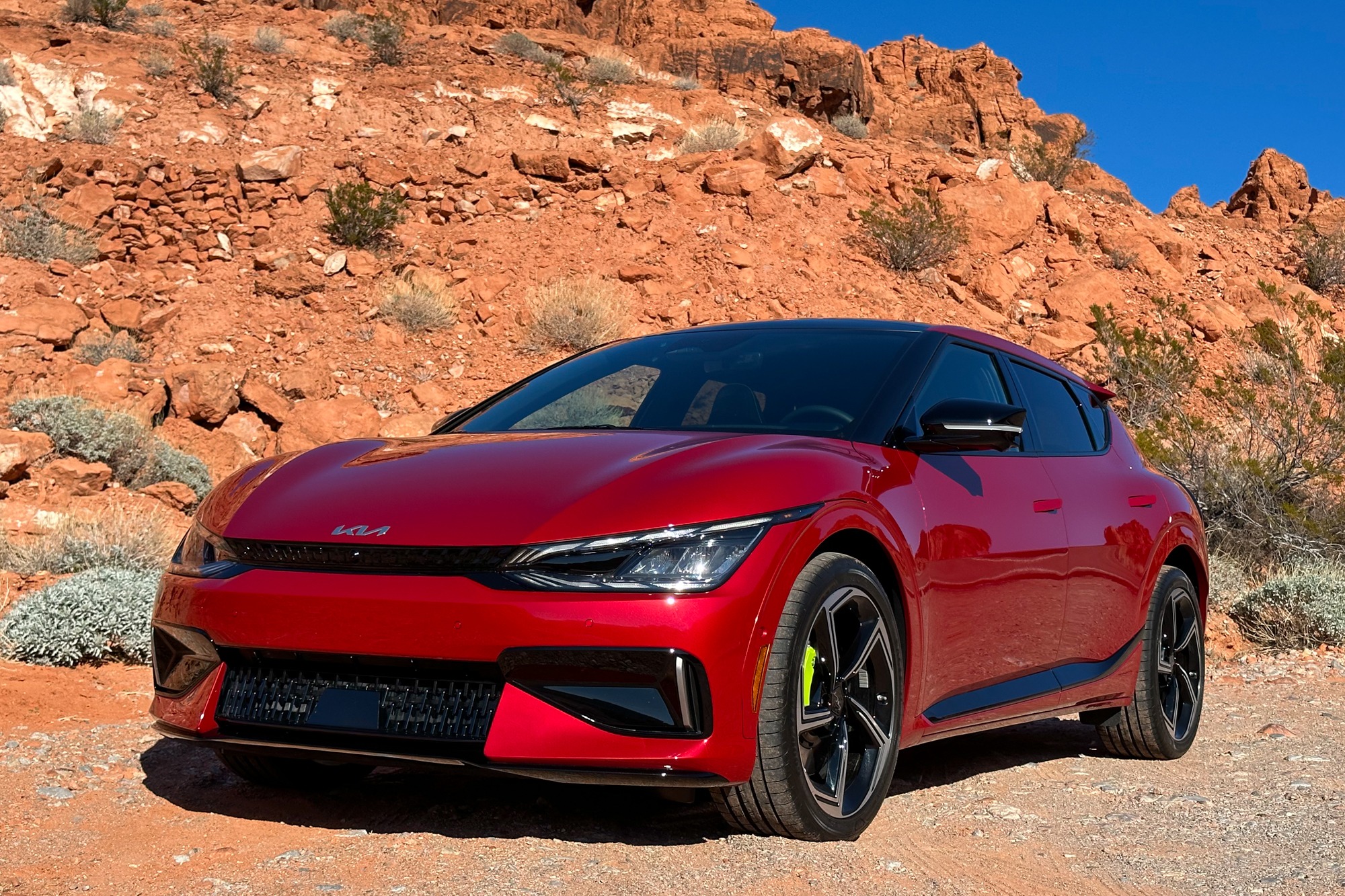
Electric SUVs have become a major focus for automakers and buyers alike in 2025. With advances in battery technology, charging infrastructure, and software, these vehicles offer a combination of performance, efficiency, and convenience that was difficult to achieve just a few years ago.
Yet, the electric SUV market is far from uniform. Some models deliver impressive range, comfort, and driving dynamics, providing strong value to buyers.
Others, despite the hype, fall short due to limited range, slow charging, poor build quality, or high costs, making them less appealing choices.
For prospective buyers, distinguishing between the standout models and those best avoided is crucial.
Electric SUVs that are worth buying in 2025 combine reliability, practicality, and enjoyable driving experiences, often paired with innovative technology and strong aftersales support.
They prove that electric mobility can be both functional and fun while meeting daily needs for families, commuters, and adventure seekers.
On the other hand, certain electric SUVs fail to meet expectations. Whether due to underwhelming performance, cramped interiors, slow charging speeds, or inflated pricing, these models struggle to justify their purchase.
Even with aggressive marketing and brand recognition, shortcomings become evident once the vehicles are evaluated in real-world conditions.
This article highlights both sides of the electric SUV spectrum. First, it identifies five models that stand out for quality, range, and overall ownership experience in 2025. Then, it examines five models that fail to deliver on their promise, showing why they are less desirable options.
By comparing these vehicles, readers gain insight into what to look for when investing in an electric SUV and which models are likely to provide satisfaction versus disappointment.
The discussion aims to provide a clear guide for buyers navigating the growing and diverse market of electric SUVs, helping them make informed choices that align with their expectations and lifestyle.
Also Read: 5 Affordable Sedans That Outlast Luxury Cars vs 5 That Don’t
5 Electric SUVs That Are Worth Buying in 2025
Electric SUVs have gained prominence as practical, high-performing alternatives to traditional gasoline vehicles. In 2025, several models stand out due to their impressive driving range, fast charging capabilities, advanced technology, and overall reliability.
These SUVs not only meet daily commuting needs but also handle longer trips, making them suitable for a broad spectrum of buyers.
Choosing the right electric SUV has become crucial because the market includes both well-engineered models and others that fall short of expectations.
Models worth buying in 2025 combine efficiency, comfort, and performance. They offer strong acceleration, stable handling, and well-appointed interiors, creating a driving experience that rivals or surpasses conventional SUVs.
Range anxiety is minimized through larger batteries and widespread fast-charging networks, while software updates and infotainment systems provide features that enhance convenience, safety, and connectivity.
These factors ensure that owners enjoy both the environmental benefits of electric power and the practical advantages of modern design and engineering.
Affordability is another consideration. While some premium models command high prices, there are electric SUVs that deliver excellent value through a combination of efficiency, long-term durability, and low operating costs.
Their appeal extends beyond enthusiasts to families, urban commuters, and anyone seeking a capable, low-maintenance vehicle.
This section focuses on five electric SUVs that excel in 2025. Each model has been selected based on driving experience, range, practicality, and overall satisfaction.
These vehicles highlight how far electric mobility has come, demonstrating that buyers no longer have to compromise performance, comfort, or utility when choosing an SUV.
1. Tesla Model Y
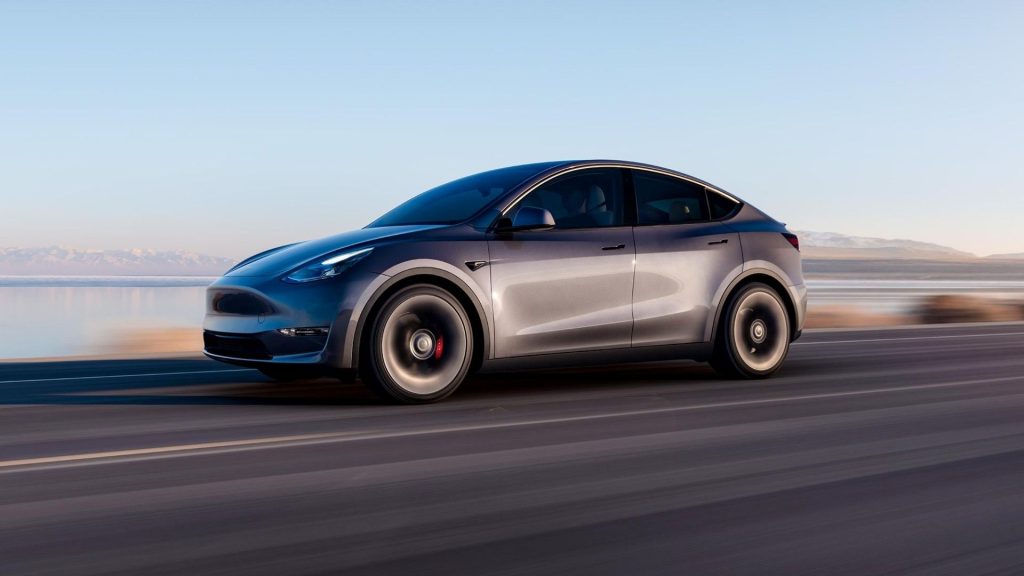
The Tesla Model Y has become a benchmark in the electric SUV segment, thanks to its combination of performance, range, and technology.
In 2025, it continues to impress with long-range variants exceeding 330 miles on a single charge, which addresses range anxiety for most daily and long-distance drivers.
Acceleration is another highlight, with the Performance model capable of reaching 0-60 mph in under 4 seconds, a figure that rivals many sports cars.
Inside, the Model Y offers a minimalist but functional cabin. A large touchscreen centralizes nearly all controls, providing access to navigation, media, and climate systems. The interior is spacious for a compact SUV, offering ample cargo space and optional third-row seating.
Over-the-air software updates continually improve performance, infotainment, and safety, ensuring that the vehicle remains current without physical modifications.
The Tesla Supercharger network is a major advantage, providing fast and convenient charging options across the country.
Combined with efficient energy use and regenerative braking, it allows owners to travel with confidence and minimal downtime. Safety ratings are high, reflecting Tesla’s focus on structural integrity and advanced driver-assistance features.
Value is further enhanced by relatively low maintenance costs compared to combustion-engine SUVs. Fewer moving parts reduce the likelihood of mechanical failures, and the robust battery warranty offers peace of mind.
The Model Y demonstrates why it remains one of the most popular electric SUVs in 2025. With strong range, performance, technology, and practicality, it meets the needs of a wide range of buyers.
It is a vehicle that delivers both daily usability and exciting driving experiences, making it a top recommendation in the electric SUV category.
2. Hyundai Ioniq 5
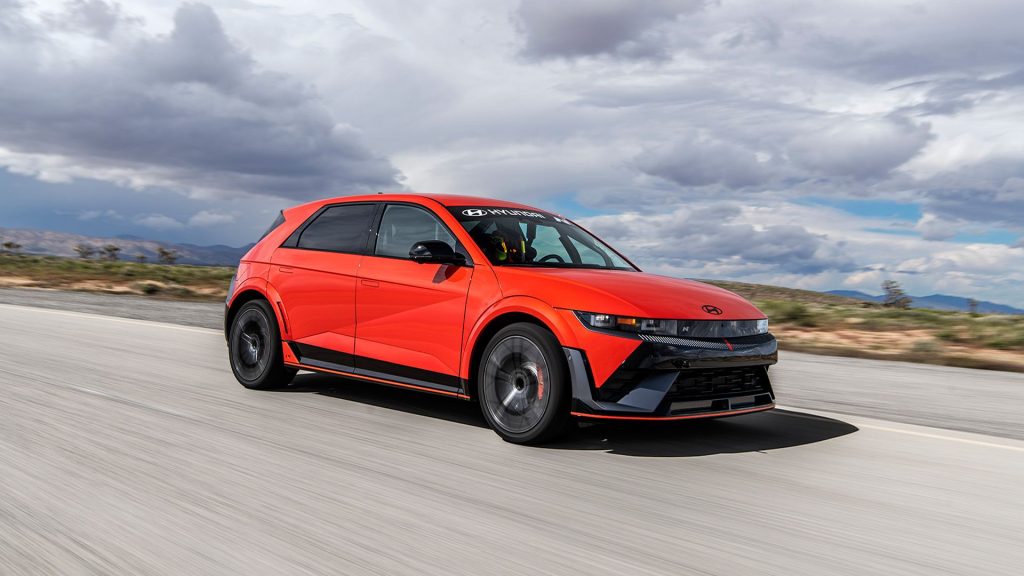
The Hyundai Ioniq 5 has gained attention for its innovative design, advanced technology, and practical range. Its futuristic exterior is complemented by a spacious, minimalist interior that maximizes passenger comfort.
In 2025, the Ioniq 5 stands out for its fast charging capabilities, with compatible chargers allowing an 80% charge in roughly 18 minutes under ideal conditions, reducing downtime for longer trips.
Range is competitive, with models offering up to 303 miles per charge, sufficient for both urban and regional driving needs. Performance is balanced, providing smooth acceleration, confident handling, and a quiet, refined ride.
The flat-floor design enhances interior space, giving both front and rear passengers ample legroom, while the cargo area is practical for families or active lifestyles.
Technology is another strength. The Ioniq 5 features an intuitive infotainment system, advanced driver-assistance features, and a digital instrument cluster that provides real-time efficiency feedback.
Vehicle-to-load capability allows the SUV to supply power to external devices, an uncommon but practical feature for camping or emergencies.
Reliability and warranty coverage further enhance value. Hyundai’s warranty ensures that battery and drivetrain components are protected, giving buyers confidence in long-term ownership. Maintenance is minimal compared to conventional SUVs, and energy efficiency helps lower running costs.
The Ioniq 5 demonstrates that an electric SUV can offer style, functionality, and advanced technology without sacrificing practicality. Its combination of range, charging speed, comfort, and affordability makes it an excellent choice for 2025, appealing to both tech-savvy buyers and those seeking a capable family SUV.
3. Kia EV6
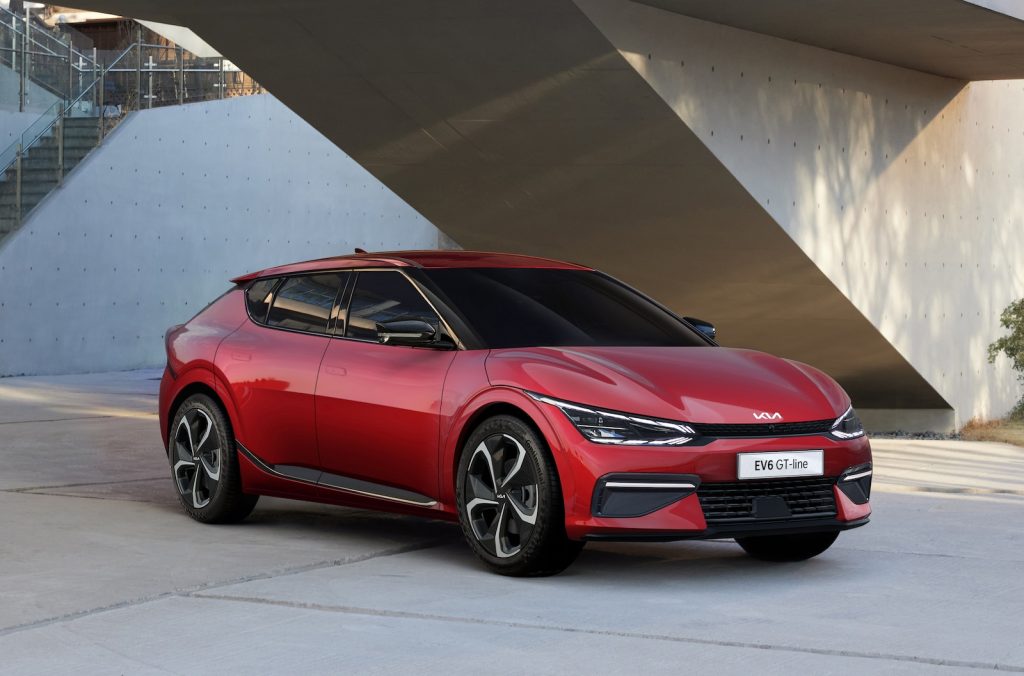
The Kia EV6 has emerged as one of the most compelling electric SUVs in 2025, thanks to its striking design, long-range capability, and strong performance. With an aerodynamic silhouette and modern styling cues, the EV6 looks both sporty and practical.
Its battery options allow for a range of up to 310 miles, making it suitable for both daily commuting and longer trips without frequent charging.
Performance is a highlight. The EV6 GT version delivers impressive acceleration, reaching 0-60 mph in under 4 seconds, while the standard models offer smooth and responsive driving dynamics.
The low center of gravity, due to its skateboard platform, provides stability in corners and a confident ride. Regenerative braking can be customized, allowing drivers to adjust energy recovery for efficiency or sportiness.
Interior comfort is excellent for a compact SUV. The cabin is spacious, with a flat floor that increases legroom and a modern design that balances minimalism with functionality.
Advanced infotainment, driver-assistance systems, and connectivity features create a user-friendly environment. Fast charging is a significant advantage: compatible DC fast chargers can restore roughly 80% of the battery in about 18–20 minutes, making longer trips more convenient.
Reliability and warranty coverage are strong selling points. Kia offers a comprehensive warranty, including battery coverage, which ensures long-term peace of mind. Operating costs are lower than combustion vehicles, with fewer mechanical components requiring regular maintenance.
The EV6 proves that electric SUVs can combine style, performance, practicality, and technology. Its balance of range, acceleration, interior space, and fast charging makes it a standout choice in 2025, suitable for drivers who want both everyday usability and an engaging driving experience.
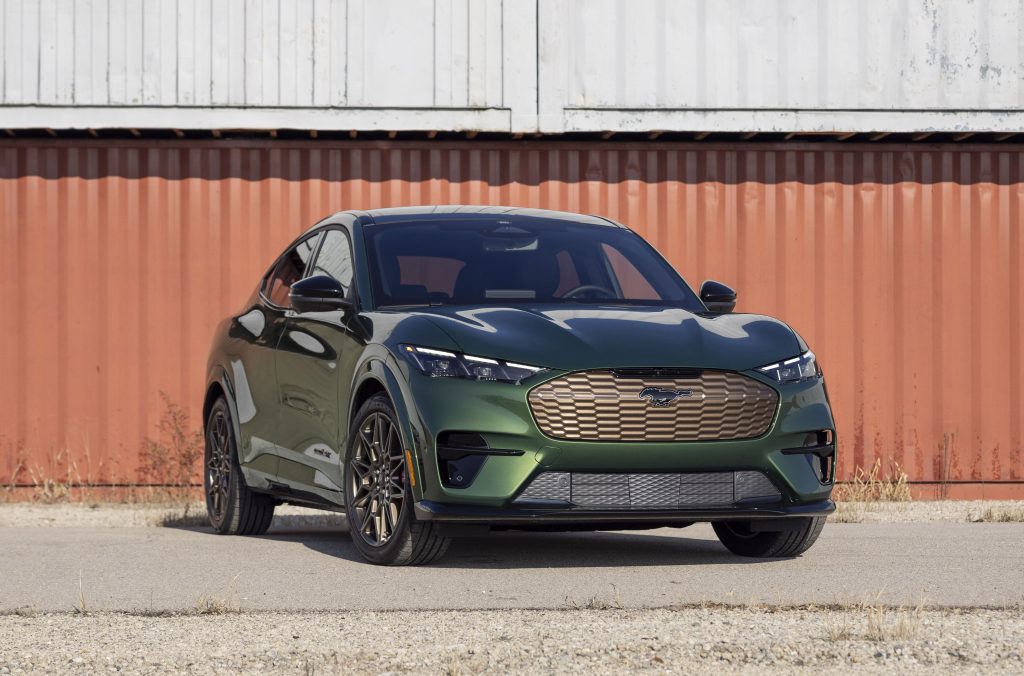
4. Ford Mustang Mach-E
The Ford Mustang Mach-E continues to impress in 2025 as a fully electric SUV that blends performance, style, and practicality. Inspired by the Mustang heritage, it features aggressive styling while providing the versatility of a crossover.
Range varies by model, with the extended-range variants offering over 300 miles per charge, addressing range concerns for most buyers.
Performance is strong across the lineup. The GT version accelerates from 0-60 mph in about 3.8 seconds, while standard variants provide smooth, responsive handling suitable for daily driving.
Rear-wheel-drive and all-wheel-drive options allow buyers to tailor performance to their needs, from spirited driving to stable handling in adverse conditions.
Inside, the Mach-E combines modern technology with usability. A large vertical touchscreen controls most functions, while over-the-air updates ensure continuous improvements in software, navigation, and infotainment.
The cabin is spacious, offering ample passenger and cargo space, making it suitable for families and long trips. Driver-assistance features enhance safety, and the vehicle earns high crash-test ratings.
Charging infrastructure is another advantage. Ford’s partnership with fast-charging networks allows quick replenishment of battery power, ensuring convenience for road trips.
Maintenance requirements are minimal compared to internal combustion SUVs, reducing long-term ownership costs.
The Mach-E demonstrates that performance and practicality can coexist in an electric SUV. Its combination of range, acceleration, interior space, and advanced technology makes it a top contender for 2025.
It appeals to buyers seeking a stylish, capable, and engaging EV without compromising utility or comfort.
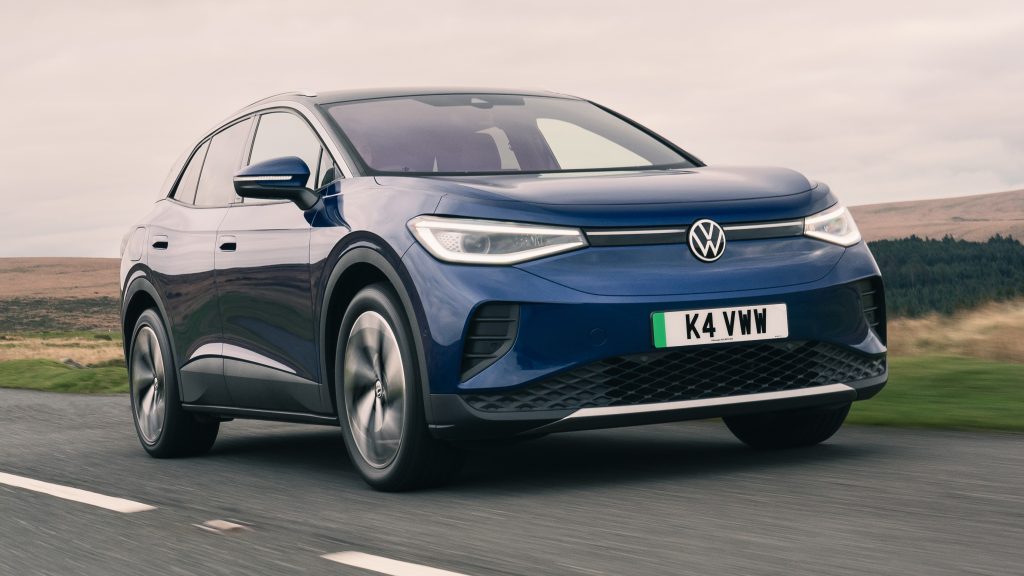
5. Volkswagen ID.4
The Volkswagen ID.4 is a practical and well-rounded electric SUV that has gained recognition for its balance of comfort, range, and technology. In 2025, it remains a competitive choice with a driving range of up to 323 miles in long-range variants, making it suitable for daily commuting and extended travel.
Performance is smooth and predictable. Acceleration is adequate for most drivers, and the ride quality emphasizes comfort rather than sportiness.
The flat floor and thoughtfully designed interior create a spacious cabin, with enough room for five passengers and generous cargo capacity. Infotainment and driver-assistance systems are modern and intuitive, supporting safety and convenience.
Charging is straightforward, with DC fast-charging capabilities allowing an 80% battery recharge in about 30–35 minutes under ideal conditions. Efficiency is high, and regenerative braking can be adjusted to suit driver preferences.
Volkswagen’s warranty coverage adds confidence for long-term ownership, particularly for the battery and drivetrain components.
The ID.4’s combination of practicality, comfort, and reasonable pricing makes it ideal for families or commuters seeking an electric SUV that meets daily needs without sacrificing range or reliability. It is efficient, functional, and low-maintenance, providing an accessible entry into electric mobility.
With its well-rounded package, the Volkswagen ID.4 demonstrates why it remains one of the most appealing electric SUVs in 2025. It proves that a combination of practicality, reliability, and technology can create a satisfying ownership experience without the premium price of performance-focused models.
5 Electric SUVs That Aren’t Worth Buying in 2025
While the electric SUV market offers impressive options, not every model lives up to expectations.
Some vehicles are underpowered, have limited range, slow charging speeds, or issues with build quality, making them less desirable choices for buyers in 2025. Identifying which models fail to deliver is essential for avoiding regret and wasted investment.
Certain electric SUVs struggle because they prioritize appearance or marketing over functionality. Styling may appeal to a niche audience, but compromises in interior space, comfort, or driving dynamics often leave buyers dissatisfied.
Others suffer from limited range or inefficient powertrains, making them impractical for long-distance driving or daily commuting. Slow charging speeds exacerbate these issues, increasing downtime and inconvenience.
Reliability and aftersales support also play critical roles. SUVs with complex or untested systems may experience frequent maintenance problems, expensive repairs, or software issues.
Even with attractive initial pricing, high long-term ownership costs can outweigh any perceived value. Enthusiast communities often avoid these models, meaning there is little shared knowledge or aftermarket support to improve ownership experience.
This section highlights five electric SUVs that fall short in 2025. Each model has been selected based on performance, efficiency, practicality, and overall ownership experience.
By understanding their shortcomings, buyers can make informed decisions and avoid vehicles that may cause frustration or disappointment.
Comparing these less desirable SUVs with the top-performing models emphasizes the importance of evaluating range, charging, comfort, and reliability before making a purchase.
It also illustrates that not all electric SUVs are equal, and careful consideration is required to find a vehicle that meets both expectations and practical needs.
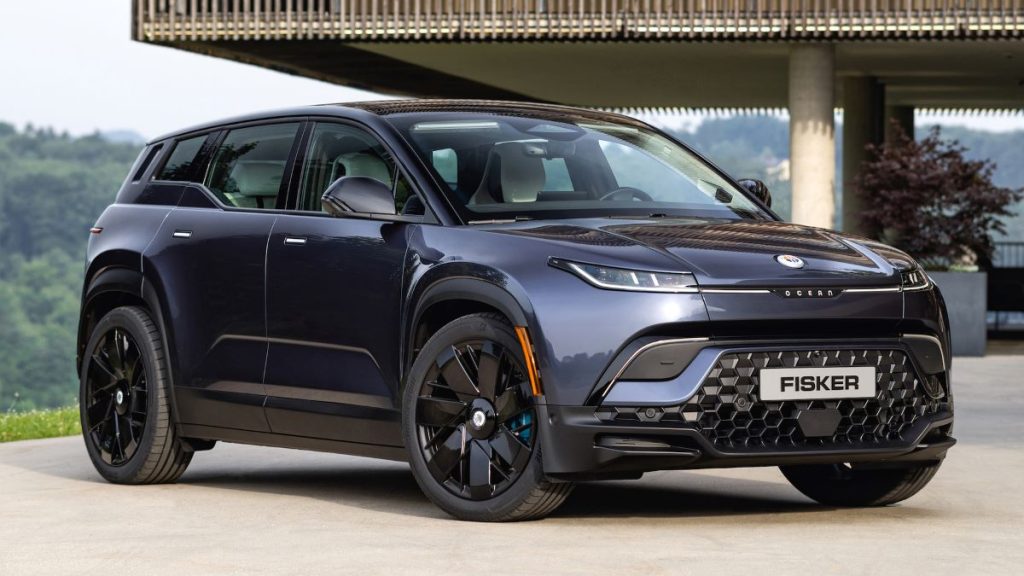
1. Fisker Ocean (Early 2022–2025 models)
The Fisker Ocean entered the electric SUV market with high expectations, thanks to its eco-friendly materials and ambitious design. However, in 2025, it remains a vehicle that struggles to impress due to performance and reliability concerns.
While visually distinctive, the Ocean’s exterior styling is polarizing, with a bulky, unconventional silhouette that does not appeal to all buyers.
Performance is underwhelming compared to competitors. The acceleration and handling lack the responsiveness expected from modern electric SUVs in this price segment.
Even the extended-range versions struggle to maintain efficiency under heavy loads or highway driving, making long trips less practical. The regenerative braking system, while adjustable, can feel inconsistent, affecting smoothness during everyday driving.
Charging capabilities are another limitation. While it supports DC fast charging, real-world charging speeds are slower than advertised, and compatibility with certain fast-charging networks is limited. This can lead to inconvenience for drivers who frequently travel longer distances.
Reliability is also a concern. Early owners have reported software glitches, inconsistent build quality, and occasional battery issues. Maintenance and repairs are less straightforward due to limited service networks, which further detracts from the overall ownership experience.
Interior quality is reasonable but does not match the refinement of competitors in the same segment, especially considering the price.
Despite its innovative approach to sustainability, the Fisker Ocean’s practical shortcomings make it difficult to recommend in 2025.
Buyers seeking an electric SUV that offers reliable performance, consistent range, and minimal maintenance would likely find better value elsewhere. Its unique design and eco-friendly concept are appealing but cannot compensate for the real-world limitations that affect usability and enjoyment.
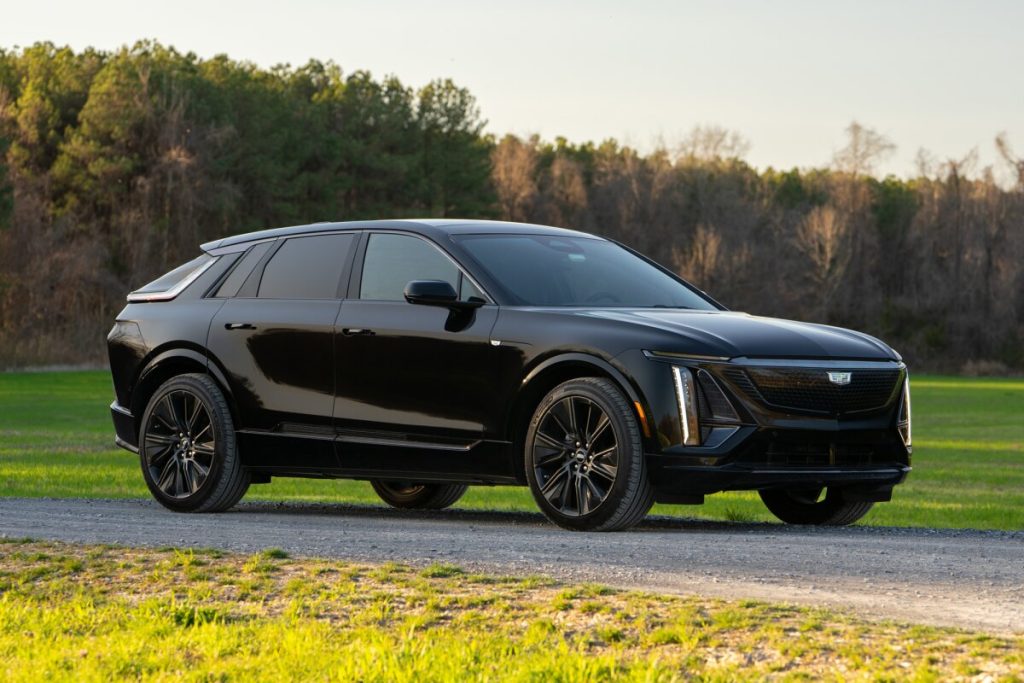
2. Cadillac Lyriq (2023–2025 models)
The Cadillac Lyriq arrived as Cadillac’s first major all-electric SUV, boasting premium styling and a luxurious interior.
However, in 2025, it faces criticism for range limitations, charging speed, and pricing relative to performance. While the Lyriq looks modern and upscale, its proportions are less practical, with limited cargo space compared to rivals in the segment.
Range is a key concern. The Lyriq offers roughly 312 miles in ideal conditions, but real-world figures drop significantly under highway driving or cold weather.
This can make longer trips inconvenient, especially for buyers who rely on public fast-charging networks. Charging speeds are acceptable but not class-leading, adding to potential downtime.
Performance is adequate but lacks excitement. Acceleration is smooth, but the vehicle does not deliver the responsiveness or driving engagement found in competitors like Tesla or Ford electric SUVs. Handling is competent, but the heavy weight of the battery pack impacts agility and cornering.
Another issue is value. The Lyriq is priced at a premium level, yet it does not provide additional range, performance, or advanced technology features to justify the cost fully. Maintenance is relatively straightforward for an electric vehicle, but parts and service can be expensive due to the brand’s luxury positioning.
While the Cadillac Lyriq offers luxury styling and comfort, its practical limitations and high price make it a less compelling choice in 2025.
Buyers seeking an electric SUV that balances range, performance, and value will find better options in other models that provide stronger efficiency, faster charging, and more engaging driving dynamics.
3. Nissan Ariya (2022–2025 models)
The Nissan Ariya was introduced as a stylish and technologically advanced electric SUV, but in 2025, it has mixed reception. While it offers a modern exterior and minimalist interior, several factors limit its appeal compared to competitors.
The overall design is polarizing: the clean lines and rounded profile may attract some buyers, but the proportions and interior layout feel less practical than rivals like Hyundai Ioniq 5 or Kia EV6.
Performance is adequate for urban driving but underwhelming for highway acceleration or spirited driving.
The Ariya’s dual-motor all-wheel-drive versions improve responsiveness, yet the ride quality can feel soft and less engaging. Regenerative braking is present but can be inconsistent, affecting the smoothness of everyday driving.
Range is another concern. Depending on the model, the Ariya offers between 220–305 miles on a full charge. In real-world conditions, especially in cold weather or on long trips, range falls short of advertised figures.
Charging speeds are average, and Nissan’s fast-charging network is limited compared to Tesla Superchargers or Ioniq 5/EV6 compatibility.
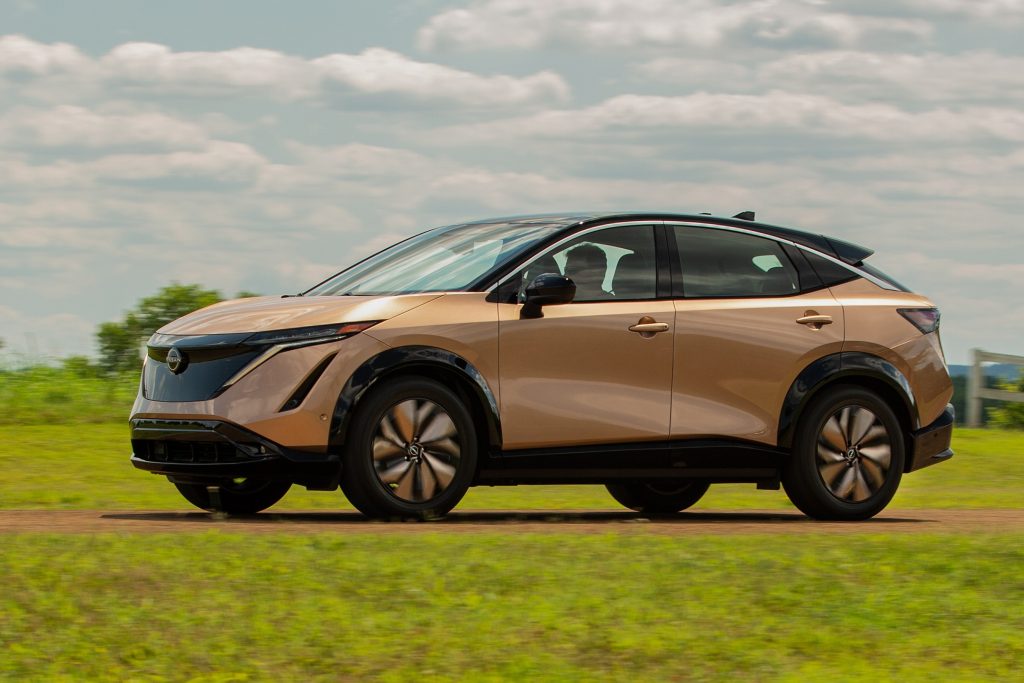
Interior quality is decent but not exceptional for its price. Materials and fit can feel less refined than premium competitors, and the infotainment system, though modern, occasionally suffers from lag and unintuitive menus. Maintenance is straightforward, but resale value has been lower than expected due to market competition.
In conclusion, while the Nissan Ariya has style and advanced features, its limitations in range, performance, and interior refinement make it a less compelling choice in 2025.
Buyers looking for a reliable, practical, and enjoyable electric SUV may find better alternatives that provide stronger performance, longer real-world range, and superior technology integration.
4. BMW iX3 (2021–2025 models)
The BMW iX3 represents BMW’s first major electric SUV designed for traditional SUV buyers seeking luxury EV options. Despite the brand’s reputation, the iX3 has several drawbacks that make it less appealing in 2025.
Styling is conservative and uninspiring, lacking the visual appeal of competitors such as Tesla Model Y or Kia EV6, which can make it feel outdated upon entry into the market.
Performance is adequate but not exciting. The rear-wheel-drive model provides smooth acceleration, but it does not deliver the driving engagement or agility expected from BMW vehicles.
Handling is competent but uninspiring, and the ride can feel stiff over uneven surfaces. Dual-motor variants improve traction but still fail to offer compelling dynamics for enthusiasts.
Range and charging are other weak points. With an estimated range of around 285 miles, the iX3 lags behind leading competitors.
Fast-charging speeds are acceptable but not class-leading, making longer trips less convenient. BMW’s charging infrastructure, while expanding, remains less accessible than Tesla’s Supercharger network.
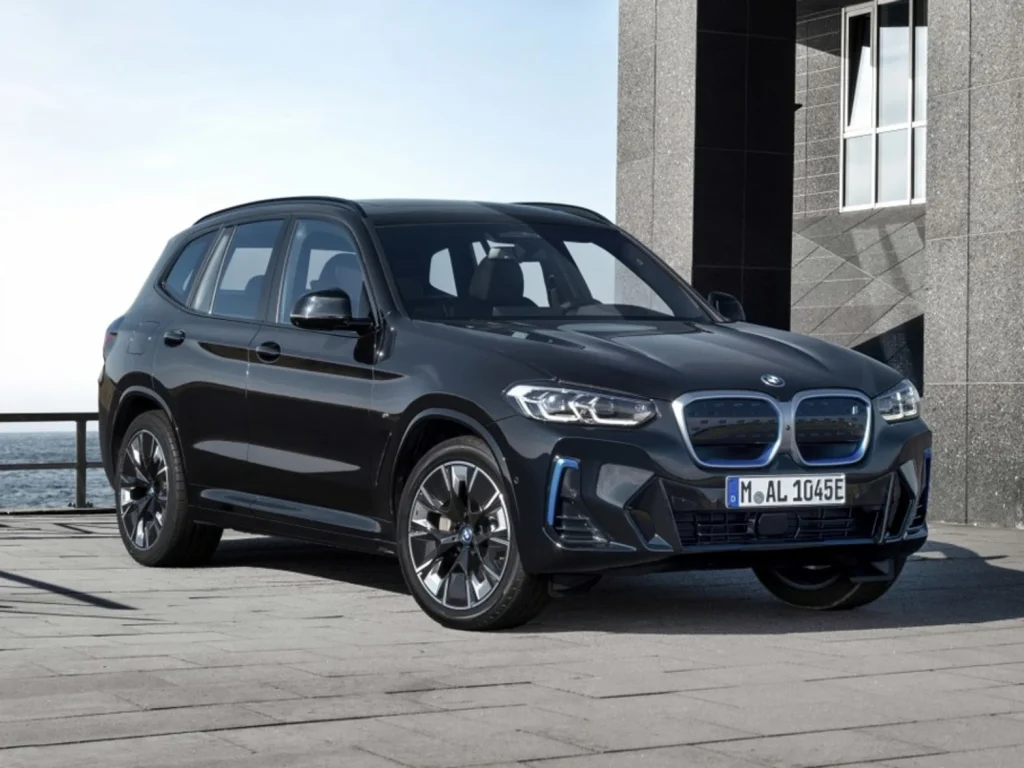
Interior quality is solid but limited in innovation. While luxurious materials are used, cabin space is average, and the infotainment system lacks the seamless connectivity found in rival models. Pricing is high relative to performance and range, reducing the value proposition.
The BMW iX3 illustrates that a luxury badge alone does not guarantee a compelling electric SUV.
Its limited range, unremarkable performance, and lackluster design make it a difficult recommendation in 2025, especially when other EVs offer better efficiency, technology, and driving experience at similar or lower prices.
5. Mercedes-Benz EQB (2021–2025 models)
The Mercedes-Benz EQB is a compact electric SUV aimed at buyers seeking premium styling and practicality. However, in 2025, it faces criticism for limited range, slow charging, and high pricing relative to competitors.
With a maximum range of roughly 260–280 miles, it falls short for buyers planning frequent long-distance travel, and charging speeds are slower than many rivals in the same segment.
Performance is adequate for urban driving but uninspiring on highways. Acceleration is modest, and handling is competent but lacks excitement or engagement.
The compact design limits cargo space, and the interior, while refined, cannot match the versatility and cabin room offered by competitors such as Hyundai Ioniq 5 or Volkswagen ID.4.
Technology and infotainment are modern but can feel cluttered or less intuitive compared to rivals with simpler interfaces. Advanced driver-assistance features are present but do not distinguish the EQB in a market where safety and convenience technology is becoming standard.
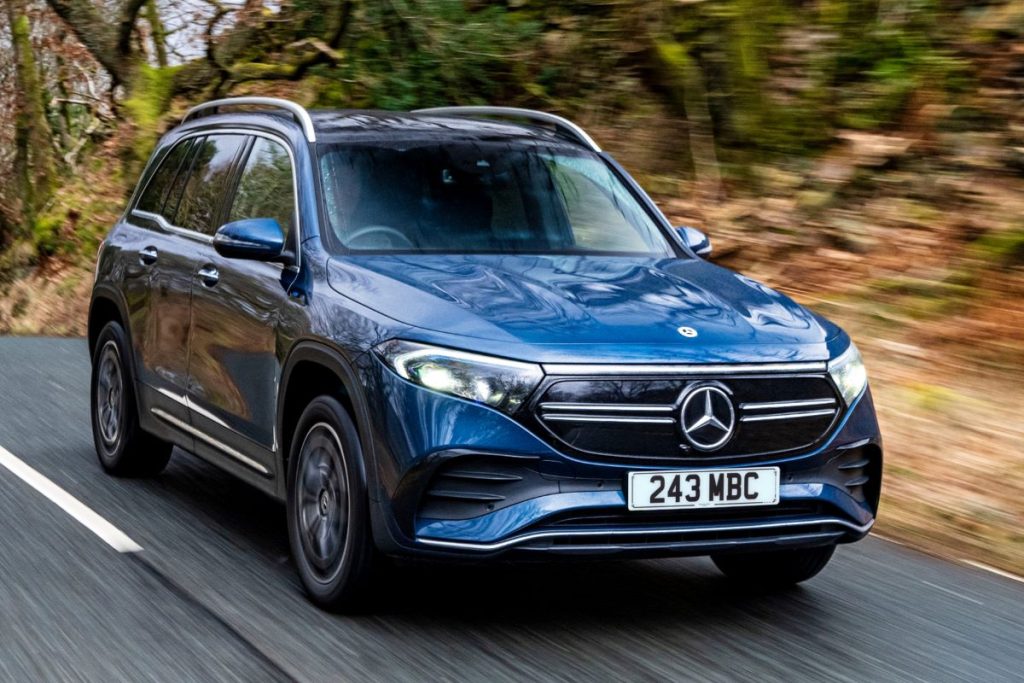
Value is a major concern. The EQB is priced at a premium, yet it does not provide superior range, performance, or interior space compared to more affordable models. Maintenance costs are also higher due to its luxury positioning, which may deter cost-conscious buyers.
While the EQB offers Mercedes styling and comfort, its practical limitations in range, charging, and space make it a less compelling electric SUV in 2025.
Buyers seeking a capable, efficient, and enjoyable EV experience are likely to find better alternatives with stronger performance, longer range, and more competitive pricing.
The electric SUV market in 2025 offers a diverse range of options, but not all models deliver equal value.
Some vehicles stand out for their combination of performance, range, technology, and practicality, making them excellent choices for buyers seeking reliable and enjoyable electric mobility.
Models such as the Tesla Model Y, Hyundai Ioniq 5, Kia EV6, Ford Mustang Mach-E, and Volkswagen ID.4 demonstrate that electric SUVs can provide long-range capability, fast charging, comfortable and spacious interiors, and engaging driving experiences.
These vehicles balance efficiency, technology, and usability, making them suitable for daily commuting, family trips, and longer journeys.
Conversely, some electric SUVs fail to meet expectations due to limited range, slow charging, underwhelming performance, or high pricing.
The Fisker Ocean, Cadillac Lyriq, Nissan Ariya, BMW iX3, and Mercedes-Benz EQB illustrate how styling, technology, or brand prestige alone cannot compensate for practical shortcomings. These vehicles may appeal to niche buyers, but their limitations reduce overall satisfaction and value.
For prospective buyers, understanding the strengths and weaknesses of each model is essential.
Choosing well-engineered electric SUVs ensures a reliable, efficient, and enjoyable ownership experience, while avoiding models with practical or performance shortcomings helps prevent frustration and disappointment in the rapidly evolving EV market.
Also Read: 5 SUVs With Common Parts vs 5 With Rare Ones
