
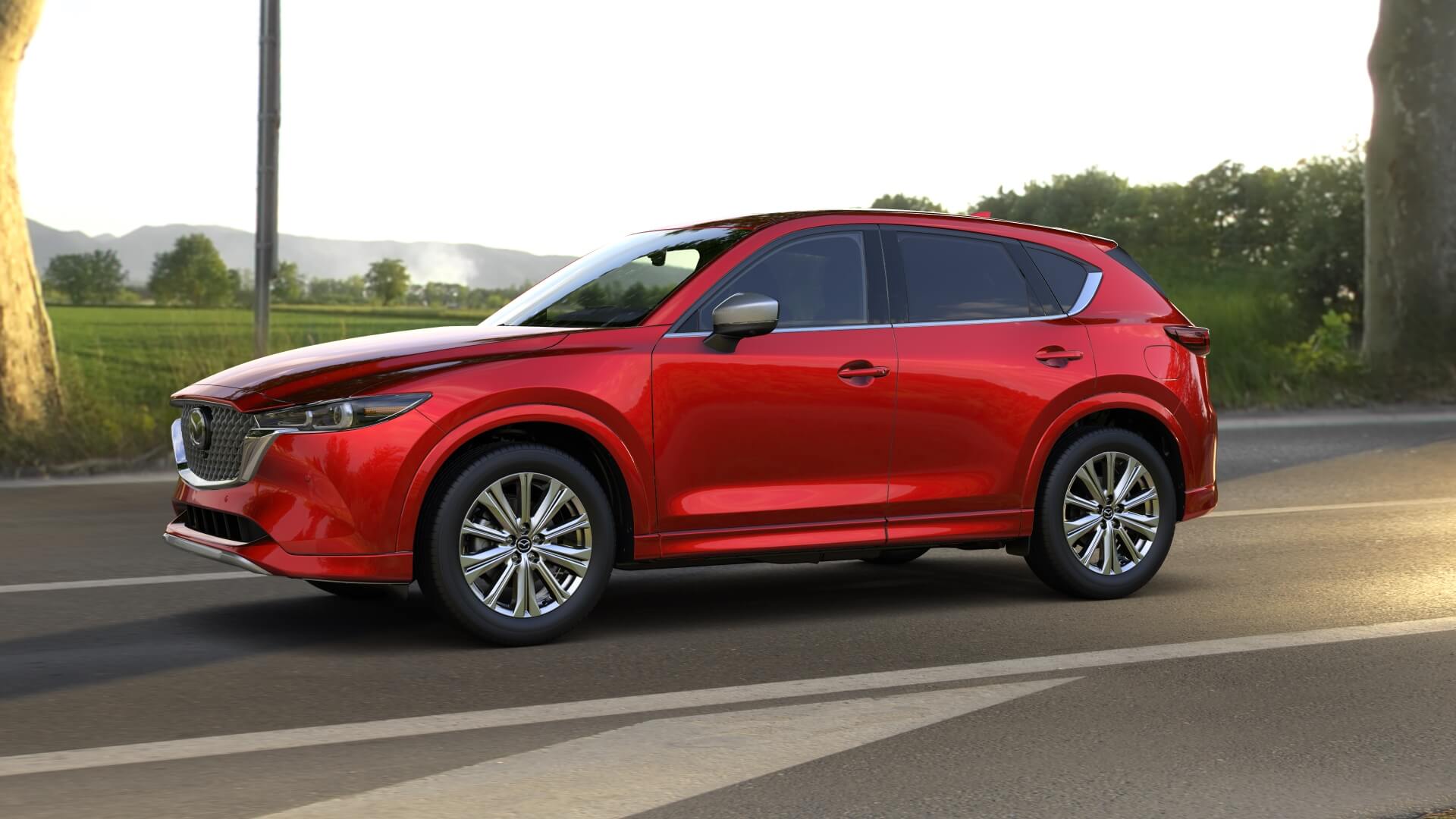
Mazda has always occupied an interesting place in the automotive market. It is neither a full-fledged luxury brand nor an economy-only maker. Instead, it consistently blurs the line between mainstream value and premium craftsmanship.
Over the past two decades, Mazda’s design philosophy, known as “Kodo,” and its human-centered engineering approach have helped the brand gain recognition for quality and refinement that often exceed its price range.
Yet not every Mazda reflects that same modern polish. Some models still carry traces of an earlier era when cost-saving outweighed design precision.
This comparison looks at both sides of Mazda’s evolution: the cars that feel premium and those that now seem dated. The company’s strongest vehicles deliver exceptional interiors, tight build quality, and dynamics that rival European brands.
They feel more expensive than they are, thanks to attention to detail in materials, driving comfort, and visual design. These are the Mazdas that reflect progress and ambition.
On the other hand, several older or less-developed models reveal where Mazda’s transformation hasn’t fully reached. Some suffer from aging cabin layouts, outdated infotainment, or designs that lack the refinement of the brand’s newer generation.
They remind us how far Mazda has come, but also how time and technology can make even solid vehicles feel behind the curve.
By studying both sets, we understand the clear shift Mazda has made from a modest Japanese manufacturer to a brand aspiring toward near-luxury recognition.
The difference between the two sides is not just in the badge, but in how they make you feel when you sit behind the wheel. Now, let’s begin with 5 Mazdas That Feel Premium the models that prove style and substance can coexist without luxury-level pricing.
Also Read: 5 Cars With the Most Reliable Gearboxes vs 5 That Constantly Slip
5 Mazdas That Feel Premium
Mazda’s premium-feeling models stand out not because of flashy technology or extravagant branding, but because of how meticulously they are designed. The company has spent years refining the way a car should look, sound, and feel from the driver’s seat.
Every surface, button, and motion inside a modern Mazda is guided by the idea that driving can still be personal, not just functional.
This philosophy has quietly positioned Mazda as one of the few brands able to rival entry-level luxury competitors without crossing into their price brackets.
What makes these Mazdas feel premium is a combination of craftsmanship and consistency. The brand’s designers have placed strong emphasis on proportion, texture, and harmony.
Whether it is the smooth motion of a steering wheel, the soft-touch dashboard panels, or the elegant simplicity of exterior lines, each detail works together to create a sense of calm sophistication.
There is also a focus on how a car behaves dynamically precise steering, balanced suspension, and quiet operation make these models feel refined even on imperfect roads.
The five vehicles chosen here demonstrate Mazda’s progress from a value-driven company to one capable of producing cars that genuinely impress drivers used to higher-end experiences.
Each model has something that goes beyond practicality: a sense of quality you can feel without reading the brochure. They reflect thoughtful design and engineering aimed at emotion as much as efficiency.
We are highlighting these vehicles because they show how Mazda has successfully transformed its image through tangible improvement, not marketing illusion. They feel modern, confident, and sophisticated, representing the best side of Mazda’s identity.
These are the cars that make you realize that premium isn’t about price it’s about precision, comfort, and the quiet satisfaction of owning something made with care.
1. Mazda CX-60
The Mazda CX-60 represents the brand’s most confident step toward premium status. Introduced as part of Mazda’s new generation of rear-biased, longitudinal-engine platforms, this SUV feels like it belongs among vehicles that cost significantly more.
Every part of the CX-60 has been designed to communicate refinement and power, from its proportions to its cabin materials and driving character.
Inside, the CX-60 feels far removed from Mazda’s older crossovers. Real wood trim, fine stitching, brushed metal accents, and natural textiles combine to create a cabin atmosphere that is calm, modern, and luxurious.
Even the switchgear and touchpoints feel solid, with a satisfying tactile weight that reflects careful engineering. The layout favors simplicity over clutter, giving the driver an intuitive experience that feels deliberately crafted rather than mass-produced.
Under the hood, the CX-60’s inline-six engine and plug-in hybrid powertrains offer strong performance balanced by quiet operation.
The rear-wheel-drive architecture gives the vehicle a poised, confident feel through corners, with steering precision and ride quality that rival entry-level German SUVs.
This mechanical refinement sets it apart from typical family crossovers, proving that Mazda has matured into a brand capable of producing vehicles that feel engineered rather than just assembled.
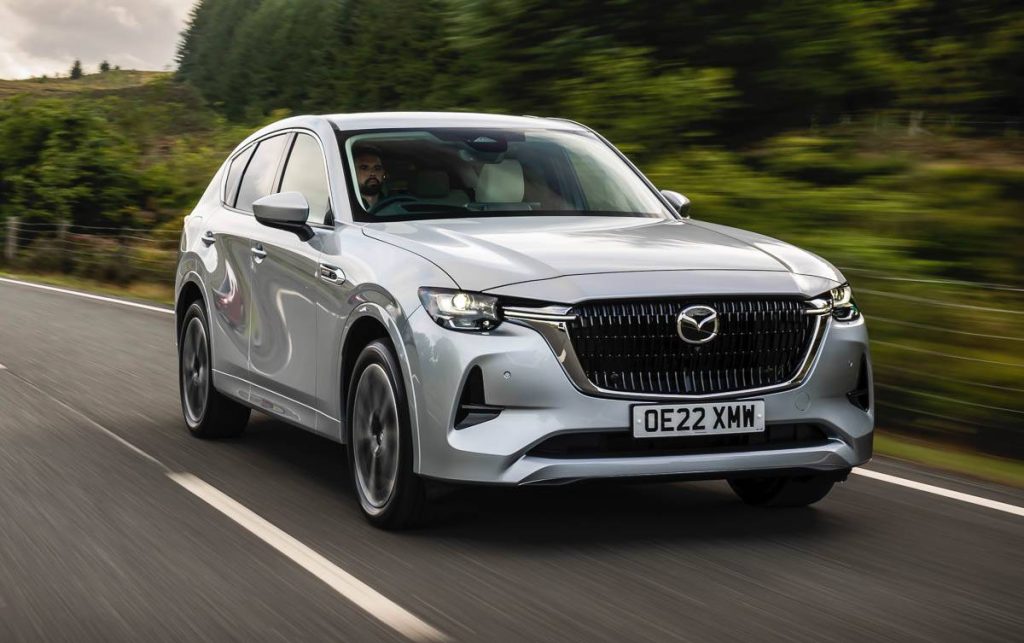
The CX-60 earns its place on this list because it represents the culmination of Mazda’s evolution toward premium engineering. It demonstrates ambition grounded in substance a true statement that the company can combine design grace with structural integrity.
More than a new model, it signals a shift in Mazda’s identity. The CX-60 shows that premium feel is not limited to luxury badges; it comes from passion, craftsmanship, and balance, all qualities that define this SUV.
2. Mazda3 Sedan
The Mazda3 Sedan is one of the clearest examples of how refinement and affordability can coexist. While it competes in the compact segment, the Mazda3 feels far more polished than most of its rivals.
From the moment you close the door, the sound insulation, tight panel fitment, and smooth surfaces communicate a sense of care that places it in near-luxury territory.
Mazda focused on making the driver’s environment feel personal and focused. The cockpit layout subtly wraps around the driver, emphasizing symmetry and ease of use.
Materials like soft-touch plastics, leather upholstery, and aluminum trim make the cabin feel upscale, while the minimalist approach to buttons and screens avoids visual clutter. Every control has deliberate resistance and movement, giving a feeling of precision.
On the road, the Mazda3 continues to impress. The steering is finely weighted, and the suspension tuning manages to be both comfortable and responsive.
It feels composed in corners without being harsh on city streets, a balance usually associated with higher-end European sedans. The quietness of the cabin even at highway speeds further reinforces its premium quality.
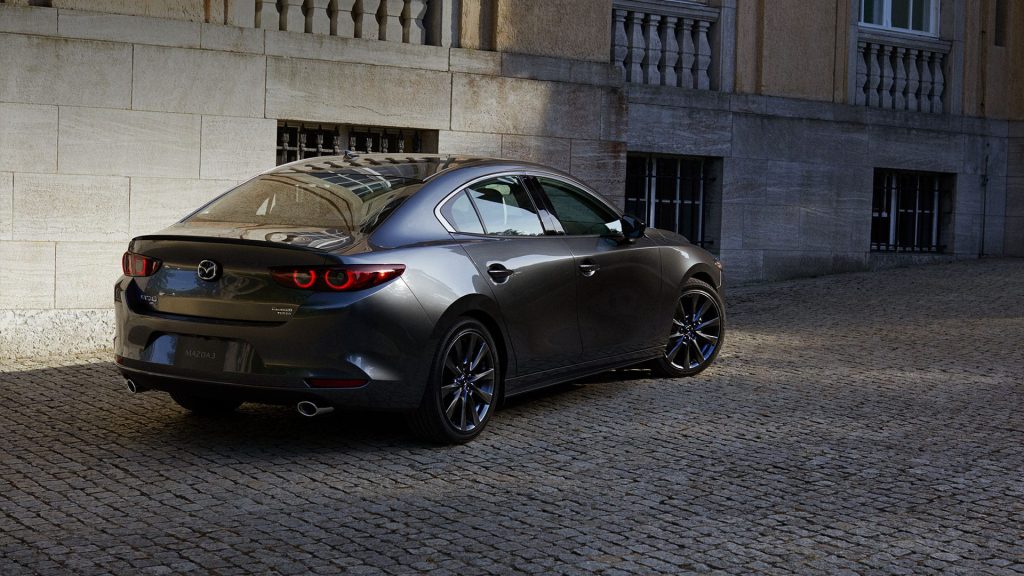
Mazda’s Skyactiv engines and transmissions contribute to this refined experience. Power delivery is smooth, and fuel efficiency remains excellent, which shows Mazda’s focus on both performance and long-term value. The car feels engineered for emotional satisfaction rather than just practicality.
The Mazda3 Sedan deserves its place among Mazda’s premium-feeling cars because it proves that excellence is not always measured by luxury branding.
It reflects the brand’s ability to turn simplicity into sophistication. Every time you drive it, you sense the depth of engineering that went into its creation not to impress, but to deliver quiet quality that lasts for years.
3. Mazda CX-5
The Mazda CX-5 has long been regarded as one of the most refined compact SUVs on the market. It combines thoughtful design, solid materials, and an engaging driving experience to deliver a premium feel that outshines many rivals in its segment.
While competitors often emphasize utility or technology alone, the CX-5 integrates both with style and poise.
Inside, the cabin emphasizes quality and restraint. Soft-touch panels, leather-trimmed seats, and carefully integrated metallic accents give it a sense of durability and sophistication. The infotainment system, though simple, is intuitive and visually elegant, enhancing the perception of refinement rather than overwhelming it.
Ergonomics are well thought out, with controls placed for natural reach and comfort. Even the air vents and switches feel mechanically satisfying, contributing to a tactile sense of quality.
Mazda’s attention to driving dynamics further elevates the CX-5. Its steering is precise, with excellent feedback, and the suspension strikes a balance between comfort and control.
It feels planted on the road, whether maneuvering through city streets or cruising on highways, offering a level of refinement uncommon in mainstream SUVs.
Noise reduction measures, including well-insulated door seals and minimal engine intrusion, make cabin experiences quiet and serene.
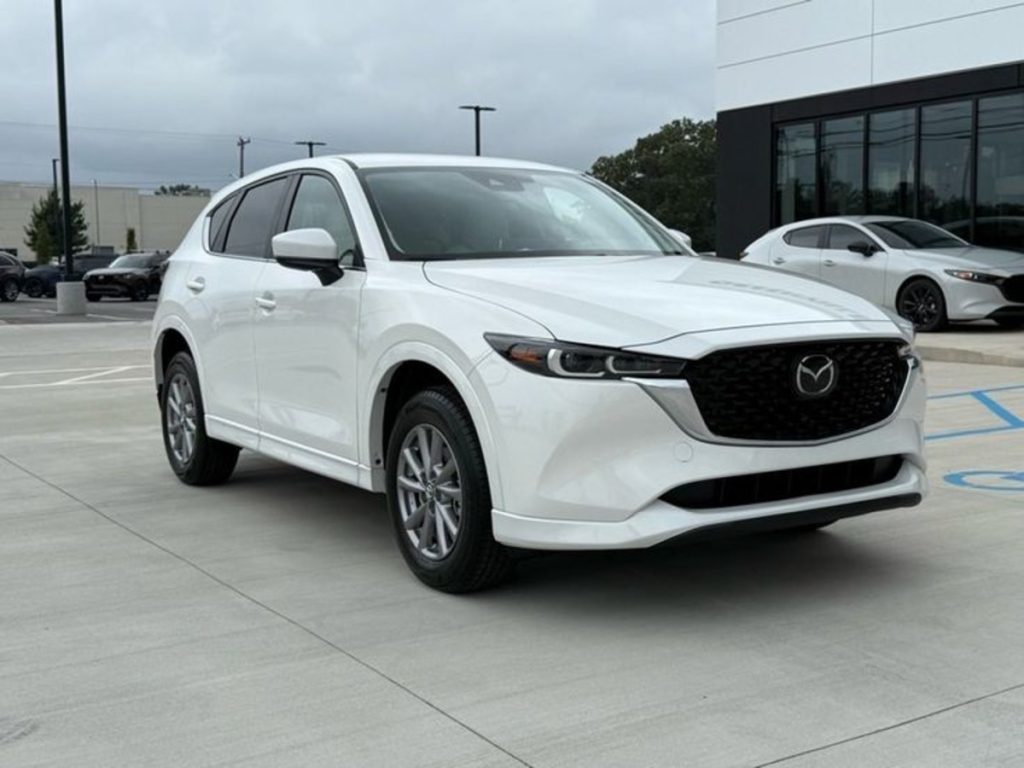
The CX-5 earns its place on this list because it demonstrates that a compact SUV can feel like a more expensive vehicle without adding unnecessary complexity. Every design decision from materials to suspension tuning, is intended to communicate care and quality.
The result is a vehicle that makes the driver feel valued, delivering satisfaction every time it is driven. It embodies Mazda’s philosophy that premium feeling comes from thoughtful design, not price tags or flashy badges.
4. Mazda6 Sedan
The Mazda6 Sedan is a benchmark for how a midsize family car can feel refined and upscale. With its flowing exterior lines, carefully proportioned silhouette, and well-appointed interior, it delivers an impression of quality that rivals some luxury sedans.
Beyond appearance, the Mazda6 combines mechanical precision and interior comfort to create a holistic premium experience.
Inside, the cabin emphasizes comfort, simplicity, and quality materials. Leather and soft-touch surfaces dominate, complemented by metallic accents that enhance the sense of sophistication.
Controls are logically placed and have satisfying tactile feedback, while the minimalist dashboard ensures that drivers feel in command rather than overwhelmed. Visibility is excellent, and the seats provide ample support for longer journeys, reinforcing the feeling of thoughtful design.
Driving the Mazda6 highlights its refinement. The chassis is responsive yet composed, with suspension tuning that smooths out rough roads without feeling soft or disconnected.
The steering is precise, offering confidence during spirited driving and reassurance during everyday commuting. Engine and transmission choices prioritize smoothness, with minimal vibration or noise intrusion into the cabin, further enhancing the premium impression.
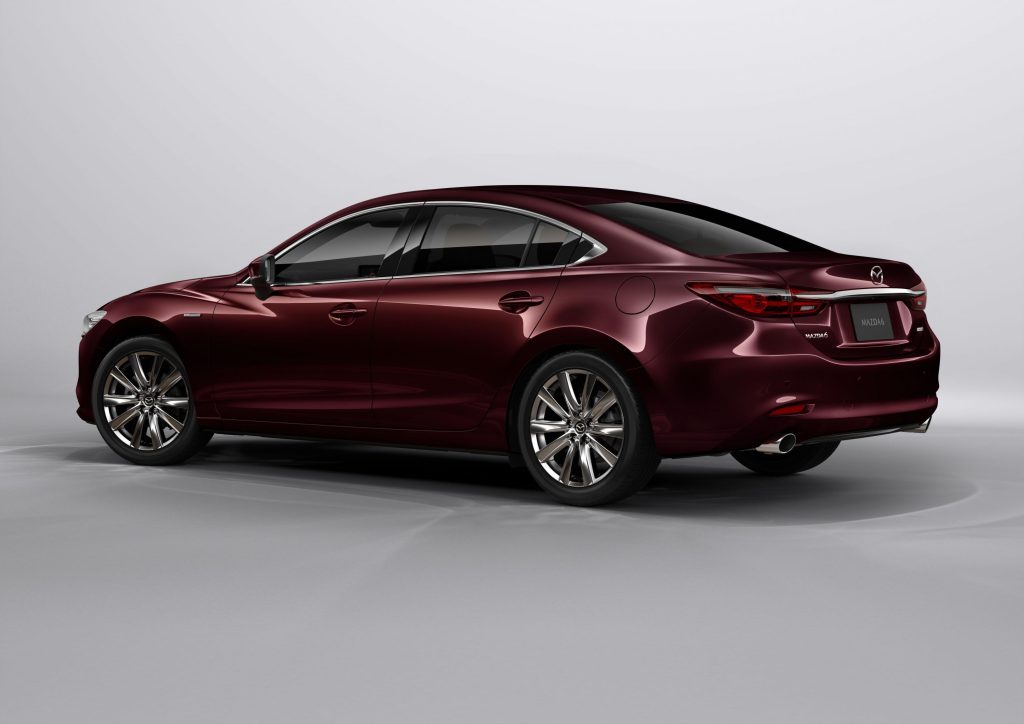
The Mazda6 deserves recognition because it blends performance, style, and interior quality in a way that feels deliberate. It does not rely on flashy features to impress; instead, it communicates sophistication through consistency, attention to detail, and a focus on driving satisfaction.
The Mazda6 shows that a mainstream brand can achieve a premium experience without moving into a luxury price range.
It is a clear example of Mazda’s ability to produce vehicles that make owners feel they have invested in more than just transportation they have invested in quality and confidence.
5. Mazda CX-90
The Mazda CX-90 represents the pinnacle of Mazda’s premium aspirations in the SUV segment. Positioned as the brand’s flagship SUV, it combines advanced engineering, refined design, and luxurious interior materials to create an experience that rivals many European competitors while remaining accessible.
Every detail, from the exterior proportions to the cabin layout, has been carefully considered to communicate sophistication and quality.
Inside, the CX-90 excels with high-grade leather, polished trim, and soft-touch surfaces that feel durable and upscale. The seats are supportive and comfortable, with multiple adjustments that allow both driver and passengers to find optimal comfort.
The dashboard layout is minimalist yet functional, with well-integrated screens and controls that reduce clutter while maintaining accessibility. The combination of materials, finishes, and ergonomics creates a cohesive interior that feels purposeful and well-crafted.
On the road, the CX-90 delivers an experience that reinforces its premium image. Its turbocharged inline-six or hybrid powertrains provide smooth, strong acceleration without excessive engine noise, while the all-wheel-drive system ensures stability and composure in various conditions.
Suspension tuning balances comfort and control, providing a ride that feels confident yet refined, even over rough surfaces. Steering feedback is precise, giving the driver a sense of connection and control often missing in vehicles of similar size.
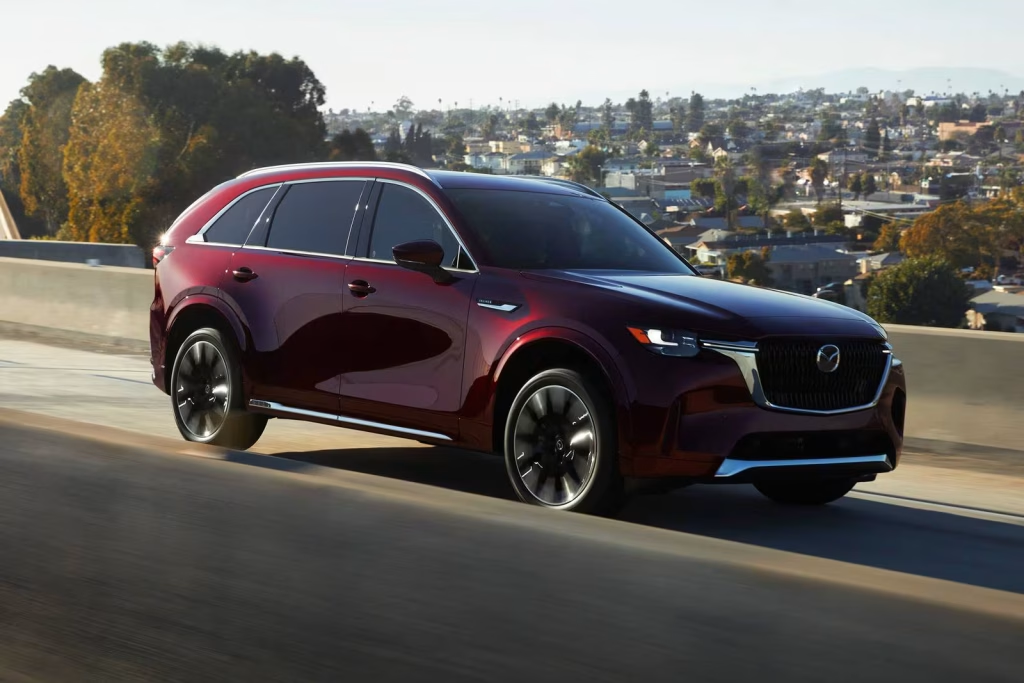
The CX-90 deserves recognition as a Mazda that feels premium because it demonstrates the brand’s ability to combine performance, refinement, and quality materials into a cohesive whole.
It shows that a mainstream manufacturer can create a vehicle that communicates luxury through engineering and design rather than relying on a badge or high price.
Every interaction, from adjusting the seat to driving through corners, reinforces a sense of care and precision, making the CX-90 a clear example of how Mazda has successfully elevated its offerings.
5 Mazdas That Feel Outdated
While Mazda has made impressive strides in refinement and design, not every model has aged gracefully. Some vehicles that were once competent and practical now feel behind the times, both in terms of technology and interior quality.
These models highlight the challenges manufacturers face when earlier design decisions meet evolving customer expectations.
Mazdas that feel outdated often share common traits. Interiors may feature hard plastics, low-resolution displays, or layouts that no longer match contemporary standards.
Exterior styling may appear less cohesive, with proportions or details that were once acceptable but now feel dated compared to newer Mazda offerings. Driving dynamics, while competent, may lack the refinement, quietness, or responsiveness seen in the brand’s current generation.
Technology is another factor. Infotainment systems that were innovative a decade ago now feel slow or cumbersome. Safety features, driver aids, and connectivity options may be absent or less effective, making the vehicle feel less sophisticated.
Even materials that once seemed adequate may show signs of wear, fading, or rattling over time, further emphasizing the feeling of aging.
By examining Mazdas that feel outdated, we gain perspective on the brand’s evolution. It illustrates how incremental improvements in design, materials, and engineering have raised expectations.
These older models remind drivers that refinement is not only about driving enjoyment but also about how a car sustains quality over years of use.
The following five vehicles were chosen because they now feel behind their peers in terms of interior comfort, design, technology, or overall impression.
They remain functional and reliable in most cases, but they lack the cohesion, polish, and subtlety that make Mazda’s modern vehicles feel premium.
Understanding these examples provides insight into why Mazda’s newer designs feel more sophisticated and why certain older models may no longer resonate with buyers seeking a contemporary experience.
1. Mazda CX-7
The Mazda CX-7 was once a compelling midsize crossover, offering sporty handling and an attractive design. However, over time it has begun to feel outdated compared to newer Mazda SUVs.
Its cabin layout, materials, and infotainment system reflect styling and technology standards from the late 2000s rather than the modern era.
Inside, the CX-7 lacks the refinement seen in vehicles like the CX-5 or CX-90. Hard plastics dominate the dashboard and door panels, while the seat materials, though comfortable initially, show early signs of wear and fading.
The infotainment screen is small and low resolution by today’s standards, and its interface feels less intuitive than Mazda’s current systems. Driver controls are functional, but ergonomics are less polished, leaving the cabin feeling more utilitarian than premium.
On the exterior, the CX-7’s design has not aged as gracefully. While its flowing lines were sporty at launch, proportions and detailing now appear heavier and less cohesive. Wheel design and front fascia styling have aged more quickly than the clean, modern look of Mazda’s current SUVs.
Performance-wise, the CX-7’s turbocharged four-cylinder engine delivers reasonable power, but refinement is lacking.
Cabin noise is more noticeable, and ride quality is less controlled than modern models. Steering feedback and suspension tuning, though fun, no longer match the crispness and composure found in newer vehicles.
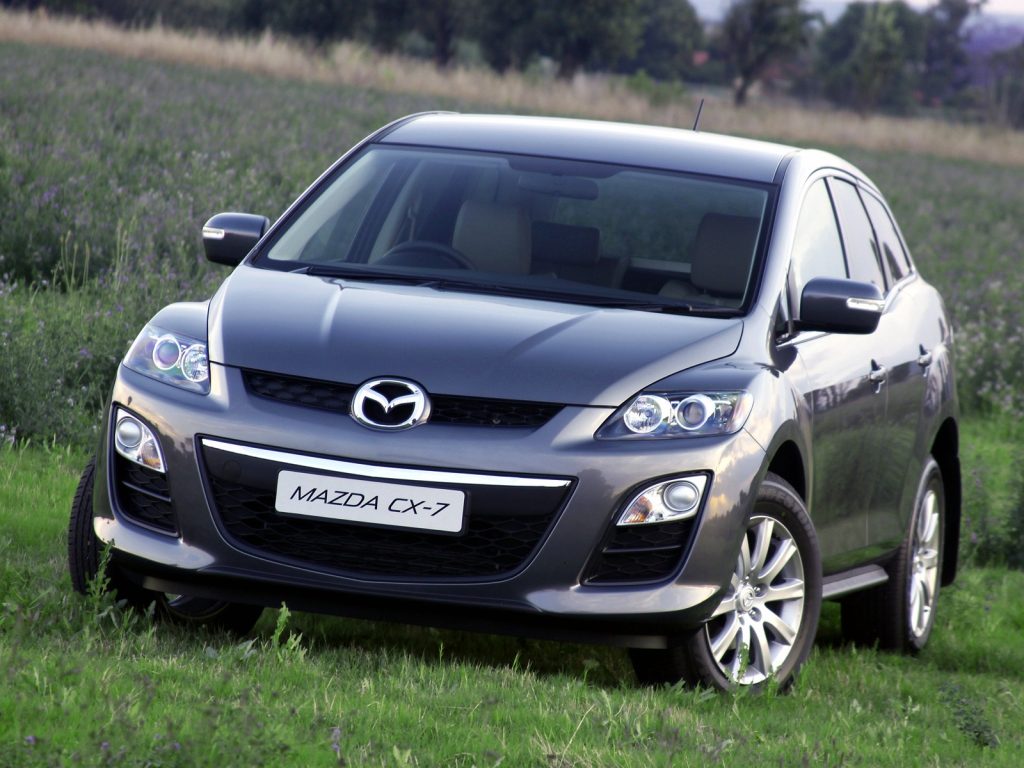
The CX-7 earns its place on this list because, while still capable, it no longer delivers the cohesive, premium impression Mazda is known for today. It reminds buyers that even well-engineered vehicles can feel dated when design, materials, and technology evolve faster than the original platform.
2. Mazda5
The Mazda5 was a practical compact minivan aimed at families needing flexibility and utility. While it offered sliding doors and versatile seating arrangements, the model now feels outdated in nearly every aspect compared to modern Mazda offerings and current competitors in the small family segment.
Inside, the cabin suffers from materials that feel cheap by today’s standards. Hard plastics dominate the dashboard, and the center console lacks refinement or intuitive layout.
Infotainment is minimal, often limited to small screens and basic controls, making connectivity and modern convenience feel absent. Seats, while functional, do not provide the support or comfort expected in contemporary vehicles, especially for long drives.
The Mazda5’s exterior styling has aged noticeably. Its proportions, intended to maximize interior space, appear boxy and less elegant than Mazda’s current designs. Wheels and trim lack the sophistication of newer models, giving it a utilitarian rather than refined look.
On the road, the Mazda5 is competent but lacks refinement. Suspension tuning emphasizes function over comfort, making the ride feel stiff on rough surfaces.
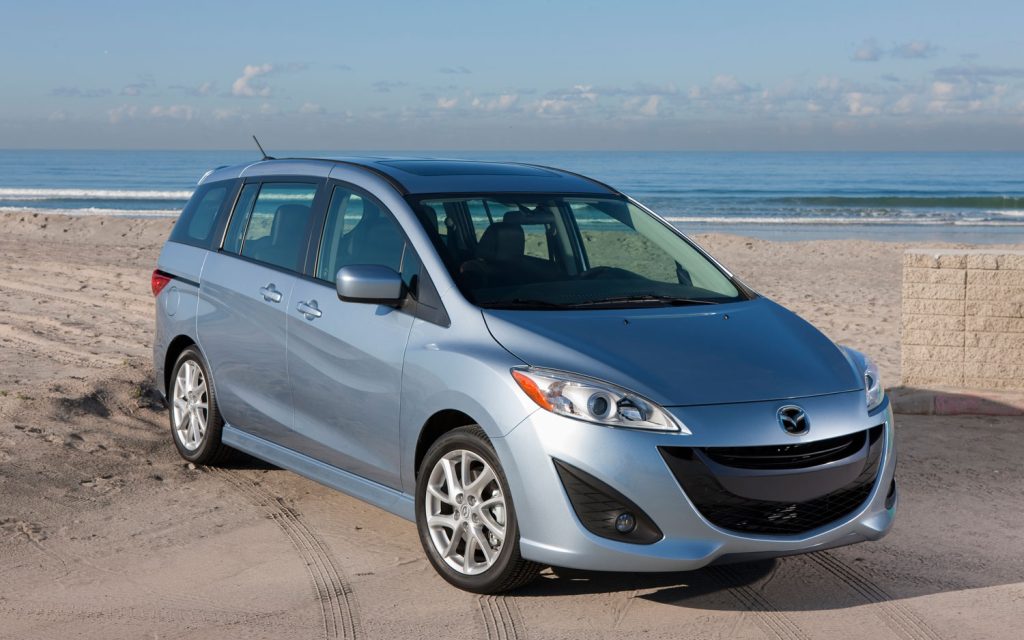
Engine performance, adequate for daily driving, now feels underpowered compared to current engines, and cabin noise is more pronounced. Handling and steering, once responsive for a minivan, feel dated when compared to Mazda’s modern emphasis on driver engagement.
The Mazda5 is included on this list because it highlights how aging design and technology can make even practical vehicles feel behind the times.
While reliable and functional, it no longer delivers the premium sense of quality, comfort, and cohesion that defines Mazda’s current lineup. This vehicle serves as a clear contrast to the brand’s newer, more refined offerings.
3. Mazda3 (2004–2009)
The first-generation Mazda3 was a compact car that offered style, reliability, and enjoyable driving dynamics at launch.
Over time, however, it has begun to feel outdated compared to modern Mazda models. Its interior design, materials, and technology no longer reflect the refinement and sophistication now associated with the brand.
Inside, the cabin is functional but clearly from a previous era. Hard plastics dominate the dashboard and door panels, and trim materials feel basic rather than premium.
The seating surfaces are durable but lack the soft-touch feel and ergonomic design of current Mazda vehicles.
The instrument cluster, though clear, is utilitarian and lacks the modern elegance of newer displays. Infotainment and connectivity are minimal, limited to basic radio and CD functionality, leaving the car behind in terms of technology expectations.
On the exterior, the Mazda3 still retains some charm with its compact proportions and sporty design cues.
However, the styling feels dated, with heavier lines and older bumper and grille designs that do not carry the refined elegance of current Kodo design models. Wheels and lighting elements are also simplistic, reinforcing the older feel.
Driving the first-generation Mazda3 is competent but not refined by modern standards. Steering and suspension, once praised for their responsiveness, feel less composed and more connected to road imperfections. Noise insulation is minimal, and engine refinement is limited, which emphasizes the age of the vehicle.
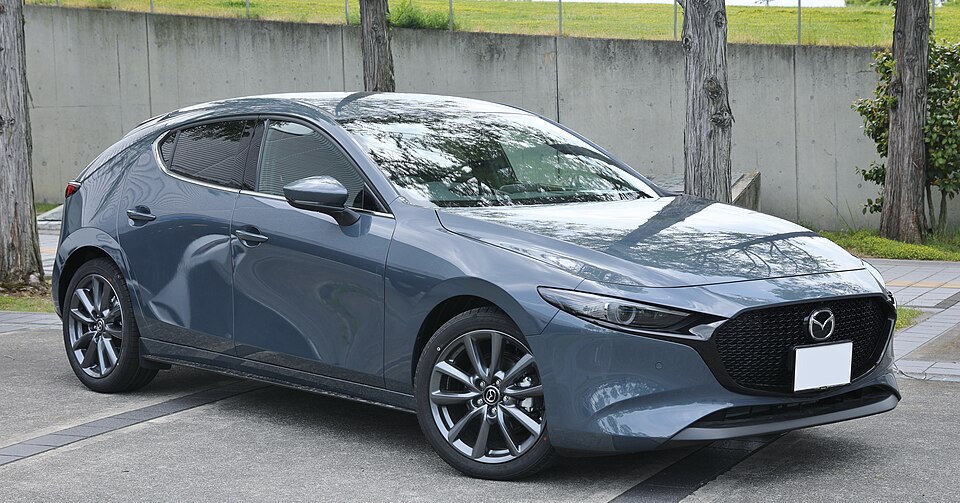
This generation of Mazda3 belongs on this list because, while reliable and engaging in its time, it now highlights how much Mazda has evolved. Compared with today’s models, it feels dated in terms of materials, technology, and driving refinement, serving as a clear contrast to the brand’s current premium approach.
4. Mazda CX-9 (First Generation, 2007–2015)
The first-generation Mazda CX-9 was Mazda’s early attempt at a midsize crossover SUV with three rows of seating. While it offered size, practicality, and adequate performance, it now feels outdated compared to Mazda’s more modern SUV offerings in design, materials, and technology.
Inside, the cabin emphasizes utility over refinement. Hard plastics dominate the dashboard and door panels, while the trim lacks the visual cohesion seen in newer models.
Seats, although spacious, do not provide the level of comfort or support expected in contemporary vehicles.
Infotainment is limited to a basic screen with minimal integration and controls that are less intuitive by today’s standards. The overall feel is functional but lacks the premium sense of craftsmanship found in current Mazdas.
Exterior styling of the first-generation CX-9 also shows its age. While the SUV has presence, proportions are less elegant, and design details appear heavier and less sophisticated than the flowing lines of Mazda’s latest Kodo-designed SUVs. Headlights, taillights, and wheel designs lack modern refinement, contributing to a dated visual impression.
Driving the CX-9 highlights similar issues. The steering is serviceable but lacks precision, while the suspension feels less controlled over rough surfaces.
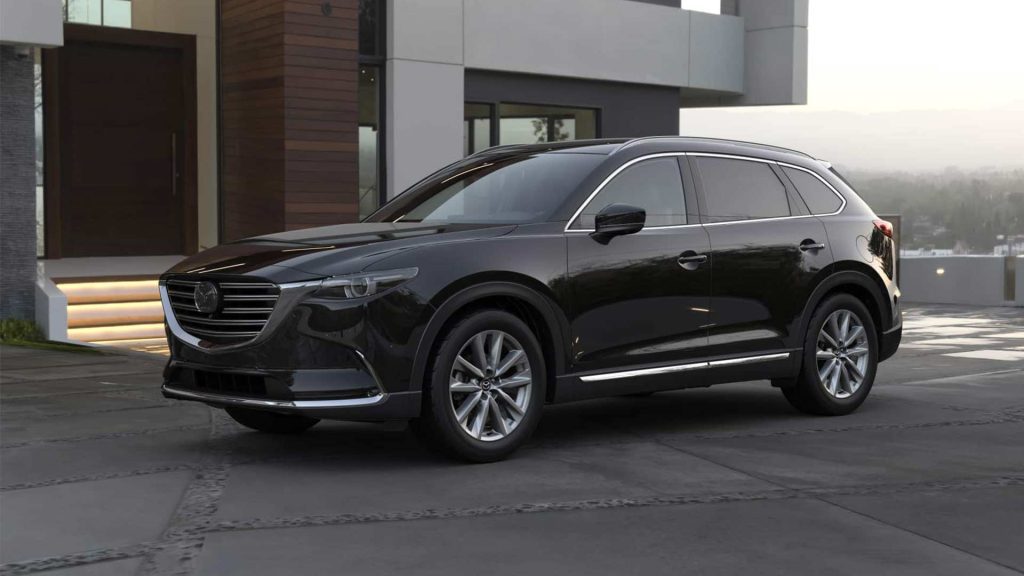
Engine and transmission performance are adequate but do not provide the refinement and responsiveness expected in Mazda’s current models. Cabin noise is more noticeable, emphasizing the lack of modern insulation and damping.
The first-generation CX-9 is included on this list because it demonstrates how quickly expectations for interior quality, technology, and driving refinement evolve.
Although it served its purpose during its production years, it now feels behind the times compared with Mazda’s newer SUVs, underscoring the contrast between past and present design philosophies.
5. Mazda MX-5 NC (2005–2015)
The third-generation Mazda MX-5, also known as the NC, was celebrated for its lightweight design, excellent handling, and driver-focused experience.
However, over time, it has started to feel outdated in certain aspects, particularly when compared to Mazda’s newer models and modern standards in technology and refinement.
Inside, the MX-5 NC is minimalist and driver-oriented, but the materials show their age. Hard plastics dominate the dashboard and center console, and trim details lack the polish of newer Mazda interiors.
Infotainment is basic, often limited to a small screen with minimal connectivity options. Climate controls and switchgear, while functional, feel dated and less tactile than modern designs.
The seats, although supportive, show wear more quickly than current Mazda seating surfaces, which use higher-quality materials.
The exterior design of the NC remains sporty and attractive, but styling cues now feel less cohesive than the flowing lines of Mazda’s current Kodo-inspired vehicles. Proportions are compact and agile, yet lighting elements and wheel designs emphasize the era in which it was created, giving the car an older aesthetic.
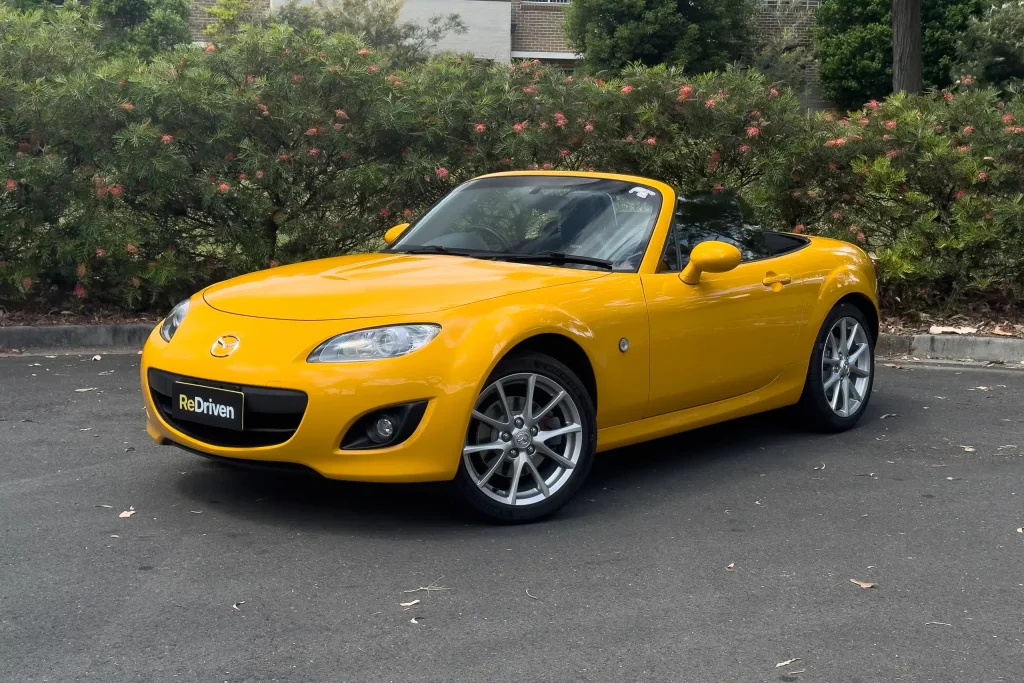
On the road, the MX-5 NC still delivers a fun driving experience, with precise steering and balanced handling. However, compared to modern Mazdas, cabin refinement is lower. Noise levels are higher, and ride quality is less composed over imperfect surfaces.
Engine smoothness and transmission operation, while competent, lack the quiet refinement expected in newer vehicles.
The MX-5 NC belongs on this list because it highlights how even celebrated, fun-to-drive cars can age when materials, technology, and refinement standards evolve.
While it remains a capable and enjoyable sports car, it no longer feels aligned with Mazda’s premium direction, serving as a reminder that even iconic models must evolve to maintain a sense of contemporary sophistication.
Also Read: 5 Cars That Outspeed Luxury Brands vs 5 That Can’t Keep Up
